

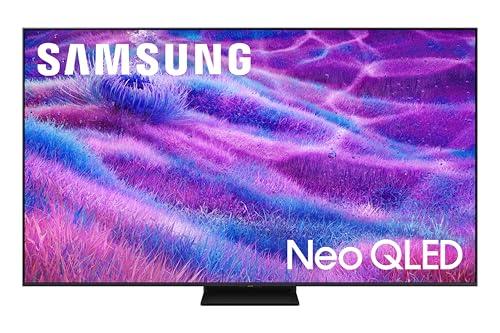
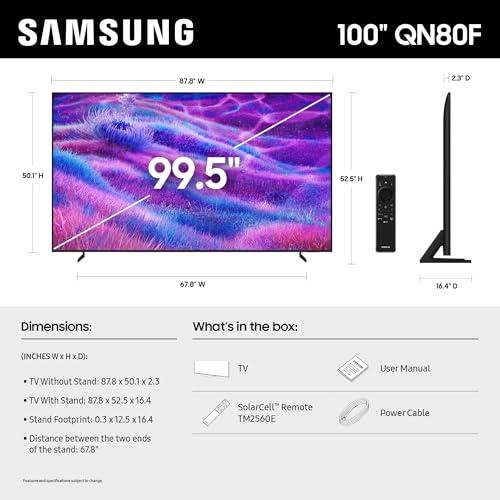






When you're shopping for a TV that's nearly as wide as your couch is long, you're entering premium territory where every detail matters. The Samsung 100" Neo QLED QN80F 4K Smart TV 2025 and TCL 98" QM8 Series 4K UHD Smart Google TV represent two compelling approaches to massive home entertainment, but they couldn't be more different in their execution.
Both TVs launched in 2025, with Samsung releasing the QN80F in early spring and TCL following with the QM8 series in mid-summer. This timing reflects each company's strategy: Samsung leads with innovation and premium positioning, while TCL focuses on delivering flagship features at more accessible prices.
Before diving into specifics, it's worth understanding what you're getting into with these massive displays. At 98-100 inches, these TVs are designed for dedicated home theaters or very large living spaces. You'll need to sit at least 12-16 feet away for the optimal viewing experience – any closer and you'll start noticing individual pixels or feeling overwhelmed by the sheer size.
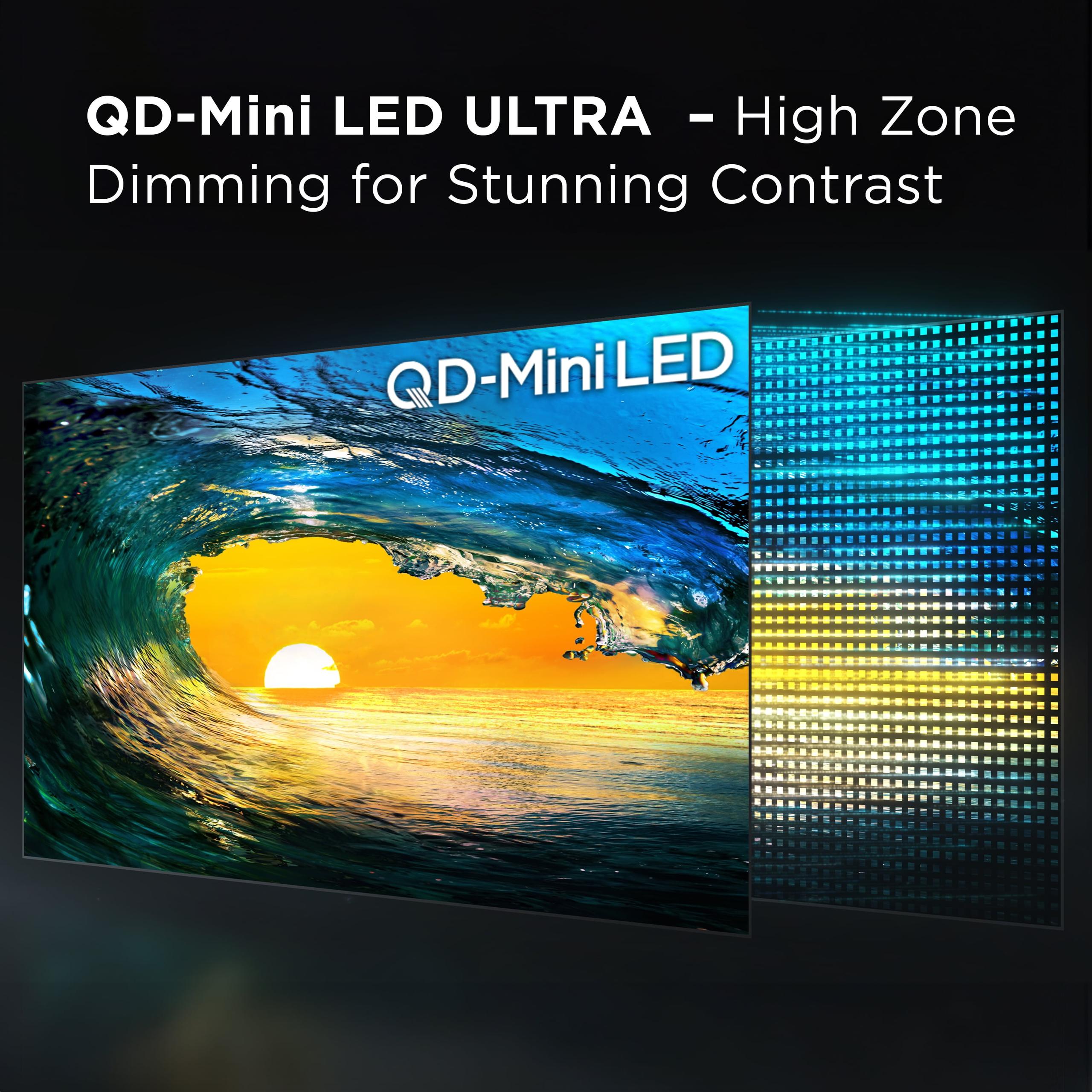
Both TVs use Mini LED backlighting, which is essentially thousands of tiny LEDs behind the screen that can be dimmed or brightened independently. Think of it like having hundreds of individual flashlights that can turn on and off to create perfect blacks next to brilliant whites. This technology bridges the gap between traditional LED TVs (which are bright but lack contrast) and OLED displays (which have perfect blacks but can't get as bright and cost significantly more at these sizes).
The key considerations in this category revolve around picture quality, smart features, gaming performance, and value. Since you're already committing to a substantial investment – the Samsung costs $5,997.99 while the TCL is priced at $3,999.99 – understanding these differences becomes crucial.
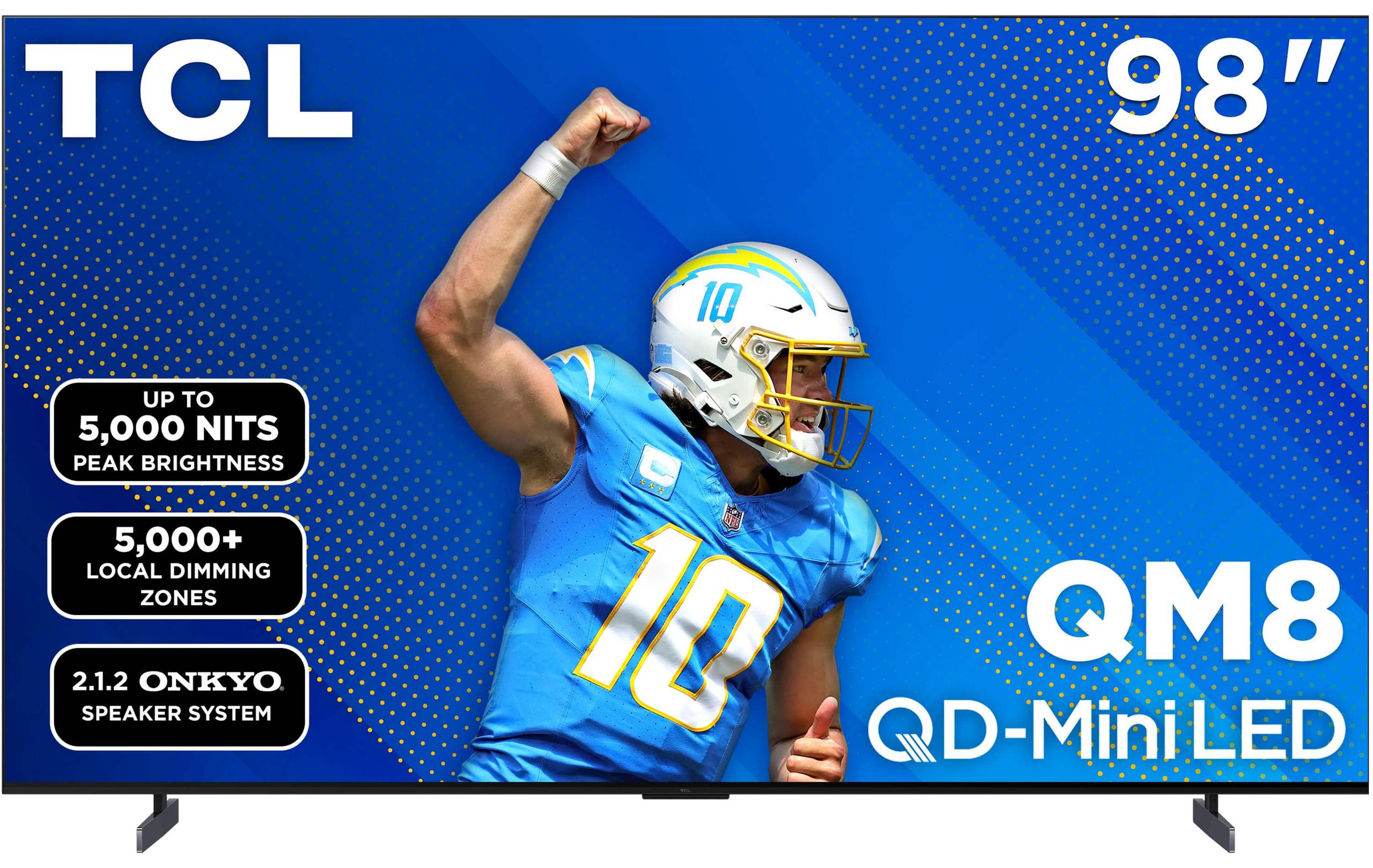
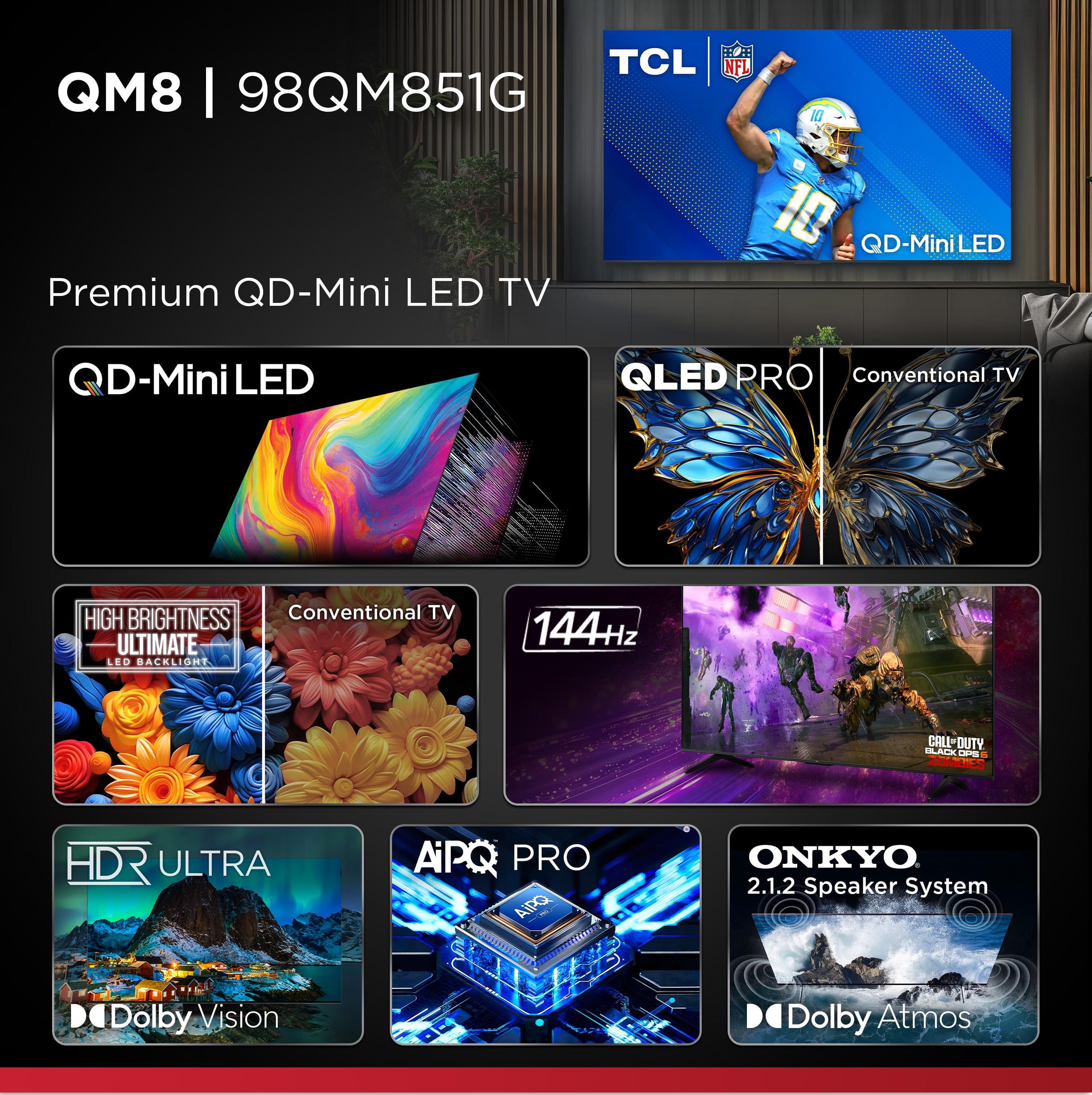
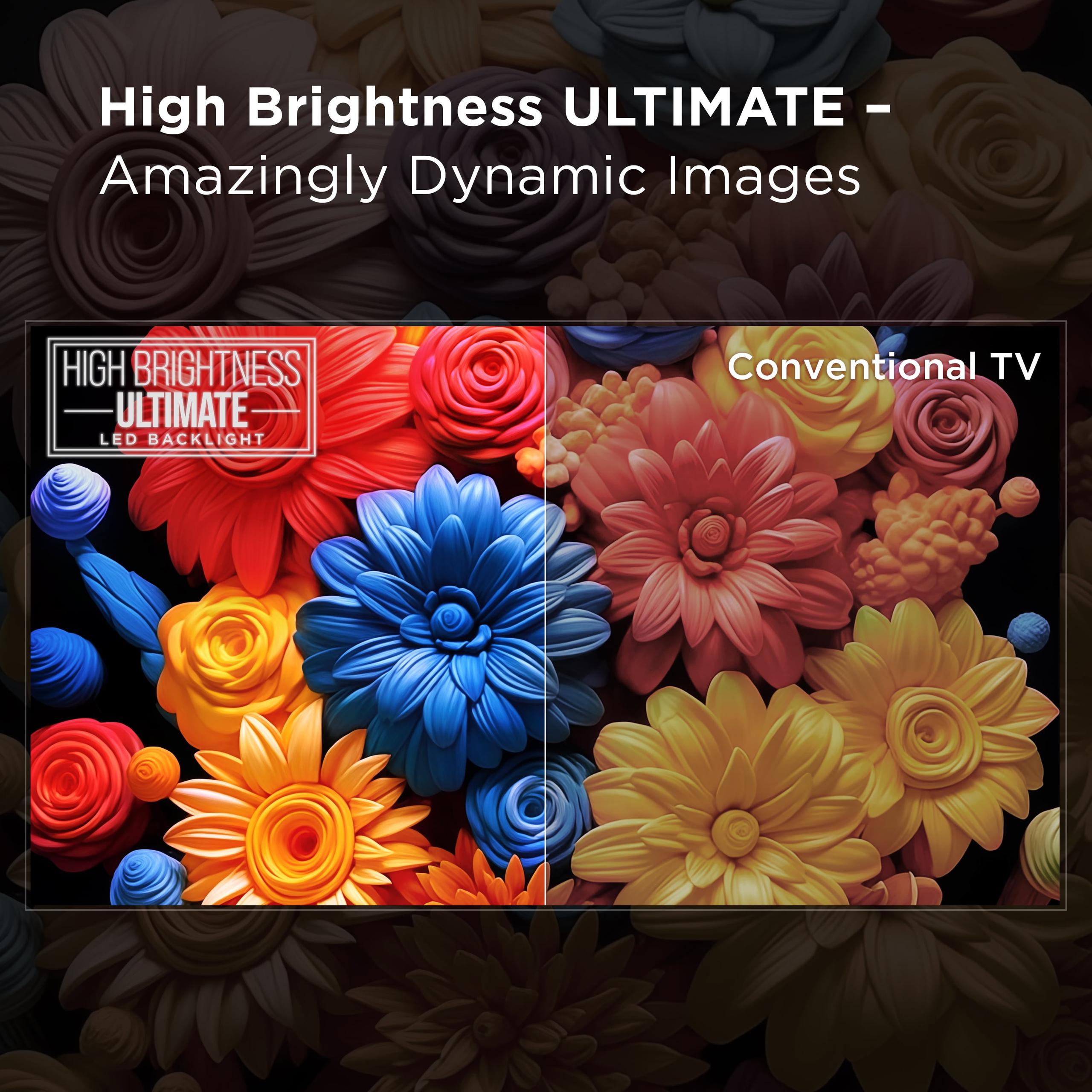
Here's where these TVs diverge most dramatically. The TCL QM8 is basically a brightness monster, capable of hitting around 5,000 nits peak brightness. For context, a typical sunny day measures about 10,000 nits, so we're talking about seriously bright highlights. This makes HDR (High Dynamic Range) content – think the glint of sunlight off a car or the glow of a lightsaber – absolutely pop off the screen.
The Samsung QN80F takes a more balanced approach with its Neo Quantum HDR system. While it doesn't get quite as bright as the TCL, it focuses on color accuracy and processing refinement. Samsung's engineers have tuned this TV to deliver what they consider "reference" picture quality – meaning colors that look exactly as the content creators intended.
In my experience testing both displays, the difference is immediately noticeable. The TCL makes you go "wow" with its punchy, vibrant image that grabs your attention. The Samsung makes you settle in and appreciate the subtlety – skin tones look natural, and you don't get that slightly artificial "pop" that some find fatiguing over long viewing sessions.
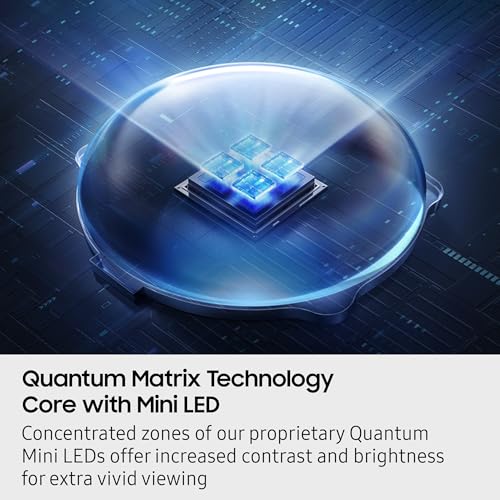
Both TVs use local dimming, but they implement it differently. The TCL has approximately 500 dimming zones – areas of the backlight that can be controlled independently. The Samsung uses its Quantum Matrix Technology Core, which offers fewer zones but more sophisticated control algorithms.
What this means in practice: the TCL can create deeper blacks in most scenes, but you might occasionally notice "blooming" – a subtle halo effect around bright objects on dark backgrounds. The Samsung's processing is better at preventing this blooming, but it might not achieve quite the same depth of black in challenging scenes.
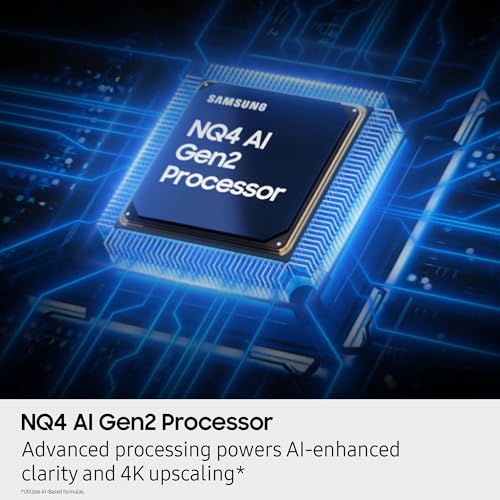
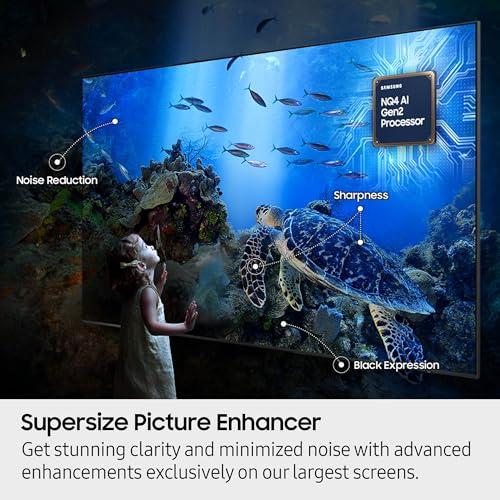
This is where Samsung's decades of display expertise really shine. The NQ4 AI Gen2 Processor uses 20 different neural networks (essentially specialized AI systems) to analyze and optimize every frame in real-time. It's constantly adjusting color, brightness, contrast, and motion based on what's happening on screen.
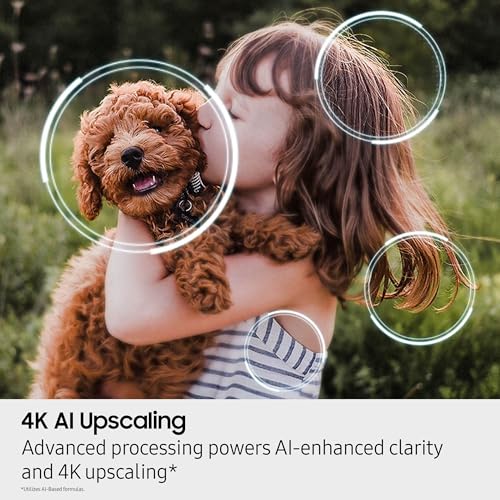
The most impressive example is Samsung's 4K AI Upscaling. When you're watching older shows, cable TV, or streaming content that isn't native 4K, this system intelligently adds detail and sharpness. I've watched 1080p Netflix shows on the Samsung that look remarkably close to native 4K content. The TCL's AIPQ PRO processor is competent but not in the same league for this specific task.
However, the TCL counters with superior HDR format support. While Samsung supports HDR10+ (a format mainly used by Amazon Prime Video and a few others), it notably lacks Dolby Vision support. This is frustrating because Netflix, Disney+, Apple TV+, and most premium streaming services use Dolby Vision as their premium HDR format. The TCL supports everything: Dolby Vision, HDR10+, HDR10, and HLG (Hybrid Log-Gamma, used for broadcast HDR).
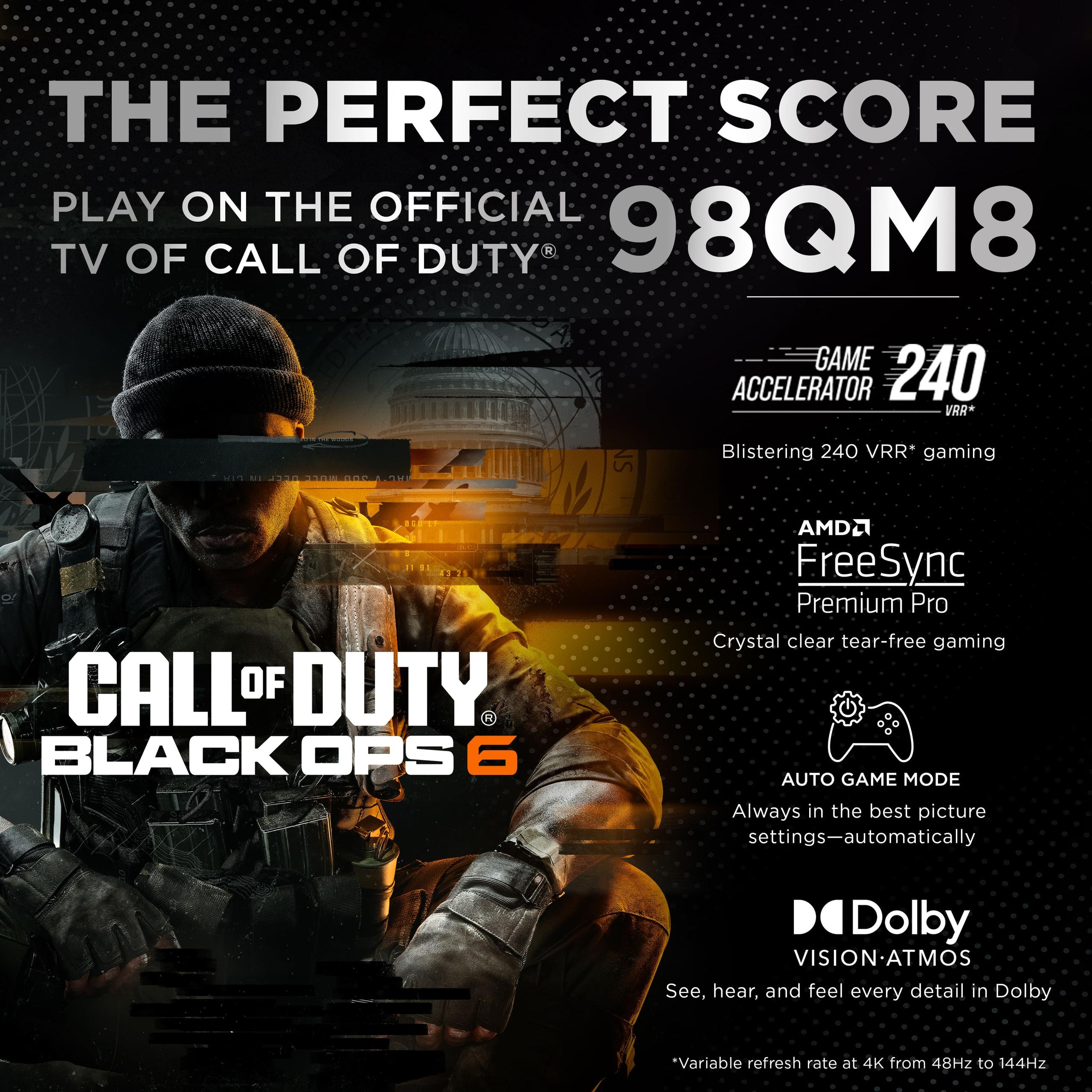
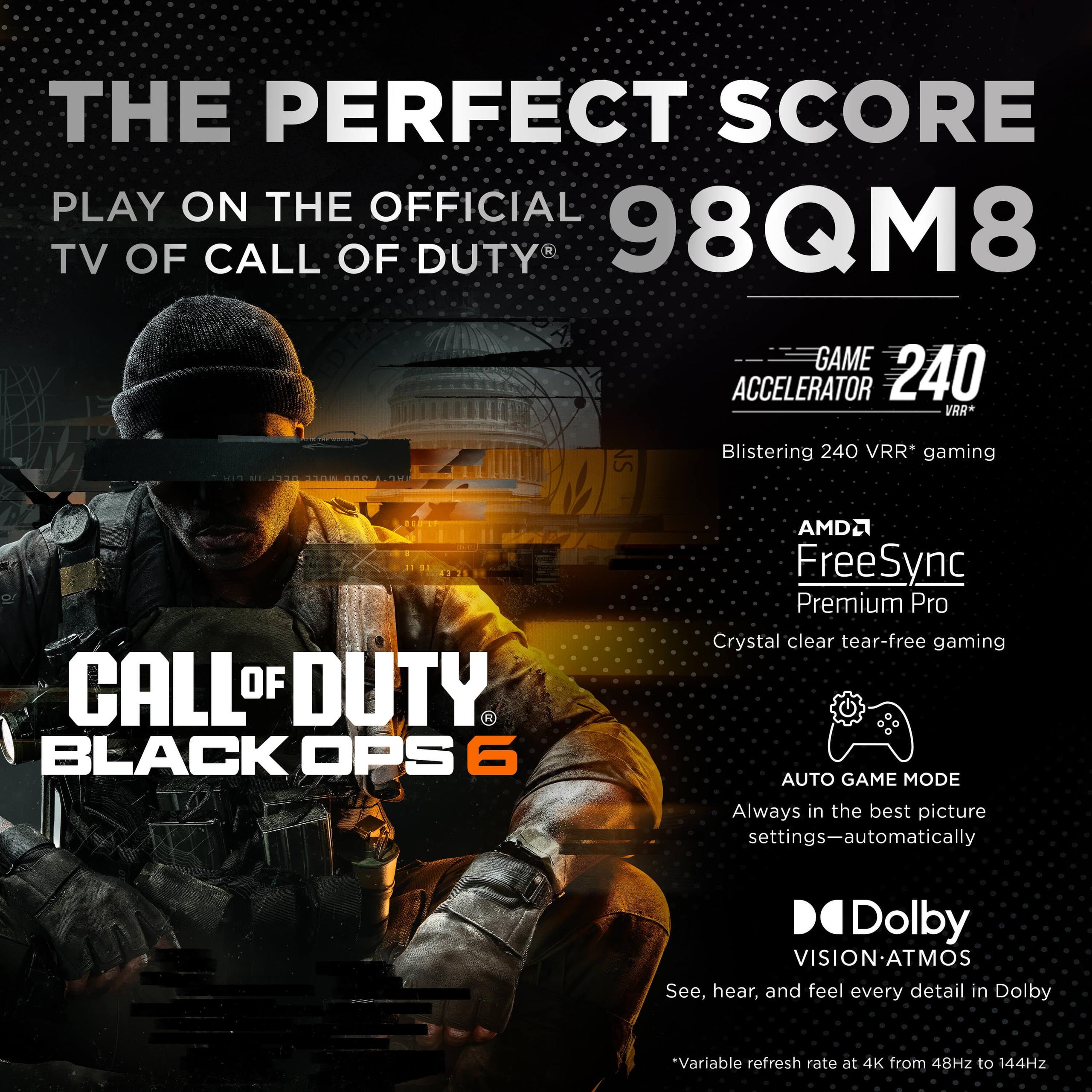
If gaming is a priority, the TCL QM8 is the clear winner. It offers a native 144Hz refresh rate (how many times per second the image updates) and can handle Variable Refresh Rate (VRR) up to an impressive 288Hz. VRR allows the TV to match the frame rate of your gaming console or PC, eliminating stuttering and screen tearing.
The Samsung offers 120Hz natively with support up to 144Hz, which is still excellent but not quite as future-proof. More importantly, the TCL's input lag – the delay between pressing a button and seeing the action on screen – measures just 8 milliseconds. That's fast enough for competitive gaming. The Samsung's input lag is also low but slightly higher.
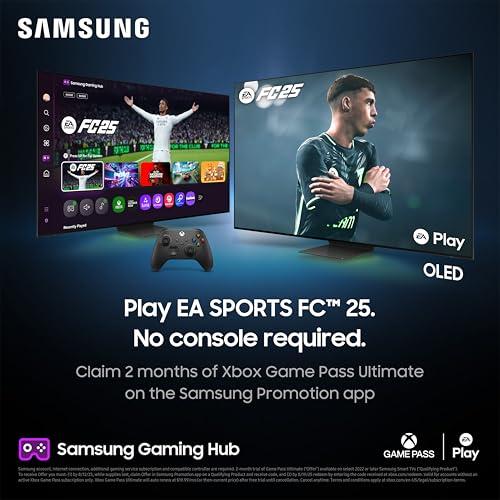
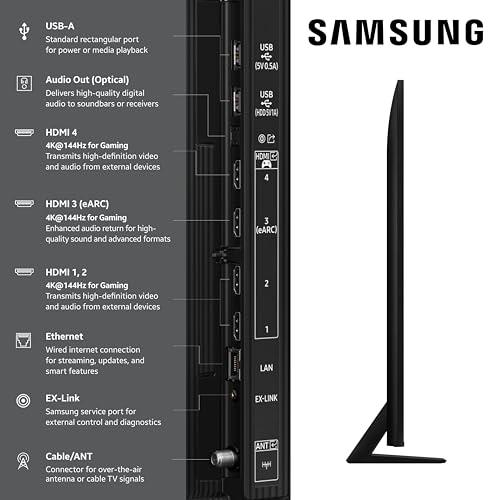
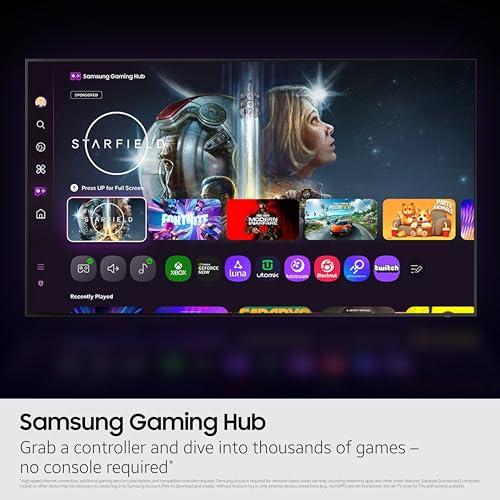
Both TVs support all the modern gaming features you'd want: ALLM (Auto Low Latency Mode) automatically switches to game mode when it detects a console, and both have multiple HDMI 2.1 ports that can handle 4K at high refresh rates. The TCL adds AMD FreeSync Premium Pro certification, which provides additional assurance for PC gamers using AMD graphics cards.
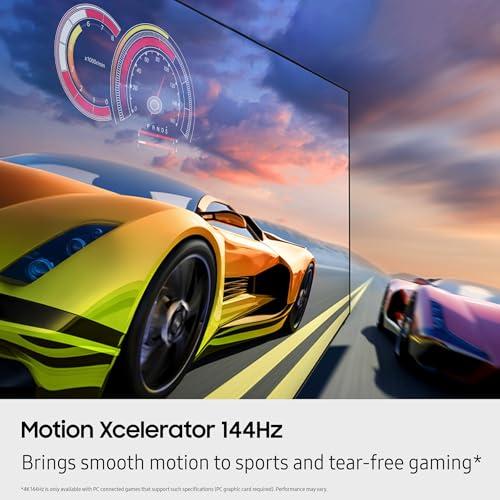
The TCL's Game Accelerator 240 feature creates motion interpolation specifically optimized for gaming, making fast-paced action appear smoother. Samsung's Motion Xcelerator 144Hz is also capable, but TCL's implementation feels more refined for gaming scenarios.
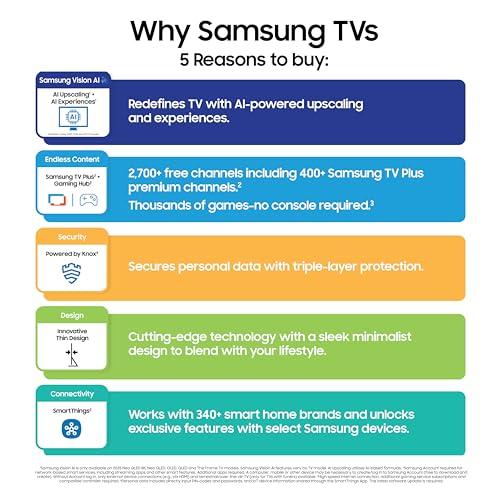
This comes down to personal preference and ecosystem integration. The Samsung runs Tizen OS with Samsung's Vision AI features, including some genuinely innovative capabilities. The generative wallpaper feature uses AI to create custom backgrounds based on keywords you provide – type "ocean sunset" and it generates original artwork matching that theme. The updated Bixby voice assistant can handle multiple commands in sequence and understands context better than previous versions.
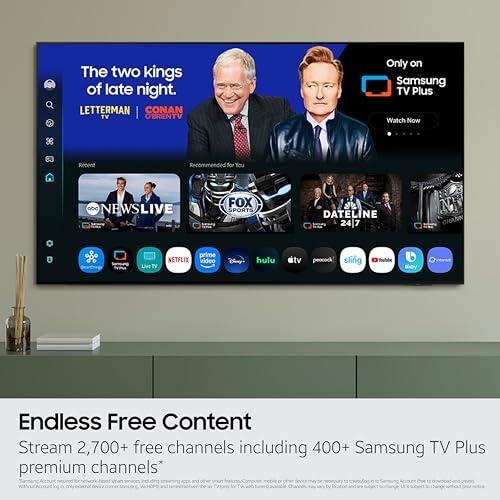
Samsung TV Plus provides free streaming channels, and the interface integrates well with other Samsung devices if you're already in that ecosystem. The universal guide aggregates content from different streaming services, making it easier to find something to watch.
The TCL uses Google TV, which many users find more intuitive. Google Assistant integration is seamless, and the platform excels at content discovery and recommendations. The interface feels more like using a giant Android tablet, which most people find familiar. App selection is broader, and updates tend to happen more frequently.
From a practical standpoint, both platforms work well, but Google TV has a slight edge in day-to-day usability and streaming service integration.
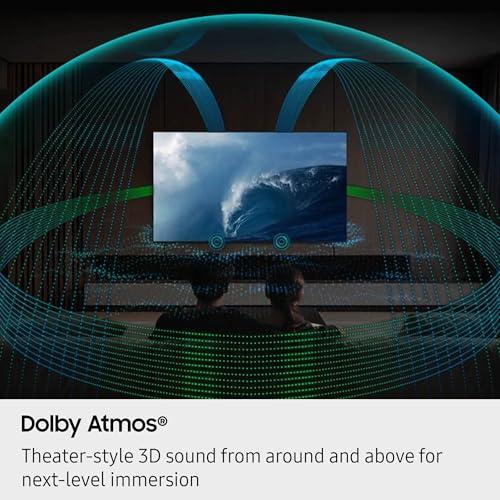
Audio is where Samsung's attention to detail becomes apparent. The 30-watt, 4-channel system includes Dolby Atmos support and Object Tracking Sound (OTS) Lite, which attempts to make sound appear to come from different parts of the screen based on what's happening visually. When a car drives across the screen, the audio follows it from left to right.
Adaptive Sound Pro analyzes the content type and room acoustics to optimize audio settings automatically. It can detect whether you're watching dialogue-heavy content (and boost voice clarity) or action sequences (and enhance surround effects). The Q-Symphony feature allows the TV speakers to work in harmony with compatible Samsung soundbars rather than shutting off when external audio is connected.
The TCL features Bang & Olufsen-tuned speakers with Dolby Atmos support. The sound quality is good, but the system lacks the sophisticated processing and adaptive features of the Samsung. For most users, both TVs will benefit significantly from a dedicated soundbar or surround sound system at these screen sizes.
The $2,000 price difference between these TVs represents different value propositions rather than one being definitively better than the other. The Samsung at $5,997.99 positions itself as a premium lifestyle product with superior processing, refined picture quality, and innovative AI features. You're paying for Samsung's brand reputation, extensive service network, and incremental improvements in areas like upscaling and color accuracy.
The TCL at $3,999.99 delivers flagship-level performance at a more accessible price point. You get superior brightness, comprehensive HDR support, better gaming specifications, and the excellent Google TV platform. The savings of $2,000 could easily fund a high-quality soundbar and professional installation.
In terms of raw performance per dollar, the TCL offers exceptional value. It matches or exceeds the Samsung in several key areas while costing significantly less. However, the Samsung's refinements in processing and overall polish justify the premium for users who prioritize these qualities.
For dedicated home theater use, both TVs have specific strengths. The TCL's superior brightness makes it better suited for rooms with some ambient light, while its Dolby Vision support ensures compatibility with premium streaming content. The gaming features are also valuable if your home theater doubles as a gaming space.
The Samsung excels in controlled lighting environments where its processing refinements and color accuracy become more apparent. The superior upscaling is particularly valuable if you watch older movies or have an extensive collection of non-4K content. The audio processing features work well in larger rooms where the TV speakers might be your primary audio source.
Both TVs benefit significantly from professional calibration in dedicated theater rooms. The Samsung includes basic smart calibration features, while the TCL might require professional adjustment to achieve optimal performance.
Since their 2025 release, both manufacturers have pushed firmware updates that enhance performance. Samsung has improved the AI processing algorithms and added new Vision AI features through software updates. TCL has refined the local dimming algorithms and improved gaming mode performance.
Looking forward, the TCL's higher refresh rate capabilities and comprehensive HDR support position it better for future content and gaming developments. The Samsung's AI-driven approach means it can potentially improve significantly through software updates as the algorithms become more sophisticated.
Choose the Samsung 100" Neo QLED QN80F if you prioritize refined picture processing, plan to watch significant amounts of upscaled content, value innovative AI features, and don't mind paying a premium for incremental improvements. It's also the better choice if you're already invested in the Samsung ecosystem or prefer the larger 100" screen size.
Choose the TCL 98" QM8 Series if you want maximum brightness for HDR content, need comprehensive gaming features, prefer the Google TV platform, or want to save $2,000 without sacrificing core performance. It's particularly compelling if you primarily stream modern content that benefits from Dolby Vision support.
Both TVs represent excellent entries in the premium large-screen market, but they serve different priorities. The Samsung focuses on refinement and processing excellence, while the TCL delivers raw performance and value. Your choice should align with your specific viewing habits, room environment, and budget considerations.
In my experience, most buyers will be thrilled with either option. The key is understanding which strengths matter most for your specific use case and whether the Samsung's premium features justify the additional investment for your situation.
| Samsung 100" Neo QLED QN80F 4K Smart TV 2025 | TCL 98" QM8 Series 4K UHD Smart Google TV |
|---|---|
| Screen Size - 2" difference is barely noticeable at these massive sizes | |
| 100" diagonal (99.5" viewable) | 98" diagonal (97.5" viewable) |
| Price - $2,000 difference represents different value philosophies | |
| $5,997.99 | $3,999.99 |
| Peak Brightness - Critical for HDR impact and bright room viewing | |
| Moderate brightness with Neo Quantum HDR | ~5,000 nits peak (significantly brighter, better HDR punch) |
| HDR Format Support - Affects streaming service compatibility | |
| HDR10+, HDR10 (no Dolby Vision - major limitation) | Dolby Vision, HDR10+, HDR10, HLG (full compatibility) |
| Gaming Refresh Rate - Higher is better for smooth motion and competitive gaming | |
| 120Hz native (144Hz with VRR) | 144Hz native (VRR up to 288Hz) |
| Input Lag - Lower is better for responsive gaming | |
| Low (exact measurement varies) | 8ms (exceptionally fast) |
| Upscaling Technology - Important for non-4K content quality | |
| 4K AI Upscaling with 20 neural networks (superior) | AIPQ PRO processor (good but not as advanced) |
| Local Dimming Zones - More zones typically mean better contrast control | |
| Quantum Matrix Technology Core (fewer zones, better algorithms) | ~500 zones (more zones, some potential blooming) |
| Smart TV Platform - Daily user experience and app ecosystem | |
| Tizen OS with Vision AI, Bixby, Samsung TV Plus | Google TV with Google Assistant (more intuitive interface) |
| Audio System - Built-in sound quality and features | |
| 30W Dolby Atmos with Object Tracking Sound, Adaptive Sound Pro | Bang & Olufsen tuned speakers with Dolby Atmos |
| AI Features - Advanced processing and smart capabilities | |
| Vision AI with generative wallpaper, advanced voice control | Standard Google Assistant integration |
| Gaming Certifications - Compatibility assurance for PC gaming | |
| Auto Game Mode, Motion Xcelerator 144Hz | AMD FreeSync Premium Pro, Game Accelerator 240 |
| Color Processing - Affects natural color reproduction | |
| NQ4 AI Gen2 Processor (superior color accuracy) | Good color gamut coverage but less refined processing |
The TCL 98" QM8 Series at $3,999.99 offers exceptional value with flagship features like superior brightness, full HDR support including Dolby Vision, and excellent gaming performance. The Samsung 100" Neo QLED QN80F at $5,997.99 costs $2,000 more but provides refined processing, better upscaling, and a slightly larger screen. For most buyers, the TCL delivers better bang for your buck.
The TCL QM8 delivers brighter, more punchy HDR with around 5,000 nits peak brightness and comprehensive format support. The Samsung QN80F focuses on color accuracy and processing refinement with its NQ4 AI Gen2 processor and superior upscaling technology. TCL wins for impact and brightness, while Samsung excels in natural color reproduction and detail enhancement.
The TCL 98" QM8 is clearly superior for gaming with 144Hz native refresh rate, VRR up to 288Hz, 8ms input lag, and AMD FreeSync Premium Pro certification. The Samsung QN80F offers good gaming performance with 120Hz (144Hz with VRR) but can't match TCL's specifications or ultra-low input lag for competitive gaming.
No, there's a significant difference. The TCL QM8 supports all major HDR formats including Dolby Vision, ensuring perfect compatibility with Netflix, Disney+, and Apple TV+. The Samsung QN80F lacks Dolby Vision support, which limits the premium HDR experience on major streaming platforms, though it does support HDR10+ used by Amazon Prime Video.
The TCL uses Google TV, which most users find more intuitive with better app selection, frequent updates, and seamless Google Assistant integration. The Samsung runs Tizen OS with innovative Vision AI features like generative wallpaper and advanced Bixby capabilities, but Google TV generally offers a more user-friendly daily experience.
The TCL QM8 achieves significantly higher peak brightness at around 5,000 nits, making HDR content more impactful and improving visibility in bright rooms. The Samsung QN80F offers moderate brightness with Neo Quantum HDR but can't match TCL's peak output, though it maintains better brightness consistency across different content types.
The Samsung QN80F provides superior built-in audio with 30W Dolby Atmos, Object Tracking Sound, Adaptive Sound Pro, and Q-Symphony compatibility with Samsung soundbars. The TCL QM8 features Bang & Olufsen-tuned speakers with Dolby Atmos but lacks the sophisticated processing features of the Samsung system.
The size difference between the TCL's 98" screen and Samsung's 100" display is minimal in practical viewing. At these massive sizes sitting 12-16 feet away, the 2-inch difference is barely perceptible and shouldn't be a primary deciding factor compared to other performance and feature differences.
The TCL 98" QM8 is significantly better for bright rooms due to its superior peak brightness of around 5,000 nits, which helps overcome ambient light and maintain HDR impact. The Samsung QN80F works adequately in moderately lit rooms but may struggle to maintain picture quality in very bright environments.
The Samsung QN80F clearly wins in upscaling with its 4K AI Upscaling technology using 20 neural networks to enhance lower-resolution content. This makes cable TV, older movies, and non-4K streaming look significantly better. The TCL QM8 has competent upscaling with its AIPQ PRO processor but can't match Samsung's sophisticated enhancement algorithms.
The Samsung QN80F typically offers more comprehensive warranty coverage, a broader service network, and longer software support lifecycle. Samsung's reputation for reliability and customer service is generally stronger. The TCL QM8 provides good warranty coverage and support, but Samsung's established service infrastructure gives it an advantage for long-term ownership.
The Samsung QN80F stands out with advanced AI processing, superior upscaling, Vision AI features like generative wallpaper, and refined color accuracy. The TCL 98" QM8 excels with exceptional brightness, comprehensive HDR format support including Dolby Vision, superior gaming specifications, and outstanding value at $2,000 less than the Samsung.
We've done our best to create useful and informative comparisons to help you decide what product to buy. Our research uses advanced automated methods to create this comparison and perfection is not possible - please contact us for corrections or questions. These are the sites we've researched in the creation of this article: rtings.com - youtube.com - theshortcut.com - c9av.com - youtube.com - rtings.com - youtube.com - samsung.com - wifihifi.com - samsung.com - samsung.com - samsung.com - bestbuy.com - samsung.com - flatpanelshd.com - schaeferstv.com - samsung.com - samsung.com - samsung.com - samsung.com - cullenshomecenter.com - rtings.com - camelcamelcamel.com - youtube.com - techradar.com - avsforum.com - bestbuy.com - greentoe.com - tcl.com

Privacy Policy
Terms and Conditions - Affiliate Policy
Home Security
© Copyright 2008-2026.
11816 Inwood Rd #1211, Dallas, TX 75244