

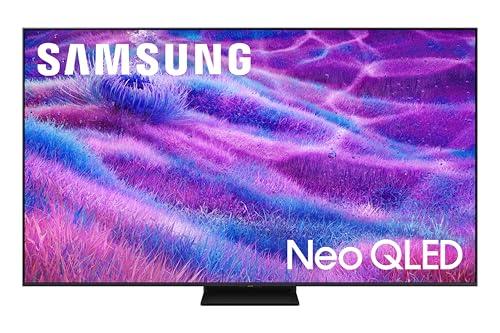
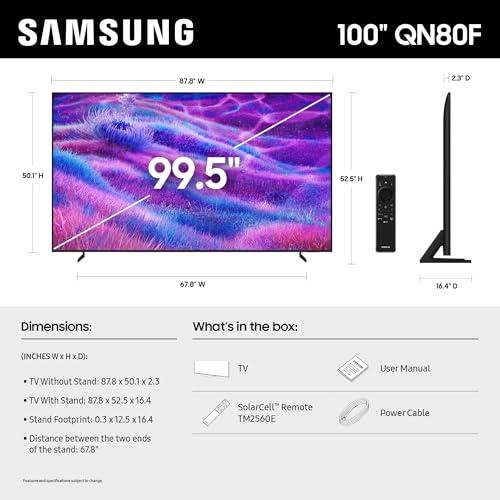


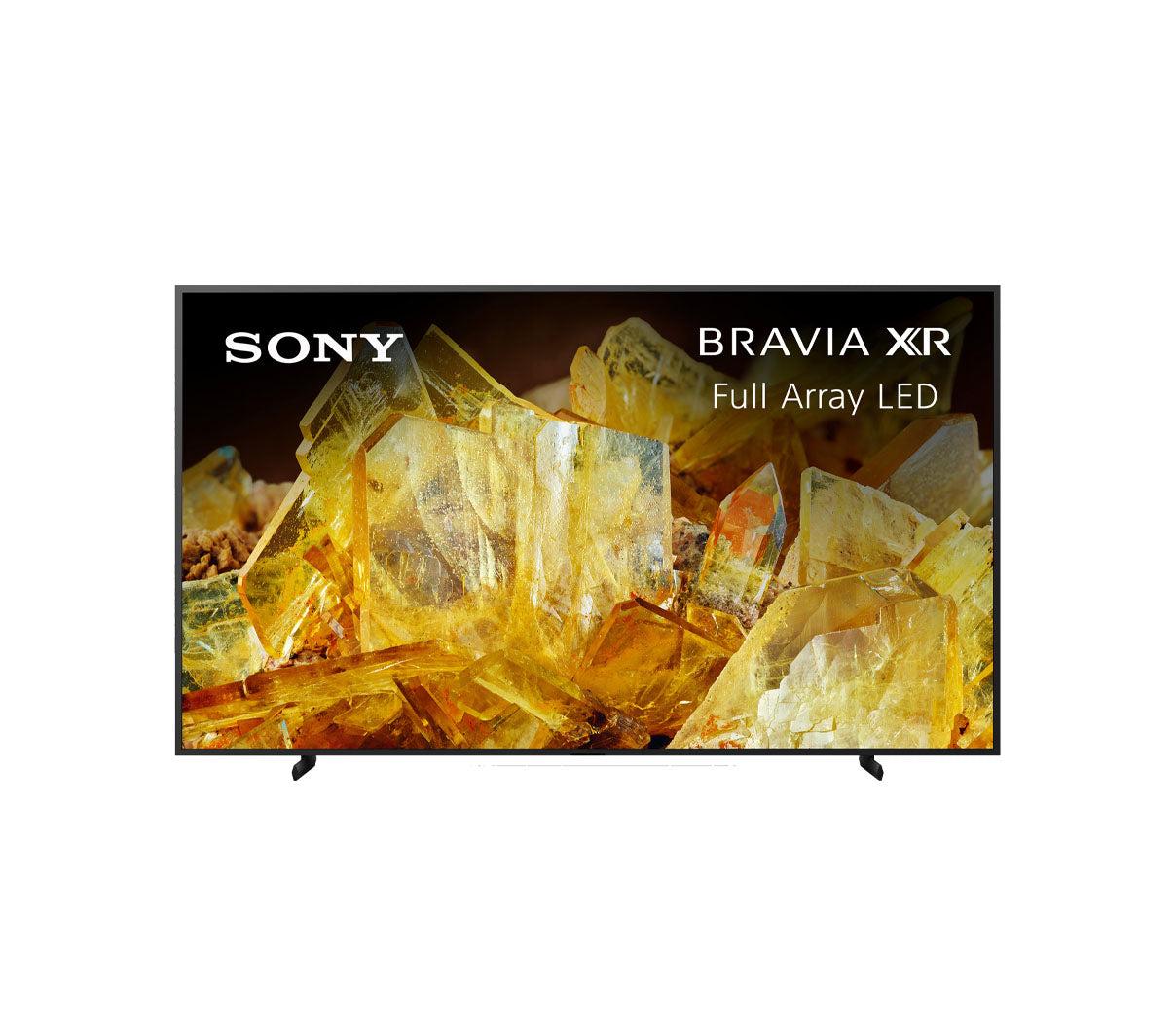
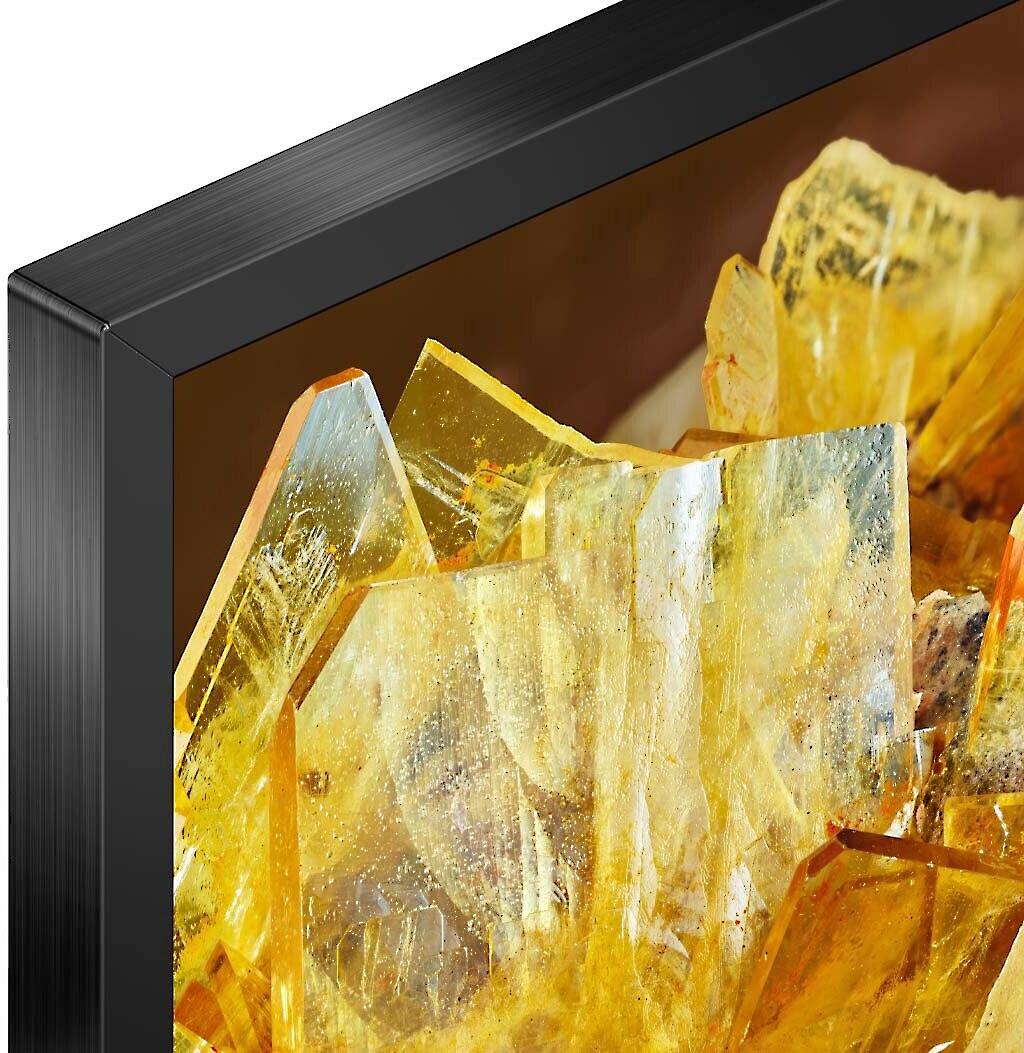
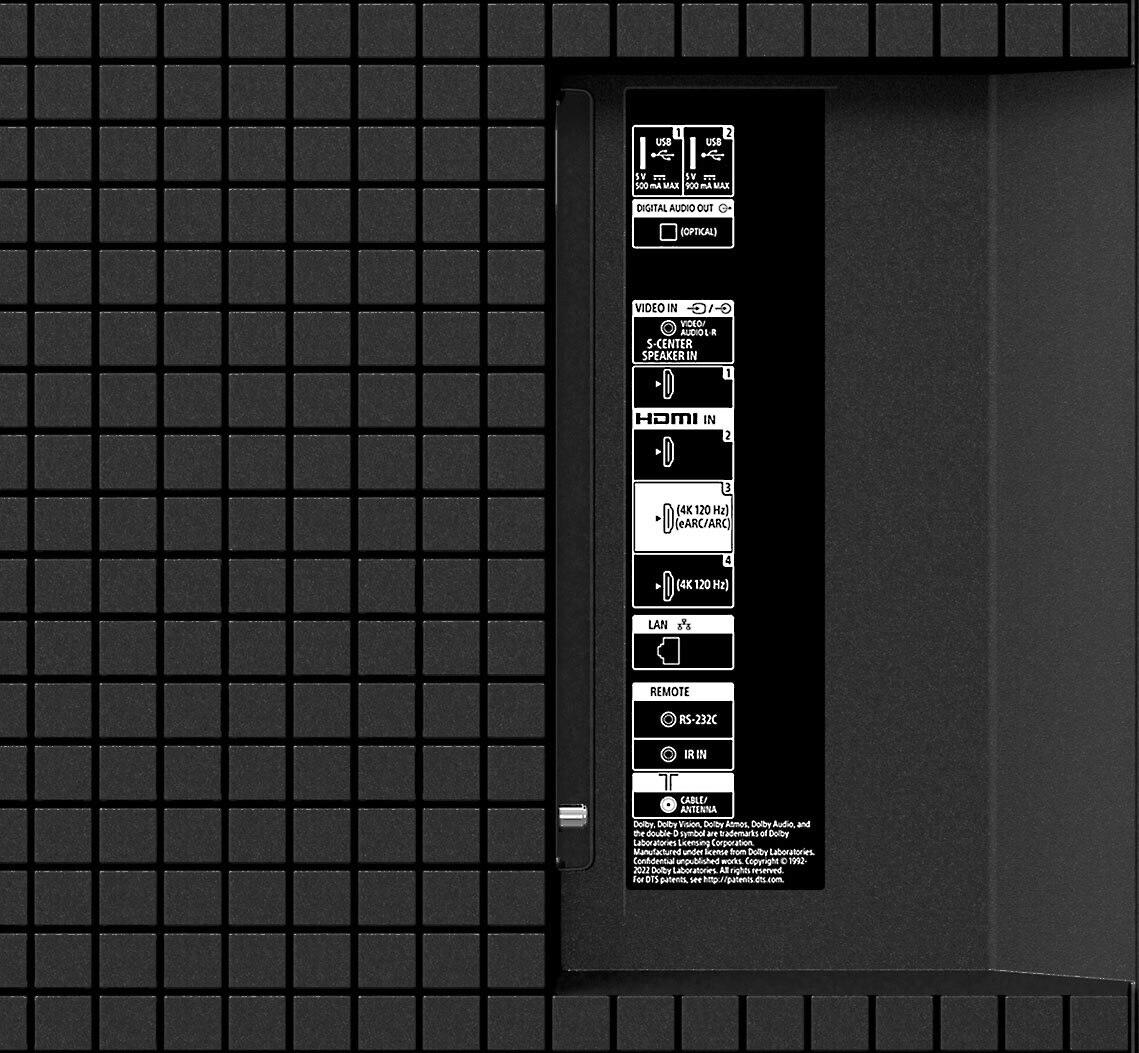
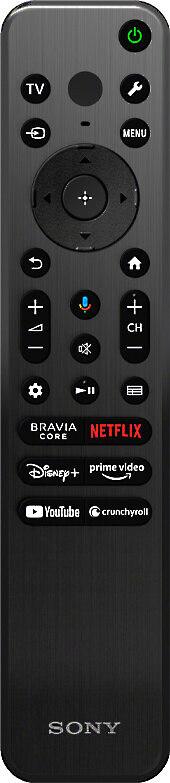
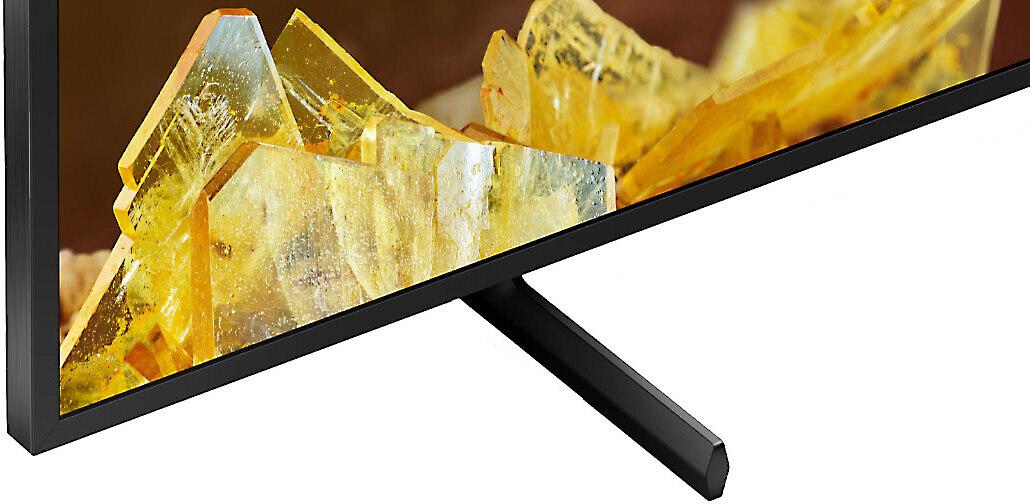
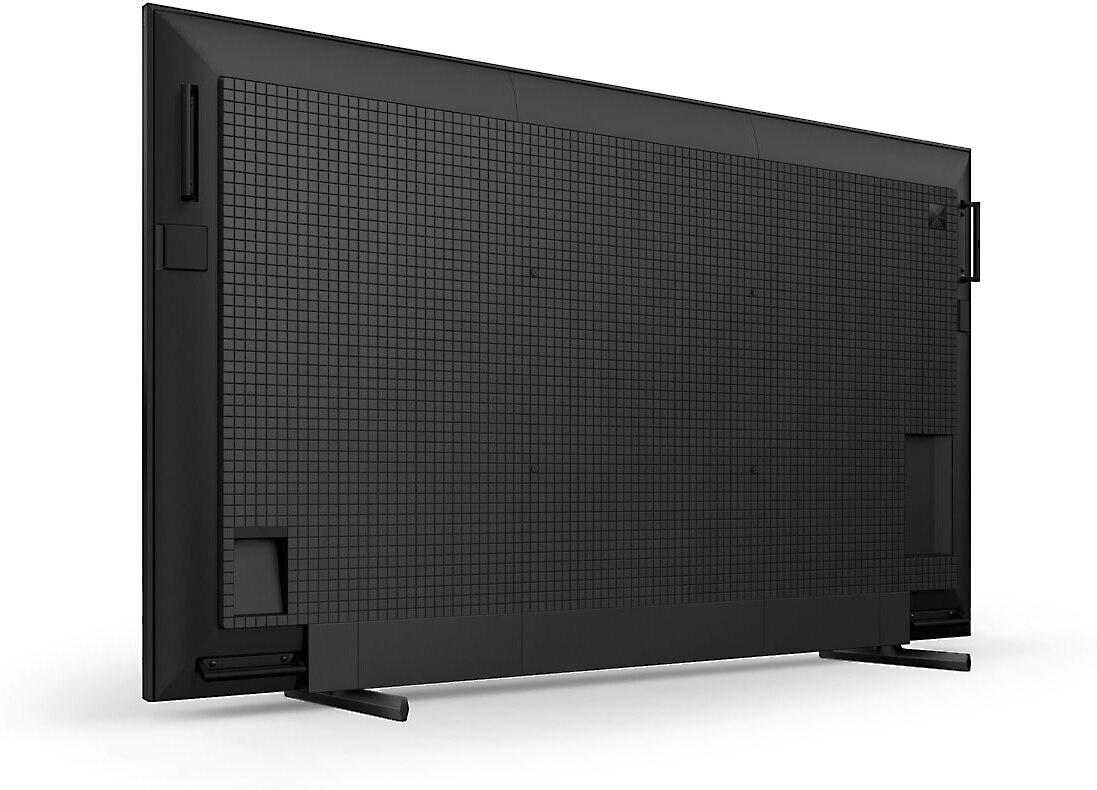
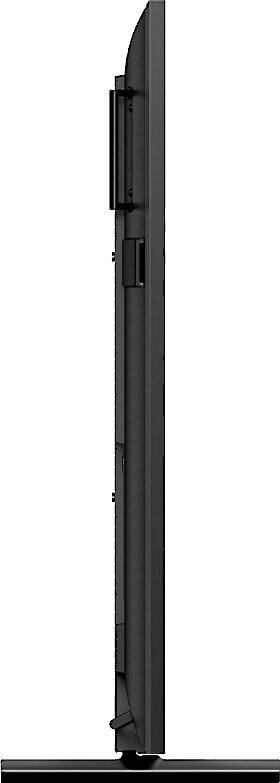
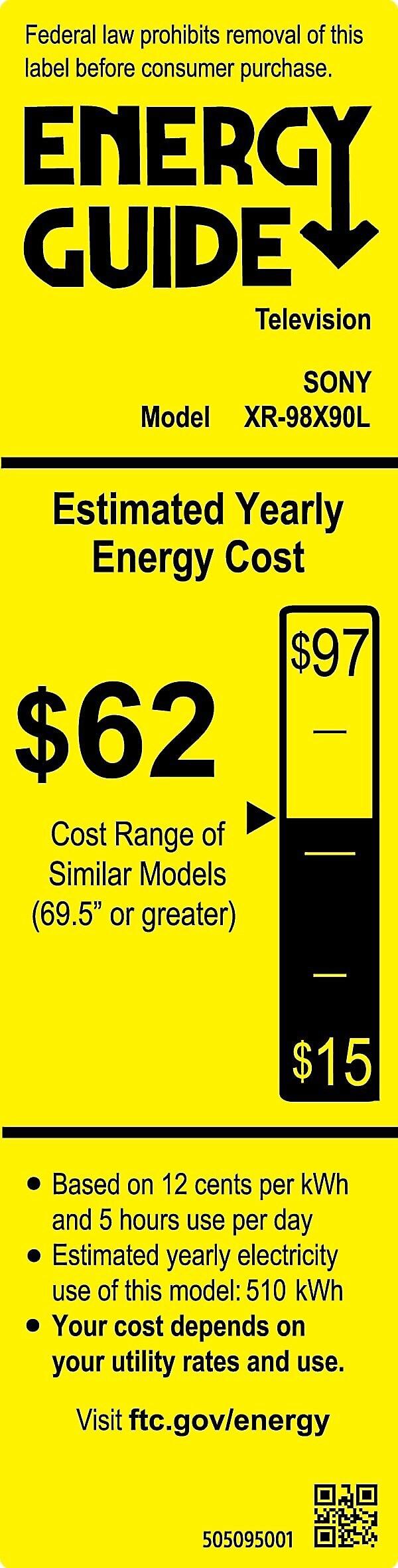
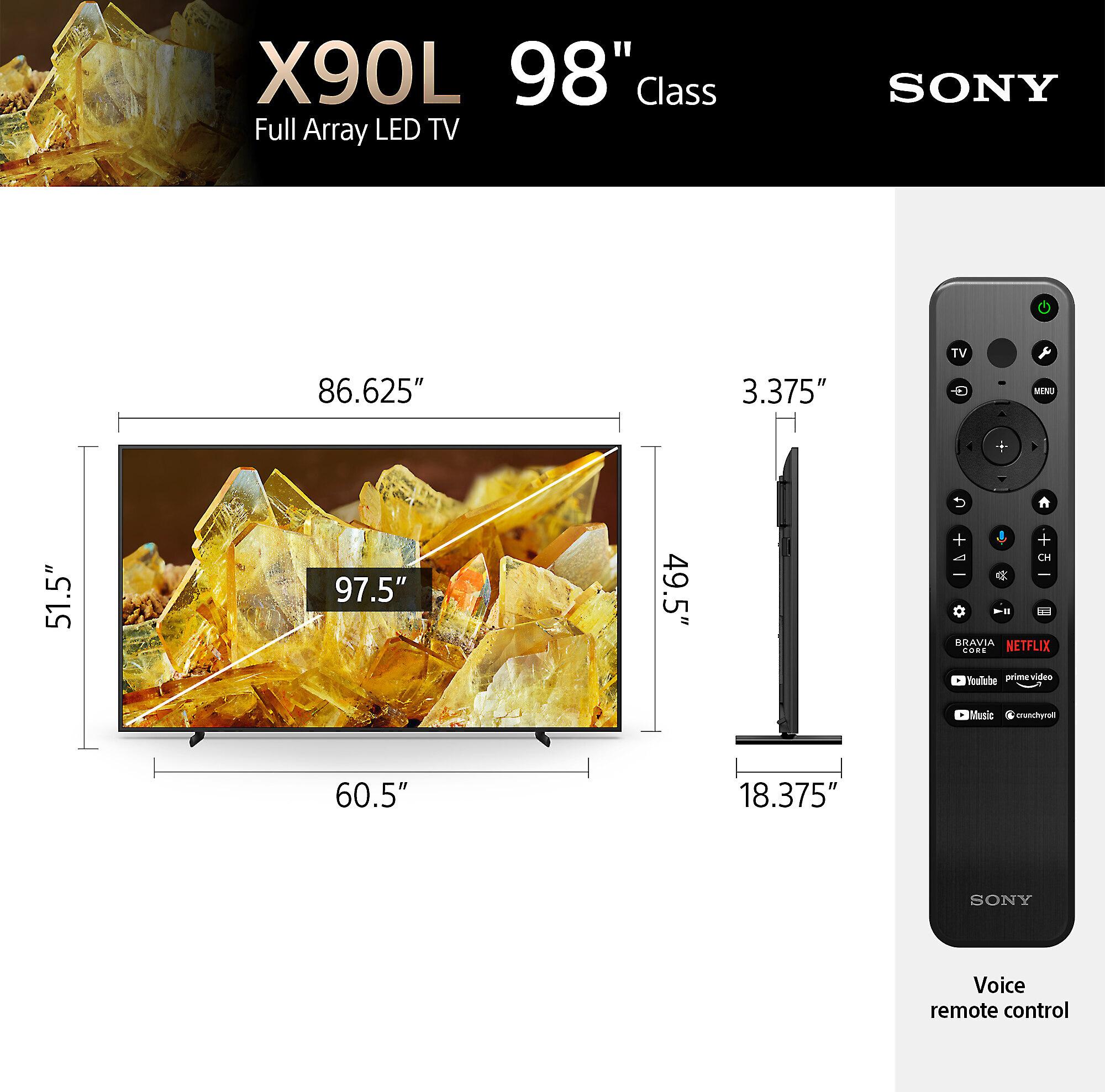
Shopping for a TV that's nearly as wide as your living room wall? You're looking at two excellent options that take very different approaches to delivering that cinematic experience at home. The Samsung 100" Neo QLED QN80F 4K Smart TV 2025 represents the cutting edge of TV technology, while the Sony BRAVIA XR X90L 98" 4K UHD LED Google TV offers proven performance at a more accessible price point.
When we talk about TVs approaching 100 inches, we're entering territory that directly competes with home projectors. These massive displays need to solve unique challenges that smaller TVs don't face. Picture quality must remain sharp even when you're sitting close enough to see individual pixels, and the backlighting system needs to work overtime to maintain uniform brightness across such a large surface area.
The fundamental difference between these two TVs lies in their backlighting technology. Samsung's approach uses Mini LED backlighting—thousands of tiny LEDs that can be controlled in zones to create precise contrast between light and dark areas. Sony relies on Full Array LED, which uses larger LEDs arranged in a grid behind the screen, controlled by advanced processing to achieve similar results through software rather than hardware.
Think of it like two different approaches to painting a masterpiece: Samsung gives you thousands of tiny brushes for incredible detail, while Sony uses fewer, larger brushes but with an artist who knows exactly how to blend colors naturally.
The Sony X90L launched in October 2023 as part of Sony's mature BRAVIA XR lineup, representing years of refinement in their Cognitive Processor XR technology. This wasn't a revolutionary year for Sony—instead, they focused on perfecting color accuracy and integration with their audio ecosystem.
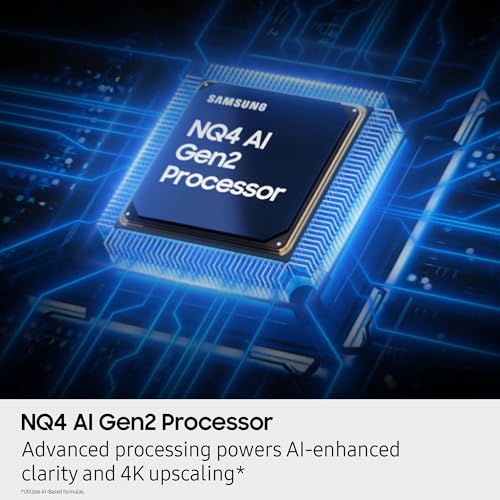
Samsung's QN80F, arriving in March 2025, showcases how rapidly TV technology evolves. In just 18 months since the Sony's release, Samsung introduced their NQ4 AI Gen2 Processor with 20 neural networks (compared to traditional single-processor designs), Vision AI features that can generate custom wallpapers, and Mini LED backlighting that wasn't available in their mid-range models two years ago.
This timing difference matters significantly. The Samsung benefits from newer HDMI 2.1 implementations, more mature Mini LED manufacturing, and AI processing power that simply wasn't available when Sony designed the X90L. However, Sony's approach means you're getting battle-tested technology that's had time to prove itself in real-world use.
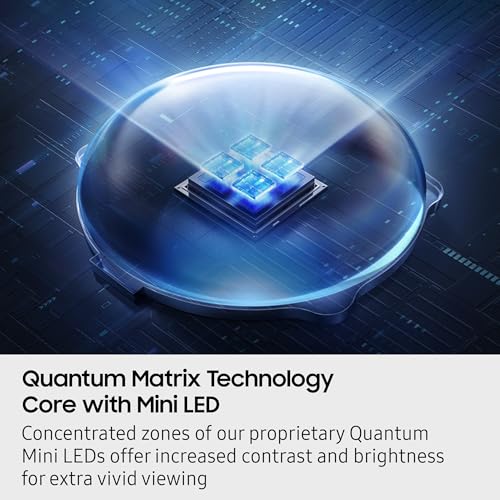
Samsung's Quantum Matrix Technology Core represents a significant leap forward in local dimming. Traditional LED TVs might have 100-200 dimming zones across the entire screen. Mini LED systems can have over 1,000 zones, with each zone containing multiple tiny LEDs that measure just millimeters across.
Here's why this matters: when you're watching a movie with a bright explosion against a dark night sky, traditional LEDs might light up a large area around that explosion, creating a "blooming" effect where the darkness appears grayish. Mini LEDs can illuminate just the explosion while keeping the surrounding area truly black.
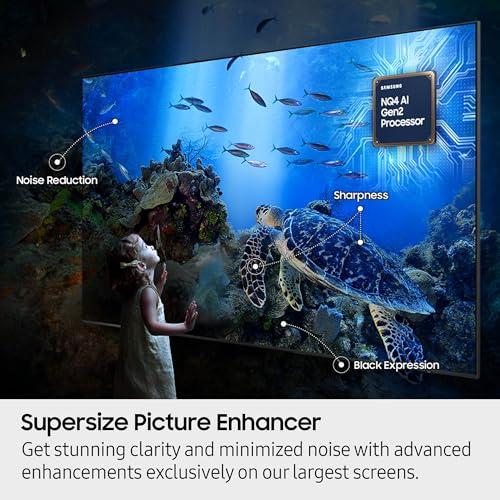
The Supersize Picture Enhancer is Samsung's answer to a problem specific to ultra-large screens. At 100 inches, you might sit close enough that upscaled content from Netflix or cable TV could look pixelated or soft. This feature uses AI to analyze the image and selectively sharpen areas that benefit from enhancement while leaving others natural.
Sony's Cognitive Processor XR takes a completely different approach. Instead of just making images brighter or more colorful, it attempts to process images the way human eyes and brains actually work. The processor identifies a "focal point" in each scene—usually where your eyes would naturally look—and optimizes everything else relative to that point.
XR Triluminos Pro expands the color gamut to over one billion colors, but more importantly, it ensures those colors look natural rather than artificially saturated. This is where Sony's decades of experience in professional broadcast and cinema equipment shows. Colors don't just pop—they look right.
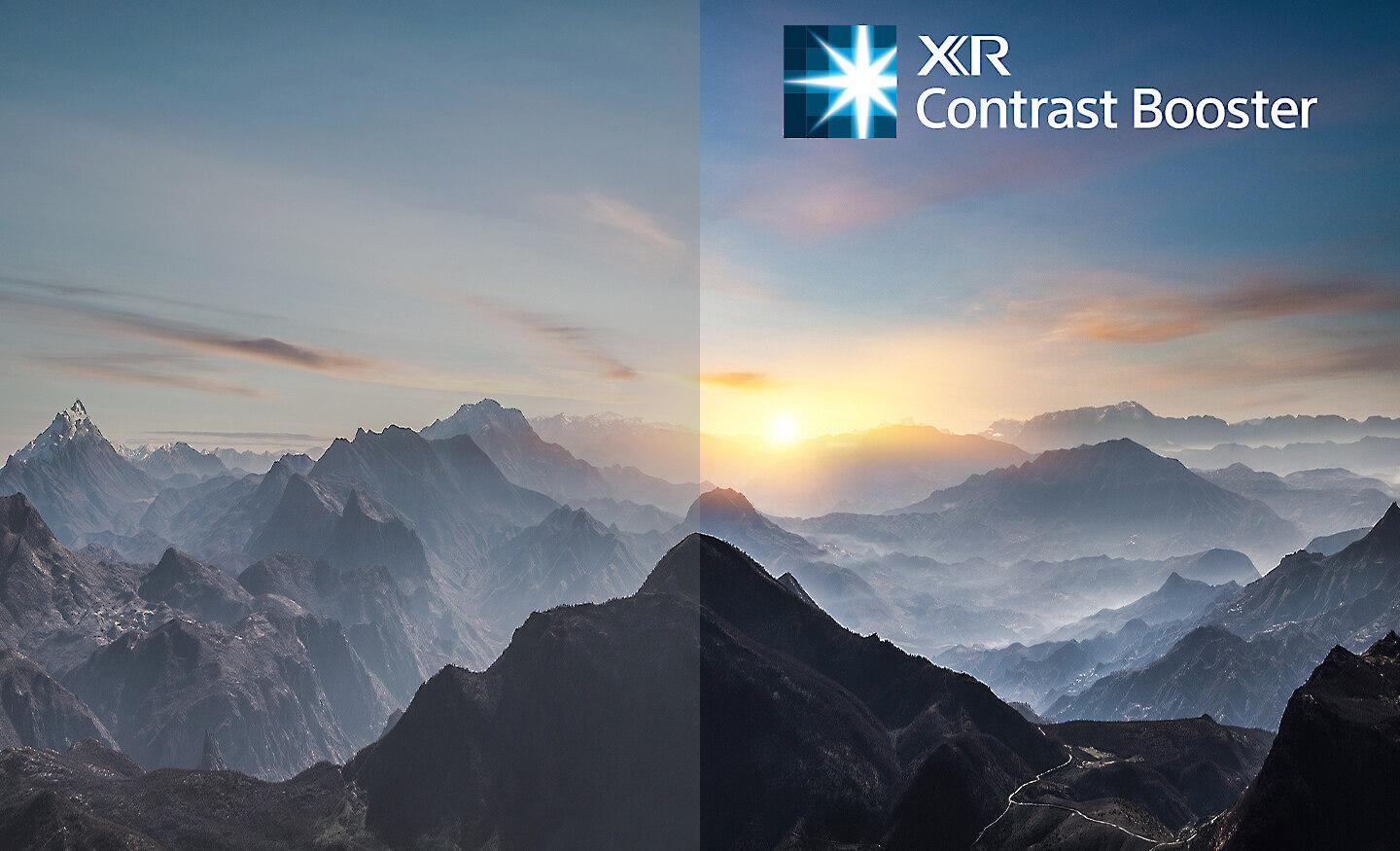
The Full Array LED system in the X90L uses fewer, larger LEDs but compensates with sophisticated algorithms. The XR Contrast Booster analyzes each frame and makes micro-adjustments to brightness and darkness levels hundreds of times per second. It's like having a professional colorist constantly fine-tuning your picture.
Modern gaming demands have transformed TV requirements. Both consoles and PC gaming now regularly output at 4K resolution with frame rates exceeding 60fps, and variable refresh rate (VRR) technology means your TV needs to adapt its refresh rate in real-time to match your gaming system.
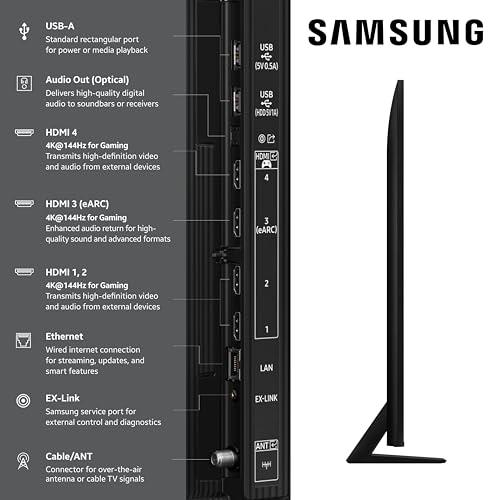
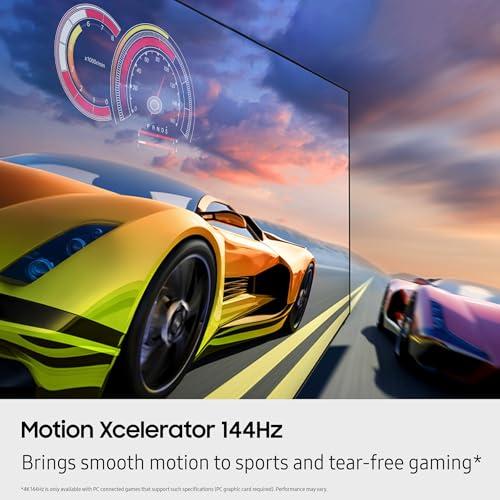
The QN80F supports up to 144Hz refresh rate with VRR, meaning it can display up to 144 unique frames per second and adjust that rate dynamically based on what your gaming system outputs. This eliminates screen tearing (when the image appears to split horizontally) and reduces input lag (the delay between pressing a button and seeing the action on screen).
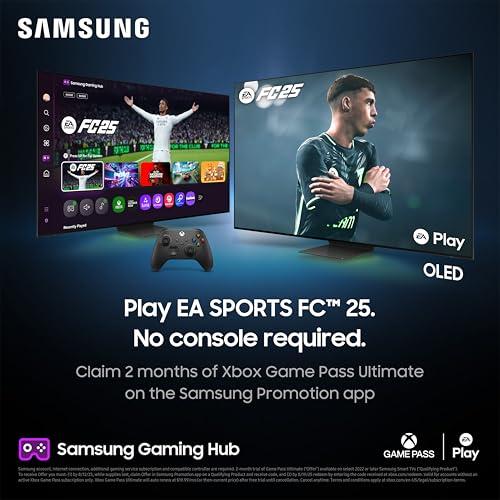
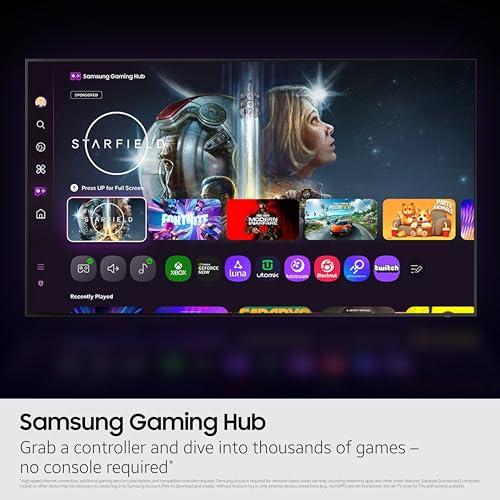
Samsung's Game Bar is remarkably comprehensive. You can switch to ultra-wide aspect ratios like 21:9 or 32:9, essentially using part of your massive screen like an ultra-wide monitor. The minimap zoom feature enlarges small interface elements in games, taking advantage of the enormous screen real estate.
AI Auto Game Mode automatically detects what type of game you're playing and optimizes settings accordingly. Racing games get enhanced motion clarity, while RPGs might get improved shadow detail for exploring dark dungeons.
The Sony X90L offers excellent gaming performance with standard 120Hz VRR and ALLM (Auto Low Latency Mode), which automatically switches to game mode when it detects a gaming console. Input lag measures around 8-10 milliseconds in game mode, which is imperceptible to most players.
Sony's PlayStation 5 integration deserves special mention. The TV automatically recognizes PS5 signals and can switch to specific picture modes optimized for different game genres. While not as feature-rich as Samsung's gaming suite, it covers the essentials extremely well.
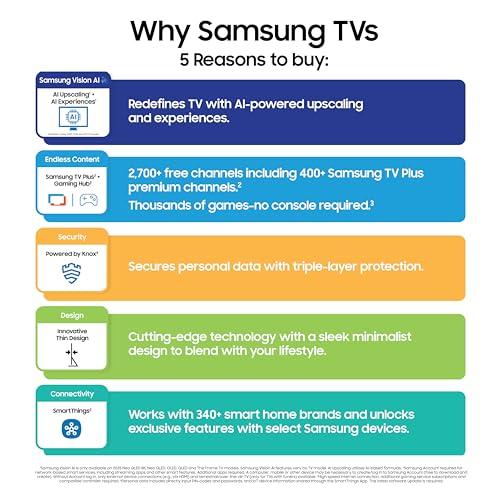
Samsung's Tizen platform with Vision AI represents a glimpse into the future of smart TVs. The Generative Wallpaper feature uses AI to create custom artwork based on keywords you provide. Want a peaceful forest scene that matches your living room's color scheme? The TV can generate one that's unique to your home.
Live Translate is particularly impressive—it can provide real-time subtitles for foreign language content, even when the original content doesn't include subtitles. The Pet & Family Care features use the TV's built-in camera (sold separately) to monitor your home and send notifications about unusual activity.
Bixby has evolved significantly, now understanding context and handling complex, multi-part commands. You can say "Find action movies from the 1990s with good reviews and add them to my watch list" and expect accurate results.
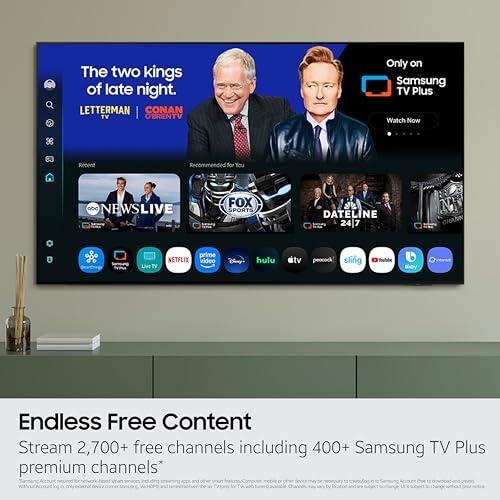
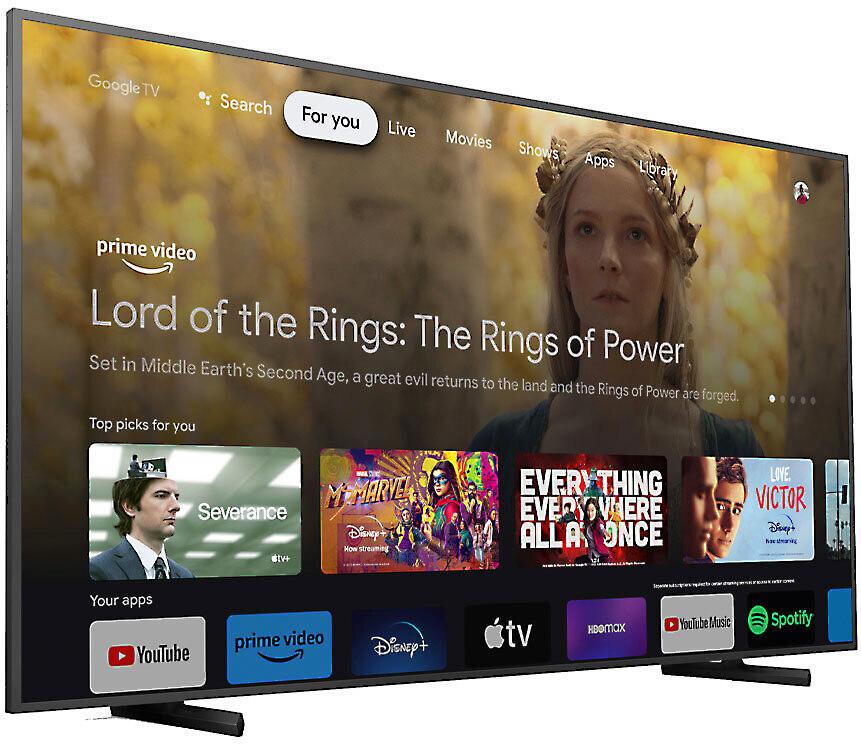
Sony's Google TV platform offers the most comprehensive content discovery system available. It aggregates content from all your subscriptions, presenting personalized recommendations that actually improve over time. The "For You" tab learns your viewing habits and suggests content you're likely to enjoy.
Google Assistant integration is seamless and extends far beyond just controlling the TV. You can manage smart home devices, check weather, set reminders, and even make video calls through the TV. The broader Google ecosystem integration means your viewing history and preferences sync across all your devices.
The app selection is comprehensive, with virtually every streaming service available and regular updates ensuring compatibility with new platforms as they launch.
High Dynamic Range (HDR) content represents the biggest visual improvement in TV technology since the jump to high definition. HDR preserves the full range of brightness that cameras capture, from the darkest shadows to the brightest highlights, creating images that more closely match what our eyes see in real life.
The QN80F supports HDR10+ Adaptive and HDR10+ Gaming, which adjust brightness and contrast scene by scene rather than applying static settings to entire movies or games. The Mini LED backlighting system provides exceptional peak brightness—likely around 1,500 nits—which means HDR highlights like explosions, sunlight, or neon signs can truly stand out against darker backgrounds.
However, Samsung's lack of Dolby Vision support is notable. Dolby Vision is considered the premium HDR format, used by Netflix's highest-quality content, most 4K Blu-rays, and streaming services like Apple TV+. While HDR10+ is technically comparable, content availability favors Dolby Vision.
The Neo Quantum HDR processing uses those 20 neural networks to analyze each frame and optimize HDR presentation in real-time. It can identify objects in scenes and apply different HDR curves to sky, faces, and landscapes within the same frame.
Sony's comprehensive HDR support includes Dolby Vision, HDR10, and HLG (Hybrid Log-Gamma, used for broadcast HDR). This means virtually any HDR content will display optimally on the X90L.
While peak brightness is lower than Samsung's Mini LED system (around 1,200 nits), Sony's tone mapping—the process of translating HDR content to your TV's capabilities—is exceptional. Dark scenes retain shadow detail without appearing washed out, and bright scenes avoid the harsh, artificial look that can plague overly aggressive HDR implementations.
The XR Contrast Booster works particularly well with HDR content, creating the perception of higher contrast through intelligent processing rather than just cranking up brightness numbers.
Large TVs face unique audio challenges. The bigger the screen, the more apparent it becomes when dialogue seems to come from the wrong location, or when action scenes lack the impact that matches the visual scale.
The QN80F features Adaptive Sound Pro, which uses AI to analyze your room's acoustics and adjust audio accordingly. It can detect whether you're watching dialogue-heavy content, action movies, or music videos and optimize the audio profile automatically.
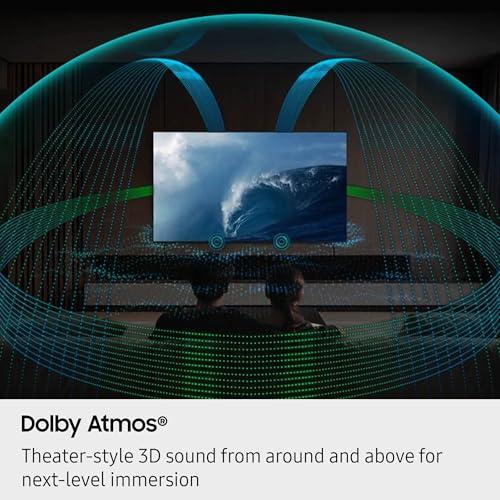
Object Tracking Sound Lite attempts to make audio follow visual action across the massive 100-inch screen. When a car drives from left to right, the audio pans accordingly. Q-Symphony allows the TV's speakers to work in tandem with Samsung soundbars rather than being disabled when external audio is connected.
The 30W 4.0 channel system is adequate for the TV's size, though external audio becomes almost essential at this screen size for proper cinematic impact.
Sony's approach emphasizes integration with their audio ecosystem. Acoustic Center Sync is genuinely impressive—when paired with compatible Sony soundbars like the HT-A7000, the TV's speakers handle center channel duties (dialogue) while the soundbar manages left, right, and surround channels.
This creates remarkably natural dialogue placement, with voices appearing to come directly from actors' mouths on screen rather than from below the TV. For home theater enthusiasts, this integration represents a significant advantage over other manufacturers.
In a dedicated home theater setup, these TVs serve different roles. The Samsung QN80F excels in brighter rooms or multi-purpose spaces where ambient light control isn't perfect. The Mini LED backlighting maintains contrast even when some room lights are on, and the AI processing helps optimize the picture for various lighting conditions throughout the day.
The Sony X90L shines in darker, controlled environments where its superior color accuracy and Dolby Vision support can be fully appreciated. The more natural image processing means less fatigue during long viewing sessions, and the ecosystem integration makes it easier to build a cohesive home theater system.
For serious home theater use, both TVs benefit significantly from professional calibration, though Sony's better out-of-box accuracy means you'll get closer to optimal performance immediately.
At $5,997.99, the Samsung QN80F commands a significant premium over the Sony X90L at $4,059.45—a difference of nearly $2,000. This price gap reflects not just newer technology, but Samsung's positioning as a premium, forward-looking option.
The Samsung's value proposition centers on future-proofing and gaming excellence. If you're building a setup that needs to handle the next generation of gaming consoles, streaming formats, and smart TV features, that premium pays for staying current longer.
Sony's value lies in proven performance and immediate satisfaction. You're getting exceptional picture quality, comprehensive HDR support, and mature smart features at a price that's 33% lower than Samsung's latest offering.
Choose the Samsung QN80F if you're an early adopter who values having the latest technology, if gaming performance is a priority, or if your viewing room has significant ambient light that demands maximum brightness. The AI features and Mini LED technology represent genuine improvements that enhance daily use.
Opt for the Sony X90L if picture accuracy matters more than cutting-edge features, if you primarily watch movies and streaming content (especially content in Dolby Vision), or if the $2,000 price difference is significant to your budget. The proven technology and superior color science deliver an immediately satisfying experience.
Both TVs transform any room into a home theater, but they take different paths to get there. Samsung bets on technological advancement and AI-driven optimization, while Sony relies on decades of expertise in color science and ecosystem integration. Your choice depends on whether you prioritize the promise of tomorrow's technology or the refined execution of today's proven solutions.
| Samsung 100" Neo QLED QN80F 4K Smart TV 2025 | Sony BRAVIA XR X90L 98" 4K UHD LED Google TV |
|---|---|
| Price - Major cost difference affects value proposition | |
| $5,997.99 (premium for latest 2025 tech) | $4,059.45 (33% savings for proven performance) |
| Screen Size - Affects viewing distance and room requirements | |
| 100" diagonal (maximum available size) | 98" diagonal (2" smaller but still massive) |
| Display Technology - Controls contrast, brightness, and black levels | |
| Mini LED with Quantum Matrix Core (superior local dimming) | Full Array LED (fewer zones but excellent processing) |
| Processor - Determines upscaling quality and smart features | |
| NQ4 AI Gen2 with 20 neural networks (cutting-edge AI) | Cognitive Processor XR (mature, proven color science) |
| Gaming Performance - Critical for console and PC gaming | |
| 120Hz native, up to 144Hz VRR, FreeSync Premium Pro | 120Hz with standard VRR and ALLM (solid but basic) |
| HDR Support - Affects premium content quality | |
| HDR10+ Adaptive/Gaming (no Dolby Vision) | Dolby Vision, HDR10, HLG (comprehensive support) |
| Smart Platform - Determines app selection and user experience | |
| Tizen with Vision AI, Generative Wallpaper, Bixby | Google TV with superior content discovery |
| Audio System - Important for built-in sound quality | |
| 30W 4.0CH, Adaptive Sound Pro, Q-Symphony | Acoustic Center Sync (requires Sony soundbar for full benefit) |
| Release Date - Affects technology generation and future support | |
| March 2025 (latest generation) | October 2023 (18 months older technology) |
| Peak Brightness - Critical for HDR impact and bright room viewing | |
| ~1,500 nits estimated (excellent for bright rooms) | ~1,200 nits (good but lower than Samsung) |
The Sony BRAVIA XR X90L 98" offers better value at $4,059.45 compared to the Samsung 100" Neo QLED QN80F at $5,997.99. You save nearly $2,000 while still getting excellent picture quality, comprehensive HDR support including Dolby Vision, and proven performance. The Samsung justifies its premium price with cutting-edge Mini LED technology and AI features, but Sony delivers more bang for your buck.
The Samsung QN80F uses Mini LED backlighting with Quantum Matrix Technology for superior contrast and brightness control, making it excellent for bright rooms. The Sony X90L relies on Full Array LED with Cognitive Processor XR for more natural color reproduction and better out-of-box accuracy. Samsung gets brighter for HDR content, while Sony offers more realistic colors and supports Dolby Vision.
The Samsung 100" Neo QLED QN80F is significantly better for gaming, supporting up to 144Hz refresh rate with VRR, FreeSync Premium Pro, and advanced gaming features like ultra-wide aspect ratios and AI Auto Game Mode. The Sony X90L offers solid 120Hz gaming with VRR and ALLM, but lacks the advanced gaming-specific features that serious gamers will appreciate.
No, there's a key difference here. The Sony BRAVIA XR X90L supports all major HDR formats including Dolby Vision, HDR10, and HLG, ensuring compatibility with premium streaming content and 4K Blu-rays. The Samsung QN80F supports HDR10+ Adaptive and Gaming but lacks Dolby Vision support, which is used by Netflix, Apple TV+, and most premium content.
Both excel in different ways. The Samsung QN80F features Tizen with advanced Vision AI, including Generative Wallpaper and Live Translate capabilities, plus integrated Bixby voice control. The Sony X90L uses Google TV with superior content discovery, better app selection, and seamless Google Assistant integration. Choose Samsung for cutting-edge AI features or Sony for mature, reliable smart TV experience.
The Samsung 100" Neo QLED QN80F offers a 100-inch display, while the Sony BRAVIA XR X90L has a 98-inch screen. The 2-inch difference is minimal in practical terms – both require similar room sizes and viewing distances. The Samsung's slightly larger size isn't a significant advantage, so don't choose based on this small difference alone.
The Samsung QN80F achieves higher peak brightness at approximately 1,500 nits thanks to its Mini LED backlighting system, making HDR highlights more impactful and improving performance in bright rooms. The Sony X90L reaches around 1,200 nits, which is still excellent for HDR but not quite as bright as Samsung's Mini LED technology.
The Samsung 100" Neo QLED QN80F features a 30W 4.0 channel system with Adaptive Sound Pro and Q-Symphony compatibility with Samsung soundbars. The Sony BRAVIA XR X90L offers unique Acoustic Center Sync integration with Sony soundbars, creating more natural dialogue placement. Both TVs benefit from external audio systems, but Sony's ecosystem integration is more sophisticated.
For dedicated home theaters with controlled lighting, the Sony X90L excels with superior color accuracy, comprehensive Dolby Vision support, and natural image processing that reduces eye fatigue during long viewing sessions. The Samsung QN80F is better for multi-purpose rooms with ambient light, where its Mini LED brightness and AI optimization shine. Sony wins for purist home theater setups.
The Samsung QN80F launched in March 2025 with the latest technology, while the Sony BRAVIA XR X90L debuted in October 2023. Samsung offers newer AI processing, updated HDMI implementations, and future-proofing advantages. However, Sony's 18-month head start means proven, battle-tested technology with known performance characteristics.
The Samsung 100" Neo QLED QN80F provides superior console gaming with 144Hz VRR support, multiple HDMI 2.1 ports, Game Bar interface, and AI Auto Game Mode optimization. The Sony BRAVIA XR X90L offers excellent PlayStation 5 integration and solid 120Hz performance but lacks the advanced gaming features. Choose Samsung for cutting-edge gaming or Sony for reliable console compatibility.
Choose the Samsung QN80F if you want the latest technology, prioritize gaming performance, have a bright viewing room, or can justify the $2,000 premium for Mini LED and AI features. Pick the Sony X90L if you prefer proven performance, watch lots of Dolby Vision content, have a controlled lighting environment, or want to save money while still getting exceptional picture quality. Both deliver outstanding large-screen experiences.
We've done our best to create useful and informative comparisons to help you decide what product to buy. Our research uses advanced automated methods to create this comparison and perfection is not possible - please contact us for corrections or questions. These are the sites we've researched in the creation of this article: rtings.com - youtube.com - theshortcut.com - c9av.com - youtube.com - rtings.com - youtube.com - samsung.com - wifihifi.com - samsung.com - samsung.com - samsung.com - bestbuy.com - samsung.com - flatpanelshd.com - schaeferstv.com - samsung.com - samsung.com - samsung.com - samsung.com - cullenshomecenter.com - avsforum.com - valueelectronics.com - youtube.com - bestbuy.com - electronics.sony.com - stewartappliance.com - rcwilley.com - rtings.com - abt.com - pcrichard.com - videoandaudiocenter.com - avsforum.com

Privacy Policy
Terms and Conditions - Affiliate Policy
Home Security
© Copyright 2008-2026.
11816 Inwood Rd #1211, Dallas, TX 75244