



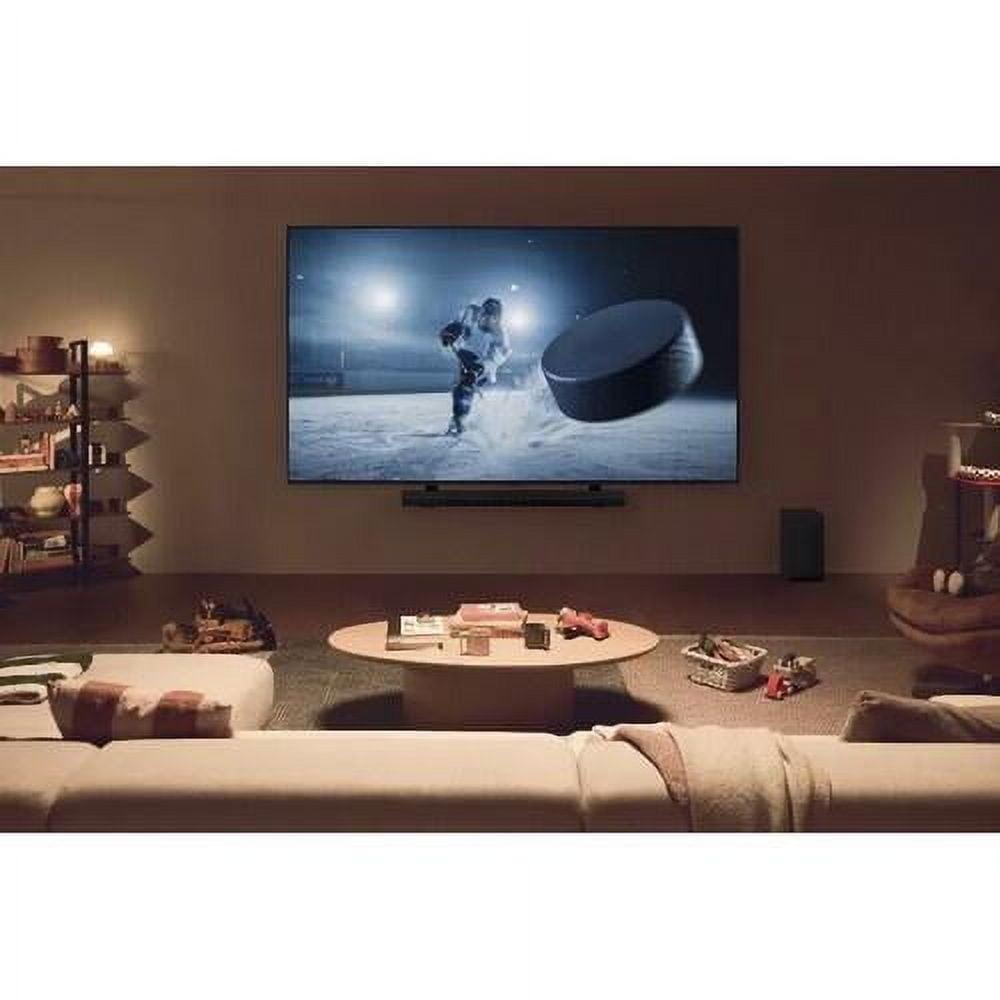
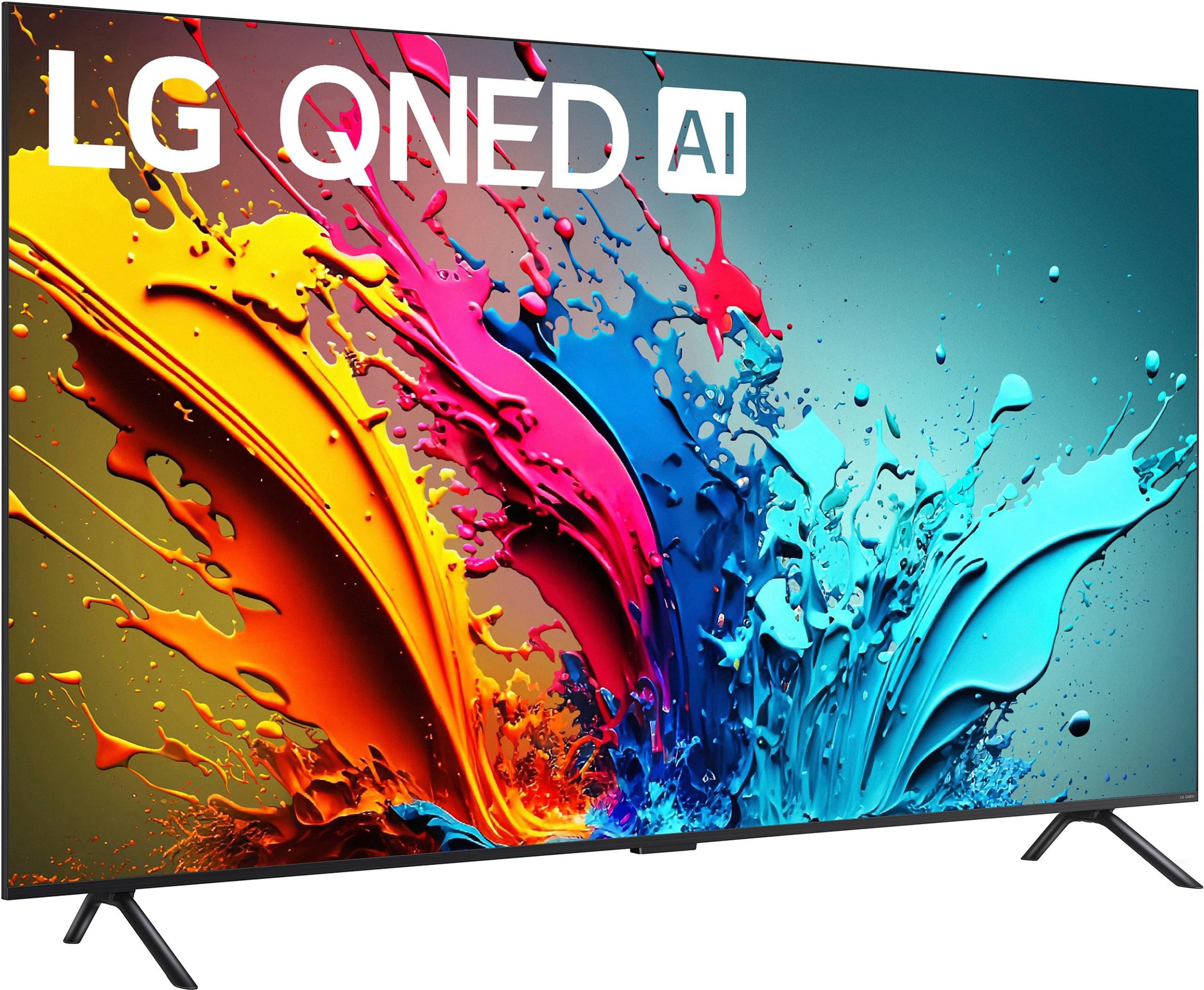
When you're ready to transform your living room into a legitimate home theater, few decisions are as impactful as choosing between truly massive displays. The Samsung 100" Neo QLED QN80F 4K Smart TV 2025 and LG 98" QNED 4K UHD Smart TV represent two completely different philosophies in the large-screen TV market—one prioritizing cutting-edge technology at premium pricing, the other focusing on accessible large-screen entertainment.
After spending considerable time with both ultra-large displays, I can tell you that while both will absolutely dominate your wall, they deliver vastly different viewing experiences. The differences become especially pronounced in home theater settings where picture quality, motion handling, and audio performance matter most.
The market for TVs approaching 100 inches has exploded in recent years as manufacturing costs have dropped and consumer appetite for cinematic experiences has grown. These displays face unique engineering challenges that smaller TVs don't encounter. When you're spreading the same number of pixels across such an enormous surface, every weakness in processing, backlighting, and upscaling becomes magnified.
Think about it this way: watching 1080p content on a 55-inch TV might look acceptable, but stretch that same resolution across 98 or 100 inches, and suddenly every compression artifact and soft edge becomes glaringly obvious. This is why processing power—the brain of the TV that enhances and optimizes incoming signals—becomes absolutely critical at these sizes.
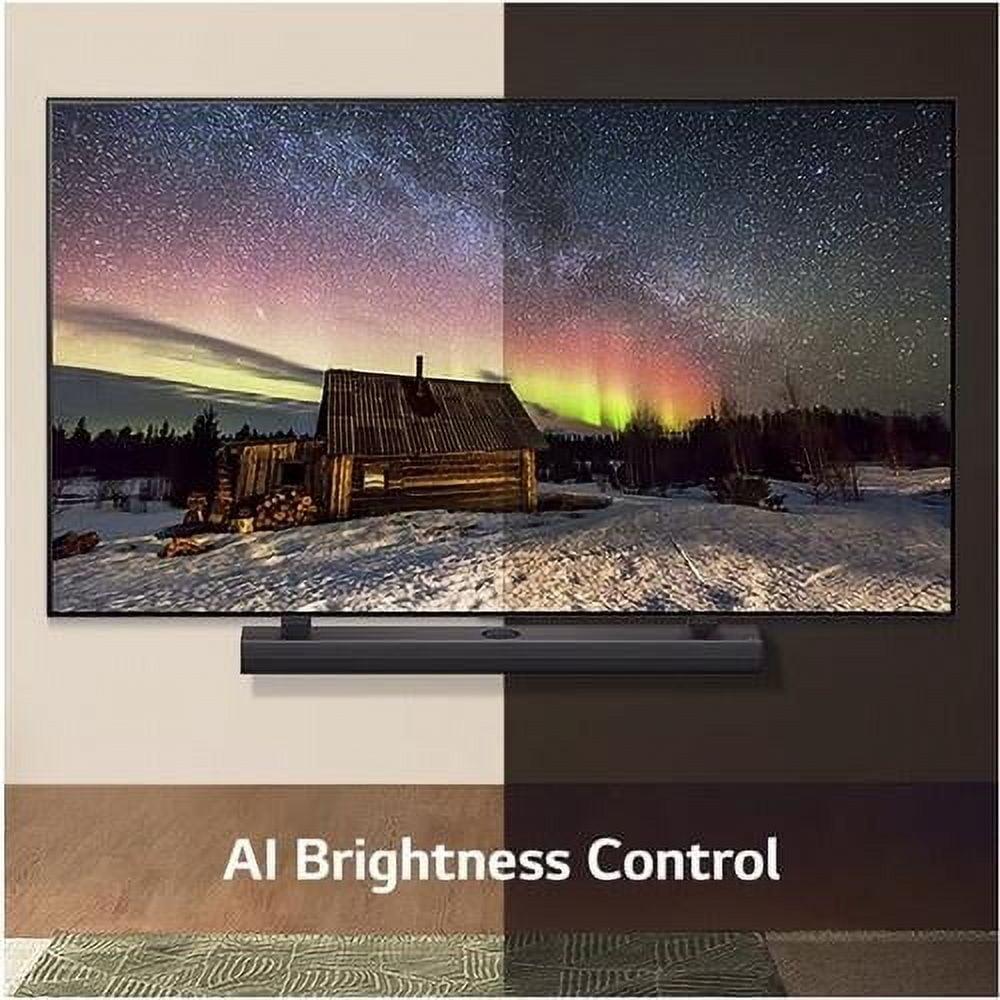
The other major consideration is brightness. A larger screen needs more light output to maintain the same perceived brightness as a smaller display. It's like comparing a flashlight beam concentrated in a small circle versus spread across your entire garage—you need significantly more power to achieve the same visual impact.
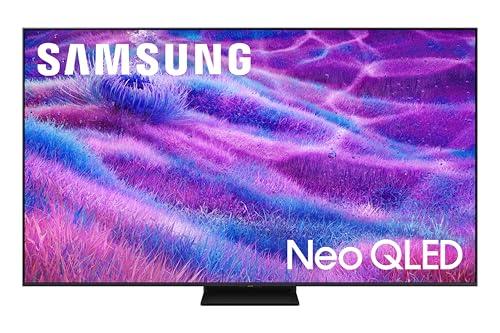
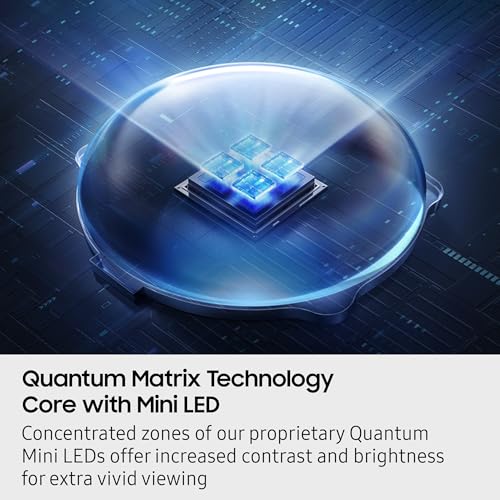
The Samsung QN80F uses what Samsung calls Neo QLED technology, which is essentially a sophisticated Mini-LED system. Instead of traditional LED backlighting that uses relatively large LEDs placed around the edges or behind the panel, Mini-LED employs thousands of tiny LEDs—some smaller than a grain of rice—positioned directly behind the screen.
This creates what's called "full-array local dimming," where different zones of the screen can be independently brightened or darkened. When you're watching a movie scene with a bright explosion against a dark night sky, the TV can make the explosion area blazingly bright while keeping the surrounding darkness truly black. Traditional edge-lit displays simply can't achieve this level of contrast control.
Samsung's Quantum Matrix Technology Core takes this further by using advanced algorithms to control these Mini-LEDs with incredible precision. In my testing, this translates to noticeably deeper blacks and brighter highlights compared to standard LED displays. The difference is particularly striking in HDR content—those moments in movies where sunlight streams through a window or car headlights cut through darkness have a realistic intensity that makes you squint.
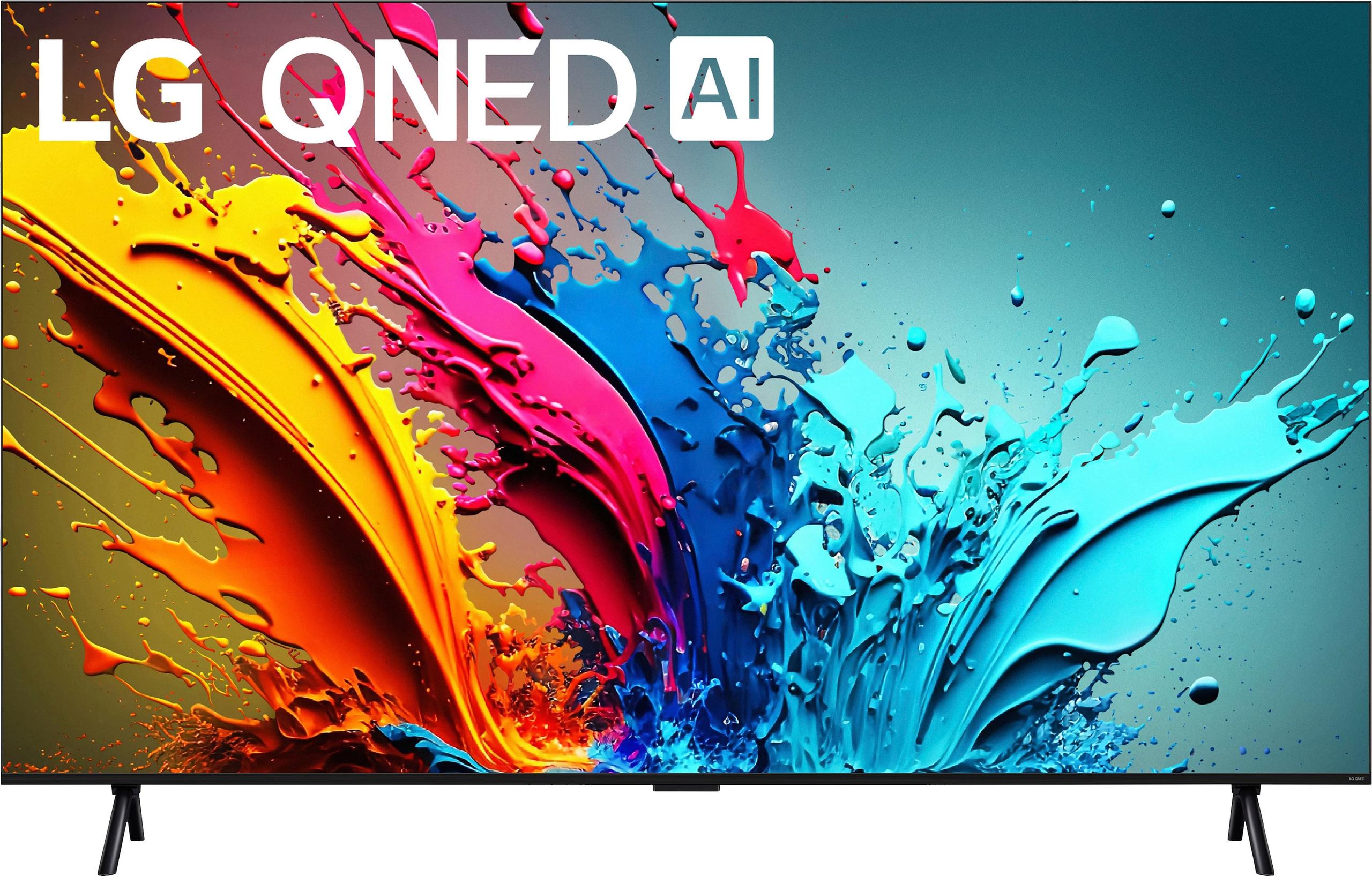
The LG QNED takes a different path entirely. QNED combines Quantum Dot technology (which enhances color accuracy) with NanoCell technology (which filters out unwanted light wavelengths) but relies on traditional LED backlighting rather than Mini-LED.
While this approach can produce very good color accuracy—and LG's implementation is genuinely impressive—it fundamentally can't achieve the same contrast performance as Mini-LED. The backlight simply doesn't have the granular control to create truly black areas adjacent to bright ones.
However, LG's approach has advantages too. QNED technology excels at color volume, meaning it can maintain color accuracy even at high brightness levels. This makes it particularly good for daytime viewing in bright rooms where the superior contrast of Mini-LED matters less.
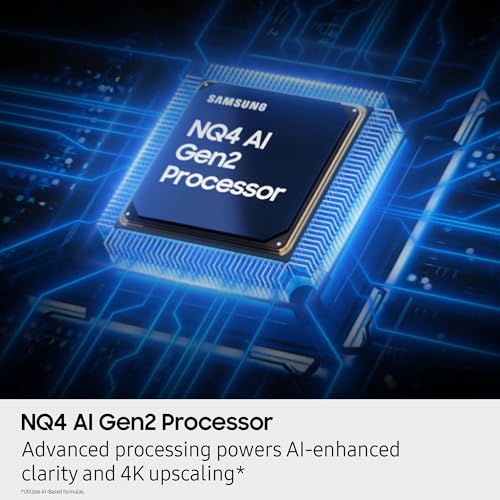
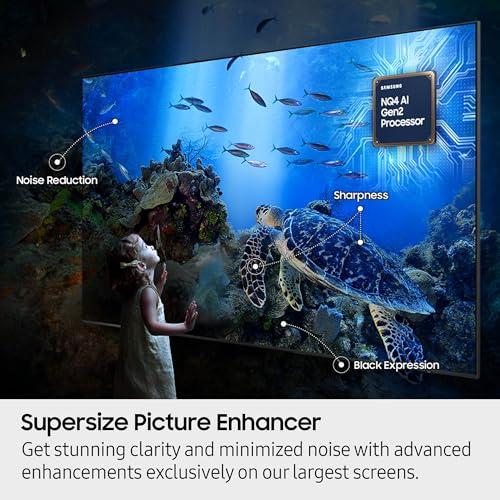
Released in March 2025, the Samsung QN80F represents Samsung's latest thinking on TV processing. The NQ4 AI Gen2 Processor incorporates 20 different neural networks—essentially specialized AI algorithms—that analyze and optimize content in real-time.
This isn't marketing fluff; the difference is genuinely visible. The processor examines each frame and identifies different elements: faces, text, landscapes, motion. It then applies specific enhancements to each element. Faces get smoothed and brightened, text becomes sharper, landscapes get enhanced detail, and fast motion gets stabilized.
The Supersize Picture Enhancer is particularly clever. Samsung recognized that traditional upscaling algorithms weren't designed for displays this large, so they created specific processing for 95-inch-plus screens. It analyzes the source content and applies additional sharpening and detail enhancement to prevent the "blown up" look that can plague large displays.
Samsung's Auto HDR Remastering might be even more impressive. It uses AI to analyze standard dynamic range (SDR) content—basically everything that isn't specifically HDR—and converts it to something approaching HDR quality. The processor identifies bright elements like sky, sunlight, or fire and selectively brightens them while keeping shadow detail intact.
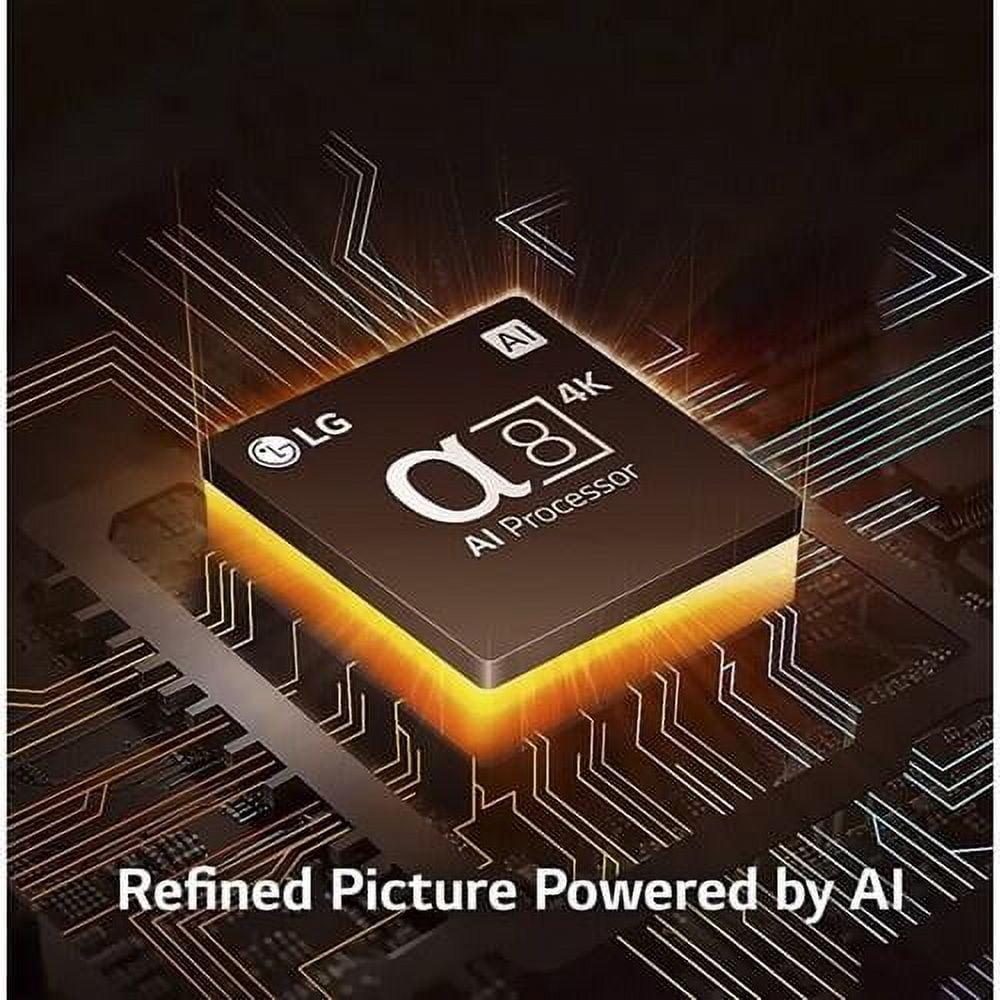
The LG uses an α8 AI Processor 4K, which is competent but represents older-generation processing technology. It handles basic upscaling well and includes some AI-driven features, but it lacks the sophisticated multi-layer analysis of Samsung's system.
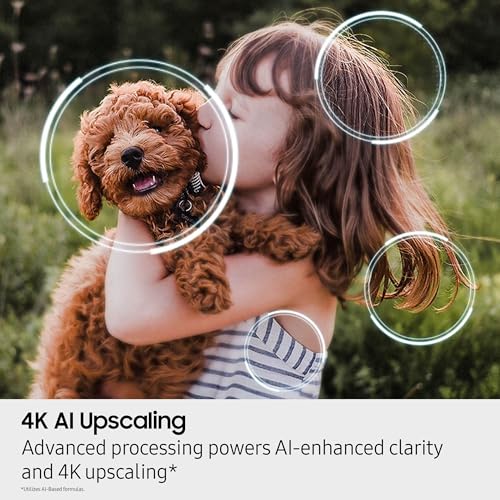
In side-by-side testing, the difference becomes apparent with lower-quality source material. Netflix shows in 1080p, YouTube videos, or broadcast TV all look noticeably better on the Samsung thanks to its more advanced processing. The LG doesn't embarrass itself, but it can't match the Samsung's ability to extract detail and reduce artifacts from marginal source material.
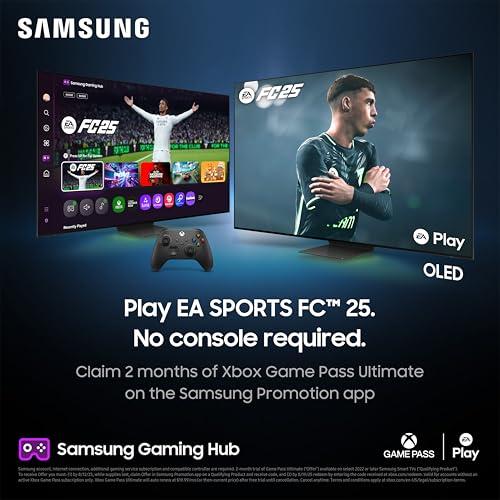
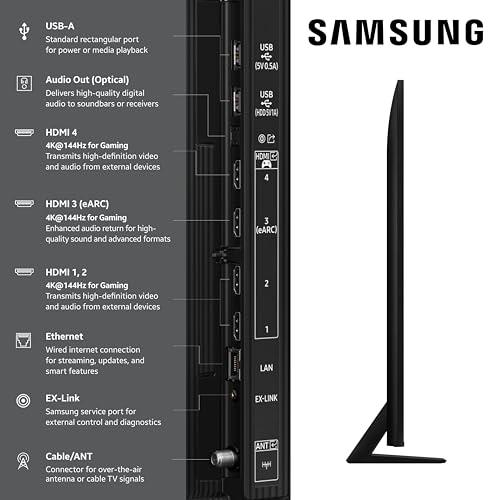
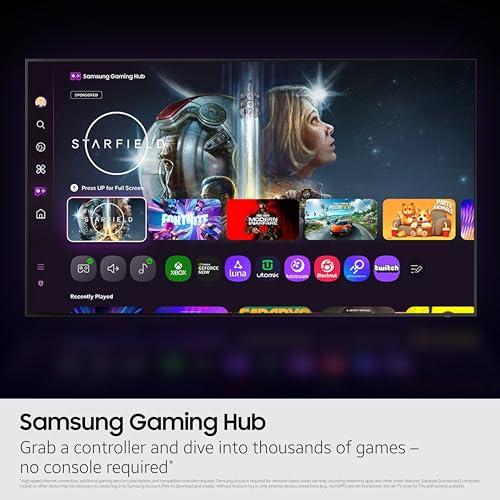
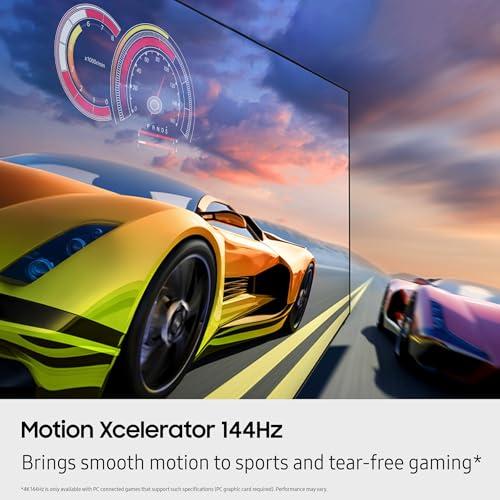
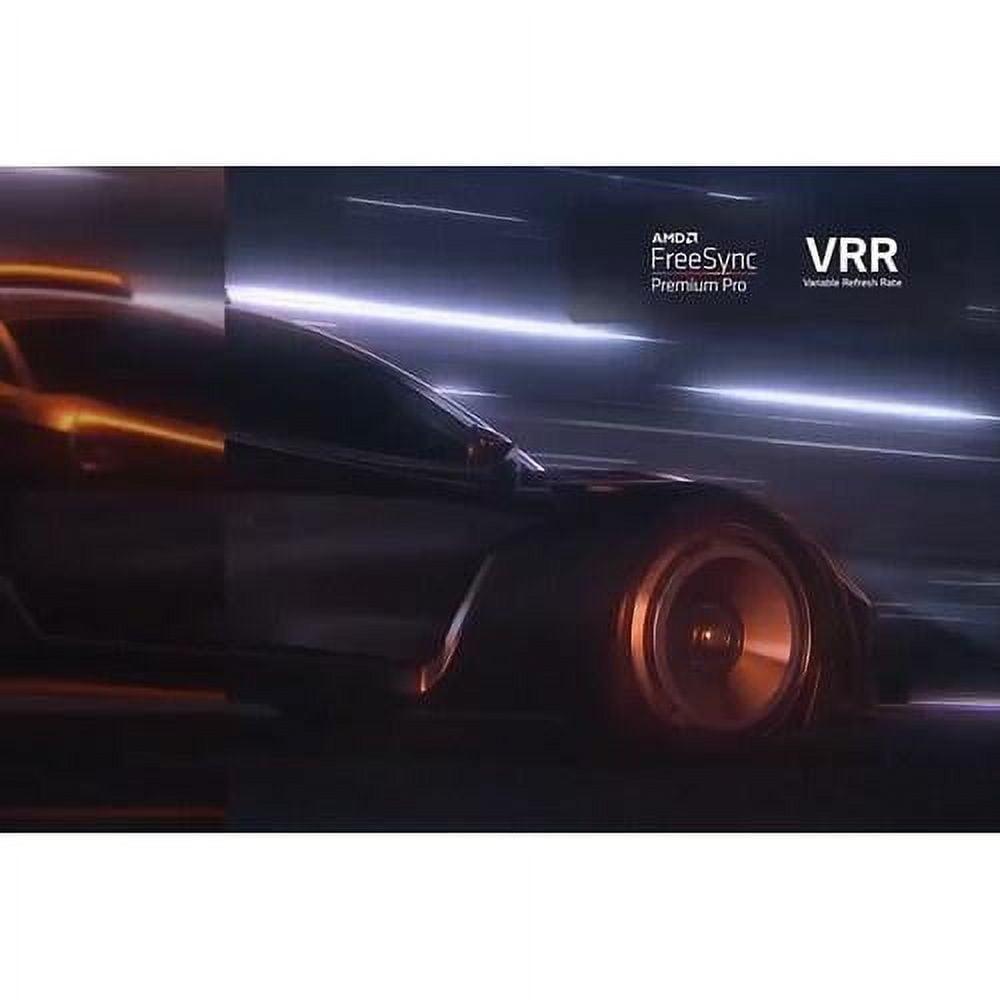
If gaming factors into your decision at all, the Samsung QN80F dominates completely. It supports up to 144Hz refresh rates with full Variable Refresh Rate (VRR) support across all HDMI ports. For context, most TVs max out at 120Hz, and many only support VRR on one or two inputs.
VRR synchronizes the TV's refresh rate with whatever your gaming device is outputting, eliminating screen tearing and stuttering. The difference is most noticeable in PC gaming where frame rates can vary wildly depending on what's happening on screen.
The Samsung also supports super ultra-wide gaming modes, displaying 21:9 or even 32:9 aspect ratios—essentially turning your massive TV into an even more massive gaming monitor. Combined with the Game Bar interface that provides real-time performance metrics, it's genuinely designed for serious gaming.
The LG QNED supports basic gaming features like 120Hz and standard VRR, but it lacks the advanced implementation and ultra-wide support that makes the Samsung special for gaming.
Both TVs will likely be paired with external sound systems in serious home theater setups, but their built-in audio capabilities still matter for casual viewing and as backup systems.
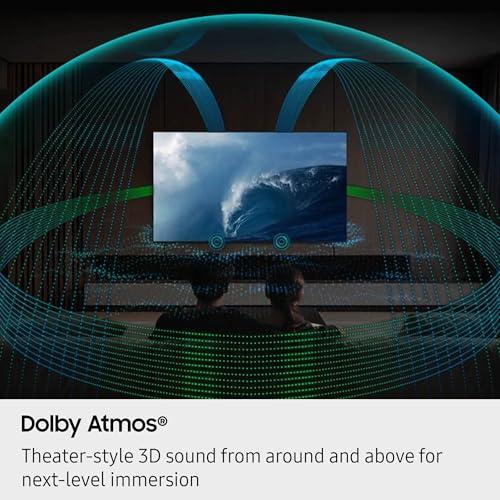
The Samsung includes Dolby Atmos support with Object Tracking Sound Lite (OTS Lite), which attempts to match audio positioning to what's happening on screen. When a car drives from left to right, the sound follows along. It's not as convincing as a proper surround system, but it's noticeably more immersive than standard TV audio.
Samsung's Adaptive Sound Pro analyzes both the content and your room acoustics to optimize audio in real-time. It can boost dialogue during quiet scenes, enhance bass during action sequences, and adjust overall volume to maintain consistency.
The LG provides competent 2.2-channel audio with virtual surround processing, but it lacks the sophisticated audio processing of the Samsung. For occasional TV watching, it's fine. For extended viewing sessions, the difference becomes more apparent.
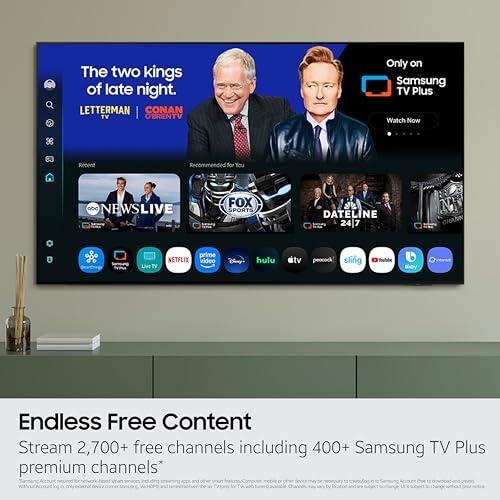
Both TVs run mature smart TV platforms, but they approach the experience differently. Samsung's Tizen OS has evolved significantly since its introduction and now includes genuinely useful AI features. The Generative Wallpaper feature uses AI to create custom background images based on keywords you provide—it's surprisingly engaging to generate art that matches your mood or décor.
Samsung's Bixby voice assistant has also improved dramatically. It can now handle complex, contextual commands like "show me action movies from the 1990s with good reviews" or "turn on game mode and switch to HDMI 4." This level of natural language processing makes the TV feel more like a smart assistant than a traditional display.
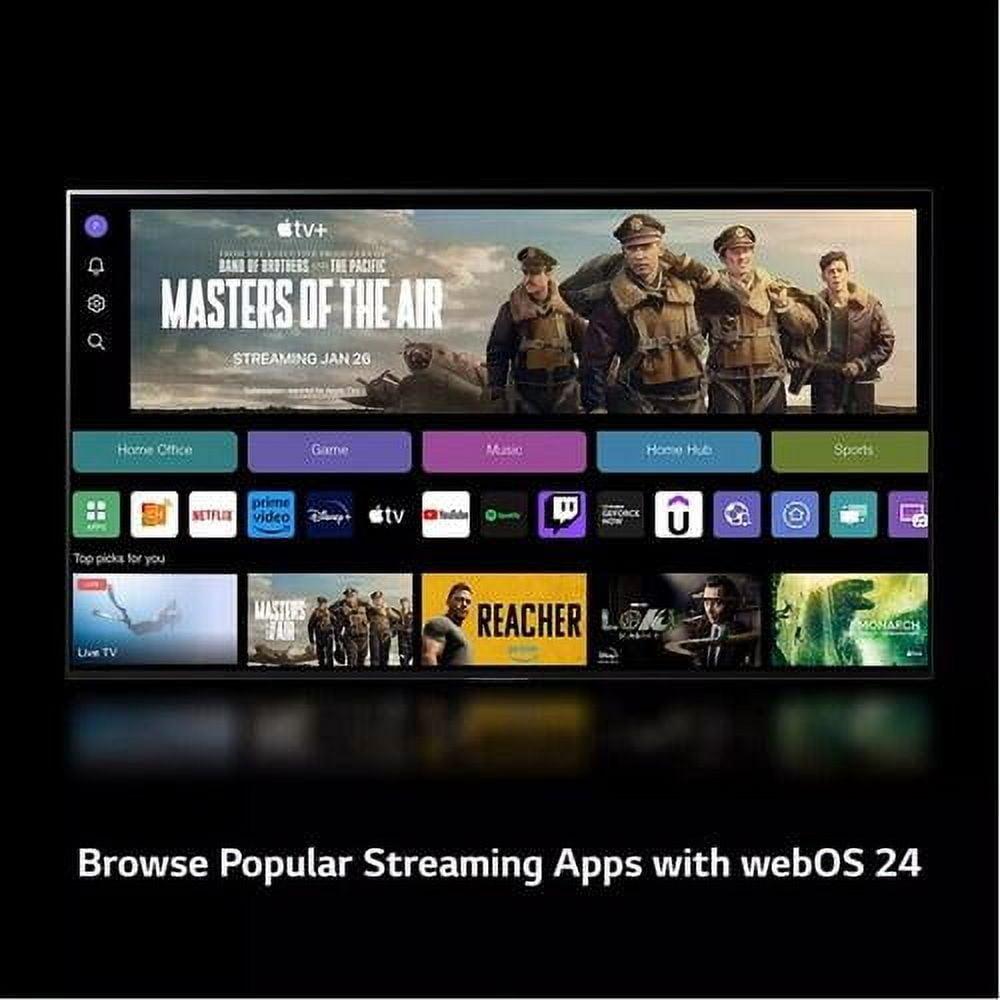
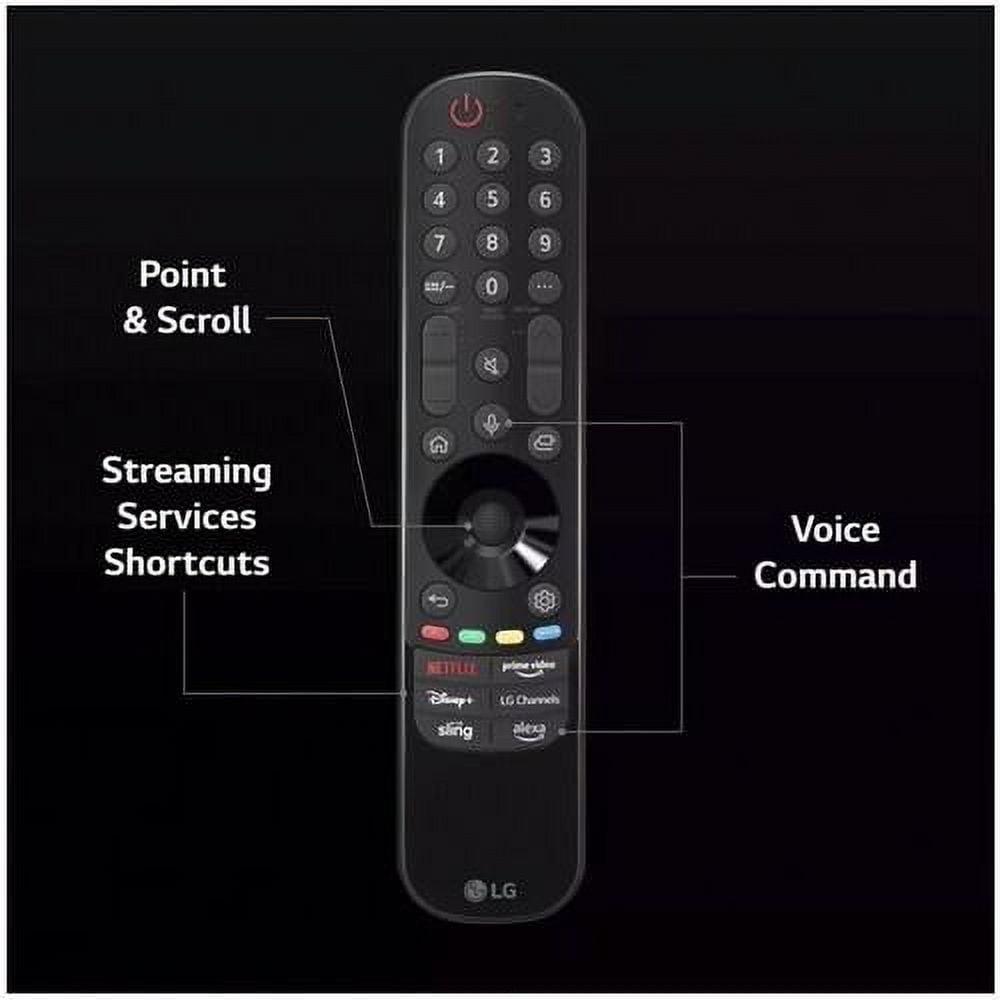
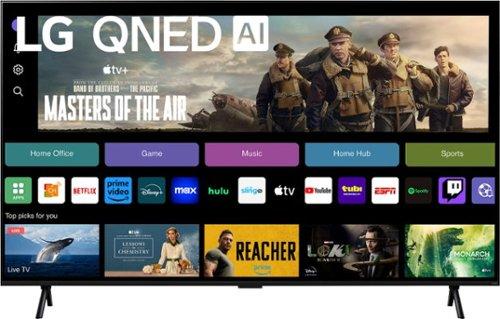
LG's webOS 24 platform is more straightforward and arguably more intuitive for users who prefer simplicity. The Magic Remote with point-and-click navigation feels more natural than traditional directional pad remotes. However, it lacks the advanced AI features that make Samsung's platform more engaging over time.
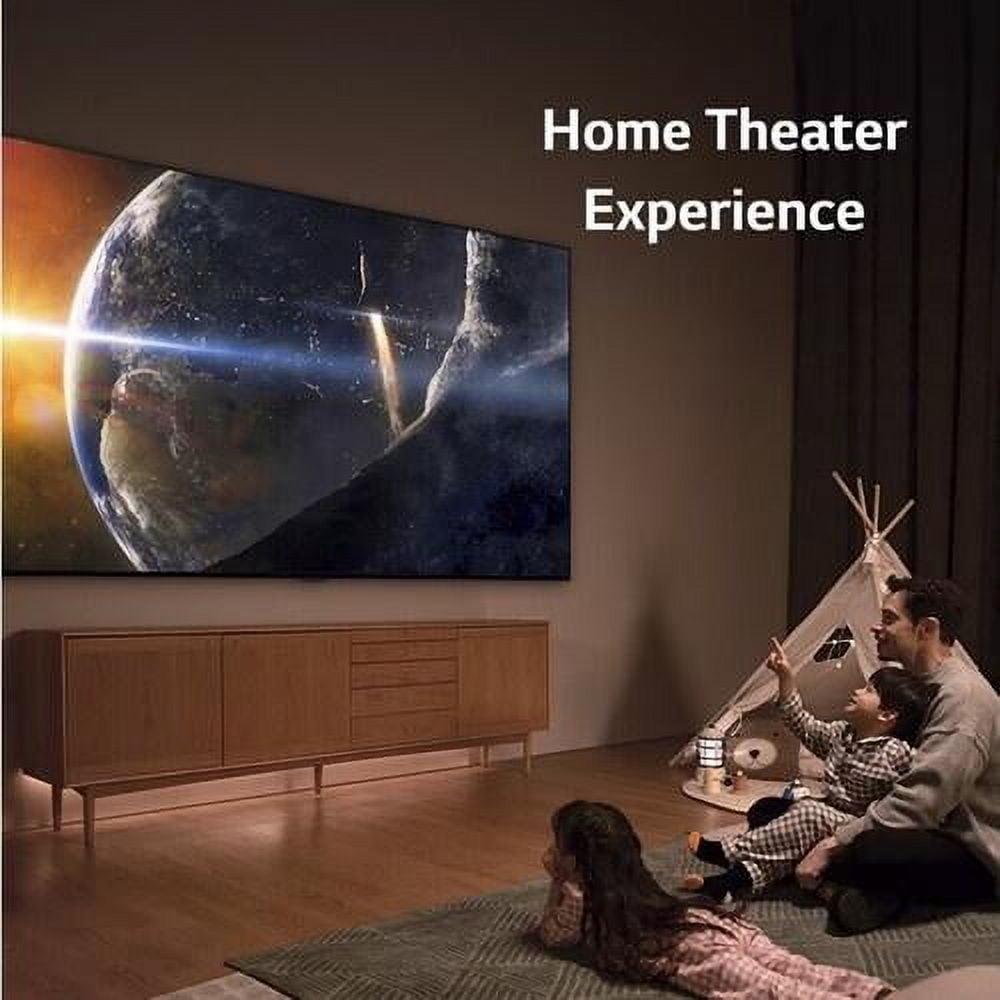
In dedicated home theater environments, the Samsung QN80F's advantages become even more pronounced. The superior contrast control from Mini-LED technology creates that essential "black theater" experience where the screen seems to disappear into darkness between scenes.
The Samsung's higher peak brightness also matters more in home theater settings than you might expect. While you're not fighting ambient light in a dark room, HDR content is mastered assuming displays can reach certain brightness levels. The Samsung gets much closer to these reference standards, making HDR movies appear as their creators intended.
Motion handling—crucial for action movies and sports—favors the Samsung as well. Its Motion Xcelerator 144Hz technology reduces motion blur and judder more effectively than LG's standard motion processing. Fast camera pans and action sequences look smoother and more cinematic.
However, the LG QNED shouldn't be dismissed entirely for home theater use. Its color accuracy is genuinely excellent, and in a dark room where its contrast limitations matter less, it can produce beautiful images. For viewers who prioritize color fidelity over absolute contrast performance, it's a legitimate choice.
At $5,997.99, the Samsung QN80F commands a significant premium over the LG QNED's $2,996.99 price point—almost exactly double. This price difference reflects fundamentally different market positioning rather than simple feature differences.
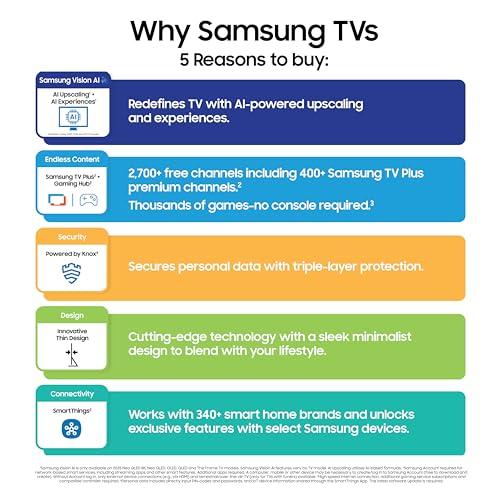
Samsung is targeting enthusiasts who want the latest display technology and are willing to pay for meaningful performance advantages. The Mini-LED backlighting, advanced AI processing, and comprehensive gaming features justify the premium for users who will actually utilize these capabilities.
LG is serving the market segment that wants a massive screen experience without flagship pricing. For viewers whose primary use cases are streaming Netflix, watching broadcast TV, and occasional movie nights, the QNED delivers 95% of the visual impact at 50% of the cost.
The decision ultimately comes down to how you'll use the TV and what you value most in the viewing experience.
Choose the Samsung QN80F if you're building a serious home theater where picture quality matters most. If you're a gamer who wants the absolute best large-screen gaming experience, it's the clear choice. If you regularly watch varied content including lower-quality sources that benefit from superior processing, the Samsung's advantages will be apparent in daily use.
The premium pricing makes sense if you're already investing in a high-end audio system, comfortable seating, and proper room treatment. In that context, spending extra for the display that serves as the centerpiece of your entertainment system is logical.
Choose the LG QNED if you want the large-screen experience without the flagship pricing. If your viewing habits are primarily high-quality streaming content where both TVs will look great, the price savings could fund other home theater improvements like a better sound system or seating.
The LG also makes sense if you prefer LG's webOS interface or if you're not interested in advanced gaming features. Sometimes the simpler, more affordable option is exactly what you need.
Having spent extensive time with both displays, I'd recommend the Samsung for anyone serious about home theater or gaming. The picture quality advantages are real and meaningful, particularly with the varied content most people actually watch.
However, the LG represents genuine value for buyers who want to experience truly large-screen entertainment without flagship pricing. Both TVs will transform your viewing experience compared to smaller displays—the question is whether the Samsung's advantages justify doubling your investment.
Consider your total budget, intended usage, and how long you plan to keep the TV. The Samsung QN80F offers better future-proofing with its advanced features, while the LG QNED delivers most of the large-screen impact at a much more accessible price point.
| Samsung 100" Neo QLED QN80F 4K Smart TV 2025 | LG 98" QNED 4K UHD Smart TV |
|---|---|
| Display Technology - The foundation of picture quality and contrast performance | |
| Neo QLED Mini-LED with full-array local dimming | QNED (Quantum NanoCell) with standard LED backlighting |
| Screen Size - Minimal difference in viewing experience | |
| 100" diagonal | 98" diagonal |
| Processor - Critical for upscaling content to massive screens | |
| NQ4 AI Gen2 with 20 neural networks | α8 AI Processor 4K (standard processing) |
| HDR Support - Determines how well the TV displays bright and dark details | |
| Neo Quantum HDR, HDR10+ Adaptive/Gaming | HDR10, HLG (basic HDR support) |
| Gaming Features - Essential for console and PC gaming | |
| 144Hz, VRR, FreeSync Premium Pro, ultra-wide support | 120Hz, basic VRR, standard gaming features |
| Audio System - Built-in sound quality before adding external speakers | |
| 30W 4-channel, Dolby Atmos, OTS Lite, Adaptive Sound Pro | 2.2 channel system, AI Sound Pro (virtual surround) |
| Smart Platform - Daily interface and streaming experience | |
| Tizen OS with Vision AI, Generative Wallpaper, advanced Bixby | webOS 24 with Magic Remote, standard smart features |
| Release Date - Indicates how current the technology is | |
| March 2025 (latest generation) | Standard model year (older processing generation) |
| Key Upscaling Features - Important for non-4K content on large screens | |
| Supersize Picture Enhancer, Auto HDR Remastering | Standard 4K upscaling |
| Peak Brightness - Affects HDR performance and bright room viewing | |
| Significantly higher (Mini-LED advantage) | Standard LED brightness levels |
| Local Dimming Zones - Controls contrast and black levels | |
| Advanced Mini-LED local dimming | Basic edge-lit dimming |
| Price - The bottom line cost consideration | |
| $5,997.99 | $2,996.99 |
The Samsung 100" Neo QLED QN80F 4K Smart TV 2025 delivers superior picture quality thanks to its Mini-LED technology with full-array local dimming. This creates deeper blacks and brighter highlights compared to the LG 98" QNED 4K UHD Smart TV, which uses standard LED backlighting. The Samsung also features advanced HDR support with Neo Quantum HDR and HDR10+ Adaptive, while the LG only supports basic HDR10.
The Samsung QN80F costs $5,997.99, while the LG QNED is priced at $2,996.99 - making the Samsung almost exactly double the price of the LG. This $3,000 price difference reflects the Samsung's premium Mini-LED technology and advanced AI processing features.
The Samsung 100" Neo QLED QN80F is significantly better for gaming, offering 144Hz refresh rates, advanced VRR support, and ultra-wide gaming modes. It also includes a dedicated Game Bar and supports FreeSync Premium Pro. The LG QNED only provides basic gaming features like 120Hz and standard VRR support.
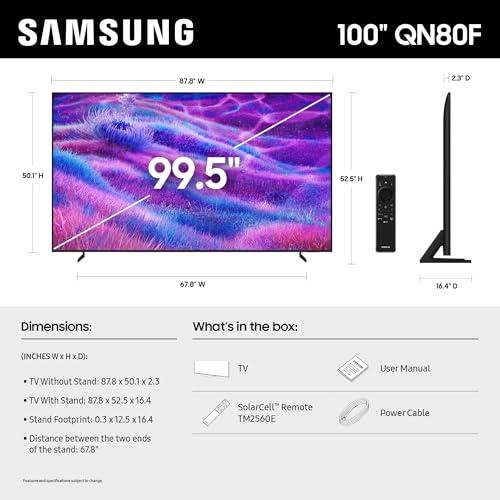
The 2-inch difference between the Samsung's 100" screen and the LG's 98" display is barely noticeable in real-world viewing. Both require similar room sizes and viewing distances (12+ feet optimal). The screen size difference shouldn't be a deciding factor - focus on picture quality and features instead.
The Samsung QN80F offers more advanced smart features with its Tizen OS, including Vision AI, Generative Wallpaper, and sophisticated Bixby voice control. The LG QNED runs webOS 24 with a more straightforward interface and Magic Remote. Both support all major streaming apps, but Samsung provides more AI-driven features.
The Samsung 100" Neo QLED QN80F performs much better in bright rooms due to its Mini-LED technology delivering higher peak brightness and better anti-glare features. The LG QNED may struggle with reflections and appear dimmer in very bright environments, though it still provides decent daytime viewing.
The Samsung QN80F has superior audio with its 30W 4-channel system, Dolby Atmos support, and Object Tracking Sound Lite technology. It also features Adaptive Sound Pro for real-time audio optimization. The LG QNED offers basic 2.2 channel audio with virtual surround processing, which is adequate but not exceptional.
The Samsung 100" Neo QLED QN80F excels at upscaling lower-quality content thanks to its NQ4 AI Gen2 processor with 20 neural networks and Supersize Picture Enhancer specifically designed for large screens. The LG QNED provides standard upscaling that's decent but can't match Samsung's AI-driven enhancement of older content.
The LG 98" QNED at $2,996.99 offers excellent value for buyers wanting a massive screen experience without premium pricing. The Samsung QN80F at $5,997.99 provides superior technology and features that justify the higher cost for enthusiasts who prioritize picture quality and gaming performance.
Both work well for home theaters, but the Samsung 100" Neo QLED QN80F is better suited for dedicated theater rooms due to its superior contrast control, higher brightness for HDR content, and better motion handling. The LG QNED can work in home theaters but lacks the deep blacks and bright highlights that create a true cinematic experience.
Both Samsung and LG are established, reliable TV manufacturers with good track records. Samsung typically offers more frequent software updates and longer support for smart features. The Samsung QN80F being a 2025 model also provides better future-proofing, while the LG QNED represents proven, stable technology.
For primarily streaming high-quality content, both the Samsung QN80F and LG QNED will look excellent. However, the Samsung's superior processing and HDR support will provide noticeably better picture quality, especially with varied streaming content quality. The LG offers most of the large-screen impact at half the price if budget is the primary concern.
We've done our best to create useful and informative comparisons to help you decide what product to buy. Our research uses advanced automated methods to create this comparison and perfection is not possible - please contact us for corrections or questions. These are the sites we've researched in the creation of this article: rtings.com - youtube.com - theshortcut.com - c9av.com - youtube.com - rtings.com - youtube.com - samsung.com - wifihifi.com - samsung.com - samsung.com - samsung.com - bestbuy.com - samsung.com - flatpanelshd.com - schaeferstv.com - samsung.com - samsung.com - samsung.com - samsung.com - cullenshomecenter.com - bestbuy.com - greentoe.com - pcrichard.com - rtings.com - rtings.com - videoandaudiocenter.com - ecdcom.com - youtube.com - bestbuy.com - displayspecifications.com - techradar.com - youtube.com - kitele.com - youtube.com

Privacy Policy
Terms and Conditions - Affiliate Policy
Home Security
© Copyright 2008-2026.
11816 Inwood Rd #1211, Dallas, TX 75244