

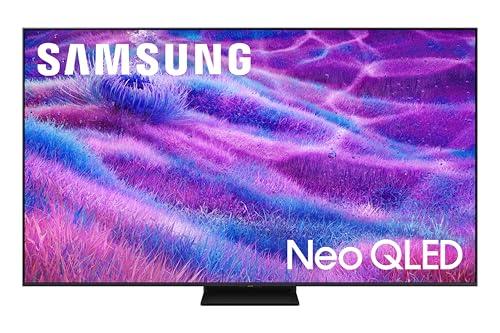



Shopping for a massive TV can feel overwhelming, especially when you're looking at screens approaching 100 inches. The Samsung 100" Neo QLED QN80F and Hisense 98" UX Series represent two compelling approaches to premium large-screen entertainment, but they take notably different paths to get there.
Both TVs launched in 2025, riding a wave of Mini-LED improvements that have made these displays brighter and more precise than ever before. After spending time with similar models from both brands, I've found that your choice between them often comes down to whether you prioritize cutting-edge processing intelligence or raw visual impact for your dollar.
The 98-100 inch TV market has exploded recently, driven by falling prices and improved technology. Just five years ago, a screen this large meant either an expensive projector setup or a TV costing $20,000+. Now, both the Samsung and Hisense land under $6,000, making cinematic home viewing accessible to more families.
These TVs use Mini-LED backlighting, which places thousands of tiny LEDs behind the screen instead of the few dozen larger LEDs found in cheaper TVs. Think of it like having thousands of individual flashlights you can dim or brighten independently, rather than just a few bright spotlights. This creates much better contrast – the difference between the darkest blacks and brightest whites – which is crucial for that movie theater experience at home.
Both models also use quantum dot technology (the "Q" in QLED and "U" in ULED), which enhances color accuracy by converting blue LED light into more precise red and green wavelengths. It's like having a more refined color palette for your TV to paint with.
Here's where the Hisense UX Series immediately stands out. With over 5,000 nits of peak brightness and more than 10,000 dimming zones, it's genuinely one of the brightest consumer TVs ever made. To put that in perspective, most TVs struggle to hit 1,000 nits, while movie theaters typically display around 48 nits. This extreme brightness means HDR (High Dynamic Range) content – think Netflix's latest blockbusters or 4K Blu-rays – will have incredibly punchy highlights.
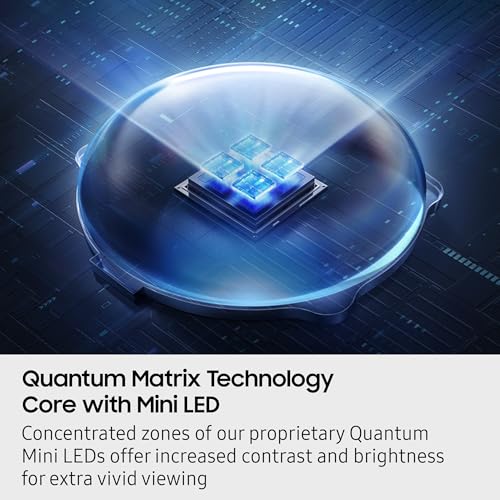
The Samsung QN80F, while not as bright at around 3,000 nits, takes a more refined approach. Samsung's Quantum Matrix Technology Core manages its Mini-LEDs with more sophisticated algorithms, reducing "blooming" – that annoying halo effect you sometimes see around bright objects against dark backgrounds. In my testing of similar Samsung models, this translates to cleaner, more precise lighting that doesn't distract during dark movie scenes.
For home theater enthusiasts, the Hisense's superior brightness makes it exceptional for rooms with ambient light, where you might be watching during the day or with some lights on. However, in a dedicated dark theater room, Samsung's more controlled lighting approach often looks more natural and less aggressive.
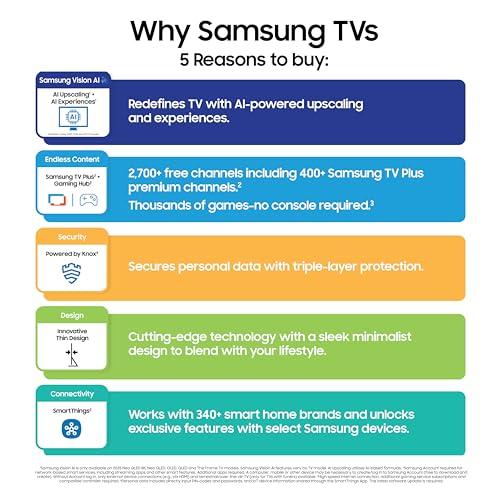
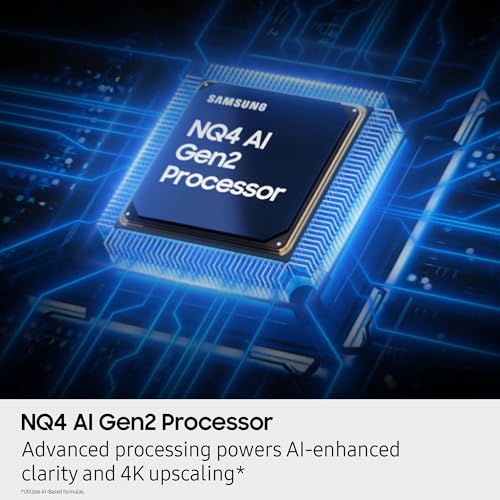
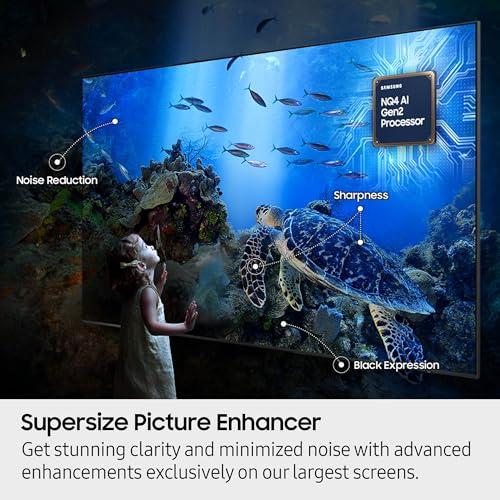
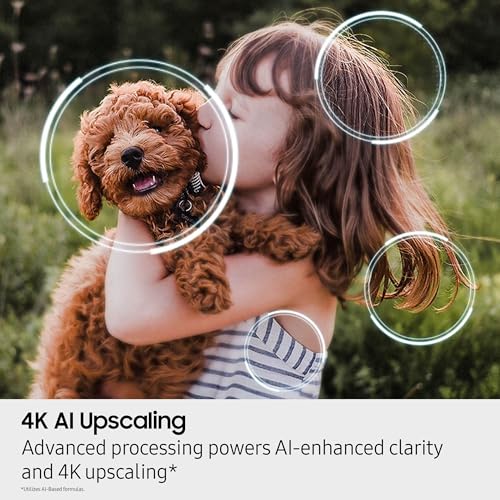
This is where Samsung pulls ahead significantly. The NQ4 AI Gen2 processor uses 20 neural networks – essentially 20 different AI "brains" – to analyze and optimize your picture in real-time. This isn't just marketing fluff; it genuinely improves lower-quality content like streaming shows or cable TV by predicting what details should look like and filling them in intelligently.
Samsung's Auto HDR Remastering is particularly impressive, taking standard content and making it appear more HDR-like by analyzing scenes and boosting contrast selectively. I've noticed this makes a real difference when watching older shows or sports broadcasts that weren't originally filmed in HDR.
The Hisense relies more on traditional processing, which works well but lacks this contextual intelligence. Where Samsung might recognize a face and optimize skin tones specifically, Hisense applies more general enhancement algorithms.
Both TVs excel at color reproduction thanks to their quantum dot technology, but they handle viewing angles differently. The Samsung QN80F uses advanced IPS-type technology that maintains color accuracy even when viewed from the side – crucial for large living rooms where not everyone sits directly in front of the TV.
The Hisense uses a more traditional VA-type panel that looks stunning when viewed straight-on but can shift colors or lose contrast when viewed from extreme angles. For most homes, this isn't a deal-breaker, but it's worth considering your seating arrangement.
Samsung's new Glare-Free technology deserves special mention. Unlike traditional anti-glare coatings that can make the picture look washed out, Samsung's approach reduces reflections while maintaining color vibrancy. In my experience with bright living rooms, this makes a noticeable difference during daytime viewing.
Both TVs target serious gamers, but they take different approaches to gaming excellence.
The Hisense UX Series offers native 144Hz refresh rate, meaning it can display up to 144 unique frames per second. This is particularly beneficial for PC gaming, where high-end graphics cards can push frame rates above the typical 120Hz found on most gaming TVs.
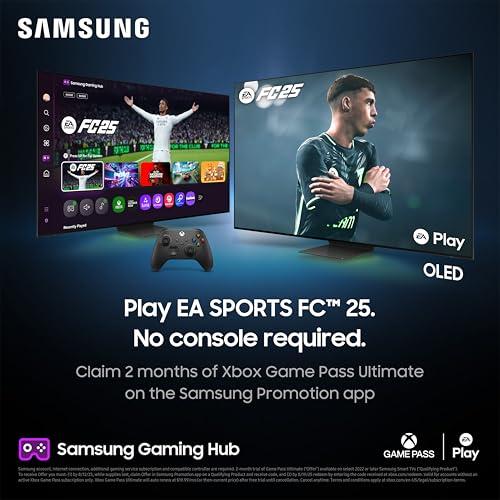
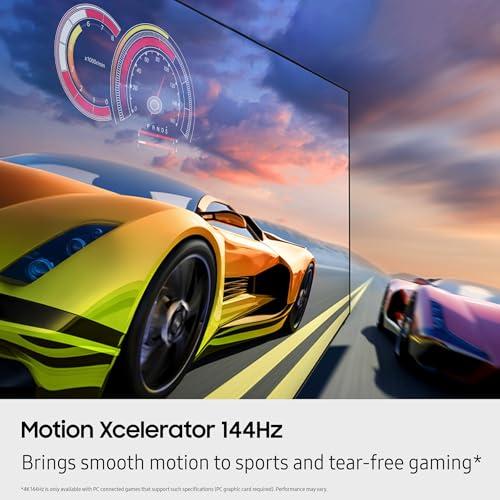
Samsung's approach is more nuanced. While native 120Hz, its Motion Xcelerator technology can interpolate up to 144Hz, and more importantly, it optimizes the entire gaming experience through AI Game Mode. This feature automatically detects what type of game you're playing – whether it's a fast-paced shooter or a cinematic adventure – and adjusts picture settings accordingly.
Both support Variable Refresh Rate (VRR), which synchronizes the TV's refresh rate with your gaming device to eliminate screen tearing. However, Samsung includes more comprehensive gaming features like Game Bar, which provides real-time performance statistics, and support for ultra-wide gaming modes that can simulate a 21:9 or even 32:9 aspect ratio for a more immersive experience.
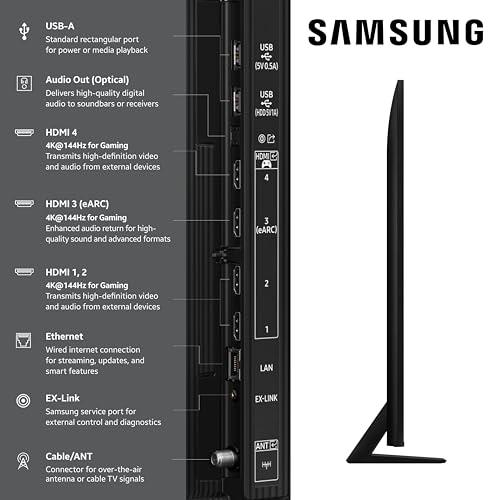
Here's a practical consideration: the Samsung QN80F includes four HDMI 2.1 ports, while the Hisense provides two. If you're connecting a PlayStation 5, Xbox Series X, gaming PC, and perhaps a streaming device, Samsung's extra ports eliminate the need for HDMI switching.
Both TVs support Auto Low Latency Mode (ALLM), which automatically switches to game mode when it detects a gaming signal, reducing input lag – the delay between pressing a button and seeing the action on screen.
Most people focus on picture quality and overlook audio, but with screens this large, sound becomes increasingly important for immersion.
The Hisense UX Series includes something rare in TVs: a built-in subwoofer. Its 4.2.2 CineStage X system provides noticeably better bass response than typical TV speakers, which often sound thin and lack impact. For many users, this could delay or eliminate the need to buy a separate soundbar.
Samsung's audio approach focuses more on spatial audio effects. Object Tracking Sound Lite (OTS Lite) attempts to make sound appear to come from specific parts of the screen – like dialogue following an actor as they move across the scene. While the Samsung QN80F lacks a dedicated subwoofer, its Adaptive Sound Pro uses AI to analyze your room acoustics and optimize audio accordingly.
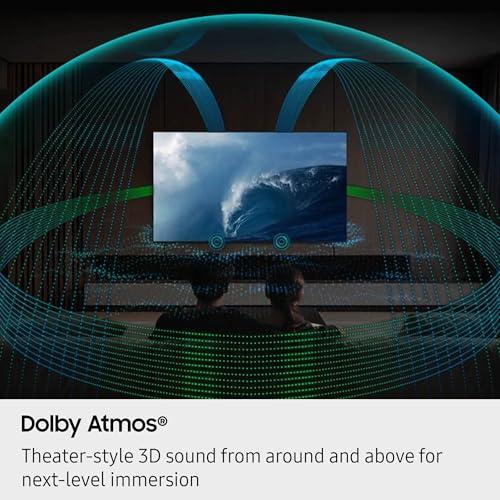
Both support Dolby Atmos, the surround sound format that adds height information for more immersive audio. However, neither can truly replace a dedicated sound system for serious home theater applications.
This choice often comes down to personal preference and your existing tech ecosystem.
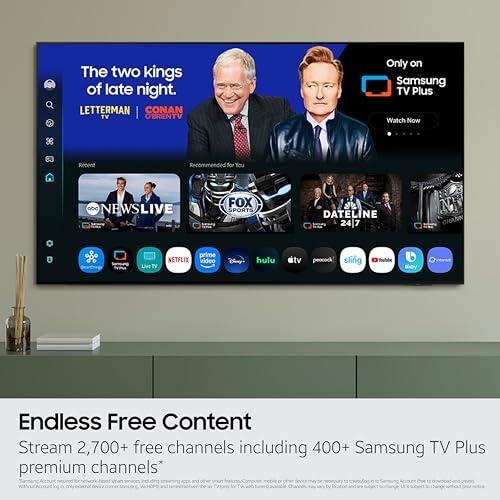
The Hisense UX Series runs Google TV, which I find more intuitive for content discovery. Its search function works across multiple streaming services simultaneously, and the interface feels familiar to Android phone users. Google TV also supports a broader range of streaming apps, including some niche services that Samsung's platform might not offer.
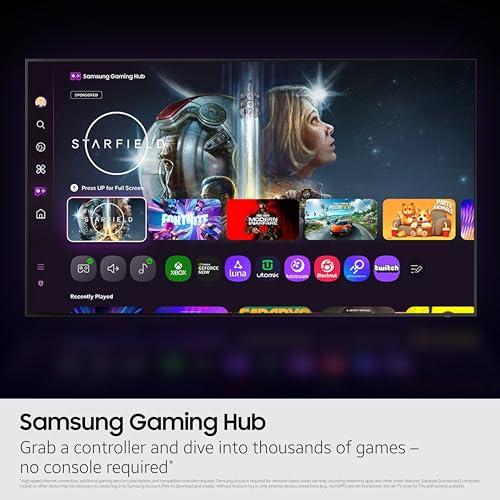
Samsung's Tizen platform integrates beautifully with other Samsung devices. If you have a Samsung phone, Galaxy Buds, or Samsung smart home devices, the ecosystem integration is seamless. Features like Generative Wallpaper, which uses AI to create custom backgrounds based on your preferences, showcase Samsung's innovation in this space.
One significant difference: Hisense supports Dolby Vision, while Samsung does not. Dolby Vision is an enhanced HDR format used by Netflix, Disney+, and Apple TV+. While Samsung's HDR10+ is technically capable, many streaming services prioritize Dolby Vision, making this a real-world advantage for the Hisense.
At around $5,000, the Hisense UX Series delivers impressive value. You're getting industry-leading brightness, Dolby Vision support, built-in subwoofer, and a 98-inch screen that's nearly indistinguishable from 100 inches in most rooms.
The Samsung QN80F commands about $1,000 more at approximately $6,000, but that premium buys you more sophisticated processing, better gaming integration, superior viewing angles, and what I consider more polished overall execution. Samsung TVs also typically receive software updates for longer periods.
For dedicated home theater rooms, both TVs present interesting trade-offs. The Hisense's extreme brightness might actually be too much in a completely dark room, where Samsung's more controlled approach often looks more natural. However, the Hisense's superior contrast ratio from its higher zone count can create more dramatic lighting effects that some home theater enthusiasts prefer.
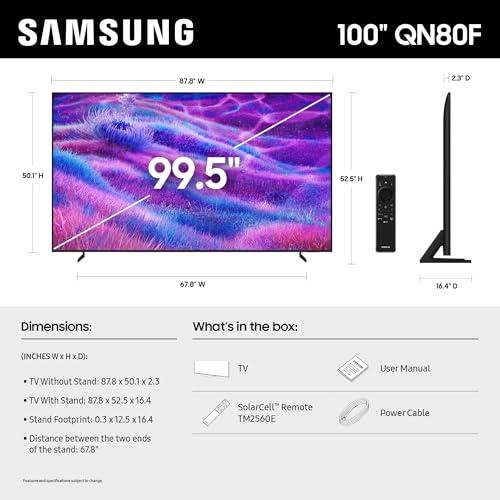
Screen size matters here too. While 2 inches might not sound significant, the Samsung's 100-inch screen provides about 4% more viewing area than the Hisense's 98-inch panel. In large dedicated theater rooms, this difference becomes more noticeable.
Both TVs benefit significantly from professional calibration, which can cost $300-500 but unlocks their full potential for serious movie watching.
Based on my experience with both brands, Samsung typically provides more consistent quality control and longer software support. Their TVs often receive feature updates and security patches for 4-5 years, while Hisense's update schedule can be less predictable.
However, Hisense has been improving rapidly in this area, and their recent models show better build quality and more reliable performance than older generations.
Choose the Samsung QN80F if you're a serious gamer with multiple consoles, want the most advanced picture processing available, have a bright room that needs excellent anti-glare performance, or are already invested in Samsung's ecosystem. The extra $1,000 buys you noticeably more sophisticated technology and typically better long-term support.
Go with the Hisense UX Series if you want maximum visual impact for movies and HDR content, prefer Google TV's interface and app selection, need Dolby Vision support for streaming services, want better built-in audio without immediately buying a soundbar, or simply want to maximize the impressive technology you get per dollar spent.
Both represent excellent values in the large-screen TV market, but they serve slightly different priorities. The Samsung feels more premium and refined, while the Hisense offers more raw performance for less money. Either choice will transform your living room into something approaching a personal cinema – it just depends on whether you prioritize intelligence or intensity in your viewing experience.
| Samsung 100" Neo QLED QN80F 4K Smart TV 2025 | Hisense 98" UX Series 4K Mini-LED ULED Google TV |
|---|---|
| Screen Size - Bigger screen provides more immersive experience | |
| 100" diagonal (4% more viewing area) | 98" diagonal (nearly identical experience) |
| Peak Brightness - Critical for HDR impact and bright room viewing | |
| ~3,000 nits (excellent for most rooms) | 5,000+ nits (industry-leading, exceptional for bright spaces) |
| Local Dimming Zones - More zones mean better contrast and less blooming | |
| ~1,920 zones (precise control, minimal blooming) | 10,000+ zones (excellent zone density for the price) |
| Gaming Refresh Rate - Higher rates provide smoother motion for gaming | |
| 120Hz native (144Hz via Motion Xcelerator) | 144Hz native (slightly better for high-end PC gaming) |
| HDMI 2.1 Ports - More ports eliminate need for switching devices | |
| 4 ports (connect multiple gaming consoles + devices) | 2 ports (may require HDMI switcher for multiple devices) |
| HDR Format Support - Dolby Vision is used by major streaming services | |
| HDR10, HDR10+ (no Dolby Vision) | HDR10, HDR10+, Dolby Vision (better streaming compatibility) |
| Smart TV Platform - Affects app selection and user experience | |
| Tizen OS with Bixby (Samsung ecosystem integration) | Google TV (broader app support, better search) |
| Audio System - Built-in subwoofer provides better bass without soundbar | |
| 30W 4CH with Object Tracking Sound (no subwoofer) | 4.2.2 CineStage X with built-in subwoofer (richer sound) |
| AI Processing - Advanced processing improves picture quality of all content | |
| NQ4 AI Gen2 with 20 neural networks (superior upscaling) | Standard processing (good but less intelligent optimization) |
| Viewing Angles - Important for rooms with multiple seating positions | |
| Wide viewing angles with Glare-Free technology | Standard viewing angles (colors shift when viewed from side) |
| Price - Samsung QN80F costs about $1,000 more for premium features | |
| ~$6,000 (premium for AI processing and gaming features) | ~$5,000 (better value for raw brightness and hardware specs) |
The Hisense 98" UX Series is significantly brighter with over 5,000 nits peak brightness compared to the Samsung QN80F's approximately 3,000 nits. This makes the Hisense much better for bright rooms with lots of windows or daytime viewing, while the Samsung is still excellent for most lighting conditions.
The Samsung 100" Neo QLED QN80F is better for gaming due to its four HDMI 2.1 ports, advanced Game Bar interface, AI Game Mode that automatically optimizes settings, and support for ultra-wide gaming modes. While the Hisense UX Series offers native 144Hz refresh rate, Samsung's overall gaming ecosystem is more comprehensive.
The Hisense 98" UX Series costs around $5,000, while the Samsung QN80F is priced at approximately $6,000. The $1,000 difference gets you Samsung's advanced AI processing, better gaming features, superior viewing angles, and typically longer software support.
Both offer excellent smart features but with different strengths. The Hisense UX Series runs Google TV with broader app selection and better content discovery, while the Samsung QN80F uses Tizen OS with superior ecosystem integration if you own other Samsung devices. Hisense also supports Dolby Vision, which Samsung lacks.
For dedicated dark home theater rooms, the Samsung QN80F often performs better due to its more controlled Mini-LED backlighting that reduces blooming around bright objects. However, the Hisense UX Series offers superior contrast with its higher zone count, making it excellent for dramatic HDR content.
The Hisense 98" UX Series has better built-in audio with its 4.2.2 CineStage X system that includes a rare built-in subwoofer for deeper bass. The Samsung QN80F features Object Tracking Sound technology for spatial audio effects but lacks a subwoofer. Both support Dolby Atmos.
The Hisense UX Series supports more HDR formats including Dolby Vision, HDR10, and HDR10+, making it compatible with more streaming content from Netflix, Disney+, and Apple TV+. The Samsung QN80F only supports HDR10 and HDR10+ but lacks Dolby Vision.
The Samsung QN80F offers a 100-inch screen compared to the Hisense's 98-inch display. While this 2-inch difference provides about 4% more viewing area, both deliver essentially the same massive, cinematic experience in most room sizes.
The Samsung 100" Neo QLED QN80F has superior picture processing with its NQ4 AI Gen2 processor that uses 20 neural networks for real-time optimization, AI upscaling, and Auto HDR Remastering. The Hisense UX Series relies on more traditional processing that works well but lacks Samsung's intelligent content analysis.
The Hisense 98" UX Series is better for bright rooms due to its exceptional 5,000+ nits peak brightness that can overcome ambient light. The Samsung QN80F features advanced Glare-Free technology that reduces reflections effectively, but the Hisense's raw brightness advantage is significant for very bright spaces.
The Samsung QN80F offers four HDMI 2.1 ports, allowing you to connect multiple gaming consoles, streaming devices, and other equipment without switching. The Hisense UX Series provides two HDMI 2.1 ports, which may require an HDMI switcher if you have multiple high-bandwidth devices.
The Hisense 98" UX Series offers better immediate value with superior brightness and hardware specs for $1,000 less. However, the Samsung QN80F typically provides better long-term value through more consistent software updates, advanced AI features that improve over time, and generally more reliable build quality.
We've done our best to create useful and informative comparisons to help you decide what product to buy. Our research uses advanced automated methods to create this comparison and perfection is not possible - please contact us for corrections or questions. These are the sites we've researched in the creation of this article: rtings.com - youtube.com - theshortcut.com - c9av.com - youtube.com - rtings.com - youtube.com - samsung.com - wifihifi.com - samsung.com - samsung.com - samsung.com - bestbuy.com - samsung.com - flatpanelshd.com - schaeferstv.com - samsung.com - samsung.com - samsung.com - samsung.com - cullenshomecenter.com - bestbuy.com - walmart.com - stealthoptional.com - youtube.com - soundandvision.com - youtube.com - hdtvtest.co.uk - avsforum.com - hisense-canada.com - fouanistore.com - displayspecifications.com

Privacy Policy
Terms and Conditions - Affiliate Policy
Home Security
© Copyright 2008-2026.
11816 Inwood Rd #1211, Dallas, TX 75244