

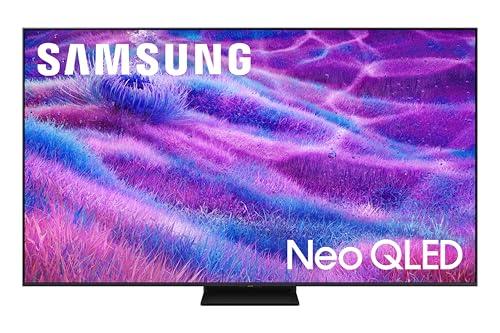

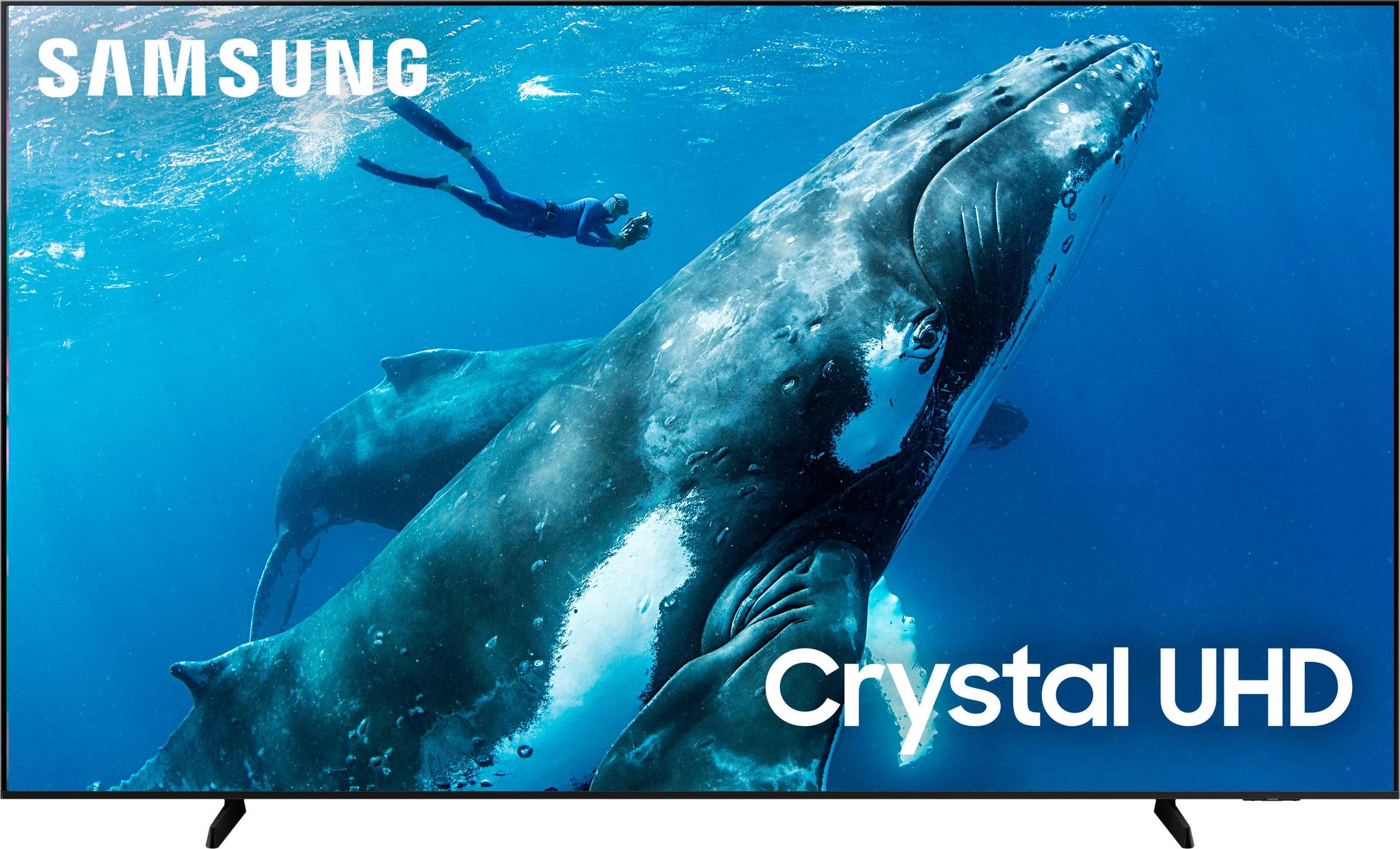
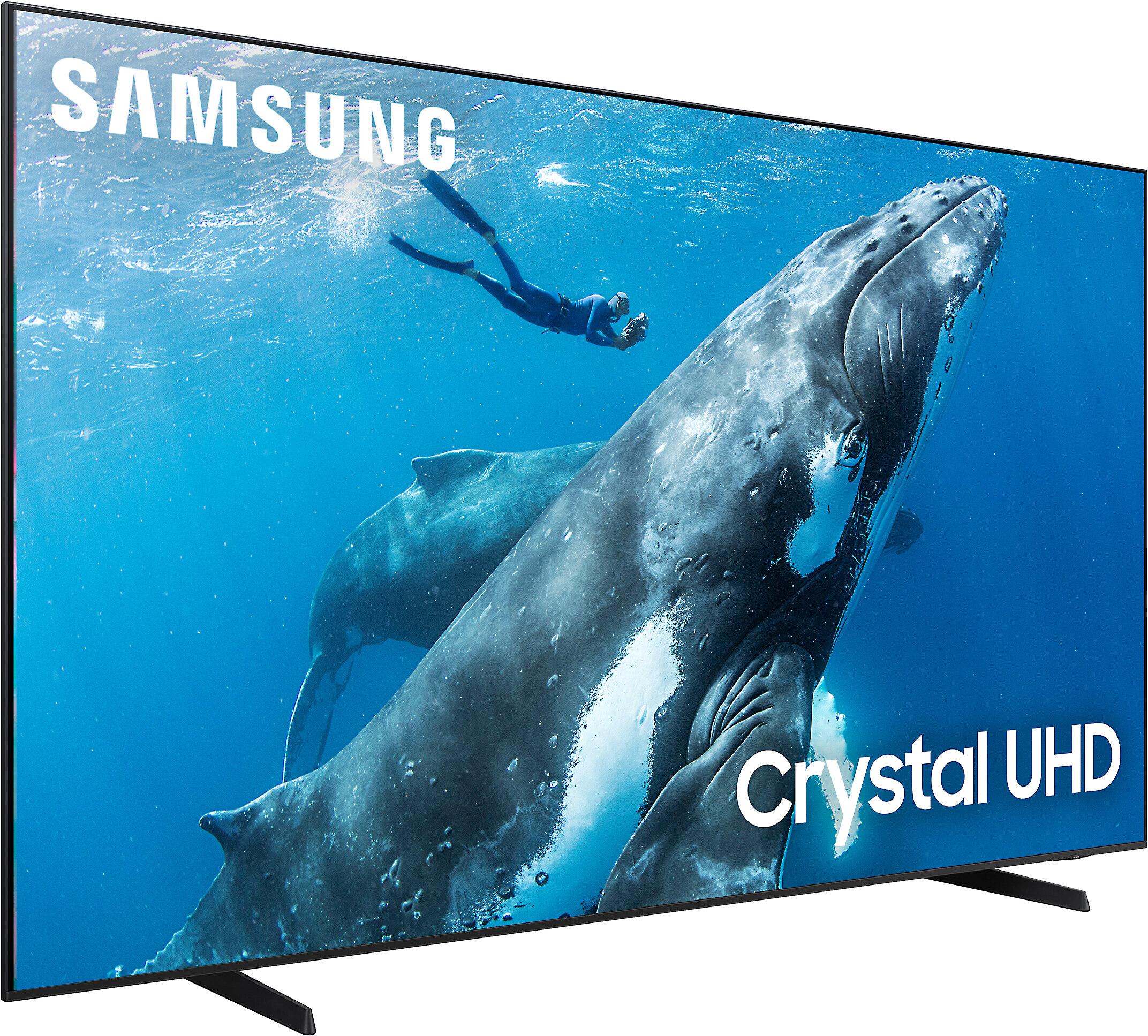
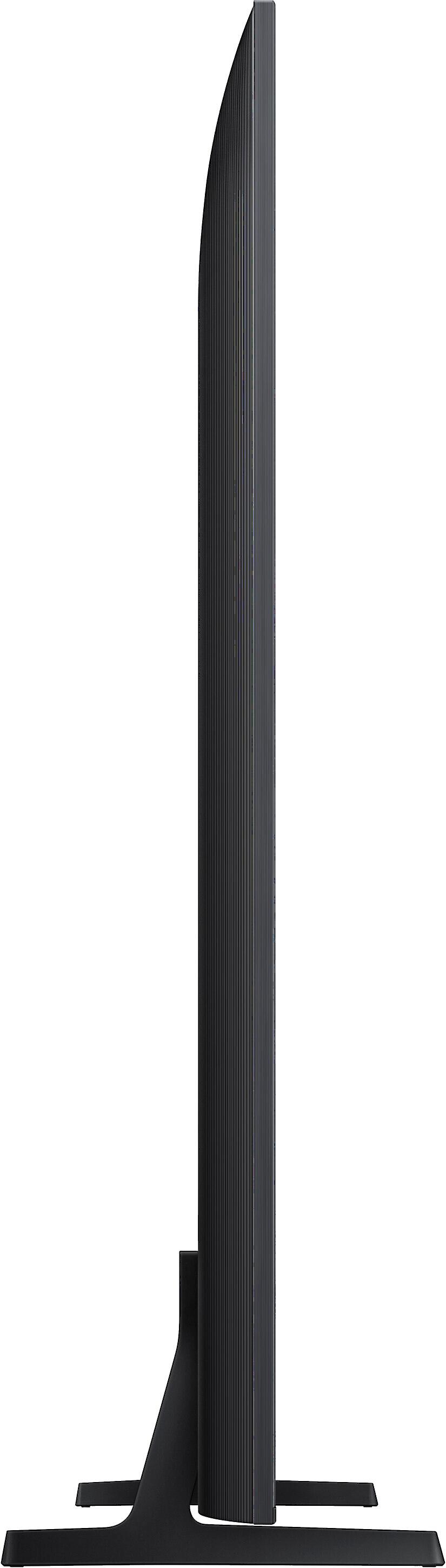
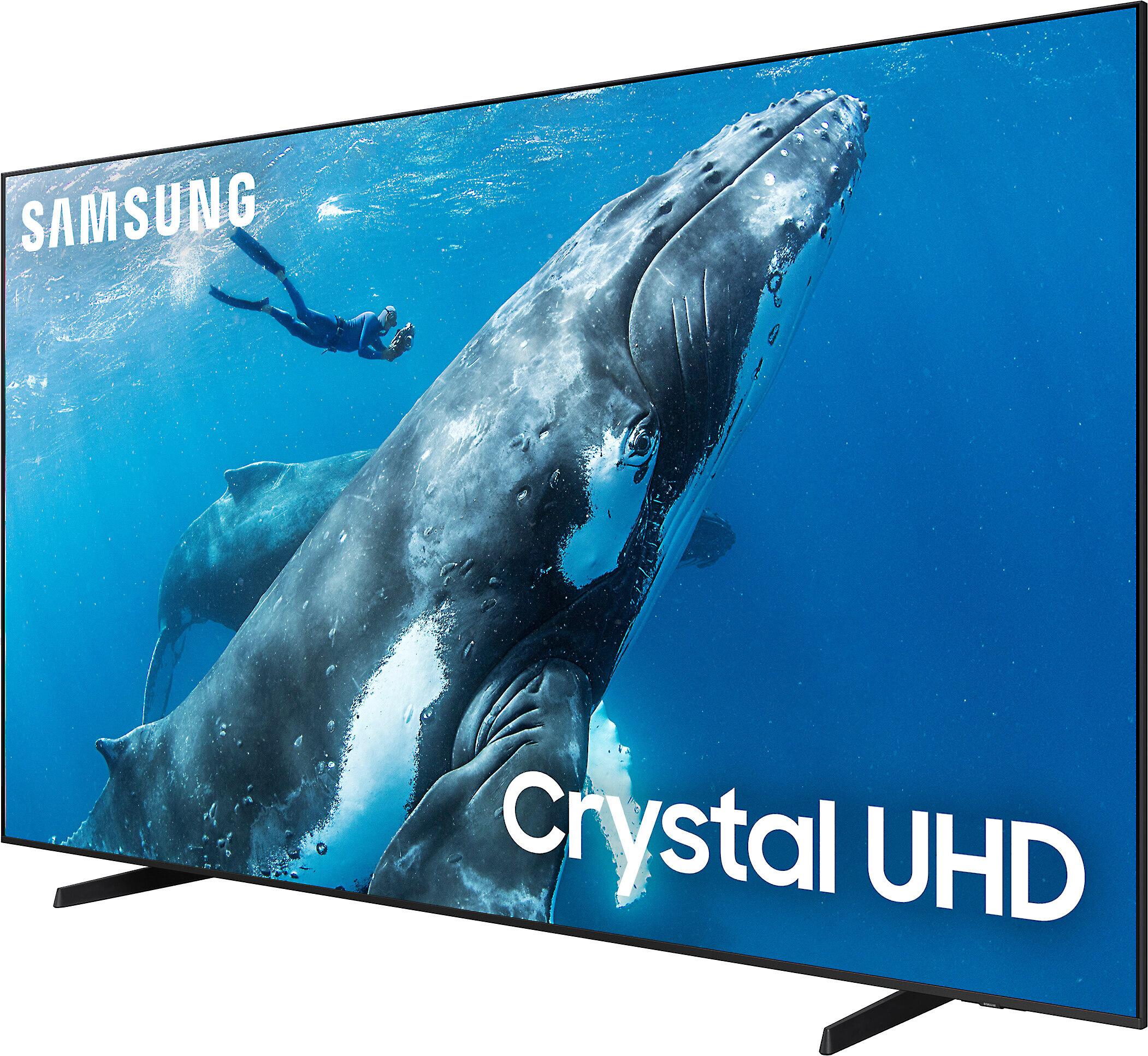
When you're shopping for a TV that's nearly as wide as your wall, the choices can feel overwhelming. Samsung's latest offerings in the super-sized category present two dramatically different approaches: the Samsung 100" Neo QLED QN80F 4K Smart TV 2025 at $5,997.99 and the Samsung 98" DU9000 Series Crystal UHD Smart TV at $898.19. That's a staggering 6x price difference for TVs that are only 2 inches apart in size – so what's really going on here?
Large screen TVs have become the holy grail of home entertainment. We're talking about displays that transform your living room into something approaching a movie theater experience. When you're dealing with screens this massive – both over 8 feet wide – every technical detail gets magnified, literally and figuratively.
The main considerations for these giants revolve around how they create the picture you see. Display technology determines whether you'll get that jaw-dropping, "I can't believe this is in my house" experience or something that just looks like a really big TV. Processing power affects how well the TV handles everything from Netflix shows to PlayStation 5 games. Gaming capabilities matter more than ever since these screens are perfect for immersive gaming setups. Smart features and the overall value proposition round out the key factors.
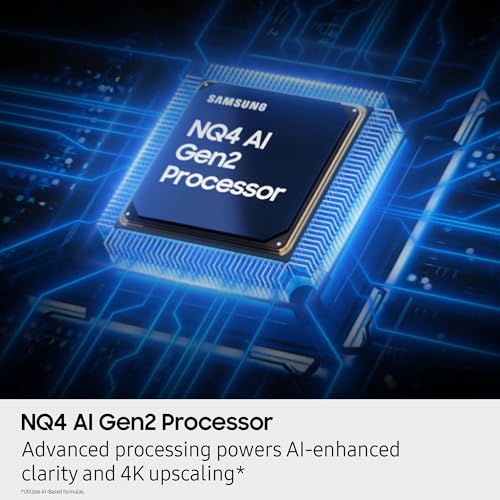
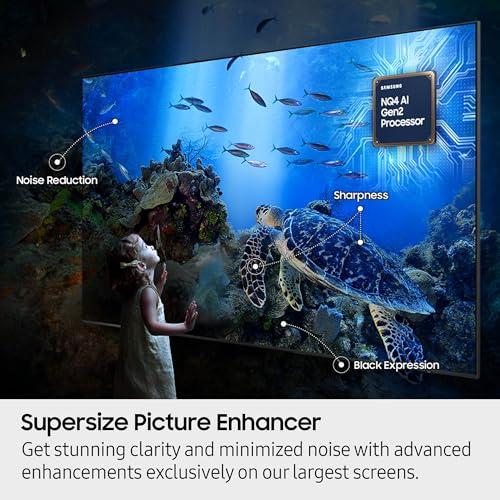
Both TVs launched in 2025, but they represent completely different philosophies. The QN80F hit the market in March 2025 as part of Samsung's premium Neo QLED refresh, bringing improvements like the new NQ4 AI Gen2 processor and enhanced Quantum Matrix Technology. The DU9000 represents Samsung's entry-level approach to super-sized screens, focusing on making massive displays accessible to more people.
Here's where things get really interesting. The fundamental difference between these TVs lies in how they create light and dark areas on screen – what we call contrast.
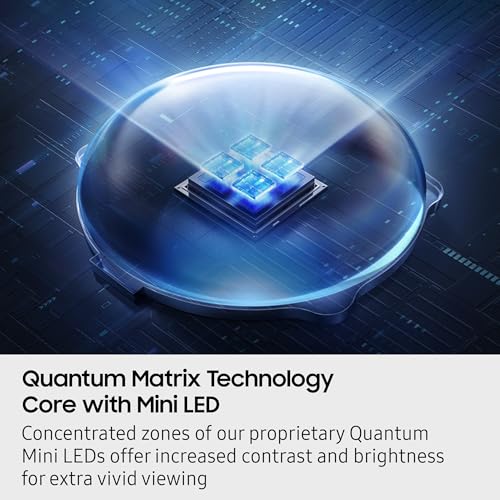
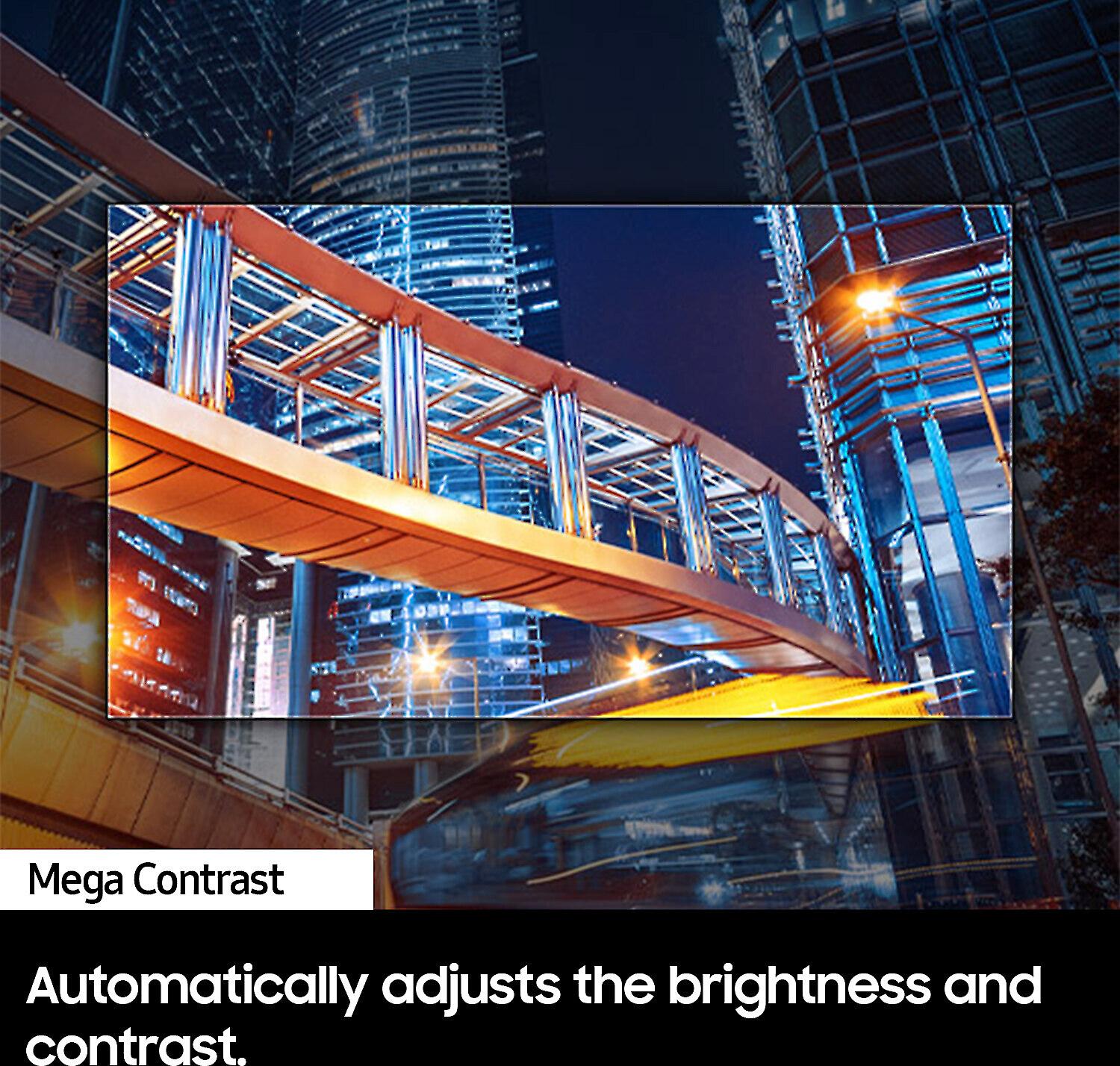
The Samsung 100" Neo QLED QN80F uses something called Mini LED backlighting with Quantum Matrix Technology Core. Think of it this way: instead of having a few large LED lights behind the screen (like older TVs), Mini LEDs are thousands of tiny lights, each smaller than a grain of rice. This allows the TV to dim specific areas of the screen independently – a technique called local dimming. When you're watching a scene with a bright explosion against a dark night sky, the TV can make the explosion blazingly bright while keeping the surrounding darkness truly black.
The quantum dots (that's the "Q" in QLED) add another layer of magic. These microscopic particles get excited by light and emit incredibly pure colors – particularly the vibrant greens and reds that make nature documentaries and Marvel movies pop off the screen. I've spent time with several Neo QLED displays, and the color accuracy is genuinely impressive, especially for content mastered in wide color gamuts.
In contrast, the Samsung 98" DU9000 uses standard edge-lit LED backlighting. Picture a few LED strips along the edges of the screen, with their light spread across the entire display. This approach works fine for most content, but it can't create the dramatic contrast differences that make HDR content shine. When that same explosion happens on screen, the entire display brightens up, turning what should be deep black space into grayish areas.
The HDR performance difference is dramatic. The QN80F supports Neo Quantum HDR and HDR10+ Adaptive, which analyzes each scene and adjusts brightness in real-time. Peak brightness levels can hit 1,000+ nits (a measure of brightness) in small areas, making highlights genuinely eye-catching. The DU9000 technically supports HDR10+, but without the peak brightness or local dimming to back it up, HDR content often looks only marginally better than standard definition.
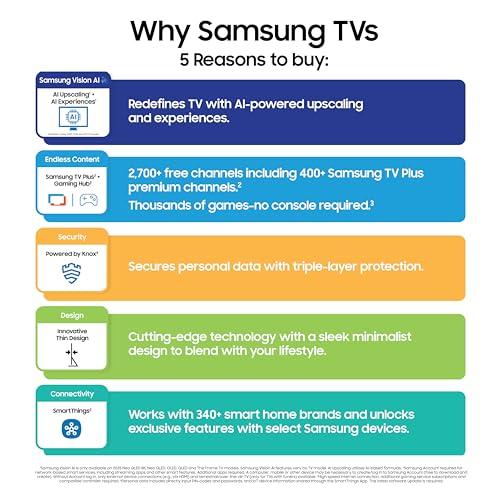
The brains of these TVs tell a similar story of premium versus practical. The Samsung QN80F runs on Samsung's NQ4 AI Gen2 Processor, which sounds like marketing speak but actually represents a significant technological leap. This chip uses 20 different neural networks – essentially specialized AI programs – to analyze and optimize everything happening on screen in real-time.
Here's what that means practically: when you're watching an old TV show that was filmed in standard definition, the AI identifies faces, objects, and textures, then applies specific enhancement algorithms to each element. Text gets sharpened differently than skin tones, which get processed differently than background objects. The Supersize Picture Enhancer specifically targets the challenges of displaying content on massive 100-inch screens, preventing the pixelation that can make lower-resolution content look terrible when blown up this large.
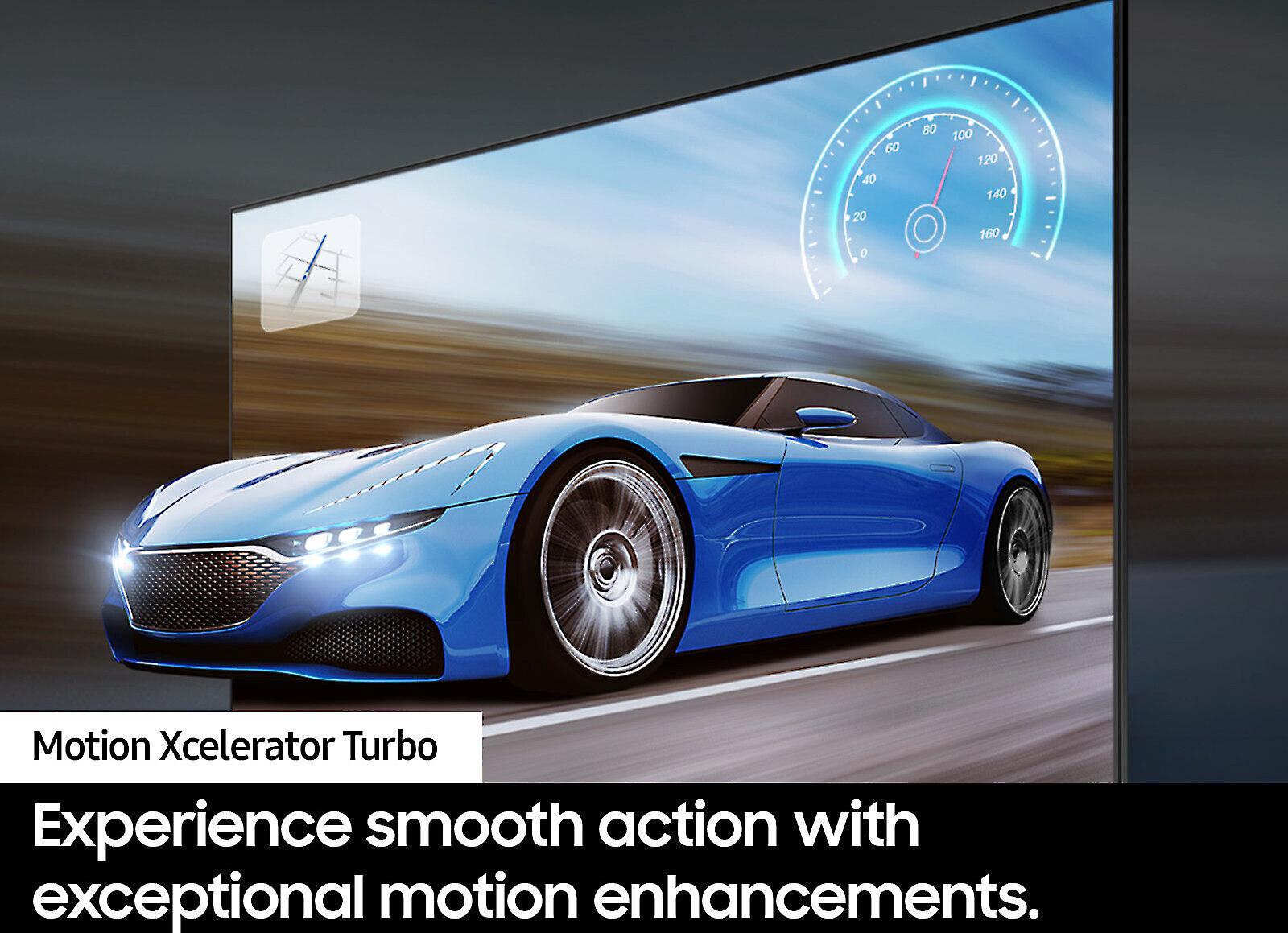
The AI also handles motion processing intelligently. Fast camera pans in sports or action sequences get different treatment than slow, cinematic movements. After using several Samsung AI-enhanced displays, I can say the difference is noticeable – sports look smoother, and movie scenes maintain their cinematic quality without the soap opera effect that plagued older motion processing.
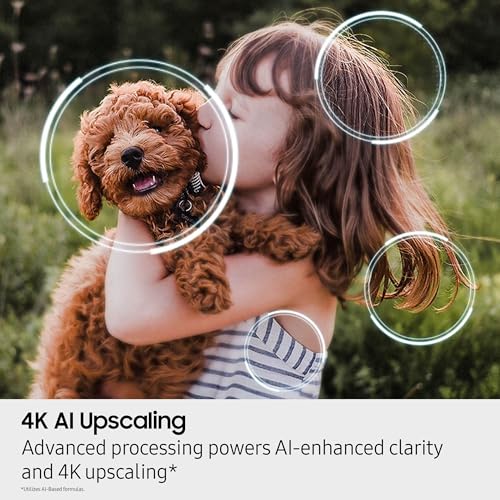
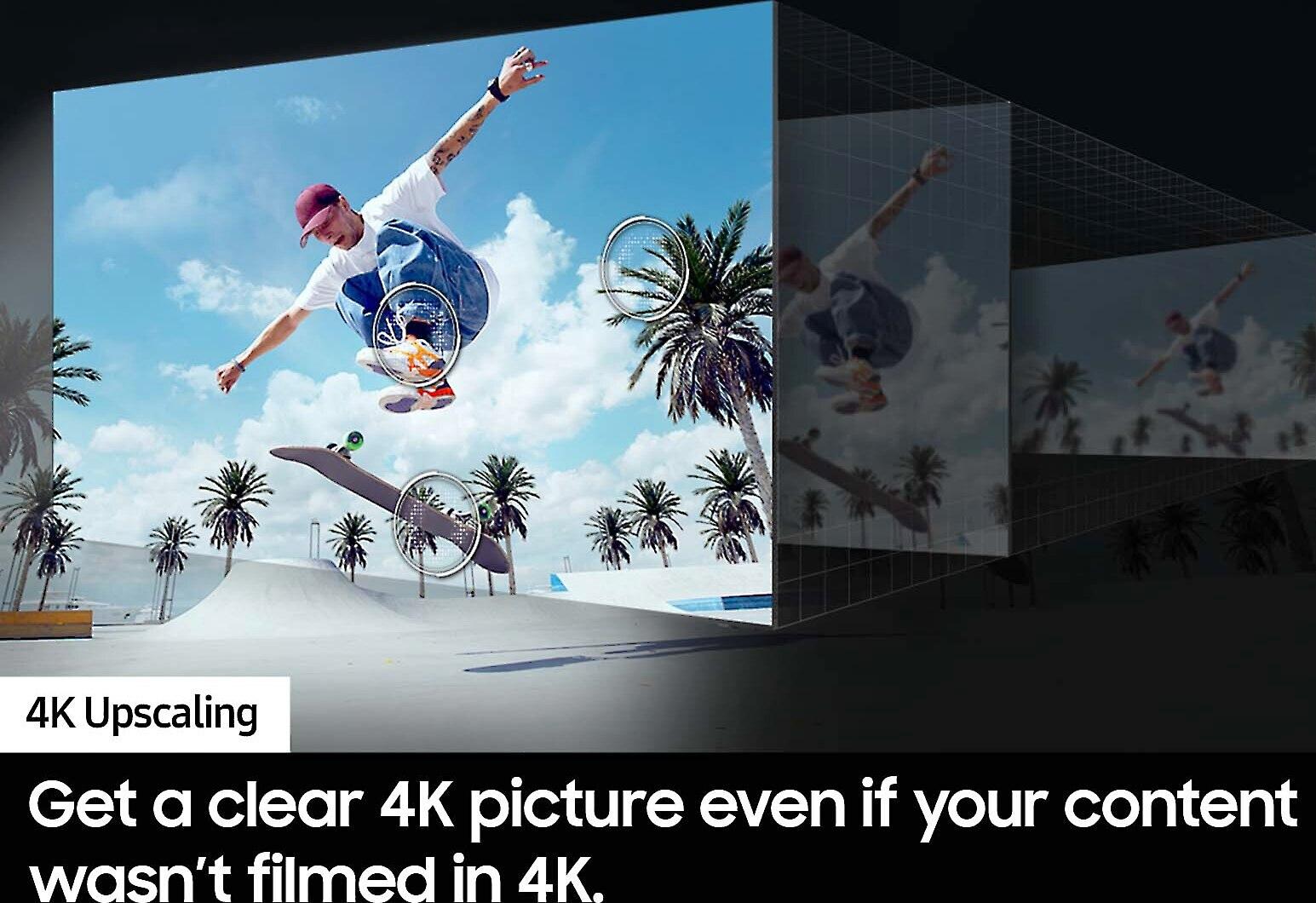
Meanwhile, the DU9000 relies on Samsung's basic Crystal Processor. It handles standard 4K upscaling competently but lacks the sophisticated analysis and optimization of its premium sibling. Content still looks good, especially bright, colorful material, but you won't get the same level of enhancement for lower-quality sources.
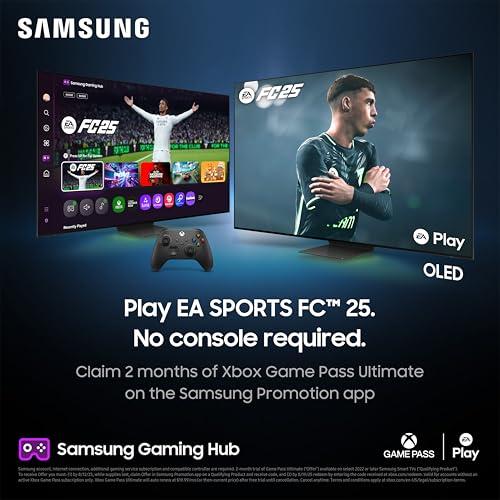
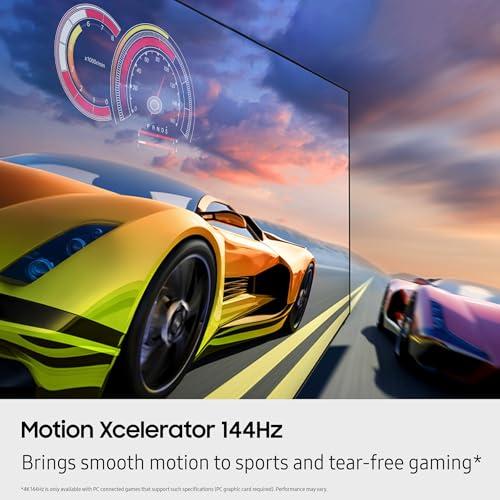
Gaming capabilities represent one of the starkest differences between these displays. The Samsung 100" Neo QLED QN80F is built for the current and next generation of gaming, supporting 4K resolution at up to 144Hz refresh rate. To put that in perspective, most TVs max out at 60Hz, meaning they can only display 60 frames per second. The QN80F can handle 144 frames per second, creating butter-smooth motion that's particularly noticeable in fast-paced games.
Variable Refresh Rate (VRR) and Auto Low Latency Mode (ALLM) work together to eliminate screen tearing and minimize input lag – the delay between pressing a button and seeing the action on screen. Input lag under 10 milliseconds means your gaming responses feel instantaneous. FreeSync Premium Pro ensures compatibility with both AMD and NVIDIA graphics cards for PC gaming.
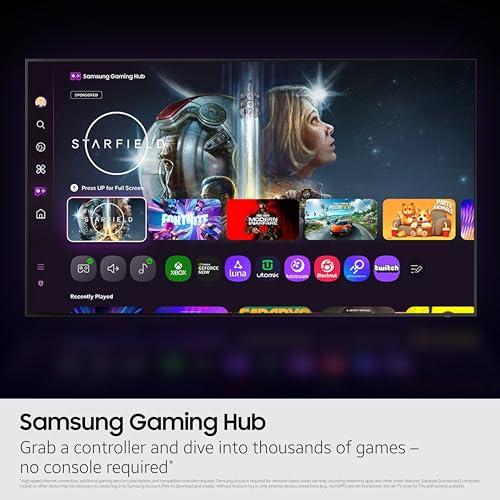
The gaming-specific features really shine on a screen this large. The Game Bar provides real-time performance metrics, ultra-wide aspect ratio support lets you see more of the game world, and AI Auto Game Mode automatically optimizes settings based on what you're playing. Having tested similar setups, gaming on a 100-inch display with proper 120Hz+ support is genuinely transformative – it's like sitting in the cockpit of a game rather than watching it.
The Samsung 98" DU9000 supports basic gaming features but caps out at 60Hz refresh rate. While it includes ALLM for reduced input lag, it can't take full advantage of PlayStation 5 or Xbox Series X capabilities. For casual gaming, it's perfectly adequate, but serious gamers will quickly notice the limitations.
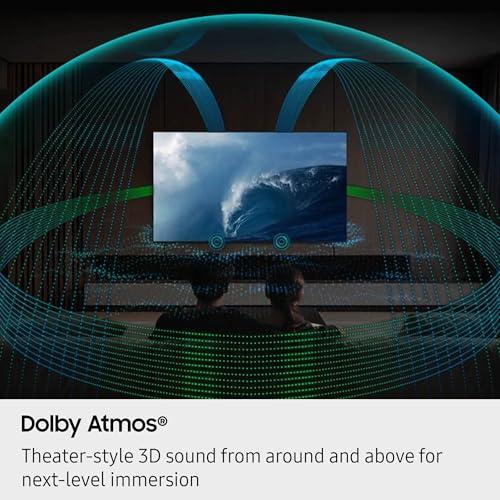
Audio capabilities reflect the overall positioning of these TVs. The QN80F includes Dolby Atmos support, which creates three-dimensional soundscapes by bouncing audio off your ceiling and walls. Object Tracking Sound Lite follows action across the screen – when a car drives from left to right, the sound moves with it. Adaptive Sound Pro analyzes both the content and your room's acoustics, adjusting dialogue clarity and overall balance automatically.
Q-Symphony represents an interesting innovation – when paired with a compatible Samsung soundbar, the TV's speakers don't shut off. Instead, they work together with the soundbar to create a more enveloping sound experience. Having experienced this setup, it does create noticeably fuller audio compared to soundbar-only configurations.
The DU9000 provides functional audio without the advanced processing. While it includes basic adaptive sound features, it lacks the immersive formats and sophisticated processing that make the premium model's audio genuinely engaging.
Both TVs run Samsung's Tizen operating system, but the experience differs significantly. The Samsung 100" Neo QLED QN80F includes Samsung's Vision AI features, with Generative Wallpaper being particularly clever – it creates custom artwork based on keywords you provide, turning your massive screen into a dynamic art display when not in use.
Voice control works with Bixby, Amazon Alexa, and Google Assistant, with far-field microphones that can hear you from across the room. The interface responds quickly thanks to the powerful processor, and the TV serves as a SmartThings hub for controlling other smart home devices.
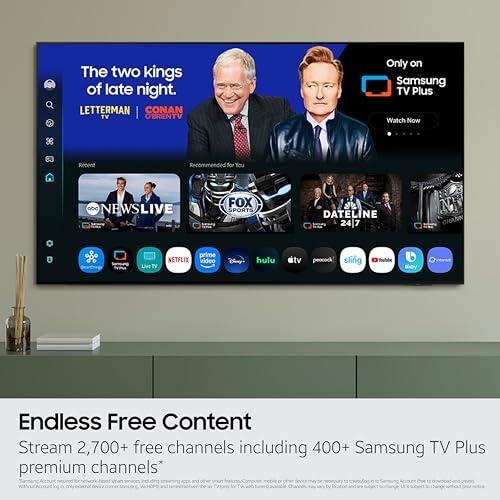
The DU9000 includes core Tizen functionality with access to all major streaming apps, but lacks the AI enhancements and advanced voice control features. For basic streaming and app usage, it's perfectly capable, just without the premium conveniences.
In a dedicated home theater setting, these TVs reveal their true personalities. The Samsung QN80F excels in controlled lighting environments where its superior contrast and HDR capabilities can shine. The anti-glare technology helps in moderately lit rooms, though it's not as aggressive as higher-end models. Color accuracy after calibration is impressive, making it suitable for enthusiasts who care about how movies look as directors intended.
The massive 100-inch screen creates genuine cinematic immersion. At recommended viewing distances (8-12 feet for this size), you'll notice individual details in films that smaller screens simply can't reveal. The AI processing helps with the varied quality of streaming content – Netflix's latest shows look spectacular, while older content gets intelligently enhanced.
For home theater use, the DU9000 faces more limitations. Without local dimming, dark scenes in movies lose detail and impact. However, for bright content like sports, documentaries, or animated films, the size alone creates an impressive experience. The lower price point makes it accessible for casual movie watching, though serious cinephiles will likely want to invest in the premium option.
The Samsung 100" Neo QLED QN80F 4K Smart TV 2025 at $5,997.99 represents premium technology at flagship pricing. You're paying approximately $60 per inch for Mini LED backlighting, AI processing, advanced gaming features, and future-proof connectivity. For enthusiasts building a serious home theater or gaming setup, these features justify the investment.
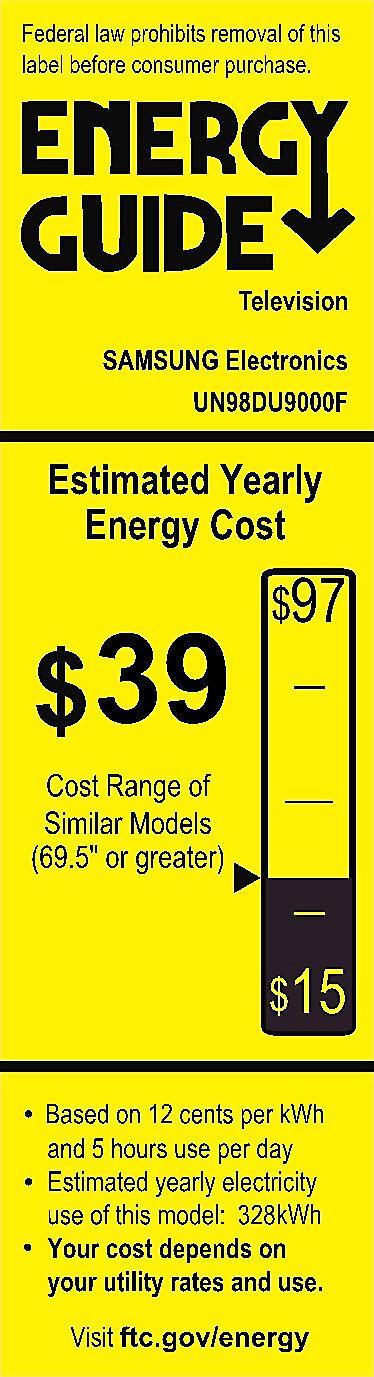
The Samsung 98" DU9000 Series Crystal UHD Smart TV at $898.19 delivers massive screen real estate at just $9.16 per inch. While it lacks premium features, it makes super-sized displays accessible to many more buyers. For families wanting the biggest possible screen for everyday viewing, the value proposition is compelling.
The 6.7x price difference reflects genuinely different technology tiers rather than simple markup. You're not just paying extra for minor improvements – you're getting fundamentally superior display technology, processing power, and feature sets.
Choose the Samsung 100" Neo QLED QN80F if picture quality matters most to you. If you're building a dedicated home theater, game seriously on modern consoles, or plan to keep this TV for many years, the premium features provide tangible benefits. The superior HDR performance, AI processing, and 144Hz gaming support future-proof your investment. Budget around $6,000 and you'll get reference-quality performance on a massive scale.
Choose the Samsung 98" DU9000 Crystal UHD if maximum size at minimum cost is your priority. For casual viewing, streaming shows, and basic gaming, it delivers an impressive experience at under $900. The picture quality, while not premium, is perfectly enjoyable for most content. Just understand the limitations for HDR content and high-refresh gaming.
Both TVs offer something unique in Samsung's 2025 lineup. The decision ultimately comes down to whether premium performance justifies the significant price jump for your specific viewing habits and budget. Either way, you'll end up with a genuinely massive screen that transforms how you experience entertainment at home.
| Samsung 100" Neo QLED QN80F 4K Smart TV 2025 | Samsung 98" DU9000 Series Crystal UHD Smart TV |
|---|---|
| Price - Massive difference for similar screen sizes | |
| $5,997.99 ($59.98 per inch) | $898.19 ($9.16 per inch) |
| Screen Size - Negligible 2-inch difference | |
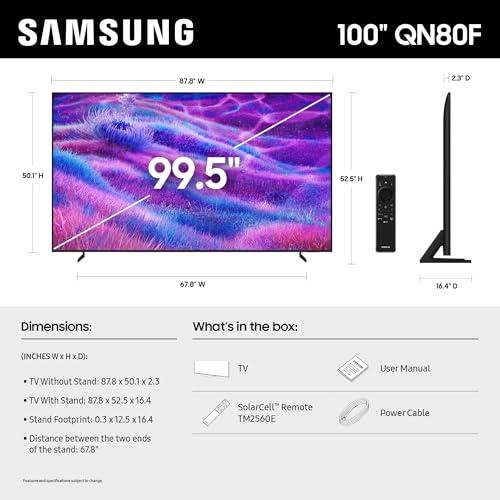
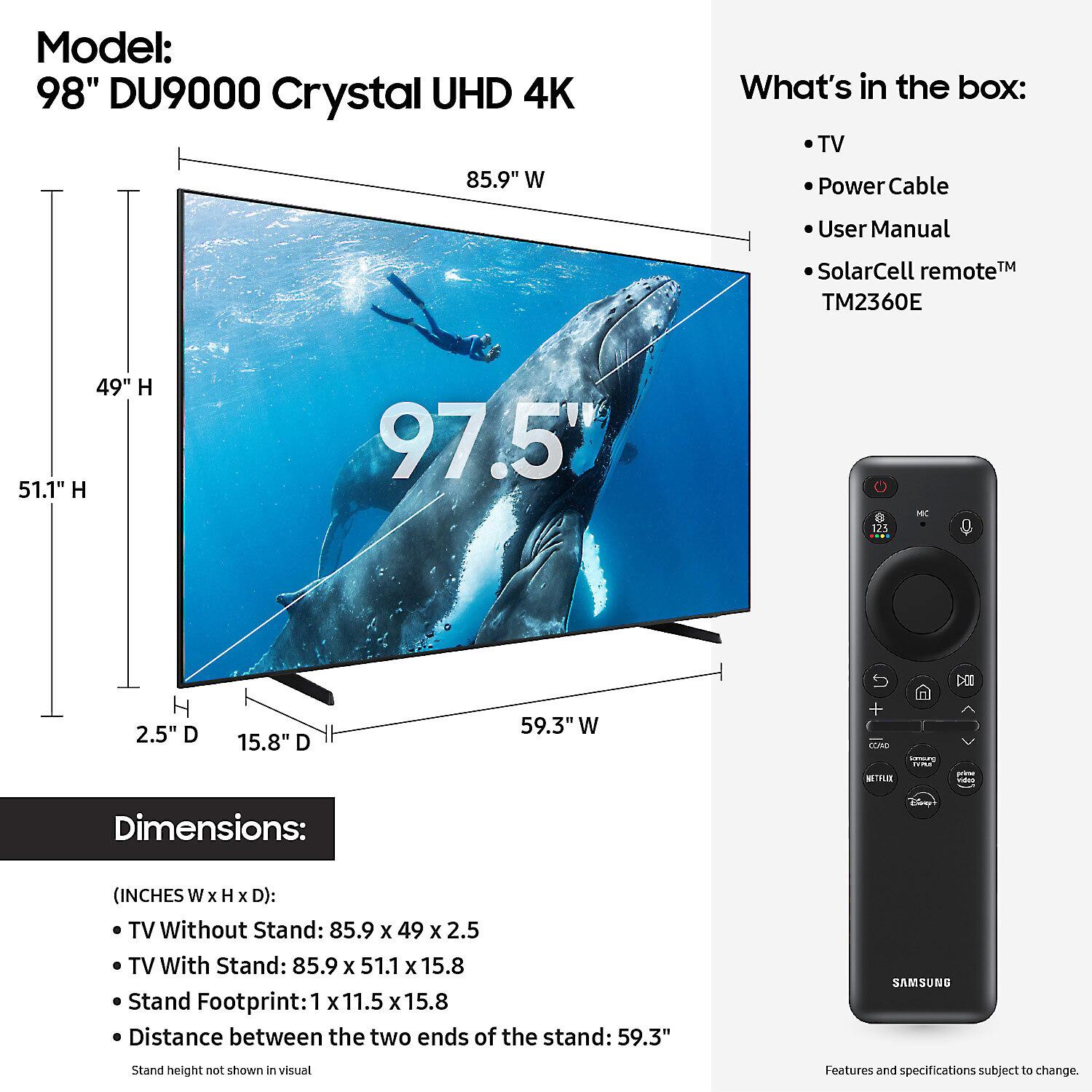
| 100" diagonal (99.5" viewable) | 98" diagonal (97.5" viewable) |
| Display Technology - The most important difference affecting picture quality | |
| Neo QLED with Mini LED backlighting and local dimming | Standard LED with edge lighting (no local dimming) |
| Processor - Determines upscaling quality and smart features | |
| NQ4 AI Gen2 with 20 neural networks | Basic Crystal Processor 4K |
| HDR Performance - Critical for movie watching and streaming | |
| Neo Quantum HDR with 1,000+ nits peak brightness | Basic HDR10+ with limited brightness range |
| Gaming Refresh Rate - Essential for PS5/Xbox Series X | |
| Up to 144Hz (4K/120Hz gaming support) | 60Hz maximum (limited gaming performance) |
| Gaming Features - Advanced console compatibility | |
| VRR, ALLM, FreeSync Premium Pro, Game Bar | Basic ALLM only |
| HDMI Ports - Connectivity for modern devices | |
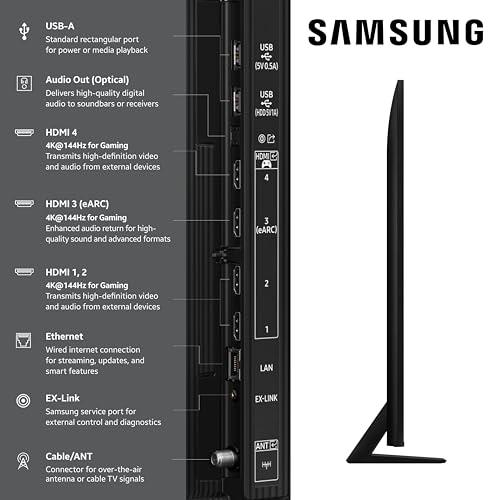
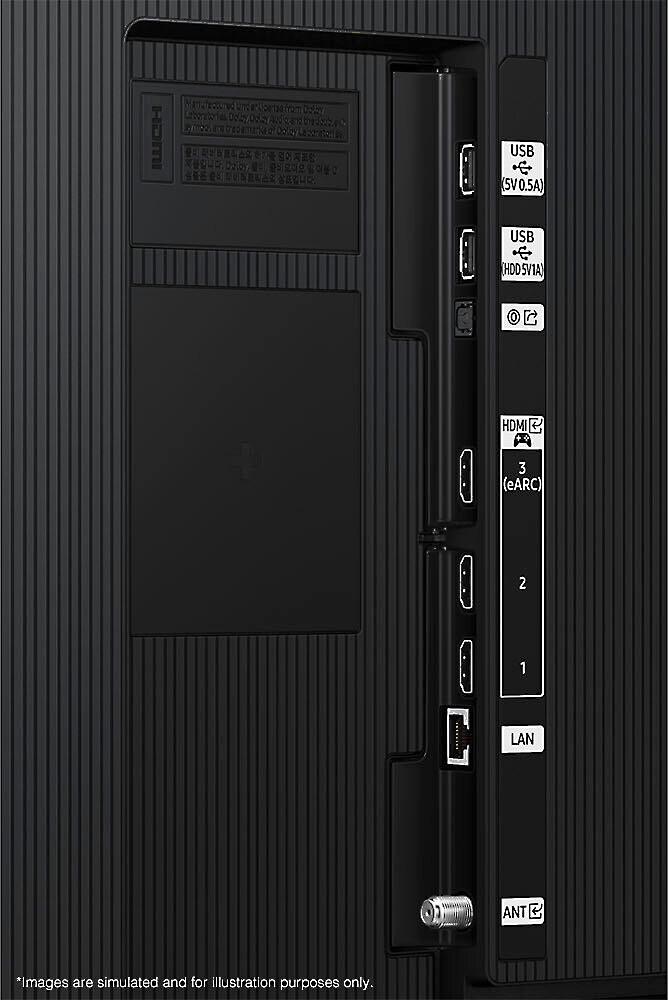
| 4x HDMI 2.1 (full 48Gbps bandwidth) | 3x HDMI (limited bandwidth) |
| Audio Technology - Sound quality without external speakers | |
| Dolby Atmos, Object Tracking Sound Lite, 30W 4CH | Basic stereo, 20W 2CH |
| Smart TV AI Features - Advanced functionality and voice control | |
| Generative AI Wallpaper, Multi-assistant support, Vision AI | Standard Tizen OS with basic voice control |
| Build Quality - Premium materials and design | |
| Premium construction with anti-glare coating | Standard plastic construction |
| Best For - Target buyer profile | |
| Home theater enthusiasts, serious gamers, future-proofing | Budget-conscious buyers wanting maximum screen size |
The primary difference is display technology. The Samsung 100" Neo QLED QN80F uses premium Mini LED backlighting with local dimming for superior contrast and HDR performance, while the Samsung 98" DU9000 uses standard edge-lit LED without local dimming. This results in dramatically different picture quality, especially for dark scenes and HDR content.
The Samsung 100" Neo QLED QN80F costs $5,997.99 compared to the Samsung 98" DU9000 at $898.19 - that's nearly 7 times more expensive. The price difference reflects premium Mini LED technology, AI processing, and advanced gaming features versus basic LED display technology.
The Samsung 100" Neo QLED QN80F is significantly better for modern gaming, supporting 4K at 144Hz with VRR, ALLM, and FreeSync Premium Pro. The Samsung 98" DU9000 is limited to 60Hz refresh rate, which can't fully utilize the capabilities of current-generation gaming consoles.
The size difference is minimal - only 2 inches diagonally. Both TVs are massive at over 8 feet wide, so the viewing experience is virtually identical in terms of screen real estate. The Samsung 100" Neo QLED QN80F and Samsung 98" DU9000 will both dominate any room they're placed in.
The Samsung 100" Neo QLED QN80F delivers significantly better picture quality with its Mini LED backlighting, higher peak brightness, and Neo Quantum HDR support. The Samsung 98" DU9000 provides decent picture quality for the price but cannot match the contrast, color accuracy, or HDR performance of the premium model.
The Samsung 100" Neo QLED QN80F performs better in bright rooms thanks to higher peak brightness and anti-glare technology. The Samsung 98" DU9000 can struggle with reflections and washed-out colors in very bright environments, making it better suited for controlled lighting conditions.
For home theater use, the Samsung 100" Neo QLED QN80F is the clear winner. Its Mini LED backlighting provides true blacks, excellent HDR performance, and color accuracy that's crucial for cinematic content. The Samsung 98" DU9000 lacks the contrast and HDR capabilities that make movies truly immersive in a dark theater environment.
Both run Samsung's Tizen OS with access to all major streaming apps. However, the Samsung 100" Neo QLED QN80F includes advanced AI features like Generative Wallpaper, multiple voice assistants, and faster performance. The Samsung 98" DU9000 has basic smart TV functionality without the premium AI enhancements.
The Samsung 100" Neo QLED QN80F offers superior audio with Dolby Atmos support, Object Tracking Sound Lite, and 30W 4-channel speakers. The Samsung 98" DU9000 has basic 20W 2-channel audio without immersive sound formats. Both will likely benefit from adding a soundbar for the best experience.
Value depends on your priorities. The Samsung 98" DU9000 offers exceptional value at $9.16 per inch if you want maximum screen size on a budget. The Samsung 100" Neo QLED QN80F provides better value for enthusiasts who prioritize picture quality, gaming performance, and premium features despite the higher cost.
Yes, both handle 4K content, but with different levels of enhancement. The Samsung 100" Neo QLED QN80F uses AI-powered 4K upscaling with 20 neural networks for superior processing of lower-resolution content. The Samsung 98" DU9000 provides basic 4K upscaling that's adequate but not as sophisticated.
Choose the Samsung 98" DU9000 if you want the biggest screen possible under $1,000 for casual viewing and don't need premium features. Select the Samsung 100" Neo QLED QN80F if picture quality, gaming performance, and future-proofing are worth the significantly higher investment for your family's entertainment needs.
We've done our best to create useful and informative comparisons to help you decide what product to buy. Our research uses advanced automated methods to create this comparison and perfection is not possible - please contact us for corrections or questions. These are the sites we've researched in the creation of this article: rtings.com - youtube.com - theshortcut.com - c9av.com - youtube.com - rtings.com - youtube.com - samsung.com - wifihifi.com - samsung.com - samsung.com - samsung.com - bestbuy.com - samsung.com - flatpanelshd.com - schaeferstv.com - samsung.com - samsung.com - samsung.com - samsung.com - cullenshomecenter.com - bestbuy.com - thebigscreenstore.com - samsung.com - samsung.com - rtings.com - assetserver.net - associatedappliance.com - insight.com - nfm.com - videoandaudiocenter.com - blog.rentacenter.com - samsung.com - merlinstv.com - samsung.com

Privacy Policy
Terms and Conditions - Affiliate Policy
Home Security
© Copyright 2008-2026.
11816 Inwood Rd #1211, Dallas, TX 75244