


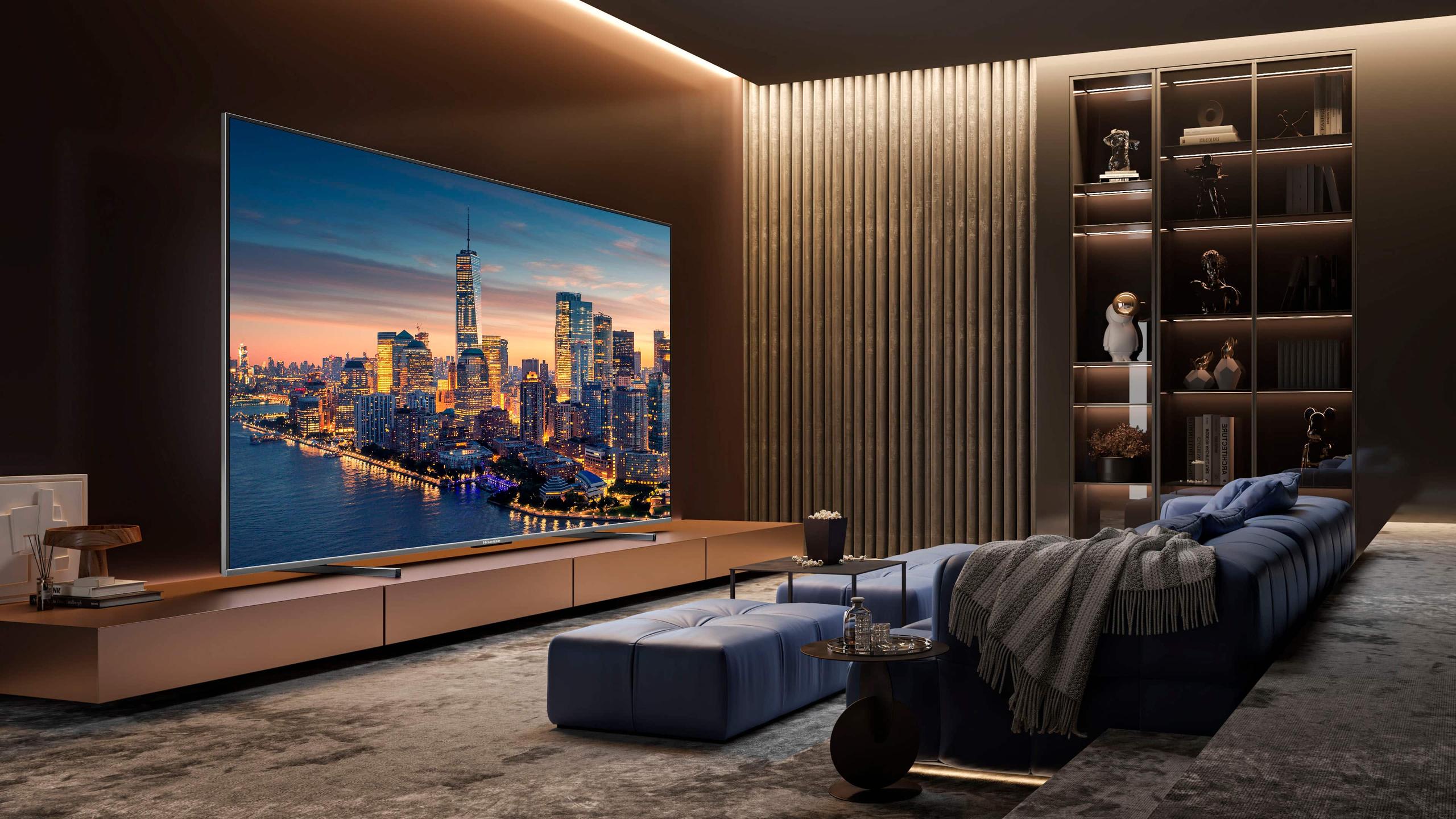

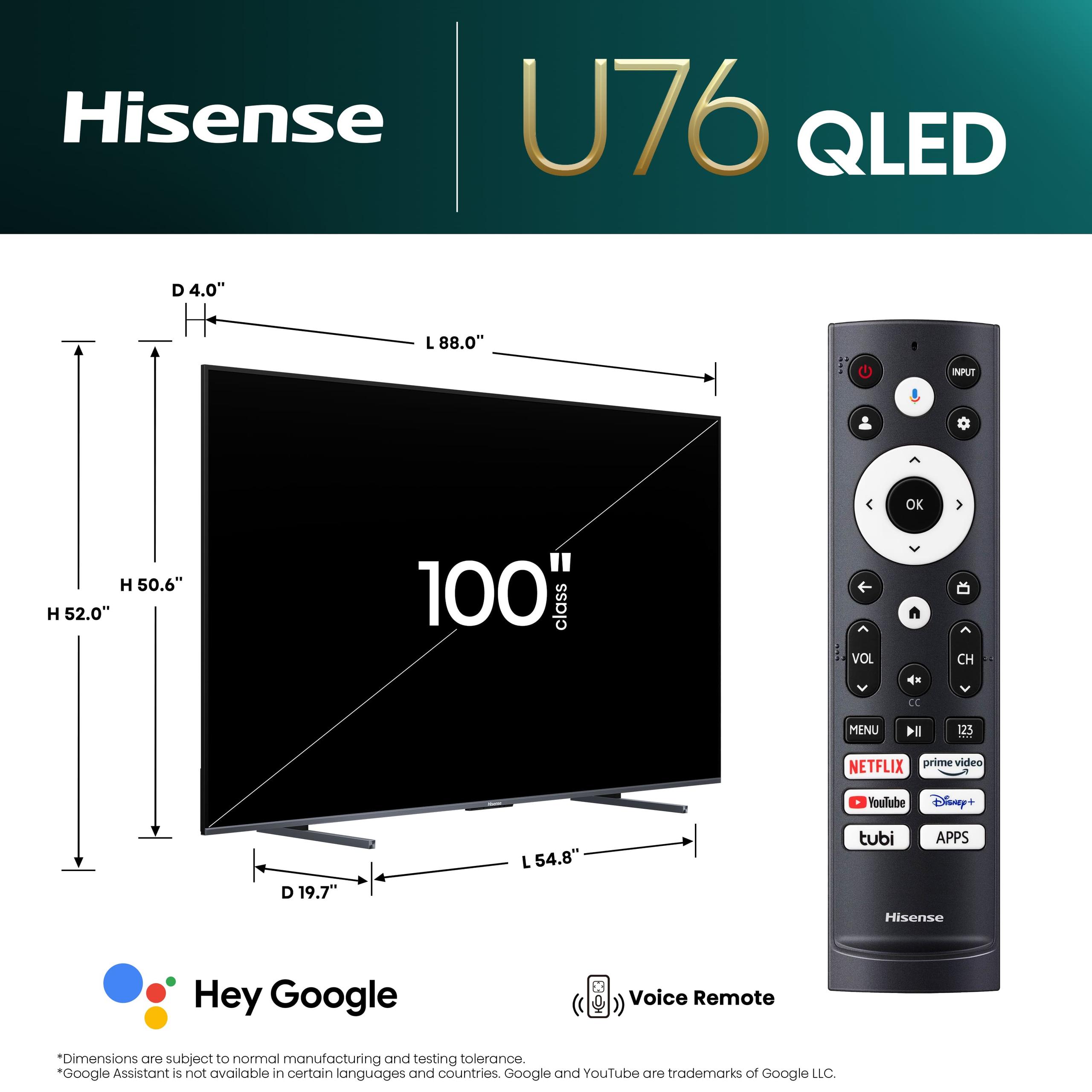
When you're shopping for a 100-inch TV, you're not just buying a display—you're creating the centerpiece of your home entertainment system. The sheer size alone transforms how you watch movies, play games, and even just hang out in your living room. But with options ranging from budget-friendly to premium, choosing the right one can feel overwhelming.
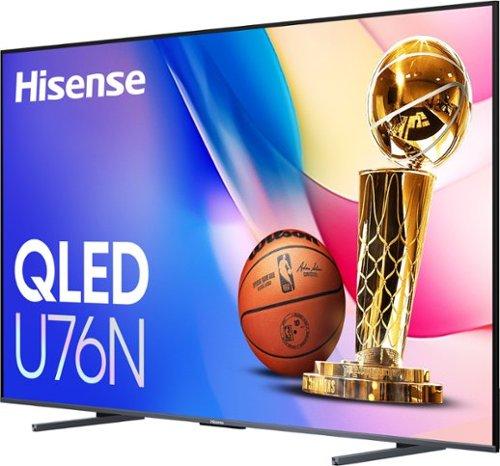
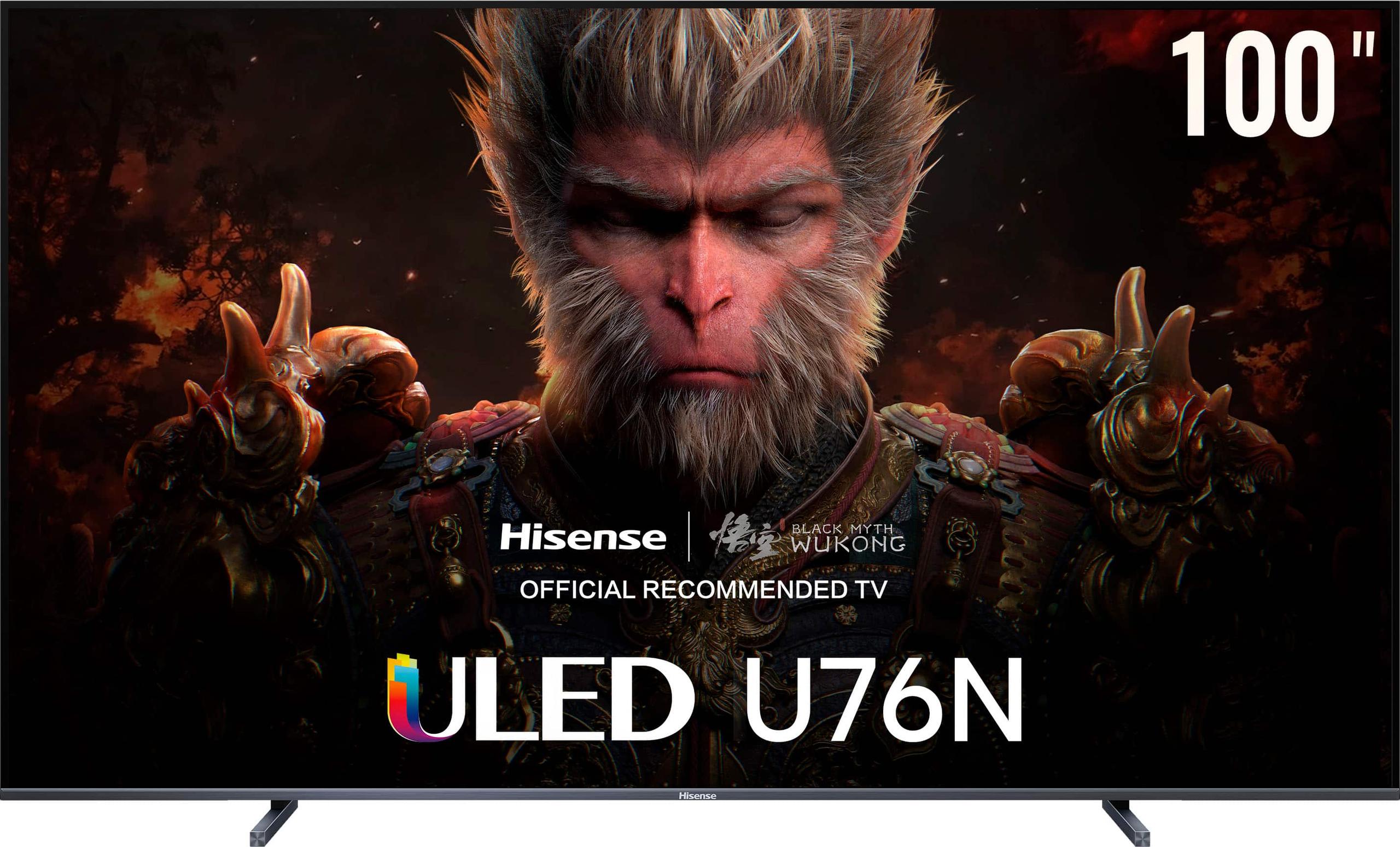
Today, I'm comparing two very different approaches to the 100-inch TV market: the Samsung 100" Neo QLED QN80F at $5,997.99 and the Hisense 100" U76 Series at around $2,100. These aren't just different price points—they represent completely different philosophies about what a massive TV should deliver.
The 100-inch TV category has exploded in recent years. What used to require a projector and dedicated theater room can now sit in your living room with minimal setup. But size isn't everything—the technology behind that massive screen determines whether you'll love or regret your purchase.
When evaluating any 100-inch TV, you need to consider several key factors. Picture quality becomes more critical at this size because imperfections are magnified. A slightly dim backlight or poor color accuracy that might be acceptable on a 65-inch TV becomes glaringly obvious when blown up to 100 inches. Processing power matters more too, since the TV needs to upscale content intelligently—most of what you watch wasn't originally created for screens this large.
Smart features and connectivity also take on greater importance. A 100-inch TV typically becomes your household's entertainment hub, so it needs robust processing, reliable wireless connectivity, and an intuitive interface. Gaming capabilities are increasingly important as well, since this size screen can make console gaming feel truly immersive.
The audio system deserves special consideration. While most people eventually add a soundbar or surround system, the built-in speakers need to fill a much larger space than smaller TVs. Poor audio can undermine the impressive visual experience.
The Samsung QN80F launched in March 2025 as part of Samsung's latest Neo QLED lineup. This timing is significant because it incorporates Samsung's newest AI processing technology and their most advanced Mini-LED implementation. Samsung has been refining their Neo QLED technology since 2021, and the 2025 models represent a major leap forward in AI-driven picture optimization.
The Hisense U76 Series arrived as part of Hisense's 2024-2025 budget lineup, focusing on bringing large screen sizes to mainstream pricing. Hisense has been aggressively expanding their large-format TV offerings, recognizing that many consumers want the size without necessarily needing cutting-edge features.
What's interesting about the timing is how these releases reflect broader industry trends. Samsung's 2025 models emphasize AI integration and smart features, while Hisense continues their strategy of offering impressive hardware at accessible prices. The technology gap between premium and budget TVs has actually widened in some areas while narrowing in others.
The fundamental difference between these TVs lies in their display technology, and this affects everything else about their performance.
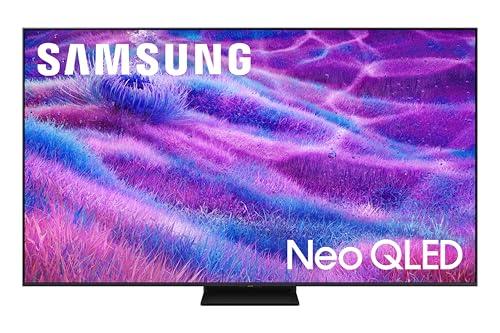
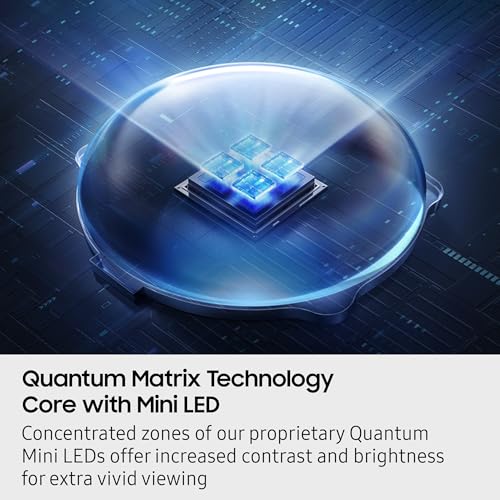
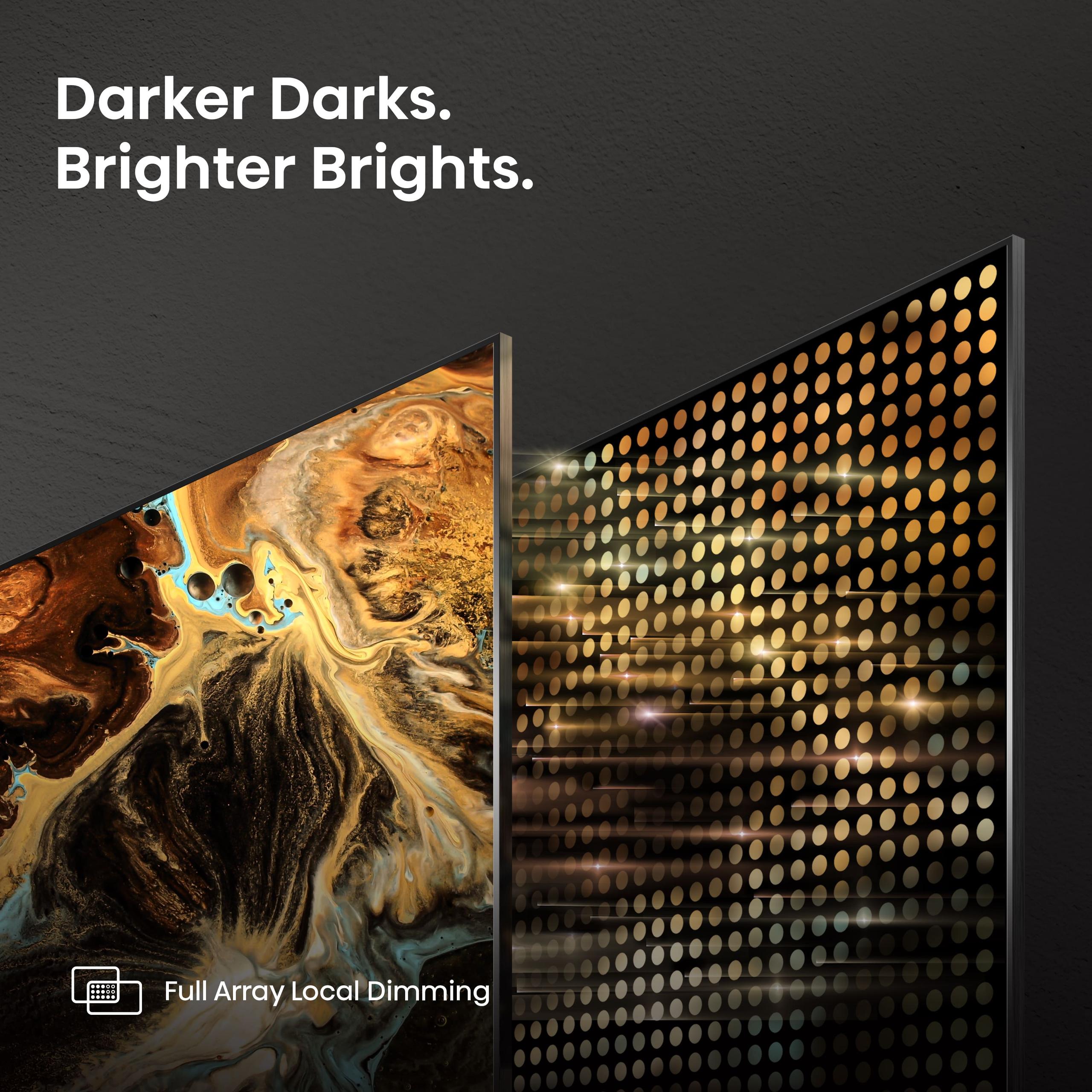
The Samsung uses Neo QLED with Mini-LED backlighting, which sounds technical but creates a dramatic real-world difference. Traditional LED TVs use larger LED lights behind the screen, making it difficult to control brightness precisely. Mini-LEDs are much smaller—think of them as tiny, precise spotlights instead of broad floodlights. This allows Samsung's Quantum Matrix Technology Core to create thousands of dimming zones, each independently controlled.
Here's why that matters: when you're watching a movie with a bright explosion against a dark sky, traditional LEDs struggle to show both the bright explosion and the dark sky accurately. The bright areas tend to "bleed" into the dark areas, creating a washed-out look called blooming. Mini-LEDs can keep those bright and dark areas properly separated, creating the dramatic contrast that makes HDR content look stunning.
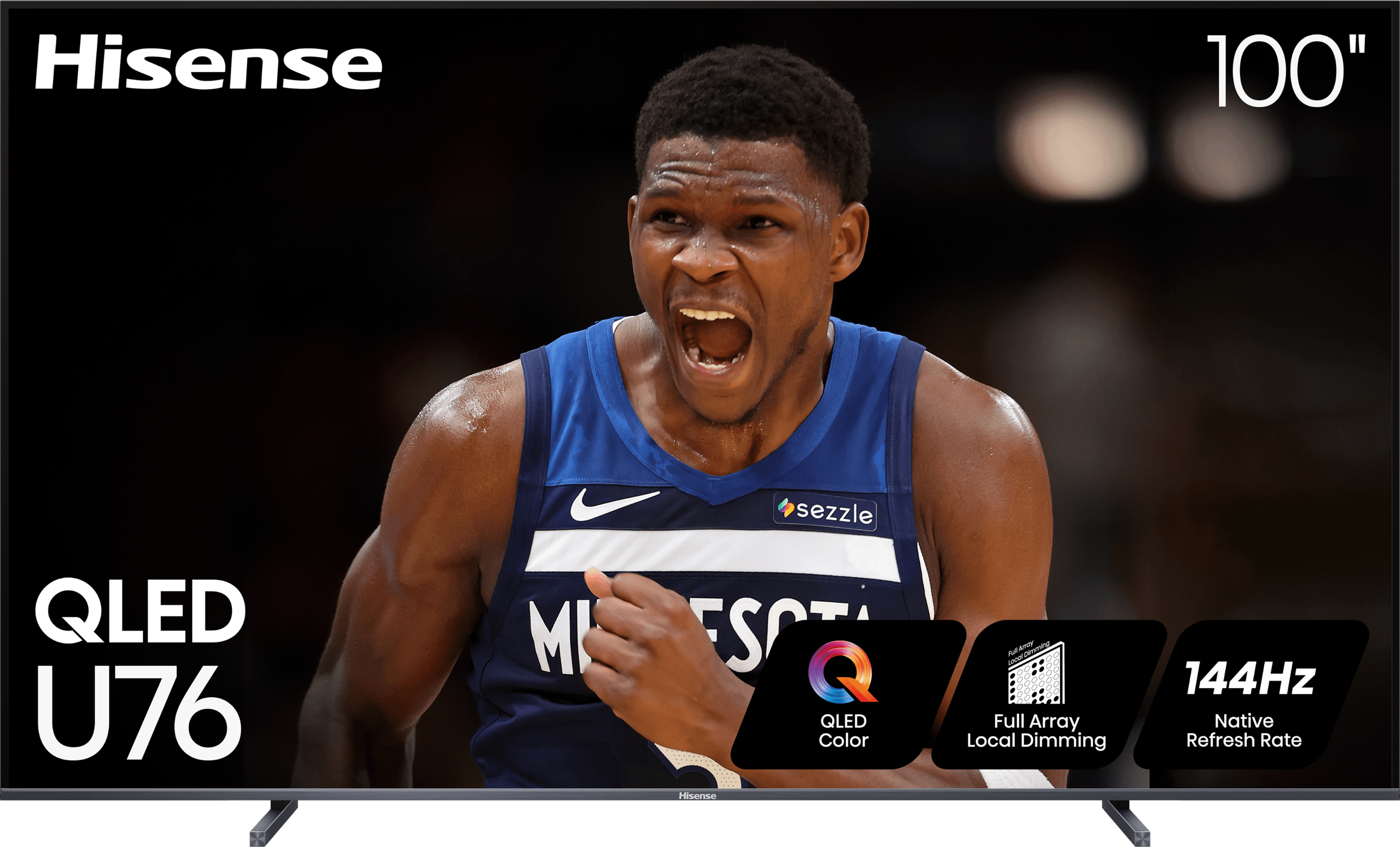
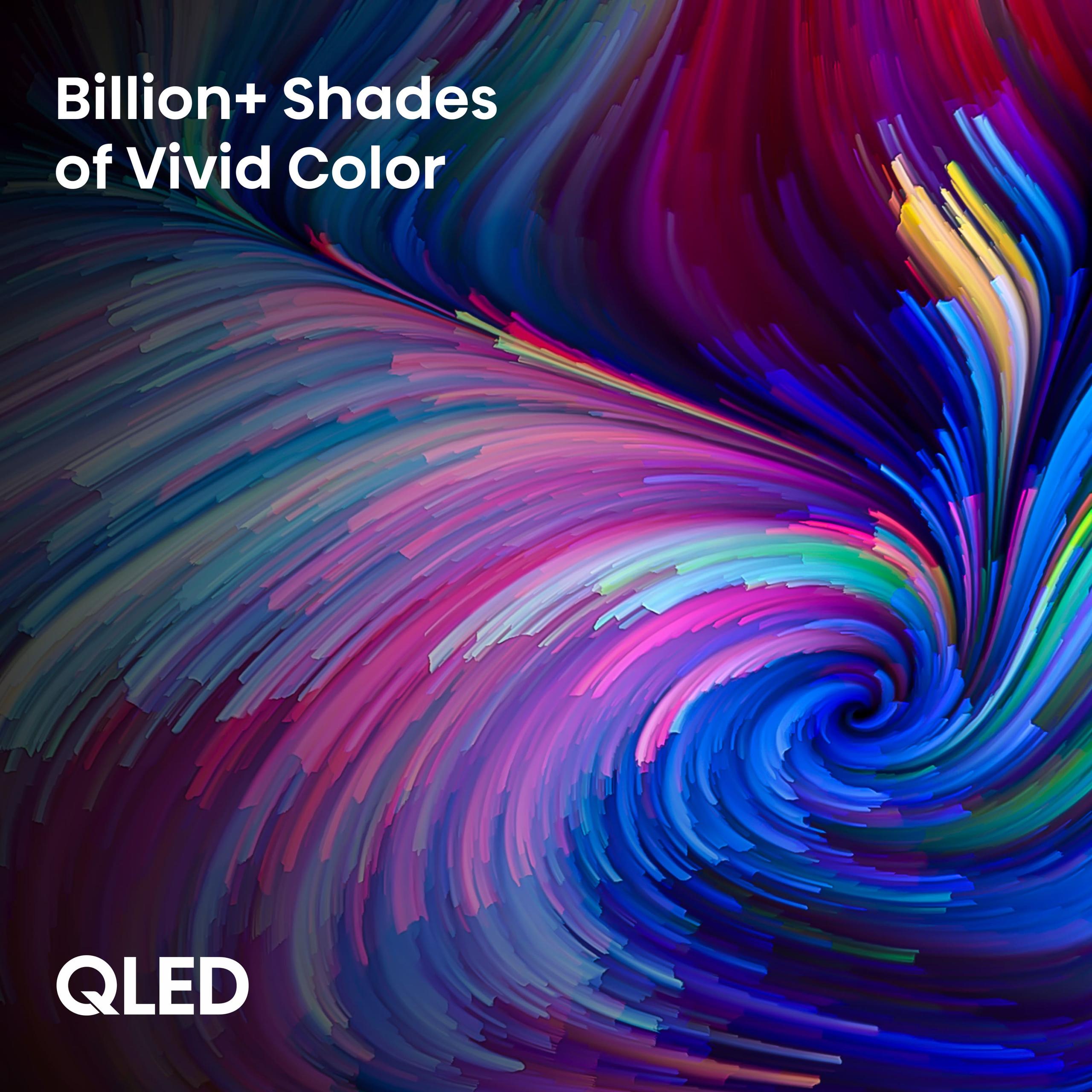
The Hisense takes a different approach with conventional QLED technology and 256-zone local dimming. This still provides good contrast control—much better than edge-lit TVs—but can't match the precision of Mini-LED. The Quantum Dot layer in both TVs helps produce vibrant colors, but the Samsung's superior backlighting gives it more control over how those colors are displayed.
I've spent considerable time with both Mini-LED and conventional QLED displays, and the difference is most noticeable in challenging content. Dark movie scenes, HDR gaming, and mixed lighting situations all favor Mini-LED technology. However, for bright room viewing with standard content, the gap narrows considerably.
The picture quality difference between these TVs is substantial, and it starts with brightness. The Samsung QN80F can reach up to 1,500 nits peak brightness, while the Hisense tops out around 800 nits. That might sound like technical specifications, but it translates to real viewing differences.
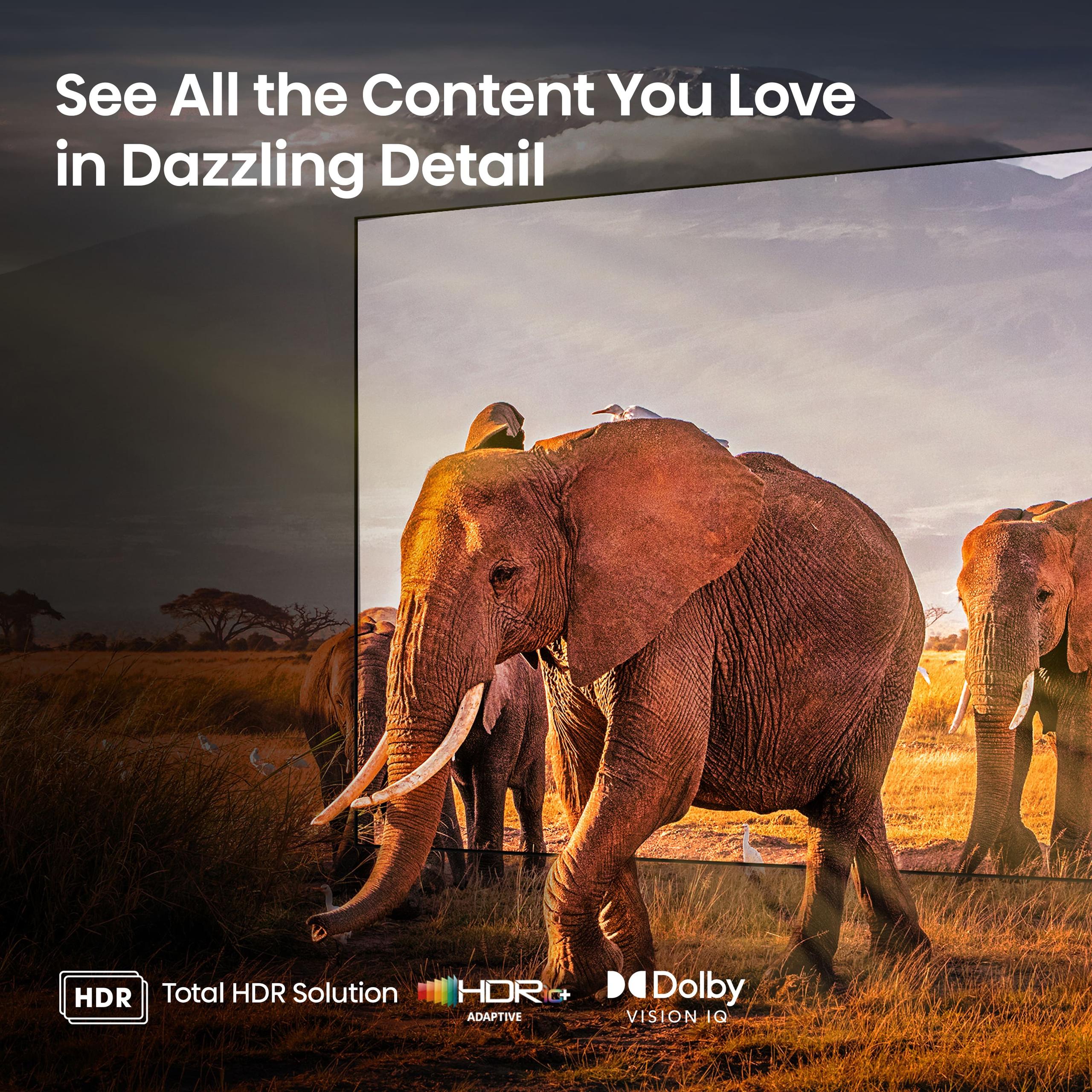
HDR content is mastered with the assumption that your display can hit at least 1,000 nits for highlights. When you're watching a bright outdoor scene or an explosion in an action movie, the Samsung can actually display those bright elements as intended. The Hisense will still show the scene, but bright highlights get compressed, losing some of that HDR "pop" that makes the format special.
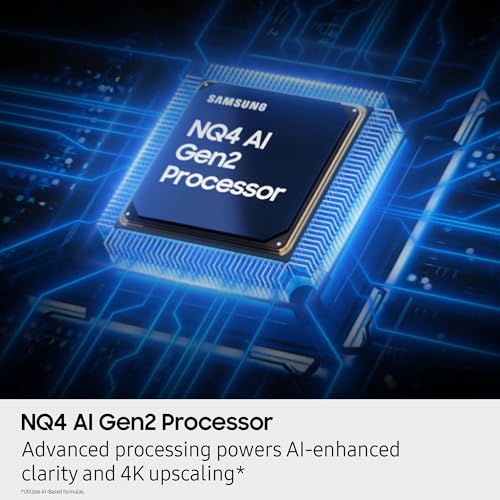
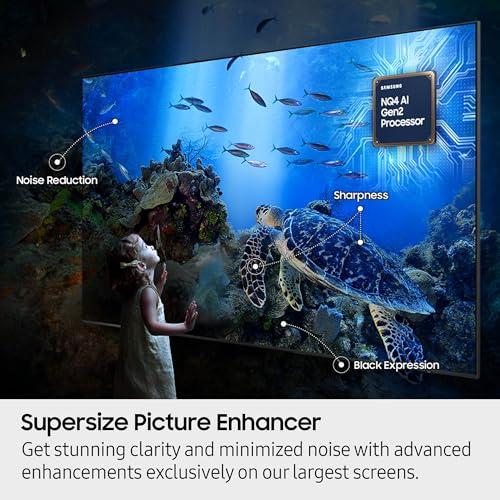
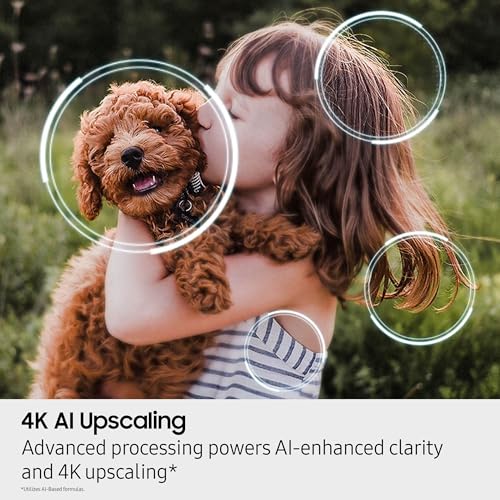
The Samsung's NQ4 AI Gen2 processor brings 20 neural networks to bear on every frame of content. This isn't marketing fluff—it genuinely improves the viewing experience. The AI analyzes each scene in real-time, optimizing brightness, contrast, color saturation, and even sound. When you're watching older HD content on this massive screen, the AI upscaling makes a noticeable difference in sharpness and detail.
The Hisense uses more traditional processing, which works fine for 4K content but struggles more with lower-resolution sources. Given that much streaming content is still 1080p and cable TV varies widely in quality, this processing difference becomes important for daily viewing.
Color accuracy favors the Samsung as well, particularly out of the box. Both TVs can be calibrated for excellent color reproduction, but the Samsung requires less adjustment to look good. Its Color Booster Pro technology and Real Depth Enhancer create more three-dimensional, lifelike images.
However, the Hisense has one picture quality advantage: Dolby Vision support. The Samsung supports HDR10+ but not Dolby Vision, which is used by Netflix, Apple TV+, and many 4K Blu-rays. This is a puzzling omission from Samsung, and it means some content won't display in its optimal HDR format.
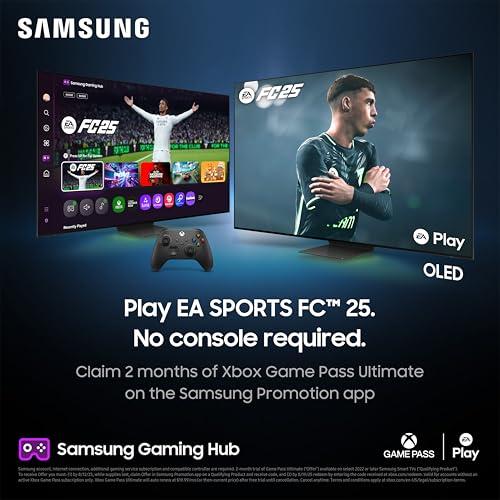
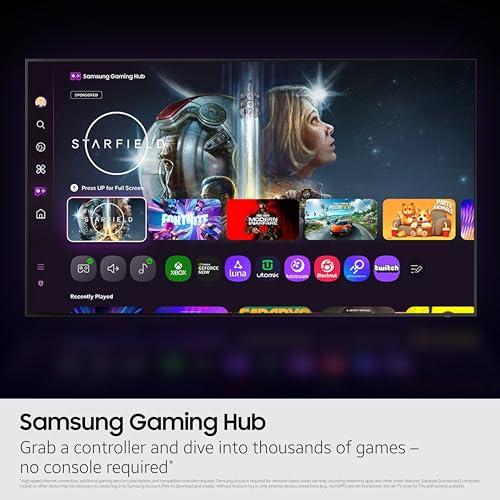
Gaming on a 100-inch screen is transformative, but it requires the right technical specs to work properly. The Samsung QN80F is clearly designed with serious gaming in mind.
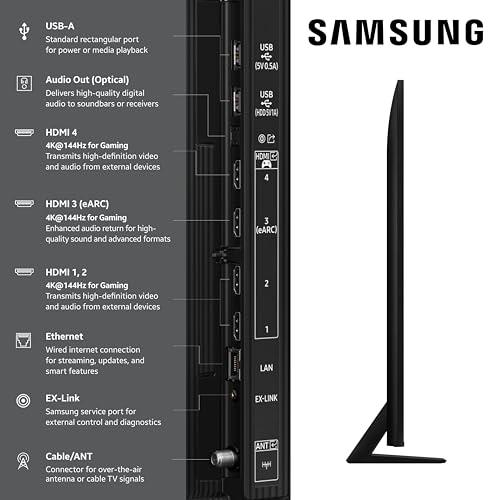
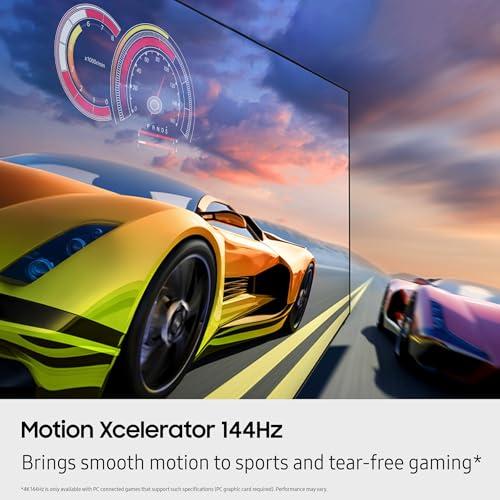
The Samsung's native 120Hz panel can actually run up to 144Hz, matching high-end gaming monitors. All four HDMI ports support HDMI 2.1, meaning you can connect multiple gaming devices at full capability. The Motion Xcelerator 144Hz technology reduces motion blur even in fast-paced games, while Variable Refresh Rate (VRR) eliminates screen tearing when frame rates fluctuate.
Input lag—the delay between pressing a button and seeing the result on screen—measures extremely low on the Samsung. For competitive gaming, this responsiveness is crucial. The AI Auto Game Mode automatically detects what type of game you're playing and optimizes settings accordingly, switching between modes for racing games, shooters, or RPGs.
The Hisense offers solid gaming features for its price point, including Game Mode Pro with ALLM (Auto Low Latency Mode) and VRR support. It can handle 4K gaming from PS5 and Xbox Series X properly, with good input lag performance. However, it's limited to two HDMI 2.1 ports, and the motion handling isn't quite as refined as the Samsung's.
For PC gaming, the difference becomes more pronounced. The Samsung can accept 4K signals at 144Hz, making it suitable for high-end gaming rigs. The Hisense, while capable, is better suited for console gaming where the refresh rate limitations are less noticeable.
The smart TV experience shapes how you interact with your display every day, and these two TVs take different approaches.
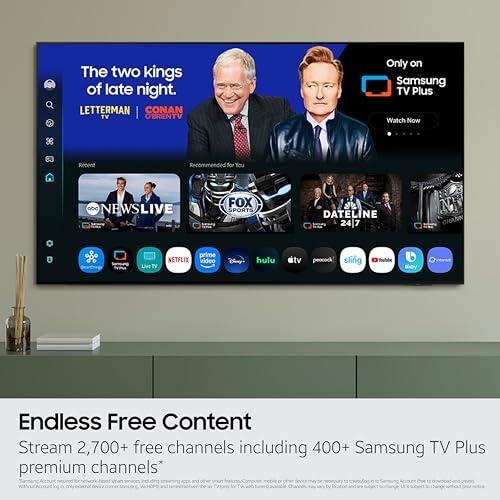
Samsung's Tizen operating system has evolved significantly, and the 2025 version includes Samsung Vision AI integration. This means the TV can do things like translate on-screen text in real-time, create AI-generated wallpapers based on your preferences, and provide contextual information about what you're watching. The Bixby voice assistant has improved substantially and can now handle complex, multi-step commands.
The interface feels responsive and polished, with good organization of streaming apps and content recommendations. Samsung's Smart Hub aggregates content from multiple sources, making it easier to find something to watch across different services.
The Hisense U76 runs Google TV, which many people prefer for its clean interface and excellent search capabilities. Google's recommendation engine is particularly good at surfacing relevant content, and the integration with other Google services is seamless if you're already in that ecosystem. The voice remote works well, and Chromecast built-in makes sharing content from phones and tablets effortless.
Both platforms support all major streaming apps, but Samsung sometimes gets new apps or features first due to their larger market share. The Google TV platform tends to be more consistent across different manufacturers and receives regular updates directly from Google.
Audio performance at this screen size becomes more critical because the viewing distance typically increases, and the visual impact demands audio to match.
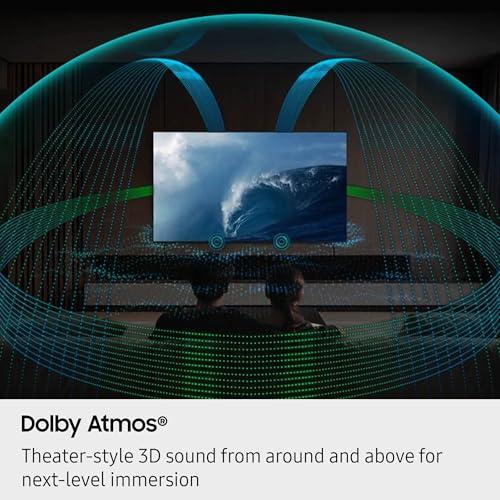
The Samsung includes a 30W, 4-channel system with Dolby Atmos processing. More importantly, it features Adaptive Sound Pro, which uses AI to analyze your room acoustics and optimize the audio accordingly. Object Tracking Sound Lite attempts to move audio effects across the screen to match visual movement, creating a more immersive experience.
The Q-Symphony feature allows Samsung soundbars to work in harmony with the TV's built-in speakers rather than replacing them entirely, potentially creating a richer soundstage without additional investment.
The Hisense provides a 2.1-channel system with two 15W speakers and a 20W subwoofer, delivering 50W total power. While it supports Dolby Atmos, the implementation is more basic than Samsung's. The sound quality is adequate for the price point but lacks the refinement and room adaptation features of the Samsung.
In my experience with large TVs, even good built-in audio systems struggle to fill large rooms effectively. However, the Samsung's superior processing and power output make it more viable as a standalone solution, while the Hisense really benefits from external audio enhancement.
When you're investing in a 100-inch TV, you're likely creating a dedicated home theater space or significantly upgrading your main viewing area. Both TVs work in theater environments, but with different considerations.
The Samsung QN80F's superior contrast and brightness control make it excellent for home theaters with controlled lighting. The Glare-Free coating reduces reflections without the washed-out look of some anti-glare treatments, important when dealing with ambient lighting from sconces or rope lights.
The Mini-LED backlighting really shines in darker environments where the improved black levels become obvious. HDR content looks spectacular, with bright highlights that don't compromise shadow detail. The AI processing helps with the mixed content quality you often encounter in home theaters, from 4K Blu-rays to compressed streaming.
However, the lack of Dolby Vision support is more problematic in a dedicated theater setup where you're likely to have a substantial 4K movie collection.
The Hisense works well in home theaters too, particularly considering the price point. The 256-zone local dimming provides good contrast for the money, and Dolby Vision support means compatibility with more content. The Google TV interface works well with theater remotes and automation systems.
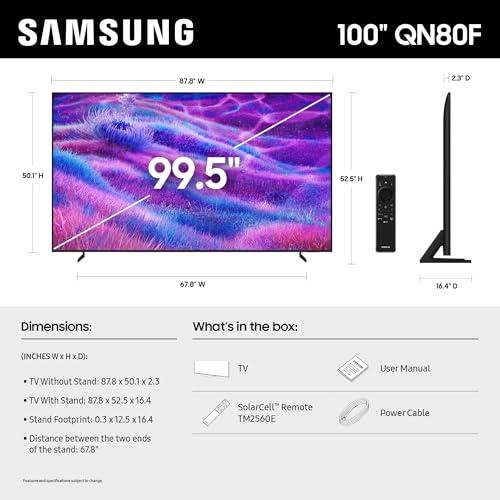
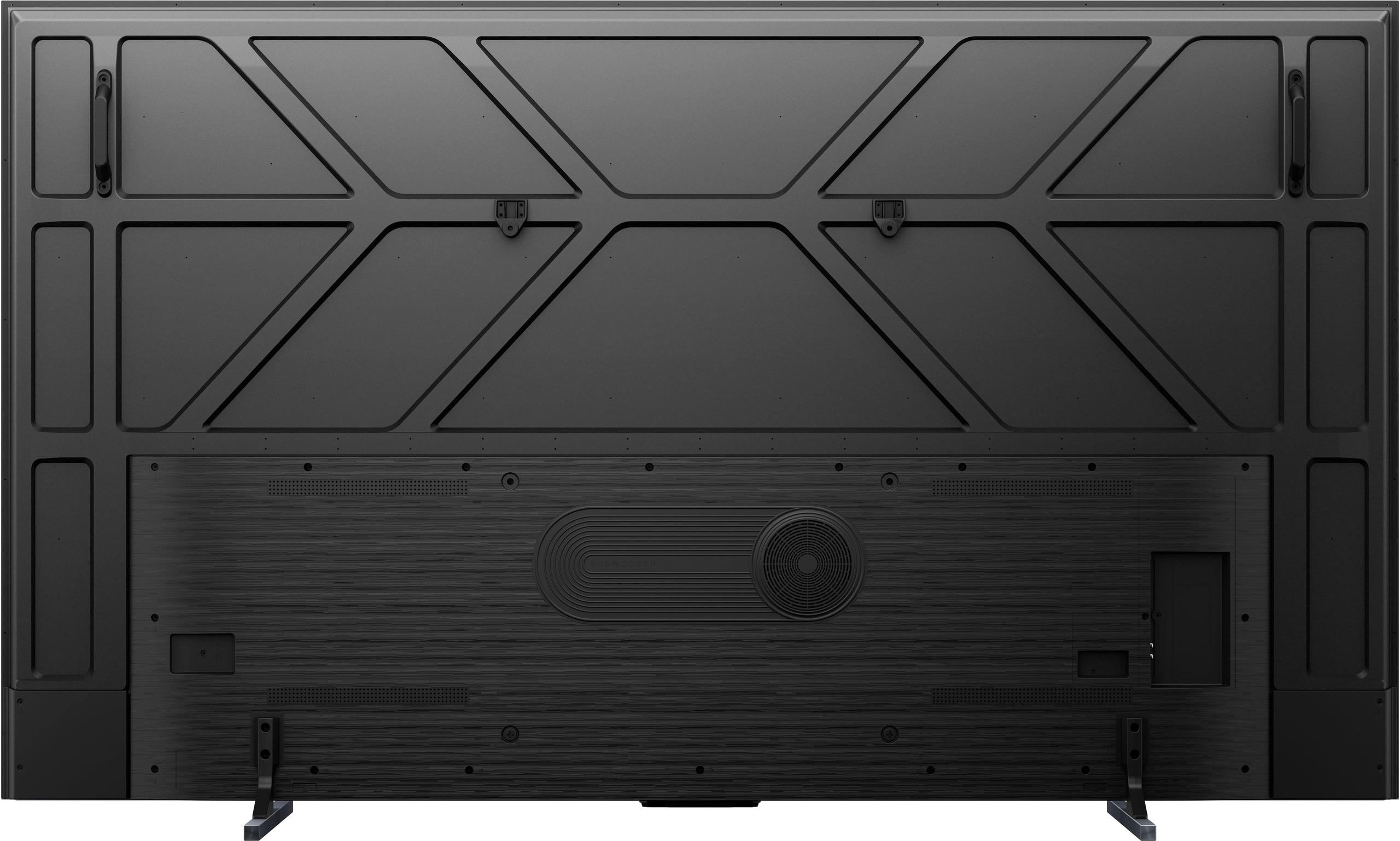
For room integration, both TVs are available with matching stands or wall-mount compatibility. The Samsung's more premium build quality and finish make it feel more appropriate in high-end installations, while the Hisense delivers the visual impact without the premium aesthetics.
The price difference between these TVs—nearly $4,000—demands careful consideration of what you're actually getting for that money.
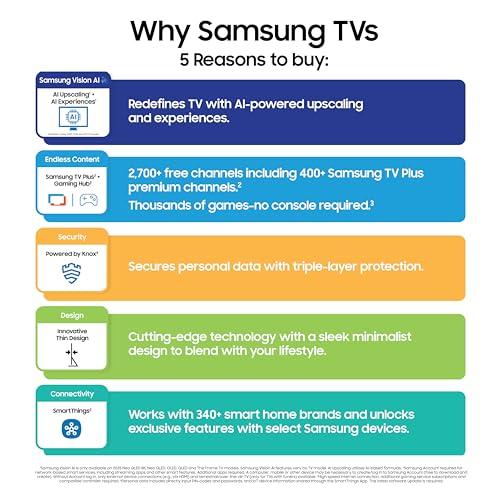
The Samsung QN80F justifies its premium pricing through Mini-LED technology, advanced AI processing, superior gaming capabilities, and build quality. If you're coming from a smaller premium TV, the Samsung maintains that level of performance at the larger size. The AI upscaling alone provides value if you watch varied content sources, and the gaming features future-proof the display for next-generation consoles and graphics cards.
The Hisense U76 represents exceptional value for anyone prioritizing size over cutting-edge features. At roughly $2,100, you're getting a legitimate 100-inch 4K experience with decent picture quality, solid smart features, and adequate gaming support. For many viewers, especially those primarily watching streaming content in well-lit rooms, the Hisense delivers satisfaction without the premium cost.
The value equation also depends on your viewing habits and room setup. If you primarily watch Netflix, YouTube, and other streaming services during daytime viewing, the differences between these TVs become less pronounced. The Samsung's advantages are most apparent with challenging content like dark movies, HDR gaming, and lower-resolution sources that require upscaling.
Choosing between these TVs ultimately comes down to your priorities, budget, and how you plan to use the display.
Choose the Samsung if you want the absolute best picture quality available at this size, plan to do serious gaming, have a budget that can accommodate the premium price, or are creating a dedicated home theater where every detail matters. The AI processing and Mini-LED technology provide genuine benefits that justify the cost for enthusiasts.
Choose the Hisense if your primary goal is getting a massive screen at a reasonable price, you mainly watch modern streaming content, you prefer Google's smart TV platform, or you're satisfied with good picture quality rather than exceptional. The value proposition is compelling, and most viewers will be impressed with the visual impact.
Consider your room setup as well. Bright rooms with lots of windows favor the Samsung's higher brightness, while darker rooms reveal the contrast advantages of Mini-LED technology. For mixed lighting conditions, both TVs perform adequately, but the Samsung maintains quality across more challenging situations.
The gaming consideration is significant if you own or plan to upgrade to high-end gaming hardware. The Samsung's 144Hz capability and superior motion handling make it more suitable for PC gaming and future console generations.
Finally, think long-term. A 100-inch TV is typically a 7-10 year investment. The Samsung's more advanced processing and build quality suggest better longevity, while the Hisense offers tremendous current value with the understanding that it represents a more budget-focused approach.
Both TVs successfully deliver the impressive visual experience that comes with 100-inch viewing. Your choice depends on whether you prioritize cutting-edge technology and maximum performance, or exceptional value and adequate performance at this remarkable screen size.
| Samsung 100" Neo QLED QN80F 4K Smart TV 2025 | Hisense 100" U76 Series 4K UHD QLED Google TV |
|---|---|
| Price - The $4,000 difference reflects fundamentally different technology levels | |
| $5,997.99 | $2,100 |
| Display Technology - Mini-LED vs standard LED affects contrast and picture quality dramatically | |
| Neo QLED with Mini-LED backlighting and Quantum Matrix Technology Core | Standard QLED with conventional LED backlighting and 256-zone local dimming |
| Peak Brightness - Higher brightness delivers better HDR performance and daytime viewing | |
| Up to 1,500 nits (excellent for HDR highlights) | Up to 800 nits (adequate but HDR highlights get compressed) |
| Processor - AI processing improves upscaling and real-time picture optimization | |
| NQ4 AI Gen2 with 20 neural networks for intelligent upscaling and optimization | Basic processor without AI enhancement |
| Gaming Refresh Rate - Higher refresh rates reduce motion blur for gaming | |
| Native 120Hz (up to 144Hz) with Motion Xcelerator 144Hz | 144Hz Game Mode (though native panel is lower) |
| HDMI 2.1 Ports - More ports allow multiple high-end gaming devices at full capability | |
| 4x HDMI 2.1 ports supporting 4K@144Hz | 2x HDMI 2.1 ports for next-gen consoles |
| HDR Format Support - Dolby Vision vs HDR10+ affects compatibility with streaming content | |
| Neo Quantum HDR, HDR10+ Adaptive/Gaming (no Dolby Vision) | Dolby Vision, HDR10, HDR10+, HLG (broader format support) |
| Smart TV Platform - Different ecosystems with varying app support and AI features | |
| Tizen OS with Samsung Vision AI, Bixby, generative wallpapers | Google TV with Chromecast built-in, Google Assistant |
| Audio System - Better built-in audio reduces need for immediate soundbar purchase | |
| 30W 4-channel with Dolby Atmos, Adaptive Sound Pro, Q-Symphony | 50W 2.1-channel (15W x2 + 20W sub) with basic Dolby Atmos |
| Build Quality - Premium materials and finishes affect longevity and aesthetics | |
| Premium Titan Black finish with Glare-Free coating | Standard plastic construction with basic anti-glare |
The Samsung 100" Neo QLED QN80F costs $5,997.99, while the Hisense 100" U76 Series is priced around $2,100. That's nearly a $4,000 difference, with the Samsung being almost three times more expensive due to its premium Mini-LED technology and advanced AI processing features.
The Samsung QN80F delivers superior picture quality with its Mini-LED backlighting, reaching up to 1,500 nits brightness and offering precise contrast control. The Hisense U76 provides good picture quality for its price with 800 nits brightness and 256-zone local dimming, but can't match the Samsung's contrast and HDR performance.
Both TVs support gaming well, but the Samsung QN80F is better for serious gamers with native 120Hz (up to 144Hz), four HDMI 2.1 ports, and superior motion handling. The Hisense U76 offers solid gaming with VRR support and two HDMI 2.1 ports, making it adequate for console gaming but less ideal for high-end PC gaming.
The Samsung QN80F uses Tizen OS with Samsung Vision AI, offering advanced features like generative wallpapers and improved Bixby voice control. The Hisense U76 runs Google TV with Chromecast built-in, providing a clean interface and excellent search capabilities. Google TV is often preferred for its simplicity and regular updates.
Both support HDR, but with different formats. The Samsung QN80F supports Neo Quantum HDR and HDR10+ but lacks Dolby Vision. The Hisense U76 supports Dolby Vision, HDR10, HDR10+, and HLG, offering broader HDR format compatibility for streaming services like Netflix and Disney+.
For dedicated home theaters, the Samsung QN80F excels with superior contrast, Mini-LED precision, and Glare-Free coating for controlled lighting environments. However, the Hisense U76 works well in home theaters too, especially considering its Dolby Vision support and significantly lower price point.
The Samsung QN80F features a 30W 4-channel system with Dolby Atmos, Adaptive Sound Pro, and Q-Symphony compatibility with Samsung soundbars. The Hisense U76 has a 50W 2.1-channel system with basic Dolby Atmos. Both benefit from external audio systems, but the Samsung's processing is more advanced.
The Samsung QN80F significantly outperforms in upscaling with its NQ4 AI Gen2 processor using 20 neural networks to enhance lower-resolution content. The Hisense U76 uses basic upscaling without AI enhancement, making it less effective at improving HD or SD content on the large 100-inch screen.
The Samsung QN80F handles bright rooms better with 1,500 nits peak brightness and Glare-Free coating that reduces reflections. The Hisense U76 with 800 nits brightness works adequately in moderately lit rooms but may struggle in very bright environments with direct sunlight.
The Hisense U76 offers exceptional value at $2,100 for a 100-inch 4K experience with decent features. The Samsung QN80F at $5,997.99 provides premium technology that justifies its cost for enthusiasts wanting the best picture quality and gaming performance.
Samsung has a strong reputation for reliability and longevity, with the Samsung QN80F featuring premium build quality expected to last 7-10 years. Hisense has improved significantly in recent years, and the Hisense U76 comes with a 2-year warranty, though long-term reliability at this price point remains to be proven.
Choose the Samsung QN80F if you want the absolute best picture quality, serious gaming capabilities, and have a budget over $5,000. Choose the Hisense U76 if you prioritize getting a massive 100-inch screen at an affordable price and are satisfied with good (rather than exceptional) performance for under $2,500.
We've done our best to create useful and informative comparisons to help you decide what product to buy. Our research uses advanced automated methods to create this comparison and perfection is not possible - please contact us for corrections or questions. These are the sites we've researched in the creation of this article: rtings.com - youtube.com - theshortcut.com - c9av.com - youtube.com - rtings.com - youtube.com - samsung.com - wifihifi.com - samsung.com - samsung.com - samsung.com - bestbuy.com - samsung.com - flatpanelshd.com - schaeferstv.com - samsung.com - samsung.com - samsung.com - samsung.com - cullenshomecenter.com - bestbuy.com - greentoe.com - walmart.com - rtings.com - youtube.com - files.hisense-usa.com - displayspecifications.com - hisense-canada.com - howards.pairsite.com - displayspecifications.com - electronicexpress.com - hisense-usa.com

Privacy Policy
Terms and Conditions - Affiliate Policy
Home Security
© Copyright 2008-2026.
11816 Inwood Rd #1211, Dallas, TX 75244