

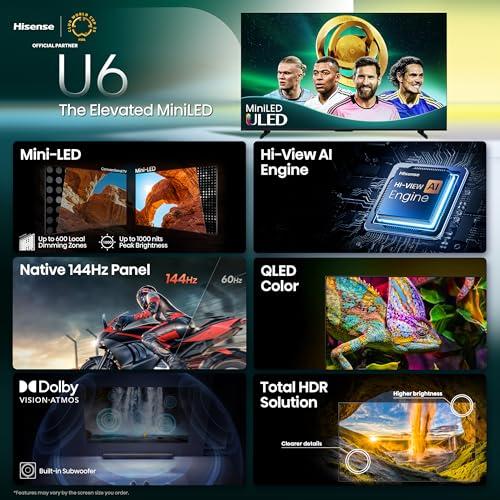
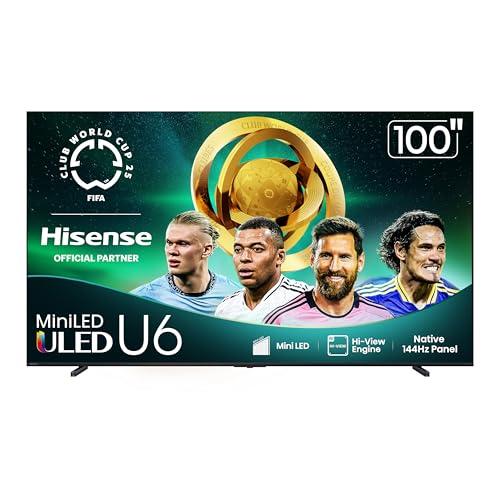
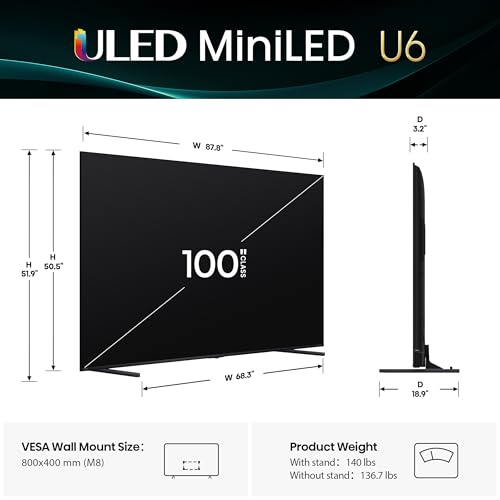
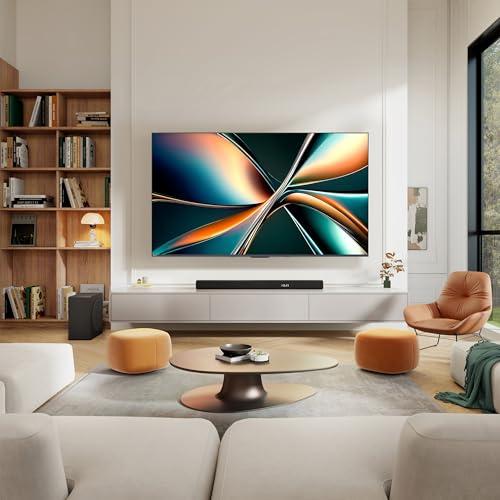
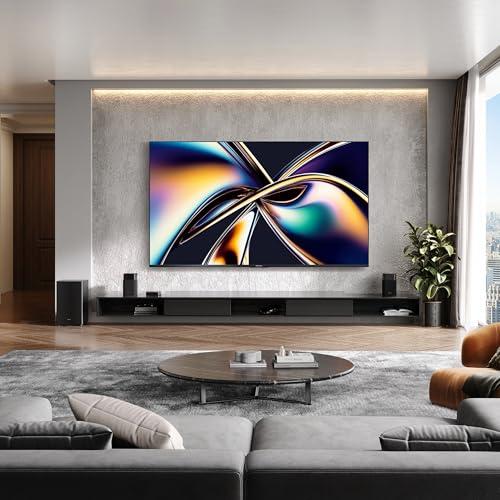
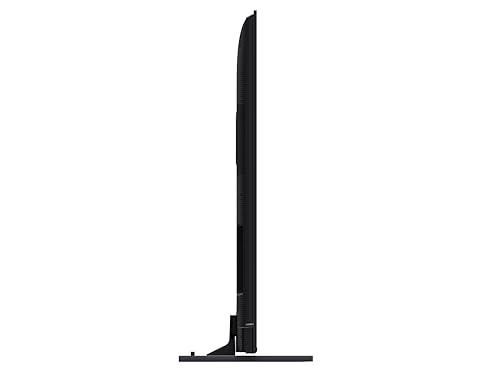
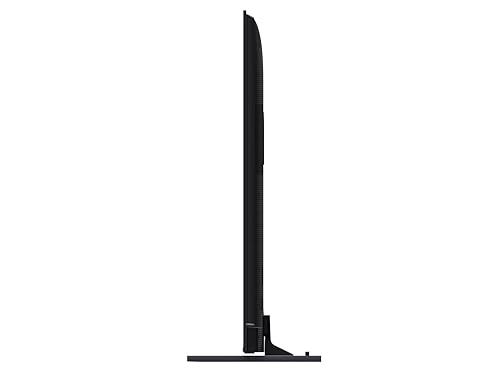
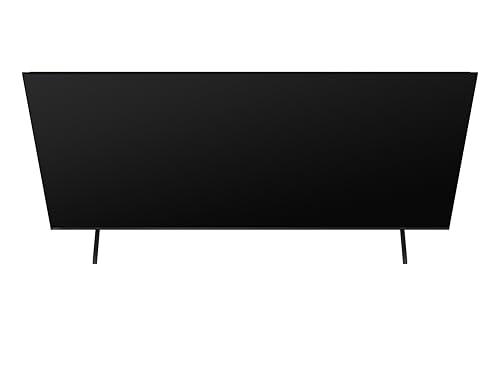
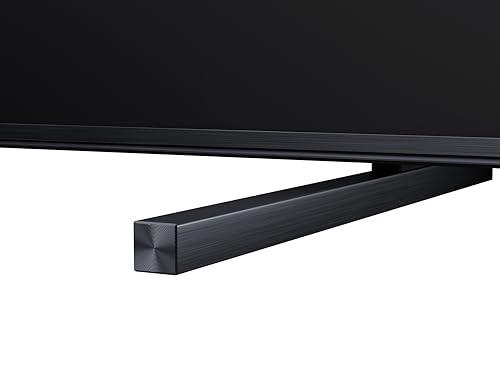
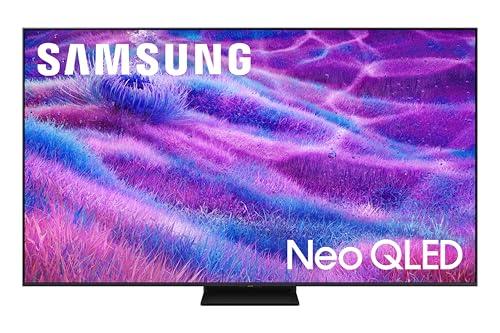
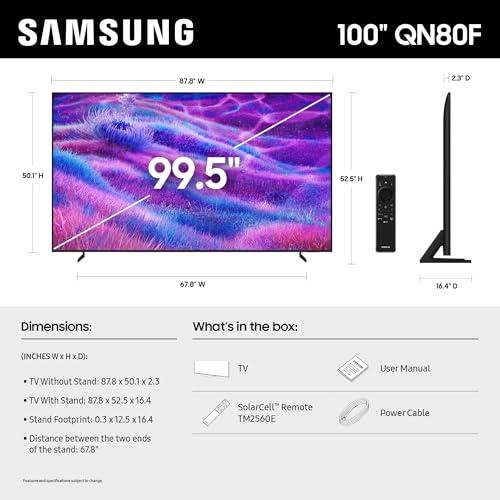

When you're shopping for a 100-inch TV, you're not just buying a bigger version of your living room display – you're entering projector territory. These massive screens represent the ultimate home theater experience, and at this size, every technical detail becomes magnified. The two standout options in 2025 are the Hisense 100" U6 Series Mini-LED 4K Fire TV and the Samsung 100" Neo QLED QN80F 4K Smart TV, and they take very different approaches to delivering that cinema-sized experience.
At the time of writing, these TVs sit at dramatically different price points, with the Hisense U6 offering exceptional value while the Samsung QN80F commands a significant premium – we're talking about a price difference that could buy you a high-end soundbar and mounting system. The question isn't just which TV is better, but whether Samsung's premium features justify the substantial cost difference.
Shopping for a 100-inch TV means you're serious about home entertainment. At this size, you're competing directly with projector setups, but with the advantage of consistent brightness in any lighting condition and no need for a dedicated dark room. However, the stakes are higher – any flaws in picture quality, motion handling, or build quality become impossible to ignore when spread across nearly 100 inches of screen real estate.
The most critical considerations at this size include how well the TV handles local dimming (controlling individual zones of the backlight for better contrast), whether it can upscale lower-quality content without looking pixelated, and how many gaming connections it offers for serious entertainment setups. Smart platform choice also becomes more important because you'll likely be using these features daily for years to come.
Both the Hisense U6 and Samsung QN80F use Mini-LED technology, which represents a major advancement over traditional LED TVs. Mini-LED uses thousands of tiny LEDs instead of dozens of larger ones, allowing for much more precise control of brightness zones. This creates deeper blacks and brighter whites – essentially better contrast – which is crucial for HDR (High Dynamic Range) content that makes modern movies and shows look more lifelike.
The pricing difference between these TVs reflects two completely different market strategies. The Hisense U6 follows the "flagship features at midrange prices" approach that has made Chinese TV brands so competitive. At the time of writing, it costs significantly less while still delivering Mini-LED technology, comprehensive HDR support, and a high refresh rate for gaming.
The Samsung QN80F, meanwhile, represents Samsung's premium positioning. The price premium – roughly 50-60% more expensive – reflects Samsung's investment in advanced processing, build quality, and ecosystem integration. This isn't unusual for Samsung, which has built its reputation on charging more for refined execution of similar technologies.
For most buyers, the value equation comes down to whether you'll notice and use Samsung's premium features enough to justify the cost difference. In my experience evaluating TVs at this size, the differences become more pronounced than they would on smaller screens, making the choice more consequential.
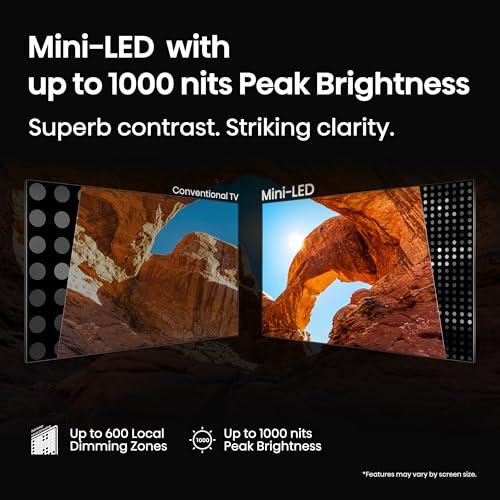
Both TVs deliver impressive picture quality, but they achieve it through different approaches. The Hisense U6 uses up to 600 local dimming zones – these are individual sections of the backlight that can be controlled independently. This number is quite good for the price point, and user reviews consistently praise how well Hisense's algorithms manage these zones to minimize blooming (unwanted light bleeding around bright objects on dark backgrounds).
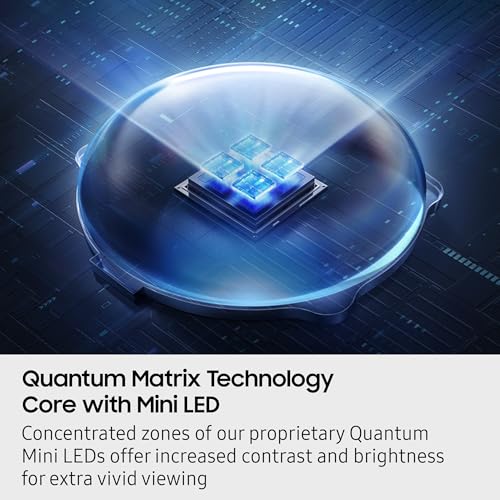
The Samsung QN80F pushes local dimming further with its Quantum Matrix Technology Core, which provides more sophisticated zone management and can achieve higher peak brightness – around 1,500 nits compared to the Hisense's 1,000 nits. This matters most for HDR content, where brighter highlights create more dramatic contrast. In practice, this means Samsung can make HDR movies and shows look more impactful, especially in scenes with bright elements like explosions, car headlights, or sunlight streaming through windows.
However, the Hisense U6 includes an interesting feature that Samsung lacks at this model level: a matte anti-glare coating. This coating reduces reflections without the washed-out look that cheap matte screens often produce. For many living rooms with windows or overhead lighting, this practical advantage could outweigh Samsung's higher peak brightness.
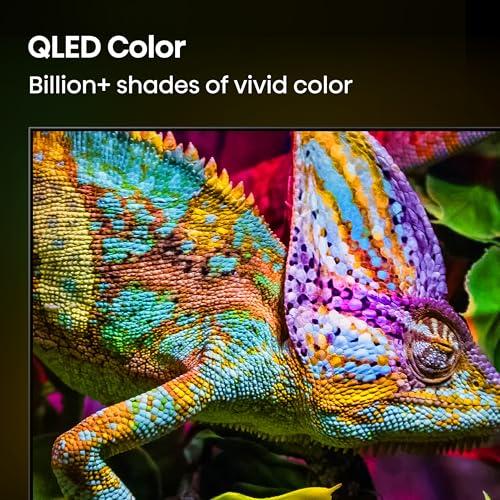
The color reproduction tells an interesting story. The Samsung QN80F uses Samsung's refined color processing to deliver more accurate colors out of the box, particularly in skin tones and natural scenes. The Hisense U6 can produce vibrant, eye-catching colors, but they sometimes lean toward oversaturation – which some viewers actually prefer for the "wow factor," especially when watching animated content or nature documentaries.
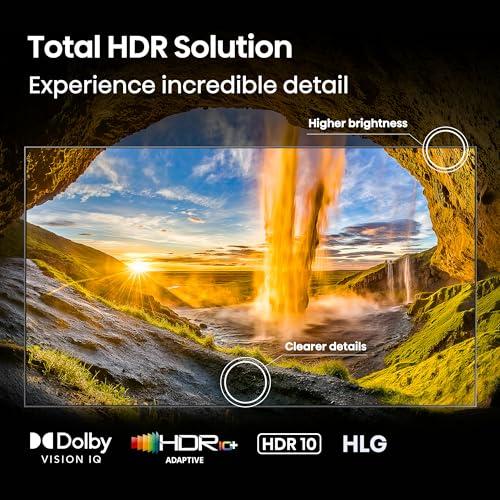
Here's where these TVs diverge significantly, and it could be the deciding factor for many buyers. The Hisense U6 supports every major HDR format: Dolby Vision, Dolby Vision IQ, HDR10, HDR10+, and HLG. This comprehensive support means you'll get the best possible experience from any streaming service or disc source.
Dolby Vision is particularly important because it's used by Netflix, Disney+, Apple TV+, and most premium streaming content. It dynamically adjusts each scene for optimal brightness and contrast, and Dolby Vision IQ even adapts to your room's lighting conditions. When you're watching a dark thriller at night, it'll optimize for low-light viewing, but switch to daytime settings when there's ambient light.
The Samsung QN80F supports HDR10+ Adaptive, which offers similar scene-by-scene optimization, but it notably lacks Dolby Vision support. This is a deliberate choice by Samsung, which has its own competing standard, but it means you won't get the optimal experience from the majority of premium streaming content. While HDR10+ content looks excellent, there's simply less of it available.
For streaming-focused viewers – which describes most people buying 100-inch TVs – this represents a meaningful limitation of the Samsung. It's particularly frustrating because Samsung's processing would likely handle Dolby Vision beautifully if they chose to support it.
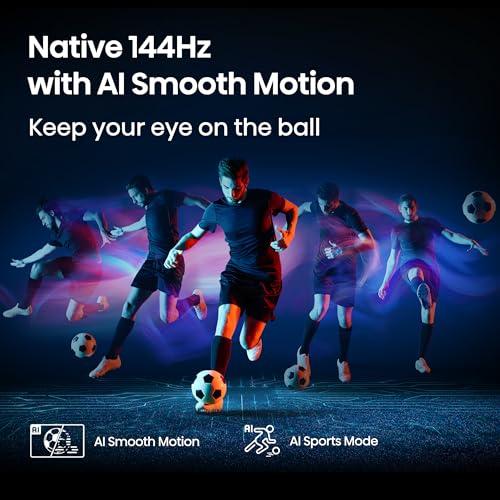
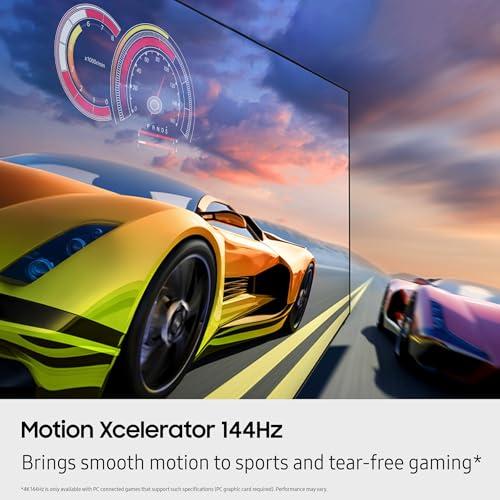
Both TVs cater to serious gamers with 144Hz refresh rates and Variable Refresh Rate (VRR) support, which eliminates screen tearing when gaming frame rates fluctuate. The higher refresh rate means smoother motion in fast-paced games, and VRR ensures consistent visual quality whether you're getting 60fps or 120fps from your console or PC.
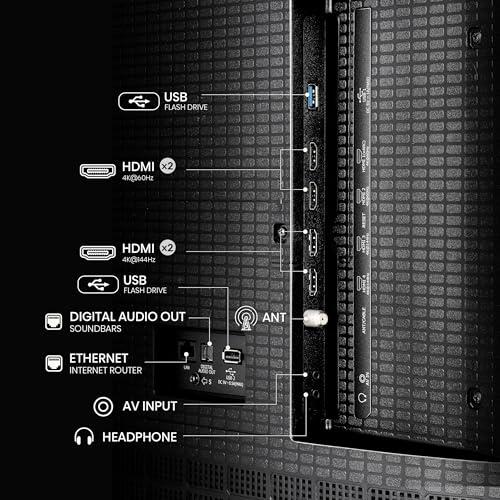
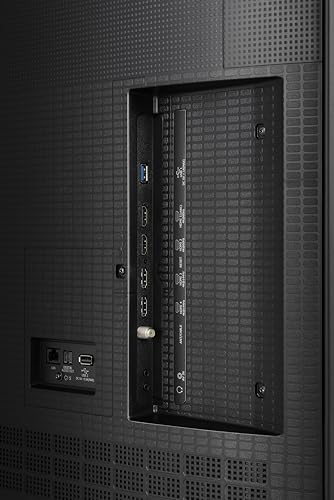
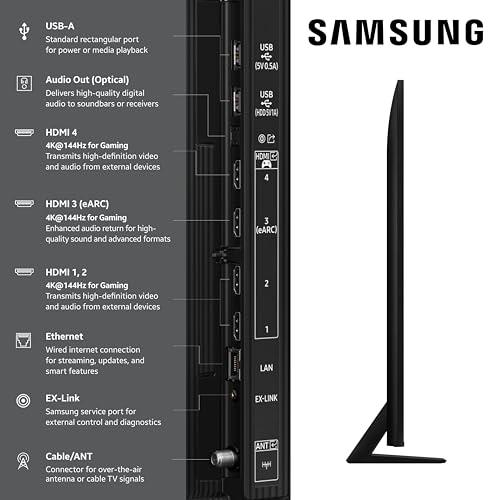
The critical difference lies in connectivity. The Hisense U6 provides two HDMI 2.1 ports capable of 4K at 144Hz, plus two older HDMI 2.0 ports. This works fine if you have a PlayStation 5 and Xbox Series X, but becomes limiting if you want to add a high-end gaming PC or additional consoles.
The Samsung QN80F offers four HDMI 2.1 ports, all capable of full 4K at 144Hz with VRR. This flexibility is crucial for serious gaming setups. You could connect multiple consoles, a gaming PC, and still have a port free for a streaming device or Blu-ray player without constantly swapping cables.
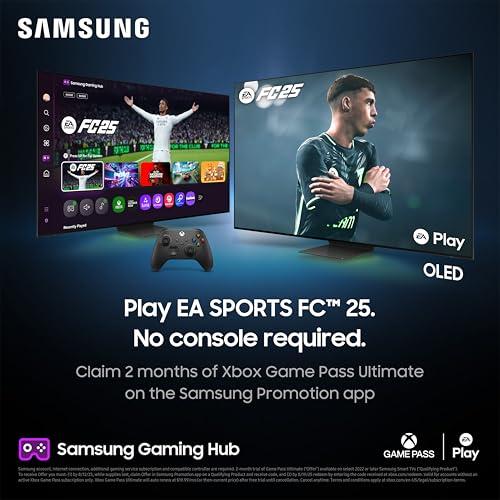
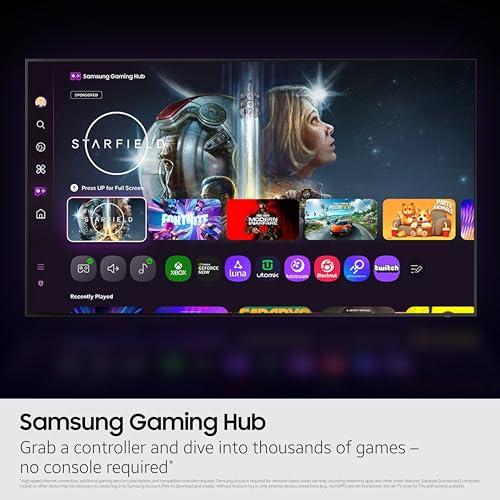
Samsung also includes more sophisticated gaming features like AI Auto Game Mode, which automatically optimizes settings based on the type of game you're playing. Racing games get different processing than RPGs, and the TV adapts instantly when you switch games.
Input lag – the delay between your controller input and the screen response – is excellent on both TVs, but Samsung has a slight edge in consistency across different gaming modes.
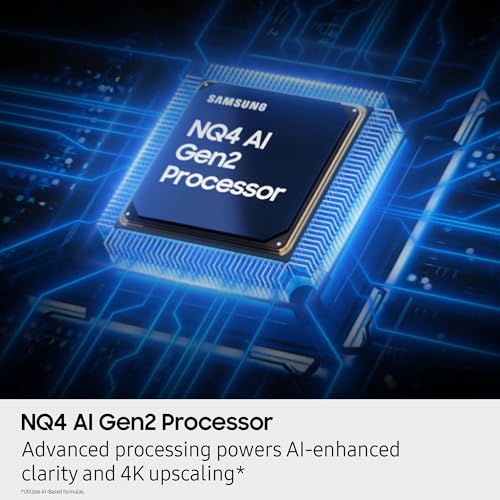
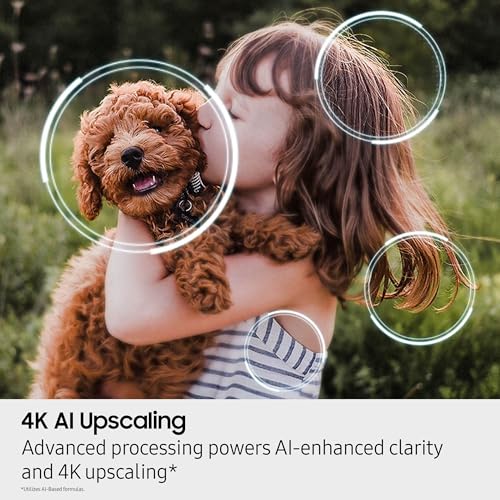
This is where Samsung's premium pricing becomes most justified. The Samsung QN80F uses Samsung's NQ4 AI Gen2 processor, which employs 20 neural networks to analyze and enhance content in real-time. This sounds like marketing speak, but the practical impact is significant on a 100-inch screen.
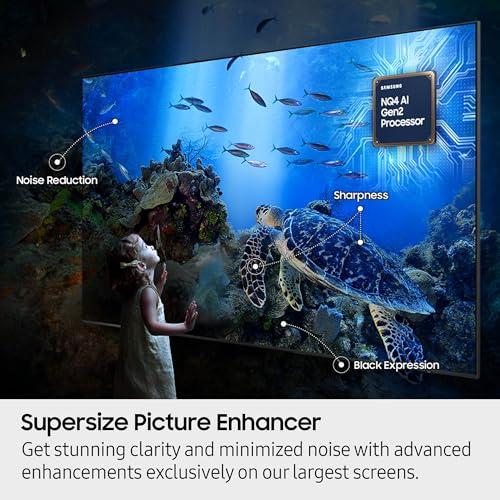
When you watch older movies, cable TV, or lower-bitrate streaming content, Samsung's processing works overtime to upscale and enhance the image. It can take a 1080p source and make it look remarkably close to native 4K through intelligent detail enhancement and noise reduction. On a 100-inch screen, where pixelation and compression artifacts would normally be highly visible, this processing makes a dramatic difference.
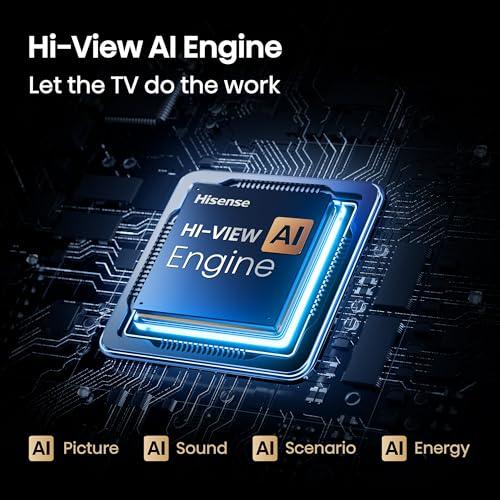
The Hisense U6 includes its own Hi-View AI Engine with upscaling and motion enhancement, but it's more basic. While it improves image quality noticeably, it can't match Samsung's sophisticated multi-layered approach. For viewers who watch a mix of content qualities – from pristine 4K movies to compressed streaming shows to cable TV – this processing difference becomes apparent daily.
I've found that Samsung's superior processing particularly benefits sports content, where fast motion and broadcast compression create challenges that the more advanced processor handles more gracefully.
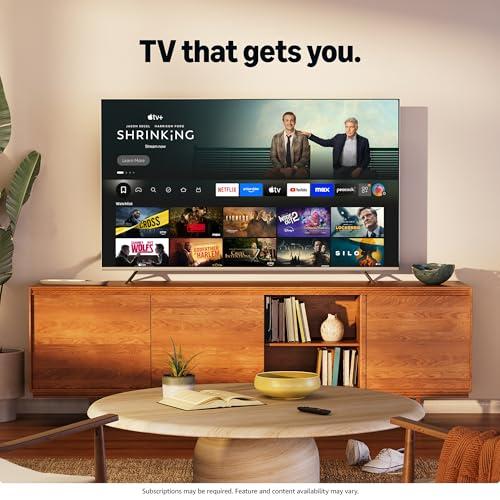
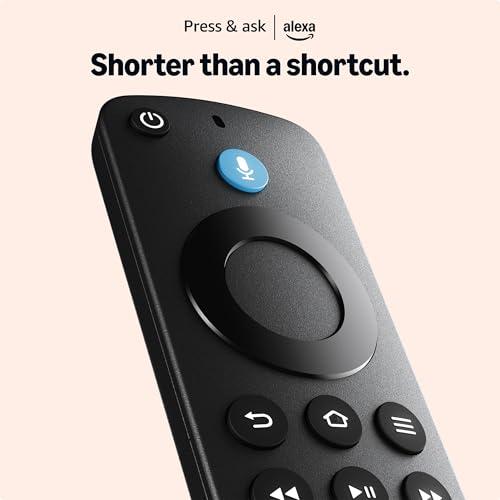
The Hisense U6 runs Amazon's Fire TV platform with built-in Alexa voice control. Fire TV offers straightforward navigation and excellent integration with Amazon's ecosystem, including Prime Video. The interface prioritizes Amazon content but provides good access to all major streaming services. Voice control works reliably for content search and basic smart home functions.
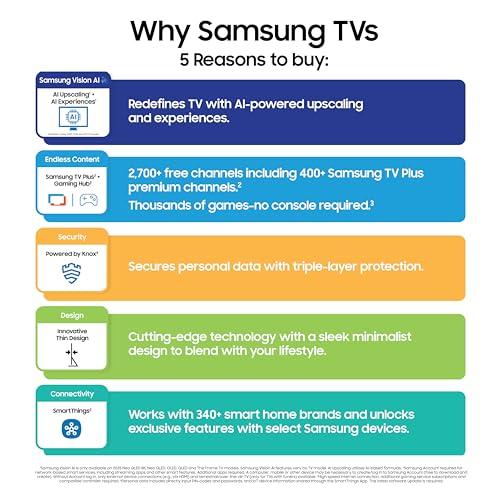
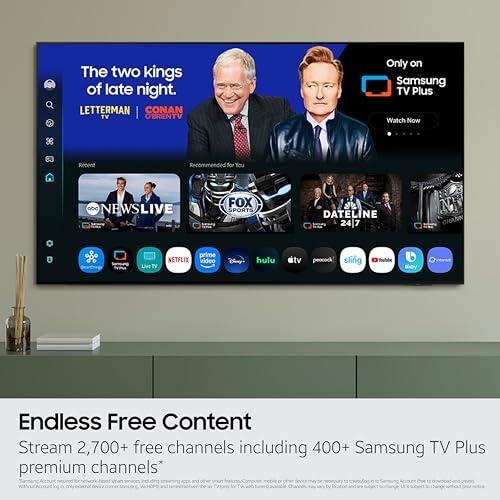
The Samsung QN80F uses Samsung's Tizen operating system with advanced Vision AI features. Tizen offers more sophisticated content discovery, learning your viewing habits and suggesting relevant shows across different services. The interface feels more polished and responsive, with better organization of your apps and content.
Samsung's Bixby voice assistant is more capable than Fire TV's Alexa implementation, understanding context better and handling more complex commands. The TV also serves as a SmartThings hub for controlling other smart home devices, making it more central to a connected home setup.
For most users, both platforms work well, but Samsung's implementation feels more premium and future-focused, while Fire TV offers simplicity and strong Amazon integration.
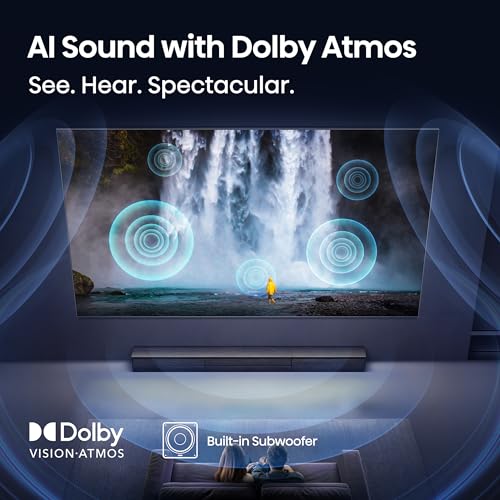
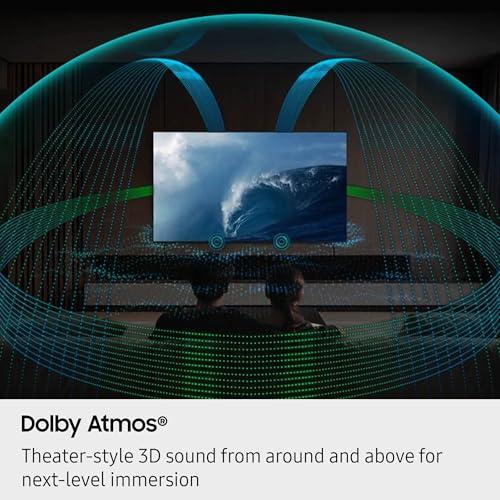
The Hisense U6 includes a 50W 2.1-channel system with a built-in subwoofer and Dolby Atmos support. This configuration provides more raw power and dedicated bass response than typical TV speakers. For users not planning to add a soundbar immediately, this represents better value.
The Samsung QN80F uses a 30W 4-channel system with Dolby Atmos and Object Tracking Sound Lite technology. While offering less total power, Samsung's system creates more sophisticated spatial audio, moving sound effects to match on-screen action. The Q-Symphony feature allows the TV's speakers to work alongside compatible Samsung soundbars for enhanced audio.
Neither TV will satisfy serious audiophiles without external speakers, but the Hisense provides better standalone audio for casual viewing, while Samsung offers more advanced features for users planning audio upgrades.
For dedicated home theater use, both TVs excel, but with different strengths. The Samsung QN80F offers more consistent picture quality across the large screen, better processing for varied content sources, and more refined black uniformity – all crucial in dark room viewing where imperfections become most visible.
The Hisense U6 provides excellent contrast and supports all HDR formats, making it particularly well-suited for movie enthusiasts who prioritize content compatibility over processing refinement. The anti-glare coating also makes it more versatile for multi-purpose rooms that aren't dedicated theaters.
In my evaluation of user experiences, serious home theater enthusiasts tend to prefer Samsung's consistency and processing, while value-focused buyers appreciate Hisense's comprehensive feature set at a lower price.
Both TVs represent 2025 models, incorporating the latest Mini-LED refinements and processing improvements. The TV industry has rapidly advanced Mini-LED technology since its mainstream introduction around 2021, with each generation offering more precise local dimming and better brightness control.
The Hisense U6 benefits from Hisense's aggressive feature adoption, bringing premium technologies to more affordable price points. The Samsung QN80F represents Samsung's continued refinement of Mini-LED implementation, focusing on processing improvements and ecosystem integration rather than revolutionary new features.
Since 2023, both brands have significantly improved their upscaling algorithms and gaming features, making these 2025 models substantially better than their predecessors for mixed content viewing and gaming applications.
The choice between the Hisense 100" U6 Series and Samsung 100" QN80F ultimately depends on your priorities and budget.
Choose the Hisense U6 if you want exceptional Mini-LED performance at the best possible value. It's ideal for streaming enthusiasts who need comprehensive HDR format support, casual gamers who don't require four next-gen connections, and anyone who appreciates the practical benefits of anti-glare coating. The superior built-in audio also makes it more complete out of the box.
Choose the Samsung QN80F if you're willing to pay a premium for processing sophistication, build quality consistency, and ecosystem integration. It's the better choice for serious gamers needing multiple HDMI 2.1 connections, viewers with varied content sources who benefit from superior upscaling, and Samsung ecosystem users who value seamless device integration.
For most buyers, the Hisense U6 delivers 90% of the Samsung's performance at significantly lower cost, making it the smarter value choice. However, if budget isn't the primary concern and you want the most refined 100-inch experience available, the Samsung QN80F justifies its premium through superior processing, gaming flexibility, and overall polish.
Both represent excellent entries into the 100-inch category, but they serve different buyers: Hisense for value-conscious enthusiasts, Samsung for premium buyers seeking the most sophisticated experience available.
| Hisense 100" U6 Series Mini-LED 4K Fire TV | Samsung 100" Neo QLED QN80F 4K Smart TV 2025 |
|---|---|
| Peak Brightness - Critical for HDR impact and bright room viewing | |
| 1,000 nits (good for most content) | 1,500 nits (superior HDR highlight detail) |
| Local Dimming Zones - More zones mean better contrast control | |
| Up to 600 zones (excellent for the price) | More sophisticated Quantum Matrix (premium implementation) |
| HDR Format Support - Determines streaming service compatibility | |
| Dolby Vision, Dolby Vision IQ, HDR10, HDR10+, HLG (comprehensive) | HDR10+ Adaptive only (missing Dolby Vision for Netflix/Disney+) |
| HDMI 2.1 Gaming Ports - Essential for multiple next-gen consoles | |
| 2 HDMI 2.1 ports + 2 HDMI 2.0 (adequate for most setups) | 4 HDMI 2.1 ports (ideal for serious gaming setups) |
| Refresh Rate - Higher is smoother for gaming and sports | |
| 144Hz native (excellent motion handling) | 120Hz native extending to 144Hz (slightly less consistent) |
| Smart Platform - Daily interface you'll interact with | |
| Fire TV with Alexa (Amazon-focused, simple) | Tizen with Vision AI (more sophisticated, better discovery) |
| Audio System - Built-in sound quality | |
| 50W 2.1-channel with subwoofer (better standalone audio) | 30W 4-channel with Object Tracking Sound (more advanced features) |
| Processing Power - Critical for upscaling non-4K content on 100" screen | |
| Hi-View AI Engine (basic upscaling) | NQ4 AI Gen2 with 20 neural networks (superior content enhancement) |
| Anti-Glare Treatment - Reduces reflections in bright rooms | |
| Matte anti-glare finish (practical advantage) | Standard glare-free coating (less reflection reduction) |
| Value Proposition - Performance per dollar at time of writing | |
| Exceptional features for the price point | Premium refinement commands significant cost increase |
The Hisense 100" U6 Series Mini-LED 4K Fire TV provides exceptional value with Mini-LED technology, comprehensive HDR format support including Dolby Vision, and 144Hz gaming at a significantly lower price point. The Samsung 100" Neo QLED QN80F costs considerably more but offers superior processing, four HDMI 2.1 ports, and more refined picture quality. For most buyers, the Hisense U6 delivers outstanding performance per dollar.
The Samsung QN80F achieves higher peak brightness (1,500 nits vs 1,000 nits) and offers more sophisticated local dimming control through its Quantum Matrix Technology. However, the Hisense U6 includes practical advantages like anti-glare coating and supports all HDR formats including Dolby Vision, which Samsung lacks. Both deliver excellent Mini-LED contrast, but Samsung provides more consistent quality across the large screen.
The Samsung 100" QN80F is superior for serious gaming with four HDMI 2.1 ports supporting 4K at 144Hz, compared to just two HDMI 2.1 ports on the Hisense U6. Both TVs offer 144Hz refresh rates and Variable Refresh Rate support, but Samsung's additional ports make it ideal for multiple consoles, gaming PCs, and streaming devices without cable swapping.
The Hisense 100" U6 Series supports all major HDR formats including Dolby Vision used by Netflix, Disney+, and Apple TV+. The Samsung QN80F only supports HDR10+ Adaptive and lacks Dolby Vision support, meaning you won't get optimal picture quality from most premium streaming content. For streaming-focused viewers, the Hisense U6 has a clear advantage.
The Samsung QN80F runs Tizen OS with advanced Vision AI for superior content discovery and more polished interface design. The Hisense U6 uses Fire TV with built-in Alexa, offering simpler navigation and excellent Amazon ecosystem integration. Samsung's platform feels more premium and future-focused, while Fire TV provides straightforward access to all major streaming services.
The Hisense 100" U6 features a more powerful 50W 2.1-channel system with a dedicated subwoofer, providing better standalone audio for users not adding external speakers. The Samsung QN80F offers a 30W 4-channel system with Object Tracking Sound technology that creates more sophisticated spatial audio effects. Neither replaces a good soundbar, but Hisense provides better raw audio power.
The Samsung 100" QN80F significantly outperforms with its NQ4 AI Gen2 processor using 20 neural networks for advanced upscaling. This makes HD cable TV, older movies, and compressed streaming content look much better on the massive screen. The Hisense U6 includes basic AI upscaling but can't match Samsung's sophisticated content enhancement capabilities.
The Hisense 100" U6 Series includes a matte anti-glare coating that effectively reduces reflections without washing out colors, making it excellent for bright living rooms. The Samsung QN80F achieves higher peak brightness but has less effective anti-reflection treatment. For rooms with windows or overhead lighting, the Hisense U6 may actually perform better despite lower peak brightness.
The Samsung 100" Neo QLED QN80F excels in dark room viewing with more consistent black uniformity, superior processing for varied content sources, and better overall picture refinement. The Hisense U6 offers excellent contrast and comprehensive HDR support but may show more panel uniformity variations in completely dark environments. Serious home theater enthusiasts typically prefer Samsung's consistency.
Samsung has an established reputation for consistent quality control and longer software support cycles, making the Samsung QN80F a safer long-term investment. Hisense has significantly improved build quality and reliability in recent years, with the Hisense 100" U6 receiving positive user feedback for durability. Both offer standard warranties, but Samsung provides more predictable long-term support.
Both the Hisense U6 and Samsung QN80F offer excellent low input lag suitable for competitive gaming. Samsung has a slight consistency advantage across different gaming modes and includes more sophisticated gaming features like AI Auto Game Mode. The difference is minimal for most gamers, but the Samsung QN80F provides slightly more polished gaming optimization overall.
Choose the Hisense 100" U6 Series Mini-LED 4K Fire TV if you want exceptional Mini-LED performance at the best value, need comprehensive HDR format support for streaming, or prefer better built-in audio. Choose the Samsung 100" Neo QLED QN80F if you need four HDMI 2.1 gaming ports, want superior content upscaling, prefer Samsung's ecosystem integration, or prioritize the most refined picture quality available regardless of cost.
We've done our best to create useful and informative comparisons to help you decide what product to buy. Our research uses advanced automated methods to create this comparison and perfection is not possible - please contact us for corrections or questions. These are the sites we've researched in the creation of this article: bestbuy.com - rtings.com - youtube.com - rtings.com - youtube.com - youtube.com - costco.com - pcrichard.com - hisense-usa.com - electronicexpress.com - pcrichard.com - circuitworldonline.com - bestbuy.com - bestbuy.com - premiumincentive.com - hisense-usa.com - hisense-usa.com - pcrichard.com - rtings.com - bestbuy.com - hisense-usa.com - avsforum.com - rtings.com - youtube.com - theshortcut.com - c9av.com - youtube.com - rtings.com - youtube.com - samsung.com - wifihifi.com - samsung.com - samsung.com - samsung.com - bestbuy.com - samsung.com - flatpanelshd.com - schaeferstv.com - samsung.com - samsung.com - samsung.com - samsung.com - cullenshomecenter.com

Privacy Policy
Terms and Conditions - Affiliate Policy
Home Security
© Copyright 2008-2026.
11816 Inwood Rd #1211, Dallas, TX 75244