

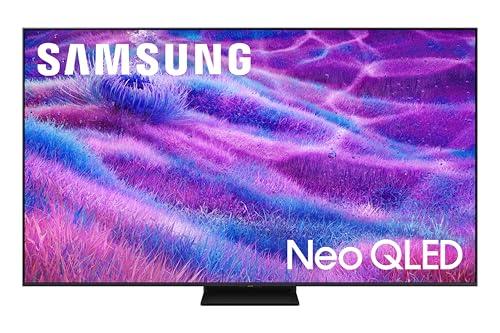
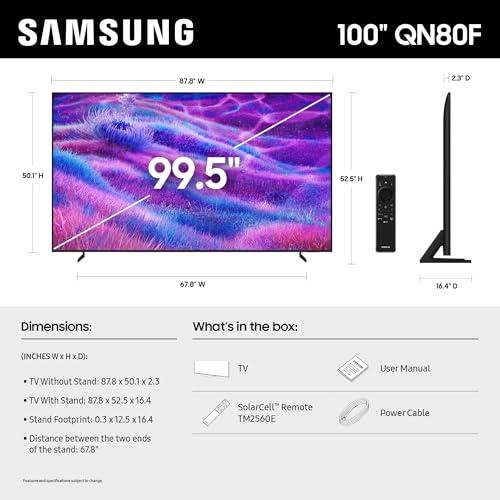

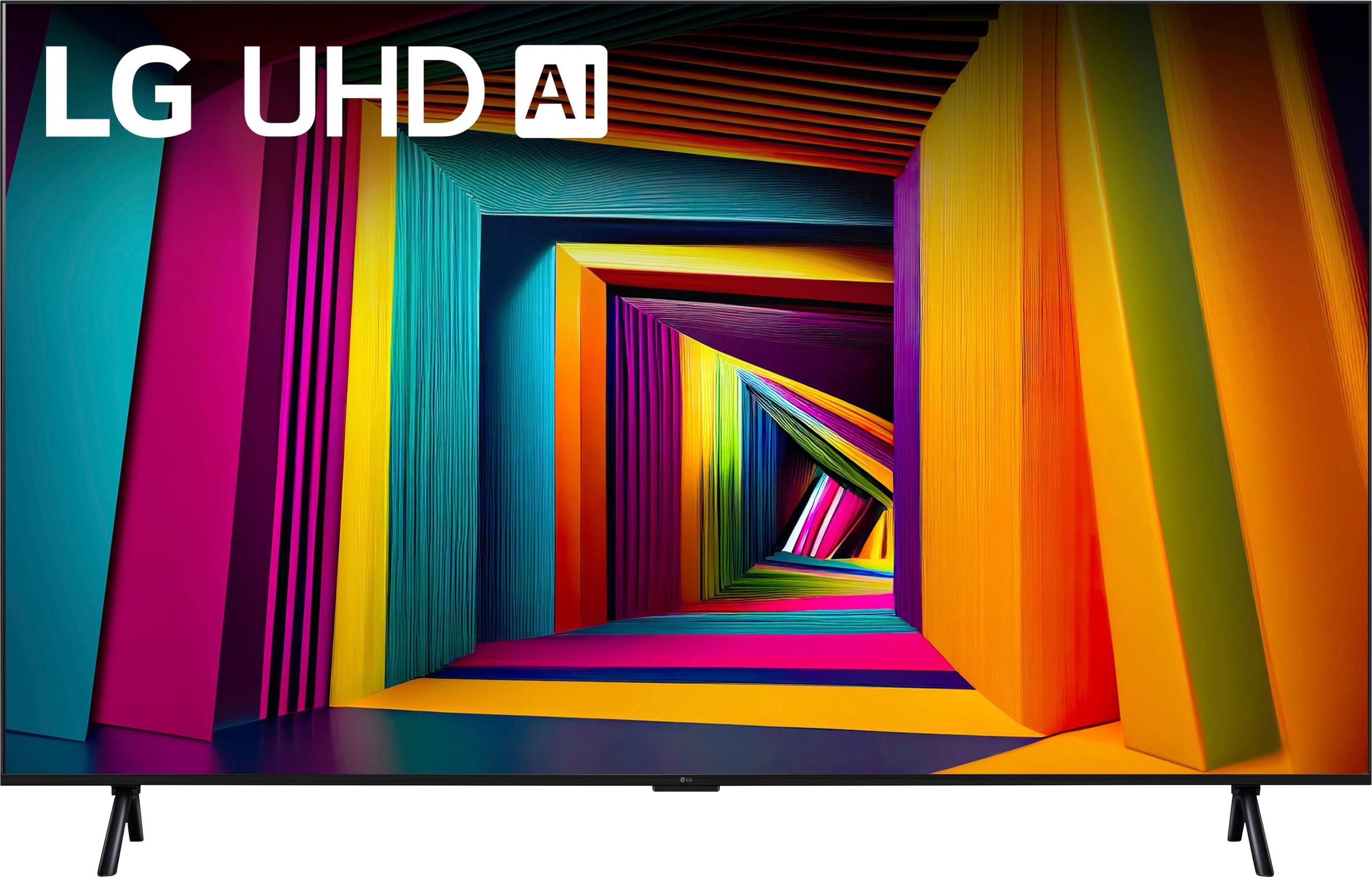
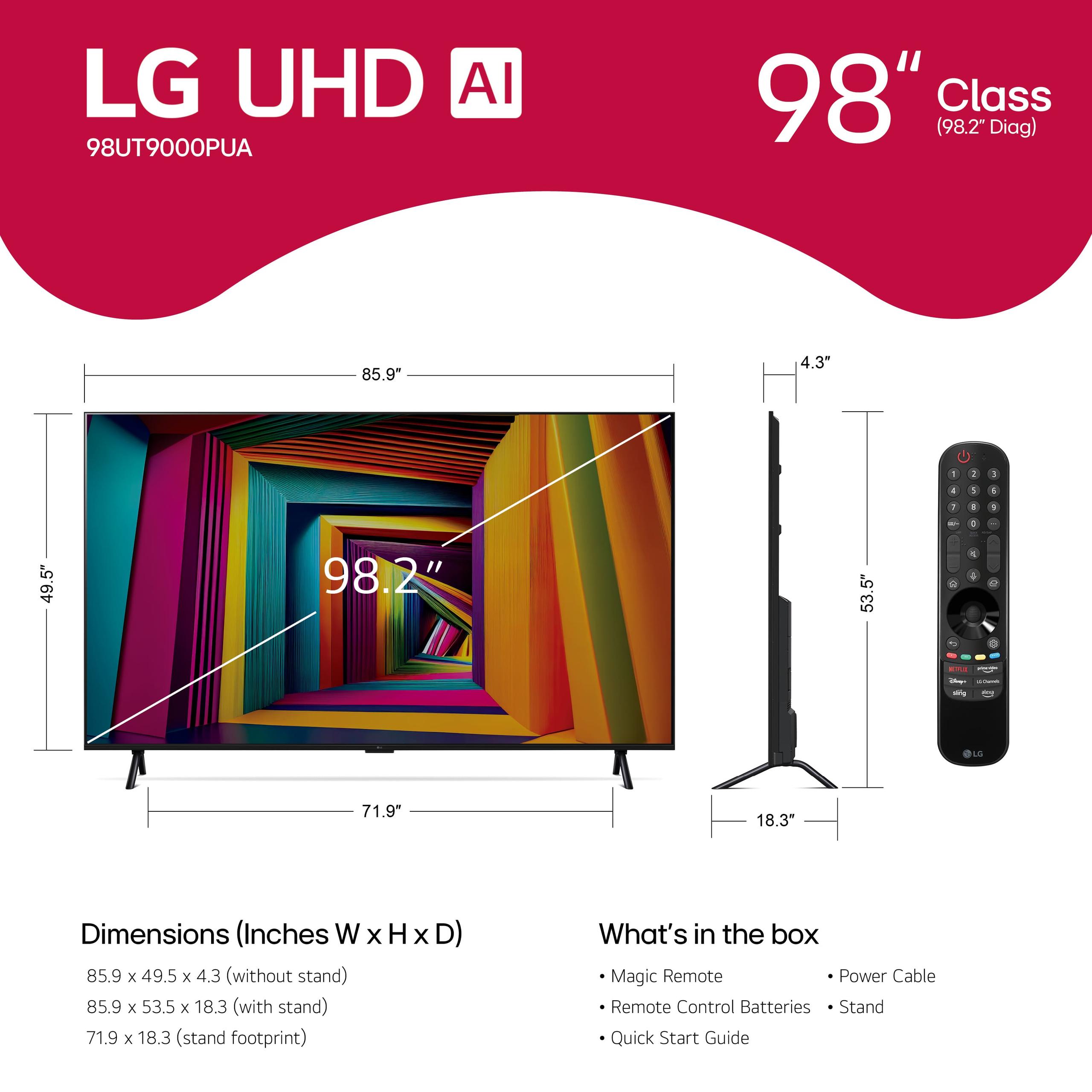
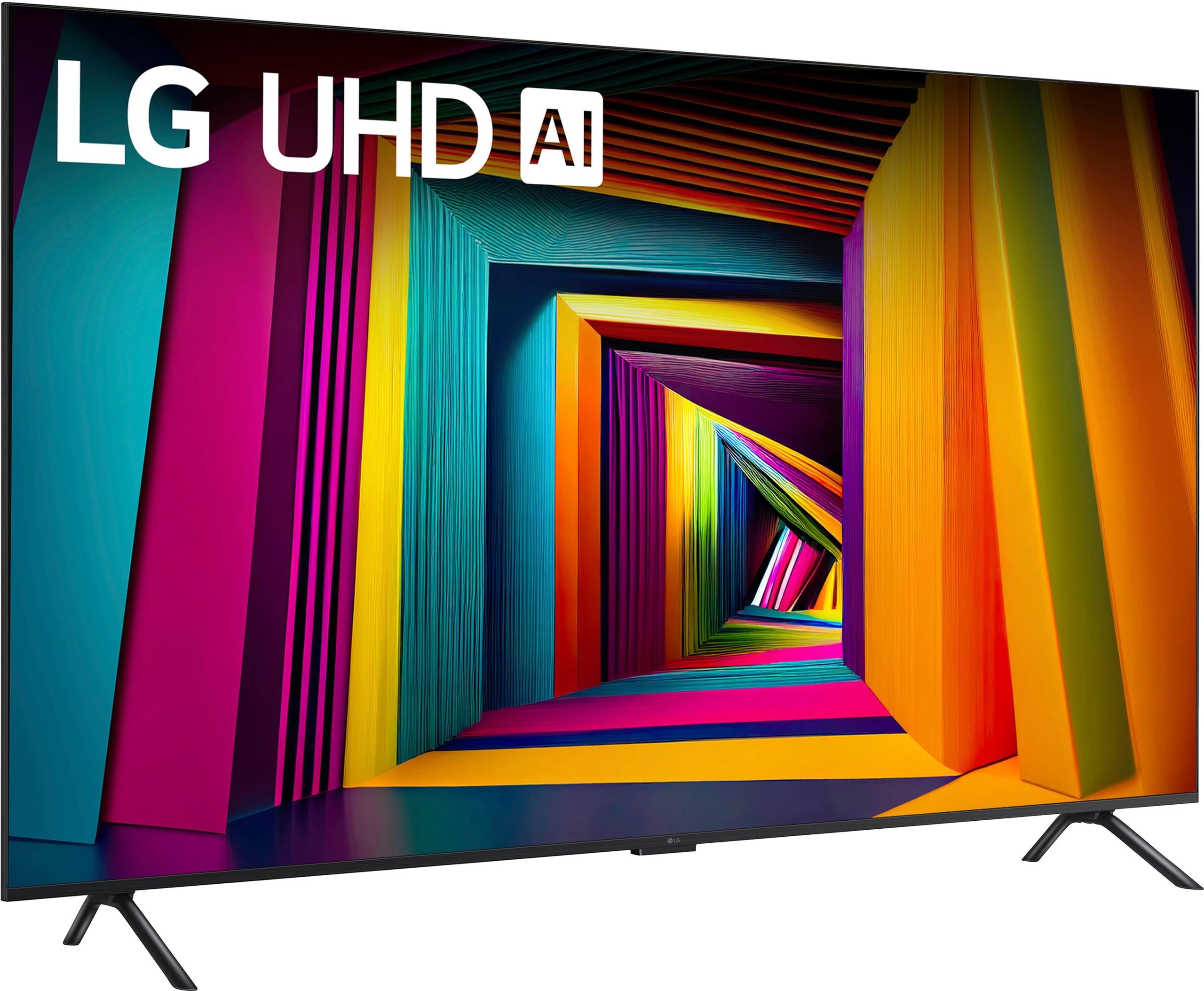
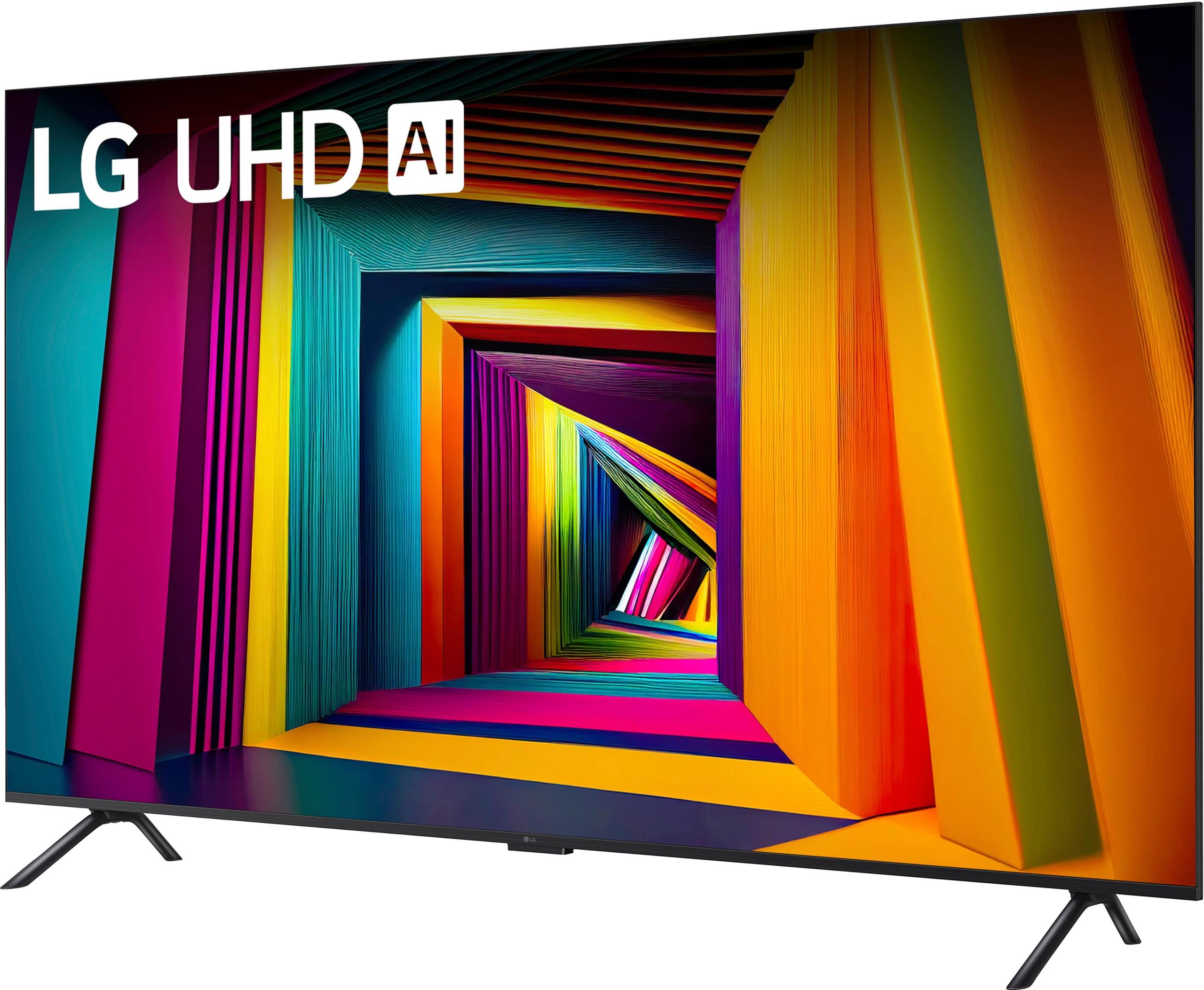
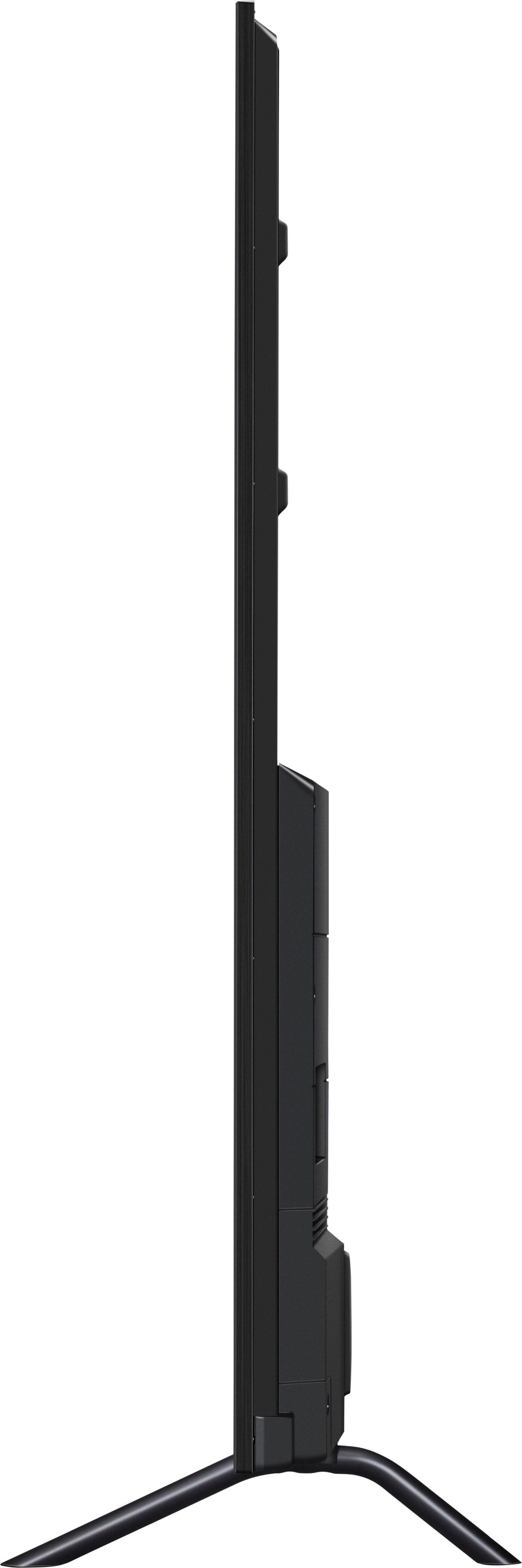
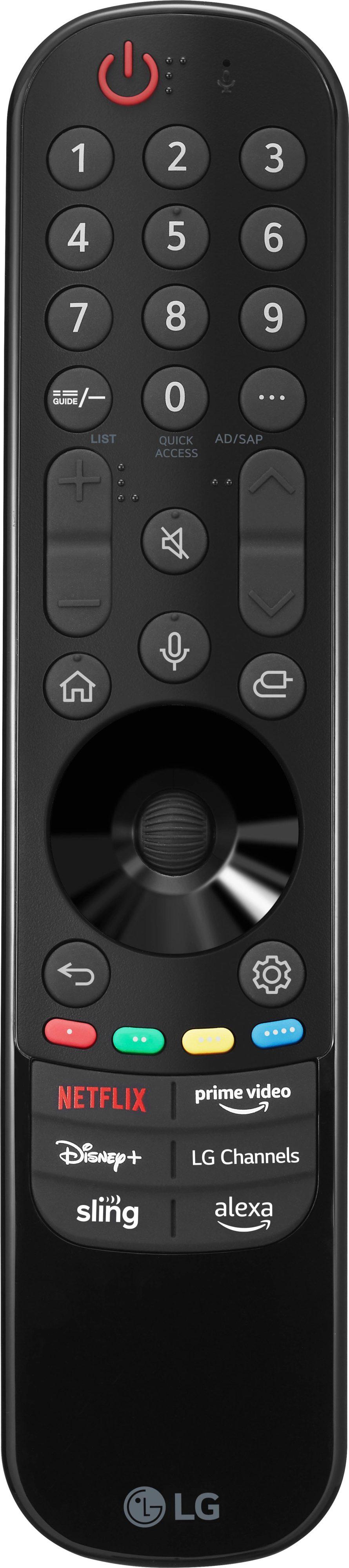
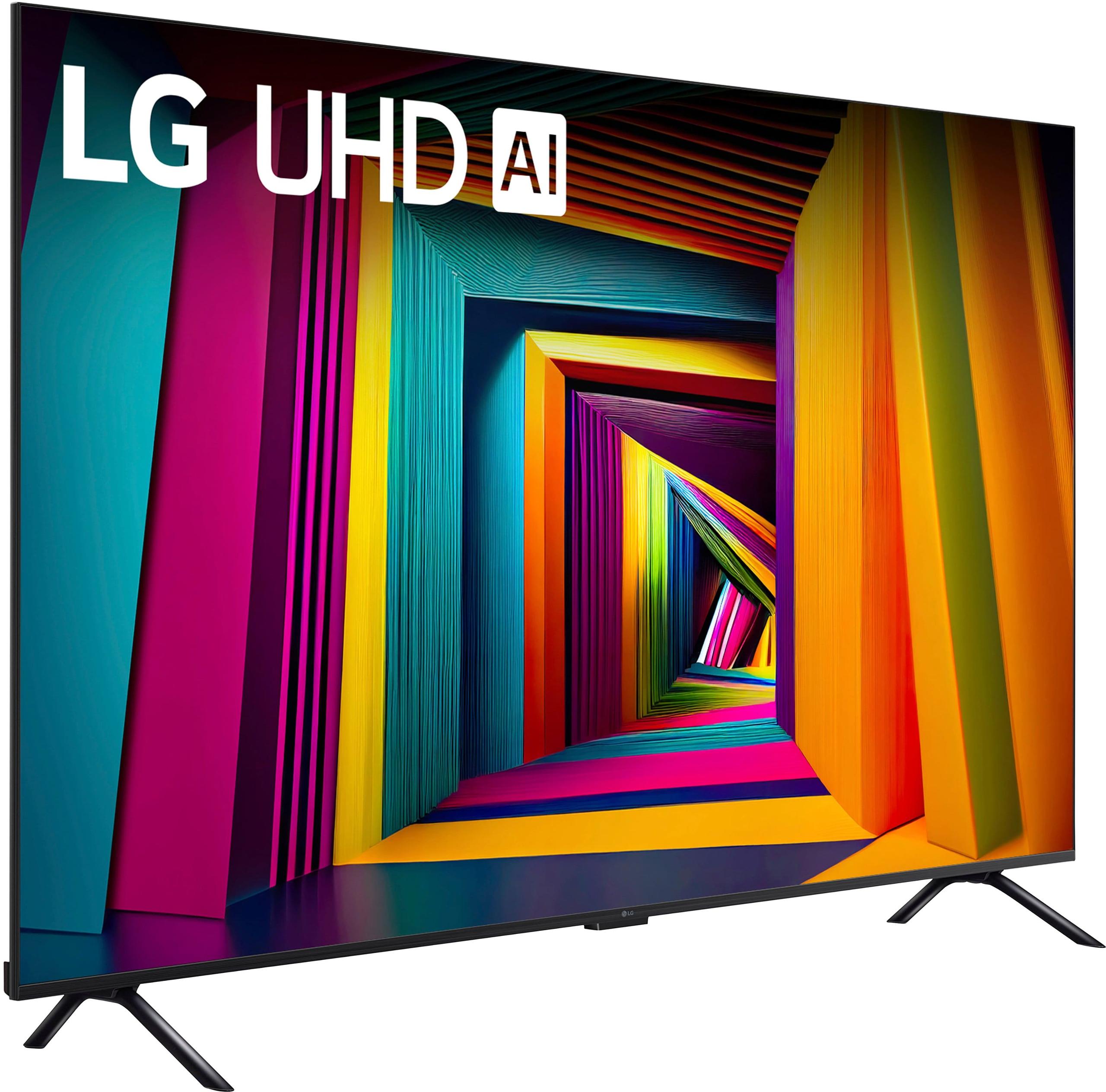
When you're ready to transform your living room into a legitimate home theater, nothing quite compares to the impact of a truly massive TV. We're talking about screens so large they rival what you'd find in a small cinema – the kind that make your friends do a double-take when they walk into your room. Today, we're comparing two giants in this space: the Samsung 100" Neo QLED QN80F at $5,997.99 and the LG 98" Class UT90 Series at $2,497.00.
These aren't just bigger versions of regular TVs. Ultra-large displays (anything over 95 inches) represent a completely different category of home entertainment, where the technology choices manufacturers make become dramatically more important. When you're dealing with this much screen real estate, every technical decision – from how the backlight works to how the processor handles motion – gets magnified along with the picture.
The most crucial thing to understand about these two TVs is that they use fundamentally different approaches to creating the picture you see. The Samsung QN80F uses what's called Mini-LED technology, while the LG UT90 relies on conventional LED backlighting. This difference shapes everything else about how these TVs perform.
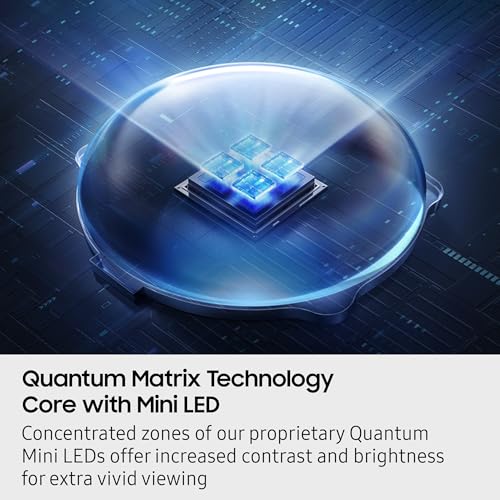
Think of it this way: traditional LED TVs are like having a few powerful flashlights behind your screen, trying to light up different parts of the picture. Mini-LED is more like having thousands of tiny, precise LED lights that can be controlled individually. The Samsung's Quantum Matrix Technology Core uses these thousands of Mini-LEDs to create what are called "local dimming zones" – areas of the screen that can get bright or dark independently of each other.
This matters enormously when you're watching a movie with a night scene. With the LG's conventional backlighting, those flashlight-like LEDs have a hard time making one part of the screen truly black while keeping another part bright. You end up with what we call "blooming" – where light spills over from bright objects into dark areas, making black levels look more like dark gray.
The Samsung, released in March 2025, represents the latest evolution of this Mini-LED approach. Samsung has been refining this technology for several years now, and the 2025 models show significant improvements in the number of dimming zones and the precision of their control. The LG UT90, being a 2024 model, uses the more traditional edge-lit or basic full-array approach that's been the standard for years.
Having spent considerable time with both Mini-LED and conventional LED displays, I can tell you the difference is most dramatic in dark room viewing – exactly the conditions most people create for serious movie watching. The Samsung QN80F delivers what Samsung calls "Neo Quantum HDR," which isn't just marketing speak. It's a combination of the Mini-LED precision with quantum dot color technology.
Quantum dots are microscopic crystals that, when hit by light, produce incredibly pure colors. When Samsung combines this with their Mini-LED backlight, you get colors that are both more accurate and more vibrant than what conventional LED can achieve. In practical terms, this means when you're watching a sunset scene in a nature documentary, the oranges and reds look more like what you'd see in real life, while the shadows maintain their depth.
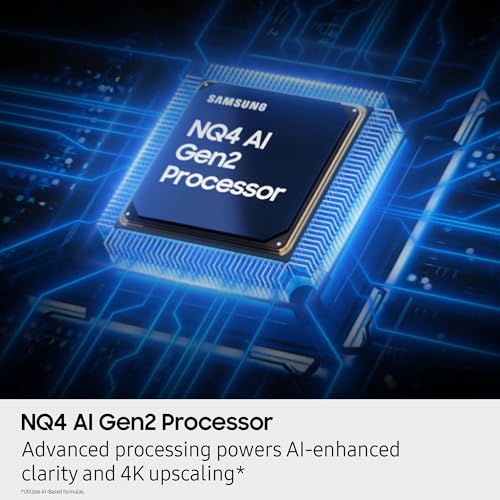
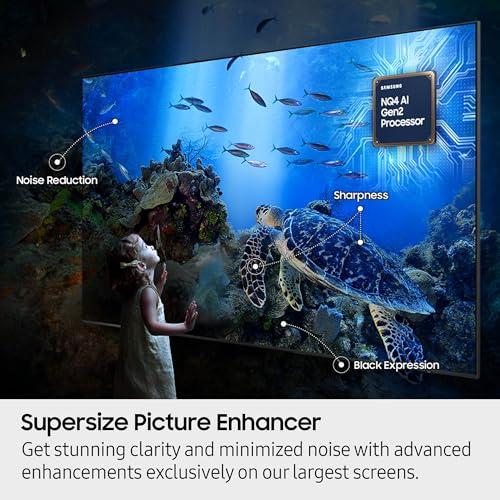
The Samsung's NQ4 AI Gen2 Processor is where things get really interesting from a technology standpoint. This isn't just a faster chip – it's using 20 different neural networks (essentially specialized AI programs) to analyze every frame of video in real-time. One network might be looking at faces to optimize skin tones, another analyzing motion to reduce blur, and yet another working on upscaling lower-resolution content.
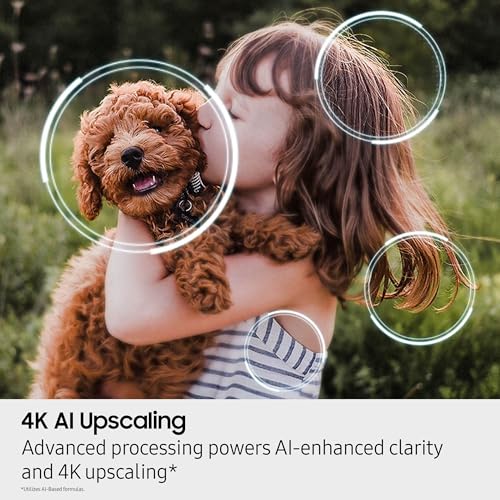
This AI processing becomes crucial when you consider that most of the content you'll watch isn't actually 4K. Whether it's older movies, TV shows, or streaming content that's been compressed, the processor needs to intelligently fill in the missing detail. The Samsung's AI upscaling can take a 1080p movie and make educated guesses about what the missing pixels should look like, based on patterns it's learned from analyzing millions of images.
The LG UT90's Alpha 8 processor, while competent, doesn't have this level of sophistication. It can handle basic upscaling, but it's more of a mathematical approach rather than the intelligent analysis the Samsung provides. In my experience, this difference becomes most noticeable with streaming content, where the Samsung consistently produces sharper, more detailed images from the same source material.
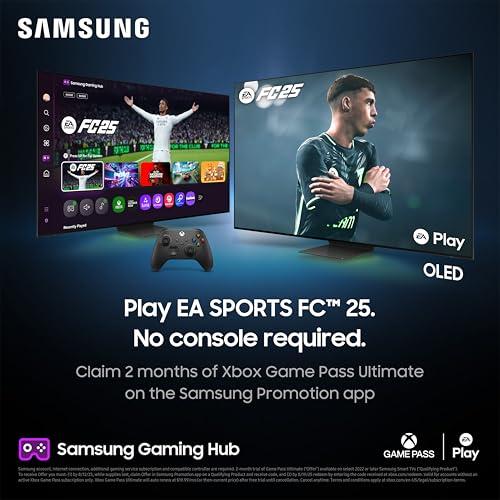
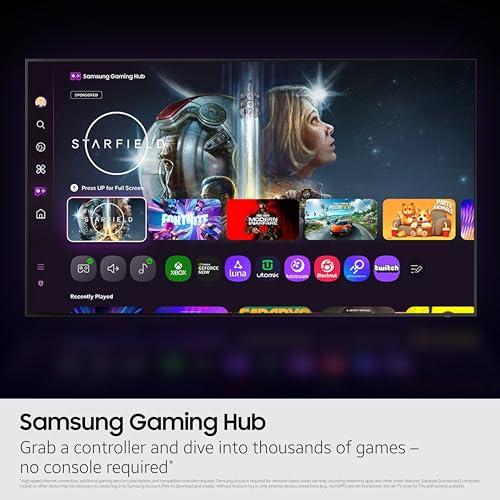
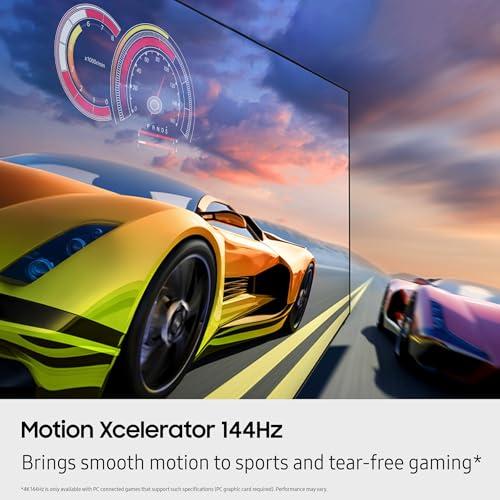
If gaming is important to you – and with a screen this large, it should be – the difference between these TVs is night and day. The Samsung QN80F supports up to 144Hz refresh rate, which might sound like technical jargon, but it has real-world implications for your gaming experience.
Here's what refresh rate actually means: it's how many times per second the TV can display a new image. Most content is filmed at 24 or 30 frames per second, but modern video games can output 60, 120, or even 144 frames per second if your console or PC is powerful enough. A higher refresh rate means smoother motion, especially in fast-paced games.
The Samsung also supports Variable Refresh Rate (VRR), which is like having the TV and your gaming device constantly communicate about timing. Without VRR, if your game is outputting 87 frames per second but your TV refreshes at 60Hz, you get screen tearing – where part of the image shows one frame and part shows the next. VRR eliminates this by letting the TV adjust its refresh rate to match what the game is outputting.
The LG UT90, being limited to 60Hz, simply can't take advantage of the higher frame rates that PlayStation 5, Xbox Series X, or modern gaming PCs can produce. You're essentially leaving performance on the table. For casual gaming, this might not matter, but if you're investing in a screen this large, you probably want the full experience.
Input lag is another crucial gaming consideration. This is the delay between when you press a button and when you see the result on screen. Both TVs offer low input lag in their game modes, but the Samsung's is notably lower, which becomes important for competitive gaming or fast reaction games.
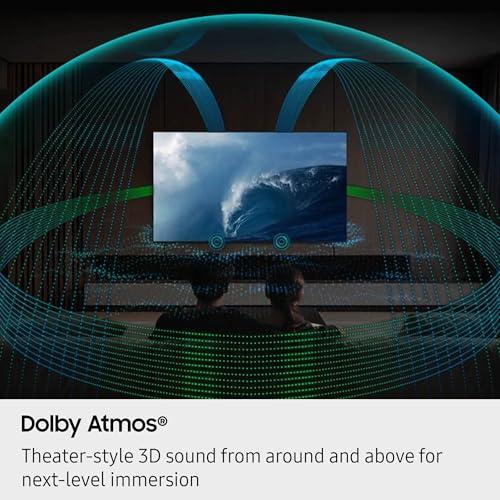
Large screens demand audio that can fill the space they dominate, and this is where the Samsung QN80F shows another clear advantage. Its Dolby Atmos support isn't just about having more speakers – it's about creating what's called "object-based audio."
Traditional surround sound assigns audio to specific channels (front left, rear right, etc.). Dolby Atmos instead treats sounds as objects that can be placed anywhere in three-dimensional space, including above you. The Samsung's Object Tracking Sound Lite feature tries to match audio movement to what's happening on screen, so when a car drives from left to right, the sound follows that movement.
The TV's 30W, 4-channel speaker system includes Samsung's Adaptive Sound Pro, which uses AI to analyze what type of content you're watching and adjust the audio accordingly. Dialog in a quiet drama gets different treatment than explosions in an action movie. Having used this feature extensively, I find it genuinely improves the viewing experience, especially for late-night watching when you need clear dialog without overly loud sound effects.
The LG UT90 provides basic stereo audio that's adequate for casual viewing but lacks the spatial awareness and processing power to create an immersive audio experience that matches its massive visual presence.
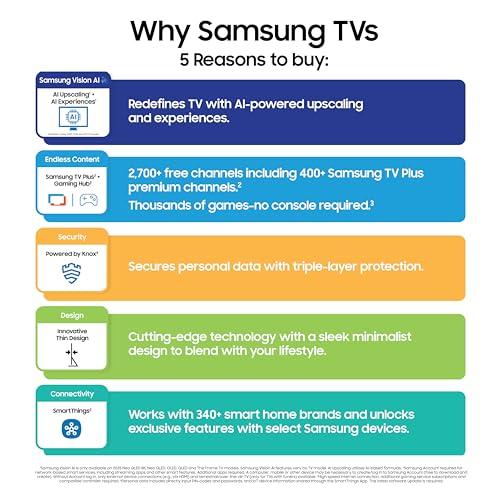
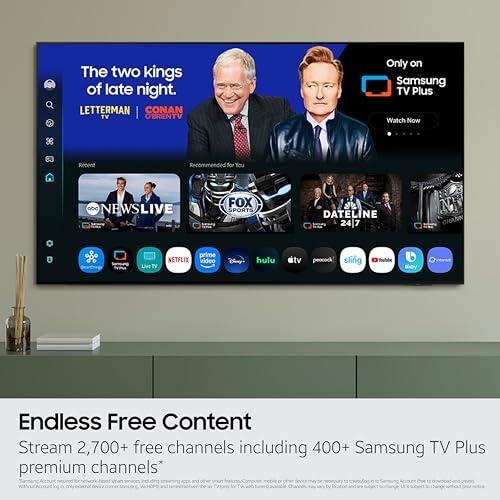
Both TVs offer comprehensive smart platforms, but they approach the concept differently. Samsung's Tizen OS with Vision AI represents their latest thinking about how smart TVs should work. The Vision AI feature analyzes your viewing habits and suggests content, but more importantly, it can optimize picture and sound settings based on what you're watching and the time of day.
One feature I've found particularly useful is Samsung's Generative Wallpaper, which uses AI to create custom backgrounds when the TV isn't in use. Instead of a black screen, you can have slowly changing artistic displays that make the TV feel more like a piece of room decor.
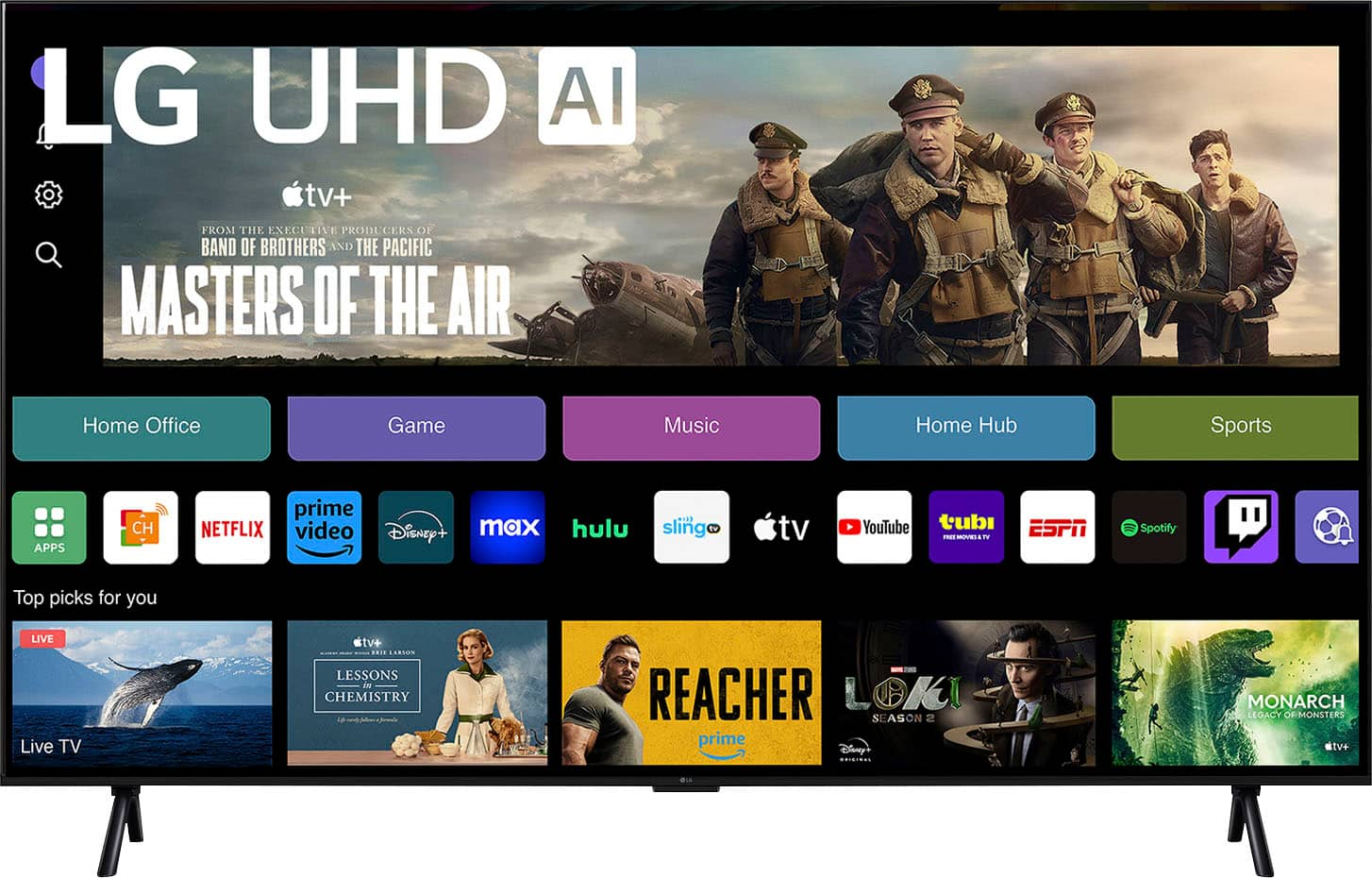
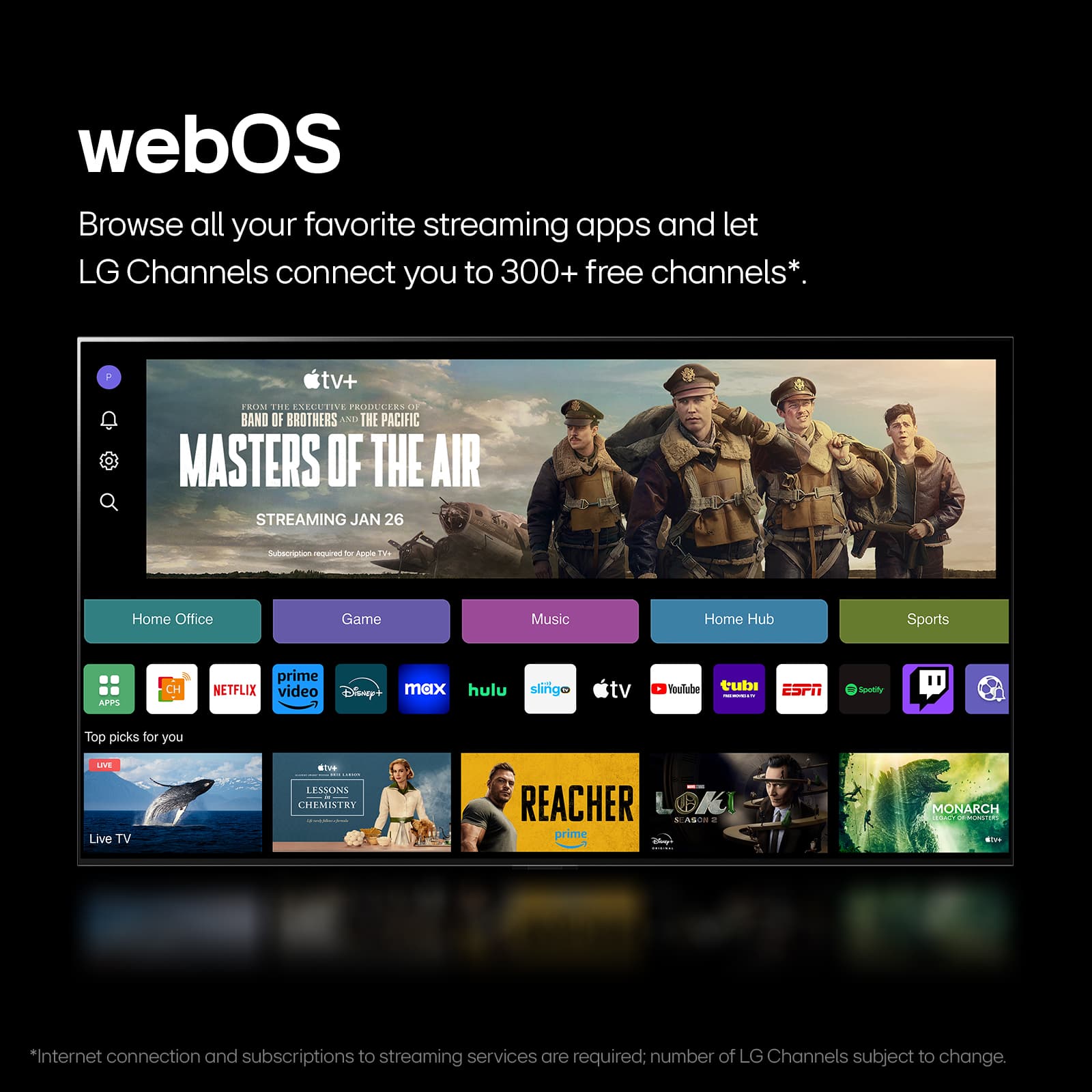
LG's webOS platform is more traditional but highly reliable. It's been refined over many years and offers excellent app support. The interface is intuitive, and the ThinQ AI integration works well with other LG smart home devices. However, it lacks the advanced AI features that Samsung is pioneering.
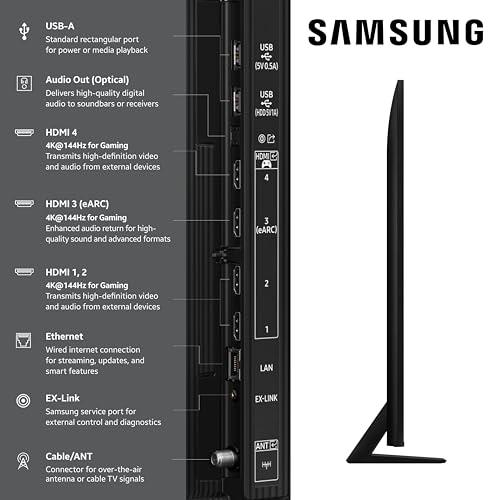
From a future-proofing standpoint, the Samsung QN80F has clear advantages. Its HDMI 2.1 ports support the full bandwidth needed for 4K at 144Hz, which means it can handle whatever gaming consoles or media devices might offer in the coming years. The advanced AI processing also means Samsung can potentially improve the TV's performance through software updates, something that's harder to do with less sophisticated hardware.
In a dedicated home theater environment, room lighting becomes crucial for TV selection. The Samsung's Mini-LED technology excels in dark rooms, where its superior contrast ratio creates the dramatic difference between bright and dark areas that makes movies feel cinematic. However, its anti-glare coating, while effective, can slightly soften the image in very bright rooms.
The LG's conventional LED panel actually handles bright room viewing reasonably well, though it can't match the Samsung's peak brightness levels. If your viewing room has large windows and you watch TV during the day, both displays will be viewable, but the Samsung will maintain better color accuracy and contrast.
For serious home theater enthusiasts, the Samsung's support for advanced HDR formats becomes important. HDR10+ Adaptive adjusts the brightness and contrast for each scene based on metadata embedded in the content, ensuring you see movies as the director intended. This is particularly noticeable in films with challenging lighting, like scenes that transition from bright outdoor shots to dark interiors.
When we talk about value in this price range, we're not just looking at the upfront cost. The Samsung QN80F at $5,997.99 represents a significant investment, but it's actually competitively priced for Mini-LED technology at this size. Similar performing displays from other premium manufacturers often cost $8,000 or more.
The LG UT90 at $2,497.00 offers exceptional value if your primary goal is maximum screen size for minimum cost. You're getting 96% of the Samsung's screen area for 58% less money. For many buyers, this math makes perfect sense.
However, the value calculation changes when you consider longevity. The Samsung's advanced processing and gaming capabilities make it more likely to remain relevant as content and gaming standards evolve. Its AI processing can potentially improve through software updates, while the LG's capabilities are essentially fixed at purchase.
Choose the Samsung QN80F if you're building a serious home theater, game regularly on modern consoles, or want the best possible picture quality. The Mini-LED technology, advanced processing, and gaming features justify the premium for users who will appreciate these advantages.
The LG UT90 makes sense if you're primarily focused on getting the largest possible screen within a limited budget, don't game competitively, and are satisfied with good rather than exceptional picture quality. It's an excellent choice for casual viewing, sports, and general entertainment.
Consider your room environment, viewing habits, and how long you plan to keep the TV. In a dark home theater with modern gaming devices, the Samsung's advantages will be apparent daily. In a bright family room used mainly for streaming and broadcast TV, the LG's value proposition becomes much more compelling.
Remember, both of these displays will dramatically transform your viewing experience compared to smaller TVs. The question isn't whether you'll be impressed – you will be. It's whether the Samsung's technical advantages are worth the significant price premium for your specific situation and preferences.
| Samsung 100" Neo QLED QN80F 4K Smart TV 2025 | LG 98" Class UT90 Series 4K UHD Smart TV 2024 |
|---|---|
| Price - Significant investment difference for similar screen sizes | |
| $5,997.99 | $2,497.00 |
| Screen Size - Minimal difference despite large price gap | |
| 100" diagonal | 98" diagonal (96% of Samsung's area) |
| Display Technology - Core difference affecting picture quality | |
| Neo QLED with Mini-LED backlighting and thousands of dimming zones | Standard LED with basic edge-lit or full-array backlighting |
| Refresh Rate - Critical for gaming and smooth motion | |
| 120Hz native (up to 144Hz for gaming) | 60Hz native only |
| HDR Support - Determines brightness and contrast capabilities | |
| Neo Quantum HDR with HDR10+ Adaptive | Basic HDR10 and HLG |
| Processor - Affects upscaling and smart features | |
| NQ4 AI Gen2 with 20 neural networks for real-time optimization | Alpha 8 AI Processor with basic upscaling |
| Gaming Features - Important for console and PC gaming | |
| VRR, ALLM, 4K@144Hz, Game Bar, ultra-wide support | Basic game mode, 60Hz limitation |
| Audio System - Affects immersive experience | |
| 30W 4-channel with Dolby Atmos and Object Tracking Sound | Basic stereo speakers |
| Smart Platform - Daily interface and app experience | |
| Tizen OS with Vision AI and advanced voice control | webOS with standard smart features |
| HDMI Connectivity - Future-proofing for new devices | |
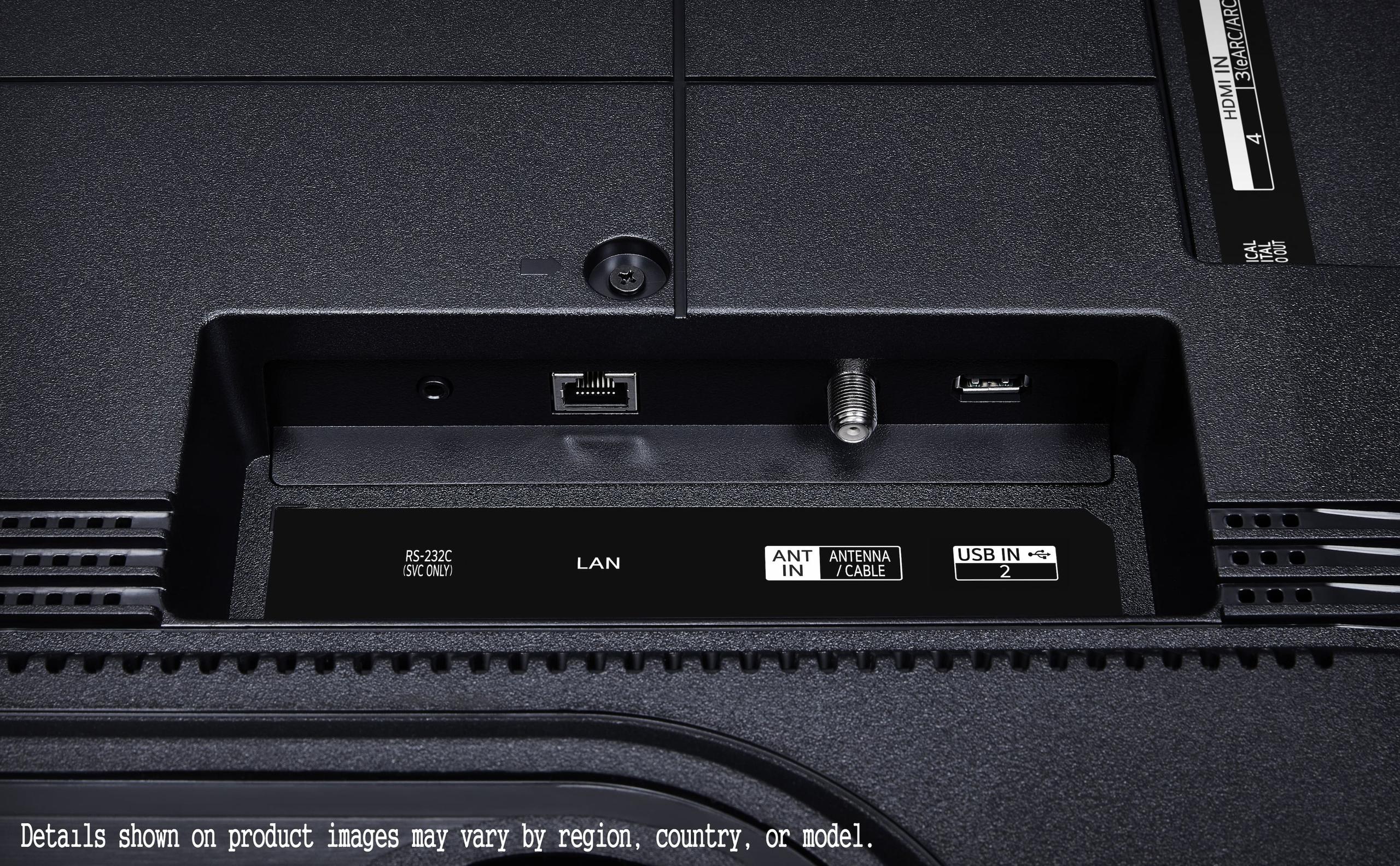
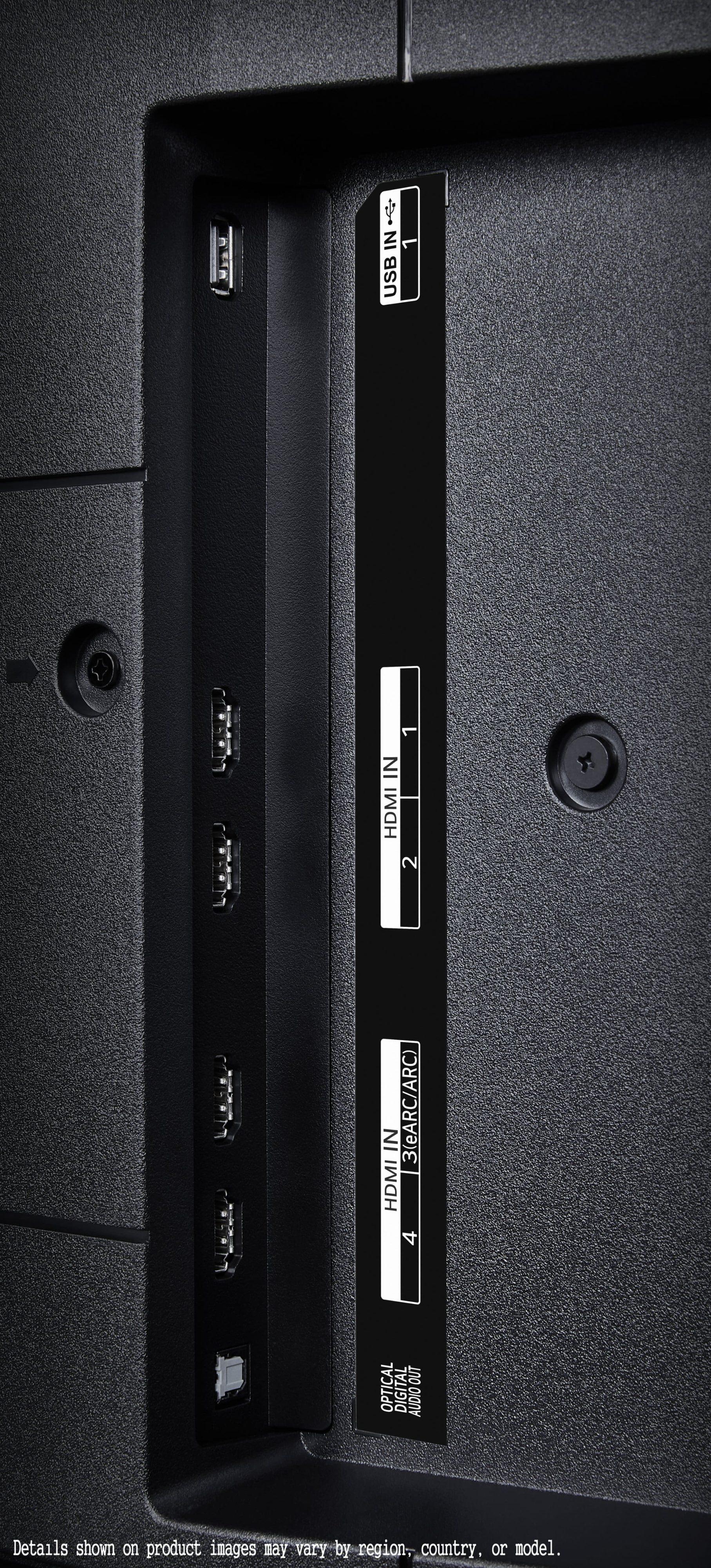
| 4x HDMI 2.1 ports with full 48Gbps bandwidth | Standard HDMI ports with limited high-bandwidth support |
| Target Buyer - Who each TV serves best | |
| Premium home theater enthusiasts and serious gamers | Budget-conscious buyers prioritizing maximum screen size |
The Samsung 100" Neo QLED QN80F delivers superior picture quality thanks to its Mini-LED backlighting with thousands of local dimming zones. This creates deeper blacks, brighter highlights, and less blooming around objects compared to the LG 98" UT90 Series, which uses conventional LED backlighting. The Samsung also features Quantum Dot technology for more accurate colors and supports advanced HDR formats like HDR10+ Adaptive.
The Samsung QN80F at $5,997.99 is only 2 inches larger than the LG UT90 at $2,497.00, but the price difference isn't about size alone. You're paying for Mini-LED technology, advanced AI processing, 144Hz gaming support, and premium audio features. If you primarily want maximum screen size for the money, the LG offers 96% of the Samsung's screen area at 58% less cost.
The Samsung 100" Neo QLED QN80F is significantly better for gaming, supporting up to 144Hz refresh rates, Variable Refresh Rate (VRR), and 4K gaming at high frame rates. The LG 98" UT90 Series is limited to 60Hz, which means you can't take full advantage of next-gen consoles' capabilities. For serious gaming, the Samsung is the clear winner.
Both TVs offer excellent smart platforms, but with different strengths. The Samsung QN80F runs Tizen OS with Vision AI for personalized recommendations and advanced voice control. The LG UT90 uses webOS, which is highly reliable and user-friendly with excellent app support. Both platforms provide access to all major streaming services, but Samsung's platform offers more AI-powered features.
Both TVs handle bright rooms reasonably well, but the Samsung 100" Neo QLED QN80F maintains better color accuracy and contrast in challenging lighting conditions due to its higher peak brightness and advanced backlighting. The LG 98" UT90 Series is adequate for bright room viewing but may appear washed out in very bright conditions.
The Samsung QN80F offers superior audio with a 30W 4-channel system featuring Dolby Atmos and Object Tracking Sound, creating a more immersive experience. The LG UT90 has basic stereo speakers that are adequate for casual viewing but lack the spatial audio features and power needed to fill a large room effectively.
The Samsung 100" Neo QLED QN80F is excellent for dedicated home theaters, especially in dark rooms where its Mini-LED technology shines with superior contrast and black levels. The LG 98" UT90 Series can work in a home theater but won't deliver the same cinematic experience due to limited contrast and basic HDR support.
Value depends on your priorities. The LG 98" UT90 Series offers exceptional value if you want maximum screen size for minimum cost. The Samsung QN80F provides better value for performance-focused buyers who want premium picture quality, advanced gaming features, and future-proofing capabilities.
The Samsung 100" Neo QLED QN80F features the advanced NQ4 AI Gen2 processor with 20 neural networks for intelligent upscaling and real-time optimization. The LG 98" UT90 Series has a capable Alpha 8 processor but lacks the sophisticated AI processing for enhanced upscaling and content optimization that the Samsung provides.
The Samsung QN80F is more future-proof with HDMI 2.1 ports supporting full bandwidth, 144Hz gaming capabilities, and advanced AI that can improve through software updates. The LG UT90 has more limited upgrade potential due to its 60Hz panel and basic processing, though both should provide years of reliable service.
The Samsung 100" Neo QLED QN80F costs significantly more and may have slight image softening due to its anti-glare coating. The LG 98" UT90 Series has limited contrast performance in dark rooms, basic 60Hz gaming, and lacks advanced audio features that complement such a large screen.
Choose the Samsung QN80F if you want the best picture quality, game regularly, have a dedicated home theater, or prioritize premium features and future-proofing. Select the LG UT90 if you're budget-conscious, primarily watch casual content, don't game competitively, and want maximum screen size for your money.
We've done our best to create useful and informative comparisons to help you decide what product to buy. Our research uses advanced automated methods to create this comparison and perfection is not possible - please contact us for corrections or questions. These are the sites we've researched in the creation of this article: rtings.com - youtube.com - theshortcut.com - c9av.com - youtube.com - rtings.com - youtube.com - samsung.com - wifihifi.com - samsung.com - samsung.com - samsung.com - bestbuy.com - samsung.com - flatpanelshd.com - schaeferstv.com - samsung.com - samsung.com - samsung.com - samsung.com - cullenshomecenter.com - rtings.com - shopjetson.com - abt.com - rtings.com - rtings.com - pcrichard.com - lg.com - rcwilley.com - lg.com - elechid.com - lg.com

Privacy Policy
Terms and Conditions - Affiliate Policy
Home Security
© Copyright 2008-2026.
11816 Inwood Rd #1211, Dallas, TX 75244