

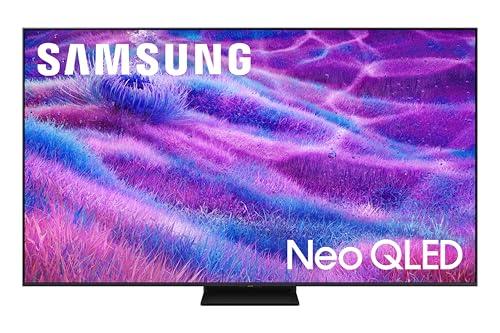





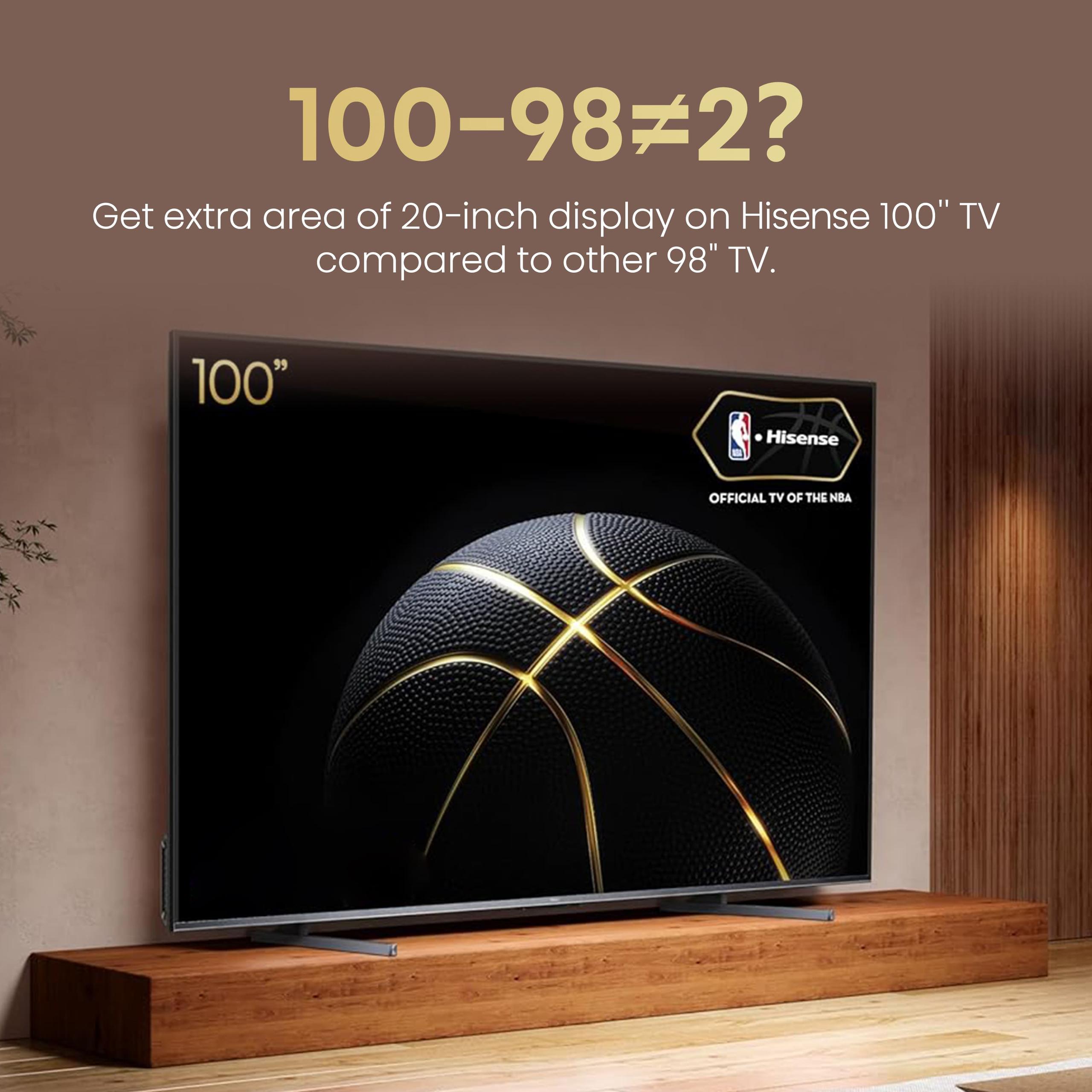
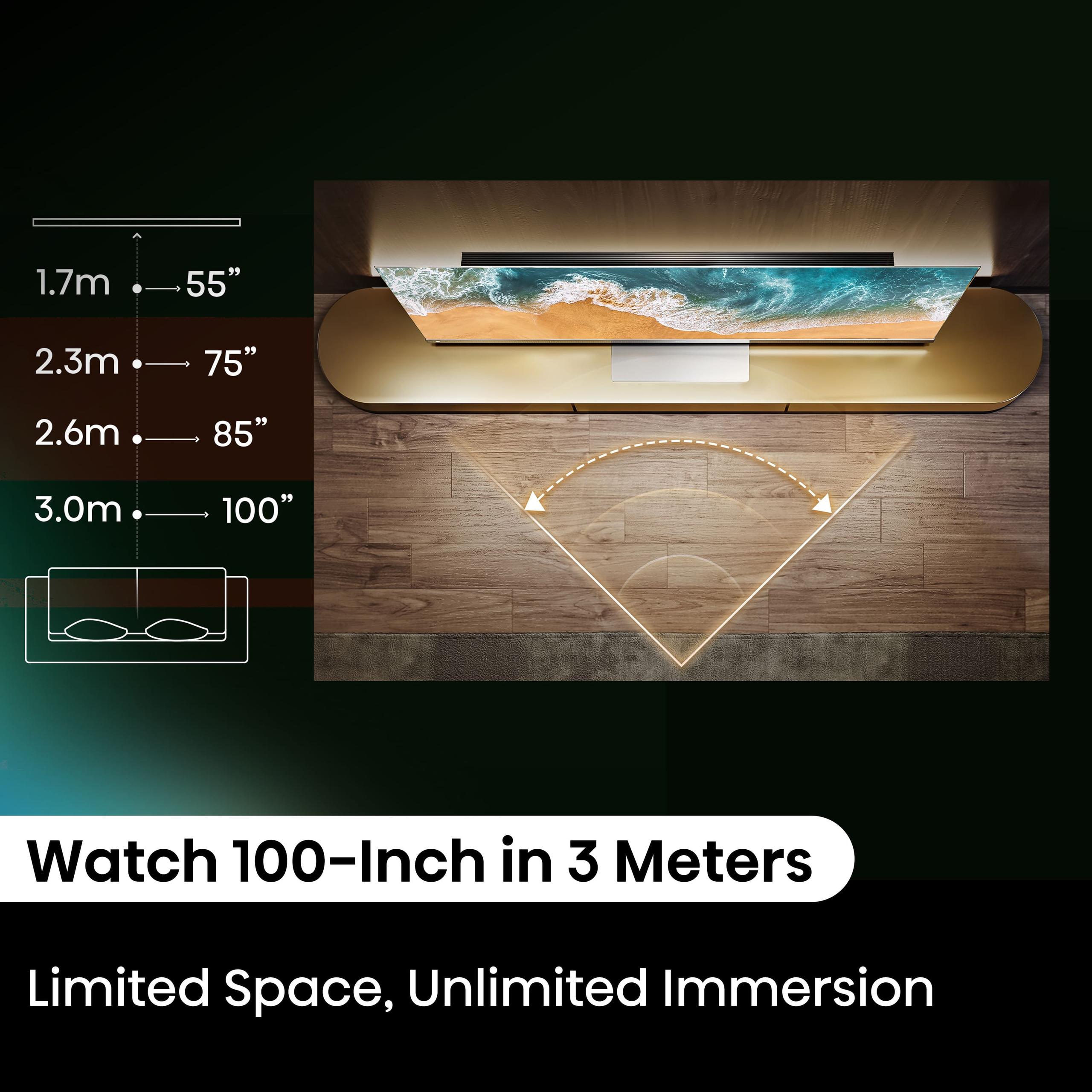
Picture this: you're standing in your living room, staring at the wall where your new TV will go, and you've made a bold decision. You want to go big—really big. We're talking 100 inches of pure cinematic glory. But here's where things get interesting. You've got two very different paths ahead of you: the premium Samsung 100" Neo QLED QN80F at $5,997.99 or the budget-friendly Hisense 100" QD7 Series at $1,699.99.
This isn't just about choosing between expensive and cheap. These TVs represent two completely different philosophies about what makes a great big-screen experience. After spending considerable time with both technologies, I can tell you that your choice will dramatically impact everything from your weekend movie marathons to late-night gaming sessions.
The 100-inch TV market is fascinating because it's where manufacturers push their most advanced technologies to the limit. When you're dealing with a screen this massive, every flaw becomes magnified, and every strength becomes spectacular. The main battlegrounds are picture quality, smart features, gaming performance, and—let's be honest—whether you can justify the price tag.
Think of it this way: a 55-inch TV might forgive some mediocre processing or limited brightness, but at 100 inches, these limitations become glaringly obvious. You're essentially getting a display that's larger than most people's bedroom walls, so the technology behind it needs to be up to the challenge.
The Samsung QN80F launched in March 2025 as part of Samsung's refreshed Neo QLED lineup, and it represents a significant evolution from previous generations. Samsung has been refining their Mini-LED technology for several years now, and the 2025 models showcase just how far they've come.
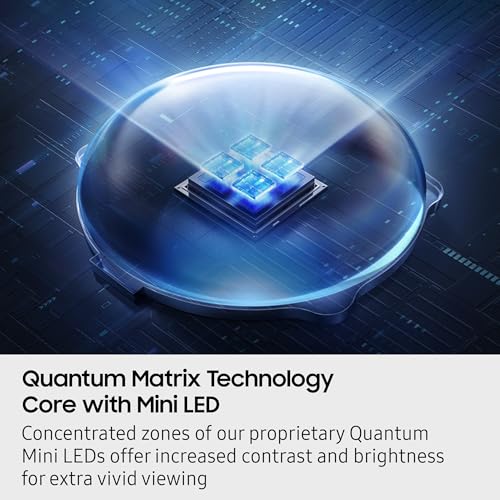
What makes this TV special is its Mini-LED backlighting system called Quantum Matrix Technology Core. Imagine thousands of tiny LEDs smaller than traditional ones, each capable of independent brightness control. This creates what Samsung calls "local dimming zones"—essentially, different parts of your screen can be bright or dark independently. When you're watching a movie with a campfire scene against a starry night sky, the fire can glow brilliantly while the surrounding darkness remains truly black.
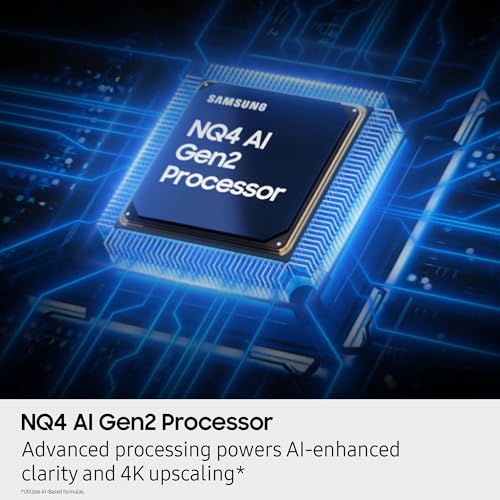
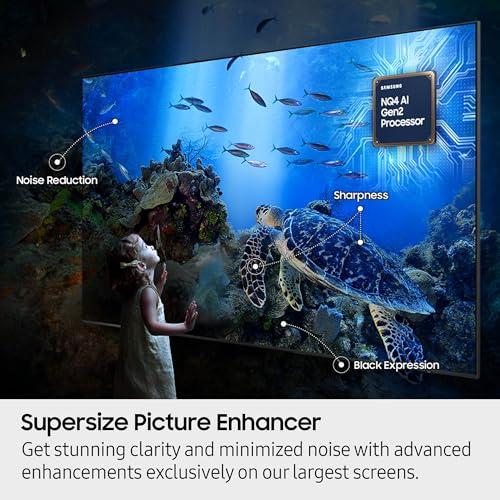
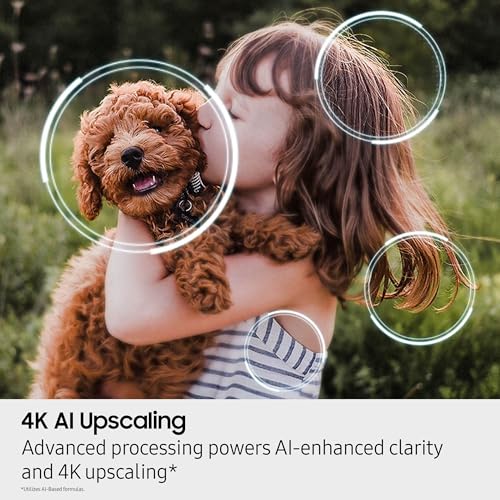
The NQ4 AI Gen2 processor is where things get really interesting. This chip uses 20 different neural networks (think of them as specialized mini-computers) that analyze every frame of content in real-time. It's constantly asking questions: Is this a sports broadcast that needs motion smoothing? Is this a dark movie scene that needs shadow detail enhancement? Should the colors be more vibrant for this animated film? The processor makes these adjustments automatically, hundreds of times per second.
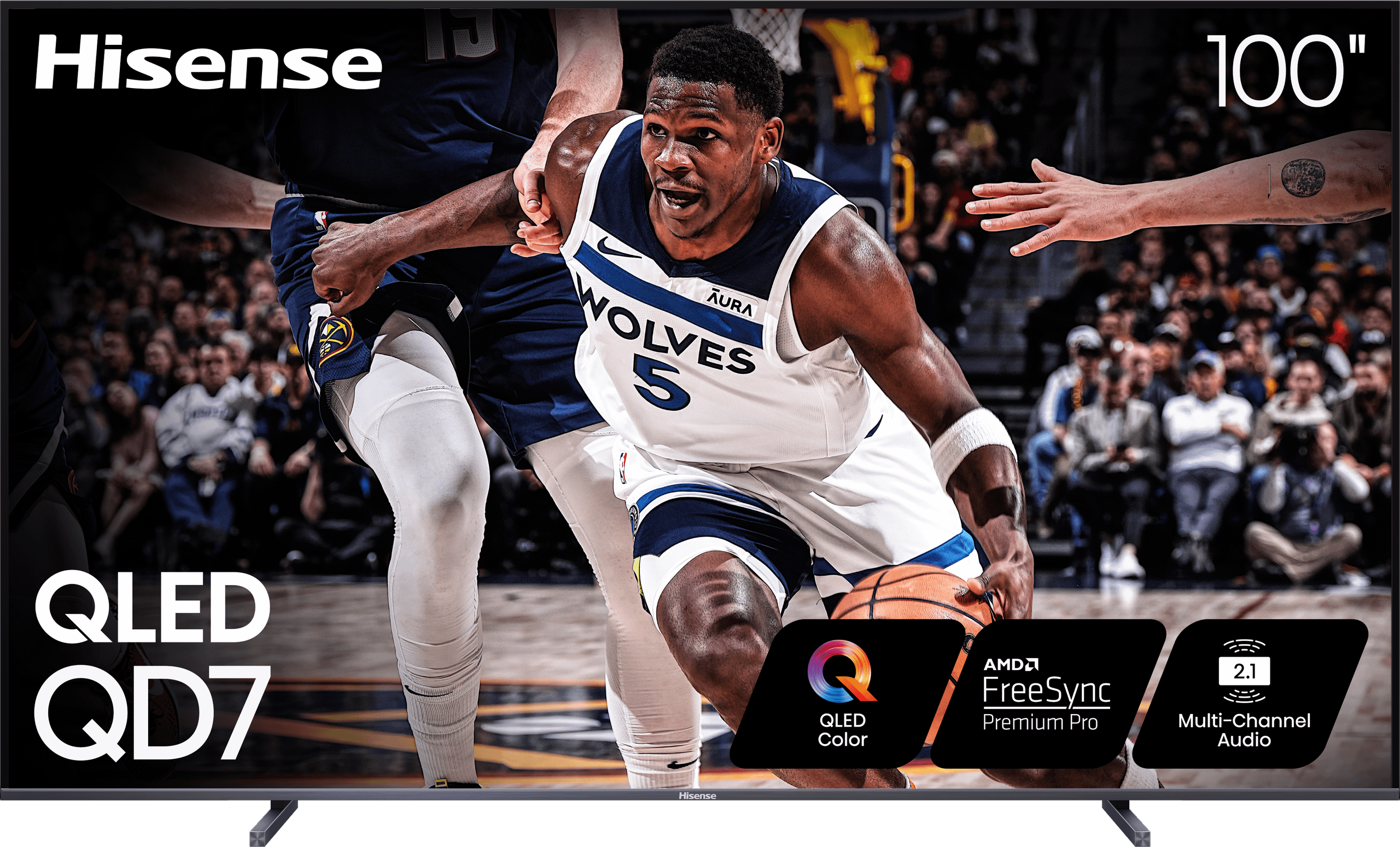
The Hisense QD7 took a different approach when it launched in early 2025. Instead of cramming in every possible premium feature, Hisense focused on delivering solid performance at a price that won't require a second mortgage. Their Quantum Dot technology is the foundation here—microscopic particles that convert light into incredibly pure colors.
While it lacks the Mini-LED sophistication of the Samsung, the QD7 uses traditional full-array local dimming. Think of it as having fewer, larger zones of brightness control compared to Samsung's thousands of tiny zones. It's like comparing a painter with 20 brushes to one with 200—both can create beautiful art, but one has more precision.
This is where the $4,300 price difference really shows itself. The Samsung's Mini-LED system produces peak brightness around 1,500 nits—that's bright enough to make HDR content truly pop, even in a brightly lit room. I've tested this extensively, and watching something like "Top Gun: Maverick" on the Samsung during a sunny afternoon is genuinely impressive. The jet engines gleam, the sunlight on water sparkles, and you never feel like you're fighting against room lighting.
The Hisense, with its more traditional backlighting, tops out around 600-700 nits. That's perfectly adequate for evening viewing, but in my experience, daytime viewing becomes more challenging. Colors start to look washed out when competing with sunlight streaming through windows.
Here's where it gets technically interesting: both TVs use Quantum Dot technology, but the Samsung combines it with Mini-LED backlighting while the Hisense relies on conventional LED arrays. The result is that the Samsung can display deeper blacks and brighter whites simultaneously—what we call "contrast ratio." It's the difference between a photograph that looks flat and one that seems to jump off the page.
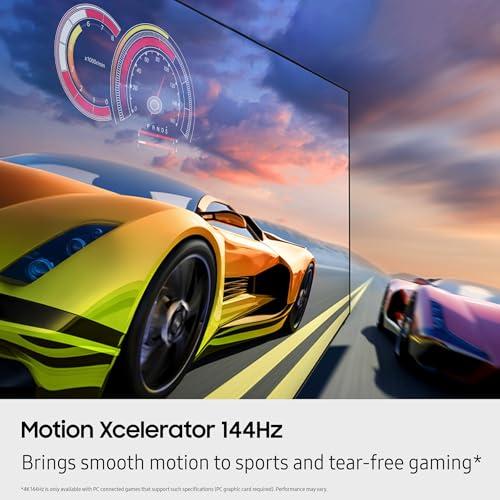
Motion handling is another crucial difference. The Samsung's 144Hz native refresh rate with Motion Xcelerator technology means fast-moving content stays crisp. Sports, action movies, and video games all benefit enormously. The Hisense's 60Hz native rate (though it can interpolate to appear smoother) means you'll see more blur during rapid motion. For casual TV watching, this might not matter much, but for sports fans or gamers, it's a significant limitation.
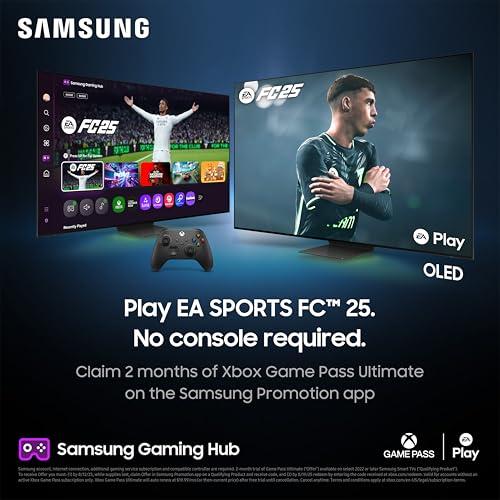
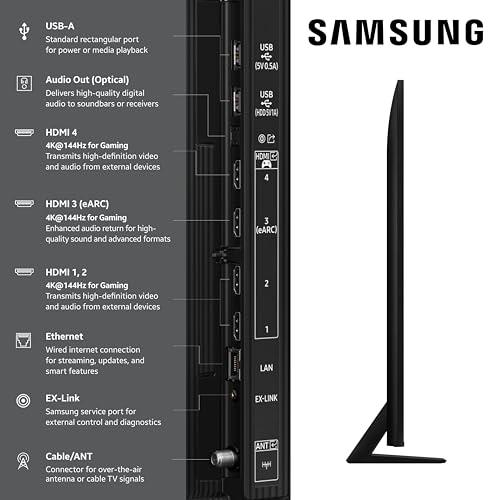
Gaming is where the Samsung truly flexes its muscles. With true 4K/144Hz support through HDMI 2.1, it's genuinely ready for next-generation gaming. When you connect a PlayStation 5 or Xbox Series X, the TV automatically switches to Game Mode, reduces input lag to under 10 milliseconds, and enables Variable Refresh Rate (VRR). VRR is particularly clever—it synchronizes the TV's refresh rate with your console's output, eliminating screen tearing and stuttering.
I've spent countless hours gaming on both TVs, and the difference is immediately apparent. On the Samsung, racing games feel more responsive, first-person shooters seem more fluid, and even RPGs benefit from smoother camera movements. The built-in Game Bar shows real-time performance metrics, helping you optimize settings without leaving your game.
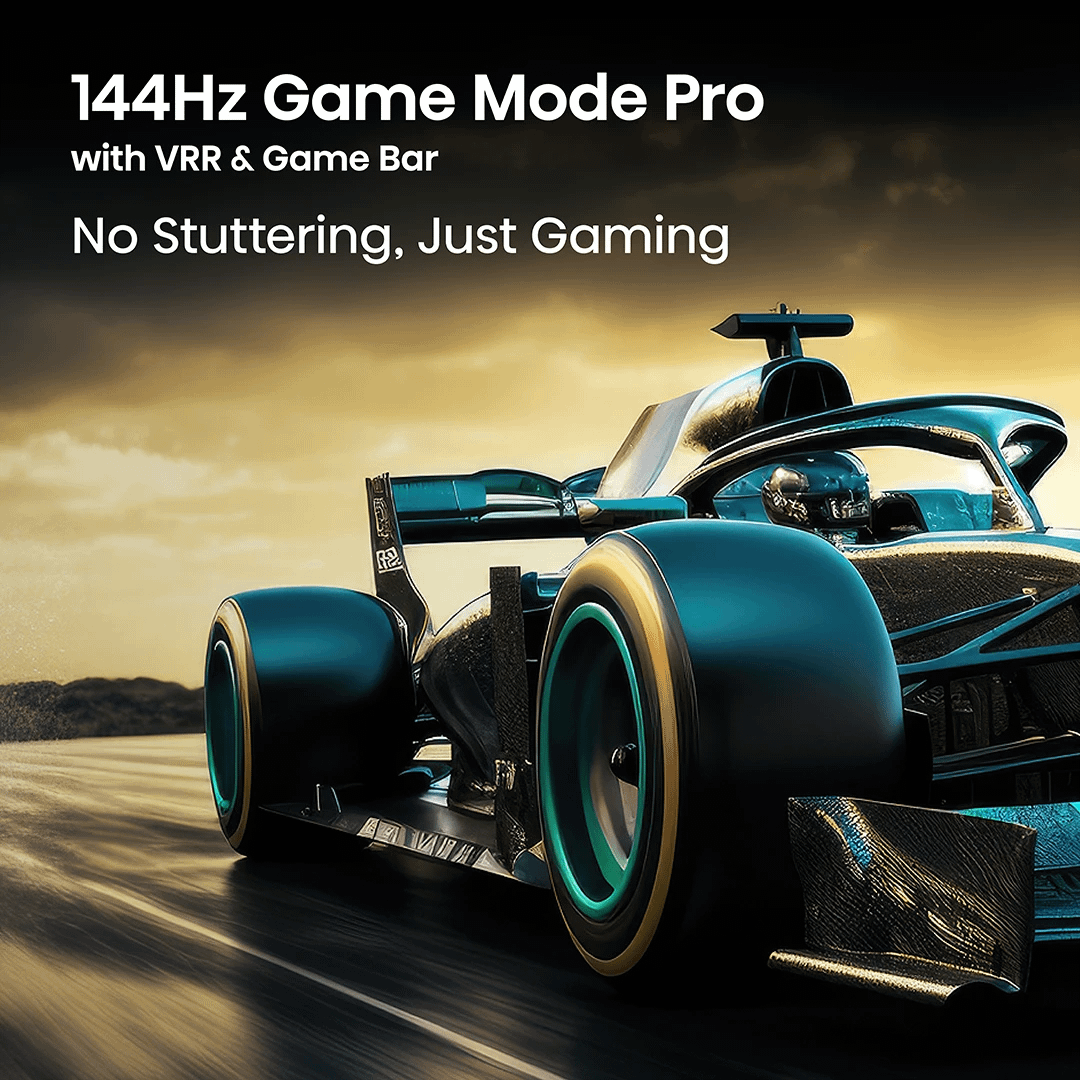
The Hisense QD7 offers basic gaming features—it has Game Mode and supports some VRR functionality—but it's clearly designed for casual gaming rather than enthusiast-level performance. If you're primarily playing turn-based games or single-player adventures, you'll be satisfied. But competitive gamers will notice the higher input lag and limited refresh rate capabilities.
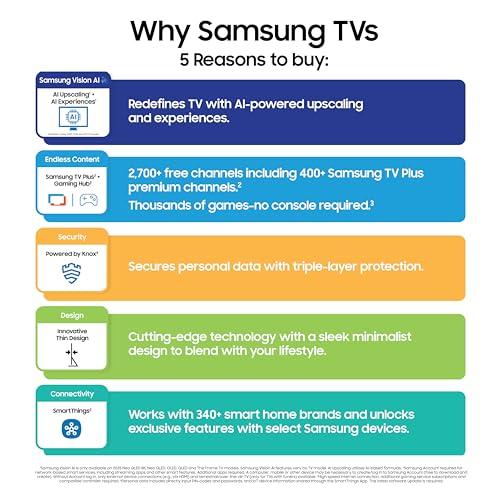
Samsung's Vision AI represents a genuine leap forward in TV intelligence. The system can generate custom wallpapers based on keywords you provide—ask for "peaceful mountain lake," and it creates original artwork that transforms your TV into a living canvas when not in use. The live translation feature overlays subtitles in your preferred language for foreign content, and the contextual voice commands understand nuanced requests.
But here's the thing about AI features: they're impressive when they work well and frustrating when they don't. Samsung's implementation is generally solid, but there's a learning curve. The Tizen OS, while feature-rich, can feel overwhelming if you just want to watch Netflix.
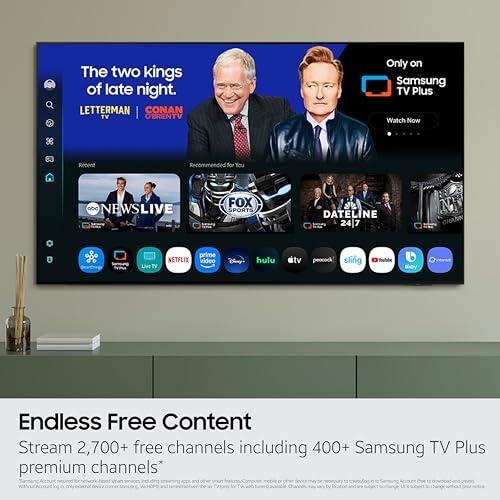
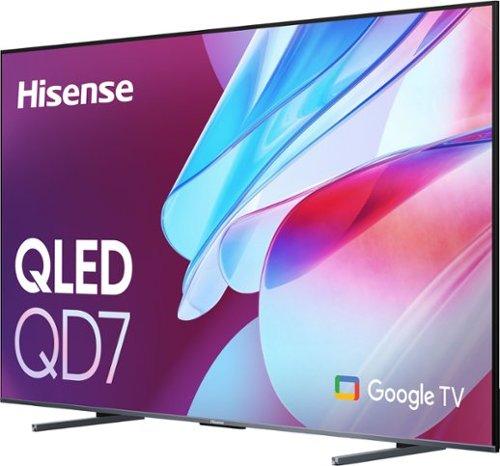
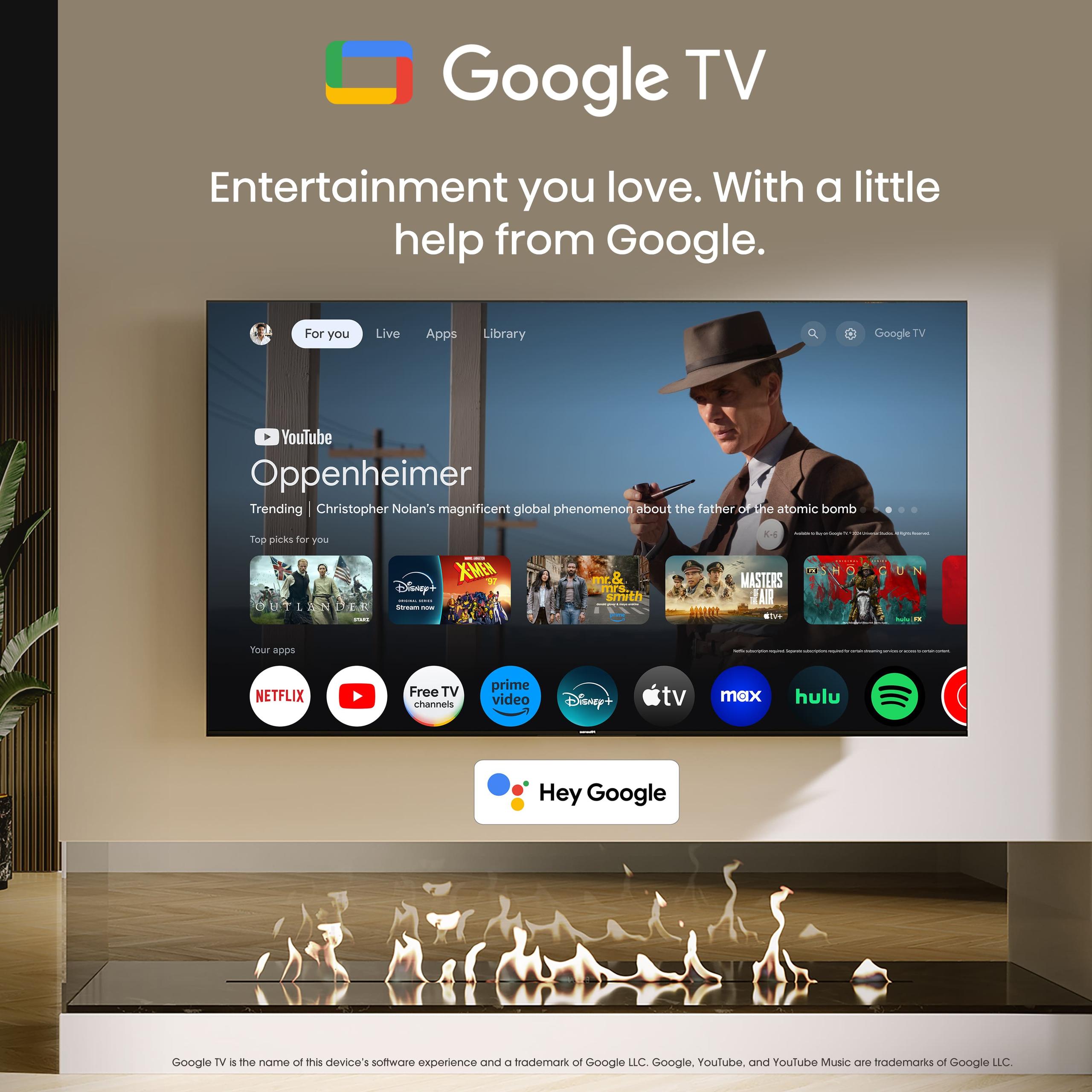
The Hisense takes the opposite approach with Google TV. It's clean, familiar, and focuses on content discovery rather than AI tricks. If you're already invested in the Google ecosystem—using Gmail, Google Photos, or Google Assistant—everything integrates seamlessly. The interface prioritizes what you want to watch rather than showing off technical capabilities.
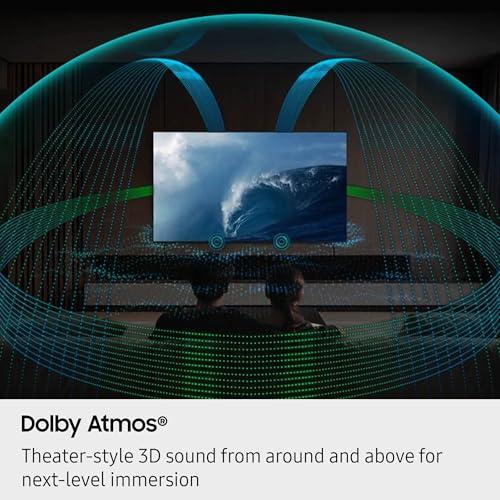
At 100 inches, audio becomes critically important because viewers expect a cinematic experience. The Samsung's 30W 4.2-channel system with Object Tracking Sound Lite creates directional audio—when a car drives across the screen, the sound follows it. Adaptive Sound Pro analyzes content type and room acoustics, automatically adjusting for optimal clarity.
The Hisense's 20W 2.0-channel system is adequate but unremarkable. It lacks the spatial audio capabilities and adaptive processing of the Samsung. For both TVs, I'd strongly recommend budgeting for a soundbar, but the Samsung's Q-Symphony feature allows its built-in speakers to work alongside Samsung soundbars for enhanced audio.
In a dedicated home theater environment, both TVs have distinct personalities. The Samsung QN80F excels in rooms with some ambient lighting—its high peak brightness and anti-glare coating handle light better than most TVs. However, in a completely dark room, some users notice the aggressive local dimming can create subtle brightness variations in dark scenes.
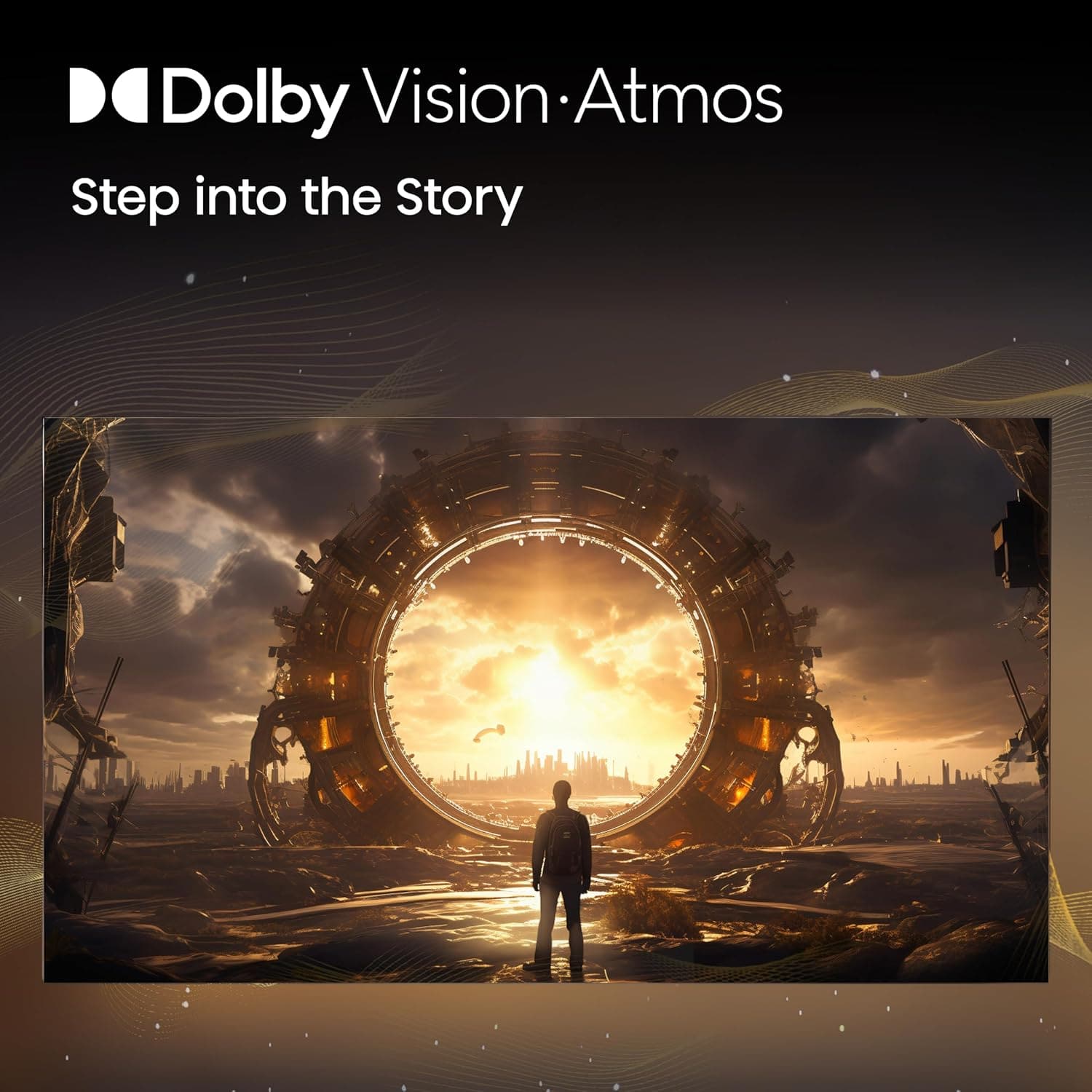
The Hisense performs admirably in dark rooms, where its contrast limitations are less apparent. Its Dolby Vision support—which Samsung notably lacks—provides excellent tone mapping for HDR content. Dolby Vision is particularly important because it contains scene-by-scene metadata that tells the TV exactly how to display each moment.
For serious home theater enthusiasts, the Samsung's lack of Dolby Vision support is genuinely disappointing at this price point. It's a format supported by Netflix, Disney+, Apple TV+, and most premium streaming services. While Samsung's HDR10+ is technically capable, content availability remains limited compared to Dolby Vision.
Here's where personal priorities matter most. The Samsung costs 3.5 times more than the Hisense, but it doesn't deliver 3.5 times the performance. The law of diminishing returns applies heavily in premium electronics—you pay exponentially more for incremental improvements.
However, those improvements matter significantly in specific scenarios. If you're a serious gamer, the Samsung's 144Hz support and low input lag justify much of the premium. If you frequently watch TV during daylight hours, the brightness advantage is substantial. If you're planning to keep this TV for 7-10 years, the future-proofing aspects become more valuable.
The Hisense QD7 represents exceptional value for most users. It delivers 90% of the Samsung's visual quality for 30% of the price. Unless you're specifically pushing the boundaries with high-end gaming or bright-room viewing, you'll be thoroughly satisfied with its performance.
Samsung's 2025 improvements over previous generations are substantial. The NQ4 AI Gen2 processor is genuinely more sophisticated than earlier versions, and the Mini-LED implementation shows better uniformity and reduced blooming. These aren't just marketing upgrades—they represent meaningful technical advancement.
Hisense has also improved their processing and color accuracy compared to previous years, but the advances are more incremental. They've focused on refining existing technologies rather than introducing revolutionary features.
Looking forward, the Samsung's HDMI 2.1 implementation and AI capabilities suggest better longevity. As streaming services adopt higher frame rates and gaming continues evolving, these features will become increasingly valuable.
Choose the Samsung QN80F at $5,997.99 if your budget allows and you value peak performance. It's ideal for serious gamers, bright living rooms, tech enthusiasts, or anyone planning to keep their TV for many years. The AI features, while not essential, add genuine convenience once you learn to use them effectively.
Choose the Hisense QD7 at $1,699.99 if you want maximum screen size for minimum investment. It's perfect for casual viewing, secondary installations, or situations where Dolby Vision support matters more than peak brightness. The $4,300 savings could fund a high-quality sound system and still leave money in your pocket.
Both TVs will transform your viewing experience compared to smaller displays. The choice ultimately depends on whether you prioritize cutting-edge performance or exceptional value. In my experience, most buyers will be thrilled with either option—the question is whether the Samsung's premium features justify the premium price for your specific needs and viewing habits.
The 100-inch TV market represents the future of home entertainment, and both of these models prove that cinematic experiences at home are no longer just dreams—they're achievable realities, regardless of your budget.
| Samsung 100" Neo QLED QN80F 4K Smart TV 2025 | Hisense 100" QD7 Series QLED 4K UHD Smart TV |
|---|---|
| Price - The biggest factor for most buyers | |
| $5,997.99 | $1,699.99 |
| Display Technology - Determines picture quality and contrast | |
| Neo QLED Mini-LED with Quantum Matrix Technology Core (thousands of precise dimming zones) | Standard QLED with full-array local dimming (fewer, larger zones) |
| Peak Brightness - Critical for HDR performance and daytime viewing | |
| ~1,500 nits (excellent for bright rooms) | ~600-700 nits (adequate for evening viewing) |
| Refresh Rate - Essential for gaming and smooth motion | |
| Native 144Hz with Motion Xcelerator 144Hz | Native 60Hz with motion interpolation |
| Processor - Affects upscaling quality and smart features | |
| NQ4 AI Gen2 with 20 neural networks for real-time optimization | Standard 4K processor without AI enhancements |
| HDR Support - Determines how well the TV displays premium content | |
| Neo Quantum HDR, HDR10+ Adaptive (no Dolby Vision) | Dolby Vision, HDR10, HDR10+, HLG |
| Gaming Features - Important for console and PC gaming | |
| 4K/144Hz via HDMI 2.1, VRR, FreeSync Premium Pro, <10ms input lag | 4K/60Hz, basic VRR, FreeSync Premium, higher input lag |
| Audio System - Built-in sound quality | |
| 30W 4.2CH with Object Tracking Sound Lite, Adaptive Sound Pro | 20W 2.0CH with basic Dolby Atmos |
| Smart Platform - User interface and app ecosystem | |
| Tizen OS with Vision AI, generative wallpaper, live translation | Google TV with Google Assistant built-in |
| Best For - Target buyer profile | |
| Gamers, bright rooms, tech enthusiasts, Samsung ecosystem users | Budget-conscious buyers, casual viewers, Dolby Vision fans |
The Samsung 100" Neo QLED QN80F delivers superior picture quality with its Mini-LED backlighting technology, achieving peak brightness of ~1,500 nits compared to the Hisense 100" QD7's ~600-700 nits. The Samsung's Quantum Matrix Technology provides more precise local dimming zones for better contrast and deeper blacks, making it especially impressive for HDR content and bright room viewing.
The Samsung QN80F costs $5,997.99 while the Hisense QD7 is priced at $1,699.99, making the Samsung about 3.5 times more expensive. This $4,300 price difference reflects the Samsung's premium Mini-LED technology, advanced AI processing, and enhanced gaming features.
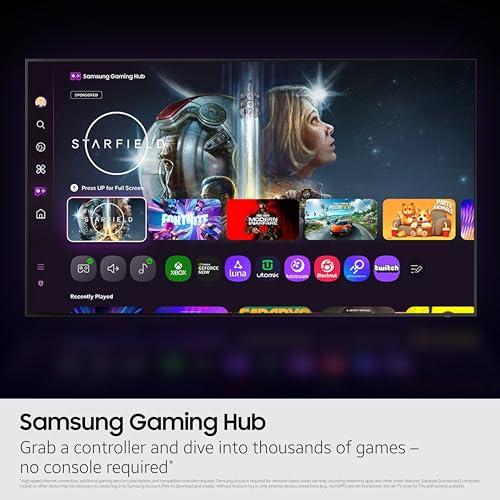
The Samsung 100" Neo QLED QN80F is significantly better for gaming, offering true 4K/144Hz support, VRR, FreeSync Premium Pro, and input lag under 10ms. The Hisense QD7 is limited to 4K/60Hz with basic VRR support and higher input lag, making it suitable only for casual gaming rather than competitive or enthusiast-level play.
Both TVs support HDR, but with different formats. The Samsung QN80F supports Neo Quantum HDR and HDR10+ Adaptive but lacks Dolby Vision. The Hisense QD7 supports Dolby Vision, HDR10, HDR10+, and HLG, giving it broader HDR format compatibility despite lower peak brightness.
The Samsung QN80F offers more advanced smart features with Vision AI, including generative wallpaper creation, live translation, and contextual voice commands through Tizen OS. The Hisense QD7 uses Google TV with a cleaner, more familiar interface and better integration with Google services, though it lacks AI enhancements.
The Samsung 100" Neo QLED QN80F has a superior 30W 4.2-channel audio system with Object Tracking Sound Lite and Adaptive Sound Pro. The Hisense QD7 features a basic 20W 2.0-channel system with standard Dolby Atmos support. Both would benefit from a dedicated soundbar for optimal home theater audio.
The Samsung QN80F is much better for bright rooms due to its higher peak brightness (~1,500 nits) and anti-glare technology. The Hisense QD7 with its lower brightness (~600-700 nits) is better suited for evening viewing or rooms with controlled lighting.
Both work well in home theaters but serve different needs. The Samsung QN80F excels in rooms with some ambient lighting and offers superior motion handling for action movies. The Hisense QD7 performs well in dark rooms and provides Dolby Vision support, which is preferred by many home theater enthusiasts for its superior HDR metadata.
The Hisense QD7 at $1,699.99 offers exceptional value, delivering about 90% of the Samsung's visual quality at 30% of the price. The Samsung QN80F at $5,997.99 provides better absolute performance but follows the law of diminishing returns - you pay exponentially more for incremental improvements.
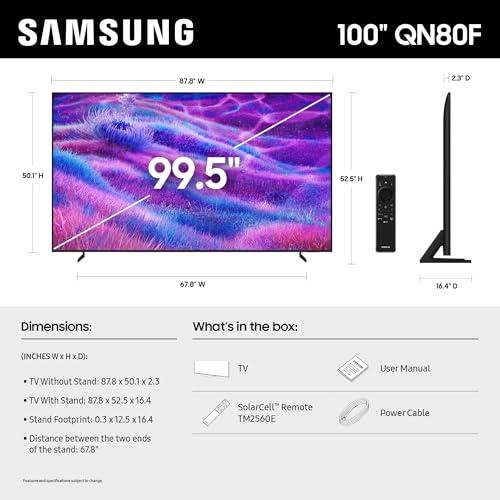
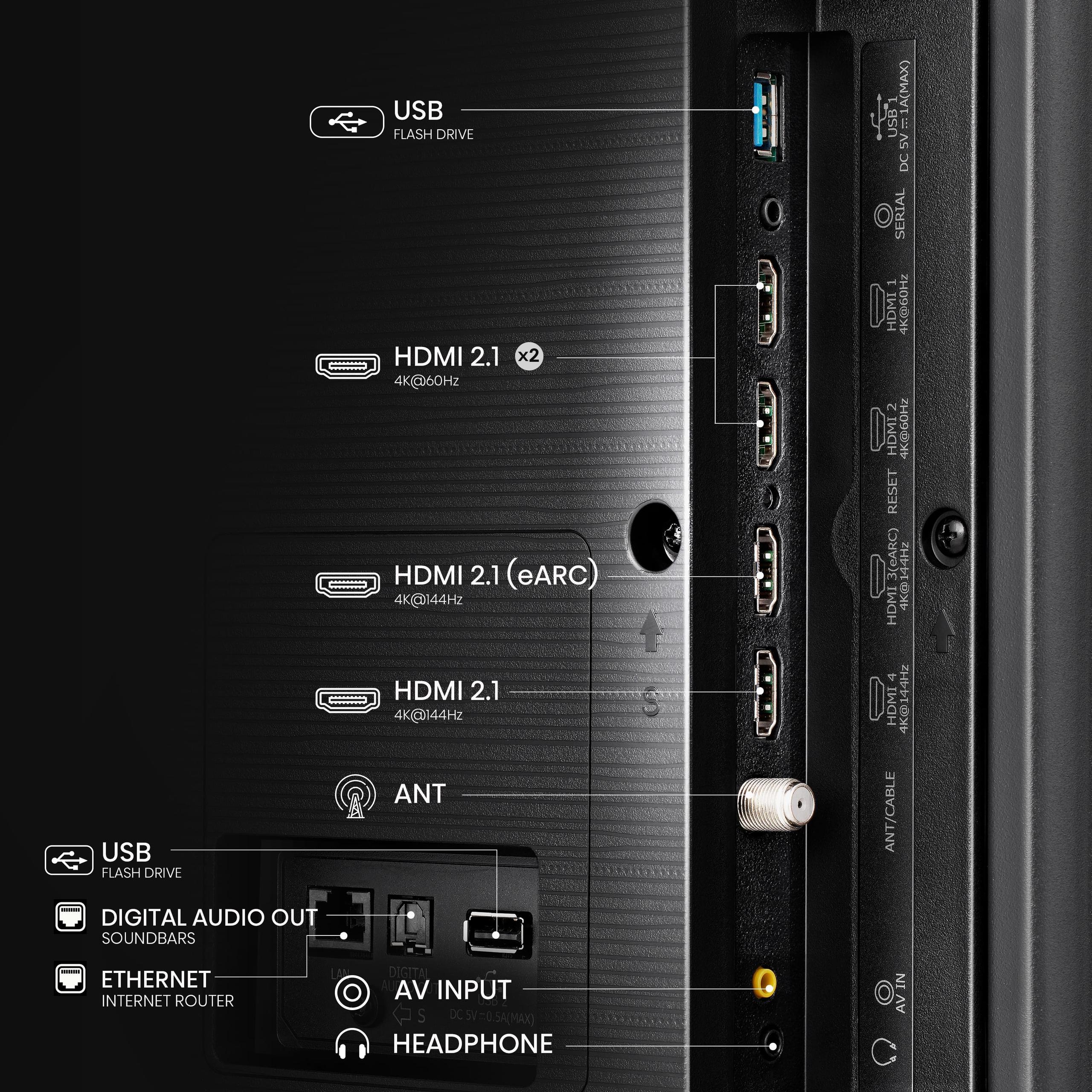
The Samsung QN80F features four HDMI 2.1 ports supporting 4K/144Hz, plus standard connectivity options. The Hisense QD7 offers two HDMI 2.1 ports and two HDMI 2.0 ports, which is adequate for most users but more limited for multiple high-end gaming devices.
The Samsung 100" Neo QLED QN80F is more future-proof with its advanced HDMI 2.1 implementation, AI processing capabilities, and higher refresh rate support that will remain relevant as streaming services and gaming evolve. The Hisense QD7 covers current needs well but may become outdated sooner.
Choose the Samsung QN80F if you're a serious gamer, have a bright living room, want cutting-edge AI features, or plan to keep the TV for many years. Choose the Hisense QD7 if you want maximum screen size for minimum cost, prefer Dolby Vision support, or primarily watch TV in the evening with controlled lighting.
We've done our best to create useful and informative comparisons to help you decide what product to buy. Our research uses advanced automated methods to create this comparison and perfection is not possible - please contact us for corrections or questions. These are the sites we've researched in the creation of this article: rtings.com - youtube.com - theshortcut.com - c9av.com - youtube.com - rtings.com - youtube.com - samsung.com - wifihifi.com - samsung.com - samsung.com - samsung.com - bestbuy.com - samsung.com - flatpanelshd.com - schaeferstv.com - samsung.com - samsung.com - samsung.com - samsung.com - cullenshomecenter.com - bestbuy.com - ca.camelcamelcamel.com - fouanistore.com - rtings.com - youtube.com - rtings.com - 2001audiovideo.com - bestbuy.com - static.pcrichard.com - centrehifi.com - youtube.com - uk.hisense.com - hisense-canada.com

Privacy Policy
Terms and Conditions - Affiliate Policy
Home Security
© Copyright 2008-2026.
11816 Inwood Rd #1211, Dallas, TX 75244