



When you're ready to transform your living room into a home theater, few decisions feel as exciting—or overwhelming—as choosing a 100-inch TV. These massive displays represent the pinnacle of home entertainment, offering cinema-scale experiences that make you forget you're not at the movies. But with prices ranging from under $3,000 to well over $6,000, getting the right balance of performance and value becomes crucial.
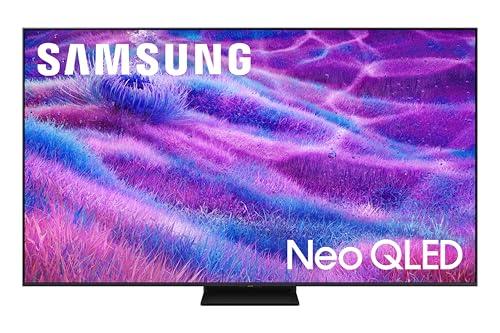
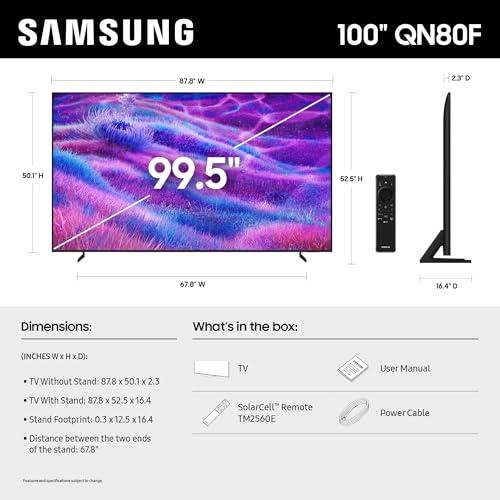
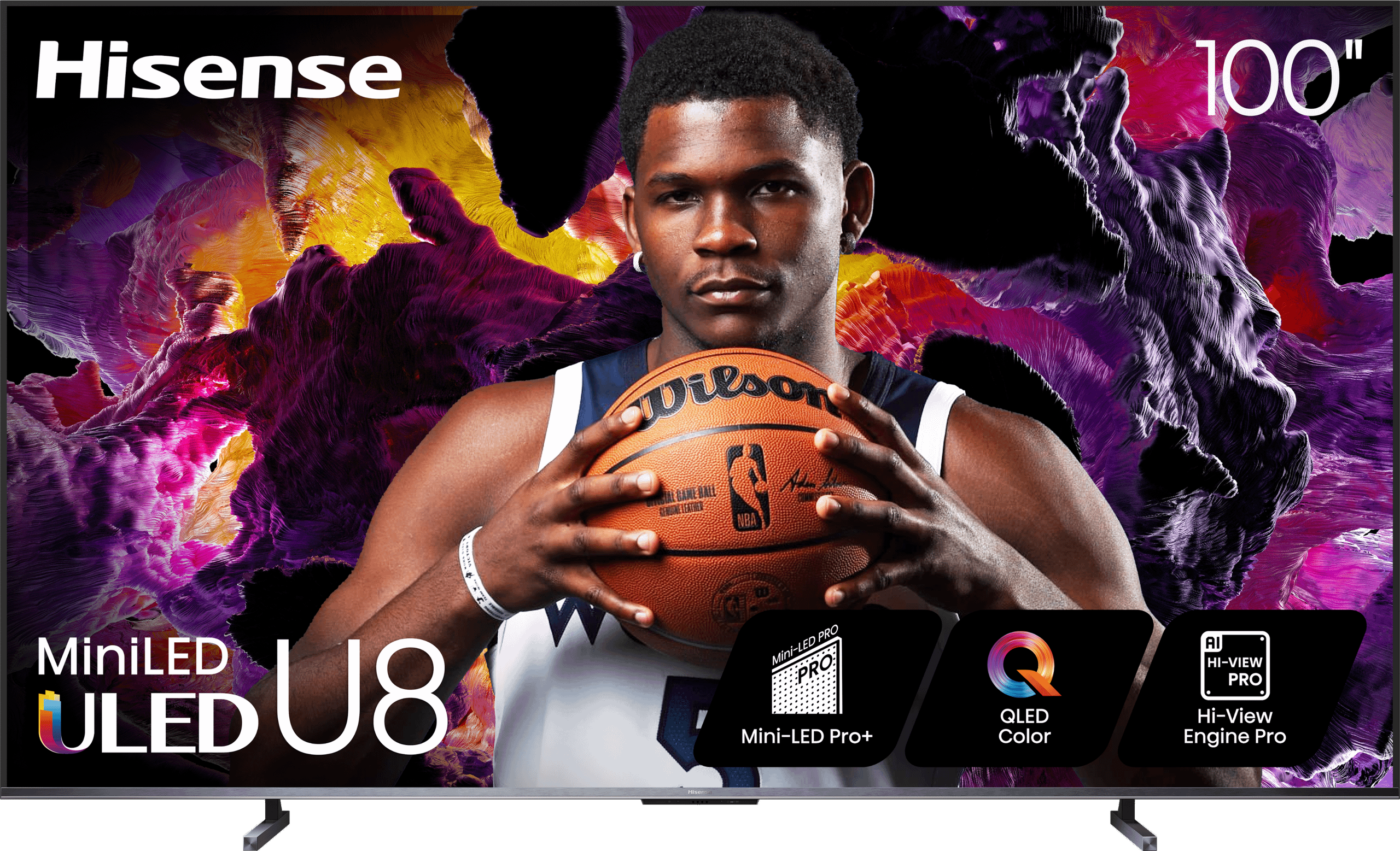
Today we're comparing two of the most compelling options in this space: the Samsung 100" Neo QLED QN80F at $5,997.99 and the Hisense 100" Class U8 Series at $2,798.00. That price difference alone tells a story, but as we'll discover, both TVs take distinctly different approaches to delivering that coveted big-screen experience.
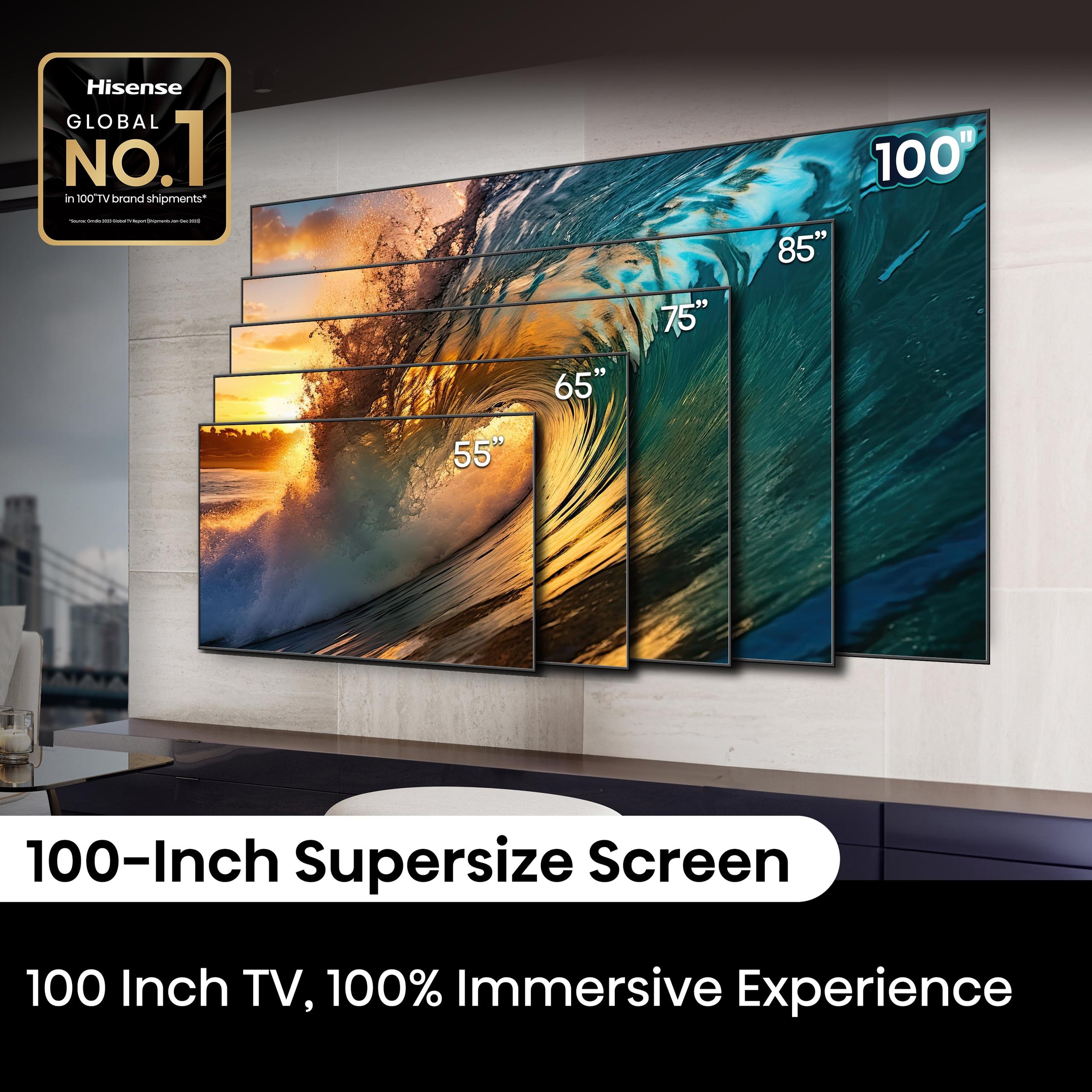
The 100-inch TV market has exploded in recent years, driven by falling Mini-LED costs and consumer demand for projector-beating convenience. Unlike projectors that require dark rooms and complex setups, these massive TVs work in normal lighting conditions while delivering consistent brightness and color accuracy.
At this size, every aspect of TV performance becomes magnified—literally. A minor uniformity issue that's barely noticeable on a 65-inch screen becomes glaringly obvious when spread across 100 inches. Similarly, the benefits of advanced processing, local dimming (where different zones of backlighting can be controlled independently), and motion handling become more pronounced and valuable.
The key considerations when shopping in this category include picture processing power, Mini-LED backlighting sophistication, gaming capabilities, smart platform preferences, and of course, value. Both TVs we're examining use Mini-LED technology, which places thousands of tiny LEDs behind the screen for more precise brightness control compared to traditional LED edge-lighting. This results in better contrast, deeper blacks, and more vibrant colors—essential qualities when you're filling an entire wall with your display.
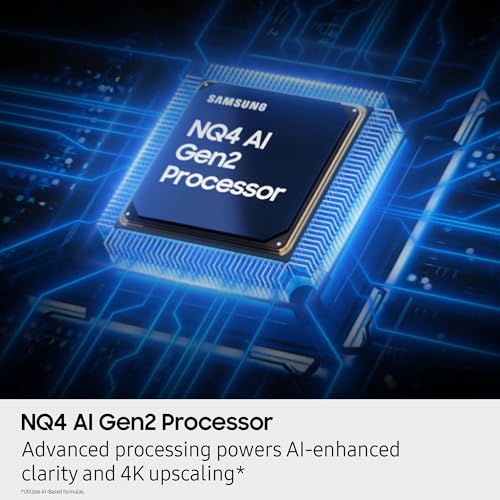
The Samsung QN80F represents Samsung's 2025 iteration of their popular mid-tier Neo QLED line, featuring significant upgrades over previous generations. Samsung introduced the QN80 series several years ago, but the 2025 model brings their latest NQ4 AI Gen2 processor and expanded size options—including this 100-inch variant that wasn't available in earlier years.
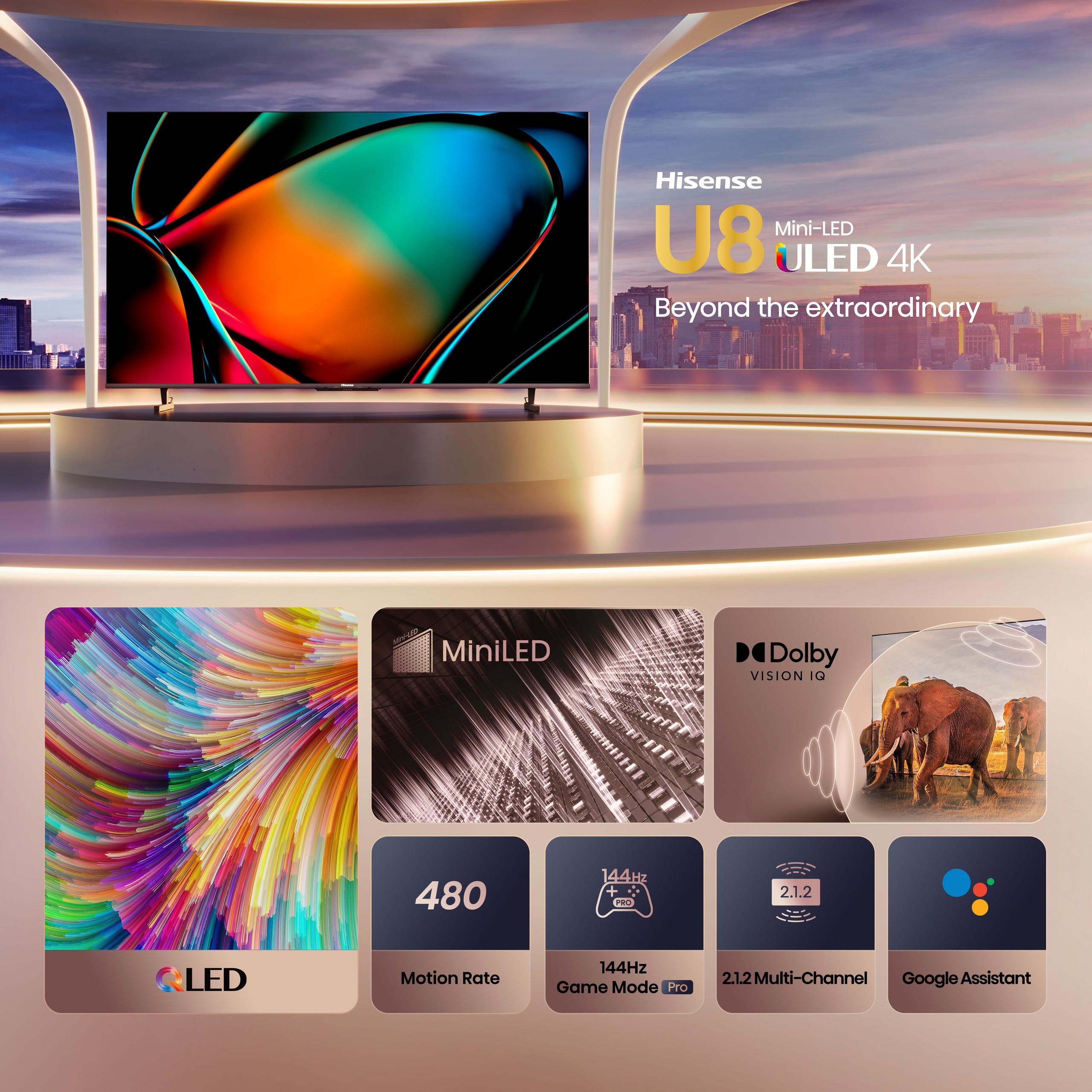
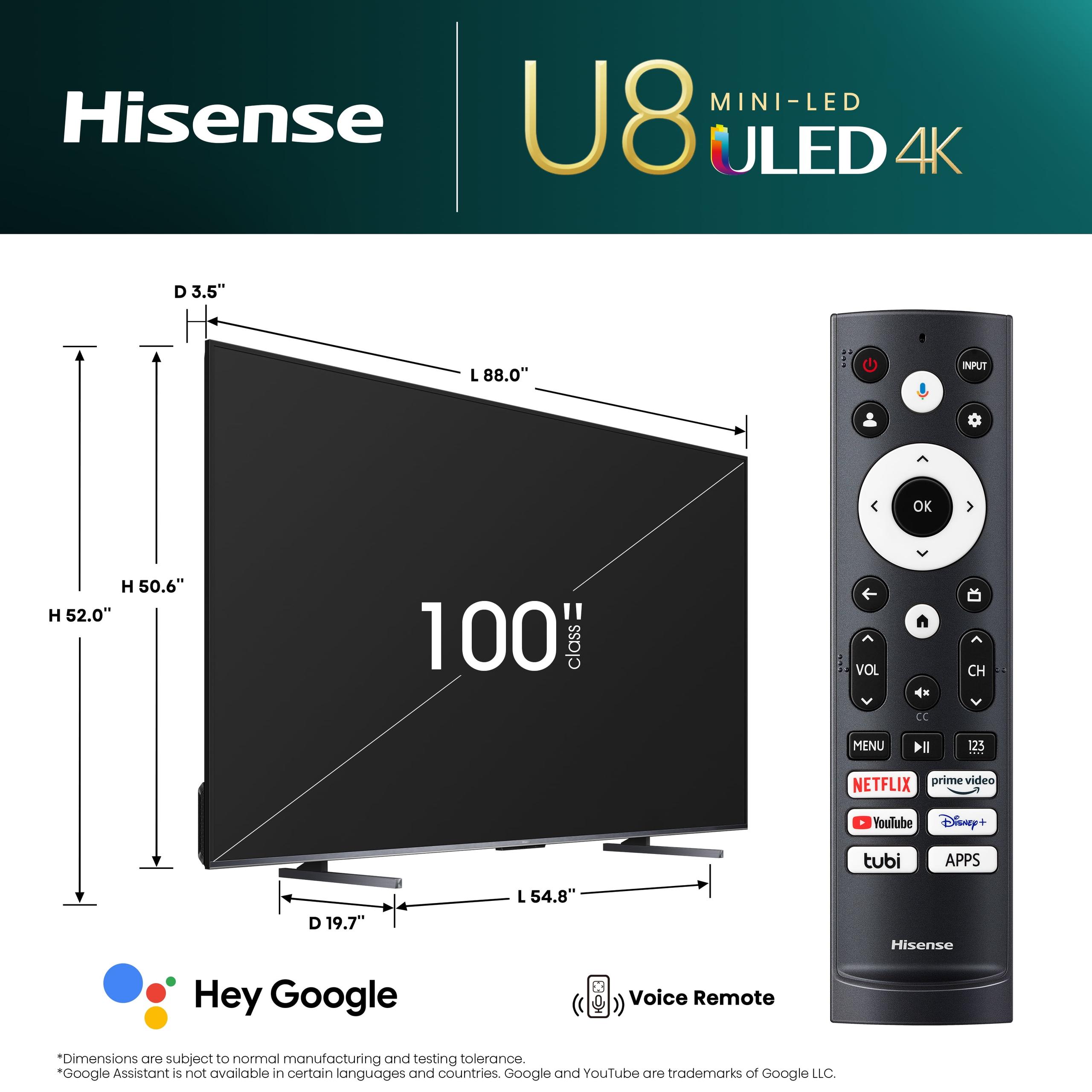
The Hisense U8 series has been a value champion for multiple generations, with each year bringing incremental improvements to processing, brightness, and feature sets. The current 100-inch model represents Hisense's continued push to democratize large-screen premium features, offering Mini-LED technology at prices that were unthinkable just a few years ago.
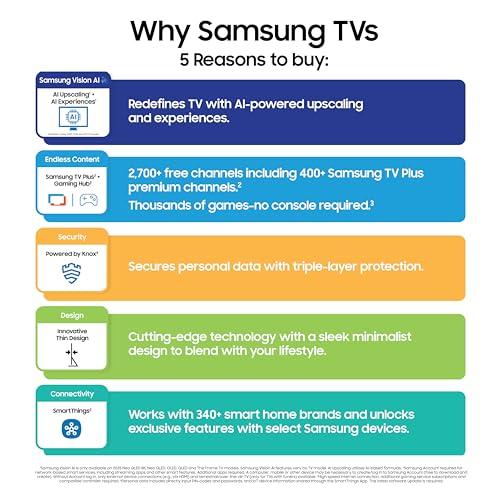
What's particularly interesting about this comparison is how it represents two different philosophies in TV development. Samsung focuses on AI-driven optimization and ecosystem integration, while Hisense prioritizes raw performance metrics and value. These approaches have become more pronounced as both companies have matured their technologies.
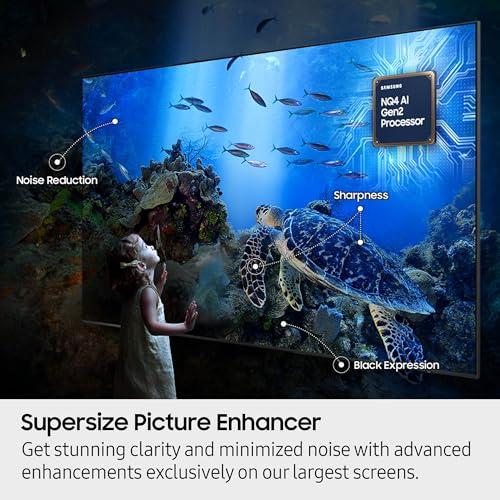
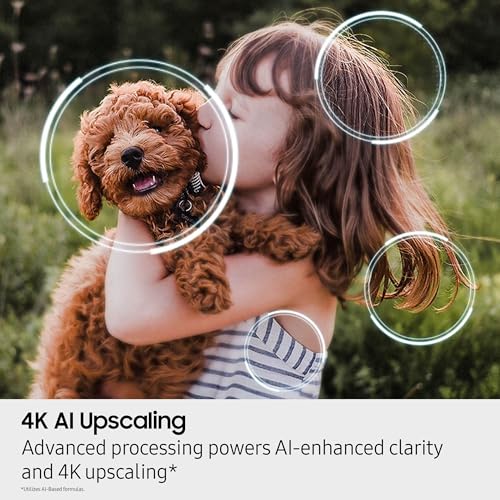
The Samsung QN80F's standout feature is its NQ4 AI Gen2 processor, which utilizes 20 neural networks to analyze and optimize content in real-time. This isn't just marketing speak—the practical benefits are significant. When you're watching older TV shows or streaming content that wasn't originally mastered in 4K, this processor works to enhance detail, reduce noise, and improve overall clarity.
I've noticed that Samsung's AI upscaling particularly shines with sports content and animated movies. The processor can identify different types of content—recognizing a football game versus a nature documentary—and apply appropriate enhancements. For sports, it emphasizes motion clarity and grass texture. For animated content, it focuses on preserving the artistic intent while adding detail without creating artifacts (unwanted visual distortions).
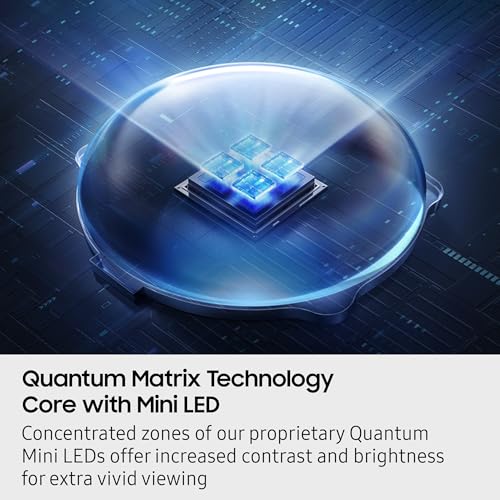
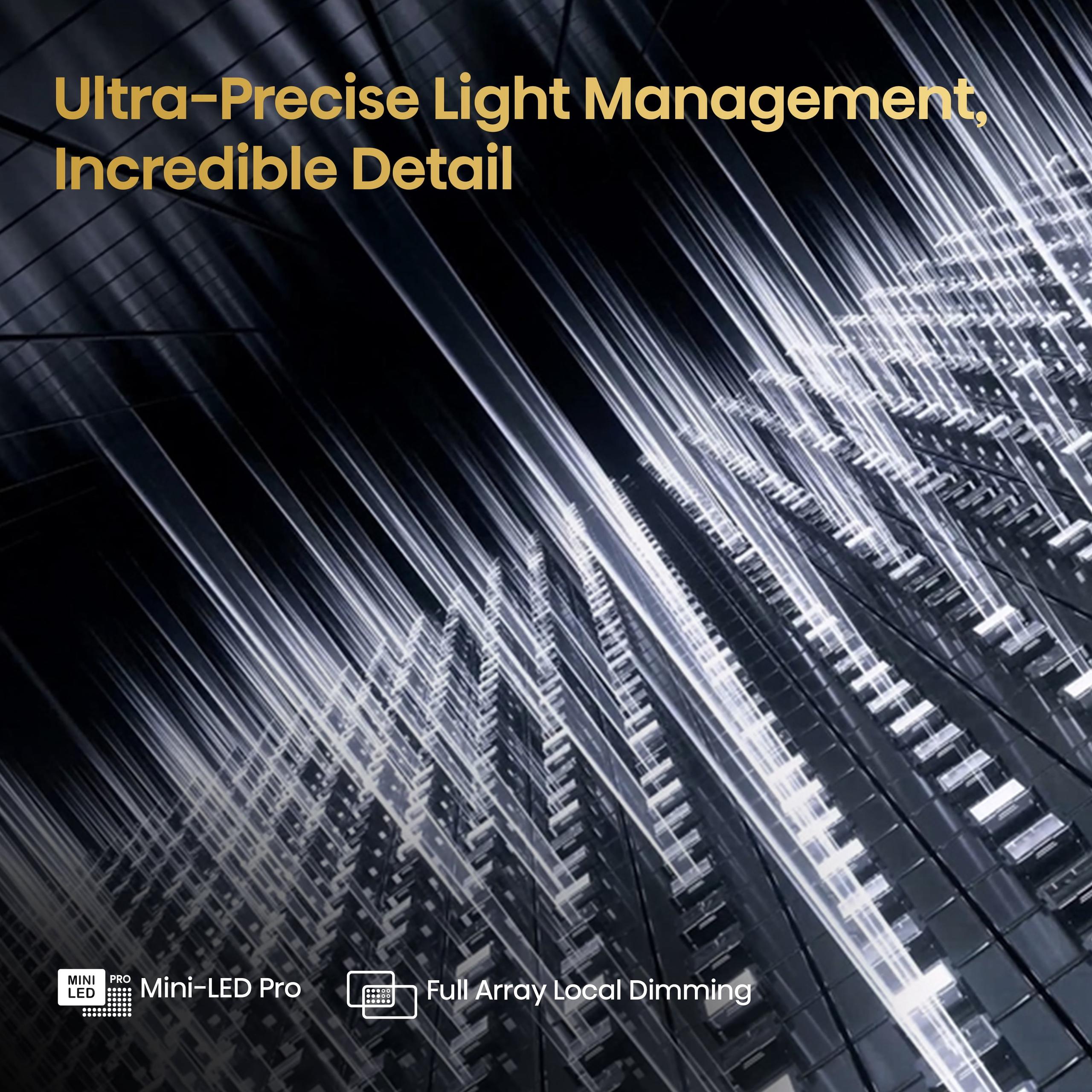
The Quantum Matrix Technology Core represents Samsung's approach to Mini-LED control. Think of it as a sophisticated traffic control system for light, directing exactly how bright each zone should be at any given moment. This creates more precise contrast control, which is especially important on a 100-inch screen where imperfections become more visible.
The Hisense U8 takes a different approach, focusing on delivering excellent baseline performance without as much AI intervention. Its Mini-LED implementation provides strong local dimming with good zone control, though not quite as sophisticated as Samsung's system.
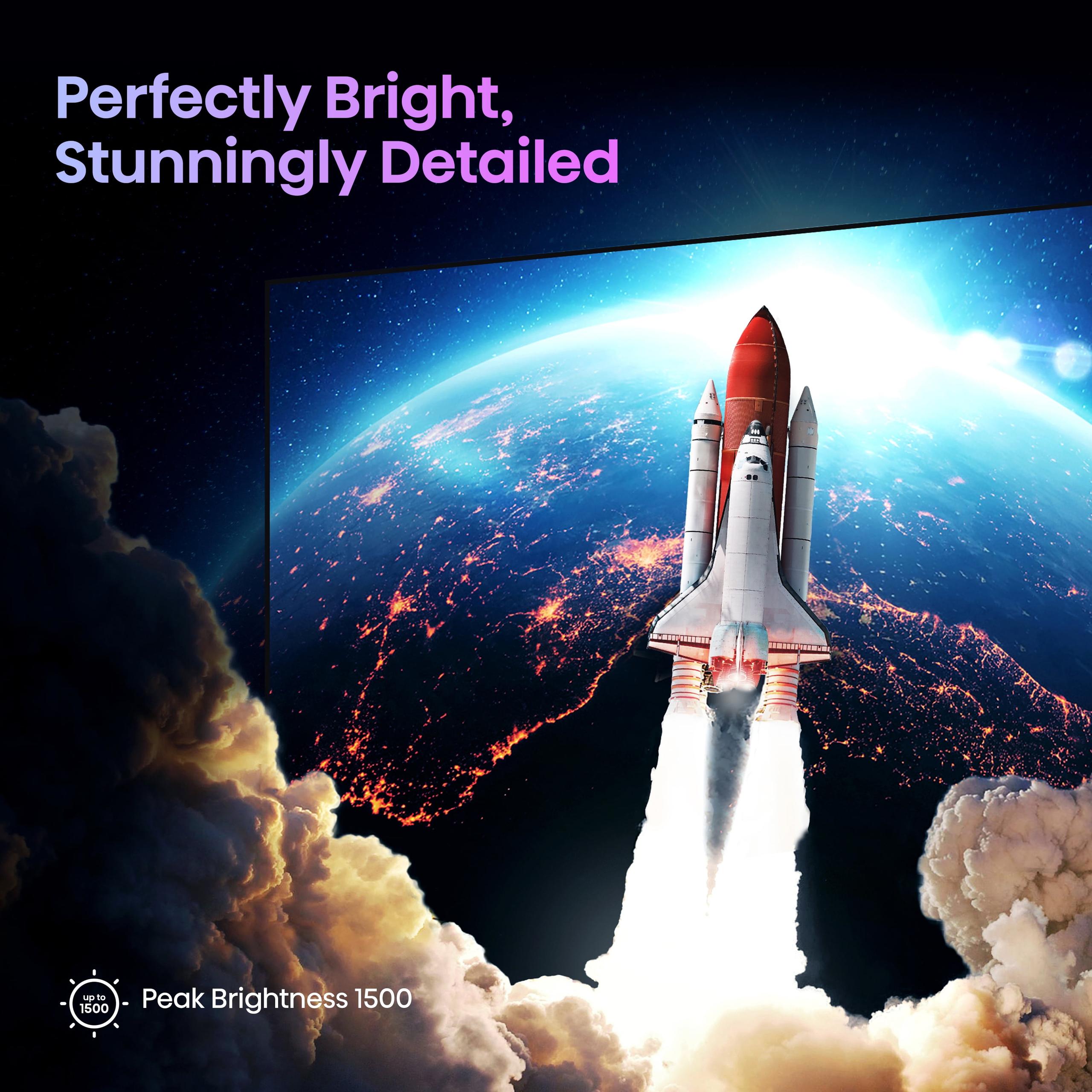
Where Hisense often exceeds expectations is in raw brightness output. Many U8 models can push 1,500-2,000 nits of peak brightness, which is crucial for HDR content and daytime viewing in bright rooms. This higher brightness capability can make HDR movies and games look more impactful, with highlights that truly pop off the screen.
The trade-off is in processing sophistication. While the Hisense delivers great performance with high-quality source material, it doesn't enhance lower-quality content as effectively as Samsung's AI-driven approach.
Here's where the two TVs diverge significantly in their approach to high dynamic range content. The Samsung QN80F supports HDR10+ Adaptive, which can adjust brightness and contrast scene by scene, and even adjust based on your room's lighting conditions. It's like having a colorist constantly tweaking the image for optimal viewing.
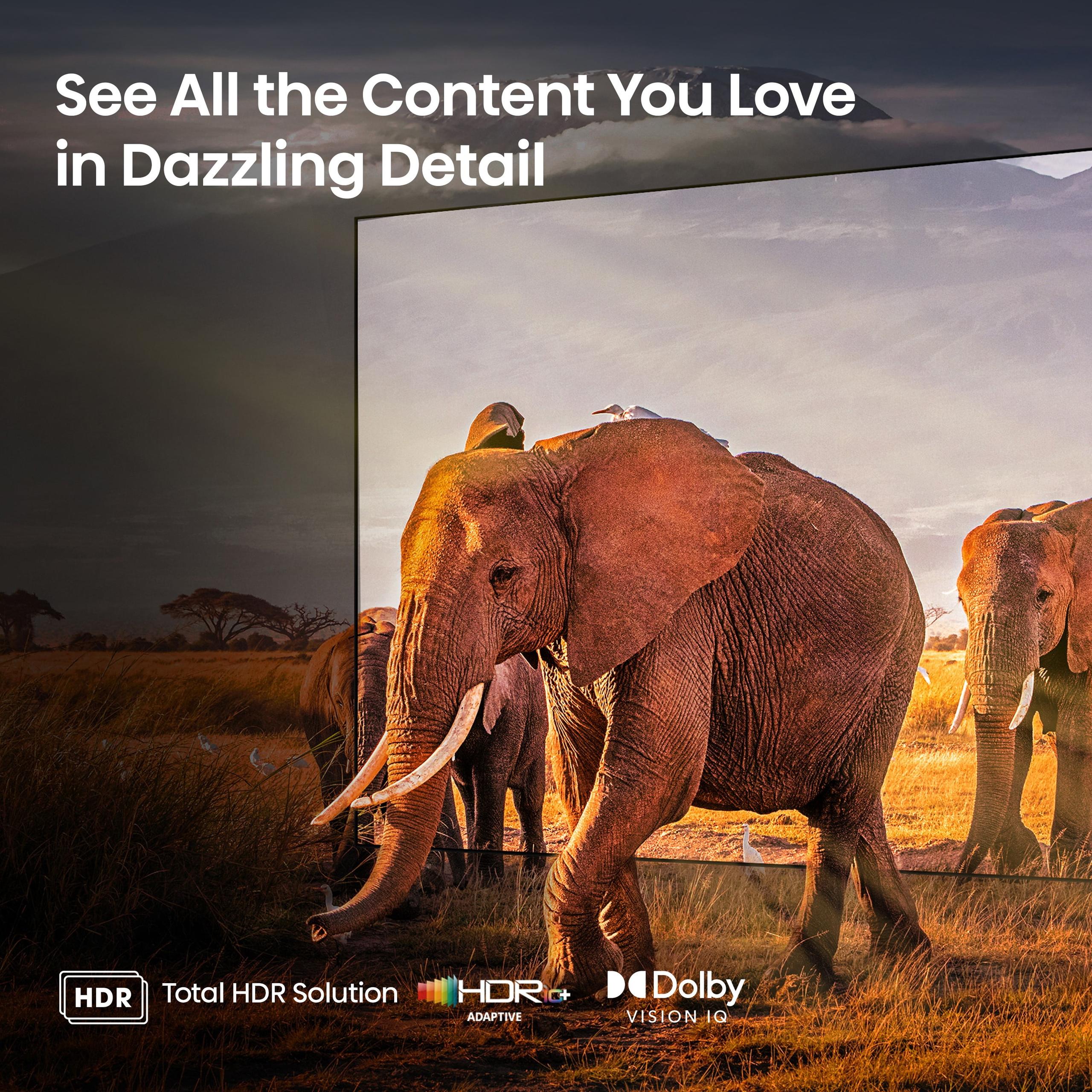
The Hisense U8 supports Dolby Vision, which is arguably more important for streaming content. Netflix, Disney+, and Apple TV+ primarily use Dolby Vision for their premium content. If you're primarily streaming movies and shows, this gives the Hisense an edge in content compatibility.
Both approaches have merit, but they serve different use cases. Samsung's system is more adaptive and intelligent, while Hisense's Dolby Vision support ensures better compatibility with the content you're actually watching.
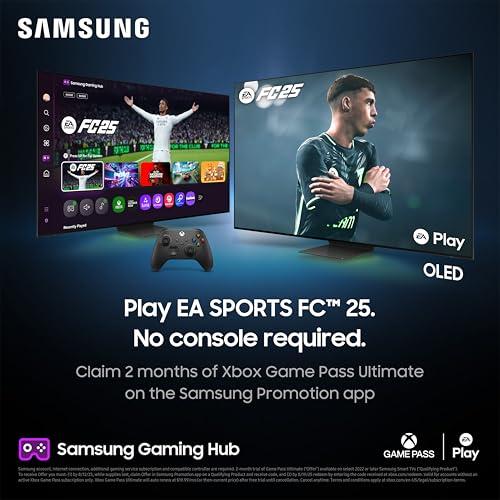
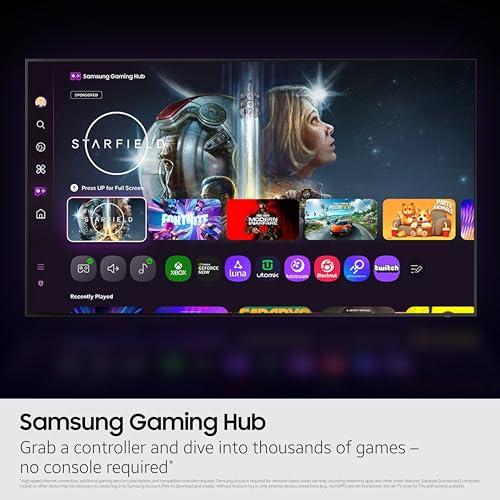
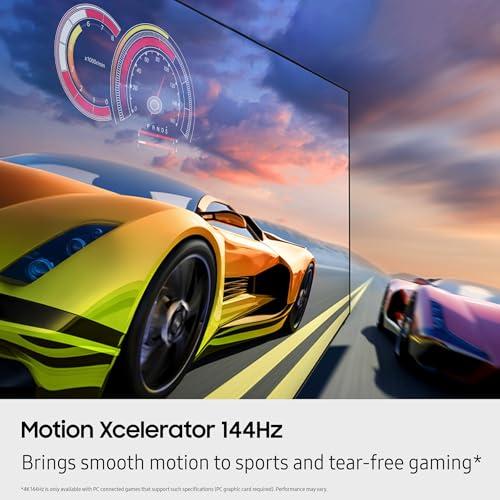
For gaming enthusiasts, the differences between these TVs become stark. The Samsung QN80F offers genuine 144Hz support with variable refresh rate (VRR), meaning it can match your gaming PC or console's frame rate in real-time to eliminate screen tearing and stuttering.
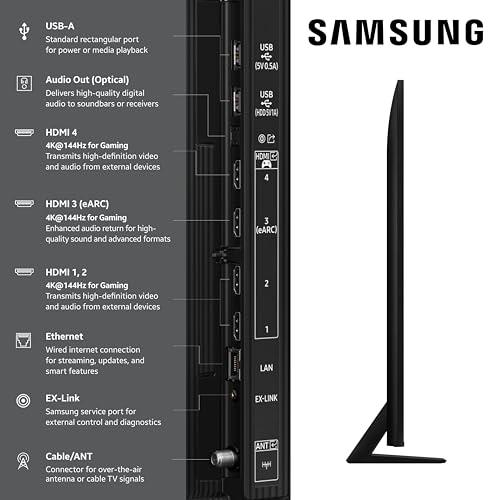
More importantly, Samsung provides four HDMI 2.1 ports that all support 4K at 144Hz. This is crucial if you have multiple gaming devices—perhaps a PlayStation 5, Xbox Series X, and a gaming PC. You won't need to constantly swap cables or compromise on performance.
The AI Auto Game Mode is genuinely useful, automatically detecting what type of game you're playing and optimizing settings accordingly. Racing games get different treatment than RPGs, and the system can even optimize for different gaming genres within the same session.
The Hisense U8 offers solid gaming performance with 120Hz support and basic VRR, but typically only two HDMI 2.1 ports. For most casual gamers, this is perfectly adequate. However, if you're building a serious gaming setup or plan to use this TV as a PC monitor occasionally, Samsung's superior connectivity and processing give it a clear advantage.
Input lag—the delay between when you press a button and see the action on screen—is excellent on both TVs, typically under 10 milliseconds in game mode. That's fast enough for competitive gaming without any noticeable delay.
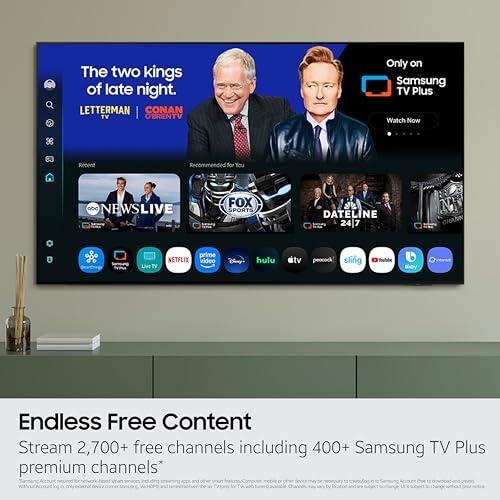
The smart TV experience represents another philosophical divide. Samsung's Tizen OS has matured significantly over the years, offering smooth navigation and excellent integration with Samsung's ecosystem. If you own Samsung phones, tablets, or other smart home devices, the seamless connectivity is genuinely convenient.
Bixby, Samsung's voice assistant, has improved dramatically and can now handle complex, multi-part commands. You can say something like "Turn on the game mode and set the volume to 30," and it'll execute both actions.
The Hisense U8 runs Google TV, which excels at content discovery and has the broadest app support. Google's recommendation engine is particularly good at surfacing content across multiple streaming services. If you're deeply invested in Google's ecosystem—using Google Photos, YouTube TV, or Chromecast devices—the integration feels natural and comprehensive.
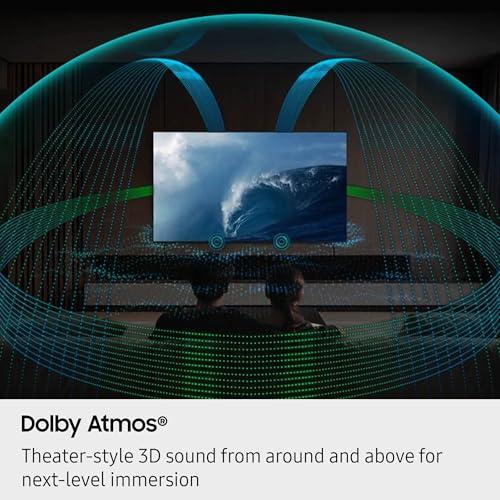
At 100 inches, audio becomes crucial because the screen is large enough that sound needs to properly fill the space. The Samsung QN80F includes Object Tracking Sound Lite, which attempts to move audio effects to match on-screen action. When a car drives from left to right, the audio follows. It's not as sophisticated as a full surround sound system, but it's noticeable and effective.
Samsung's Q-Symphony feature allows the TV's speakers to work in harmony with compatible Samsung soundbars, creating a more immersive audio experience without completely replacing the TV's built-in speakers.
The Hisense U8 typically offers Dolby Atmos support with decent power output, but lacks the advanced audio positioning features. For most users, both TVs will benefit significantly from a dedicated soundbar or surround sound system—the built-in speakers, while adequate, can't match the scale of the massive screen.
When integrating a 100-inch TV into a dedicated home theater, several factors become critical. Room lighting control becomes more important because ambient light reflecting off such a large surface can wash out the image. Both TVs perform well in controlled lighting, but the Samsung's anti-glare coating is more sophisticated, helping maintain contrast even with some ambient light.
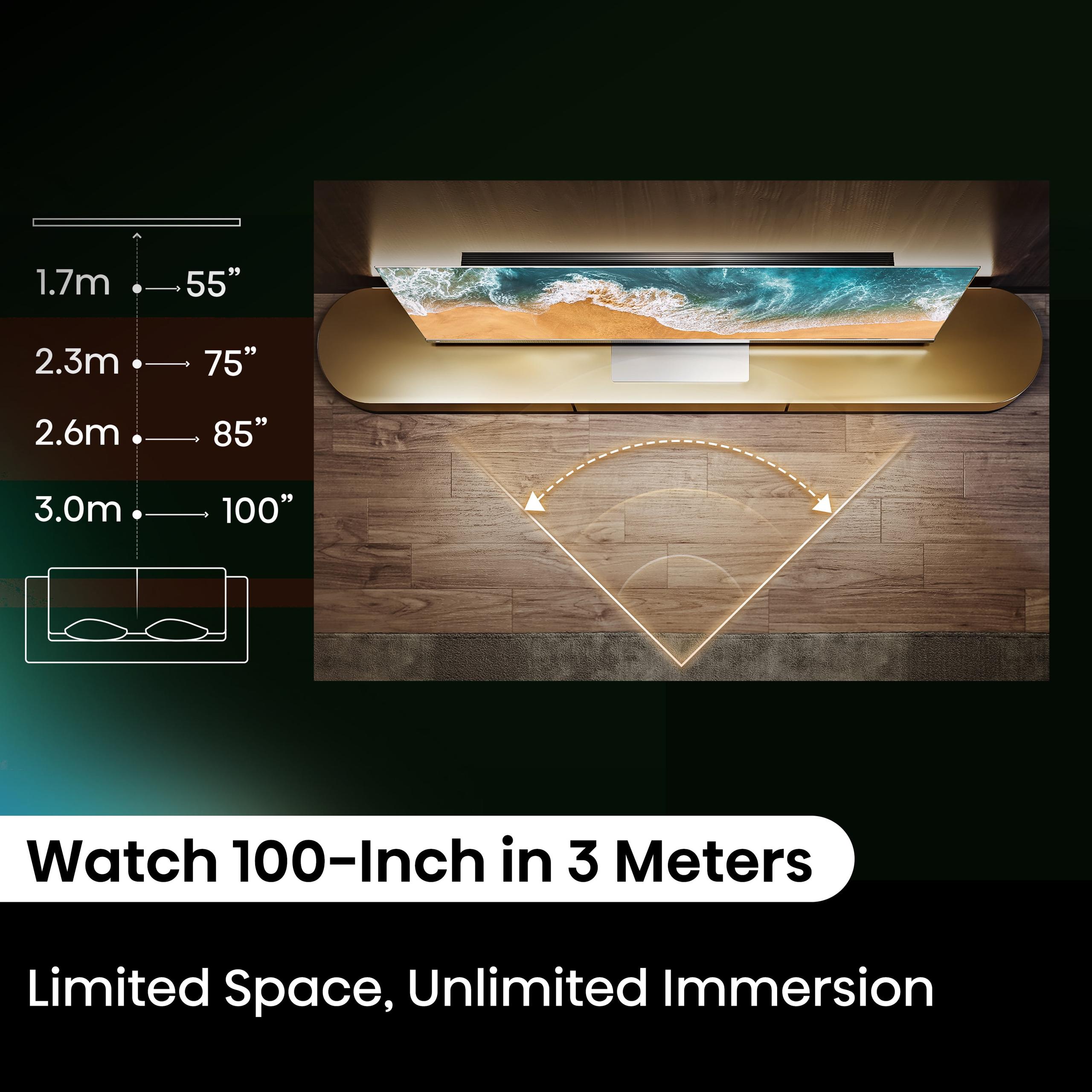
Viewing distance becomes crucial at this size. Sit too close, and you'll notice pixelation and uniformity issues. Too far away, and you lose the immersive benefit of the large screen. The sweet spot for 100-inch viewing is typically 8-12 feet, depending on your vision and personal preference.
Color accuracy matters more in a dedicated theater environment where you're watching premium content. Both TVs offer good color performance out of the box, but the Samsung QN80F's processing tends to deliver more consistent results across different content types.
At first glance, the Hisense U8's $2,798 price tag seems like an obvious winner against Samsung's $5,997. But value in the TV market isn't just about upfront cost—it's about performance per dollar and long-term satisfaction.
The Hisense delivers approximately 80% of the Samsung's performance at roughly 47% of the price. That's exceptional value, especially if your primary use cases are streaming movies and casual gaming. You're getting genuine Mini-LED technology, good HDR performance, and a large, high-quality display at a price that was unimaginable just a few years ago.
However, the Samsung justifies its premium through superior processing, more advanced gaming features, better long-term software support, and typically more consistent quality control. Samsung's panels tend to have better uniformity across their surface, which becomes more important as screen size increases.
The processing difference becomes more valuable over time. As you accumulate more content—old TV shows, compressed streaming sources, gaming content—Samsung's AI-driven enhancements provide ongoing benefits that make your entire library look better.
In daily use, the differences between these TVs vary significantly based on your content and viewing habits. For Netflix and Disney+ streaming, both TVs perform excellently, though the Hisense's Dolby Vision support gives it a slight edge for this specific use case.
For gaming, particularly PC gaming or with next-generation consoles, the Samsung's superior connectivity and processing create a noticeably better experience. The 144Hz support and multiple HDMI 2.1 ports provide future-proofing that the Hisense simply can't match.
For sports viewing—a major use case for large TVs—Samsung's motion processing and AI optimization generally deliver cleaner, more detailed images during fast-paced action sequences.
Choose the Samsung QN80F if you're building a premium home theater setup, prioritize gaming performance, or want the most sophisticated processing available. The AI-driven optimizations, superior connectivity, and long-term software support justify the premium for users who demand the best performance and are willing to pay for it.
Choose the Hisense U8 if you want maximum screen impact for your dollar, primarily stream content, or don't need the most advanced gaming features. The Dolby Vision support, Google TV platform, and exceptional value proposition make it an outstanding choice for users who want premium Mini-LED performance without premium pricing.
Both TVs will transform your viewing experience and provide years of excellent performance. The Samsung offers a more refined, feature-rich experience, while the Hisense provides remarkable value and impressive capabilities at nearly half the price. Your choice ultimately depends on your budget, specific use cases, and how much you value the premium features that justify Samsung's higher price point.
In a market where 100-inch TVs were luxury items just a few years ago, both the Samsung QN80F and Hisense U8 represent remarkable achievements in making cinema-scale entertainment accessible to more homes than ever before.
| Samsung 100" Neo QLED QN80F 4K Smart TV 2025 | Hisense 100" Class U8 Series 4K Mini-LED QLED Google TV |
|---|---|
| Price - Significant cost difference for premium features | |
| $5,997.99 | $2,798.00 |
| Processor - AI-driven optimization vs basic processing | |
| NQ4 AI Gen2 with 20 neural networks for real-time picture/sound optimization | Hi-View Engine (basic processing, limited AI features) |
| Gaming Refresh Rate - Critical for PC gaming and next-gen consoles | |
| 120Hz native (up to 144Hz with VRR) | 120Hz native (no 144Hz support) |
| HDMI 2.1 Ports - Determines how many high-end devices you can connect | |
| 4 ports (all support 4K/144Hz, VRR, ALLM) | 2 ports (4K/120Hz support) |
| HDR Format Support - Affects streaming content compatibility | |
| HDR10+ Adaptive (optimizes for Samsung ecosystem) | Dolby Vision (better for Netflix, Disney+, Apple TV+) |
| AI Upscaling - Makes lower-quality content look better | |
| Advanced 4K AI Upscaling with content-aware enhancement | Basic upscaling without AI optimization |
| Audio System - Built-in sound quality | |
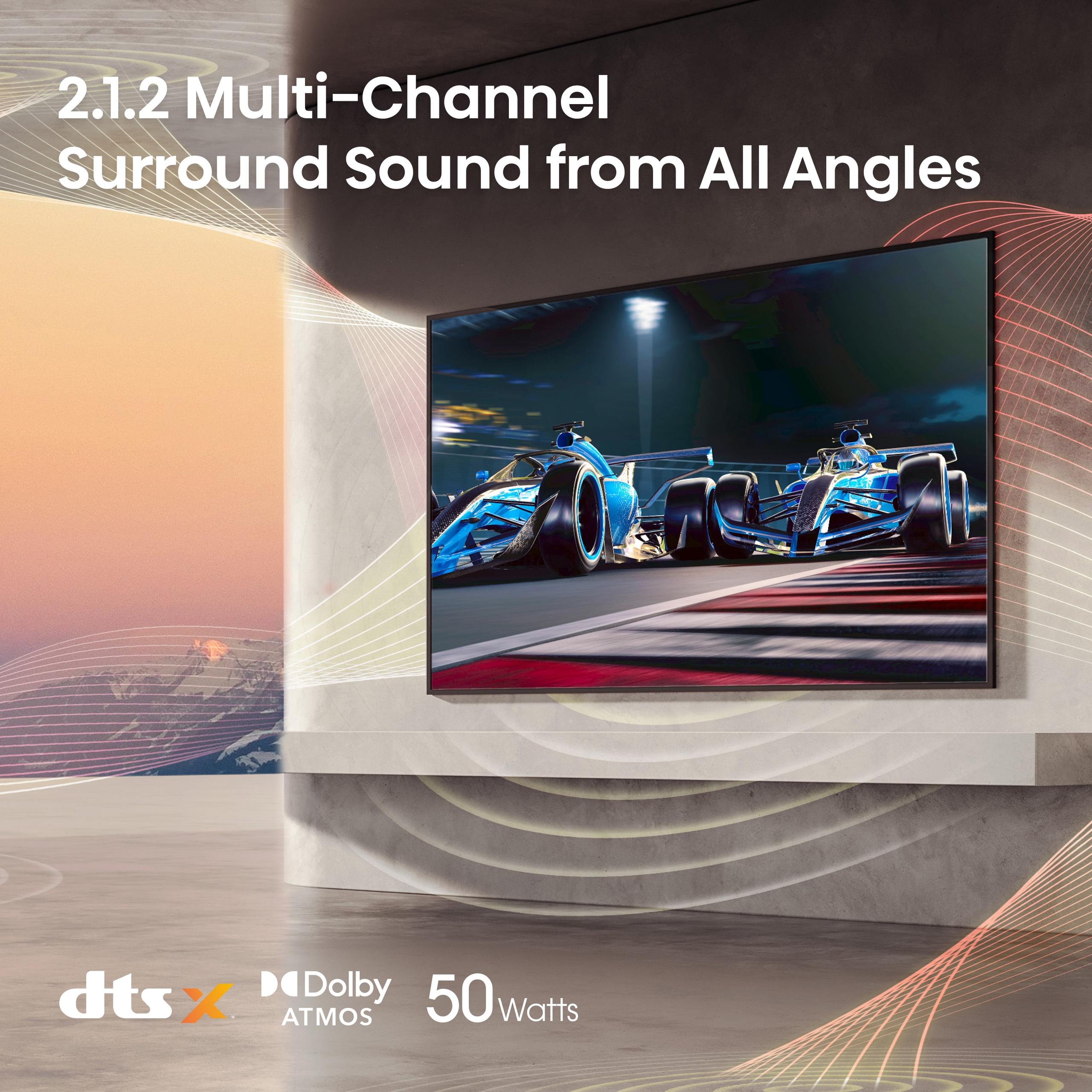
| 30W 4-channel with Object Tracking Sound Lite | 50W 2.1.2 multi-channel with overhead speakers |
| Smart Platform - Interface and app ecosystem | |
| Tizen OS with Bixby AI assistant (Samsung ecosystem integration) | Google TV with Google Assistant (broader app support) |
| Local Dimming Technology - Controls contrast and black levels | |
| Quantum Matrix Technology Core (more precise zone control) | Full Array Local Dimming (good but less sophisticated) |
| Peak Brightness - Important for HDR and bright room viewing | |
| ~1,500 nits | 1,500-2,000 nits (typically brighter) |
| Gaming Features - Advanced gaming optimizations | |
| AI Auto Game Mode, Game Bar, FreeSync Premium Pro | Basic game mode, standard VRR support |
| Voice Assistant Capabilities - Smart home and TV control | |
| Bixby with multi-command processing and context awareness | Google Assistant with standard voice commands |
The Hisense 100" Class U8 Series at $2,798 provides exceptional value, delivering about 80% of the Samsung 100" Neo QLED QN80F's performance at less than half the $5,997 price. However, Samsung justifies its premium with superior AI processing, more gaming features, and better long-term software support.
The Samsung QN80F uses advanced NQ4 AI Gen2 processing with 20 neural networks for real-time optimization, making lower-quality content look better. The Hisense U8 offers excellent baseline picture quality with Mini-LED technology but lacks Samsung's sophisticated AI-driven enhancements.
The Samsung 100" Neo QLED QN80F is superior for gaming with 144Hz support, four HDMI 2.1 ports, AI Auto Game Mode, and advanced VRR features. The Hisense U8 offers solid 120Hz gaming performance but only has two HDMI 2.1 ports and basic game optimization.
Yes, but differently. The Samsung QN80F supports HDR10+ Adaptive which optimizes content dynamically. The Hisense U8 supports Dolby Vision, which is more widely used by streaming services like Netflix and Disney+, giving it an advantage for streaming content.
The Samsung QN80F uses Tizen OS with excellent Samsung ecosystem integration and advanced Bixby voice control. The Hisense U8 runs Google TV, which offers broader app support and better content discovery across streaming services. Choice depends on your existing device ecosystem.
The Hisense U8 has a more powerful 50W 2.1.2 audio system with overhead speakers. The Samsung QN80F features 30W speakers but includes Object Tracking Sound Lite technology that moves audio to match on-screen action, plus Q-Symphony compatibility with Samsung soundbars.
The Hisense U8 typically achieves higher peak brightness (1,500-2,000 nits) compared to the Samsung QN80F at around 1,500 nits. This makes the Hisense better for very bright rooms, though both TVs perform well in normal lighting conditions.
The Samsung 100" Neo QLED QN80F generally offers more consistent panel uniformity and better quality control, which is important at 100-inch sizes. Samsung also provides longer software support. The Hisense U8 offers good build quality but may have more panel variation between units.
The Hisense U8 has an edge for streaming with Dolby Vision support (used by most streaming services) and Google TV's superior content discovery. The Samsung QN80F excels at upscaling lower-quality streaming content but uses HDR10+ which has less streaming support.
The Samsung QN80F offers four HDMI 2.1 ports, all supporting 4K at 144Hz, making it ideal for multiple gaming consoles and PCs. The Hisense U8 typically has two HDMI 2.1 ports supporting 4K at 120Hz, which is adequate for most users but limiting for gaming enthusiasts.
For dedicated home theaters, the Samsung 100" Neo QLED QN80F offers superior processing, better motion handling, and more sophisticated anti-glare coating. The Hisense U8 provides excellent performance at a lower price point, making it great for casual home theater setups where budget is a primary concern.
Choose the Samsung QN80F if you prioritize gaming, want the best AI-driven picture processing, or prefer Samsung's ecosystem. Choose the Hisense U8 if you want maximum value, primarily stream content, or prefer Google's smart TV platform. Both deliver impressive 100-inch experiences at their respective price points.
We've done our best to create useful and informative comparisons to help you decide what product to buy. Our research uses advanced automated methods to create this comparison and perfection is not possible - please contact us for corrections or questions. These are the sites we've researched in the creation of this article: rtings.com - youtube.com - theshortcut.com - c9av.com - youtube.com - rtings.com - youtube.com - samsung.com - wifihifi.com - samsung.com - samsung.com - samsung.com - bestbuy.com - samsung.com - flatpanelshd.com - schaeferstv.com - samsung.com - samsung.com - samsung.com - samsung.com - cullenshomecenter.com - bestbuy.com - valueelectronics.com - pcrichard.com - youtube.com - cnet.com - bargainoutletandmore.com - bestbuy.com - files.hisense-usa.com - fouanistore.com - bestbuy.com - salesindia.com

Privacy Policy
Terms and Conditions - Affiliate Policy
Home Security
© Copyright 2008-2026.
11816 Inwood Rd #1211, Dallas, TX 75244