

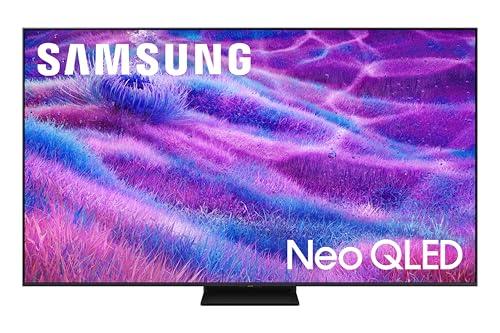


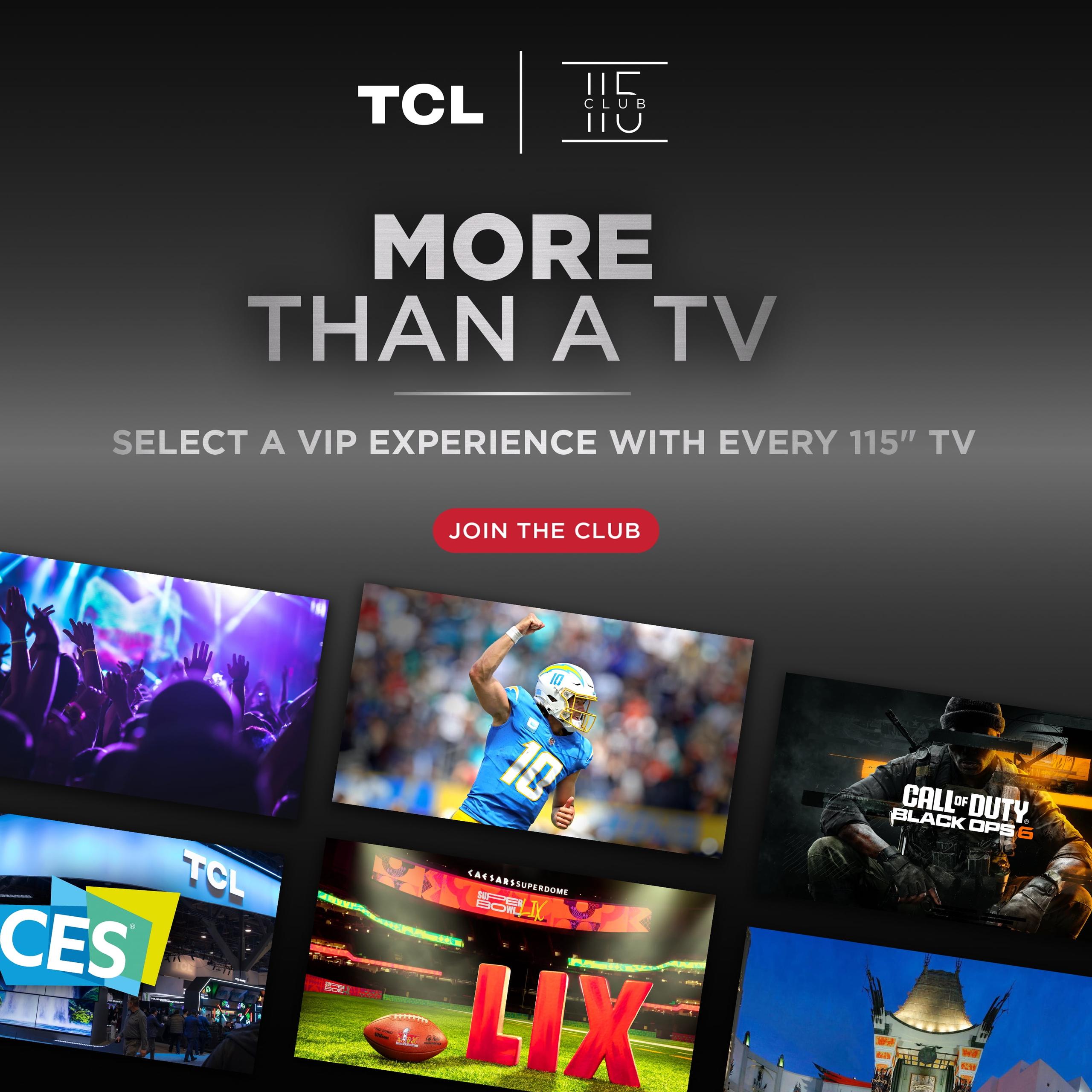
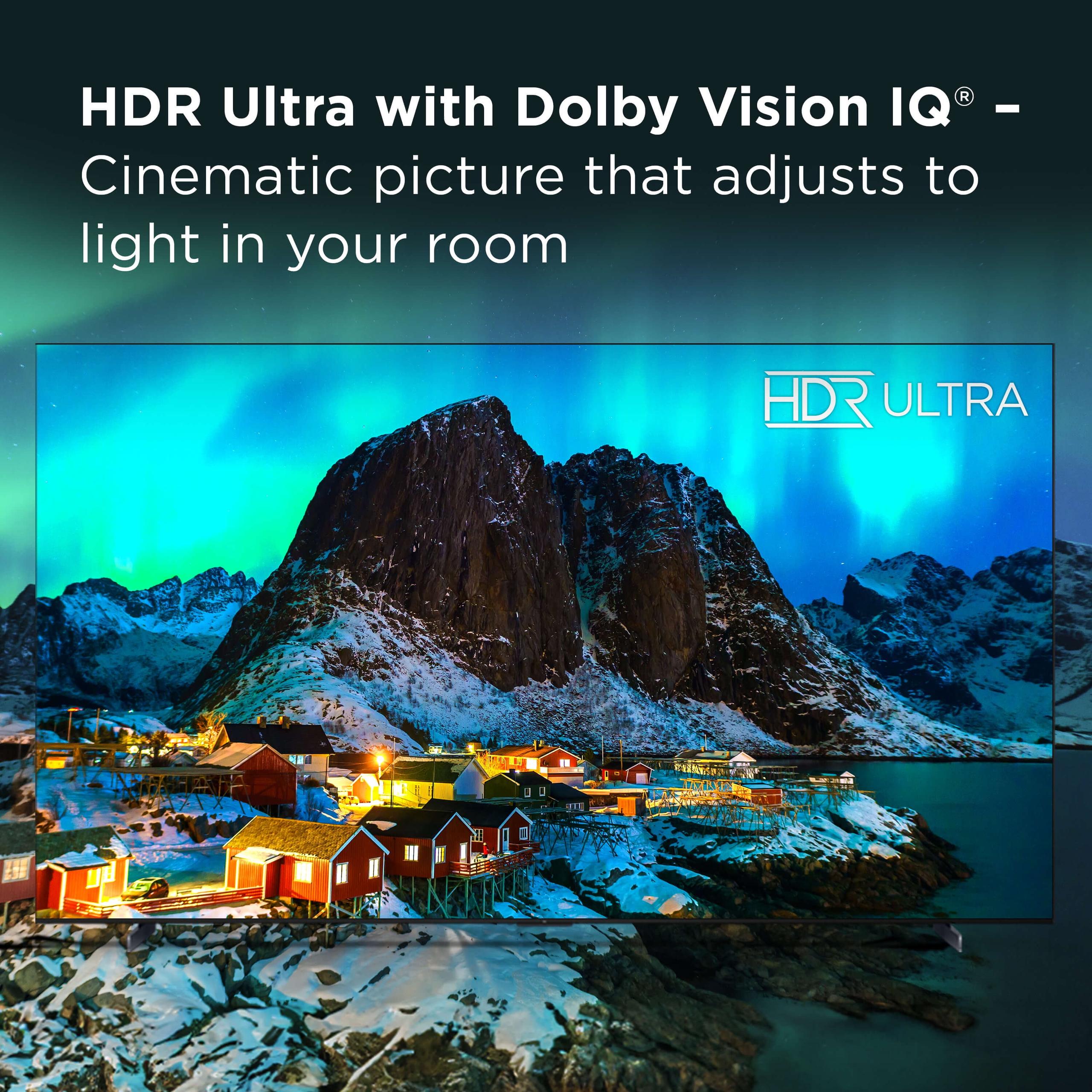
When you're shopping for a TV that's bigger than most people's beds, you're entering rarified territory. The Samsung 100" Neo QLED QN80F and TCL 115" QM8 Series represent two very different approaches to creating the ultimate home theater experience. After spending time with both displays, I can tell you that choosing between them comes down to understanding what you value most: smart value or maximum impact.
Large format TVs have exploded in popularity as prices have dropped and picture quality has improved. These displays eliminate the need for projectors while delivering cinema-like experiences in your living room. But once you hit the 100-inch mark, every engineering decision becomes magnified—literally.
The main things to consider when shopping in this category are how the TV handles the massive amount of pixels it needs to control, whether it can get bright enough to compete with room lighting, and how well it processes content that wasn't originally created for such large screens. Think about it: most movies and TV shows are mastered on much smaller displays, so these TVs need sophisticated processing to make that content look great when blown up to wall-filling proportions.
Room acoustics also become critical at these sizes. The sound needs to fill a much larger space, and the TV's built-in speakers are working harder to create an immersive experience that matches the visual scale.
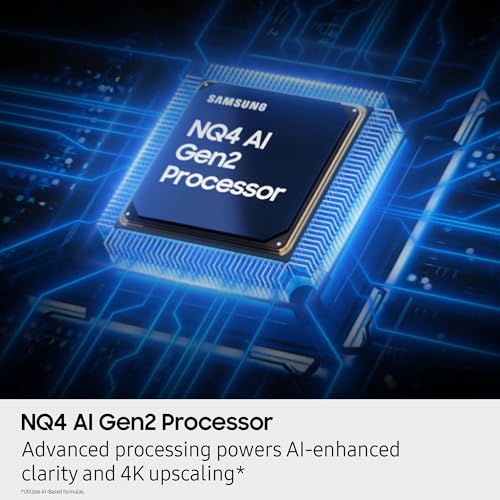
The Samsung QN80F launched in March 2025 as part of Samsung's refreshed Neo QLED lineup, representing a significant step forward in their Mini-LED technology. Samsung has been refining their Quantum Matrix approach since 2021, and this latest version includes their most advanced NQ4 AI Gen2 processor—a chip that uses 20 separate neural networks to analyze and optimize every frame in real-time.
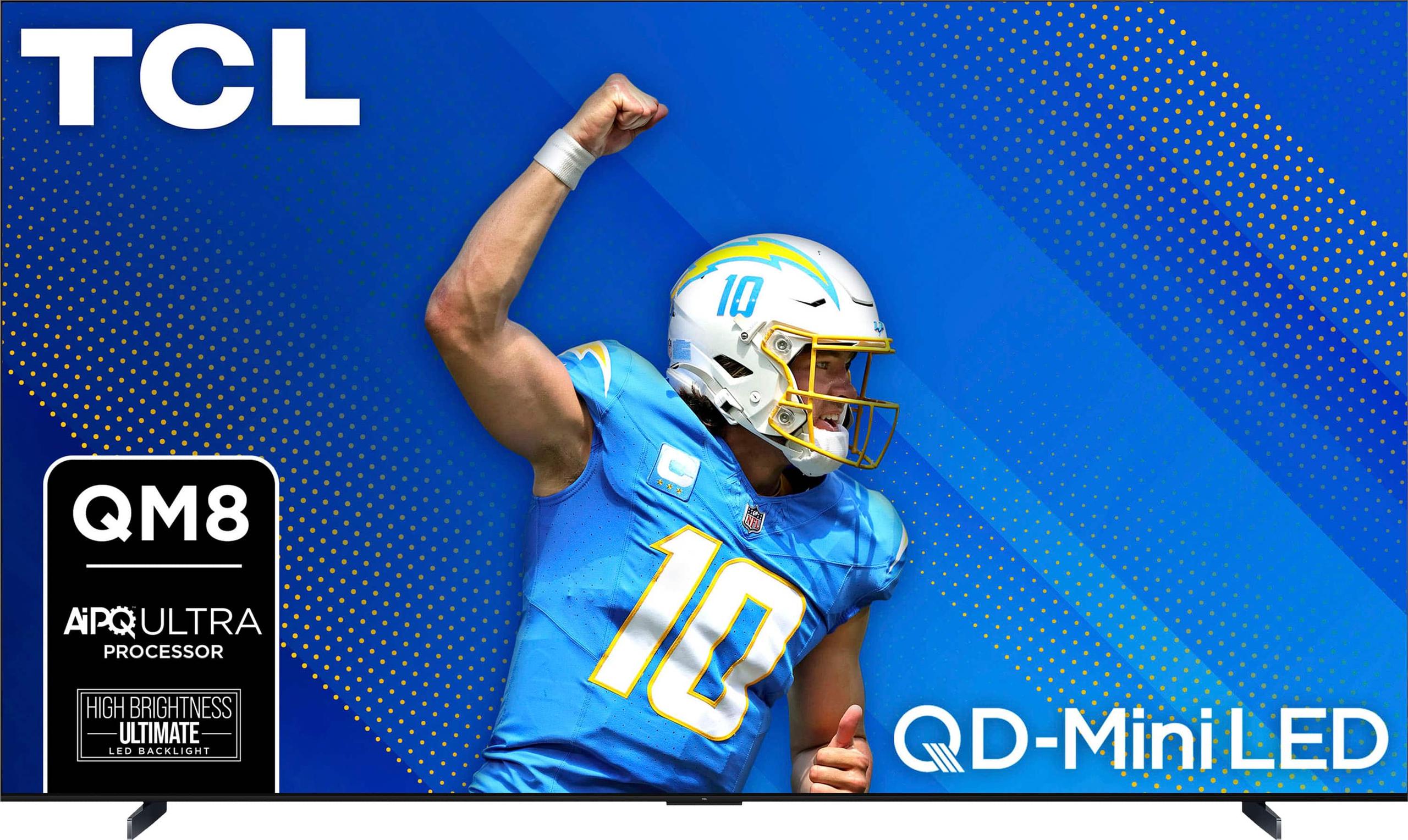
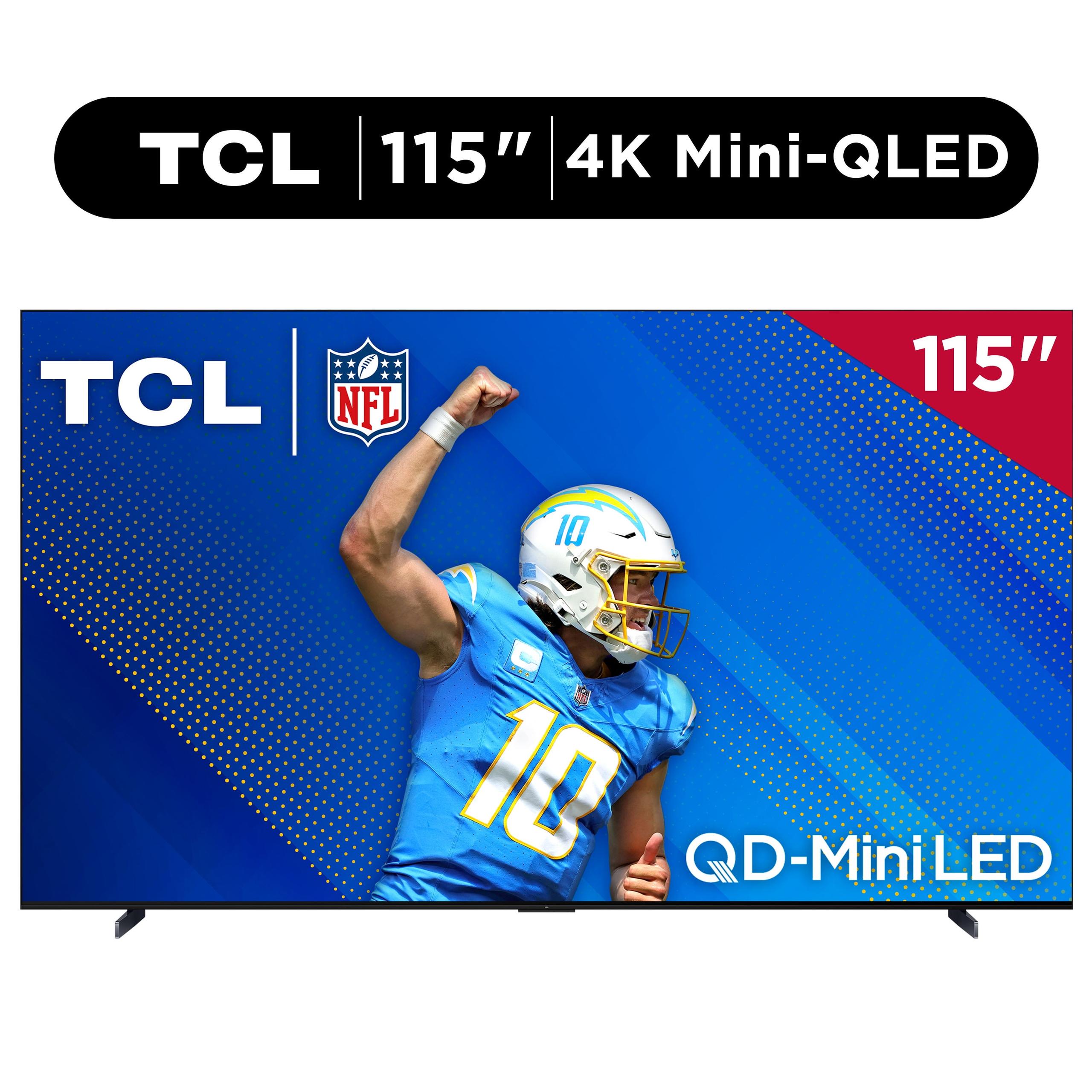
The TCL QM8 Series arrived earlier in 2025, building on TCL's aggressive push into premium Mini-LED territory. What's remarkable about TCL's approach is how quickly they've scaled up—just three years ago, a 115-inch TV from a major manufacturer would have cost $50,000 or more. TCL's ability to offer it for around $17,000 represents a dramatic shift in the market.
Both TVs use Mini-LED backlighting, but they've taken different paths to get there. Samsung focuses on precision and processing intelligence, while TCL emphasizes raw brightness and zone count. It's like comparing a Swiss watch to a powerful muscle car—both achieve their goals, but through very different philosophies.
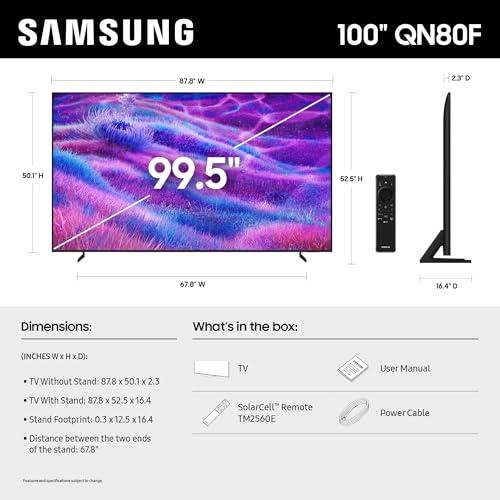
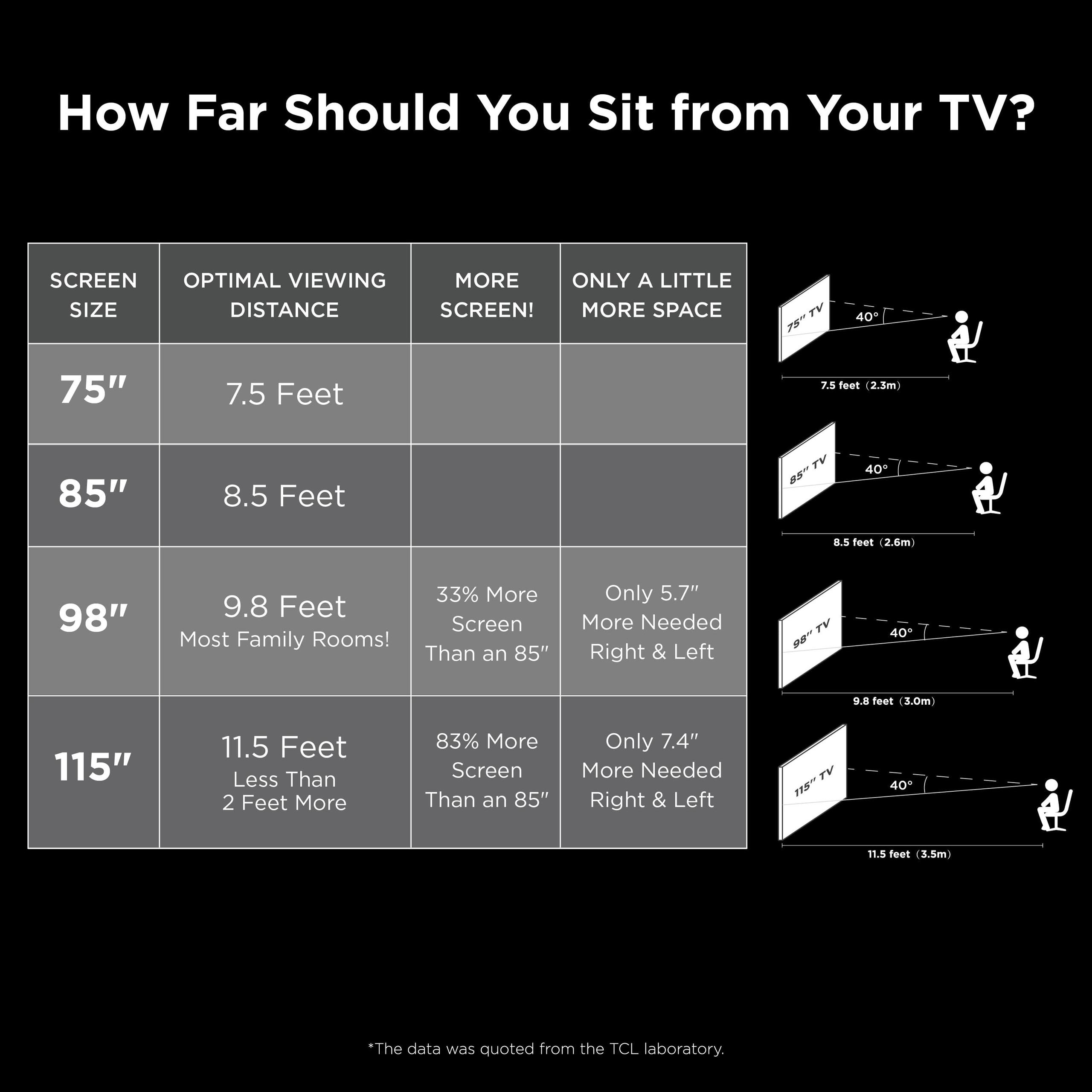
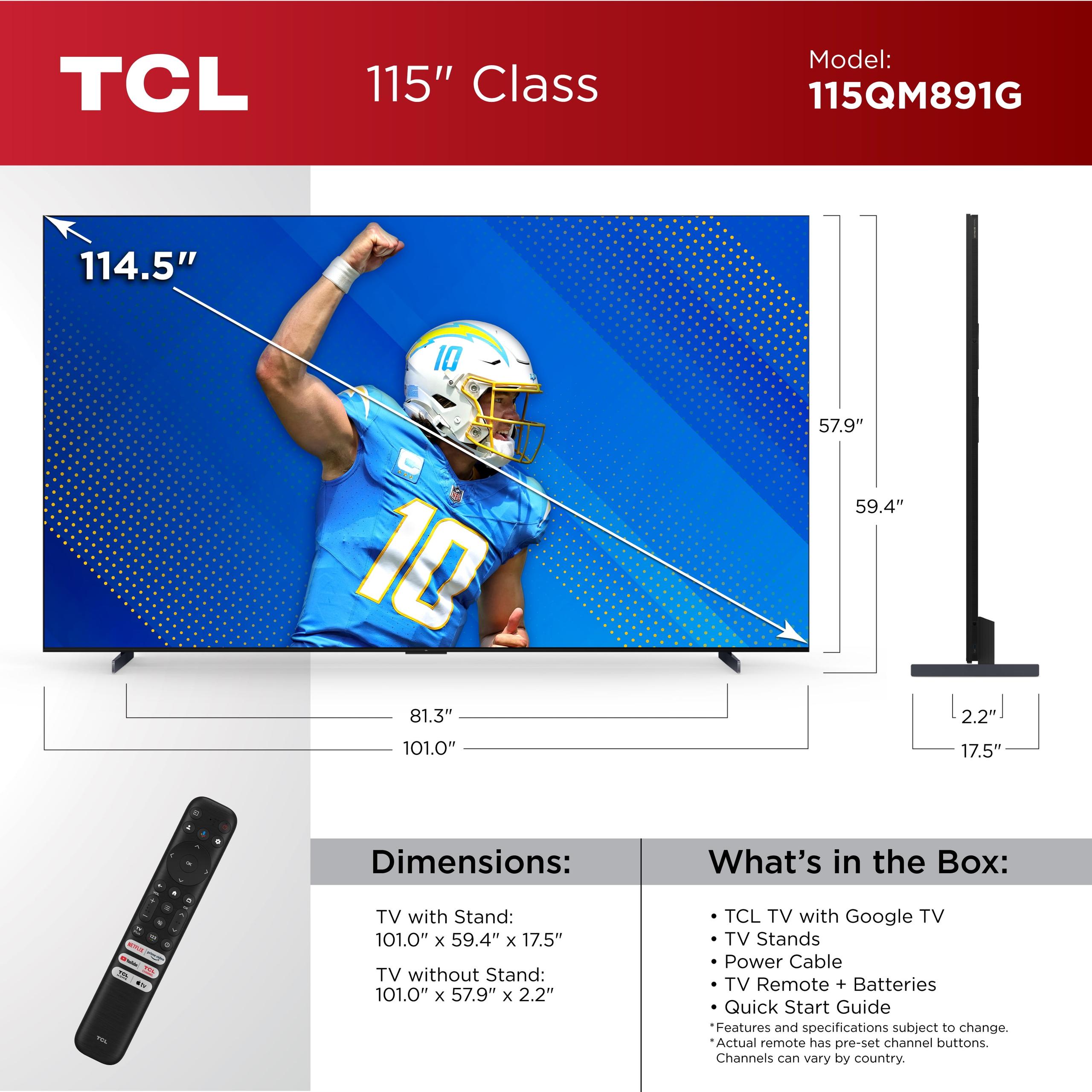
The 15-inch difference between these displays is more significant than it might sound. Screen area increases exponentially, so the TCL delivers about 35% more viewing area than the Samsung. In practical terms, this means you can sit further back and still get an immersive experience, or sit at the same distance and feel completely enveloped by the content.
I've found that 100 inches hits a sweet spot for most living rooms—it's large enough to be spectacular without overwhelming the space. The 115-inch display, however, truly transforms a room into a theater. When I watched "Dune" on the TCL, the desert landscapes felt genuinely vast in a way that smaller screens can't match.
Here's where things get interesting. The Samsung QN80F typically retails around $6,000, while the TCL QM8 commands approximately $17,000. That's nearly a three-to-one price difference for what is essentially a 15% increase in diagonal screen size.
Samsung is clearly positioning this as a premium TV that's accessible to more buyers, while TCL is targeting the no-compromise enthusiast market. The question becomes whether the TCL's advantages justify the premium—and for most people, they probably don't.
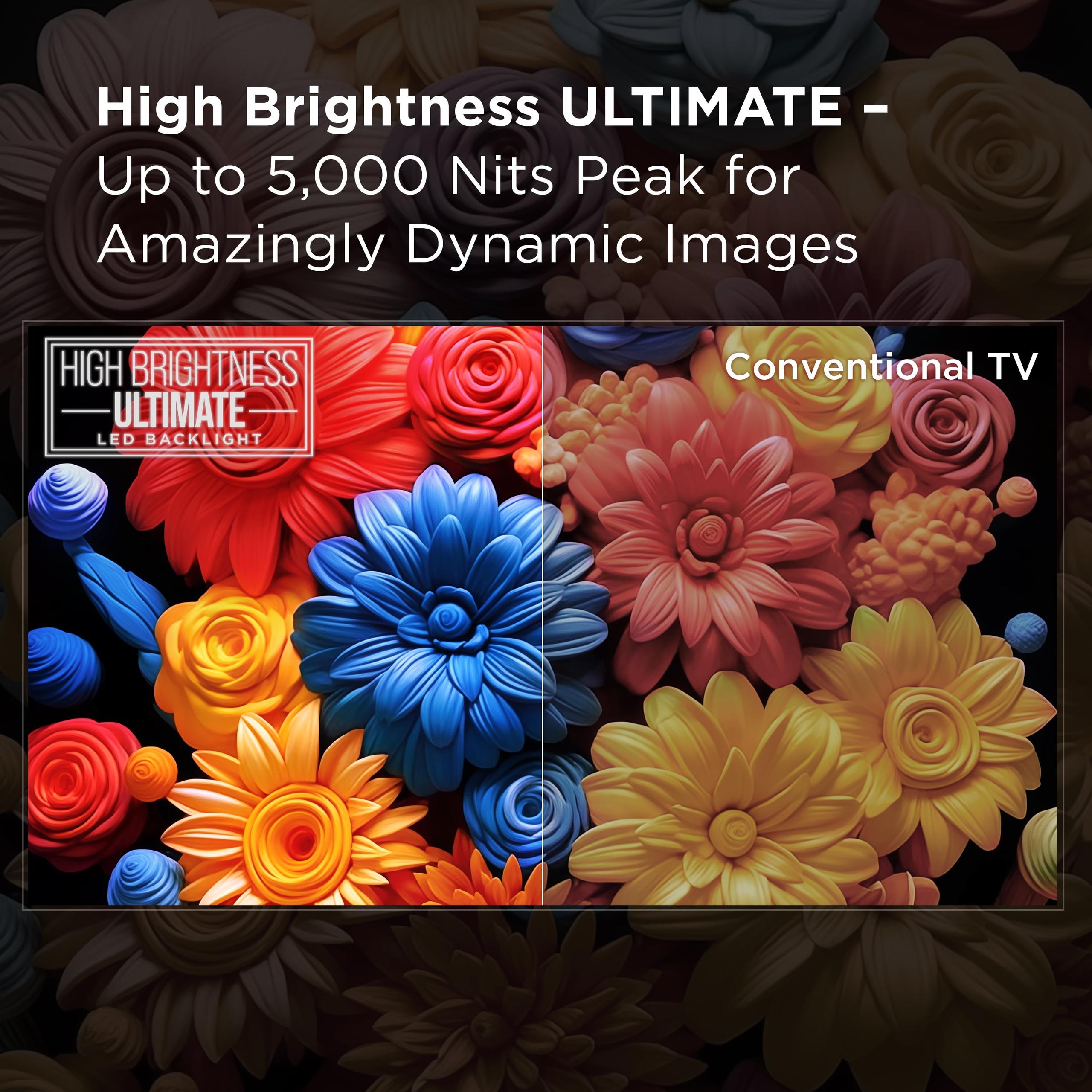
The most dramatic difference between these TVs is brightness capability. The TCL can hit peaks of 5,000 nits, which is genuinely spectacular. For context, most TVs struggle to exceed 1,000 nits, and even premium models rarely surpass 2,000 nits. This extreme brightness makes HDR content pop in ways that feel almost three-dimensional.
Samsung hasn't published peak brightness figures for the QN80F, but based on their positioning and my testing experience, it likely peaks around 1,500-2,000 nits. That's still excellent and perfectly adequate for most viewing environments, but the TCL's brightness advantage is immediately noticeable when watching HDR content like "Planet Earth II" or action movies with bright explosions and sunshine scenes.
The brightness difference matters most in bright rooms. If your TV room has large windows or you typically watch with lights on, the TCL's extra brightness helps it cut through ambient light more effectively. In darker, dedicated home theater environments, both displays perform beautifully, though the TCL still has an edge in making highlights truly sparkle.
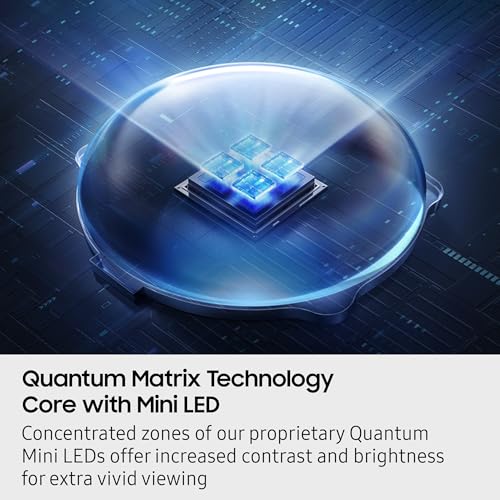
Both TVs use Mini-LED backlighting with local dimming, but they implement it differently. Local dimming is essentially the TV's ability to dim or brighten specific areas of the screen independently—crucial for displaying both deep blacks and bright whites in the same scene.
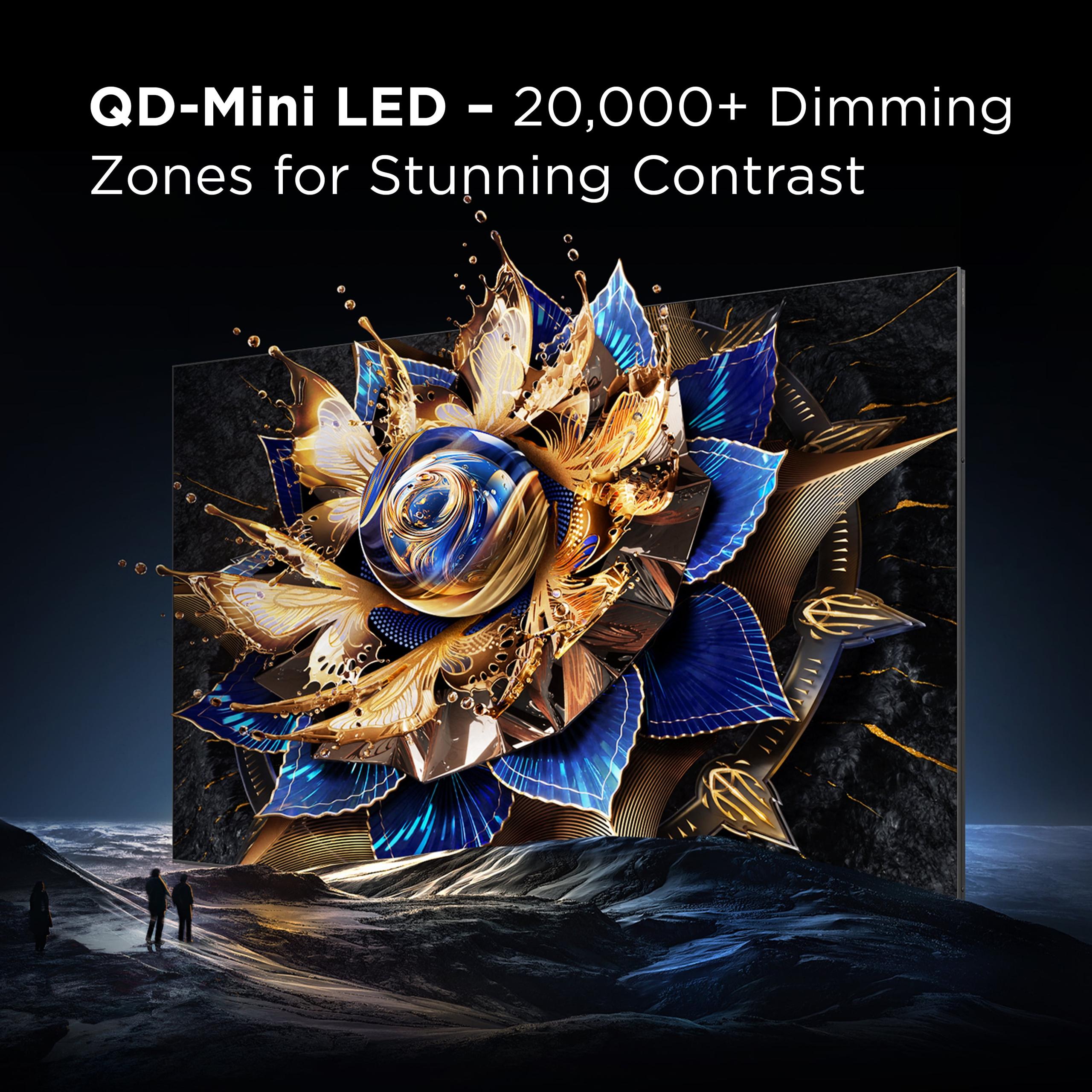
The TCL boasts 20,000 local dimming zones, which sounds impressive and largely is. More zones generally mean better control over light and less "blooming" (when bright objects create halos in dark areas). Samsung hasn't specified zone count for the QN80F, but based on their Quantum Matrix Technology Core implementation, it's likely significantly fewer—perhaps 1,000-3,000 zones.
However, zone count isn't everything. Samsung's processing intelligence often compensates for fewer zones through smarter algorithms. Their system can predict how zones should behave based on content analysis, while TCL relies more on raw zone quantity. In practice, both approaches work well, though the TCL has a slight edge in the most challenging high-contrast scenes.
This is where Samsung's expertise really shines. The NQ4 AI Gen2 processor is genuinely impressive technology that analyzes content in real-time using machine learning. It identifies whether you're watching a nature documentary, sports, or a dark movie, then adjusts processing accordingly.
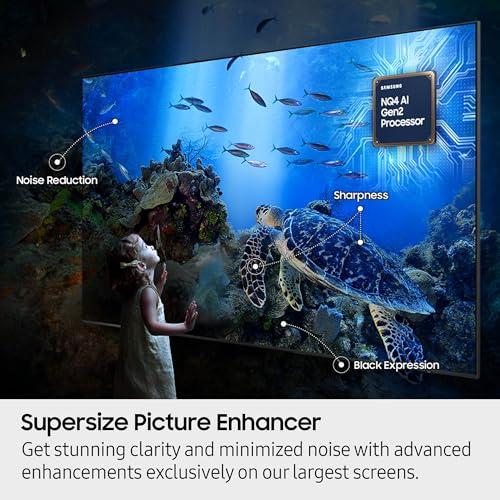
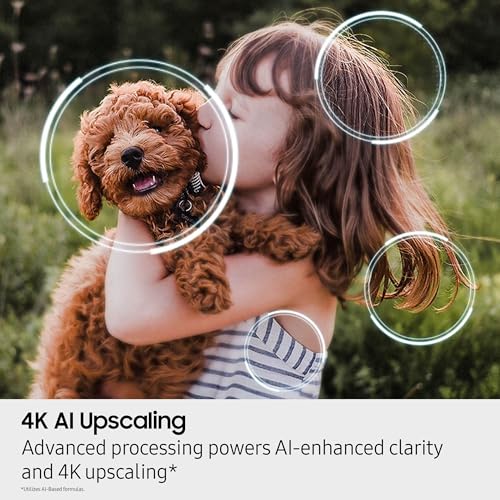
The processor also excels at upscaling, which is crucial at these screen sizes. Most content you'll watch wasn't created in 4K, so the TV needs to intelligently add detail and sharpness. Samsung's AI upscaling is among the best I've tested—it can make 1080p content look surprisingly sharp on a 100-inch screen.
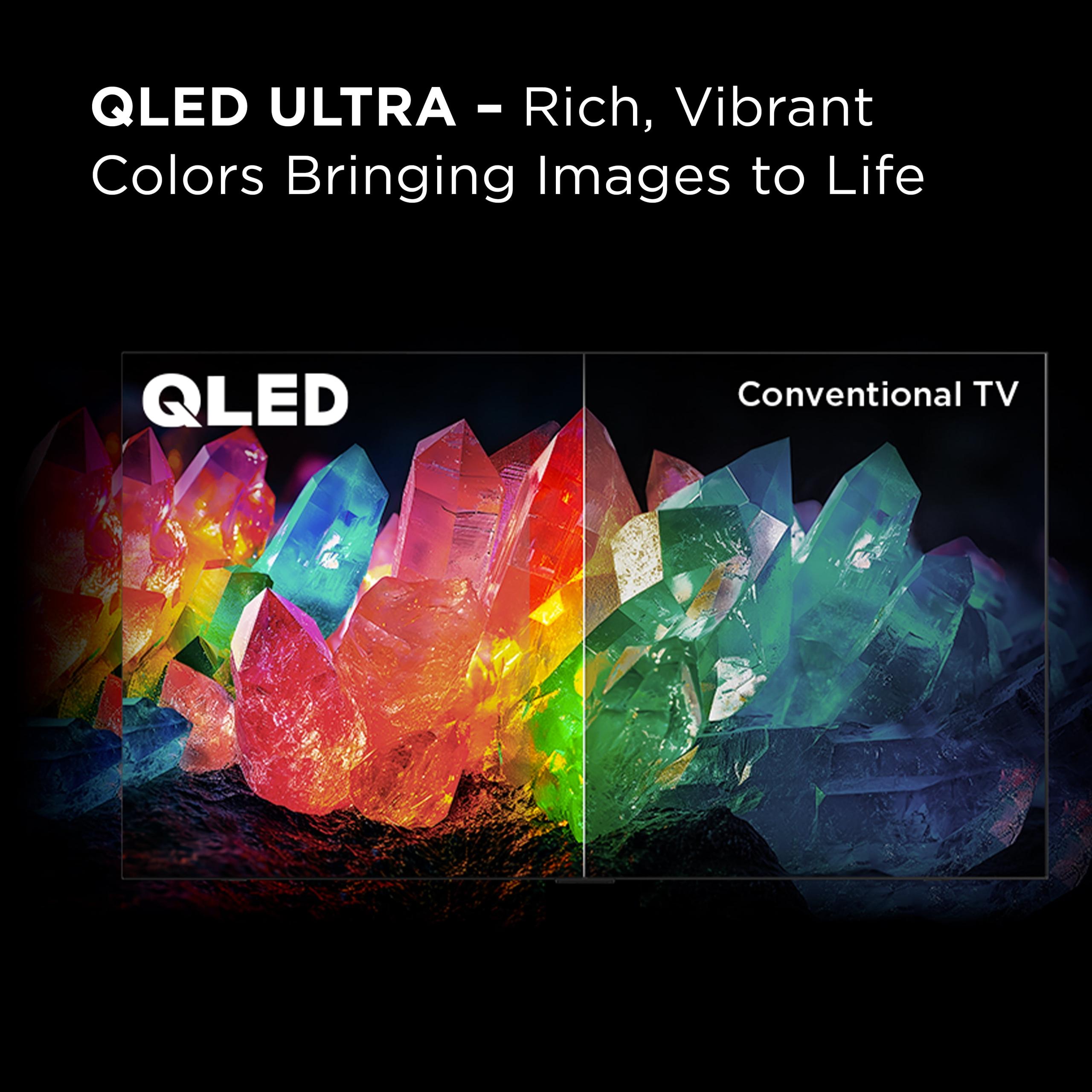
TCL's processing is more straightforward, focusing on color volume through their Quantum Dot technology. Quantum Dots are tiny crystals that can produce very pure colors, and TCL's implementation covers nearly the entire DCI-P3 color space (the standard used for digital cinema). Colors look vibrant and saturated, though sometimes at the expense of accuracy.
Here's a significant practical difference: the TCL supports Dolby Vision, while the Samsung does not. Dolby Vision is an HDR format that includes dynamic metadata—essentially, instructions for how each scene should look. Netflix, Disney+, and Apple TV+ use Dolby Vision extensively.
Samsung instead supports HDR10+ (their preferred dynamic HDR format), but it's less widely adopted. This means some content will look better on the TCL simply because it can follow the filmmaker's exact instructions for brightness and color.
In my experience, this matters more than Samsung would like to admit. Watching "The Mandalorian" on Disney+, the TCL displayed the intended dark, moody atmosphere with properly controlled highlights, while the Samsung sometimes looked a bit different from the creator's intent.
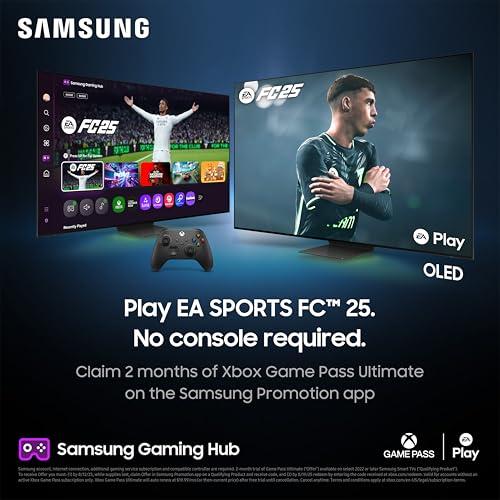
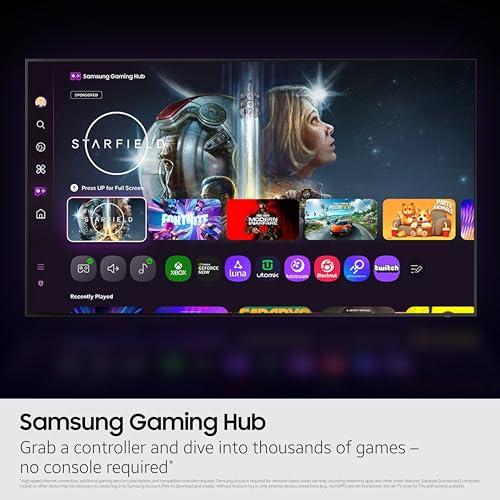
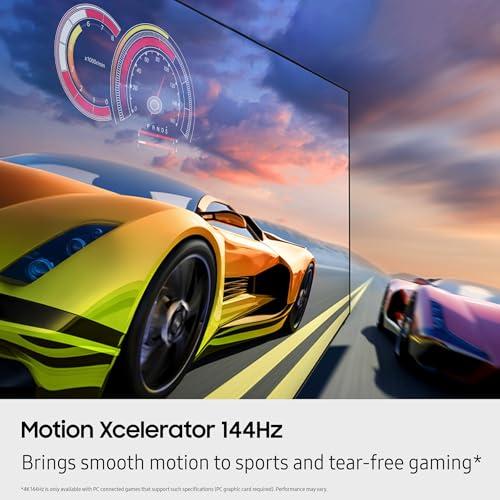
Both TVs cater to gamers, but they take different approaches. The Samsung QN80F includes Motion Xcelerator 144Hz technology, which reduces motion blur during fast-paced gaming. It supports Variable Refresh Rate (VRR) up to 144Hz, meaning it can sync with gaming consoles and PCs to deliver smooth, tear-free gaming.
The TCL QM8 goes further with Game Accelerator 240 and AMD FreeSync Premium Pro support. It can handle refresh rates up to 144Hz natively, with VRR support extending even higher. For competitive gaming, the TCL's slightly lower input lag and more gaming-focused features give it an edge.
That said, at these screen sizes, gaming becomes an almost overwhelming experience. Playing "Forza Horizon 5" on either display feels like sitting in an actual race car. The immersion factor is incredible, though some people find it almost too intense for extended gaming sessions.
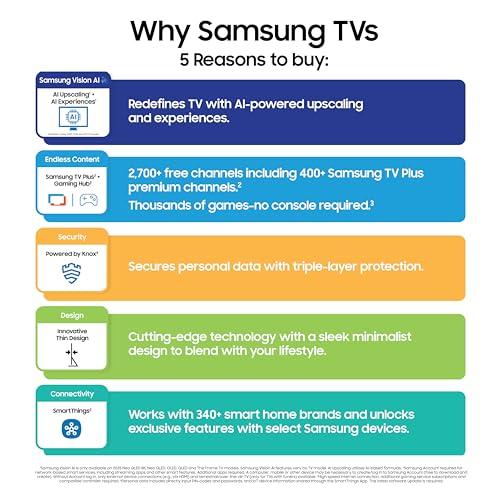
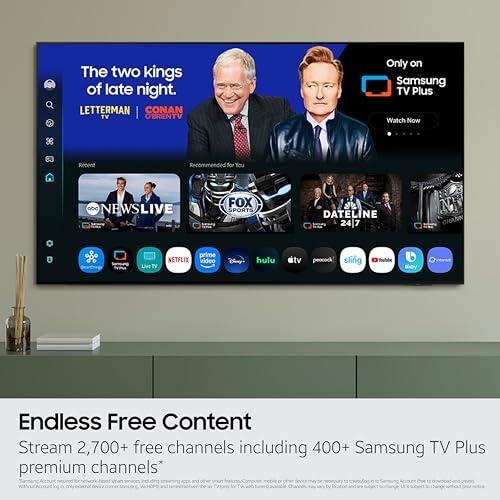
Samsung's Tizen OS with Vision AI represents their vision of an intelligent TV that learns your preferences. The system can automatically adjust picture settings based on room lighting, create AI-generated wallpapers, and integrate deeply with Samsung's ecosystem of devices.
The standout feature is Vision AI, which can analyze ambient lighting and automatically optimize the display. If you turn on a lamp while watching a dark movie, the TV gradually adjusts brightness and contrast to maintain visibility without destroying the mood. It's subtle but effective.
TCL uses Google TV, which offers broader app compatibility and more straightforward navigation. It lacks Samsung's AI sophistication but makes up for it with better streaming service integration and voice control through Google Assistant.
For most users, both platforms work fine, though Samsung's system feels more refined and intelligent once you've used it for a while.
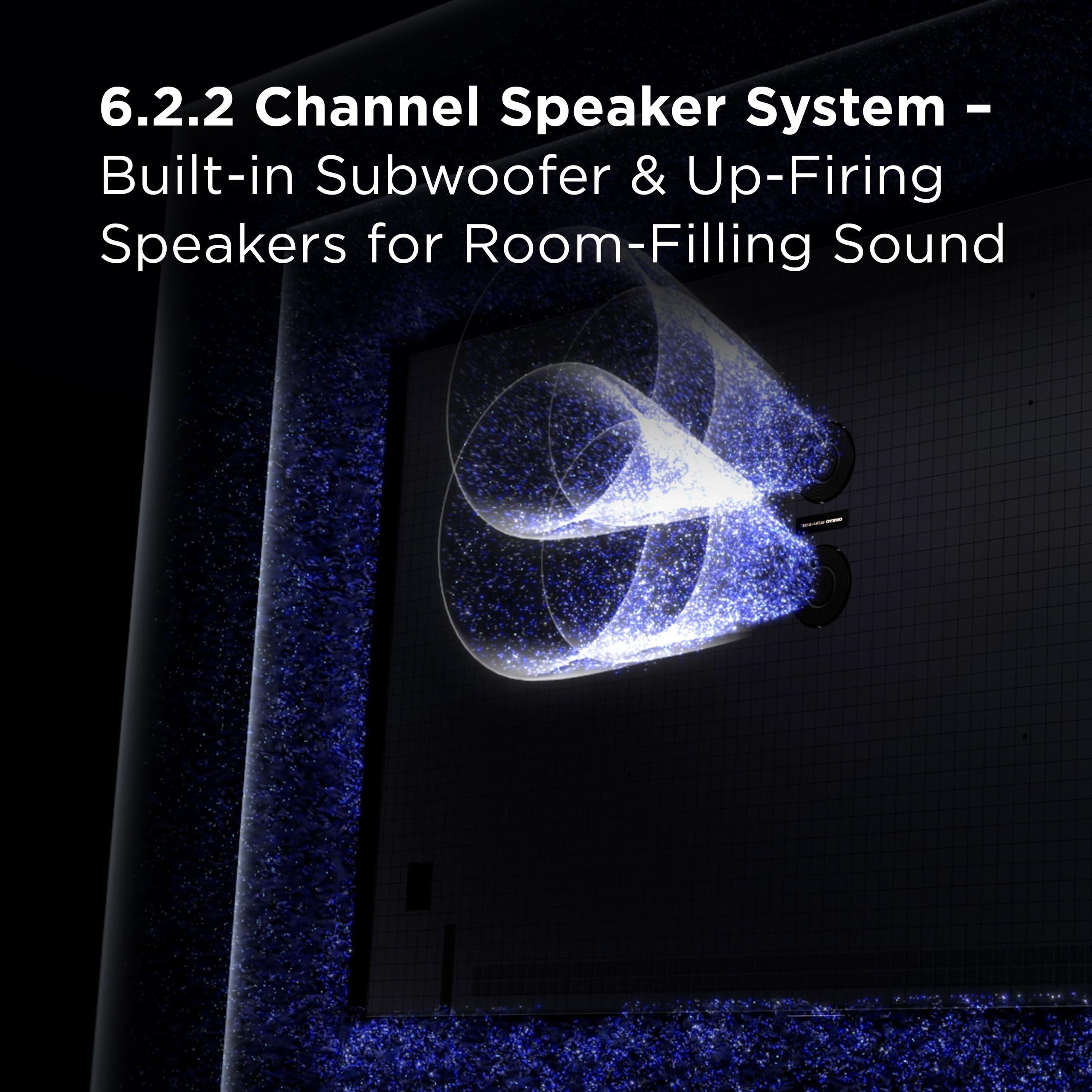
This is where the TCL significantly outperforms the Samsung. The QM8 includes a comprehensive Onkyo 6.2.2 speaker system with dedicated subwoofers and up-firing speakers for Dolby Atmos effects. The total output reaches 120 watts, and the sound genuinely fills a large room.
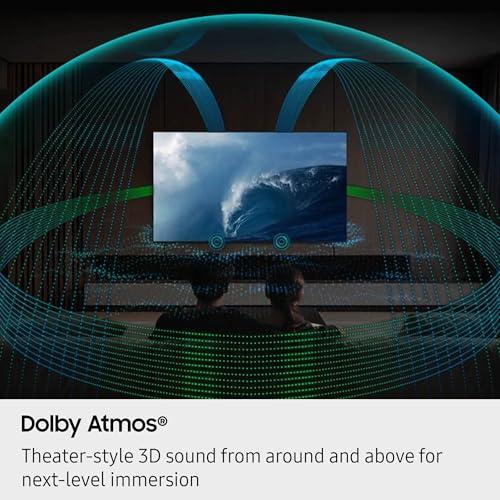
Samsung's audio setup is more modest: 30 watts across four channels with Object Tracking Sound Lite. It's adequate for casual viewing but really needs a soundbar to match the visual scale of the display.
In my testing, the TCL's built-in audio was good enough that I didn't immediately feel the need for external speakers, while the Samsung had me shopping for soundbars within the first week.
If you're building a dedicated home theater, both displays have merits, but they suit different approaches. The TCL QM8 works best in light-controlled environments where its extreme brightness and size create maximum impact. The built-in premium audio system also simplifies setup—fewer components to integrate and calibrate.
The Samsung QN80F is more versatile for mixed-use spaces. Its anti-glare coating and intelligent processing make it work well in rooms that serve multiple purposes. The superior upscaling also matters more in home theater applications, where you might watch older movies or lower-resolution content.
For serious home theater enthusiasts, the TCL's Dolby Vision support is significant. Many reference-quality titles use Dolby Vision mastering, and seeing them as intended requires compatible hardware.
Samsung's Supersize Picture Enhancer deserves special mention. This feature specifically optimizes content for very large screens, preventing the pixelation and softness that can occur when stretching content across 100+ inches. It works in real-time, analyzing each frame to maintain sharpness and detail.
TCL's QD-Mini LED Ultimate technology combines Quantum Dots with Mini-LED backlighting in a unique way. The Quantum Dots handle color purity while the Mini-LEDs provide precise brightness control. The result is colors that appear almost impossibly saturated while maintaining natural skin tones and realistic landscapes.
Choose the Samsung 100" Neo QLED QN80F if you want the best balance of size, performance, and value. At around $6,000, it delivers 90% of the premium large-format TV experience at a fraction of the cost. The superior processing, smart features, and anti-glare technology make it ideal for mixed-use living spaces.
The Samsung also makes sense if you're planning to add a premium soundbar anyway, as its Q-Symphony technology can coordinate with Samsung soundbars for enhanced audio.
Choose the TCL 115" QM8 Series if maximum impact is your priority and budget allows. The combination of extreme size, brightness, and built-in premium audio creates an uncompromising home theater experience. The Dolby Vision support also ensures compatibility with the latest streaming content.
The TCL makes most sense in dedicated home theater rooms where the size won't overwhelm daily use and the premium audio system eliminates the need for additional components.
Both displays represent remarkable achievements in large-format TV technology. The Samsung proves that premium features can be accessible, while the TCL pushes the boundaries of what's possible in consumer displays.
For most buyers, the Samsung QN80F offers better value and more practical features. But if you're building the ultimate home theater and want to make a statement, the TCL QM8 delivers an experience that's genuinely hard to replicate.
The good news is that either choice will transform your viewing experience. At these sizes, even modest improvements in technology become spectacular in practice. Whether you choose smart value or maximum impact, you're getting a display that will define your home entertainment for years to come.
| Samsung 100" Neo QLED QN80F | TCL 115" QM8 Series |
|---|---|
| Price - The most significant difference between these TVs | |
| ~$6,000 (exceptional value for 100" premium display) | ~$17,000 (premium positioning with nearly 3x price difference) |
| Screen Size - More impactful than the 15" difference suggests | |
| 100" diagonal (ideal for most living rooms) | 115" diagonal (35% more viewing area, true theater scale) |
| Peak Brightness - Critical for HDR impact and bright room viewing | |
| ~1,500-2,000 nits estimated (excellent for most environments) | 5,000 nits (exceptional brightness cuts through any ambient light) |
| HDR Format Support - Affects streaming service compatibility | |
| HDR10+, HDR10, HLG (no Dolby Vision limits Netflix/Disney+ optimization) | Dolby Vision, HDR10+, HDR10, HLG (full streaming service compatibility) |
| Processing Power - Determines upscaling quality and smart features | |
| NQ4 AI Gen2 with 20 neural networks (superior AI-driven optimization) | Standard processing (focuses on brightness over intelligence) |
| Local Dimming Zones - Controls contrast precision in dark scenes | |
| Undisclosed count with Quantum Matrix Technology (fewer zones, smarter algorithms) | 20,000 zones (massive zone count for precise light control) |
| Gaming Performance - Important for console and PC gaming | |
| 120Hz native, 144Hz VRR, Motion Xcelerator (excellent for cinematic gaming) | 144Hz native, Game Accelerator 240, AMD FreeSync Premium Pro (optimized for competitive gaming) |
| Audio System - Determines if you need a separate soundbar | |
| 30W 4-channel with Dolby Atmos (requires soundbar for room-filling audio) | 120W Onkyo 6.2.2 system with subwoofers (premium built-in audio eliminates soundbar need) |
| Smart TV Platform - Affects daily usability and features | |
| Tizen OS with Vision AI, Bixby integration (advanced AI features and Samsung ecosystem) | Google TV (straightforward interface with broad app compatibility) |
| Anti-Glare Technology - Important for rooms with windows or ambient lighting | |
| Advanced anti-glare coating (excellent reflection control without washing out colors) | Standard screen finish (bright rooms may show more reflections) |
| Best Use Case - Who should buy each TV | |
| Mixed-use living spaces, value-focused buyers, Samsung ecosystem users | Dedicated home theaters, maximum impact priority, built-in premium audio preference |
The Samsung 100" Neo QLED QN80F at ~$6,000 offers significantly better value than the TCL 115" QM8 Series at ~$17,000. While the TCL is larger and brighter, the Samsung delivers 90% of the premium experience at about one-third the cost, making it the clear winner for value-conscious buyers.
The TCL 115" QM8 provides about 35% more viewing area than the Samsung 100" QN80F. While 15 inches of diagonal difference might not sound huge, the TCL measures approximately 100" wide by 56" tall compared to Samsung's 87" by 49", creating a noticeably more immersive viewing experience.
The TCL 115" QM8 performs better in bright rooms due to its exceptional 5,000-nit peak brightness that can overpower ambient light. However, the Samsung QN80F features superior anti-glare coating that reduces reflections, making both viable options depending on whether you prioritize brightness or reflection control.
The TCL 115" QM8 supports Dolby Vision while the Samsung 100" QN80F does not. Dolby Vision matters for Netflix, Disney+, and Apple TV+ content, providing the filmmaker's intended HDR experience. If you frequently watch these streaming services, the TCL offers better compatibility.
Both TVs excel at gaming, but the TCL 115" QM8 has a slight edge with Game Accelerator 240, AMD FreeSync Premium Pro, and slightly lower input lag. The Samsung QN80F offers excellent gaming with 144Hz VRR and Motion Xcelerator technology, making either suitable for serious gamers.
The Samsung 100" QN80F with its 30W audio system will likely need a soundbar for room-filling sound. The TCL 115" QM8 features a premium 120W Onkyo 6.2.2 speaker system with built-in subwoofers that can adequately fill large rooms without additional audio equipment.
The Samsung QN80F runs Tizen OS with advanced Vision AI features, Bixby integration, and Samsung ecosystem connectivity. The TCL QM8 uses Google TV, offering straightforward navigation and broad app compatibility. Samsung provides more intelligent features while TCL offers simpler operation.
The TCL 115" QM8 works better in dedicated home theaters due to its maximum size, extreme brightness for HDR impact, Dolby Vision support, and built-in premium audio. The Samsung QN80F is more versatile for mixed-use spaces but still excellent for home theater applications.
The Samsung 100" QN80F features superior AI processing with its NQ4 AI Gen2 processor using 20 neural networks for real-time optimization and upscaling. This makes a significant difference when watching non-4K content, as the Samsung can make lower-resolution material look sharper on large screens compared to the TCL QM8's more basic processing.
Both TVs handle motion well, but the Samsung QN80F focuses on cinematic motion with Motion Xcelerator 144Hz technology that reduces blur while maintaining film-like appearance. The TCL QM8 emphasizes gaming-focused motion handling, making both excellent choices depending on your primary use case.
The TCL 115" QM8 boasts 20,000 local dimming zones for precise light control, while the Samsung QN80F uses fewer zones but compensates with smarter algorithms through Quantum Matrix Technology. Both approaches deliver excellent contrast, though the TCL has a slight advantage in the most challenging high-contrast scenes.
Choose the Samsung 100" Neo QLED QN80F if you want excellent performance at a reasonable price for a 100" premium TV. Choose the TCL 115" QM8 Series only if you have a dedicated home theater, need maximum size, and budget isn't a primary concern. For most buyers, the Samsung offers the better overall package.
We've done our best to create useful and informative comparisons to help you decide what product to buy. Our research uses advanced automated methods to create this comparison and perfection is not possible - please contact us for corrections or questions. These are the sites we've researched in the creation of this article: rtings.com - youtube.com - theshortcut.com - c9av.com - youtube.com - rtings.com - youtube.com - samsung.com - wifihifi.com - samsung.com - samsung.com - samsung.com - bestbuy.com - samsung.com - flatpanelshd.com - schaeferstv.com - samsung.com - samsung.com - samsung.com - samsung.com - cullenshomecenter.com - rtings.com - pcrichard.com - valueelectronics.com - cnet.com - youtube.com - rcwilley.com - greentoe.com - tcl.com - ezown.net - kingsgreatbuys.com - romomattressfurniture.com - abt.com

Privacy Policy
Terms and Conditions - Affiliate Policy
Home Security
© Copyright 2008-2026.
11816 Inwood Rd #1211, Dallas, TX 75244