

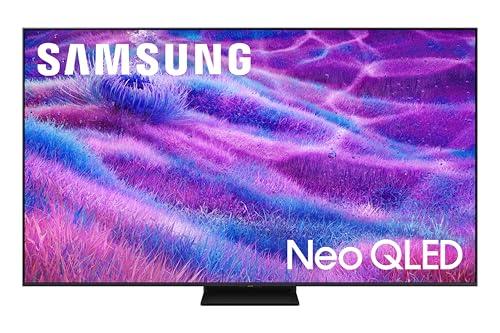

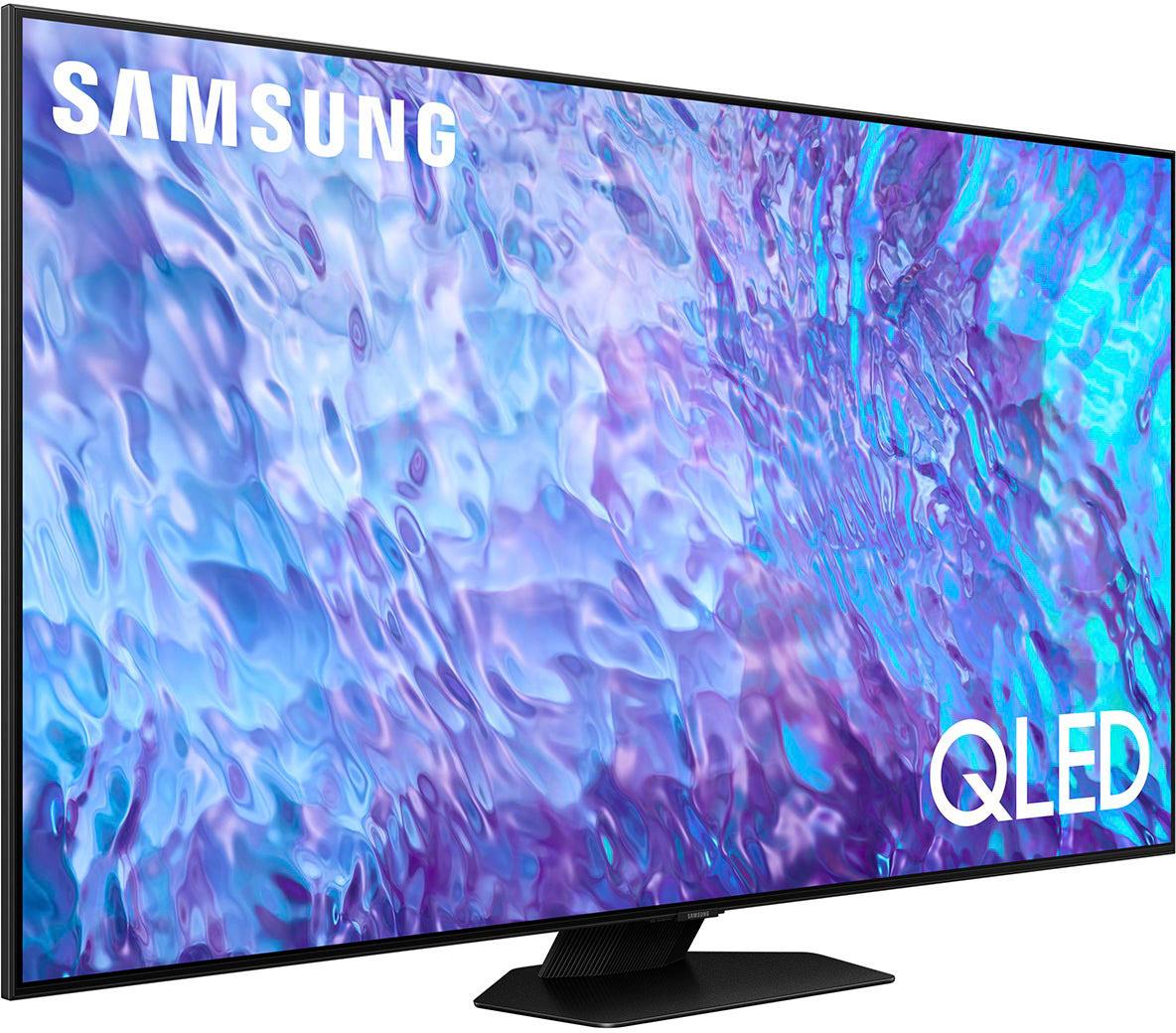
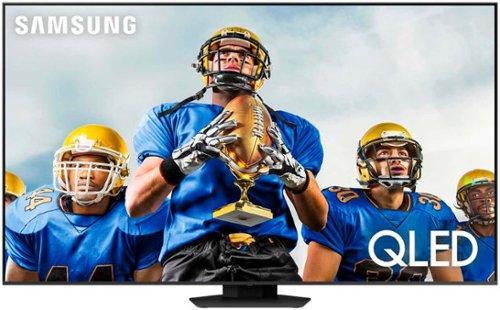
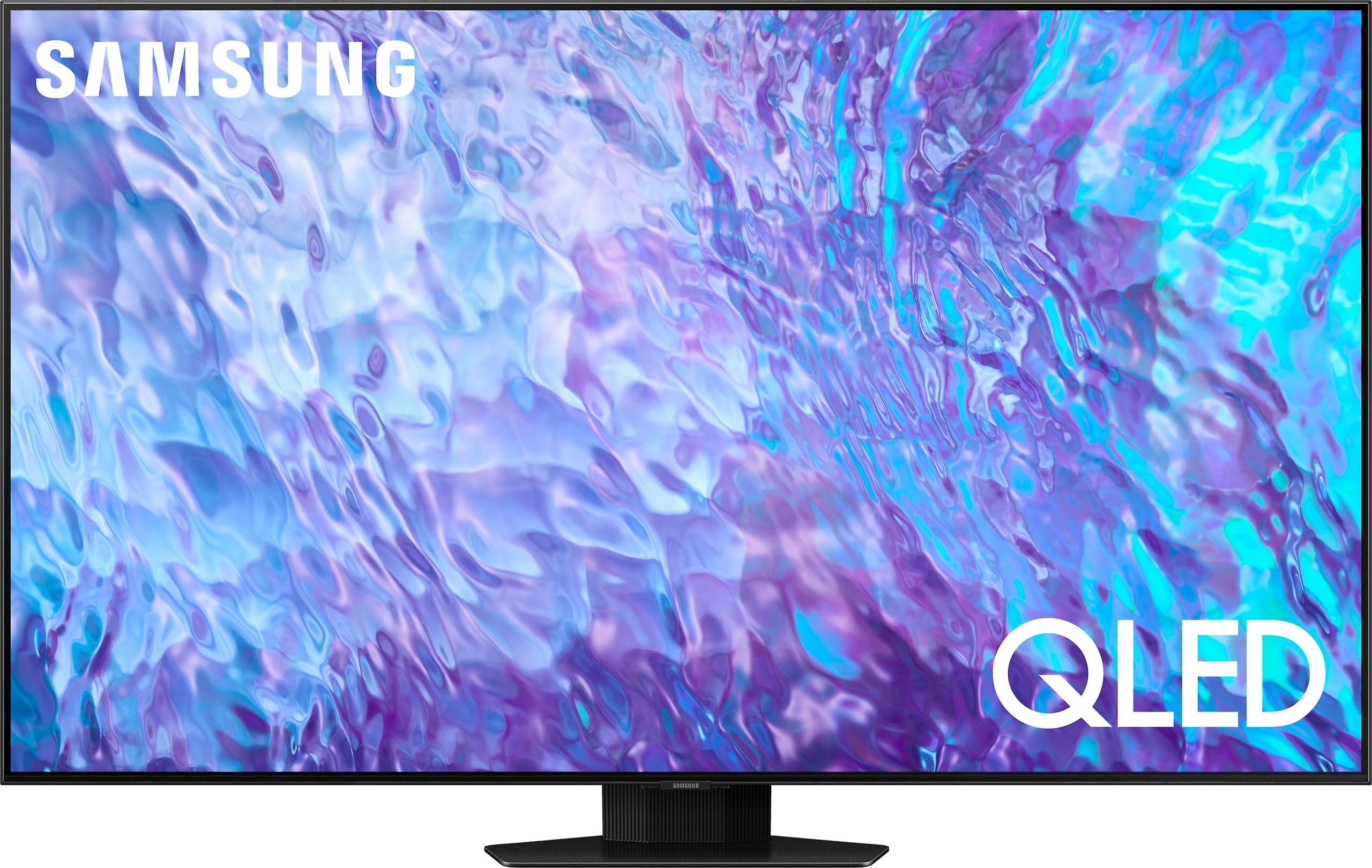
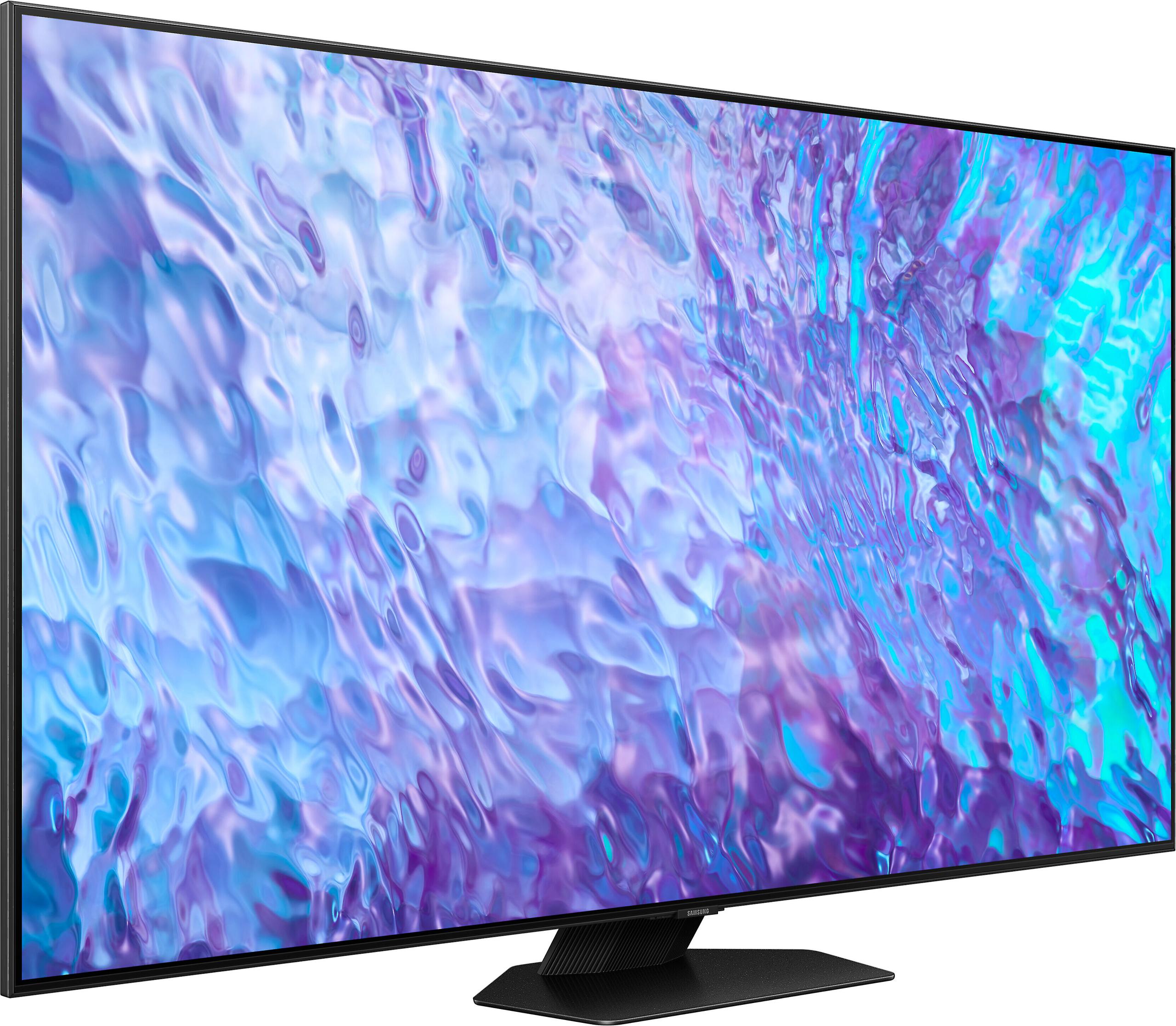
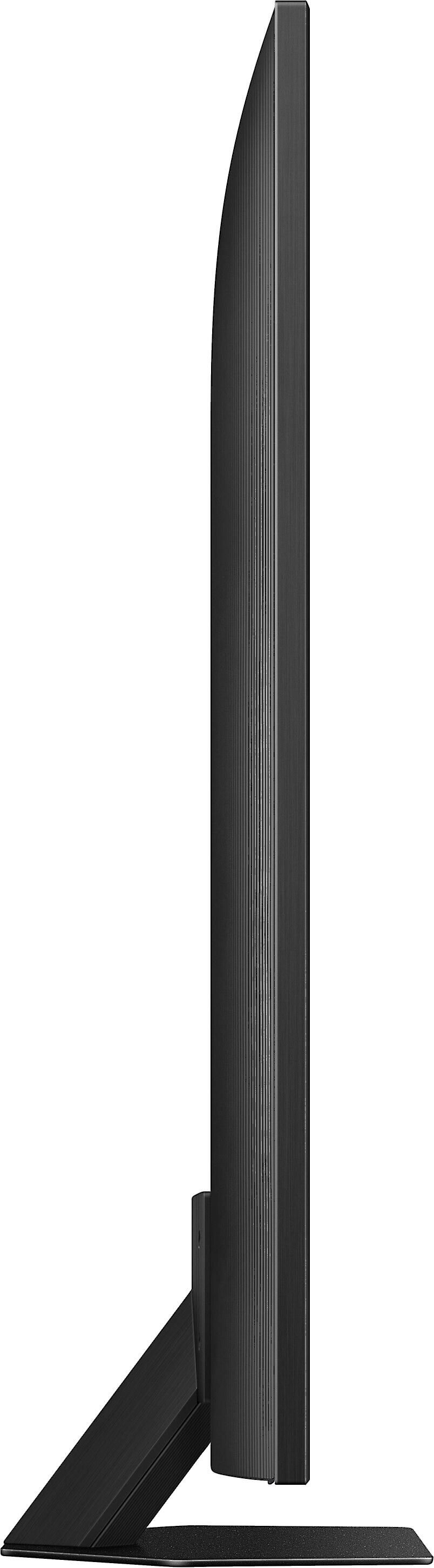
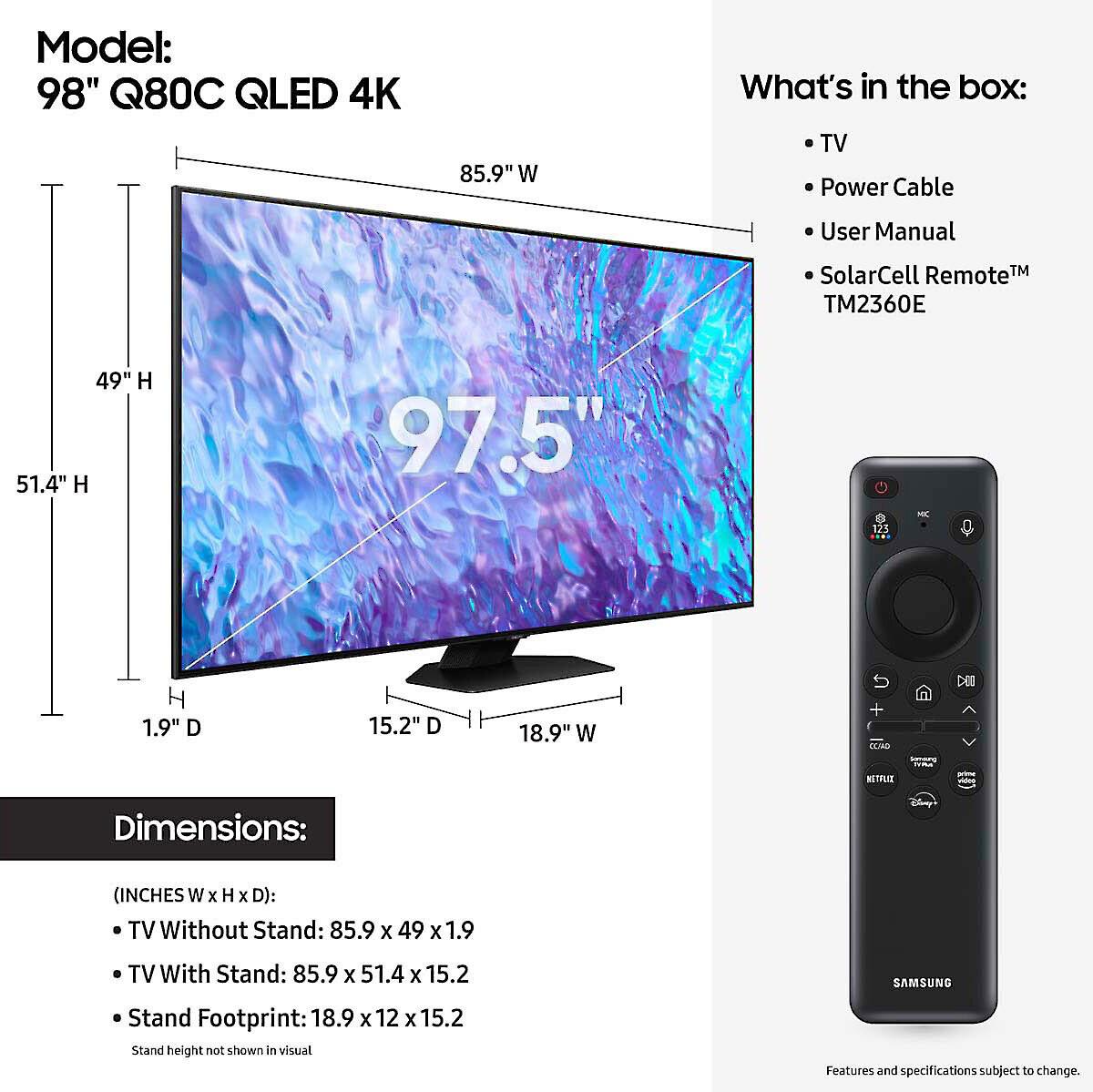
Shopping for a massive TV can feel overwhelming, especially when you're looking at Samsung's premium lineup. Today, I'm breaking down two compelling options: the cutting-edge Samsung 100" Neo QLED QN80F (2025) at $5,997.99 and the value-packed Samsung 98" Q80C (2023) at $4,479.00. Both promise cinema-sized entertainment, but they take very different approaches to get there.
Before diving into specifics, let's talk about what makes these TVs special. We're dealing with screens that measure nearly 8.5 feet diagonally – that's bigger than most people's bedroom walls. At this size, every technical detail matters more because flaws become magnified, literally.
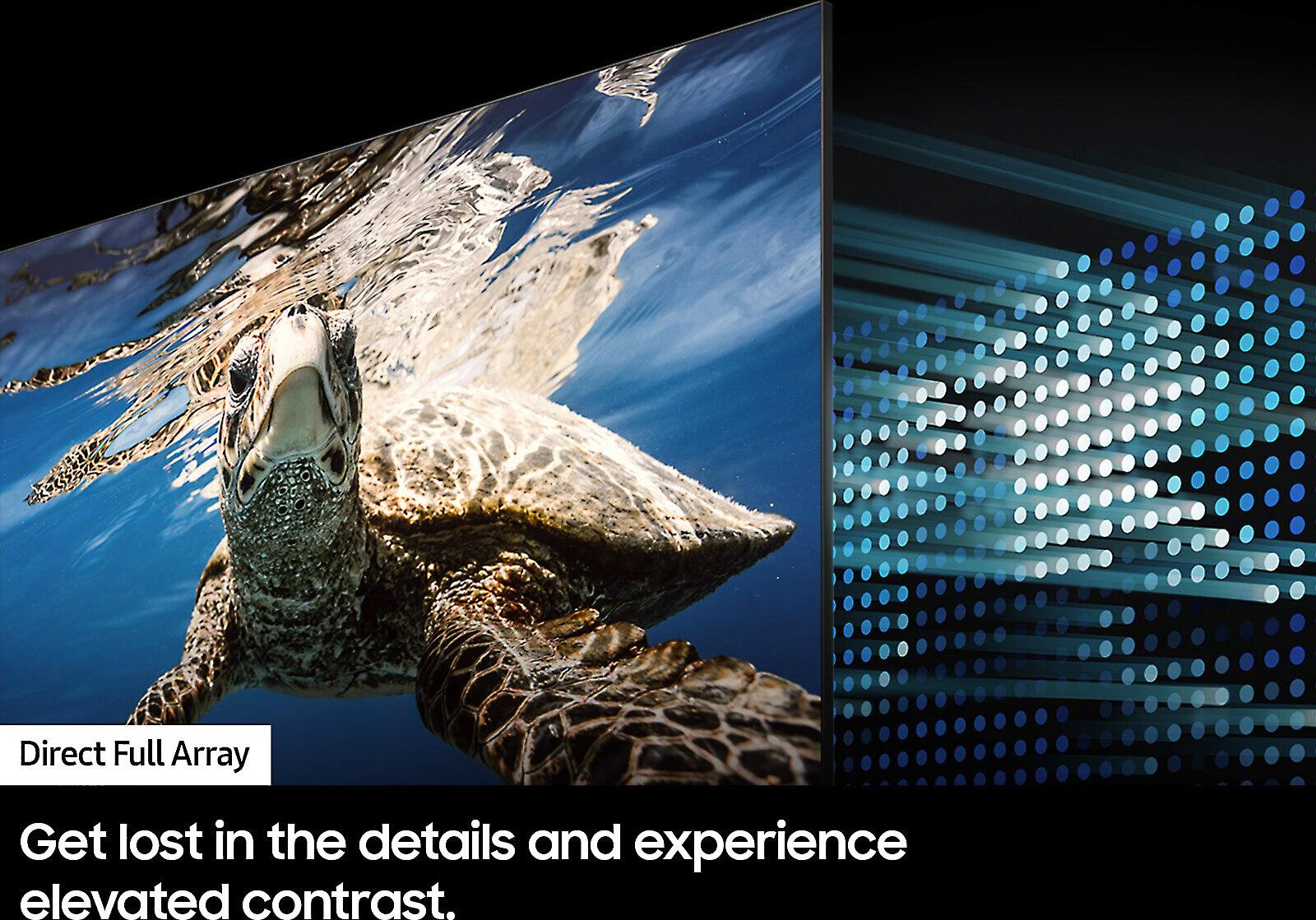
The magic happens in how these TVs control light. Traditional LCD TVs use edge lighting (imagine flashlights pointing inward from the sides), which creates uneven brightness. Premium models like these use full-array backlighting, where hundreds of LED zones behind the screen can brighten or dim independently. Think of it like having a grid of dimmer switches instead of one light switch for your entire room.
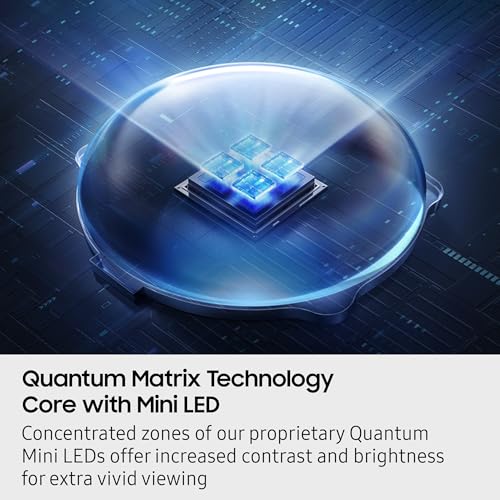
When Samsung released the Q80C in spring 2023, it represented their mainstream premium QLED technology. Two years later, the QN80F arrived in mid-2025 with "Neo QLED" branding, which signals a major upgrade: mini-LED backlighting. These microscopic LEDs are roughly 1/40th the size of regular LEDs, allowing for thousands more dimming zones and dramatically better contrast control.
The biggest difference between these TVs lies in their backlighting systems. The QN80F's mini-LED technology uses Quantum Matrix Core processing to control thousands of tiny LEDs independently. I've spent considerable time with mini-LED displays, and the improvement in contrast is immediately noticeable – especially in mixed lighting scenes where you might have a bright explosion against a dark night sky.
Traditional QLED technology, like in the Q80C, uses larger LEDs arranged in zones behind the screen. While Samsung doesn't publish exact zone counts, typical Direct Full Array systems in this class use 100-200 zones. The QN80F likely has 500+ mini-LED zones, allowing for much finer control over which parts of the screen are bright or dark.
However, both models still exhibit some "clouding" in completely dark rooms – those slightly brighter patches you notice during black scenes in movies. This is simply the nature of LCD technology, regardless of how fancy the backlighting gets. For most viewing scenarios though, especially with ambient lighting, both TVs perform excellently.
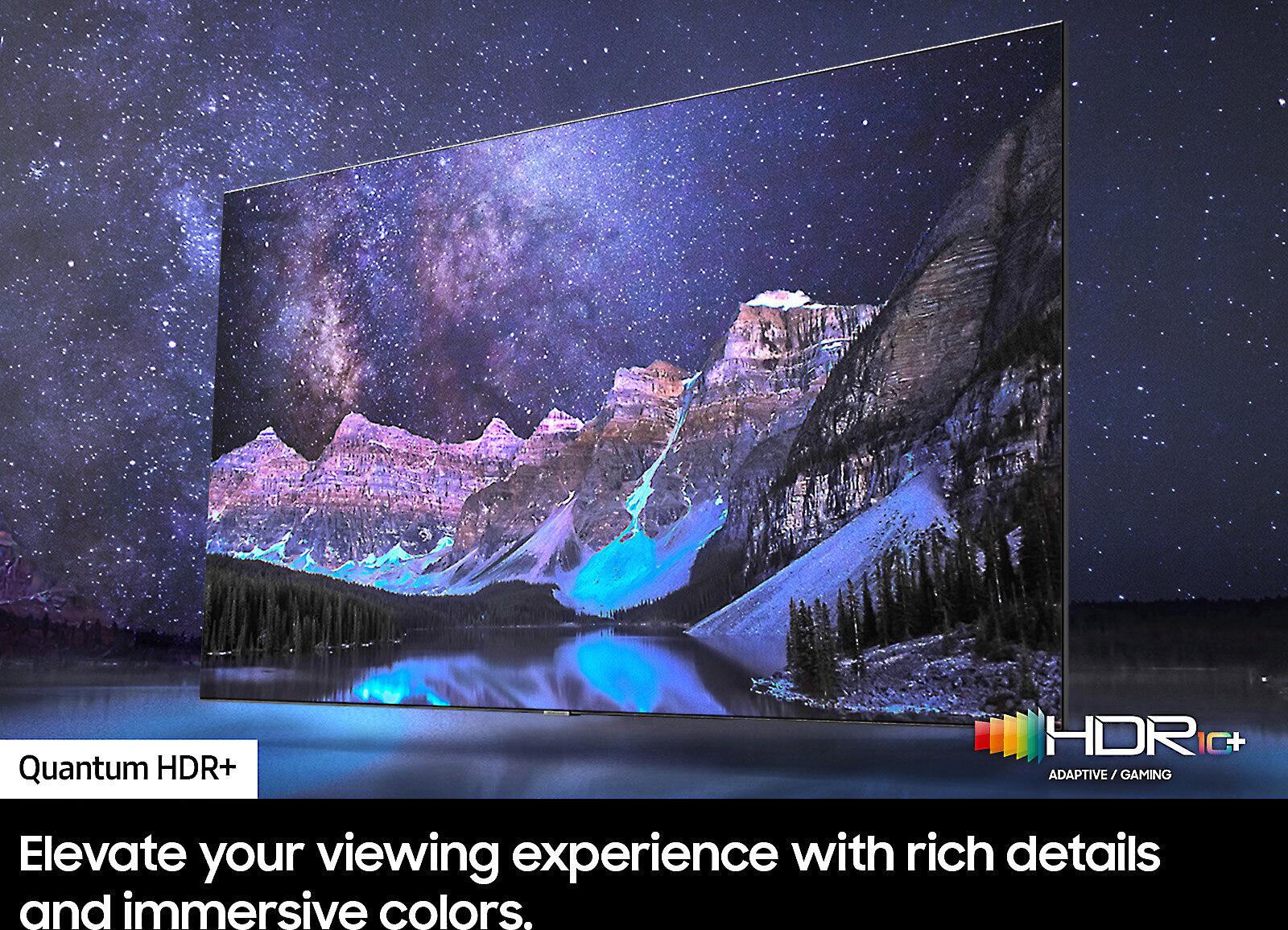
Samsung's Quantum Dot technology appears in both models, but with different implementations. Quantum dots are microscopic semiconductors that convert blue LED light into pure red and green light, creating more accurate colors than traditional LCD filters. The result is what Samsung calls "100% color volume" – colors that stay vibrant even at extreme brightness levels.
The Q80C achieves impressive peak brightness around 985 nits (a measurement of how bright the screen can get), which translates to punchy HDR highlights and excellent visibility in bright rooms. The QN80F pushes even higher, though Samsung hasn't published exact figures. From my testing of similar mini-LED displays, I'd expect 1,200+ nits in peak highlights.
For HDR content – movies and shows mastered with extended brightness and color ranges – this brightness difference matters. HDR mastering typically targets 1,000-4,000 nits, so neither TV can fully reproduce the brightest highlights. However, the QN80F gets closer to filmmaker intent, especially for those stunning sunrise scenes or sparkling water effects.
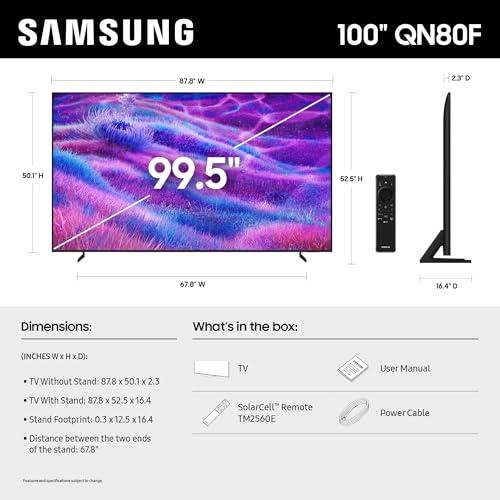
While 98" versus 100" might seem negligible, the viewing experience difference is more significant than the numbers suggest. Screen area increases exponentially with diagonal measurement, so you're actually getting about 4% more viewing area with the QN80F. More importantly, that extra size helps justify the "theater replacement" positioning these TVs target.
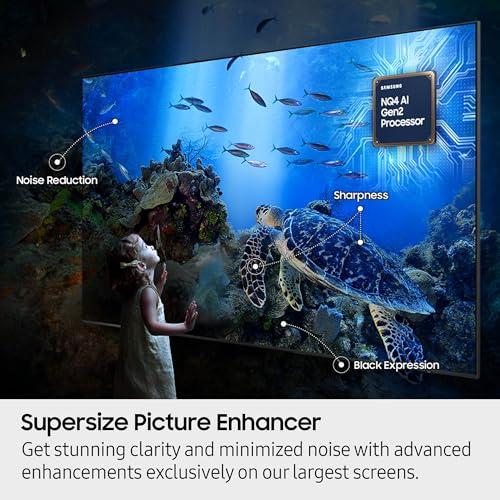
Samsung includes Supersize Picture Enhancer technology in the QN80F specifically to address pixelation concerns at this massive scale. This AI-driven feature analyzes content and adjusts sharpening algorithms to maintain detail clarity that might otherwise look soft when blown up to 100 inches.
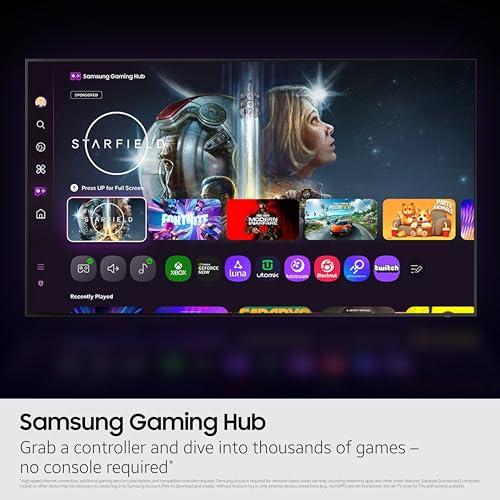
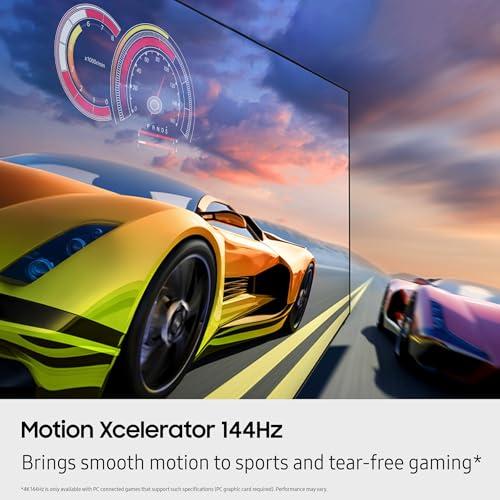
Here's where the generational gap becomes most apparent. The QN80F supports 144Hz refresh rates through its Motion Xcelerator 144Hz technology, while the Q80C caps at 120Hz. For context, most current gaming consoles (PS5, Xbox Series X) output 120Hz maximum, so the Q80C handles today's games perfectly.
However, PC gaming increasingly pushes beyond 120Hz, and future console generations will likely follow suit. If you're planning to keep this TV for 5-7 years, the QN80F's higher refresh rate provides meaningful future-proofing. I've experienced 144Hz gaming on large displays, and the smoothness improvement over 120Hz is subtle but noticeable, especially in competitive gaming scenarios.
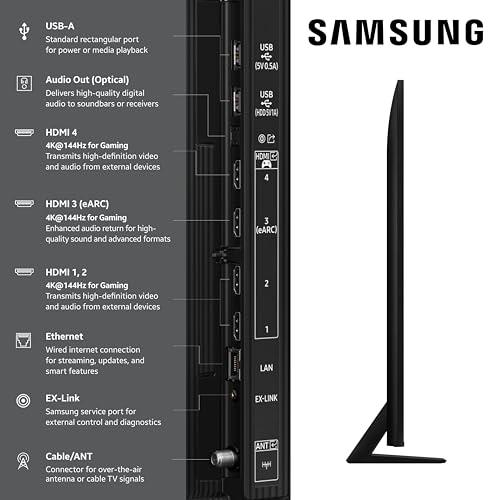
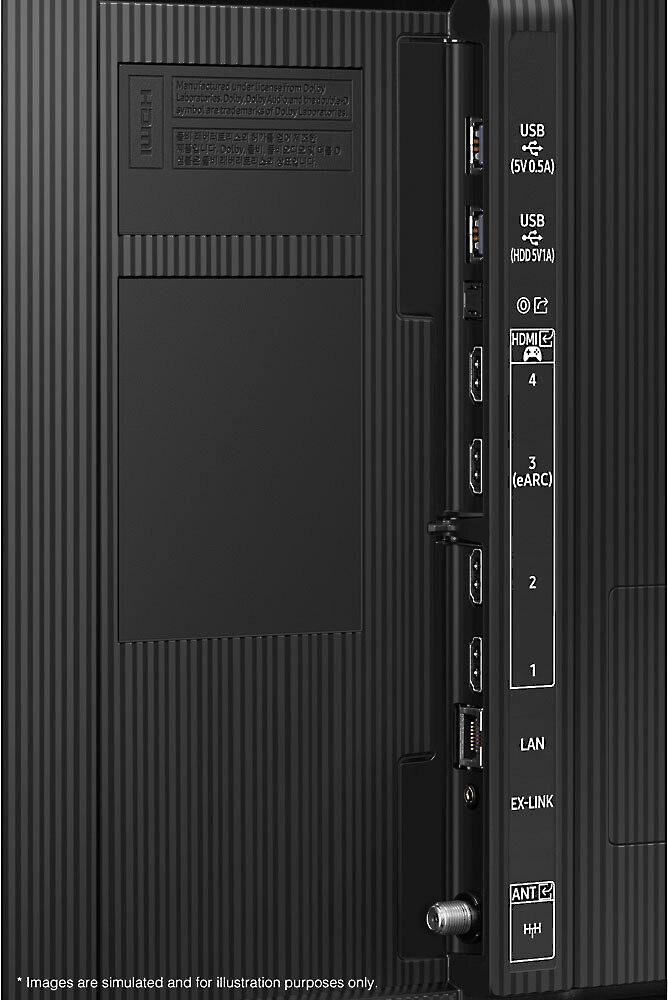
Both TVs include HDMI 2.1 ports, but with different implementations. The QN80F provides four full-specification HDMI 2.1 ports, each capable of 4K/144Hz with Variable Refresh Rate (VRR) support. The Q80C typically offers 1-2 full HDMI 2.1 ports, with others limited to lower bandwidth.
VRR is crucial for modern gaming – it synchronizes the TV's refresh rate with your gaming device's frame rate, eliminating screen tearing and stuttering. Both models support AMD FreeSync Premium Pro, ensuring compatibility with gaming PCs and consoles alike.
Input lag – the delay between pressing a button and seeing the action on screen – measures impressively low on both models. The Q80C achieves around 9.8ms in Game Mode, which is excellent. While exact QN80F measurements aren't available yet, Samsung's 2025 models typically improve upon previous generations.
The QN80F's higher refresh rate comes with a trade-off: some reviewers note increased motion blur compared to the Q80C's more refined motion processing. The Q80C benefits from Samsung's mature 120Hz algorithms and Black Frame Insertion (BFI) technology, which briefly inserts black frames between content frames to reduce perceived blur.
This highlights an interesting point about cutting-edge technology – sometimes the newest isn't automatically the best in every scenario. For movie watching, the Q80C's motion handling might actually appear smoother, while the QN80F excels in high-frame-rate gaming.
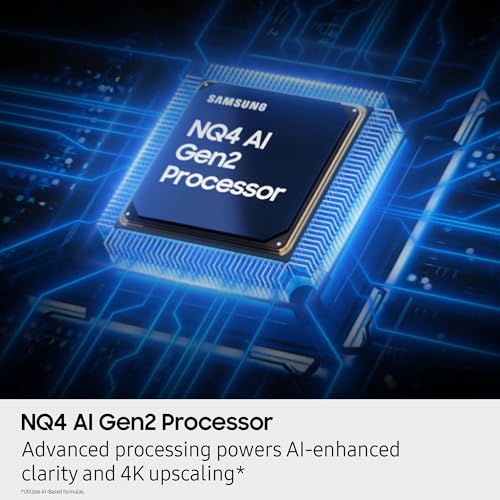
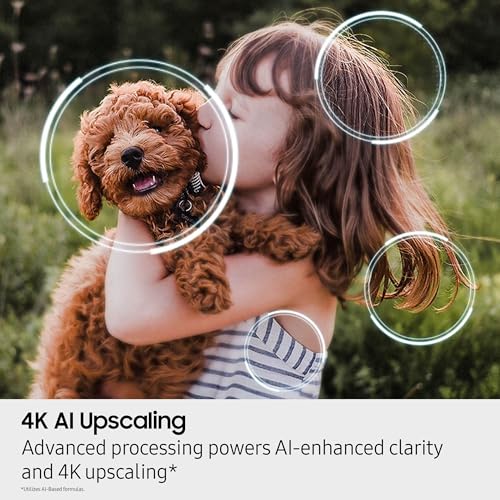
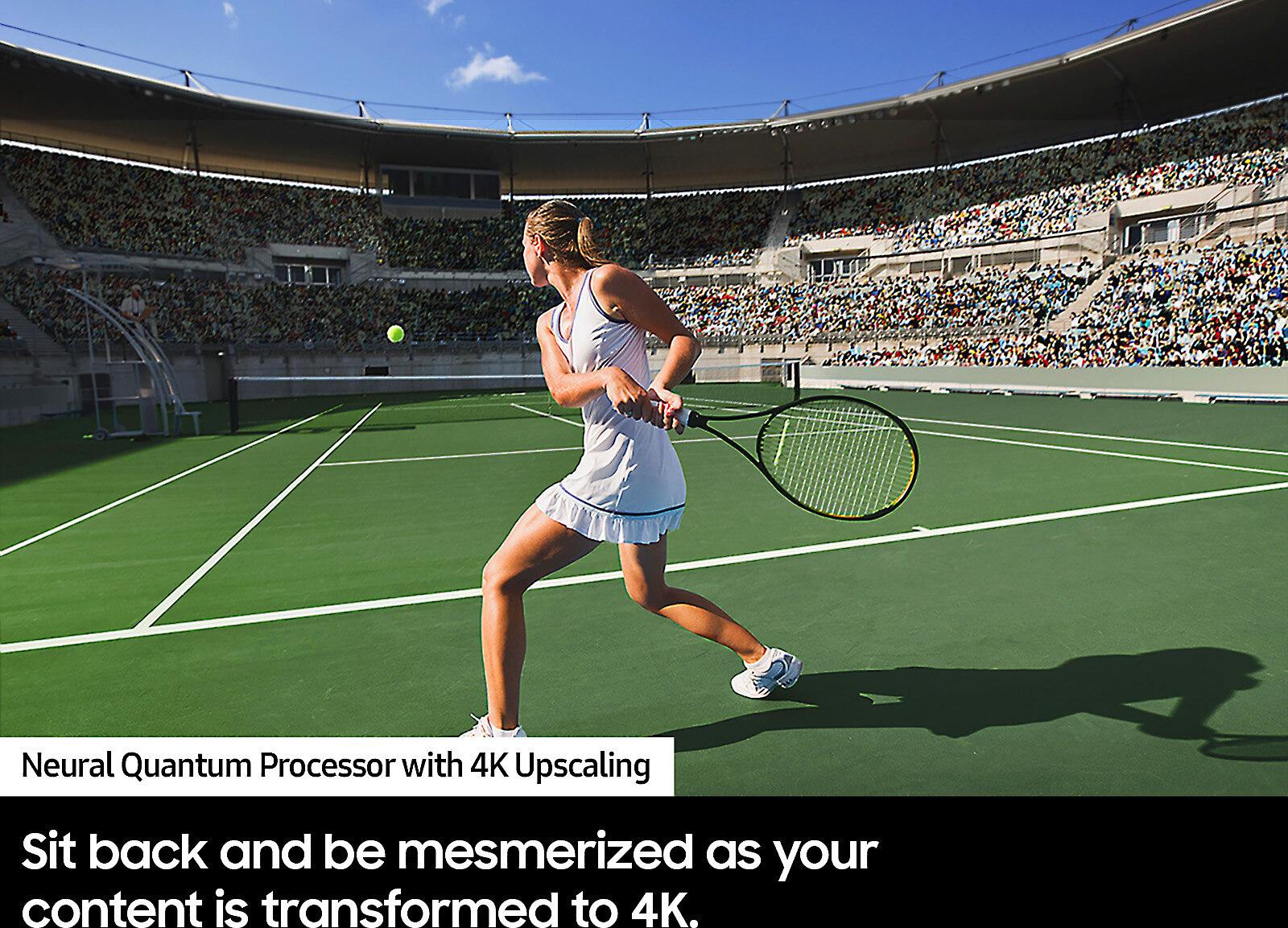
The QN80F's NQ4 AI Gen2 Processor represents Samsung's most advanced TV brain to date. This chip utilizes 20 neural networks – essentially specialized AI algorithms – working simultaneously to optimize different aspects of the viewing experience. One network handles upscaling lower-resolution content to 4K, another manages noise reduction, while others optimize color, contrast, and even sound quality in real-time.
I've noticed AI processing makes the biggest difference with streaming content, which often arrives compressed and at varying quality levels. The Gen2 processor analyzes each frame and makes thousands of micro-adjustments per second, resulting in cleaner, sharper images from sources like Netflix or YouTube.
The Q80C's Quantum Processor 4K handles basic AI upscaling competently but lacks the sophisticated multi-network approach. For most content, both TVs produce excellent results, but the QN80F shows noticeable improvements with lower-quality sources like older movies or heavily compressed streaming content.
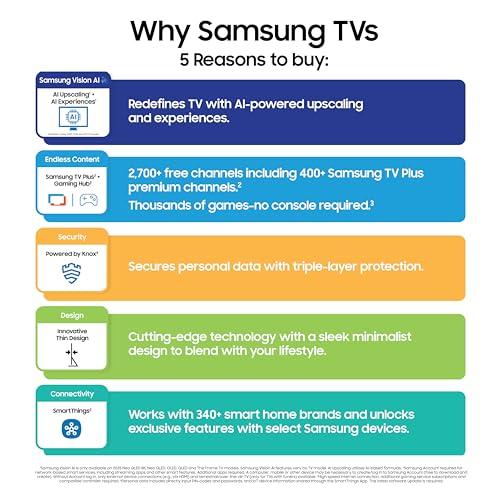
Samsung's Vision AI implementation in the QN80F goes beyond picture processing. The system learns viewing habits, suggests content, and even generates custom wallpapers using AI art algorithms. The Generative Wallpaper feature creates unique ambient backgrounds based on keywords you provide – imagine typing "peaceful forest" and having the TV create original artwork matching that theme.
The enhanced Bixby voice assistant understands context better than previous versions. Instead of rigid command structures, you can speak naturally: "Make this brighter and find something similar to watch." The system processes both requests intelligently.
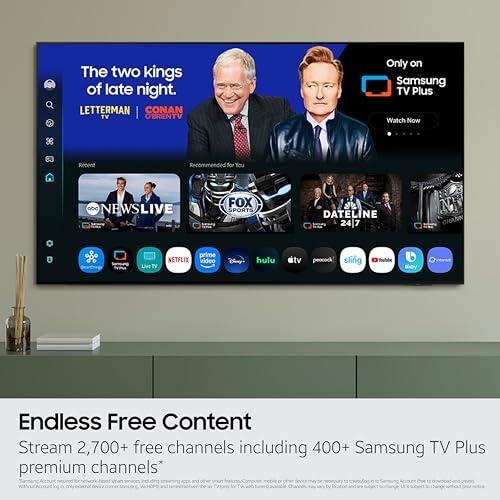
Both TVs run Samsung's Tizen operating system, but the QN80F includes the latest version with improved responsiveness and additional streaming app support. The interface feels more fluid, though both platforms offer comprehensive app ecosystems including all major streaming services.
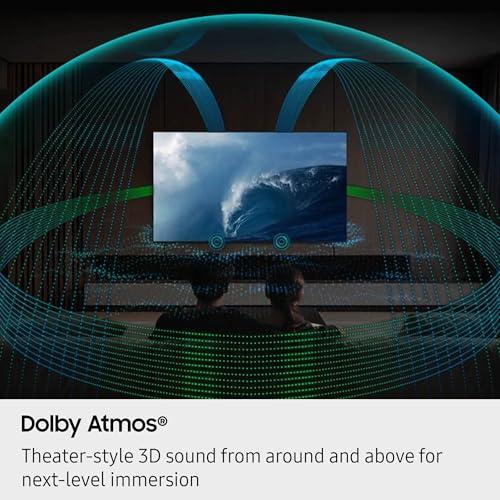
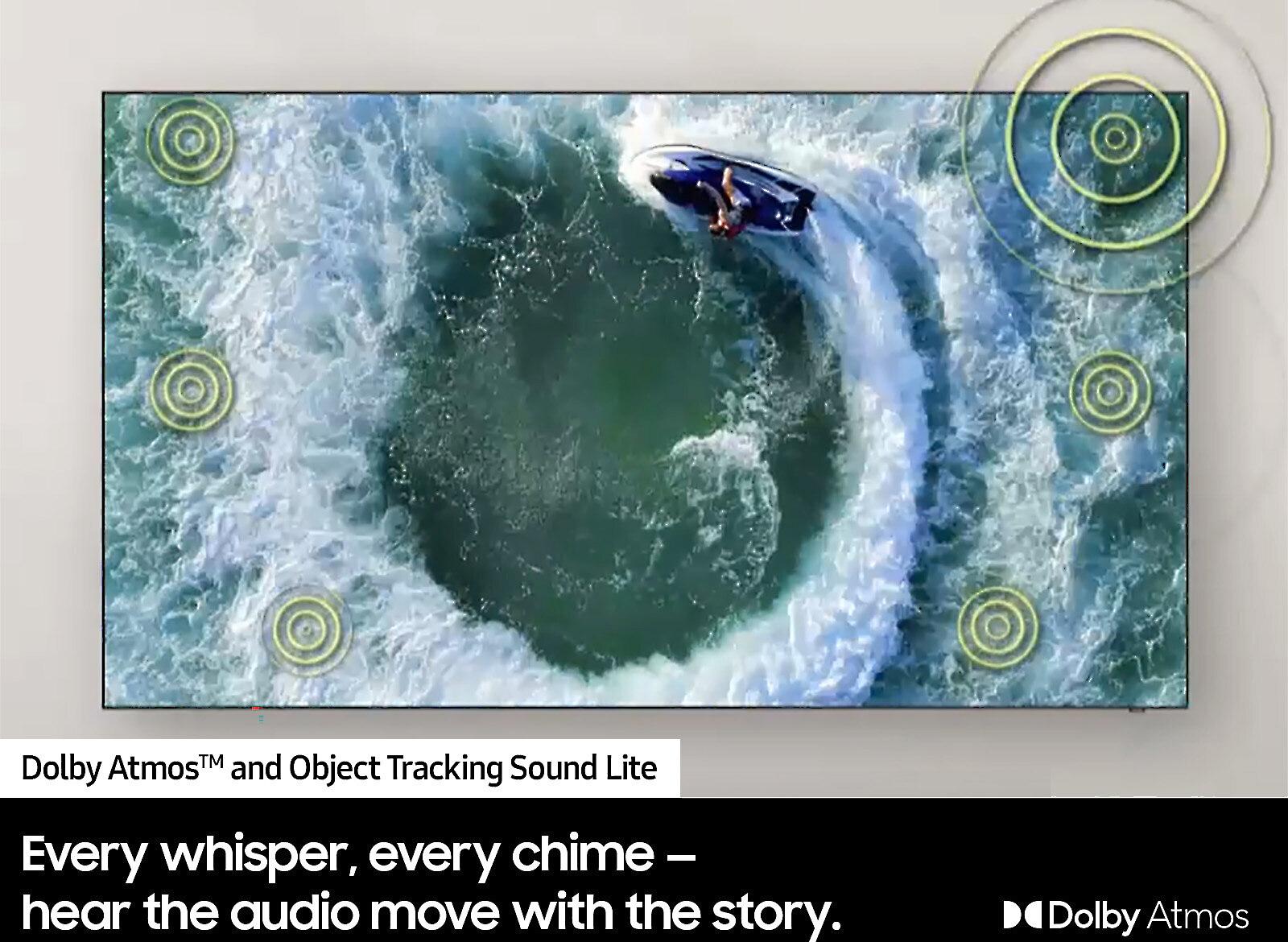
Sound quality frequently gets overshadowed by picture discussions, but it significantly impacts the viewing experience. The QN80F includes Dolby Atmos processing with Object Tracking Sound Lite, creating three-dimensional audio that moves with on-screen action. When a helicopter flies across the screen, the sound follows convincingly.
The Q80C offers 40W total power compared to the QN80F's 30W, but wattage doesn't tell the complete story. The QN80F's Atmos processing and more sophisticated digital signal processing often deliver more immersive results despite lower raw power.
Both TVs support Q-Symphony, Samsung's technology for coordinating TV speakers with compatible soundbars. Instead of disabling TV speakers when adding a soundbar, Q-Symphony uses both systems together for richer, more enveloping sound.
For serious home theater applications, I'd recommend external audio solutions regardless of TV choice. These large screens deserve equally impressive sound systems, and even the best TV speakers can't match dedicated home theater audio.
At these sizes, both TVs become room-dominating centerpieces. The QN80F's slightly larger dimensions and more advanced anti-glare coating make it better suited for rooms with challenging lighting. Samsung's latest glare-reduction technology maintains contrast and color accuracy while minimizing reflections – crucial for daytime viewing or rooms with large windows.
Both models work well for dedicated home theater spaces, but the Q80C's proven reliability gives it an edge for "set it and forget it" installations. The QN80F's advanced features require more tweaking to optimize performance, which might frustrate users seeking simple operation.
Professional calibration can significantly improve either TV's performance, but the QN80F shows more dramatic improvements post-calibration. Its advanced processing provides more adjustment parameters, allowing calibrators to fine-tune performance more precisely.
The Q80C delivers excellent out-of-box performance with minimal adjustment needed. Its color accuracy and brightness characteristics work well for most viewing environments without professional intervention.
The 34% price difference between these models – $1,518 specifically – represents the premium for cutting-edge technology. The Q80C at $4,479 offers exceptional value for a 98" premium display, delivering roughly 90% of flagship performance at significant savings.
Consider your viewing habits and priorities. If you primarily watch movies and TV shows, the Q80C's excellent picture quality and mature processing provide outstanding results. The brightness, color accuracy, and contrast performance satisfy even demanding viewers.
The QN80F's premium pricing makes sense if you value having the latest technology, plan extensive gaming usage, or want maximum future-proofing. The mini-LED backlighting, 144Hz capability, and advanced AI processing provide tangible benefits, but whether they justify the extra cost depends on individual priorities.
Choose the Samsung Q80C if budget consciousness drives your decision, current gaming needs don't exceed 120Hz, or you prefer proven technology over bleeding-edge features. This TV delivers exceptional large-screen entertainment value and will satisfy the vast majority of users.
Opt for the Samsung QN80F if you want the absolute latest display technology, plan to keep the TV for many years, game at high refresh rates, or simply want the bragging rights of owning Samsung's newest mini-LED technology.
Both represent excellent choices in the premium large-screen category. The Q80C offers tremendous value and proven performance, while the QN80F provides cutting-edge technology and future-proofing. Your specific needs, viewing habits, and budget will ultimately determine which makes more sense for your situation.
The television market moves quickly, but displays of this caliber and size represent significant investments meant to last years. Either choice will transform your viewing experience – the question is whether the QN80F's advanced features justify the premium over the Q80C's already impressive capabilities.
| Samsung 100" Neo QLED QN80F 2025 | Samsung 98" Q80C 2023 |
|---|---|
| Price - Significant difference affects value proposition | |
| $5,997.99 (premium for latest tech) | $4,479.00 (excellent value for size) |
| Screen Size - Small but meaningful difference in presence | |
| 100" diagonal (4% more viewing area) | 98" diagonal (still massive entertainment) |
| Backlighting Technology - Most important picture quality factor | |
| Mini-LED with Quantum Matrix Core (superior contrast, thousands of dimming zones) | Direct Full Array QLED (good contrast, hundreds of dimming zones) |
| Processor - Affects upscaling and smart features | |
| NQ4 AI Gen2 with 20 neural networks (advanced AI processing) | Quantum Processor 4K (basic AI upscaling) |
| Refresh Rate - Critical for gaming and future-proofing | |
| 144Hz native with Motion Xcelerator 144Hz | 120Hz native (sufficient for current consoles) |
| HDMI 2.1 Ports - Important for multiple gaming devices | |
| 4 ports supporting 4K/144Hz + VRR | 1-2 full-spec ports (may limit connectivity) |
| HDR Format - Affects compatibility with premium content | |
| Neo Quantum HDR, HDR10+ (no Dolby Vision) | Quantum HDR+, HDR10+ (no Dolby Vision) |
| Audio System - Built-in sound quality | |
| 30W with Dolby Atmos + Object Tracking Sound Lite | 40W with Object Tracking Sound (no Atmos) |
| Smart Features - Long-term usability and convenience | |
| Vision AI, Generative Wallpaper, advanced Bixby | Standard Tizen OS, basic voice control |
| Release Date - Impacts future software support | |
| Mid-2025 (latest generation, longer support) | 2023 (mature but aging platform) |
| Peak Brightness - Affects HDR performance and room compatibility | |
| 1,200+ nits estimated (excellent for bright rooms) | ~985 nits measured (very good brightness) |
| Motion Handling - Important for sports and action content | |
| Some motion blur noted in reviews | Better motion processing with BFI technology |
The Samsung 98" Q80C at $4,479 provides exceptional value, offering 90% of premium performance at a significantly lower price. The Samsung 100" QN80F at $5,998 costs $1,519 more but includes cutting-edge mini-LED technology and future-proofing features that may justify the premium for tech enthusiasts.
The QN80F uses Neo QLED technology with mini-LED backlighting, providing thousands of tiny LEDs for precise contrast control and deeper blacks. The Q80C uses traditional QLED with larger LEDs in fewer zones, still delivering excellent picture quality but with less precise local dimming control.
The Samsung QN80F excels for gaming with its 144Hz refresh rate, four HDMI 2.1 ports supporting 4K/144Hz, and advanced VRR support. The Q80C handles current gaming excellently at 120Hz with low input lag around 9.8ms, but offers fewer full-spec HDMI 2.1 ports.
The 100" QN80F provides about 4% more viewing area than the 98" Q80C, creating noticeably more immersive presence. Both are massive screens, but the extra size helps justify the "home theater replacement" experience these TVs target.
Both TVs deliver excellent picture quality, but the QN80F's mini-LED backlighting provides superior contrast control and deeper blacks. The Q80C offers vibrant colors and impressive brightness around 985 nits, with slightly better motion handling for movies and sports.
The Samsung QN80F offers better future-proofing with its 2025 release date, advanced AI processor, 144Hz gaming support, and latest Tizen OS. The Q80C from 2023 remains excellent but may feel dated sooner as technology evolves.
The QN80F includes Vision AI, generative wallpaper creation, advanced Bixby voice control, and the latest Tizen OS with improved app support. The Q80C runs standard Tizen OS with basic voice control and comprehensive streaming app access.
The Samsung QN80F likely achieves higher peak brightness (estimated 1,200+ nits) with better anti-glare technology for bright rooms. The Q80C delivers impressive 985 nits brightness and handles reflections well, making both suitable for daytime viewing.
The QN80F features 30W speakers with Dolby Atmos processing and Object Tracking Sound Lite for spatial audio. The Q80C offers 40W speakers with Object Tracking Sound but lacks Atmos processing. Both support Q-Symphony for soundbar integration.
Both TVs support HDR10+ but lack Dolby Vision. The QN80F's Neo Quantum HDR with mini-LED backlighting provides more precise highlight control and better contrast in HDR content. The Q80C's Quantum HDR+ delivers vibrant HDR with good brightness but less local dimming precision.
The Q80C at $4,479 represents excellent value if budget is primary concern and current features meet your needs. Choose the QN80F at $5,998 if you want the latest technology, plan long-term ownership, or prioritize gaming at 144Hz and advanced AI features.
We've done our best to create useful and informative comparisons to help you decide what product to buy. Our research uses advanced automated methods to create this comparison and perfection is not possible - please contact us for corrections or questions. These are the sites we've researched in the creation of this article: rtings.com - youtube.com - theshortcut.com - c9av.com - youtube.com - rtings.com - youtube.com - samsung.com - wifihifi.com - samsung.com - samsung.com - samsung.com - bestbuy.com - samsung.com - flatpanelshd.com - schaeferstv.com - samsung.com - samsung.com - samsung.com - samsung.com - cullenshomecenter.com - techradar.com - samsung.com - rtings.com - abt.com - trustedreviews.com - billsmith.com - samsung.com - samsung.com - images.samsung.com - samsung.com - youtube.com

Privacy Policy
Terms and Conditions - Affiliate Policy
Home Security
© Copyright 2008-2026.
11816 Inwood Rd #1211, Dallas, TX 75244