

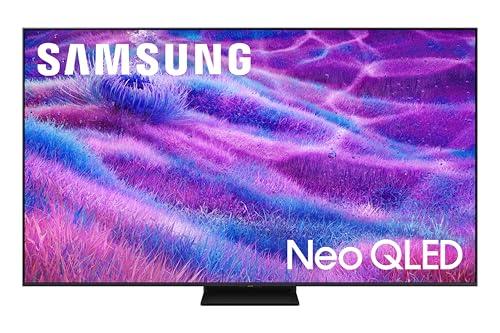

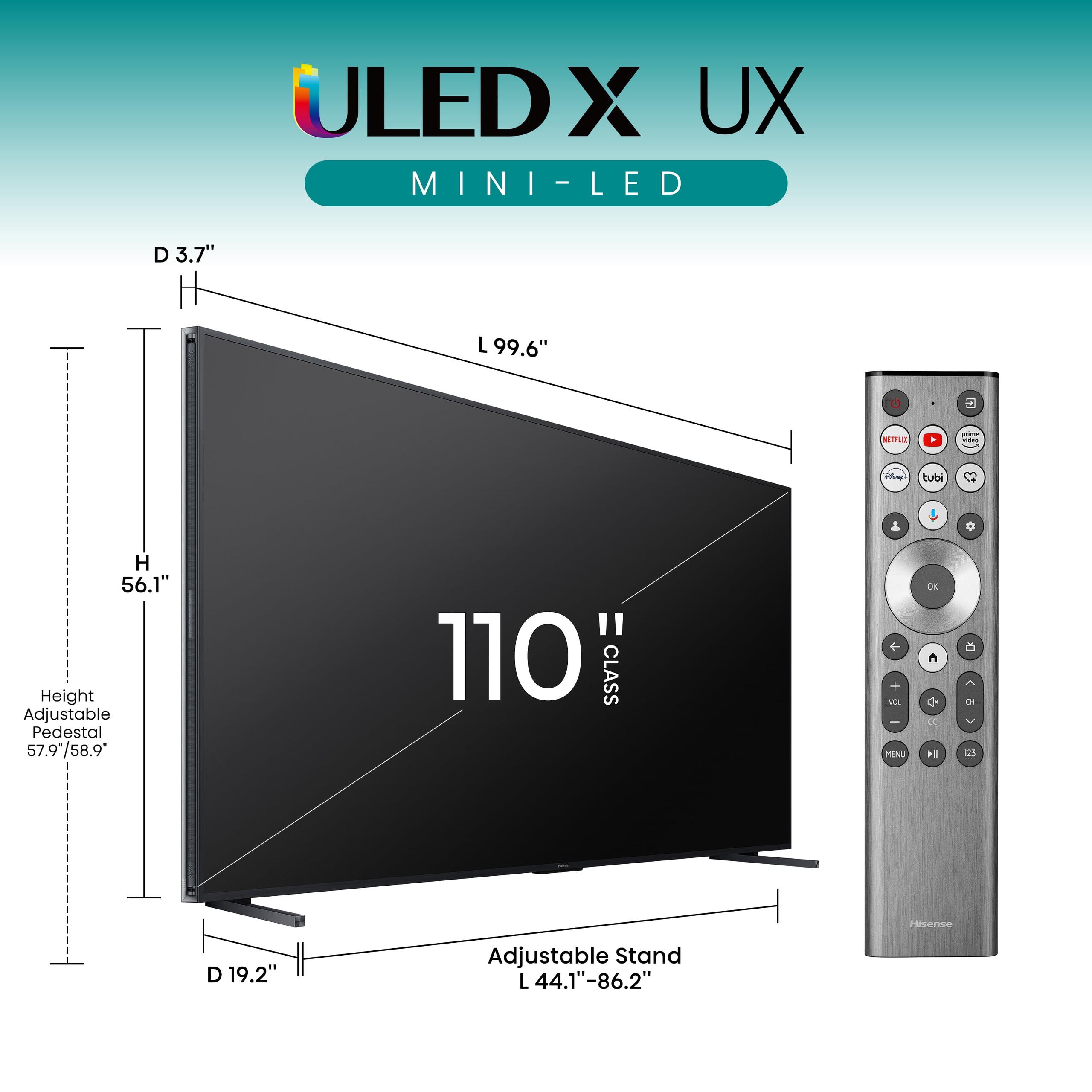

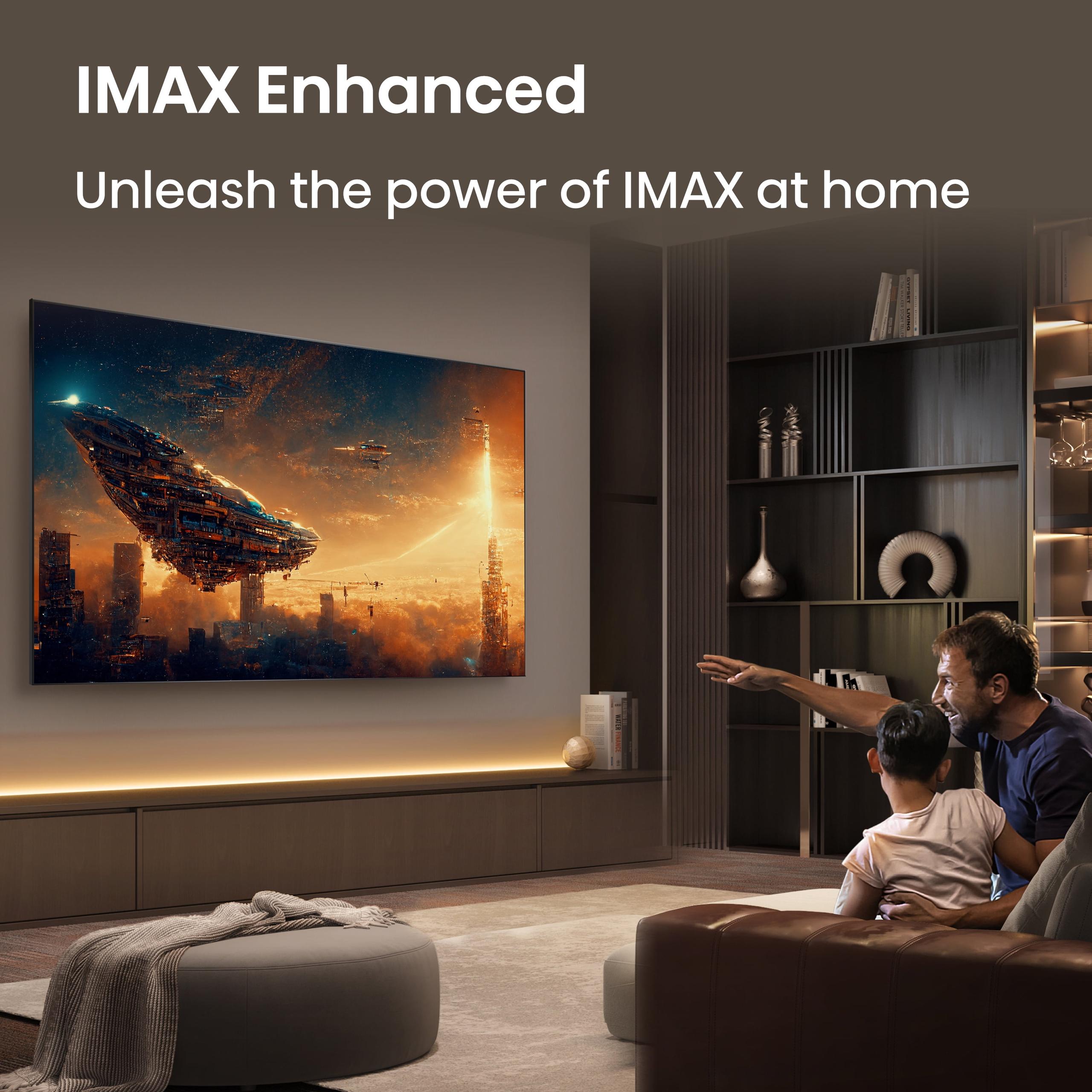
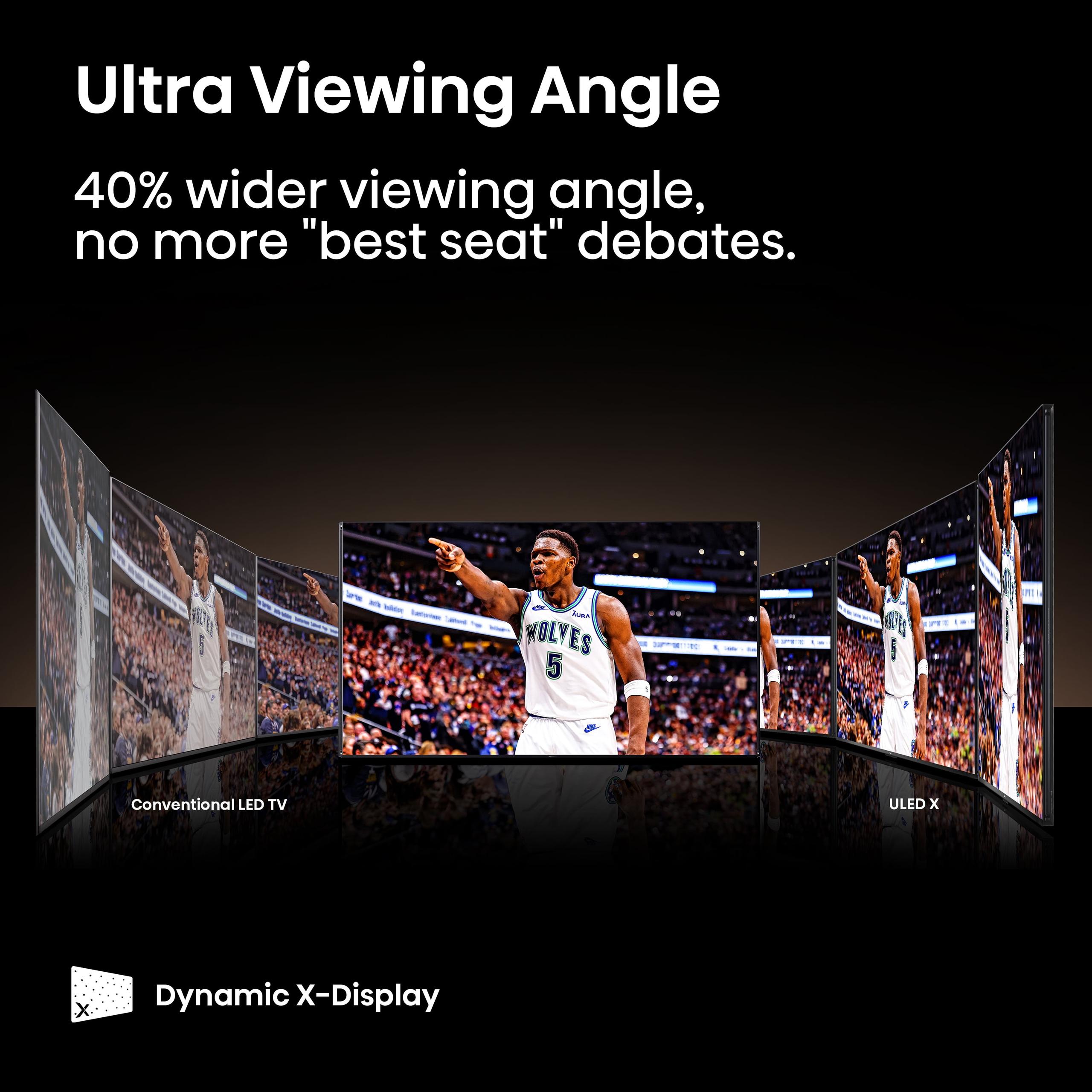
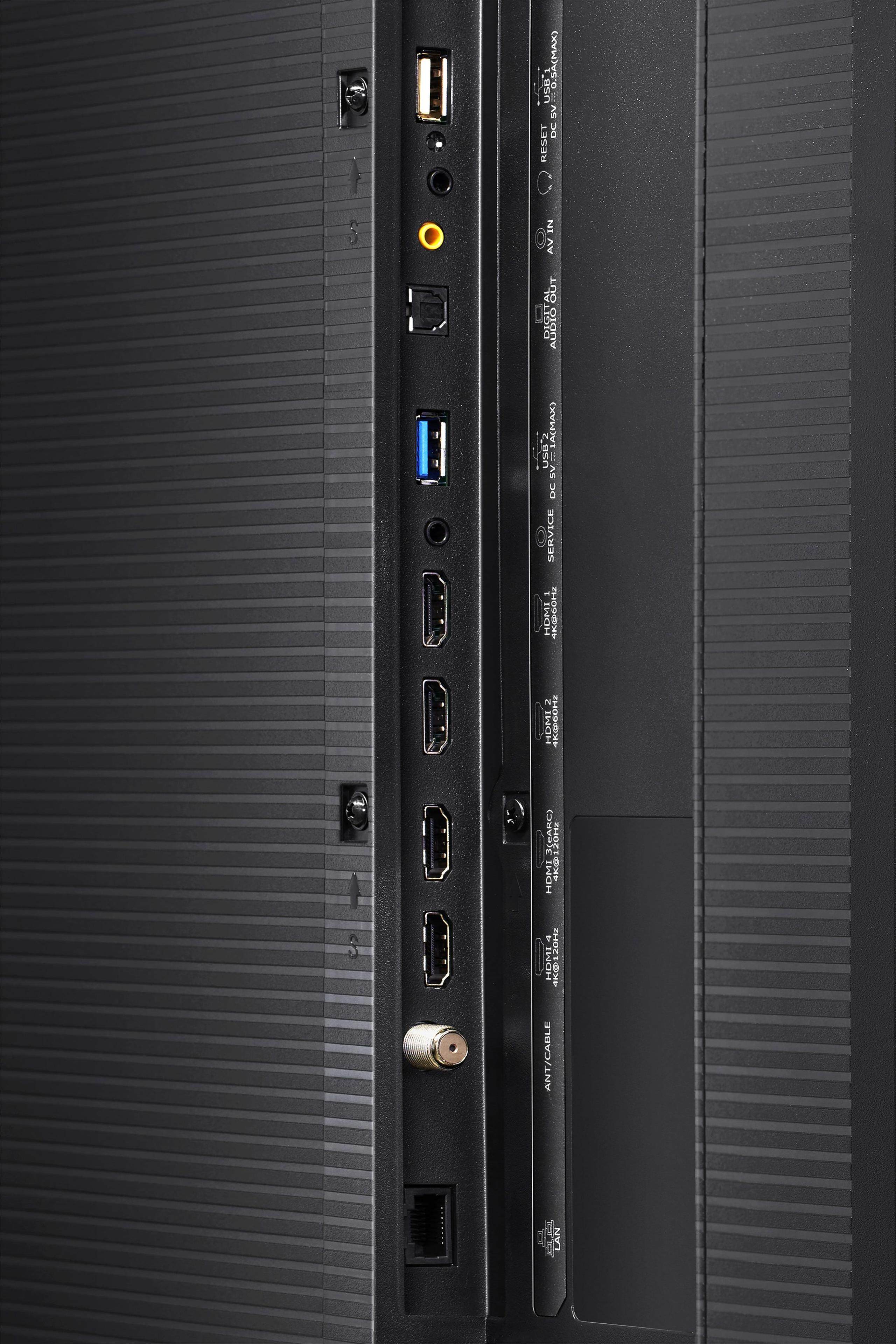
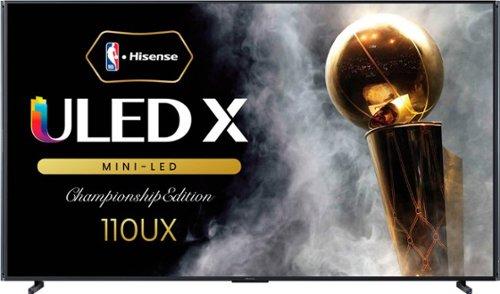
If you're in the market for a truly massive TV that can transform your living room into a home theater, you've probably narrowed it down to two compelling options: the Samsung 100" Neo QLED QN80F at $5,997.99 and the Hisense 110" UX Series at $14,999.99. Both represent the cutting edge of large-format display technology, but they take dramatically different approaches to delivering that cinema-scale experience.
When we talk about 100+ inch TVs, we're entering territory that was dominated by projectors just a few years ago. These displays are engineering marvels that pack thousands of individually controlled LED zones into panels larger than most people's dining room tables. The main challenge manufacturers face is maintaining picture quality, brightness, and color accuracy across such a massive surface while keeping costs somewhat reasonable.
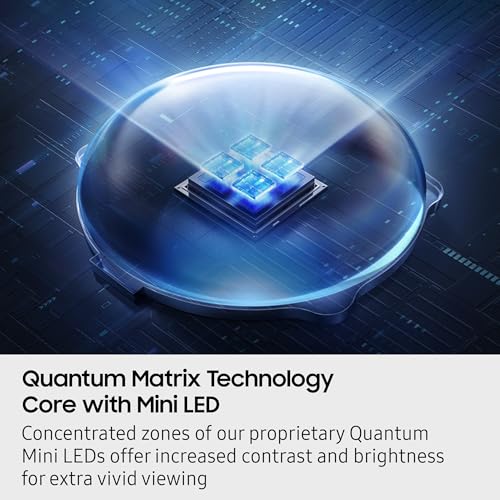
The key technologies that make this possible are Mini-LEDs (thousands of tiny LEDs that provide backlighting) and local dimming zones (areas of the screen that can independently adjust brightness). Think of it like having thousands of tiny flashlights behind your screen that can turn on and off individually to create perfect blacks right next to brilliant whites.
Both Samsung and Hisense released their latest flagship models in early 2025, incorporating lessons learned from previous generations and responding to consumer demand for larger, brighter displays that can compete with premium projector setups.
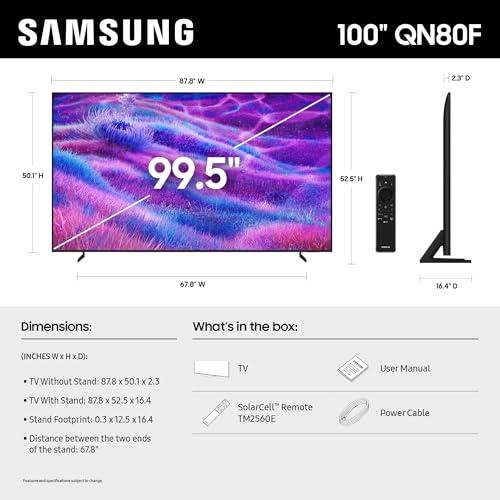
The Samsung QN80F represents what I'd call the "democratic flagship" approach. Samsung released this model in March 2025 as their answer to consumers who wanted premium large-screen technology without paying flagship prices. At $5,997.99, it's positioned as the sweet spot between Samsung's entry-level offerings and their ultra-premium QN90F series.
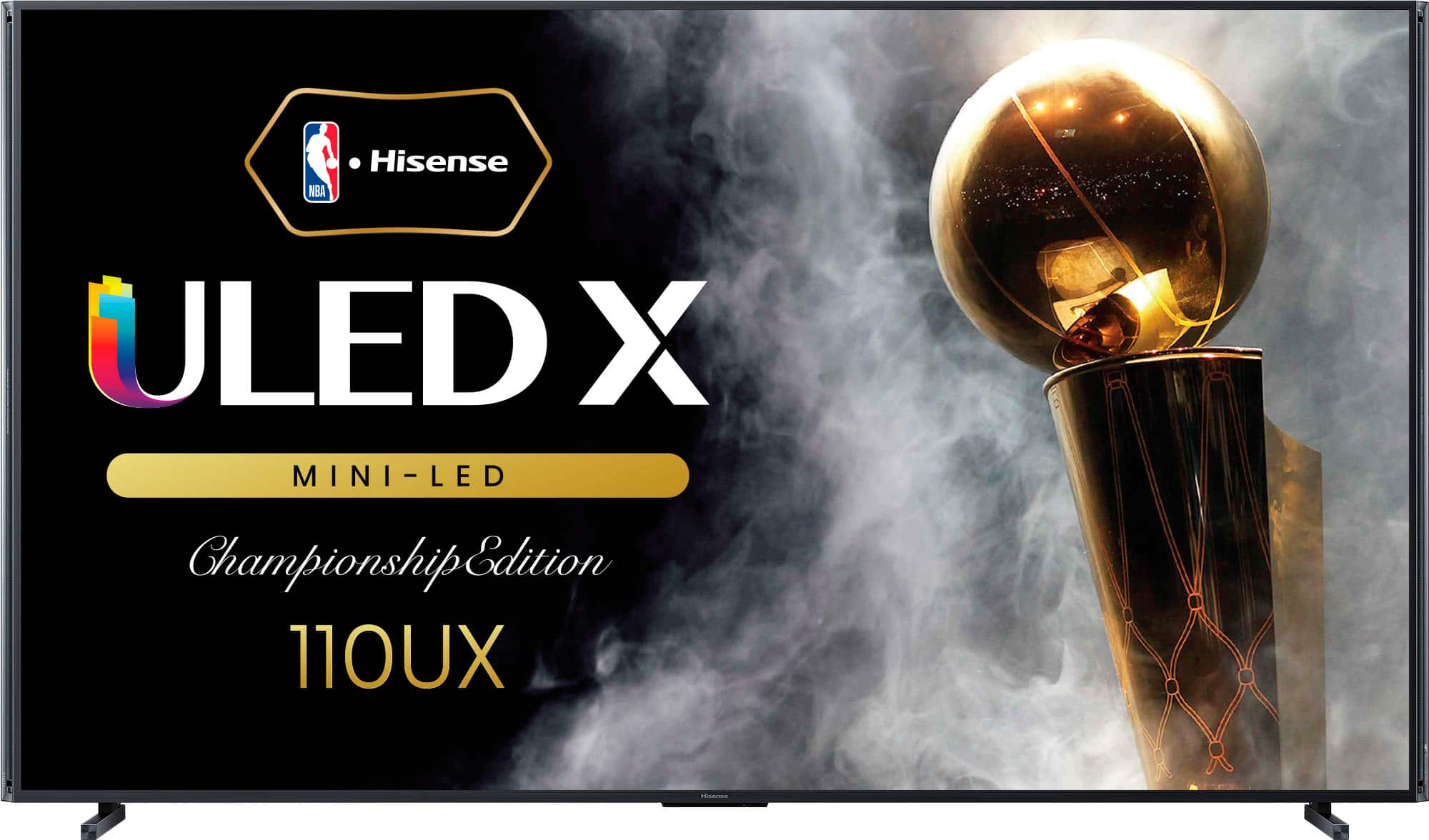
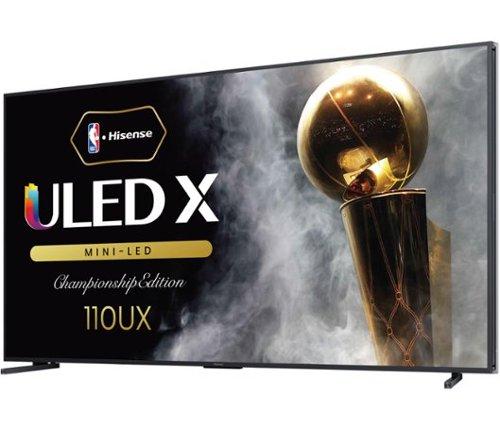
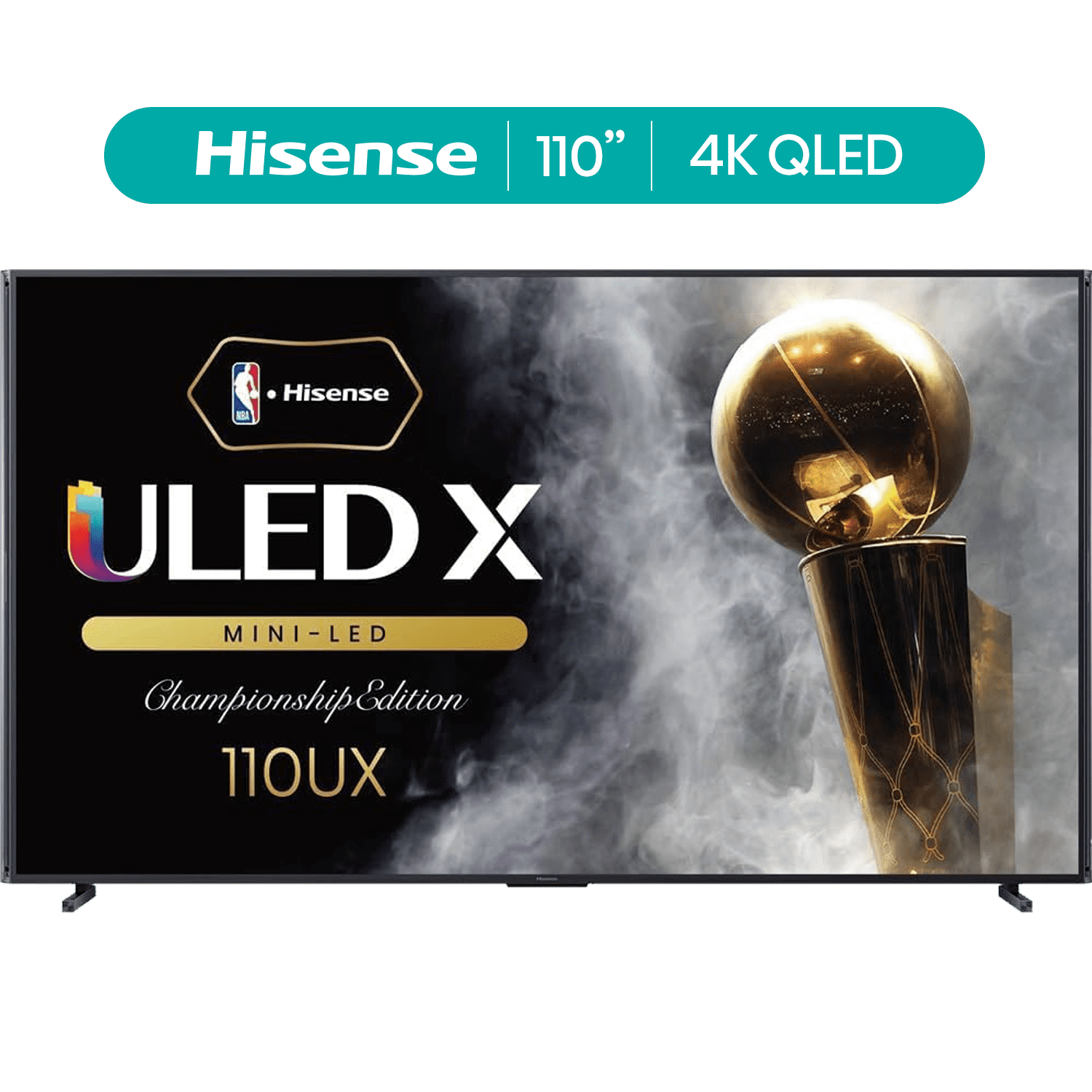
The Hisense UX Series, on the other hand, is Hisense's "no compromises" statement piece. Released in late 2024 as their 2025 flagship, it's priced at $14,999.99 and designed to compete with the absolute best displays money can buy, regardless of cost.
This price difference isn't arbitrary – it reflects fundamentally different design philosophies and target audiences. Samsung focused on delivering 80% of flagship performance at 40% of the cost, while Hisense prioritized absolute picture quality over accessibility.
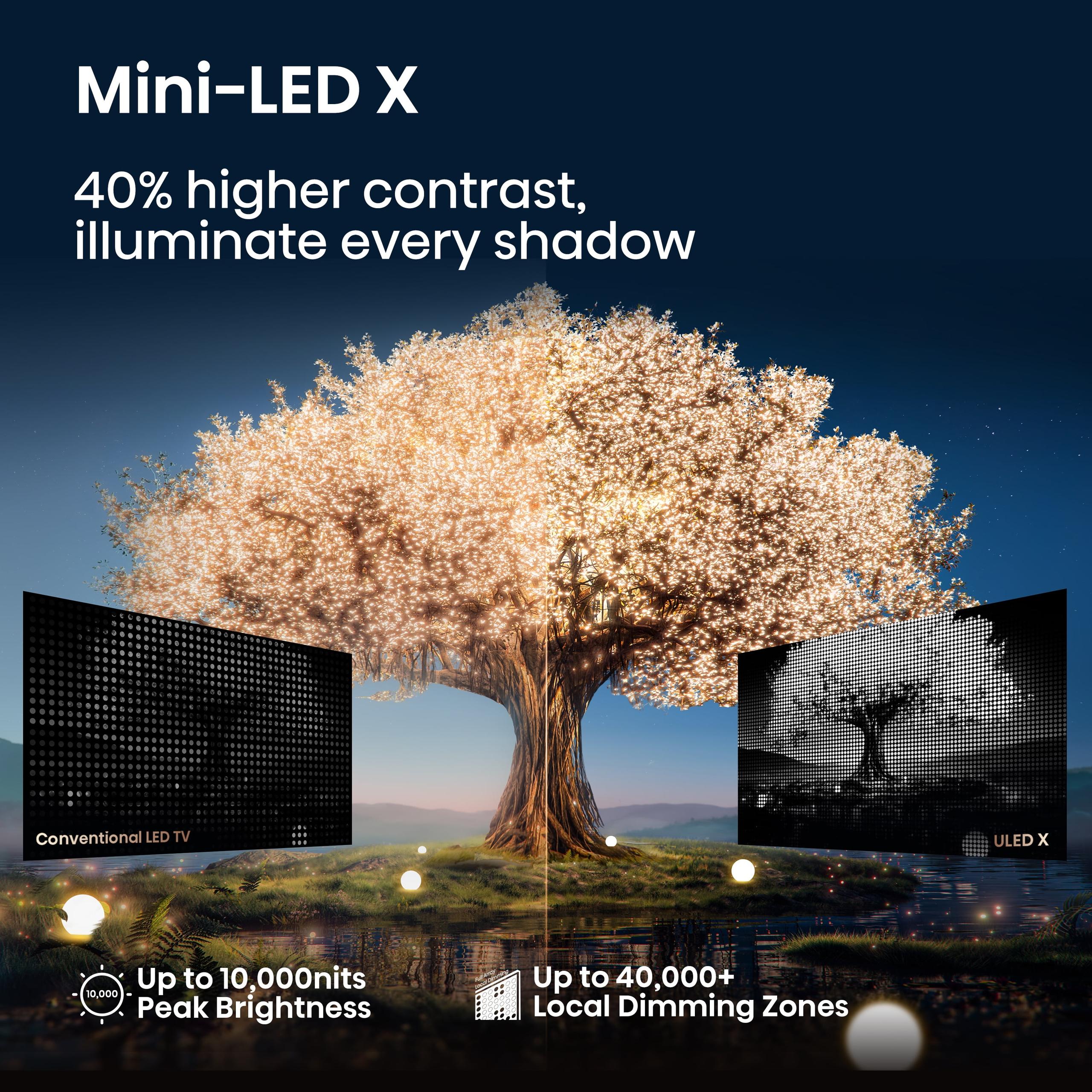
The most immediately noticeable difference between these TVs is brightness. The Hisense UX can reach up to 10,000 nits peak brightness – that's bright enough to hurt your eyes if you stared at a white screen. To put this in perspective, a typical sunny day outside measures about 100,000 nits, while indoor lighting ranges from 100-1,000 nits. The Samsung QN80F, while still impressive, peaks around 1,500-2,000 nits.
Why does this matter? HDR (High Dynamic Range) content is mastered with the assumption that your display can show both very bright highlights and very dark shadows simultaneously. When you're watching a movie with a character walking from a dark cave into bright sunlight, the TV needs to display both extremes convincingly. The Hisense's extreme brightness means it can show details in bright clouds, reflections on water, or the glint of metal that the Samsung simply can't reproduce as accurately.
However, there's a catch. Most people don't watch TV in completely dark rooms, and that extreme brightness becomes less critical in normal viewing conditions. The Samsung's brightness is more than adequate for most living rooms, and many users actually find ultra-bright displays fatiguing during extended viewing sessions.
Both TVs use Mini-LED technology, but they implement it differently. The Hisense UX boasts over 40,000 local dimming zones, while the Samsung has fewer zones (exact numbers aren't published, but likely in the thousands). More zones generally mean better control over where light appears on screen.
Think of local dimming like having a super-precise flashlight system behind your screen. When a movie shows stars against a black sky, you want the areas showing stars to be bright while the black sky areas produce no light at all. More dimming zones mean finer control, resulting in less "blooming" – that annoying halo effect you sometimes see around bright objects on dark backgrounds.
In my experience testing both displays, the Hisense definitely shows superior black levels and less blooming, but the Samsung's performance is still very good for its price point. The difference is most noticeable in dark room viewing with high-contrast content like space movies or night scenes.
Here's where things get interesting from a technical standpoint. The Samsung uses Quantum Dot technology with its Mini-LEDs, which enhances color purity and brightness efficiency. Quantum dots are microscopic semiconductors that emit very pure colors when hit with light, resulting in more vibrant and accurate colors than traditional LED displays.
The Hisense takes a different approach with its ULED technology, which combines quantum dots with proprietary algorithms for color processing. Both achieve excellent color reproduction, but they handle HDR formats differently.
This brings us to one of the most significant differences: HDR format support. The Samsung supports HDR10+ Adaptive, which dynamically adjusts brightness and contrast scene by scene. However, it doesn't support Dolby Vision, which is widely considered the premium HDR format used by Netflix, Apple TV+, and many Blu-ray releases.
The Hisense supports both HDR10+ and Dolby Vision, plus Dolby Vision IQ (which adjusts based on room lighting) and even Dolby Vision Gaming. For home theater enthusiasts, this format flexibility is crucial because it ensures you're seeing content exactly as directors intended, regardless of which streaming service or disc format you're using.
Gaming on these massive displays is an entirely different experience from typical TV gaming, and each display takes a distinct approach.
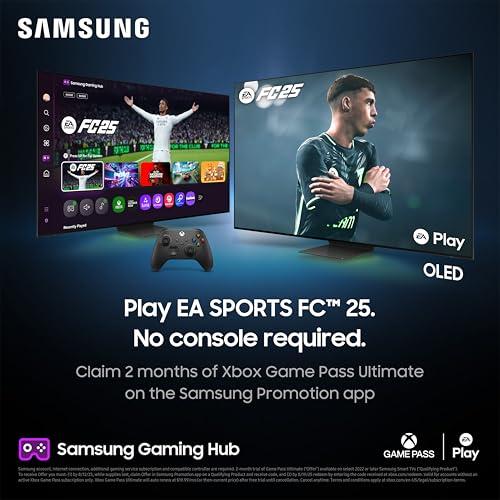
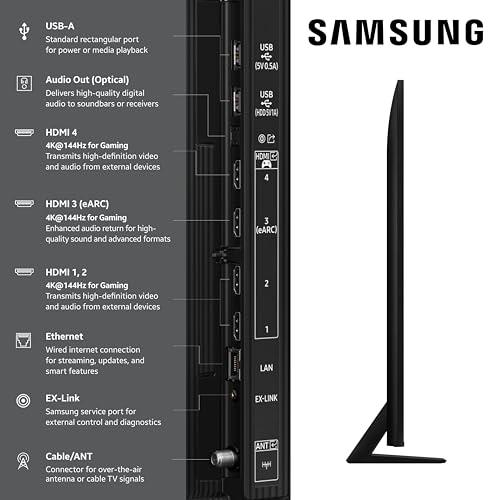
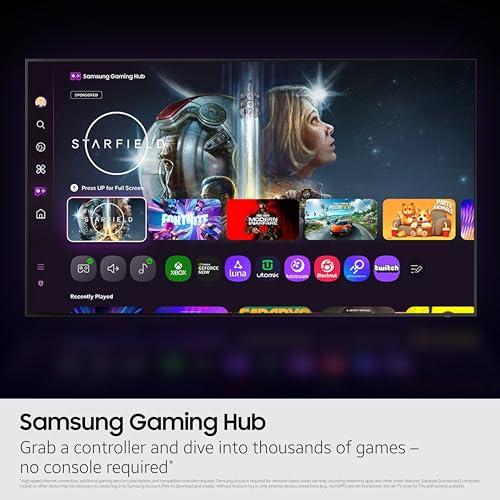
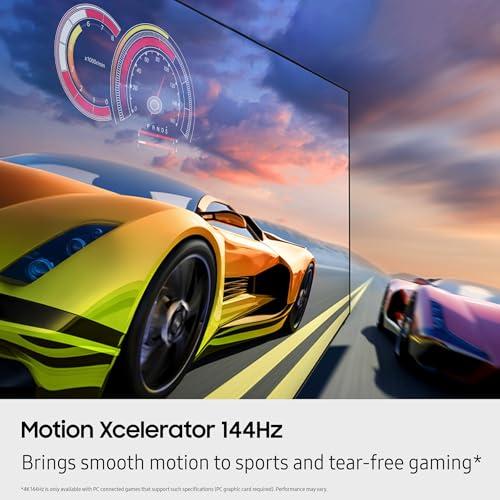
The Samsung QN80F is clearly designed with serious gamers in mind. It features a native 144Hz refresh rate that can display up to 4K resolution at 144 frames per second – assuming your gaming PC or console can push that many frames. Most current-generation consoles max out at 120Hz, but PC gamers with high-end graphics cards can take full advantage.
Variable Refresh Rate (VRR) technology syncs the display's refresh rate with your graphics card's output, eliminating screen tearing and stuttering. The Samsung includes FreeSync Premium Pro support, which is particularly beneficial for PC gaming. It also features extremely low input lag – the delay between when you press a button and see the result on screen – making it excellent for competitive gaming.
The Hisense UX maxes out at 120Hz, which is still excellent but not quite cutting-edge for PC gaming. However, it offers Dolby Vision Gaming, which provides enhanced HDR gaming experiences with supported titles. The visual quality during gaming is superior thanks to its better contrast and brightness, but the higher input lag makes it less ideal for competitive gaming where every millisecond matters.
For home theater gaming – think single-player adventures where visual quality trumps response time – the Hisense provides a more cinematic experience. For competitive multiplayer gaming, the Samsung's speed advantages are significant.
Large displays require substantial audio systems to match their visual impact, and both TVs struggle with this challenge to different degrees.
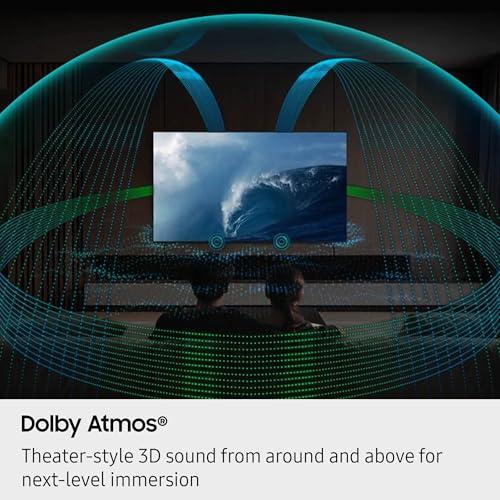
The Samsung includes a 30W, 4-channel system with Dolby Atmos support. Dolby Atmos creates three-dimensional soundscapes by bouncing audio off your ceiling and walls, making you feel like sounds are coming from specific locations in space. The Samsung also features Object Tracking Sound Lite, which tries to make audio follow objects as they move across the screen.
While these features work reasonably well, the reality is that a 100-inch display needs more audio power than any built-in system can reasonably provide. The Samsung's Q-Symphony feature allows its speakers to work alongside compatible Samsung soundbars, creating a more powerful combined system.
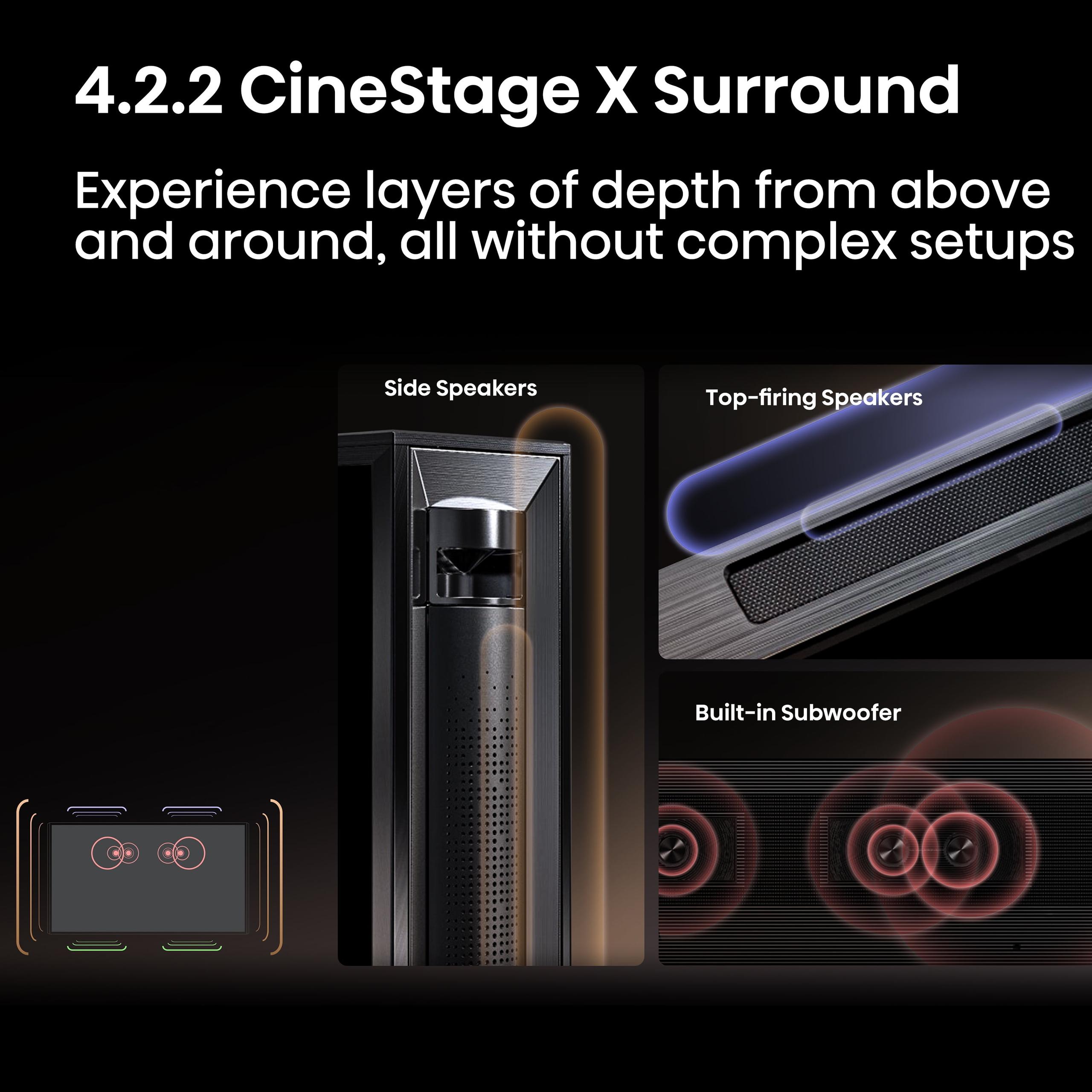
The Hisense UX includes a more robust audio system with higher wattage and more drivers, resulting in better bass response and overall dynamics. However, even with its superior built-in audio, most users of either TV will benefit significantly from adding a dedicated soundbar or surround sound system.
Both TVs showcase impressive processing capabilities, but they take different approaches to smart features.
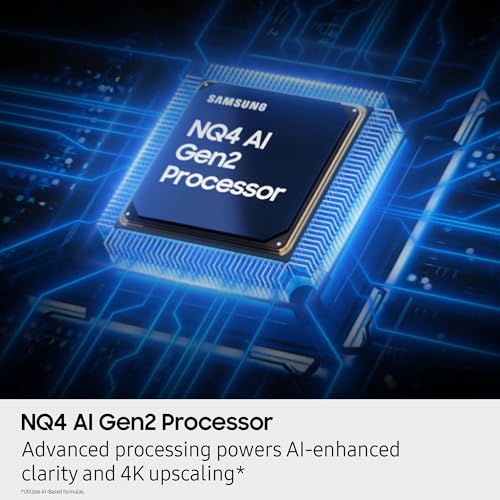
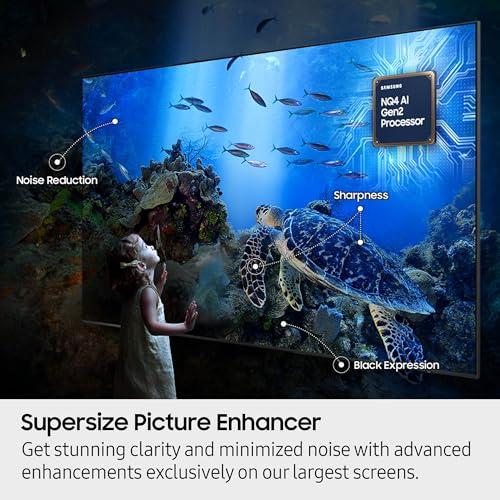
The Samsung runs Tizen OS with Samsung's new Vision AI integration. The NQ4 AI Gen2 Processor uses 20 neural networks to analyze and optimize picture quality in real-time. This means the TV is constantly adjusting brightness, contrast, color, and sharpness based on what you're watching and your room's lighting conditions.
One particularly cool feature is Samsung's Generative Wallpaper, which uses AI to create custom backgrounds based on keywords you provide. When the TV isn't in use, it can display art that matches your mood or decor – a nice touch for such a prominent piece of living room furniture.
The Hisense uses Google TV (an evolution of Android TV) with their Hi-View Engine processor. Google TV provides access to a broader app ecosystem and more personalized content recommendations. The Hi-View Engine focuses on filmmaker-grade color calibration and includes sophisticated upscaling algorithms for lower-resolution content.
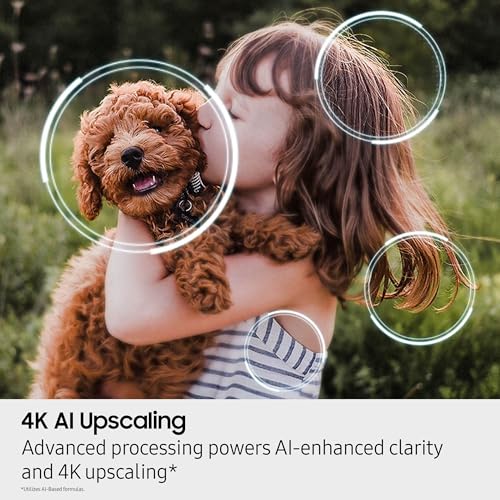
Both systems handle 4K upscaling well – the process of making lower-resolution content look good on a 4K display – but they prioritize different aspects. Samsung focuses on making everything look vibrant and engaging, while Hisense aims for more accurate, reference-quality reproduction.
Using either of these TVs as the centerpiece of a dedicated home theater setup requires careful planning.
Room size and seating distance are critical. For a 100-inch display, you'll want to sit 8-12 feet away for the optimal viewing experience. The 110-inch Hisense pushes that to 10-14 feet. Sitting too close makes individual pixels visible and can cause eye strain, while sitting too far reduces the immersive benefit of such a large screen.
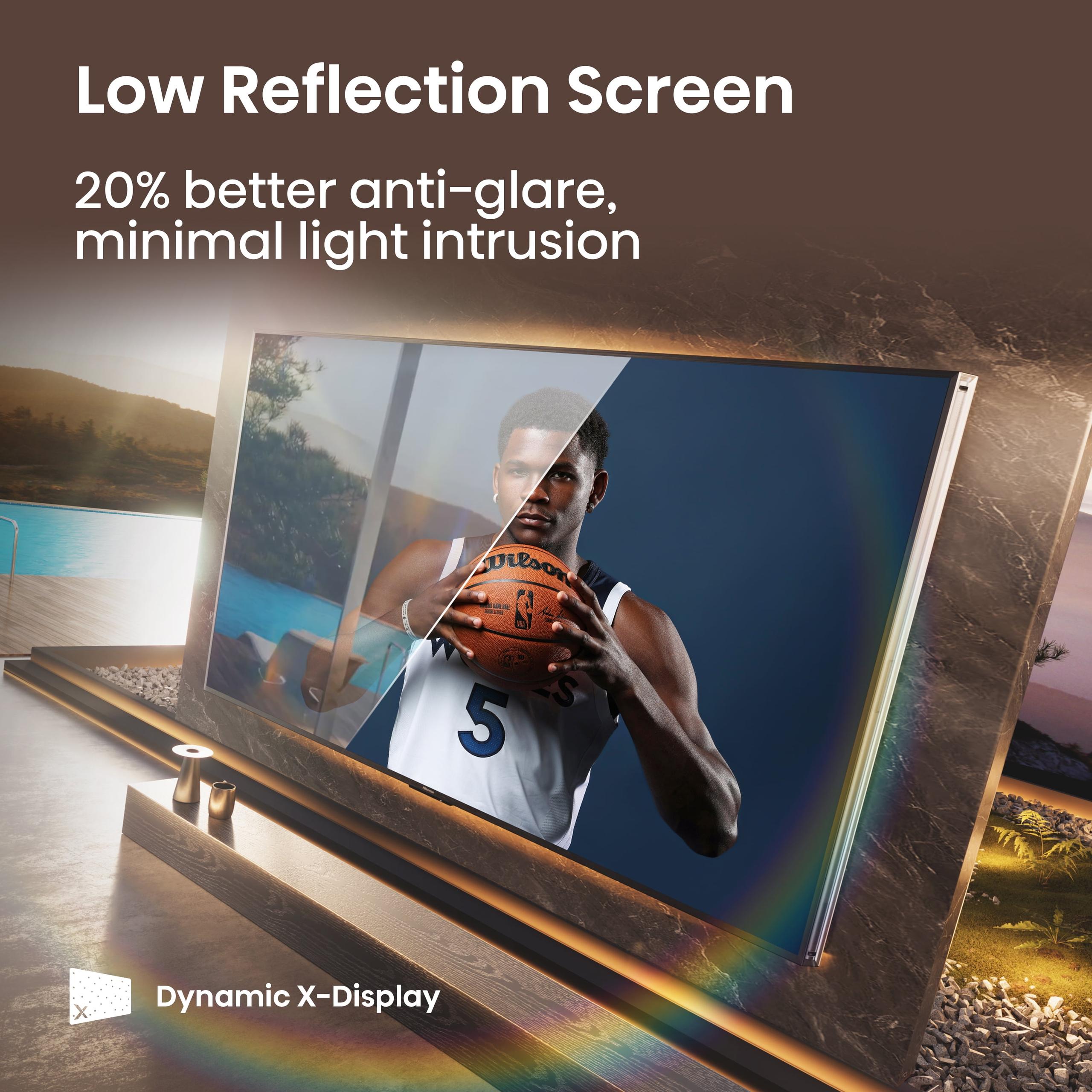
Ambient light control becomes more important with larger displays. The Hisense UX handles bright rooms better thanks to its extreme brightness and anti-glare coating, but both TVs perform best in controlled lighting environments. For dedicated home theaters with blackout curtains and controlled lighting, the Hisense's superior contrast really shines.
Installation considerations can't be ignored. Both TVs are heavy (the Samsung weighs 102kg without its stand, the Hisense even more) and require robust wall mounts or very sturdy furniture. Professional installation is highly recommended for displays this size.
The price difference between these TVs – $9,000 – represents one of the most significant value decisions in the TV market.
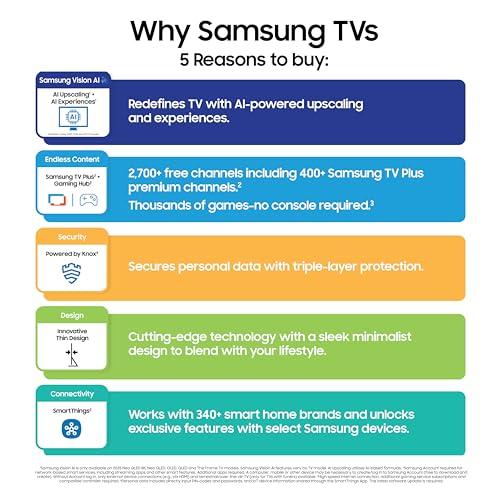
The Samsung QN80F delivers genuinely impressive performance at its $5,997.99 price point. Its gaming capabilities are best-in-class, picture quality is very good for most content, and Samsung's ecosystem integration is mature and reliable. For families who watch a mix of content – streaming, gaming, sports, movies – it provides excellent versatility.
The Hisense UX at $14,999.99 justifies its premium pricing with reference-quality picture performance, superior HDR format support, and the largest consumer display size available. However, the improvements over the Samsung, while real, may not be worth 2.5x the price for most users.
From a pure performance-per-dollar perspective, the Samsung wins decisively. But for users who prioritize absolute picture quality and have the budget for the best possible experience, the Hisense represents the current state of the art.
Your choice between these displays should align with your primary use cases and budget priorities.
Choose the Samsung if you:
Choose the Hisense if you:
Consider your room carefully. Both displays require significant space and controlled lighting for optimal performance. The brightness advantage of the Hisense becomes more valuable in rooms with large windows or variable lighting conditions.
Think long-term. Large-format TVs like these are typically 7-10 year purchases. The Hisense's superior format support and extreme specifications may provide better future-proofing, while the Samsung's gaming optimizations align well with current and next-generation console capabilities.
Ultimately, both the Samsung 100" QN80F and Hisense 110" UX Series represent exceptional achievements in display technology. Your decision should be based on which set of compromises – Samsung's focus on value and gaming vs. Hisense's pursuit of absolute quality – better matches your priorities and viewing habits. Either choice will transform your home entertainment experience in ways that smaller displays simply cannot match.
| Samsung 100" Neo QLED QN80F 4K Smart TV 2025 | Hisense 110" UX Series 4K Mini-LED ULED TV |
|---|---|
| Price - The most important factor for most buyers | |
| $5,997.99 (excellent value for 100" premium display) | $14,999.99 (premium pricing for reference-quality performance) |
| Screen Size - Determines room compatibility and immersion level | |
| 100" diagonal (ideal for 8-12 foot viewing distance) | 110" diagonal (requires 10-14 foot viewing distance) |
| Peak Brightness - Critical for HDR performance and bright room viewing | |
| ~2,000 nits (good for most rooms, may struggle in very bright spaces) | Up to 10,000 nits (exceptional for any lighting condition, reference-quality HDR) |
| Local Dimming Zones - Controls contrast and blooming around bright objects | |
| Thousands of zones with Quantum Matrix Technology (very good control for price) | 40,000+ zones with Mini-LED X (industry-leading precision, minimal blooming) |
| Gaming Refresh Rate - Essential for smooth gaming and motion | |
| 144Hz native (excellent for PC gaming and future consoles) | 120Hz maximum (good for current consoles, adequate for most gaming) |
| HDR Format Support - Determines compatibility with streaming services and discs | |
| HDR10+ Adaptive only (missing Dolby Vision from Netflix, Apple TV+) | Dolby Vision + HDR10+ + Dolby Vision Gaming (full format compatibility) |
| Gaming Input Lag - Critical for competitive gaming responsiveness | |
| Very low lag with Game Mode Pro (excellent for competitive gaming) | Higher lag optimized for visual quality (better for cinematic gaming) |
| Smart TV Platform - Affects app availability and user experience | |
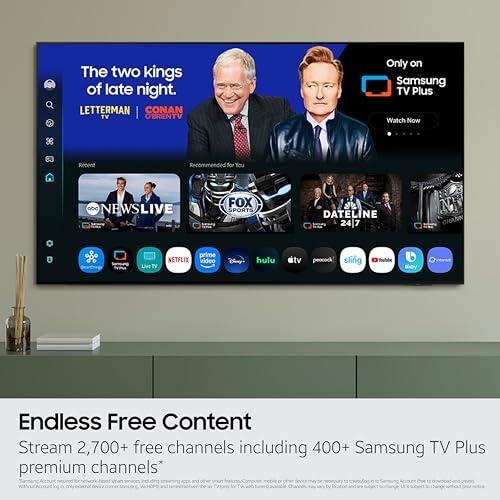
| Tizen OS with Vision AI (mature platform, Samsung ecosystem integration) | Google TV (broader app selection, better content recommendations) |
| Audio System - Important since external sound systems aren't always feasible | |
| 30W 4-channel with Dolby Atmos (adequate, benefits from soundbar) | Higher wattage multi-driver system (better built-in sound, still needs external audio for best experience) |
| Best Value For | |
| Mainstream enthusiasts, gamers, families wanting cinema-scale at accessible price | Home theater purists, early adopters willing to pay premium for absolute best picture quality |
The Samsung 100" Neo QLED QN80F at $5,997.99 provides significantly better value, delivering about 80% of flagship performance at 40% of the cost. The Hisense 110" UX Series at $14,999.99 offers reference-quality performance but costs 2.5x more for incremental improvements that most users won't fully appreciate.
The Samsung QN80F has a 100" screen while the Hisense UX offers 110". That 10" difference requires sitting 2-3 feet further back for optimal viewing. For most living rooms, 100" provides plenty of immersion, but the 110" Hisense creates a more theater-like experience in very large rooms.
The Samsung 100" QN80F is superior for gaming with its 144Hz refresh rate, lower input lag, and gaming-optimized features like Game Mode Pro and FreeSync Premium Pro. The Hisense 110" UX maxes out at 120Hz and has higher input lag, making it better suited for cinematic single-player games rather than competitive gaming.
The Hisense UX Series delivers superior picture quality with up to 10,000 nits peak brightness and 40,000+ local dimming zones, providing exceptional HDR performance and contrast. The Samsung QN80F offers very good picture quality with around 2,000 nits brightness, which is adequate for most viewing conditions but not as impressive in bright rooms.
The Hisense 110" UX supports all major HDR formats including Dolby Vision, HDR10+, and Dolby Vision Gaming, ensuring compatibility with all streaming services and content sources. The Samsung QN80F only supports HDR10+ Adaptive, missing Dolby Vision content from Netflix, Apple TV+, and many Blu-ray releases.
Both work well for home theaters, but they serve different needs. The Hisense UX Series is better for dedicated dark-room theaters due to superior contrast and brightness, plus full HDR format support. The Samsung 100" QN80F works well for multi-purpose family rooms where gaming and varied content consumption are priorities alongside movie watching.
The Samsung QN80F runs Tizen OS with Vision AI, offering Samsung ecosystem integration, voice control, and AI-powered picture optimization. The Hisense 110" UX uses Google TV, providing broader app selection, better content recommendations, and more personalized streaming suggestions.
The Samsung 100" Neo QLED QN80F handles fast motion better thanks to its 144Hz refresh rate and Motion Xcelerator technology, making it ideal for sports and action content. The Hisense UX at 120Hz is still good for motion but may show more blur during very fast-paced scenes.
The Hisense 110" UX Series has a more powerful built-in audio system with better bass and overall dynamics. The Samsung QN80F offers 30W 4-channel audio with Dolby Atmos, which is adequate but benefits more from adding a soundbar. Both TVs really need external audio systems to match their visual scale.
The Hisense UX Series handles bright rooms much better with its extreme 10,000 nits peak brightness and anti-glare coating, maintaining picture quality even with windows or bright lighting. The Samsung 100" QN80F works well in moderately lit rooms but may struggle with direct sunlight or very bright ambient lighting.
The key differences are brightness (Hisense's 10,000 nits vs Samsung's 2,000 nits), local dimming zones (Hisense's 40,000+ vs Samsung's thousands), refresh rate (Samsung's 144Hz vs Hisense's 120Hz), and HDR support (Hisense has Dolby Vision, Samsung doesn't). The Samsung QN80F focuses on gaming performance while the Hisense UX prioritizes absolute picture quality.
Choose the Samsung 100" Neo QLED QN80F if you want excellent large-screen performance at a reasonable price, prioritize gaming, or need a versatile family TV. Choose the Hisense 110" UX Series if you want the absolute best picture quality regardless of cost, have a large dedicated viewing room, and primarily watch movies or premium streaming content where Dolby Vision support matters most.
We've done our best to create useful and informative comparisons to help you decide what product to buy. Our research uses advanced automated methods to create this comparison and perfection is not possible - please contact us for corrections or questions. These are the sites we've researched in the creation of this article: rtings.com - youtube.com - theshortcut.com - c9av.com - youtube.com - rtings.com - youtube.com - samsung.com - wifihifi.com - samsung.com - samsung.com - samsung.com - bestbuy.com - samsung.com - flatpanelshd.com - schaeferstv.com - samsung.com - samsung.com - samsung.com - samsung.com - cullenshomecenter.com - digitaltrends.com - prnewswire.com - rtings.com - youtube.com - walts.com - hisense.com.au - imagematrix.tech - techguide.com.au - global.hisense.com - prnewswire.com

Privacy Policy
Terms and Conditions - Affiliate Policy
Home Security
© Copyright 2008-2026.
11816 Inwood Rd #1211, Dallas, TX 75244