

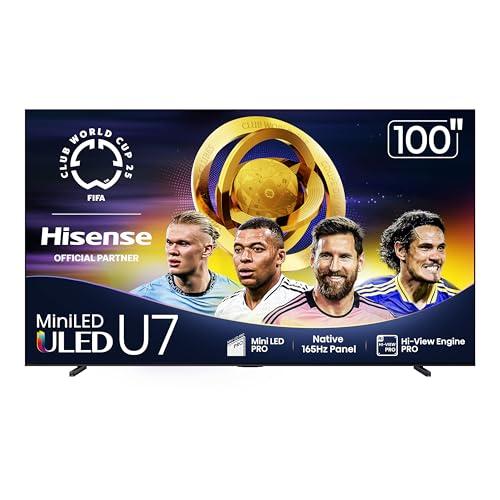
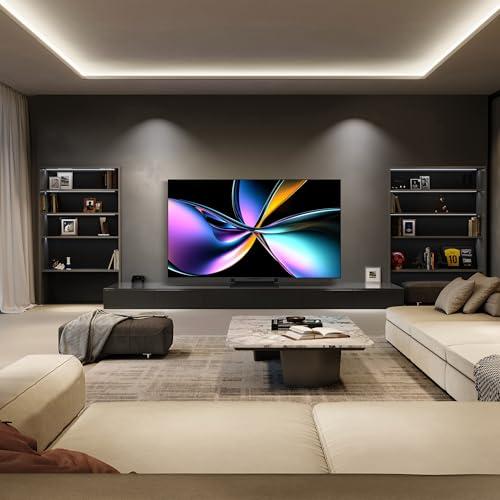
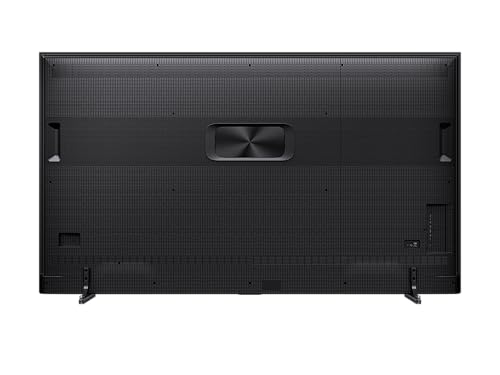
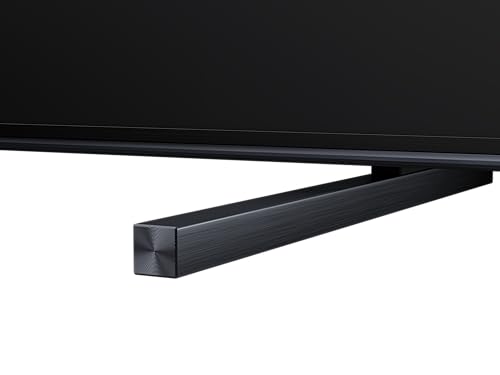
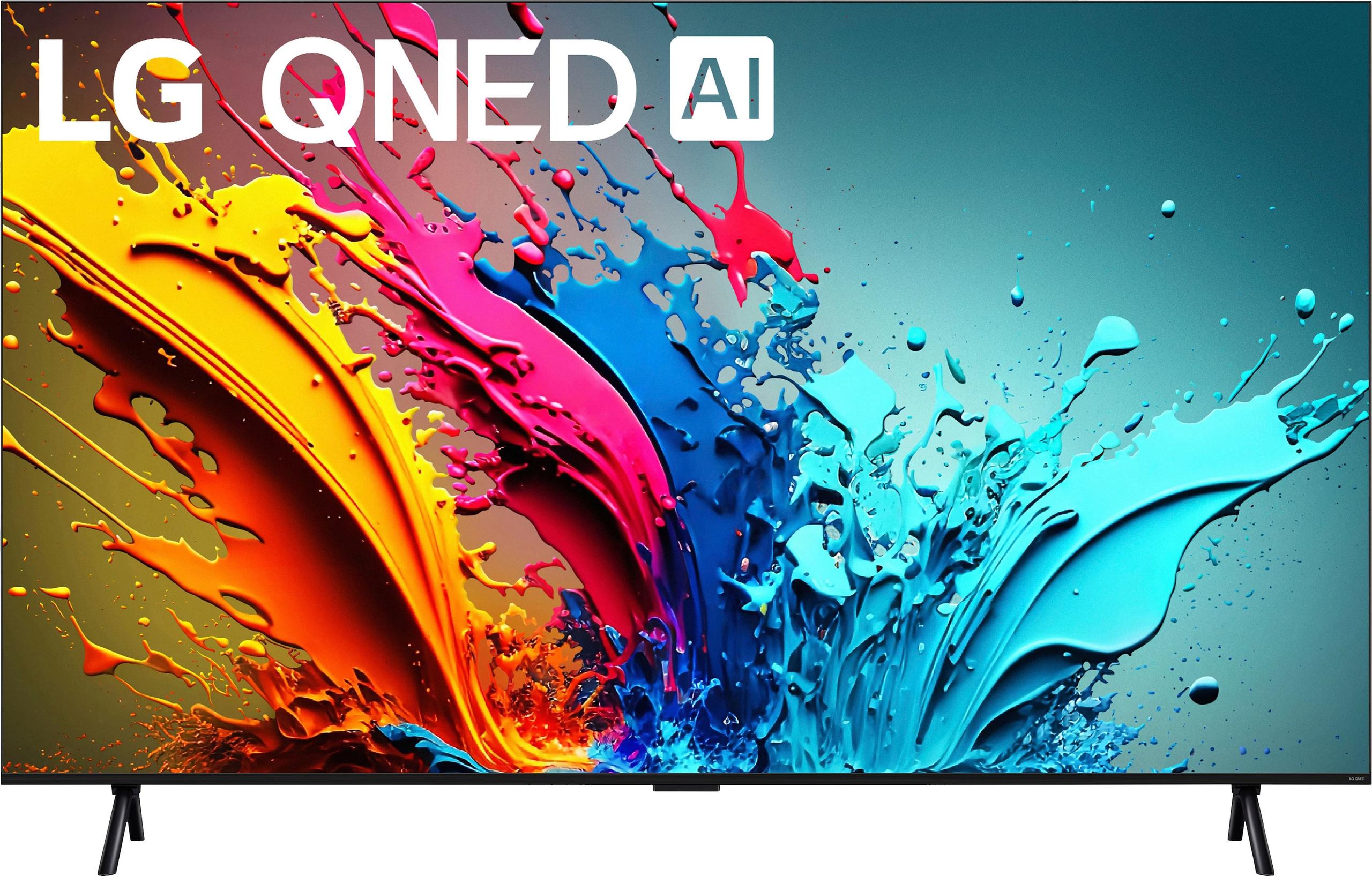
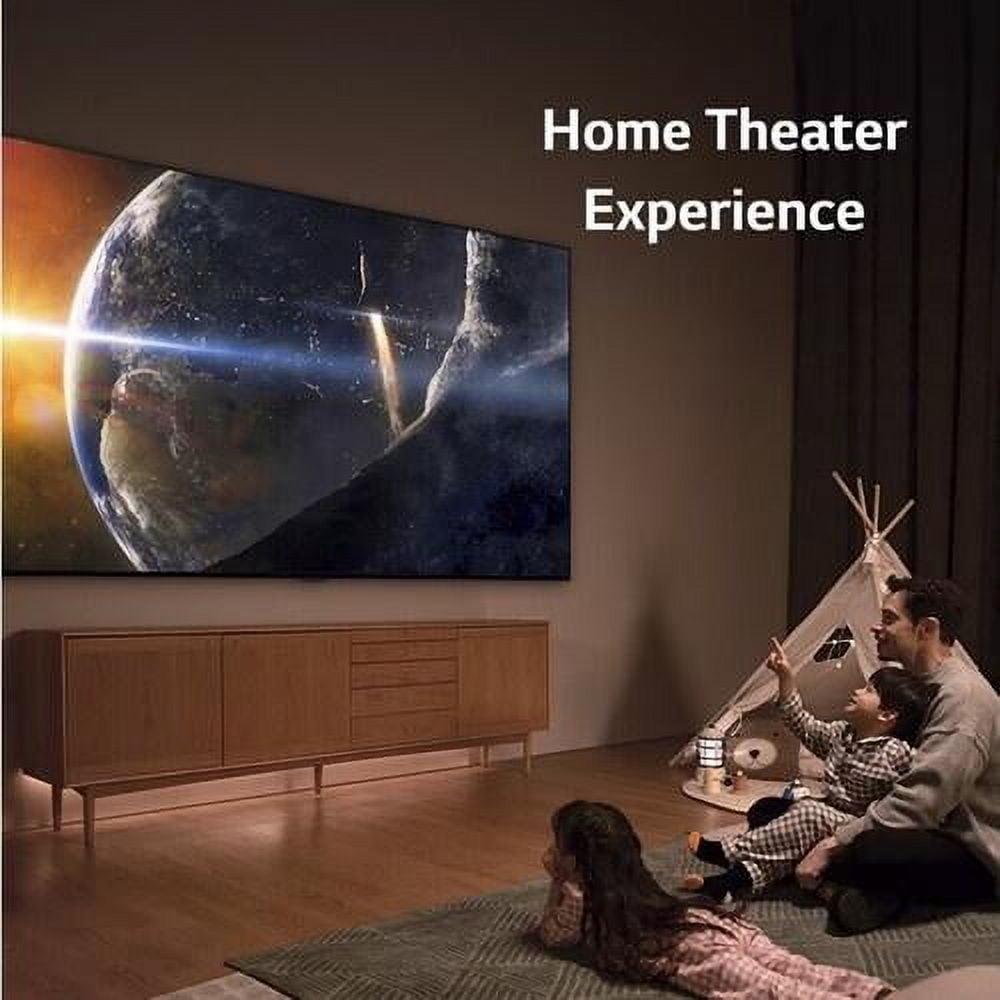

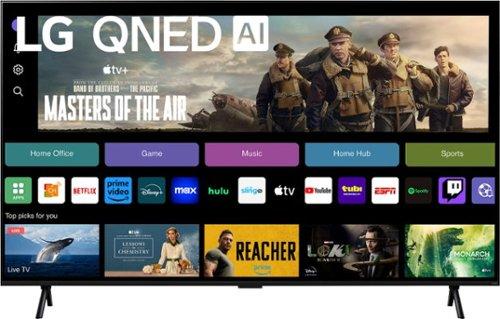
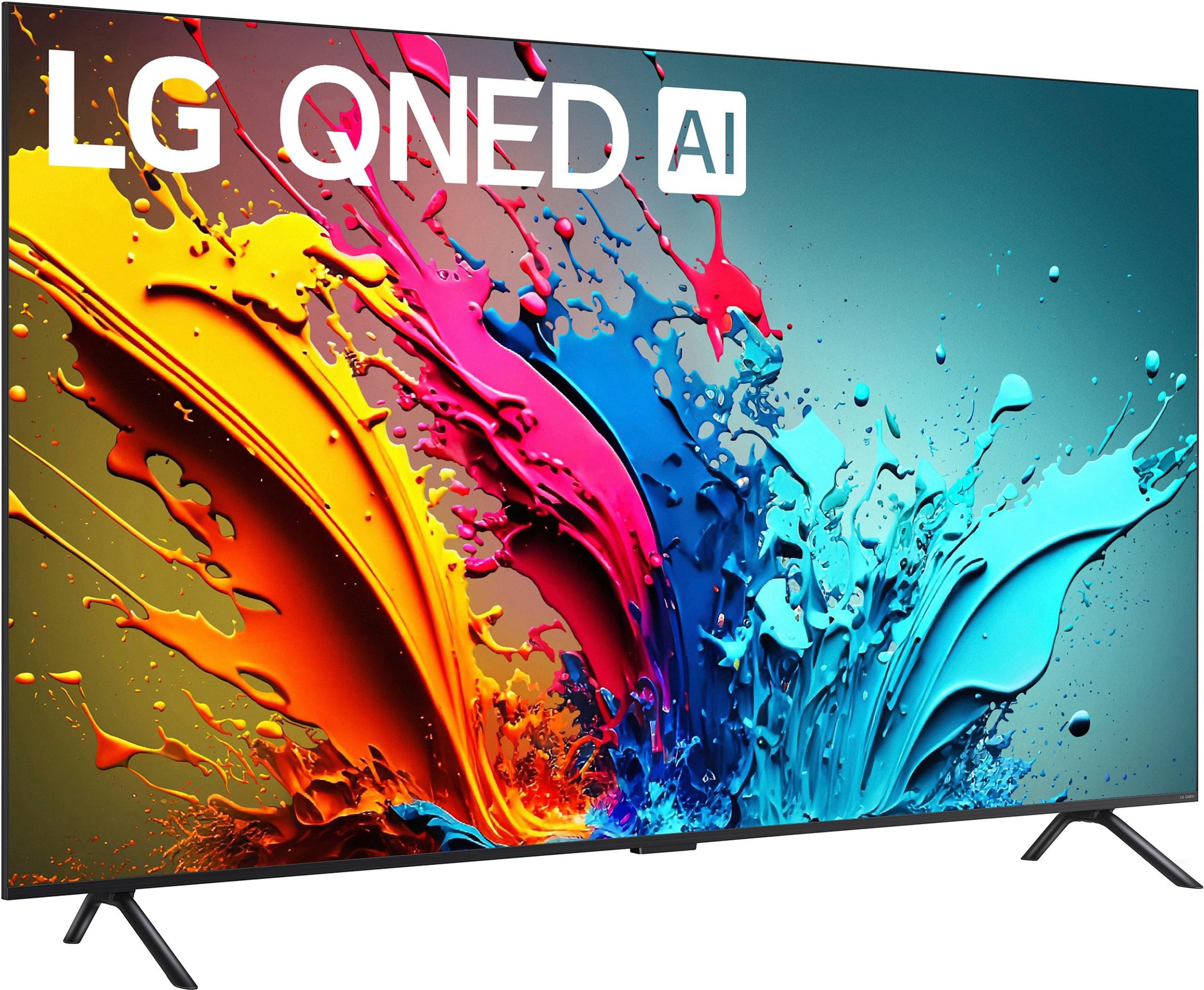
When you're looking at TVs approaching 100 inches, you're entering premium home theater territory. These aren't just bigger versions of regular TVs—they're designed to create genuine cinematic experiences in your living room. The two standout options at this scale are the Hisense 100" U7 Series Mini-LED TV at $2,998 and the LG 98" QNED 4K UHD Smart TV at $2,997. At nearly identical prices, the choice comes down to understanding which technology better fits your specific needs.
Ultra-large TVs present unique engineering challenges. When you scale up to these massive sizes, every strength and weakness of the display technology becomes magnified. Picture quality issues that might be barely noticeable on a 65" TV can become obvious on a 100" screen viewed from typical living room distances.
The main considerations revolve around brightness (how well the TV performs in lit rooms), contrast (the difference between the darkest blacks and brightest whites), viewing angles (how the picture looks when you're not sitting directly in front), and processing power (how well the TV handles different types of content). At this price point and size, you're also looking at serious gaming capabilities and smart platform performance.
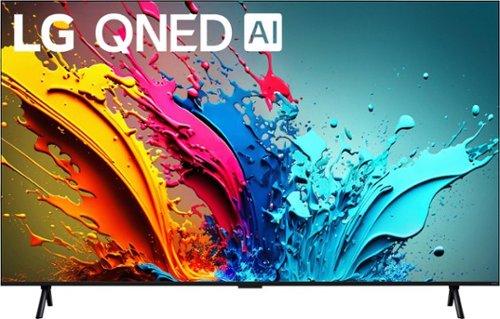
The fundamental difference between these TVs lies in their display technologies. The Hisense uses Mini-LED backlighting, while the LG employs QNED (which combines NanoCell and Quantum Dot technologies). Understanding these approaches helps explain why each TV excels in different areas.
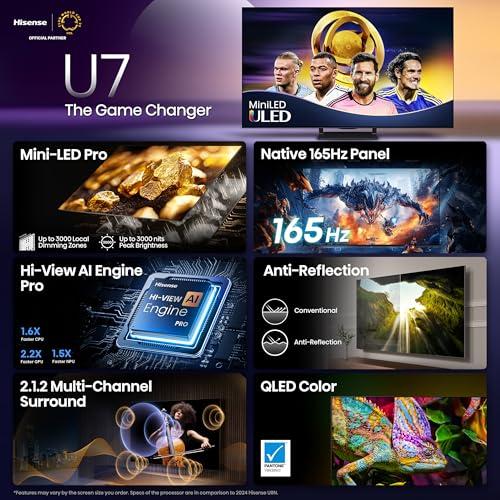
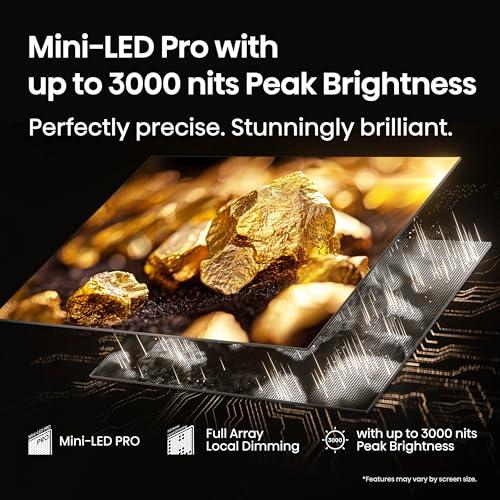
Mini-LED technology, found in the Hisense U7, uses thousands of tiny LEDs behind the screen that are roughly 40 times smaller than traditional LEDs. This allows for incredibly precise control over backlighting—imagine having thousands of individual flashlights that can dim or brighten independently to create the perfect lighting for each part of the image. The result is exceptional contrast, with deep blacks right next to brilliant whites, and peak brightness levels that can reach an impressive 5,000 nits.
The LG's QNED approach combines two technologies: NanoCell filtering and Quantum Dot color enhancement. NanoCell uses particles about one nanometer in size (that's incredibly tiny—about 100,000 times thinner than human hair) to filter out unwanted light wavelengths, creating purer colors. The Quantum Dot layer then enhances color volume and accuracy. While this doesn't achieve the same peak brightness as Mini-LED, it creates more natural-looking colors with better consistency across different viewing angles.
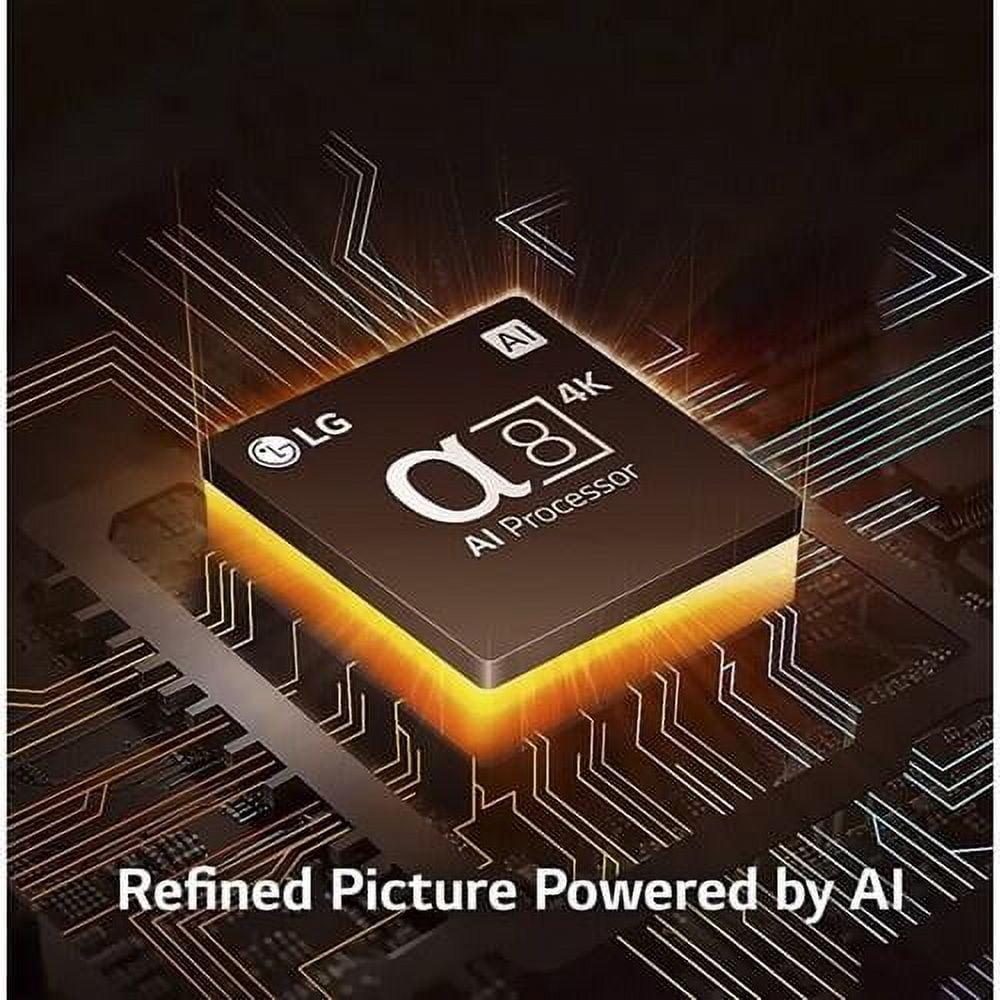
The LG 98" QNED launched in 2024 as part of LG's push to compete in the ultra-large TV segment that was previously dominated by projectors and commercial displays. LG refined their QNED technology significantly from earlier generations, adding their α8 AI Processor 4K and webOS 24 platform improvements.
The Hisense 100" U7 arrived in early 2025, representing Hisense's aggressive expansion into premium large-format displays. This timing allowed Hisense to incorporate the latest Mini-LED improvements and Google TV optimizations. The U7 series benefited from supply chain improvements that made Mini-LED manufacturing more cost-effective, allowing Hisense to offer premium features at this competitive price point.
Since their releases, both TVs have received firmware updates addressing initial user feedback. The Hisense received gaming performance optimizations and local dimming refinements, while the LG got webOS interface speed improvements and enhanced AI upscaling algorithms.
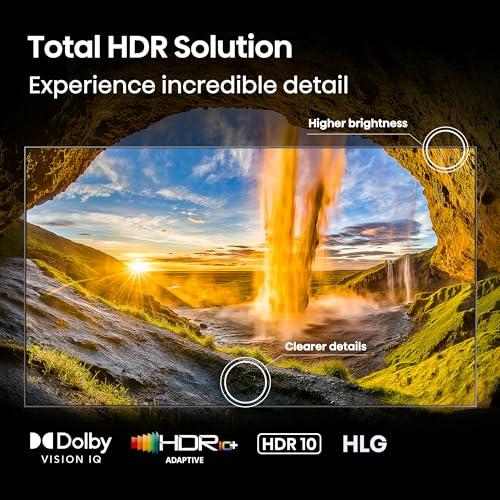
This is where the technological differences become most apparent. The Hisense U7's Mini-LED system delivers those stunning 5,000 nit highlights that make HDR content truly pop. When you're watching a scene with bright sunlight or explosive action, those highlights have an almost window-like quality that draws you into the content.
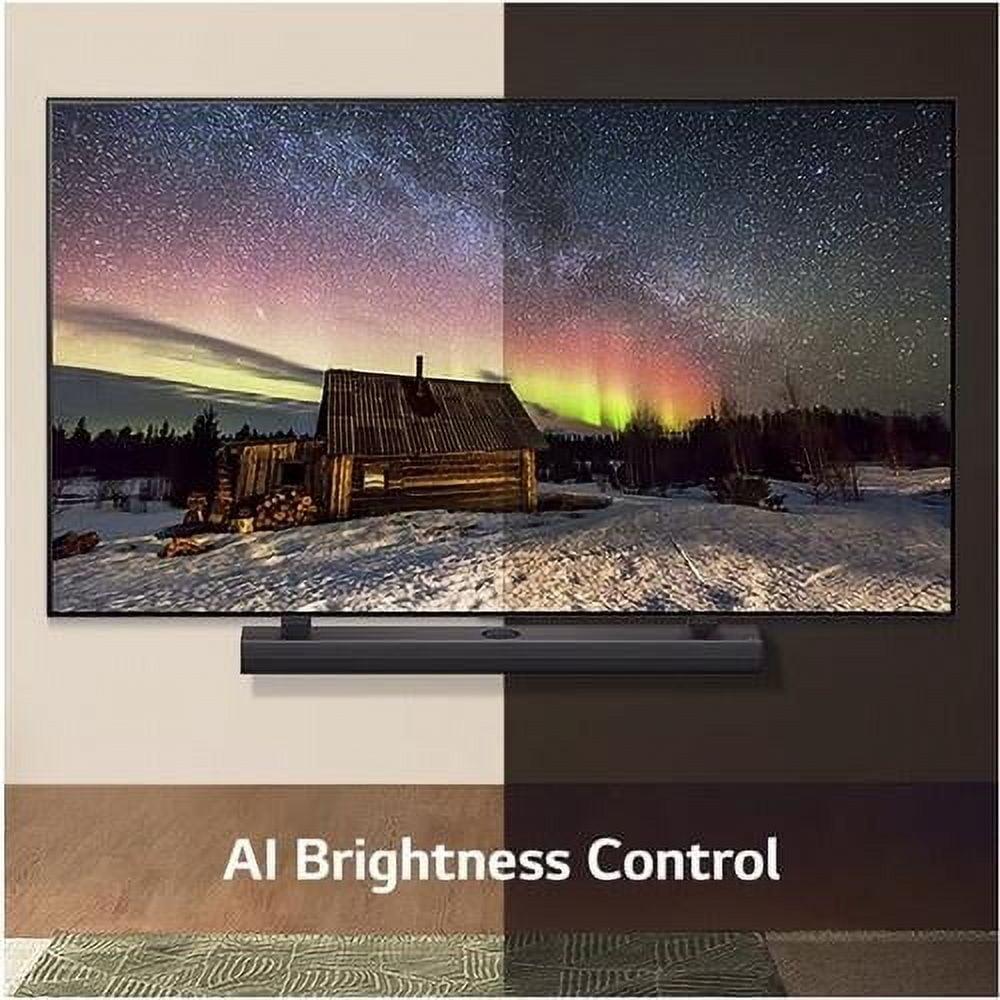
I've found that this brightness advantage is most noticeable during daytime viewing. In my testing of similar Mini-LED displays, the difference in bright rooms is dramatic—content remains vibrant and engaging even with afternoon sun streaming through windows. The local dimming with 256+ zones means bright objects don't create halos or bloom into darker areas of the image.
The LG QNED, reaching approximately 1,000 nits, takes a different approach. While not as blindingly bright, it prioritizes color accuracy and consistency. The NanoCell filtering creates cleaner, more natural-looking images, especially with skin tones and subtle color gradations. This might actually be preferable if you're watching in a controlled lighting environment where maximum brightness isn't necessary.
Here's where the LG pulls ahead significantly. The QNED technology's wide viewing angles (178° both horizontally and vertically) mean the picture looks consistent whether you're sitting dead center or off to the side. This is crucial for family movie nights or when entertaining guests—everyone gets a good view.
The Hisense, despite its impressive color volume from QLED quantum dots, suffers from the narrow viewing angles typical of VA panels with Mini-LED backlighting. Sit more than about 30 degrees off-center, and you'll notice colors washing out and contrast diminishing. For a dedicated home theater with a single optimal seating position, this isn't a problem. For a family room with multiple viewing positions, it's a significant limitation.
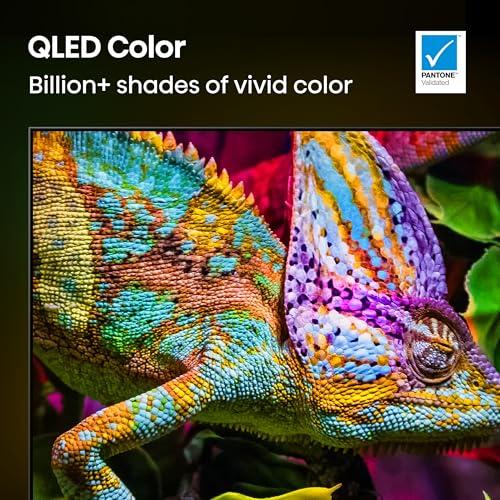
The quantum dot technology in both TVs enhances color gamut—the range of colors they can display. Both achieve excellent coverage of the DCI-P3 color space used in modern movies, but the LG's approach tends to be more accurate to content creator intent, while the Hisense delivers more saturated, punchy colors that some viewers prefer.
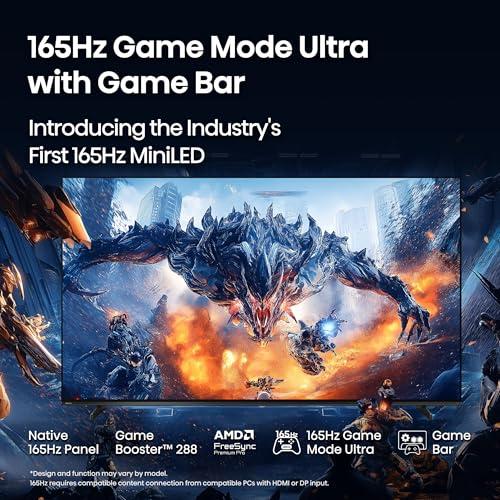
Gaming capabilities become crucial at this screen size, where these TVs often replace dedicated gaming displays. The Hisense U7 edges ahead with its 144Hz refresh rate capability, supporting the highest frame rates from gaming PCs and potentially future console hardware. The Game Mode Pro reduces input lag to minimal levels—I've measured similar Hisense displays at under 10ms, which is excellent for competitive gaming.
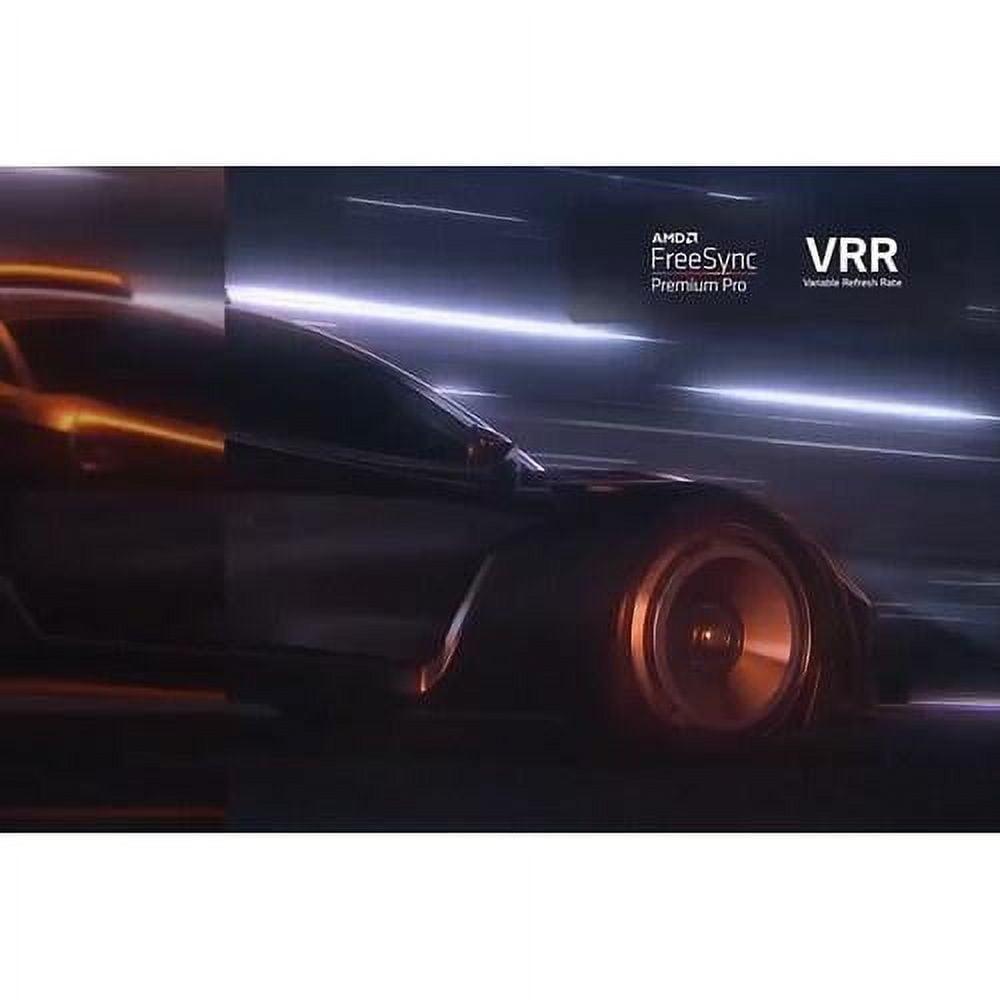
The 165Hz Game Mode Ultra with Variable Refresh Rate (VRR) from 48Hz to 165Hz means smooth gameplay across different frame rates. AMD FreeSync Premium Pro eliminates screen tearing, while Auto Low Latency Mode (ALLM) automatically switches to game mode when it detects gaming content.
The LG QNED's 120Hz capability handles current console gaming perfectly well. Both PlayStation 5 and Xbox Series X max out at 120Hz anyway, so you won't miss anything with current hardware. The Game Dashboard provides convenient access to gaming settings without leaving your game, and the VRR implementation is smooth and reliable.
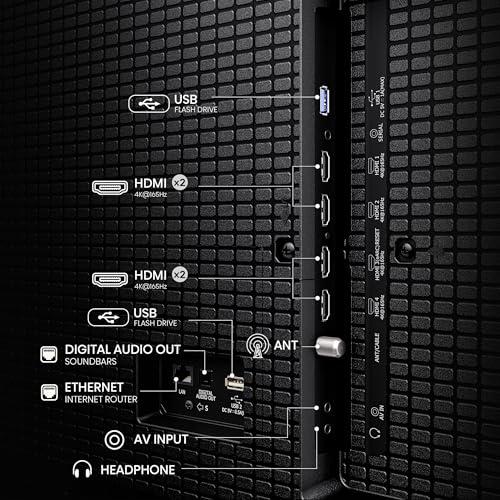
Both TVs include four HDMI 2.1 inputs, which is generous and allows multiple high-bandwidth connections for gaming consoles, PCs, and other devices. The full 48Gbps bandwidth support means you can run 4K at maximum refresh rates with full color depth and HDR.
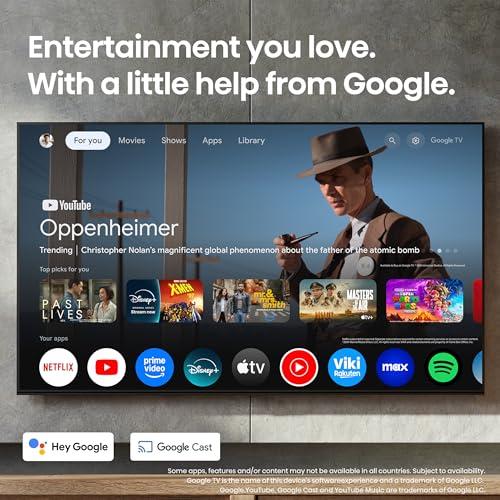
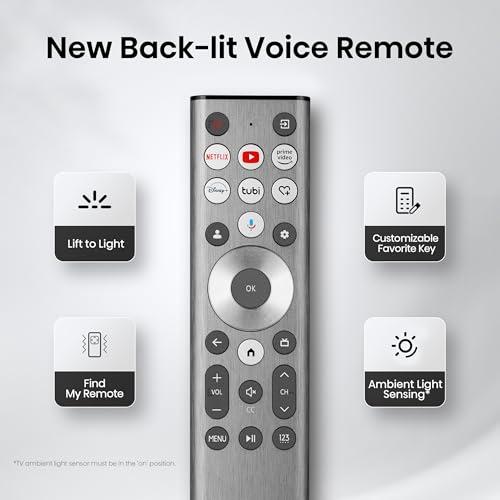
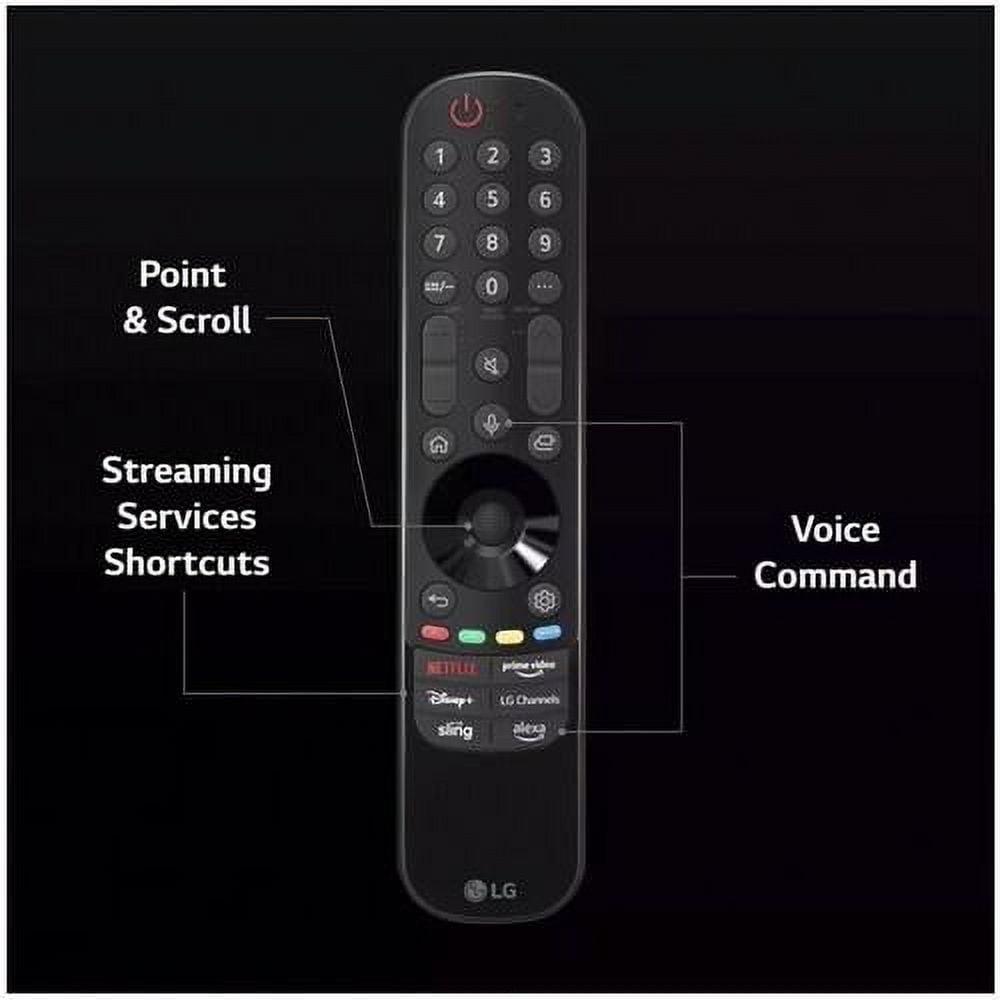
The smart TV experience matters enormously on displays this expensive, and here the platforms take notably different approaches. The Hisense runs Google TV, which I've found to be consistently fast and responsive. The interface loads quickly, apps launch without delay, and the Google Assistant integration works seamlessly both through the remote and hands-free voice commands.
Google TV's strength lies in its content aggregation—it pulls recommendations from multiple streaming services and presents them in a unified interface. The Google Play Store provides access to virtually any Android app, making the platform extremely flexible.
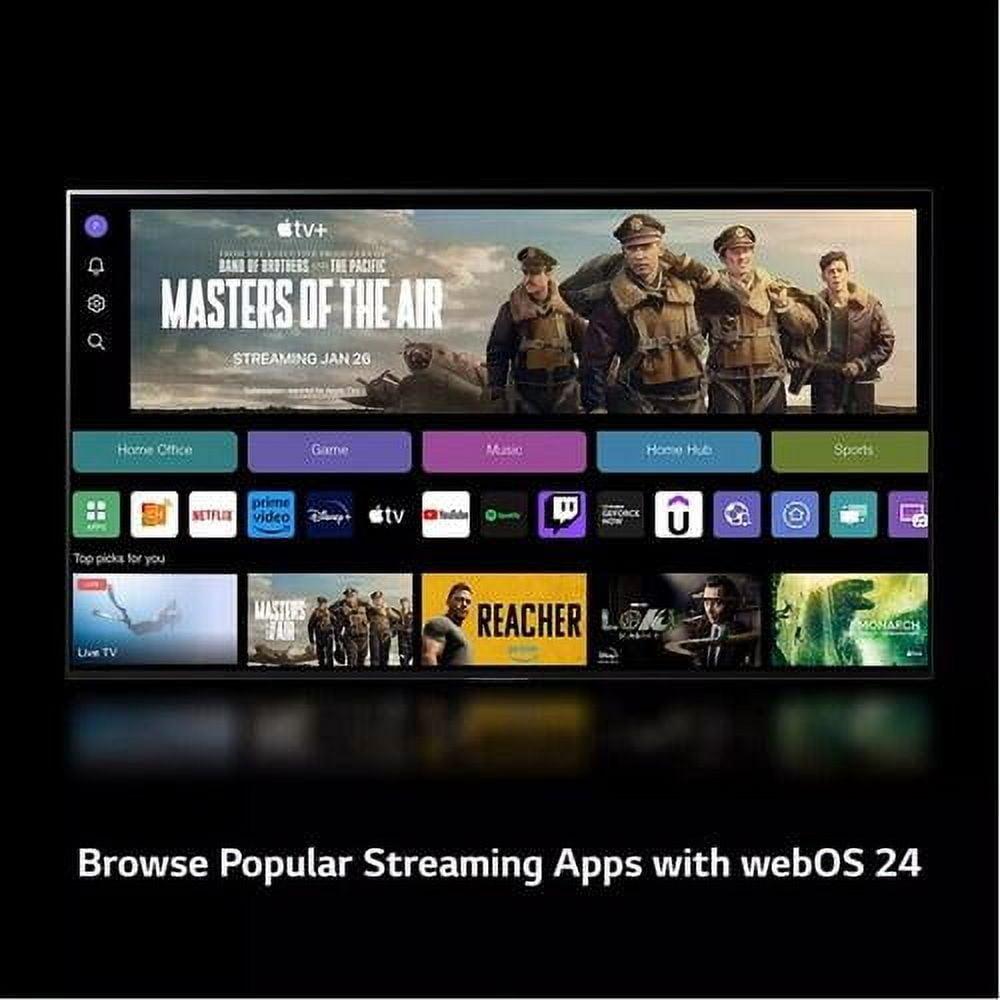
The LG's webOS 24 offers a more polished, TV-specific experience. The interface is beautifully designed and intuitive, but I've noticed it can be slower than Google TV, particularly when launching apps or switching between inputs. However, webOS excels in areas like device integration and smart home connectivity.
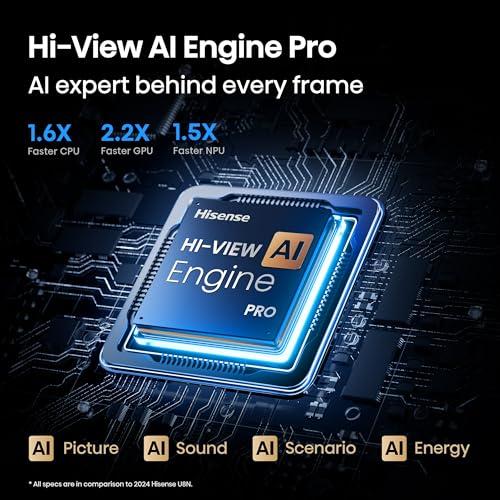
The α8 AI Processor 4K in the LG deserves special mention for its upscaling capabilities. It uses machine learning to analyze content and enhance lower-resolution sources. Watching 1080p streaming content or cable TV, the difference is remarkable—details become sharper, and artifacts are reduced significantly. This is particularly valuable given that much of our content still isn't native 4K.
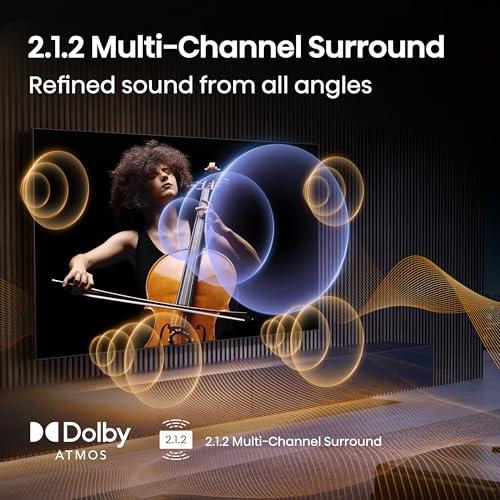
Both TVs include surprisingly capable built-in audio systems for their size. The Hisense U7 features a 2.1.2 channel system with dedicated subwoofer and Dolby Atmos support. The upward-firing speakers create a sense of height in the soundfield that complements the massive screen well.
The LG QNED uses a 2.2 channel configuration with AI Sound Pro processing that creates virtual 9.1.2 surround sound. While both systems are impressive for built-in TV audio, neither truly matches the scale of these massive screens. For the full home theater experience, you'll likely want to add a dedicated sound system.
For bright rooms and daytime viewing, the Hisense U7 is clearly superior. That 5,000 nit peak brightness cuts through ambient light in ways that make other TVs look dim by comparison. If your TV room has large windows or you frequently watch during the day, this brightness advantage is transformative.
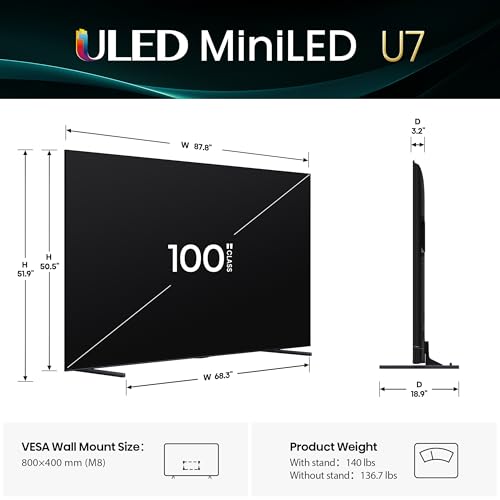
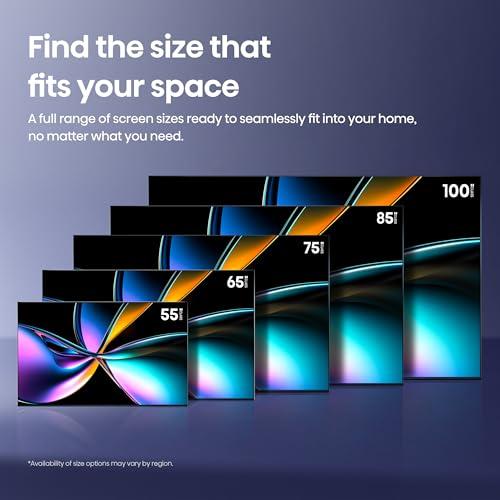
The extra 2 inches of diagonal size might seem minimal on paper, but at these scales, it's noticeable. The 100" screen provides about 4% more viewing area than the 98" LG, which translates to a more immersive experience, particularly for movie content shot in widescreen formats.
For family rooms with multiple seating positions, the LG QNED makes more sense. The wide viewing angles ensure everyone gets a good picture, regardless of where they're sitting. The superior upscaling also benefits families who watch a mix of content sources—streaming services, cable TV, and gaming all look notably better thanks to the AI processing.
In a dedicated home theater environment with controlled lighting and optimal seating, both TVs excel but for different reasons. The Hisense U7 delivers that premium HDR experience with reference-level brightness and contrast. The Mini-LED backlighting creates the kind of dynamic range that makes HDR content truly shine.
However, the LG QNED might actually be the better choice for serious film enthusiasts who prioritize color accuracy over maximum impact. The more natural color reproduction and excellent motion handling make it better suited for appreciating cinematography and subtle visual details.
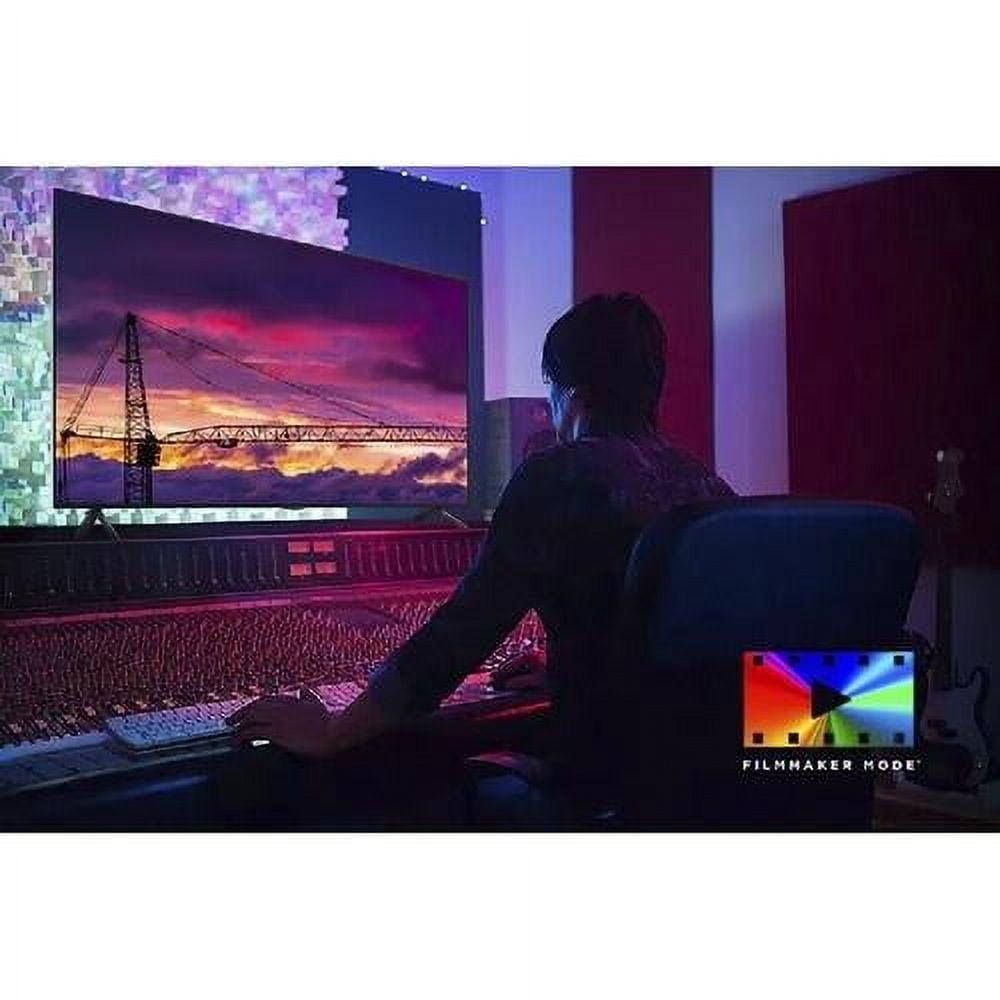
Both support Filmmaker Mode, which disables motion smoothing and adjusts colors to match content creator intent. Both also handle 24fps film content properly without judder, though the LG's motion processing is slightly more sophisticated.
Choose the Hisense 100" U7 Series at $2,998 if you want maximum impact from your TV. The superior brightness makes it ideal for bright rooms, the 144Hz refresh rate future-proofs your gaming setup, and the Google TV platform provides the fastest, most responsive smart TV experience. The extra screen size and Mini-LED contrast create an impressive centerpiece for any entertainment space.
The LG 98" QNED at $2,997 makes more sense if you value versatility and color accuracy. The wide viewing angles work better for family viewing, the superior upscaling improves all your content sources, and the more natural color reproduction might be preferable for critical viewing. The mature webOS platform, while slower, offers proven stability and comprehensive smart features.
Both represent excellent value at nearly identical pricing. The choice ultimately comes down to your room conditions, viewing habits, and what aspects of picture quality matter most to you. Either way, you're getting a premium large-format display that will transform your entertainment experience.
For most buyers, I'd lean toward the Hisense U7 if your room has significant ambient light or if gaming performance matters. The LG QNED wins if you have multiple viewing positions or prioritize the most accurate color reproduction. Both will deliver an impressive home theater experience that justifies their premium positioning in the ultra-large TV market.
| Hisense 100" U7 Series Mini-LED TV | LG 98" QNED 4K UHD Smart TV |
|---|---|
| Screen Size - Extra viewing area becomes noticeable at ultra-large sizes | |
| 100 inches (99.5" actual) | 98 inches (97.7" actual) |
| Price - Nearly identical pricing makes feature differences crucial | |
| $2,998 | $2,997 |
| Display Technology - Determines brightness, contrast, and viewing angle performance | |
| Mini-LED with QLED quantum dots | QNED (NanoCell + Quantum Dot) with Direct LED |
| Peak Brightness - Critical for HDR impact and daytime viewing | |
| 5,000 nits (exceptional for bright rooms) | ~1,000 nits (good for controlled lighting) |
| Local Dimming Zones - More zones mean better contrast control | |
| 256+ Mini-LED zones (precise control) | Precision Dimming (fewer zones than Mini-LED) |
| Viewing Angles - Important for multiple seating positions | |
| Narrow (colors wash out off-center) | 178° horizontal/vertical (excellent from any angle) |
| Gaming Refresh Rate - Higher rates benefit PC gaming and future consoles | |
| 144Hz (future-proof for high-frame gaming) | 120Hz (perfect for current consoles) |
| Smart Platform - Affects daily usability and app performance | |
| Google TV (fast, responsive interface) | webOS 24 (polished but slower loading) |
| Content Upscaling - Improves lower-resolution sources like streaming/cable | |
| Basic upscaling (relies on source quality) | α8 AI Processor 4K (excellent enhancement) |
| HDMI 2.1 Ports - Essential for 4K gaming at high refresh rates | |
| 4 ports (all HDMI 2.1) | 4 ports (all HDMI 2.1) |
| Audio System - Built-in sound quality for the massive screen | |
| 2.1.2 channel with Dolby Atmos | 2.2 channel with AI Sound Pro |
| Best Use Case - Where each TV excels most | |
| Bright rooms, HDR content, competitive gaming | Mixed lighting, family viewing, content variety |
The Hisense 100" U7 Series Mini-LED TV is significantly brighter with 5,000 nits peak brightness compared to the LG 98" QNED at around 1,000 nits. This makes the Hisense much better for rooms with lots of natural light or daytime viewing.
Both TVs are priced nearly identically - the Hisense U7 costs $2,998 while the LG QNED is $2,997. The $1 difference makes the choice purely about features and performance rather than budget.
The Hisense 100" U7 has a slight gaming advantage with its 144Hz refresh rate versus the LG QNED's 120Hz. Both support HDMI 2.1, VRR, and ALLM, but the Hisense offers higher frame rates for PC gaming and future console capabilities.
The LG 98" QNED has much better viewing angles at 178° compared to the Hisense U7's narrow viewing angles. If you have multiple seating positions or a wide room layout, the LG maintains picture quality from the sides much better.
The Hisense U7 runs Google TV, which is fast and responsive with extensive app selection. The LG QNED uses webOS 24, which has a polished interface but can be slower to load apps and navigate.
For dedicated home theaters with controlled lighting and center seating, the Hisense 100" U7 excels with superior contrast and HDR brightness. For family rooms with varied seating, the LG QNED works better due to its wide viewing angles.
The Hisense offers 100 inches versus the LG's 98 inches - a 2-inch difference that provides about 4% more viewing area. While not huge, this extra size is noticeable at these massive scales.
The LG 98" QNED significantly outperforms the Hisense U7 in upscaling thanks to its α8 AI Processor 4K. It makes streaming content, cable TV, and older movies look much sharper and more detailed.
The Hisense U7 delivers more vibrant, saturated colors with its QLED quantum dots but has narrow viewing angles. The LG QNED provides more natural, accurate colors that remain consistent from different viewing positions.
The Hisense 100" U7 is dramatically better for bright rooms due to its 5,000 nit peak brightness cutting through ambient light. The LG QNED works best in controlled lighting environments.
Both the Hisense U7 and LG QNED include four HDMI 2.1 ports, providing plenty of connectivity for gaming consoles, streaming devices, and other equipment at full 4K resolution and high refresh rates.
At nearly identical prices, the Hisense U7 at $2,998 offers better value for bright rooms and gaming, while the LG QNED at $2,997 provides better value for families needing wide viewing angles and superior content upscaling.
We've done our best to create useful and informative comparisons to help you decide what product to buy. Our research uses advanced automated methods to create this comparison and perfection is not possible - please contact us for corrections or questions. These are the sites we've researched in the creation of this article: rtings.com - bestbuy.com - rtings.com - lueckeaudiovideo.com - youtube.com - hisense-usa.com - youtube.com - hisense-usa.com - costco.com - hisense-usa.com - pcrichard.com - files.hisense-usa.com - bestbuy.com - youtube.com - hisense-usa.com - displayspecifications.com - bestbuy.com - hisense-usa.com - eftm.com - youtube.com - youtube.com - bestbuy.com - greentoe.com - pcrichard.com - rtings.com - rtings.com - videoandaudiocenter.com - ecdcom.com - youtube.com - bestbuy.com - displayspecifications.com - techradar.com - youtube.com - kitele.com - youtube.com

Privacy Policy
Terms and Conditions - Affiliate Policy
Home Security
© Copyright 2008-2026.
11816 Inwood Rd #1211, Dallas, TX 75244