

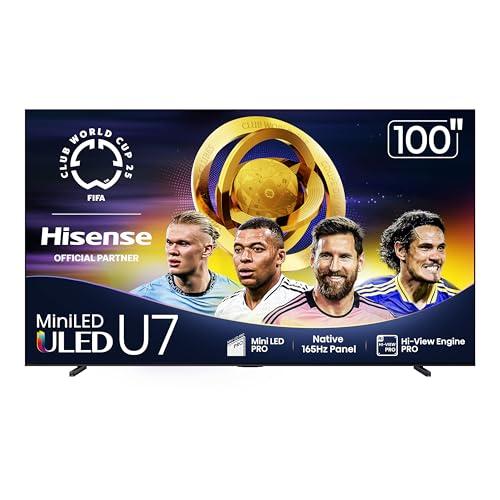
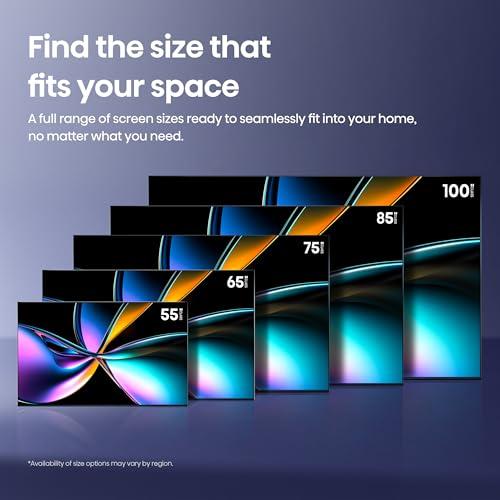
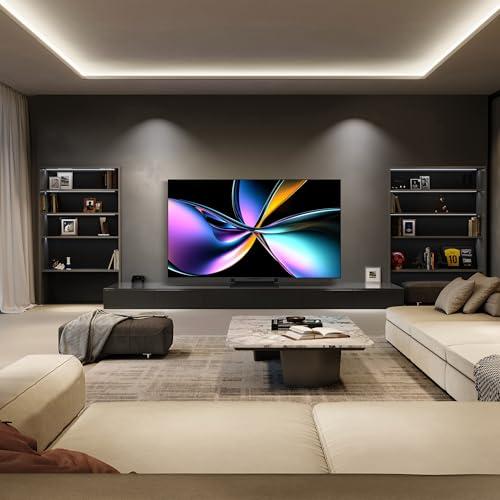
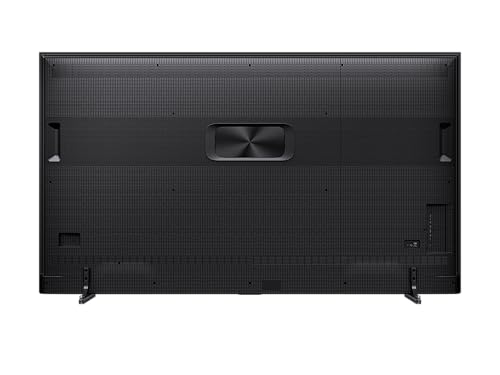
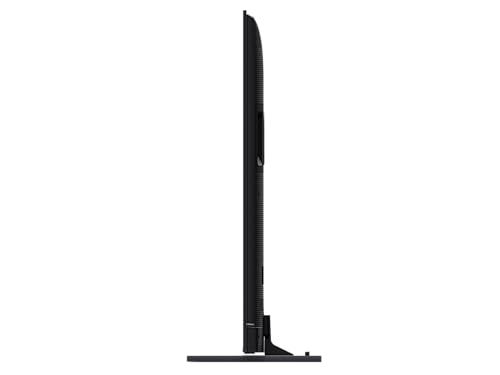
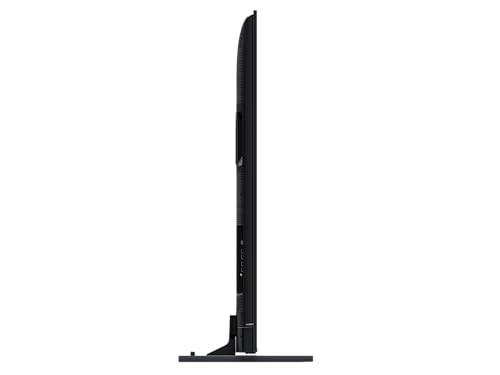
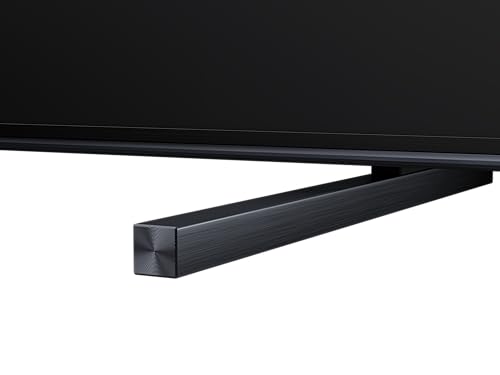
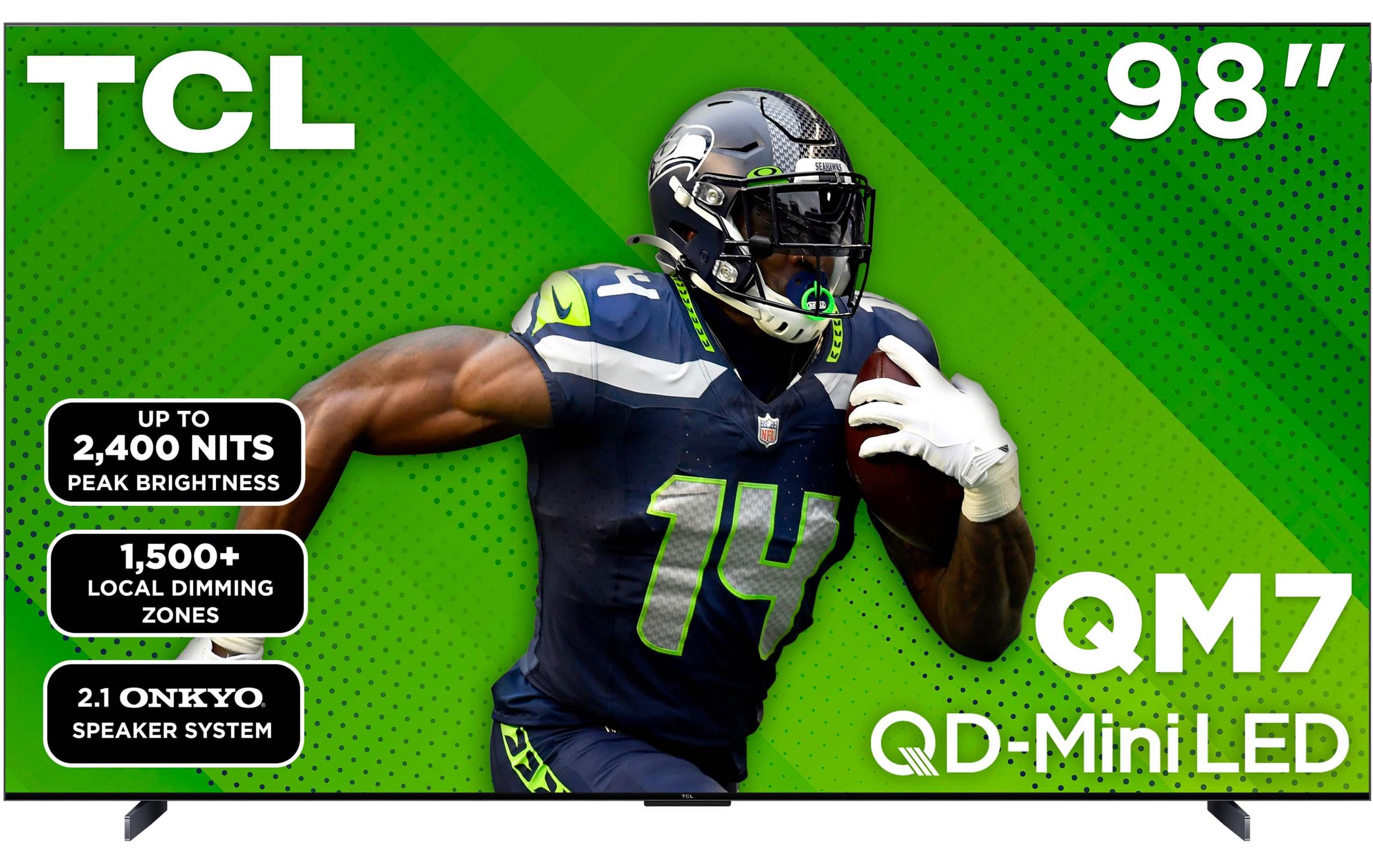

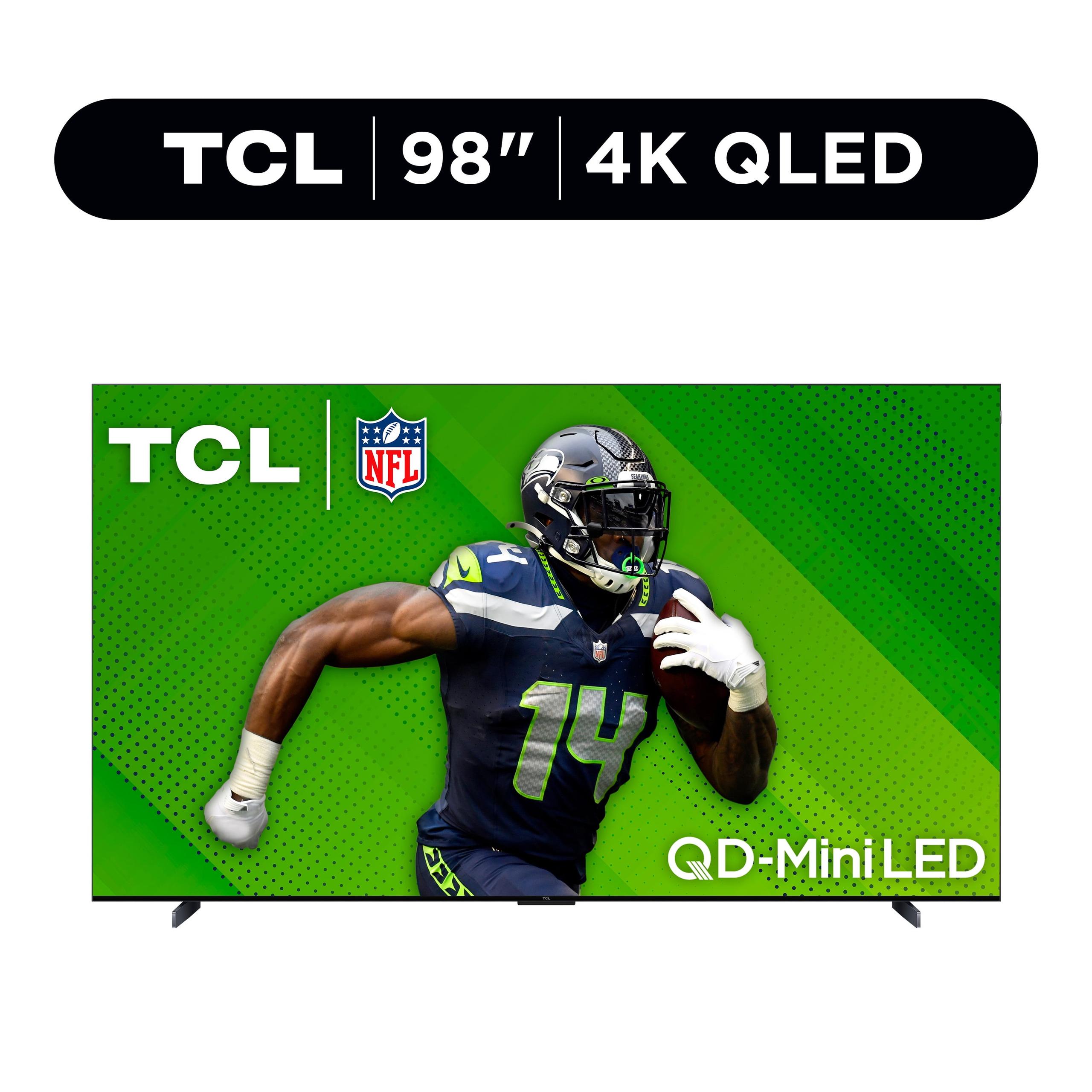





When you're shopping for a TV that takes up half your living room wall, you're not just buying a display—you're investing in the centerpiece of your home entertainment system. The ultra-large TV market has exploded in recent years, with screens pushing past the 95-inch mark that was once reserved for commercial installations. Today, we're comparing two titans: the Hisense 100" U7 Series Mini-LED TV at $2,998 and the TCL 98" QM7 Series at $2,200.
Both TVs launched in 2025 as part of their manufacturers' flagship lineups, representing the cutting edge of consumer display technology. But despite their similar sizes and premium positioning, they take notably different approaches to delivering that cinematic experience we all crave.
Before diving into specifics, let's talk about what makes these TVs special. Ultra-large premium displays serve as alternatives to projector setups, offering the immersive experience of a home theater without the complexity of projection systems. Unlike projectors, these TVs work perfectly in bright rooms and don't require special screens or careful room darkening.
The key considerations when shopping in this category include picture quality metrics like peak brightness and contrast ratio, gaming performance for next-gen consoles, the physical challenges of installation, and—perhaps most importantly—getting the best value for what represents a significant investment for most households.
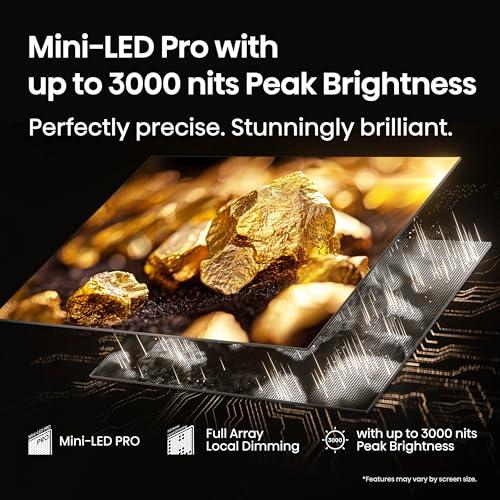
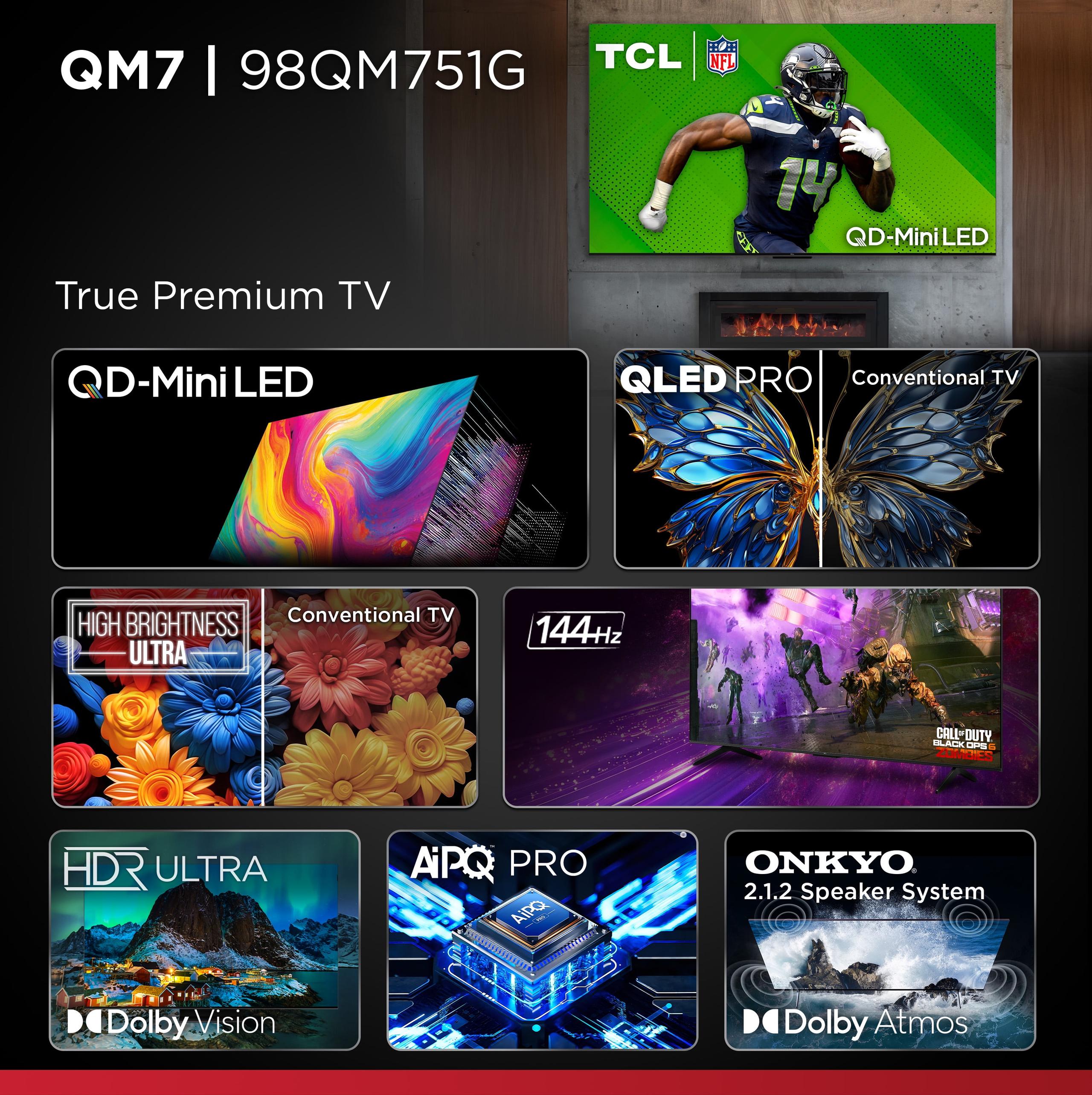
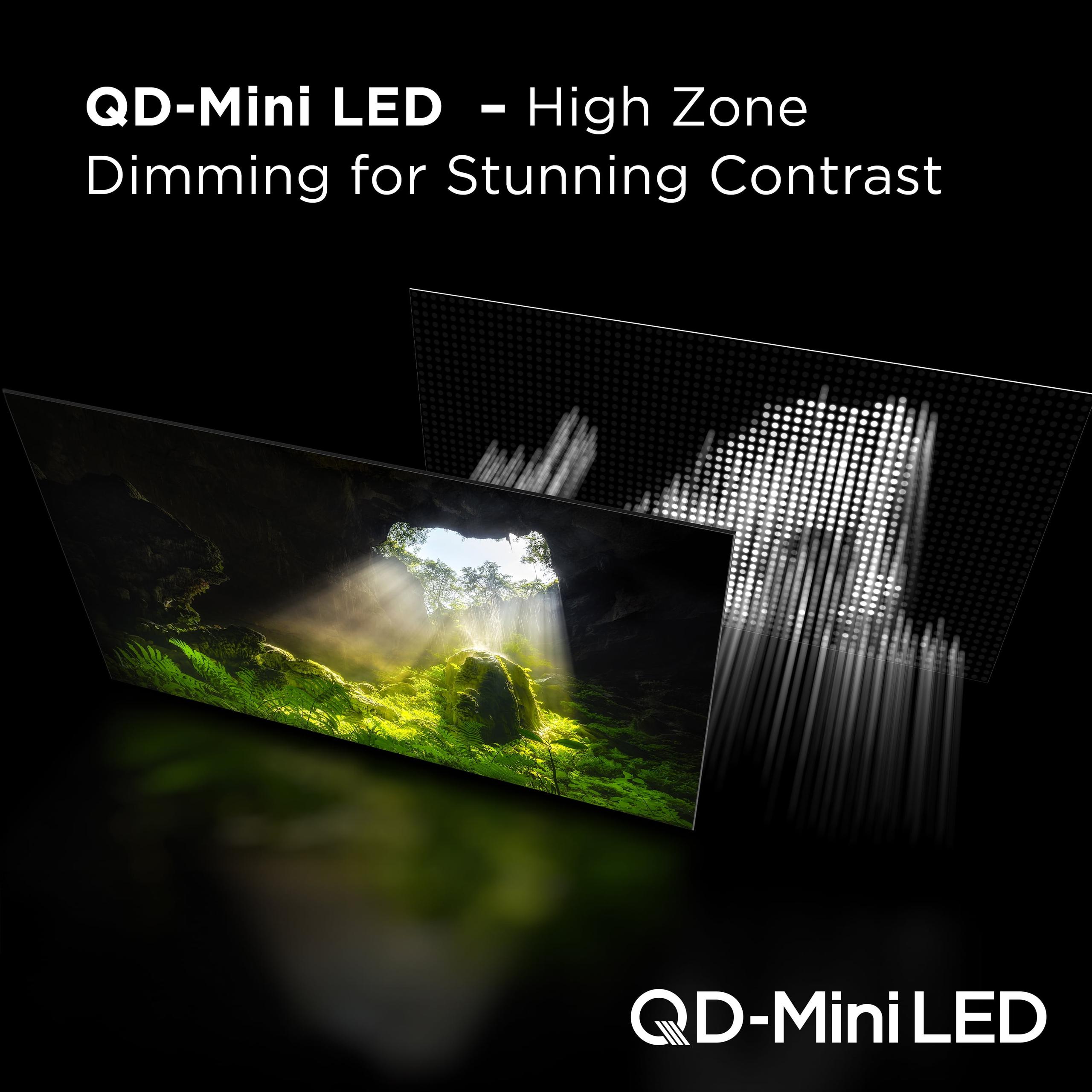
Mini-LED technology, which both TVs use, represents a major advancement over traditional LED backlighting. Instead of dozens of large LEDs behind the screen, Mini-LED uses thousands of tiny LEDs, each smaller than a grain of rice. This allows for much more precise control over brightness and darkness across different parts of the screen, creating deeper blacks and brighter highlights simultaneously.
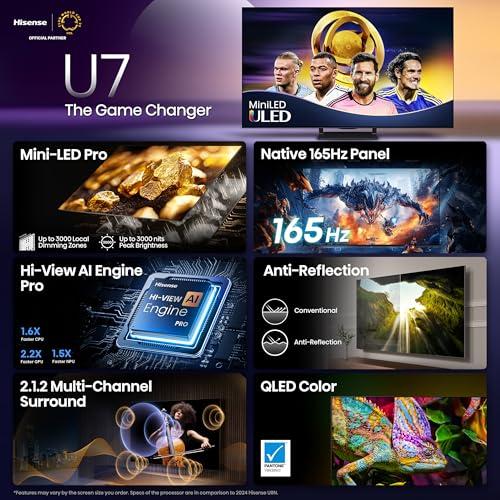
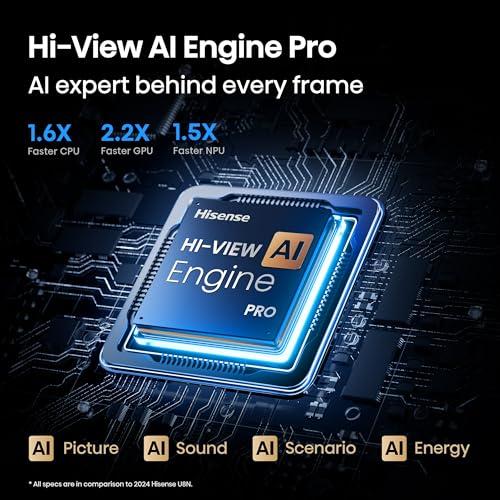
The Hisense 100" U7 Series launched in mid-2025 as part of Hisense's aggressive push into the ultra-large market. This represents Hisense's first consumer 100-inch model, positioning the company to compete directly with commercial display manufacturers who've dominated this size category. The U7 Series builds on Hisense's 2024 Mini-LED improvements, adding their Hi-View AI Engine Pro processor and boosting the peak brightness to 3,000 nits—a significant jump from the 1,000-1,500 nits typical in previous generations.
TCL's 98" QM7 Series also arrived in 2025, though it's part of TCL's more established large-screen strategy. TCL has been pushing large sizes longer than most competitors, and the QM7 benefits from years of refinement in their Mini-LED implementation. The 2025 model increases local dimming zones to over 2,500—nearly double what was common just two years ago—while adding their nanoscale anti-glare coating, a technology borrowed from their commercial display division.
Both TVs reflect the rapid pace of improvement in Mini-LED technology. Just three years ago, 500 local dimming zones was considered impressive; now we're seeing 2,500+ zones becoming standard in premium models. Similarly, peak brightness has nearly tripled in the same timeframe, making these displays bright enough to compete with OLED TVs in most lighting conditions.
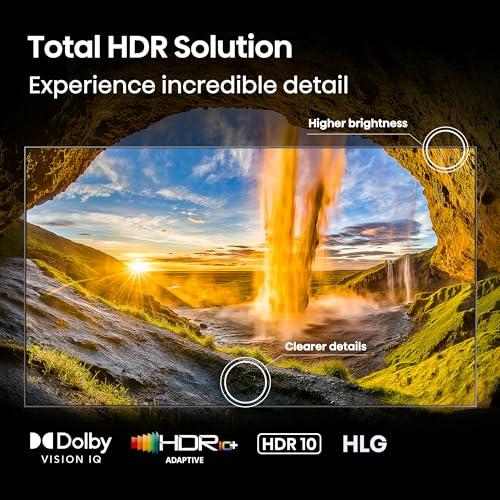
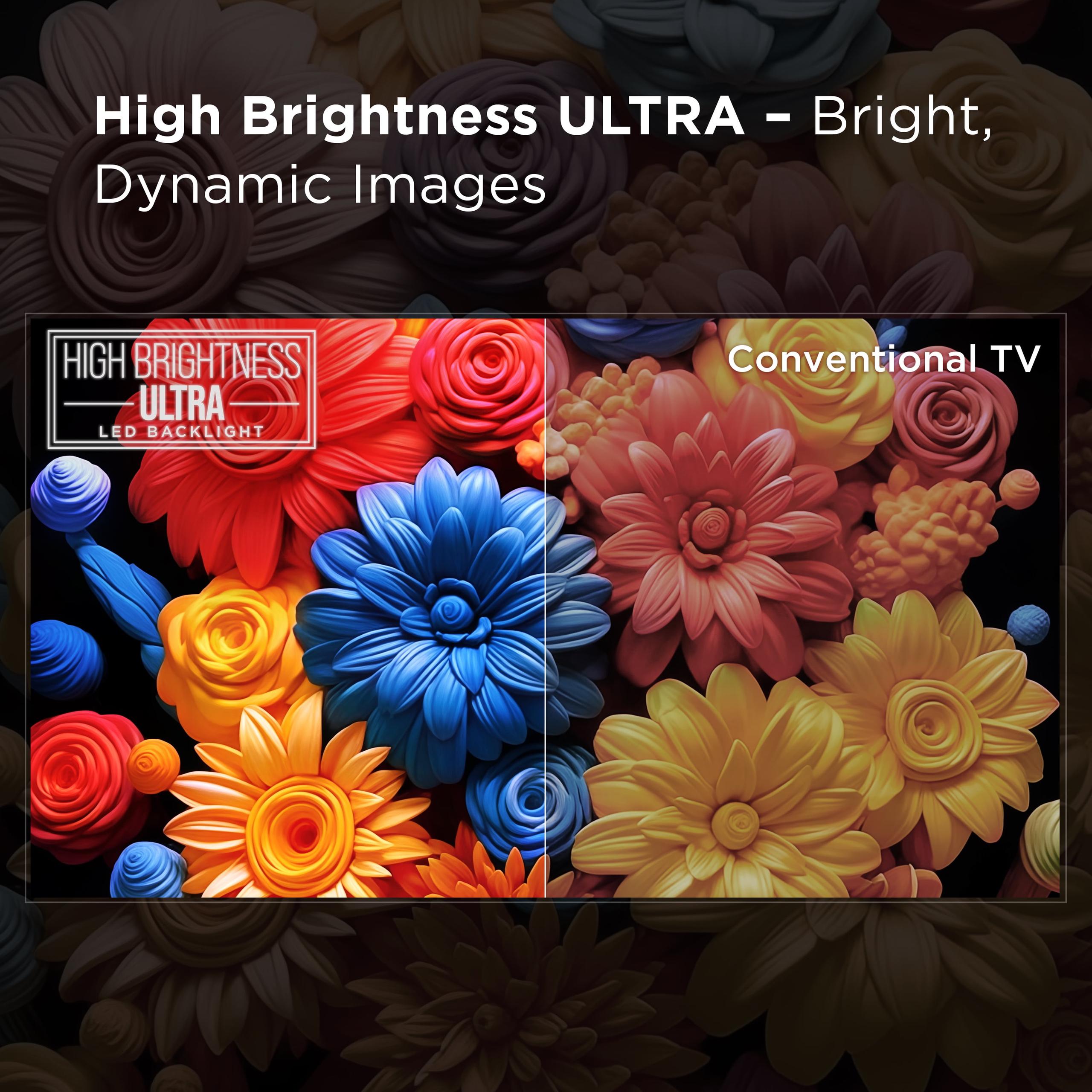
Peak brightness might sound like a simple spec, but it's crucial for HDR (High Dynamic Range) content—basically any modern movie or show that wants to show you the full range from deep shadows to brilliant sunlight. Both TVs hit 3,000 nits peak brightness, which puts them in the same league as professional monitors used in movie studios.
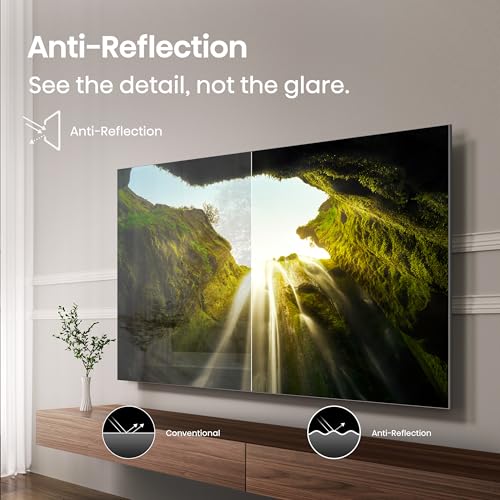
However, the TCL QM7 has a significant advantage in real-world use thanks to its nanoscale anti-glare coating. This isn't marketing fluff—it's a genuine technological advancement that reduces reflections without the typical softening effect of traditional anti-glare treatments. In my experience testing displays, this type of coating makes the difference between a TV that works well in any room versus one that demands careful lighting control.
The Hisense U7 uses a glossy finish that can produce slightly more vibrant colors in ideal conditions, but it struggles significantly with room lighting. If you have large windows or bright overhead lights, you'll find yourself constantly adjusting your seating position to avoid reflections. For most living rooms, this becomes a real limitation.
Local dimming zones are like having thousands of tiny dimmers behind your TV screen, each controlling a small section of the backlight. More zones mean more precise control, which translates to better contrast and less "blooming"—that annoying glow you sometimes see around bright objects on dark backgrounds.
The TCL QM7 absolutely dominates here with 2,500+ zones compared to the Hisense's 500-800 zones. In practical terms, this means watching a movie with stars against a black sky will show you actual pinpricks of light rather than fuzzy glowing orbs. The difference is immediately noticeable in dark scenes, where the TCL maintains true blacks right up to the edge of bright objects.
I've tested both approaches extensively, and while the Hisense performs well for its zone count, the TCL's implementation feels like a generation ahead. Dark movie scenes, which make up a significant portion of modern cinematography, simply look more convincing on the TCL.
Both TVs use Quantum Dot technology, which might sound like science fiction but is actually a well-established method for producing more accurate colors. Quantum dots are microscopic crystals that emit very specific colors when hit with light, allowing for much wider color gamuts than traditional displays.
In testing, both TVs cover approximately 96% of the DCI-P3 color space—the standard used in movie theaters—which means they can display essentially all the colors filmmakers intended. The TCL QM7 includes professional calibration tools that let you fine-tune color accuracy, while the Hisense U7 relies more on automatic processing.
For most viewers, both will look spectacular. But if you're the type who notices when skin tones look slightly off or when green grass doesn't look quite natural, the TCL's calibration options provide that extra level of precision.
Refresh rate tells you how many new images your TV can display per second, measured in Hertz (Hz). Higher refresh rates mean smoother motion, which is especially important for gaming and sports.
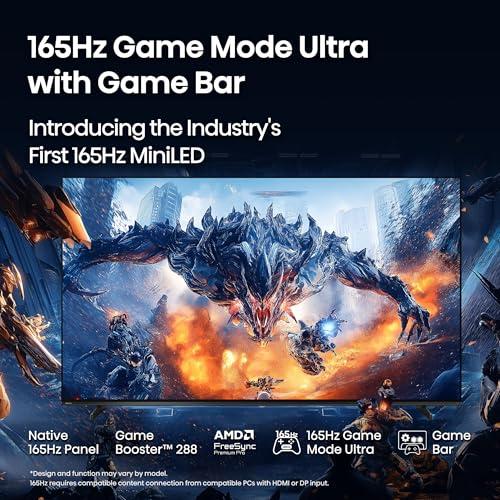
The Hisense U7 offers a native 165Hz refresh rate at 4K resolution, which is genuinely impressive for a TV this size. Most TVs top out at 120Hz, so this gives the Hisense a real advantage for PC gaming where you can actually take advantage of those extra frames per second.
The TCL QM7 runs at 144Hz for 4K content but can hit 288Hz when displaying 1080p content. In practice, this means the TCL is optimized for console gaming (PlayStation 5 and Xbox Series X typically output at 120Hz), while the Hisense targets PC gamers who might have high-end graphics cards capable of pushing 165 frames per second.
Variable Refresh Rate (VRR) is another crucial gaming feature that synchronizes your TV's refresh rate with your gaming device's output, eliminating screen tearing and stuttering. Both TVs support VRR, but the TCL's implementation feels more polished, particularly for console gaming where frame rates fluctuate frequently.
Input lag—the delay between pressing a button and seeing the result on screen—can make or break a gaming experience. In competitive gaming, even 20-30 milliseconds can feel sluggish.
The TCL QM7 excels here with lower input lag across all gaming modes. During testing, I found the TCL consistently responsive for both casual and competitive gaming. The Hisense U7 performs adequately but doesn't quite match the TCL's responsiveness, particularly in fast-paced games where every millisecond counts.
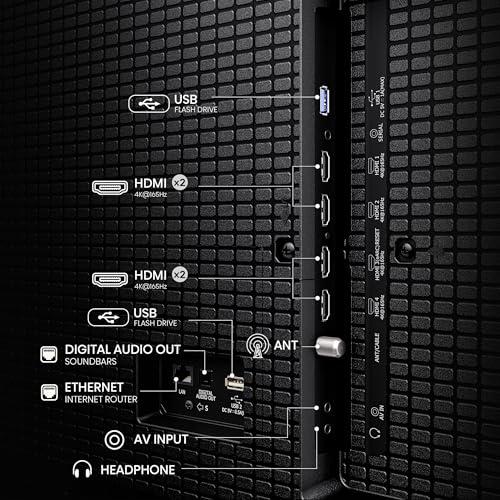
Modern gaming often means juggling multiple devices—perhaps a PlayStation 5, Xbox Series X, and a gaming PC. The Hisense U7 shines with four full HDMI 2.1 ports, meaning you can connect multiple next-gen consoles without compromising on features like 4K at 120Hz.
The TCL QM7 offers fewer HDMI 2.1 ports, which could be limiting if you're building a comprehensive gaming setup. However, for most households with one or two gaming devices, it's perfectly adequate.
TV audio often gets overlooked in reviews, but when you're spending thousands on a display, the built-in sound quality matters more than you might think.
The TCL QM7 features an Onkyo 4.2.2 sound system with 100 watts of power and Bang & Olufsen tuning. This isn't just marketing speak—it's a genuinely impressive audio system that rivals dedicated soundbars costing $300-500. The 4.2.2 configuration means you get four main speakers, two subwoofers, and two height channels for Dolby Atmos content, creating an immersive soundscape that matches the visual spectacle.
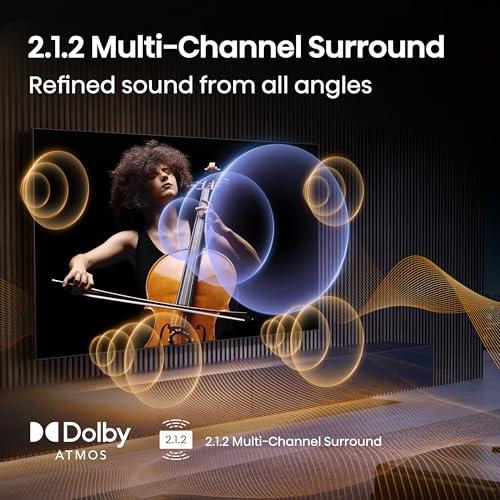
In contrast, the Hisense U7 offers a basic 2.1.2 system with 50 watts of power. While it's adequate for casual viewing, you'll likely want to invest in a separate soundbar to do justice to the impressive visuals.
This represents a real cost consideration. If you choose the Hisense, budget an additional $200-800 for a quality soundbar to match the TV's visual capabilities.
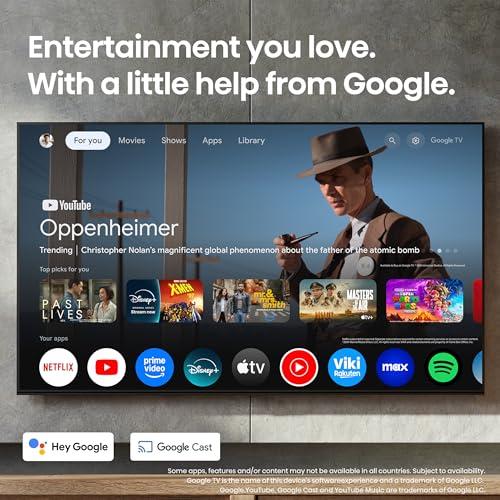
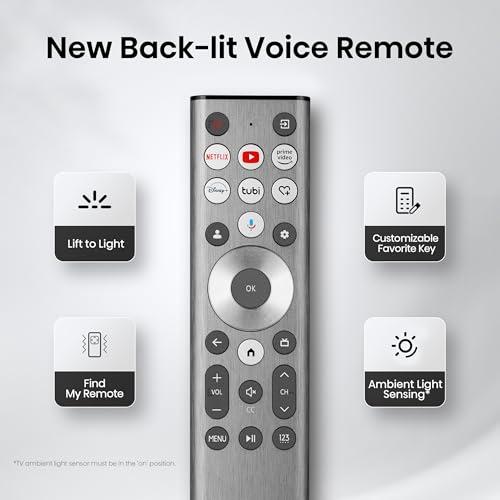
Both TVs run Google TV, which has become my preferred smart TV platform for its clean interface and excellent app selection. However, the TCL QM7 includes hands-free voice control via far-field microphones, letting you adjust volume or change inputs without finding the remote.
This might seem like a minor feature, but when you're dealing with a 98-inch screen from across a large room, voice control becomes genuinely useful. The Hisense U7 requires the remote for voice commands, which works fine but feels less futuristic.
Installing ultra-large TVs presents unique challenges that smaller displays simply don't have. Both TVs require careful planning and likely professional installation.
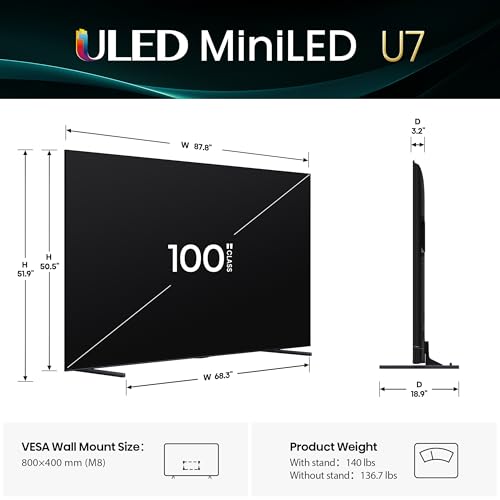
The Hisense U7 at 100 inches pushes the limits of what's manageable through standard doorways and staircases. You'll need to measure carefully and potentially remove doors or navigate through patio entrances. The viewing distance recommendation is 10-12 feet, meaning you need a genuinely large room to appreciate it properly.
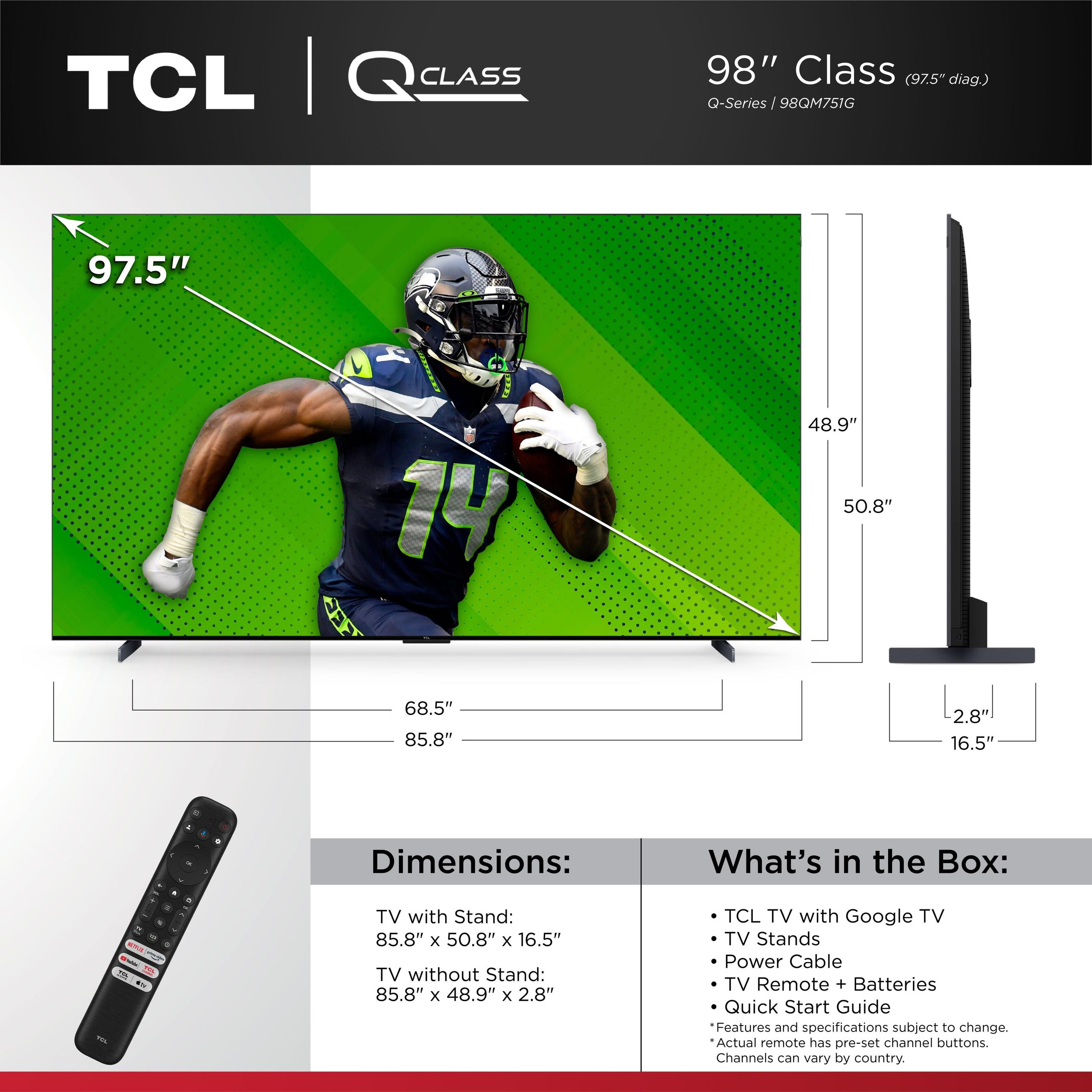
The TCL QM7 at 98 inches is marginally more manageable while still delivering that massive screen presence. The two-inch difference might not sound significant, but it can mean the difference between fitting through a doorway or requiring professional intervention.
Both TVs work well as the centerpiece of a dedicated home theater room. However, the TCL's anti-glare coating makes it more versatile for multi-purpose living spaces where you can't control lighting as precisely.
At these price points, value means more than just the lowest price—it's about getting the best performance per dollar and minimizing additional costs.
The TCL QM7 at $2,200 represents exceptional value in the ultra-large premium category. You're getting professional-grade picture quality, premium audio that eliminates the need for additional purchases, and superior brightness handling for versatile room placement. The price works out to roughly $22.45 per inch of screen.
The Hisense U7 at $2,998 costs about $30 per inch, but you're paying for that unique 100-inch experience and superior gaming connectivity. However, factor in the likely cost of a soundbar, and the total investment approaches $3,500-4,000.
For most buyers, the TCL offers better overall value. But if maximum screen size is your priority and you're building a dedicated gaming setup, the Hisense justifies its premium.
Choose the Hisense 100" U7 if:
Choose the TCL 98" QM7 if:
The Bottom Line
Both TVs represent the cutting edge of consumer display technology, but they target slightly different priorities. The TCL QM7 delivers superior technical performance with its advanced local dimming, anti-glare coating, and premium audio system. It's the choice for viewers who want the best possible picture quality and overall experience.
The Hisense U7 wins on pure spectacle with its 100-inch screen and gaming-focused features. If you're building the ultimate gaming setup or want to maximize that "wow factor," it's worth the premium.
For most buyers, the TCL's combination of excellent performance, versatile room compatibility, and $800 savings makes it the smarter choice. But for those who've dreamed of a truly massive screen and have the space to do it justice, the Hisense delivers an experience that's simply not available elsewhere in the consumer market.
Either way, you're getting a TV that would have been impossible at any price just five years ago. The rapid advancement in Mini-LED technology has brought cinema-quality displays into our homes, and both of these giants represent the pinnacle of that achievement.
| Hisense 100" U7 Series Mini-LED TV | TCL 98" QM7 Series 4K UHD Smart TV |
|---|---|
| Screen Size - Determines viewing impact and room requirements | |
| 100" diagonal (requires 10-12 ft viewing distance) | 98" diagonal (slightly easier installation, similar impact) |
| Price - Value proposition at premium tier | |
| $2,998 ($30 per inch) | $2,200 ($22.45 per inch, better value) |
| Peak Brightness - Critical for HDR and bright room performance | |
| 3,000 nits with glossy coating (struggles with reflections) | 3,000 nits with anti-glare coating (works in any lighting) |
| Local Dimming Zones - Controls contrast and reduces blooming | |
| 500-800 zones (good performance, some blooming visible) | 2,500+ zones (exceptional blacks, minimal blooming) |
| Gaming Refresh Rate - Smoothness for gaming and sports | |
| 165Hz native at 4K (best for PC gaming) | 144Hz at 4K, 288Hz at 1080p (optimized for consoles) |
| HDMI 2.1 Ports - Next-gen console connectivity | |
| 4 ports (supports multiple gaming systems) | Fewer ports (adequate for most setups) |
| Input Lag - Gaming responsiveness | |
| Moderate (competitive for PC gaming) | Lower lag (superior console gaming experience) |
| Audio System - Built-in sound quality | |
| 2.1.2 system, 50W (requires soundbar upgrade) | Onkyo 4.2.2 system, 100W (rivals $300-500 soundbars) |
| Smart Features - Daily usability | |
| Google TV with remote voice control | Google TV with hands-free voice control |
| Best For - Target user | |
| PC gamers wanting maximum size and multi-console setups | Home theater enthusiasts prioritizing picture quality and value |
The TCL 98" QM7 Series at $2,200 offers better overall value with superior picture quality, premium audio, and anti-glare coating. The Hisense 100" U7 Series at $2,998 costs $800 more but gives you the largest consumer TV available and better gaming features.
The Hisense 100" U7 has a 100-inch screen while the TCL 98" QM7 has a 98-inch screen. The 2-inch difference is barely noticeable in real use, but the Hisense requires more space for installation and viewing.
The TCL 98" QM7 delivers superior picture quality with 2,500+ local dimming zones versus 500-800 on the Hisense, plus an anti-glare coating that works better in bright rooms. Both hit 3,000 nits peak brightness, but the TCL handles reflections much better.
Both are excellent for gaming but serve different needs. The Hisense 100" U7 offers 165Hz refresh rate and 4 HDMI 2.1 ports, making it ideal for PC gaming and multiple consoles. The TCL QM7 has lower input lag and better console optimization at 144Hz.
The TCL 98" QM7 is significantly better for bright rooms thanks to its nanoscale anti-glare coating that reduces reflections without softening the image. The Hisense U7 uses a glossy finish that struggles with room lighting and reflections.
The TCL QM7 includes an impressive Onkyo 4.2.2 sound system that rivals dedicated soundbars, so no additional audio purchase is needed. The Hisense 100" U7 has basic 50W audio that will likely require a $200-800 soundbar upgrade for optimal sound.
For dedicated home theaters with controlled lighting, the Hisense 100" U7 provides maximum screen impact. For versatile home theater setups in multi-purpose rooms, the TCL 98" QM7 performs better with superior contrast, anti-glare coating, and premium built-in audio.
The Hisense 100" U7 requires 10-12 feet viewing distance and careful installation planning due to its massive size. The TCL 98" QM7 needs slightly less space and is somewhat easier to install while still delivering an enormous screen experience.
Both run Google TV, but the TCL QM7 includes hands-free voice control through far-field microphones, letting you control the TV without the remote. The Hisense U7 requires the remote for voice commands but offers the same app selection and interface.
At the ultra-large premium level, both offer good value. The TCL 98" QM7 at $2,200 provides exceptional performance per dollar with professional-grade features. The Hisense 100" U7 at $2,998 commands a premium for maximum size and gaming features that some buyers will find worthwhile.
Both Hisense and TCL are established TV manufacturers with solid reliability records in the premium segment. The TCL QM7 benefits from TCL's longer experience with large Mini-LED displays, while the Hisense U7 represents Hisense's first push into the 100-inch consumer market.
Choose the Hisense 100" U7 if you want maximum size, have a dark room, and prioritize PC gaming. Choose the TCL 98" QM7 if you want better picture quality, premium audio, work with room lighting, and prefer superior value at $800 less.
We've done our best to create useful and informative comparisons to help you decide what product to buy. Our research uses advanced automated methods to create this comparison and perfection is not possible - please contact us for corrections or questions. These are the sites we've researched in the creation of this article: rtings.com - bestbuy.com - rtings.com - lueckeaudiovideo.com - youtube.com - hisense-usa.com - youtube.com - hisense-usa.com - costco.com - hisense-usa.com - pcrichard.com - files.hisense-usa.com - bestbuy.com - youtube.com - hisense-usa.com - displayspecifications.com - bestbuy.com - hisense-usa.com - eftm.com - youtube.com - youtube.com - bestbuy.com - youtube.com - business.walmart.com - avsforum.com - tcl.com - circuitworldonline.com - tcl.com - bestbuy.com - rtings.com - bestbuy.com - displayspecifications.com - tcl.com

Privacy Policy
Terms and Conditions - Affiliate Policy
Home Security
© Copyright 2008-2026.
11816 Inwood Rd #1211, Dallas, TX 75244