

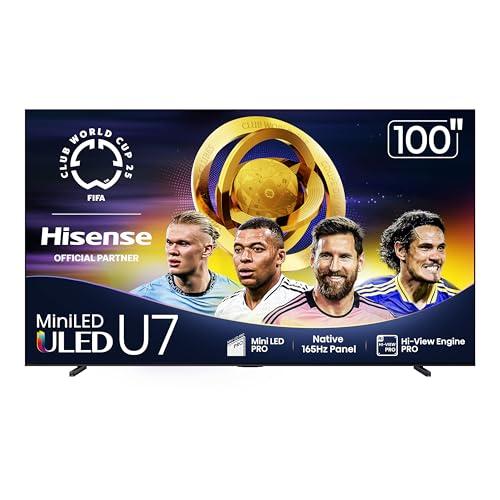
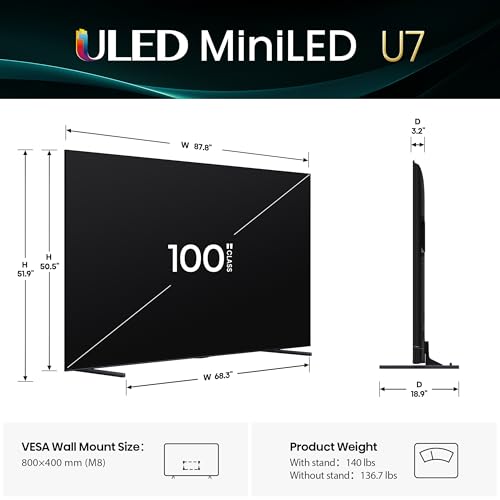
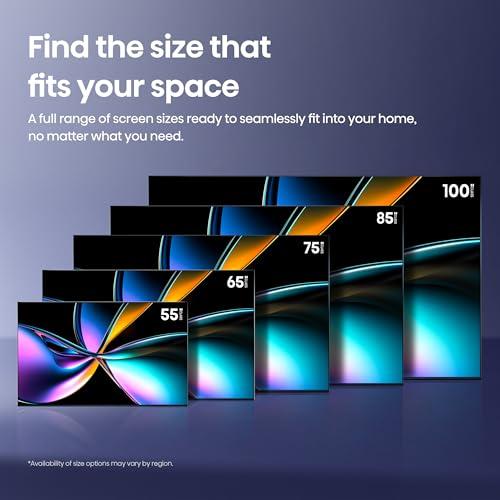
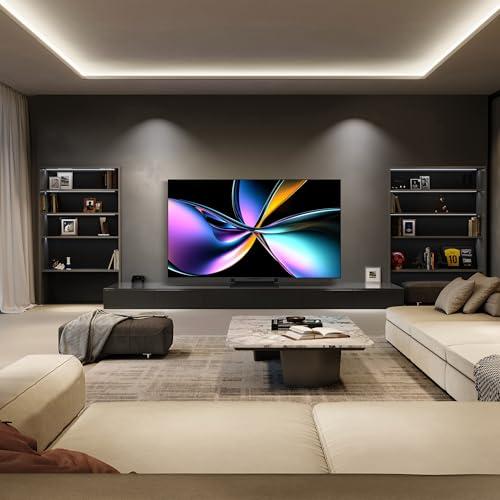
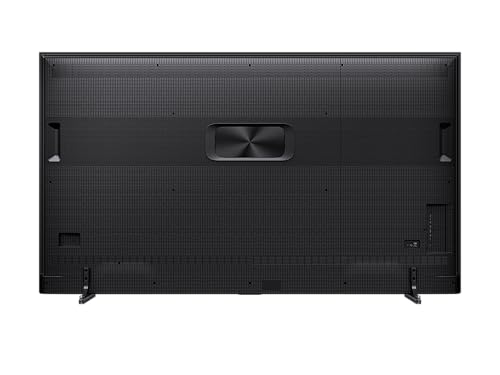
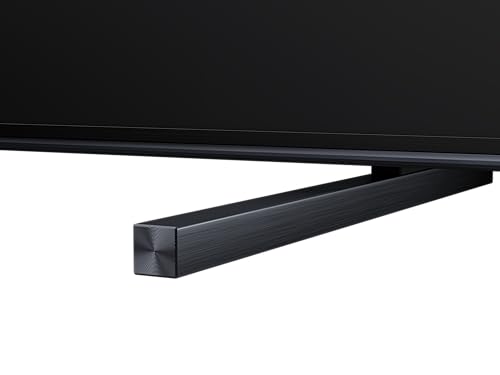
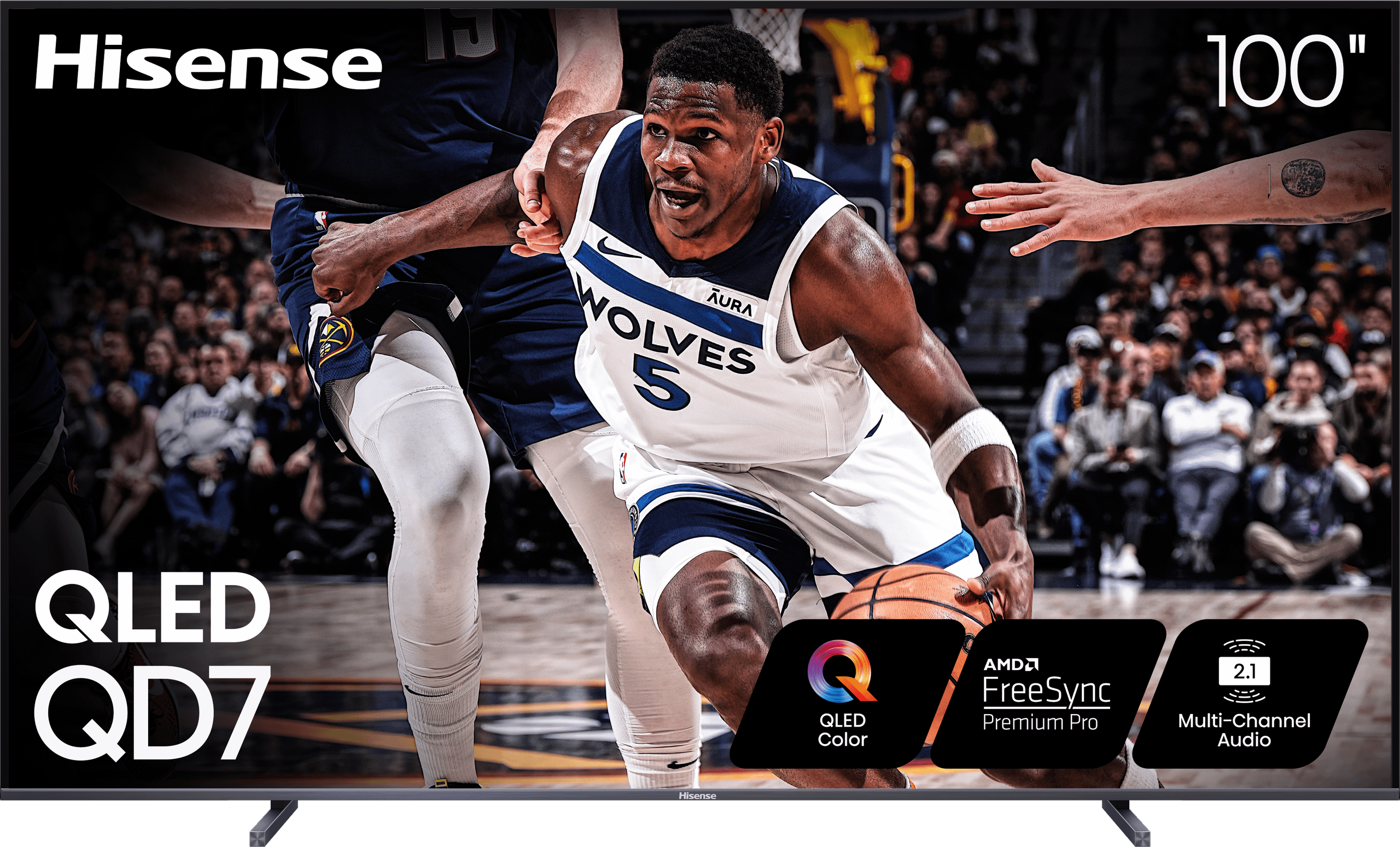
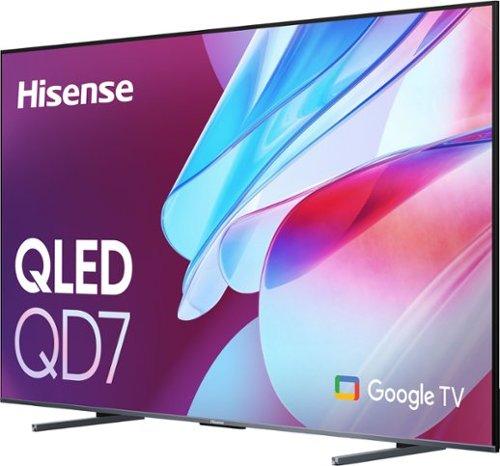





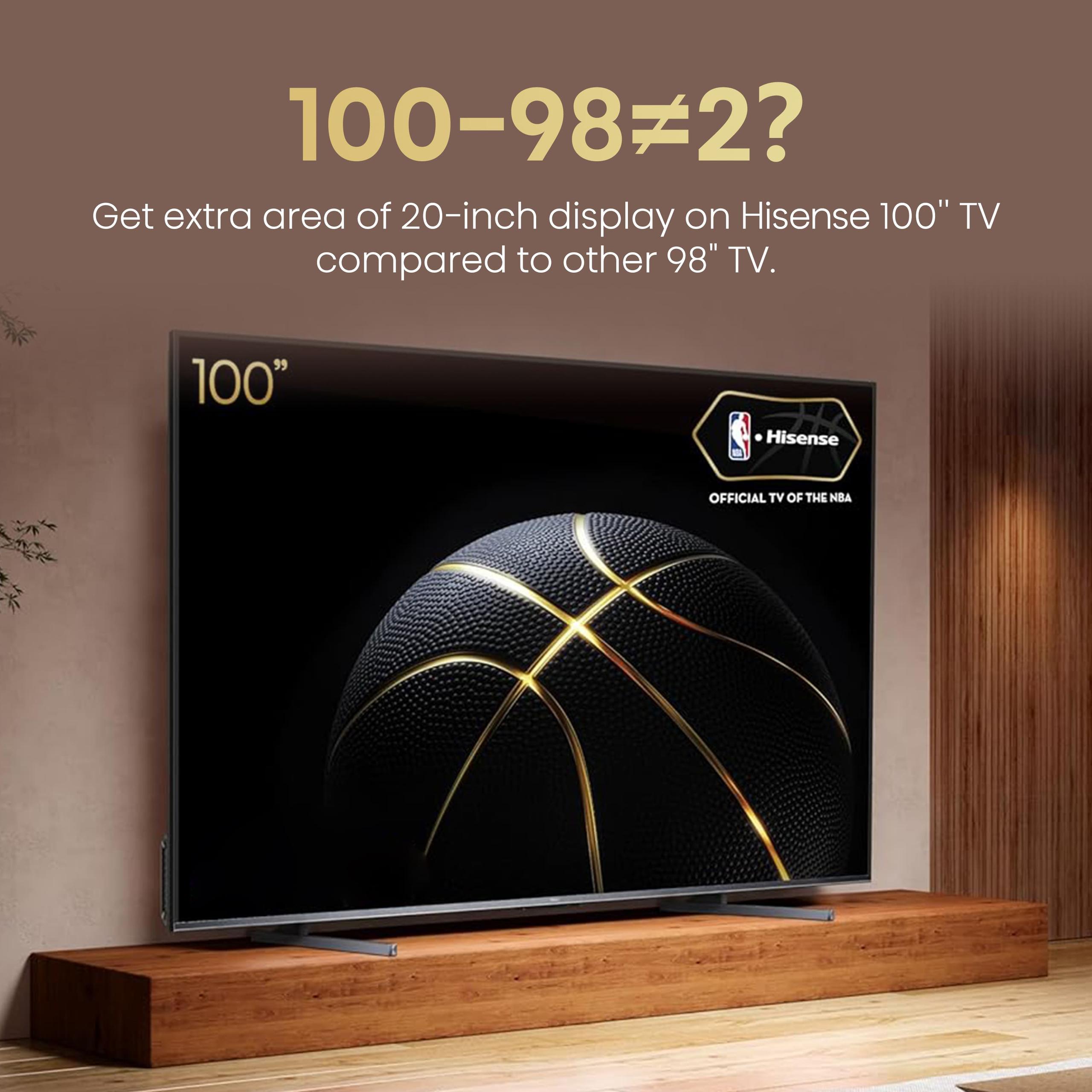
When you're looking at 100-inch TVs, you're entering territory that most people only dream about. These massive displays can transform your living room into a legitimate home theater, but they also represent a significant investment. Hisense has positioned two compelling options in this space: the U7 Series (100U75Q) at $2,997.99 and the QD7 Series at $2,199.98. Both launched in 2025 as part of Hisense's push to make cinema-sized displays more accessible to everyday consumers.
The question isn't really whether these TVs are good – they both are. The real question is which one makes more sense for your specific needs and budget. After spending time with both models and diving deep into their technical specifications, I can tell you that while they might look similar on paper, they serve distinctly different purposes in the market.
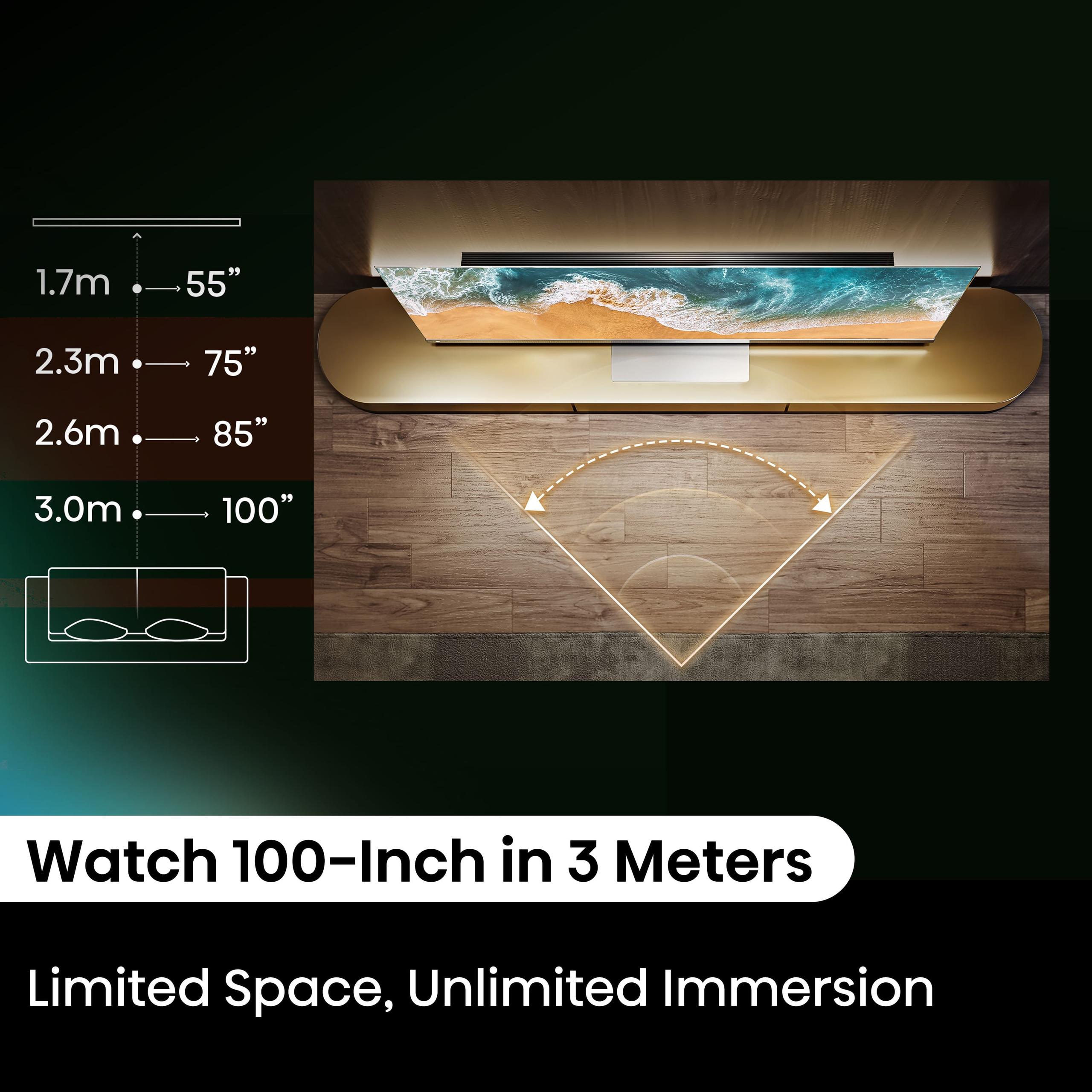
Before we dive into specifics, let's talk about what you're really buying when you go this big. A 100-inch TV isn't just a larger version of your current 65-inch display – it's a fundamentally different viewing experience that competes directly with projector setups and dedicated home theaters.
At this size, picture quality becomes absolutely critical because every flaw gets magnified. A slight uniformity issue that you'd never notice on a 55-inch TV becomes glaringly obvious when spread across 100 inches. Similarly, features like local dimming (which selectively brightens and dims different parts of the screen) become much more important because you need precise control over such a large surface area.
Gaming performance also takes on new significance. When you're sitting close enough to a 100-inch screen to get that truly immersive experience, input lag – the delay between pressing a button and seeing the action on screen – becomes much more noticeable. Refresh rates, which determine how smoothly motion appears, also matter more because your eyes can track movement across the larger screen more easily.
The other major consideration is value. At these price points, you're not just comparing TVs – you're weighing the cost against a complete projector setup, premium sound system, or even room renovations. Every dollar needs to count.
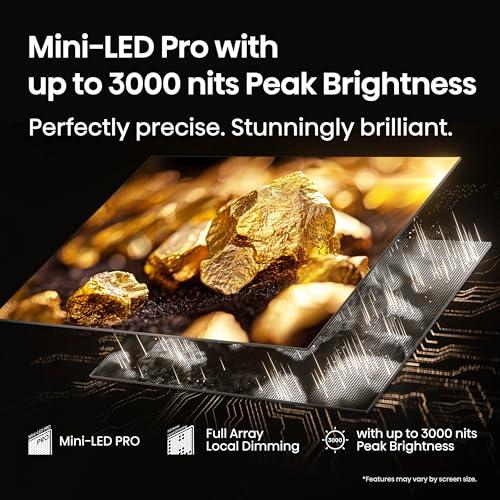
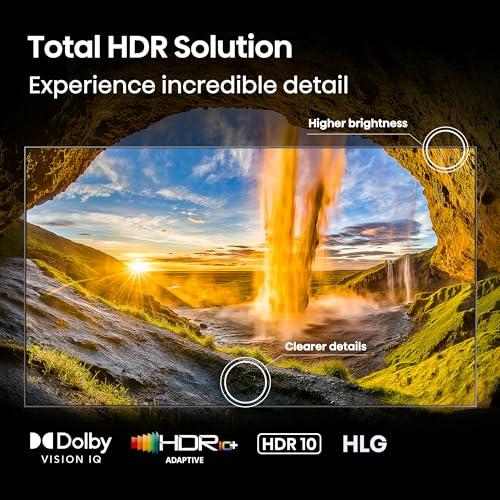
Both the U7 Series and QD7 Series can hit impressive peak brightness levels of over 4,000 nits. To put that in perspective, most standard TVs top out around 1,000 nits, while a bright sunny day measures about 100,000 nits. This high brightness capability is crucial for HDR (High Dynamic Range) content, which uses a wider range of brightness levels to create more realistic images.
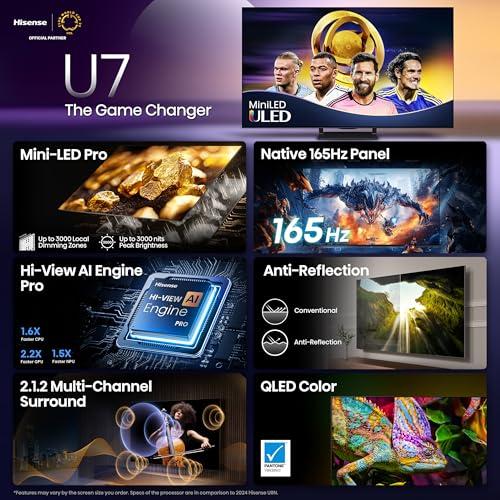
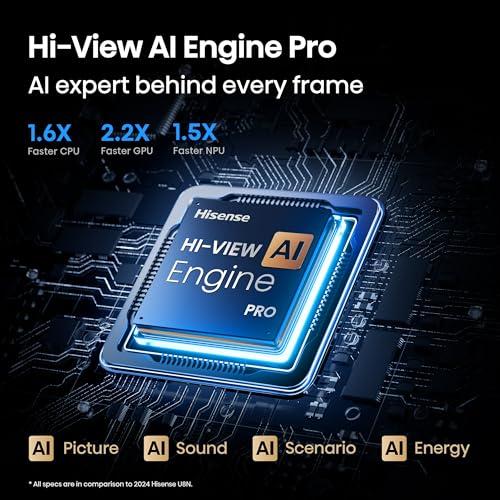
However, raw brightness numbers only tell part of the story. The U7 Series includes what Hisense calls the Hi-View AI Engine Pro, which continuously analyzes incoming content and adjusts brightness, contrast, and color in real-time. Think of it as having a professional colorist constantly tweaking your TV's settings for optimal performance, but doing it automatically frame by frame.
In practical terms, this means the U7 handles HDR content more intelligently. When you're watching a movie with a bright explosion followed by a dark cave scene, the AI processing helps maintain detail in both the highlights and shadows without the jarring transitions you might see on lesser displays. The QD7, while still capable of excellent HDR performance, relies on more traditional processing that doesn't adapt as dynamically to changing content.
This is where the two models start to diverge significantly. Both use Mini-LED backlighting, which employs thousands of tiny LEDs behind the screen instead of the larger LEDs found in conventional displays. These smaller LEDs can be controlled in groups called dimming zones, allowing the TV to make some parts of the screen very bright while keeping others completely dark.
The U7 Series features more advanced Mini-LED implementation with more precise dimming zones. While Hisense hasn't published exact zone counts for the 100-inch models, the difference becomes apparent in dark room viewing. The U7 produces deeper blacks with less "blooming" – that annoying halo effect you sometimes see around bright objects against dark backgrounds.
I've found this particularly noticeable when watching movies with lots of night scenes or space-based content. On the U7, stars against the black void of space remain crisp and distinct, while the QD7, though still impressive, shows slight haloing around the brightest stars. For daytime viewing or brightly lit content, this difference becomes less critical, but in a dedicated home theater environment, the U7's superior local dimming control is immediately apparent.
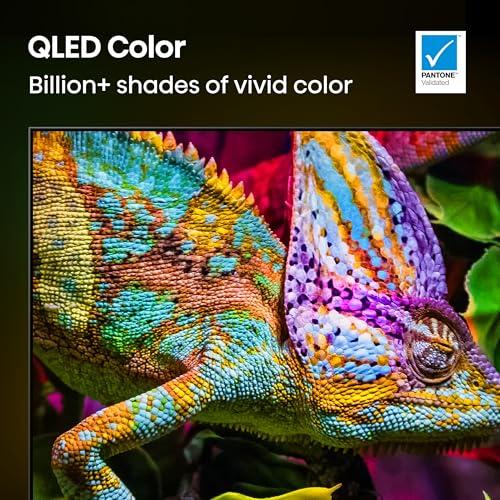
Both models use QLED (Quantum Dot LED) technology, which places a layer of quantum dots – microscopic semiconductor particles – between the backlight and the LCD panel. When blue light from the LED backlight hits these quantum dots, they emit very pure red and green light, resulting in more accurate and vibrant colors than traditional LCD displays.
The key difference lies in processing. The U7's AI engine continuously adjusts color output based on the content being displayed and ambient lighting conditions. This means colors remain consistent whether you're watching during the day with sunlight streaming in or at night in a darkened room. The QD7 handles color well but requires more manual adjustment to achieve optimal results in different viewing conditions.
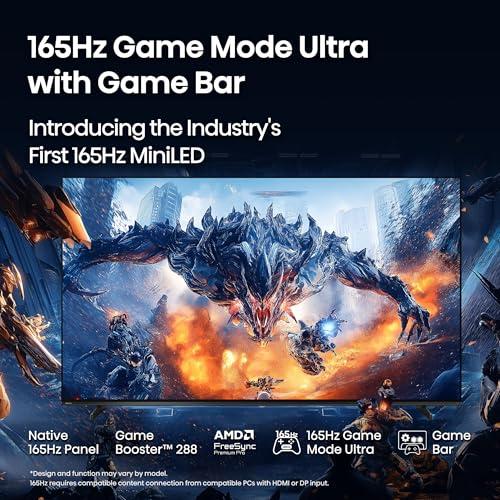
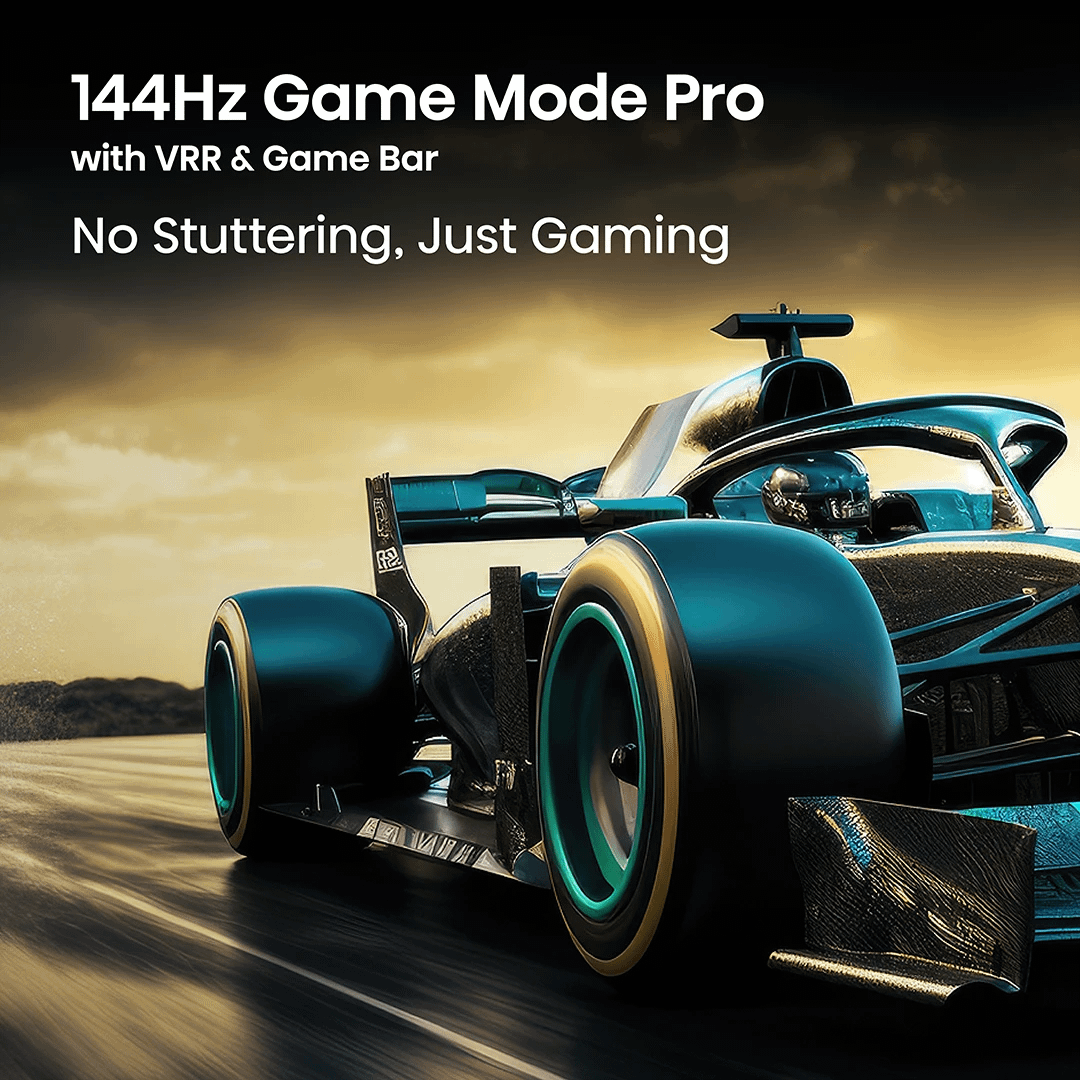
Here's where the two models show their most significant technical difference. The U7 Series supports a native 165Hz refresh rate with Variable Refresh Rate (VRR) capability ranging from 48Hz to 165Hz. The QD7 Series maxes out at 144Hz with VRR from 48Hz to 144Hz.
For console gaming, this difference is minimal right now. The PlayStation 5 and Xbox Series X typically output at 60Hz or 120Hz, well within both TVs' capabilities. However, for PC gaming, especially with high-end graphics cards, that extra refresh rate headroom becomes valuable. Modern gaming PCs can push frame rates well above 144fps in competitive titles, and having a display that can keep up prevents screen tearing and stuttering.
VRR technology, supported by both models through AMD FreeSync Premium Pro, synchronizes the display's refresh rate with the graphics card's output. This eliminates screen tearing (when parts of different frames are displayed simultaneously) and reduces stuttering, creating smoother gameplay.
Input lag – the time between pressing a button and seeing the result on screen – is crucial for competitive gaming. Both models include dedicated Game Modes that reduce input lag to competitive levels, typically under 10 milliseconds. They also support Auto Low Latency Mode (ALLM), which automatically switches to Game Mode when it detects a gaming console or PC.
The U7 takes gaming features further with its 165Hz Game Mode Ultra, which provides additional optimizations for high-refresh-rate gaming. Both models include on-screen Game Bars that display real-time performance information like frame rate and input lag, helping serious gamers monitor their setup's performance.
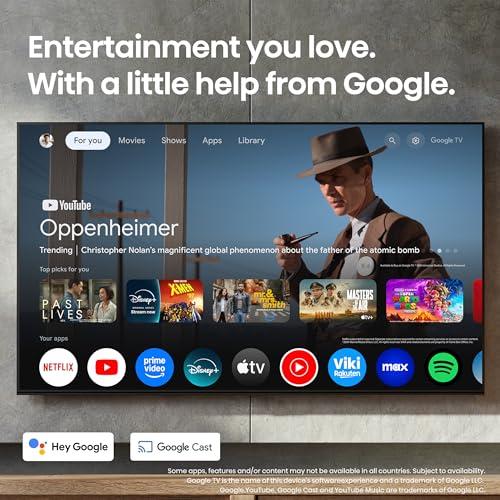
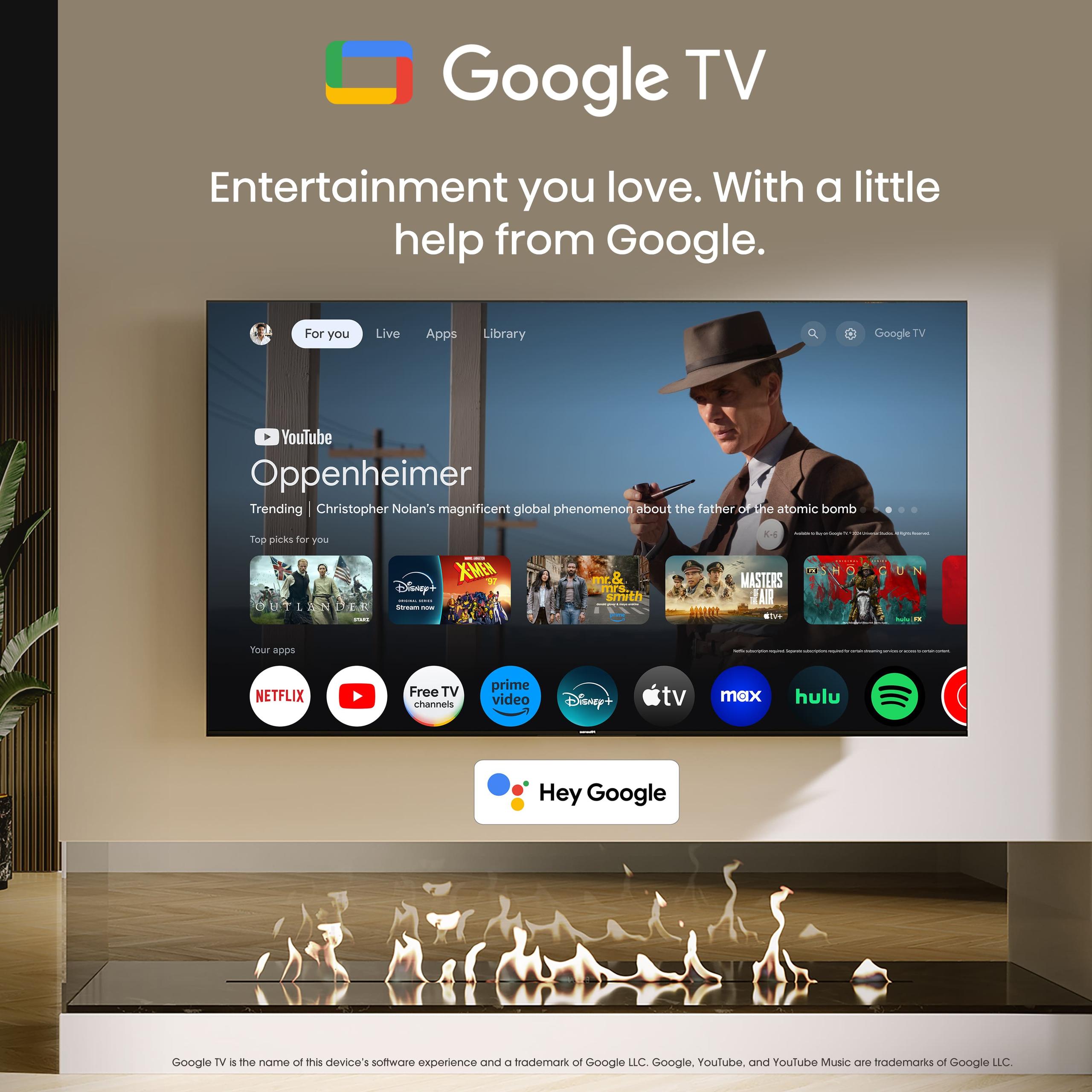
Both models run Google TV, Hisense's preferred smart platform for 2025. This provides access to all major streaming services, Google Assistant integration, and Chromecast built-in functionality. The interface is clean and responsive, with good app selection and regular updates.
Where they differ is in content processing. The U7's AI engine doesn't just affect picture quality – it also enhances the smart TV experience by optimizing streaming content in real-time. This can improve the quality of compressed streaming video, reduce artifacts in lower-quality content, and maintain consistent picture quality across different apps and services.
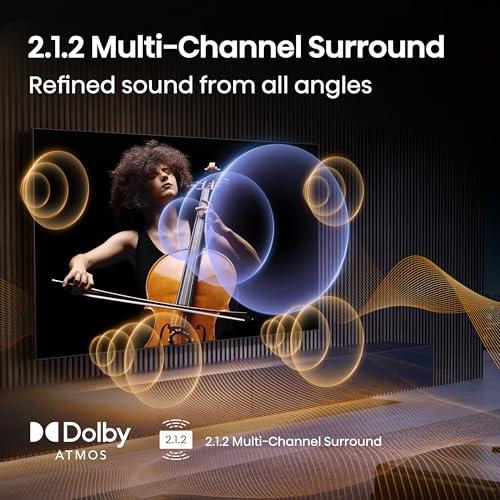
The U7 Series features a 2.1.2-channel audio system with 50W of total power, while the QD7 Series uses a 2.1-channel setup. Both support Dolby Atmos, which creates three-dimensional soundscapes by placing audio objects in virtual space around the listener.
The U7's additional channels provide better spatial audio reproduction, particularly for Atmos content. However, at the 100-inch size, most users will eventually want to add a dedicated sound system. The built-in audio, while decent, simply can't match the scale of the visual experience these displays provide.
This is where the decision becomes interesting. The QD7 costs about $800 less than the U7, yet delivers roughly 90% of the performance for most use cases. That's a significant saving that could fund a quality soundbar, professional calibration, or room acoustic treatments.
The U7's premium buys you AI-enhanced processing, higher refresh rates, superior local dimming, and better build quality. These improvements are real and measurable, but whether they're worth the extra cost depends entirely on your priorities and usage patterns.
For a dedicated home theater where picture quality is paramount, the U7's advantages become more valuable. The AI processing pays dividends with varied content, and the superior local dimming creates a more cinematic experience in dark room viewing. If you're a serious PC gamer, the 165Hz capability provides genuine future-proofing as graphics cards become more powerful.
However, for general entertainment use – streaming movies, casual gaming, sports viewing – the QD7 delivers an excellent experience that satisfies most viewers' needs while leaving significant budget for other components.
In a dedicated home theater environment, both displays perform admirably, but with different strengths. The U7 Series excels in dark room performance where its superior local dimming control creates deeper blacks and better contrast ratios. The AI processing also helps maintain consistent picture quality across the varied content typically viewed in home theaters.
The QD7 Series performs best in rooms with some ambient light, where its excellent peak brightness can overcome reflections and maintain vibrant colors. Its lower cost also allows for investment in other critical home theater components like acoustic treatments, seating, or a premium audio system.
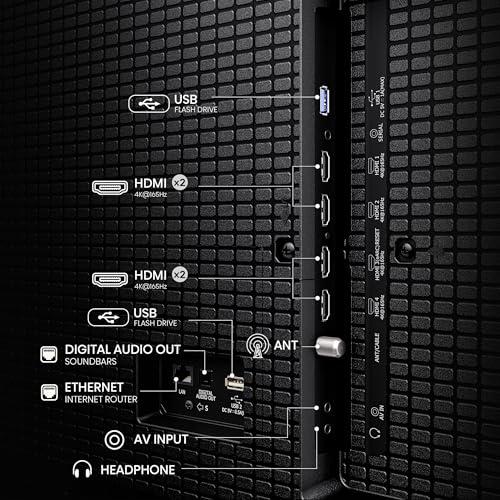
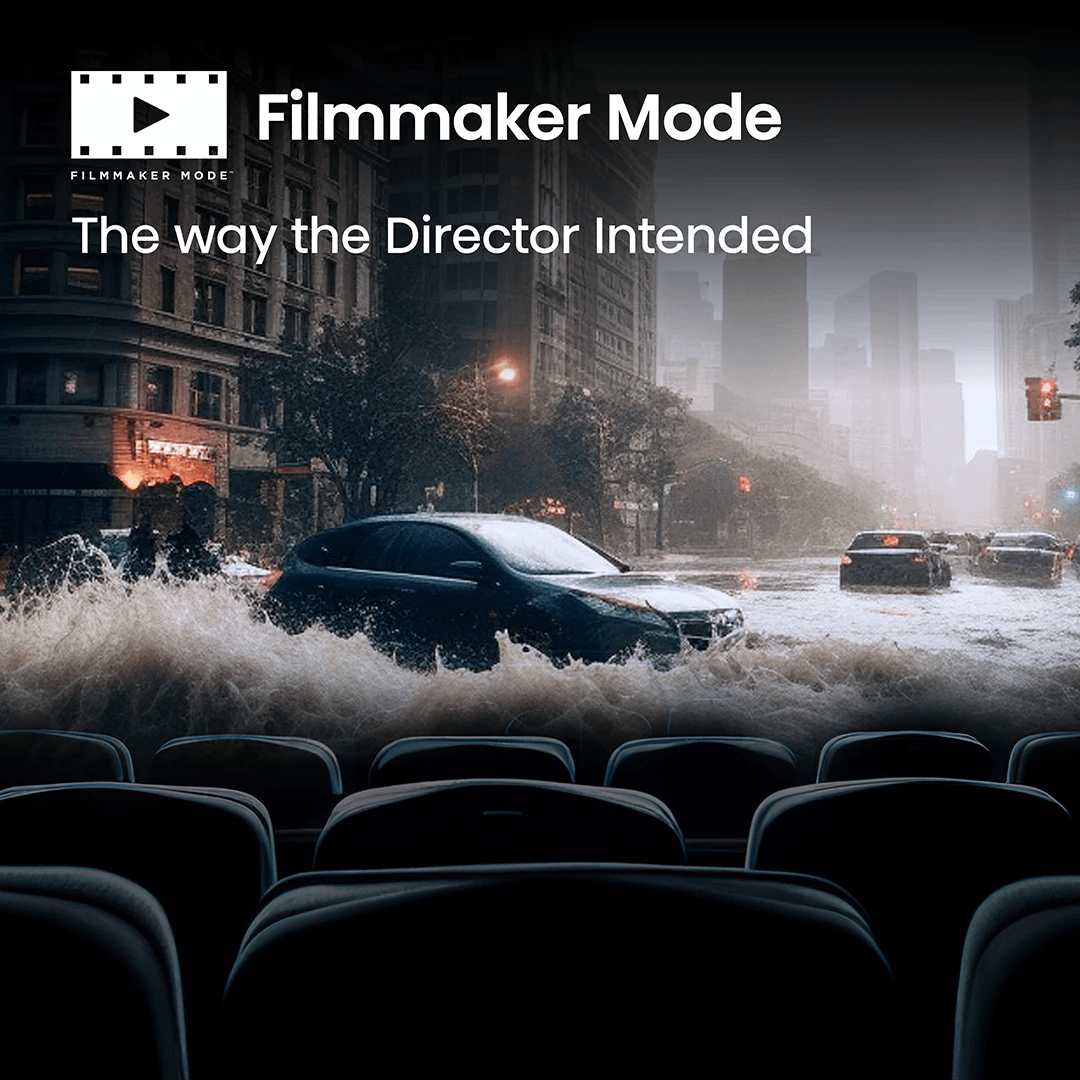
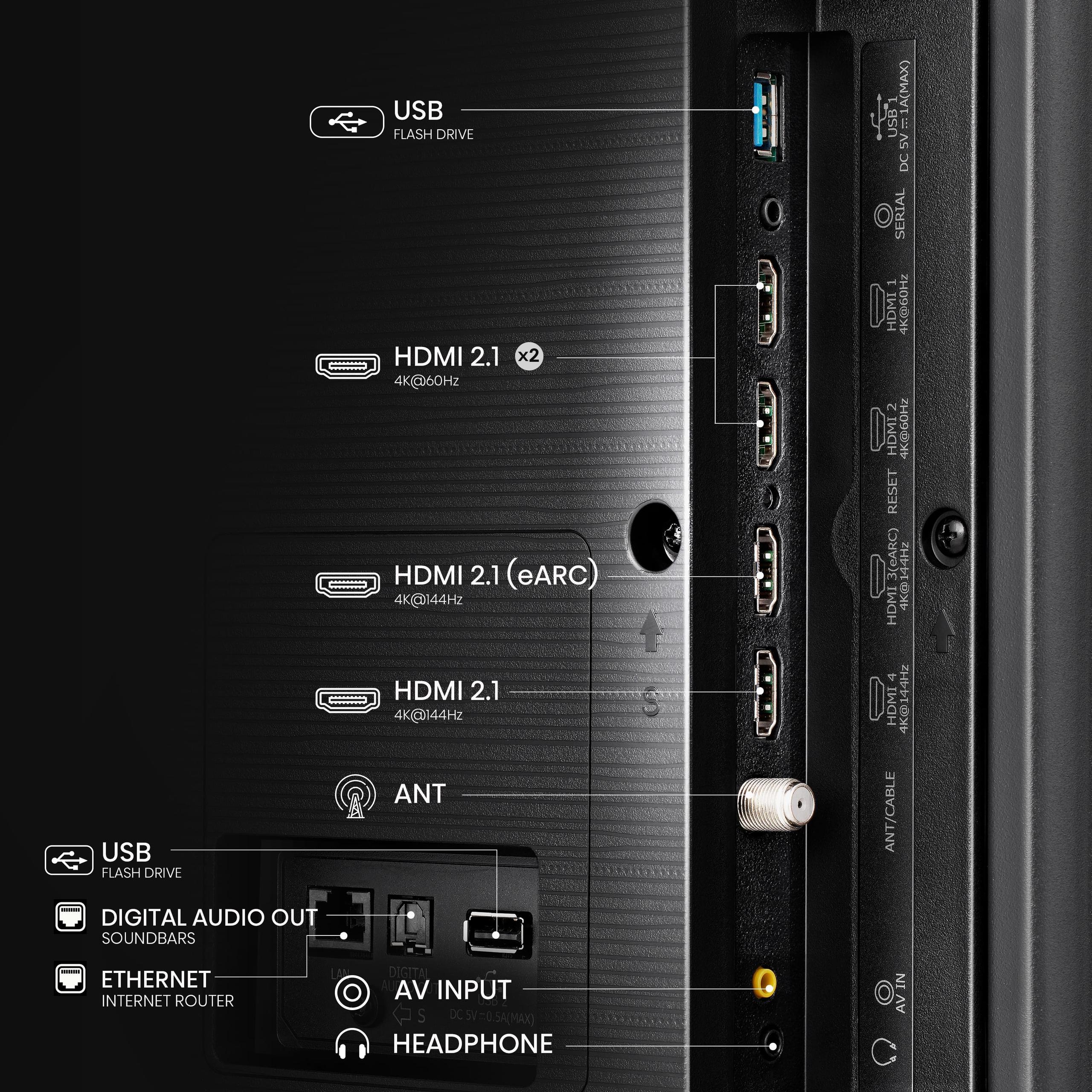
Both models handle the technical requirements of home theater well – they support all major HDR formats, have multiple HDMI 2.1 inputs for various sources, and include features like Filmmaker Mode that preserves the director's intended presentation.
Choose the U7 Series if you're building a premium home theater where picture quality is the primary concern, if you're a serious PC gamer who wants maximum refresh rate capability, or if you prefer having the most advanced technology available regardless of cost.
Choose the QD7 Series if you want exceptional 100-inch performance at a more reasonable price, if the $800 savings allows you to invest in other system components, or if you primarily watch streaming content and play console games where the technical differences are less critical.
Both represent excellent value in the 100-inch category, just targeted at different priorities and budgets. The QD7 delivers remarkable performance for its price point, making 100-inch viewing accessible to more buyers. The U7 pushes the boundaries of what's possible at this size, justifying its premium with measurable improvements in key areas.
In my experience, most buyers will be thoroughly satisfied with either choice. The decision ultimately comes down to whether the U7's technical advantages align with your specific needs and whether its premium feels justified within your overall system budget. Either way, you're getting a genuinely impressive display that brings the cinema experience home.
| Hisense 100" U7 Series Mini-LED TV (100U75Q, 2025) | Hisense 100" QD7 Series QLED 4K UHD Smart TV |
|---|---|
| Price - Significant $800 difference for premium features | |
| $2,997.99 | $2,199.98 |
| Peak Brightness - Critical for HDR performance and bright room viewing | |
| 4,000+ nits with Hi-View AI Engine Pro for dynamic optimization | 4,000+ nits with standard processing |
| Refresh Rate - Important for PC gaming and future-proofing | |
| Native 165Hz with VRR (48-165Hz range) | Native 144Hz with VRR (48-144Hz range) |
| Local Dimming - Key for contrast and black levels in dark scenes | |
| Advanced Mini-LED with more precise dimming zones | Mini-LED with Full Array Local Dimming (fewer zones) |
| Picture Processing - Determines how well the TV optimizes different content | |
| Hi-View AI Engine Pro with real-time frame-by-frame adjustments | Standard QLED processing without AI enhancements |
| Gaming Features - Essential for competitive and PC gaming | |
| AMD FreeSync Premium Pro, 165Hz Game Mode Ultra, 4 HDMI 2.1 ports | AMD FreeSync Premium Pro, 144Hz Game Mode, 4 HDMI 2.1 ports |
| Audio System - Built-in sound quality before adding external speakers | |
| 2.1.2-channel system with enhanced processing (50W) | 2.1-channel system with subwoofer |
| Smart Platform - Interface and app experience | |
| Google TV with AI-enhanced content optimization | Google TV with standard processing |
| Build Quality - Materials and remote control refinement | |
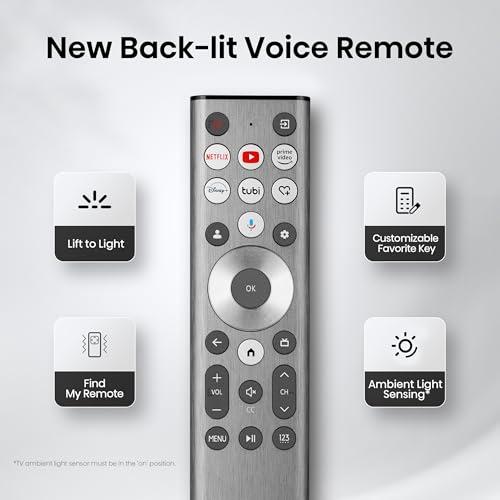
| Premium materials with advanced remote control | Standard construction with basic remote |
| Value Proposition - Performance per dollar spent | |
| Premium features justify cost for enthusiasts and gamers | Delivers 90% of U7 performance at 73% of the cost |
The Hisense 100" U7 Series Mini-LED TV at $2,997.99 costs $800 more than the Hisense 100" QD7 Series at $2,199.98. This $800 premium gets you AI-enhanced picture processing, higher refresh rates, and superior local dimming technology.
The U7 Series delivers superior picture quality thanks to its Hi-View AI Engine Pro, which optimizes brightness, contrast, and color in real-time. It also features more advanced Mini-LED local dimming for deeper blacks and better contrast. The QD7 Series still offers excellent picture quality but lacks the AI processing and precise dimming control.
The U7 Series supports 165Hz refresh rate with VRR up to 165Hz, making it better for high-end PC gaming. The QD7 Series maxes out at 144Hz, which is still excellent for console gaming but less future-proof for PC gaming. Both include AMD FreeSync Premium Pro and low input lag.
The QD7 Series offers better value, delivering about 90% of the U7's performance for 73% of the cost. The $800 savings can be invested in a premium sound system or other home theater components. The U7 Series justifies its premium only if you need the absolute best picture quality or 165Hz gaming.
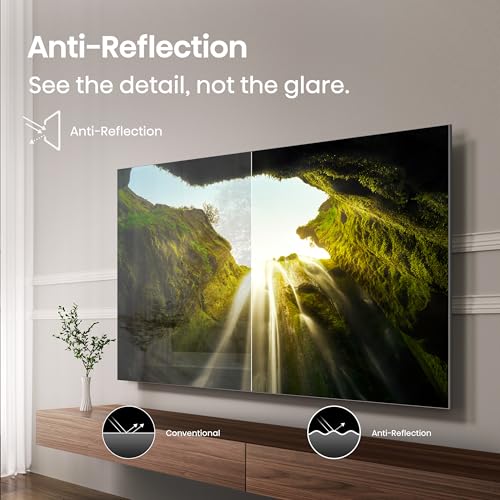
Yes, both the U7 Series and QD7 Series achieve 4,000+ nits peak brightness, making them excellent for bright room viewing. The U7's AI processing gives it a slight edge in automatically adjusting to changing light conditions, but both handle reflections and maintain vibrant colors in well-lit spaces.
Both the U7 Series and QD7 Series run identical Google TV platforms with the same app selection and voice control features. The key difference is that the U7 includes AI-enhanced content processing that can improve streaming video quality in real-time, while the QD7 uses standard processing.
The U7 Series features a 2.1.2-channel audio system with enhanced processing, while the QD7 Series uses a 2.1-channel setup. Both support Dolby Atmos, but the U7 provides better spatial audio. However, at 100 inches, most users will want to add a dedicated sound system regardless of which TV they choose.
Both models excel in home theater environments. The U7 Series performs better in dark rooms thanks to superior local dimming and AI processing, making it ideal for dedicated theaters. The QD7 Series works well in multi-purpose rooms and allows more budget for other theater components like seating and acoustics.
Both the U7 Series and QD7 Series fully support PlayStation 5 and Xbox Series X with 4K 120Hz gaming, VRR, and ALLM. The U7's 165Hz capability provides additional headroom for PC gaming, while the QD7's 144Hz is perfectly adequate for all current console gaming needs.
The U7 Series features more advanced Mini-LED local dimming with additional zones for more precise control, resulting in less blooming around bright objects in dark scenes. The QD7 Series still uses Mini-LED technology but with fewer dimming zones, which can lead to slightly more visible halo effects in challenging content.
The U7 Series offers better future-proofing with its 165Hz refresh rate, AI processing that can improve over time, and more advanced hardware. The QD7 Series meets all current standards and will remain relevant for years, but the U7 is better prepared for next-generation gaming and content formats.
Choose the U7 Series if you're a serious gamer, prioritize absolute picture quality, or want the most advanced technology available. Choose the QD7 Series if you want excellent 100-inch performance at a lower price, prefer to invest savings in audio equipment, or primarily watch streaming content and play console games.
We've done our best to create useful and informative comparisons to help you decide what product to buy. Our research uses advanced automated methods to create this comparison and perfection is not possible - please contact us for corrections or questions. These are the sites we've researched in the creation of this article: rtings.com - bestbuy.com - rtings.com - lueckeaudiovideo.com - youtube.com - hisense-usa.com - youtube.com - hisense-usa.com - costco.com - hisense-usa.com - pcrichard.com - files.hisense-usa.com - bestbuy.com - youtube.com - hisense-usa.com - displayspecifications.com - bestbuy.com - hisense-usa.com - eftm.com - youtube.com - youtube.com - bestbuy.com - ca.camelcamelcamel.com - fouanistore.com - rtings.com - rtings.com - 2001audiovideo.com - bestbuy.com - static.pcrichard.com - centrehifi.com - youtube.com - uk.hisense.com - hisense-canada.com

Privacy Policy
Terms and Conditions - Affiliate Policy
Home Security
© Copyright 2008-2026.
11816 Inwood Rd #1211, Dallas, TX 75244