

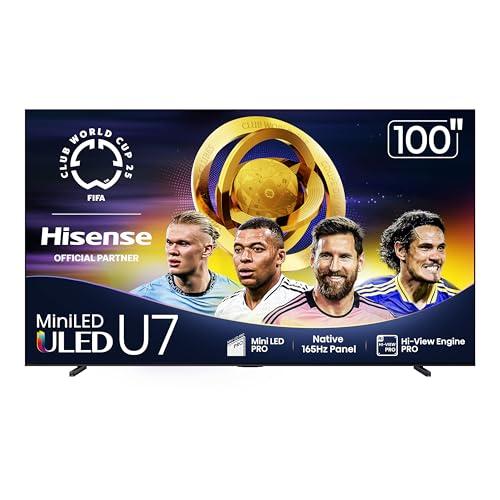
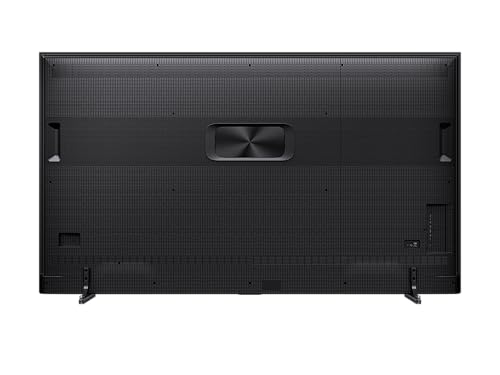
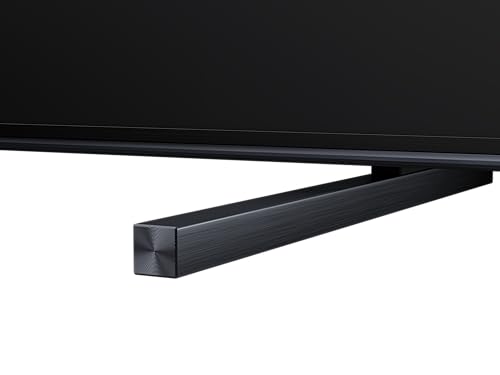
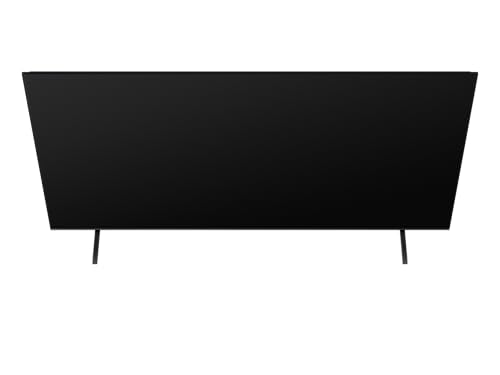
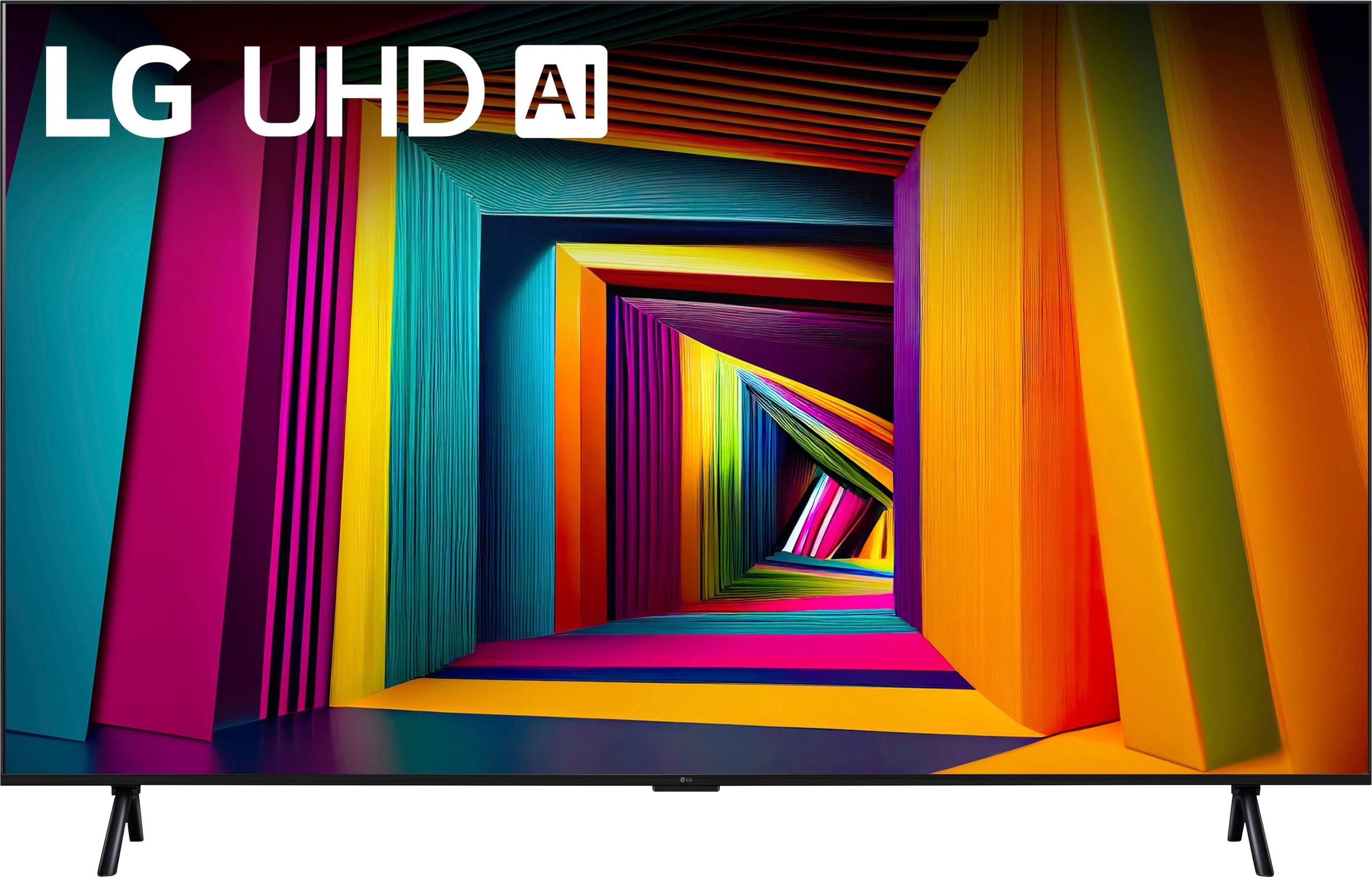
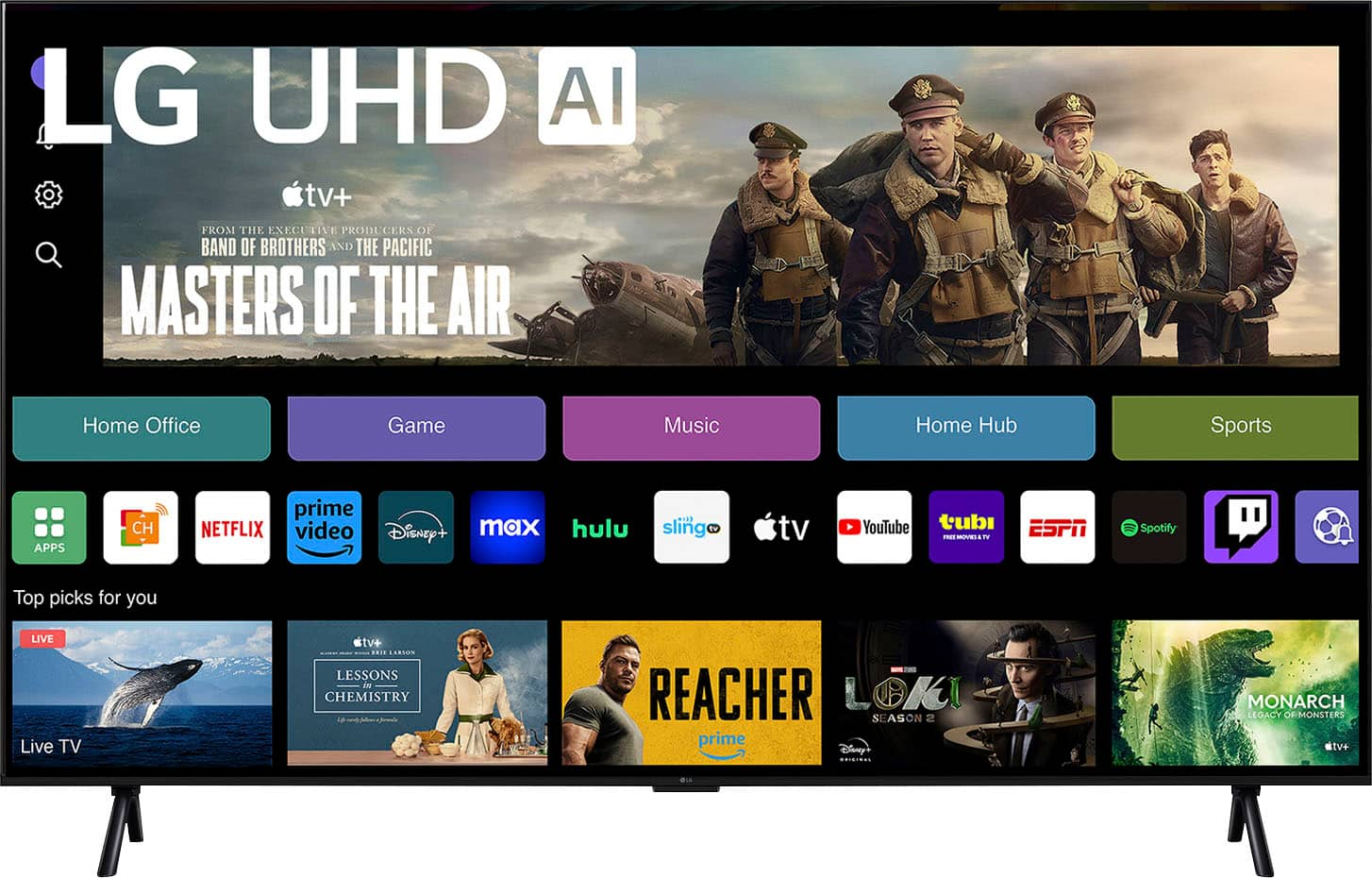
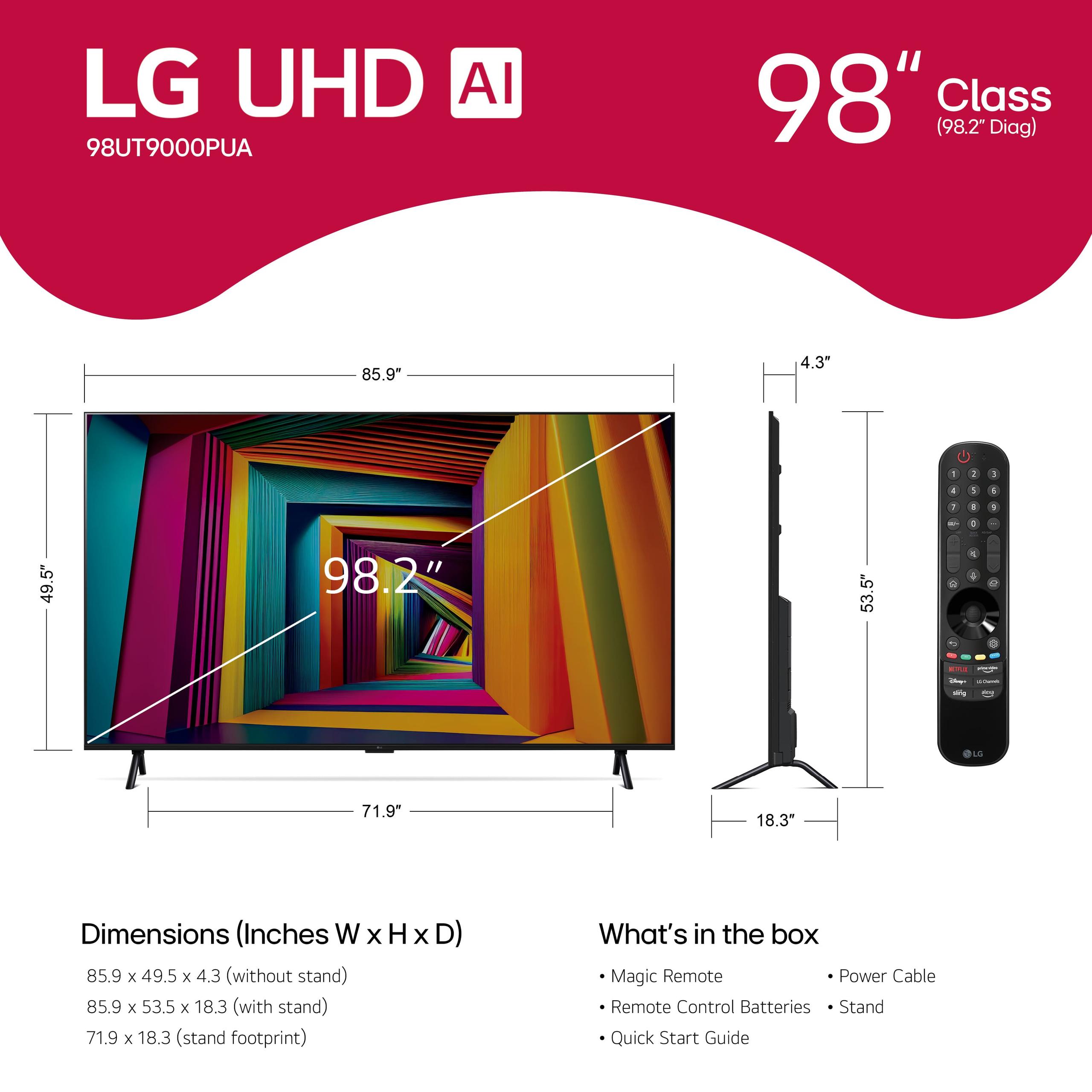
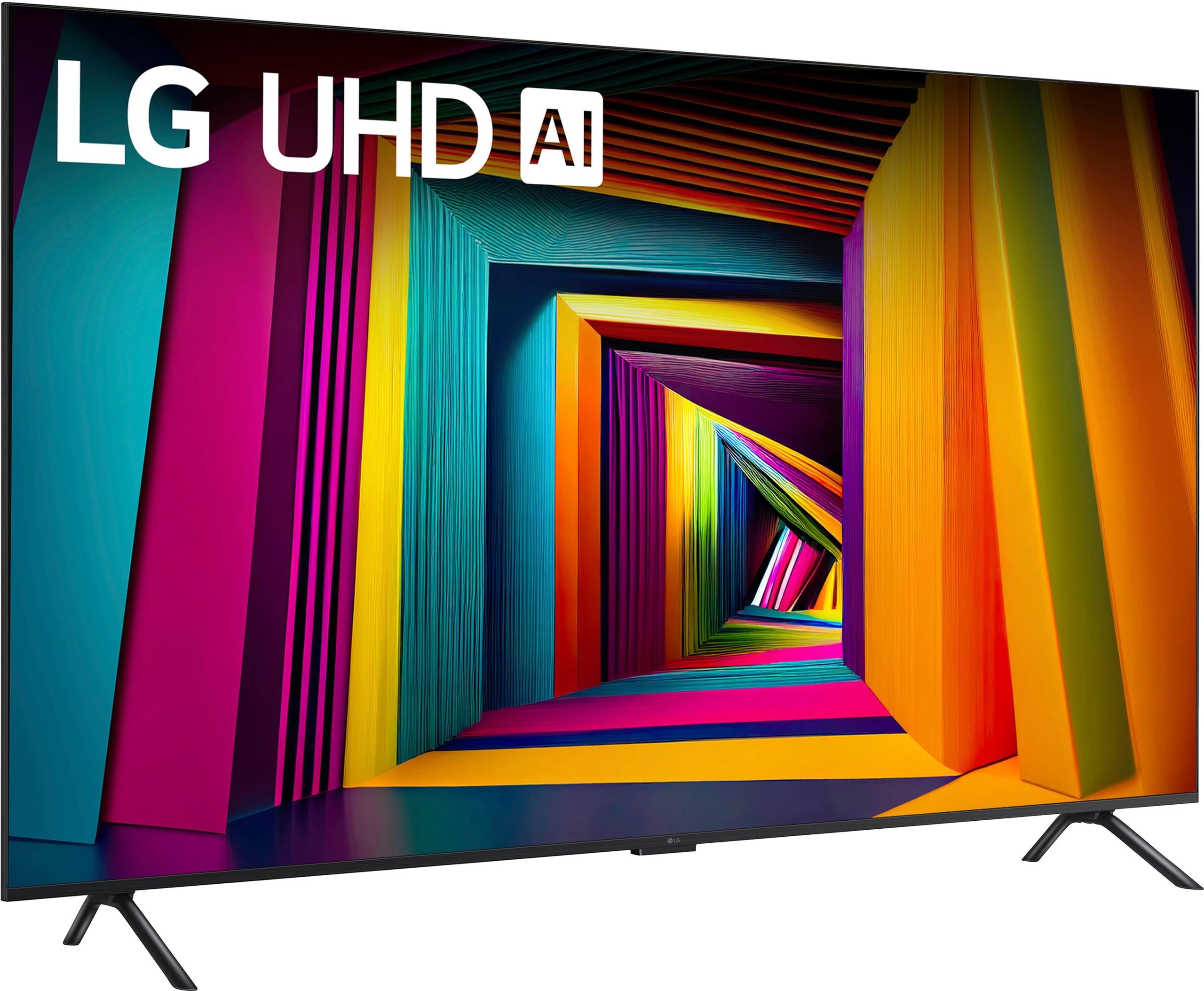
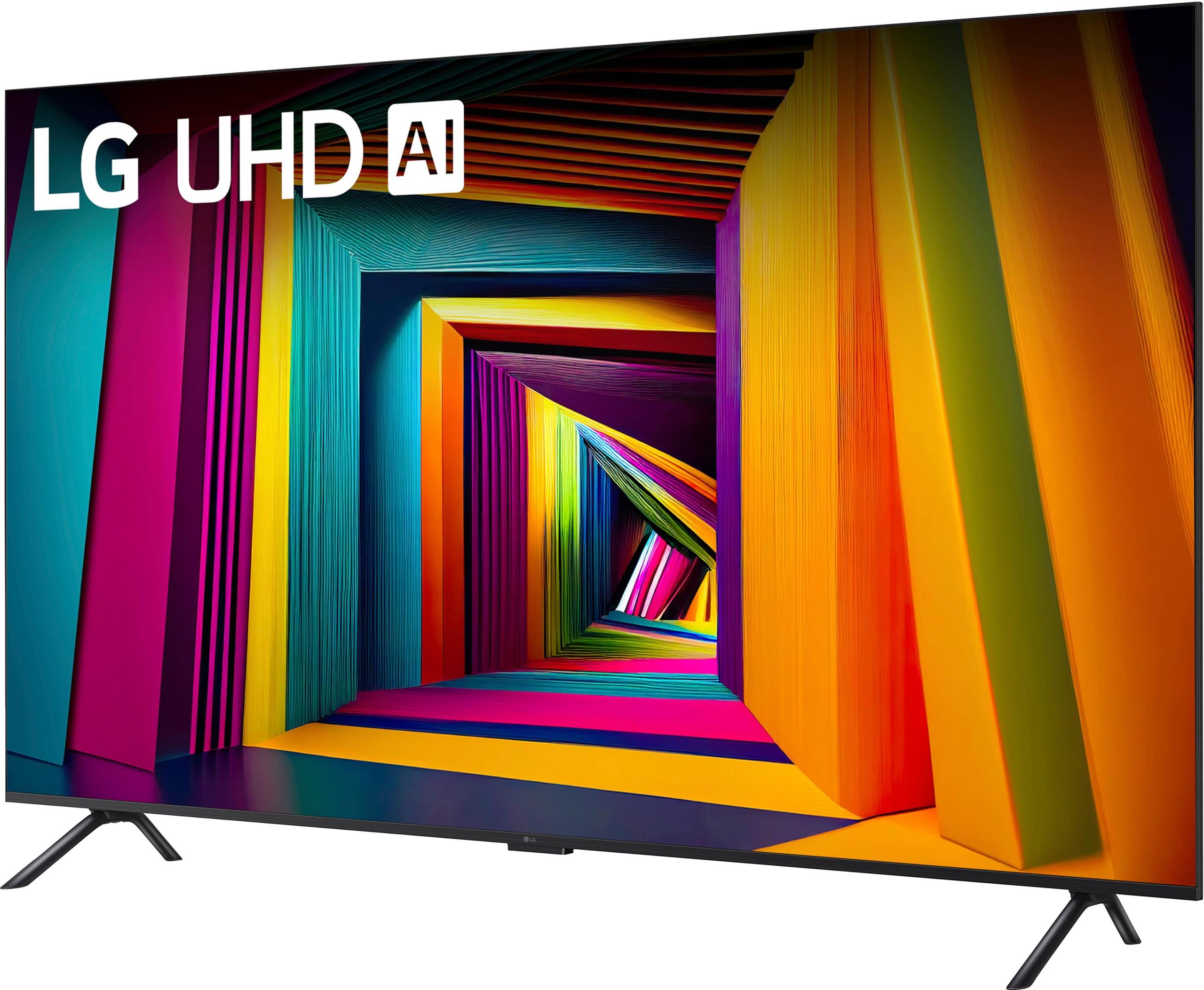
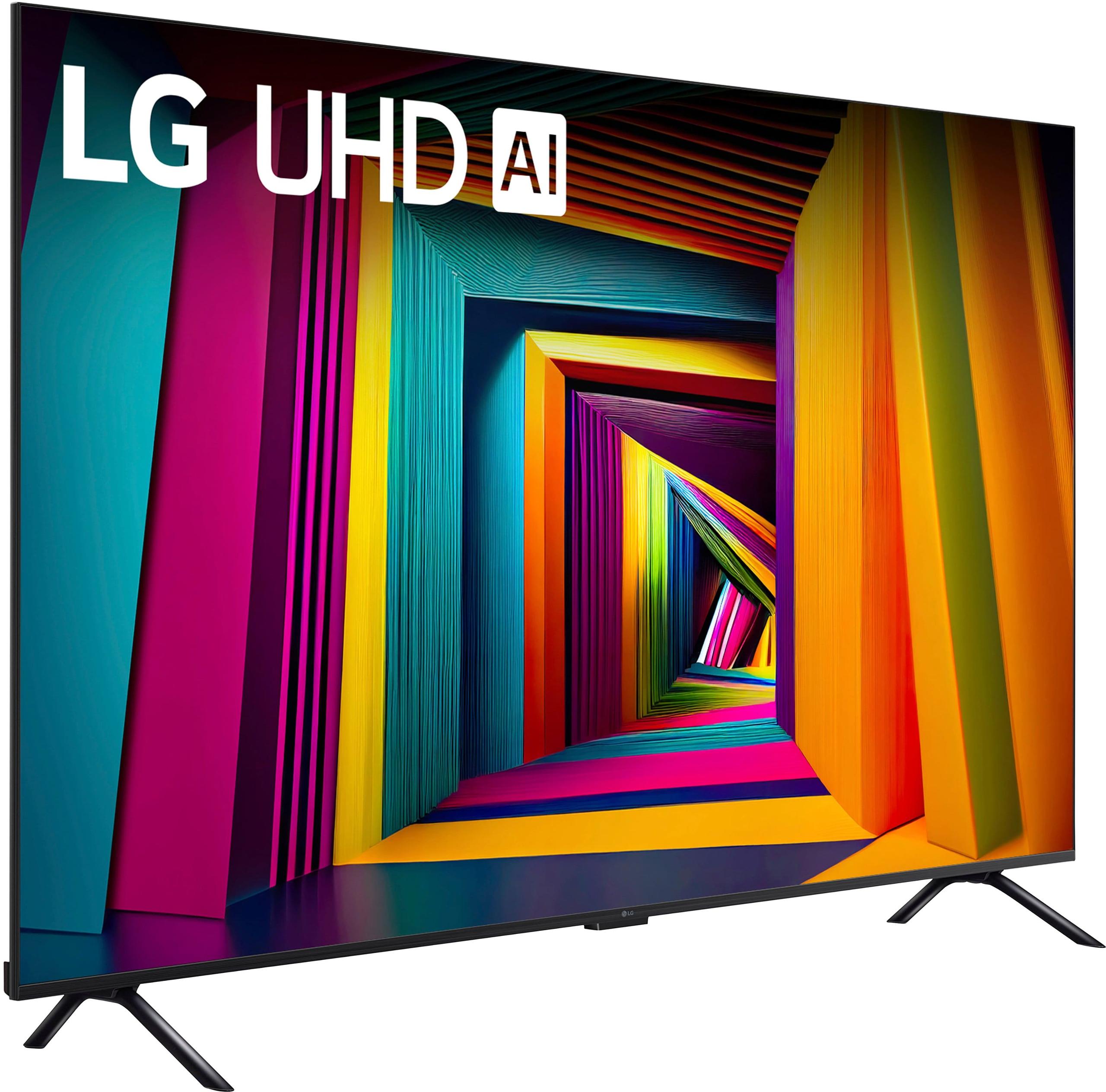
Picture this: you're browsing for a TV so big it could double as a movie theater screen, and you've narrowed it down to two giants. The Hisense 100" U7 Series Mini-LED ($2,998) promises cutting-edge display technology, while the LG 98" UT90 Series ($2,497) offers trusted brand reliability at a lower price. Both are massive, both are impressive, but they take very different approaches to delivering that cinema-sized experience.
After spending considerable time researching large format TVs and understanding what makes them tick, I can tell you that choosing between these two isn't just about picking the bigger number or the lower price. It's about understanding which technology serves your viewing habits better and whether you're willing to pay extra for premium features that might transform your living room into a genuine home theater.
Large format TVs – those measuring 95 inches and above – have exploded in popularity over the past few years. What used to require a projector setup now fits (barely) in many living rooms. These aren't just bigger versions of regular TVs; they represent a fundamental shift in how we think about home entertainment.
The key considerations when shopping in this category go far beyond size. Display technology becomes crucial because flaws that might be barely noticeable on a 65-inch screen become glaringly obvious when stretched across 100 inches. Peak brightness matters more because you need enough light output to make that massive screen visible in various lighting conditions. Gaming performance has become increasingly important as consoles push higher frame rates and PC gaming moves into the living room.
The two main camps in this space are traditional LED TVs, which use a backlight behind the entire panel, and Mini-LED TVs, which use thousands of tiny LEDs for more precise lighting control. Think of traditional LED as painting with a house brush, while Mini-LED is like having thousands of tiny paintbrushes for detailed work.
The Hisense 100" U7 Series launched in 2025 as part of Hisense's push into premium large format displays. At $2,998, it represents the company's bet that consumers want cutting-edge Mini-LED technology at a more accessible price than traditional premium brands. Hisense has been aggressively expanding their presence in the US market, and this model showcases their latest display innovations.
The LG 98" UT90 Series, released in 2024, takes a different approach. At $2,497 (often on sale from its original $2,747), LG focuses on delivering their tried-and-true webOS experience with solid performance rather than breakthrough display technology. It's positioned as their value option in the large format space, using traditional LED backlighting to keep costs manageable.
The timing difference matters here. The Hisense benefits from being a year newer, incorporating 2025's display advances, while the LG represents 2024 technology that's had time to mature and often goes on sale.
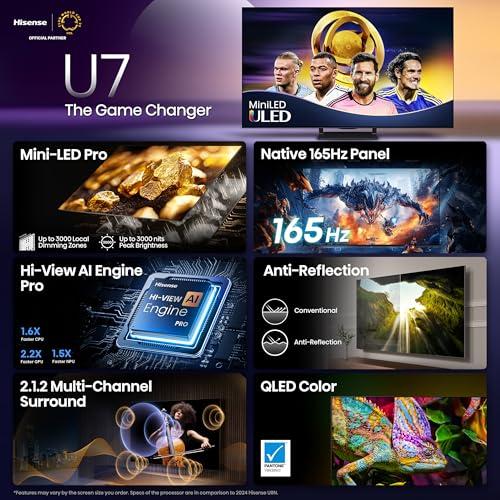
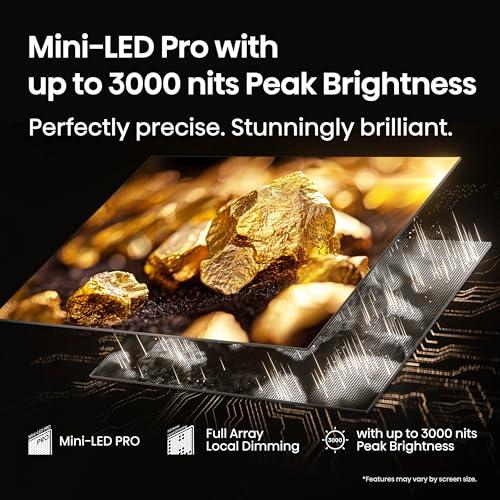
This is where the fundamental difference between these TVs becomes crystal clear. The Hisense U7's Mini-LED technology uses hundreds of individual LED zones (256 to be exact) behind the screen, each capable of dimming independently. This creates what's called "local dimming" – the ability to make parts of the screen darker while keeping others bright.
Imagine watching a movie scene with a bright explosion against a dark night sky. Traditional LED TVs like the LG UT90 struggle here because their backlight affects the entire screen area around each LED. The explosion might look great, but the dark sky around it appears grayish because the backlight can't selectively dim just that area. The Hisense's Mini-LED system can keep the explosion bright while making the surrounding sky genuinely dark.
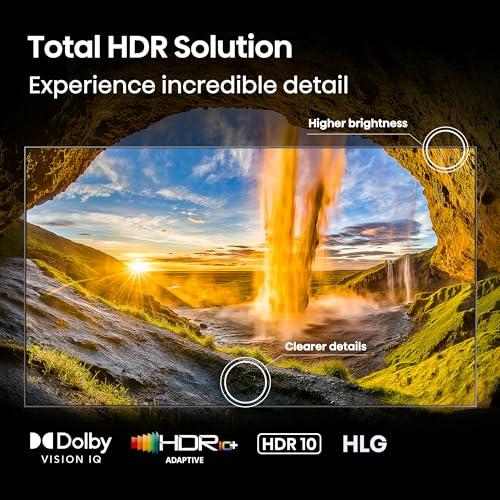
The numbers tell the story clearly. The Hisense achieves peak brightness levels between 800-3000 nits (a nit is a measure of brightness – your phone screen is typically around 400-800 nits). The LG UT90, using traditional LED backlighting, likely peaks around 400-600 nits. In practical terms, this means HDR content – those movies and shows specifically mastered to show extreme bright and dark details – will look dramatically more impressive on the Hisense.
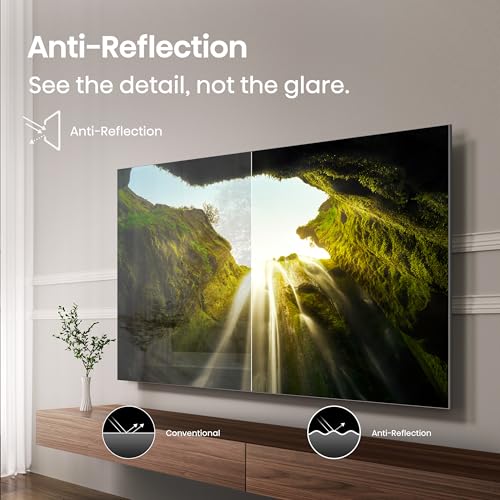
I've found that this brightness difference becomes especially noticeable during daytime viewing. Large windows and bright rooms can wash out traditional LED displays, making them look washed out and less vibrant. The Hisense's higher peak brightness cuts through ambient light much more effectively.
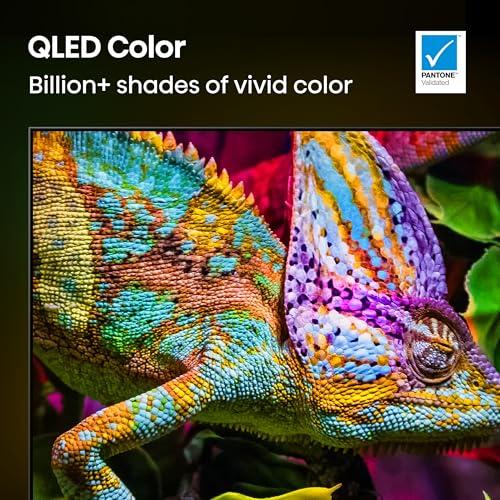
The Hisense also uses QLED (Quantum Dot Light Emitting Diode) technology, which adds a special layer that converts some of the LED backlight into purer colors. This results in over a billion color combinations compared to traditional displays. Colors appear more saturated and accurate, particularly in the red and green spectrums where regular TVs often struggle.
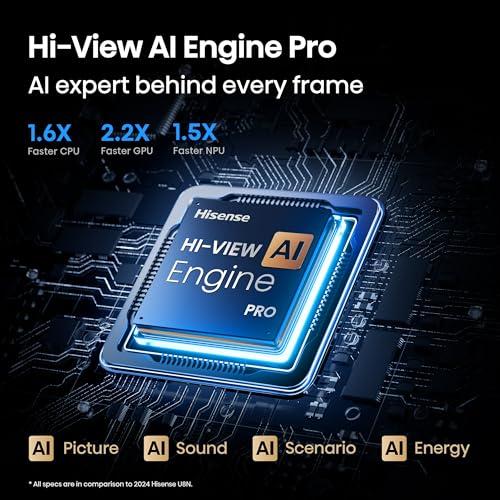
However, the LG isn't without advantages. Its α8 AI Processor includes sophisticated upscaling algorithms that can make lower-quality content look better on the large screen. When you're watching older shows or streaming content that isn't quite 4K quality, LG's processing often produces cleaner, more detailed results.
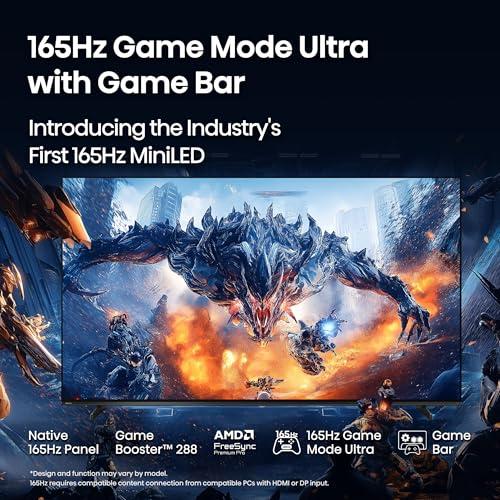
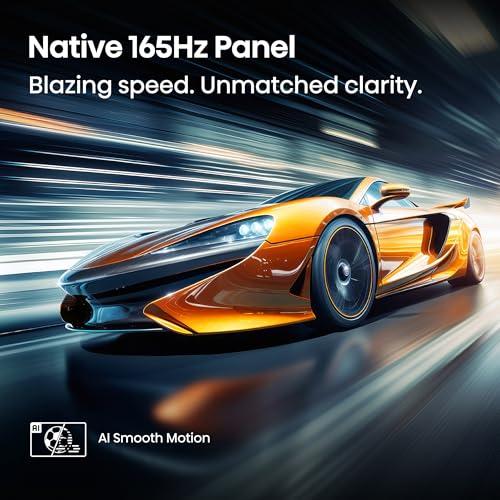
Gaming on these massive screens transforms the experience entirely, but the two TVs take different approaches to serving gamers. The Hisense U7 clearly targets serious gaming with its 165Hz refresh rate capability. To understand why this matters, think of refresh rate as how many times per second the TV can display a new image. Higher refresh rates make fast motion appear smoother and can reduce input lag – the delay between pressing a button and seeing the action on screen.
Most current gaming consoles max out at 120Hz, but the Hisense's 165Hz capability means it's ready for whatever comes next. PC gamers, who can already push higher frame rates, will immediately benefit from this. The TV supports up to 288Hz at 1080p resolution, which could be incredible for competitive esports gaming on this massive scale.
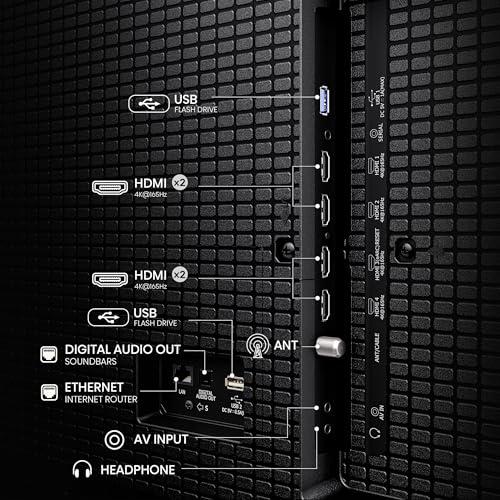
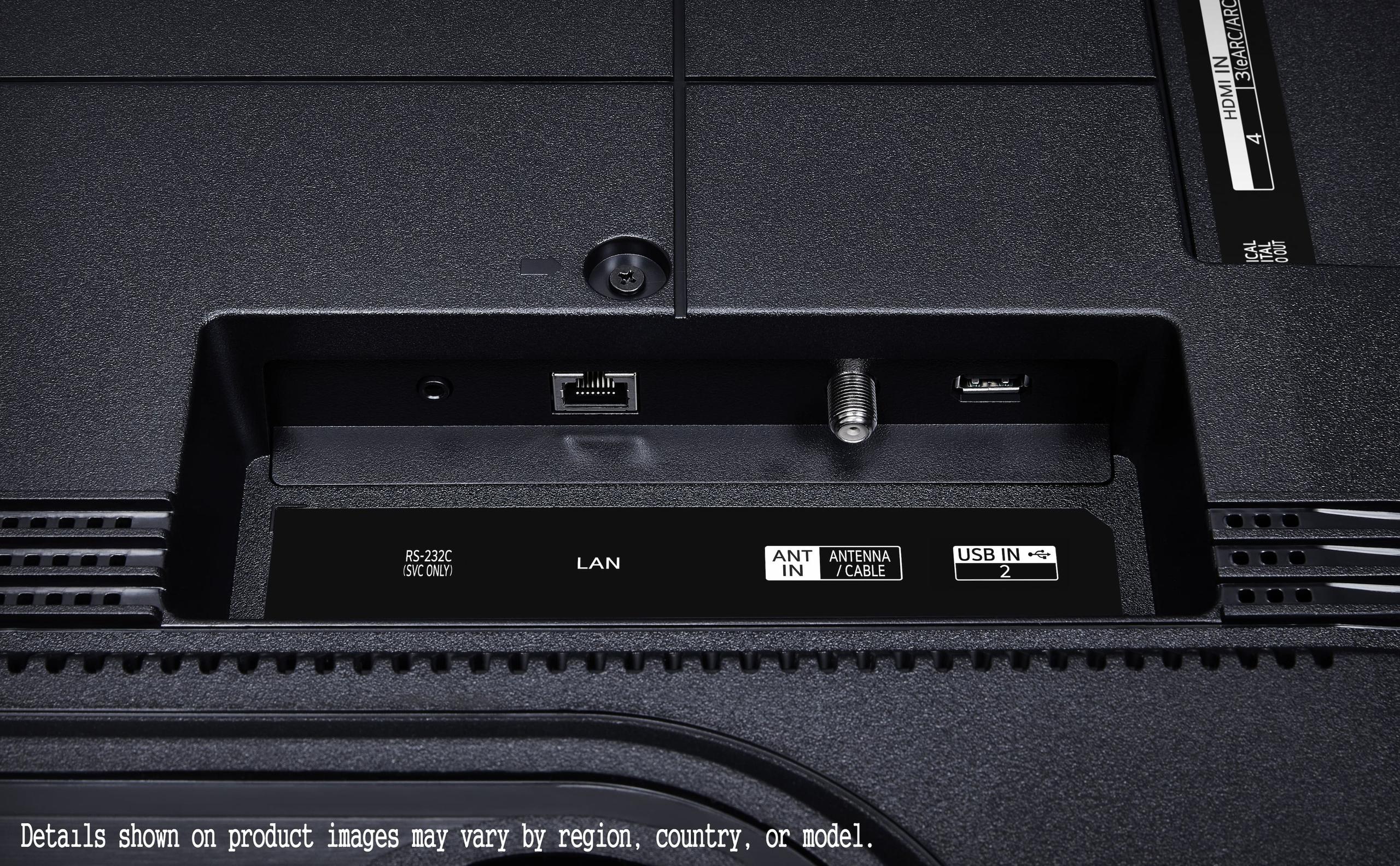
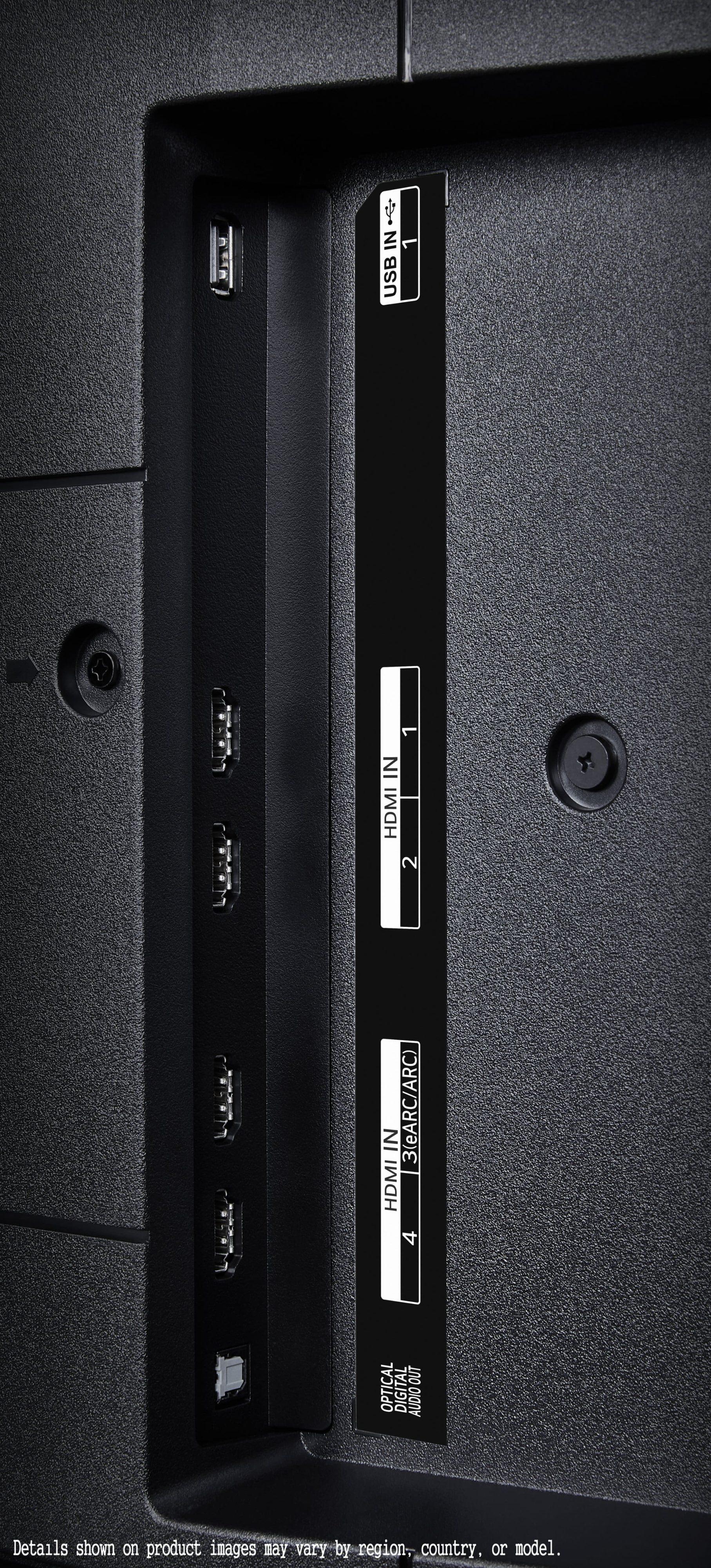
The gaming features go deeper than just refresh rate. The Hisense includes four HDMI 2.1 ports, which are necessary for the highest-quality gaming signals. HDMI 2.1 has much higher bandwidth than older HDMI versions, allowing for 4K resolution at high refresh rates with advanced features like Variable Refresh Rate (VRR). VRR synchronizes the TV's refresh rate with your gaming device's output, eliminating screen tearing – those annoying horizontal lines that can appear during fast motion.
The TV also supports AMD FreeSync Premium Pro, a gaming technology that works with both Xbox and PC gaming to further reduce visual artifacts and input lag. At 6ms response time, the Hisense responds quickly enough for competitive gaming, though OLED TVs still hold the crown for the absolute lowest input lag.
The LG UT90 offers solid 120Hz gaming with its Game Optimizer feature, which consolidates gaming settings in one menu. While it lacks the Hisense's higher refresh rate capabilities, 120Hz is perfectly adequate for current console gaming and most PC gaming scenarios. LG's gaming implementation tends to be more polished and user-friendly, even if it's not as cutting-edge.
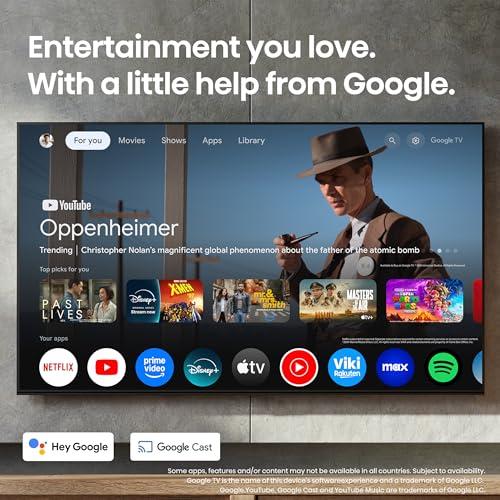
The smart TV experience differs significantly between these models, and your preference might depend on which digital ecosystem you're already invested in. The Hisense uses Google TV, which is built on Android TV but with Google's more refined interface layered on top.
Google TV excels at content discovery, using your viewing history and preferences to suggest shows and movies across all your streaming services. If you're deep in Google's ecosystem – using Gmail, Google Photos, YouTube Premium, or other Google services – the integration feels seamless. You can ask Google Assistant to find specific content, control smart home devices, or even display photos from Google Photos as screensavers.
The platform includes Chromecast built-in, meaning you can easily cast content from your phone, tablet, or laptop to the massive screen. This becomes particularly useful with a 100-inch display – sharing photos from a recent vacation or presenting work materials feels almost like having a digital wall.
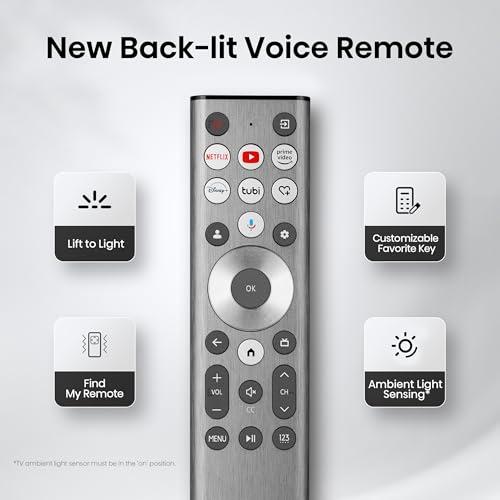
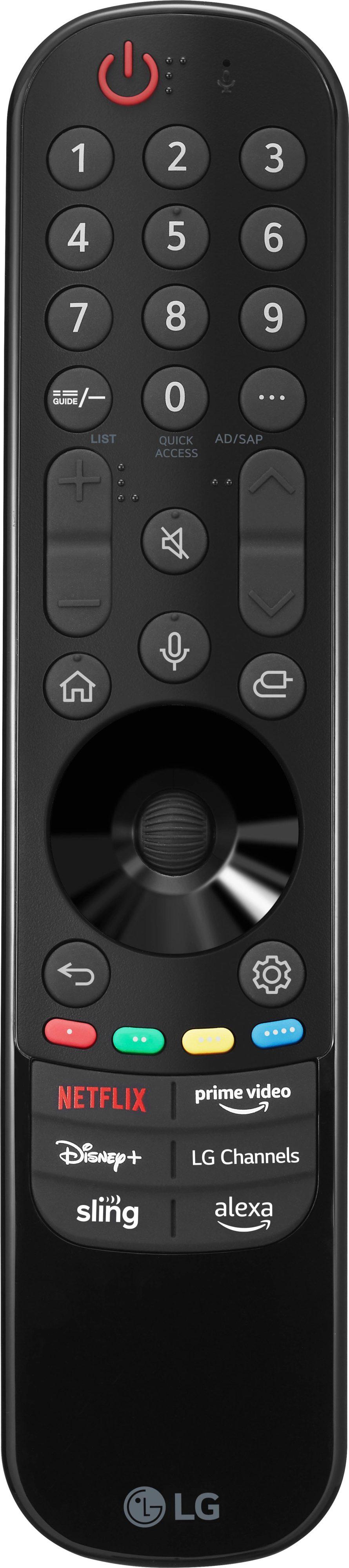
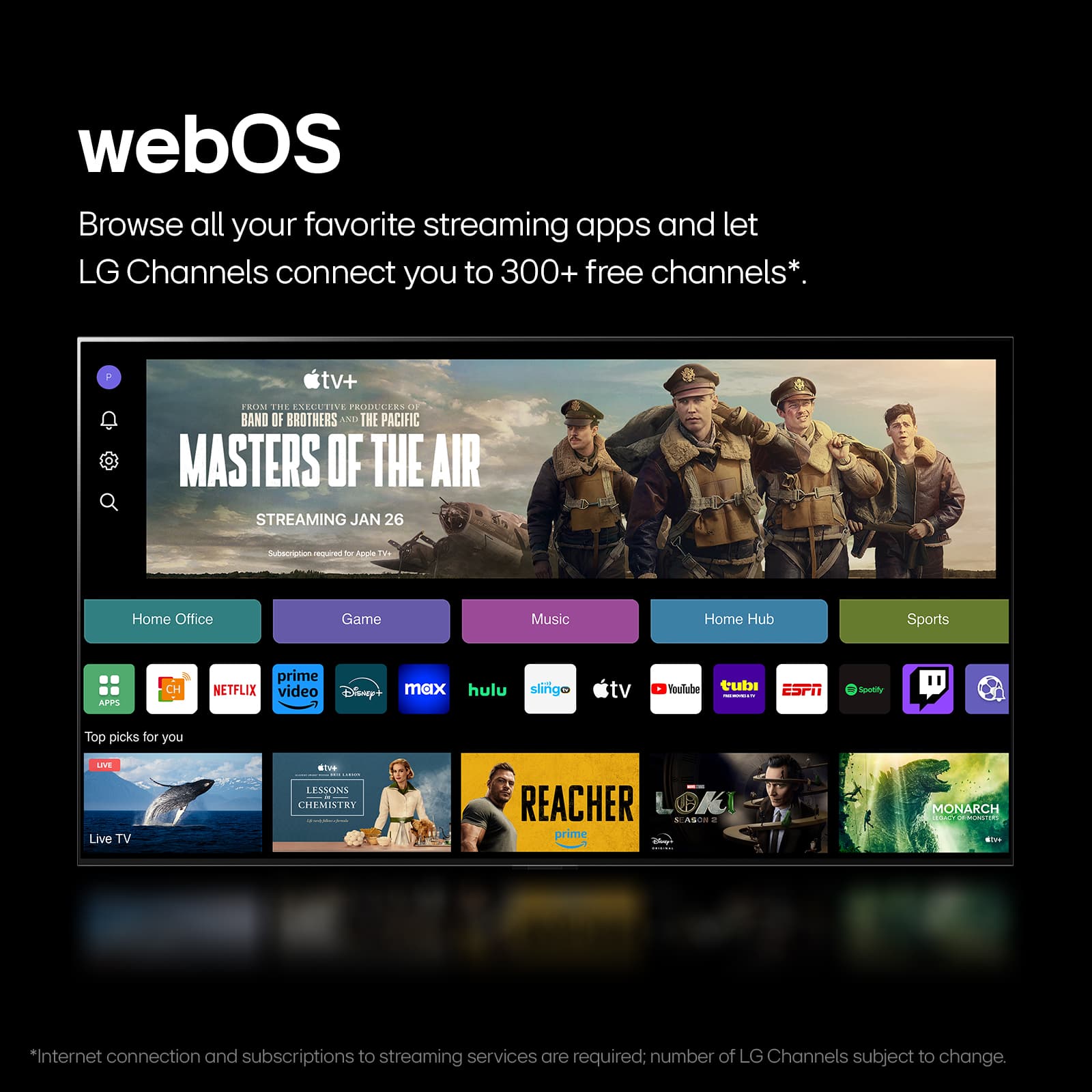
LG's webOS platform on the UT90 takes a different approach, prioritizing ease of use and visual polish. The interface feels more like a premium TV experience rather than a computer running TV software. The Magic Motion Remote acts like a cursor on screen, making navigation feel more intuitive than traditional TV remotes.
WebOS includes LG Channels, offering over 300 free streaming channels covering news, sports, movies, and niche content. While the content isn't premium, it's convenient for background viewing or discovering something new without launching specific apps.
The Multi View feature lets you split the massive 98-inch screen into two separate viewing areas. You could watch a football game on one side while your family watches a movie on the other, each with separate audio through headphones or the TV's speakers.
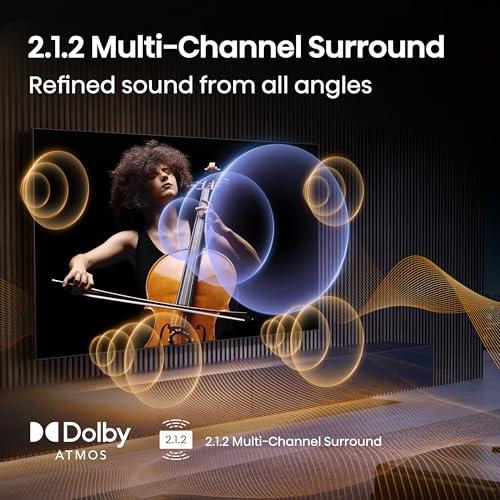
Audio becomes crucial with screens this large because the visual scale demands sound to match. The Hisense U7 includes a more sophisticated built-in audio system with a 2.1.2 configuration. This means two main speakers, one subwoofer built into the TV, and two upward-firing speakers for Dolby Atmos height effects.
Dolby Atmos creates three-dimensional soundscapes by bouncing audio off your ceiling to simulate sounds coming from above. On a 100-inch screen showing a helicopter scene, you might actually hear the rotor blades passing overhead. The built-in subwoofer provides bass response that most TV speakers completely lack.
The LG UT90's audio system is more conventional but includes Dolby Atmos processing. Without dedicated upward-firing speakers, it simulates the height effects through digital processing. The results are less convincing than true Dolby Atmos hardware, but still better than standard TV audio.
For serious home theater use, both TVs will likely be paired with external sound systems – soundbars, surround sound systems, or dedicated home theater audio. However, the Hisense's superior built-in audio makes it more enjoyable for casual viewing without additional investment.
Using either TV as the centerpiece of a dedicated home theater setup reveals their different strengths. The Hisense U7's Mini-LED technology and higher peak brightness make it exceptional for HDR movie viewing. Those spectacular scenes in movies like "Dune" or "Top Gun: Maverick" – with bright desert suns or aircraft instrumentation against dark cockpits – display with the kind of contrast that makes you forget you're watching a TV rather than looking through a window.
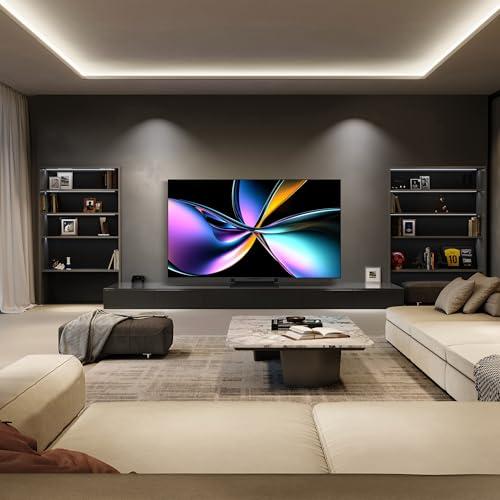
The 100-inch screen size creates genuine immersion at typical home theater seating distances. Most experts recommend sitting about 8-12 feet from a 100-inch 4K screen for optimal viewing. At that distance, the screen fills your peripheral vision similarly to a commercial movie theater.
However, the Hisense has one significant limitation for home theater use: viewing angles. The VA panel technology, while excellent for contrast when viewed straight-on, loses color accuracy and brightness when viewed from the sides. In a home theater with stadium seating or wide couch arrangements, people sitting at the edges might see noticeably different picture quality.
The LG UT90, likely using an IPS-type panel, maintains more consistent color and brightness when viewed from different angles. For family movie nights with people spread across a wide seating area, this could be more important than absolute peak brightness.
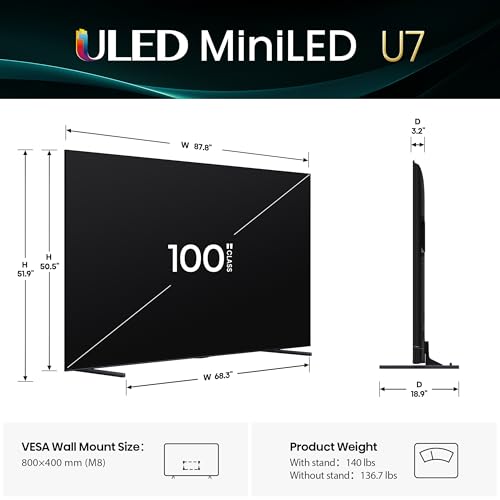
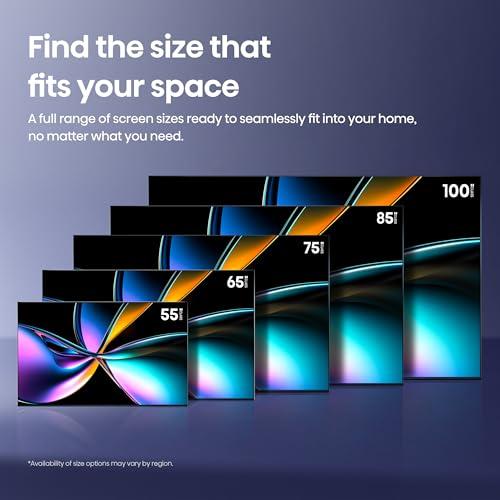
The 2-inch size difference (100" vs 98") might seem minor on paper, but it's actually quite noticeable in person. Those extra two inches add about 8% more screen area, and on displays this large, every inch contributes to the immersive experience.
The $500 price difference between these TVs represents different philosophies about TV buying. The Hisense U7 at $2,998 asks you to pay extra for Mini-LED technology that will likely remain relevant for years. Display technology moves slowly – the Mini-LED TVs of today will still look impressive in five years, while traditional LED TVs might feel dated as content continues pushing HDR brightness standards.
The LG UT90 at $2,497 focuses on delivering large screen real estate with proven reliability at the lowest possible price point. LG's reputation for durability and their established service network provide peace of mind that some newer brands can't match.
Consider the long-term value proposition. The Hisense includes a 2-year warranty compared to LG's 1-year coverage, suggesting confidence in their build quality. The more advanced gaming features future-proof the display for next-generation consoles and PC gaming improvements.
However, the LG's frequent sales can push the effective price difference to $700 or more, making it compelling for budget-conscious buyers who want maximum screen size without premium display technology.
Choose the Hisense 100" U7 Series if you're building a serious home theater setup, prioritize picture quality for HDR content, or are a dedicated gamer wanting the latest display technology. The Mini-LED backlighting and higher peak brightness create viewing experiences that justify the premium price, especially if you watch a lot of streaming movies and shows mastered in HDR.
The extra screen size, while seemingly small, becomes noticeable during extended viewing. If you're already spending nearly $3000 on a TV, the additional $500 for genuinely superior display technology and future-proofing makes financial sense.
Choose the LG 98" UT90 Series if you want the large screen experience without paying for premium display technology you might not fully utilize. If your viewing consists mainly of regular TV shows, sports, and standard streaming content – rather than HDR movies and high-end gaming – the LG delivers excellent value.
The proven webOS platform, established brand reliability, and frequent sales make this the pragmatic choice for families wanting a centerpiece TV that handles everything well without breaking the budget.
Both televisions will transform your viewing experience compared to smaller displays. The choice ultimately comes down to whether you value cutting-edge display technology and future-proofing enough to justify the premium, or prefer immediate savings with proven performance. Either way, you're getting a genuinely cinematic experience that brings the movie theater home.
| Hisense 100" U7 Series Mini-LED TV ($2,998) | LG 98" Class UT90 Series 4K UHD Smart TV ($2,497) |
|---|---|
| Screen Size - Every inch matters at this scale for immersion | |
| 100 inches (99.5" actual) | 98 inches (98.2" actual) |
| Display Technology - The biggest factor in picture quality and price | |
| Mini-LED with 256 local dimming zones (superior contrast and HDR) | Traditional LED with direct backlighting (good brightness, limited contrast) |
| Peak Brightness - Critical for HDR content and bright room viewing | |
| 800-3,000 nits (excellent HDR performance, cuts through ambient light) | ~400-600 nits estimated (adequate for most content, struggles in bright rooms) |
| Gaming Refresh Rate - Future-proofing for next-gen consoles and PC gaming | |
| 165Hz native (supports up to 288Hz at 1080p) | 120Hz native (perfectly adequate for current gaming) |
| HDMI 2.1 Ports - Essential for high-refresh 4K gaming | |
| 4 ports (can connect multiple next-gen devices simultaneously) | 4 ports (sufficient connectivity for most setups) |
| Smart TV Platform - Your daily interface and app ecosystem | |
| Google TV (excellent content discovery, Google ecosystem integration) | webOS (polished interface, Magic Remote, Multi View feature) |
| Audio System - Built-in sound quality for those not using external speakers | |
| 2.1.2 system with subwoofer and Dolby Atmos height speakers | Standard stereo with Dolby Atmos processing only |
| HDR Format Support - Compatibility with premium streaming content | |
| Dolby Vision IQ, HDR10+, HLG, IMAX Enhanced (comprehensive support) | HDR10, HLG (basic HDR support, may lack Dolby Vision) |
| Warranty Coverage - Protection for your major investment | |
| 24 months parts and labor | 12 months parts and labor |
| Release Year - How current the technology and features are | |
| 2025 (latest display technology and gaming features) | 2024 (proven technology, often discounted) |
| Best For - Which buyer gets the most value | |
| Home theater enthusiasts, serious gamers, HDR content lovers | Budget-conscious families, general entertainment, reliable brand preference |
The Hisense 100" U7 Series ($2,998) is slightly larger at 100 inches compared to the LG 98" UT90 Series ($2,497) at 98 inches. While 2 inches might not sound like much, it actually provides about 8% more screen area, which becomes noticeable at this massive scale.
The LG 98" UT90 ($2,497) costs about $500 less than the Hisense 100" U7 ($2,998). The LG frequently goes on sale, sometimes increasing the price gap to $700 or more, making it the clear budget choice for large format viewing.
The Hisense 100" U7 delivers superior picture quality thanks to its Mini-LED technology with 256 local dimming zones and peak brightness up to 3,000 nits. This creates much better contrast and HDR performance compared to the LG UT90's traditional LED backlighting, which peaks around 400-600 nits.
Yes, but the Hisense U7 is significantly better for gaming with its 165Hz refresh rate, four HDMI 2.1 ports, and advanced gaming features like AMD FreeSync Premium Pro. The LG UT90 offers solid 120Hz gaming performance, which is perfectly adequate for current consoles but less future-proof.
This depends on your preferences. The Hisense U7 uses Google TV, which excels at content discovery and integrates well with Google services. The LG UT90 runs webOS, known for its polished interface, Magic Remote, and useful Multi View feature for split-screen viewing.
The Hisense 100" U7 performs much better in bright rooms due to its higher peak brightness capability (up to 3,000 nits), which cuts through ambient light effectively. The LG UT90 may appear washed out in very bright rooms due to its lower brightness output.
The Hisense U7 is superior for dedicated home theater use, offering Mini-LED contrast, higher peak brightness for HDR content, and a larger 100-inch screen for maximum immersion. However, the LG UT90 has better viewing angles, making it more suitable for wide seating arrangements.
The Hisense 100" U7 has significantly better built-in audio with a 2.1.2 speaker system including a subwoofer and upward-firing speakers for true Dolby Atmos. The LG UT90 uses standard stereo speakers with Dolby Atmos processing only.
LG generally has a stronger reputation for reliability and an established service network. The LG UT90 comes with LG's proven track record, while the Hisense U7 offers a longer 24-month warranty compared to LG's 12-month coverage, suggesting confidence in their build quality.
Both the Hisense 100" U7 and LG 98" UT90 require substantial space and work best with 8-12 feet viewing distance. Measure your room carefully – these massive displays can overwhelm smaller spaces but create incredible immersion in appropriately sized rooms.
For pure value, the LG 98" UT90 offers excellent large-screen entertainment at a lower price point. However, the Hisense U7 provides better long-term value if you prioritize picture quality, gaming features, and cutting-edge display technology that will remain impressive for years.
The Hisense 100" U7 (2025) incorporates newer display technology and gaming features, making it more future-proof. The LG UT90 (2024) represents mature, proven technology that often goes on sale. Choose the newer Hisense for latest features or the older LG for immediate savings and established reliability.
We've done our best to create useful and informative comparisons to help you decide what product to buy. Our research uses advanced automated methods to create this comparison and perfection is not possible - please contact us for corrections or questions. These are the sites we've researched in the creation of this article: rtings.com - bestbuy.com - rtings.com - lueckeaudiovideo.com - youtube.com - hisense-usa.com - youtube.com - hisense-usa.com - costco.com - hisense-usa.com - pcrichard.com - files.hisense-usa.com - bestbuy.com - youtube.com - hisense-usa.com - displayspecifications.com - bestbuy.com - hisense-usa.com - eftm.com - youtube.com - youtube.com - rtings.com - shopjetson.com - abt.com - rtings.com - rtings.com - pcrichard.com - lg.com - rcwilley.com - lg.com - elechid.com - lg.com

Privacy Policy
Terms and Conditions - Affiliate Policy
Home Security
© Copyright 2008-2026.
11816 Inwood Rd #1211, Dallas, TX 75244