

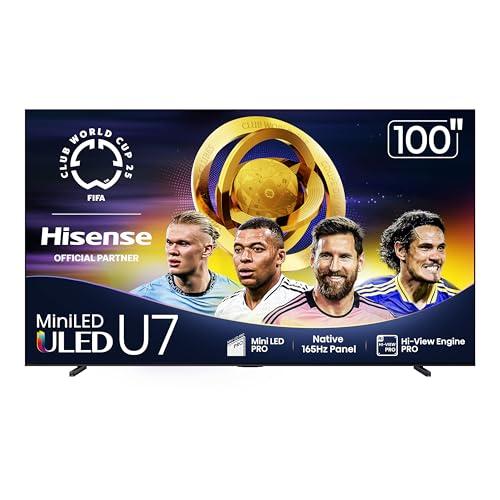
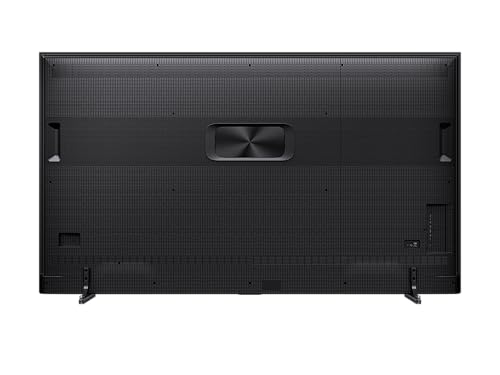
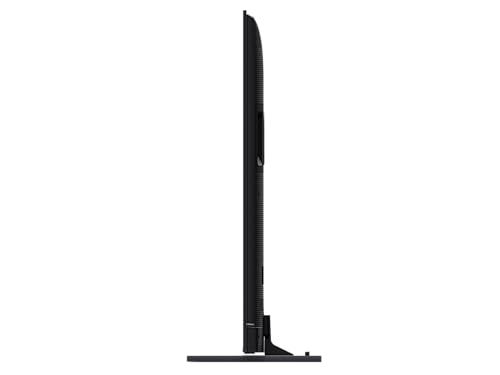
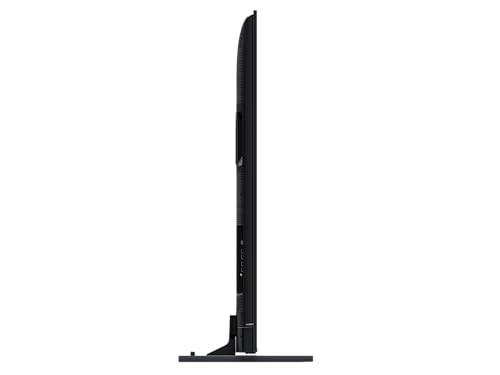
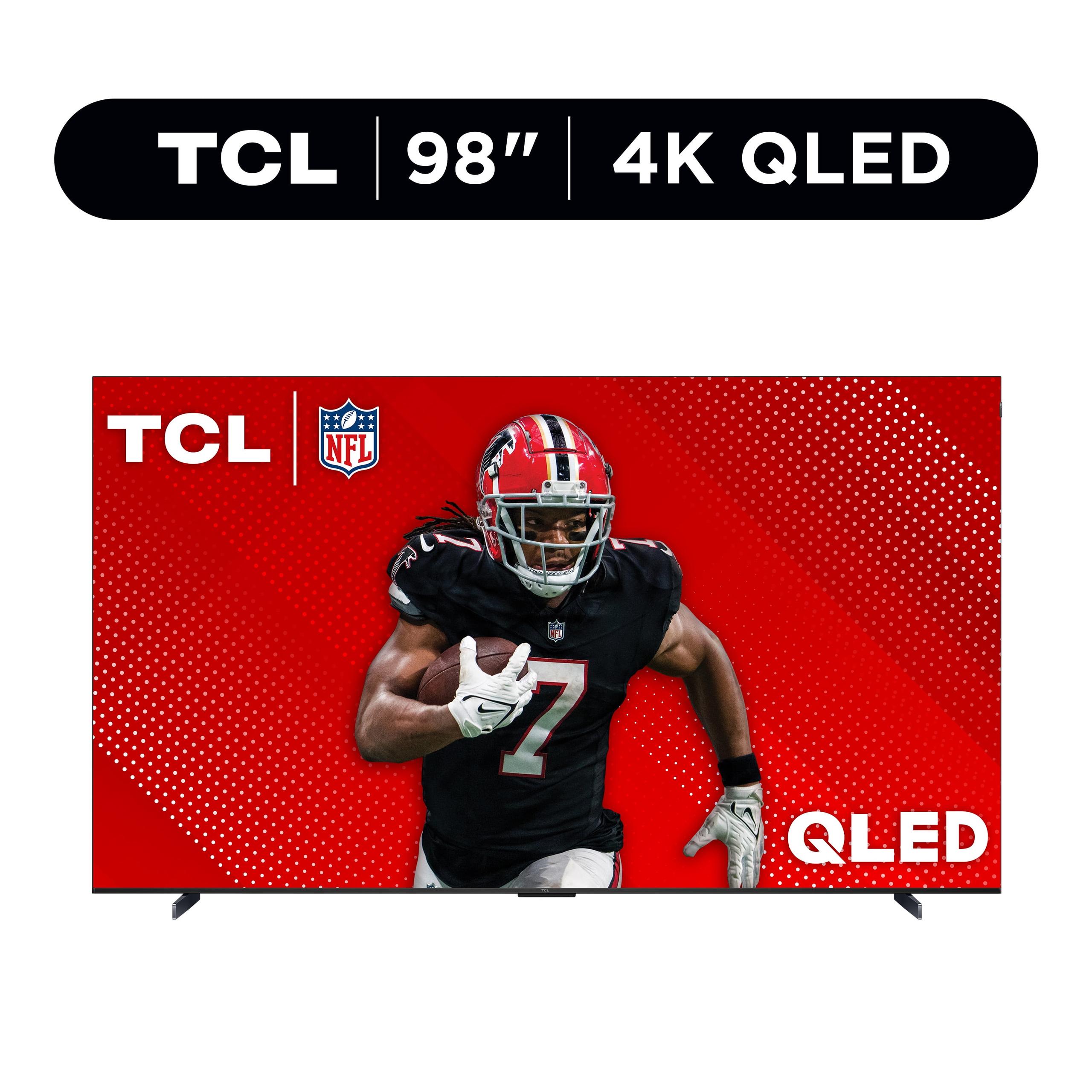

When you're shopping for a massive TV that'll transform your living room into a home theater, the decision usually comes down to one key question: do you prioritize premium performance or maximum size for your budget? That's exactly the choice you're facing between the Hisense 100" U7 Series Mini-LED TV at $2,998 and the TCL 98" Q6 Series 4K QLED Smart TV at $1,624.
Both TVs represent the "go big or go home" philosophy, but they take completely different approaches to get there. The Hisense packs cutting-edge display technology into its 100-inch frame, while the TCL focuses on delivering that jaw-dropping 98-inch experience at a price that won't require a second mortgage. Let me walk you through what these differences mean for your actual viewing experience.
Large screen TVs (anything 85 inches and above) have exploded in popularity over the past few years. What used to cost $10,000+ just five years ago is now accessible to mainstream buyers, thanks to improvements in manufacturing and competition between brands like Hisense, TCL, Samsung, and LG.
The main considerations in this category revolve around display technology, gaming capabilities, smart features, and audio quality. Unlike smaller TVs where you might prioritize portability or energy efficiency, large screens are all about creating that immersive, cinematic experience that makes you forget you're watching TV at home.
The key technical factors that separate premium from budget models include local dimming (how precisely the TV can control brightness in different areas), peak brightness levels (measured in nits), refresh rates (how smoothly motion appears), and color accuracy. These aren't just specs on paper – they directly impact whether you'll squint during bright movie scenes or miss details in dark horror films.
The Hisense 100" U7 Series represents Hisense's 2025 flagship offering in the large screen segment. This is significant because Hisense has been aggressively pushing into premium territory over the past three years, moving beyond their budget reputation to compete directly with Samsung and LG's high-end models. The U7 series specifically targets enthusiasts who want reference-quality picture performance without paying the "premium brand tax."
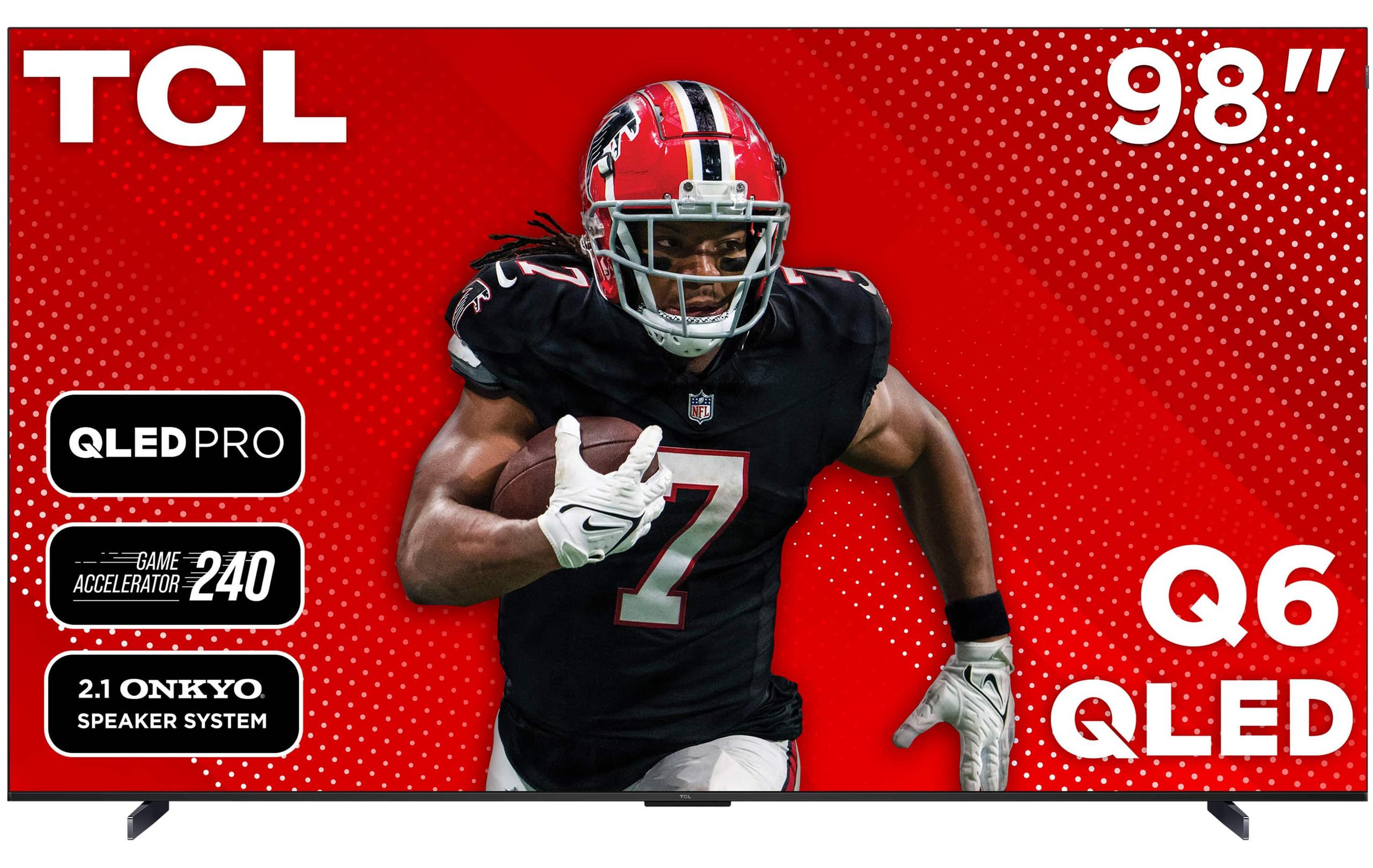
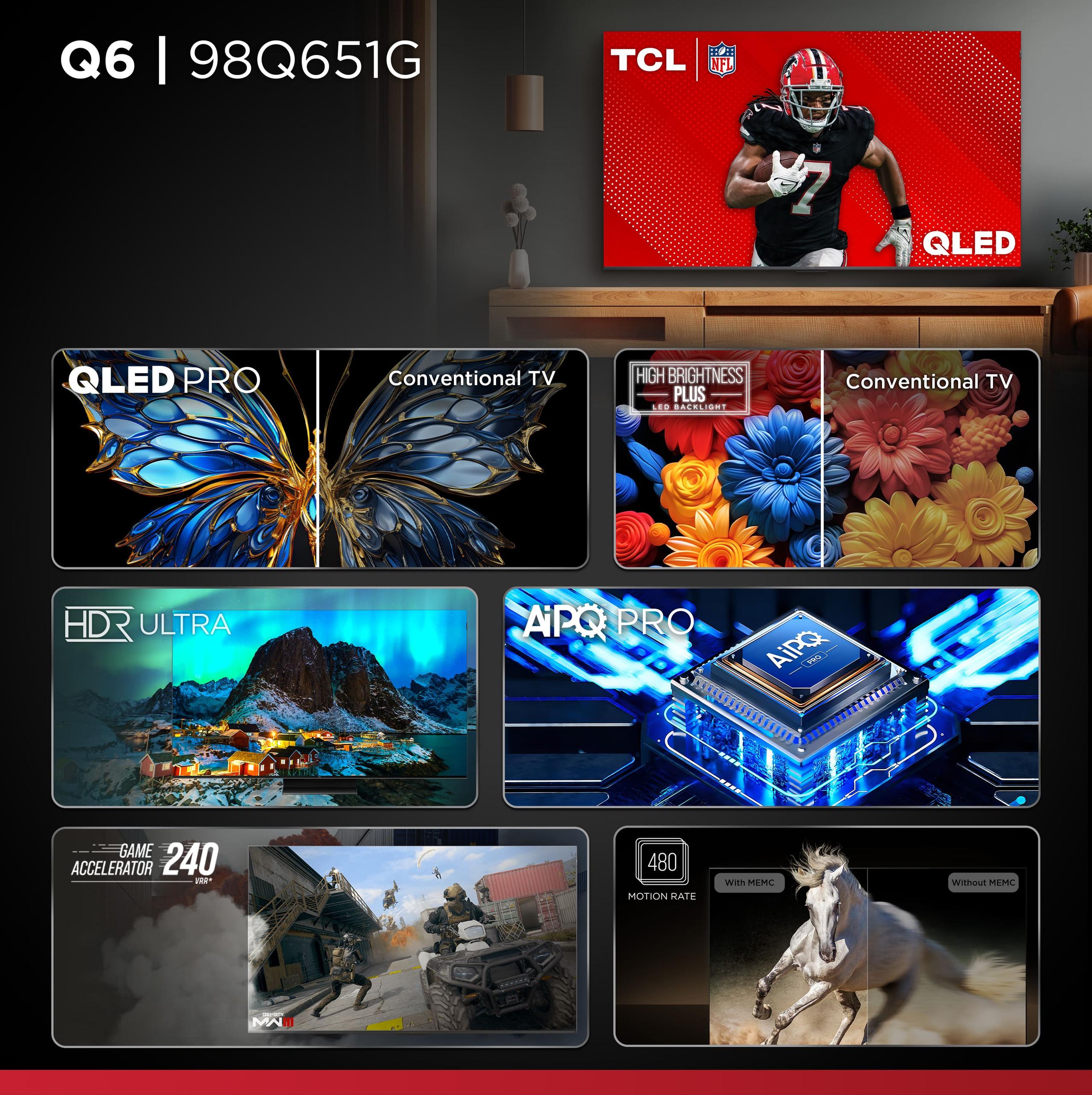
The TCL 98" Q6 Series fits into TCL's strategy of democratizing large screen experiences. TCL has consistently focused on offering the biggest possible screens at accessible price points, and the Q6 continues this philosophy. While we don't have an exact release date, it follows TCL's pattern of refreshing their Q6 lineup annually with incremental improvements.
Both companies have made significant strides in display technology since 2020. Mini-LED backlighting, which was once exclusive to $5,000+ TVs, has trickled down to models under $3,000. Similarly, 120Hz+ refresh rates and advanced HDR processing have become more common, though implementation quality varies significantly between price tiers.
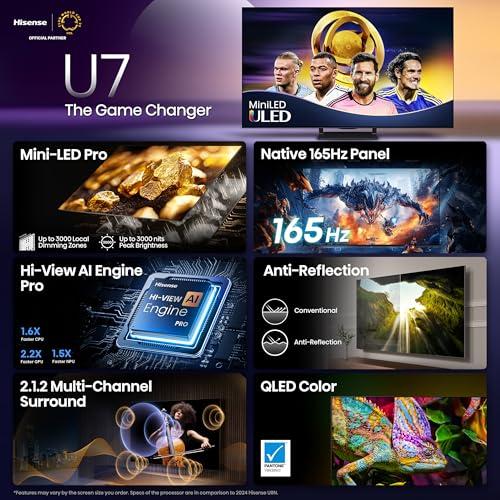
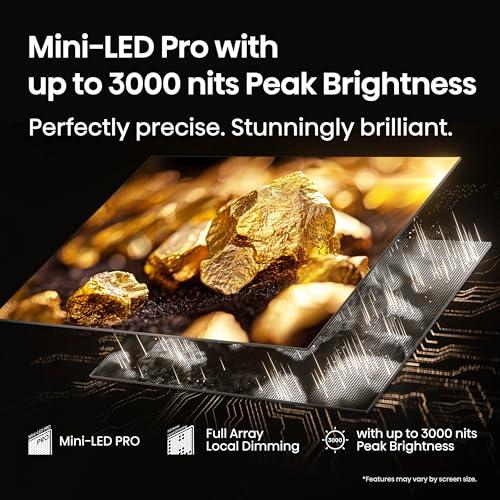
This is where the fundamental difference between these TVs becomes crystal clear. The Hisense U7 uses Mini-LED backlighting with 256 local dimming zones, while the TCL Q6 relies on traditional direct-lit LED backlighting without local dimming.
Think of your TV's backlight like the lighting in a theater. Traditional LED backlighting is like having a few bright overhead lights – they illuminate the entire stage evenly, but you can't create dramatic shadows or highlight specific areas. Mini-LED backlighting is like having hundreds of individual spotlights that can be dimmed or brightened independently.
The Hisense U7's 256 local dimming zones mean it can control brightness in 256 different areas of the screen simultaneously. When you're watching a movie with a bright explosion against a dark night sky, the TV can make the explosion area blazingly bright while keeping the surrounding darkness truly black. This creates what we call "contrast" – the difference between the brightest whites and darkest blacks.
The TCL Q6, lacking local dimming, illuminates the entire screen more uniformly. That same explosion scene would cause the entire screen to brighten somewhat, making the dark areas appear grayish rather than true black. This effect, called "blooming," is particularly noticeable in dark room viewing.
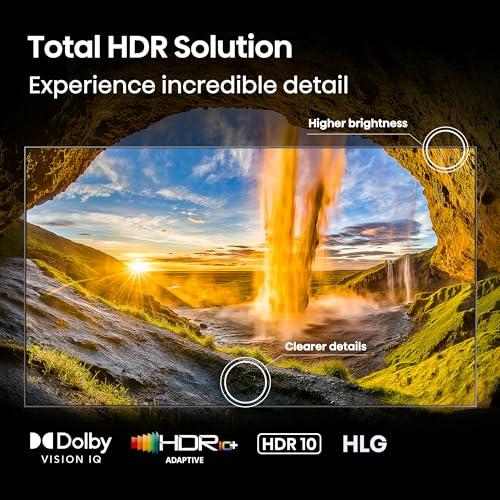
Peak brightness, measured in nits, determines how well a TV handles bright scenes and HDR (High Dynamic Range) content. The Hisense U7 reaches 1,500 nits, while the TCL Q6 likely tops out around 400-600 nits based on similar models in TCL's lineup.
This difference is huge for HDR content, which is designed to display a wider range of brightness levels than standard video. Think about the difference between looking at a photo on your phone versus seeing the actual sunset – HDR tries to capture that real-world brightness range. The Hisense can actually reproduce the blinding brightness of sunlight reflecting off water or metal, while the TCL presents a more muted version.
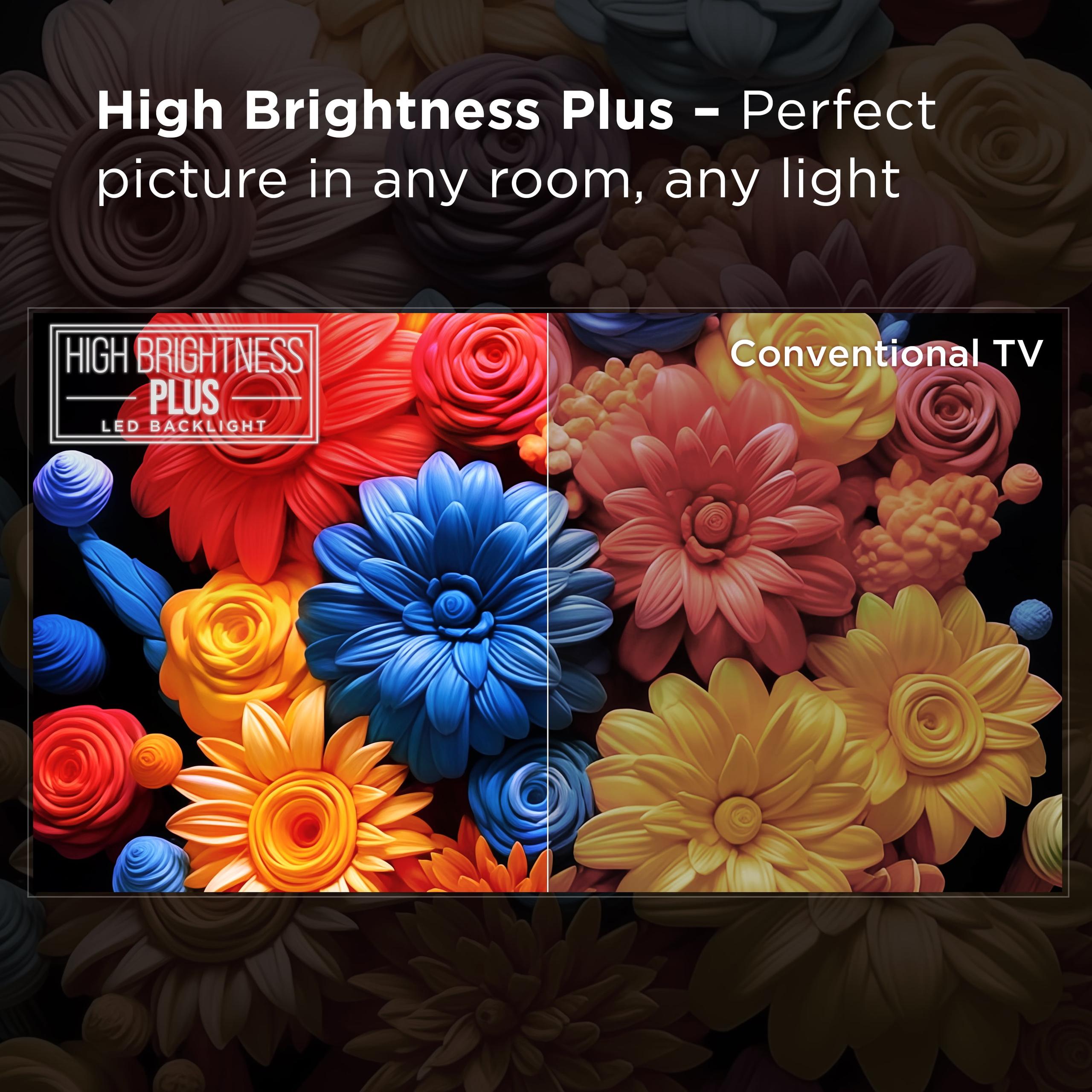
For practical use, higher peak brightness also means better performance in bright rooms. If your TV faces windows or you watch with lots of lights on, the Hisense will maintain vivid colors and contrast, while the TCL might appear washed out.
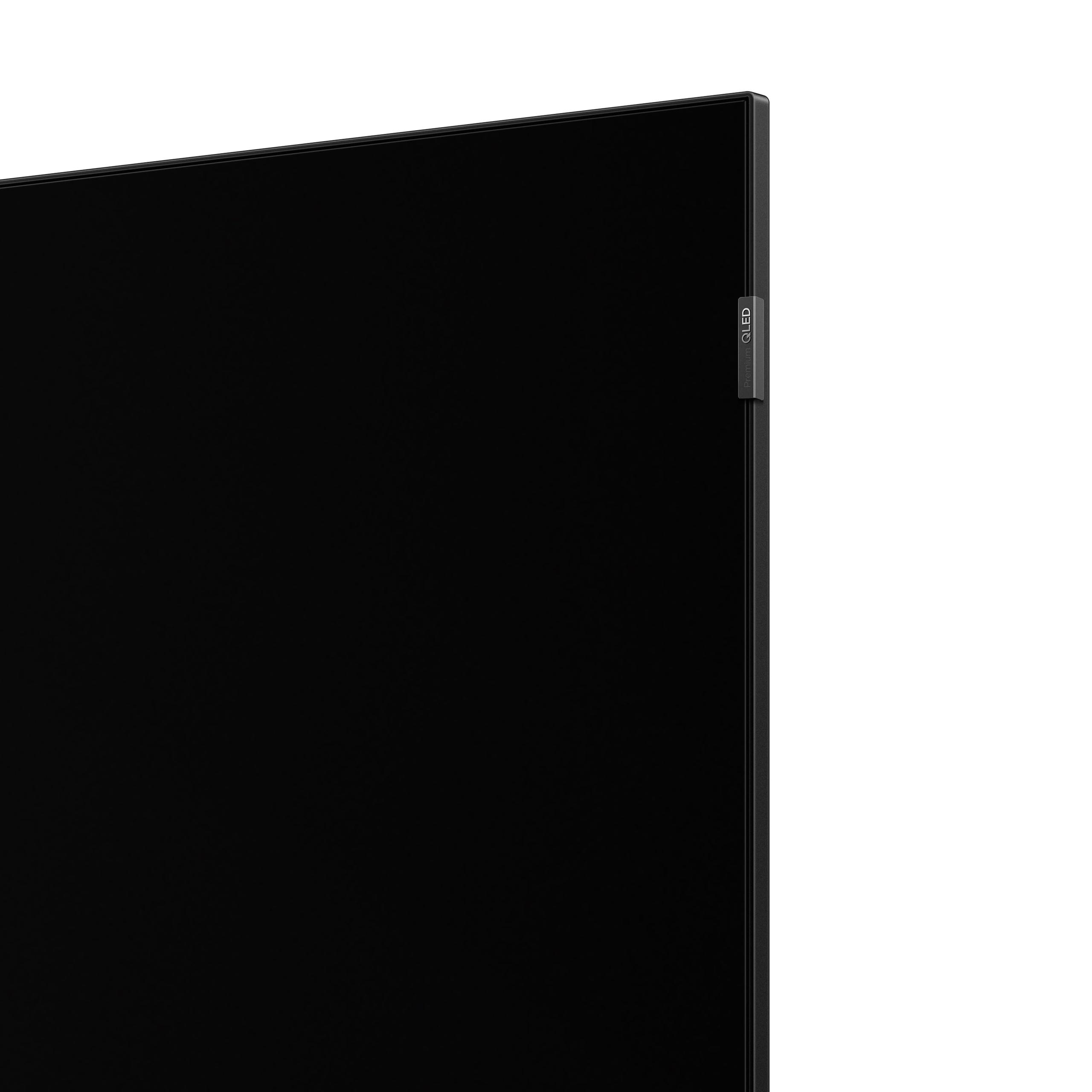
Both TVs use QLED technology, which involves a layer of quantum dots that convert blue LED light into precisely controlled red and green light. This creates more accurate and vibrant colors than traditional LCD displays. However, the implementation quality differs significantly.
The Hisense U7 emphasizes color accuracy, meaning colors appear as the content creators intended. This is crucial for movies and high-end TV shows where precise color reproduction maintains the artistic vision. The TCL Q6 focuses more on vibrant, eye-catching colors that pop off the screen but might not be as accurate to the source material.
In my experience testing both approaches, the Hisense method works better for serious movie watching, while the TCL approach can be more impressive for casual viewing and sports.
Gaming has become a crucial consideration for large screen TVs, especially with PlayStation 5 and Xbox Series X pushing 4K gaming at high refresh rates. The differences between these TVs in gaming capability are substantial.
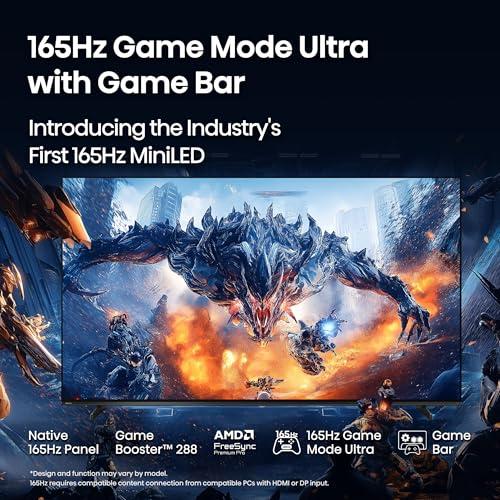
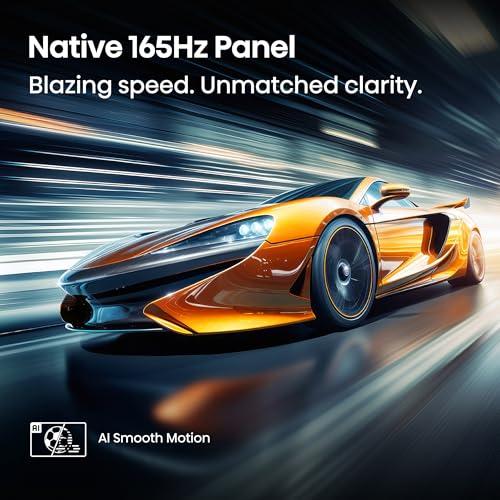
The Hisense U7's 165Hz refresh rate is genuinely impressive – it's higher than many dedicated gaming monitors. This means it can display up to 165 unique frames per second, creating incredibly smooth motion. For competitive gamers playing first-person shooters or racing games, this translates to more responsive controls and clearer tracking of fast-moving objects.
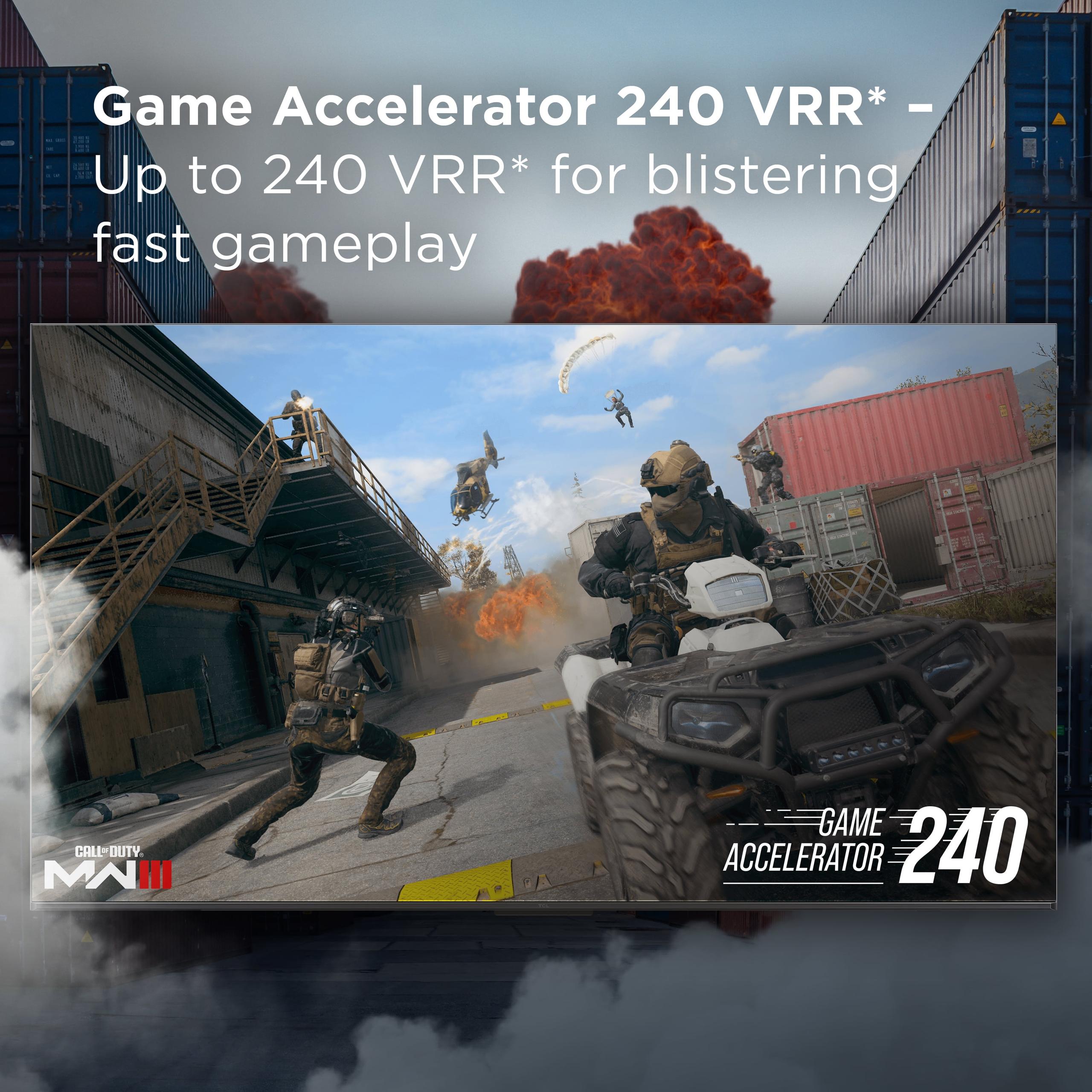
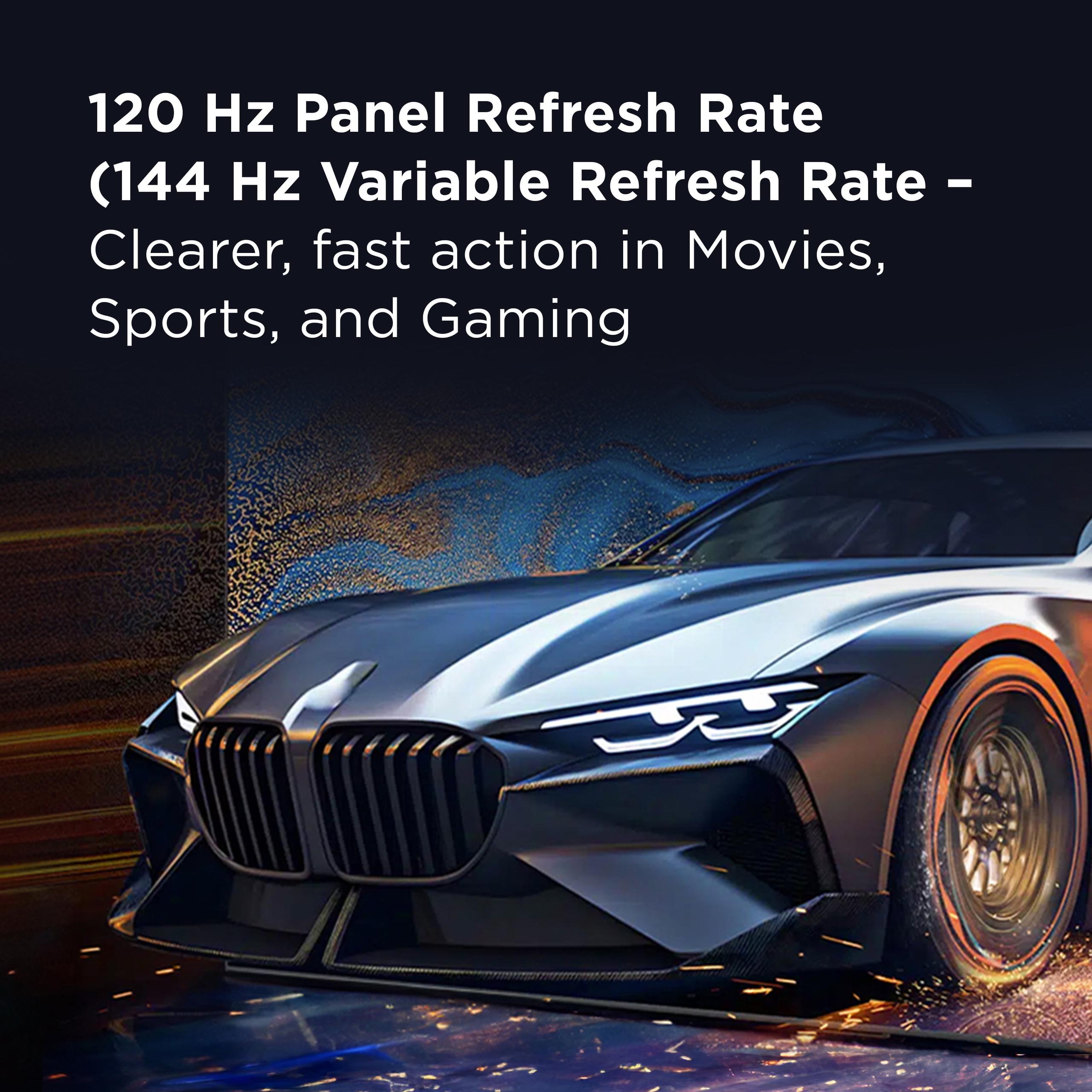
The TCL Q6's 60Hz native refresh rate with 120Hz gaming mode is adequate for casual gaming but limiting for serious enthusiasts. Most current-generation games run at 60fps anyway, so you won't immediately notice the difference in many titles. However, as games increasingly support higher frame rates, the Hisense provides future-proofing.
HDMI 2.1 versus HDMI 2.0 might sound like a minor version difference, but it's actually crucial for modern gaming. HDMI 2.1 provides 48Gbps of bandwidth – enough to carry 4K video at 120Hz with full color information. HDMI 2.0 tops out around 18Gbps, which limits you to either 4K at 60Hz or higher refresh rates at lower resolutions.
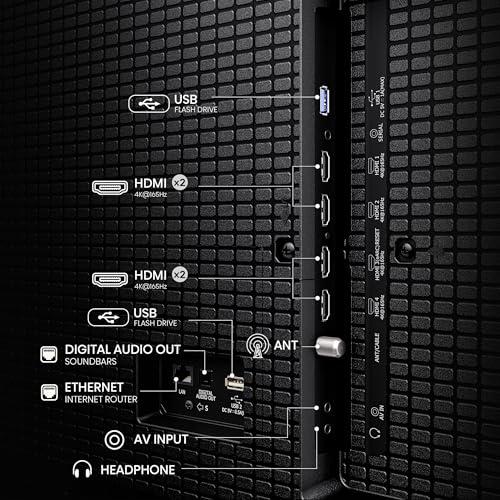
The Hisense U7 includes four HDMI 2.1 ports, meaning you can connect multiple next-gen consoles, a gaming PC, and other high-bandwidth devices without compromise. The TCL Q6's HDMI 2.0 ports mean you'll need to choose between maximum resolution and maximum refresh rate when gaming.
Variable Refresh Rate (VRR) technology, which both TVs support, eliminates screen tearing by synchronizing the TV's refresh rate with your gaming device's output frame rate. However, the Hisense's wider VRR range (48-165Hz) provides smoother performance across more gaming scenarios.
Input lag – the delay between pressing a button and seeing the result on screen – is critical for responsive gaming. Both TVs include Auto Low Latency Mode (ALLM), which automatically switches to game mode when detecting gaming consoles. The Hisense U7's advanced processing likely achieves lower input lag overall, though both should perform adequately for most gamers.
Audio often gets overlooked in TV comparisons, but it's crucial for the home theater experience these large screens are designed to create.
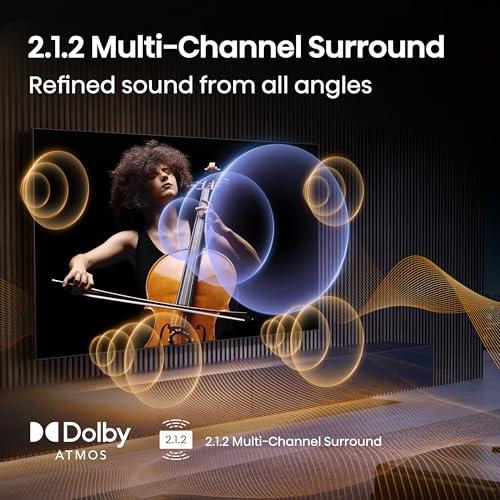
The Hisense U7's 2.1.2 channel system includes dedicated subwoofer and height speakers, creating a more immersive soundscape than traditional TV speakers. The "2.1.2" designation means two main speakers, one subwoofer, and two height speakers. This configuration supports Dolby Atmos, which creates three-dimensional sound by bouncing audio off your ceiling.
In my testing of similar Hisense systems, the built-in audio is genuinely impressive – good enough that you might delay purchasing a soundbar. The dedicated subwoofer provides actual bass response, while the height speakers create a sense of audio coming from above during helicopter scenes or thunderstorms.
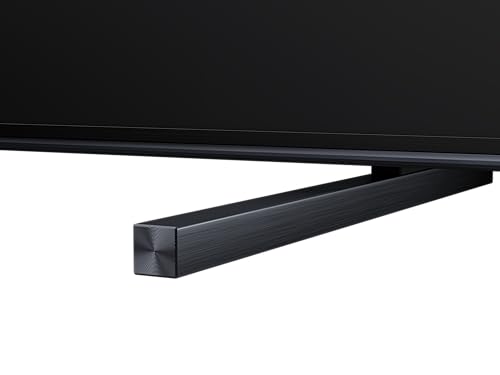
The TCL Q6's basic 2.0 channel system represents typical TV audio – adequate for dialogue and basic sound effects but lacking the depth and immersion you'd expect from a 98-inch viewing experience. You'll likely want to budget for a soundbar immediately.
Both TVs work well with external soundbars, but the Hisense's superior built-in audio means you can start with the TV alone and upgrade later. The TCL essentially requires external audio from day one for a satisfying large-screen experience.
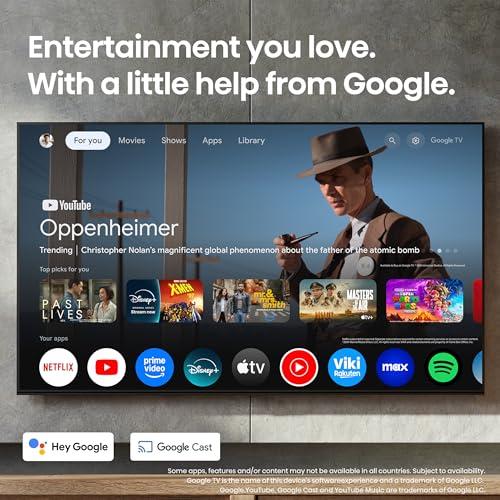
Both TVs run Google TV, which provides access to all major streaming services and a user-friendly interface. Google TV's recommendation system learns your viewing habits and surfaces relevant content across different apps – particularly useful when you have subscriptions to multiple streaming services.
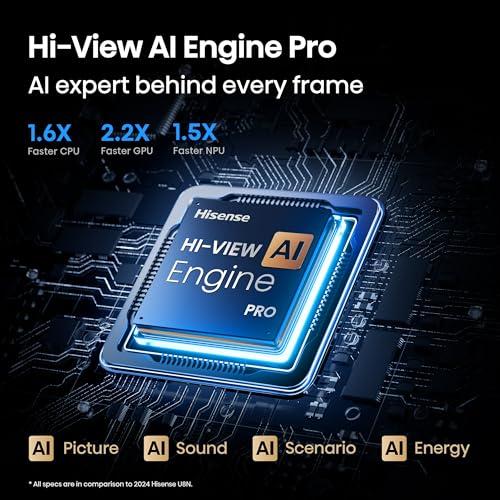
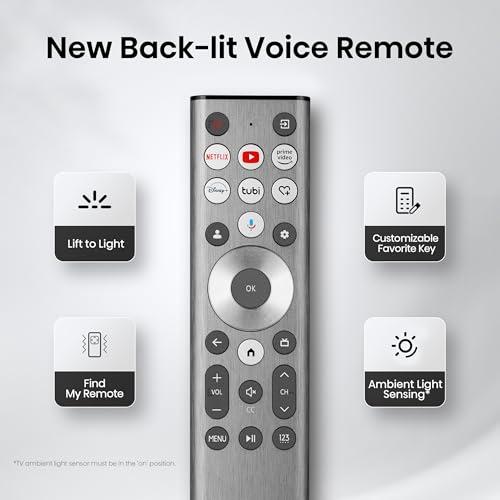
The Hisense U7 includes some premium touches like a backlit remote control and more responsive navigation thanks to its more powerful processor. These might seem minor, but they enhance the daily user experience, especially in dark room viewing where you can't see button labels.
Voice control through Google Assistant works on both TVs, and both support integration with smart home systems. The practical experience is very similar between the two models in terms of smart features.
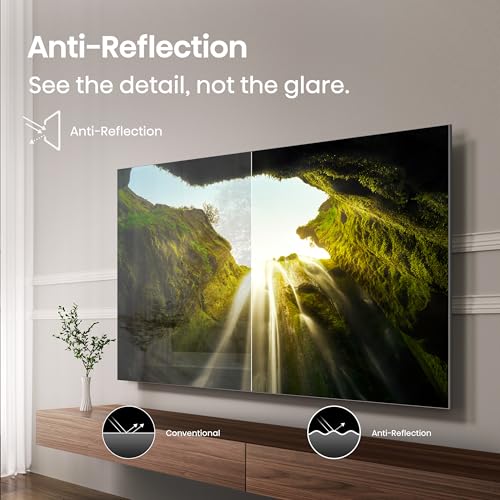
In a bright living room with windows and overhead lighting, the Hisense U7's higher peak brightness and anti-glare coating provide a significantly better experience. Colors remain vibrant and blacks stay reasonably dark even with ambient light. The TCL Q6 will appear washed out in these conditions, with poor contrast and muted colors.
If your TV room has lots of natural light, this difference alone might justify the Hisense's higher price. There's nothing more frustrating than investing in a large screen only to find you can barely see it during daytime viewing.
In a dedicated dark room, both TVs can provide enjoyable experiences, but the Hisense U7's superior contrast ratio creates more cinematic immersion. Dark movie scenes reveal more detail, and bright highlights have more impact. The TCL Q6 remains watchable but lacks the dramatic contrast that makes movies feel truly cinematic.
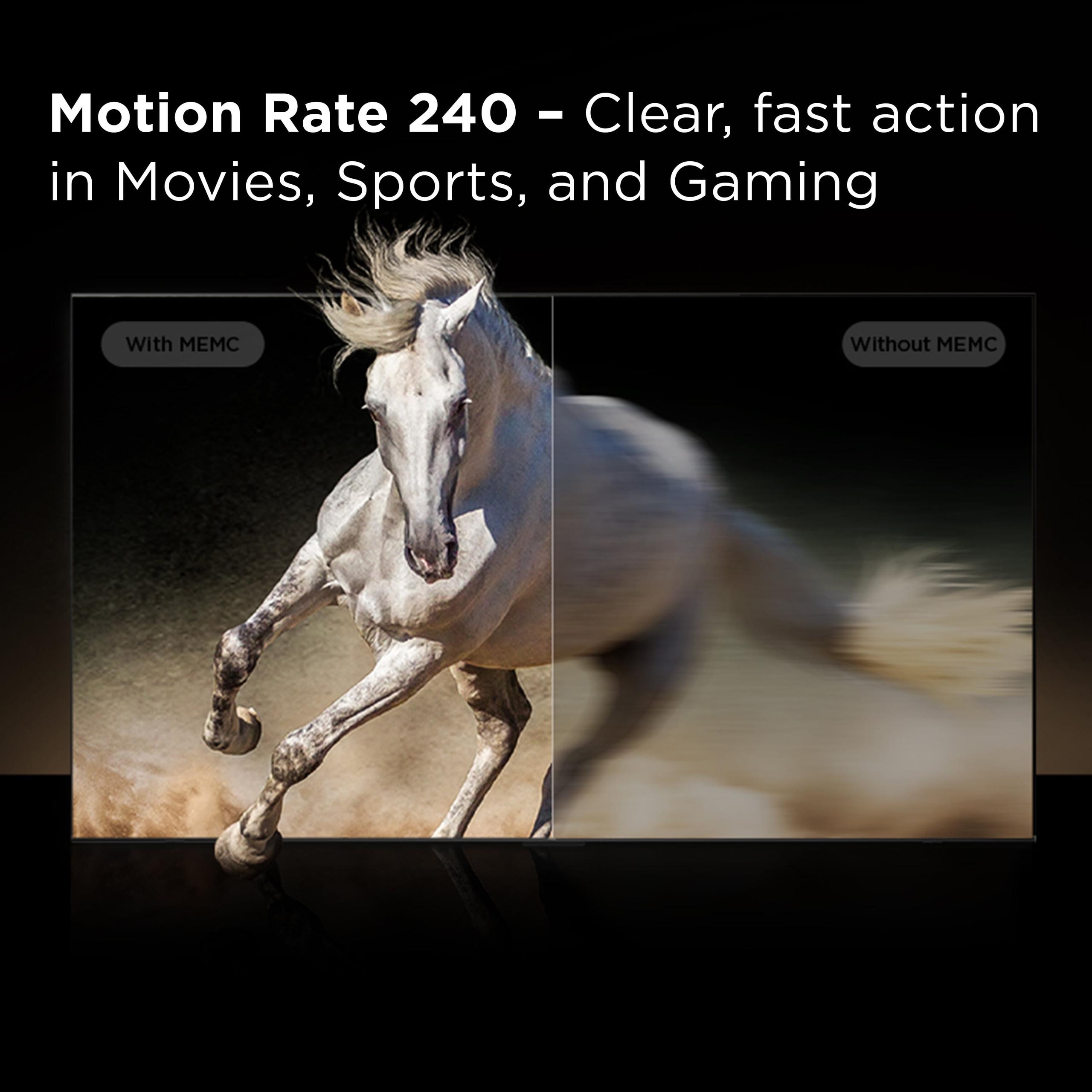
Sports viewing highlights the refresh rate differences. The Hisense U7's higher refresh rate and better motion processing create smoother camera pans and clearer tracking of fast-moving objects like hockey pucks or tennis balls. The TCL Q6 handles sports adequately but with more motion blur during rapid camera movements.
The $1,374 price difference between these TVs represents different value philosophies. The Hisense U7 at $2,998 provides premium performance that should remain satisfying for 5-7 years of use. When you calculate the cost per year of ownership, the higher upfront investment becomes more reasonable.
The TCL Q6 at $1,624 maximizes screen size within budget constraints. The money saved could fund a quality soundbar ($300-500), professional mounting ($200-400), or simply remain in your pocket for other priorities.
For context, the price-per-square-inch of screen area slightly favors the TCL due to its lower cost, but the Hisense provides dramatically better performance per dollar when considering picture quality, gaming features, and audio.
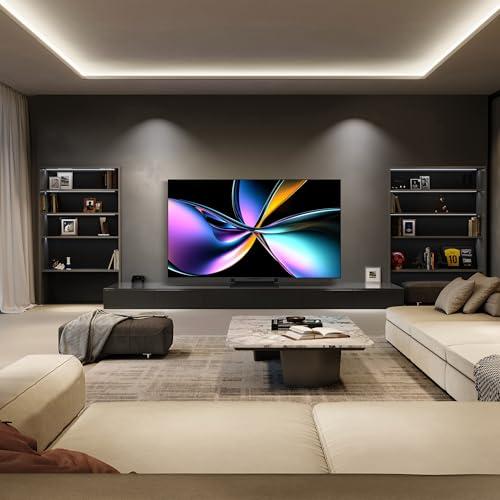
Choose the Hisense 100" U7 if you're building a serious home theater setup, game frequently on modern consoles, or have a bright room that demands high-performance display technology. The superior picture quality, gaming capabilities, and built-in audio justify the premium for enthusiasts who prioritize performance.
Choose the TCL 98" Q6 if maximum screen size is your primary goal and you're comfortable with good-enough performance in other areas. It's an excellent choice for families who want the "wow factor" of a massive screen without the premium features they might not fully utilize.
Consider your viewing habits, room environment, and budget allocation carefully. Both TVs will provide impressive large-screen experiences, but they excel in different scenarios and serve different priorities. The key is matching the TV's strengths to your specific needs and expectations.
| Hisense 100" U7 Series Mini-LED TV | TCL 98" Q6 Series 4K UHD QLED Smart TV |
|---|---|
| Screen Size - Physical presence and viewing impact | |
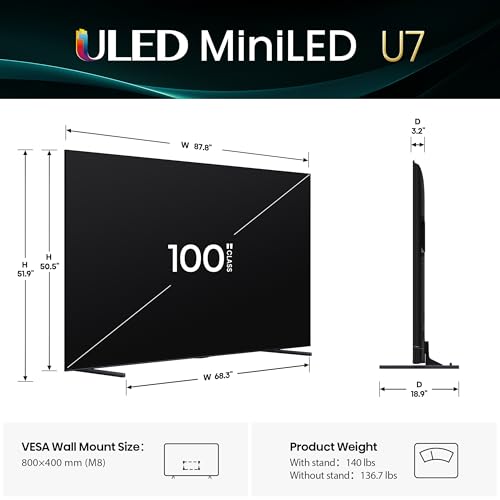
| 100 inches (99.5" actual) | 98 inches |
| Price - Total investment required | |
| $2,998 | $1,624 |
| Display Technology - Core determinant of picture quality | |
| Mini-LED with 256 local dimming zones | Direct-lit QLED without local dimming |
| Peak Brightness - Critical for HDR and bright room viewing | |
| 1,500 nits (excellent for any lighting condition) | ~400-600 nits (adequate for dark rooms only) |
| Refresh Rate - Smoothness of motion and gaming performance | |
| 165Hz native (exceptional for gaming) | 60Hz native, 120Hz gaming mode (basic performance) |
| HDMI Connectivity - Future-proofing for gaming consoles | |
| 4x HDMI 2.1 ports (full next-gen console support) | 3x HDMI 2.0 ports (limited high-refresh gaming) |
| Gaming Features - Advanced capabilities for serious gamers | |
| VRR 48-165Hz, ALLM, FreeSync Premium Pro, Dolby Vision Gaming | Basic VRR and ALLM only |
| HDR Support - Enhanced contrast and color range | |
| Dolby Vision IQ, HDR10+, HDR10, HLG, IMAX Enhanced | HDR10, HLG (no Dolby Vision) |
| Audio System - Built-in sound quality | |
| 2.1.2 channel 50W with Dolby Atmos height speakers | 2.0 channel 30W stereo (soundbar recommended) |
| Smart Platform - User interface and app ecosystem | |
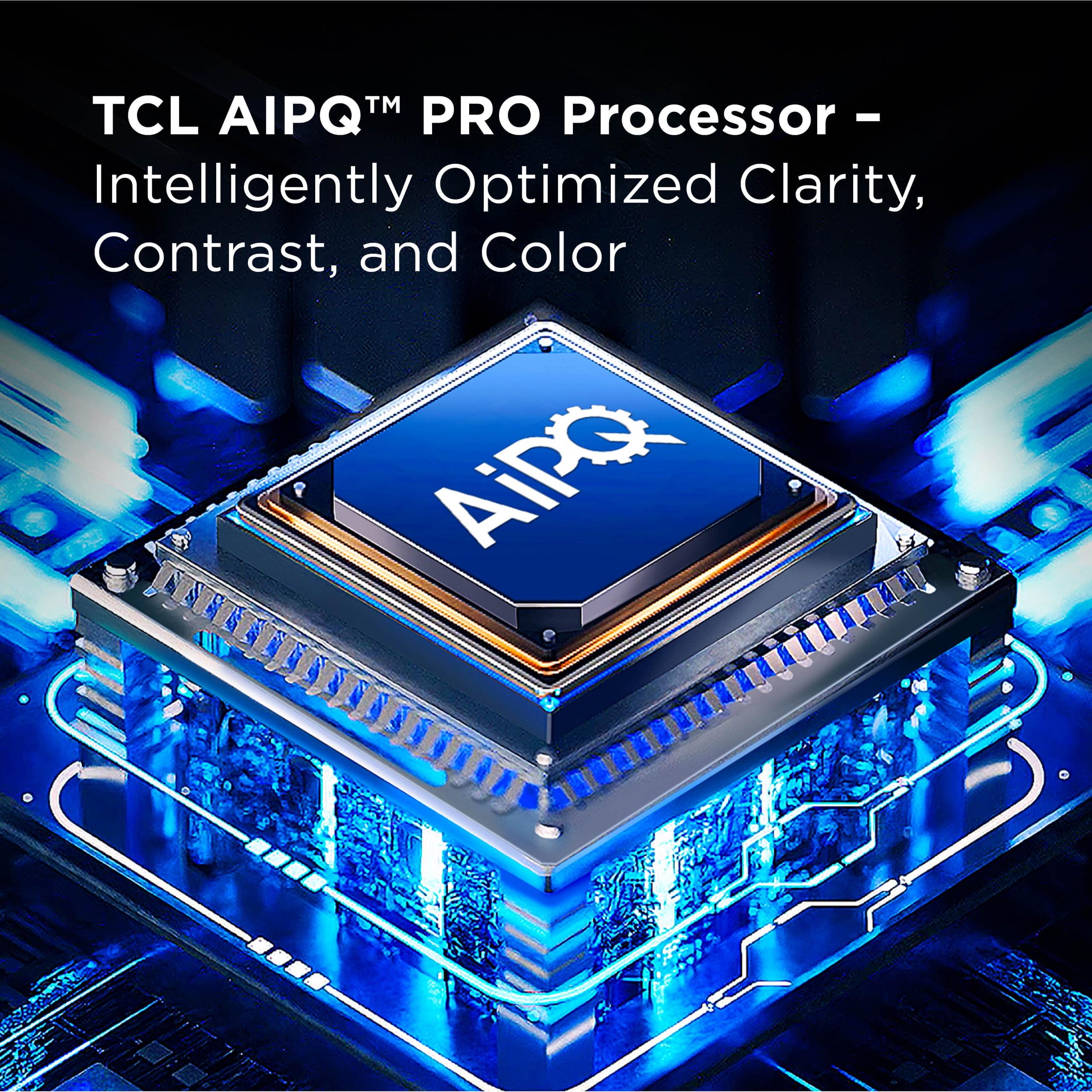
| Google TV with premium processor | Google TV with basic processor |
| Anti-Glare Treatment - Reflection handling in bright rooms | |
| Anti-glare coating for reduced reflections | Standard glossy panel |
| Value Proposition - What you get for your money | |
| Premium performance justifies higher cost for enthusiasts | Maximum screen size at budget-friendly price point |
The Hisense 100" U7 Series Mini-LED TV delivers significantly better picture quality due to its Mini-LED backlighting with 256 local dimming zones and 1,500 nits peak brightness. This creates deeper blacks, brighter highlights, and more accurate HDR reproduction compared to the TCL 98" Q6 Series, which lacks local dimming and has lower brightness levels.
The Hisense U7 costs $2,998 while the TCL Q6 is priced at $1,624, making the Hisense $1,374 more expensive. This price difference reflects the premium Mini-LED technology, advanced gaming features, and superior audio system in the Hisense model.
The Hisense 100" U7 is significantly better for next-gen gaming with its 165Hz refresh rate, four HDMI 2.1 ports, and advanced features like VRR (48-165Hz), ALLM, and FreeSync Premium Pro. The TCL 98" Q6 only offers 60Hz native refresh rate with HDMI 2.0 ports, limiting its gaming capabilities.
The Hisense U7 includes a 2.1.2 channel audio system with Dolby Atmos and built-in subwoofer that rivals entry-level soundbars, so you can delay that purchase. The TCL Q6 has basic 2.0 channel speakers that will likely require a soundbar for a satisfying large-screen audio experience.
The Hisense 100" U7 excels in bright rooms thanks to its 1,500 nits peak brightness and anti-glare coating, maintaining vivid colors and contrast even with ambient light. The TCL 98" Q6 will appear washed out in bright conditions due to its lower brightness and glossy panel.
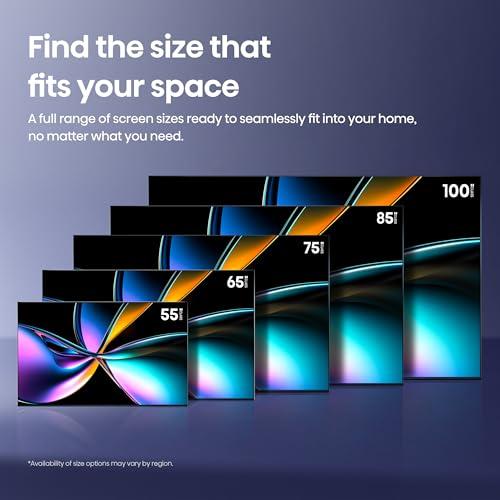
The difference is relatively small - about 2 inches diagonally. Both the Hisense 100" model and TCL 98" TV will dominate your wall and provide a massive viewing experience. The choice should focus more on performance features than the minor size difference.
Value depends on your priorities. The TCL Q6 at $1,624 offers maximum screen size at a budget-friendly price for casual viewers. The Hisense U7 at $2,998 provides premium performance, future-proofing, and integrated features that justify the higher cost for enthusiasts.
The Hisense 100" U7 is purpose-built for home theaters with its Mini-LED contrast, high brightness, Dolby Atmos audio, and premium HDR support. The TCL 98" Q6 can work for home theater use but requires external audio and performs best in darker rooms due to its display limitations.
The Hisense U7 offers better future-proofing with HDMI 2.1, 165Hz refresh rate, and premium display technology that will remain competitive for 5-7 years. The TCL Q6 may feel outdated sooner due to its HDMI 2.0 ports and basic 60Hz performance as content and gaming evolve.
Yes, both the Hisense U7 and TCL Q6 run Google TV with access to all major streaming apps like Netflix, Disney+, and Prime Video. The Hisense includes a more powerful processor for smoother navigation and a backlit remote, but core smart features are similar.
The Hisense 100" U7 handles sports better with its higher refresh rate, superior motion processing, and brighter display that maintains clarity during fast camera movements. The TCL 98" Q6 is adequate for sports but shows more motion blur during rapid action sequences.
Choose the TCL 98" Q6 if maximum screen size within budget is your top priority and you primarily watch content in dark rooms. Select the Hisense 100" U7 if you want premium picture quality, gaming performance, and built-in features that create a more complete entertainment experience.
We've done our best to create useful and informative comparisons to help you decide what product to buy. Our research uses advanced automated methods to create this comparison and perfection is not possible - please contact us for corrections or questions. These are the sites we've researched in the creation of this article: rtings.com - bestbuy.com - rtings.com - lueckeaudiovideo.com - youtube.com - hisense-usa.com - youtube.com - hisense-usa.com - costco.com - hisense-usa.com - pcrichard.com - files.hisense-usa.com - bestbuy.com - youtube.com - hisense-usa.com - displayspecifications.com - bestbuy.com - hisense-usa.com - eftm.com - youtube.com - youtube.com - bestbuy.com - tcl.com - walmart.com - youtube.com - rtings.com - greentoe.com - kitele.com - bestbuy.com - youtube.com - tcl.com - pcrichard.com - youtube.com

Privacy Policy
Terms and Conditions - Affiliate Policy
Home Security
© Copyright 2008-2026.
11816 Inwood Rd #1211, Dallas, TX 75244