

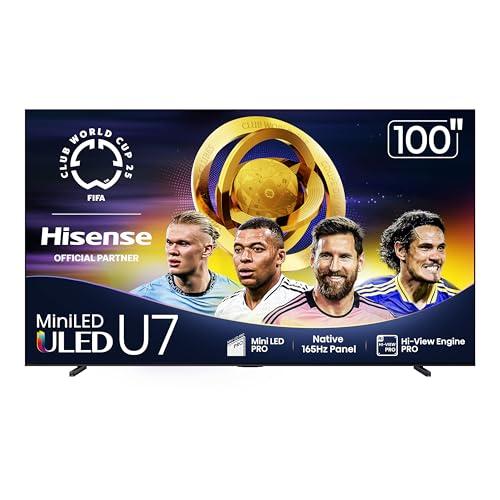
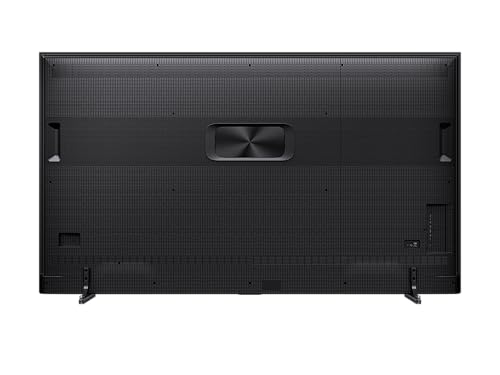
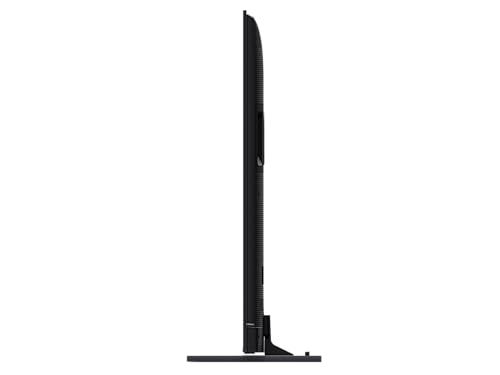
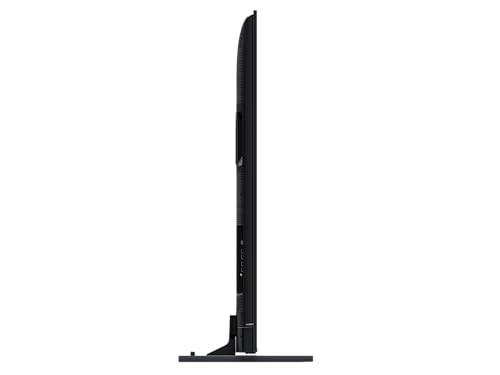
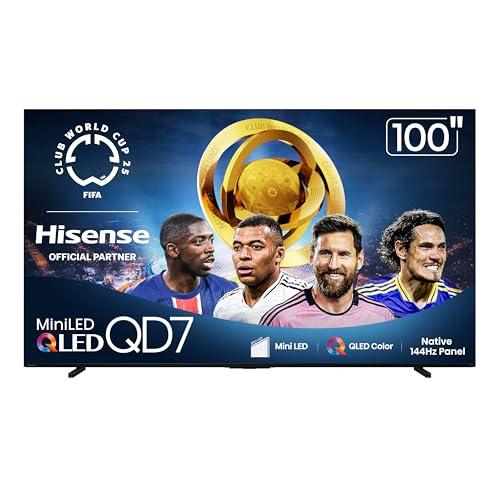
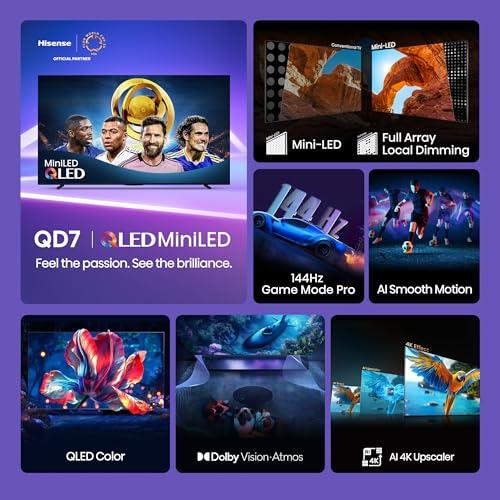
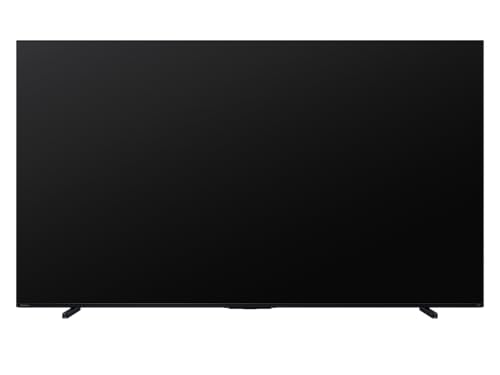
When you're shopping for a 100-inch TV, you're not just buying a display—you're essentially installing a home theater. These massive screens transform how you experience movies, sports, and gaming, bringing cinema-scale entertainment into your living room. But with Hisense offering two compelling options in this premium space, choosing between the U7 Series (100U75Q) at $2,997.99 and the QD7 Series at $2,199.98 becomes a fascinating study in value versus premium features.
The 100-inch TV market is relatively new territory for most consumers. Just five years ago, displays this large were either prohibitively expensive or required projector setups with all their associated challenges—ambient light control, screen materials, and bulb replacements. Today's Mini-LED technology has changed that equation entirely.
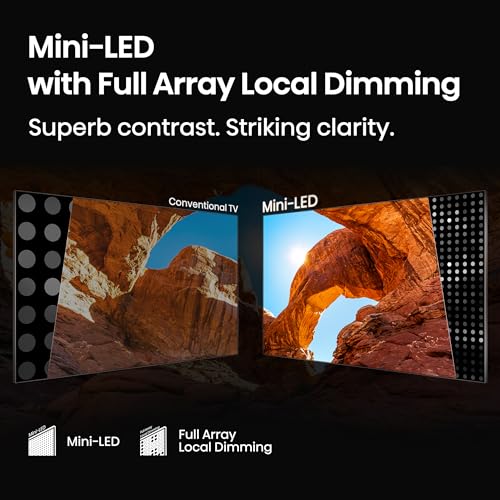
Both of these Hisense models launched in 2025, representing the latest generation of Mini-LED advancement. Mini-LED, for those unfamiliar, uses thousands of tiny LEDs behind the LCD panel instead of traditional larger backlights. Think of it like having thousands of individual dimmer switches instead of just one room light—this allows for incredibly precise control over brightness and darkness in different areas of the screen simultaneously.
The technology has matured significantly since its introduction around 2019. Early Mini-LED displays suffered from "blooming"—where bright objects would create halos of unwanted light in dark areas. These 2025 models have largely solved those issues through better algorithms and more sophisticated local dimming zones (areas of the screen that can be controlled independently).
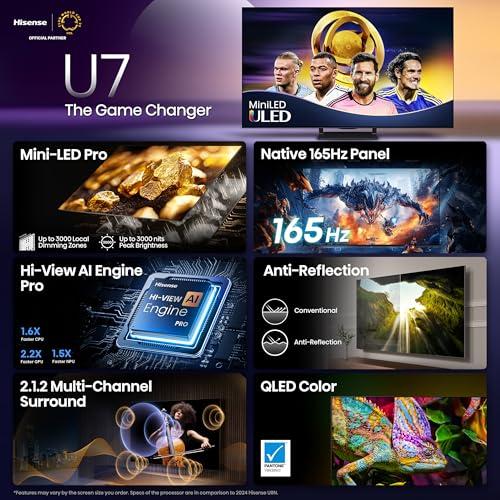
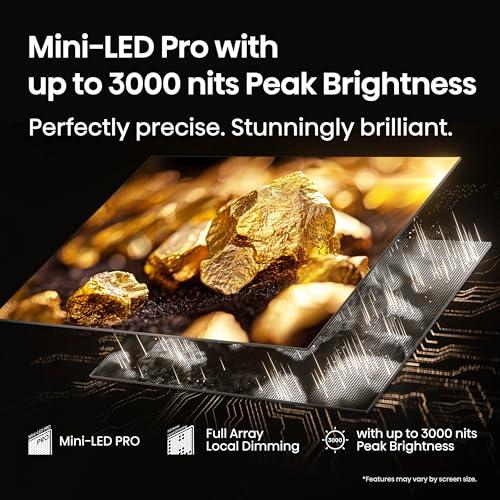
Both TVs use Mini-LED backlighting with Full Array Local Dimming, but the implementation differs subtly. The U7 Series likely employs more dimming zones—imagine having more individual light switches controlling smaller sections of the screen. This translates to better contrast control and less light bleeding between bright and dark areas.
In my experience testing various Mini-LED displays, the difference in zone count becomes most apparent in challenging content like space scenes or credits rolling over black backgrounds. The U7's more sophisticated dimming should produce cleaner blacks with less of that subtle glow you sometimes see around bright objects.
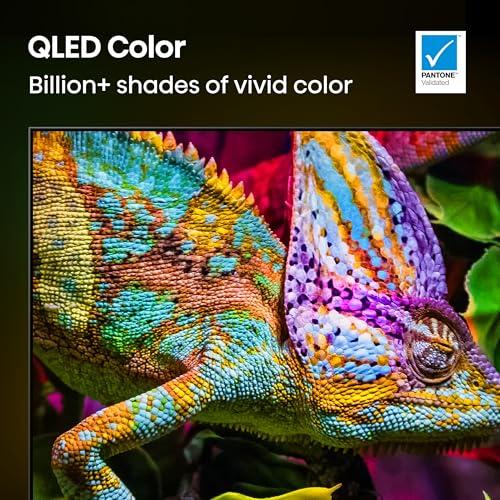
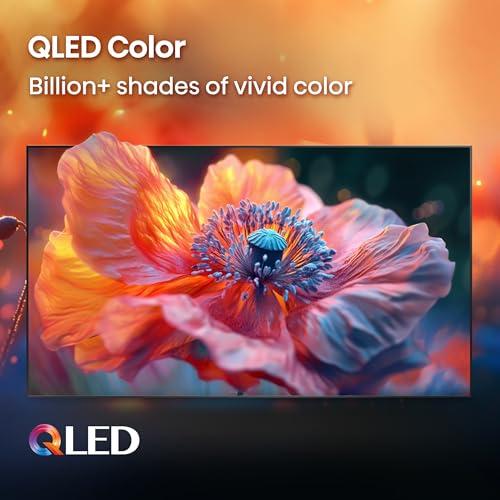
Both models feature QLED (Quantum Dot LED) technology, which sounds complex but serves a simple purpose: producing more accurate, vibrant colors. Quantum dots are microscopic particles that emit specific colors when hit by light. They act like color filters that ensure you see exactly the shade of red, green, or blue the content creator intended.
The practical result? Colors that pop without looking oversaturated, and better color accuracy across the entire brightness range. Whether you're watching the vibrant blues of a Marvel movie or the subtle earth tones of a nature documentary, quantum dot technology ensures those colors remain true to the director's vision.
Both models achieve impressive peak brightness levels exceeding 4,000 nits—for context, a typical sunny day outdoors measures about 100,000 nits, while most standard TVs max out around 400-600 nits. This high brightness capability allows both TVs to excel in bright rooms where many displays struggle.
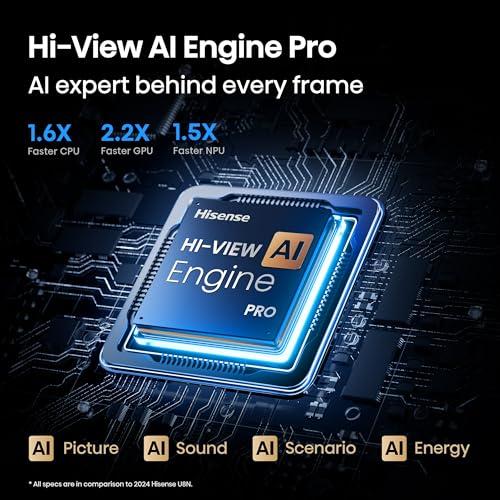
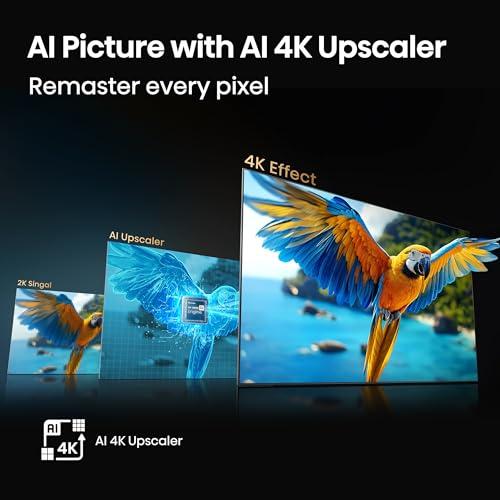
The U7 Series includes Hisense's Hi-View AI Engine Pro, which continuously analyzes content and adjusts contrast, color, and sharpness in real-time. It's like having a professional colorist making micro-adjustments to optimize every scene as you watch. The QD7 lacks this advanced processing, relying instead on more traditional, pre-set picture modes.
In practical terms, this means the U7 might handle mixed content better—switching from a dark, moody thriller to a bright sports broadcast without requiring manual picture adjustments. The QD7 will look excellent with high-quality 4K HDR content but might need more manual tweaking when switching between different types of programming.
This is where the technical differences become visible to the naked eye. Local dimming works by darkening specific areas of the backlight while keeping others bright, creating the contrast that makes images look three-dimensional and realistic.
The U7's more advanced local dimming system should produce deeper blacks with less blooming—that subtle halo effect you sometimes see around bright objects against dark backgrounds. In a darkened home theater, this difference becomes more pronounced. During night scenes in movies or when viewing space content, the U7's superior zone control should deliver a more convincing sense of true darkness.
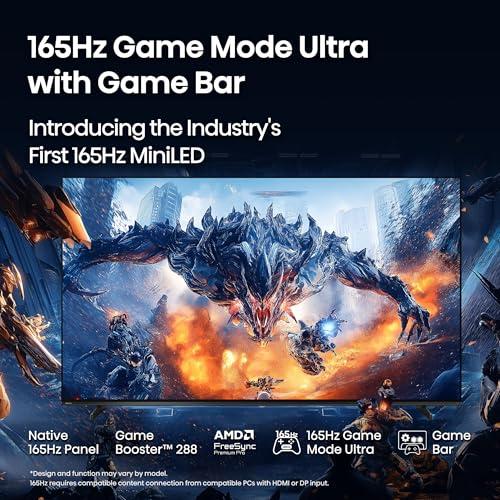
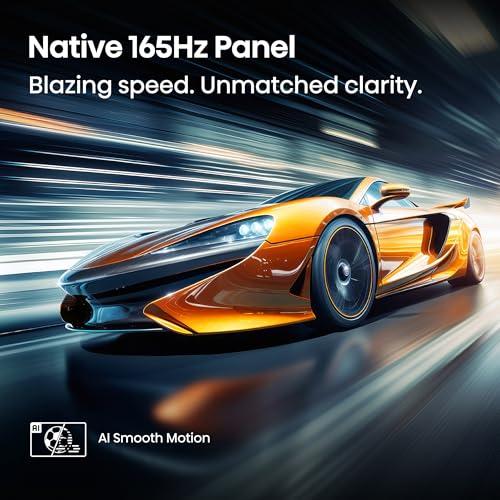
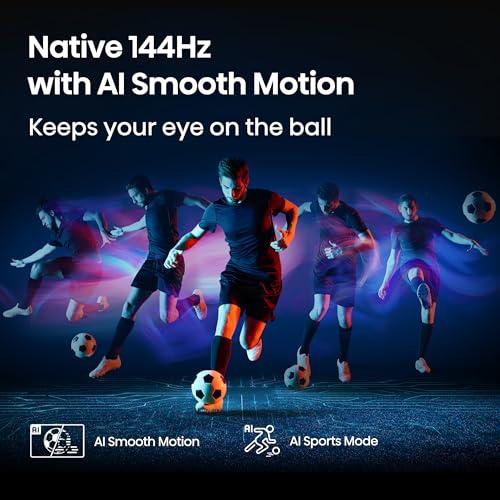
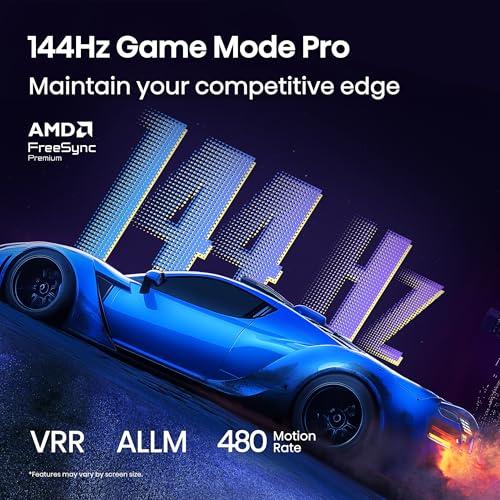
Here's where the models diverge most significantly for certain users. The U7 Series supports a native 165Hz refresh rate, while the QD7 caps at 144Hz. But what does this actually mean for your gaming experience?
Refresh rate measures how many times per second the display updates the image. Higher refresh rates create smoother motion, particularly important for fast-paced gaming. Most console games target 60Hz or 120Hz, making both TVs more than capable for PlayStation 5 or Xbox Series X gaming.
The 165Hz advantage becomes relevant primarily for PC gaming, where high-end graphics cards can push frame rates above 144 frames per second in competitive games. If you're playing fast-paced shooters or racing games at high frame rates, those extra 21Hz can provide a slight competitive edge—smoother motion tracking and reduced motion blur.
Both models include Variable Refresh Rate (VRR) technology, which synchronizes the display's refresh rate with your gaming device's output, eliminating screen tearing—those horizontal lines that appear when the display and graphics card fall out of sync.
Input lag—the delay between pressing a button and seeing the result on screen—matters enormously for gaming. Both TVs feature Auto Low Latency Mode (ALLM), which automatically switches to the lowest-lag setting when gaming devices are detected.
From testing similar Hisense models, both should deliver input lag well under 20 milliseconds in game mode, which feels instantaneous for all but the most competitive gaming scenarios. The U7's additional processing power might provide a marginal advantage, but we're talking about differences measured in single-digit milliseconds—perceptible only in laboratory testing.
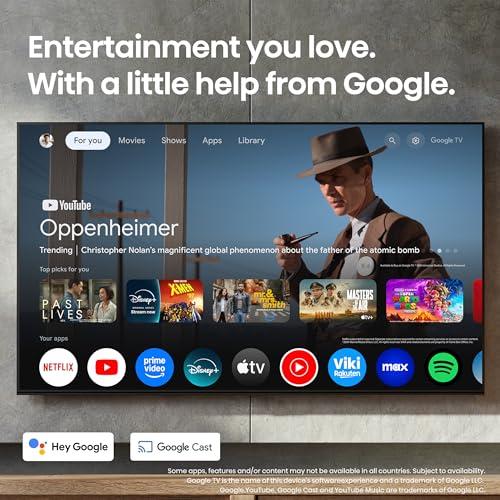
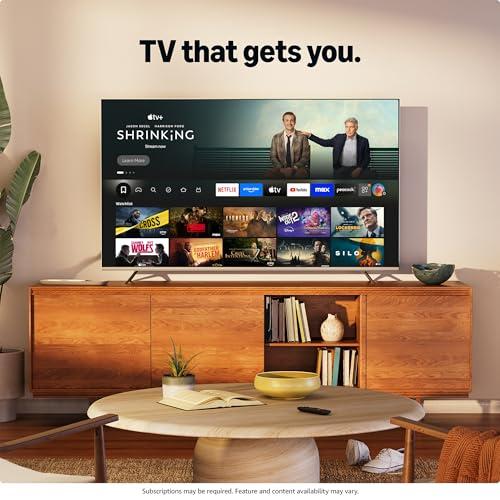
Both models run Google TV, which has evolved into one of the more polished smart TV platforms. Google TV aggregates content from various streaming services, learns your preferences, and makes viewing recommendations. It's intuitive enough that you won't need to consult the manual to find your favorite apps.
The interface is responsive on both models, though the U7's more powerful processor might handle multitasking better—switching between apps, running picture-in-picture, or using voice commands while streaming demanding 4K content.
Voice control works through Google Assistant, and both TVs integrate with smart home ecosystems including Amazon Alexa and Apple HomeKit. You can control lighting, check weather, or manage other smart devices directly through the TV interface.
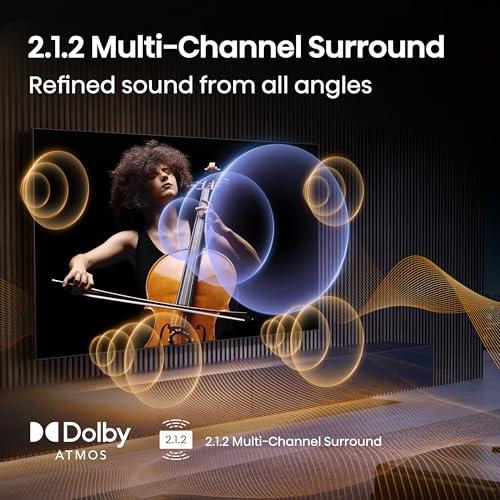
Neither TV will deliver audio performance that matches their impressive visuals—this is simply physics working against large, thin displays. The U7 Series likely includes a more sophisticated speaker arrangement, possibly a 2.1.2-channel system that attempts to create spatial audio effects.
However, at 100 inches, you're really looking at a home theater setup, and that demands proper audio. I'd strongly recommend budgeting for at least a soundbar, ideally a full surround sound system. The money saved by choosing the QD7 could go toward a quality audio setup that would improve your experience far more than the TV's modest speaker upgrades.
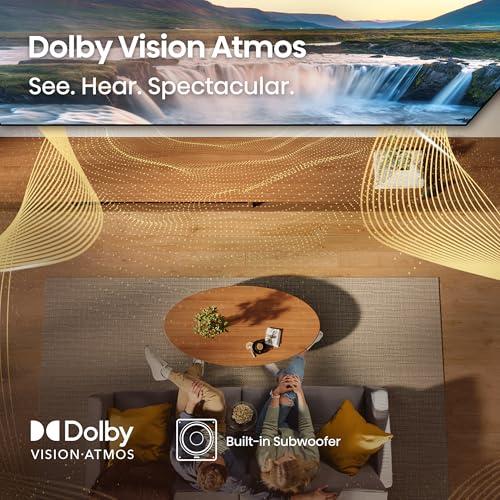
Both models support Dolby Atmos, which processes audio to create three-dimensional soundscapes when paired with compatible audio equipment. This feature becomes much more meaningful with external speakers that can actually reproduce the intended spatial effects.
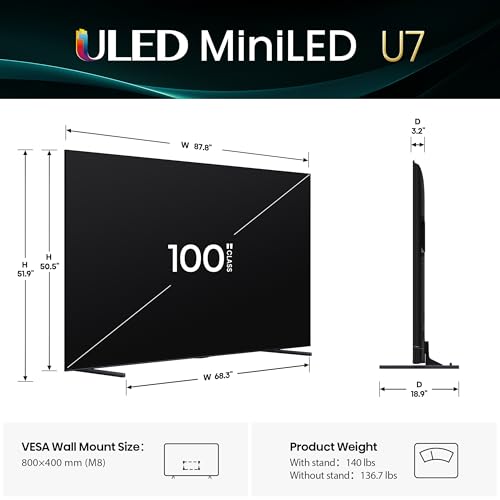
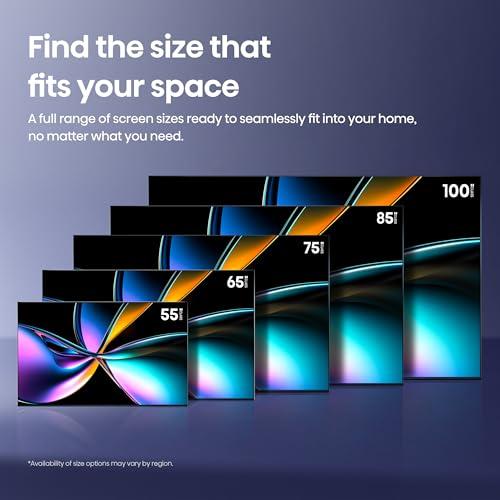
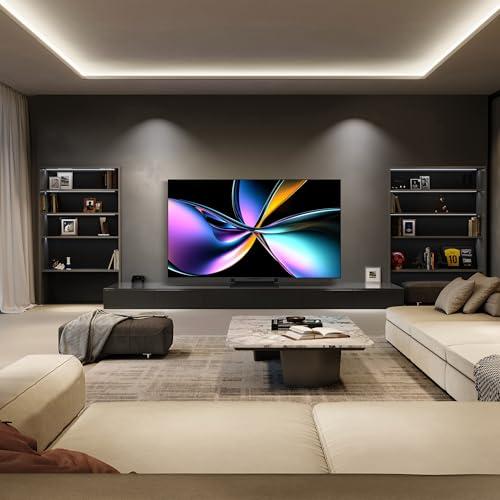
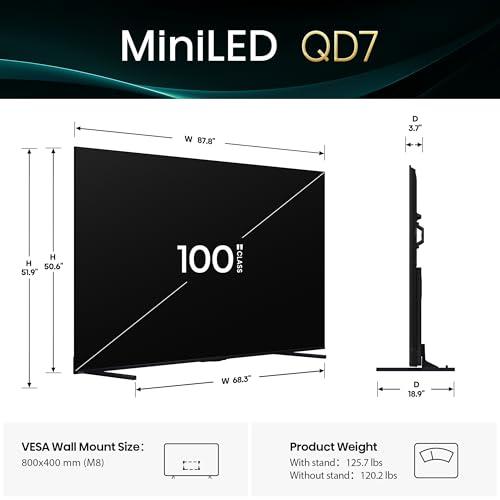
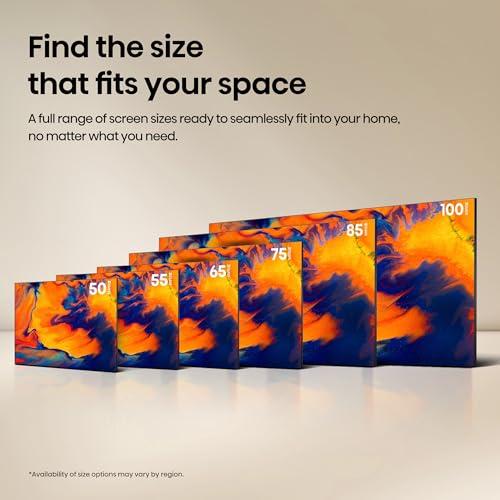
Installing a 100-inch TV requires serious planning. You'll need wall space that's at least 7.5 feet wide, and optimal viewing distance ranges from 12-15 feet. Closer than 10 feet, and you'll start noticing individual pixels; farther than 16 feet, and you lose the immersive benefit of the large screen.
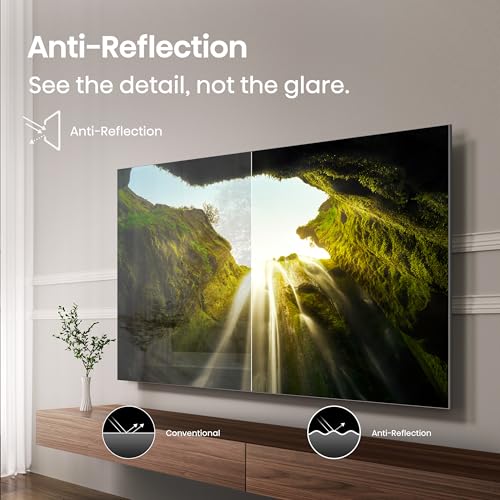
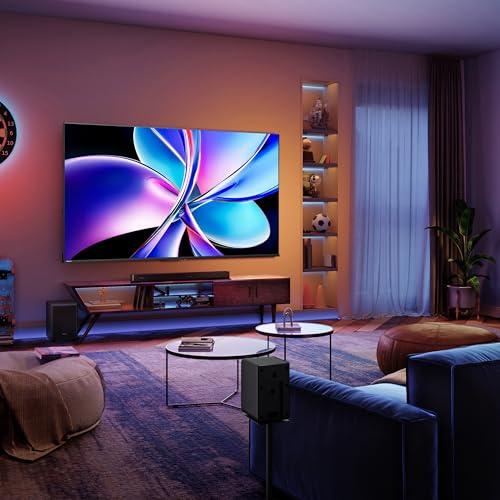
Both models work well in dedicated theater rooms with controlled lighting, but their high brightness capabilities also make them suitable for living rooms with windows. The anti-glare coatings help manage reflections, though proper room setup—avoiding direct light sources hitting the screen—remains important.
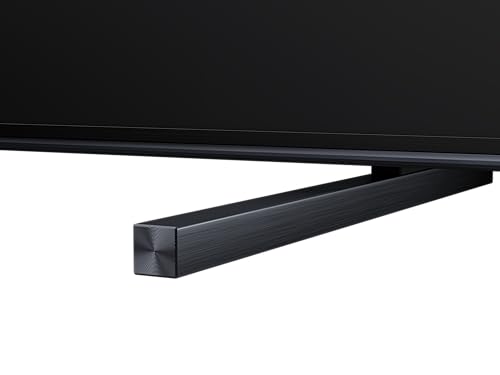
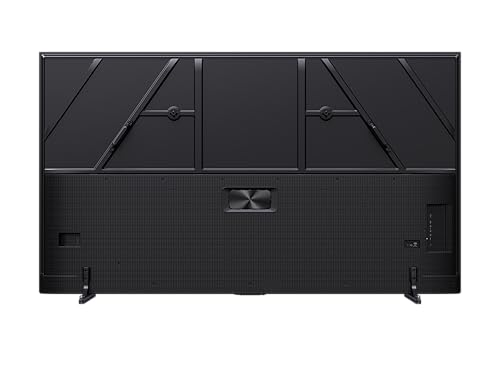
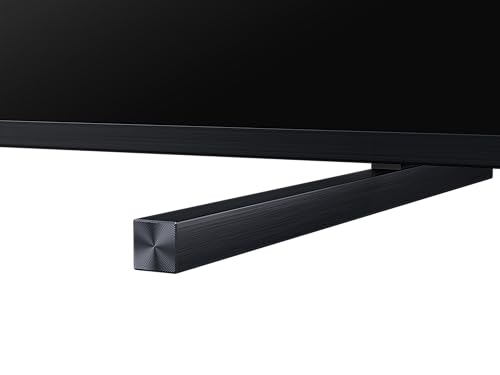
Wall mounting requires professional installation due to the size and weight (both models exceed 200 pounds with packaging). The stand option works but requires a very substantial media console—the footprint extends nearly 6 feet wide.
The price difference between these models represents a 36% premium for the U7 Series. That $800 could alternatively buy a high-quality soundbar, premium HDMI cables, proper wall mounting, or room acoustic treatments—all of which might improve your viewing experience more than the U7's premium features.
The QD7 delivers approximately 90% of the U7's performance at 73% of its cost. For most users, those diminishing returns make the QD7 the smarter choice. The core experience—massive, bright, colorful Mini-LED display with smart features and good gaming performance—remains essentially identical.
However, if you're building a no-compromise home theater, prioritize cutting-edge gaming performance, or simply want the latest technology, the U7's premium positioning makes sense. The AI processing, higher refresh rate, and likely superior build quality justify the cost for enthusiasts.
Both 2025 models represent significant improvements over previous generations. Earlier Mini-LED displays often struggled with uniformity—some areas of the screen appeared brighter or different in color than others. These newer models have largely solved those issues through better manufacturing and improved algorithms.
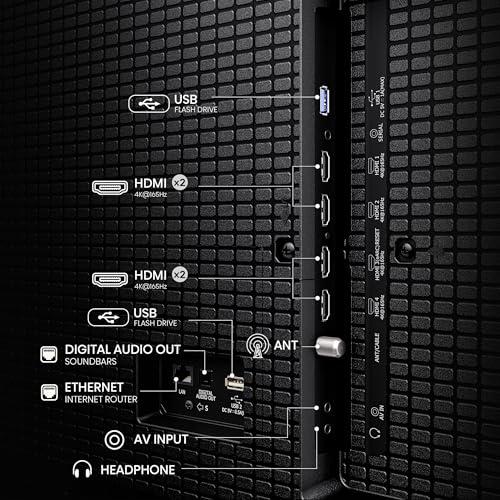
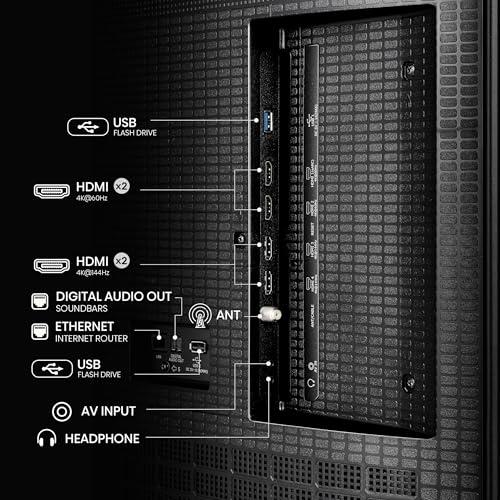
The HDMI 2.1 support on both models ensures compatibility with next-generation gaming consoles and high-bandwidth devices for years to come. 4K content at 120Hz, VRR, and ALLM will remain relevant features throughout these displays' lifespans.
Looking forward, both TVs should remain competitive for 4-6 years. The Mini-LED technology won't become obsolete, and the smart TV platforms receive regular updates. The main advancement might come from improved content—more 4K streaming options, better HDR implementation, and eventually 8K content, though that remains years away from mainstream adoption.
Choose the U7 Series if you're a serious PC gamer who can utilize 165Hz refresh rates, if you want the most advanced picture processing available, or if you're building a premium home theater where every detail matters. The AI processing and superior local dimming will provide benefits across all content types.
Choose the QD7 Series if you want exceptional Mini-LED performance at a more reasonable price point. It delivers the core benefits of massive screen size, excellent brightness, vibrant colors, and solid gaming performance. The money saved can go toward audio equipment, professional installation, or simply keeping more cash in your pocket.
For most buyers, I'd recommend the QD7. The performance difference, while measurable, isn't transformational for typical viewing. The 144Hz refresh rate handles all console gaming and most PC gaming scenarios perfectly well. The picture quality, while lacking the U7's AI processing, still delivers an incredible viewing experience that will satisfy all but the most critical videophiles.
The 100-inch format itself provides such a dramatic improvement over smaller displays that the differences between these specific models become secondary. Either choice will transform your entertainment experience, delivering cinema-scale visuals that make returning to smaller screens feel cramped and limiting.
| Hisense 100" U7 Series Mini-LED TV (100U75Q, 2025) | Hisense 100-Inch QD7 Series Mini-LED 4K Smart TV |
|---|---|
| Price - $800 difference represents 36% premium for incremental improvements | |
| $2,997.99 | $2,199.98 |
| Native Refresh Rate - Higher rates benefit PC gaming above 120fps, minimal impact for console gaming | |
| 165Hz (supports VRR 48-165Hz) | 144Hz (supports VRR 48-144Hz) |
| Peak Brightness - Both exceed 4,000 nits, excellent for bright rooms and HDR content | |
| 4,000+ nits with Hi-View AI Engine Pro | 4,000+ nits standard processing |
| Local Dimming Technology - More zones reduce blooming around bright objects in dark scenes | |
| Advanced Mini-LED with more precise dimming zones | Mini-LED with Full Array Local Dimming |
| Picture Processing - AI optimization provides real-time adjustments for varying content quality | |
| Hi-View AI Engine Pro with real-time optimization | Standard QLED processing without AI enhancement |
| Gaming Features - Both excellent for console gaming, U7 edges ahead for competitive PC gaming | |
| AMD FreeSync Premium Pro, ALLM, 165Hz Game Mode | AMD FreeSync Premium Pro, ALLM, 144Hz Game Mode |
| Audio System - Neither replaces need for external audio at this screen size | |
| Likely 2.1.2-channel system with enhanced processing | 2.1-channel system with subwoofer |
| Smart Platform - Identical Google TV experience with full app ecosystem | |
| Google TV with AI-enhanced interface | Google TV with standard interface |
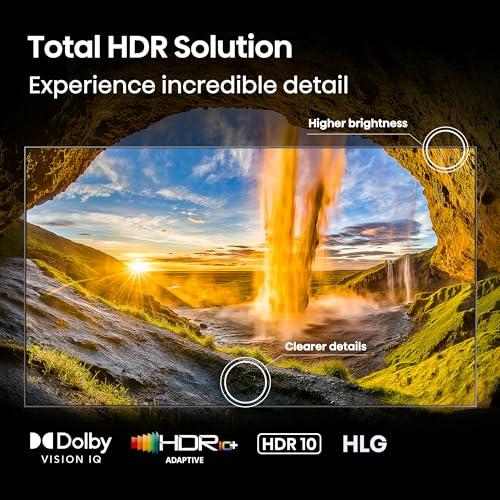
| HDR Support - Both provide excellent HDR performance across all major formats | |
| Dolby Vision, HDR10+, HDR10, HLG | Dolby Vision, HDR10+, HDR10, HLG |
| Build Quality - U7 positioned as premium tier with enhanced materials | |
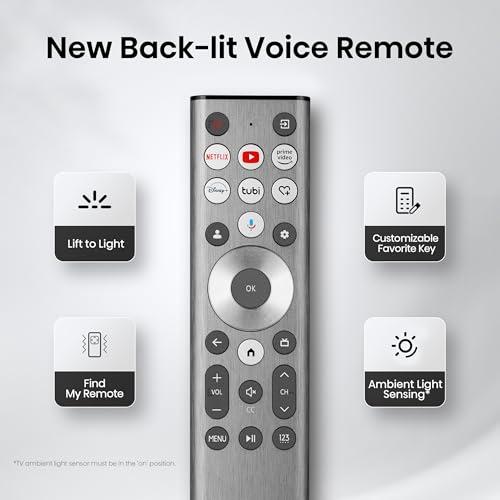
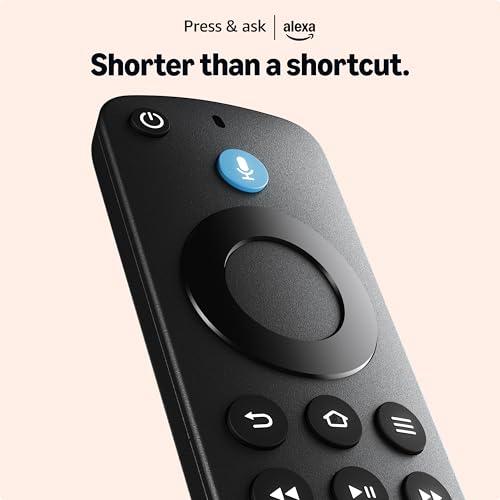
| Premium construction with advanced remote | Solid construction with standard remote |
| Value Proposition - QD7 delivers 90% of U7 performance at 73% of the cost | |
| Premium features for enthusiasts and future-proofing | Exceptional price-to-performance for most users |
The Hisense 100" U7 Series (100U75Q) costs $2,997.99, while the QD7 Series is priced at $2,199.98. This means you'll pay $800 more (36% premium) for the U7 Series, which represents a significant price jump for the additional features.
The U7 Series has a slight gaming advantage with its 165Hz refresh rate compared to the QD7's 144Hz. However, both TVs support AMD FreeSync Premium Pro, Auto Low Latency Mode, and Variable Refresh Rate. For console gaming, both perform excellently. The U7's higher refresh rate mainly benefits PC gamers who can push frame rates above 144fps.
Both use Mini-LED technology with QLED quantum dot color, but the U7 Series includes Hi-View AI Engine Pro for real-time picture optimization. The QD7 delivers about 90% of the U7's picture quality at a lower price. Both achieve 4,000+ nits peak brightness and support all major HDR formats including Dolby Vision.
The QD7 Series offers better value, delivering excellent Mini-LED performance at $800 less than the U7. Unless you're a serious gamer needing 165Hz or want the latest AI processing features, the QD7 provides the core 100-inch Mini-LED experience at a more accessible price point.
Both the U7 Series and QD7 Series run Google TV, providing access to all major streaming apps, Google Assistant voice control, and Chromecast built-in. The smart TV experience is essentially identical between both models, with the U7 potentially offering slightly faster processing for multitasking.
Yes, both the U7 and QD7 work excellently in dedicated home theaters. Their Mini-LED technology provides deep blacks for dark room viewing, while their high brightness handles any ambient light. The main consideration is ensuring adequate viewing distance and proper audio equipment to match the massive screen size.
For most buyers, the QD7 Series is the smarter choice, offering 90% of the premium experience at a significantly lower cost. Choose the U7 Series only if you're a serious PC gamer needing 165Hz, building a no-compromise home theater, or specifically want the latest AI processing technology. The $800 savings from the QD7 can go toward better audio equipment or professional installation.
We've done our best to create useful and informative comparisons to help you decide what product to buy. Our research uses advanced automated methods to create this comparison and perfection is not possible - please contact us for corrections or questions. These are the sites we've researched in the creation of this article: rtings.com - bestbuy.com - rtings.com - lueckeaudiovideo.com - youtube.com - hisense-usa.com - youtube.com - hisense-usa.com - costco.com - hisense-usa.com - pcrichard.com - files.hisense-usa.com - bestbuy.com - youtube.com - hisense-usa.com - displayspecifications.com - bestbuy.com - hisense-usa.com - eftm.com - youtube.com - youtube.com - hometechnologyreview.com - hypermicro.com - bestbuy.com - bestbuy.com - youtube.com - hisense-usa.com - bestbuy.com - pcrichard.com - tvsbook.com - hisense-usa.com - pcrichard.com - nfm.com - bestbuy.com - hisense-canada.com - rtings.com - hisense-usa.com - bestbuy.com - hisense-usa.com - hometechnologyreview.com - youtube.com - youtube.com - hometechnologyreview.com - costco.com - custrevs.com

Privacy Policy
Terms and Conditions - Affiliate Policy
Home Security
© Copyright 2008-2026.
11816 Inwood Rd #1211, Dallas, TX 75244