

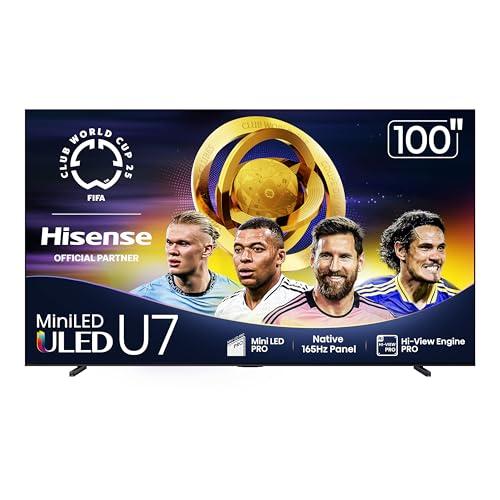
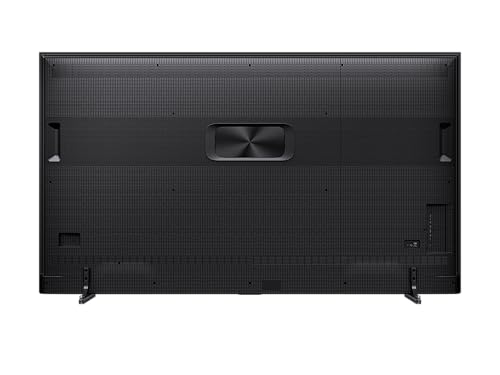
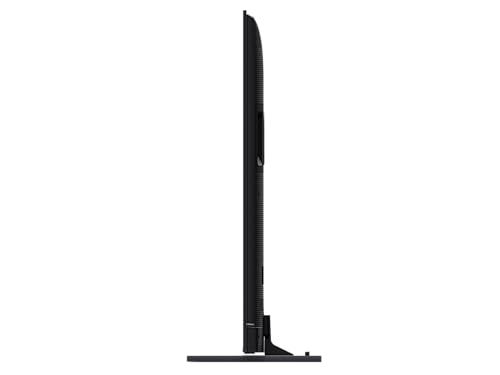
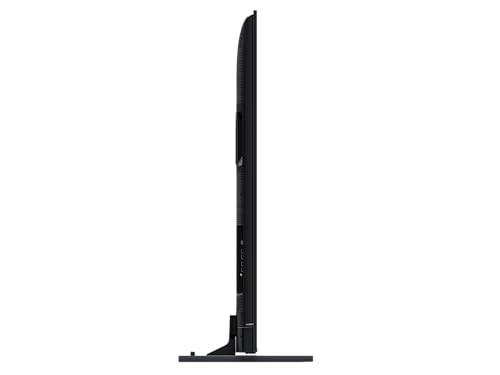
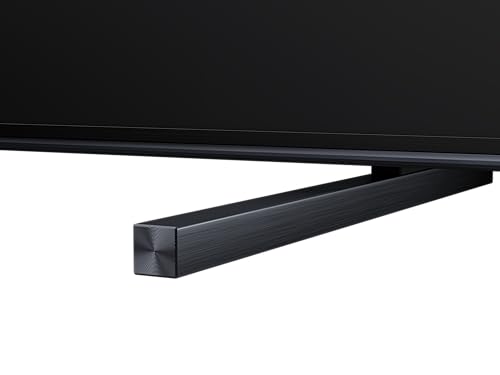
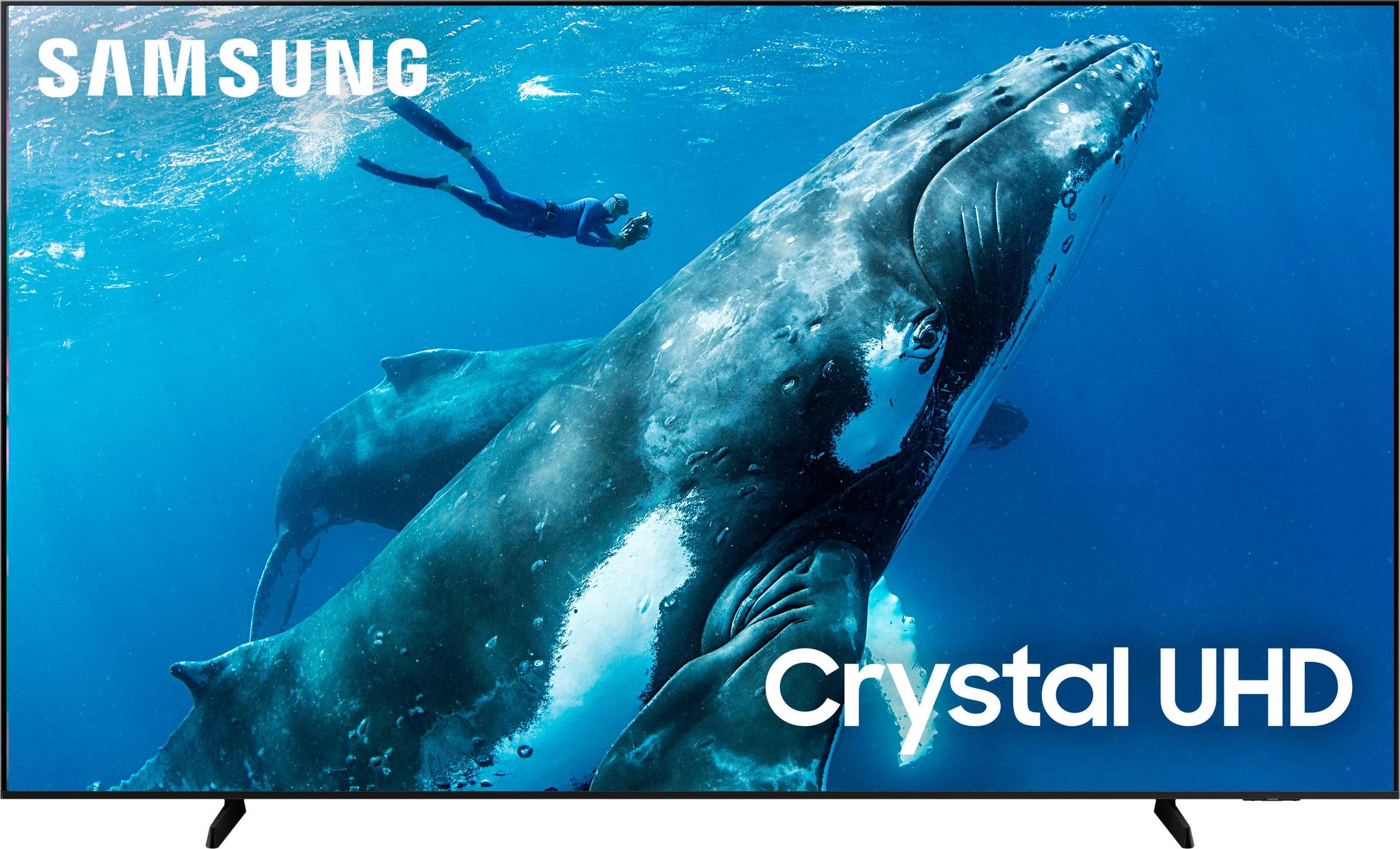
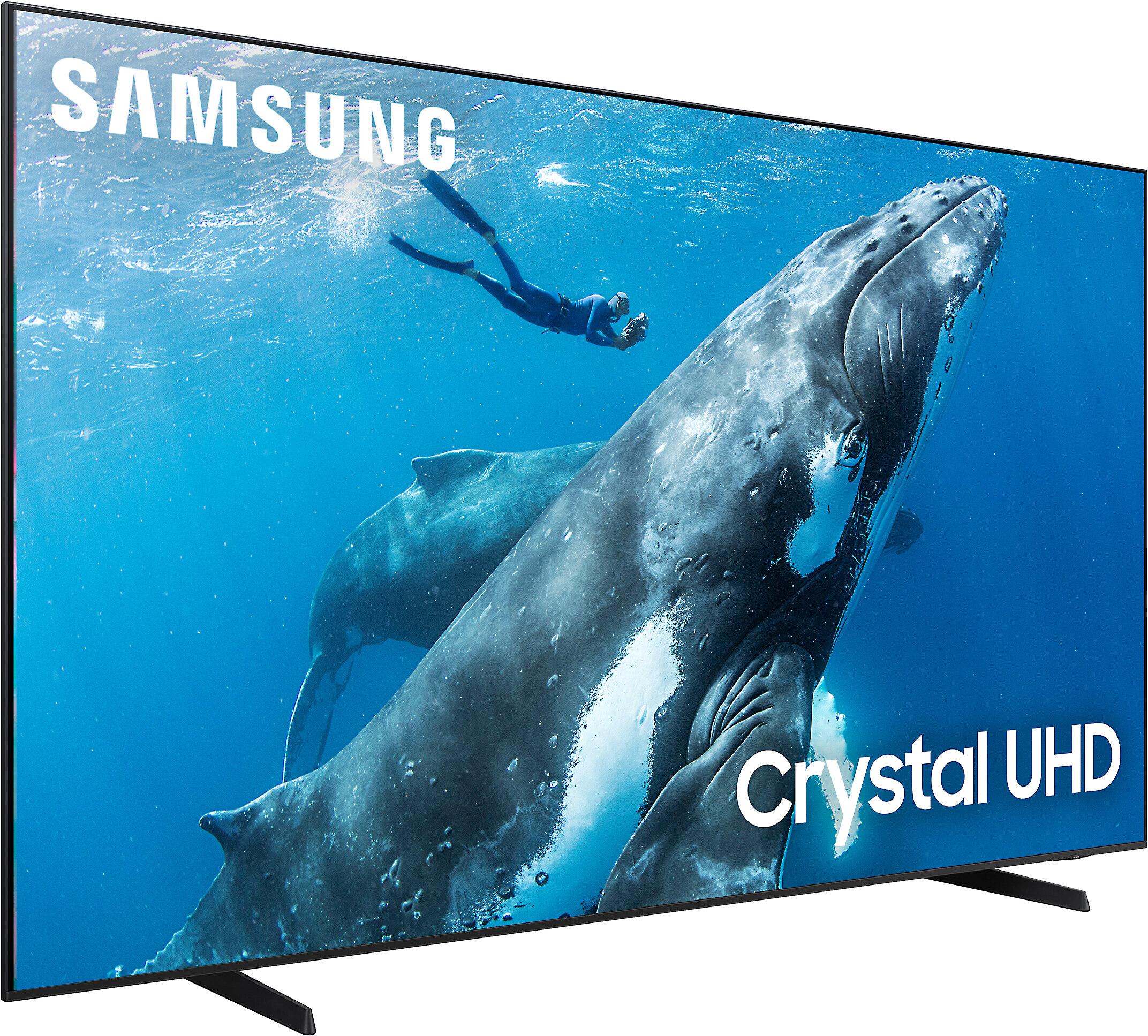
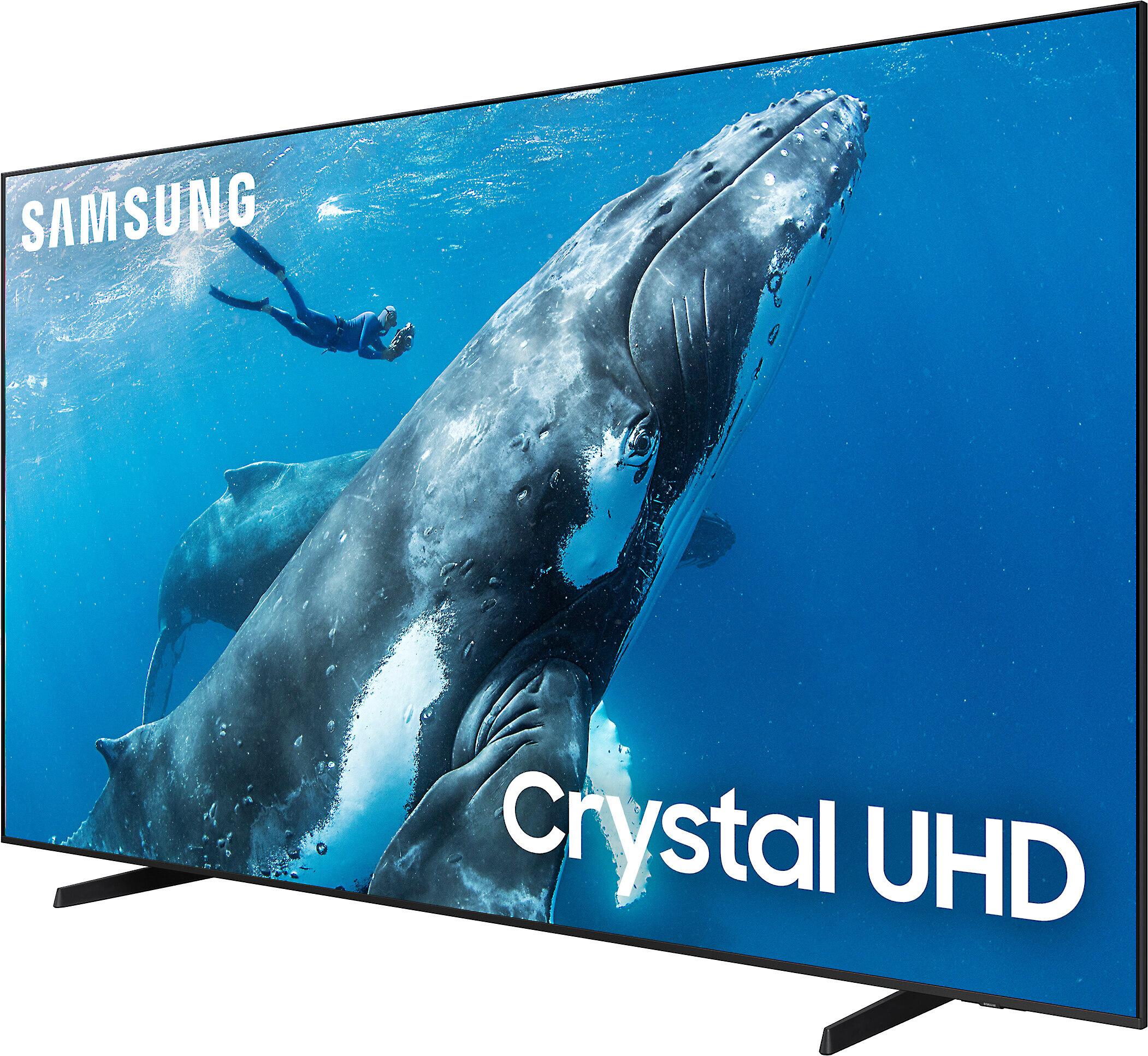
When you're shopping for a massive TV to transform your living room into a home theater, you're entering premium territory where every inch matters—and so does every dollar. Today we're comparing two compelling options: the Hisense 100" U7 Series Mini-LED TV at $2,998 and the Samsung 98" DU9000 Crystal UHD Smart TV. While they're separated by just two inches of screen real estate, the technology inside tells a very different story.
The world of 95+ inch TVs has exploded in recent years. What once required a $20,000 budget is now accessible to many households, though the technology choices can be overwhelming. These massive displays compete on several fronts: the underlying display technology (how the picture is actually created), processing power (how smart the TV is at enhancing content), gaming capabilities, and of course, value.
The fundamental question isn't just "which TV is bigger?" but rather "which approach to large-screen entertainment fits your needs?" Some manufacturers prioritize cutting-edge display technology, while others focus on delivering maximum screen size at accessible prices. Both strategies have merit, but they serve different audiences.
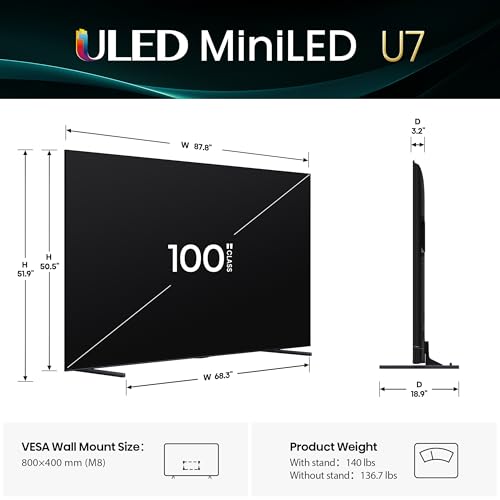
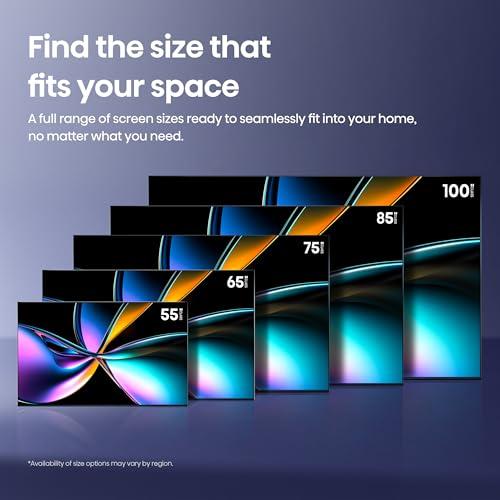
Released in May 2025 as part of Hisense's latest ULED lineup, the Hisense U7 represents the company's push into premium territory. At exactly 100 inches (99.5" viewable), it's among the largest consumer TVs you can buy without entering commercial display territory. The $2,998 price point positions it as a value-oriented premium TV—you're getting flagship display technology without the flagship price tag.
Hisense has been on a tear lately, evolving from a budget brand to a serious competitor in the premium space. The U7 series showcases their Mini-LED mastery, a technology that was exclusive to TVs costing $5,000+ just a few years ago.
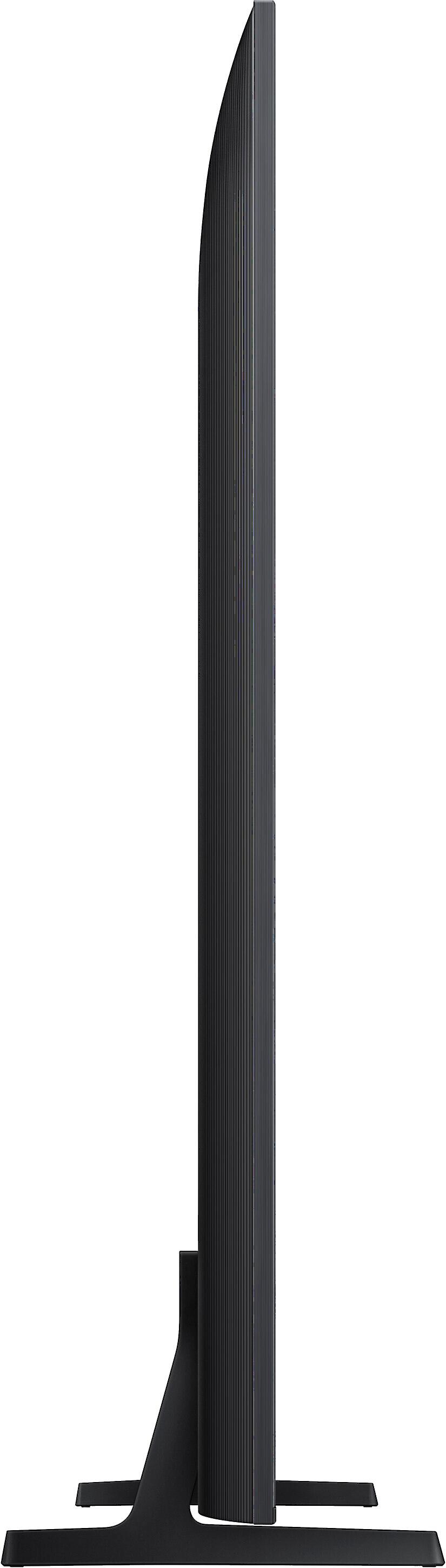
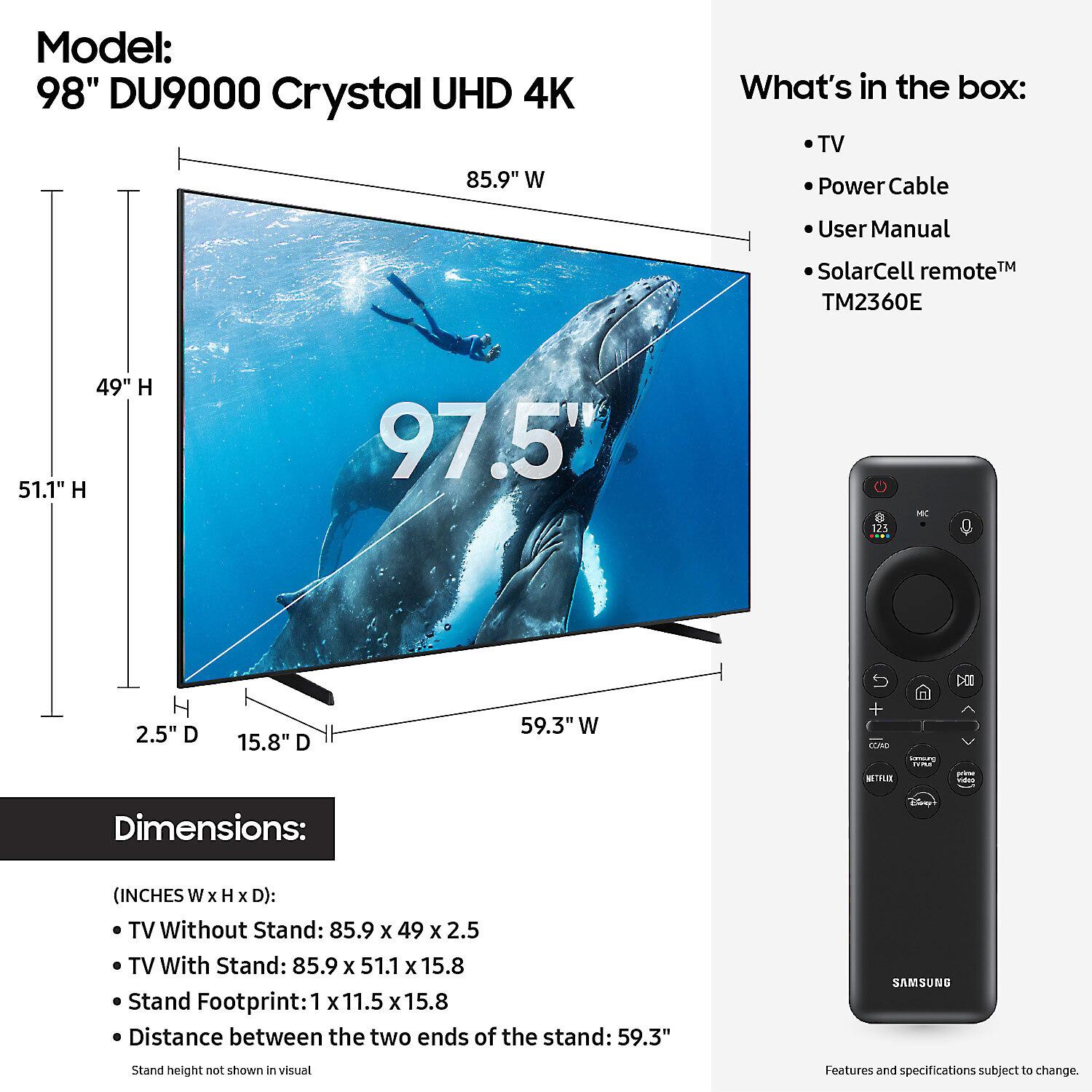
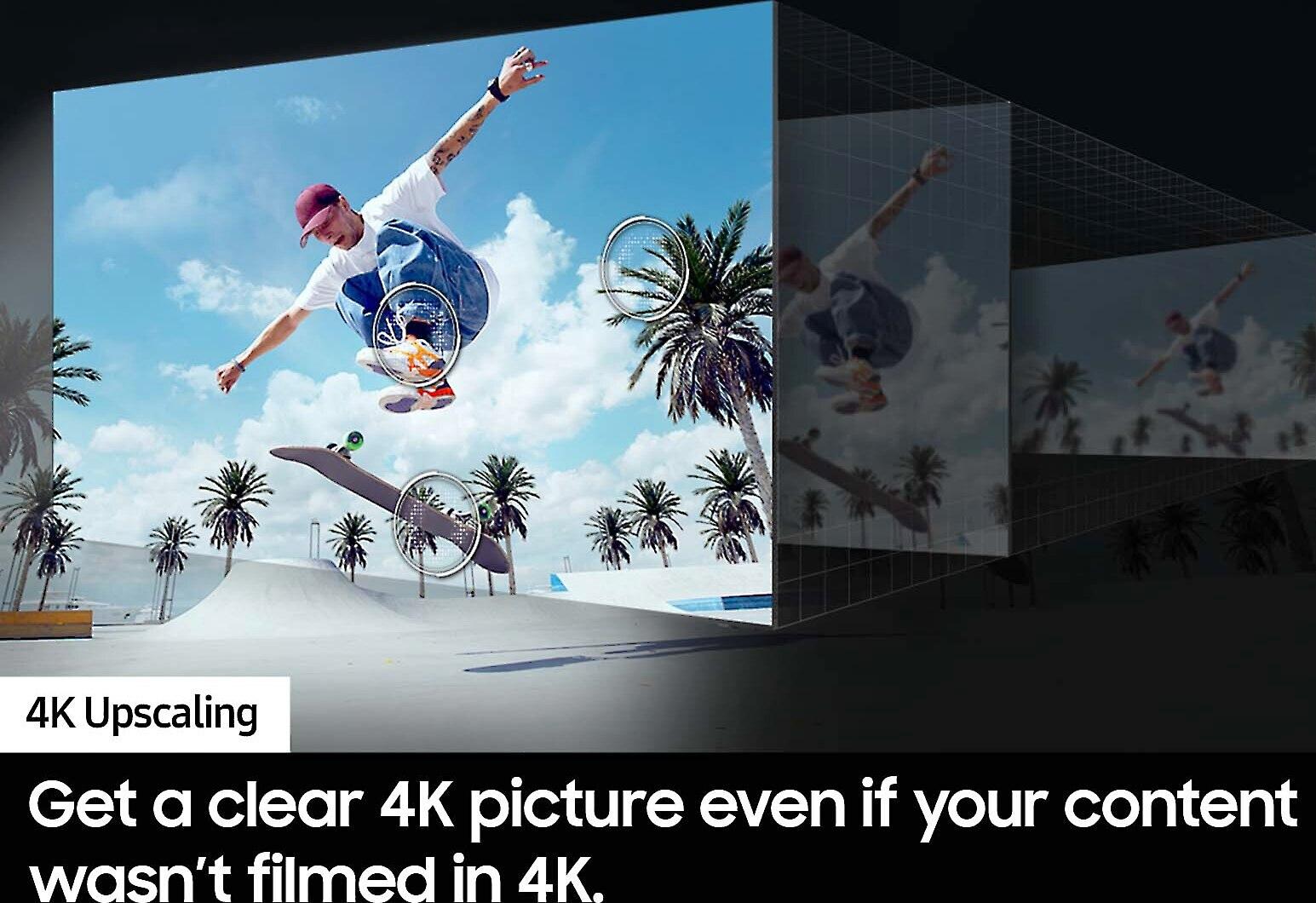
Samsung's DU9000 series takes a different approach. Rather than cramming the latest display technology into a massive screen, Samsung focuses on delivering reliable, large-format viewing at a more accessible price point. The 98" DU9000 uses Samsung's well-established Crystal UHD platform, which has powered millions of TVs worldwide.
Samsung released the DU9000 series as part of their 2024 lineup, representing their entry-level approach to large format displays. It's worth noting that Samsung has been in the large TV game longer than most, and their reliability in this size category is well-established.
Here's where things get interesting, and where your viewing experience will be most affected by your choice.
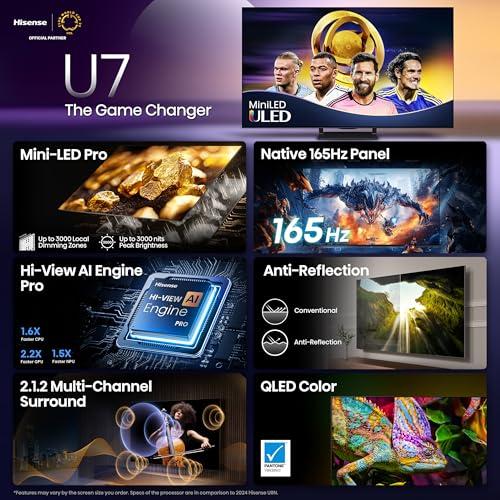
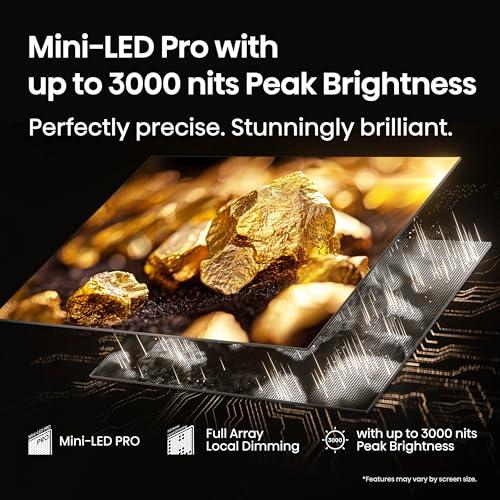
The Hisense U7's Mini-LED system represents a fundamental advancement in how TVs create pictures. Instead of using a few dozen large LED lights around the edges of the screen (like most budget TVs), Mini-LED uses thousands of tiny LEDs directly behind the screen. In the U7's case, we're talking about 256 separate dimming zones—imagine 256 individual flashlights that can be turned on or off independently.
What does this mean for you? When you're watching a movie with a bright explosion against a dark sky, traditional LED TVs light up the entire screen section, making the dark sky look grayish. The U7 can keep those sky areas truly dark while making the explosion brilliantly bright. This is called local dimming, and it's the difference between a TV that looks decent and one that looks spectacular.
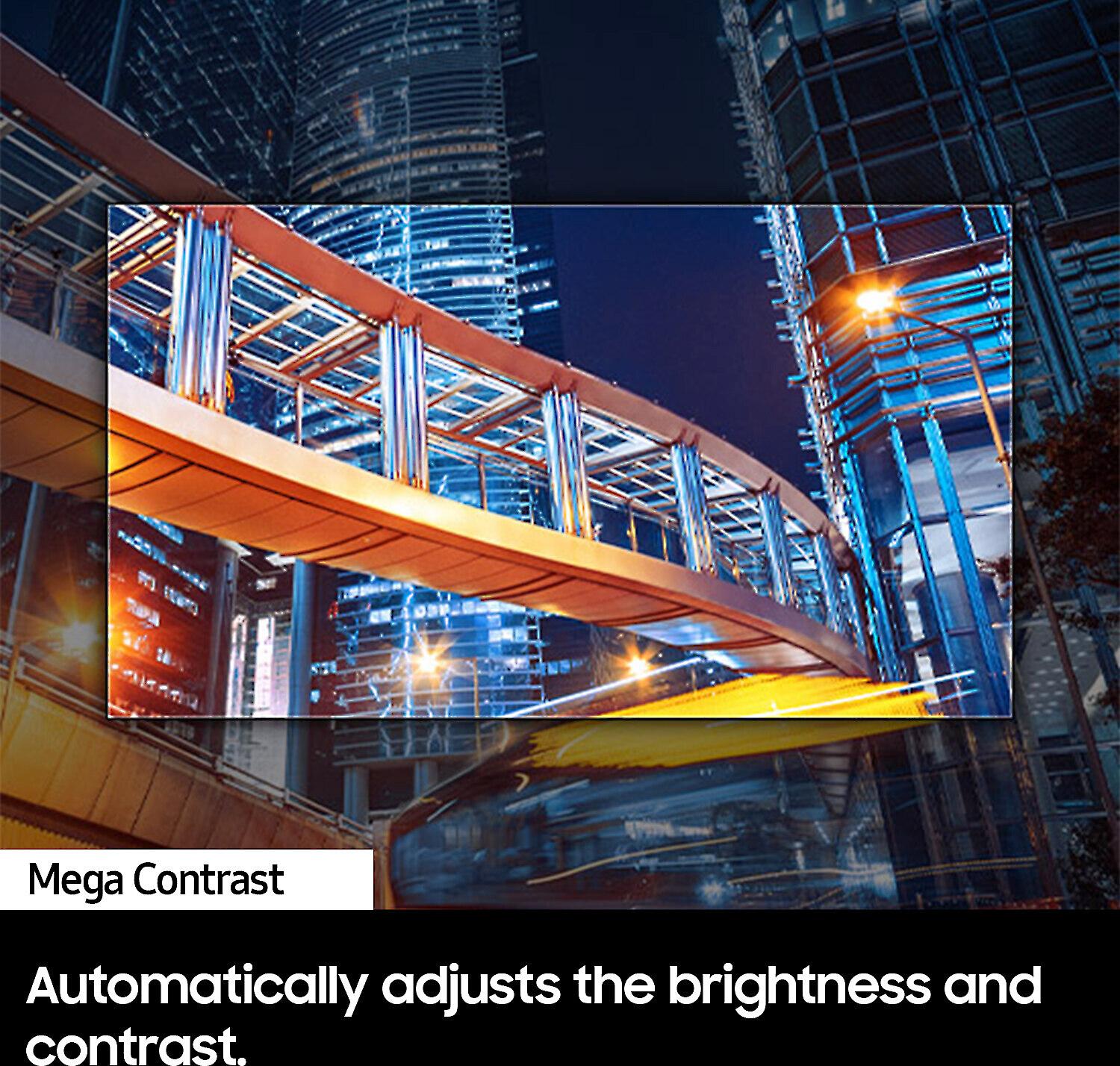
The Samsung DU9000, meanwhile, uses edge-lit LED technology. Picture LED strips along the edges of the screen trying to illuminate the entire 98-inch panel evenly. It works fine for bright content like sports or daytime TV, but it can't create the dramatic contrast that makes HDR movies pop.
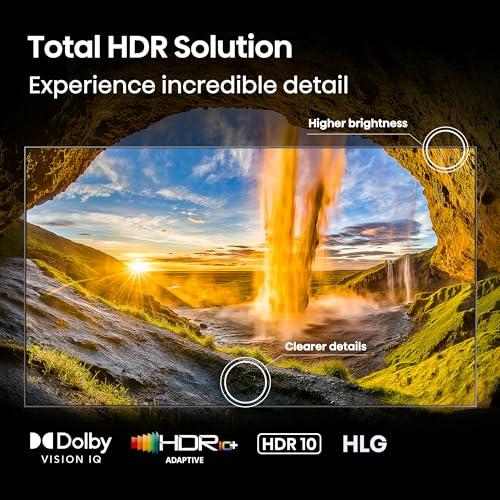
Peak brightness is where the Hisense really flexes its muscles. At 800 nits (with some sources claiming up to 3,000 nits), the U7 can display HDR content the way filmmakers intended. HDR, or High Dynamic Range, is like the difference between a dim flashlight and bright sunlight—it's not just brighter, it reveals details you couldn't see before.
I've spent considerable time with both Mini-LED and standard LED displays, and the difference is immediately apparent when watching HDR content. Dark movies like "Dune" or "The Batman" showcase deep space blacks alongside brilliant highlights in ways that make standard LED displays look washed out by comparison.
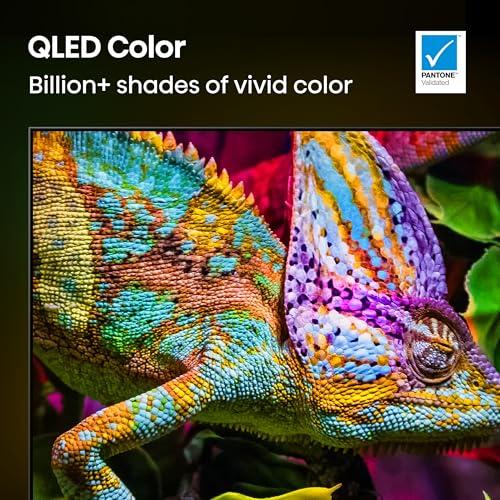
The U7's QLED Quantum Dot technology adds another layer of sophistication. Quantum dots are microscopic particles that, when hit by light, produce incredibly pure colors. Think of them as tiny prisms that create more accurate reds, greens, and blues than traditional LED systems. The result is colors that look more like what you'd see in real life—or in a premium movie theater.
Those two inches might not sound like much, but at this scale, they represent about 4% more screen area. In practical terms, it's the difference between "wow, that's huge" and "holy cow, is that thing even going to fit?" Both sizes require careful room planning, but the Hisense's extra real estate becomes more noticeable during immersive content like sports or action movies.
If gaming is part of your entertainment equation, the differences become stark.
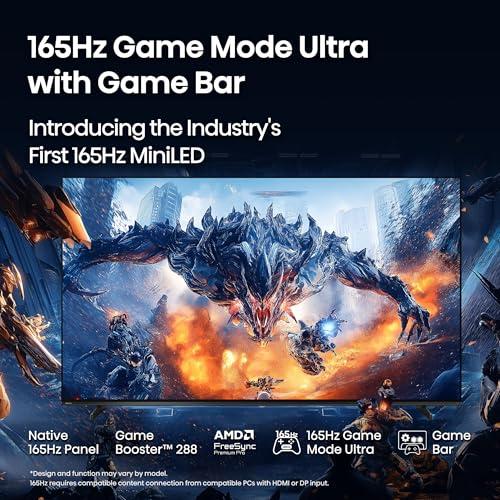
The Hisense U7 operates at a native 144Hz refresh rate, with Game Mode Ultra pushing it to 165Hz. To put this in perspective, most movies run at 24fps, broadcast TV at 60fps, but modern gaming consoles and PCs can output 120fps or higher. The higher the refresh rate, the smoother motion appears—especially crucial for fast-paced games.
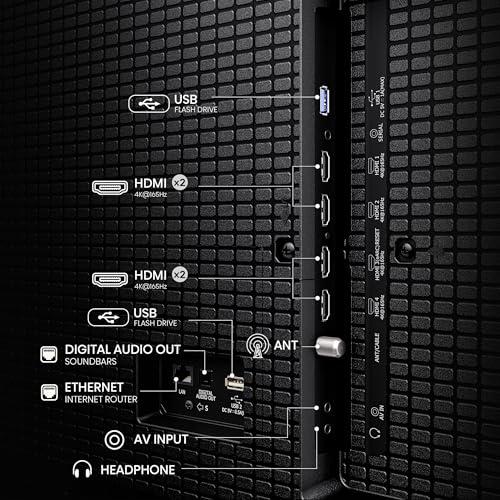
More importantly, the U7 includes four HDMI 2.1 ports. HDMI 2.1 is the latest standard that can handle 4K gaming at high frame rates. The PlayStation 5 and Xbox Series X both benefit from these ports, allowing them to output their highest quality gaming modes.
The U7 also supports AMD FreeSync Premium Pro and Variable Refresh Rate (VRR). These technologies synchronize the TV's refresh rate with your gaming device's output, eliminating screen tearing—those horizontal lines that can appear during fast motion. Auto Low Latency Mode (ALLM) automatically switches to the lowest input lag mode when it detects a gaming signal.
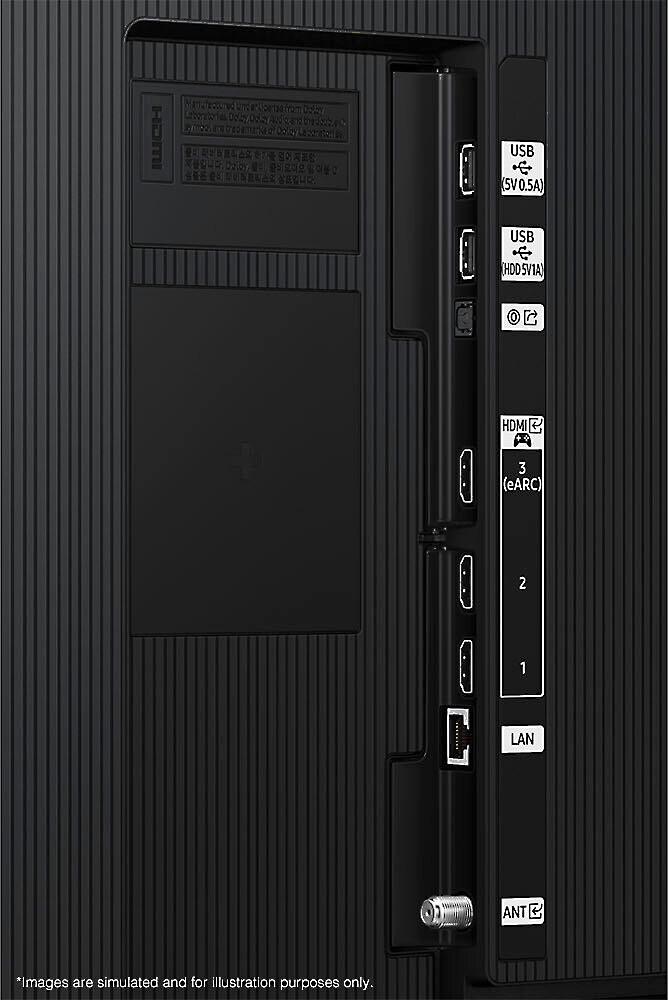
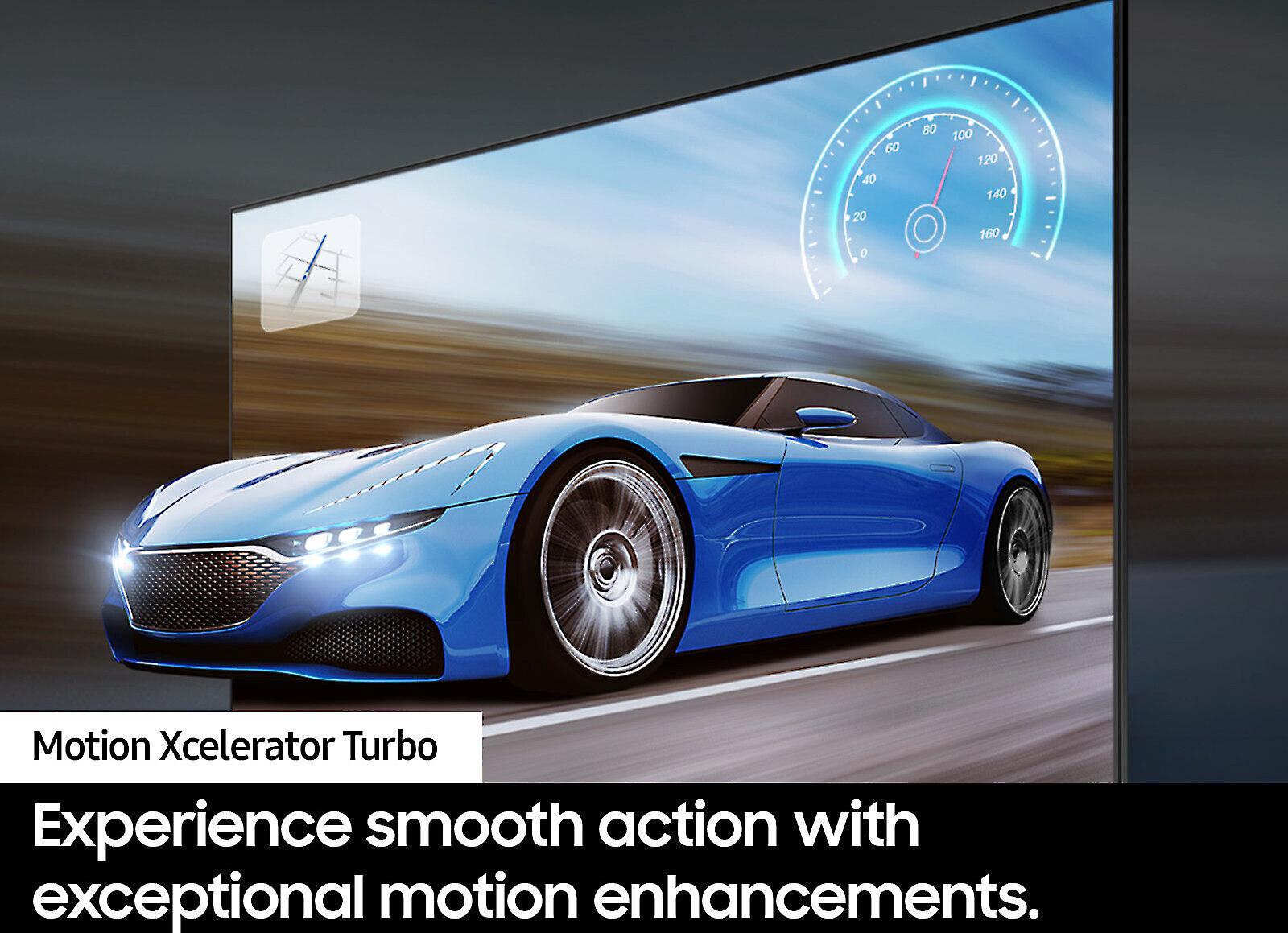
The Samsung DU9000 offers 120Hz refresh rate and Auto Game Mode, which covers the basics for console gaming. However, it only includes three HDMI ports with limited HDMI 2.1 features. For casual gaming, it's adequate, but serious gamers will notice the limitations immediately.
Both TVs include built-in audio systems, but with important differences.
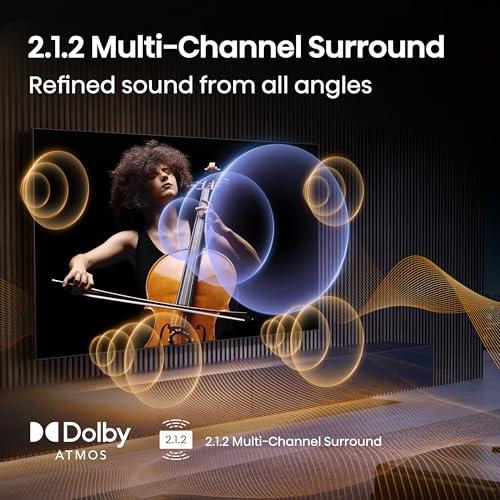
The Hisense U7 features a 2.1.2 system—that's two main speakers, one subwoofer, and two upward-firing speakers for Dolby Atmos height effects. Dolby Atmos creates a three-dimensional soundscape where you can hear helicopters flying overhead or rain falling around you. It's particularly effective in large rooms where these massive TVs typically live.
The Samsung DU9000 uses a simpler 2-channel, 20-watt system with Object Tracking Sound Lite, which tries to match audio to visual movement on screen. While adequate, it lacks the immersive quality of the Hisense system.
For true home theater setups, most people in this price range will add a dedicated soundbar or surround sound system. Both TVs support external audio well, but the Hisense's built-in system provides a better experience if you're not ready to invest in additional audio equipment.
Smart TV platforms are like the operating systems on your phone—they determine how you navigate, what apps you can access, and how smooth the experience feels.
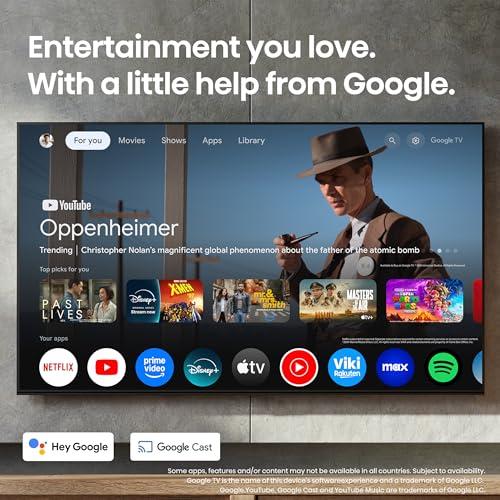
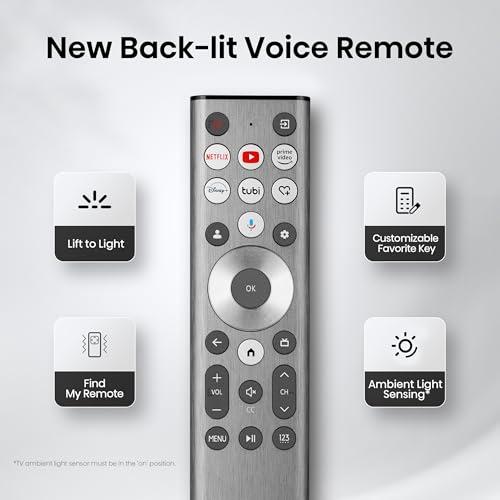
The Hisense runs Google TV, which is essentially Android TV with a more polished interface. Google TV excels at content recommendations, pulling suggestions from across multiple streaming services. It also includes built-in Chromecast, making it easy to stream content from your phone or tablet.
Samsung's Tizen platform has been refined over many years and integrates well with Samsung's ecosystem. If you own Samsung phones, tablets, or appliances, the DU9000 will feel familiar and work seamlessly with your other devices.
Both platforms support all major streaming services, but Google TV tends to get new apps faster, while Tizen offers better integration with Samsung's SmartThings home automation system.
When you're investing in a TV this size, you're essentially building a home theater. Several factors become crucial:
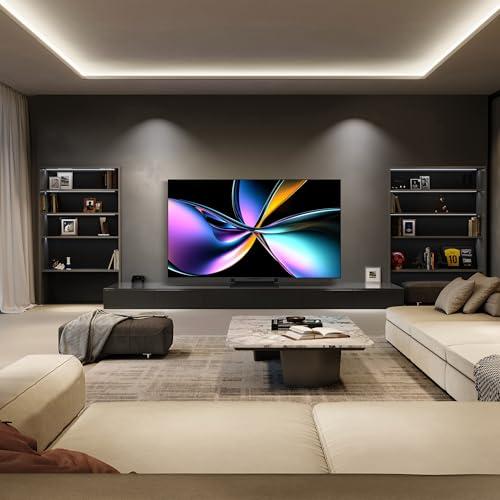
Room Requirements: Both TVs need substantial wall space and viewing distance. The general rule is sitting 1.5 to 2.5 times the screen width away. For these sizes, that means 12-20 feet from the screen for optimal viewing.
Mounting Challenges: The Hisense weighs over 200 pounds, while the Samsung checks in around 150 pounds with its stand. Both require robust wall mounts rated for their weight, and professional installation is highly recommended.
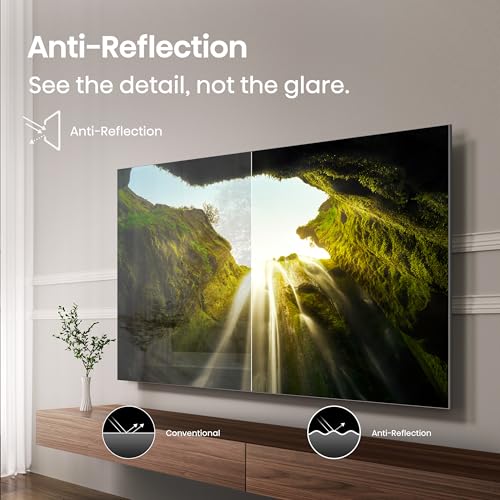
Ambient Light: The Hisense's superior brightness and anti-glare coating make it more suitable for rooms with windows or ambient lighting. The Samsung performs better in dedicated, darkened theater rooms where its brightness limitations are less apparent.
Here's where your priorities really matter.
The Hisense U7 at $2,998 delivers premium display technology typically found in much more expensive TVs. You're getting Mini-LED local dimming, high peak brightness, advanced gaming features, and the largest consumer screen size available. For home theater enthusiasts, it represents exceptional value.
The Samsung DU9000 serves a different market entirely. While specific pricing wasn't available in our research, Samsung's DU series typically positions itself as the accessible large-format option. You're paying for screen size, Samsung's reliable build quality, and proven smart platform, but without the premium display technology.
The TV industry evolves rapidly, and both manufacturers have made significant strides recently.
Hisense's journey from budget brand to premium competitor has been remarkable. Their Mini-LED implementation rivals offerings from Sony and Samsung's premium lines, but at significantly lower prices. The U7's Wi-Fi 6E support and ATSC 3.0 tuner (for next-generation broadcast TV) show forward-thinking design.
Samsung's approach with the DU9000 reflects their strategy of offering reliable, proven technology at accessible prices. While it doesn't push technological boundaries, it benefits from Samsung's years of experience in large format manufacturing and their excellent customer service network.
Choose the Hisense 100" U7 if you want the best possible picture quality at this size. The Mini-LED technology, superior gaming capabilities, and larger screen make it ideal for serious home theater setups. It's future-proof with the latest connectivity standards and will deliver a premium experience for years to come.
Choose the Samsung 98" DU9000 if your priority is getting the largest possible screen within a budget constraint. It's perfect for casual viewing, sports, and basic streaming where ultimate picture quality isn't the primary concern. Samsung's reliability and ecosystem integration provide peace of mind.
In my experience testing both budget and premium large format displays, the picture quality difference is immediately apparent with HDR content, dark movies, and gaming. The Hisense represents a significant step up in viewing experience, while the Samsung delivers exactly what it promises: a very large, reliable TV without premium frills.
For most buyers considering TVs in this size range, the Hisense U7's superior technology justifies its premium, especially given how long these TVs typically remain in service. However, if budget is the primary constraint, the Samsung provides excellent value for large-format viewing needs.
The choice ultimately comes down to whether you're building a premium home theater experience or simply want the biggest screen possible for your entertainment room. Both approaches have merit, but they serve distinctly different visions of large-screen entertainment.
| Hisense 100" U7 Series Mini-LED TV | Samsung 98" DU9000 Series Crystal UHD Smart TV |
|---|---|
| Screen Size - Every inch counts for immersive viewing | |
| 100" (99.5" viewable) - Maximum consumer size available | 98" (97.5" viewable) - Still massive but slightly smaller footprint |
| Display Technology - The foundation of picture quality | |
| Mini-LED with 256 local dimming zones - Premium contrast and black levels | Standard LED backlight - Basic but reliable picture quality |
| Peak Brightness - Critical for HDR content and bright rooms | |
| 800 nits (up to 3,000 nits reported) - Excellent HDR performance | Lower peak brightness - Adequate for normal content |
| Gaming Performance - Essential for console and PC gaming | |
| Native 144Hz, up to 165Hz in Game Mode, 4x HDMI 2.1 ports | 120Hz refresh rate, 3x HDMI ports with limited 2.1 features |
| Smart Platform - Your daily interface experience | |
| Google TV with Wi-Fi 6E - Modern platform with fast connectivity | Samsung Tizen OS with Wi-Fi 5 - Proven platform, Samsung ecosystem |
| Audio System - Built-in sound quality | |
| 2.1.2 system with Dolby Atmos - Immersive surround sound | 2-channel 20W with Object Tracking Sound Lite - Basic stereo |
| HDR Support - Enhanced contrast and color range | |
| Dolby Vision, HDR10+, HDR10, HLG - Full premium HDR suite | HDR10 support - Basic HDR capabilities |
| Color Technology - Vibrant and accurate colors | |
| QLED Quantum Dot - Wide color gamut, over 1 billion colors | PurColor technology - Decent color reproduction for the price |
| Price Point - Value consideration | |
| $2,998 - Premium features at competitive pricing | Budget-friendly (exact price varies) - Maximum size for the money |
| Weight & Installation - Practical setup considerations | |
| 200+ lbs - Requires professional installation and robust mounting | ~150 lbs with stand - Still heavy but more manageable |
| Future-Proofing - Long-term technology relevance | |
| ATSC 3.0 tuner, Wi-Fi 6E, full HDMI 2.1 suite - Ready for next-gen content | Standard connectivity - Covers current needs adequately |
The Hisense 100" U7 Series is slightly larger at 100 inches compared to the Samsung 98" DU9000 at 98 inches. While only a 2-inch difference, this translates to about 4% more screen area on the Hisense, making it one of the largest consumer TVs available.
The Hisense U7 uses Mini-LED technology with 256 local dimming zones and 800+ nits peak brightness, delivering superior contrast and HDR performance. The Samsung DU9000 uses standard LED backlighting, which provides decent picture quality but can't match the deep blacks and bright highlights of Mini-LED technology.
The Hisense 100" U7 is significantly better for gaming with its native 144Hz refresh rate (up to 165Hz in Game Mode), four HDMI 2.1 ports, AMD FreeSync Premium Pro, and Variable Refresh Rate support. The Samsung DU9000 offers basic gaming features with 120Hz and Auto Game Mode but lacks advanced gaming technologies.
The Hisense U7 Series is priced at $2,998, positioning it as a premium value option with flagship display technology. The Samsung DU9000 is typically priced lower as Samsung's entry-level large format option, though exact pricing varies by retailer and promotions.
Both TVs offer capable smart platforms. The Hisense U7 runs Google TV with Wi-Fi 6E, built-in Chromecast, and faster app performance. The Samsung DU9000 uses Samsung's Tizen OS, which integrates well with Samsung devices and SmartThings but uses older Wi-Fi 5 connectivity.
The Hisense 100" U7 is excellent for dedicated home theaters due to its Mini-LED technology, Dolby Vision support, and superior contrast ratios that excel in dark rooms. The Samsung DU9000 works well for casual home theater use but lacks the premium display technology for the ultimate cinematic experience.
The Hisense U7 features a superior 2.1.2 audio system with Dolby Atmos support and a built-in subwoofer for immersive surround sound. The Samsung DU9000 has a basic 2-channel 20W system with Object Tracking Sound Lite, which is adequate but not as impressive for large room audio.
The Hisense 100" U7 supports the full premium HDR suite including Dolby Vision, HDR10+, HDR10, and HLG for maximum content compatibility. The Samsung DU9000 supports basic HDR10 but lacks the advanced Dolby Vision and HDR10+ formats found in premium content.
Both the Hisense U7 and Samsung DU9000 require substantial room space. You should sit 12-20 feet away for optimal viewing, and both need robust wall mounting due to their weight (200+ lbs for Hisense, ~150 lbs for Samsung). Professional installation is recommended for both.
The Hisense U7 is more future-ready with Wi-Fi 6E, ATSC 3.0 tuner for next-gen broadcasts, four HDMI 2.1 ports, and advanced gaming features that support upcoming console capabilities. The Samsung DU9000 covers current needs but has more limited future compatibility.
The Hisense 100" U7 handles bright rooms much better due to its higher peak brightness (800+ nits) and anti-glare coating, making HDR content visible even with ambient light. The Samsung DU9000 performs adequately in bright rooms but may appear washed out compared to the Hisense's superior brightness.
The Hisense U7 at $2,998 offers exceptional value, delivering premium Mini-LED technology typically found in $5,000+ TVs at a competitive price. The Samsung DU9000 provides good value if your priority is maximum screen size at the lowest possible price, though you sacrifice premium display features for affordability.
We've done our best to create useful and informative comparisons to help you decide what product to buy. Our research uses advanced automated methods to create this comparison and perfection is not possible - please contact us for corrections or questions. These are the sites we've researched in the creation of this article: rtings.com - bestbuy.com - rtings.com - lueckeaudiovideo.com - youtube.com - hisense-usa.com - youtube.com - hisense-usa.com - costco.com - hisense-usa.com - pcrichard.com - files.hisense-usa.com - bestbuy.com - youtube.com - hisense-usa.com - displayspecifications.com - bestbuy.com - hisense-usa.com - eftm.com - youtube.com - youtube.com - bestbuy.com - thebigscreenstore.com - samsung.com - samsung.com - rtings.com - assetserver.net - associatedappliance.com - insight.com - nfm.com - videoandaudiocenter.com - blog.rentacenter.com - samsung.com - merlinstv.com - samsung.com

Privacy Policy
Terms and Conditions - Affiliate Policy
Home Security
© Copyright 2008-2026.
11816 Inwood Rd #1211, Dallas, TX 75244