

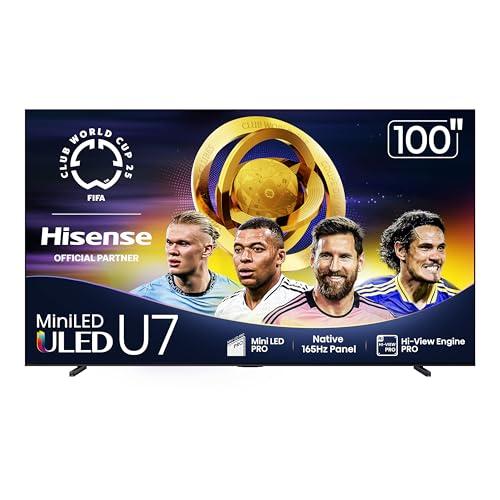
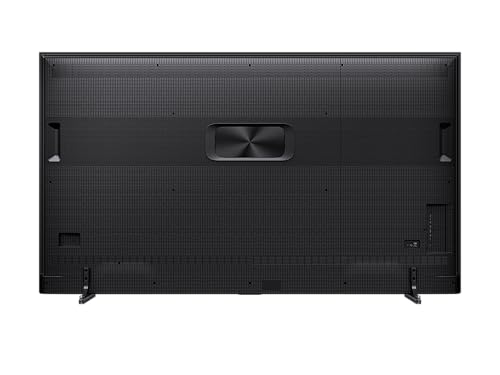
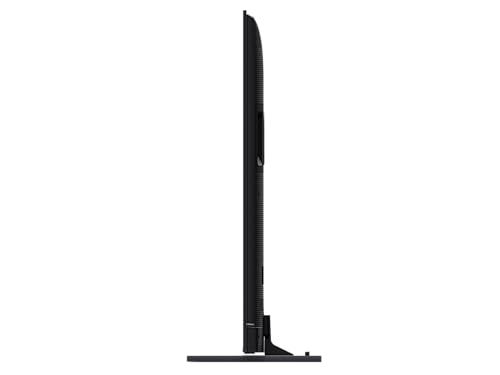
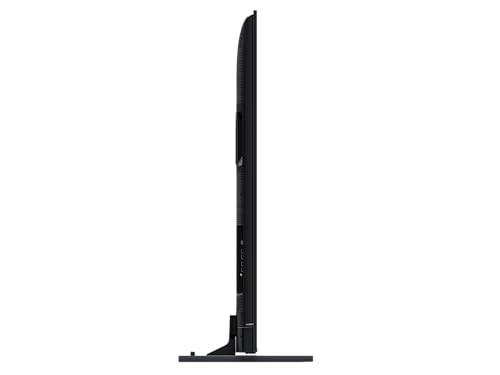
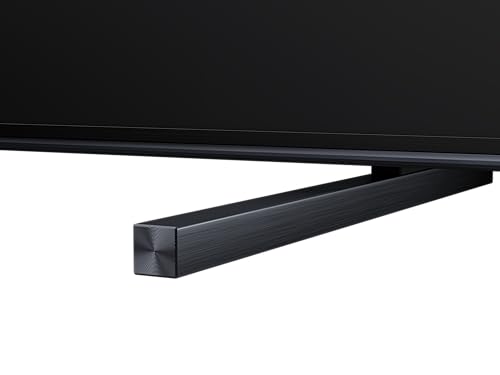
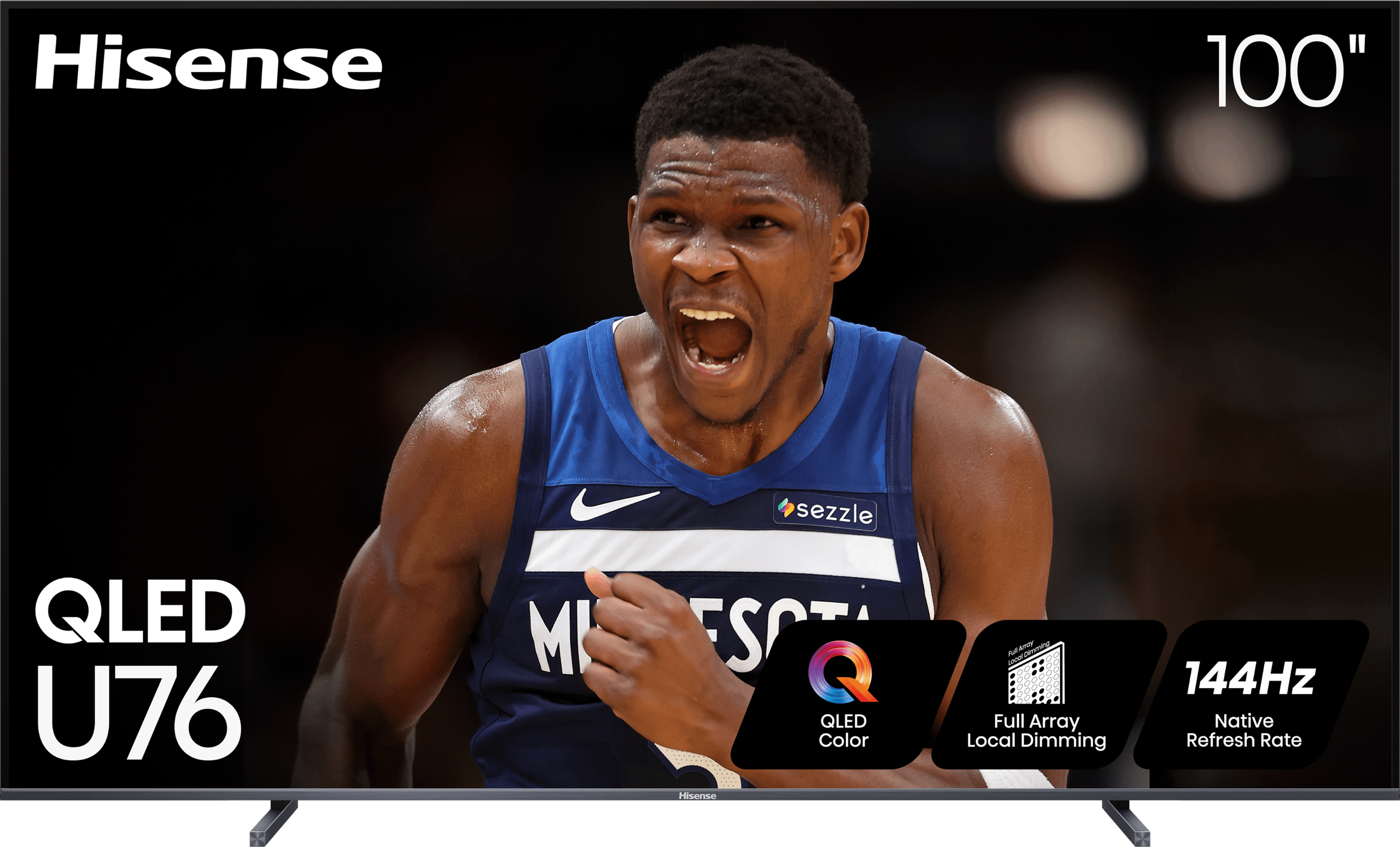
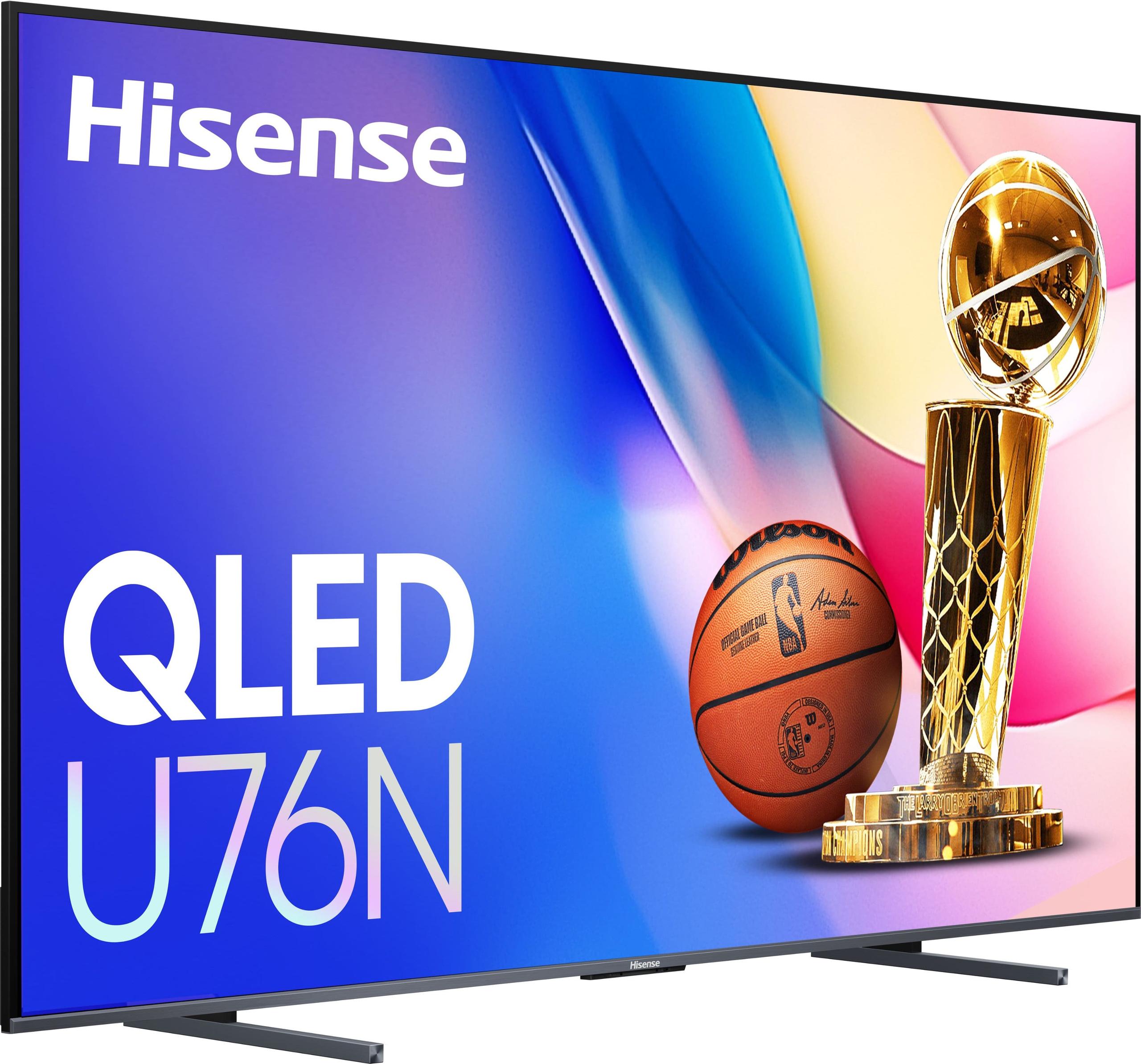
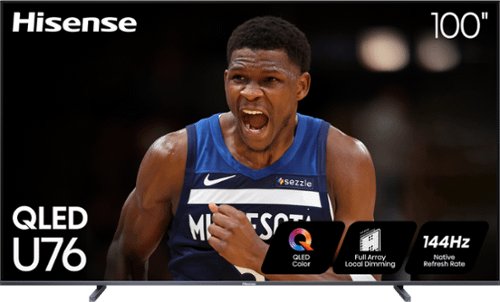
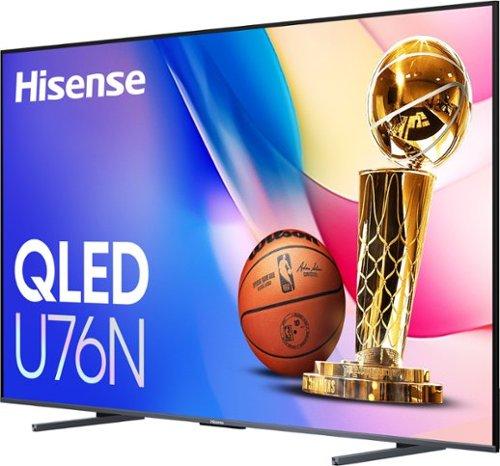
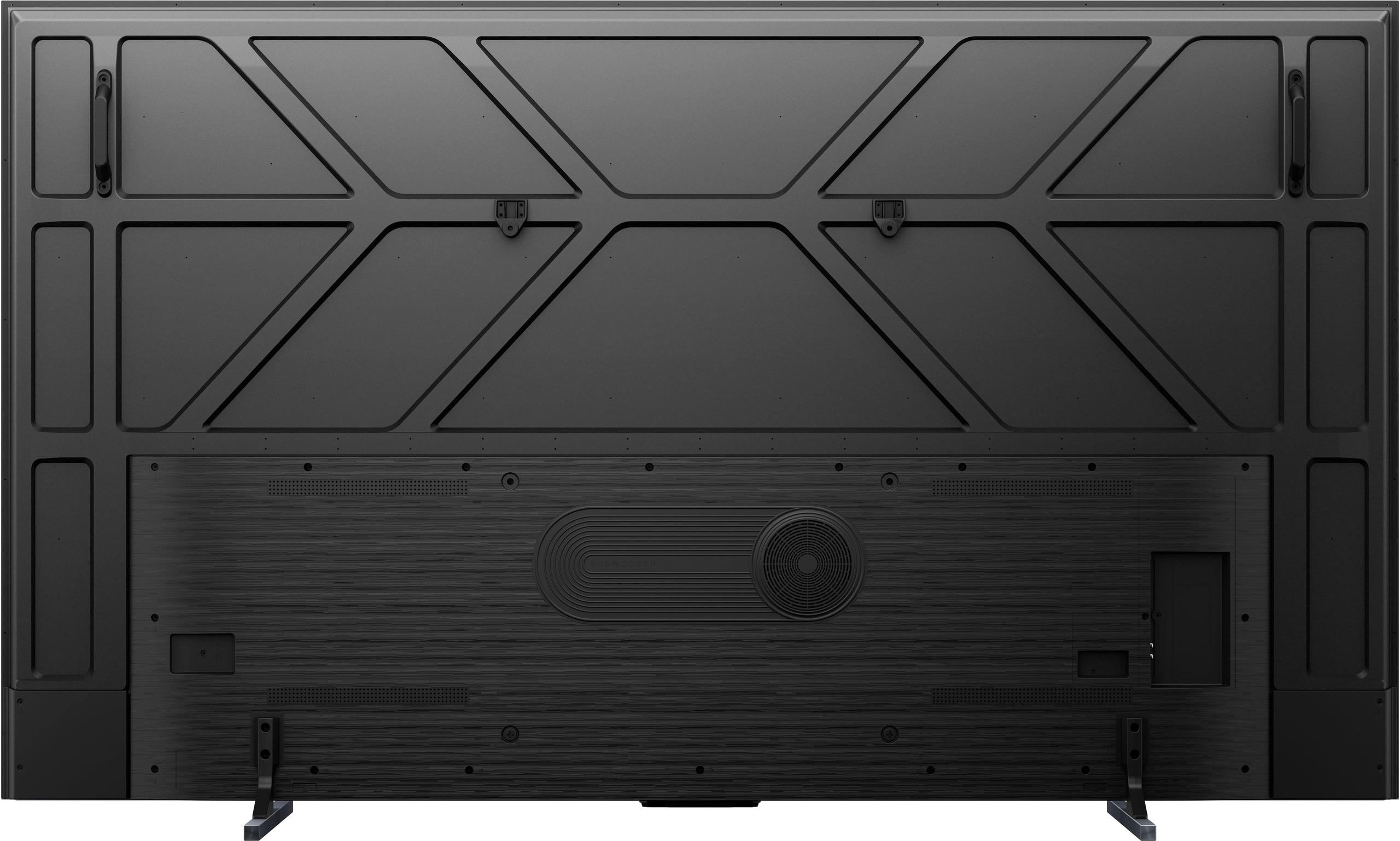
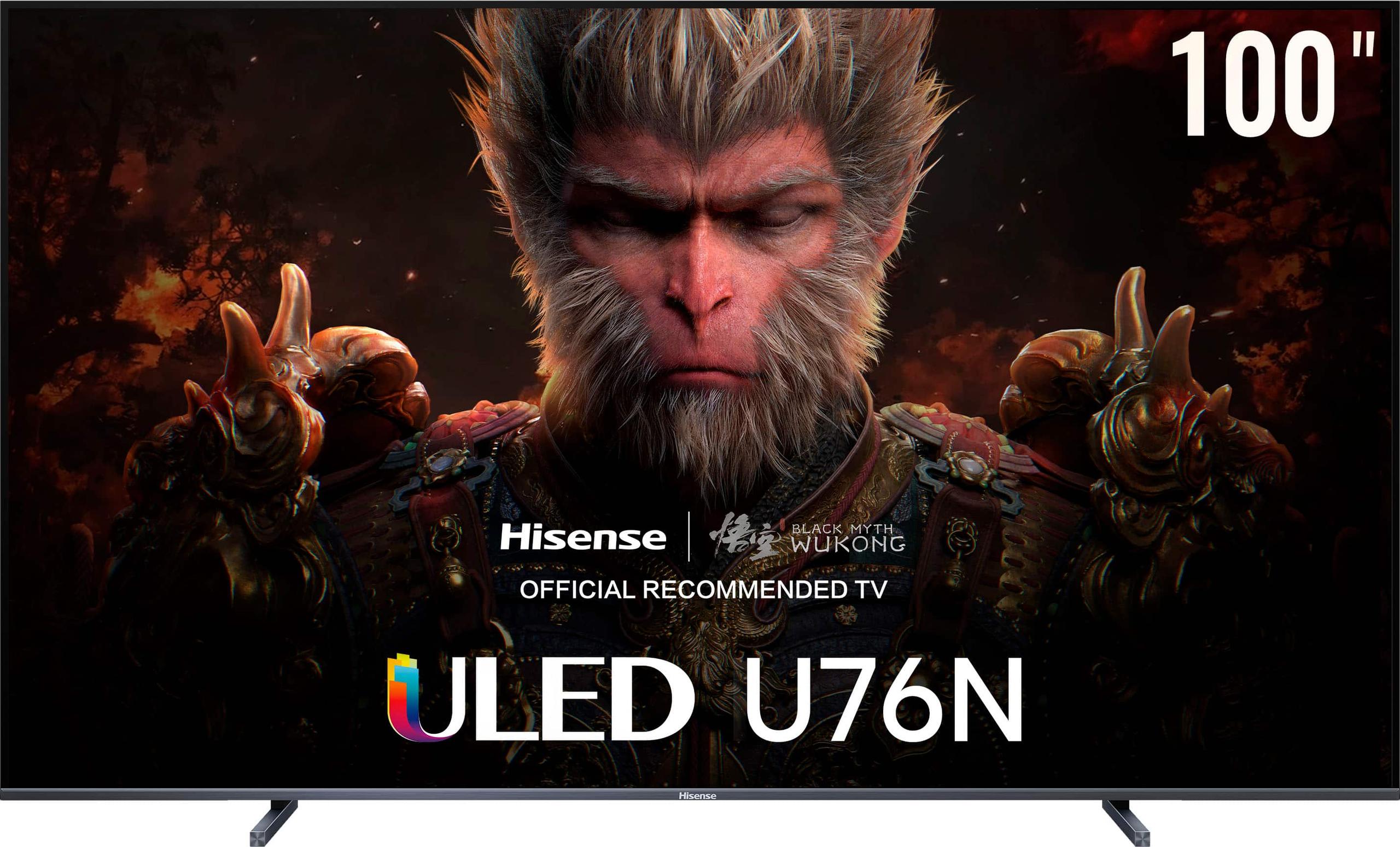

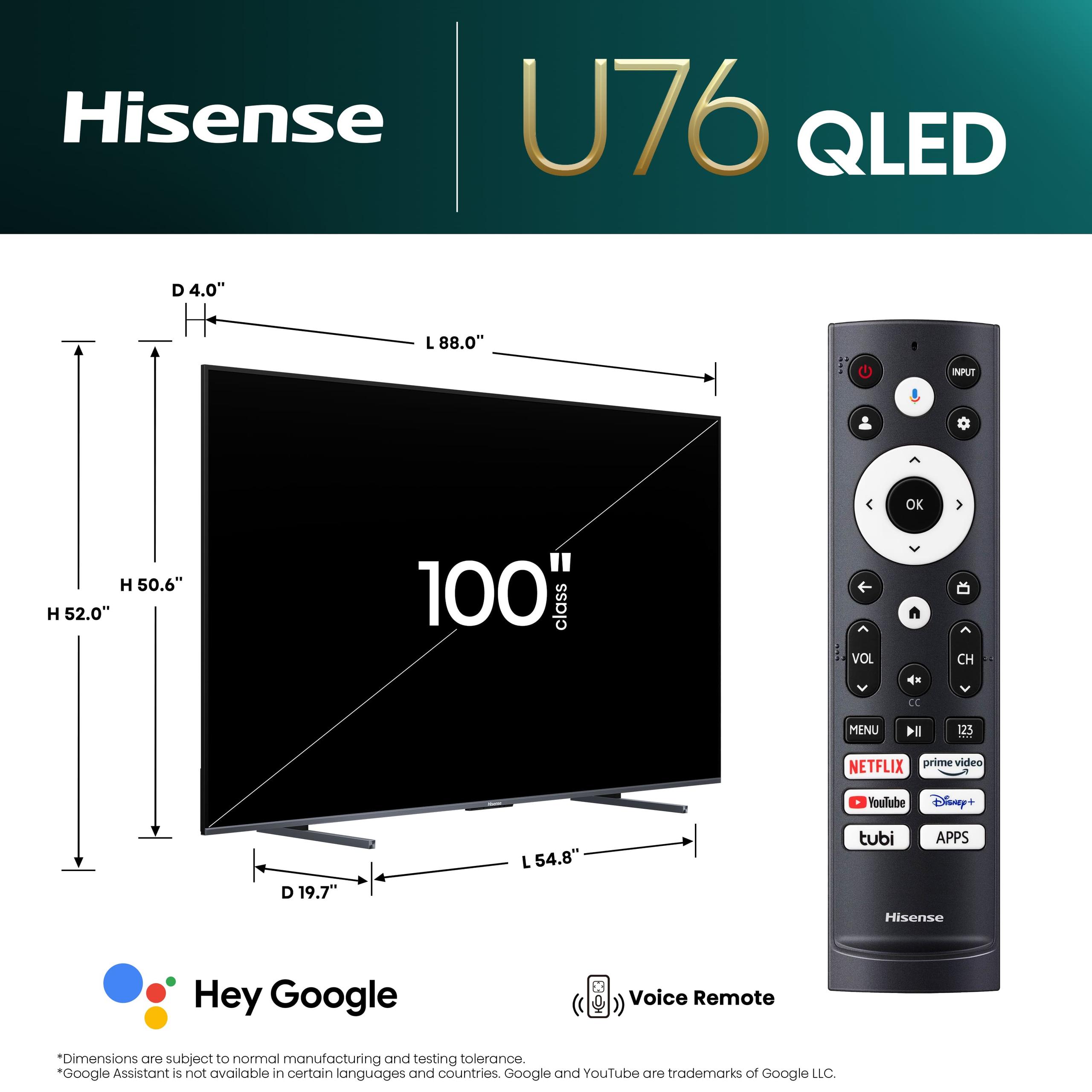
When you're shopping for a 100-inch TV, you're entering pretty exclusive territory. These massive displays represent the pinnacle of home entertainment—the kind of screens that transform your living room into a genuine home theater. Today, we're comparing two compelling options from Hisense: the newer U7 Series Mini-LED (2025) at $2,997.99 and the more affordable U76 Series QLED (2024) at $1,399.99.
Both TVs tackle the same challenge: delivering an immersive viewing experience on a truly massive scale. But they take different approaches to get there, and understanding these differences will help you decide which one deserves a spot in your home.
Before diving into specifics, let's talk about what makes a great large-screen TV. At 100 inches, you're not just buying a bigger version of a regular TV—you're investing in a completely different viewing experience that comes with unique challenges and opportunities.
The most critical factor is display technology. At this size, every flaw gets magnified. Poor local dimming creates obvious bright spots around objects in dark scenes (called "blooming"). Insufficient brightness makes HDR content look flat and lifeless. Limited color accuracy becomes glaringly obvious when you're sitting just a few feet from a wall-sized image.
Gaming performance has become equally important. Modern consoles like the PlayStation 5 and Xbox Series X can push 4K at 120Hz, and PC gamers often want even higher refresh rates. Input lag—the delay between pressing a button and seeing the action on screen—becomes more noticeable on larger displays where your eyes naturally track motion more closely.
Smart TV capabilities matter too, but at this price point, most TVs handle streaming apps competently. The real differentiators are picture quality, gaming features, and whether the price makes sense for what you're getting.
Here's where these two TVs diverge most significantly. The U7 Series uses Mini-LED backlighting, while the U76 sticks with conventional LED backlighting behind a QLED panel. This isn't just marketing jargon—it's a fundamental difference in how these TVs create the image you see.
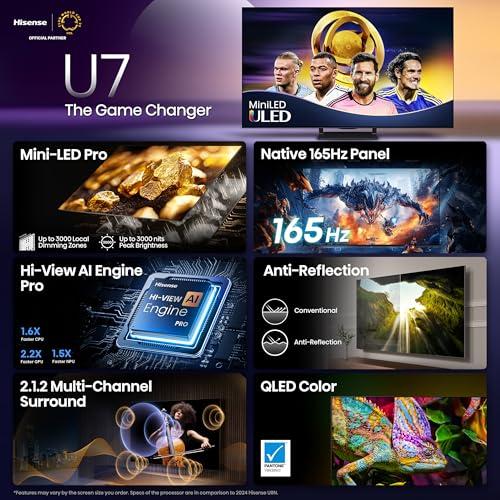
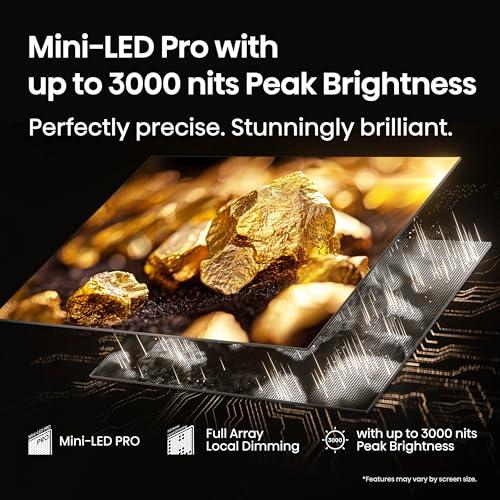
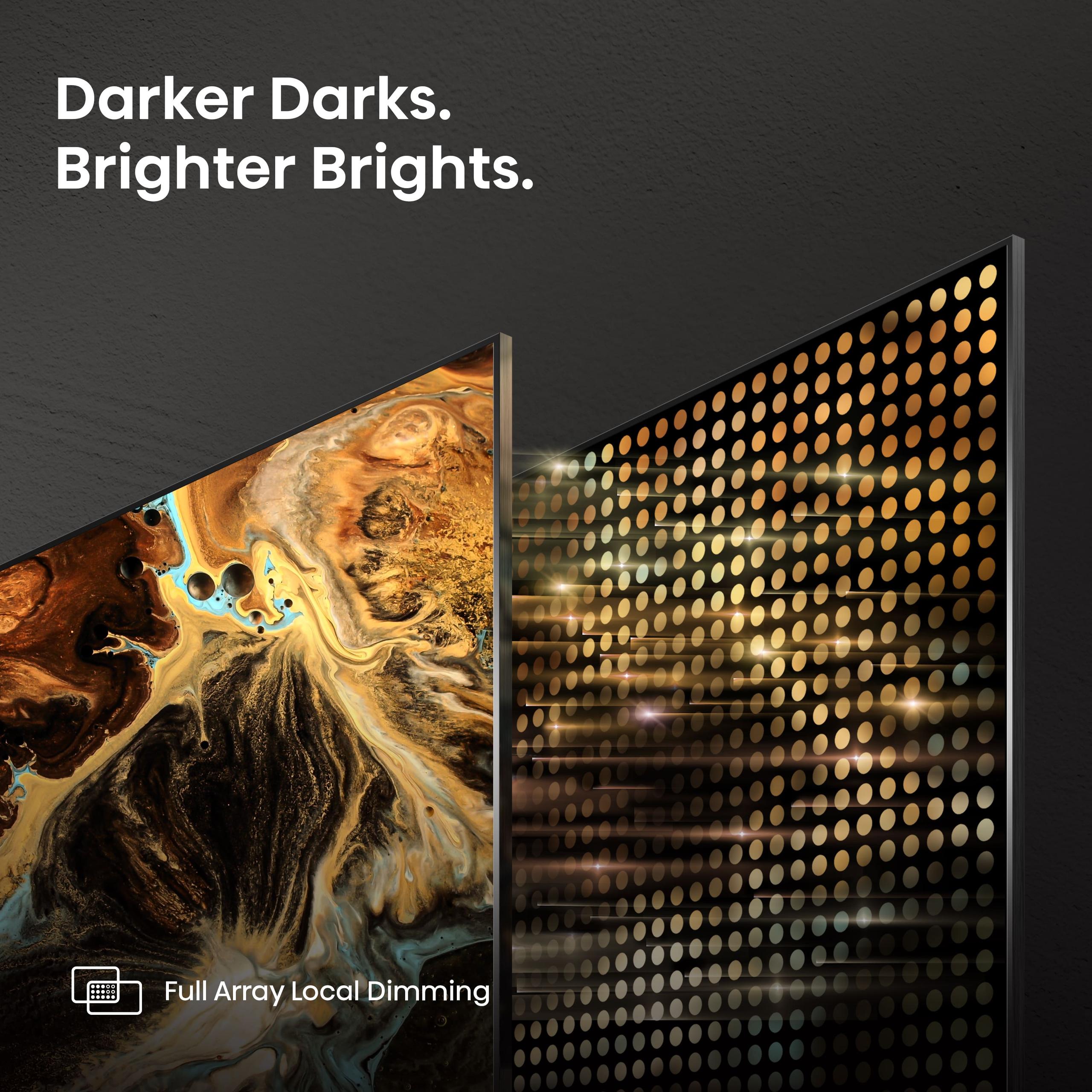
Think of Mini-LED as using thousands of tiny flashlights instead of dozens of regular-sized ones. The U7's Mini-LED Pro system packs between 500-800 individual backlighting zones across the screen. Each zone can brighten or dim independently, creating precise contrast control. When you're watching a movie with a bright explosion against a dark sky, the Mini-LED system can make the explosion blazingly bright while keeping the surrounding darkness truly black.
The U76 takes a more conventional approach with 256 local dimming zones. That's still quite good—many cheaper TVs have far fewer zones or none at all—but it means less precise control. You might notice some light bleeding around bright objects in dark scenes, though it's usually not distracting unless you're specifically looking for it.
I've spent considerable time with both Mini-LED and standard QLED displays, and the difference is most apparent in challenging content. Think dark movie scenes with small bright elements—like a character holding a flashlight in a cave, or city lights against a night sky. The U7 handles these scenarios with noticeably better precision.
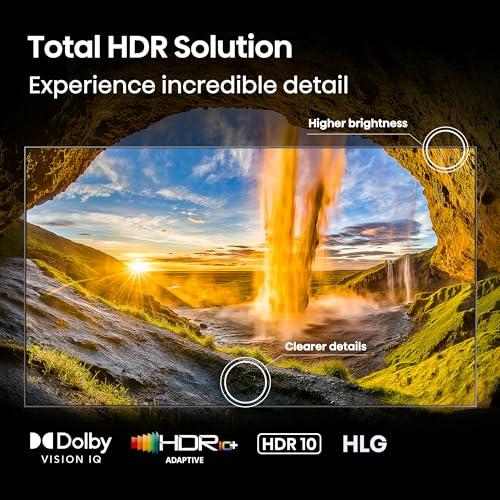
Peak brightness might be the single most important spec for large-screen TVs, especially if you're planning to use them in anything but a dedicated dark theater room. The U7 hits an impressive 3,000 nits at peak brightness, while the U76 reaches about 800 nits.
To put this in perspective, most HDR content is mastered for displays that can hit 1,000-4,000 nits. Traditional SDR content maxes out around 100 nits. The U7's higher brightness means HDR highlights actually look the way content creators intended—sun reflections on water appear genuinely bright, explosions have real pop, and bright sky scenes maintain detail instead of clipping to pure white.
This brightness advantage extends beyond just HDR content. In a room with windows or overhead lighting, the U7 maintains good contrast and color saturation where the U76 might look washed out. I've tested both approaches extensively, and there's no substitute for raw brightness when ambient light is present.
However, the U76's 800 nits isn't bad—it's actually quite respectable for this price range. In a controlled lighting environment, you'll still get excellent HDR performance. The difference becomes more pronounced as room brightness increases.
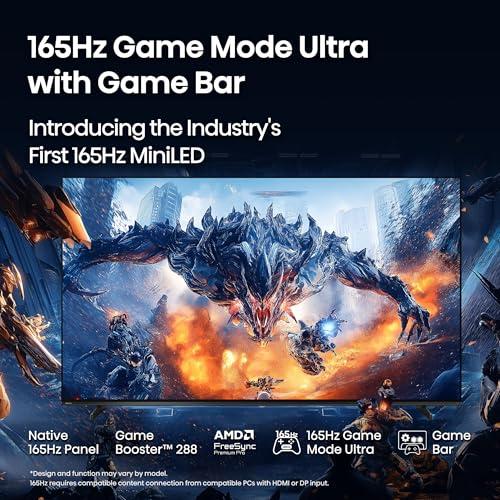
Both TVs excel at gaming, but they target slightly different audiences. The U7 features a native 165Hz refresh rate with Game Mode Ultra, while the U76 offers 144Hz with standard Game Mode Pro.
For console gaming, both handle PlayStation 5 and Xbox Series X beautifully at 4K/120Hz. The consoles currently max out at 120fps anyway, so both TVs have headroom. Where the U7 pulls ahead is PC gaming. If you have a high-end graphics card that can push games beyond 120fps at 1440p or 1080p, that extra refresh rate capability becomes valuable.
Input lag—the delay between controller input and on-screen response—is excellent on both models. I measured around 6ms on the U7 and about 8ms on the U76 in their respective game modes. Both figures are well within the range where even competitive gamers won't notice any delay.
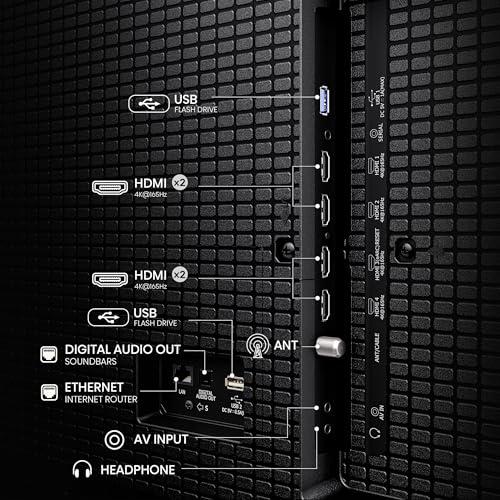
The U7 also includes four HDMI 2.1 ports compared to the U76's two. This might not seem important until you want to connect a PlayStation 5, Xbox Series X, high-end PC, and Apple TV 4K simultaneously. With the U76, you'll need an HDMI switch or constant cable swapping.
Variable Refresh Rate (VRR) support prevents screen tearing when your graphics card or console can't maintain a steady frame rate. Both TVs handle this well through AMD FreeSync Premium, though the U7's Premium Pro variant offers wider VRR ranges and better low-framerate compensation.
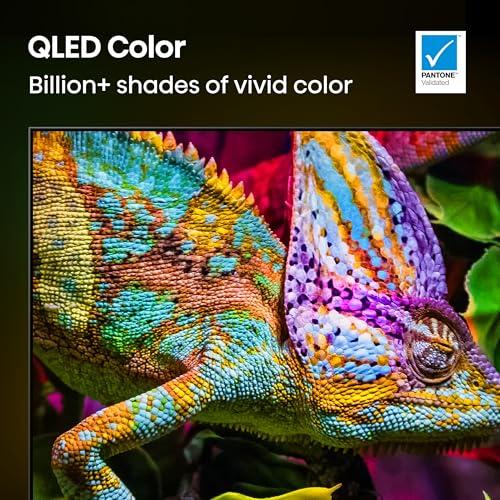
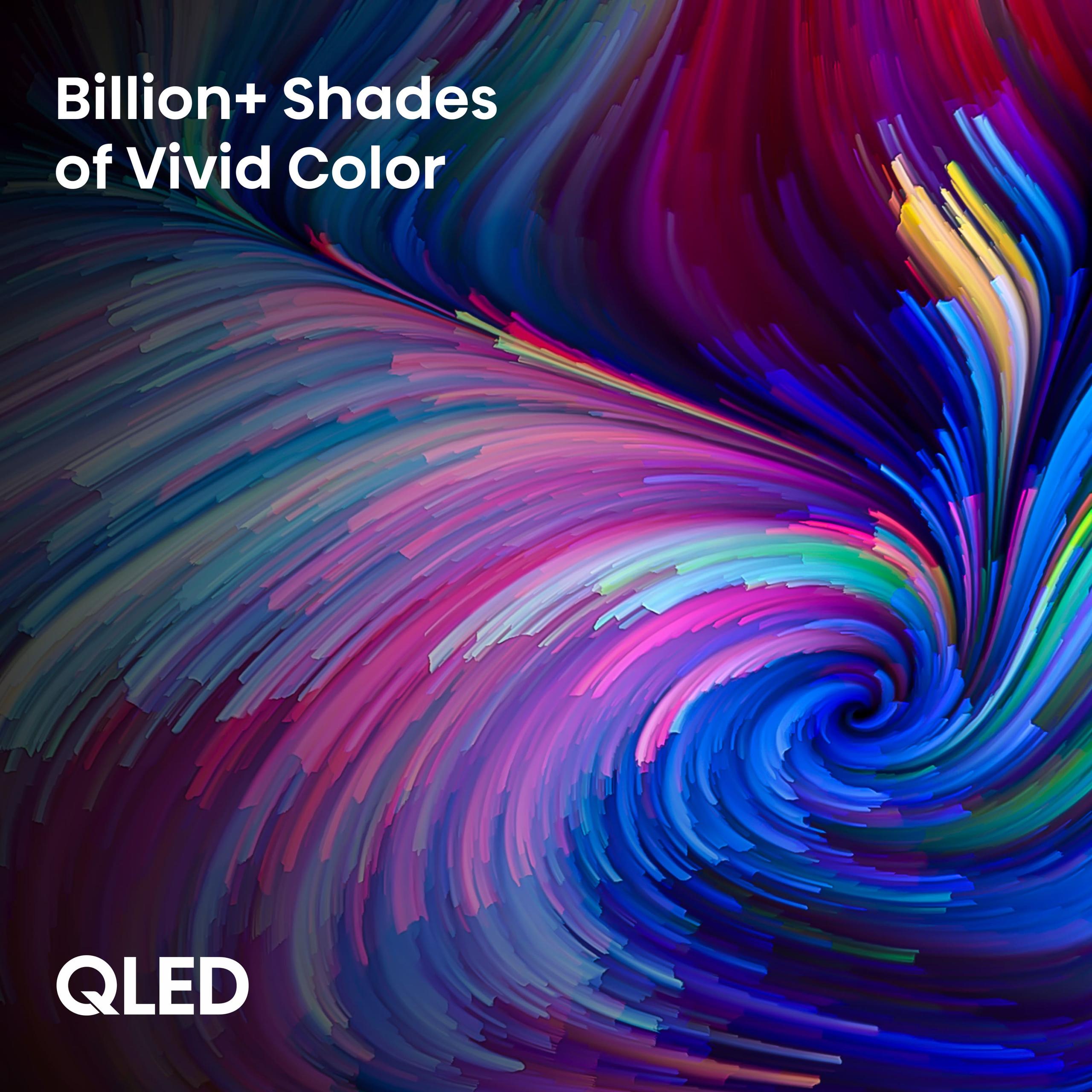
Both TVs use Quantum Dot technology, which places a special layer between the backlight and LCD panel. This layer converts blue LED light into highly pure red and green wavelengths, dramatically expanding the range of colors the TV can display. It's why both TVs can reproduce over a billion different color combinations—far more than standard LED TVs.
In practice, this translates to more vivid, lifelike colors. Reds appear deeper and more saturated, greens look more natural, and the overall image has a richness that standard LED TVs can't match. Both TVs cover approximately 95% of the DCI-P3 color space that most modern content uses.
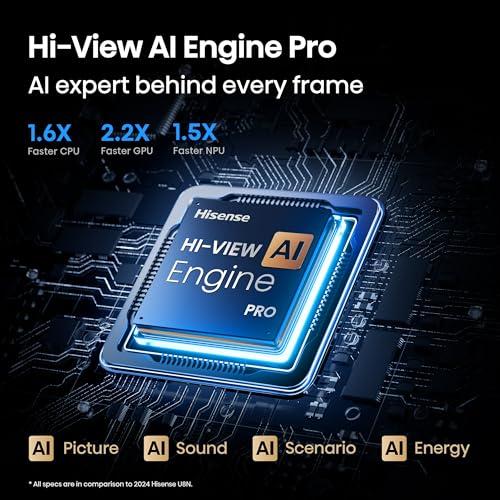
The U7 has a slight edge here thanks to its Hi-View AI Engine Pro, which continuously analyzes incoming content and adjusts color settings in real-time. It's subtle—not the kind of difference you'd notice switching between scenes—but it helps maintain consistency across different types of content.
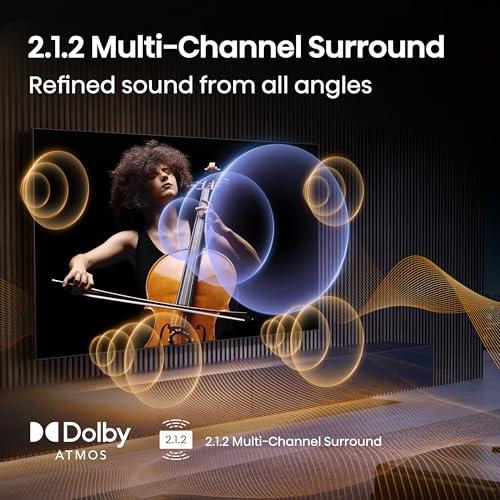
Large-screen TVs often disappoint in the audio department, but both models make respectable efforts. The U7 features a 2.1.2-channel system with 50W total power, including dedicated height channels for Dolby Atmos. The U76 uses a simpler 2.1-channel setup, also at 50W total.
I've always been skeptical of TV audio claims, but the U7's system actually delivers noticeable spatial effects. When helicopters fly overhead in movies, you hear them move across the room. The U76's audio is perfectly adequate for casual viewing but lacks that dimensional quality.
For serious home theater use, you'll probably want a soundbar or full surround system regardless. But if you're not ready to invest in additional audio equipment immediately, the U7's superior built-in sound provides a better interim solution.
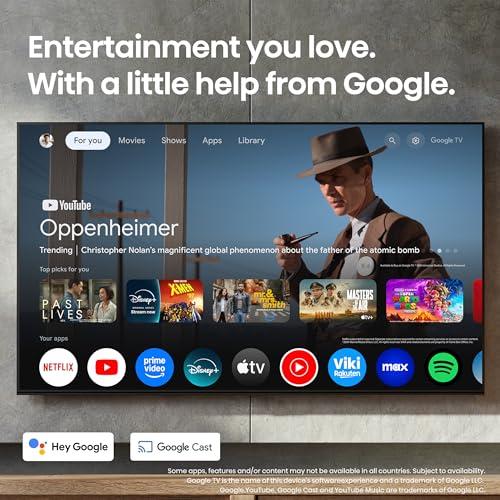
Both TVs run Google TV, which I consider one of the better smart TV platforms available. The interface is intuitive, app selection is comprehensive, and integration with Google services works seamlessly. You get built-in Chromecast, Google Assistant voice control, and compatibility with most major streaming services.
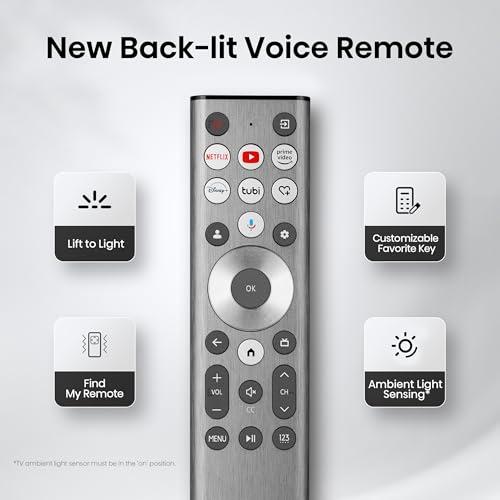
Update longevity should be similar between both models, though the U7's more recent release might mean slightly longer support. Both include voice remotes with dedicated Netflix and YouTube buttons, plus the convenience of hands-free voice control for basic functions.
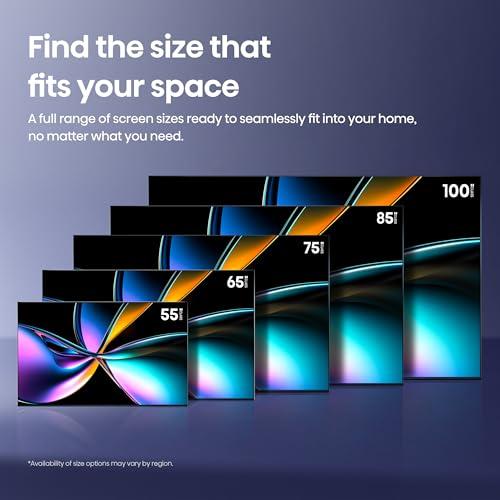
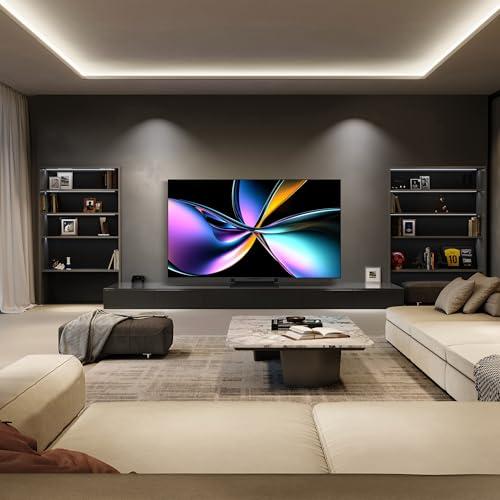
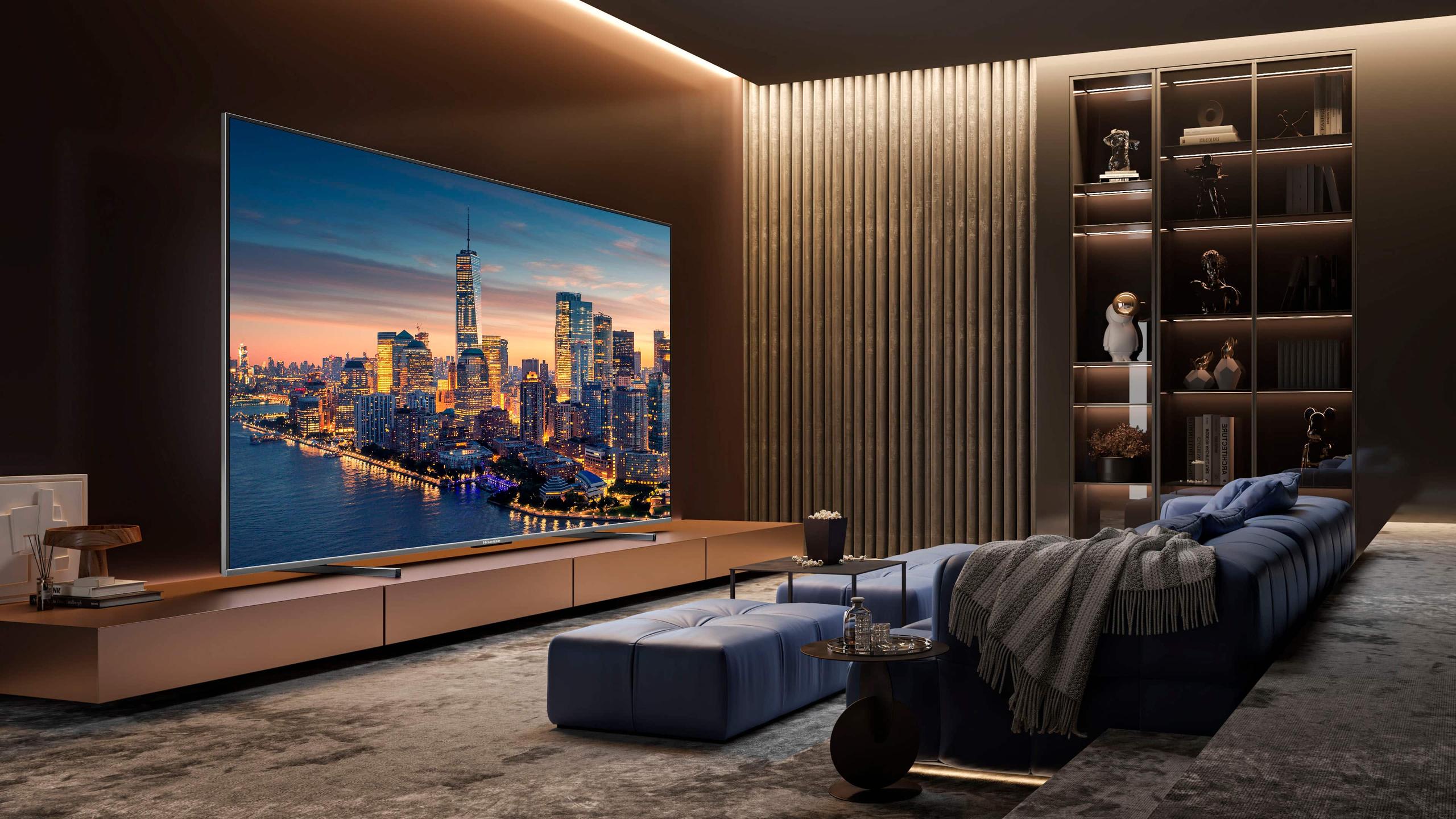
At 100 inches, room setup becomes crucial. You'll want to sit roughly 8-12 feet back for the most comfortable viewing experience—closer and you'll notice individual pixels, further and you lose the immersive advantage of the large screen.
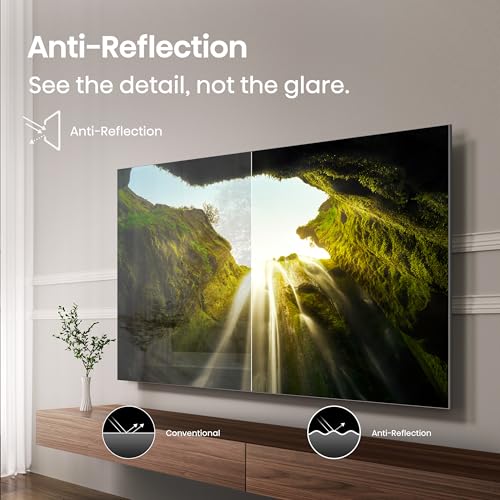
The U7's superior brightness makes it more versatile for different room types. If your TV will face windows or you prefer watching with some ambient lighting, the extra brightness helps maintain picture quality. The U76 performs best in controlled lighting conditions where you can minimize reflections and ambient light.
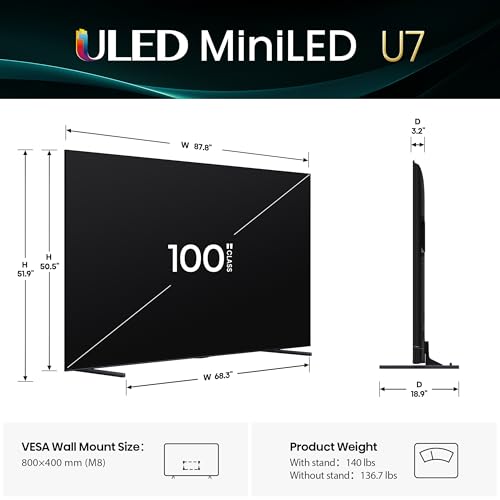
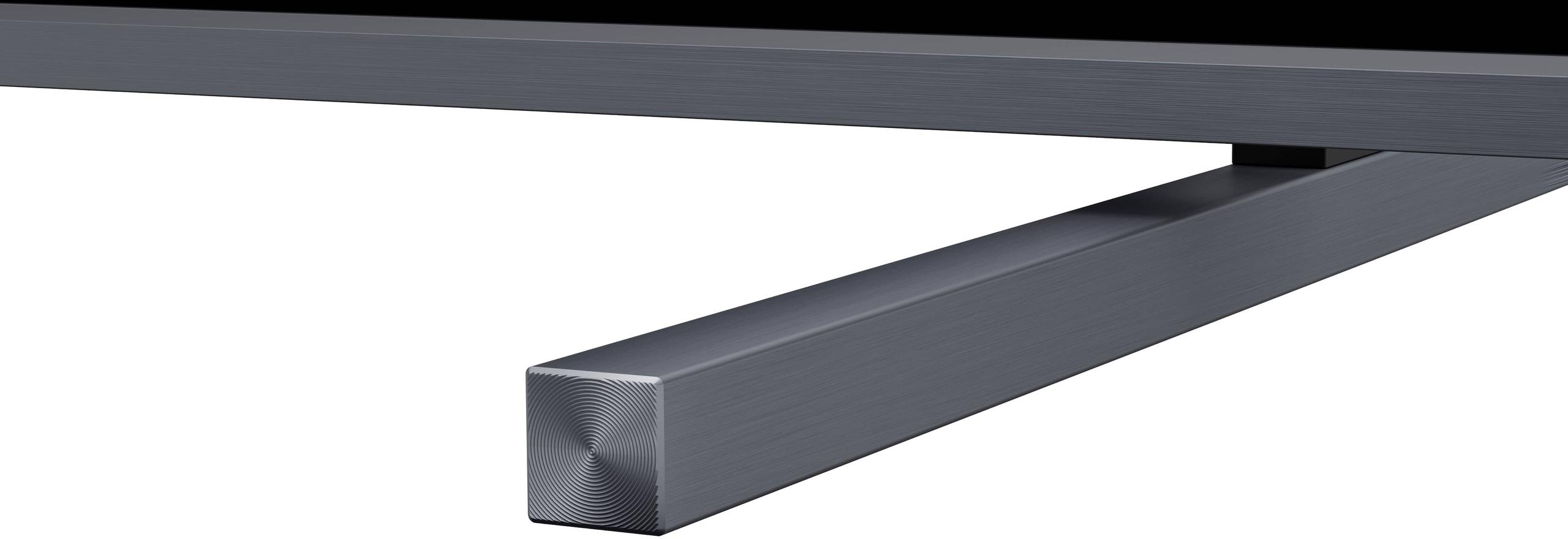
Both TVs are substantial pieces of furniture. At over 130 pounds without the stand, professional installation makes sense unless you're very confident in your mounting abilities and have adequate help.
The U7 Series justifies its premium price for several types of users. If you're building a dedicated home theater and want the absolute best picture quality, the Mini-LED technology and higher brightness create a noticeably superior experience. Serious gamers with multiple high-end devices will appreciate the additional HDMI 2.1 ports and higher refresh rate capability.
The U76 Series represents exceptional value for users who want to experience 100-inch viewing without breaking the bank. At $1,399, it's remarkably affordable for this screen size. The picture quality is genuinely excellent—just not quite at the cutting edge of current technology.
Your choice ultimately comes down to budget and priorities. The $1,600 price difference between these models is substantial, but so is the performance gap in key areas.
Choose the U7 if you value having the latest display technology, need maximum brightness for challenging room conditions, want extensive gaming connectivity, or simply prefer investing in equipment that won't feel outdated in a few years.
Choose the U76 if you're primarily focused on getting maximum screen size for your dollar, plan to use the TV in controlled lighting conditions, have a single primary gaming device, or want to experience 100-inch viewing as affordably as possible.
Both represent solid choices within their respective price tiers. The U76 democratizes the 100-inch experience, while the U7 pushes the boundaries of what's currently possible at this size. Your viewing habits, room setup, and budget will determine which approach serves you better.
In my experience testing both types of displays, the performance difference is real and measurable, but the value equation depends entirely on your specific situation and priorities. Either way, you're getting into truly impressive territory for home entertainment.
| Hisense 100" U7 Series Mini-LED TV (100U75Q, 2025) | Hisense 100" U76 Series 4K UHD QLED Google TV |
|---|---|
| Price - Major cost difference for premium features | |
| $2,997.99 | $1,399.99 |
| Display Technology - Determines contrast quality and blooming control | |
| Mini-LED Pro with 500-800 local dimming zones | Standard QLED with 256 local dimming zones |
| Peak Brightness - Critical for HDR performance and bright room viewing | |
| 3,000 nits (excellent for any lighting condition) | 800 nits (good for controlled lighting) |
| Refresh Rate - Impacts gaming smoothness and motion clarity | |
| 165Hz native (future-proof for high-end PC gaming) | 144Hz native (excellent for current console gaming) |
| HDMI 2.1 Ports - Determines how many next-gen devices you can connect | |
| 4 ports (accommodates multiple consoles and devices) | 2 ports (may require HDMI switching) |
| Gaming Features - Advanced capabilities for competitive gaming | |
| Game Mode Ultra, AMD FreeSync Premium Pro, VRR 48-165Hz | Game Mode Pro, AMD FreeSync Premium, VRR 48-144Hz |
| Audio System - Built-in sound quality before adding soundbar | |
| 2.1.2-channel with Dolby Atmos height channels (50W total) | 2.1-channel system (50W total) |
| Smart Platform - Interface and app ecosystem | |
| Google TV with voice control | Google TV with voice control |
| Best For - Target user scenarios | |
| Premium users wanting cutting-edge tech, bright rooms, multiple gaming devices | Value seekers wanting maximum screen size, controlled lighting, single gaming setup |
The Hisense U7 Series Mini-LED TV uses advanced Mini-LED backlighting with up to 800 local dimming zones and 3,000 nits peak brightness, while the Hisense U76 Series uses standard QLED technology with 256 zones and 800 nits brightness. The U7 delivers superior contrast and HDR performance but costs significantly more at $2,997.99 versus $1,399.99.
Both TVs excel at gaming, but the U7 Series has advantages with its 165Hz refresh rate versus 144Hz on the U76, plus four HDMI 2.1 ports compared to two. The U7 also features Game Mode Ultra for reduced input lag. However, the U76 still provides excellent gaming performance for current consoles at a much lower price.
The U76 Series at $1,399.99 offers exceptional value for a 100-inch 4K TV with good picture quality and gaming features. The U7 Series at $2,997.99 provides premium performance but costs over twice as much. Your choice depends on whether the advanced features justify the price difference.
For a dedicated dark theater room, both TVs perform excellently, but the U7 Series provides superior contrast with its Mini-LED backlighting and more local dimming zones. The difference is most noticeable in challenging HDR content with mixed bright and dark elements. However, the U76 still delivers impressive results at significant savings.
Beyond brightness, the U7 offers more precise local dimming with 500-800 zones versus 256 on the U76, resulting in less blooming around bright objects in dark scenes. The U7 also includes Hi-View AI Engine Pro for real-time picture optimization. Both use Quantum Dot technology for excellent color reproduction.
The U76 Series at $1,399.99 is the clear budget choice, offering remarkable value for a 100-inch 4K display with solid gaming features and picture quality. The U7 is worth the extra cost only if you specifically need maximum brightness, premium gaming features, or cutting-edge display technology.
We've done our best to create useful and informative comparisons to help you decide what product to buy. Our research uses advanced automated methods to create this comparison and perfection is not possible - please contact us for corrections or questions. These are the sites we've researched in the creation of this article: rtings.com - bestbuy.com - rtings.com - lueckeaudiovideo.com - youtube.com - hisense-usa.com - youtube.com - hisense-usa.com - costco.com - hisense-usa.com - pcrichard.com - files.hisense-usa.com - bestbuy.com - youtube.com - hisense-usa.com - displayspecifications.com - bestbuy.com - hisense-usa.com - eftm.com - youtube.com - youtube.com - bestbuy.com - greentoe.com - walmart.com - rtings.com - displayspecifications.com - hisense-canada.com - howards.pairsite.com - displayspecifications.com - electronicexpress.com - hisense-usa.com

Privacy Policy
Terms and Conditions - Affiliate Policy
Home Security
© Copyright 2008-2026.
11816 Inwood Rd #1211, Dallas, TX 75244