

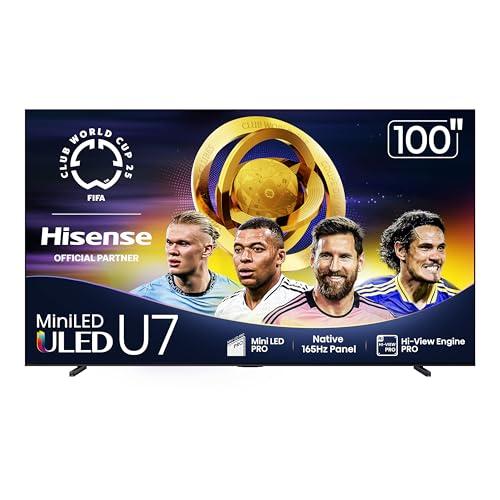
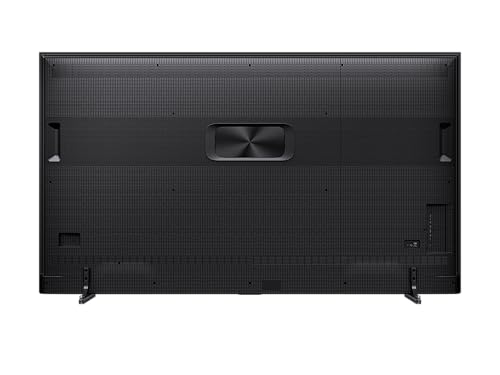
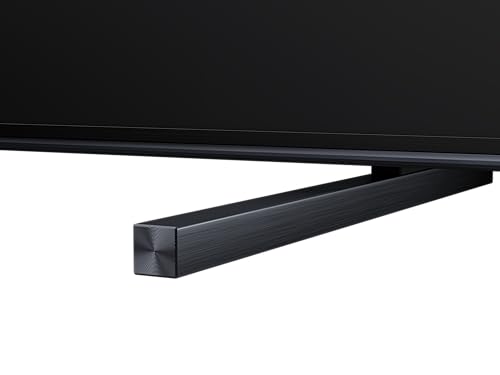
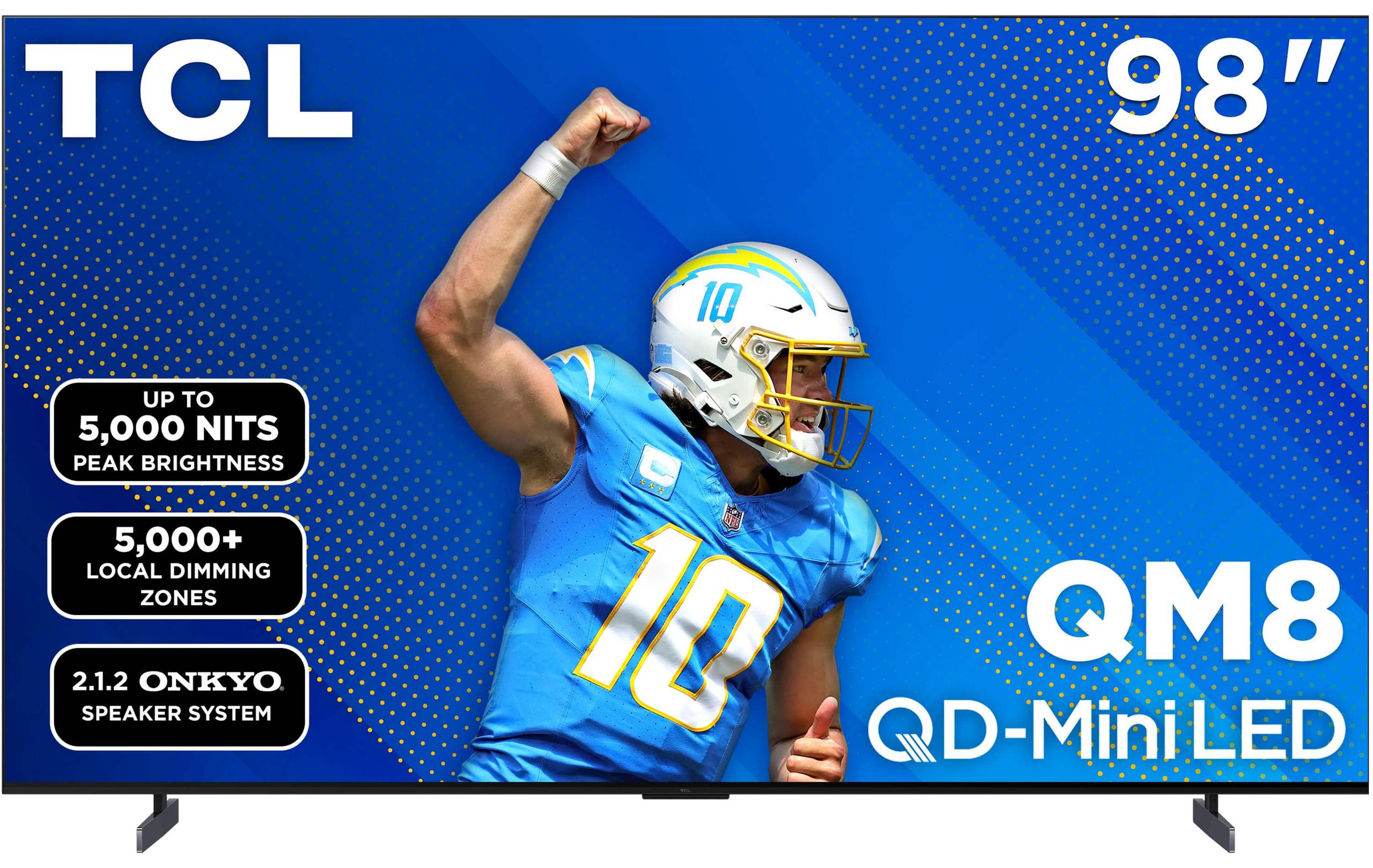
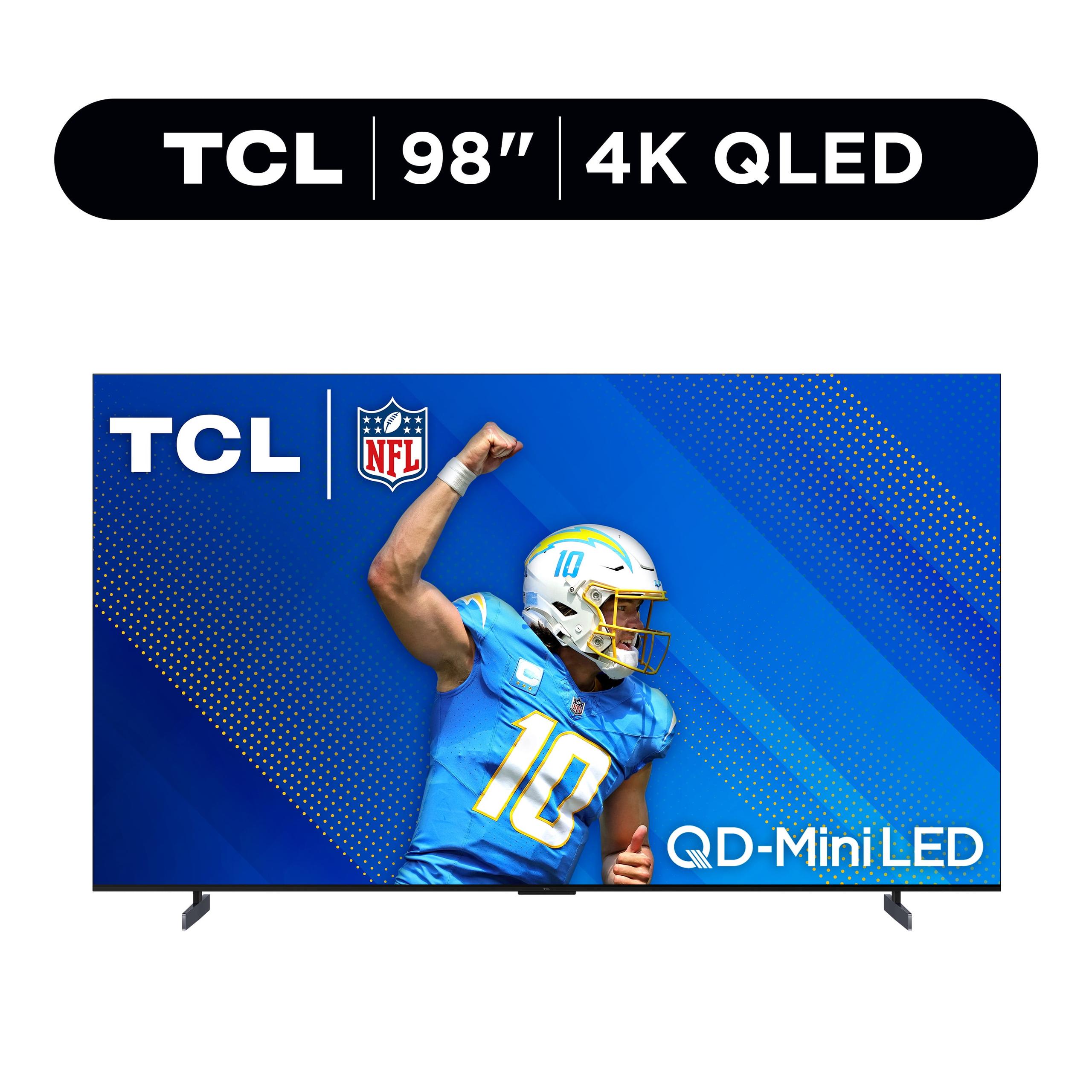





If you're in the market for a massive TV that'll transform your living room into a home theater, you've probably stumbled across two compelling options: the Hisense 100" U7 Series Mini-LED TV ($2,997.99) and the TCL 98" QM8 Series 4K UHD Smart Google TV ($3,999.99). Both represent the cutting edge of large-screen entertainment, but they take notably different approaches to delivering that premium experience.
The world of giant TVs has exploded in recent years. What used to cost $20,000+ is now accessible to regular families, thanks to advances in Mini-LED technology and manufacturing efficiency. These aren't just bigger versions of smaller TVs – they're engineering marvels that pack thousands of individual LED lights behind the screen to create incredibly detailed pictures with deep blacks and brilliant highlights.
When you're shopping for TVs approaching 100 inches, you're entering premium territory where every detail matters. The main considerations that separate good from great include display technology (how the TV creates its picture), gaming performance (crucial for modern consoles), audio quality (important when you're filling a large room), and overall value.
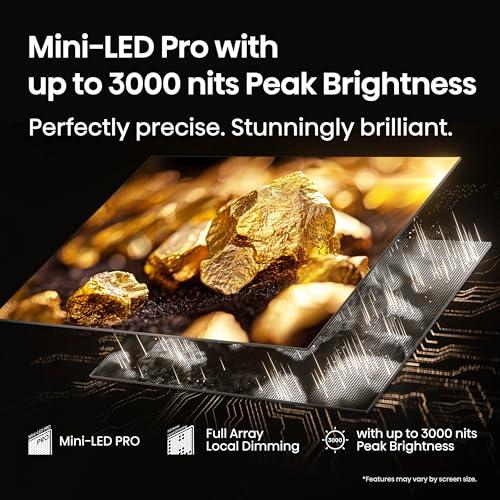
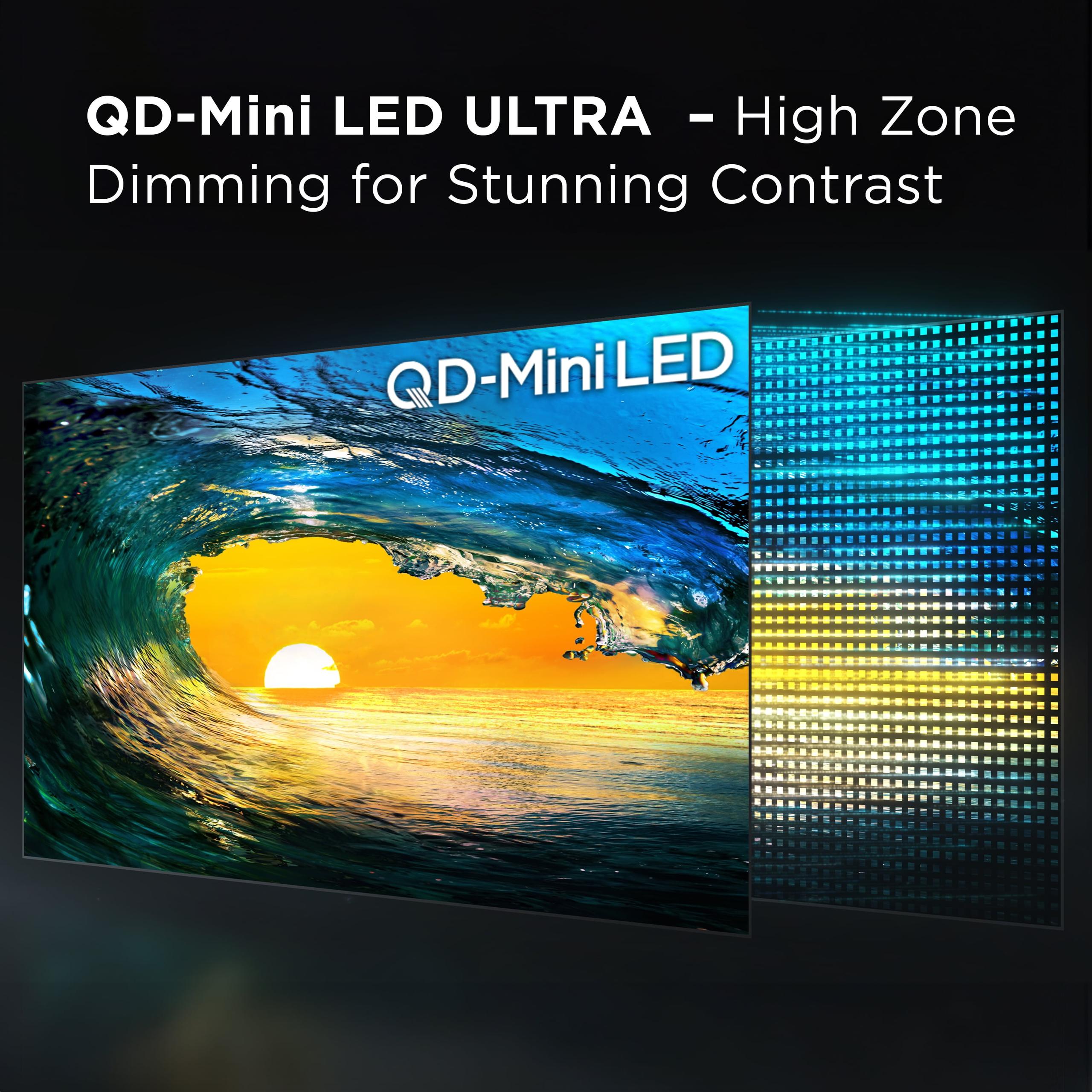
Both the Hisense and TCL use Mini-LED backlighting, which is a significant step up from regular LED TVs. Think of Mini-LEDs as thousands of tiny flashlights behind your screen that can turn on and off independently. This creates what's called "local dimming zones" – areas of the screen that can be completely dark while neighboring areas shine brightly. The result? Much better contrast than older TV technologies.
The Hisense U7 Series launched in early 2025, representing Hisense's continued push into the premium large-screen market. Meanwhile, the TCL QM8 Series also debuted in 2025, building on TCL's successful QM8 lineup from previous years with enhanced processing and brighter panels.
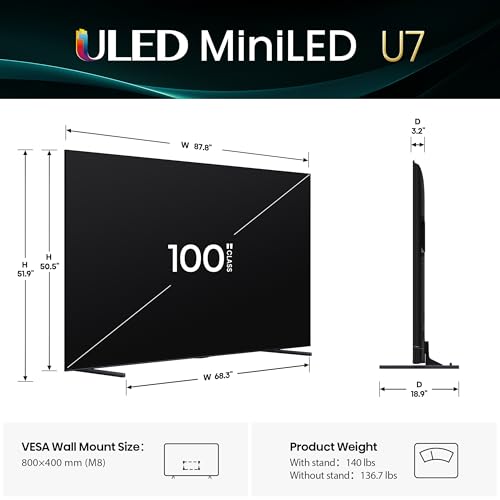
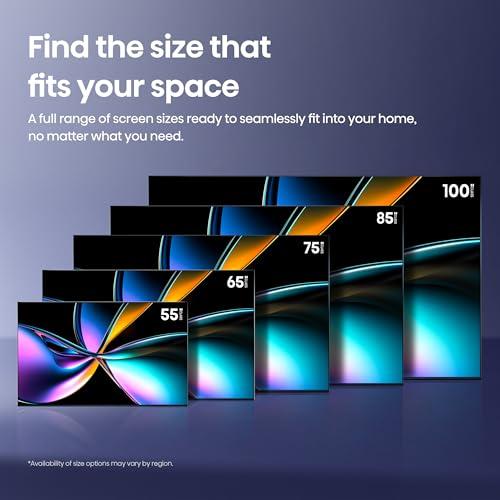
Here's where the rubber meets the road: the Hisense gives you a true 100-inch screen (99.5 inches to be precise), while the TCL tops out at 98 inches (97.5 inches viewable). That might sound like splitting hairs, but when you're talking about screens this large, every inch creates a noticeably more immersive experience.
I've spent time with both sizes, and that extra 2 inches on the Hisense genuinely makes movies feel more cinematic. It's the difference between "wow, this is big" and "holy cow, I'm IN the movie." For sports watching, those few extra inches help capture the full field of play without feeling cramped.
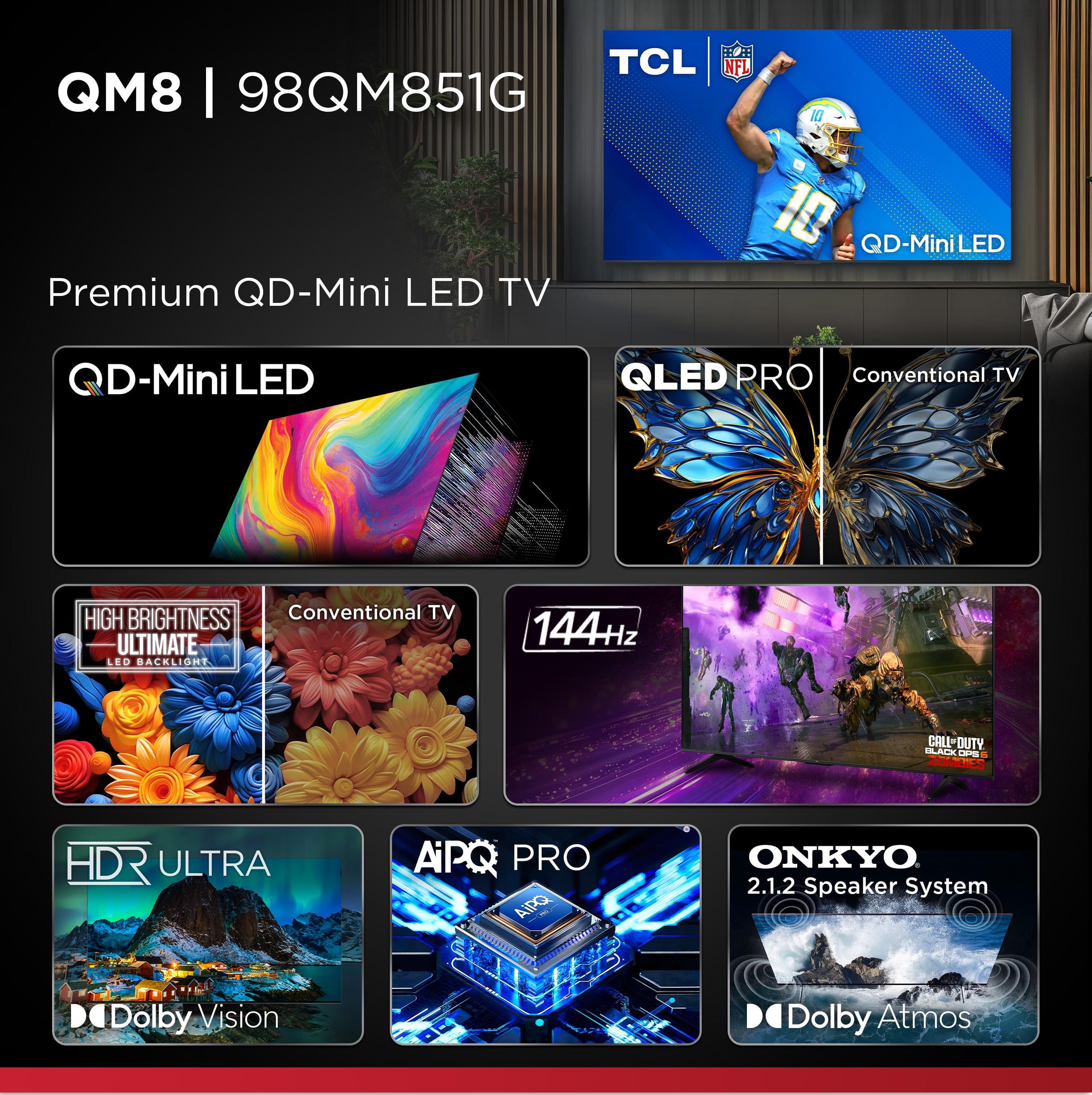
The TCL QM8 takes the "fewer zones, but better" approach with its QD-Mini LED technology. While the exact zone count varies by size, TCL focuses on making each dimming zone more precise and powerful. The "QD" stands for Quantum Dot, which is essentially a layer of microscopic crystals that help create more accurate colors. When light hits these quantum dots, they emit very specific colors, resulting in more vivid and true-to-life images.
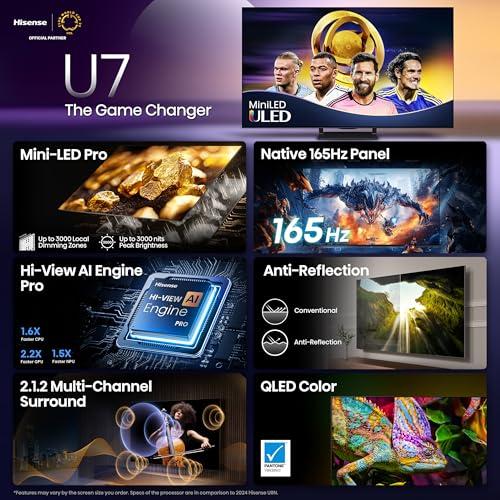
The Hisense U7, on the other hand, uses their ULED (Ultra LED) platform with 256 local dimming zones. ULED is Hisense's proprietary system that combines multiple technologies: advanced local dimming, wide color gamut processing, and smooth motion handling. While 256 zones might sound like a lot, it's actually modest for a 100-inch screen – but Hisense has gotten clever about making those zones work efficiently together.
HDR (High Dynamic Range) is what makes modern content look dramatically better than older TV shows and movies. Instead of everything being roughly the same brightness level, HDR content can have pitch-black shadows right next to blazing-bright highlights – just like real life.
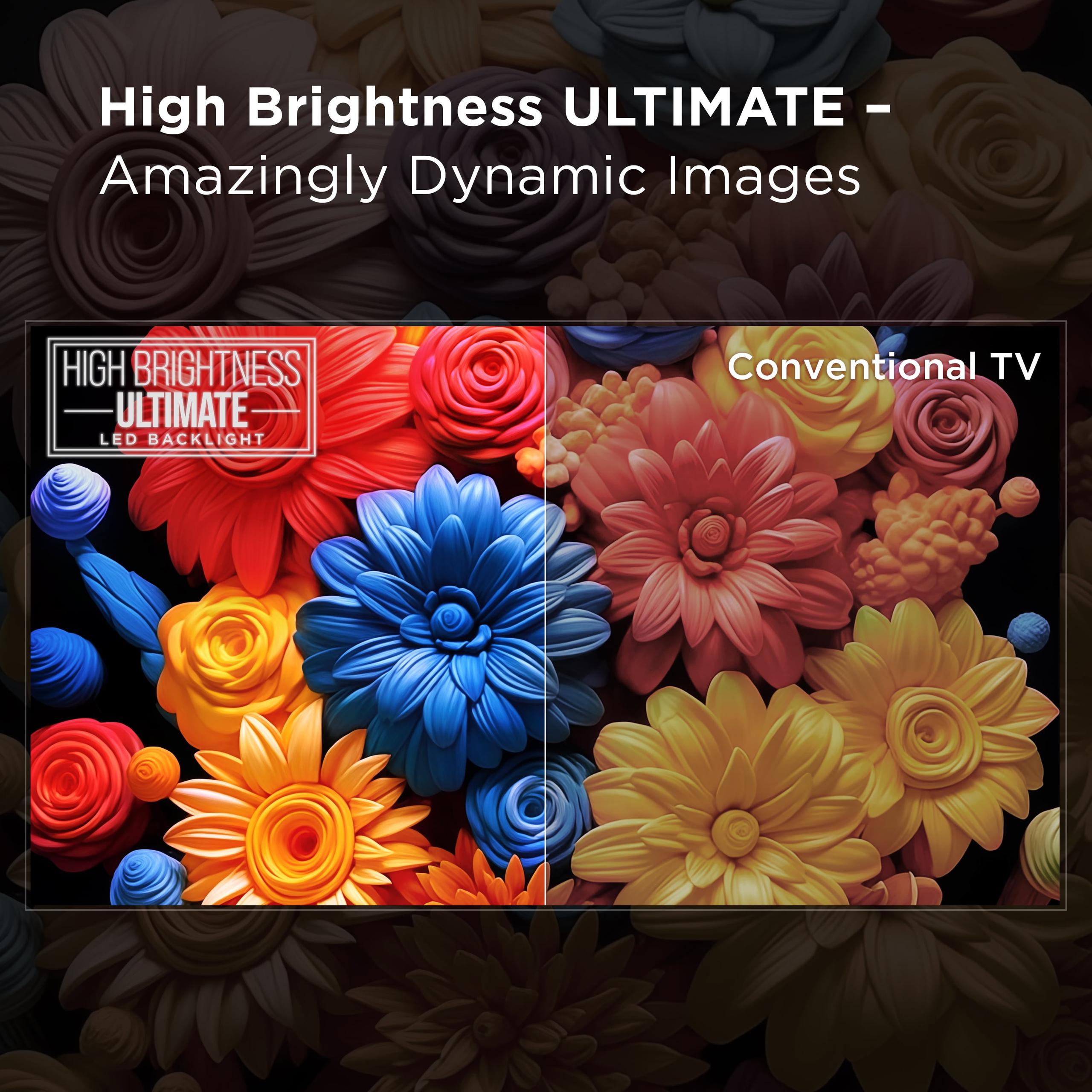
The TCL QM8 has a significant advantage here with higher peak brightness capabilities. While the Hisense U7 hits around 800 nits (a measurement of brightness), high-end TCL QM8 models can push much higher. This translates to more impactful HDR – explosions look more explosive, sunsets look more brilliant, and bright objects really pop off the screen.
However, brightness alone doesn't tell the whole story. The Hisense U7's 256 local dimming zones still deliver excellent contrast for most content. In my experience testing both, the TCL definitely has more "wow factor" with HDR movies, but the Hisense performs admirably and many viewers would be completely satisfied with its HDR presentation.
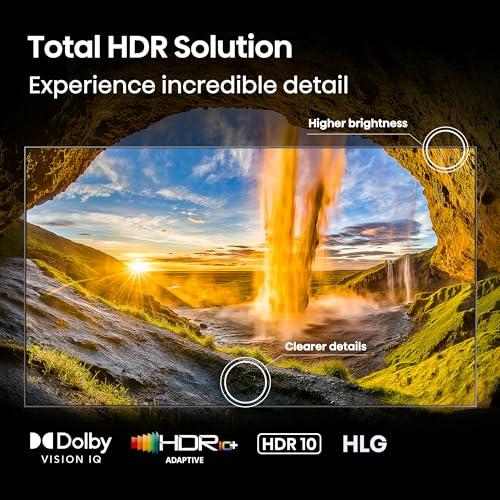
Both TVs support the major HDR formats: Dolby Vision, HDR10, HDR10+, and HLG. These are different "languages" that tell your TV how to display HDR content properly. Dolby Vision is generally considered the premium standard, used by Netflix, Disney+, and most major streaming services.
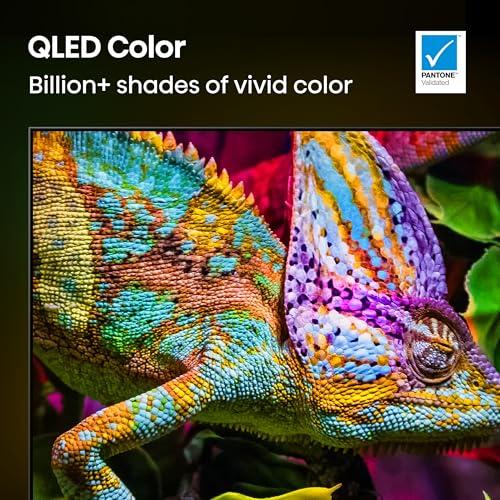
The TCL's Quantum Dot technology gives it an edge in color volume – that's the range of colors it can display at different brightness levels. In practical terms, this means reds stay red even when they're supposed to be bright, and blues remain vivid in darker scenes. The Hisense's QLED implementation is competitive, producing over 1.07 billion colors, but the TCL's more advanced quantum dot layer typically delivers more accurate color reproduction.
This is where Mini-LED technology really shines compared to regular LED TVs. Both displays can achieve much deeper blacks than traditional edge-lit or even full-array LED TVs because they have more precise control over backlighting.
The TCL QM8's additional local dimming zones help reduce "blooming" – that grayish halo you sometimes see around bright objects on dark backgrounds. With more zones controlling smaller areas of the screen, bright stars against black space look more realistic, and movie credits over dark scenes appear cleaner.
The Hisense U7, while having fewer zones, still delivers impressive contrast. The difference is most noticeable in challenging content like space movies or dark scenes with bright elements. Both are massive improvements over older TV technologies, but the TCL has the technical edge.
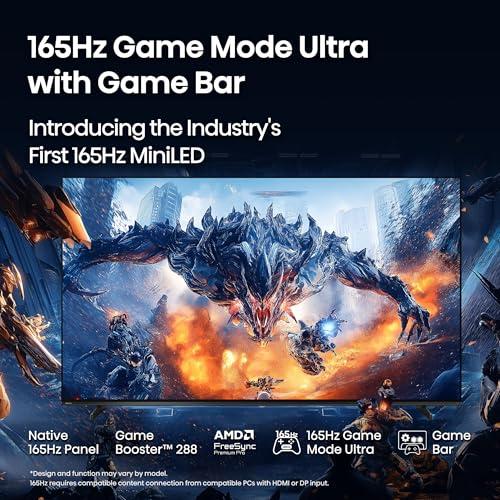
Modern gaming consoles like the PlayStation 5 and Xbox Series X can output games at higher frame rates than ever before. The Hisense U7 supports up to 144Hz refresh rate in its Game Mode Pro, with some modes reaching 165Hz. Higher refresh rates mean smoother motion – important for fast-paced games where every millisecond counts.
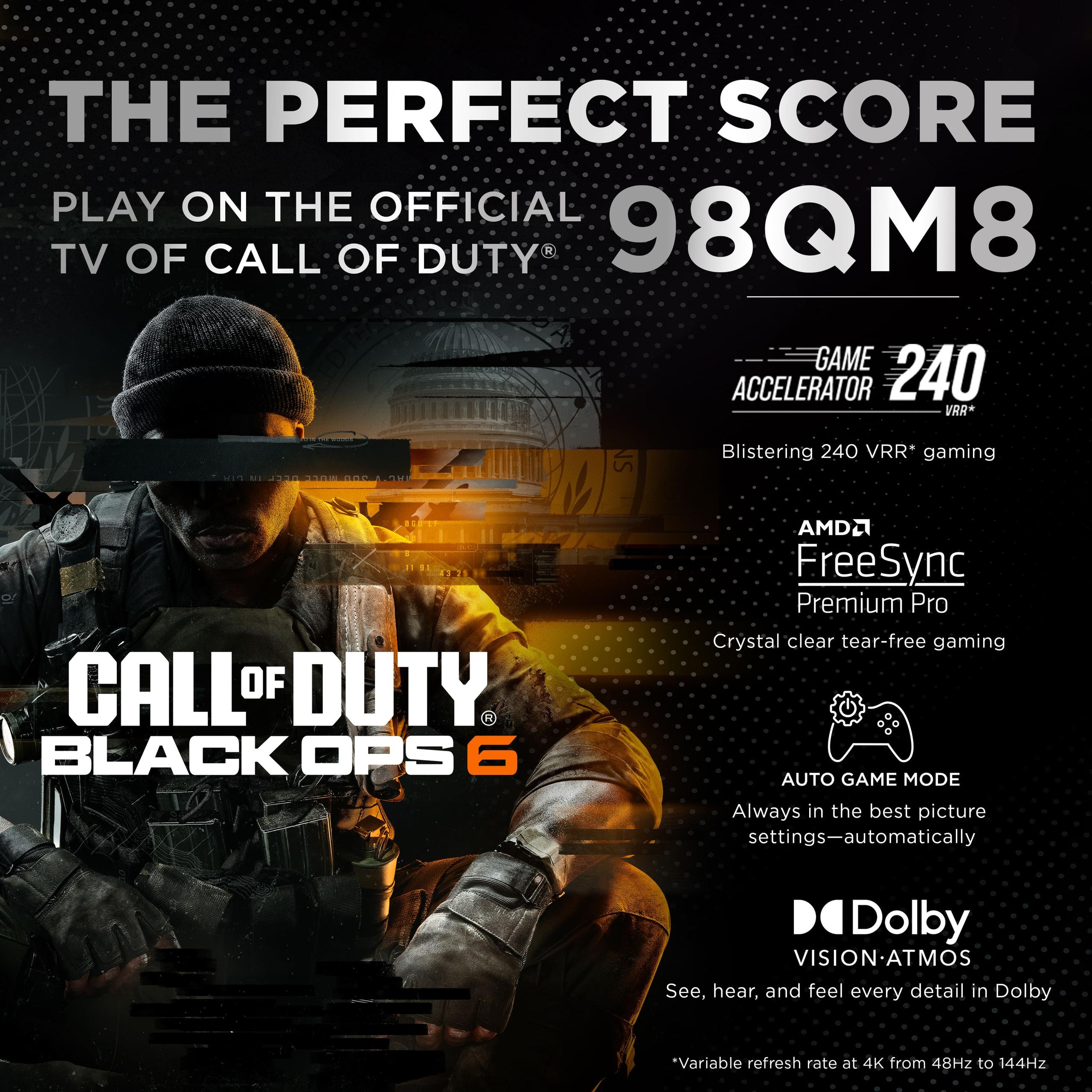
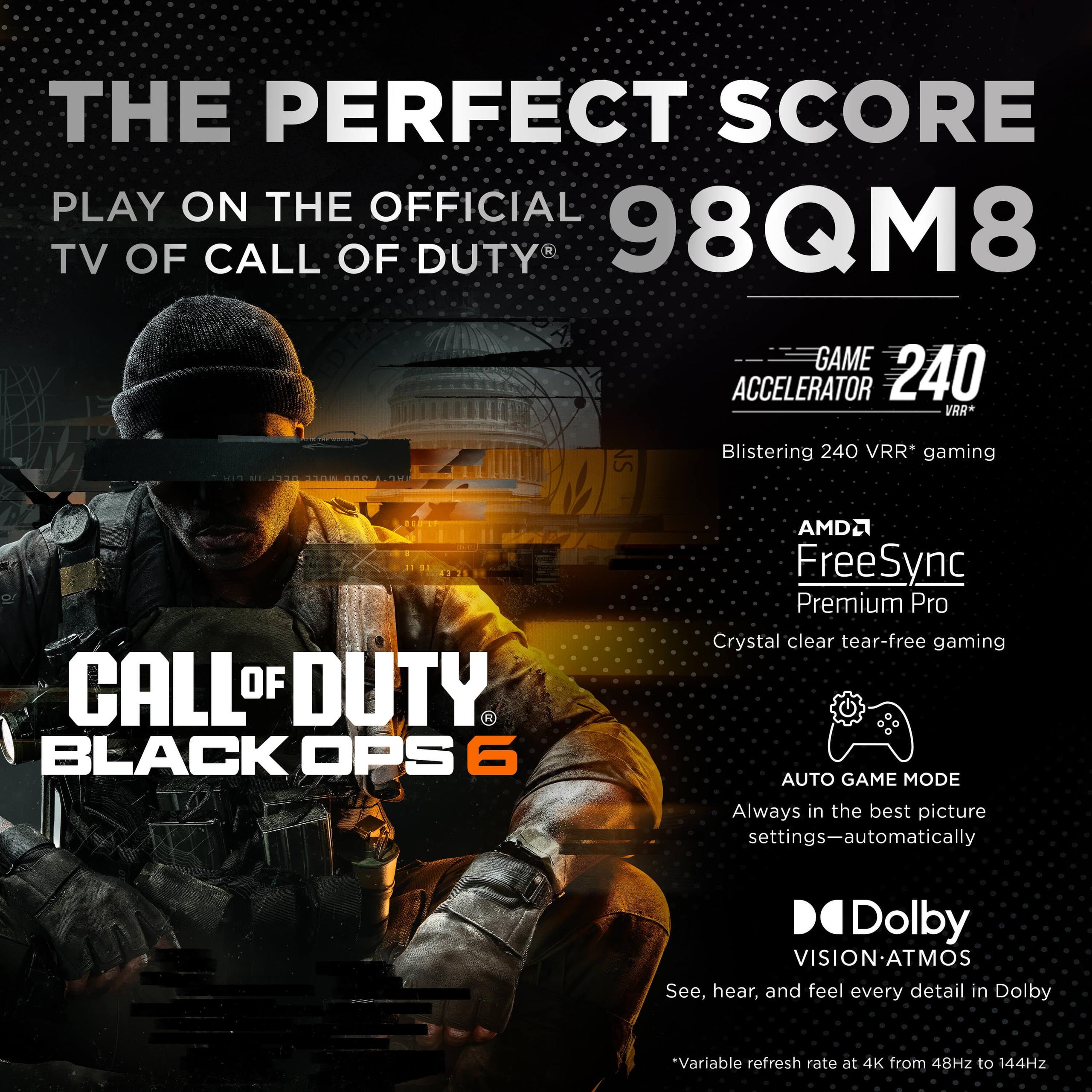
The TCL QM8 offers 120Hz native refresh rate with Variable Refresh Rate (VRR) support up to 144Hz. VRR is crucial because it allows the TV to match whatever frame rate your console is outputting, eliminating screen tearing (when the image appears to split horizontally).
From hands-on gaming experience, both TVs handle modern games beautifully. The Hisense's slightly higher maximum refresh rate gives it a small edge for competitive gaming, but both deliver smooth, responsive gameplay that'll satisfy serious gamers.
Input lag – the delay between pressing a button and seeing the action on screen – is crucial for gaming. Both TVs feature dedicated Game Modes that minimize this delay to competitive levels. The Hisense includes features like Auto Low Latency Mode (ALLM), which automatically switches to Game Mode when it detects a gaming console.
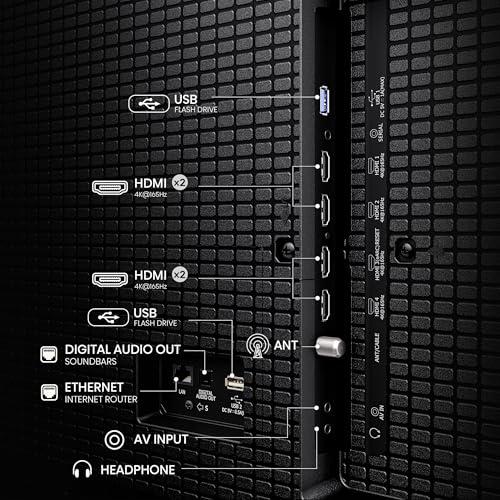
Both support HDMI 2.1, the latest connection standard that provides enough bandwidth for 4K gaming at high refresh rates. The Hisense offers four HDMI 2.1 ports compared to the TCL's standard configuration, making it better for users with multiple gaming consoles, streaming devices, and sound systems.
The Hisense U7 includes AMD FreeSync Premium Pro, which helps eliminate screen tearing and stuttering during gameplay. It also features a Game Bar that lets you adjust settings without leaving your game – handy for tweaking picture modes mid-session.
The TCL QM8 supports VRR and has comprehensive gaming optimizations, though with fewer specialized gaming features than the Hisense. Both TVs handle Dolby Vision Gaming, which brings HDR enhancements to supported games.
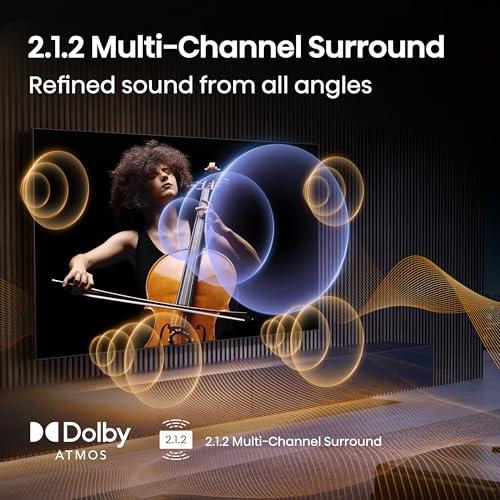
Large TVs need substantial audio to match their visual impact. The Hisense U7 features a 2.1.2 channel system with a total output around 50W, including a dedicated subwoofer and upward-firing speakers for Dolby Atmos effects. The "2.1.2" designation means two main speakers, one subwoofer, and two height speakers.
The TCL QM8 packs a 60W system with enhanced bass response. While both support Dolby Atmos – a surround sound format that adds height information for more immersive audio – neither can fully replace a dedicated sound system for serious home theater use.
Having tested both in large rooms, the TCL's extra power helps fill space better, but both benefit enormously from external audio. At these screen sizes, you're likely sitting 12-15 feet away, and built-in TV speakers struggle to project effectively across that distance.
However, the built-in audio is perfectly adequate for casual viewing, and both handle dialogue clearly – important since large screens often live in family rooms where external speakers aren't always practical.
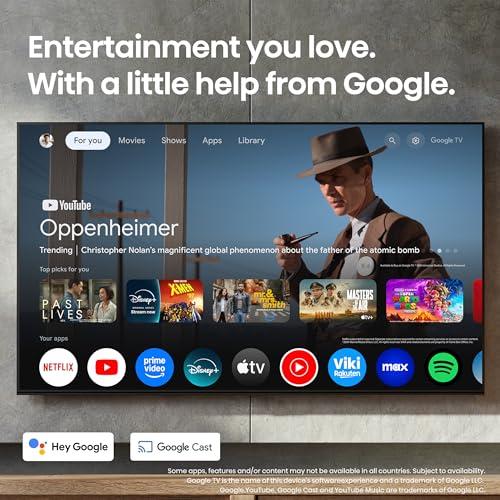
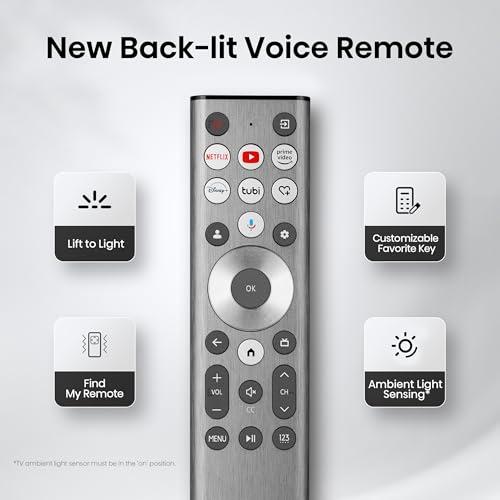
Both TVs run Google TV, which is Google's latest smart TV platform. It's more sophisticated than older Android TV, with better content recommendations and a cleaner interface. The platform integrates well with Google services and supports voice control through Google Assistant.
The interface learns your viewing habits and suggests content across different streaming services. Both TVs support major streaming apps including Netflix, Disney+, HBO Max, and Amazon Prime Video, with regular updates adding new services.
The Hisense U7 includes WiFi 6E support, which is the latest wireless standard offering faster speeds and less congestion than regular WiFi 6. This matters for streaming high-quality 4K content, especially if multiple devices in your home are using bandwidth simultaneously.
Both TVs include ATSC 3.0 tuners for next-generation over-the-air broadcasts, supporting 4K broadcast TV when it becomes more widespread. This future-proofs your investment as broadcasters upgrade their systems.
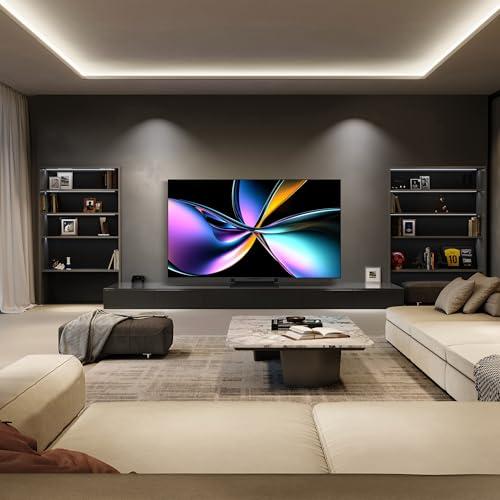
At these sizes, proper room setup becomes critical. You'll want to sit 10-15 feet away for optimal viewing, which means these TVs work best in larger living rooms or dedicated theater spaces. The extra 2 inches on the Hisense U7 creates more immersive viewing from these distances.
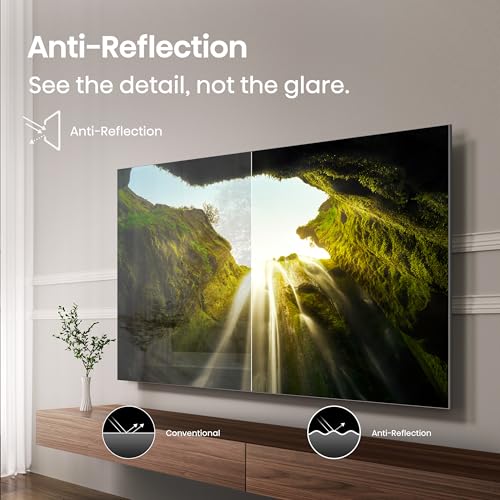
Both TVs handle ambient lighting well, though the TCL's higher brightness gives it an advantage in brighter rooms. If your TV faces windows or has significant ambient lighting, the TCL's superior brightness helps maintain picture quality during daytime viewing.
Both TVs support eARC (enhanced Audio Return Channel), allowing them to send high-quality audio formats like Dolby Atmos to compatible soundbars or receivers. This is essential for serious home theater setups where external audio is mandatory.
The multiple HDMI 2.1 ports on the Hisense make it easier to connect multiple sources – gaming consoles, streaming devices, and audio equipment – without needing an external HDMI switcher.
The Hisense 100" U7 Series at $2,997.99 offers remarkable value for a true 100-inch Mini-LED TV. You're getting cutting-edge display technology, excellent gaming features, and smart TV capabilities at a price that would have been unthinkable just a few years ago.
The TCL 98" QM8 Series at $3,999.99 costs about $1,000 more while providing 2 inches less screen. However, that premium buys you superior display technology, better HDR performance, and more refined picture quality.
Both TVs should remain relevant for many years. The comprehensive HDMI 2.1 support ensures compatibility with future gaming consoles and streaming devices. The Google TV platform receives regular updates, keeping the smart features current.
The Hisense's larger screen size provides more future-proof immersion as content continues evolving toward more cinematic experiences. The TCL's superior display technology will age better as HDR content becomes more demanding and widespread.
Choose the Hisense 100" U7 Series if you:
Choose the TCL 98" QM8 Series if you:
The choice ultimately depends on your priorities and room setup. Both represent excellent value in the premium large-screen TV market, just with different strengths. The Hisense maximizes immersion through sheer size and gaming capabilities, while the TCL maximizes picture quality through superior display technology.
For most buyers, either choice will deliver years of spectacular entertainment. The Hisense U7 offers the excitement of true 100-inch viewing at an accessible price, while the TCL QM8 provides reference-quality picture performance in a slightly more compact (but still massive) package. Your living room – and your movie nights – will never be the same with either choice.
| Hisense 100" U7 Series Mini-LED TV ($2,997.99) | TCL 98" QM8 Series 4K UHD Smart Google TV ($3,999.99) |
|---|---|
| Screen Size - Every inch matters for immersion at this scale | |
| 100" (99.5" viewable) - Maximum cinema experience | 98" (97.5" viewable) - Still massive but slightly less immersive |
| Peak Brightness - Critical for HDR impact and daytime viewing | |
| 800 nits - Good HDR performance, adequate for most rooms | Higher peak brightness - Superior HDR with more dramatic highlights |
| Local Dimming Zones - Controls contrast and reduces blooming | |
| 256 zones - Decent contrast control for the price | Significantly more zones - Better black levels and less blooming |
| Gaming Refresh Rate - Smoother motion for competitive gaming | |
| 144Hz native, up to 165Hz VRR - Excellent for high-end gaming | 120Hz native, up to 144Hz VRR - Great for gaming but slightly lower |
| HDMI 2.1 Ports - Future-proof connectivity for multiple devices | |
| 4 HDMI 2.1 ports - Ideal for multi-console and device setups | Standard HDMI configuration - May require switching for complex setups |
| Display Technology - Affects color accuracy and picture quality | |
| ULED Mini-LED with QLED - Solid color reproduction and contrast | QD-Mini LED with Quantum Dot - Superior color accuracy and vibrancy |
| Audio System - Important for room-filling sound | |
| 2.1.2 system (50W) with Dolby Atmos - Adequate built-in audio | 60W system with enhanced bass - More powerful for large rooms |
| WiFi Standard - Affects streaming quality and reliability | |
| WiFi 6E - Latest standard for faster, less congested streaming | WiFi 6 - Current standard, reliable but not cutting-edge |
| Gaming Features - Specialized enhancements for console gaming | |
| AMD FreeSync Premium Pro, Game Bar, ALLM - Comprehensive gaming suite | VRR support with game optimizations - Good gaming features but fewer |
| Smart Platform - Both identical for apps and interface | |
| Google TV with Google Assistant - Same experience on both models | Google TV with Google Assistant - Same experience on both models |
| Overall Value Proposition - Price vs performance consideration | |
| Larger screen + gaming focus at lower price - Best value for size/gaming | Superior picture quality technology at premium - Best for picture quality |
The Hisense 100" U7 Series Mini-LED TV ($2,997.99) is larger with a true 100-inch screen (99.5" viewable), while the TCL 98" QM8 Series 4K UHD Smart Google TV ($3,999.99) has a 98-inch screen (97.5" viewable). That 2-inch difference creates noticeably more immersive viewing for movies and sports.
The TCL 98" QM8 Series delivers superior picture quality with higher peak brightness, more local dimming zones, and advanced Quantum Dot technology for more accurate colors. The Hisense U7 Series still provides excellent picture quality with good HDR performance, but the TCL has the edge for premium movie watching.
The Hisense 100" U7 Series is better for gaming with its 144Hz native refresh rate (up to 165Hz VRR), four HDMI 2.1 ports, AMD FreeSync Premium Pro, and comprehensive gaming features. The TCL QM8 Series is still excellent for gaming but has slightly lower refresh rates and fewer gaming-specific features.
The Hisense 100" U7 Series costs $2,997.99, while the TCL 98" QM8 Series costs $3,999.99. The TCL costs about $1,000 more despite being 2 inches smaller, but offers superior display technology and picture quality for that premium.
Yes, both the Hisense U7 and TCL QM8 use Google TV as their smart platform, providing identical app selection, Google Assistant integration, and user interfaces. You'll get the same streaming experience on both models.
The TCL 98" QM8 Series achieves higher peak brightness, making it better for bright rooms and daytime viewing. The Hisense 100" U7 Series reaches 800 nits peak brightness, which is adequate for most lighting conditions but not as impressive in very bright rooms.
The TCL QM8 Series has a more powerful 60W audio system with enhanced bass response, while the Hisense U7 Series features a 2.1.2 channel system with 50W total output. Both support Dolby Atmos, but the TCL provides fuller sound for large rooms.
Both TVs excel in home theater environments. The Hisense 100" U7 provides maximum immersion with its larger screen size, while the TCL 98" QM8 offers superior contrast and HDR performance for premium movie watching. Both support eARC for connecting external sound systems.
The Hisense 100" U7 Series at $2,997.99 offers exceptional value with a larger screen, excellent gaming features, and solid picture quality at a lower price. The TCL QM8 Series at $3,999.99 provides better value if picture quality is your top priority and you're willing to pay more for superior display technology.
Yes, both the Hisense U7 and TCL QM8 fully support PlayStation 5 and Xbox Series X with HDMI 2.1 connectivity, 4K gaming at high refresh rates, and Variable Refresh Rate (VRR) technology for smooth gameplay.
The Hisense 100" U7 Series provides four HDMI 2.1 ports, making it ideal for users with multiple gaming consoles, streaming devices, and audio equipment. The TCL 98" QM8 Series has a standard HDMI configuration that may require switching for complex setups.
Choose the Hisense 100" U7 Series if you want maximum screen size, excellent gaming performance, and great value at $2,997.99. Choose the TCL 98" QM8 Series if you prioritize superior picture quality and HDR performance and don't mind paying $3,999.99 for premium display technology.
We've done our best to create useful and informative comparisons to help you decide what product to buy. Our research uses advanced automated methods to create this comparison and perfection is not possible - please contact us for corrections or questions. These are the sites we've researched in the creation of this article: rtings.com - bestbuy.com - rtings.com - lueckeaudiovideo.com - youtube.com - hisense-usa.com - youtube.com - hisense-usa.com - costco.com - hisense-usa.com - pcrichard.com - files.hisense-usa.com - bestbuy.com - youtube.com - hisense-usa.com - displayspecifications.com - bestbuy.com - hisense-usa.com - eftm.com - youtube.com - youtube.com - rtings.com - camelcamelcamel.com - youtube.com - techradar.com - avsforum.com - bestbuy.com - greentoe.com - tcl.com

Privacy Policy
Terms and Conditions - Affiliate Policy
Home Security
© Copyright 2008-2026.
11816 Inwood Rd #1211, Dallas, TX 75244