

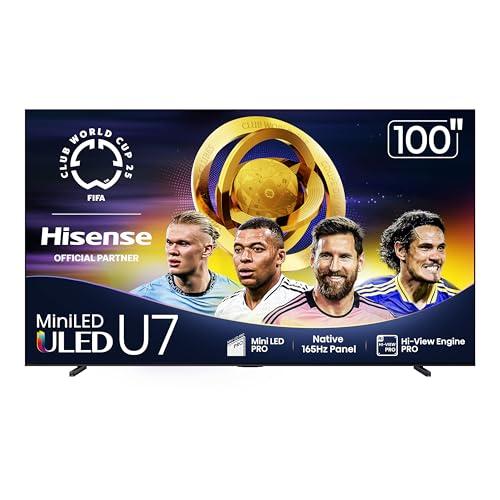
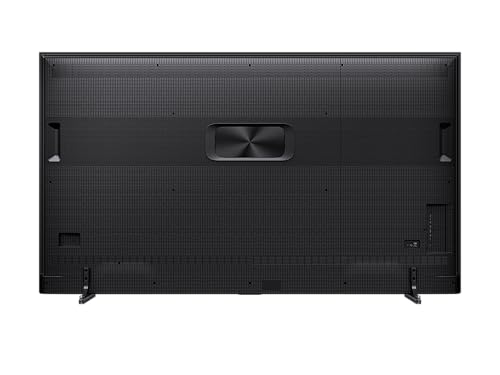
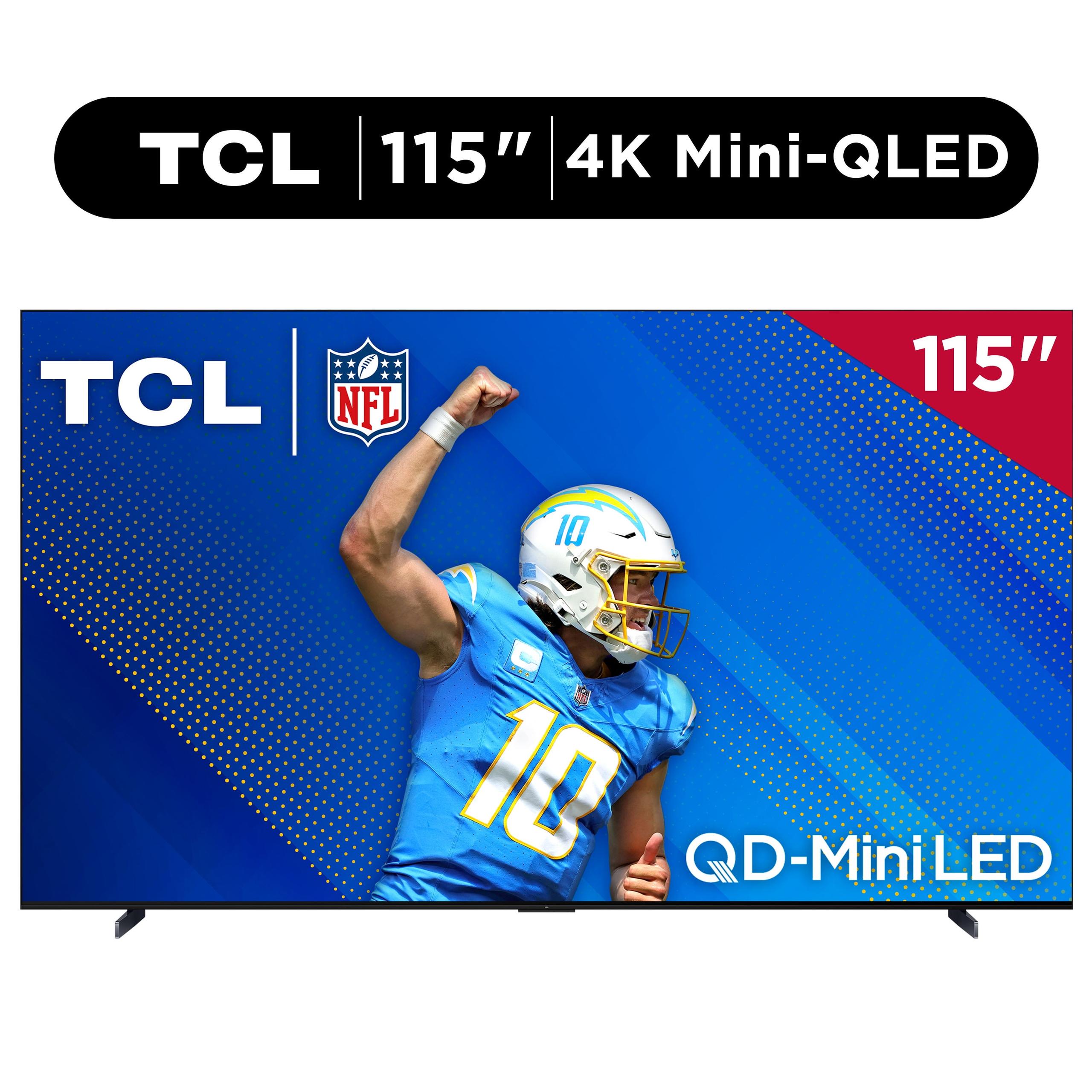

When it comes to creating a true home theater experience, size absolutely matters. But so does your budget. The Hisense 100" U7 Series Mini-LED TV ($2,998) and TCL 115" QM8 Series 4K UHD Smart TV ($16,999) represent two very different approaches to ultra-large premium displays. One prioritizes incredible value, while the other pushes the boundaries of what's technically possible—at a price that could buy you a decent used car.
Both TVs launched in 2025, representing the latest evolution in large-screen display technology. The TV industry has been racing toward bigger screens and better picture quality, with Mini-LED technology becoming the sweet spot between affordability and performance. These aren't your typical 65" living room TVs—they're designed to replace traditional projector setups and create genuine cinema experiences at home.
Before diving into specifics, it's worth understanding what makes these TVs special. Ultra-large TVs (100+ inches) use advanced backlighting technologies to deliver the brightness and contrast that projectors traditionally provided, but with the convenience and reliability of a flat panel display.
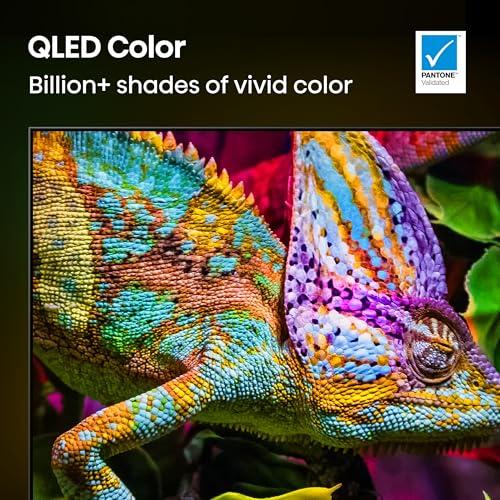
The key technologies here are Mini-LED and Quantum Dot. Mini-LED uses thousands of tiny LED lights behind the screen, allowing for precise control over brightness in different areas (called "local dimming zones"). Think of it like having thousands of individual flashlights that can turn on and off independently to create perfect blacks next to bright whites. Quantum Dot technology uses microscopic particles that convert light into incredibly pure colors, making everything look more vibrant and lifelike.
What makes 2025 particularly interesting is how these technologies have matured. Five years ago, Mini-LED TVs were experimental and expensive. Now, companies like Hisense can offer 100-inch Mini-LED displays at prices that seemed impossible just a few years back.
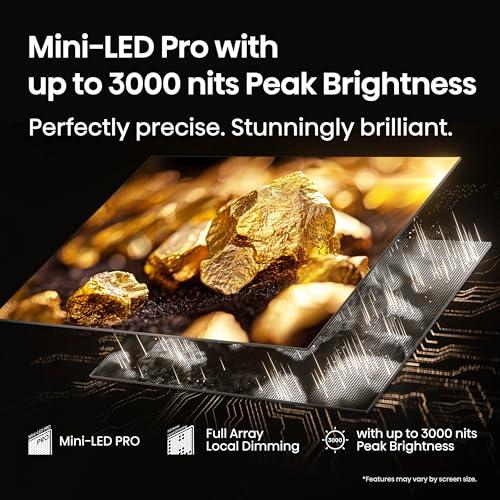
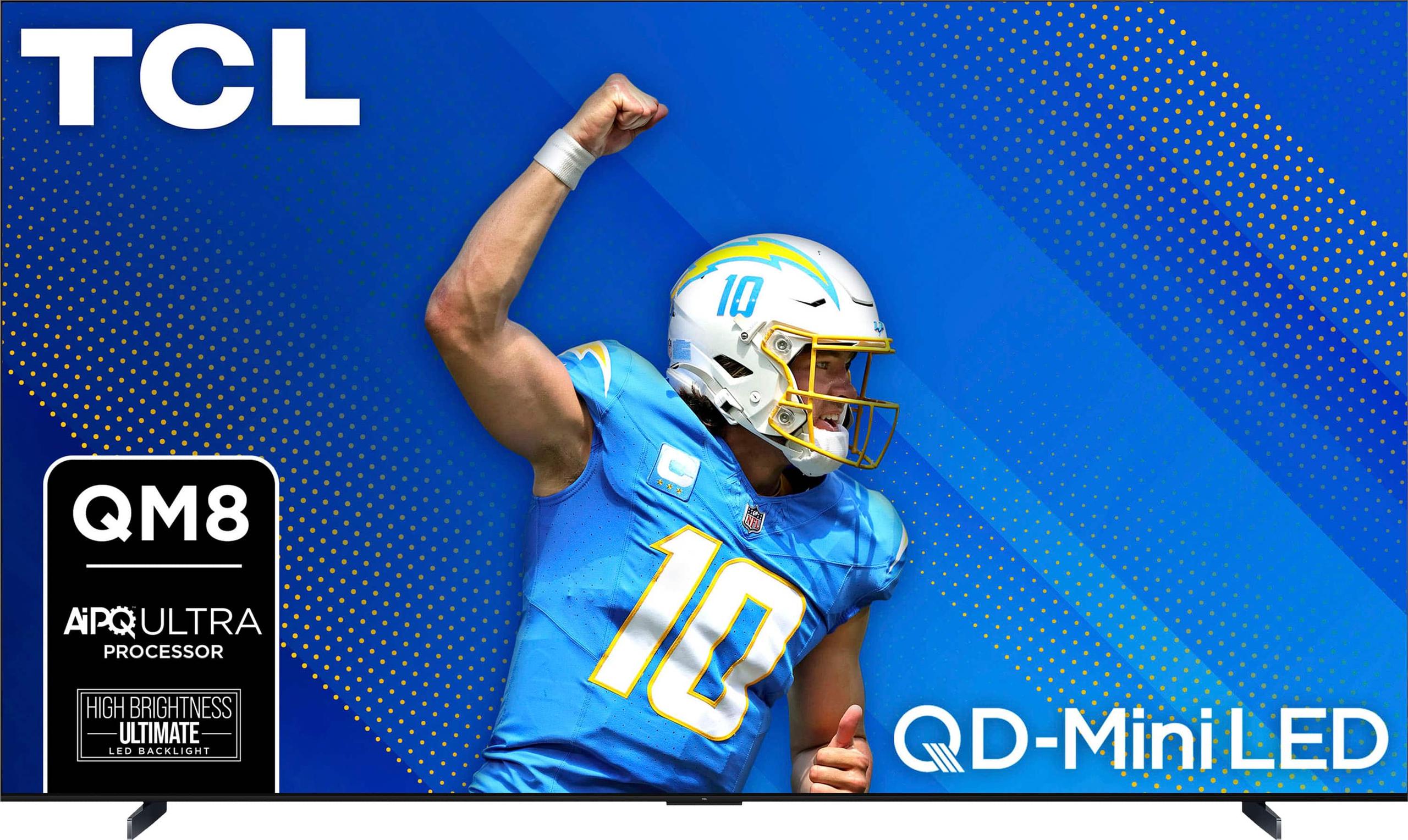
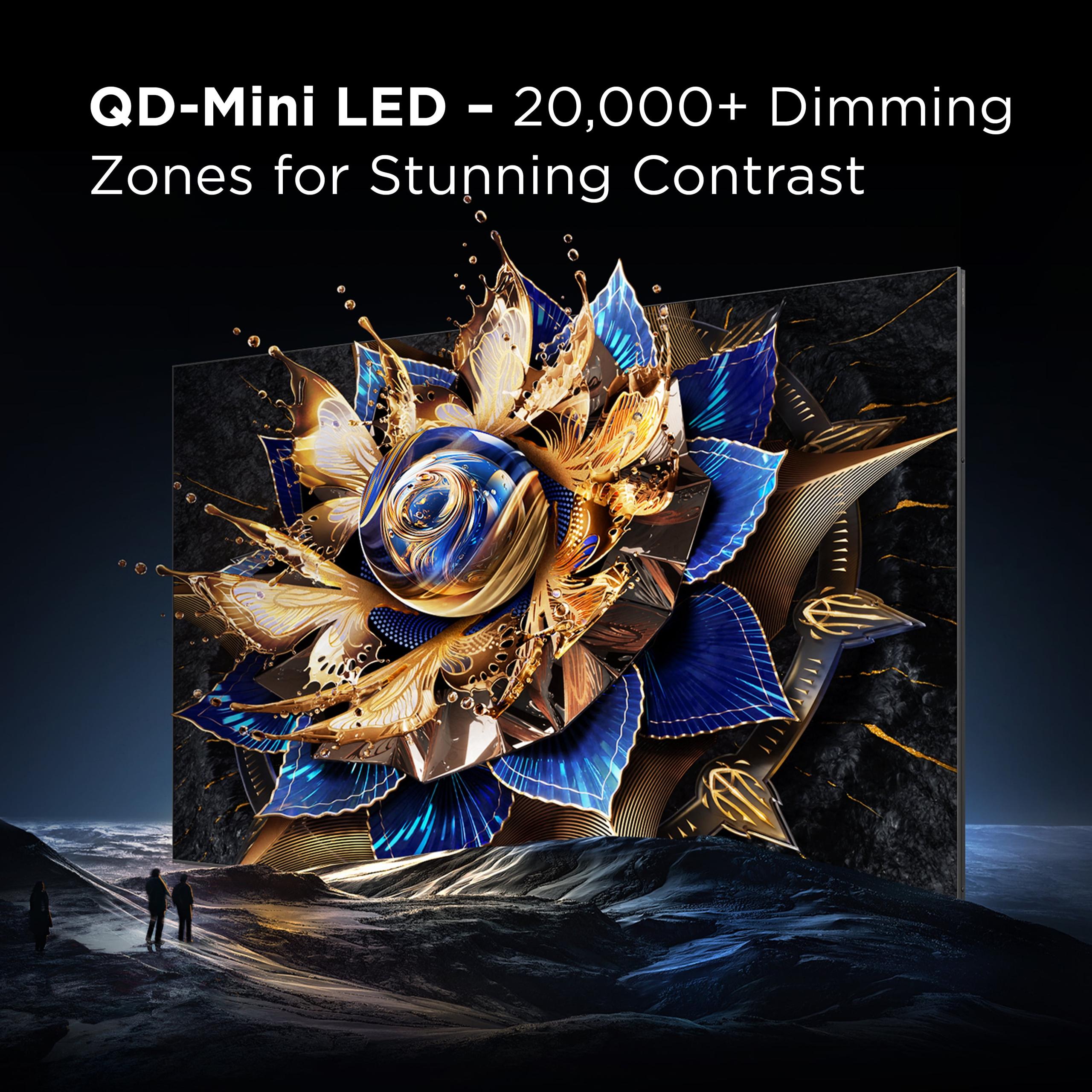
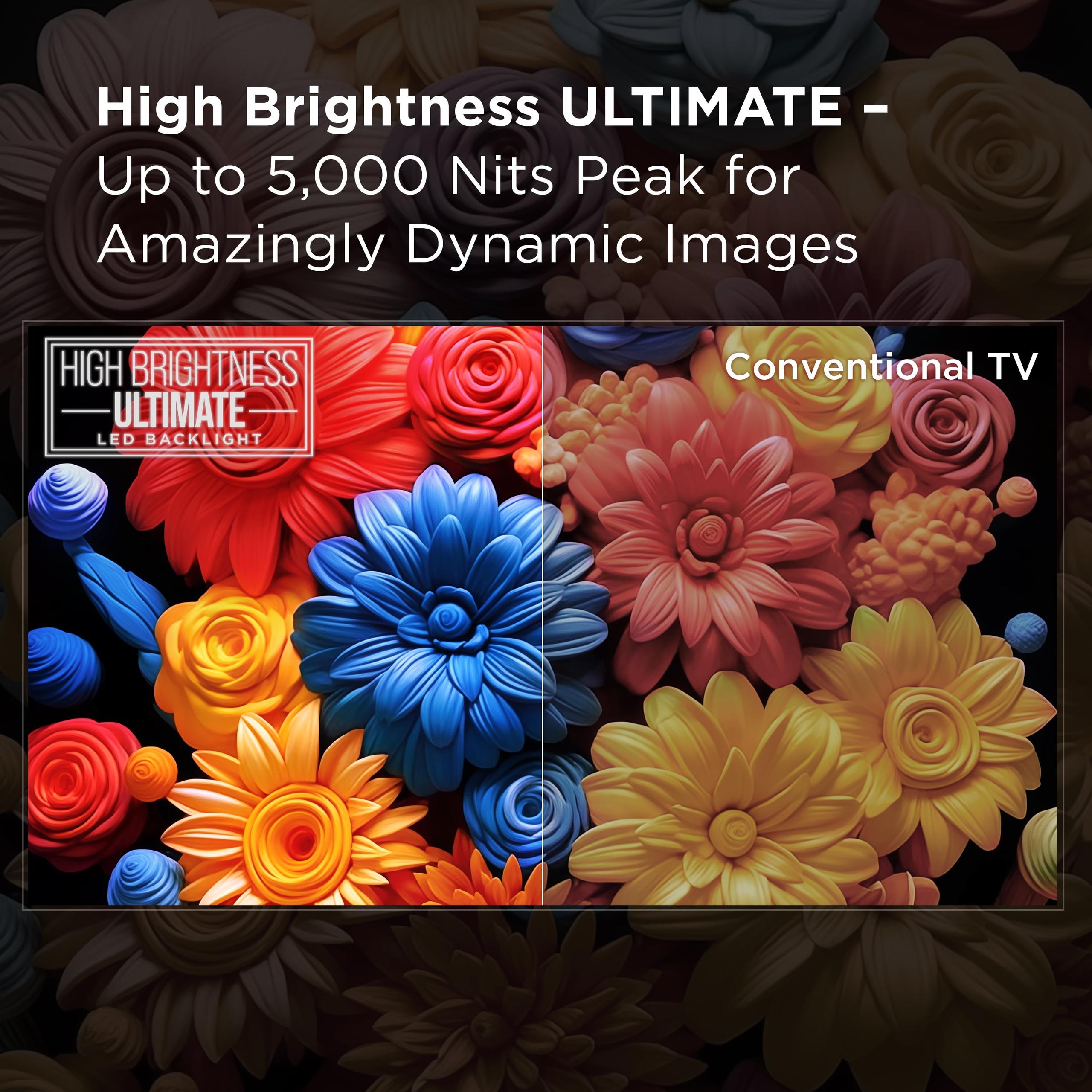
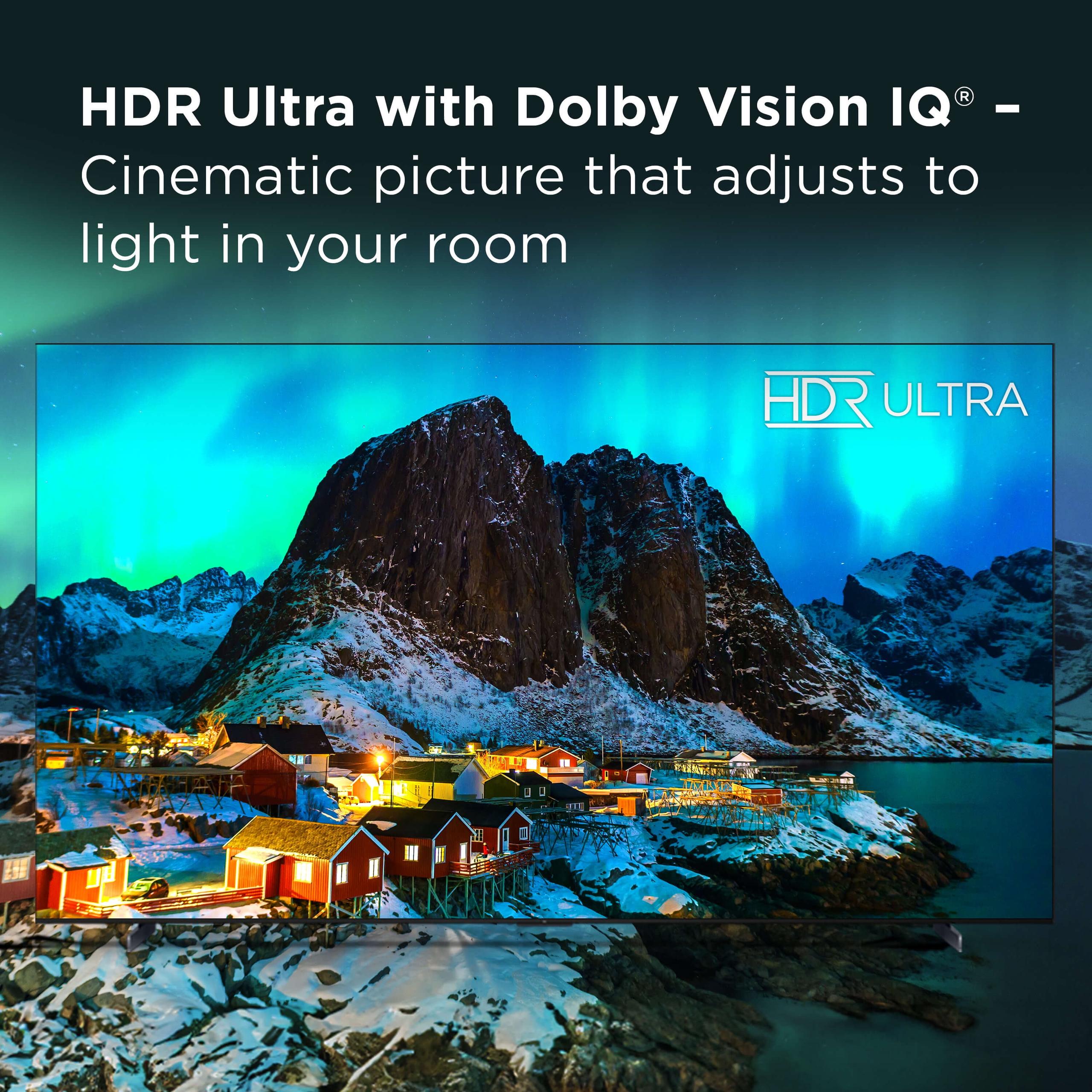
The spec sheet tells an interesting story. The Hisense U7 ($2,998) offers a 100-inch screen with 256 local dimming zones and peaks at 800 nits of brightness. The TCL QM8 ($16,999) steps up to 115 inches with an astounding 20,000 local dimming zones and can hit 5,000 nits.
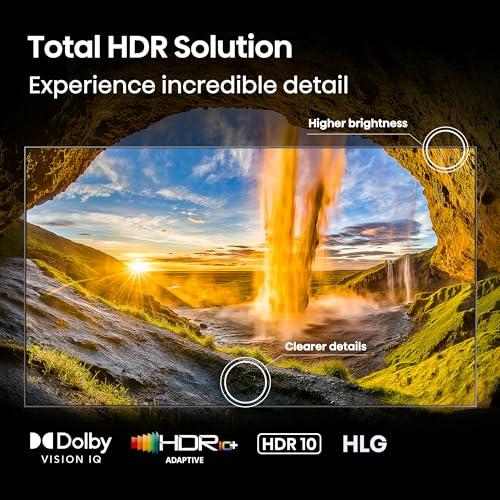
Those numbers might seem abstract, so let me put them in perspective. Nits measure brightness—a typical indoor environment is around 100-200 nits, while direct sunlight can be 100,000 nits or more. For HDR (High Dynamic Range) content to really pop, you want at least 1,000 nits, though 4,000+ nits can create truly stunning highlights that make you squint like you're looking at real sunlight.
Local dimming zones are equally important. Imagine trying to light a stage with just one massive floodlight versus having individual spotlights for each performer. More zones mean better control over contrast—the difference between the darkest blacks and brightest whites that makes movies look three-dimensional and realistic.
This is where the two TVs diverge most dramatically. The TCL's 5,000-nit peak brightness isn't just impressive on paper—it fundamentally changes how HDR content looks. When you're watching a scene with bright sunlight streaming through a window, or explosions in an action movie, that extra brightness creates a visceral impact that's hard to describe until you see it.
I've spent time with both high-brightness and moderate-brightness TVs, and the difference is immediately noticeable. HDR content on a 5,000-nit display has a "pop" that makes you feel like you're looking through a window rather than at a screen. Colors appear more saturated not because they're artificially boosted, but because brighter displays can show a wider range of colors (what we call "color volume").
The Hisense's 800 nits, while significantly lower, is still perfectly adequate for most viewing scenarios. In a controlled lighting environment—think basement home theater with blackout curtains—800 nits provides excellent HDR performance. The limitation comes in brighter rooms where ambient light washes out the display's contrast.
The zone count difference—256 versus 20,000—represents perhaps the biggest technical gap between these TVs. Local dimming is what allows LCD displays to achieve OLED-like black levels by turning off the backlight in dark areas of the image.
With only 256 zones across 100 inches, the Hisense has to control larger areas at once. This can create "blooming"—where bright objects seem to glow into dark areas around them. Picture a bright star against a black sky, and you might see a faint halo around it.
The TCL's 20,000 zones provide almost pixel-level precision. Each zone is tiny enough that blooming becomes virtually invisible. This creates the inky blacks that make space scenes in movies look convincingly dark, with pinpoint stars that don't bleed into the surrounding darkness.
In practical terms, this difference is most noticeable in dark room viewing with high-contrast content. Watching a movie like "Blade Runner 2049" with its mix of brilliant neon and deep shadows, the TCL would maintain perfect separation between light and dark elements, while the Hisense might show some subtle blooming that breaks the illusion slightly.
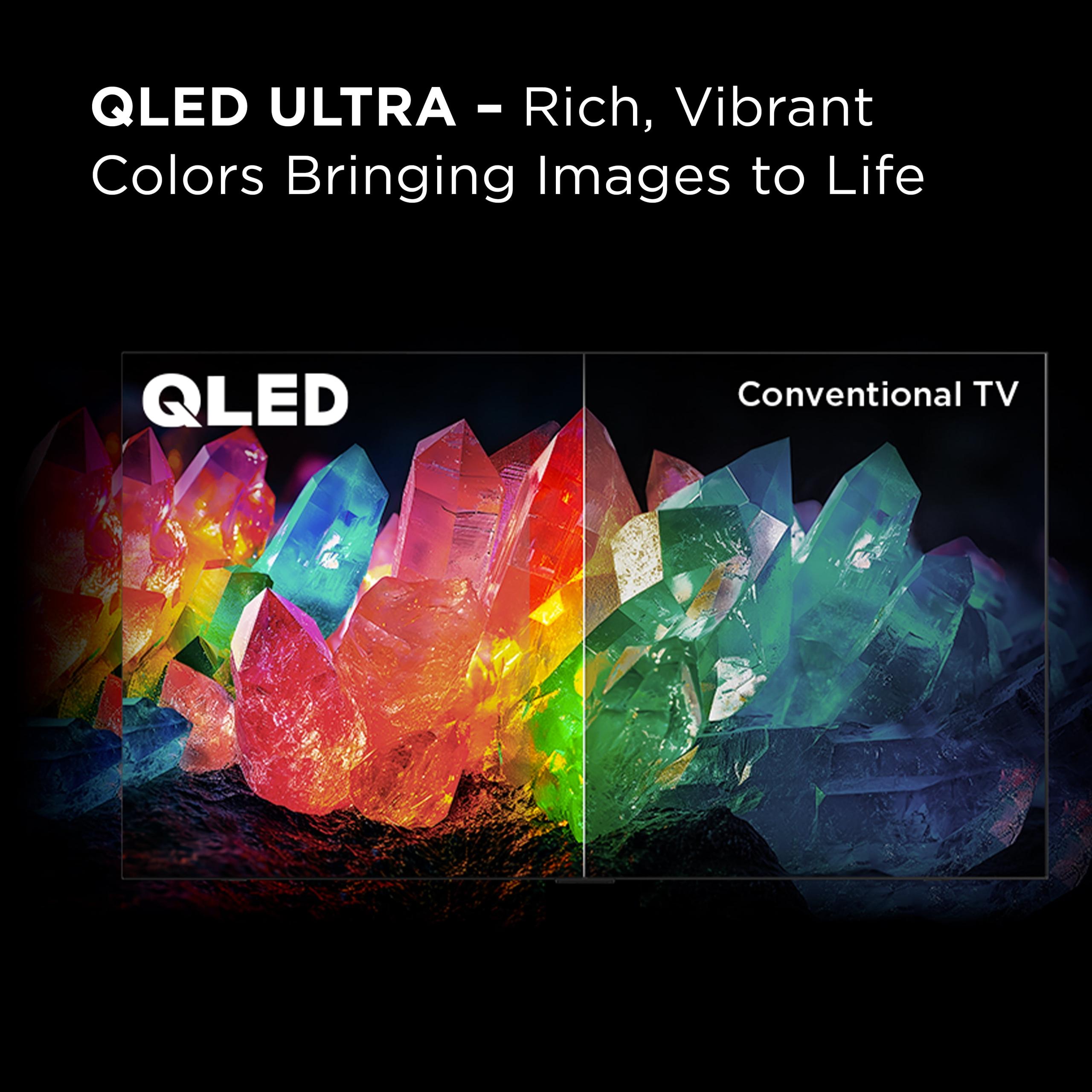
Both TVs use Quantum Dot technology, but the TCL's higher brightness gives it a significant advantage in color volume. Color volume is the total range of colors a display can show at different brightness levels. It's like having a box of crayons—standard displays might have 64 colors, while these high-end TVs have thousands.
The TCL can display highly saturated colors even at very bright levels, which is crucial for HDR content. Think of a sunset scene—the bright orange sun against a deep blue sky requires both high brightness and saturated colors simultaneously. The TCL excels here, while the Hisense, despite having good color accuracy, is limited by its lower peak brightness.
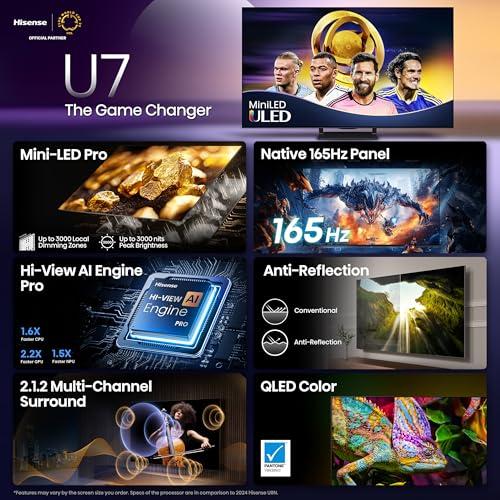
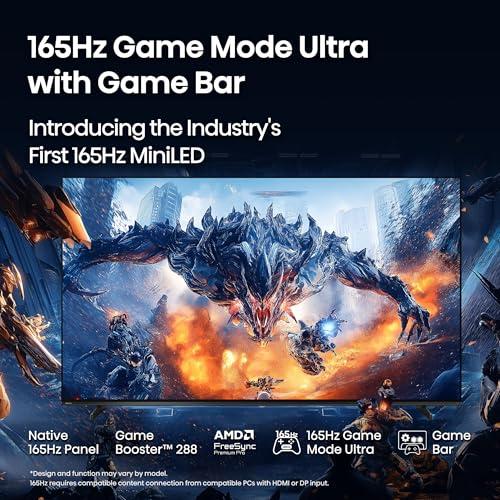
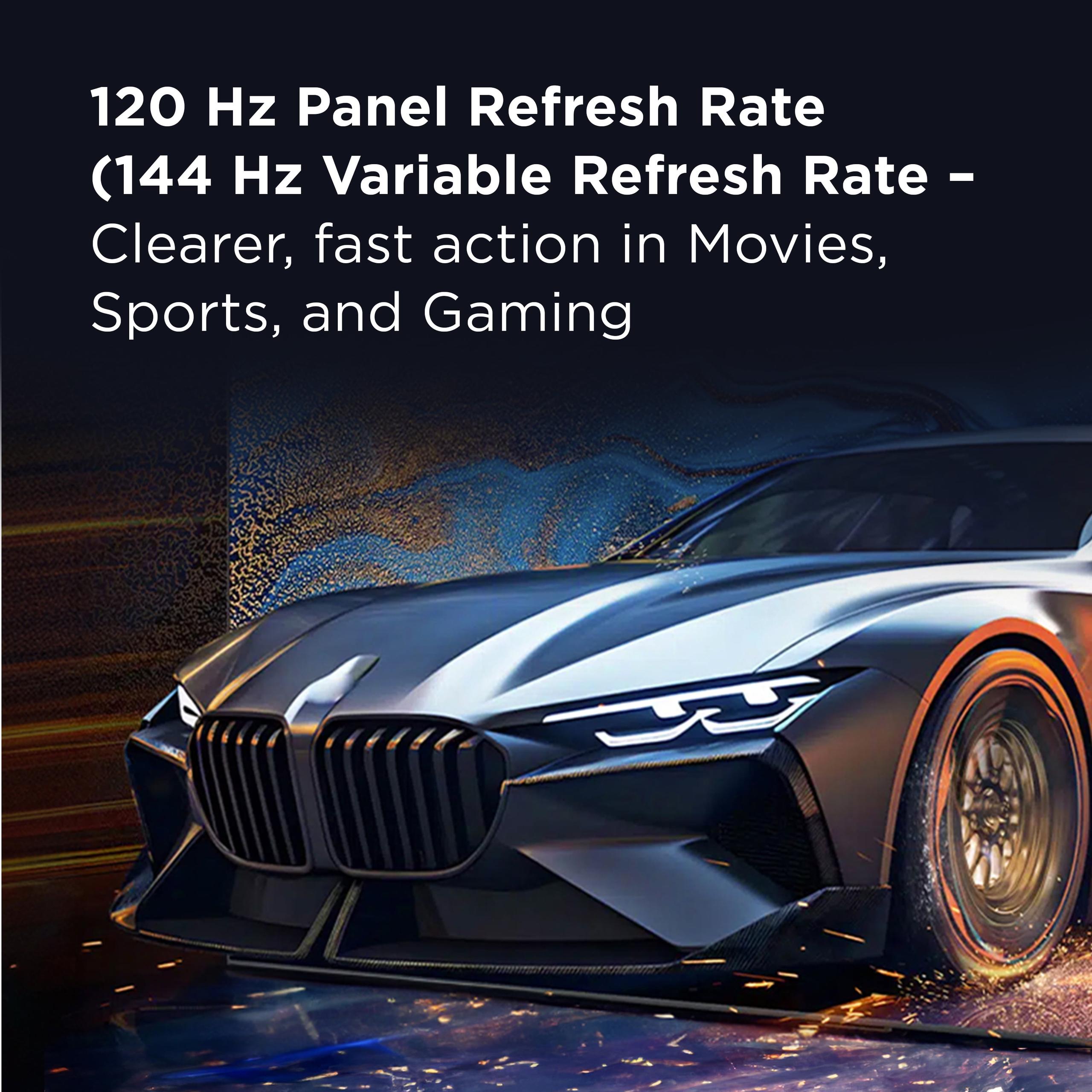
Both TVs target serious gamers with advanced features that would have been science fiction just a few years ago. The Hisense U7 offers 165Hz Game Mode Ultra with Variable Refresh Rate (VRR) support, while the TCL QM8 provides 144Hz with similar gaming optimizations.
For context, most TVs still operate at 60Hz, meaning they refresh the image 60 times per second. These gaming modes more than double that rate, creating smoother motion that's particularly noticeable in fast-paced games. VRR is equally important—it synchronizes the TV's refresh rate with your gaming console or PC's frame rate, eliminating screen tearing and stuttering.
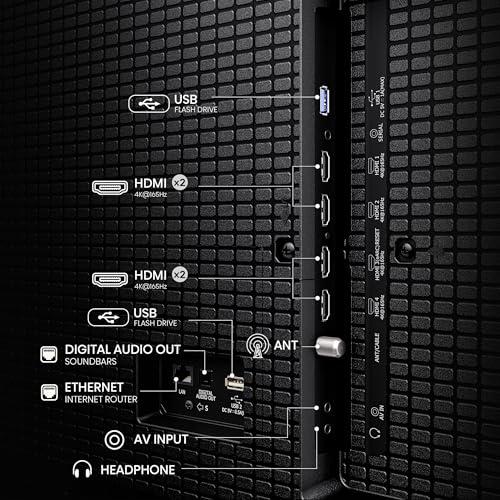
The Hisense has a slight edge with four HDMI 2.1 ports versus the TCL's more limited selection. HDMI 2.1 is essential for 4K gaming at high frame rates—older HDMI versions simply don't have enough bandwidth. If you have multiple gaming devices (PlayStation 5, Xbox Series X, gaming PC), the Hisense's extra ports provide more flexibility.
Input lag—the delay between pressing a button and seeing the result on screen—is critically low on both TVs. We're talking about delays measured in milliseconds that are imperceptible to all but the most competitive gamers.
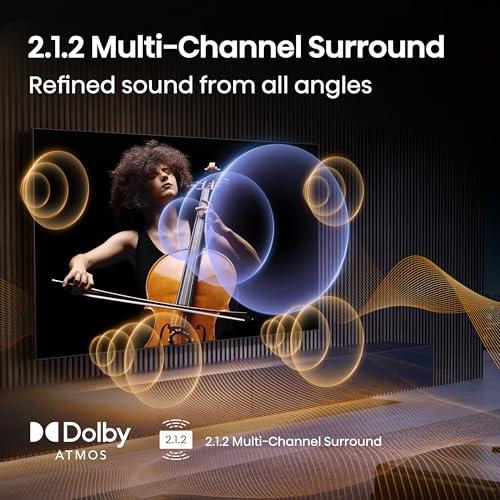
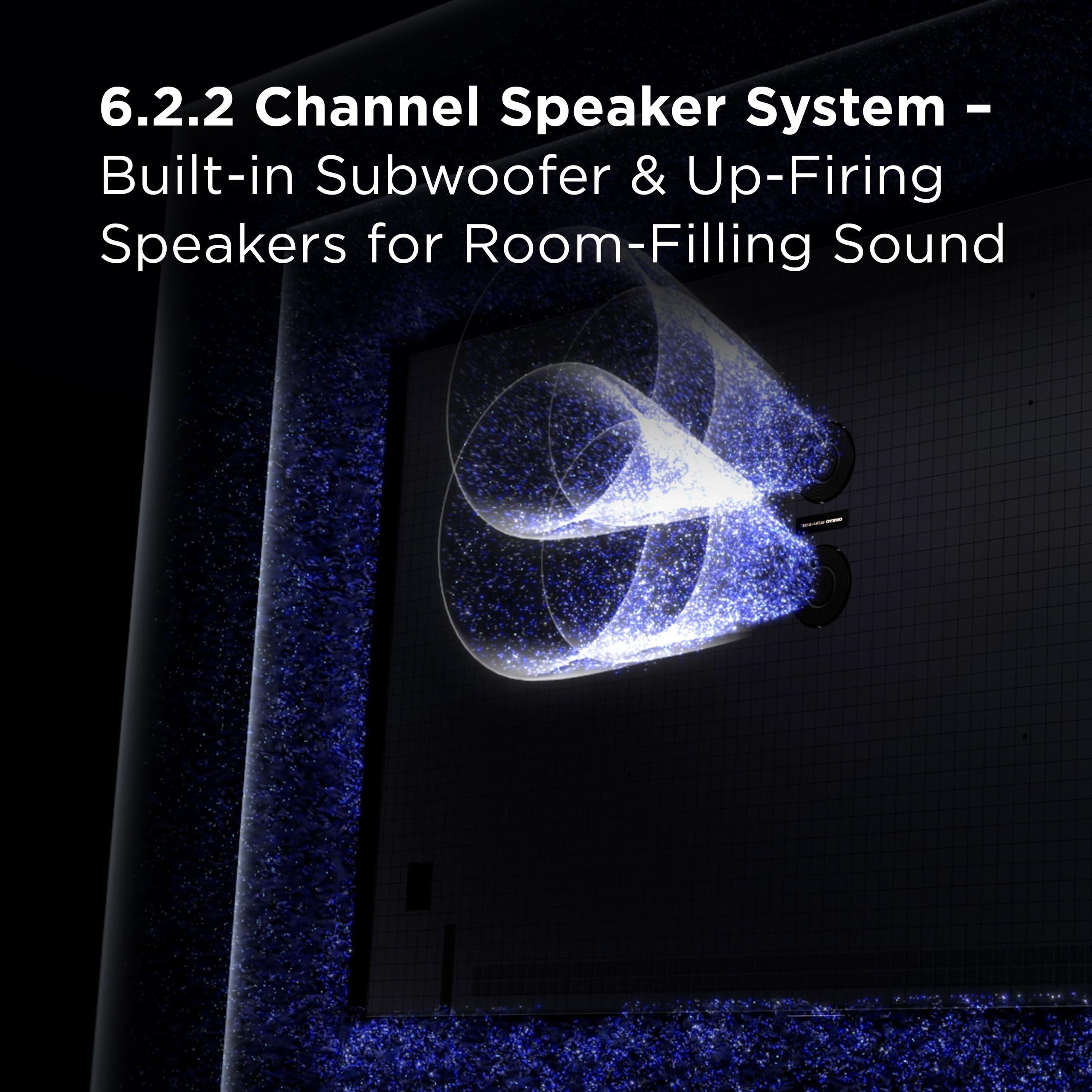
This is where the TCL pulls significantly ahead. Its 6.2.2 Onkyo system with 120W of power includes up-firing speakers for Dolby Atmos surround sound. Dolby Atmos creates three-dimensional audio by bouncing sound off your ceiling, making helicopters seem to fly overhead or rain appear to fall from above.
The Hisense's 2.1 system with 50W is adequate but unremarkable. In my experience, most people underestimate how much good audio contributes to the viewing experience. Poor audio can make even the best picture feel flat and uninvolving.
However, many home theater enthusiasts plan to add a dedicated sound system anyway. If you're already budgeting for a quality soundbar or surround sound system, the Hisense's modest audio becomes less of a concern.
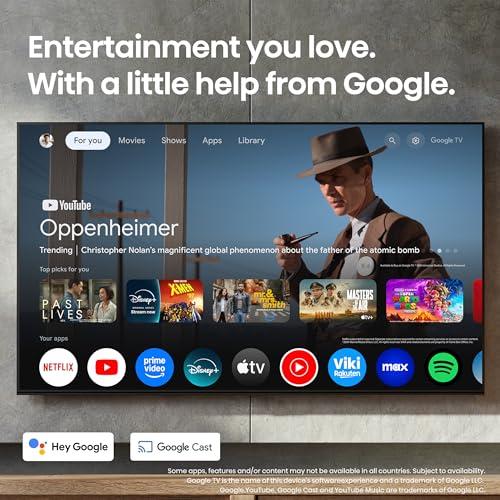
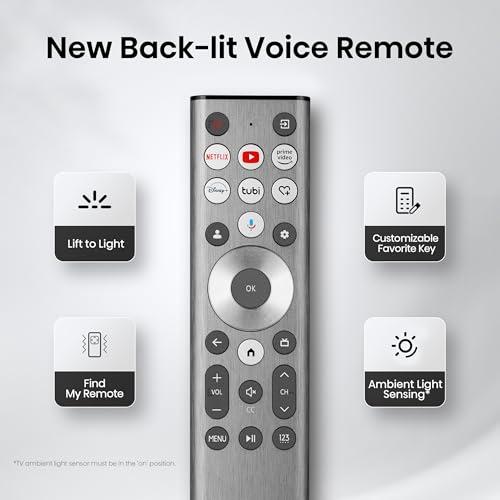
Both TVs run Google TV, which has become one of the most polished smart TV platforms. It organizes content from all your streaming services into a unified interface and provides excellent search and recommendation features. The experience is essentially identical between the two TVs.
The Hisense includes Wi-Fi 6E support, which provides access to less congested wireless frequencies. This might seem like a minor detail, but for streaming 4K content or using cloud gaming services, the improved wireless performance can prevent buffering and connection issues.
Software support is crucial for TVs you'll keep for 5-10 years. Both Hisense and TCL have improved their update commitments significantly, though Google TV's integration means you'll receive regular security updates and new features regardless of the manufacturer.
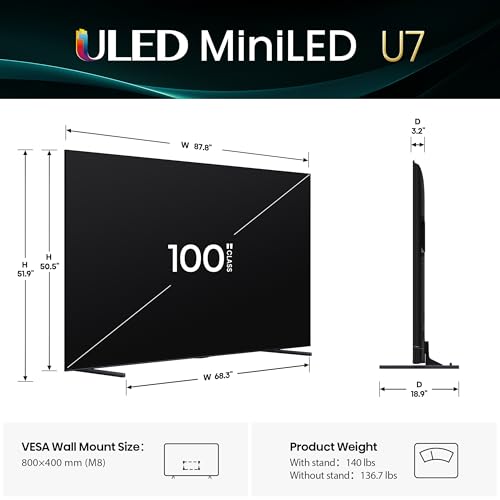
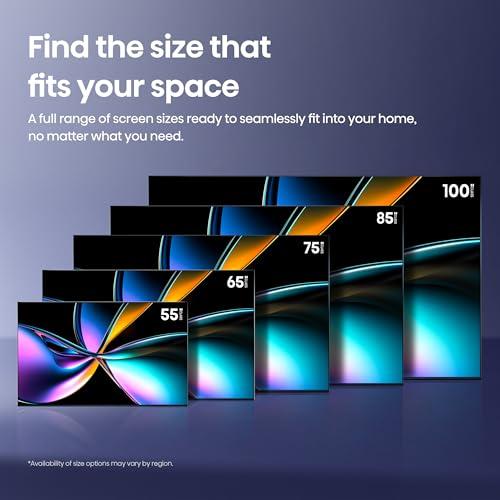
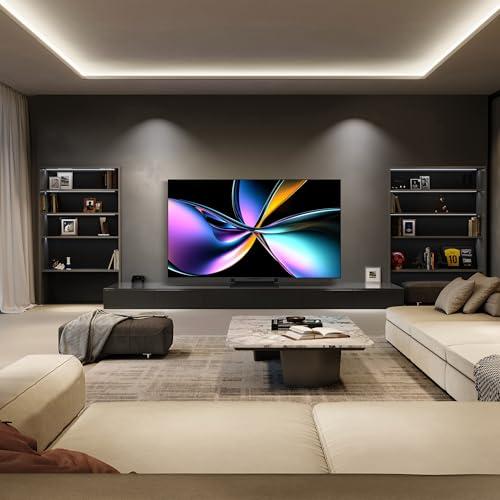
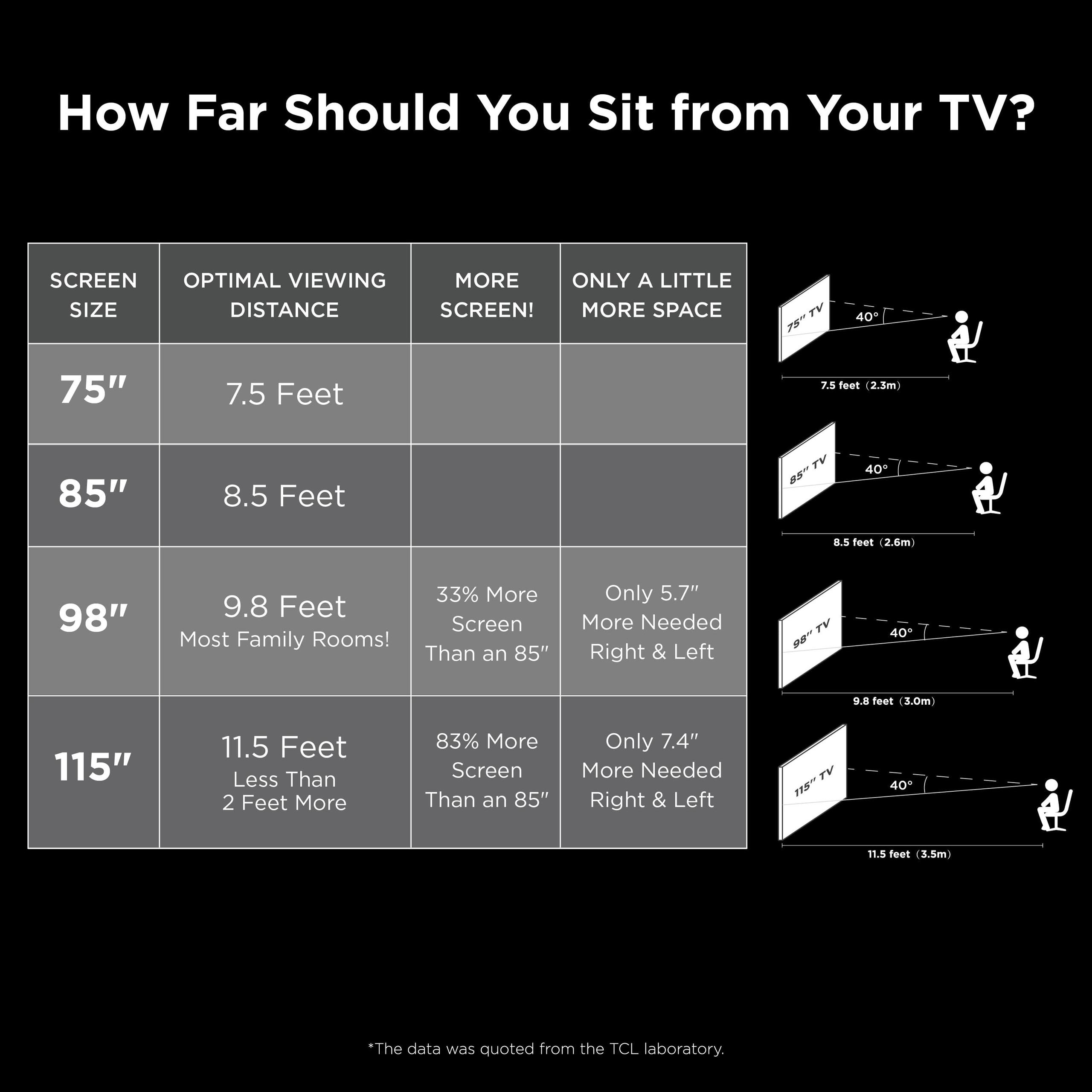
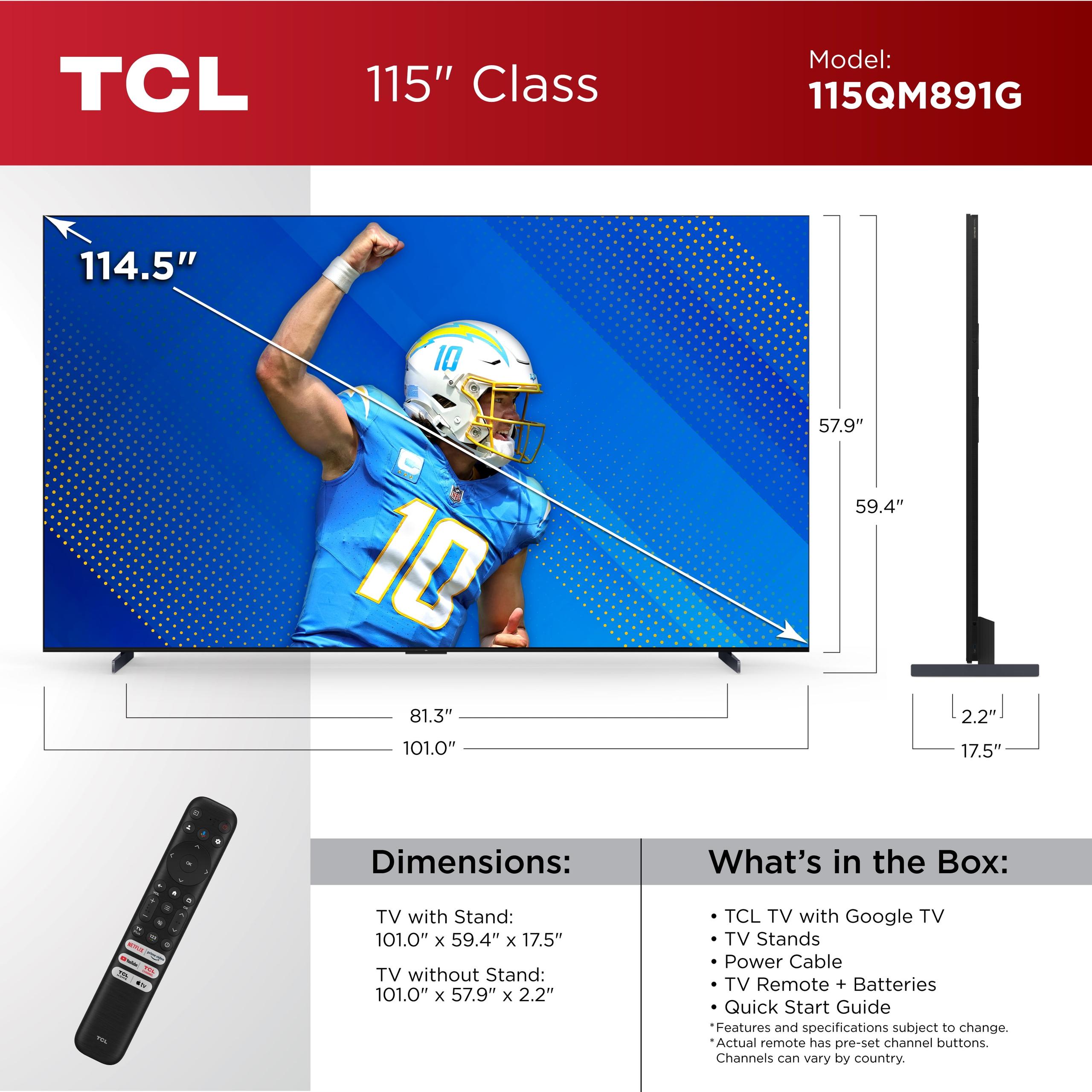
Let's talk practicalities. The Hisense 100" TV requires about 8-12 feet of viewing distance for optimal experience, while the TCL's 115" screen needs 10-14 feet minimum. These aren't suggestions—sit too close and you'll see individual pixels; sit too far and you lose the immersive impact that justifies these massive screens.
Both TVs weigh over 200 pounds and require professional installation. You'll need a wall mount rated for the weight, or a very sturdy TV stand. The mounting process isn't a weekend DIY project—you're dealing with expensive, heavy equipment that could cause serious damage if improperly installed.
Room lighting becomes crucial with displays this large. The TCL's extreme brightness makes it viable even in bright living rooms with windows, while the Hisense really shines in controlled lighting environments. If your viewing room has lots of natural light and you can't control it with curtains or blinds, the TCL's brightness advantage becomes worth considering despite the price premium.
Here's where personal priorities matter most. The Hisense at $2,998 delivers about 80% of the premium large-screen experience at roughly 18% of the TCL's $16,999 price. That's extraordinary value that makes ultra-large TVs accessible to mainstream buyers for the first time.
But that missing 20% of performance is significant for enthusiasts. The TCL's superior contrast, brightness, and audio create a more convincing cinematic experience. In a dedicated home theater where you're trying to replicate the movie theater experience, those improvements might justify the premium.
Consider total cost of ownership too. The Hisense will likely benefit from a quality soundbar ($300-800), while the TCL might need professional calibration ($200-500) to optimize its advanced display capabilities.
Choose the Hisense 100" U7 if you want to experience ultra-large TV technology without the ultra-premium price tag. It's perfect for gamers who value the multiple HDMI 2.1 ports, families upgrading from traditional 65-75" TVs, or anyone who wants a taste of the big-screen experience in a typical living room setup.
The TCL 115" QM8 makes sense for dedicated home theater installations where display quality is paramount. If you have a light-controlled room, the budget for reference-quality performance, and space for 115 inches, it delivers an experience closer to commercial cinema than any consumer display before it.
Both represent significant evolution from even two years ago. The democratization of Mini-LED technology has made premium large-screen displays more accessible than ever, while pushing the performance ceiling higher for those willing to pay for it. The choice ultimately comes down to whether ultimate performance is worth a 6x price premium over already impressive value.
In my experience, most buyers will be thrilled with the Hisense's combination of size, features, and price. But for those building dream home theaters, the TCL's technical superiority creates an experience that's genuinely transformative. Either way, you're getting a window into the future of home entertainment.
| Hisense 100" U7 Series Mini-LED TV ($2,998) | TCL 115" QM8 Series 4K UHD Smart TV ($16,999) |
|---|---|
| Price - The biggest factor in your decision | |
| $2,998 (exceptional value for 100" premium features) | $16,999 (luxury pricing for reference-quality performance) |
| Screen Size - Determines room requirements and viewing distance | |
| 100" (needs 8-12 feet viewing distance) | 115" (requires 10-14 feet minimum viewing distance) |
| Peak Brightness - Critical for HDR impact and bright room viewing | |
| 800 nits (good for controlled lighting, may struggle in bright rooms) | 5,000 nits (stunning HDR performance, excellent for any lighting condition) |
| Local Dimming Zones - Controls contrast and eliminates blooming around bright objects | |
| 256 zones (some blooming visible, good value for price) | 20,000 zones (virtually eliminates blooming, reference-quality contrast) |
| Gaming Refresh Rate - Determines motion smoothness for gaming | |
| 165Hz VRR (excellent for competitive gaming) | 144Hz VRR (very good gaming performance) |
| HDMI 2.1 Ports - Essential for 4K gaming at high frame rates | |
| 4 ports (maximum flexibility for multiple gaming devices) | Limited ports (may require HDMI switching for multiple devices) |
| Audio System - Affects whether you need a separate soundbar | |
| 2.1 system, 50W (adequate, likely needs soundbar upgrade) | 6.2.2 Onkyo system, 120W with Dolby Atmos (premium audio, may eliminate soundbar need) |
| Smart Platform - Determines app selection and future updates | |
| Google TV with Wi-Fi 6E (future-proofed connectivity) | Google TV with Wi-Fi 6 (identical interface and apps) |
| Best For - Who should choose each TV | |
| Budget-conscious buyers, gamers, typical living rooms, first ultra-large TV | Dedicated home theaters, bright rooms, audio enthusiasts, luxury installations |
The Hisense 100" U7 Series Mini-LED TV ($2,998) offers significantly better value, delivering 80% of the premium large-screen experience at just 18% of the TCL 115" QM8's ($16,999) price. For most buyers, the Hisense provides exceptional features including Mini-LED technology, 165Hz gaming, and 100" screen size at a fraction of the cost.
The Hisense U7 features a 100-inch screen requiring 8-12 feet of viewing distance, while the TCL QM8 offers a massive 115-inch display that needs 10-14 feet minimum. The TCL's larger size is better suited for dedicated home theaters, while the Hisense fits more typical living room setups.
The TCL QM8 ($16,999) delivers exceptional 5,000 nits peak brightness for stunning HDR performance in any lighting condition, while the Hisense U7 ($2,998) reaches 800 nits, which is adequate for controlled lighting but may struggle in bright rooms. The TCL's brightness advantage is significant for daytime viewing.
The Hisense 100" U7 has a slight gaming advantage with 165Hz refresh rate and four HDMI 2.1 ports, offering more flexibility for multiple gaming devices. The TCL 115" QM8 provides 144Hz gaming with excellent performance but fewer HDMI 2.1 connections. Both offer low input lag and variable refresh rate support.
The TCL QM8 features 20,000 local dimming zones for virtually perfect contrast with no blooming around bright objects, while the Hisense U7 has 256 zones that provide good contrast but may show some blooming. The TCL's superior zone count creates reference-quality black levels comparable to OLED displays.
The TCL 115" QM8 ($16,999) significantly outperforms with its 6.2.2 Onkyo system delivering 120W and Dolby Atmos surround sound, potentially eliminating the need for a separate soundbar. The Hisense U7 ($2,998) includes a basic 2.1 system with 50W that's adequate but likely requires a soundbar upgrade for optimal audio.
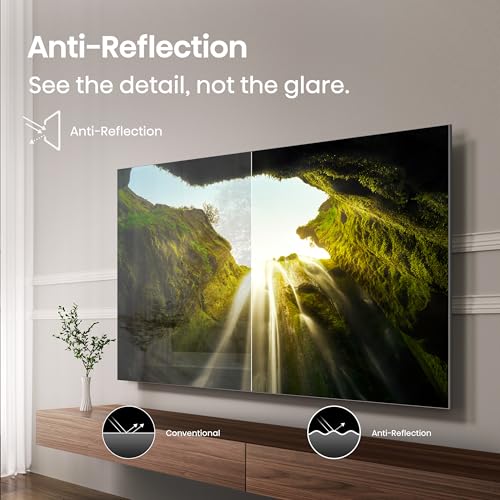
The TCL QM8 excels in bright rooms thanks to its 5,000 nits peak brightness that cuts through ambient light effectively. The Hisense U7 performs best in controlled lighting environments and may struggle with glare and washed-out colors in very bright spaces.
Yes, both the Hisense 100" U7 and TCL 115" QM8 run Google TV with identical interfaces, app selections, and features. The Hisense includes Wi-Fi 6E for potentially better wireless performance, while the TCL uses standard Wi-Fi 6.
The TCL QM8 ($16,999) is superior for dedicated home theaters with its reference-quality 5,000 nits brightness, 20,000 local dimming zones, 115" screen, and premium Dolby Atmos audio system. The Hisense U7 ($2,998) works well in home theaters but is better suited for multi-purpose living spaces.
The Hisense 100" U7 requires 8-12 feet of viewing distance and fits most living rooms, while the TCL 115" QM8 needs 10-14 feet minimum viewing distance and typically requires a dedicated theater room. Both TVs weigh over 200 pounds and need professional installation.
The TCL QM8 delivers superior contrast with its 20,000 local dimming zones creating deep, uniform blacks with no blooming, approaching OLED-level performance. The Hisense U7 provides good contrast for its price range but with 256 zones may show some light bleeding around bright objects in dark scenes.
The Hisense 100" U7 Series ($2,998) is ideal for first-time ultra-large TV buyers, offering an excellent introduction to premium big-screen features without the extreme cost. The TCL 115" QM8 ($16,999) is better for experienced home theater enthusiasts who demand reference-quality performance and have the budget and space requirements.
We've done our best to create useful and informative comparisons to help you decide what product to buy. Our research uses advanced automated methods to create this comparison and perfection is not possible - please contact us for corrections or questions. These are the sites we've researched in the creation of this article: rtings.com - bestbuy.com - rtings.com - lueckeaudiovideo.com - youtube.com - hisense-usa.com - youtube.com - hisense-usa.com - costco.com - hisense-usa.com - pcrichard.com - files.hisense-usa.com - bestbuy.com - youtube.com - hisense-usa.com - displayspecifications.com - bestbuy.com - hisense-usa.com - eftm.com - youtube.com - youtube.com - rtings.com - pcrichard.com - valueelectronics.com - cnet.com - youtube.com - rcwilley.com - greentoe.com - tcl.com - ezown.net - kingsgreatbuys.com - romomattressfurniture.com - abt.com

Privacy Policy
Terms and Conditions - Affiliate Policy
Home Security
© Copyright 2008-2026.
11816 Inwood Rd #1211, Dallas, TX 75244