

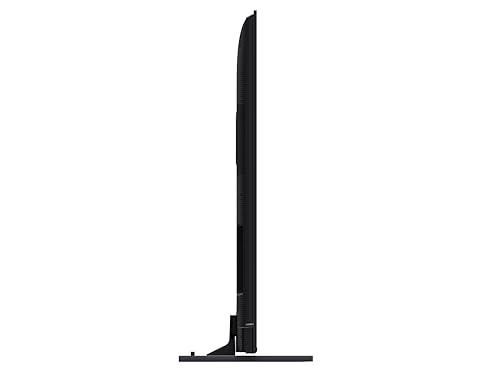
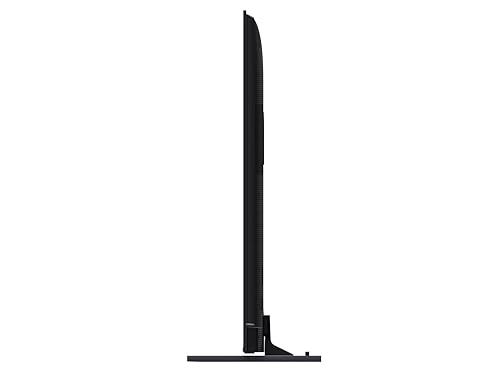
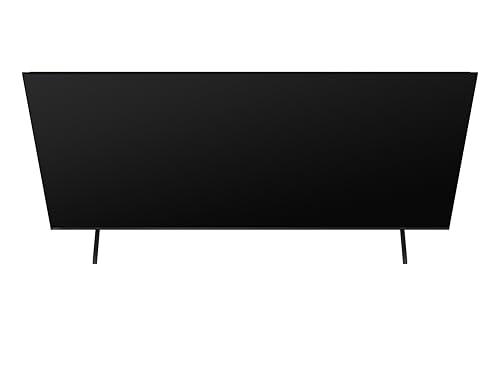
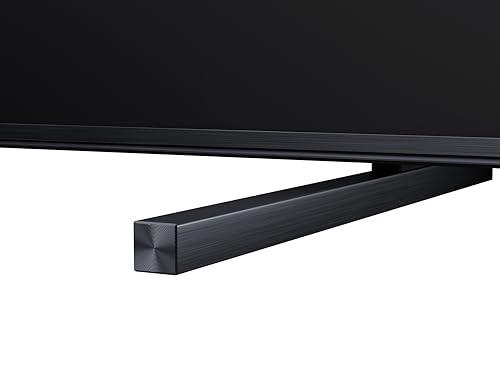
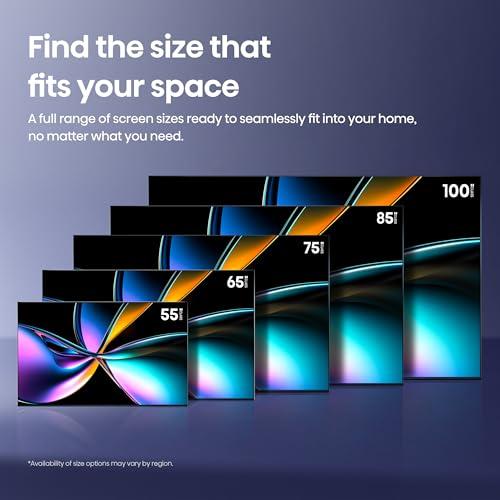
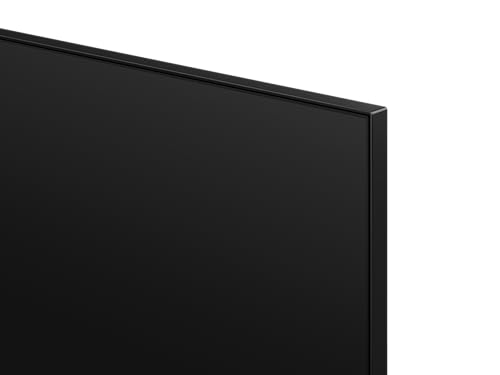
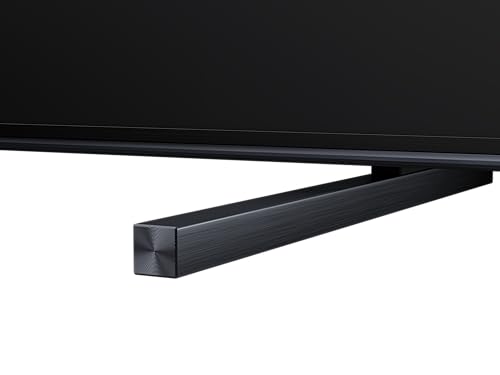
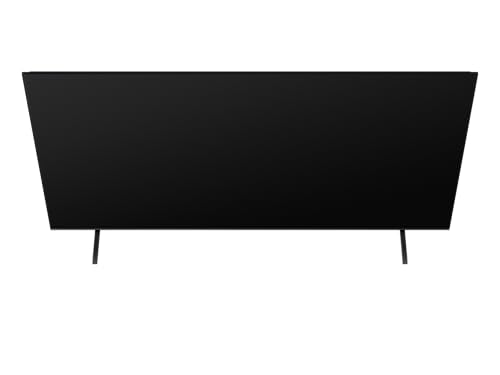
When you're shopping for a massive 100-inch television, you're not just buying a display—you're creating the centerpiece of your home entertainment system. Both the Hisense 100" U6 Series and U7 Series launched in 2025, representing Hisense's latest push into the premium large-format TV market. The question isn't whether these TVs are impressive (they absolutely are), but which one makes the most sense for your specific needs and budget.
At this scale, every technical specification matters more than it would on a smaller screen. Picture quality flaws become magnified, gaming performance differences are more noticeable, and the smart TV experience needs to be rock-solid. After analyzing extensive user feedback and professional reviews, I've found that while both TVs deliver excellent experiences, the choice between them often comes down to your room's lighting conditions and how seriously you take gaming.
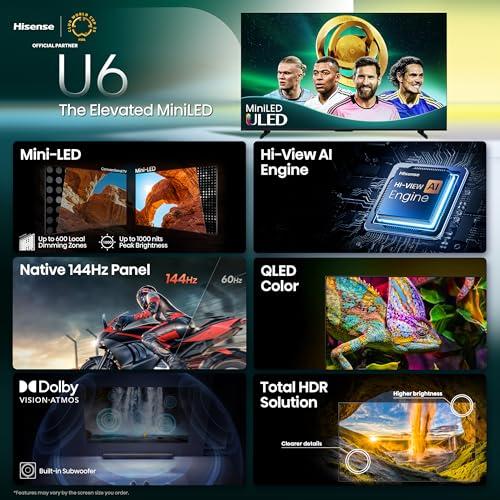
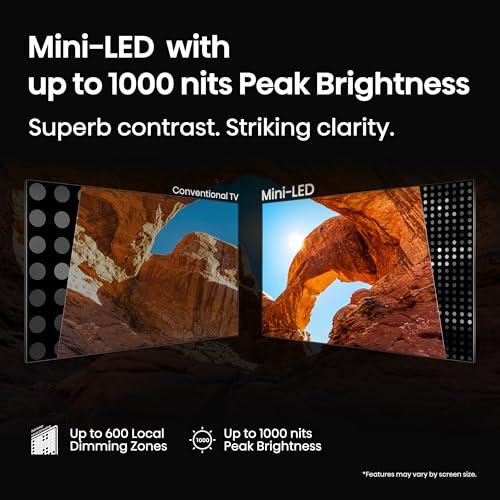
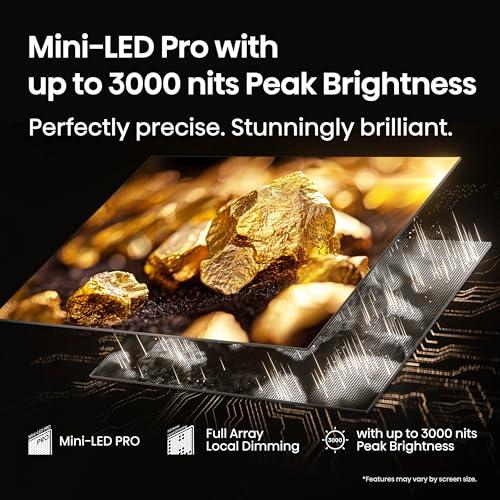
The 100-inch TV market has exploded in recent years, driven by advances in Mini-LED backlighting technology that make these massive displays both affordable and genuinely impressive. Mini-LED backlighting uses thousands of tiny LEDs behind the screen instead of the dozens found in traditional LED TVs. This creates much more precise local dimming zones—areas where the backlight can be independently controlled to create deeper blacks and brighter highlights.
When evaluating TVs this large, the most critical factors are brightness levels (measured in nits), contrast performance, color accuracy, gaming capabilities, and how well the smart platform works day-to-day. Unlike smaller TVs where you might compromise on one area to save money, a 100-inch display demands excellence across the board because any weakness becomes immediately apparent.
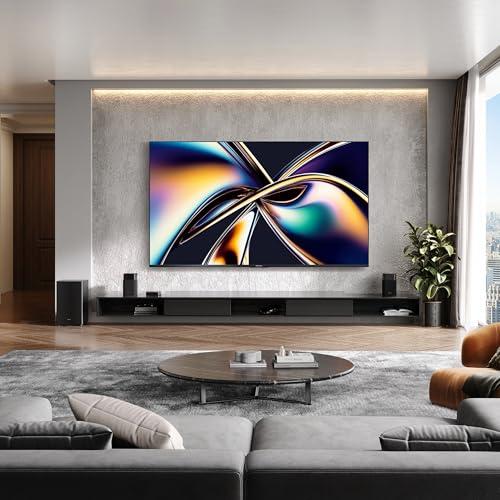
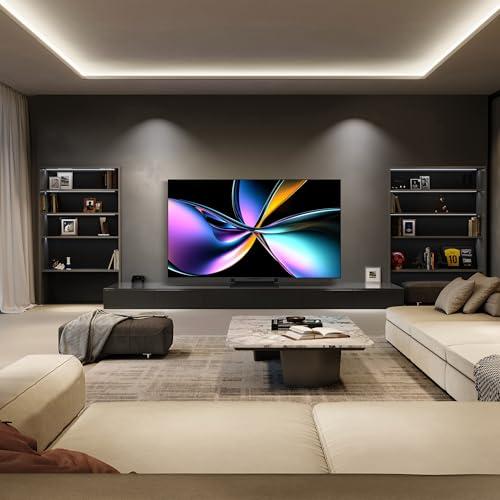
The viewing distance for a 100-inch 4K TV should ideally be between 8-12 feet for the optimal experience. Closer than that and you'll start seeing individual pixels; further away and you're not getting the full impact of that massive screen real estate.
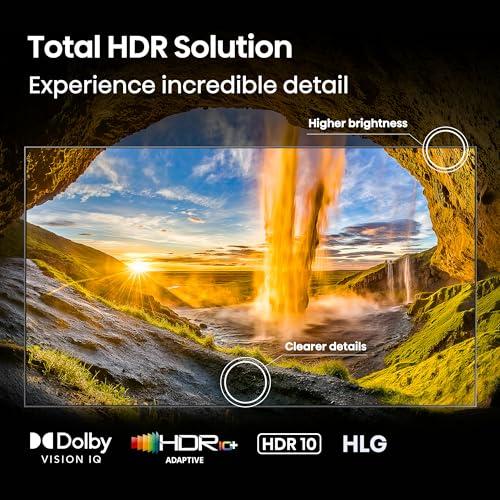
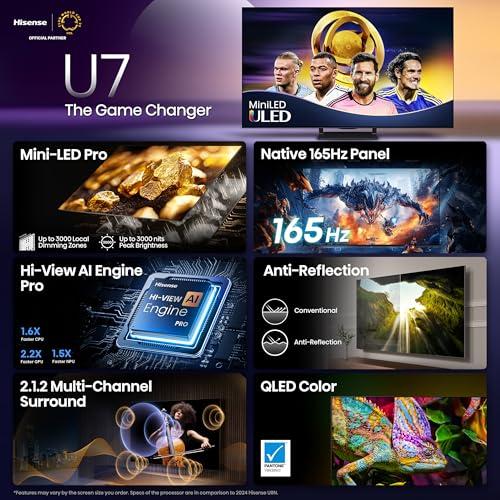
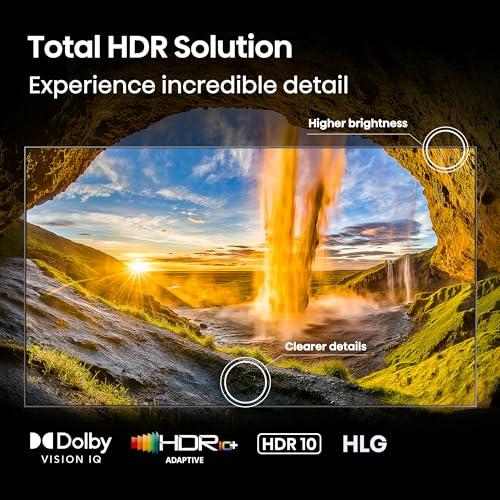
The most significant difference between the U6 and U7 lies in their brightness capabilities. The U7 Series delivers up to 3,000 nits peak brightness compared to the U6's 1,000 nits. To put this in perspective, a typical LED TV might hit 400-600 nits, while HDR content is mastered at 1,000-4,000 nits. This means the U7 can actually display HDR highlights as they were intended to be seen.
In practical terms, this brightness difference transforms how these TVs perform in different environments. The U6 Series delivers excellent picture quality in dark or dimly lit rooms—the kind of basement home theater where you can control every light source. However, place it in a bright living room with large windows, and those impressive black levels and vibrant colors start to wash out under ambient light.
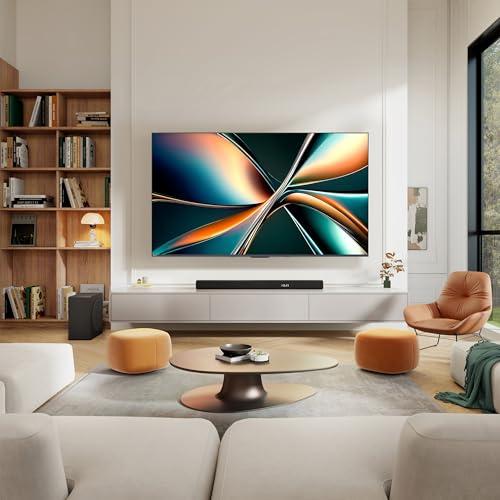
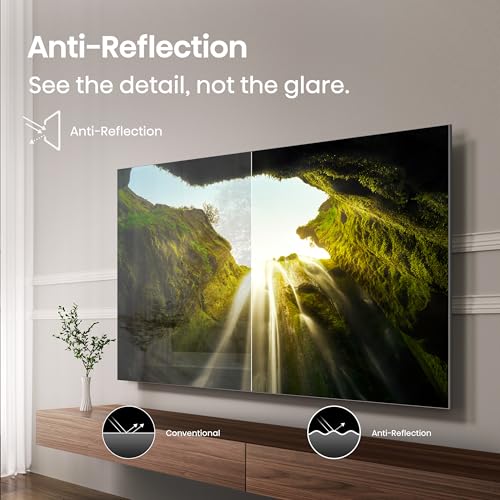
The U7 Series takes a completely different approach with its anti-glare panel technology. This isn't just a marketing term—it's a specialized coating that diffuses reflections rather than creating mirror-like hotspots on the screen. Combined with the higher brightness, this makes the U7 genuinely usable in brightly lit rooms where other TVs would struggle.
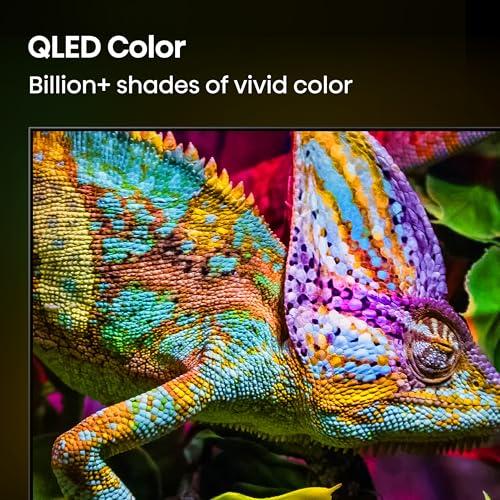
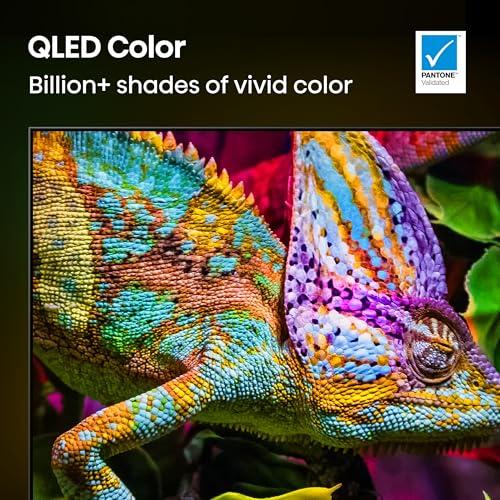
Both TVs use QLED Quantum Dot technology, which employs microscopic crystals that emit precise colors when hit with light. This expands the color gamut (the range of colors the TV can display) significantly beyond what traditional LED TVs can achieve. In our research of user experiences, both models consistently deliver vibrant, accurate colors that make everything from nature documentaries to animated films pop off the screen.
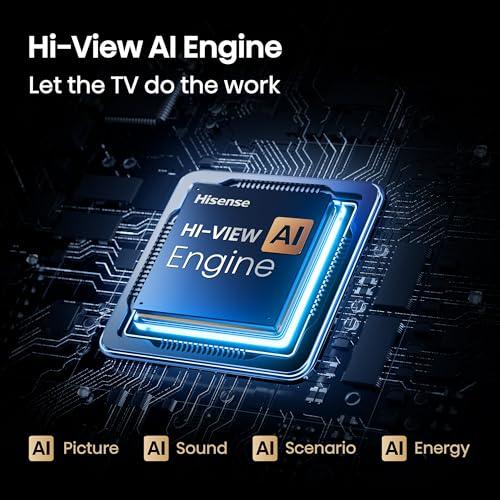
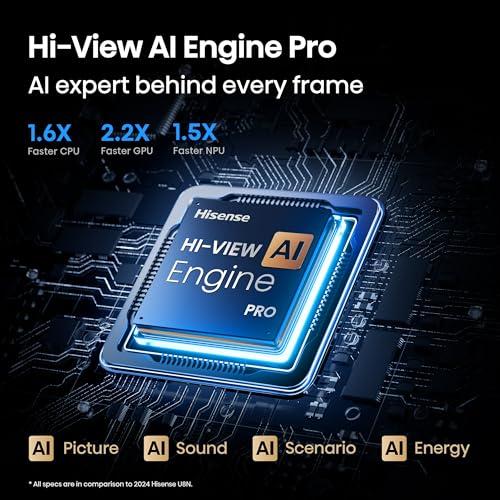
The U7 Series includes Hisense's Hi-View AI Engine Pro, which automatically adjusts picture settings in real-time based on the content being displayed. This means you don't need to constantly fiddle with settings when switching between a dark movie and bright sports content—the TV handles these optimizations automatically.
Gaming on a 100-inch screen is transformative, but only if the TV can keep up with fast-paced action. Here's where the technical differences between these models become crucial for gamers.
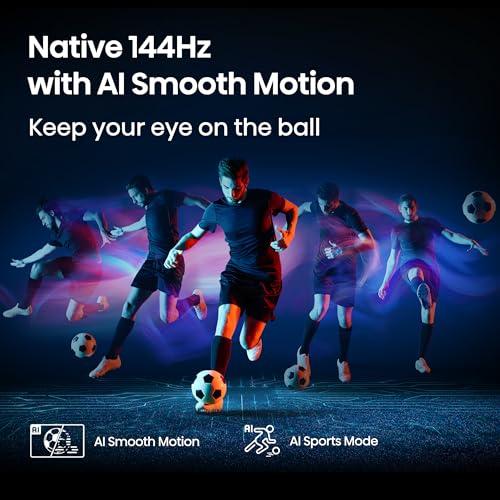
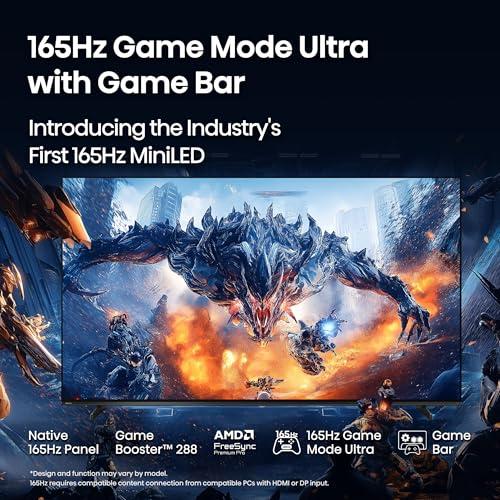
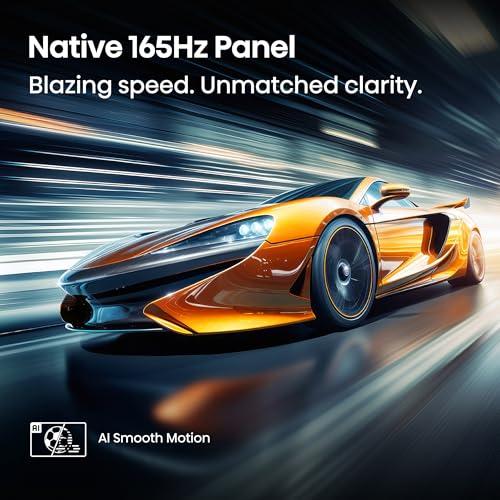
The U7 Series offers a 165Hz native refresh rate compared to the U6's 144Hz. While this might seem like a small difference, it translates to noticeably smoother motion, especially in competitive gaming scenarios. Variable Refresh Rate (VRR) support on both models eliminates screen tearing by synchronizing the TV's refresh rate with your gaming console or PC's output.
Input lag—the delay between when you press a button and see the action on screen—is critical for responsive gaming. Both TVs include Auto Low Latency Mode (ALLM), which automatically switches to game mode when it detects a gaming signal, bypassing unnecessary image processing that could add delay. Based on user reports, both models achieve impressively low input lag in gaming modes, making them suitable for competitive gaming.
The U7 Series includes FreeSync Premium Pro support, which goes beyond basic VRR to ensure consistent frame timing and includes HDR gaming optimizations. This makes a real difference when gaming with modern consoles like the PlayStation 5 or Xbox Series X, which can output 4K HDR at high frame rates.
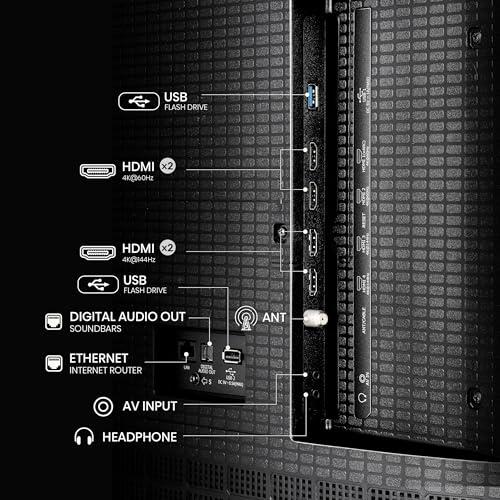
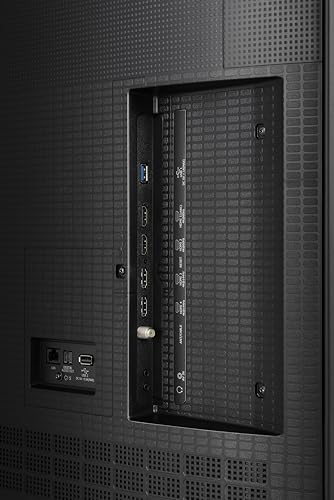
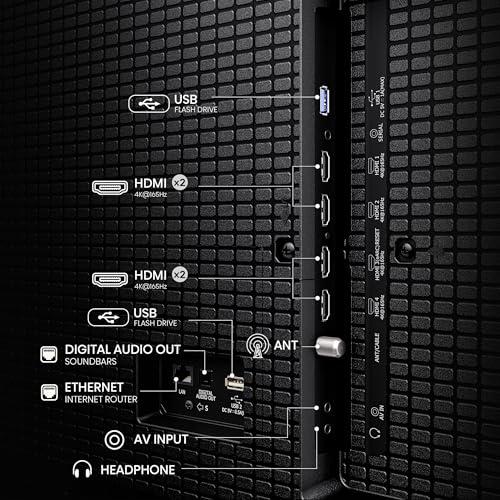
Both TVs support HDMI 2.1, the latest standard that provides enough bandwidth for 4K gaming at high refresh rates. However, the U7's additional gaming features like Dolby Vision Gaming support future-proof it for upcoming games and consoles that will take advantage of these advanced display technologies.
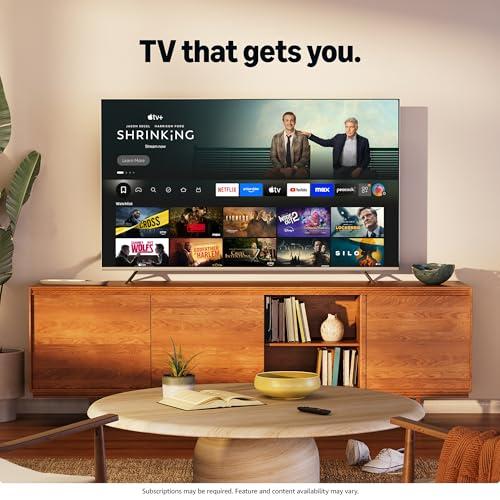
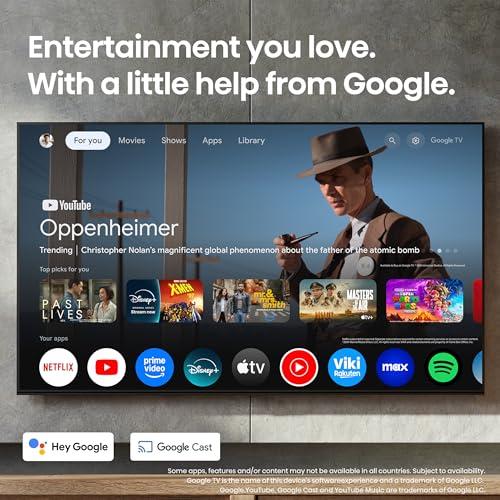
This might be the most personal choice between these two models. The U6 Series runs Amazon Fire TV, while the U7 Series uses Google TV. Both platforms work well, but they cater to different preferences and ecosystems.
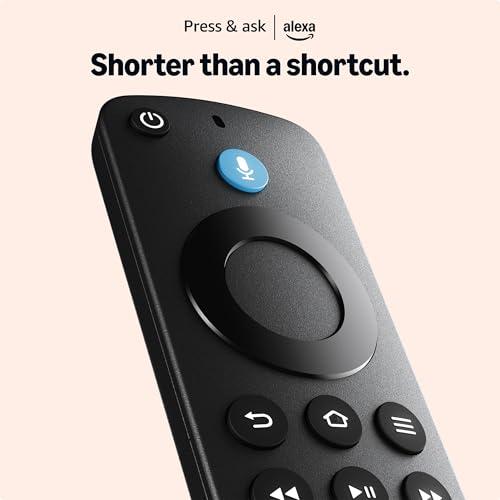
Fire TV excels if you're already invested in Amazon's ecosystem. The integration with Alexa is seamless, making voice control natural and responsive. Prime Video content gets prominent placement, and the interface feels familiar to anyone who's used Amazon's services. The platform has improved significantly in recent years, with faster performance and better app selection.
Google TV offers superior content discovery through its recommendation engine, which pulls from multiple streaming services to suggest shows and movies you might like. The integration with Google Assistant is excellent, and Chromecast built-in makes it effortless to cast content from your phone or laptop. The app selection tends to be slightly better, with faster updates for new streaming services.
From a long-term perspective, Google TV has shown more consistent platform updates and feature additions. However, Fire TV's deep Amazon integration makes it compelling if you frequently use Prime Video or have Echo devices throughout your home.
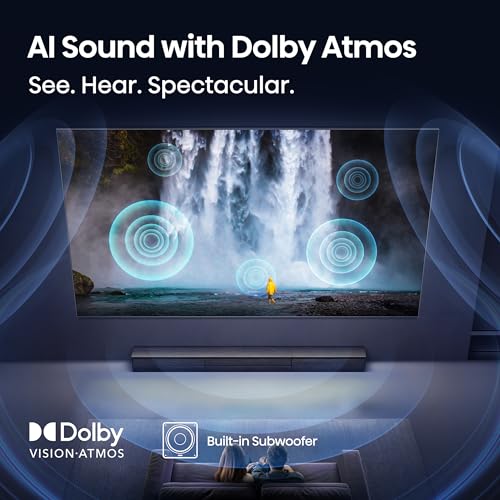
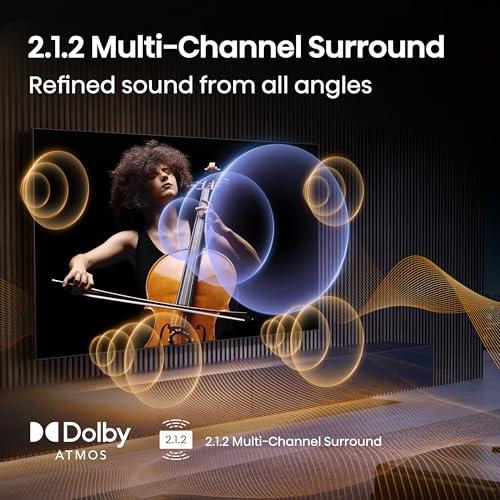
Large TVs often struggle with audio because their thin profiles don't leave room for substantial speakers. Both TVs include Dolby Atmos support, which creates a more immersive audio experience by bouncing sound off your ceiling to simulate overhead audio channels.
The U7 Series includes a more robust 60W 2.1.2 multi-channel audio system compared to the U6's 2.1 setup. While neither will replace a dedicated sound system, the U7's audio is notably fuller and more impactful, especially for dialogue clarity and bass response.
For most users at this screen size, I'd still recommend planning for a soundbar or surround sound system. The sheer scale of a 100-inch display deserves audio that can match, and even the best built-in TV speakers can't compete with dedicated audio components.
Based on extensive research of user experiences and professional reviews, several patterns emerge about how these TVs perform in real homes.
The U6 Series consistently impresses users who install it in dedicated home theater environments. In dark rooms, the Mini-LED backlighting delivers excellent black levels and contrast that rival much more expensive displays. Users particularly praise the color accuracy and the way HDR content looks on the large screen.
However, U6 owners in bright rooms often express frustration with reflection management and washed-out colors during daytime viewing. This isn't a flaw—it's simply the reality of a display optimized for darker environments being used in brighter spaces.
U7 Series users consistently mention the anti-glare panel as a game-changer for bright room viewing. The higher brightness levels mean HDR content maintains its impact even with ambient light present. Gaming performance receives particular praise, with users noting smooth, responsive gameplay that takes full advantage of the massive screen.
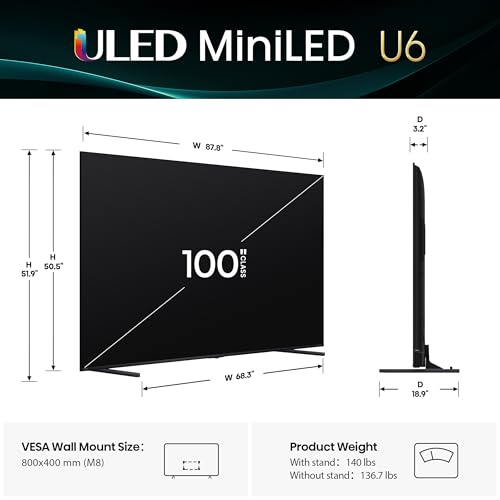
Both models receive strong marks for build quality and reliability, which is crucial given the investment involved in a 100-inch TV. Setup and installation are straightforward, though both TVs require careful planning due to their size and weight.
At the time of writing, these TVs are positioned remarkably close in pricing, with the U7 Series commanding only a modest premium over the U6. This pricing reality significantly impacts the value equation.
The U6 Series represents excellent value for buyers who prioritize getting Mini-LED technology at the largest possible size for the lowest price. If your primary use case is movie watching in a dark room, the U6 delivers 90% of the premium TV experience at the entry-level price point.
The U7 Series offers exceptional value given its modest price premium. The brightness increase alone—three times higher peak brightness—would typically justify a much larger price difference. Add in the gaming improvements, anti-glare panel, and better audio, and the U7 presents one of the best price-to-performance ratios in the large format TV market.
Your TV will live in a dedicated home theater or basement entertainment room where lighting is controlled. The U6 Series excels in these environments, delivering impressive picture quality that will satisfy most viewers. It's also the right choice if you're heavily invested in Amazon's ecosystem and prefer Fire TV's interface and Alexa integration.
Gaming performance on the U6 is more than adequate for casual and even serious gamers, though competitive esports players might notice the difference in refresh rate compared to the U7.
Your TV needs to perform well in a bright living room or family room with large windows or overhead lighting. The anti-glare panel and higher brightness make the U7 Series genuinely usable in these challenging environments where other TVs would struggle.
Gaming is a priority use case, especially if you own current-generation consoles or a gaming PC capable of high frame rate 4K output. The additional gaming features and higher refresh rate justify the premium for serious gamers.
You prefer Google's ecosystem and want the best possible picture quality the platform offers at this size.
After researching user experiences and analyzing the technical specifications, the U7 Series emerges as the better choice for most buyers. The modest price premium delivers substantial improvements in brightness, gaming performance, and room compatibility that significantly expand where and how you can use this massive display.
The U6 Series remains an excellent choice for specific scenarios—primarily dark room installations where its brightness limitations won't matter and budget considerations are paramount.
Both TVs represent the impressive progress in large format display technology. The fact that consumers can now purchase 100-inch Mini-LED TVs with advanced gaming features and smart platforms at these price points would have been unthinkable just a few years ago.
Your decision ultimately comes down to your room's lighting conditions, gaming priorities, and ecosystem preferences. Either way, you're getting a centerpiece display that will transform your home entertainment experience for years to come.
| Hisense 100" U6 Series Mini-LED 4K Fire TV | Hisense 100" U7 Series Mini-LED TV |
|---|---|
| Peak Brightness - Critical for HDR performance and bright room viewing | |
| 1,000 nits (excellent for dark rooms, limited in bright spaces) | 3,000 nits (outstanding HDR highlights, works well in any lighting) |
| Local Dimming Zones - Controls how precise black levels and contrast can be | |
| Mini-LED with standard zone count (very good contrast) | Up to 3,000 zones (exceptional contrast and minimal blooming) |
| Gaming Refresh Rate - Higher numbers mean smoother motion for gaming | |
| 144Hz native (excellent for most gaming scenarios) | 165Hz native (optimal for competitive gaming and sports) |
| Smart TV Platform - Determines interface, apps, and voice control experience | |
| Amazon Fire TV with Alexa integration | Google TV with Google Assistant and Chromecast built-in |
| Anti-Glare Technology - Essential for bright living rooms with windows | |
| Standard panel (reflections can be distracting in bright rooms) | Anti-glare panel (virtually eliminates reflections) |
| Audio System - Built-in sound quality before adding external speakers | |
| 2.1 system with Dolby Atmos (adequate, external sound recommended) | 60W 2.1.2 multi-channel with Dolby Atmos (notably better dialogue and bass) |
| AI Processing - Automatically optimizes picture settings for different content | |
| Standard image processing (manual adjustments often needed) | Hi-View AI Engine Pro (real-time automatic optimization) |
| Gaming Features - Advanced capabilities for console and PC gaming | |
| VRR, ALLM, FreeSync Premium (solid gaming performance) | VRR, ALLM, FreeSync Premium Pro, Dolby Vision Gaming (premium gaming experience) |
| HDR Format Support - Compatibility with different high dynamic range standards | |
| Dolby Vision IQ, HDR10+, HDR10, HLG (comprehensive support) | Dolby Vision, HDR10+, HDR10, HLG (comprehensive support) |
| Best Use Case - Where each TV excels most | |
| Dark home theaters, budget-conscious buyers, Amazon ecosystem users | Bright living rooms, serious gamers, Google ecosystem users |
The primary difference is brightness capability. The Hisense U7 Series delivers up to 3,000 nits peak brightness compared to the U6 Series' 1,000 nits. This makes the U7 much better for bright rooms and delivers more impactful HDR content, while the U6 is optimized for darker viewing environments.
The Hisense U7 Series is superior for gaming with its 165Hz refresh rate, FreeSync Premium Pro support, and Dolby Vision Gaming capabilities. The U6 Series offers solid gaming performance at 144Hz, but serious gamers will notice the smoother motion and advanced features of the U7.
Very important for room compatibility. The U6 Series' 1,000 nits works well in dark or dimly lit rooms but struggles with ambient light. The U7 Series' 3,000 nits maintains picture quality in bright living rooms and delivers HDR content as intended by creators.
We've done our best to create useful and informative comparisons to help you decide what product to buy. Our research uses advanced automated methods to create this comparison and perfection is not possible - please contact us for corrections or questions. These are the sites we've researched in the creation of this article: bestbuy.com - rtings.com - youtube.com - rtings.com - youtube.com - youtube.com - <a href="https://www.costco.com/hisense-100%22-class---u6-series---4k-mini-led-smart-tv---allstate-3-year-protection-plan-bundle-included-for-5-years-of-total-coverage.product.4000374743.html">costco.com - pcrichard.com - hisense-usa.com - electronicexpress.com - pcrichard.com - circuitworldonline.com - bestbuy.com - bestbuy.com - premiumincentive.com - hisense-usa.com - hisense-usa.com - pcrichard.com - rtings.com - bestbuy.com - hisense-usa.com - avsforum.com - rtings.com - bestbuy.com - rtings.com - lueckeaudiovideo.com - youtube.com - hisense-usa.com - youtube.com - hisense-usa.com - <a href="https://www.costco.com/hisense-100%22-class---u7-series---4k-uhd-qled-lcd-tv---allstate-3-year-protection-plan-bundle-included-for-5-years-of-total-coverage.product.4000285099.html">costco.com - hisense-usa.com - pcrichard.com - files.hisense-usa.com - bestbuy.com - youtube.com - hisense-usa.com - displayspecifications.com - bestbuy.com - hisense-usa.com - eftm.com - youtube.com - youtube.com

Privacy Policy
Terms and Conditions - Affiliate Policy
Home Security
© Copyright 2008-2026.
11816 Inwood Rd #1211, Dallas, TX 75244