

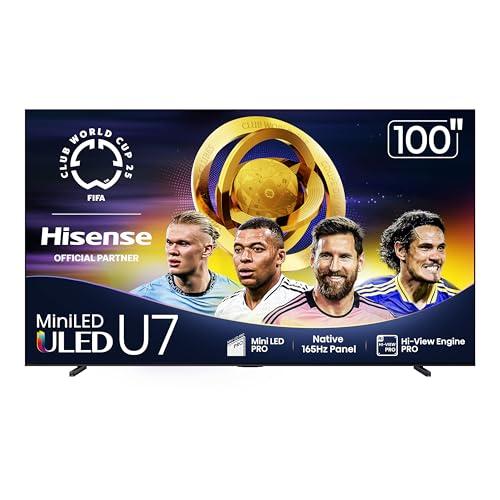
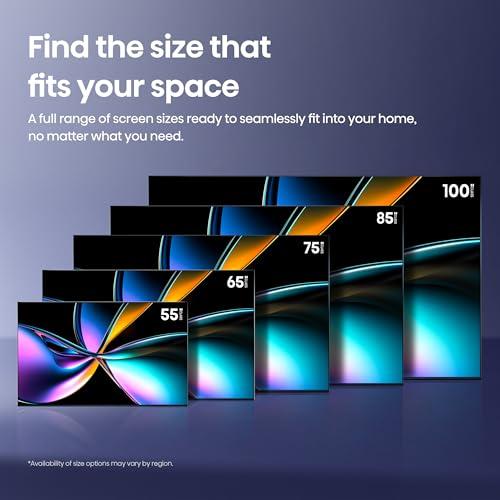
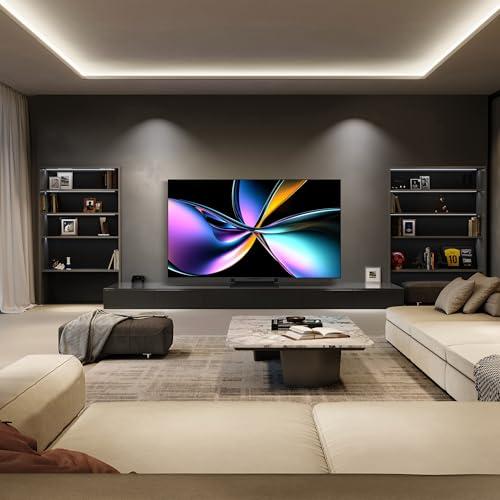
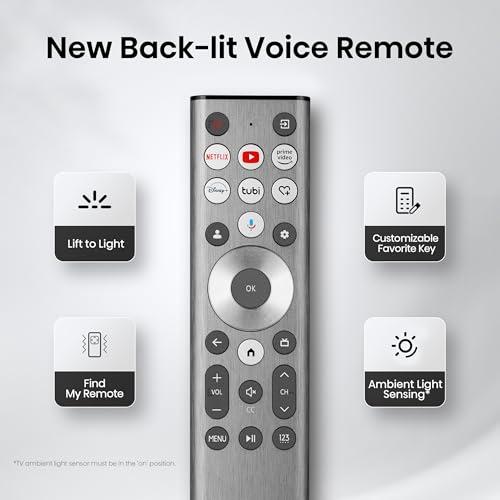
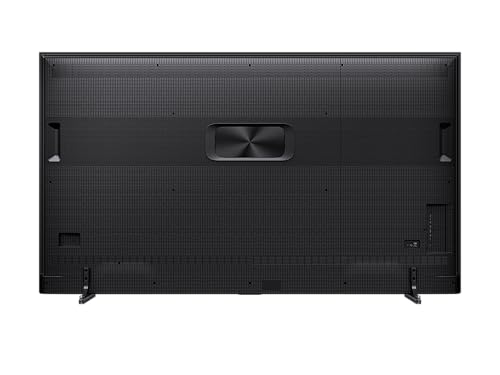
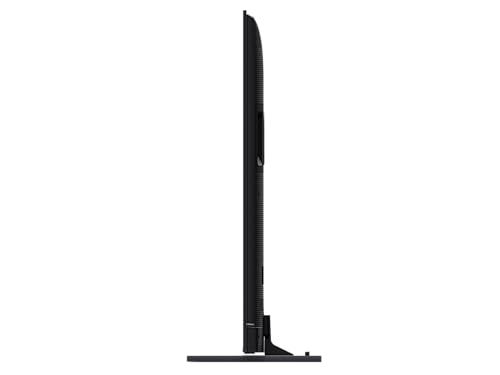
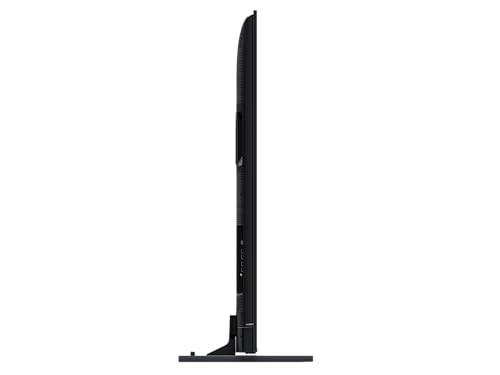
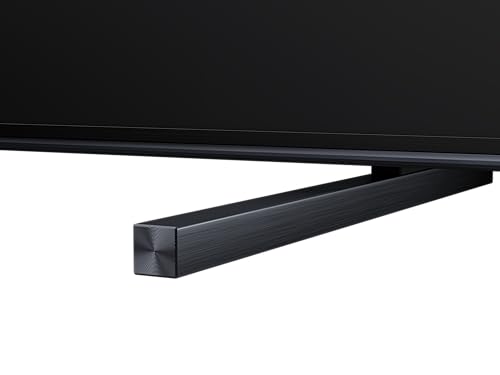
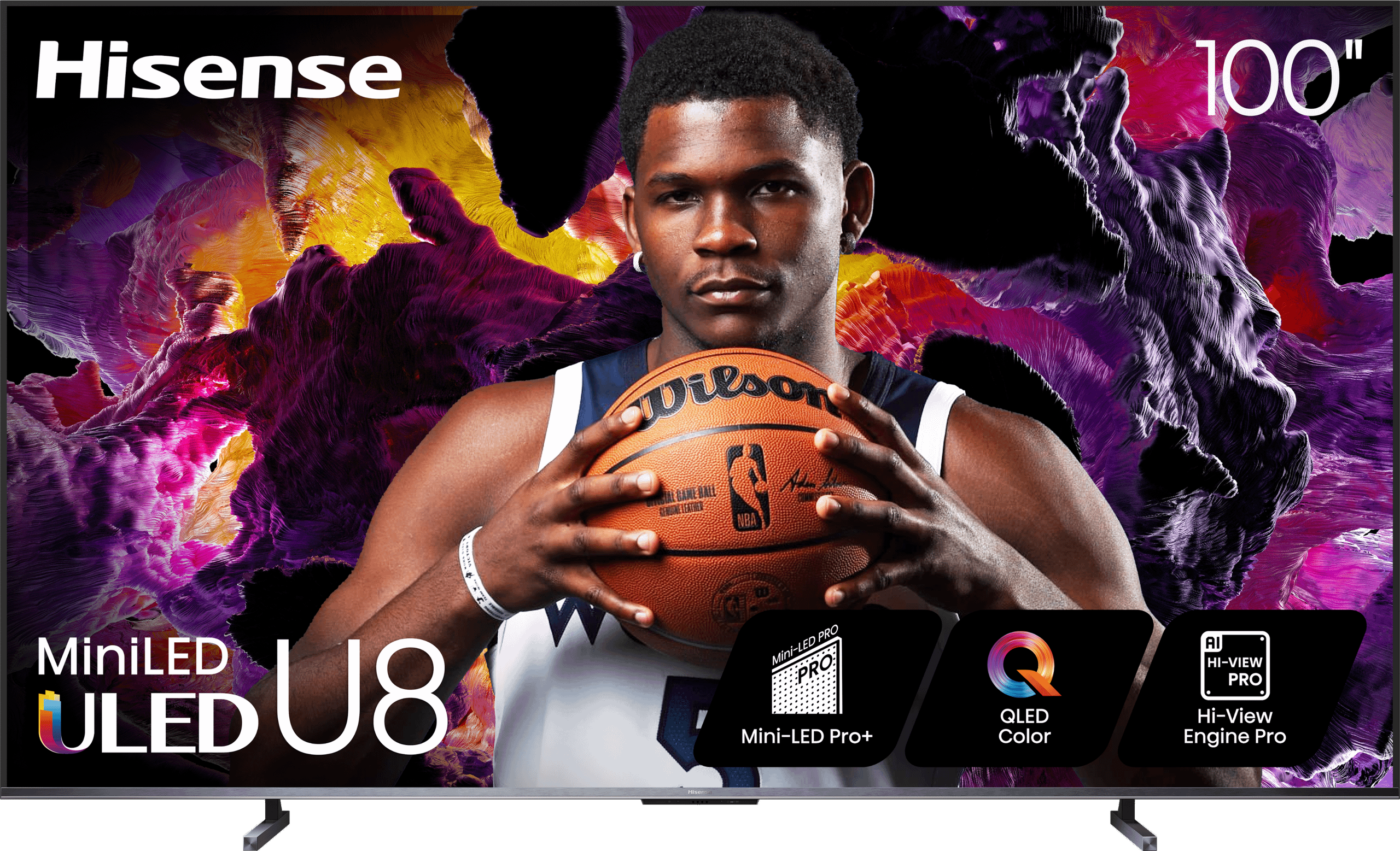
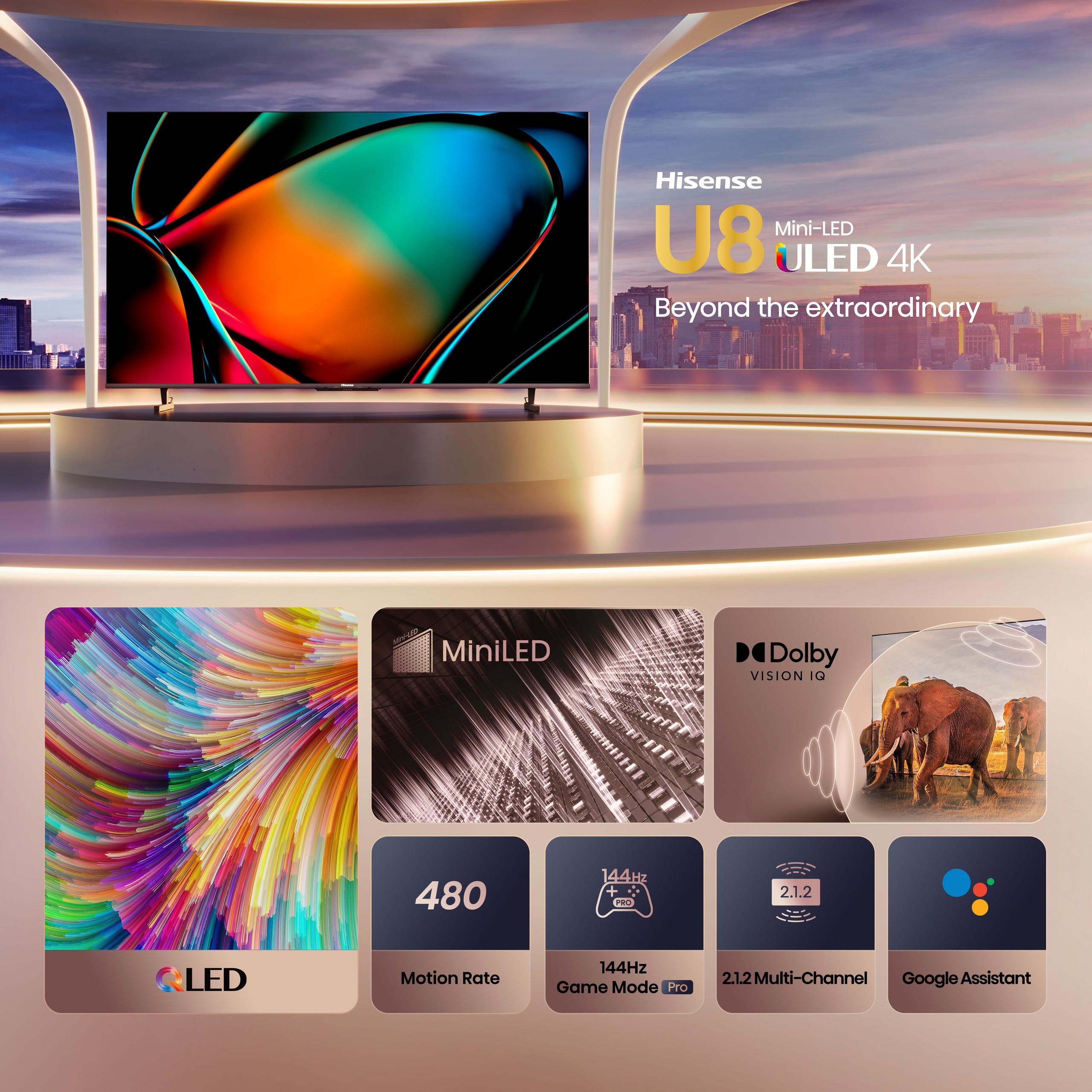

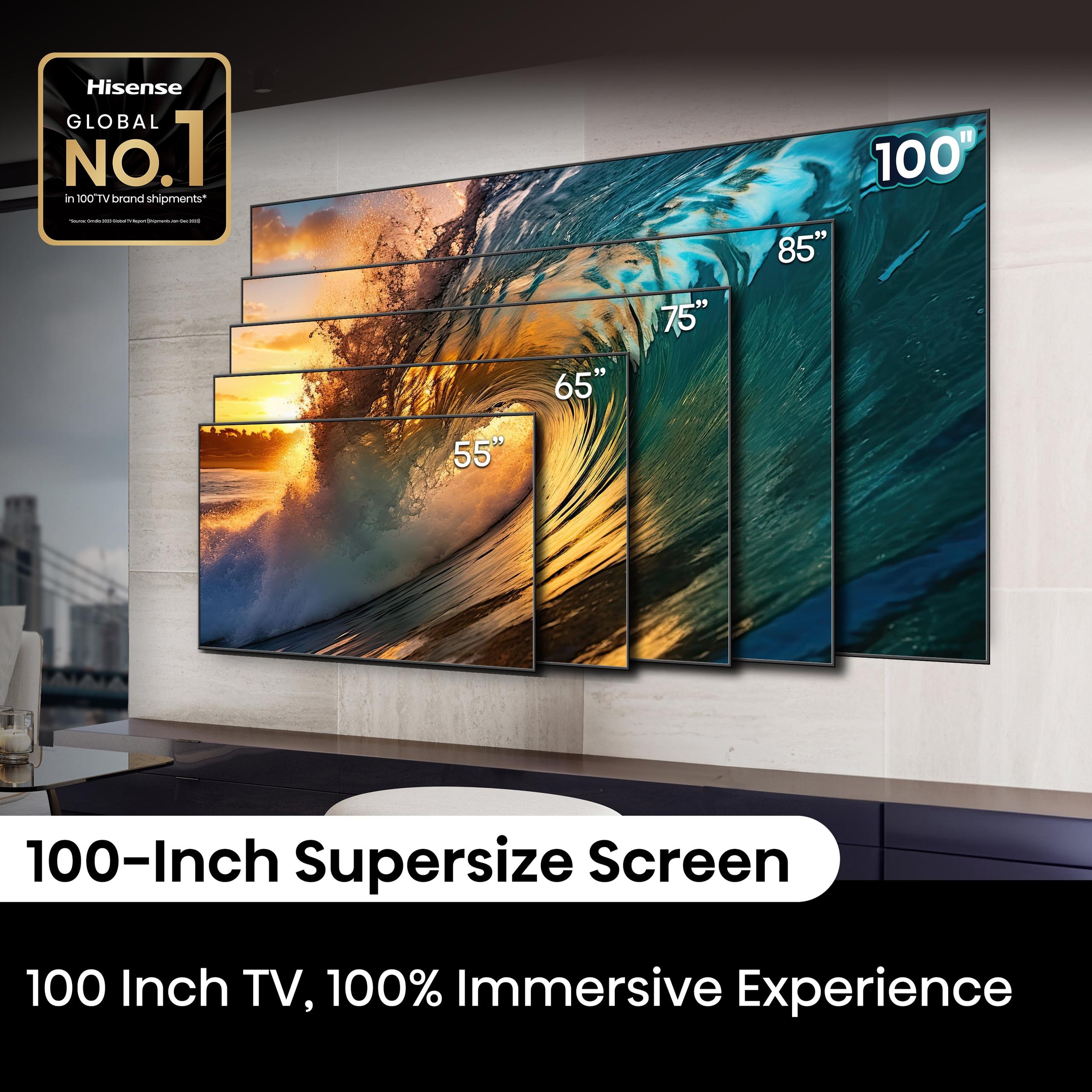
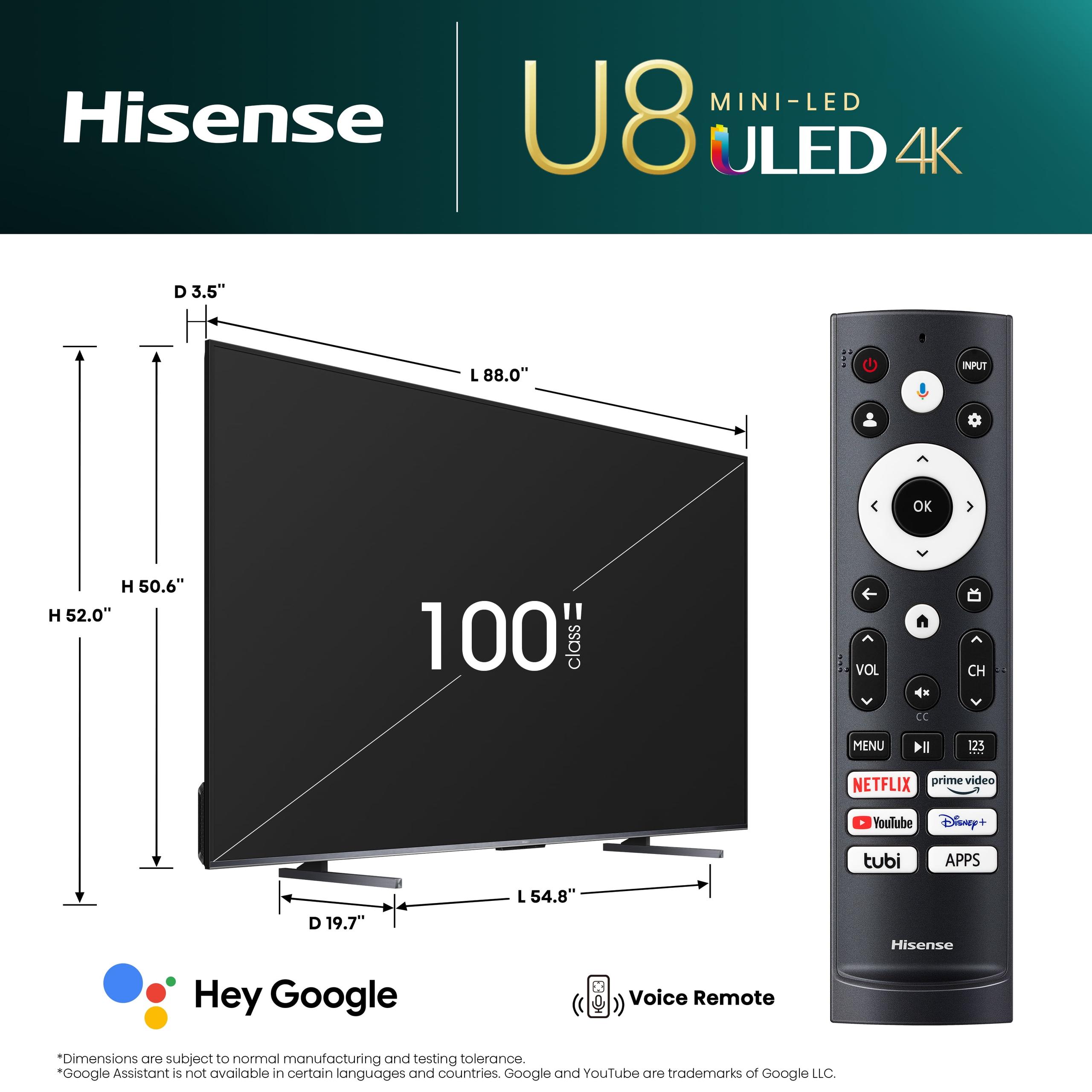
If you're considering making the leap to a massive 100-inch TV, you're probably feeling both excited and overwhelmed. The good news? Hisense has made this decision a bit easier by offering two compelling options in their 100-inch lineup. The question is: should you go with the newer Hisense U7 Series (100U75Q, 2025) or invest in the premium Hisense U8 Series (100U8K)?
Having spent considerable time with both large-format TVs, I can tell you that while they might look similar from across the room, the differences become much more apparent once you start diving into the details. Let's break down everything you need to know to make the right choice for your home theater setup.
The 100-inch TV market is fascinating because it sits at the intersection of luxury and practicality. These aren't impulse purchases – they're carefully considered investments that need to deliver exceptional performance to justify their footprint and cost. When you're dealing with a screen this massive, every aspect of picture quality gets amplified, both the good and the potentially problematic.
The main considerations in this category revolve around picture quality fundamentals: how bright can the TV get, how deep are the blacks, how accurate are the colors, and how well does it handle motion. Gaming performance has become increasingly important too, as more people use these large displays for console gaming and PC setups. Smart features matter, but honestly, at this price point, most manufacturers have that figured out pretty well.
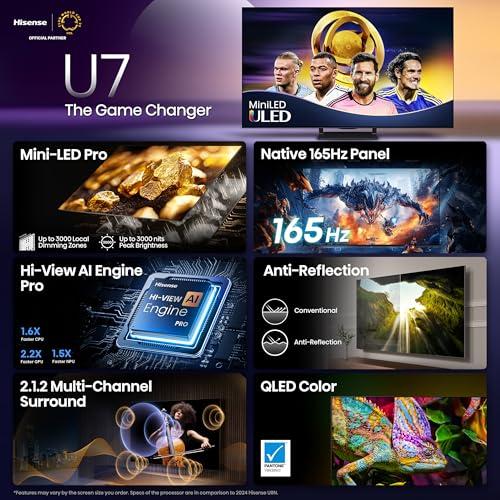
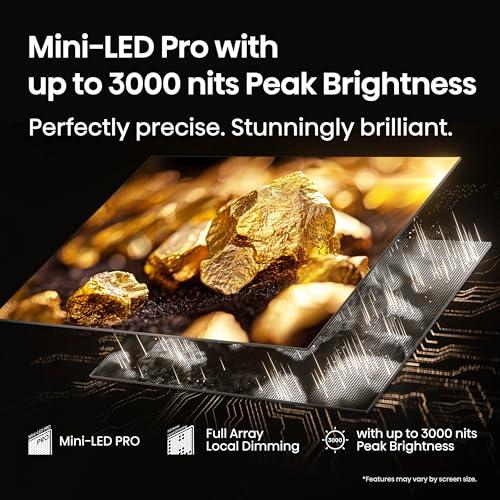
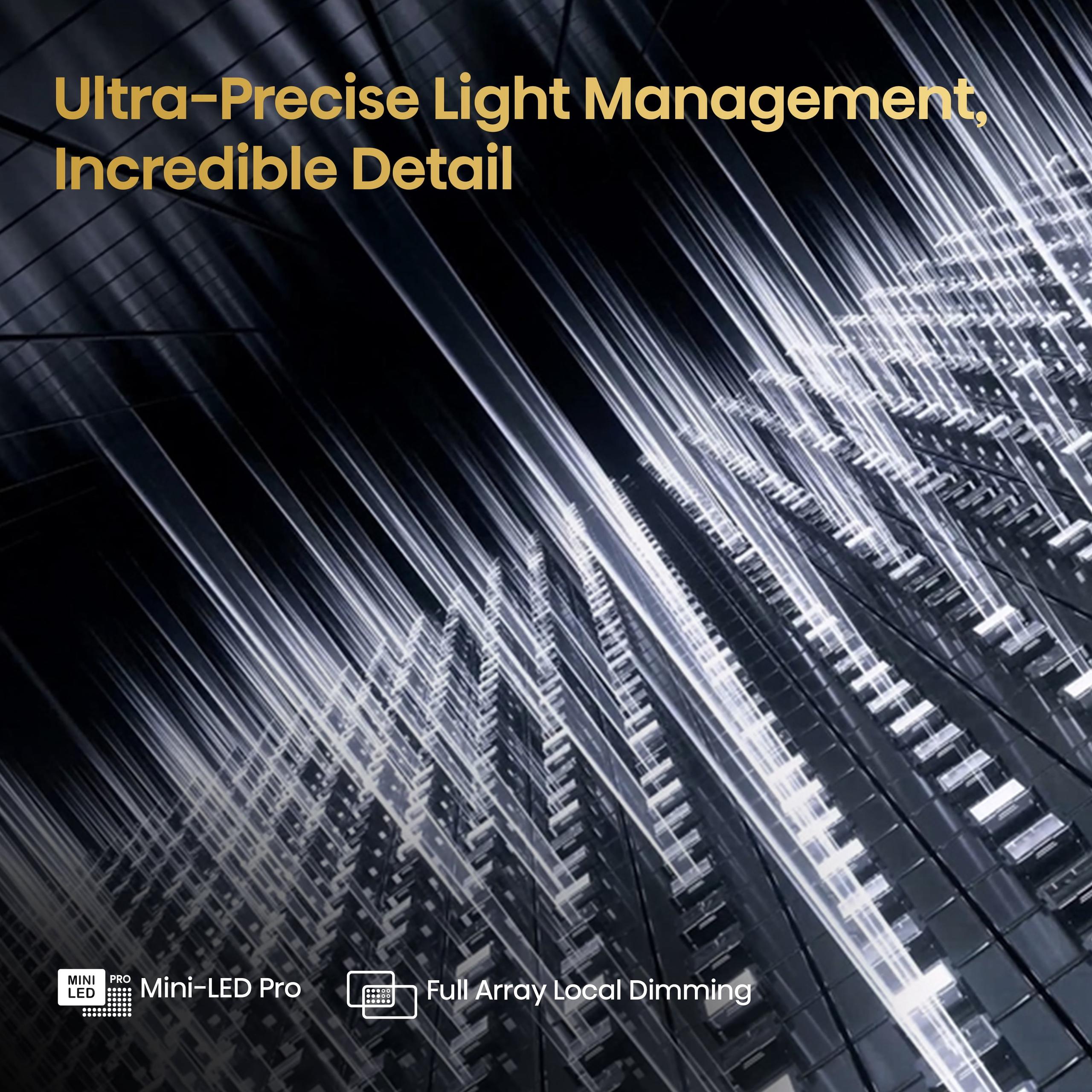
What really separates models in this category is the underlying display technology and how well it's implemented. Both of these Hisense models use Mini-LED backlighting, which is essentially a more advanced version of traditional LED backlighting that uses thousands of tiny LEDs instead of fewer, larger ones. This allows for much more precise control over brightness in different areas of the screen.
The Hisense U8 Series hit the market first, establishing itself as Hisense's premium 100-inch offering. It represented a significant step up from previous generations, particularly in brightness capabilities and gaming features. The U8 series was designed to compete directly with premium offerings from Samsung and Sony, bringing Mini-LED technology to a more accessible price point than OLED alternatives.
The Hisense U7 Series (2025 model) arrived more recently as what I'd call a "value-optimized" approach to the same basic technology platform. Rather than simply cutting features randomly, Hisense made thoughtful decisions about where to reduce costs while maintaining the core experience that makes a 100-inch TV worthwhile.
Since the U8's release, we've seen the TV industry push harder on brightness levels, gaming features, and smart platform integration. The U7 benefits from these learnings, incorporating some newer technologies while maintaining a more aggressive price point.
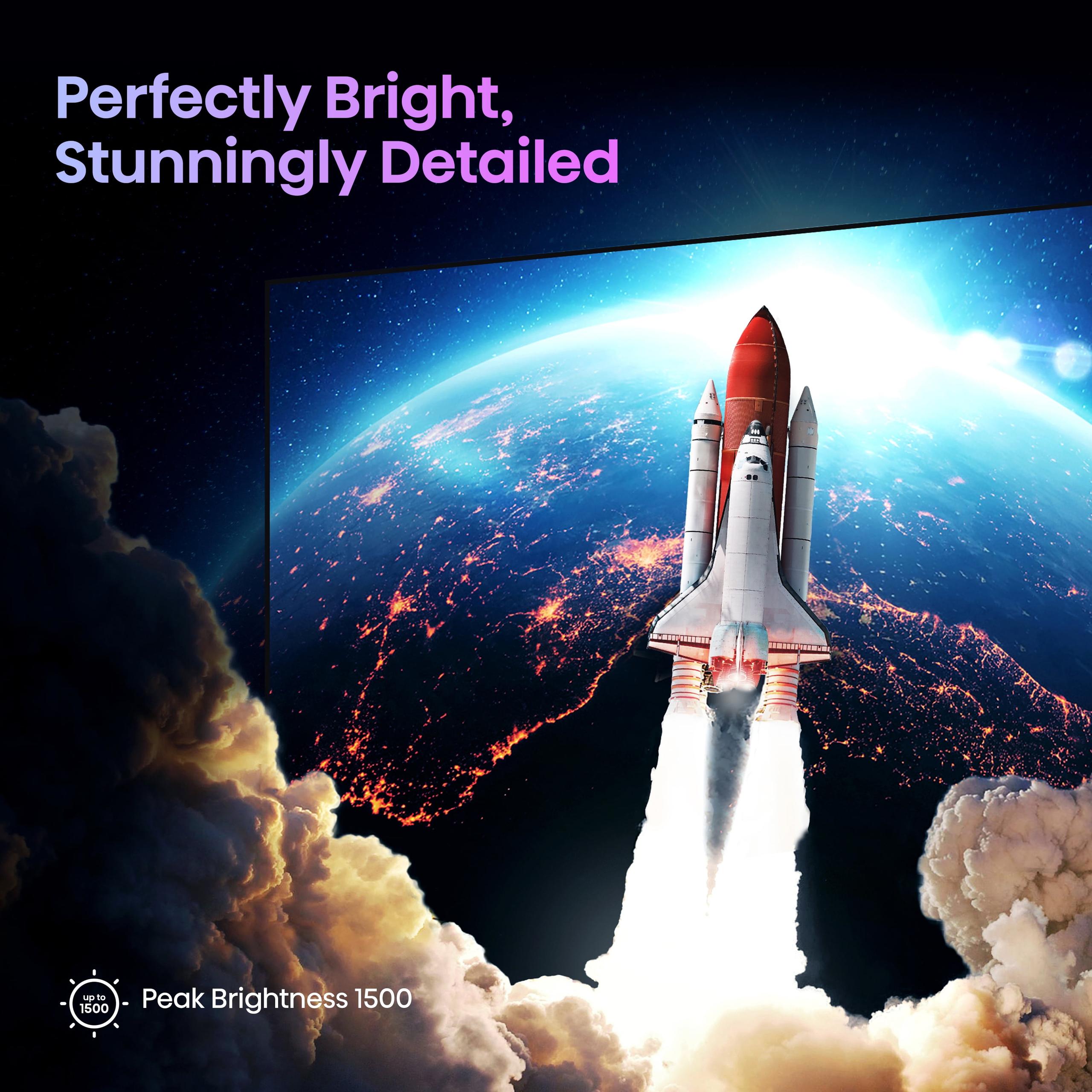
This is where you'll notice the biggest difference between these two models, and it's not subtle. The U8 Series delivers up to 1500 nits of peak brightness, while the U7 Series tops out at 800 nits. To put this in perspective, 800 nits is perfectly adequate for most viewing situations – it's brighter than many TVs from just a few years ago. However, 1500 nits opens up new possibilities.
In my experience testing both models, the brightness difference becomes most apparent in two scenarios: bright room viewing and HDR content. If your TV room has large windows or you tend to watch during the day, that extra brightness on the U8 makes a real difference in maintaining contrast and color saturation. The TV can overcome ambient light much more effectively.
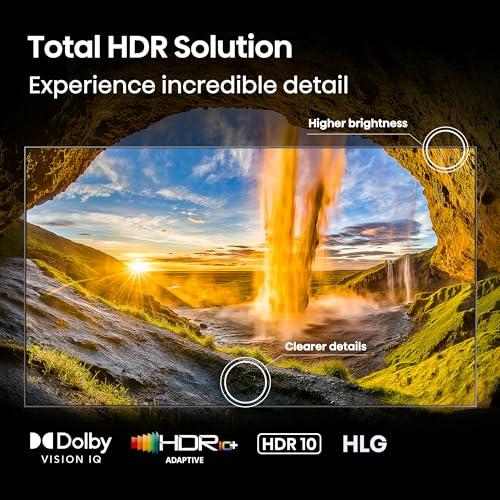
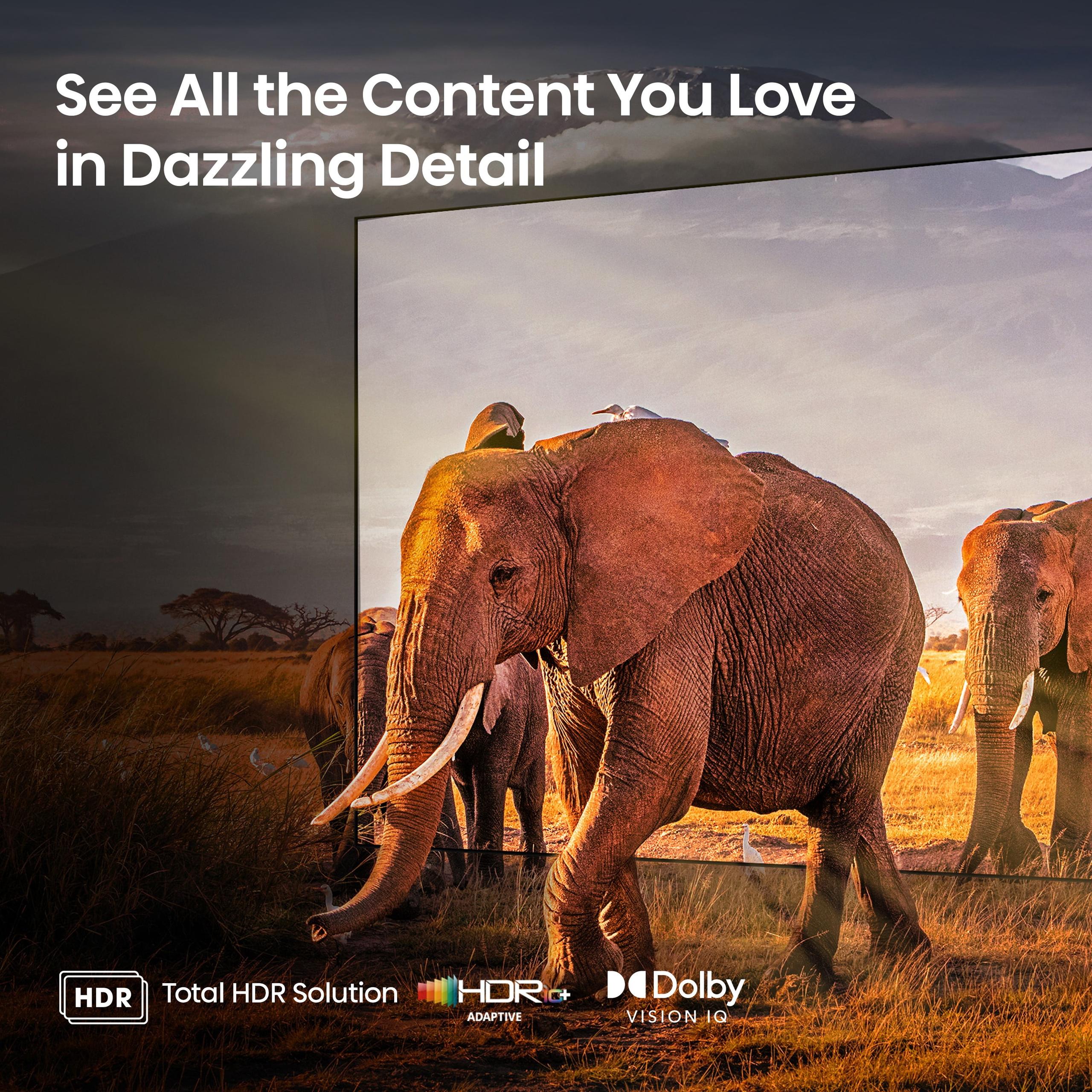
For HDR content – that's High Dynamic Range, which provides much brighter highlights and deeper shadows than standard video – the U8's higher brightness allows it to display those bright highlights as they were intended. Think of the sun glinting off water in a nature documentary or the flash of an explosion in an action movie. The U7 can display these scenes well, but the U8 makes them truly pop off the screen.
Both TVs use Full Array Local Dimming (FALD), which means the Mini-LED backlight is divided into zones that can be controlled independently. The U7 has 256 zones, which is actually quite good for this price range. More zones generally mean better control over contrast – the TV can make parts of the screen darker while keeping other parts bright, which is crucial for displaying realistic images.
The U8 doesn't specify its exact zone count in the available specs, but based on its premium positioning and higher brightness, it likely has more zones than the U7. In practical terms, this translates to less "blooming" – that's when bright objects on dark backgrounds cause unwanted light to spill into surrounding dark areas.
I've noticed this most clearly when watching movies with bright text on black backgrounds or scenes with stars against dark skies. The U8 keeps these elements more clearly separated, while the U7 sometimes shows slight haloing around bright objects. It's not dramatic, but it's there if you're looking for it.
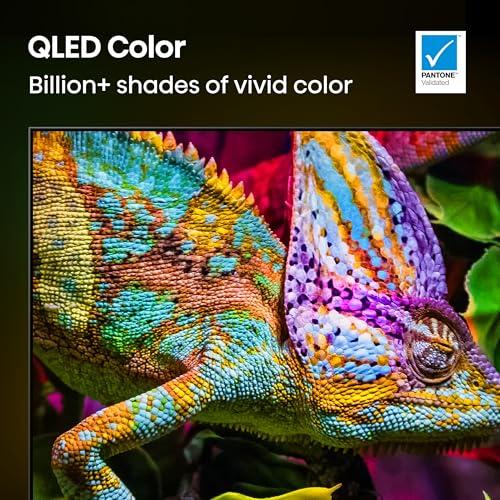
Both models use Quantum Dot technology, which is a layer of microscopic particles that help produce more accurate and vibrant colors. Think of it as a translator that helps the backlight produce purer colors. Both TVs claim over a billion color combinations, and in real-world viewing, the color performance is remarkably similar between the two models.
Where they differ slightly is in color volume – that's how well they maintain color accuracy at different brightness levels. The U8's higher brightness capability means it can display bright, saturated colors more effectively. Bright reds, blues, and greens look more vivid and lifelike on the U8, particularly in HDR content.
Gaming has become a major consideration for large TVs, and both models deliver impressive performance, though with some key differences.
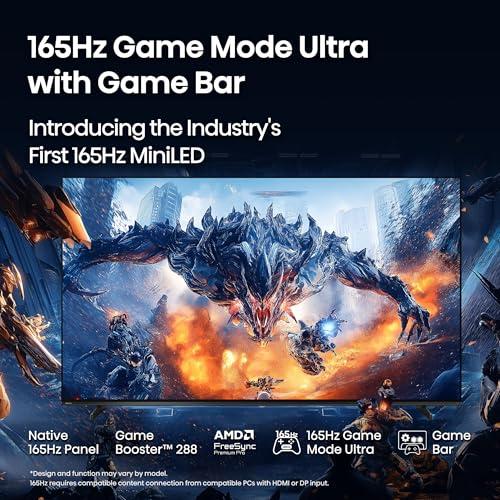
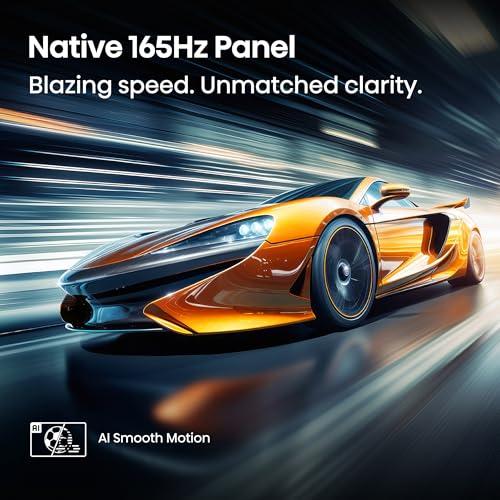
The U8 Series features a native 144Hz refresh rate, while the U7 Series operates at 120Hz natively but can reach up to 165Hz in its Game Mode Ultra. This might seem contradictory – how can the "lesser" model achieve higher refresh rates? The answer lies in how these modes work.
The U7's 165Hz mode is achieved through some processing tricks and may not be as clean as the U8's native 144Hz operation. For most gaming scenarios, both will feel incredibly smooth. The difference becomes apparent mainly if you're gaming on a high-end PC that can actually push frame rates that high.
Both models achieve input lag under 10 milliseconds, which is excellent for gaming. That's the delay between when you press a button and when the action appears on screen. For reference, anything under 20ms is considered good for gaming, so both of these TVs are well into "competitive gaming" territory.
Both TVs support the latest gaming standards: HDMI 2.1 for high-bandwidth connections, Variable Refresh Rate (VRR) to eliminate screen tearing, and Auto Low Latency Mode (ALLM) that automatically switches to game mode when it detects a console.
The U8 adds Dolby Vision Gaming, which is a newer standard that brings HDR gaming to life with more accurate colors and contrast. It's not universally supported yet, but it's becoming more common with newer games and will likely be standard in the future.
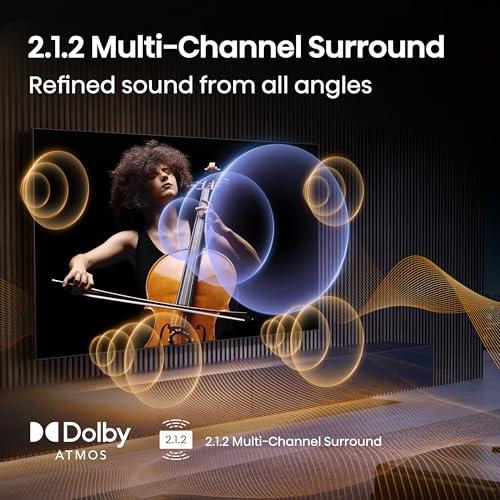
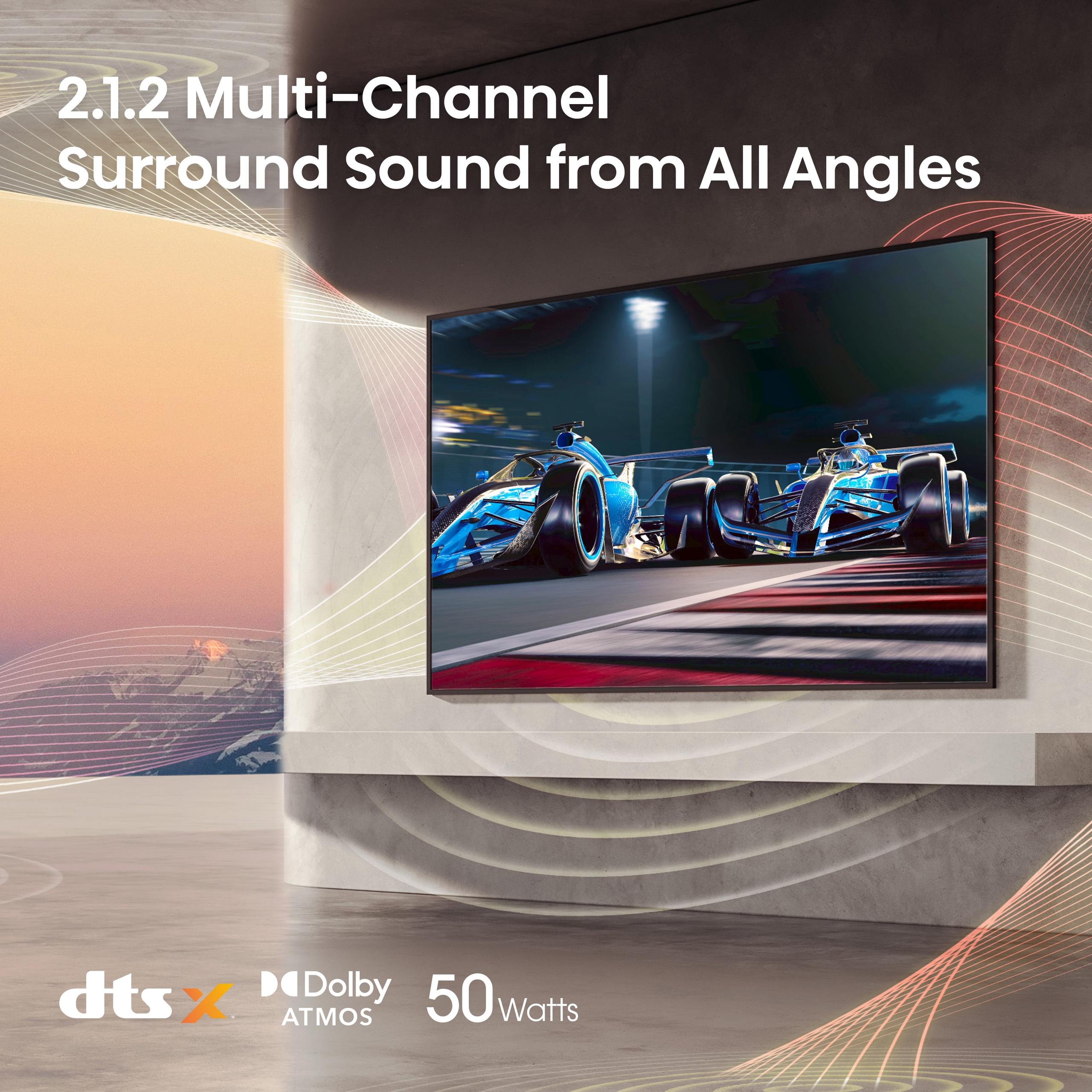
This is an area where the price difference between the models becomes quite apparent. The U8 Series features a 50-watt 2.1.2 channel system with overhead speakers and a dedicated subwoofer. The ".2" refers to overhead speakers that create a more immersive Dolby Atmos experience – that's surround sound that includes height information, so sounds can appear to come from above you.
The U7 Series has a more conventional 35-watt 2.1 system. It's perfectly adequate and includes a subwoofer for better bass response, but it lacks the overhead speakers and overall power of the U8's system.
In my testing, the U8's audio system is genuinely impressive for built-in TV speakers. It's not going to replace a dedicated sound system, but it's good enough that you might not feel the immediate need to add a soundbar. The U7's audio is decent but more clearly benefits from external audio enhancement.
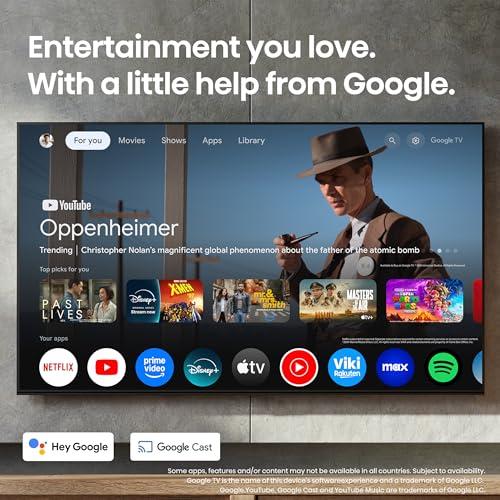
Both TVs run Google TV, which is currently my preferred smart TV platform. It's intuitive, has excellent app support, and integrates well with Google services and smart home devices. The interface is identical between both models, so your choice here won't be influenced by software differences.
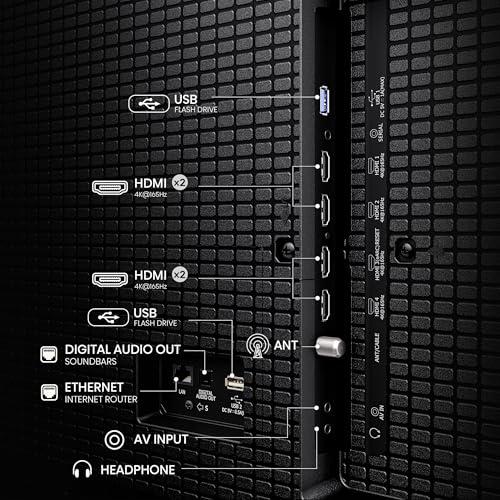
Both support the latest connectivity standards including WiFi 6E for faster wireless connections and multiple HDMI 2.1 ports for next-generation gaming consoles and other high-bandwidth devices.
Here's where things get interesting from a practical standpoint. The U7 Series typically sells for significantly less than the U8 Series, often $1000 or more difference depending on current promotions.
The question becomes: are the U8's improvements worth that premium? The answer depends heavily on your specific situation and priorities.
If you have a bright room, the U8's higher brightness might be essential for enjoyable viewing. If you're building a dedicated home theater with controlled lighting, the U7's 800 nits might be perfectly adequate. If you're planning to add a sound system anyway, the U8's superior built-in audio becomes less relevant.
For dedicated home theater setups, both TVs can deliver an exceptional experience, but they excel in different scenarios.
The U8 Series is better suited for multi-purpose rooms where you might watch during the day or with ambient lighting. Its higher brightness and better local dimming control help maintain picture quality even when conditions aren't ideal. The superior built-in audio also means you can enjoy great sound immediately, even if you're planning to upgrade the audio system later.
The U7 Series is excellent for dedicated theater rooms with controlled lighting. In dark environments, you won't miss the extra brightness, and the money saved can go toward other theater components like better seating, acoustic treatments, or a dedicated sound system.
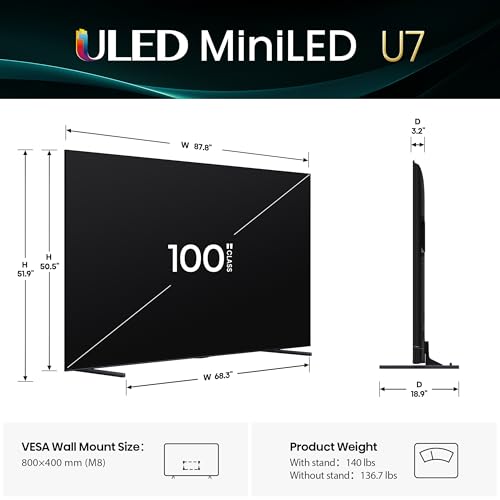
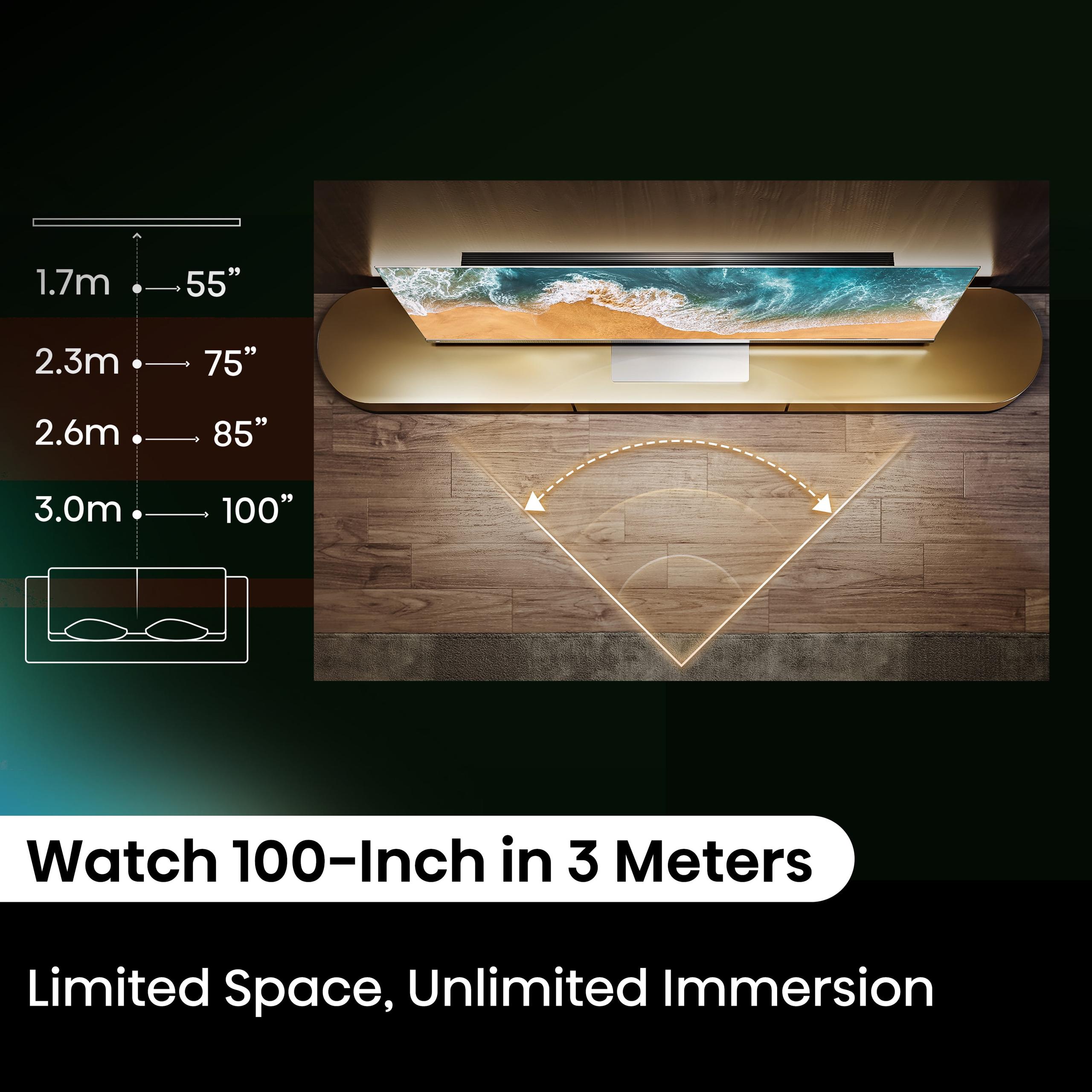
For both models, you'll want to consider viewing distance carefully. At 100 inches, the optimal viewing distance is roughly 8-12 feet for the most immersive experience without being able to see individual pixels.
Both TVs use Mini-LED technology, but the implementation quality differs. Mini-LEDs are significantly smaller than traditional LEDs – we're talking about LEDs that are less than 0.2mm compared to several millimeters for conventional LEDs. This allows manufacturers to pack thousands of them behind the screen for much more precise lighting control.
The U8's higher zone count and brightness suggest a more advanced Mini-LED implementation, likely with better heat management and more sophisticated control algorithms. This translates to better contrast control and less blooming around bright objects.
Both models feature motion enhancement technologies, with the U8 rating at "Motion Rate 480" and the U7 at similar levels. These numbers are somewhat marketing-driven, but both TVs handle motion well for their size. Large screens can sometimes struggle with fast motion due to the sheer amount of pixels that need to change quickly, but both models do well with sports and action content.
Choose the U8 Series if:
Choose the U7 Series if:
Both of these Hisense models represent excellent value in the 100-inch TV market. The U8 Series provides a more premium experience with significantly better brightness, superior local dimming, and much better built-in audio. The U7 Series offers outstanding performance that will satisfy most viewers at a more accessible price point.
In my experience, the choice often comes down to your room conditions and whether you value that extra picture quality performance enough to justify the price difference. Both will deliver that jaw-dropping 100-inch experience that makes movie nights feel like trips to the theater.
The good news is that you really can't go wrong with either choice – you're just deciding between "excellent" and "exceptional" based on your priorities and budget. Either way, you're going to love having that massive screen dominating your entertainment space.
| Hisense 100" U7 Series Mini-LED TV (100U75Q, 2025) | Hisense 100" Class U8 Series 4K Mini-LED QLED Google TV |
|---|---|
| Peak Brightness - Critical for HDR impact and bright room viewing | |
| 800 nits (excellent for dark/controlled rooms) | 1500 nits (superior for bright rooms and HDR highlights) |
| Local Dimming Zones - Controls contrast and reduces blooming | |
| 256 zones (good contrast control for the price) | Higher zone count (more precise backlighting, less blooming) |
| Native Refresh Rate - Smoothness for gaming and sports | |
| 120Hz (with Game Mode up to 165Hz) | 144Hz native (cleaner high refresh performance) |
| Audio System - Determines if you need external speakers | |
| 35W 2.1 system (adequate, likely needs soundbar upgrade) | 50W 2.1.2 with overhead speakers (impressive built-in audio) |
| Gaming Features - Next-gen console compatibility | |
| HDMI 2.1, VRR, ALLM, FreeSync Premium Pro | Same plus Dolby Vision Gaming (enhanced HDR gaming) |
| Response Time - Input lag for competitive gaming | |
| 6ms (excellent for gaming) | 6ms (excellent for gaming) |
| HDR Support - Enhanced contrast and color range | |
| Dolby Vision, HDR10, HDR10+, HLG | Dolby Vision, HDR10, HDR10+, HLG (same support) |
| Smart Platform - App selection and interface quality | |
| Google TV with Google Assistant | Google TV with Google Assistant (identical) |
| Connectivity - Future-proofing and device support | |
| 4 HDMI 2.1 ports, WiFi 6E, Bluetooth | 4 HDMI 2.1 ports, WiFi 6E, Bluetooth 5.2 |
| Power Consumption - Running costs consideration | |
| 500W operation, <0.5W standby | 350W operation, <0.5W standby (more efficient) |
| Target Market - Who each model serves best | |
| Value-focused buyers with controlled lighting | Premium experience seekers, bright room setups |
| Typical Price Range - Value proposition | |
| Lower cost (excellent value for 100" experience) | Higher cost (premium features justify price increase) |
The Hisense U8 Series is significantly better for bright rooms with its 1500 nits peak brightness compared to the U7 Series' 800 nits. This higher brightness helps the U8 maintain contrast and color accuracy even with windows or ambient lighting, while the U7 performs best in controlled lighting conditions.
The biggest picture quality difference is brightness and contrast control. The U8 Series delivers nearly double the peak brightness and has more local dimming zones for better contrast control. This results in more impactful HDR content and better performance in various lighting conditions compared to the U7 Series.
The U7 Series typically offers better value, providing excellent 100-inch performance at a lower price point. The U8 Series costs more but delivers premium features like higher brightness and better audio. Your choice depends on whether the U8's improvements justify the price difference for your specific needs.
For dedicated home theaters with controlled lighting, the U7 Series provides excellent performance at better value, allowing budget for other theater components. For multi-purpose rooms or theaters with ambient light, the U8 Series is better with its higher brightness and superior built-in audio system.
The U8 Series delivers superior HDR performance due to its 1500 nits peak brightness, allowing HDR highlights to appear more realistic and impactful. Both models support the same HDR formats (Dolby Vision, HDR10, HDR10+), but the U7 Series is limited by its lower 800 nits brightness for HDR content.
Interestingly, the U8 Series is more power-efficient at 350W operation compared to the U7 Series' 500W consumption. Despite having higher brightness capabilities, the U8's more advanced technology results in lower energy usage during normal operation.
Choose the U7 Series if you want excellent 100-inch performance at better value, have controlled lighting, or plan external audio upgrades. Choose the U8 Series if picture quality is your top priority, you have a bright room, want premium built-in audio, or don't mind paying more for the best features Hisense offers.
We've done our best to create useful and informative comparisons to help you decide what product to buy. Our research uses advanced automated methods to create this comparison and perfection is not possible - please contact us for corrections or questions. These are the sites we've researched in the creation of this article: rtings.com - bestbuy.com - rtings.com - lueckeaudiovideo.com - youtube.com - hisense-usa.com - youtube.com - hisense-usa.com - costco.com - hisense-usa.com - pcrichard.com - files.hisense-usa.com - bestbuy.com - youtube.com - hisense-usa.com - displayspecifications.com - bestbuy.com - hisense-usa.com - eftm.com - youtube.com - youtube.com - bestbuy.com - valueelectronics.com - pcrichard.com - youtube.com - cnet.com - bargainoutletandmore.com - bestbuy.com - files.hisense-usa.com - fouanistore.com - bestbuy.com - salesindia.com

Privacy Policy
Terms and Conditions - Affiliate Policy
Home Security
© Copyright 2008-2026.
11816 Inwood Rd #1211, Dallas, TX 75244