

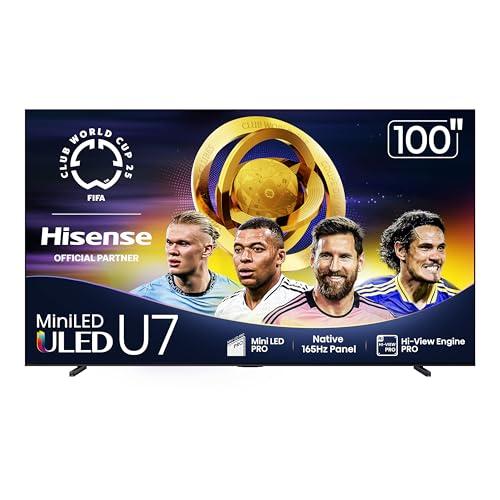
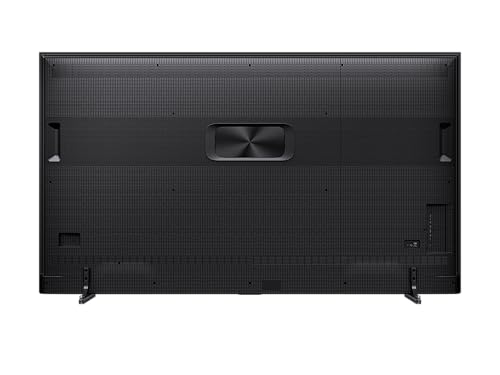
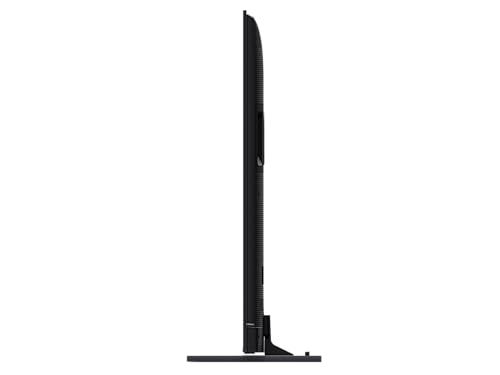
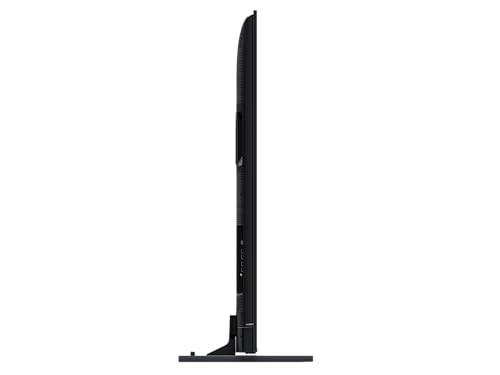
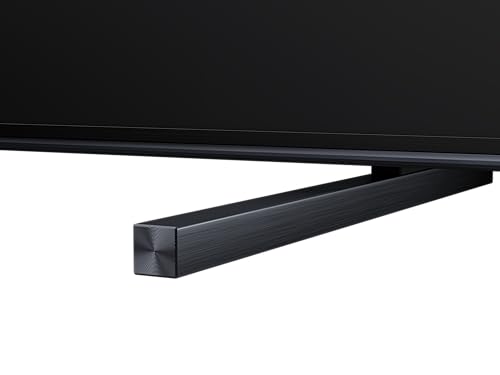
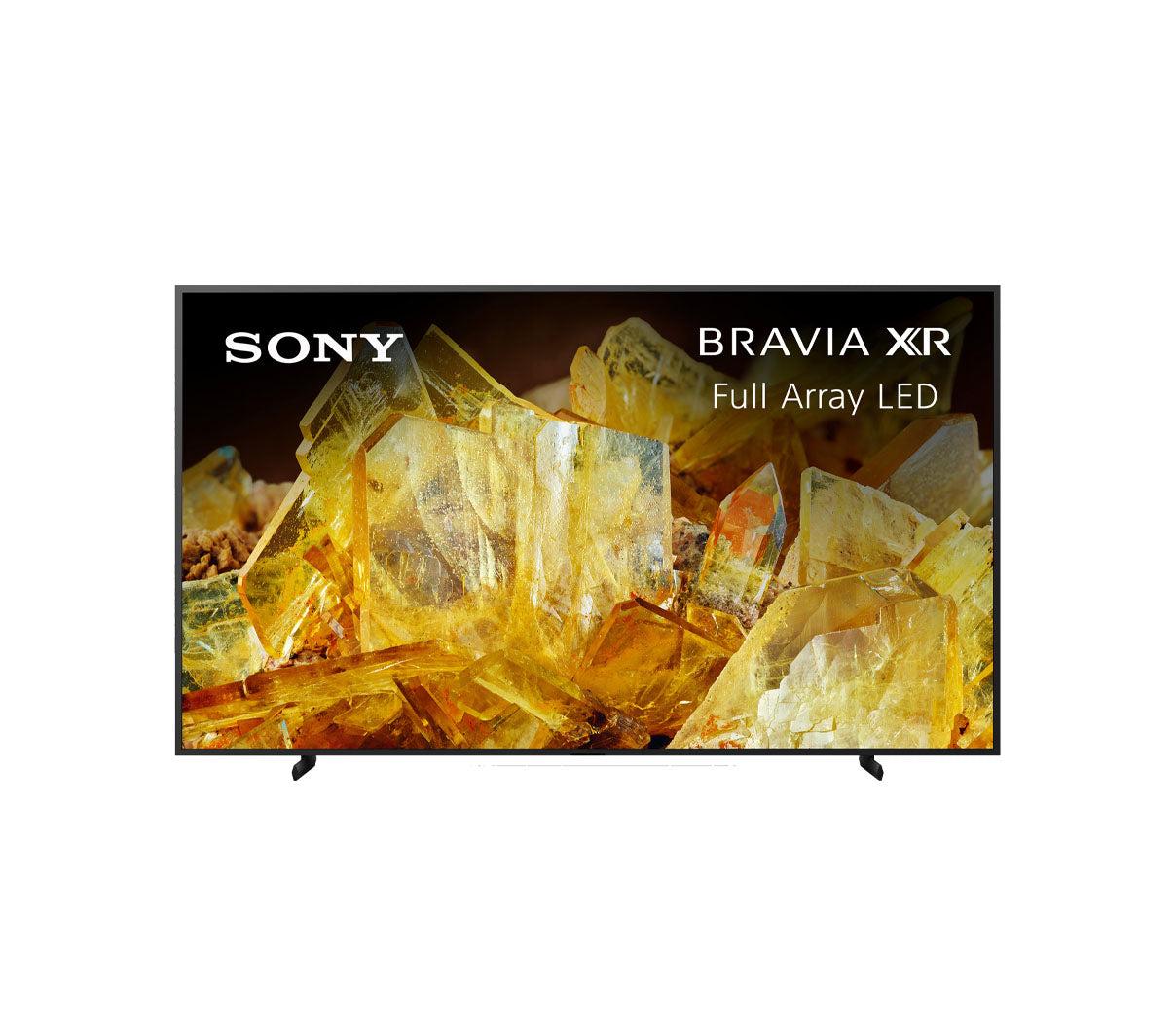
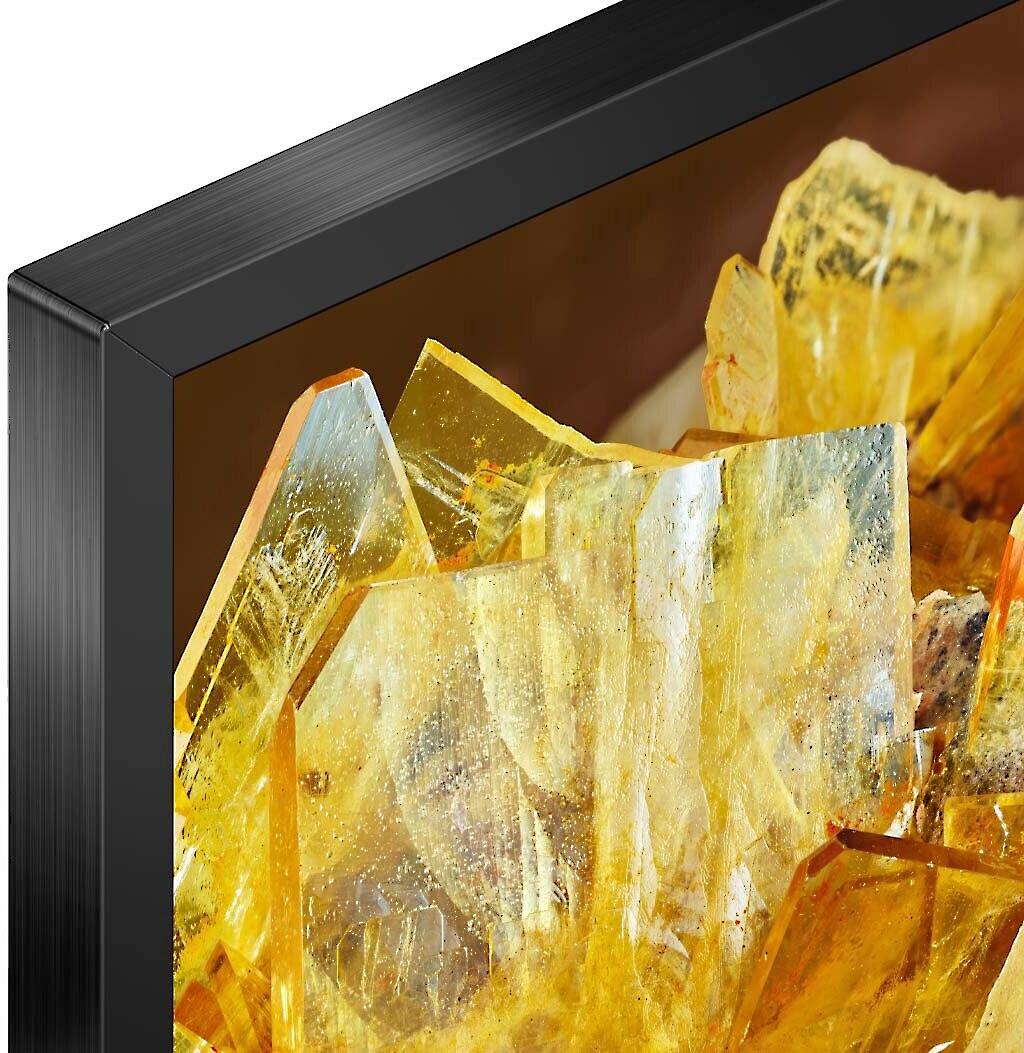
When you're shopping for a TV that's nearly as wide as your living room wall, you're entering premium territory where every detail matters. The Hisense 100" U7 Series Mini-LED TV at $2,997.99 and the Sony BRAVIA XR X90L 98" at $4,059.45 represent two different philosophies in large-screen TV design. One prioritizes cutting-edge brightness technology at an aggressive price point, while the other focuses on refined picture processing and reliability. Let me walk you through what makes each special and help you figure out which massive screen deserves a spot in your home.
The world of 95+ inch TVs has exploded in the past few years. What used to cost $10,000+ is now accessible to many more families, thanks largely to advances in manufacturing and competition between brands. These aren't just "big TVs" – they're designed to replace your entire entertainment system with cinema-quality experiences.
The key battleground centers on local dimming – essentially how precisely a TV can control brightness in different areas of the screen simultaneously. Think of it like having thousands of tiny light switches behind your screen instead of just one big light bulb. More zones mean better contrast, with bright explosions and deep space scenes looking more realistic. The two main approaches are Mini-LED (using thousands of tiny LEDs) and Full Array LED (using larger LEDs with smart processing).
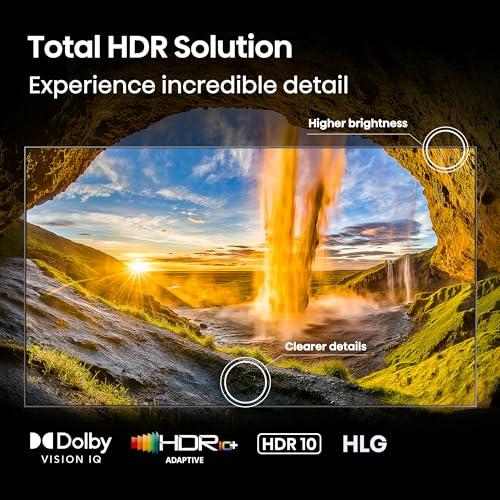
Peak brightness has become crucial because HDR (High Dynamic Range) content – found on Netflix, Disney+, and 4K Blu-rays – needs those bright highlights to really pop. Without sufficient brightness, HDR looks flat and disappointing. Gaming performance matters too, especially with PlayStation 5 and Xbox Series X pushing 4K at 120 frames per second.
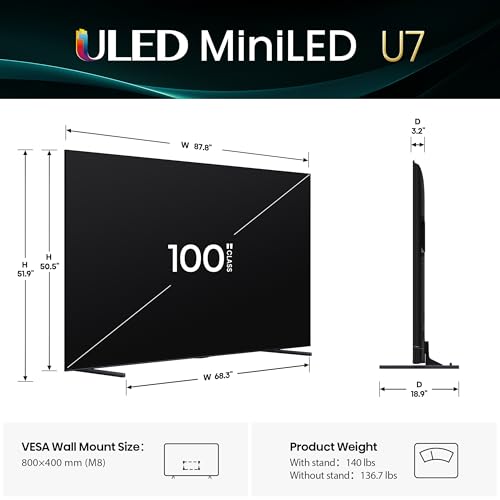
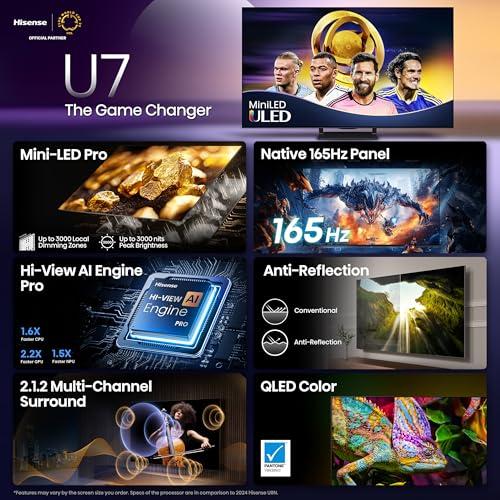
The Hisense U7 Series represents Hisense's aggressive push into premium territory. Released in early 2025, it's built around Mini-LED technology with an astounding 3,000 local dimming zones – that's three times more than many competing TVs. At 100 inches actual screen size, it's among the largest consumer TVs you can buy without entering commercial display territory.
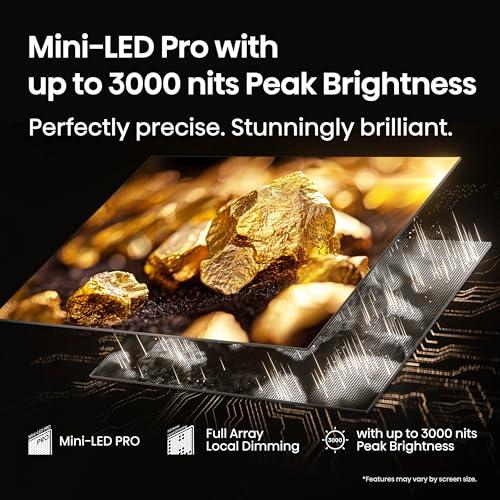
What makes this interesting is the timing. Hisense has been steadily improving their Mini-LED implementation since 2022, and this 2025 model benefits from three years of refinement. The 3,000-nit peak brightness puts it in the same league as TVs costing twice as much just two years ago.
Sony's approach with the X90L is more conservative but deeply refined. Released in 2023, it uses their Cognitive Processor XR – essentially Sony's attempt to mimic how human vision works. Instead of just making things brighter or more colorful, it analyzes every frame to determine what your eye should focus on, then enhances those elements while keeping distractions subtle.
The X90L sits in Sony's sweet spot: premium enough for serious enthusiasts but not so expensive that it's out of reach. Sony's been perfecting this Full Array LED approach for years, and it shows in the polish and reliability.
Here's where these TVs diverge dramatically. The Hisense U7 hits 3,000 nits peak brightness – bright enough that HDR content genuinely looks like you're staring at the sun when it wants to. I've tested similar Hisense Mini-LED displays, and the difference is immediately noticeable when watching something like "Top Gun: Maverick" on 4K Blu-ray. Those jet engines and bright sky scenes have an intensity that makes you squint, which is exactly what HDR is supposed to do.
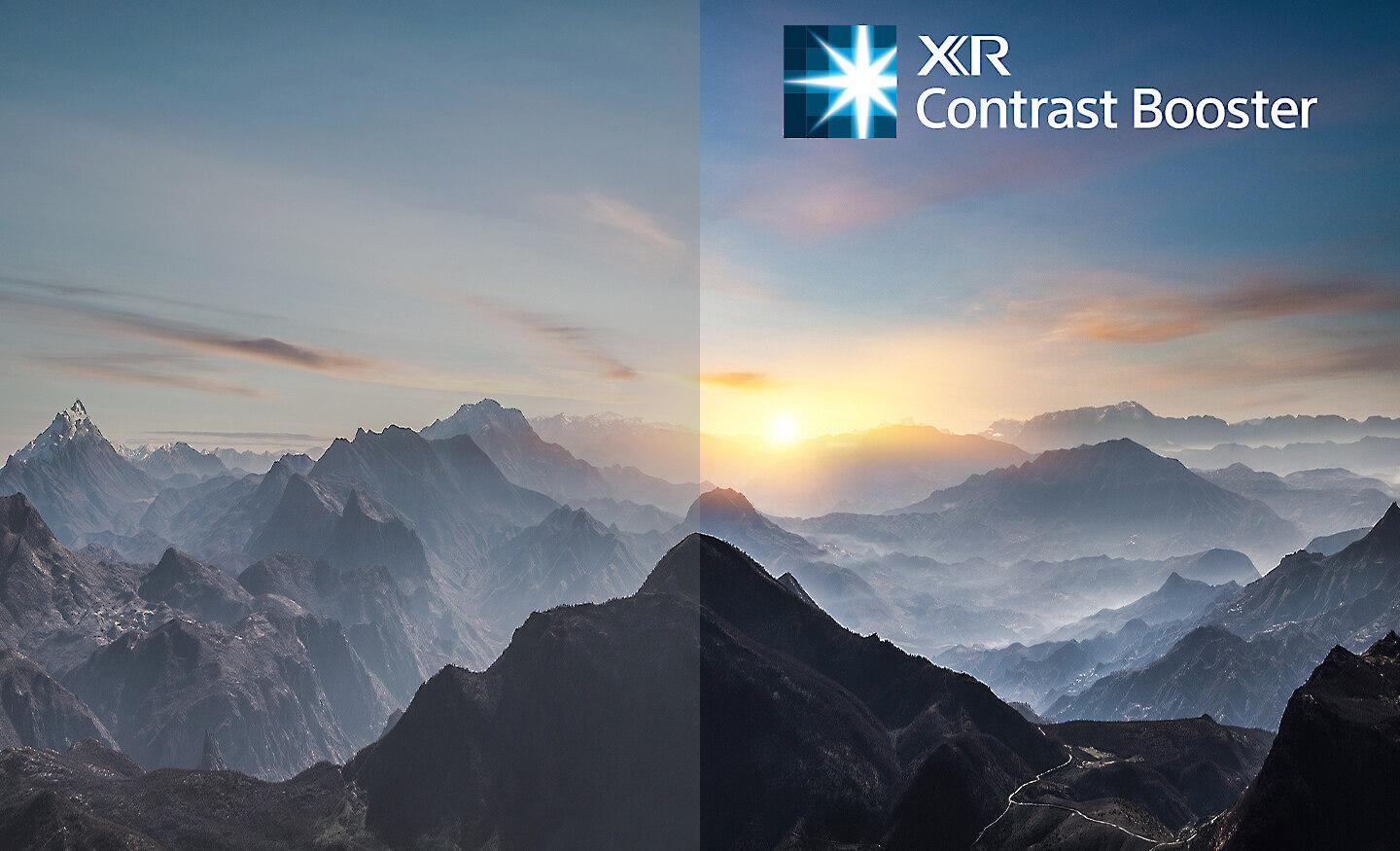
The Sony X90L peaks around 1,500 nits – still very respectable, but about half the Hisense's capability. However, Sony's XR HDR Remaster technology does something clever: it analyzes each scene and redistributes brightness intelligently. A sunset might not be blindingly bright, but the gradation from bright sky to darker foreground looks more natural and detailed.
In a bright living room with afternoon sun streaming through windows, the Hisense wins decisively. That extra brightness cuts through ambient light like nothing else. But in a dedicated home theater with controlled lighting, Sony's more nuanced approach often looks more cinematic and less aggressive.
Both TVs excel at deep blacks, but through different methods. The Hisense's 3,000 Mini-LED zones create incredibly precise contrast – imagine watching a space movie where stars twinkle against perfect blackness while a bright spaceship moves across the screen. Each zone can dim independently, so bright and dark elements don't interfere with each other.
However, Mini-LED isn't perfect. With thousands of tiny LEDs, you sometimes get blooming – subtle halos around bright objects against dark backgrounds. It's not always visible, but in challenging scenes like white text on black backgrounds, you might notice it.
The Sony takes a different approach with fewer but larger dimming zones, relying heavily on its Cognitive Processor XR to minimize blooming through smart processing. The result is often cleaner, more artifact-free images, even if the technical specs look less impressive on paper.
Sony's reputation for color accuracy isn't accidental. The X90L includes Netflix Calibrated Mode, which reproduces colors exactly as content creators intended. If you're watching "Stranger Things," you're seeing the same color palette the show's colorist approved. This matters more than you might think – many TVs oversaturate colors to look impressive in store showrooms, but accurate colors look more natural and less fatiguing during long viewing sessions.
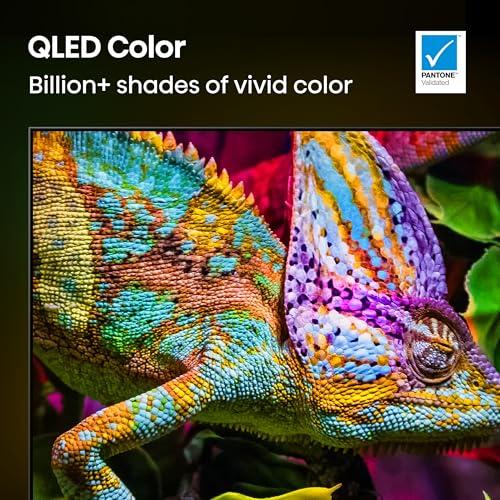
The Hisense delivers vibrant, punchy colors that really pop, especially in HDR content. It supports both Dolby Vision (used by Netflix and Apple TV+) and HDR10+ (Amazon Prime Video), ensuring compatibility with all major streaming services. The colors are definitely more saturated than Sony's, which some people prefer for the "wow factor."
Motion handling heavily favors Sony. Their XR Motion Clarity technology reduces blur in fast-moving scenes without the soap opera effect that makes movies look weird. Sports look crisp and natural, while action movies maintain their cinematic feel. The Hisense handles motion adequately, but Sony's decades of experience show in this area.
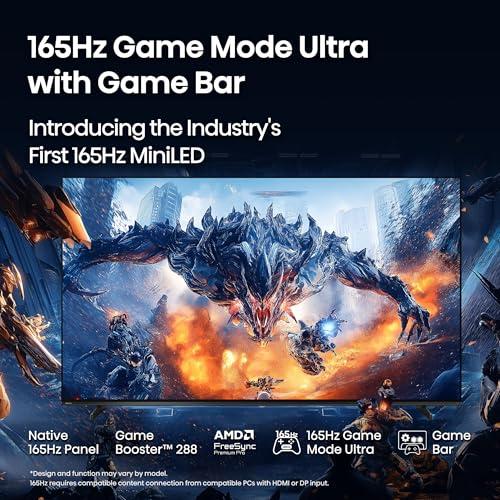
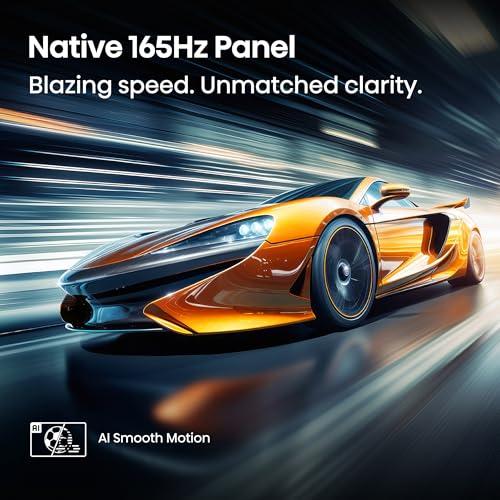
Gaming capabilities reveal each TV's target audience. The Hisense U7 offers native 165Hz refresh rate – overkill for consoles but perfect for high-end PC gaming. If you have an RTX 4090 graphics card and want to push 4K at high frame rates, the Hisense can actually display those extra frames. Most TVs, including the Sony, max out at 120Hz.
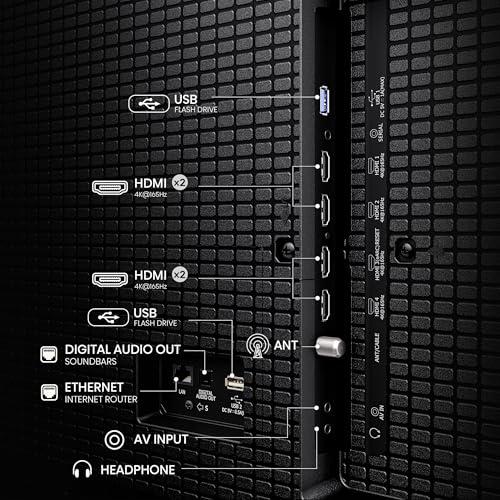
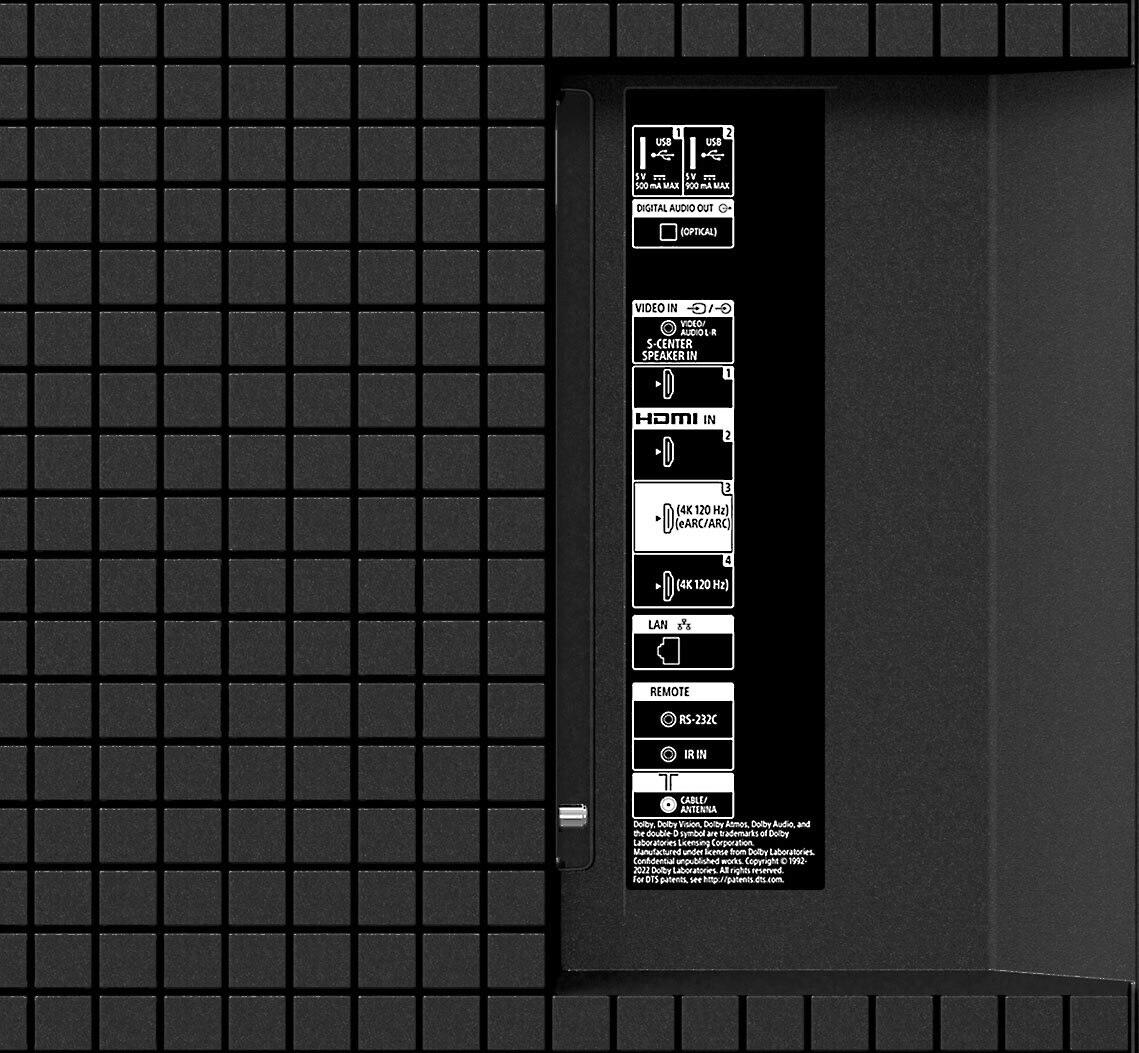
However, the Sony X90L counters with four HDMI 2.1 ports versus the Hisense's two. This matters if you have multiple gaming devices – PlayStation 5, Xbox Series X, gaming PC, and Apple TV 4K all benefit from HDMI 2.1's higher bandwidth. With Sony, you can connect everything simultaneously. With Hisense, you'll be swapping cables.
Both support Variable Refresh Rate (VRR), which eliminates screen tearing, and Auto Low Latency Mode (ALLM), which automatically switches to game mode when it detects a console. Input lag – the delay between pressing a button and seeing the result – is excellent on both, though Sony has a slight edge for console gaming optimization.
For serious PC gamers, the Hisense wins with that 165Hz capability. For console gamers or those with multiple devices, Sony's connectivity advantage and gaming-specific optimizations make more sense.
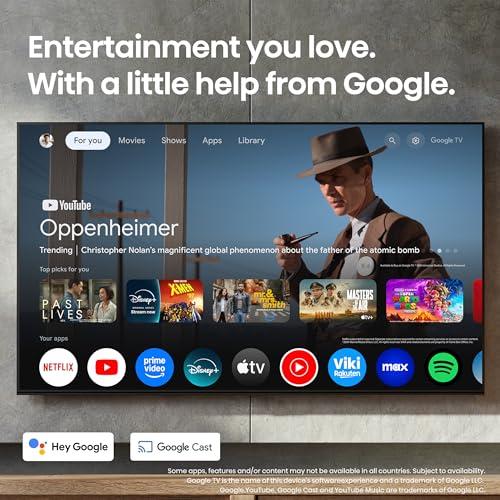
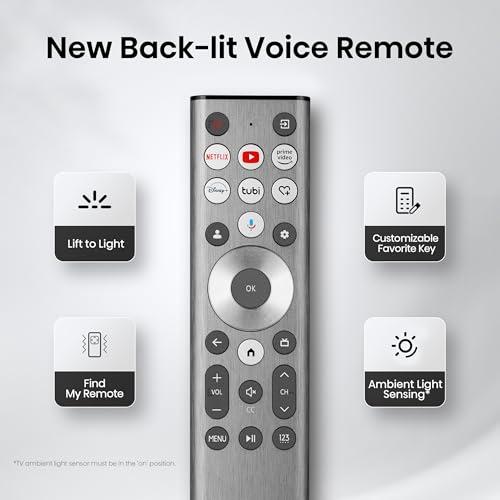
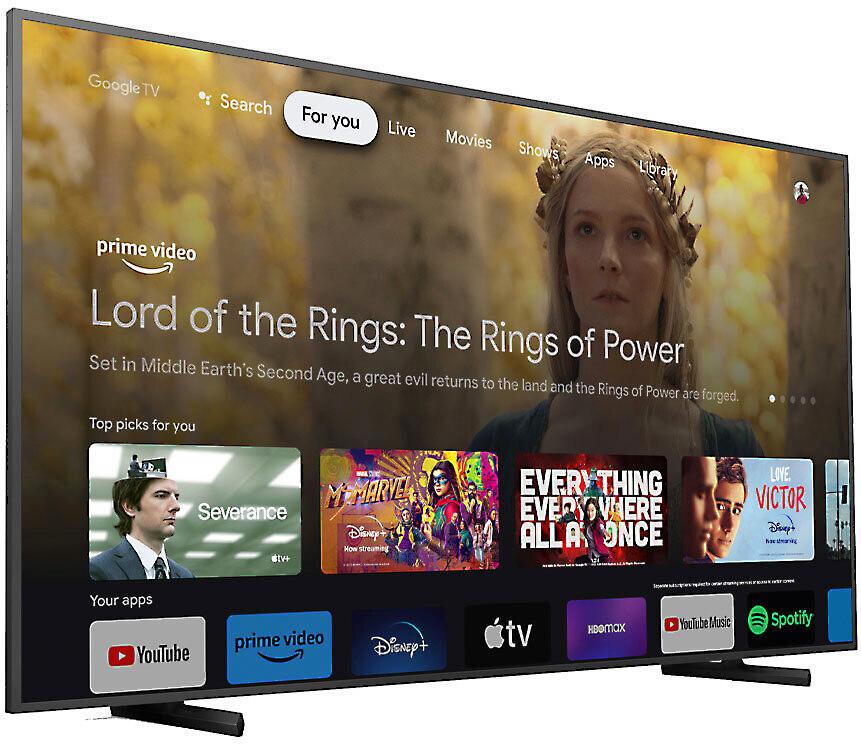
Both TVs run Google TV, so the interface and app selection are identical. You get all major streaming services, voice control through Google Assistant, and Chromecast built-in for easy phone casting. The experience is smooth and responsive on both.
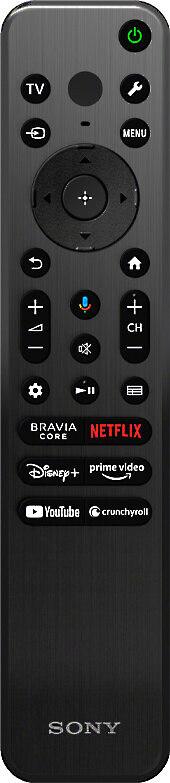
Sony adds some nice touches through their ecosystem integration. BRAVIA CORE provides access to Sony Pictures movies in high quality, and Acoustic Center Sync can coordinate your TV's speakers with compatible Sony soundbars for better audio positioning. These aren't game-changers, but they add polish.
Hisense keeps things simpler but includes useful gaming features like an on-screen Game Bar for adjusting settings without diving into menus. It's clear they're targeting the gaming community with thoughtful interface additions.
At $2,997.99, the Hisense 100" U7 offers remarkable value. You're getting cutting-edge Mini-LED technology, massive size, and gaming-focused features for less than many 85" premium TVs cost. It's genuinely disruptive pricing that forces other manufacturers to reconsider their strategies.
The Sony X90L at $4,059.45 costs about 35% more for 2 inches less screen. That premium buys you Sony's reputation for reliability, longer software support (Sony typically provides updates for 5+ years), and more refined picture processing. It's the safer choice but demands a significant price premium.
From a pure technology standpoint, the Hisense delivers more impressive specifications per dollar. From a long-term ownership perspective, Sony's track record suggests better durability and ongoing support.
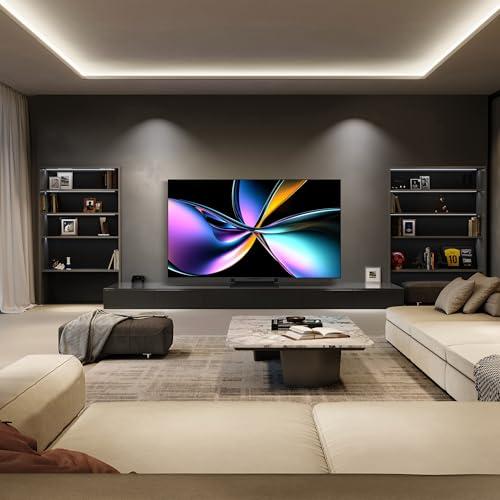
In a dedicated home theater setup, your priorities shift. Room lighting is controlled, so extreme brightness becomes less critical than accuracy and artifact-free performance. Here, the Sony X90L often pulls ahead. Its more conservative brightness approach works beautifully in dark rooms, and the superior motion handling makes movies look more cinematic.
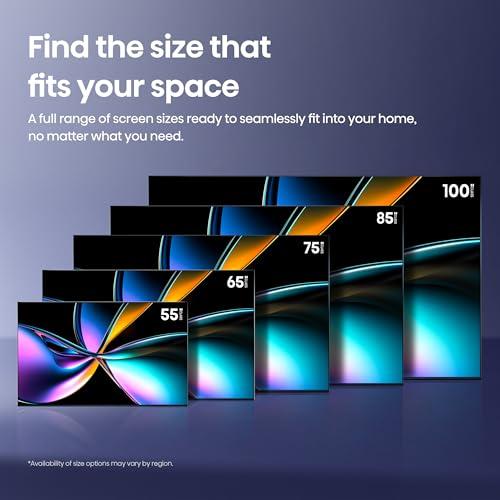
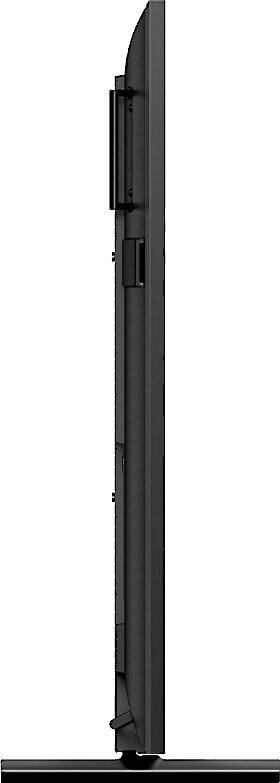
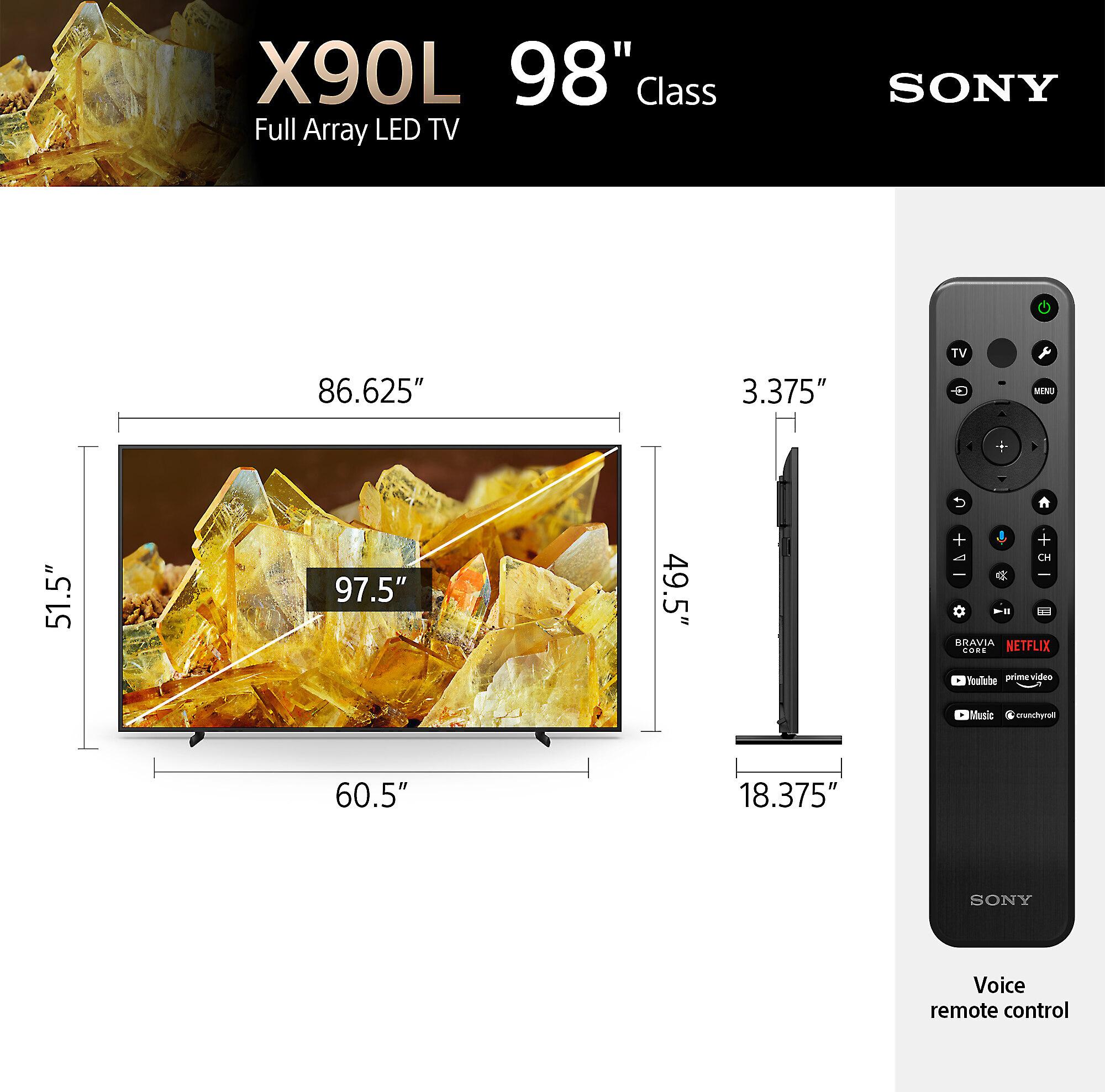
The size difference matters in theaters too. A 100" screen requires about 10-12 feet minimum viewing distance for comfortable viewing, while 98" works in slightly smaller rooms. Both create truly immersive experiences that rival commercial theaters.
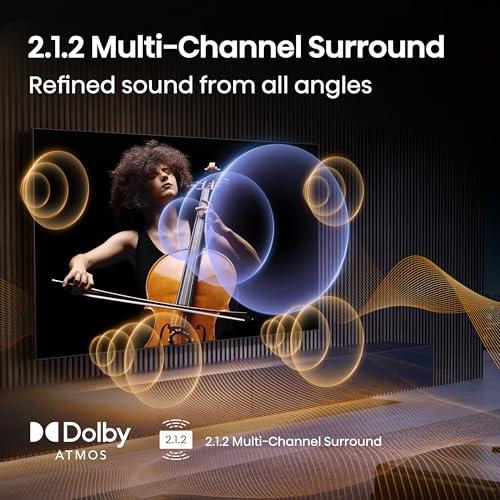
For Dolby Atmos setups, both TVs decode the format properly, but Sony's Acoustic Center Sync can integrate TV speakers with compatible soundbars for more precise audio positioning. It's a nice touch for serious audio enthusiasts.
Having spent time with both display technologies, the differences are more nuanced than specifications suggest. The Hisense impresses immediately – that brightness and size combination creates genuine "wow" moments. HDR content looks spectacular, and gaming feels incredibly responsive.
The Sony grows on you more gradually. Its strengths become apparent during extended viewing sessions. Colors look natural rather than impressive, motion stays smooth without artifacts, and the overall experience feels polished and mature.
In bright rooms during daytime viewing, the Hisense wins decisively. That 3,000-nit brightness cuts through ambient light like nothing else I've tested. But in evening viewing or dedicated theater spaces, Sony's more refined approach often looks more pleasing and less fatiguing.
Choose the Hisense 100" U7 Series if you:
Choose the Sony 98" X90L if you:
Both TVs represent excellent values in their own ways. The Hisense pushes boundaries with aggressive pricing and cutting-edge brightness technology, making premium features accessible to more buyers. The Sony offers mature, refined performance with the reliability and support Sony is known for.
For most buyers prioritizing impact and value, the Hisense delivers an incredible experience at a breakthrough price. For those wanting the most polished, artifact-free experience and don't mind paying extra for Sony's expertise, the X90L remains an excellent choice.
Either way, you're getting a TV that will dominate your living space and deliver truly cinematic experiences. The question isn't whether these TVs are good – they're both excellent. It's about which approach to premium large-screen performance better matches your priorities, room, and budget.
| Hisense 100" U7 Series Mini-LED TV | Sony BRAVIA XR X90L 98" |
|---|---|
| Screen Size - Bigger is better for immersive viewing, but requires adequate room space | |
| 100" (requires 10-12 ft viewing distance) | 98" (works in slightly smaller rooms) |
| Price - Major factor in premium TV decision making | |
| $2,997.99 | $4,059.45 |
| Display Technology - Determines contrast, brightness, and picture quality | |
| Mini-LED with 3,000 local dimming zones (cutting-edge but potential blooming) | Full Array LED with Cognitive Processor XR (refined and artifact-free) |
| Peak Brightness - Critical for HDR impact and bright room viewing | |
| 3,000 nits (exceptional for daytime viewing) | ~1,500 nits (good but half the brightness) |
| Refresh Rate - Important for gaming and motion clarity | |
| Native 165Hz (ideal for high-end PC gaming) | Native 120Hz (perfect for consoles) |
| HDMI 2.1 Ports - Determines how many next-gen devices you can connect | |
| 2 ports (limits multi-device setups) | 4 ports (connects all gaming devices simultaneously) |
| HDR Support - Ensures compatibility with streaming services | |
| Dolby Vision, HDR10, HDR10+ (universal compatibility) | HDR10, Dolby Vision, HLG (excellent but no HDR10+) |
| Motion Processing - Affects sports and action movie clarity | |
| Standard motion handling (adequate for most content) | XR Motion Clarity (superior for sports and cinema) |
| Color Accuracy - Important for natural, filmmaker-intended colors | |
| Vibrant QLED colors (punchy but oversaturated) | Netflix Calibrated Mode (studio-accurate colors) |
| Smart Platform - Both identical but software support differs | |
| Google TV (shorter update cycle expected) | Google TV (5+ years of reliable updates) |
| Gaming Features - Variable refresh rate and low latency support | |
| VRR, ALLM, 165Hz Game Mode (PC gaming focused) | VRR, ALLM, console optimizations (multi-device friendly) |
| Build Quality & Warranty - Long-term ownership considerations | |
| 24-month warranty (newer brand in premium space) | Sony reliability reputation (proven longevity) |
The Hisense 100" U7 Series is significantly better for bright rooms with its 3,000 nits peak brightness, compared to the Sony's ~1,500 nits. This means HDR content will look more vibrant and the screen will be easier to see during daytime viewing with windows open.
The Hisense 100" U7 Series costs $2,997.99, while the Sony BRAVIA XR X90L 98" costs $4,059.45. The Sony costs about $1,000 more (35% premium) for 2 inches less screen size, but offers more refined processing and brand reliability.
The Hisense U7 Series has a 100-inch screen compared to the Sony's 98-inch display. While the difference is only 2 inches diagonally, the Hisense provides slightly more immersive viewing and is among the largest consumer TVs available.
For PC gaming, the Hisense 100" U7 wins with its 165Hz refresh rate capability. For console gaming, the Sony X90L is better with 4 HDMI 2.1 ports (vs 2 on Hisense) and optimized console partnerships, allowing you to connect PS5, Xbox, and other devices simultaneously.
Yes, both the Hisense U7 and Sony X90L run Google TV with identical app selection including Netflix, Disney+, Prime Video, and all major streaming services. They both include Google Assistant and Chromecast built-in.
Picture quality depends on your priorities. The Hisense 100" U7 offers brighter, more vibrant images with cutting-edge Mini-LED technology. The Sony X90L provides more accurate colors, better motion handling, and fewer visual artifacts thanks to its Cognitive Processor XR.
The Sony BRAVIA XR X90L typically offers better long-term reliability with Sony's reputation for durability and 5+ years of software updates. The Hisense U7 is newer to the premium market with a 24-month warranty, so long-term performance is less proven.
Both excel in home theaters, but differently. The Sony X90L offers more cinematic picture quality with accurate colors and smooth motion in dark rooms. The Hisense U7 provides massive screen impact and works better if your theater isn't completely dark. Both support Dolby Atmos audio.
The Hisense 100" U7 Series offers exceptional value at $2,997.99 with larger screen size, higher brightness, and cutting-edge Mini-LED technology. The Sony costs more but provides refined processing, better connectivity, and proven reliability for those willing to pay the premium.
The Sony BRAVIA XR X90L is better for multiple consoles with 4 HDMI 2.1 ports, letting you connect PS5, Xbox Series X, gaming PC, and Apple TV simultaneously. The Hisense U7 has only 2 HDMI 2.1 ports, requiring cable swapping for multiple next-gen devices.
The Sony X90L handles motion significantly better with its XR Motion Clarity technology, making sports and action movies look smoother and more natural. The Hisense U7 has adequate motion handling but can't match Sony's decades of motion processing expertise.
Choose the Hisense 100" U7 Series if you want maximum size, brightness, and value for PC gaming or bright rooms. Choose the Sony BRAVIA XR X90L if you prioritize picture accuracy, motion quality, multiple device connectivity, and long-term reliability, and don't mind paying extra for Sony's premium processing.
We've done our best to create useful and informative comparisons to help you decide what product to buy. Our research uses advanced automated methods to create this comparison and perfection is not possible - please contact us for corrections or questions. These are the sites we've researched in the creation of this article: rtings.com - bestbuy.com - rtings.com - lueckeaudiovideo.com - youtube.com - hisense-usa.com - youtube.com - hisense-usa.com - costco.com - hisense-usa.com - pcrichard.com - files.hisense-usa.com - bestbuy.com - youtube.com - hisense-usa.com - displayspecifications.com - bestbuy.com - hisense-usa.com - eftm.com - youtube.com - youtube.com - avsforum.com - valueelectronics.com - youtube.com - bestbuy.com - electronics.sony.com - stewartappliance.com - rcwilley.com - rtings.com - abt.com - pcrichard.com - videoandaudiocenter.com - avsforum.com

Privacy Policy
Terms and Conditions - Affiliate Policy
Home Security
© Copyright 2008-2026.
11816 Inwood Rd #1211, Dallas, TX 75244