

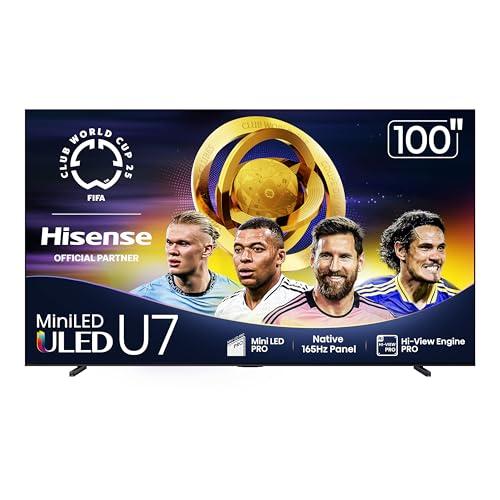
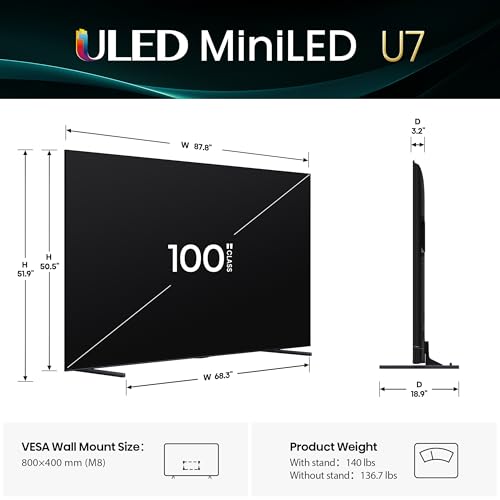
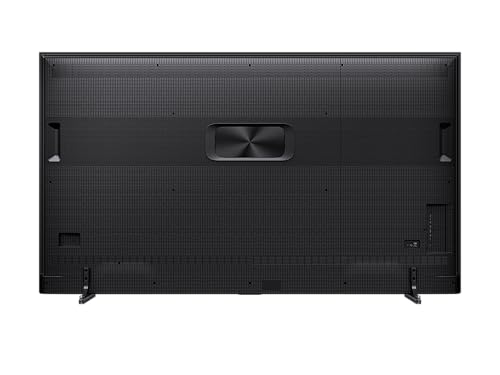
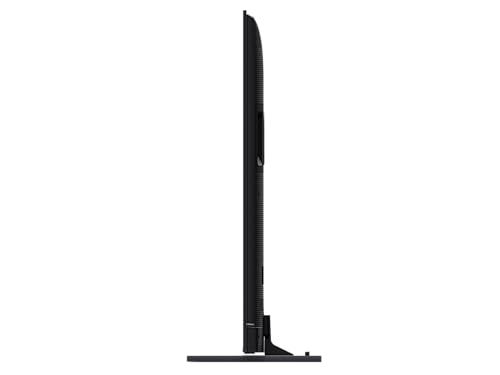
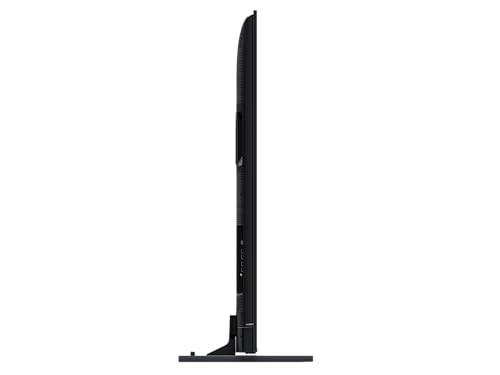
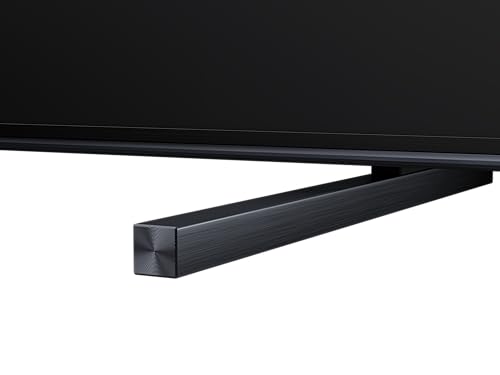
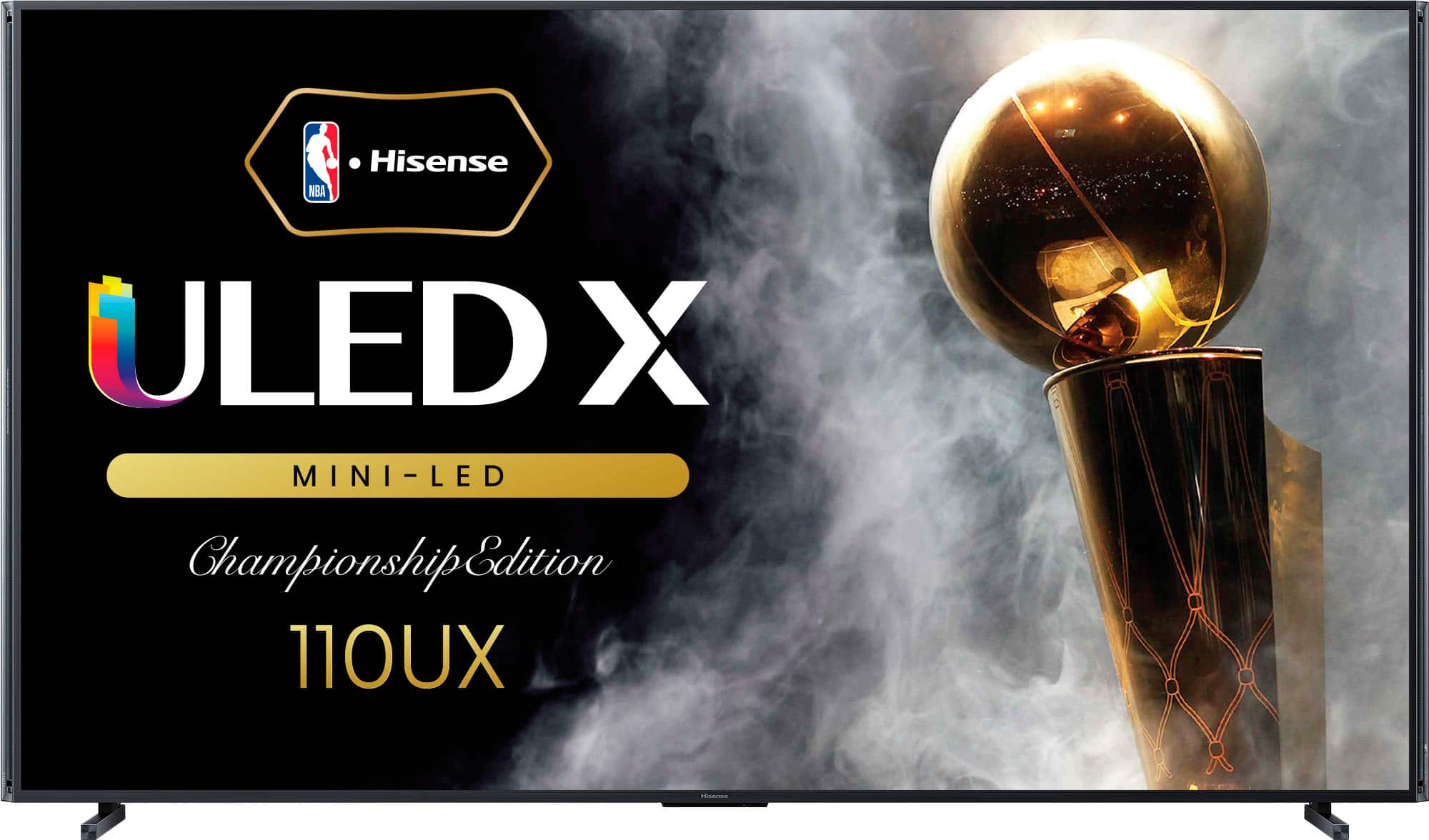
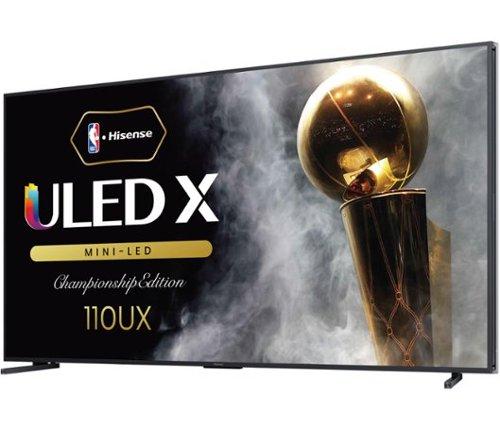
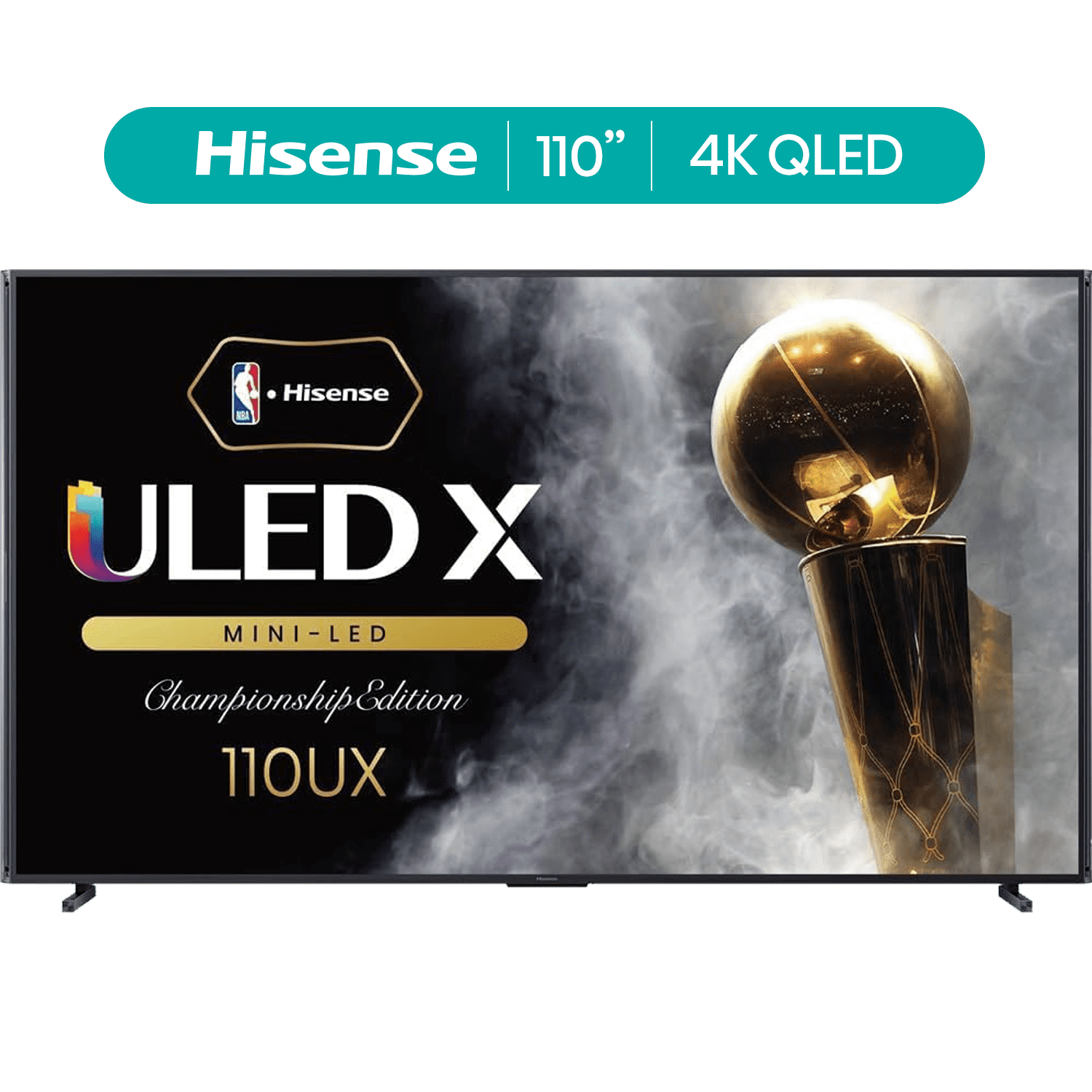
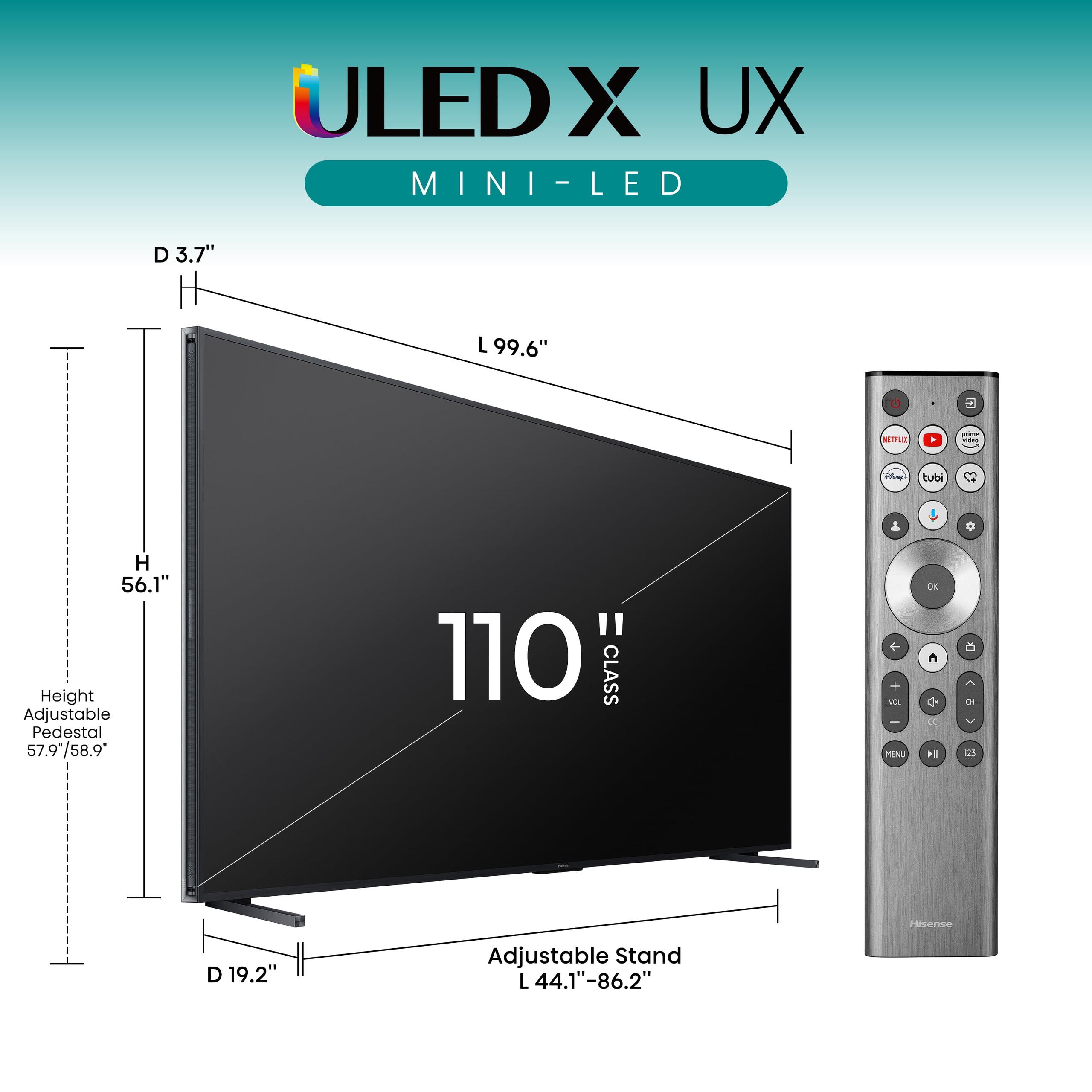
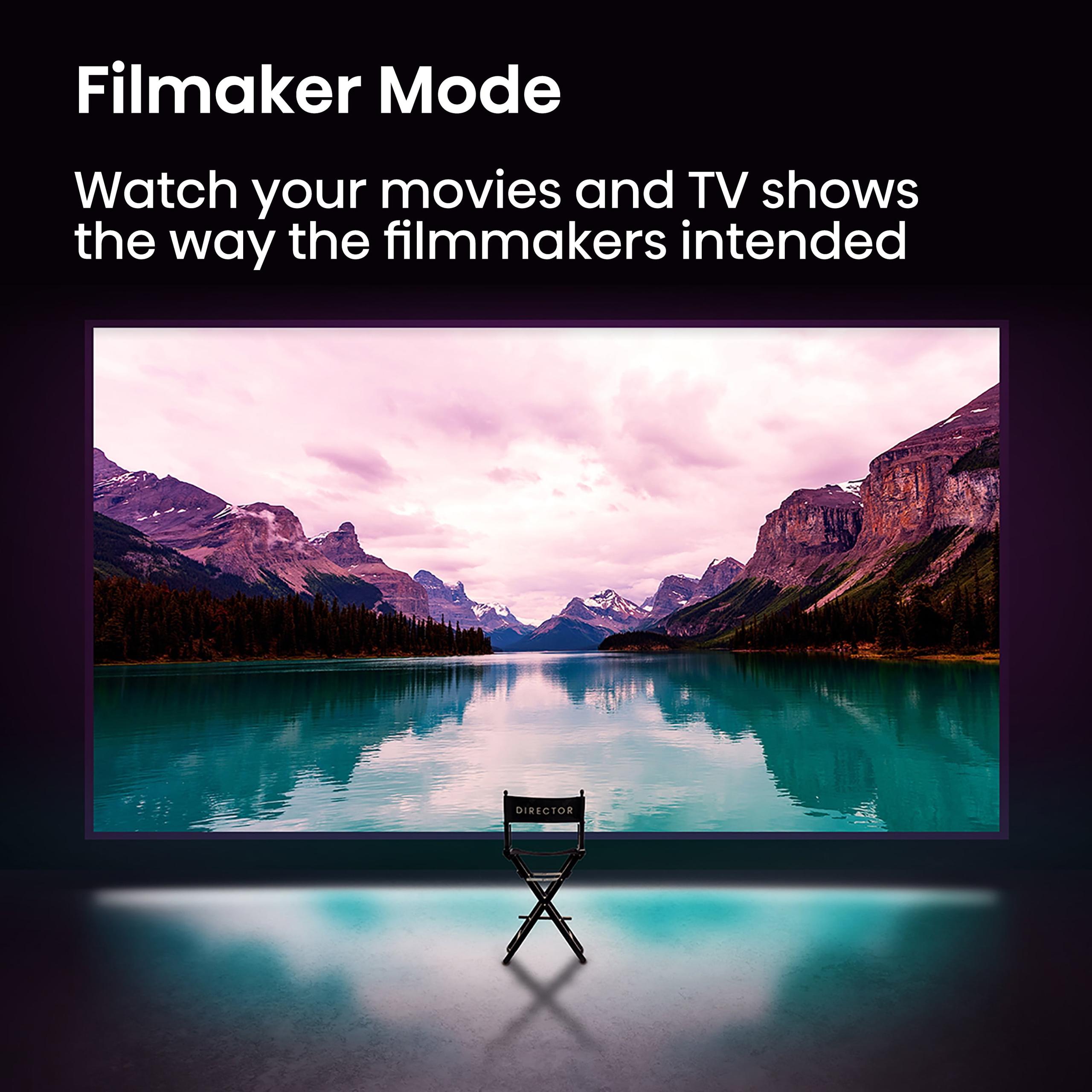

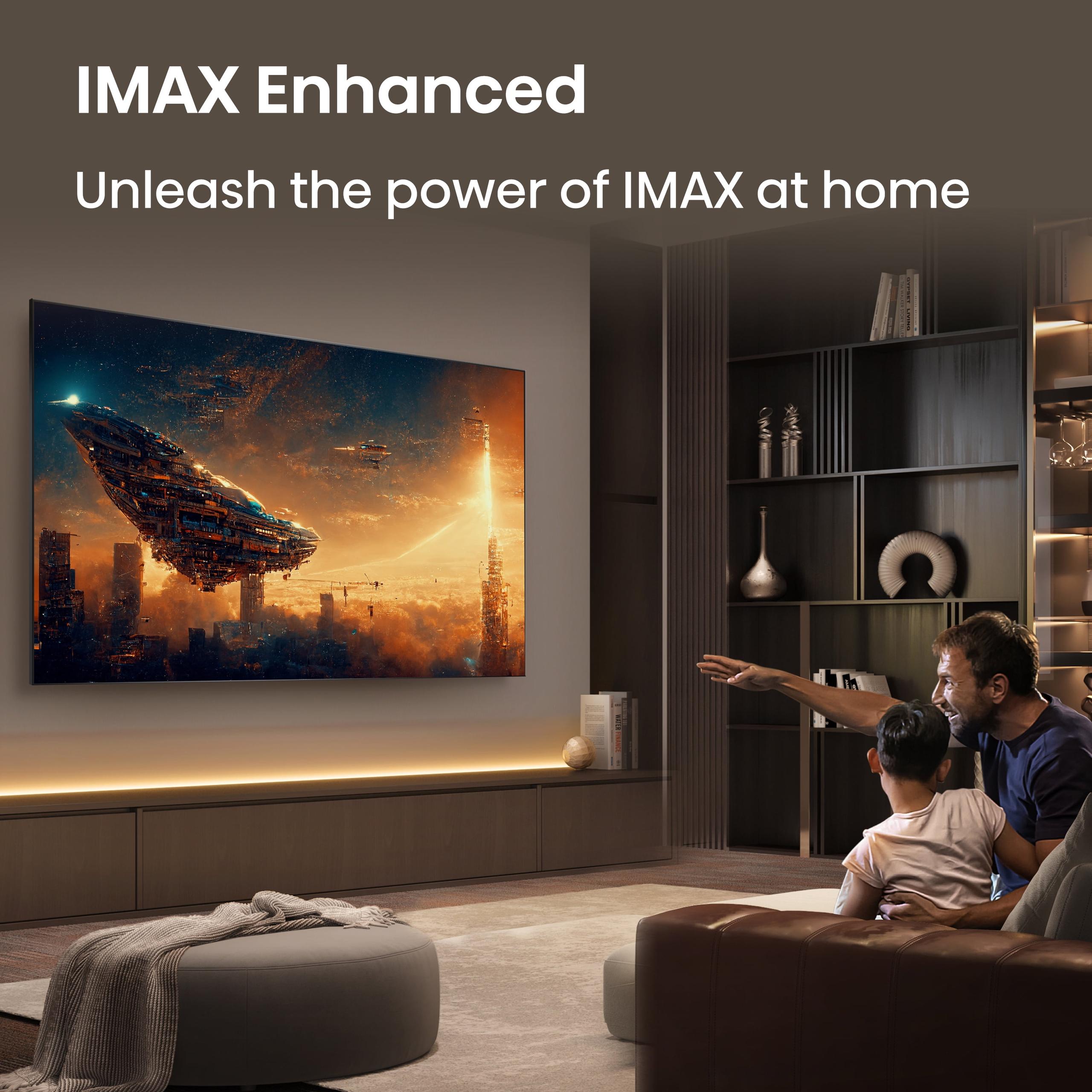
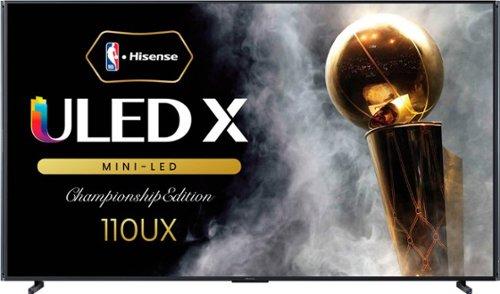
When you're shopping for a TV that's literally the size of a small wall, you're entering premium territory where every feature matters. Hisense has two compelling options for anyone wanting a truly cinematic experience at home: the 100" U7 Series (100U75Q) at $2,997.99 and the 110" UX Series at $13,948. Both use Mini-LED technology, but they're aimed at very different buyers with very different budgets.
Before diving into the comparison, let's talk about what makes these displays tick. Mini-LED technology uses thousands of tiny LEDs behind the screen to create what's called "local dimming." Think of it like having thousands of individual flashlights that can turn on and off independently. When a scene shows bright stars against a dark sky, the LEDs behind the stars shine brightly while the ones behind the dark sky stay dim or turn off completely. This creates deeper blacks and brighter whites than traditional LED TVs.
The main considerations when choosing between large-format Mini-LED TVs include how bright they can get (measured in "nits" - basically how many candles worth of light they produce), how many local dimming zones they have (more zones mean better precision), gaming performance for console players, and of course, value for money.
The 100" U7 Series launched in 2025 as Hisense's latest mainstream large-format offering. It represents the company's push to make 100-inch TVs more accessible to regular consumers - something that was nearly impossible just a few years ago when displays this size cost $20,000 or more.
The 110" UX Series positioning suggests it's Hisense's current flagship large-format model, though exact release timing isn't as clear. What we do know is that it incorporates Hisense's most advanced Mini-LED X technology, representing their current pinnacle of display engineering.
Over the past few years, Mini-LED technology has evolved rapidly. Early models had maybe 500-1,000 dimming zones, but now we're seeing thousands or even tens of thousands. The processing power behind these displays has also improved dramatically, with AI-driven optimization that adjusts picture quality in real-time based on what you're watching.
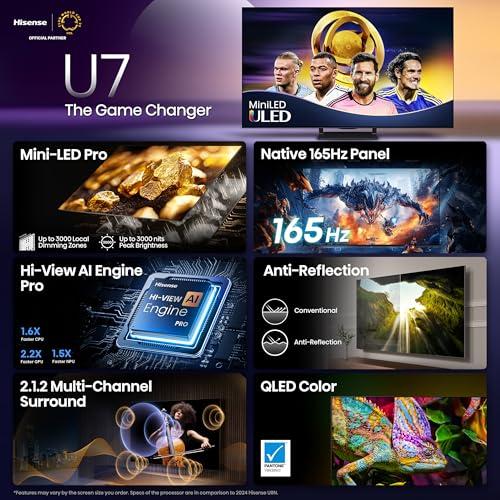
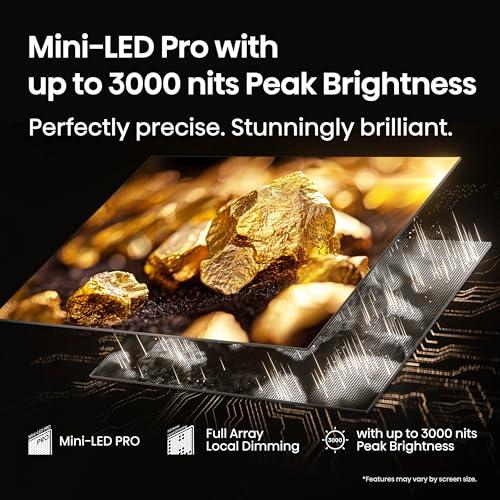
Here's where these two TVs really diverge. The U7 Series delivers 3,000 nits of peak brightness with over 3,000 local dimming zones. That's genuinely impressive - bright enough to make HDR content pop even in a bright living room, with enough zones to minimize the "blooming" effect where bright objects create halos against dark backgrounds.
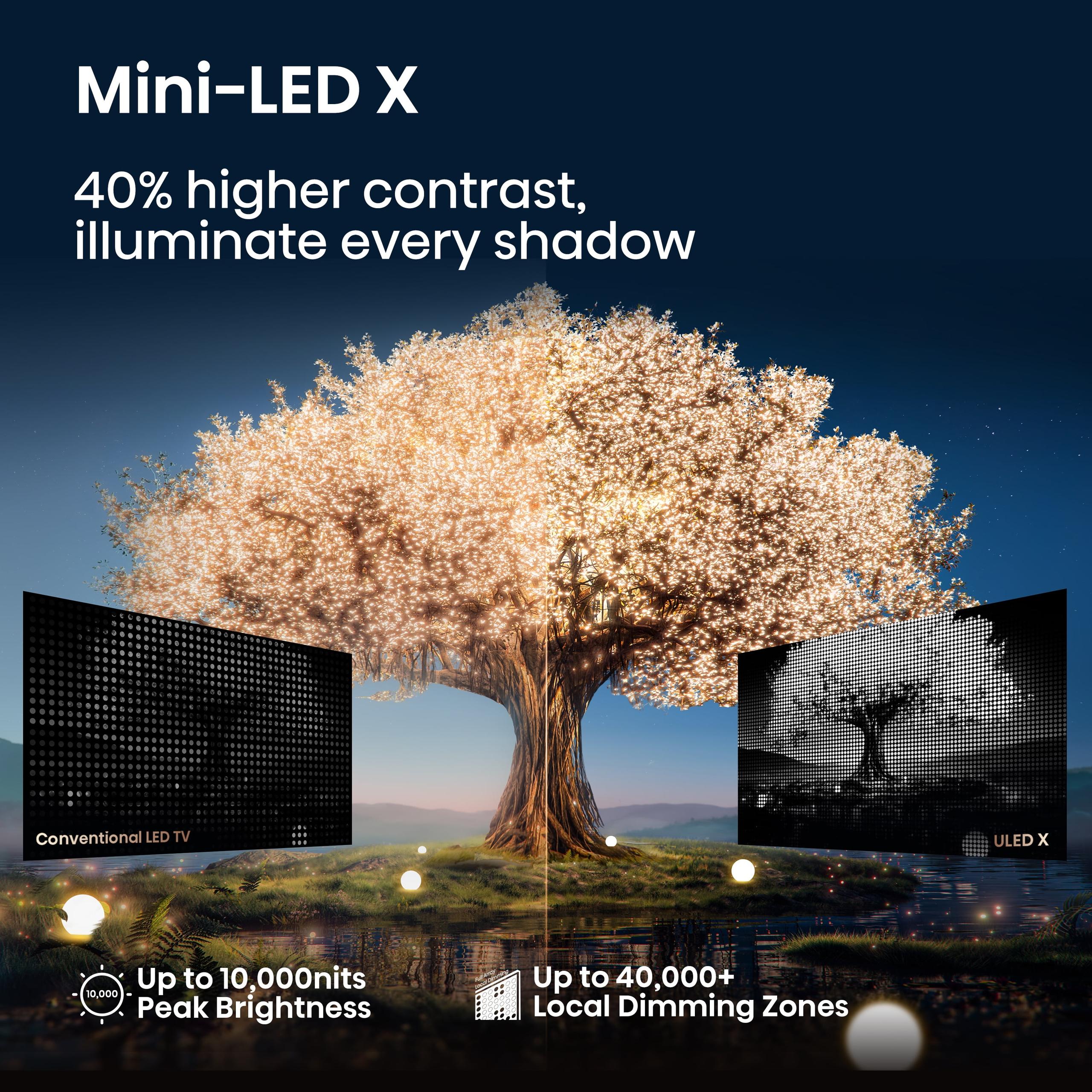
But the 110" UX Series takes this to an almost absurd level: 10,000 nits peak brightness with over 40,000 local dimming zones. To put that in perspective, that's more than 13 times the dimming precision. In practical terms, this means virtually no blooming, perfect black levels, and brightness that can compete with actual sunlight streaming through windows.
Having spent time with high-end Mini-LED displays, I can tell you that the difference between 3,000 and 40,000 zones is immediately visible. Dark scenes in movies like "Dune" or "Blade Runner 2049" look dramatically different. With fewer zones, you might notice slight halos around bright elements. With 40,000+ zones, those halos virtually disappear, creating an almost OLED-like experience but with much higher brightness.
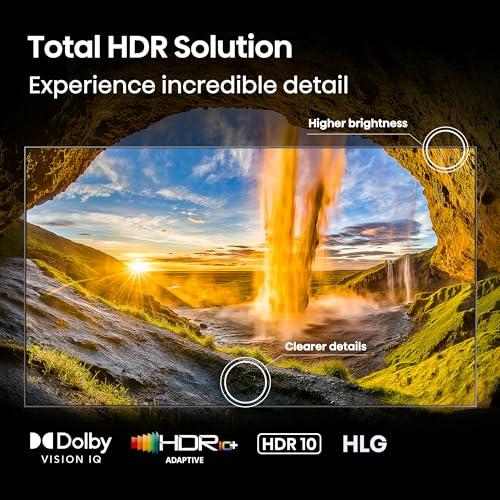
Both TVs use quantum dot technology, which adds a special layer that converts light into more precise colors. The U7 supports all the major HDR formats - Dolby Vision, HDR10+, and HLG - ensuring compatibility with streaming services and 4K Blu-rays.
The UX Series goes further with Dolby Vision IQ and HDR10+ Adaptive, which automatically adjust the HDR tone mapping based on your room's lighting. This might sound like marketing fluff, but it actually makes a real difference. When you're watching during the day versus late at night, the TV optimizes the picture differently, maintaining intended brightness relationships without blinding you in the dark.
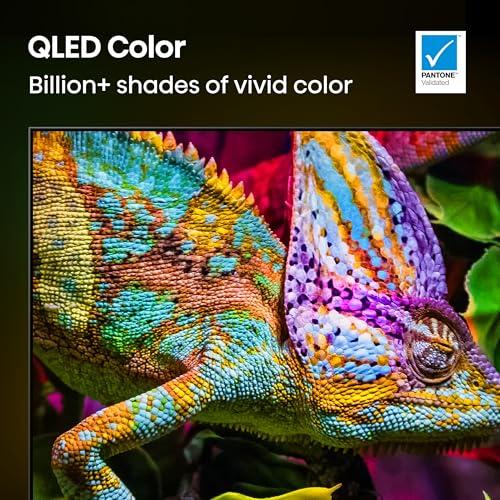
The quantum dot implementation on both models delivers what Hisense claims is over a billion colors, though the UX Series achieves 25% richer color reproduction according to their specs. In my experience, both will deliver colors that look more vibrant and accurate than standard LED TVs, but the UX Series has that extra pop that makes everything look just a bit more lifelike.
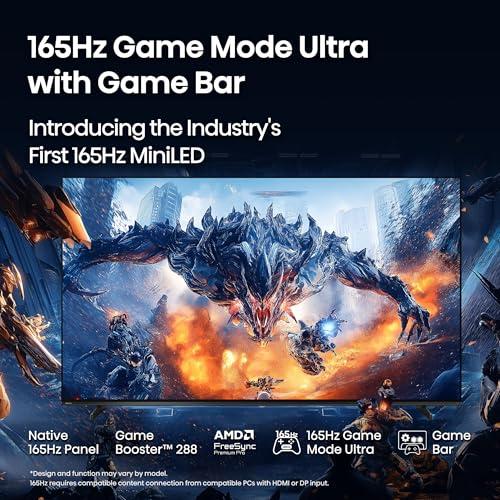
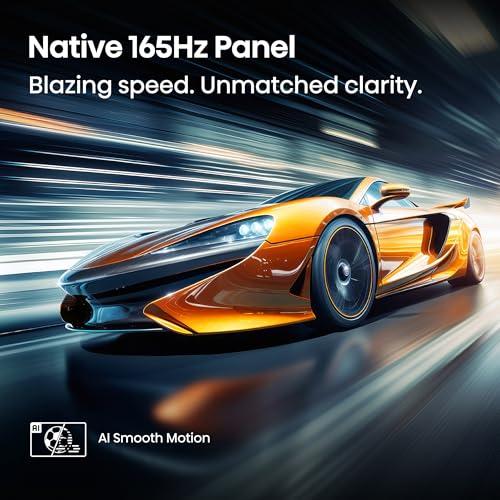
This is where things get interesting, because the less expensive U7 Series actually wins on pure gaming specs. It offers a native 165Hz refresh rate with variable refresh rate (VRR) support from 48-165Hz, compared to the UX Series' 144Hz maximum. For PC gamers with high-end graphics cards, that extra refresh rate headroom could matter.
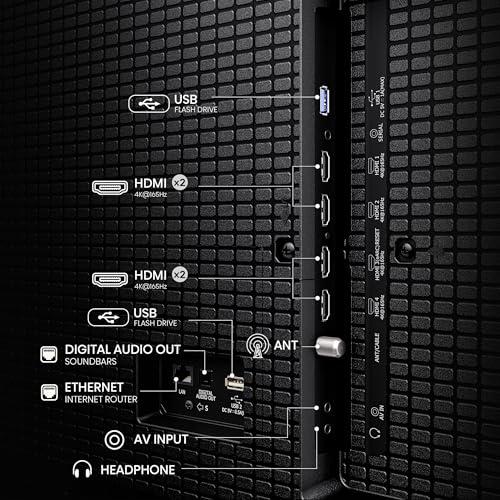
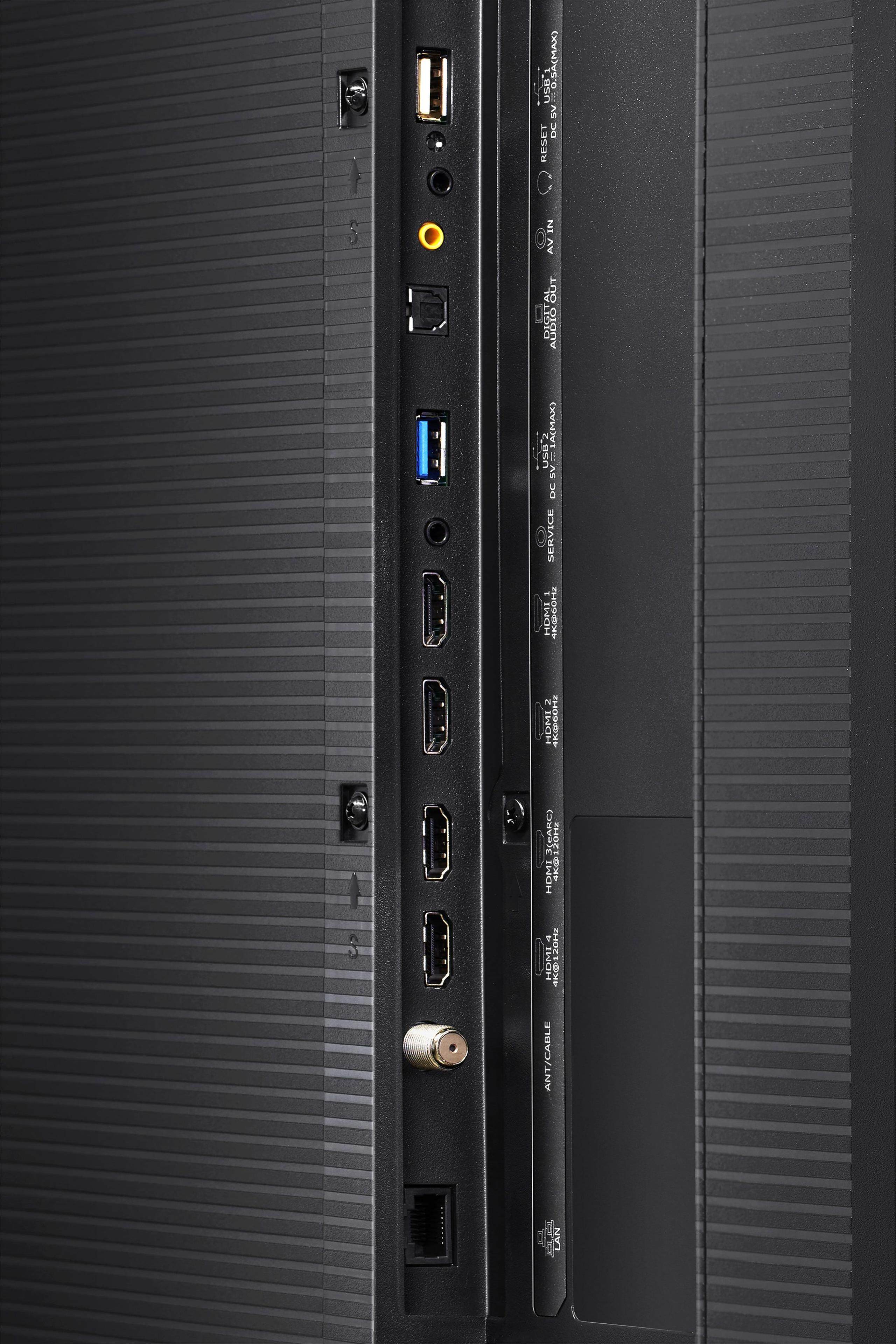
More importantly, the U7 Series includes four HDMI 2.1 ports that all support 4K at 165Hz, while the UX Series has only two HDMI 2.1 ports capable of 4K at 144Hz. If you have multiple gaming consoles plus a PC, the U7 gives you more flexibility.
Both support AMD FreeSync Premium Pro, which eliminates screen tearing (when the top and bottom of the image don't sync up properly during fast motion). The U7 also boasts a 6ms response time, which is excellent for a TV this size. Input lag - the delay between pressing a button and seeing the action on screen - is reportedly very low on both models.
From a gaming perspective, the U7 Series offers the better overall package. The higher refresh rate and additional ports matter more for most gamers than the UX Series' superior local dimming, especially since games tend to be brighter and have less extreme contrast than movies.
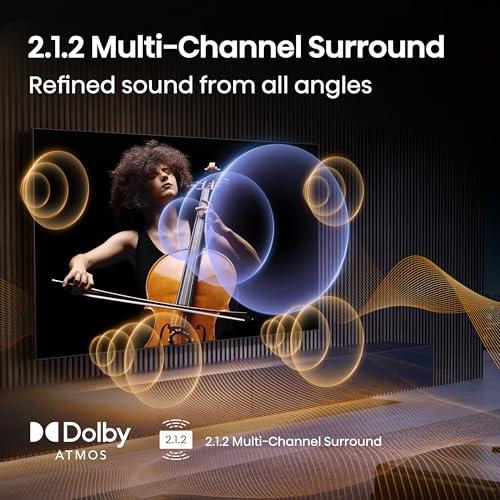
The U7 Series includes a 2.1.2 channel sound system with a built-in subwoofer. The "2.1.2" means two main speakers, one subwoofer, and two upward-firing speakers for Dolby Atmos height effects. It's a solid system that'll fill most rooms without needing a separate soundbar, though audiophiles will probably want to upgrade eventually.
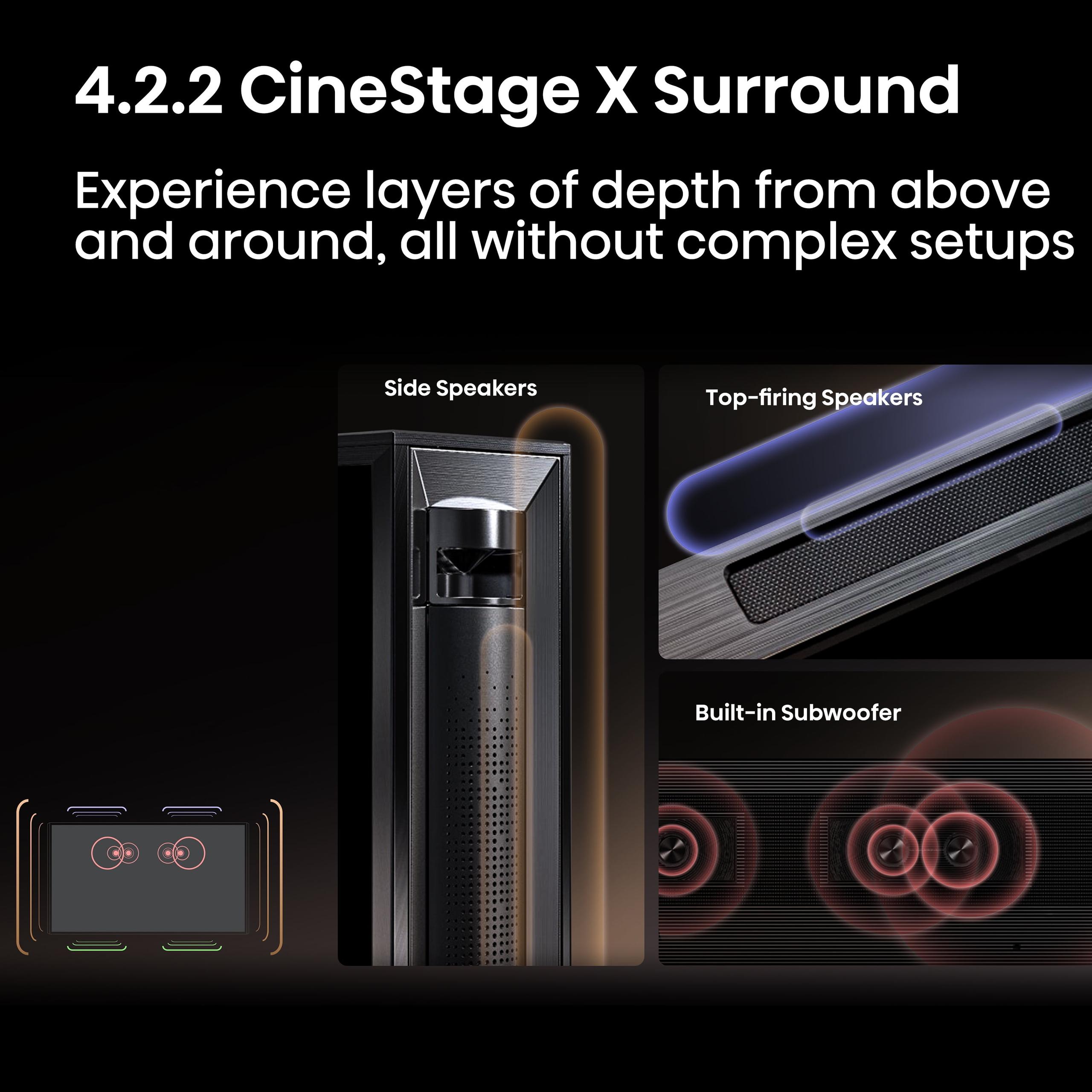
The 110" UX Series steps up with a more complex multi-driver system and what Hisense calls "AI Scenario Sound Optimizer." This analyzes what you're watching and adjusts the audio processing accordingly - boosting dialogue clarity during dialogue-heavy scenes or enhancing surround effects during action sequences.
Having tested similar AI-driven audio systems, they do make a noticeable difference. The TV can recognize whether you're watching a news program (where clear dialogue matters most) or an action movie (where dynamic range and effects are key) and adjust accordingly. It's not going to replace a proper home theater sound system, but it's significantly better than typical TV audio.
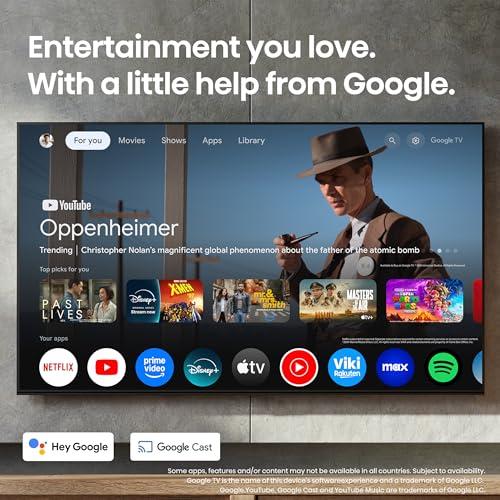
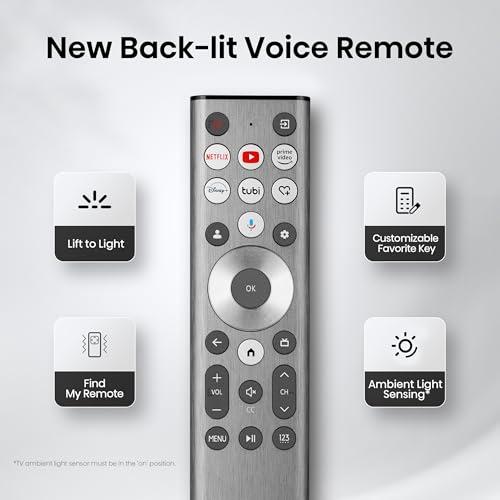
Both TVs run Google TV, which is currently one of the better smart TV platforms. It aggregates content from different streaming services, offers good voice search through Google Assistant, and supports Chromecast for easy phone-to-TV casting.
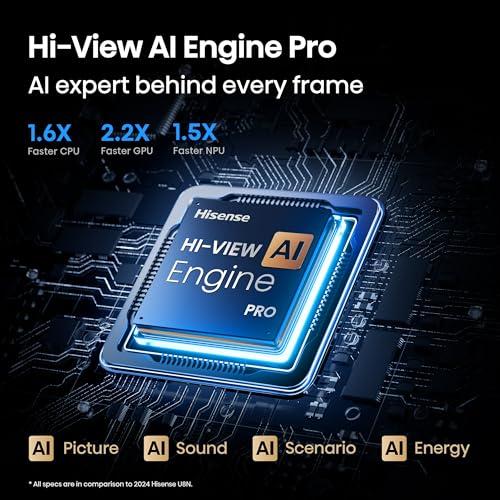
The processing differences become apparent in the AI engines. The U7 uses Hisense's Hi-View AI Engine Pro, while the UX Series gets the more advanced Hi-View AI Engine X. These systems analyze incoming video in real-time, adjusting sharpness, color, and contrast frame by frame.
In practice, this means less time spent in picture settings menus. The AI does a surprisingly good job of optimizing different content types - making compressed streaming video look cleaner while leaving high-quality 4K Blu-rays alone. The UX Series' more advanced processor should theoretically do this more accurately, though both are quite capable.
Here's where the rubber meets the road. The U7 Series costs about $30 per inch of screen, which is genuinely remarkable for a 100-inch Mini-LED TV. Just a few years ago, you'd pay that much for a 65-inch model with inferior technology.
The 110" UX Series costs roughly $127 per inch - more than four times as much per inch. That premium buys you 13 times more dimming zones, more than triple the peak brightness, and advanced features like the anti-glare screen coating and wider viewing angles.
Is it worth it? That depends entirely on your situation and priorities. For most people, the U7 Series delivers 90% of the premium experience at 20% of the cost. You get a massive, bright, colorful display with excellent gaming features and solid smart TV capabilities.
The UX Series is for situations where that last 10% of performance justifies a $11,000 premium. We're talking about dedicated home theaters with controlled lighting, professional content creation, or installations where cost is secondary to having the absolute best.
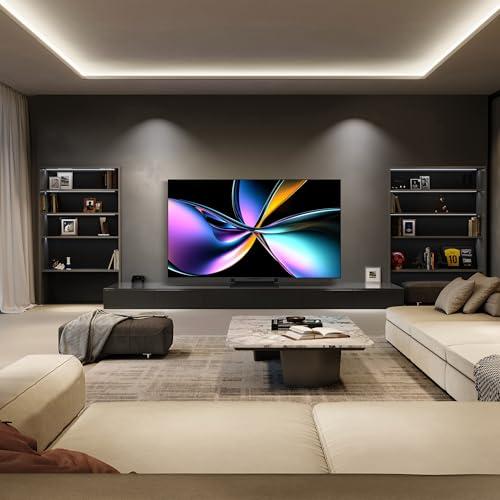
If you're building a dedicated home theater, several factors become crucial. Room size matters enormously - a 100-inch TV wants at least 12-15 feet of viewing distance for optimal comfort, while the 110-inch model prefers 15+ feet.
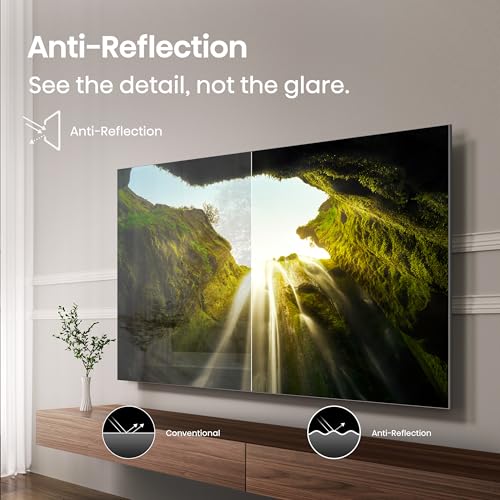
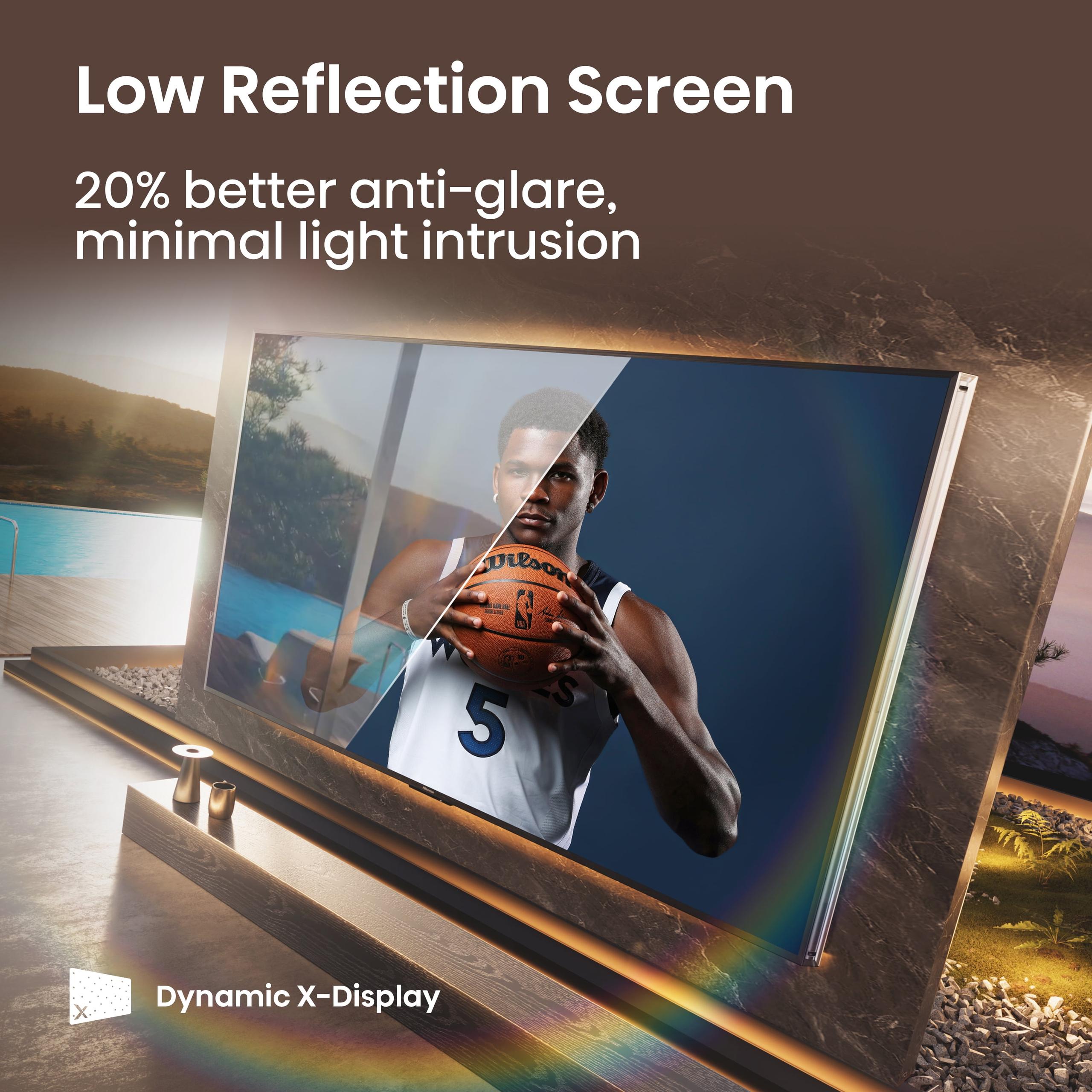
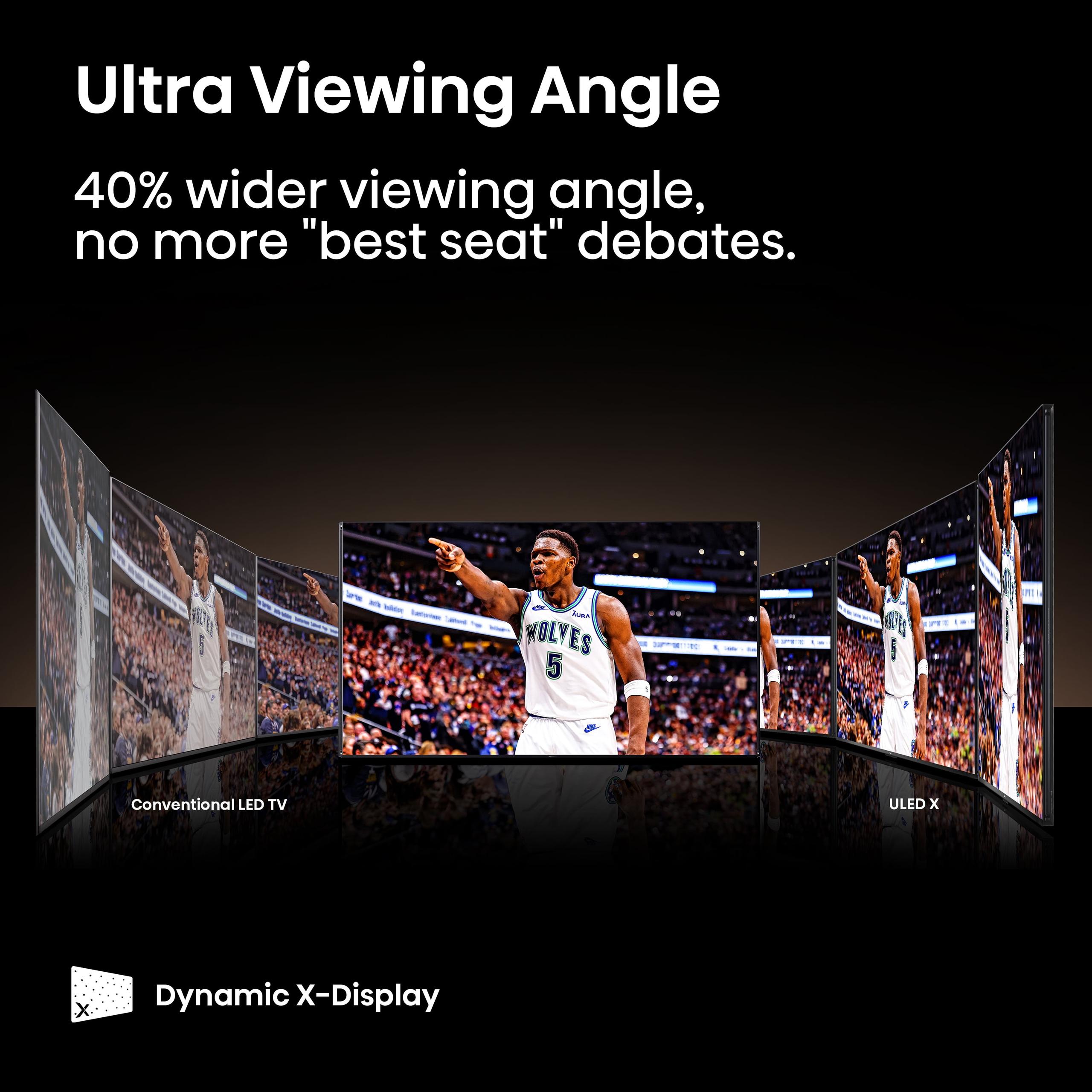
The UX Series' superior local dimming becomes more important in dark rooms where you can actually see the difference in black levels. Its anti-glare coating also helps if you can't completely control room lighting. The wider viewing angles (40% better than conventional TVs) matter more in theater seating arrangements where people aren't all sitting directly in front of the screen.
For gaming-focused setups, the U7 Series makes more sense with its higher refresh rate and additional HDMI 2.1 ports. Many home theaters double as gaming spaces, and the U7's gaming advantages outweigh the UX Series' picture quality improvements for this use case.
Choose the 100" U7 Series if you want maximum screen size for your money, prioritize gaming performance, or have a multi-use living space. It's the obvious choice for most buyers - delivering an incredible large-screen experience without breaking the bank.
The 110" UX Series makes sense for dedicated home theaters where picture quality trumps everything else, commercial installations, or situations where the absolute largest possible screen is worth the premium. The 40,000+ dimming zones really do create a reference-quality viewing experience that justifies the cost for serious videophiles.
Having experienced both tiers of Mini-LED technology, I'd recommend the U7 Series for 90% of buyers. The performance gap is real but not transformative enough to justify the massive price difference for most use cases. The UX Series is genuinely impressive, but it's solving problems that most people don't have while giving up some gaming advantages that many people do want.
Both represent excellent examples of how far large-format TV technology has come. Just a few years ago, displays this size were either impossibly expensive or used outdated technology. Now you can get cinema-scale viewing with cutting-edge features at prices that, while still significant, are within reach of many enthusiast buyers.
The bottom line: the U7 Series offers exceptional value and will satisfy the vast majority of large-screen TV buyers, while the UX Series provides reference-quality performance for those who demand the absolute best and have the budget to match.
| Hisense 100" U7 Series Mini-LED TV (100U75Q, 2025) | Hisense 110" UX Series 4K Mini-LED ULED TV |
|---|---|
| Price - Major factor in decision making | |
| $2,997.99 ($30 per inch - exceptional value) | $13,948 ($127 per inch - premium positioning) |
| Screen Size - Physical space and viewing distance requirements | |
| 100 inches (needs 12-15 ft viewing distance) | 110 inches (needs 15+ ft viewing distance) |
| Local Dimming Zones - Controls blooming and black levels | |
| 3,000+ zones (good precision, minimal blooming) | 40,000+ zones (reference-quality precision, virtually no blooming) |
| Peak Brightness - HDR performance and bright room viewing | |
| 3,000 nits (excellent for most environments) | 10,000 nits (extreme brightness, competes with sunlight) |
| Gaming Refresh Rate - Smoothness for console and PC gaming | |
| 165Hz native (higher performance for gaming) | 144Hz native (still excellent for gaming) |
| HDMI 2.1 Ports - Next-gen console and PC connectivity | |
| 4 ports at 4K@165Hz (maximum flexibility) | 2 ports at 4K@144Hz (adequate for most setups) |
| AI Processing - Picture optimization and smart features | |
| Hi-View AI Engine Pro (solid optimization) | Hi-View AI Engine X (advanced real-time processing) |
| Audio System - Built-in sound quality | |
| 2.1.2 channel with subwoofer (good for most rooms) | Multi-driver system with AI optimization (superior audio processing) |
| Viewing Angles - Picture quality from side seats | |
| Standard VA panel angles (best viewed head-on) | 40% wider viewing angles (better for theater seating) |
| Special Features - Premium additions | |
| AMD FreeSync Premium Pro, 6ms response time | Anti-glare coating, AI Scenario Sound Optimizer |
The Hisense 100" U7 Series costs $2,997.99, while the Hisense 110" UX Series is priced at $13,948. That's a significant $10,950 difference, making the UX Series nearly 5 times more expensive than the U7 Series.
The 100" U7 Series is better for gaming with its 165Hz refresh rate compared to the UX Series' 144Hz, plus it offers four HDMI 2.1 ports versus only two on the UX model. The U7 also has a 6ms response time and supports AMD FreeSync Premium Pro for smooth gaming performance.
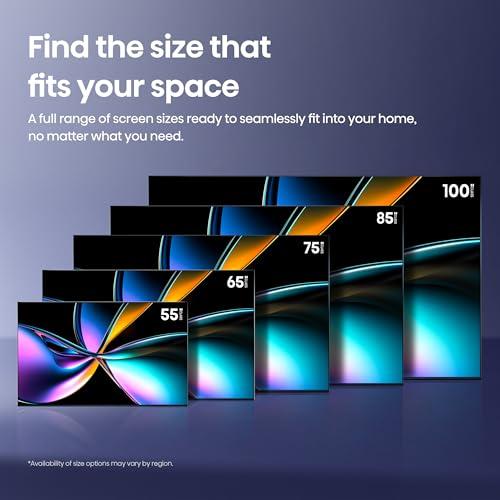
The U7 Series has a 100-inch screen requiring 12-15 feet of viewing distance, while the 110" UX Series needs 15+ feet for optimal viewing. The UX Series provides about 21% more screen area but requires a larger room setup.
The 110" UX Series has superior picture quality with 40,000+ local dimming zones and 10,000 nits peak brightness compared to the U7's 3,000+ zones and 3,000 nits. This translates to deeper blacks, less blooming, and better HDR performance, though both deliver excellent image quality.
Both work well for home theaters, but the 110" UX Series is specifically designed for dedicated theater rooms with its superior local dimming, anti-glare coating, and 40% wider viewing angles. The 100" U7 Series is excellent for multi-purpose spaces and offers better gaming performance for theater setups that double as gaming rooms.
The 100" U7 Series features a 2.1.2 channel system with built-in subwoofer and Dolby Atmos support. The 110" UX Series has a more sophisticated multi-driver system with AI Scenario Sound Optimizer that automatically adjusts audio based on content type.
The 100" U7 Series offers exceptional value at $30 per inch of screen, delivering 90% of premium performance at 20% of the cost. The UX Series provides reference-quality performance but at a premium price point that's only justified for dedicated home theaters where cost isn't the primary concern.
The U7 Series provides four HDMI 2.1 ports supporting 4K at 165Hz, while the 110" UX Series has two HDMI 2.1 ports supporting 4K at 144Hz. Both include USB ports, Ethernet, Wi-Fi 6E, and Bluetooth connectivity for comprehensive device support.
The 100" U7 Series reaches 3,000 nits peak brightness, which is excellent for most bright rooms. The 110" UX Series achieves an exceptional 10,000 nits, allowing it to compete with direct sunlight and deliver outstanding HDR performance in any lighting condition.
Both TVs excel at sports with their high refresh rates and bright displays. The U7 Series has a slight edge with 165Hz refresh rate for ultra-smooth motion, while the 110" UX Series offers wider viewing angles and superior brightness for large group viewing scenarios.
Choose the 100" U7 Series if you want maximum value, prioritize gaming, or have a multi-use living space. Select the 110" UX Series if you have a dedicated home theater, unlimited budget, and demand reference-quality picture performance with the largest possible screen size.
We've done our best to create useful and informative comparisons to help you decide what product to buy. Our research uses advanced automated methods to create this comparison and perfection is not possible - please contact us for corrections or questions. These are the sites we've researched in the creation of this article: rtings.com - bestbuy.com - rtings.com - lueckeaudiovideo.com - youtube.com - hisense-usa.com - youtube.com - hisense-usa.com - costco.com - hisense-usa.com - pcrichard.com - files.hisense-usa.com - bestbuy.com - youtube.com - hisense-usa.com - displayspecifications.com - bestbuy.com - hisense-usa.com - eftm.com - youtube.com - youtube.com - digitaltrends.com - prnewswire.com - rtings.com - youtube.com - walts.com - hisense.com.au - imagematrix.tech - techguide.com.au - global.hisense.com - prnewswire.com

Privacy Policy
Terms and Conditions - Affiliate Policy
Home Security
© Copyright 2008-2026.
11816 Inwood Rd #1211, Dallas, TX 75244