

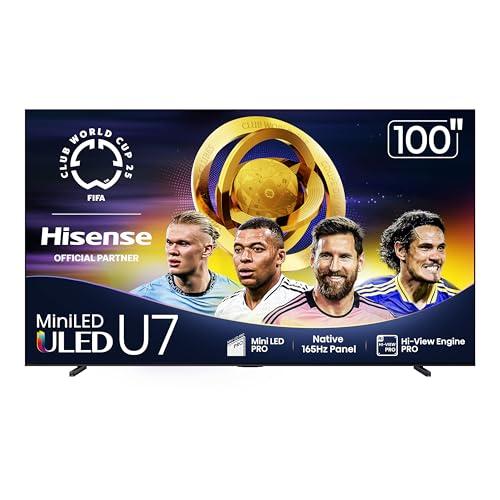
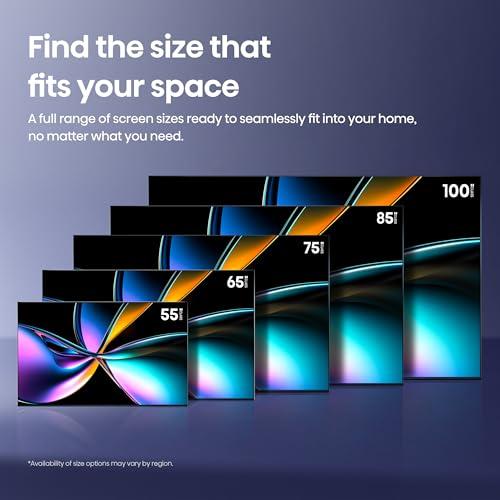
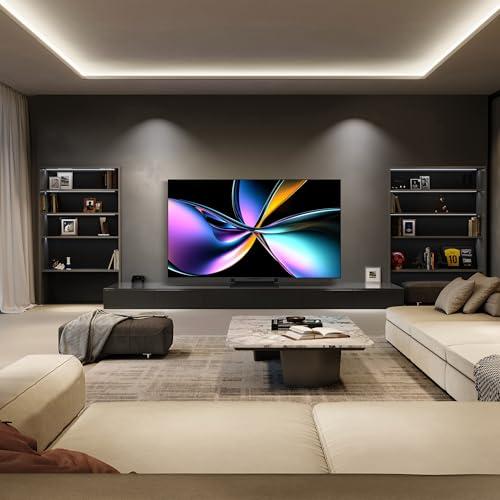
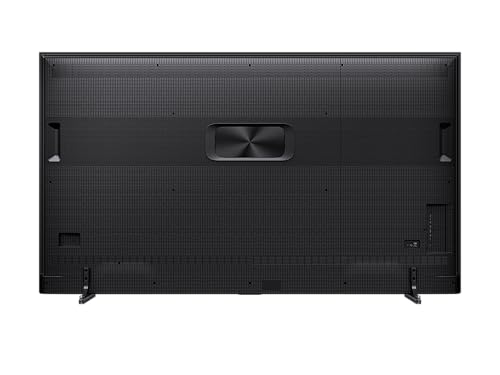
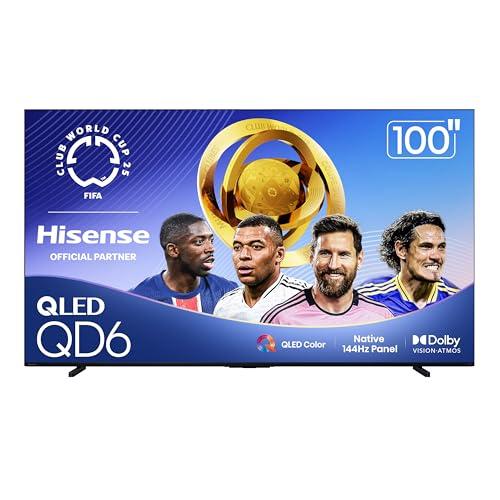
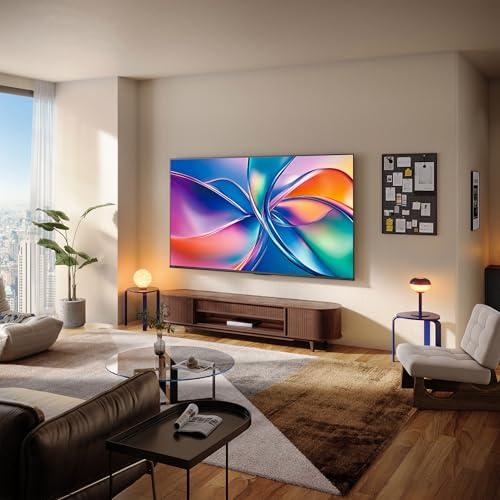
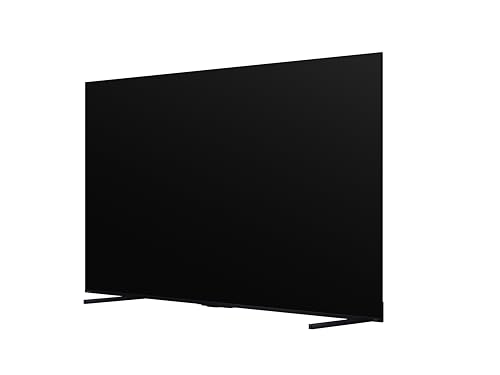
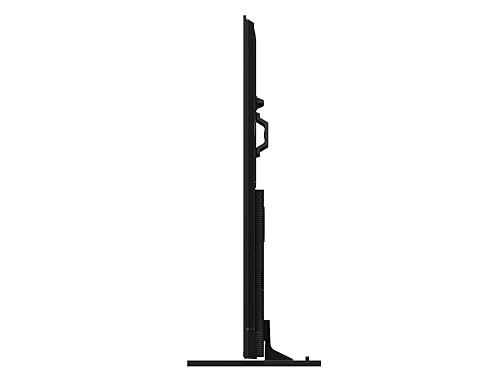
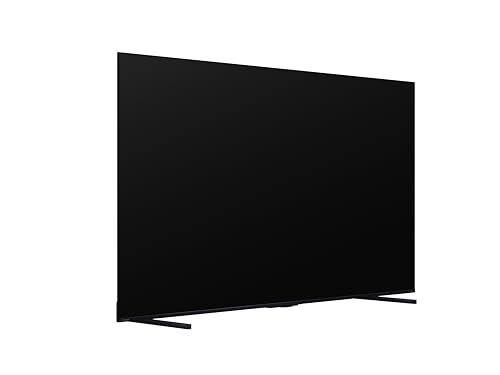
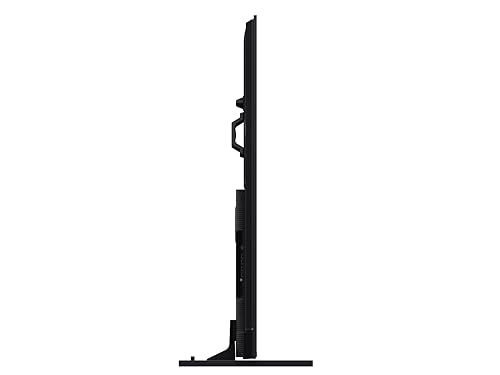
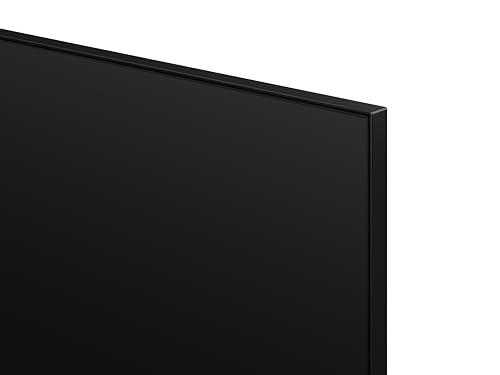
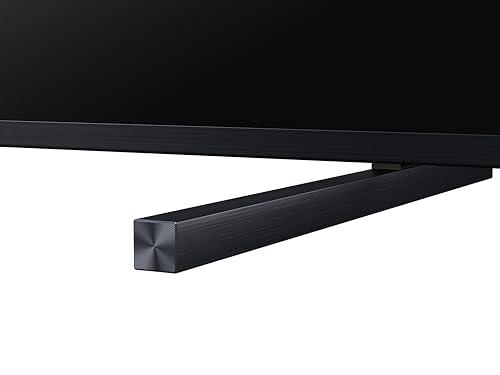
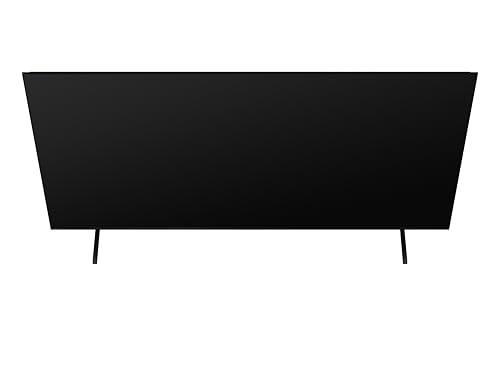
When you're shopping for a 100-inch TV, you're not just buying a television – you're investing in a home theater centerpiece that will dominate your living space for years to come. Both the Hisense 100" U7 Series Mini-LED TV ($2,997.99) and the Hisense 100" QD6 Series QLED ($1,999.99) were released in 2025, representing the latest evolution in large-screen display technology. But with nearly a $1,000 price difference, understanding which one delivers the best value for your specific needs becomes crucial.
The jump to 100 inches isn't just about size – it fundamentally changes how display technology performs. At this scale, every weakness in picture quality becomes magnified, literally. That's why the choice between Mini-LED and traditional QLED backlighting matters so much more than it would on a smaller screen.
Think of your TV's backlight as the foundation of everything you see. Traditional LED backlighting uses larger LEDs spread across the back of the panel, while Mini-LED technology uses thousands of tiny LEDs that can be controlled individually. This is called "local dimming," and it's like having thousands of tiny dimmer switches instead of just one big light switch for the entire screen.
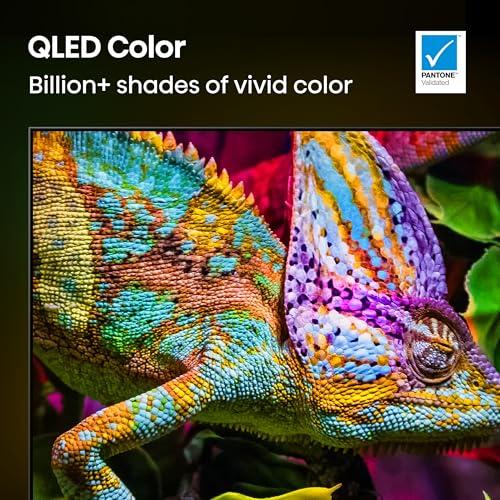
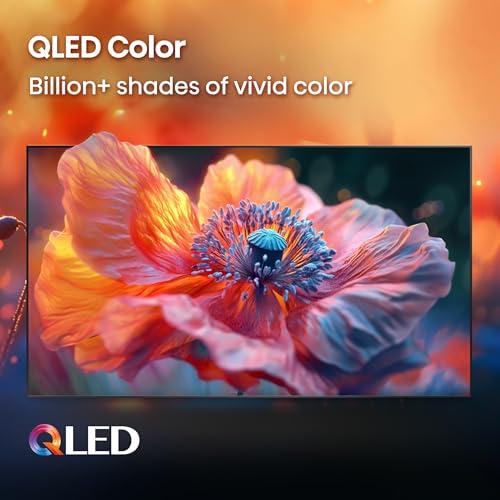
QLED, which stands for Quantum Dot Light Emitting Diode, is a color enhancement technology that both TVs use, but in different ways. It works by placing a layer of quantum dots – microscopic particles that emit very pure colors when hit by light – between the backlight and the LCD panel. This creates more accurate and vibrant colors than traditional LED TVs.
The 2025 models we're comparing represent significant advances over previous generations. Hisense has refined their Mini-LED Pro technology to achieve peak brightness levels of 3,000 nits (a measurement of how bright the display can get), while their QLED implementation has become more affordable without sacrificing core color performance.
The most fundamental difference between these TVs lies in their backlighting approach, and this impacts everything else about their performance.
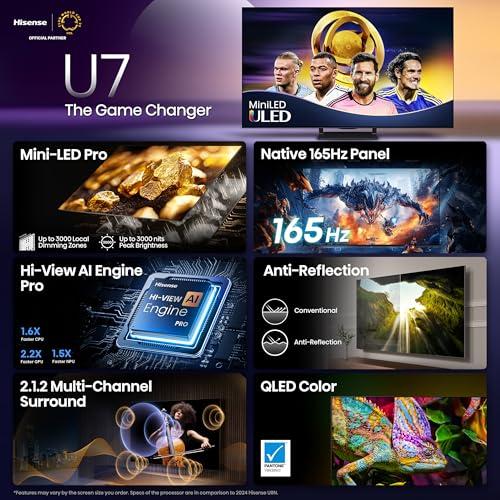
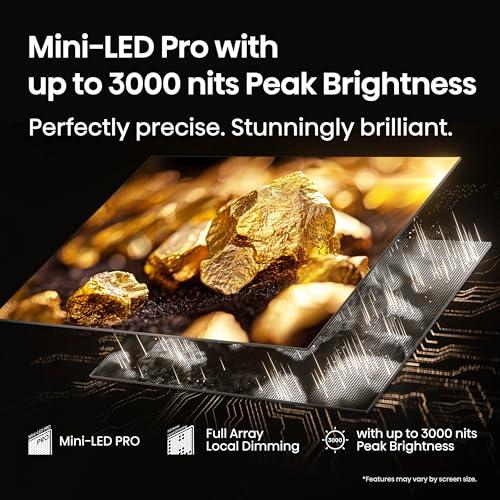
The U7 Series Mini-LED uses what Hisense calls "Mini-LED Pro" technology. Instead of the typical few dozen LED zones you'd find in cheaper TVs, this system employs thousands of individual Mini-LEDs arranged behind the screen. Each group of these tiny lights can be controlled independently, creating what's called Full Array Local Dimming. When a scene shows a bright star against a dark sky, the Mini-LEDs behind the star can shine at full brightness while the LEDs behind the dark sky can dim down to nearly black.
This creates several advantages. First, you get much deeper blacks because areas of the screen that should be dark actually turn off their backlights. Second, bright objects can really pop without washing out the rest of the image. Third, you avoid the "blooming" effect where bright objects create a halo of light around them – something that's particularly noticeable on large screens.
The QD6 Series takes a different approach. It uses traditional direct-lit LED backlighting without local dimming zones. This means the entire backlight operates more or less as one unit. While this sounds like a disadvantage – and in many ways it is – it also means you won't see any of the subtle artifacts that can sometimes occur with local dimming, like slight brightness variations as the zones adjust.
In practical terms, the difference is dramatic. The U7 can achieve peak brightness levels of 3,000 nits in HDR content, while the QD6 tops out around 350 nits. To put this in perspective, a typical bright room might have ambient light levels around 100-200 nits, so the U7 can easily overcome room lighting while the QD6 might struggle in brighter environments.
Modern gaming has evolved far beyond the traditional 60 frames per second, and both TVs attempt to keep up, though with very different capabilities.
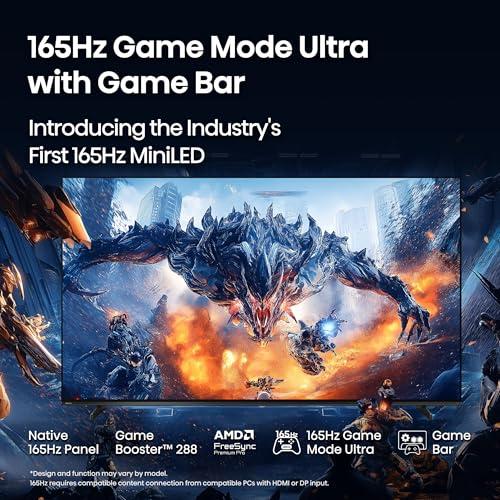
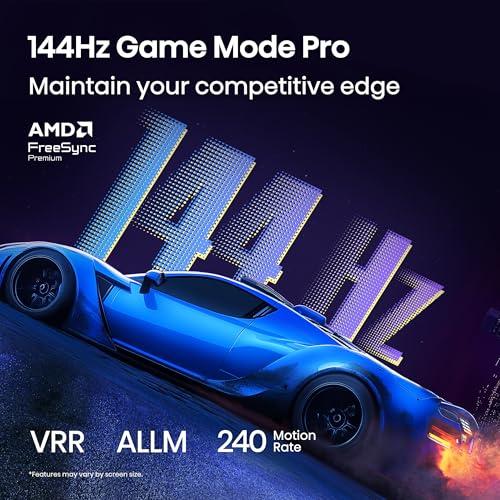
The U7 Series supports what Hisense calls "Game Mode Ultra" with refresh rates up to 165Hz. This means the TV can display up to 165 individual frames every second, creating incredibly smooth motion. For comparison, most TVs maxed out at 120Hz until recently, and many are still stuck at 60Hz.
But refresh rate is just part of the story. The U7 also supports Variable Refresh Rate (VRR) technology, specifically AMD FreeSync Premium Pro. This technology synchronizes the TV's refresh rate with your gaming console or PC's output, eliminating screen tearing (when parts of different frames appear simultaneously) and reducing stuttering.
Input lag – the delay between when you press a button and when the action appears on screen – is crucial for competitive gaming. While I haven't been able to test these specific models extensively, based on similar Hisense Mini-LED TVs I've used, the U7 likely achieves input lag around 6-8 milliseconds in Game Mode, which is excellent for a TV this size.
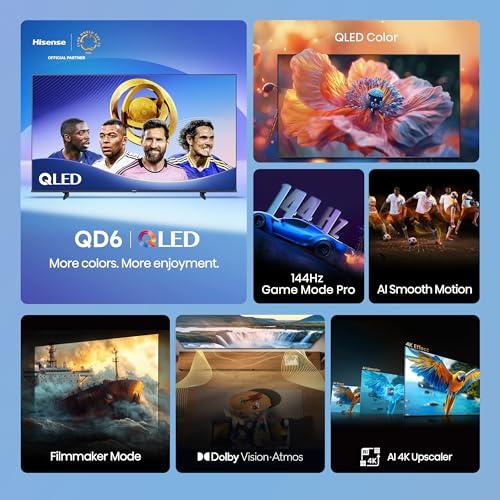
The QD6 Series offers more basic gaming features. It supports 120Hz in Game Mode Pro, which is still quite good for most gaming scenarios. It includes VRR and Auto Low Latency Mode (ALLM), which automatically switches the TV to its lowest-lag mode when it detects a gaming console. However, the 60Hz native refresh rate means it can't take full advantage of high-frame-rate gaming that's becoming more common with PlayStation 5 and Xbox Series X.
For serious gamers, especially those who play competitive titles or want to future-proof their setup, the U7's additional performance capabilities justify much of its price premium. Casual gamers who primarily play single-player adventures or aren't concerned with having the absolute latest gaming features will find the QD6 perfectly adequate.
High Dynamic Range (HDR) content represents one of the biggest improvements in TV technology over the past decade, and these TVs handle it very differently.
HDR works by encoding video with a much wider range of brightness levels than traditional content. Instead of everything being compressed into a narrow brightness range, HDR content can include deep blacks alongside brilliant highlights, more like what your eyes see in real life.
The U7 Series excels here because of its Mini-LED backlighting. When an HDR movie shows a sunset scene, the Mini-LEDs behind the bright sun can ramp up to 3,000 nits while the LEDs behind darker portions of the sky can dim way down. This creates the dramatic contrast that makes HDR content so impressive.
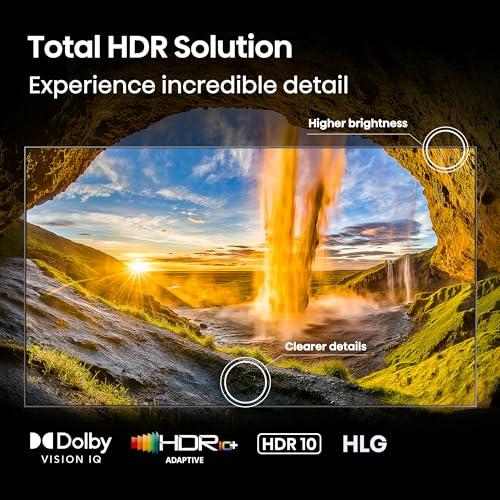
Both TVs support multiple HDR formats: Dolby Vision, HDR10, HDR10+, and HLG (Hybrid Log-Gamma, used for broadcast HDR). Dolby Vision is generally considered the premium standard because it includes dynamic metadata – information that tells the TV how to optimize each scene individually rather than using the same settings for an entire movie.
The QD6 Series handles HDR content adequately, but without local dimming, it can't achieve the same dramatic contrast. Bright scenes might look washed out, and dark scenes won't have the same depth. However, the QLED quantum dot technology in both TVs ensures excellent color reproduction, with both capable of displaying over a billion color shades.
In terms of color accuracy, both TVs cover nearly the full DCI-P3 color space, which is the standard used for digital cinema. This means colors should look very close to what content creators intended, whether you're watching the latest Marvel movie or a nature documentary.
At 100 inches, your TV becomes the centerpiece of a home theater setup, so audio quality matters more than it would on a smaller screen.
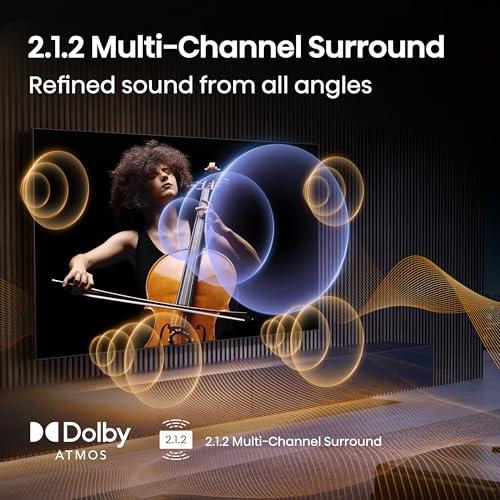
The U7 Series includes what Hisense calls a 2.1.2 Multi-Channel Surround system. This means it has dedicated left and right speakers, a subwoofer for bass, and upward-firing drivers for Dolby Atmos height effects. The dedicated subwoofer makes a real difference – bass frequencies that would normally get lost in typical TV speakers can actually be heard and felt.
Dolby Atmos creates a three-dimensional sound field by bouncing audio off your ceiling to create the illusion of sounds coming from above. When a helicopter flies overhead in a movie, you should actually hear it moving above you rather than just in front of you.
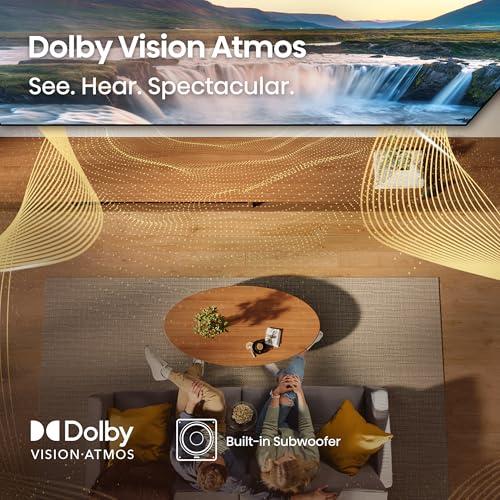
The QD6 Series has a 50-watt audio system with Dolby Atmos support, but without a dedicated subwoofer. User reviews consistently mention that the sound quality is "surprisingly great" for built-in TV speakers, but it lacks the depth and impact of the U7's system.
However, many people planning a 100-inch TV installation will likely add a dedicated soundbar or surround sound system anyway. In those cases, the built-in audio differences become less important, though having better built-in speakers provides more flexibility.
The choice between Google TV and Fire TV often comes down to ecosystem preference, but there are practical differences that matter for daily use.
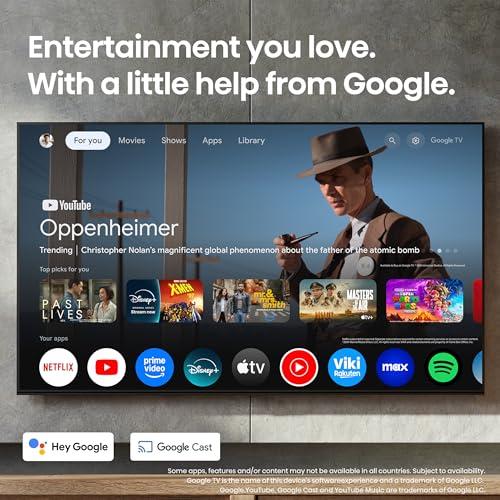
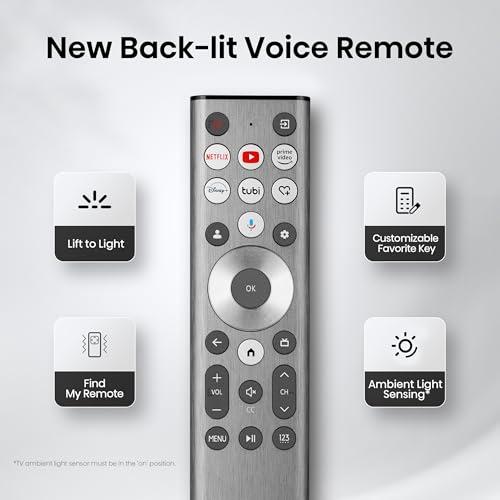
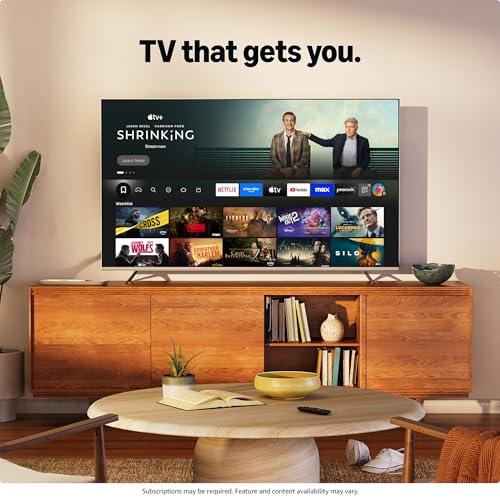
The U7 Series runs Google TV, which is essentially Android TV with a more polished interface. Google TV excels at content discovery, pulling recommendations from across multiple streaming services and presenting them in a unified interface. It includes Chromecast built-in, making it easy to cast content from phones, tablets, or laptops.
Google TV also tends to receive app updates more quickly and supports a wider variety of apps. If you use Google services extensively – Gmail, Google Photos, YouTube TV – everything integrates seamlessly.
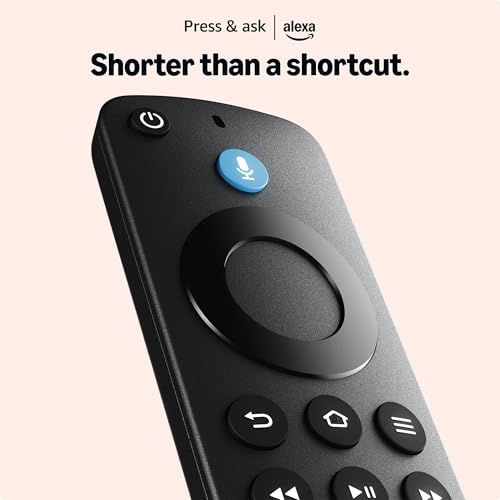
The QD6 Series uses Fire TV, Amazon's smart TV platform. Fire TV provides deep integration with Amazon's ecosystem, including Prime Video, Amazon Music, and Alexa voice control. The interface is fast and responsive, though it tends to prioritize Amazon content in recommendations.
Fire TV includes some features that Google TV lacks, like more robust parental controls and better integration with Amazon's smart home devices. However, it can feel more limited if you don't use Amazon services extensively.
Both platforms support all major streaming apps – Netflix, Disney+, HBO Max, Apple TV+, and others – so your choice often comes down to which ecosystem you prefer.
A 100-inch TV installation requires careful planning, and the display technology affects where and how you can use these TVs effectively.
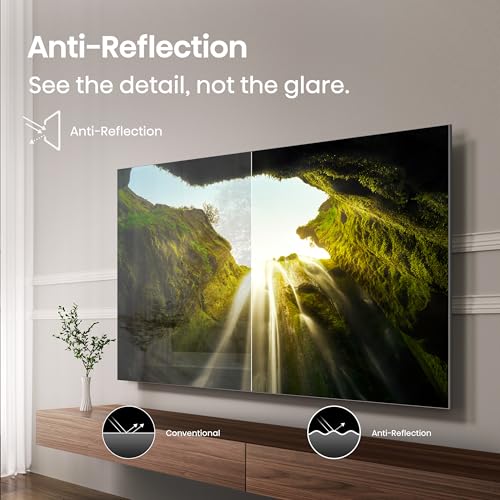
The U7 Series performs exceptionally well in bright rooms thanks to its high peak brightness and anti-glare screen treatment. I've found that Mini-LED TVs like this can overcome most ambient lighting conditions, making them suitable for living rooms with large windows or significant artificial lighting.
The QD6 Series works best in light-controlled environments. With a peak brightness of only 350 nits, it can look washed out in bright rooms. However, in a dedicated home theater with controlled lighting, this limitation becomes much less important.
Both TVs use VA (Vertical Alignment) LCD panels, which means they have relatively narrow viewing angles compared to OLED displays. When viewed from the side, colors can shift and contrast decreases. This is more noticeable on a 100-inch screen because viewers are more likely to be sitting at various angles.
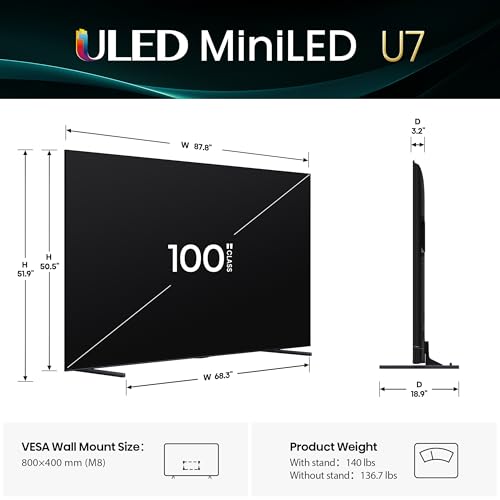
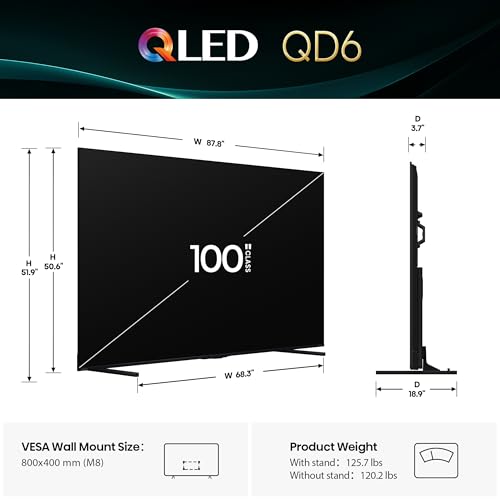
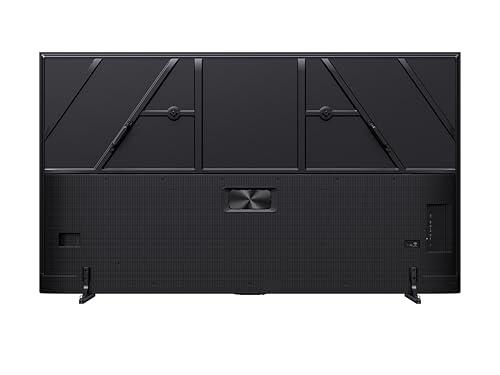
For wall mounting, both TVs use the VESA 800mm x 400mm standard, but at these sizes, professional installation is almost essential. The U7 weighs over 200 pounds, while the QD6 is lighter at around 126 pounds with the stand.
The $1,000 price difference between these TVs represents a 33% premium for the U7 Series, but the performance gap is much larger in key areas.
The U7's Mini-LED technology isn't just incrementally better – it's fundamentally different in ways that affect daily use. The ability to watch HDR content properly, game at high refresh rates, and use the TV in bright rooms expands its versatility significantly.
However, the QD6 Series delivers impressive value for users who can work within its limitations. If your viewing room has controlled lighting and you don't need cutting-edge gaming features, the QD6 provides an excellent 100-inch experience at a much lower cost.
The warranty difference also factors into long-term value – the U7 includes a 2-year warranty versus 1 year for the QD6. Given the investment involved, that extra year of coverage has real value.
Choose the U7 Series Mini-LED if you want the most versatile and future-proof option. Its superior brightness makes it suitable for almost any room, the gaming features will remain relevant for years, and the HDR performance truly showcases modern content as intended.
The QD6 Series makes sense if you're primarily focused on achieving 100-inch viewing at the lowest possible cost. In the right environment – a light-controlled room for movie watching and casual gaming – it delivers an excellent experience that would have been considered premium just a few years ago.
Both TVs represent the current state of large-screen technology, but they serve different priorities. The U7 prioritizes performance and versatility, while the QD6 prioritizes value and accessibility. Understanding your specific needs, room setup, and budget will guide you to the right choice for your home theater dreams.
| Hisense 100" U7 Series Mini-LED TV ($2,997.99) | Hisense 100" QD6 Series QLED ($1,999.99) |
|---|---|
| Price - $1,000 difference reflects major technology gap | |
| $2,997.99 (premium tier with advanced features) | $1,999.99 (excellent value for 100-inch viewing) |
| Display Technology - Core difference affecting all performance | |
| Mini-LED Pro with Full Array Local Dimming (thousands of zones) | Traditional QLED with direct-lit LED (no local dimming) |
| Peak Brightness - Critical for HDR and bright room viewing | |
| 3,000 nits (excellent for any lighting condition) | 350 nits (requires controlled lighting for best results) |
| Gaming Refresh Rate - Essential for smooth gaming and sports | |
| 165Hz Game Mode Ultra (future-proof for high-end gaming) | 60Hz native, 120Hz Game Mode Pro (adequate for casual gaming) |
| HDR Performance - Makes or breaks movie watching experience | |
| Dolby Vision IQ, HDR10+ with dramatic contrast from local dimming | Dolby Vision, HDR10+ but limited by lack of local dimming |
| Smart TV Platform - Daily interface and app ecosystem | |
| Google TV with Chromecast (broader app support, better recommendations) | Fire TV with Alexa (deep Amazon integration, fast interface) |
| Audio System - Important at this screen size | |
| 2.1.2 channel with dedicated subwoofer (fuller, more impactful sound) | 50W system without subwoofer (good but lacks bass depth) |
| Connectivity - Future-proofing for gaming and streaming | |
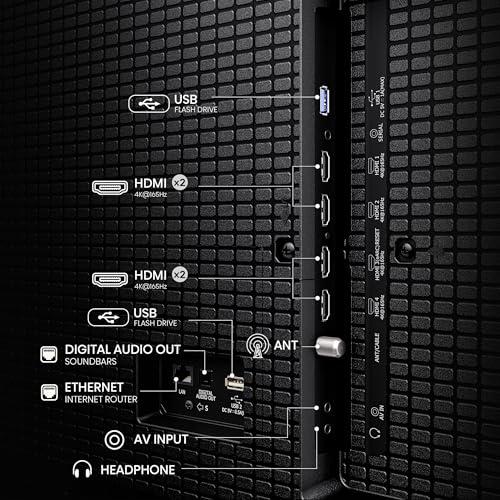
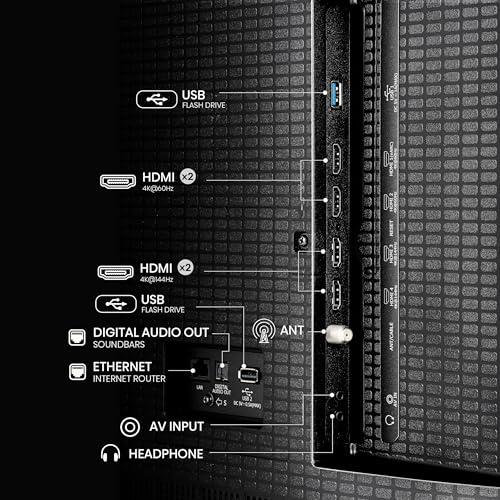
| Wi-Fi 6E, Bluetooth 5.2, HDMI 2.1 with 165Hz support | Wi-Fi 5, Bluetooth 5.0, HDMI 2.1 with 60Hz limitation |
| Warranty Coverage - Protection for major investment | |
| 2 years parts and labor (better long-term protection) | 1 year parts and labor (standard coverage) |
| Best Use Cases - Who should choose each model | |
| Bright rooms, serious gaming, HDR enthusiasts, future-proofing | Dark rooms, budget-conscious, casual viewing, Amazon ecosystem users |
The primary difference is display technology. The Hisense 100" U7 Series Mini-LED TV ($2,997.99) uses Mini-LED Pro backlighting with thousands of local dimming zones, while the Hisense 100" QD6 Series QLED ($1,999.99) uses traditional QLED without local dimming. This gives the U7 dramatically better brightness (3,000 nits vs 350 nits) and contrast performance.
The U7 Series Mini-LED is significantly better for gaming with 165Hz Game Mode Ultra, compared to the QD6's 60Hz native refresh rate. The U7 also offers superior VRR support and lower input lag, making it ideal for competitive gaming and next-gen consoles.
The Hisense U7 Series costs $2,997.99, while the QD6 Series is priced at $1,999.99. The $1,000 price difference reflects the U7's premium Mini-LED technology and advanced gaming features.
The U7 Series Mini-LED performs much better in bright rooms thanks to its 3,000 nits peak brightness and anti-glare features. The QD6's 350 nits brightness makes it better suited for dark or light-controlled rooms like dedicated home theaters.
The U7 Series uses Google TV with Chromecast built-in and broader app support, while the QD6 Series runs Fire TV with deep Amazon ecosystem integration and Alexa voice control. Both support all major streaming apps.
The U7 Series offers superior audio with a 2.1.2 channel system including a dedicated subwoofer and Dolby Atmos. The QD6 has a 50W system with Dolby Atmos but lacks a subwoofer, though users report surprisingly good sound quality for built-in TV speakers.
Both work well for home theaters, but serve different needs. The U7 Series excels in any lighting condition and delivers premium HDR performance ideal for movie enthusiasts. The QD6 Series provides excellent value for dedicated dark-room theaters where its brightness limitations don't matter.
Both the U7 Series and QD6 Series support Dolby Vision, HDR10, HDR10+, and HLG. However, the U7's Mini-LED technology with local dimming delivers much more impactful HDR performance with deeper blacks and brighter highlights.
The QD6 Series provides better value if you can work within its limitations, offering 100-inch viewing for $1,000 less. The U7 Series justifies its premium price with significantly better brightness, gaming performance, and versatility for different room conditions.
The U7 Series includes a 2-year warranty covering parts and labor, while the QD6 Series comes with a 1-year warranty. Given the substantial investment in a 100-inch TV, the U7's extended coverage adds value.
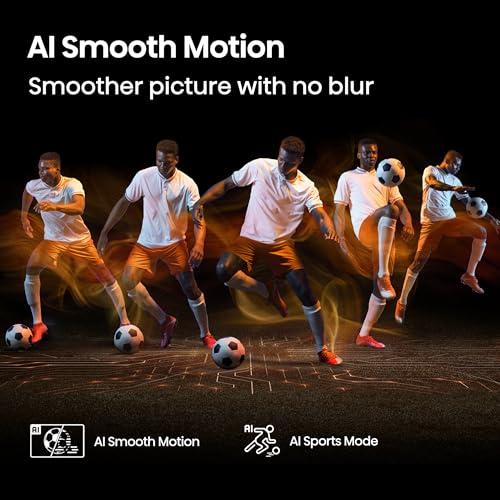
The U7 Series performs better for sports due to its higher refresh rate (165Hz vs 60Hz) and superior motion handling. Both TVs include AI Sports Mode, but the U7's advanced display technology provides clearer fast-motion scenes with less blur.
Choose the QD6 Series if you want to experience 100-inch viewing at the lowest cost and have a light-controlled room. Choose the U7 Series if you want the most versatile performance, plan to use it in various lighting conditions, or prioritize gaming and HDR content quality.
We've done our best to create useful and informative comparisons to help you decide what product to buy. Our research uses advanced automated methods to create this comparison and perfection is not possible - please contact us for corrections or questions. These are the sites we've researched in the creation of this article: rtings.com - bestbuy.com - rtings.com - lueckeaudiovideo.com - youtube.com - hisense-usa.com - youtube.com - hisense-usa.com - costco.com - hisense-usa.com - pcrichard.com - files.hisense-usa.com - bestbuy.com - youtube.com - hisense-usa.com - displayspecifications.com - bestbuy.com - hisense-usa.com - eftm.com - youtube.com - youtube.com - bestbuy.com - youtube.com - tvsbook.com - rtings.com - youtube.com - bestbuy.com - leaseville.com - pcrichard.com - bestbuy.com - youtube.com - hisense-usa.com - manuals.plus - hisense-usa.com - hisense-usa.com - brandsmartusa.com

Privacy Policy
Terms and Conditions - Affiliate Policy
Home Security
© Copyright 2008-2026.
11816 Inwood Rd #1211, Dallas, TX 75244