

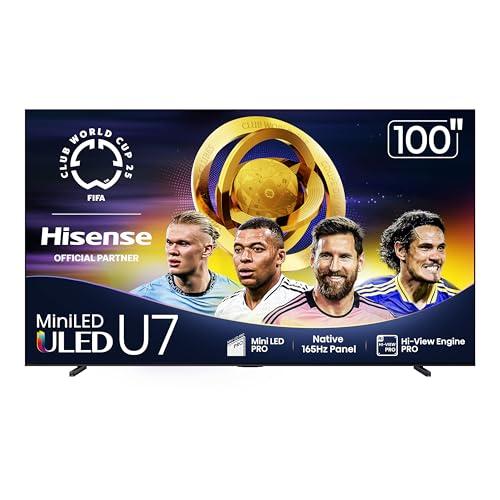
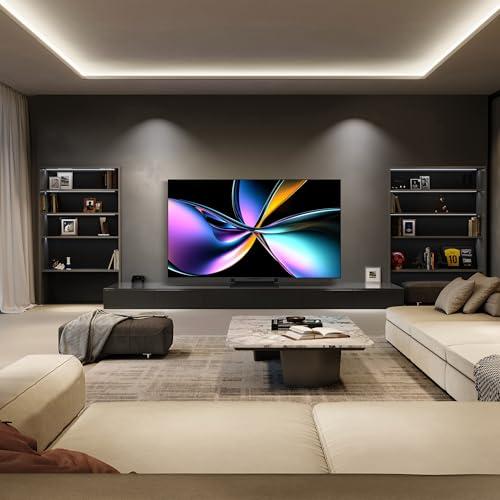
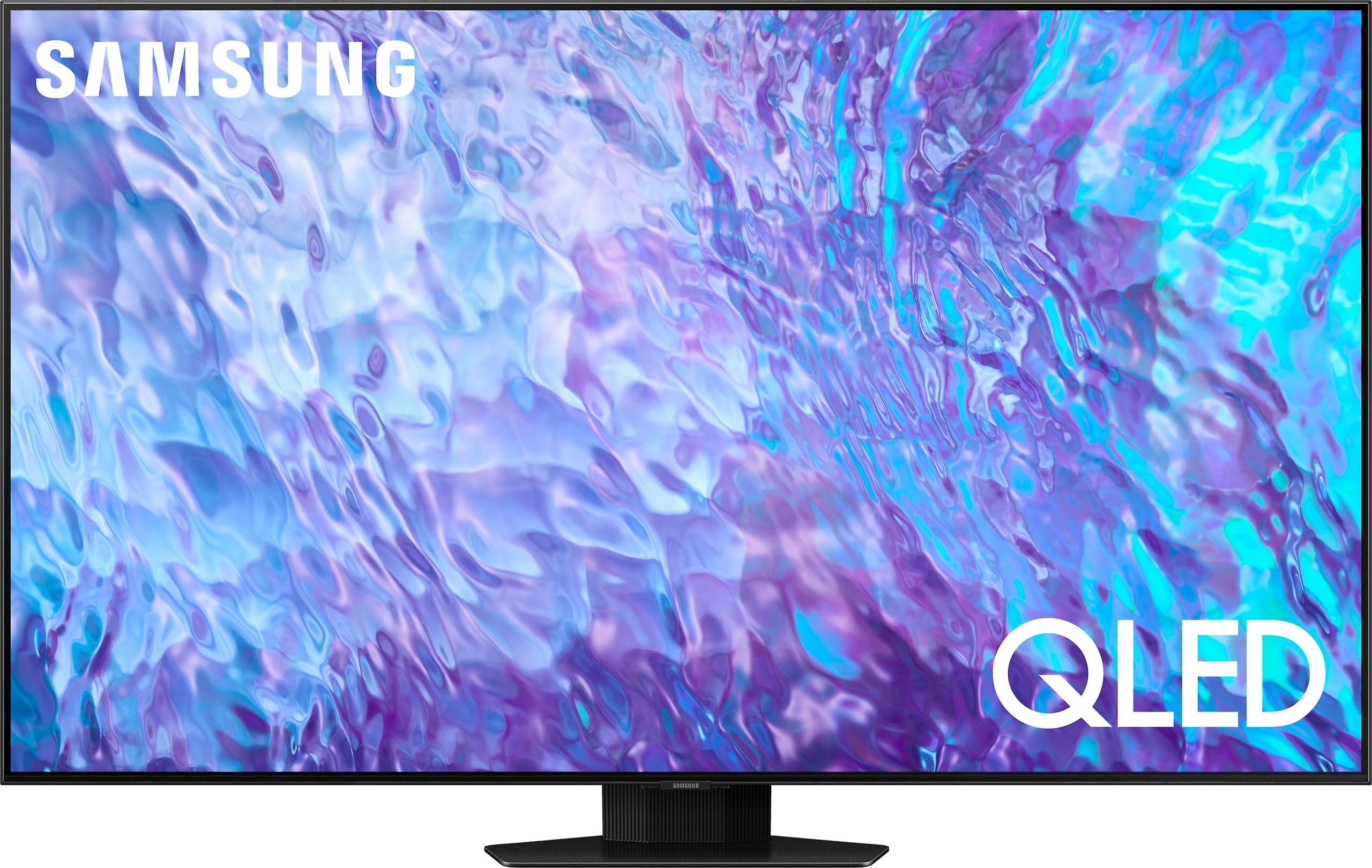
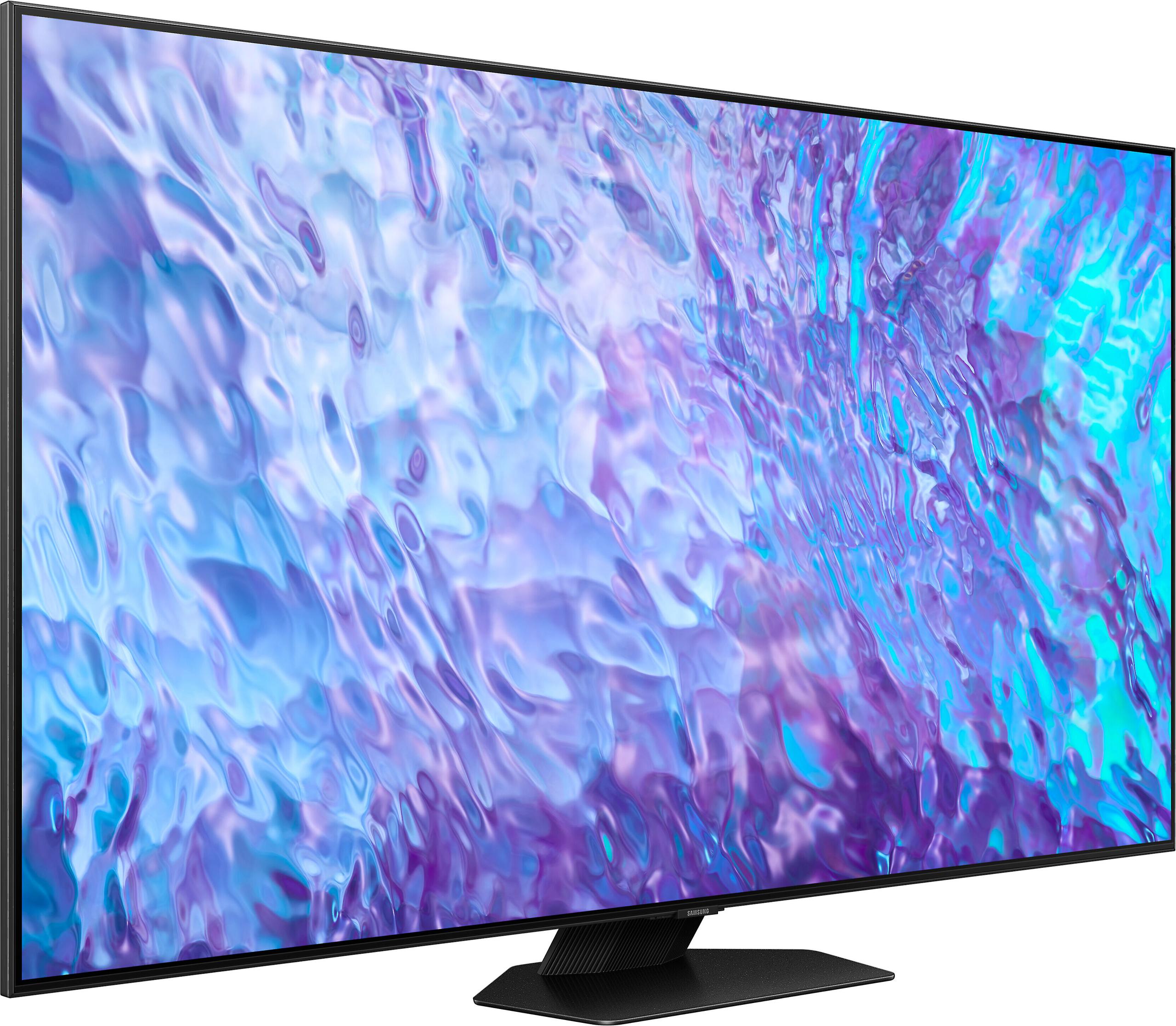
When you're shopping for a TV that's nearly the size of a movie theater screen, you're entering premium territory where every detail matters. Today we're comparing two massive displays that promise to transform your living room into a home cinema: the Hisense 100" U7 Series Mini-LED TV and the Samsung 98" Q80C 4K Smart QLED TV. Both are impressive in their own right, but they represent different approaches to delivering that big-screen experience at home.
Shopping for a TV this size isn't like picking up a regular 65-inch model. We're talking about displays that weigh over 200 pounds and cost around $3,000 – these are serious investments that need to deliver exceptional performance. The main things you should care about in this category are picture quality (especially in bright rooms), gaming capabilities, smart features, and long-term value.
The technology has evolved rapidly in recent years. Mini-LED backlighting, which uses thousands of tiny LEDs behind the screen instead of a few dozen larger ones, has revolutionized how these big TVs handle contrast and brightness. Higher refresh rates have become standard for gaming, and smart TV platforms have gotten much more sophisticated. When you're spending this kind of money, you want technology that won't feel outdated in a few years.
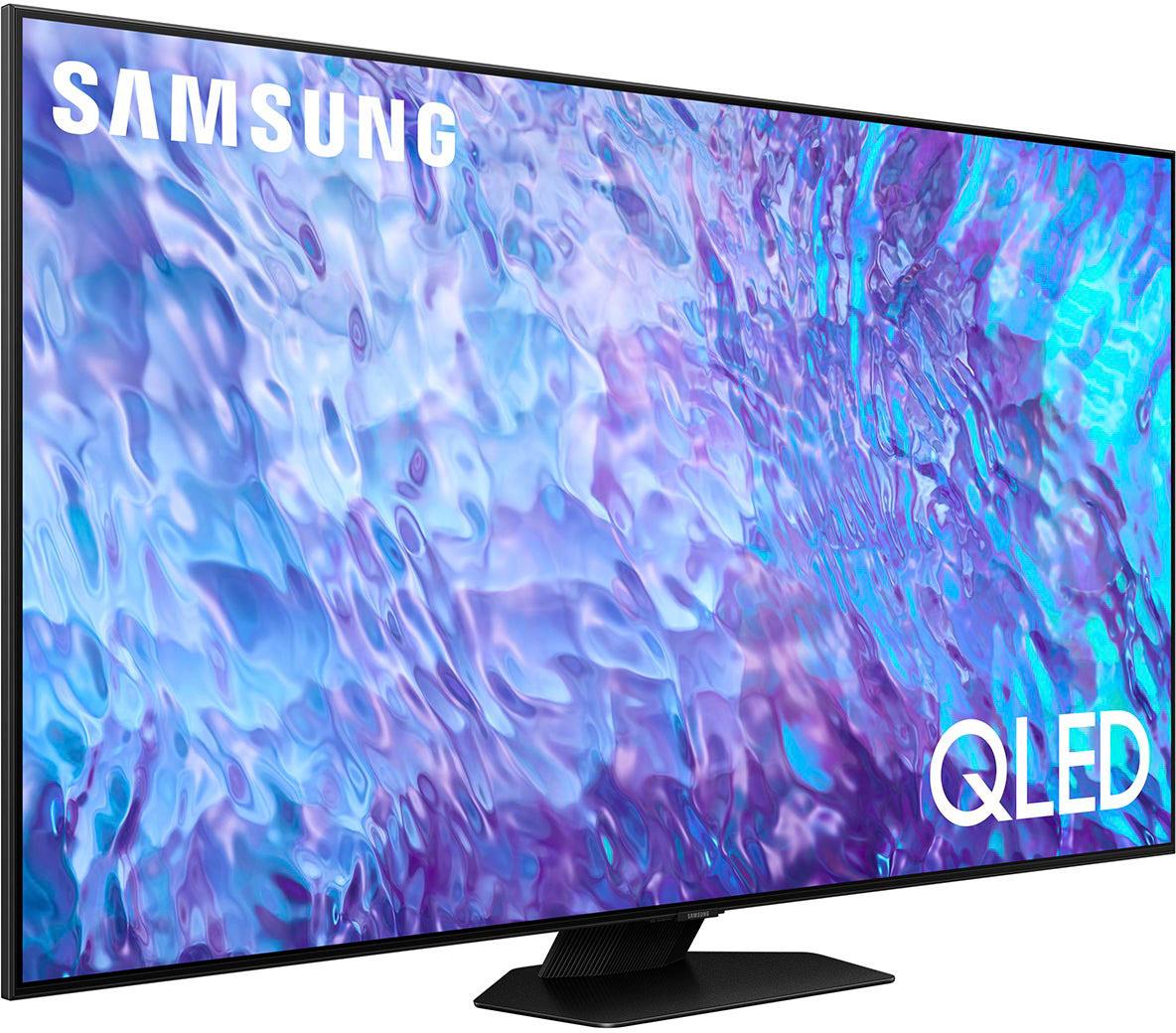
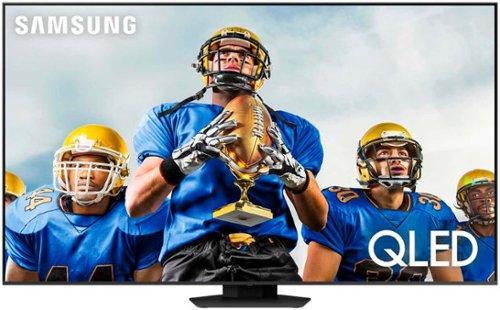
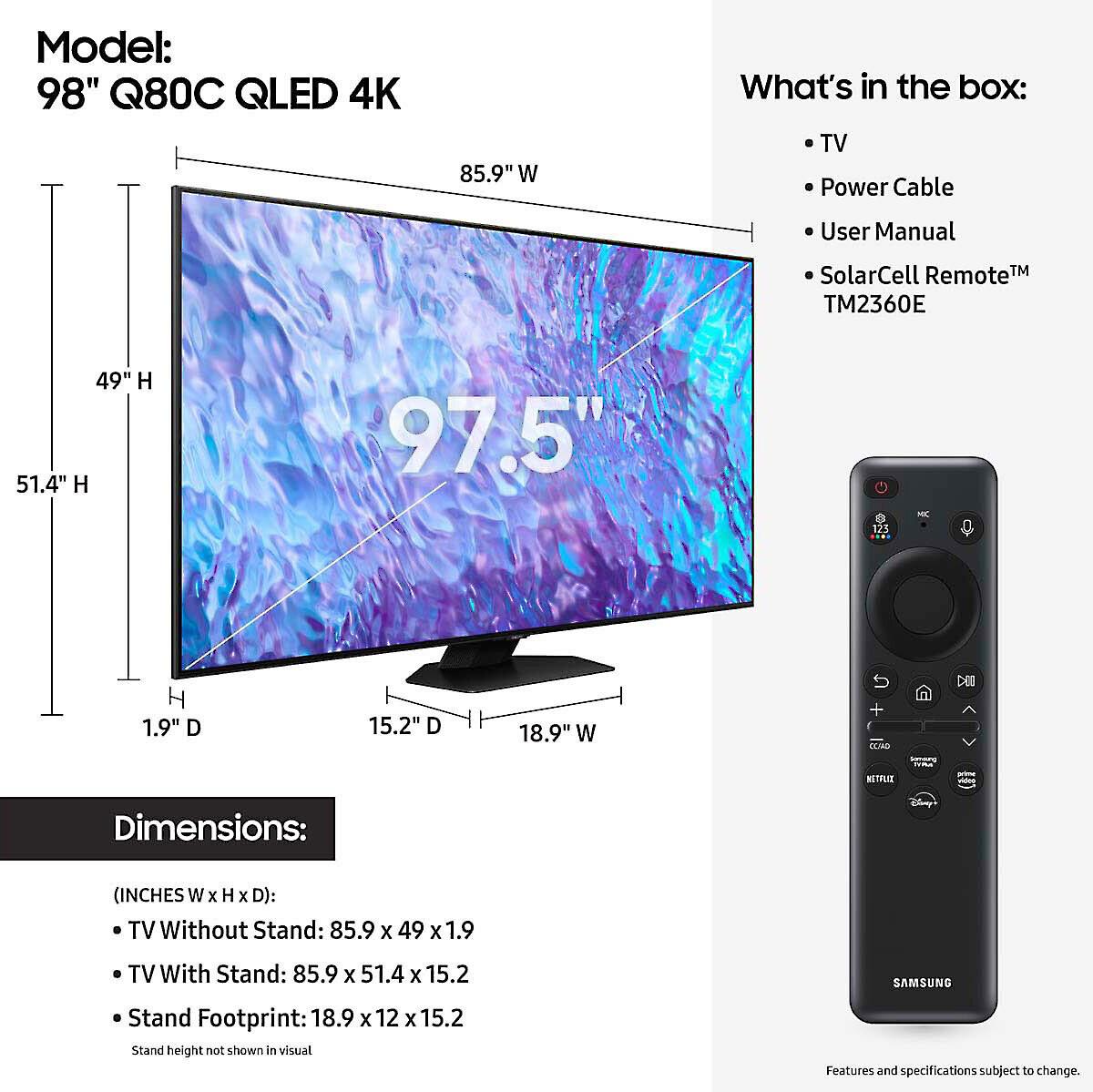
The Samsung 98" Q80C launched in 2023 as part of Samsung's mid-to-high-end QLED lineup. It represented solid, proven technology with Samsung's reliable Tizen smart platform and their established QLED color technology. Think of it as a mature, well-refined approach to large-screen TVs.
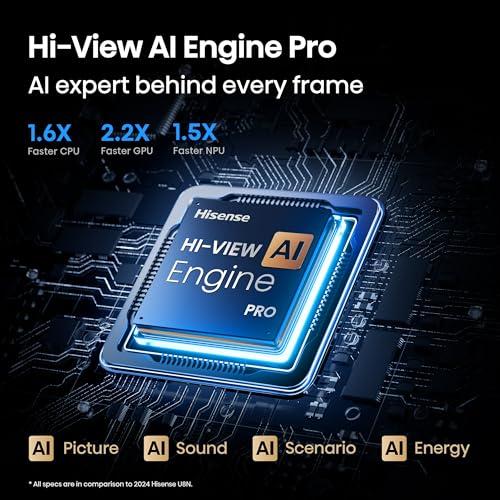
The Hisense 100" U7 Series, on the other hand, is a 2025 model that showcases the latest display innovations. It arrived with cutting-edge Mini-LED technology and features that were premium-only just a few years ago. This two-year gap matters more than you might think – TV technology moves fast, and the Hisense benefits from newer processing chips, updated connectivity standards, and lessons learned from earlier Mini-LED implementations.
Since the Samsung's 2023 release, we've seen major improvements in local dimming (the technology that controls brightness in different parts of the screen), gaming features, and smart TV platforms. The Hisense essentially represents where the industry has moved in those two years.
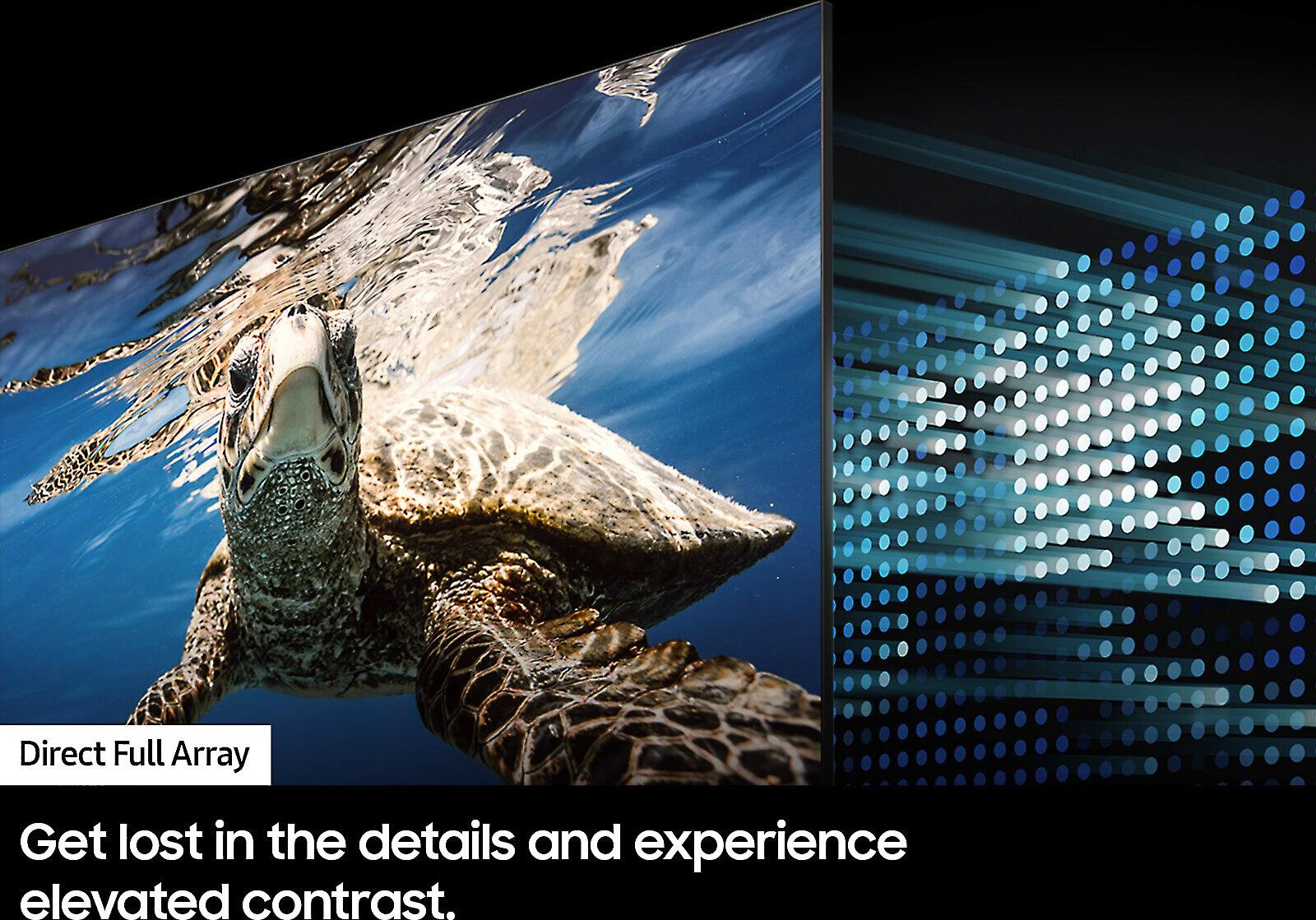
Here's where things get interesting: these TVs use fundamentally different backlighting approaches. The Samsung uses traditional QLED technology with standard LED backlighting arranged behind the screen. It's reliable and produces good picture quality, but it has limitations in how precisely it can control brightness across different areas of the screen.
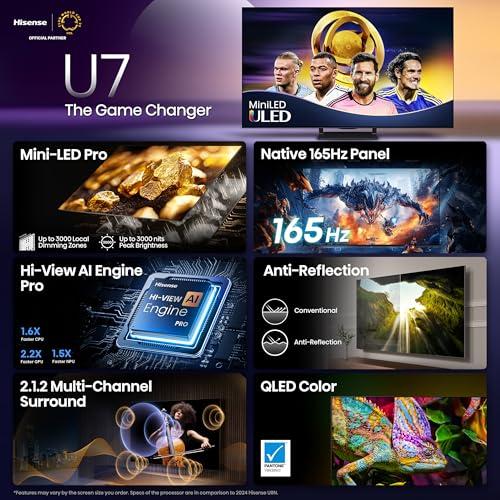
The Hisense U7 uses Mini-LED technology, which is a game-changer. Instead of having a few hundred LED lights behind the screen, it has over 3,000 tiny LEDs organized into thousands of dimming zones. Think of it like the difference between painting with a house brush versus a fine art brush – the Mini-LED gives you much more precise control.
This precision matters most when you're watching content with both very bright and very dark elements in the same scene. Traditional LEDs might make the entire area around a bright streetlight glow slightly, while Mini-LEDs can keep that glow much more contained. It's called "blooming," and reducing it makes for a much more realistic picture.
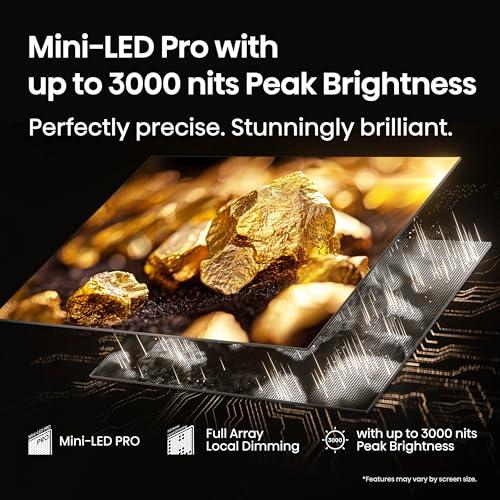
The brightness difference between these TVs is substantial and affects how you'll use them. The Hisense 100" U7 can hit over 3,000 nits of peak brightness, while the Samsung tops out around 1,500 nits. To put this in perspective, a typical TV might only reach 400-600 nits.
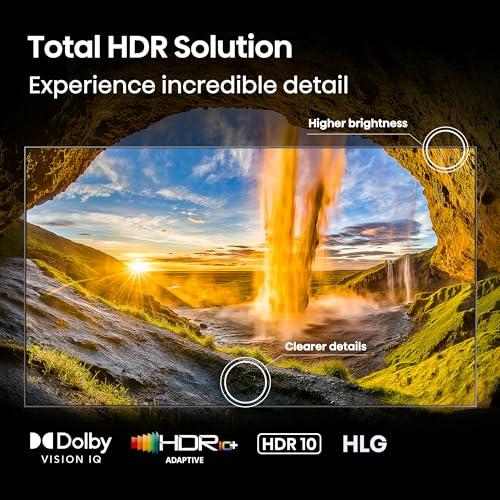
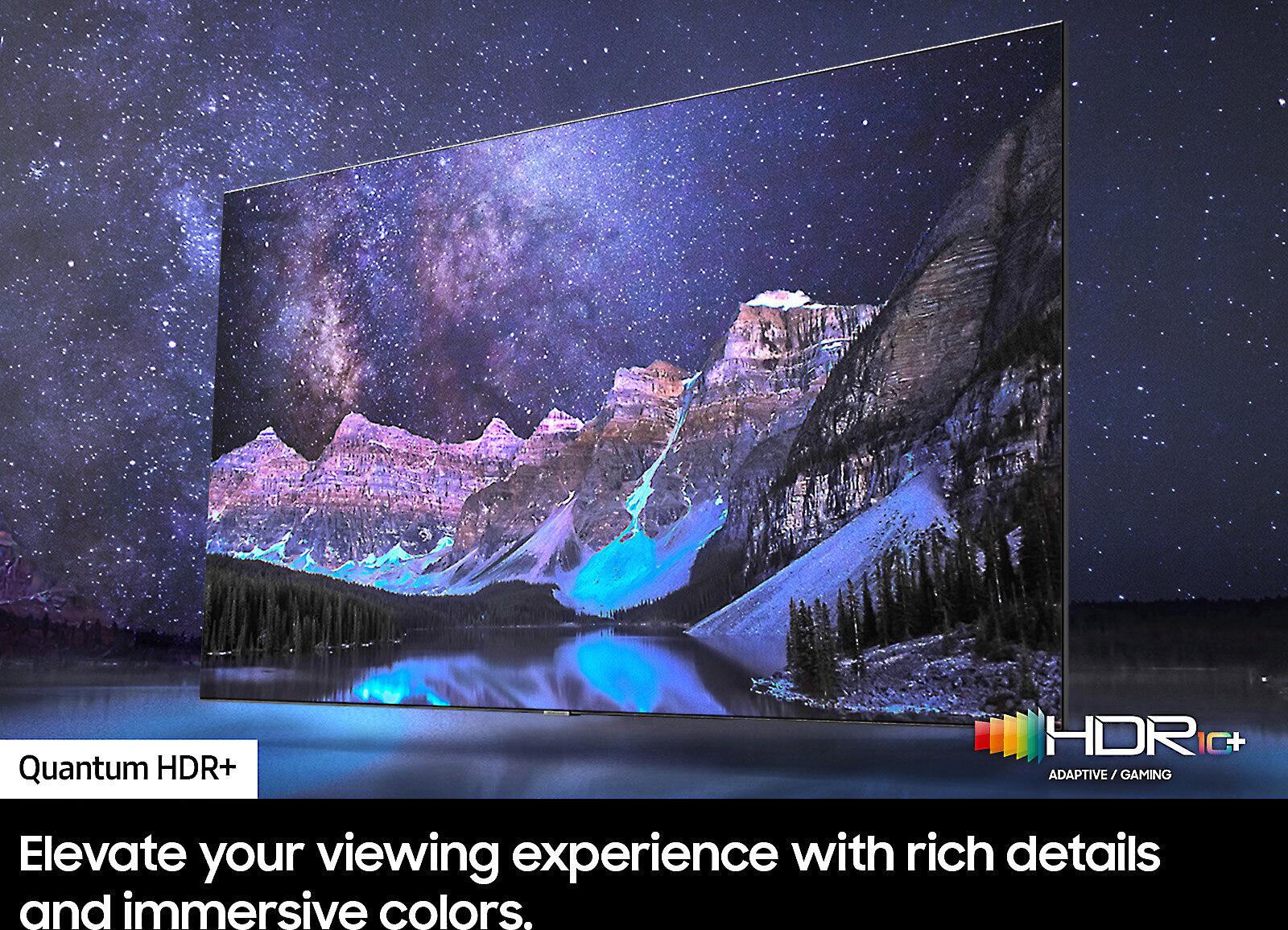
Why does this matter? HDR content (High Dynamic Range) is designed to take advantage of very bright highlights and very dark shadows simultaneously. When you're watching a movie scene with bright sunlight streaming through a window into a dark room, the TV needs to be able to show both convincingly. The Hisense's extra brightness headroom means it can make those sunny patches truly pop while keeping the shadows deep and detailed.
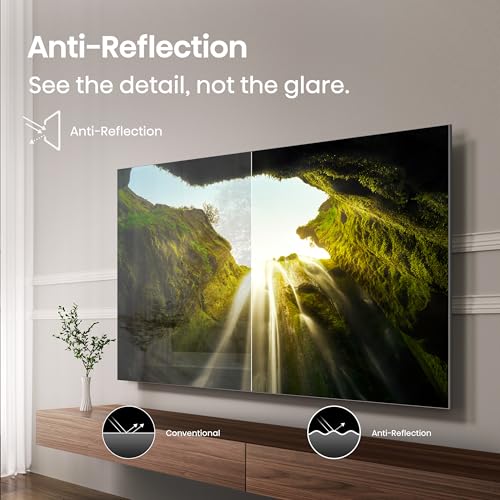
This brightness advantage is especially important if your TV room has windows or you tend to watch during the day. I've found that TVs with lower peak brightness can look washed out in bright rooms, forcing you to close curtains or wait until evening for the best viewing experience. The Hisense's brightness capabilities mean you can enjoy great picture quality even with some ambient light in the room.
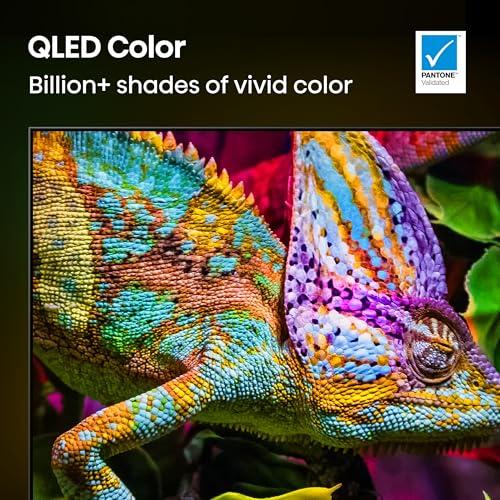
Both TVs use quantum dot technology for color reproduction, but they implement it differently. Quantum dots are microscopic particles that can produce very pure, vibrant colors when light hits them. Both TVs can display over a billion different colors, which is far more than older TVs could manage.
The Samsung has the advantage of Samsung's mature color processing. Their engineers have been refining QLED color reproduction for years, and it shows in accurate, natural-looking colors that don't oversaturate skin tones or make everything look artificially vivid. The colors are rich but believable.
The Hisense counters with better contrast control thanks to its Mini-LED backlighting. Those thousands of dimming zones mean it can show deeper blacks right next to bright colors without compromising either. In practical terms, this means movie scenes with mixed lighting look more realistic – dark shadows stay truly dark even when there are bright elements nearby.
Here's an area where both TVs have similar limitations. They both use VA (Vertical Alignment) LCD panels, which provide excellent contrast when you're sitting directly in front of the screen but can look washed out when viewed from the side. This is particularly important with screens this large because people sitting at the edges of your seating area might notice the picture quality degradation.
For a dedicated home theater where everyone sits facing the screen directly, this isn't a problem. But if you have a large family room where people might be watching from various angles, it's worth considering. OLED TVs handle wide viewing angles better, but they're much more expensive at these sizes and can't match the brightness levels of these QLED models.
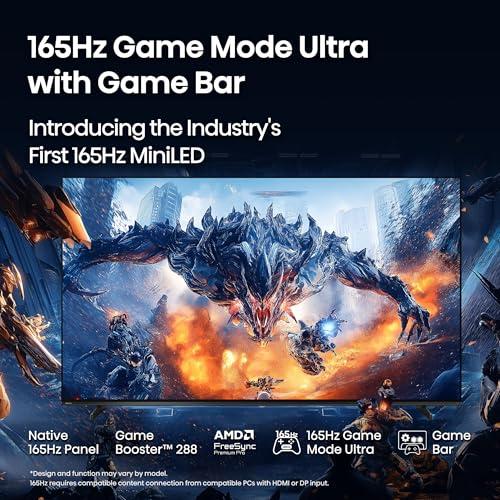
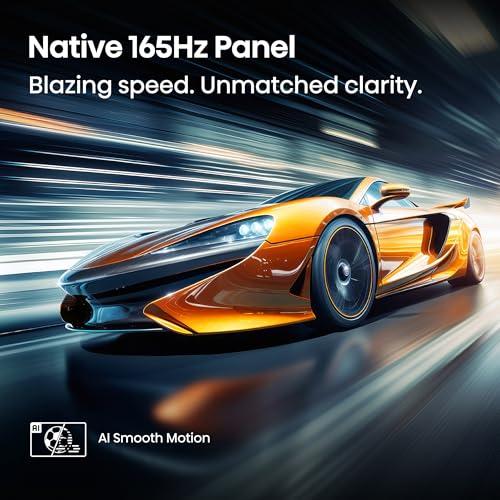
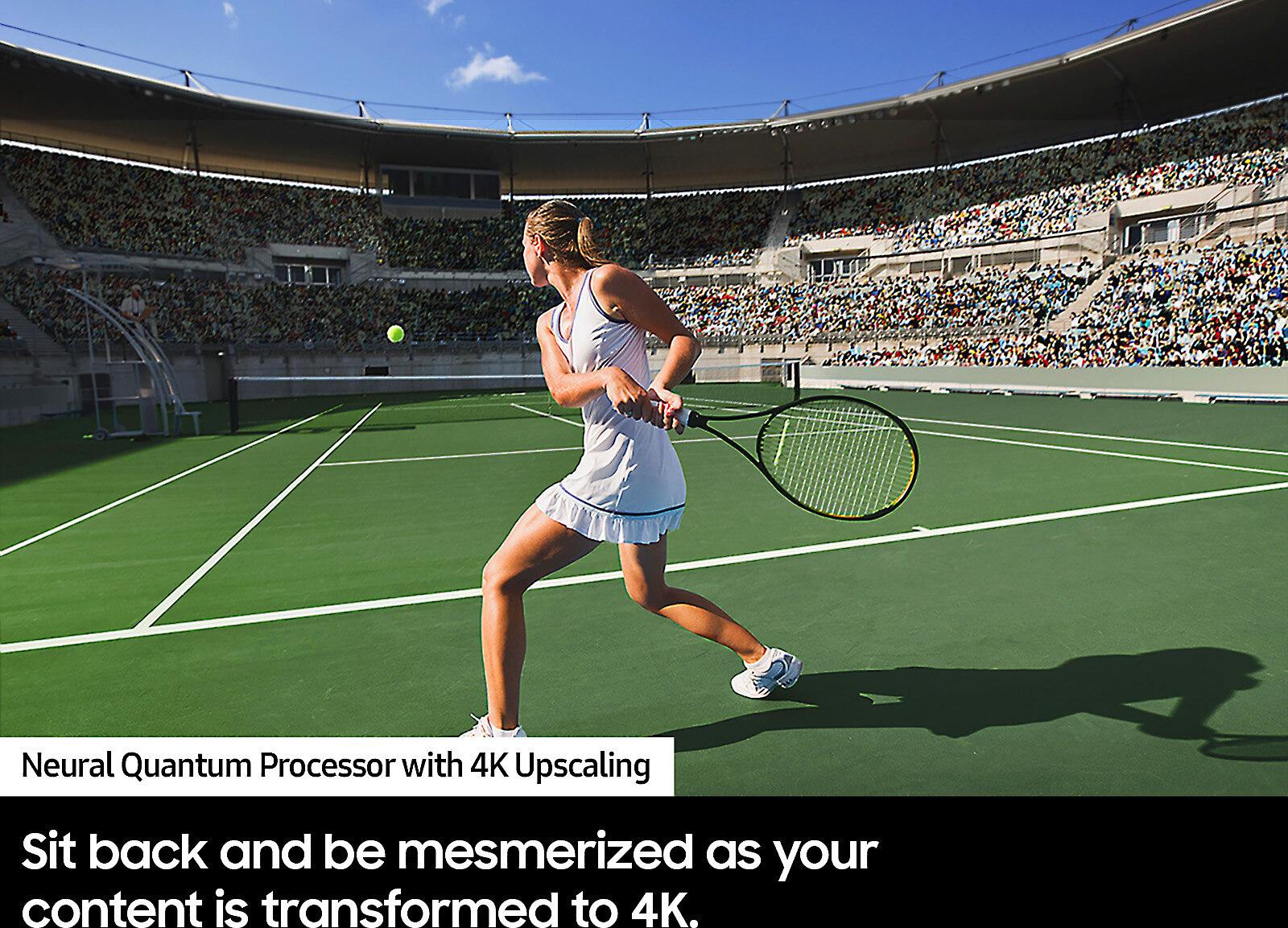
Gaming capabilities have become crucial for modern TVs, and this is where the Hisense U7's newer technology really shines. It offers a native 165Hz refresh rate compared to the Samsung's 120Hz. For context, most movies play at 24 frames per second, while sports might be 60fps, but modern gaming can push much higher frame rates.
The Hisense's 165Hz capability means it can display up to 165 unique frames every second, making fast-paced games look incredibly smooth. More importantly, it supports Variable Refresh Rate (VRR) technology, which synchronizes the TV's refresh rate with your gaming console or PC's output. This eliminates screen tearing – those annoying horizontal lines that can appear during fast motion in games.
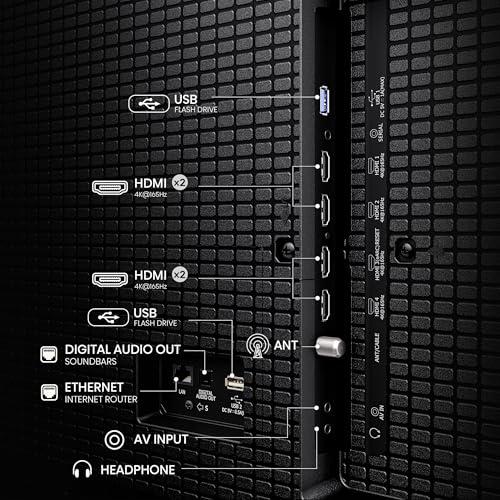
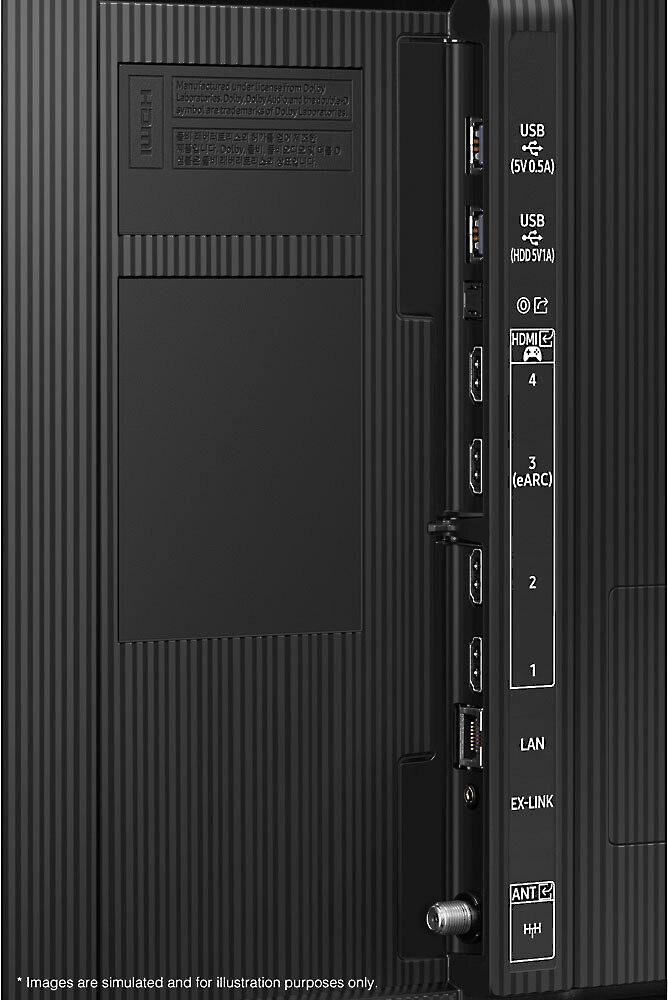
Both TVs support the latest HDMI 2.1 standard on all their inputs, which is essential for 4K gaming at high frame rates. They also include Auto Low Latency Mode (ALLM), which automatically switches to a gaming-optimized picture mode when it detects a game console, reducing input lag – the delay between pressing a button and seeing the action on screen.
The Hisense goes further with Dolby Vision Gaming support, allowing HDR gaming at 4K resolution up to 144Hz. This is relatively new technology that provides better contrast and color in games, though not all games support it yet. It's a nice future-proofing feature as more games adopt HDR standards.
The software experience differs significantly between these TVs. The Samsung Q80C runs Tizen, Samsung's proprietary smart TV platform. It's mature, reliable, and integrates beautifully with other Samsung devices. If you have a Samsung phone, tablet, or soundbar, everything works together seamlessly. You can start watching something on your phone and easily transfer it to the TV, or use your phone as a remote control.
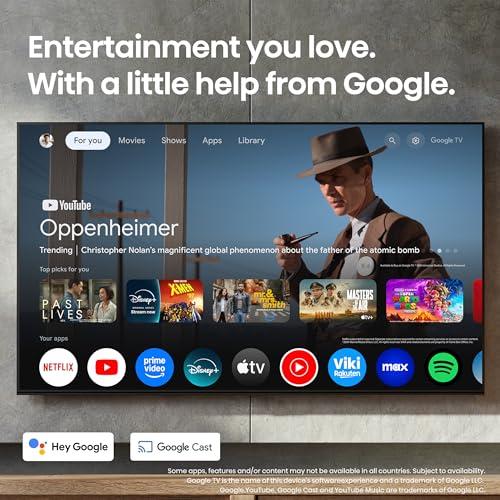
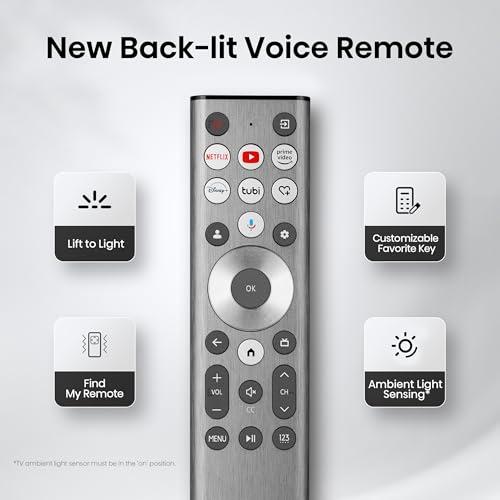
The Hisense uses Google TV, which is Google's latest evolution of Android TV. It offers broader app compatibility and better integration with Google services. The interface learns your viewing habits and suggests content across different streaming services. I find Google TV's search functionality particularly helpful – you can ask for "action movies with Chris Evans" and get results from Netflix, Disney+, Amazon Prime, and other services all in one place.
Both platforms support all the major streaming apps, but Google TV tends to get new apps faster and has better voice search capabilities. However, Tizen feels more polished and stable, with fewer random glitches or slow-downs.
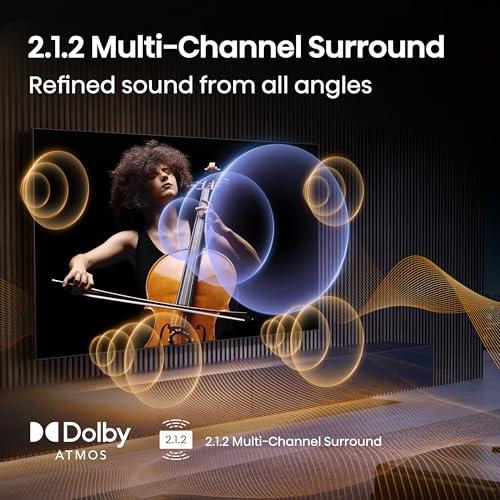
Neither TV will replace a dedicated sound system, but they both make respectable attempts at built-in audio. The Hisense U7 features a 2.1.2 channel system with Dolby Atmos support. Those numbers refer to the speaker configuration: 2 main channels (left and right), 1 subwoofer, and 2 height channels for overhead sound effects.
Dolby Atmos creates a three-dimensional sound experience where audio can seem to come from above or behind you, not just from the TV's location. It's particularly effective for movie soundtracks and makes dialogue clearer during action scenes.
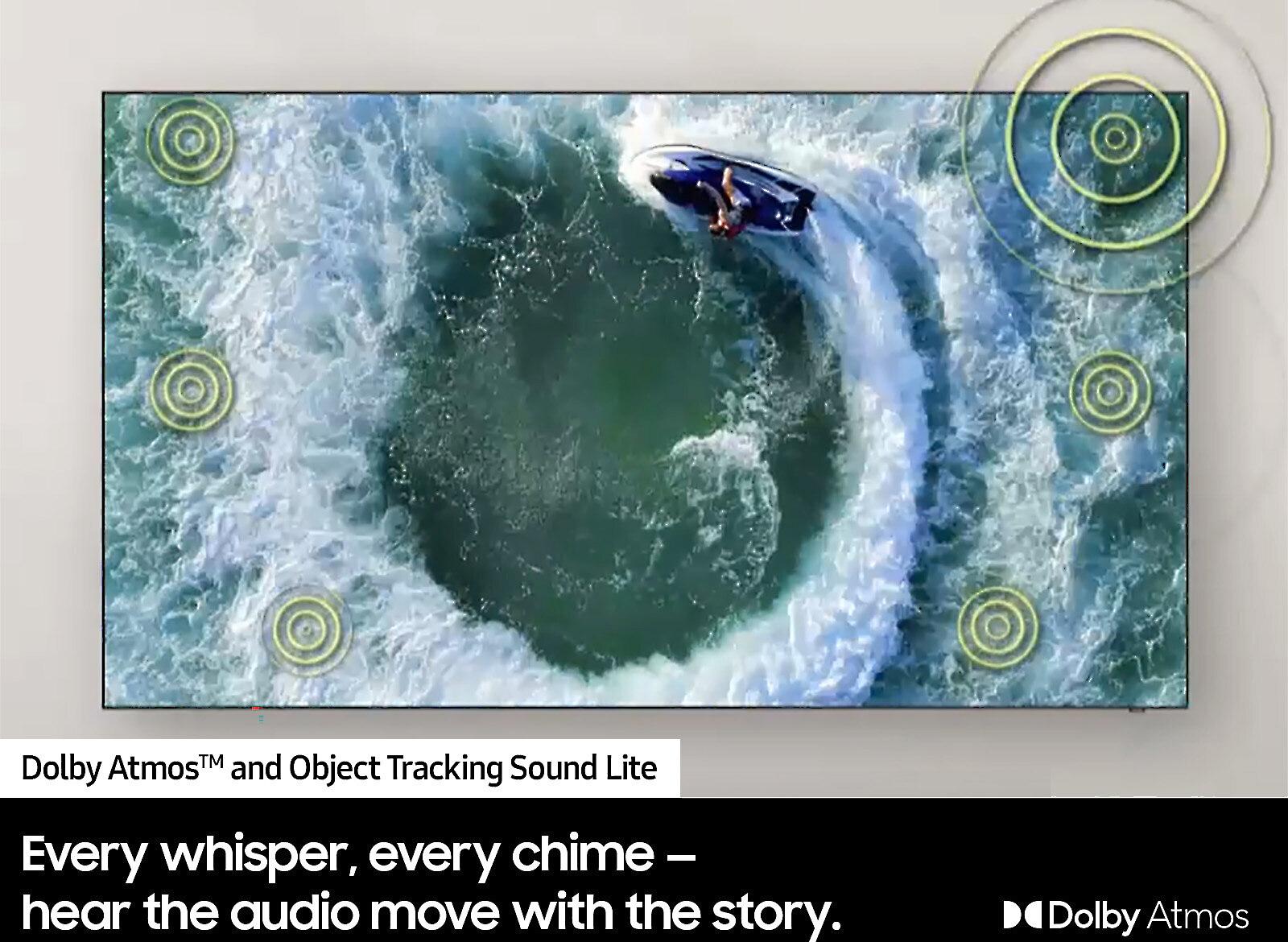
The Samsung offers a 2.2 channel system with Object Tracking Sound Lite, which tries to make audio follow the action on screen. If a car drives from left to right in a movie, the sound moves with it. Samsung also includes Q-Symphony technology, which coordinates the TV's speakers with compatible Samsung soundbars for a more immersive experience.
For serious home theater setups, you'll likely want to add a soundbar or surround sound system regardless of which TV you choose. Both TVs support eARC (enhanced Audio Return Channel), which allows them to send high-quality audio formats like Dolby Atmos to external sound systems.
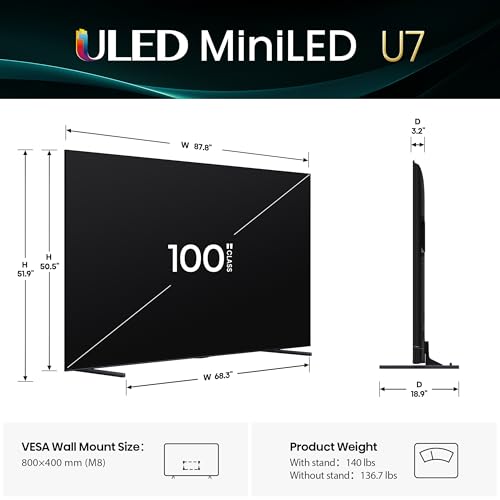
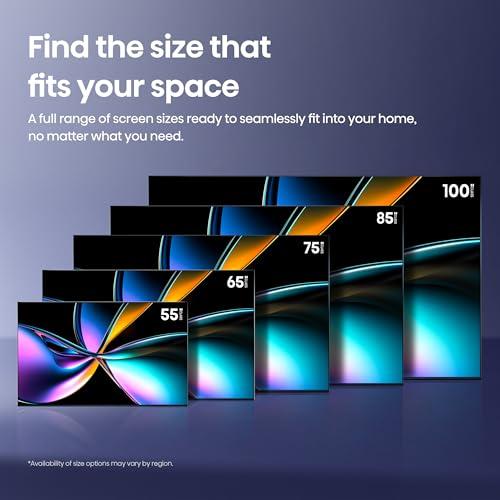
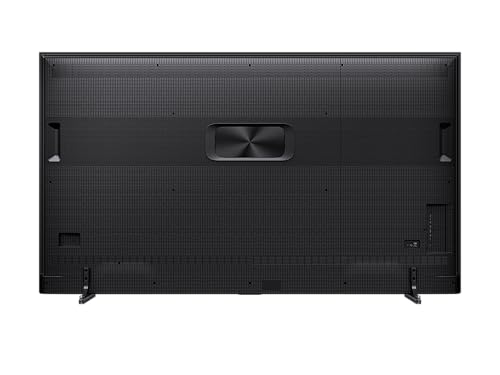
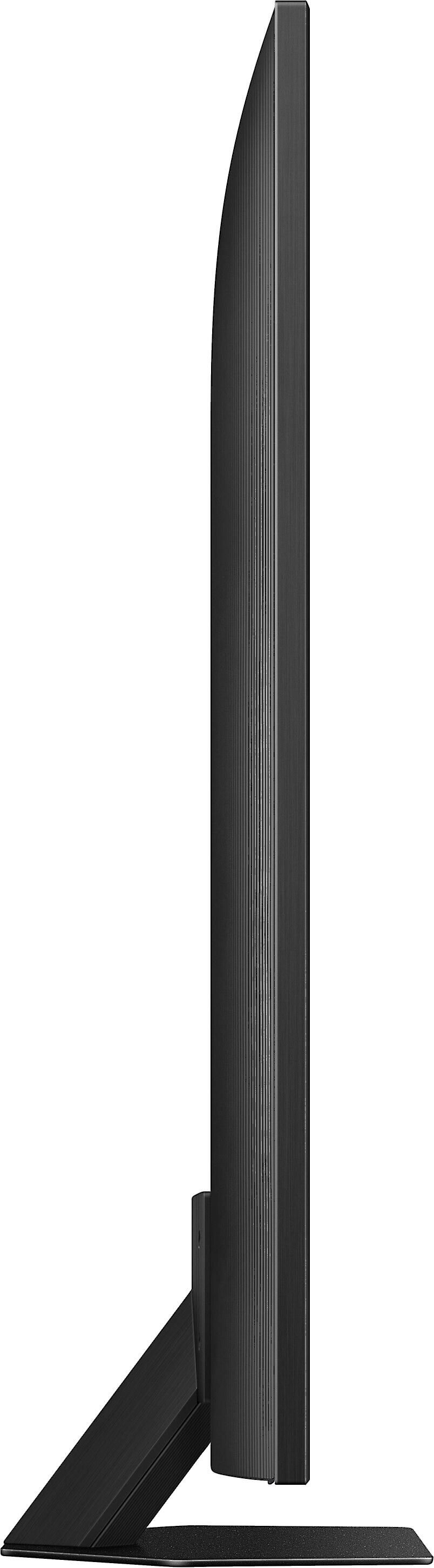
Installing a 100-inch TV is no joke. Both models weigh well over 200 pounds and require careful planning. The Hisense measures about 88 inches wide and 51 inches tall without the stand, while the Samsung is slightly smaller due to its 98-inch diagonal measurement.
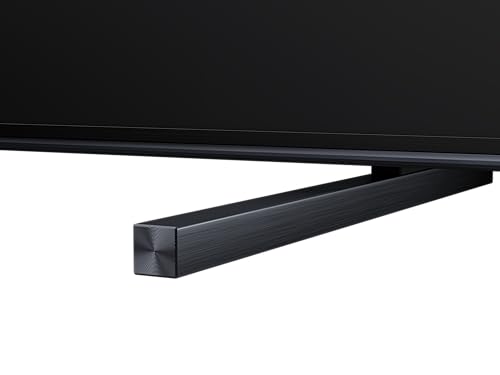
Both TVs come with substantial center-mounted stands that can accommodate most soundbars without blocking the screen. However, wall mounting is popular at this size, and both support VESA mounting patterns – just make sure your wall can handle the weight and stress.
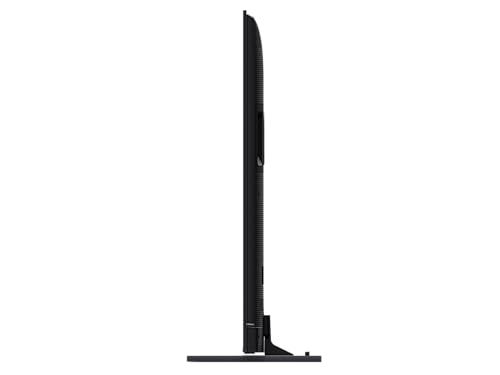
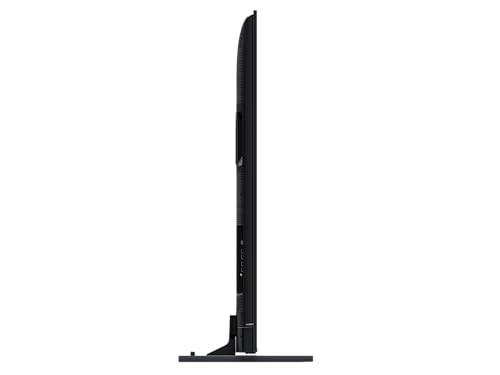
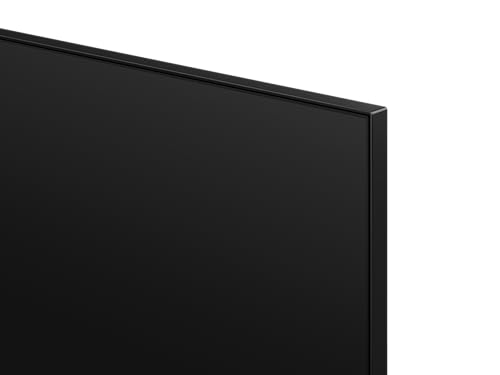
The Hisense has a more modern, minimalist design with ultra-thin bezels that help focus attention on the screen rather than the TV itself. The Samsung maintains a premium look with its chamfered edges and refined finish, though it's slightly thicker overall.
At around $3,000, both TVs represent significant investments, so value considerations go beyond just the initial price. The Hisense U7 offers newer technology that should remain relevant longer. Its Mini-LED backlighting, higher refresh rate, and 2025-era processing give it better future-proofing potential.
The Samsung Q80C, being a 2023 model, might be available at discounted prices as retailers clear inventory. If you can find it significantly cheaper than the Hisense, it could represent better immediate value, especially if you don't need the absolute latest features.
Consider your usage patterns: if you're primarily watching streaming content and occasional gaming, both TVs will serve you well. If you're an enthusiast who wants the latest gaming features or you have a very bright room that demands maximum brightness, the Hisense's technical advantages become more important.
Samsung traditionally provides longer software support and more frequent updates, which matters for smart TV functionality over time. However, Google TV's broader app ecosystem might prove more future-proof as streaming services continue to evolve.
Choose the Hisense 100" U7 Series if you want cutting-edge display technology and your room has significant ambient light. Its Mini-LED backlighting and exceptional brightness make it ideal for bright living rooms or spaces with lots of windows. The 165Hz refresh rate and advanced gaming features also make it the better choice for serious gamers or if you want maximum future-proofing.
The Samsung 98" Q80C makes more sense if you already own Samsung devices and value ecosystem integration. It's also the better choice if you have a dedicated dark theater room where its lower brightness won't be a limitation, and you prioritize proven reliability over cutting-edge features.
Both TVs will transform your viewing experience with their massive screens and premium features. The Hisense represents the future of TV technology, while the Samsung offers refined, proven performance. Your choice ultimately depends on whether you value having the latest innovations or prefer the stability of established technology – either way, you'll end up with an impressive home theater centerpiece that delivers that true cinema experience at home.
| Hisense 100" U7 Series Mini-LED TV | Samsung 98" Q80C 4K Smart QLED TV |
|---|---|
| Screen Size - Every inch matters at this premium price point | |
| 100" diagonal (2" larger viewing area) | 98" diagonal |
| Release Year - Newer models have significant tech advantages | |
| 2025 (latest generation technology) | 2023 (proven but older tech) |
| Price - Value consideration for premium features | |
| $2,997.99 | ~$2,999.99 |
| Backlight Technology - Determines contrast quality and blooming control | |
| Mini-LED with 3,000+ local dimming zones | Traditional QLED with ~500 zones |
| Peak Brightness - Critical for HDR performance and bright room viewing | |
| 3,000+ nits (excellent for any lighting) | ~1,500 nits (better for darker rooms) |
| Gaming Refresh Rate - Higher rates provide smoother motion for gaming | |
| 165Hz native (future-proof for PC gaming) | 120Hz (adequate for current consoles) |
| HDR Support - Affects streaming content quality | |
| Dolby Vision + HDR10+ (broader compatibility) | HDR10+ only (limited streaming support) |
| Smart TV Platform - Daily user experience and app availability | |
| Google TV (broader app support, better search) | Tizen (Samsung ecosystem integration) |
| Gaming Features - Important for console and PC gaming | |
| VRR 48-165Hz, Dolby Vision Gaming, ALLM | VRR, FreeSync Premium Pro, ALLM |
| Audio System - Built-in sound quality | |
| 2.1.2 Dolby Atmos (40W with height channels) | 2.2 Object Tracking Sound Lite (40W) |
| Connectivity - Future-proofing for devices | |
| 4x HDMI 2.1, WiFi 6E, Bluetooth 5.3 | 4x HDMI 2.1, WiFi 5, Bluetooth 5.2 |
| Best For - Target user scenarios | |
| Bright rooms, gaming enthusiasts, latest tech | Dark rooms, Samsung users, proven reliability |
The Hisense 100" U7 Series performs significantly better in bright rooms with its 3,000+ nits peak brightness compared to the Samsung's ~1,500 nits. The Hisense's Mini-LED technology also provides better contrast control with thousands of local dimming zones versus the Samsung's few hundred zones.
Both TVs are priced similarly at around $3,000, with the Hisense U7 at $2,997.99 and the Samsung Q80C at approximately $2,999.99. The Hisense offers newer 2025 technology for essentially the same price as the 2023 Samsung model.
The Hisense 100" U7 Series is superior for gaming with its 165Hz refresh rate, VRR support up to 165Hz, and Dolby Vision Gaming capability. The Samsung offers 120Hz gaming with FreeSync Premium Pro, which is adequate for current consoles but less future-proof.
The Hisense offers a 100-inch screen while the Samsung Q80C has a 98-inch display. This 2-inch difference provides about 4% more viewing area on the Hisense, making it slightly more immersive for home theater use.
The Hisense U7 uses Google TV, which offers broader app compatibility and better voice search across streaming services. The Samsung runs Tizen, which provides excellent integration with Samsung devices and a more polished, stable interface.
The Hisense 100" U7 uses advanced Mini-LED backlighting with over 3,000 local dimming zones for precise contrast control. The Samsung uses traditional QLED technology with standard LED backlighting and fewer dimming zones, resulting in less precise brightness control.
The Hisense U7 supports both Dolby Vision and HDR10+, providing broader compatibility with streaming services like Netflix and Disney+. The Samsung Q80C only supports HDR10+ and lacks Dolby Vision, limiting HDR content options.
The Hisense 100" U7 Series is more future-proof as a 2025 model with Mini-LED technology, 165Hz gaming, WiFi 6E, and the latest processing. The Samsung, being a 2023 model, has older technology that may become outdated sooner.
Both TVs use VA LCD panels with similar viewing angle limitations. Picture quality degrades when viewed from the side on both models. For home theater setups where viewers sit directly in front of the screen, this isn't a concern, but it matters for wide seating arrangements.
Samsung traditionally provides longer software support and more frequent updates for their TVs. However, the Hisense U7 represents newer technology with Google's backing for the smart platform, while the Samsung Q80C offers proven reliability from an established premium brand.
Choose the Hisense 100" U7 Series for cutting-edge Mini-LED technology, superior brightness, better gaming features, and Dolby Vision support. Choose the Samsung 98" Q80C for Samsung ecosystem integration, proven reliability, refined software experience, and potential discounts as a 2023 model.
We've done our best to create useful and informative comparisons to help you decide what product to buy. Our research uses advanced automated methods to create this comparison and perfection is not possible - please contact us for corrections or questions. These are the sites we've researched in the creation of this article: rtings.com - bestbuy.com - rtings.com - lueckeaudiovideo.com - youtube.com - hisense-usa.com - youtube.com - hisense-usa.com - costco.com - hisense-usa.com - pcrichard.com - files.hisense-usa.com - bestbuy.com - youtube.com - hisense-usa.com - displayspecifications.com - bestbuy.com - hisense-usa.com - eftm.com - youtube.com - youtube.com - techradar.com - samsung.com - rtings.com - abt.com - trustedreviews.com - billsmith.com - samsung.com - samsung.com - images.samsung.com - samsung.com - youtube.com

Privacy Policy
Terms and Conditions - Affiliate Policy
Home Security
© Copyright 2008-2026.
11816 Inwood Rd #1211, Dallas, TX 75244