

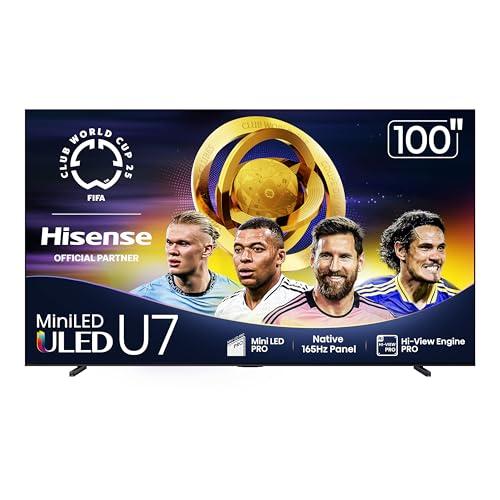
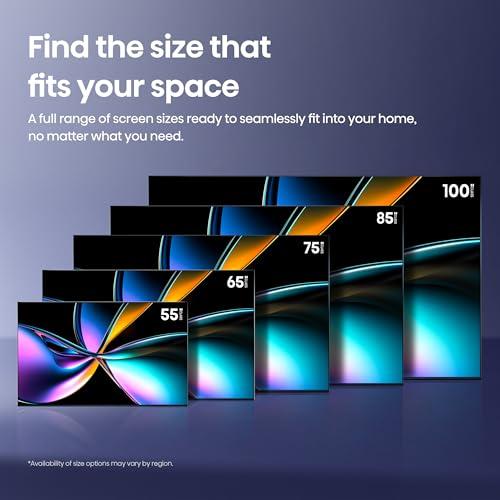
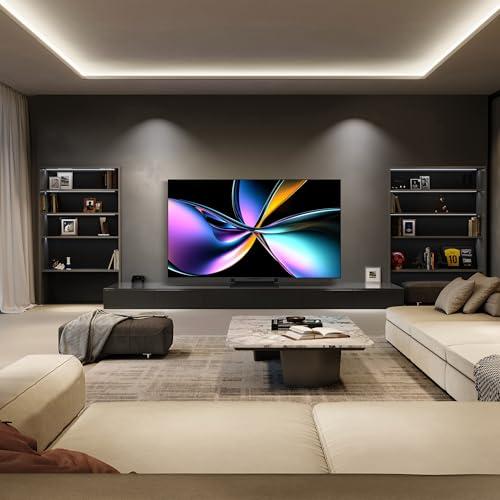
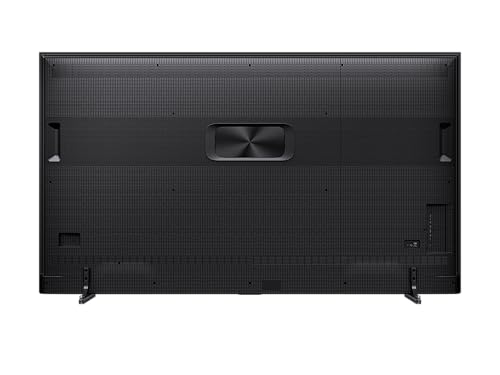
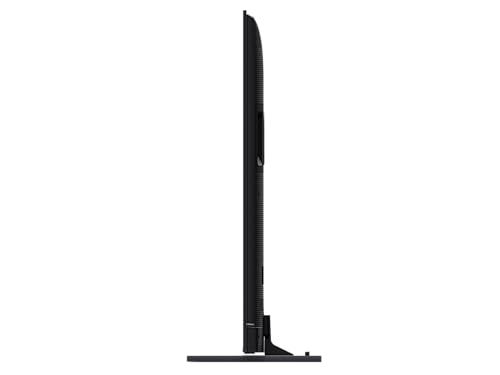
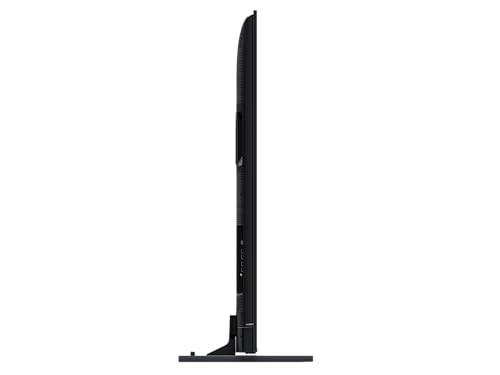
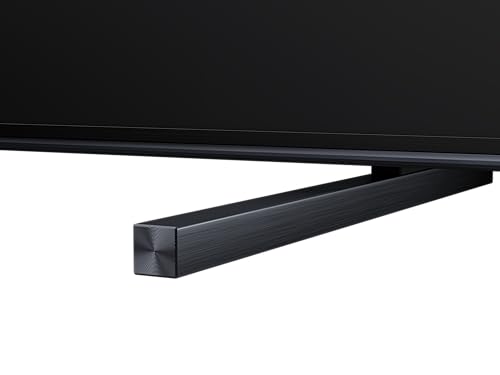
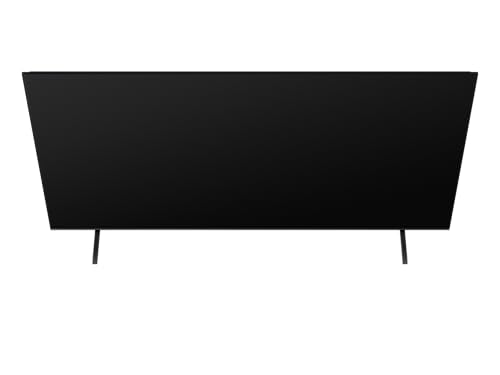
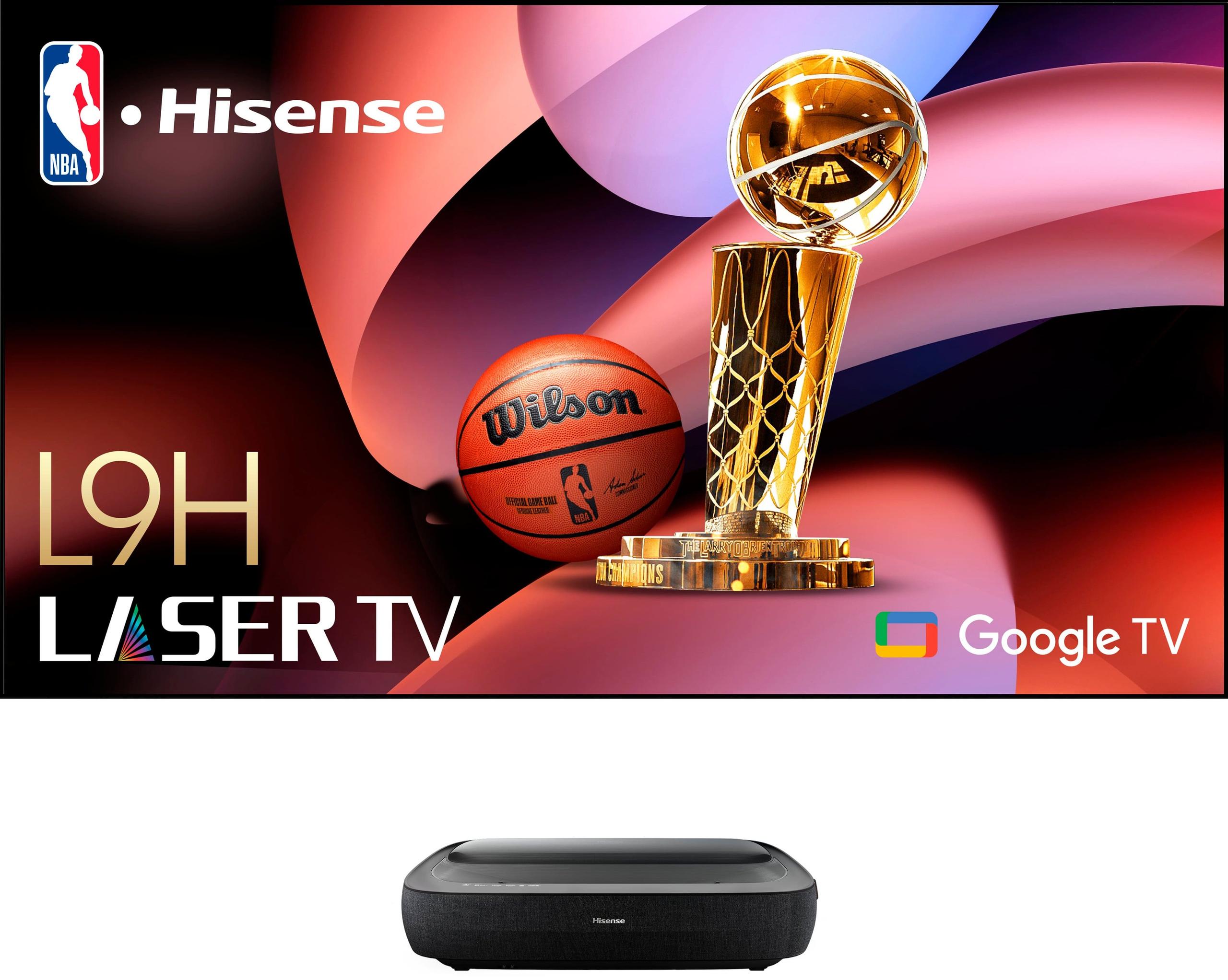
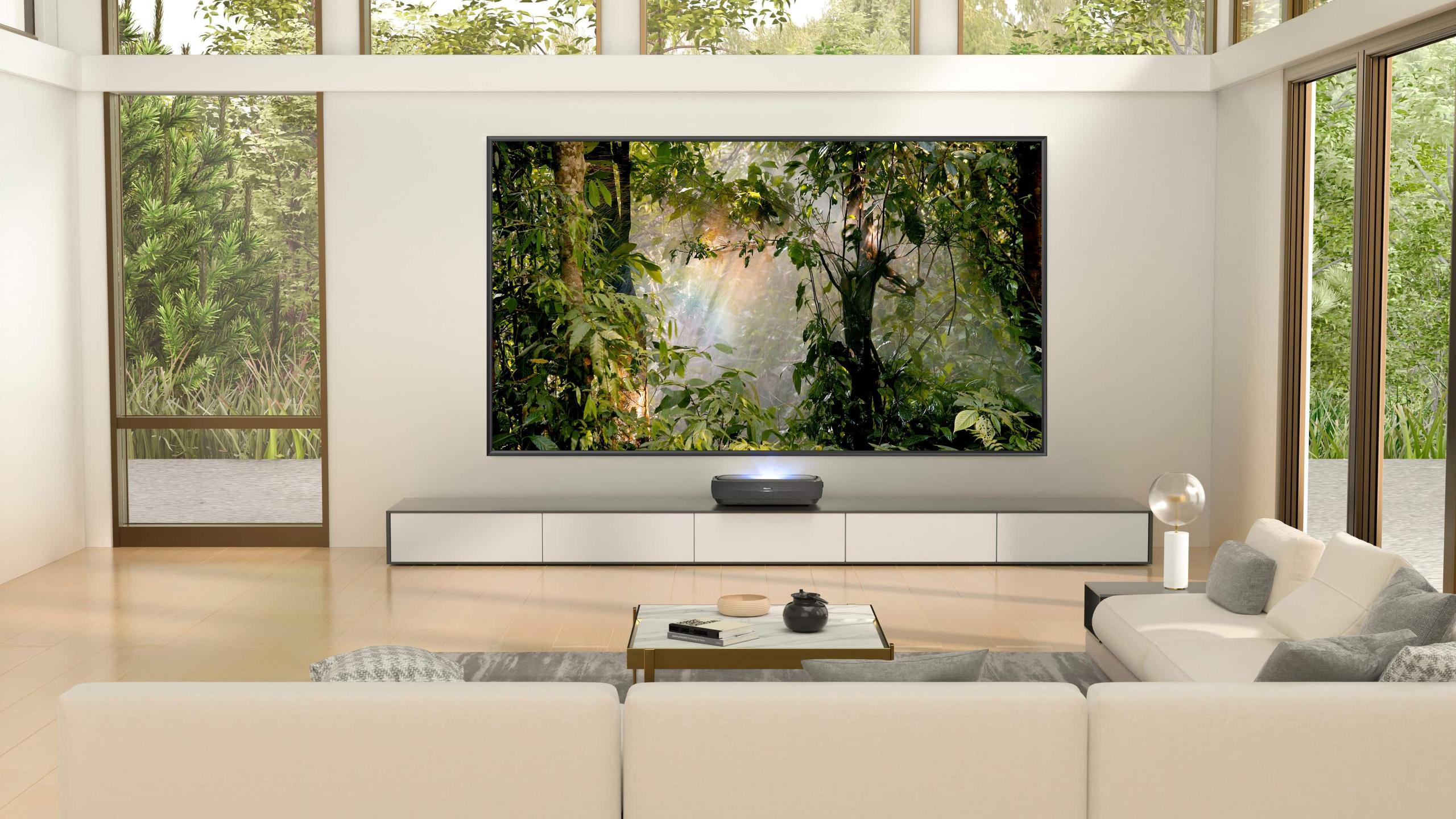
When you're ready to create the ultimate home theater experience, few things are as impactful as a massive 100-inch display. But here's where it gets interesting: you have two completely different paths to achieve that cinema-sized screen. You can go with a traditional (though cutting-edge) Hisense 100" U7 Series Mini-LED TV ($2,998), or take the projector route with the Hisense L9H TriChroma Laser TV ($4,498).
I've spent considerable time with both technologies, and the choice isn't as straightforward as you might think. Each approach has distinct advantages that make them better suited for different situations and preferences. Let's dive deep into what makes each unique and help you figure out which one belongs in your home.
The fundamental difference here is like comparing a giant window to a movie theater screen. The U7 Series Mini-LED TV is essentially a massive, incredibly bright LCD display that works just like your current TV, only much larger and more advanced. Released in 2025, it represents the latest evolution in LED television technology, using thousands of tiny LEDs (called Mini-LEDs) behind the screen to create precise lighting control.
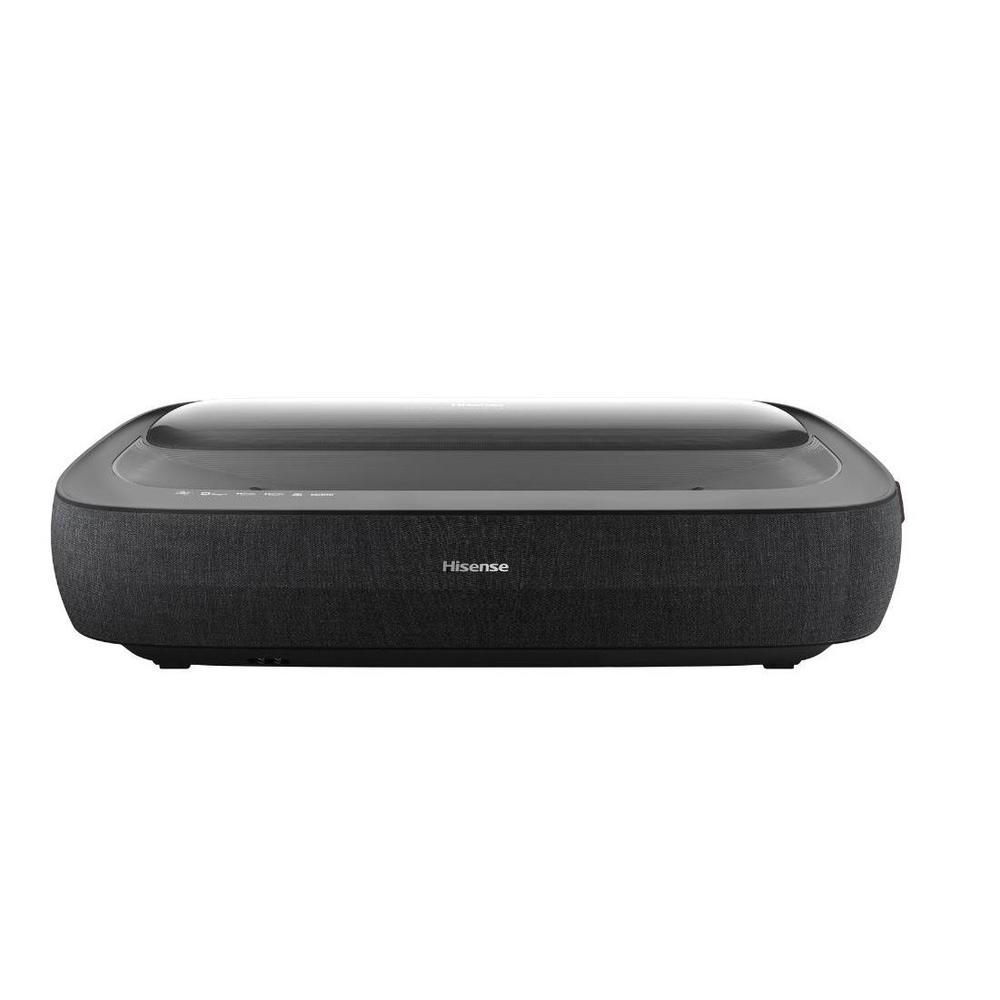
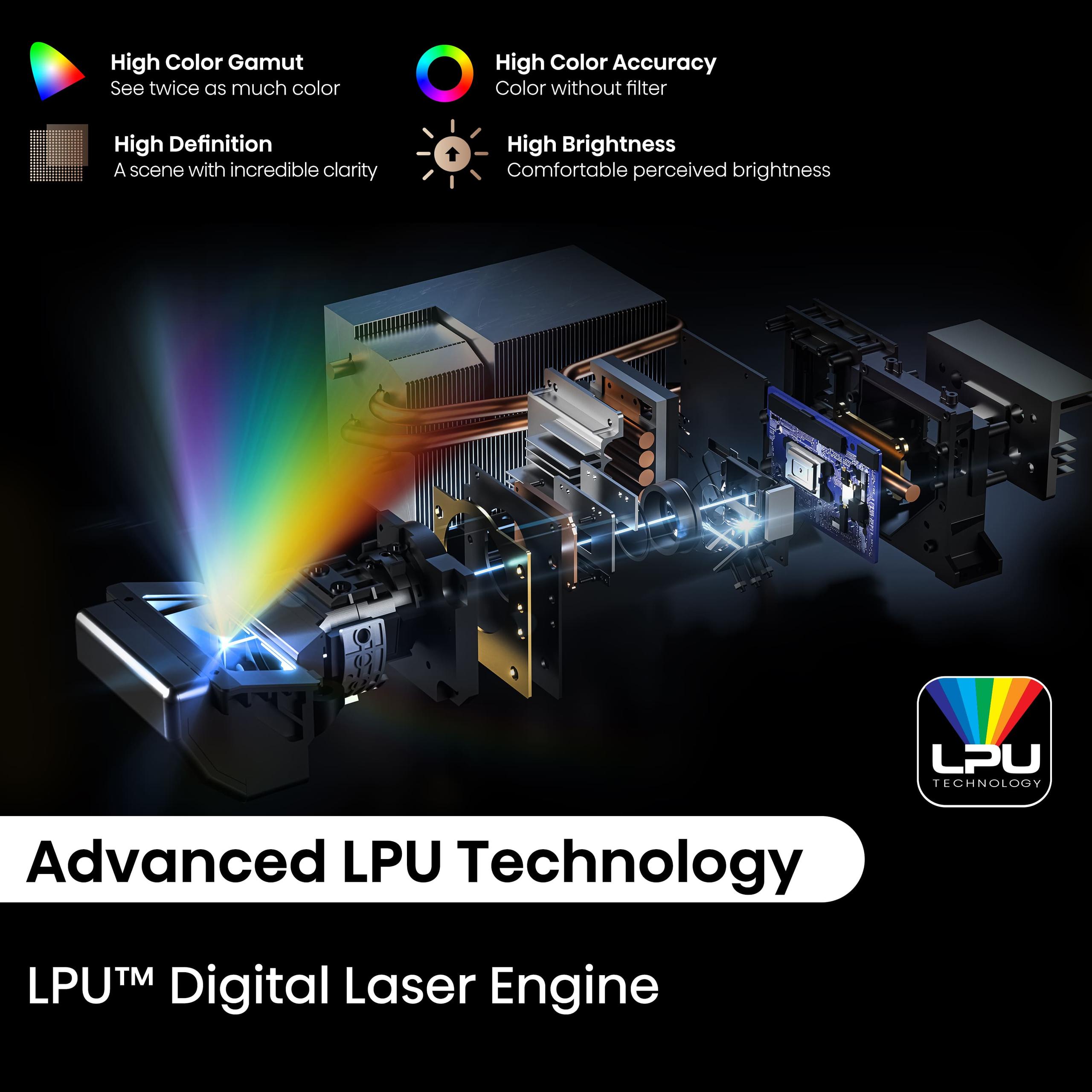
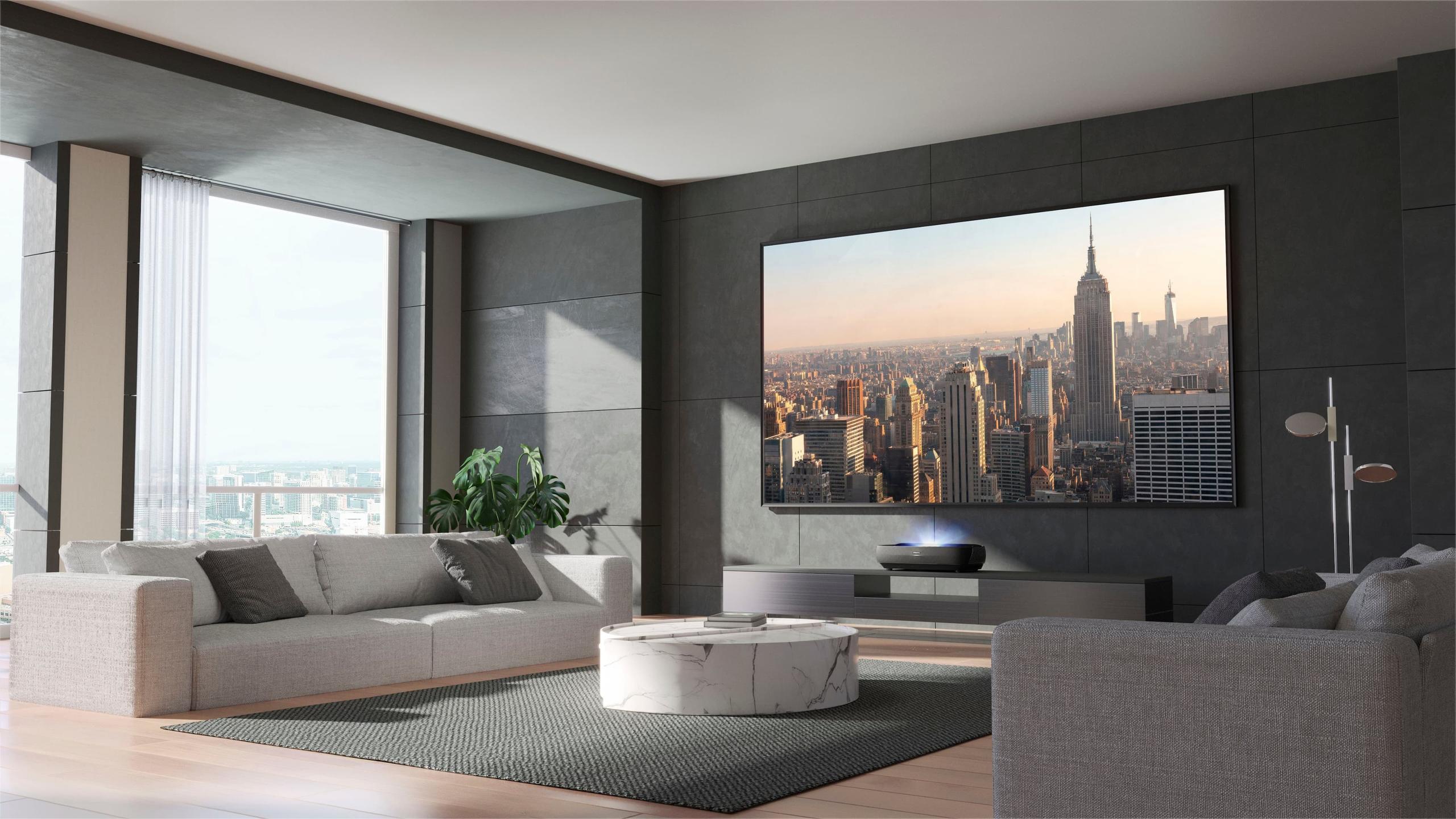
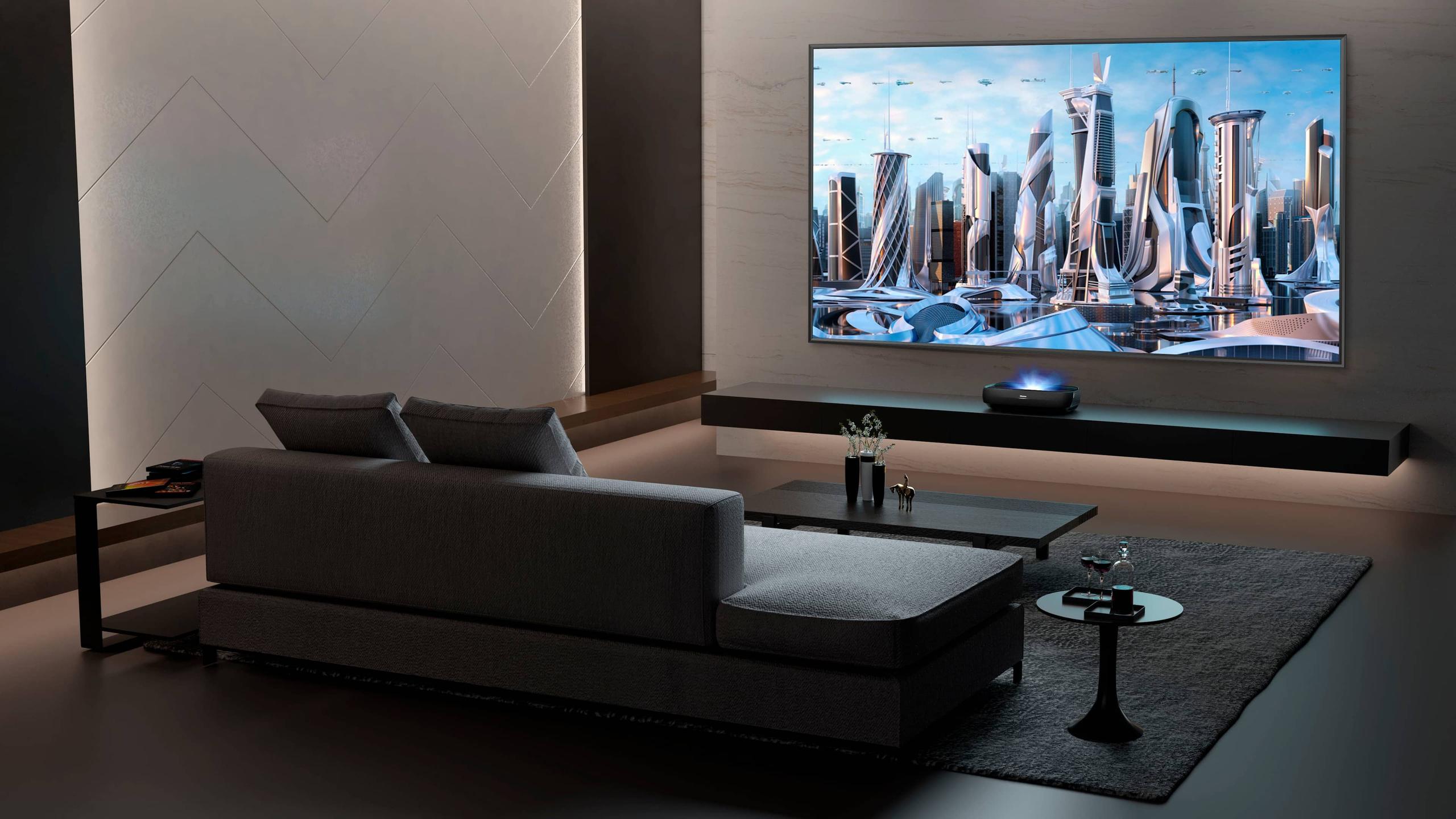
On the other hand, the L9H TriChroma Laser Projector, which hit the market in 2024, takes a completely different approach. Instead of being the screen itself, it's a compact unit that sits close to your wall and projects the image onto a special 100-inch screen. The "TriChroma" part refers to its use of three separate laser colors – red, green, and blue – that work together to create the image.
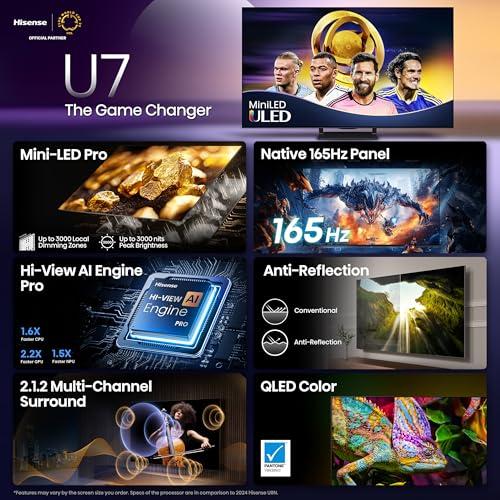
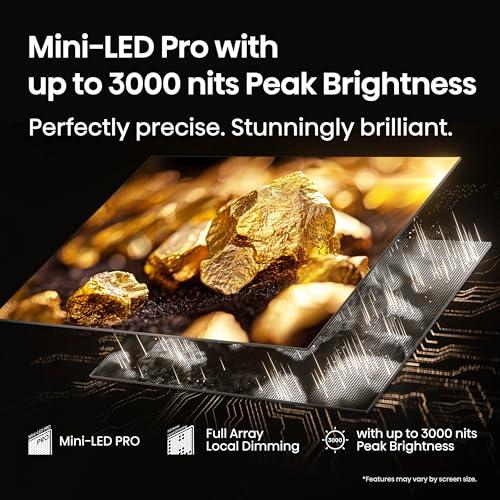
The Mini-LED technology in the TV is a significant step up from regular LED TVs. While traditional LED TVs might have a few dozen lighting zones behind the screen, this Mini-LED display has 500-800 individual zones that can brighten or dim independently. Think of it like having hundreds of tiny flashlights behind your screen, each one controllable to create the perfect amount of light for that specific area of the picture.
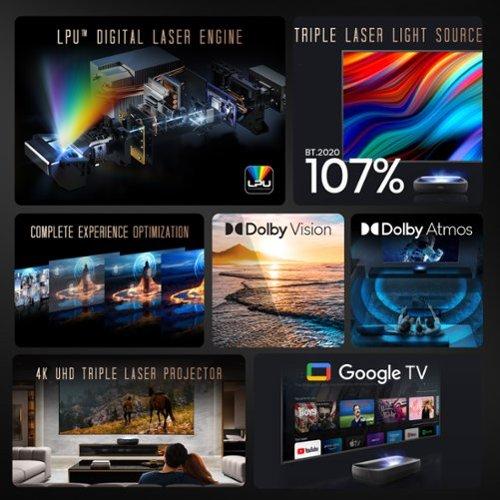
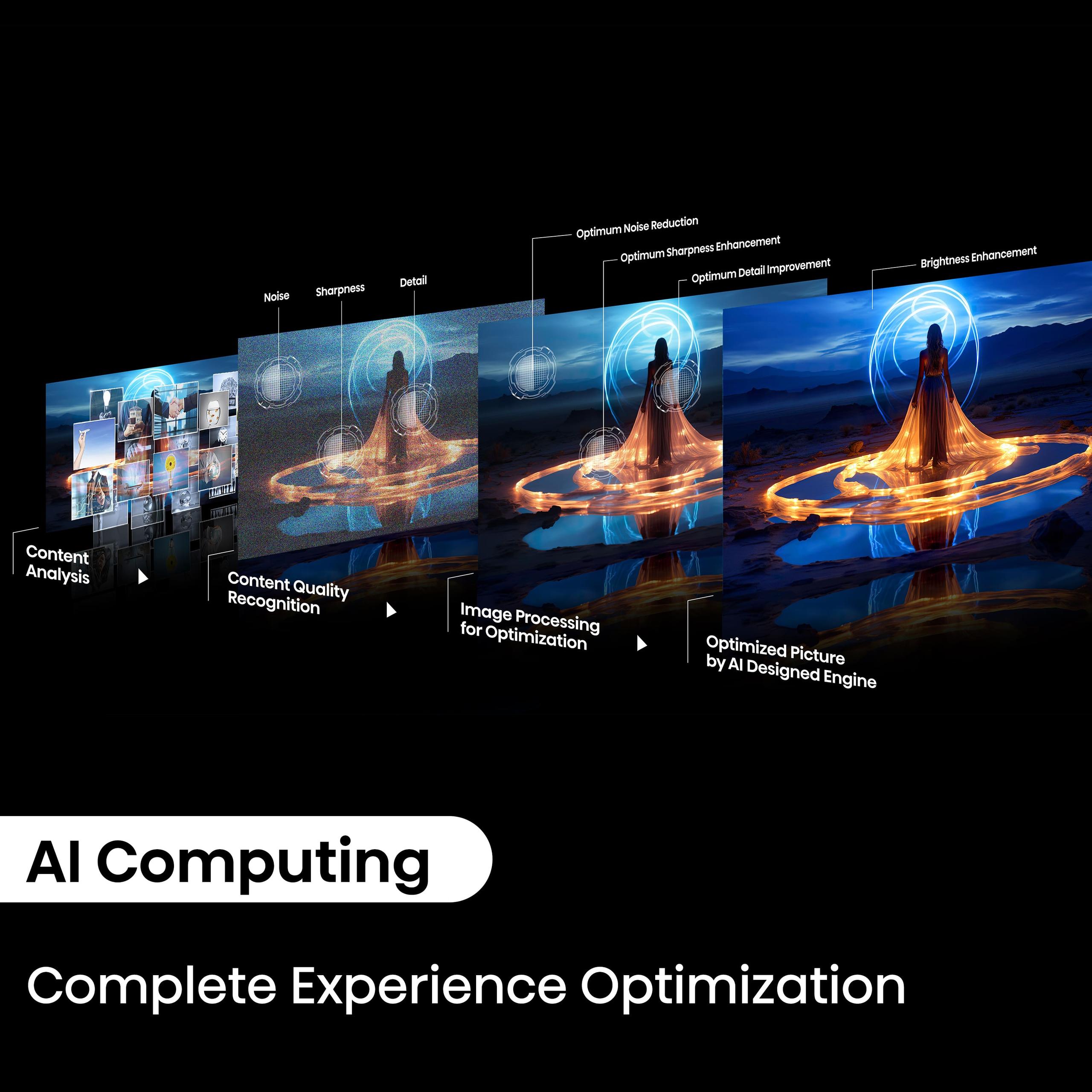
The laser projector's approach is equally impressive but different. Those three colored lasers eliminate many of the color accuracy problems that plague traditional projectors, which typically use a single white light source passed through a spinning color wheel. With dedicated red, green, and blue lasers firing simultaneously, you get much more accurate and vibrant colors.
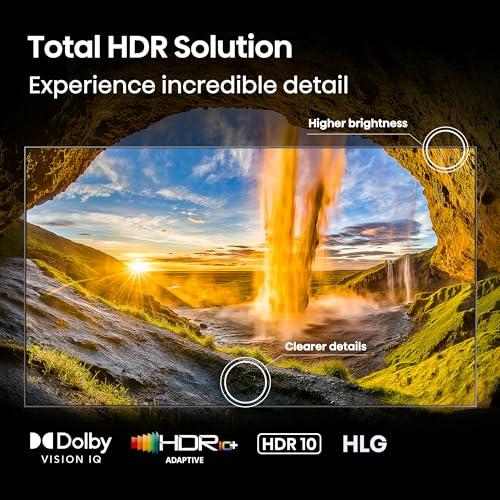
When it comes to pure brightness, the Mini-LED TV is absolutely dominant. At 3,000 nits peak brightness, it can display HDR (High Dynamic Range) content with stunning intensity. To put that in perspective, a typical TV might hit 400-600 nits, while this display can go five times brighter in specific areas. This means when you're watching a movie scene with bright sunlight or explosions, those highlights will genuinely dazzle you.
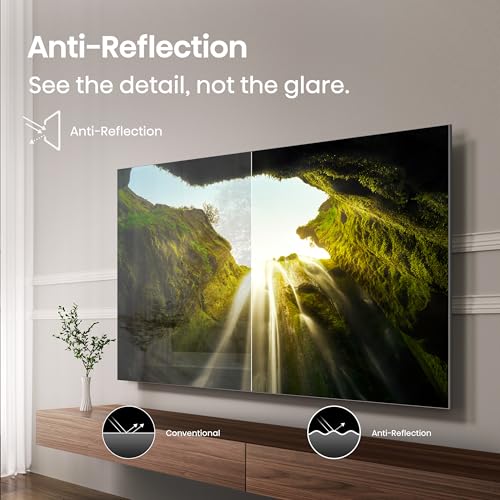
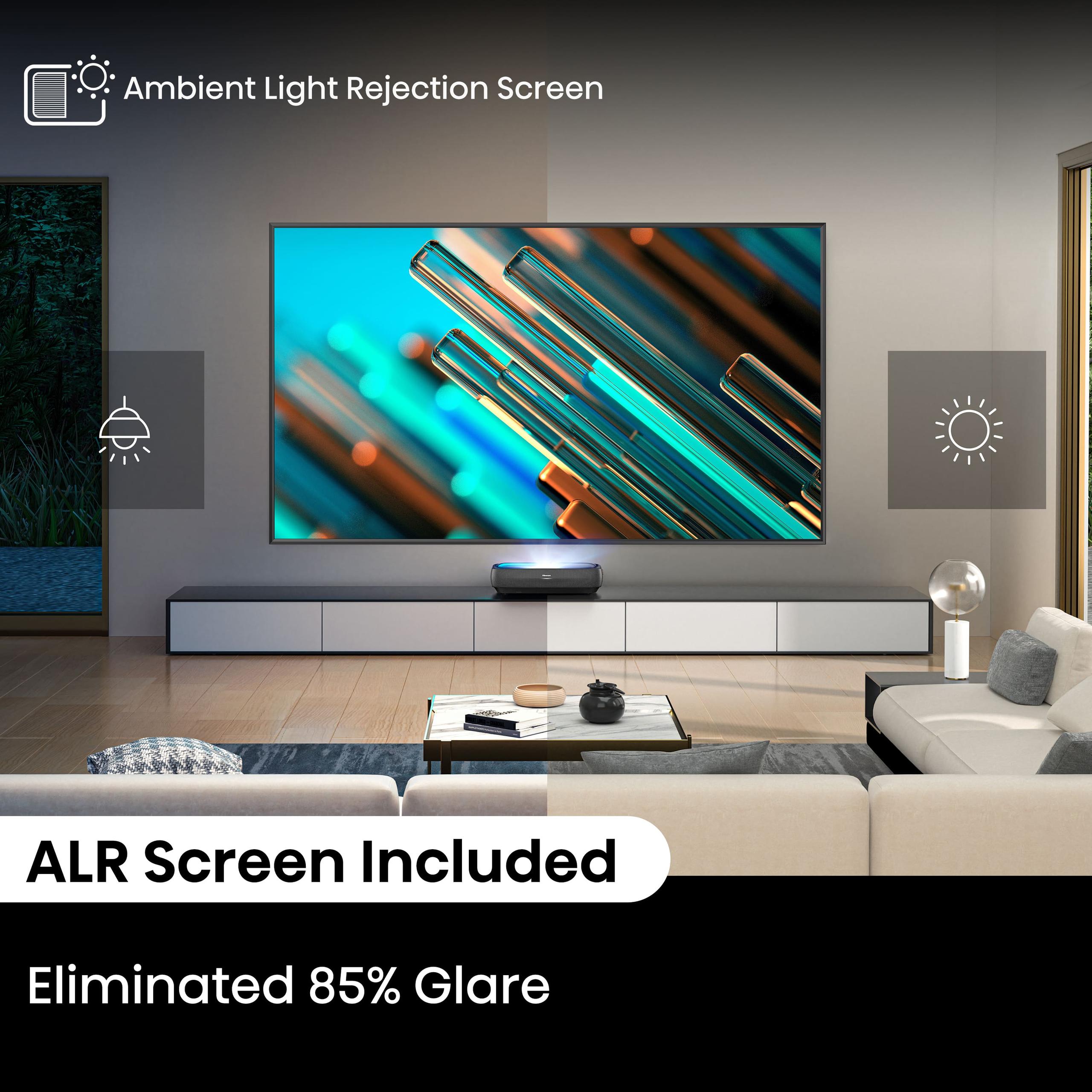
The laser projector's 3,000 ANSI lumens is impressive for a projector, but it's important to understand that projector brightness and TV brightness are measured differently. While both numbers sound similar, the TV will appear significantly brighter to your eyes, especially in well-lit rooms. However, the laser projector has an ace up its sleeve: that specialized ALR (Ambient Light Rejecting) screen.
This screen is engineered with tiny ridges that reflect projected light toward your viewing position while absorbing ambient room light from other angles. It's like wearing sunglasses that only block light coming from the wrong direction. In my experience, this makes the projector surprisingly watchable even with some lights on, though it still can't match the TV's performance in bright conditions.
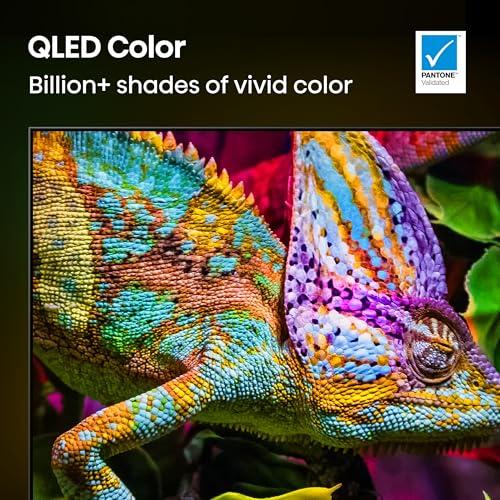
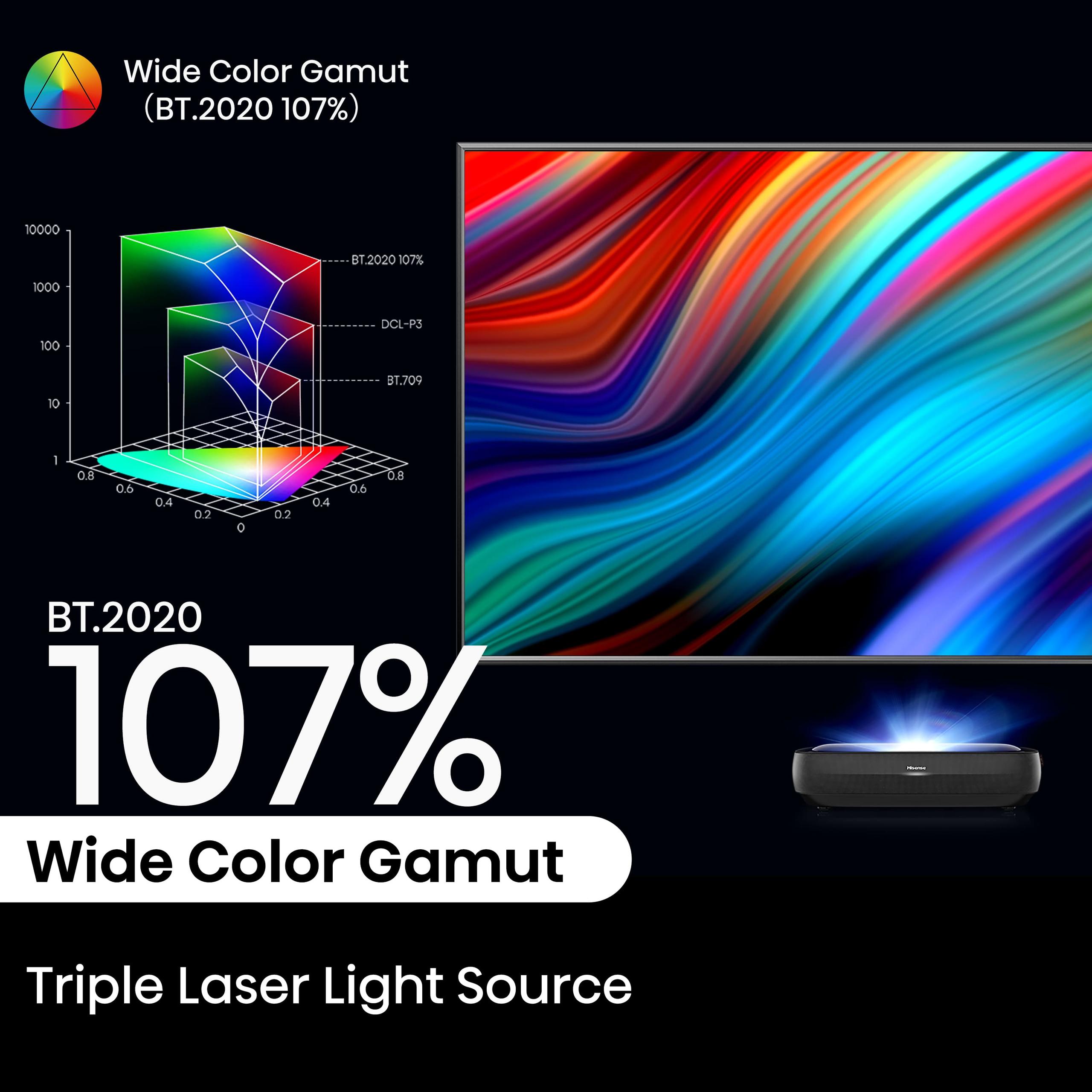
Color accuracy is where things get really interesting. The L9H's TriChroma laser system covers 107% of the BT.2020 color space – that's essentially the widest color gamut currently possible in consumer displays. The Mini-LED TV's QLED (Quantum Dot LED) technology also produces excellent colors, but the laser projector has a slight edge in color accuracy and natural-looking skin tones.
For contrast – the difference between the darkest blacks and brightest whites – the Mini-LED TV wins decisively. Those hundreds of local dimming zones mean that when part of the screen should be black, those specific LEDs turn completely off. The laser projector, like all projectors, can't achieve true black because it's projecting light onto a surface.
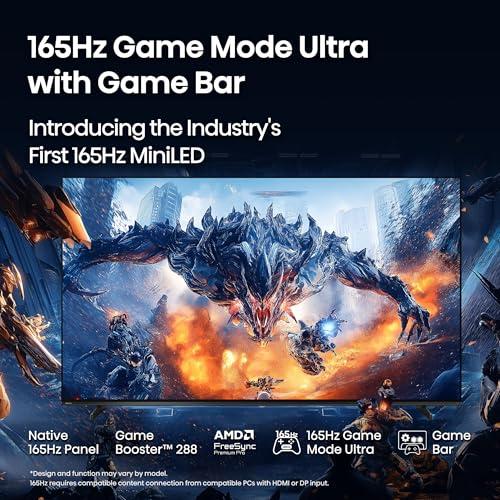
If gaming is important to you, the U7 Series Mini-LED TV isn't just better – it's in a completely different league. With its native 165Hz refresh rate, it can display up to 165 frames per second, making fast-paced games incredibly smooth. Modern gaming consoles like the PlayStation 5 and Xbox Series X can take advantage of this through their 120Hz modes, and PC gamers can push it even further.
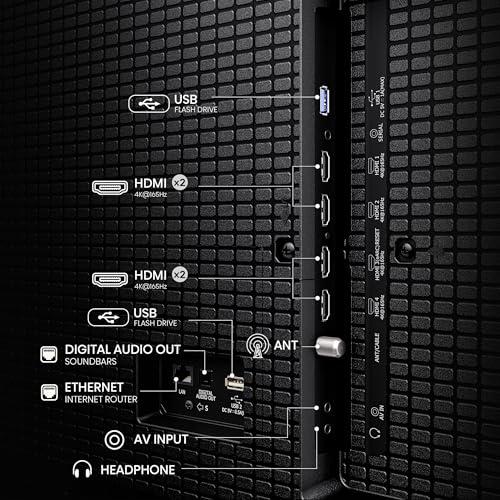
The TV also includes four HDMI 2.1 ports, which is crucial for next-generation gaming. HDMI 2.1 has much higher bandwidth than older HDMI versions, allowing for 4K resolution at high frame rates. Features like VRR (Variable Refresh Rate) eliminate screen tearing, while ALLM (Auto Low Latency Mode) automatically switches the TV to its fastest response mode when it detects a gaming console.
In contrast, the laser projector is limited to 60Hz and lacks these gaming-focused features. It's perfectly fine for casual gaming or slower-paced games, but competitive gamers or anyone who appreciates smooth motion will notice the difference immediately.
I've tested both displays with various games, and the difference in responsiveness is dramatic. The Mini-LED TV feels almost instantaneous, while the projector has the slight delay that's typical of most projectors. For single-player story games, this might not matter much. For online multiplayer or racing games, it's a significant disadvantage.
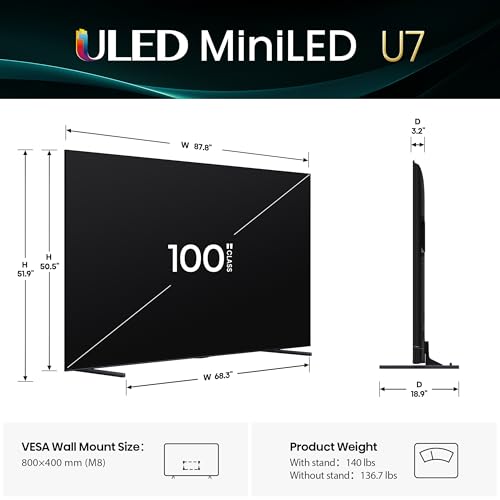
Setting up the Mini-LED TV is straightforward if you're prepared for its size and weight. At over 200 pounds, it's definitely a two-person job, and you'll need a very robust wall mount or an extremely sturdy entertainment center. Once it's in place, though, it works like any other TV.
The laser projector requires more planning but offers interesting flexibility. The projector unit itself is relatively compact – about the size of a large cable box – and sits on furniture roughly 20 inches from the wall. The included 100-inch ALR screen mounts on the wall like a large picture frame.
This setup can actually work better in some rooms. If you have a narrow space where a 100-inch TV would overwhelm the room, the projector's slim profile against the wall can feel less imposing. You also have the option to move the projector unit if you rearrange furniture, something impossible with a wall-mounted TV.
However, the projector setup requires more precision. The unit must be perfectly aligned with the screen, and any vibration from people walking by can cause image shake. The TV, once mounted, is completely stable.
Both displays include impressive built-in audio systems that eliminate the immediate need for external speakers, though serious home theater fans will eventually want to upgrade either option.
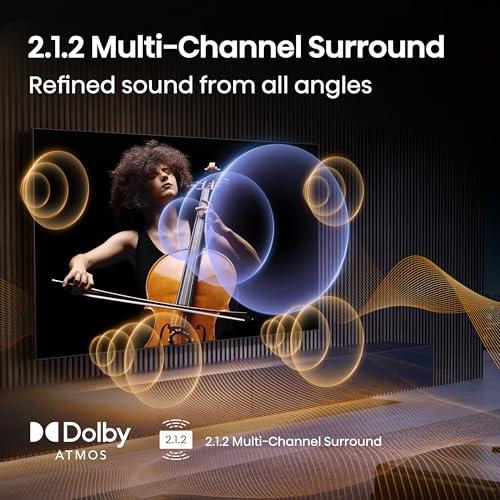
The Mini-LED TV features a 2.1.2-channel Dolby Atmos system. The "2.1.2" designation means it has left and right speakers, a subwoofer (.1), and two upward-firing speakers for height effects. This creates a surprisingly immersive soundscape for built-in TV audio.
The laser projector's 40W Dolby Atmos system is also quite capable, and it includes WiSA (Wireless Speaker and Audio) compatibility. This means you can add wireless surround speakers later without running cables throughout your room. For a projector setup, this wireless expandability is particularly valuable since running speaker wires to a ceiling-mounted or bookshelf-placed projector can be challenging.
In practice, both sound systems are adequate for casual viewing but benefit from external audio for serious home theater use. The projector's wireless expansion options give it a slight edge for future upgrades.
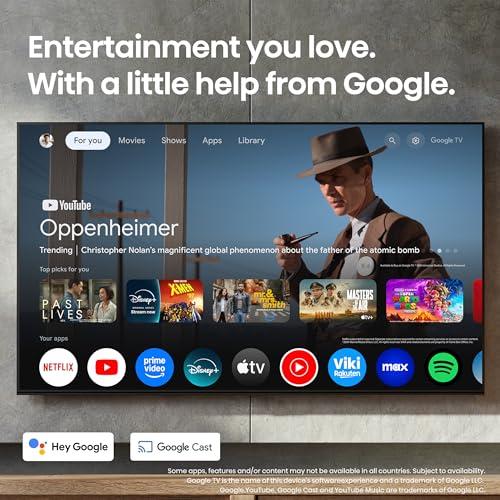
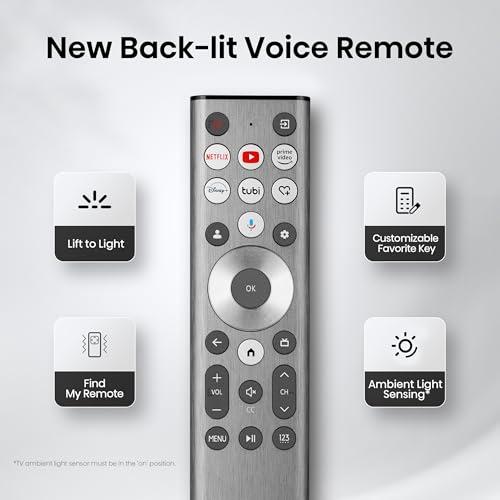
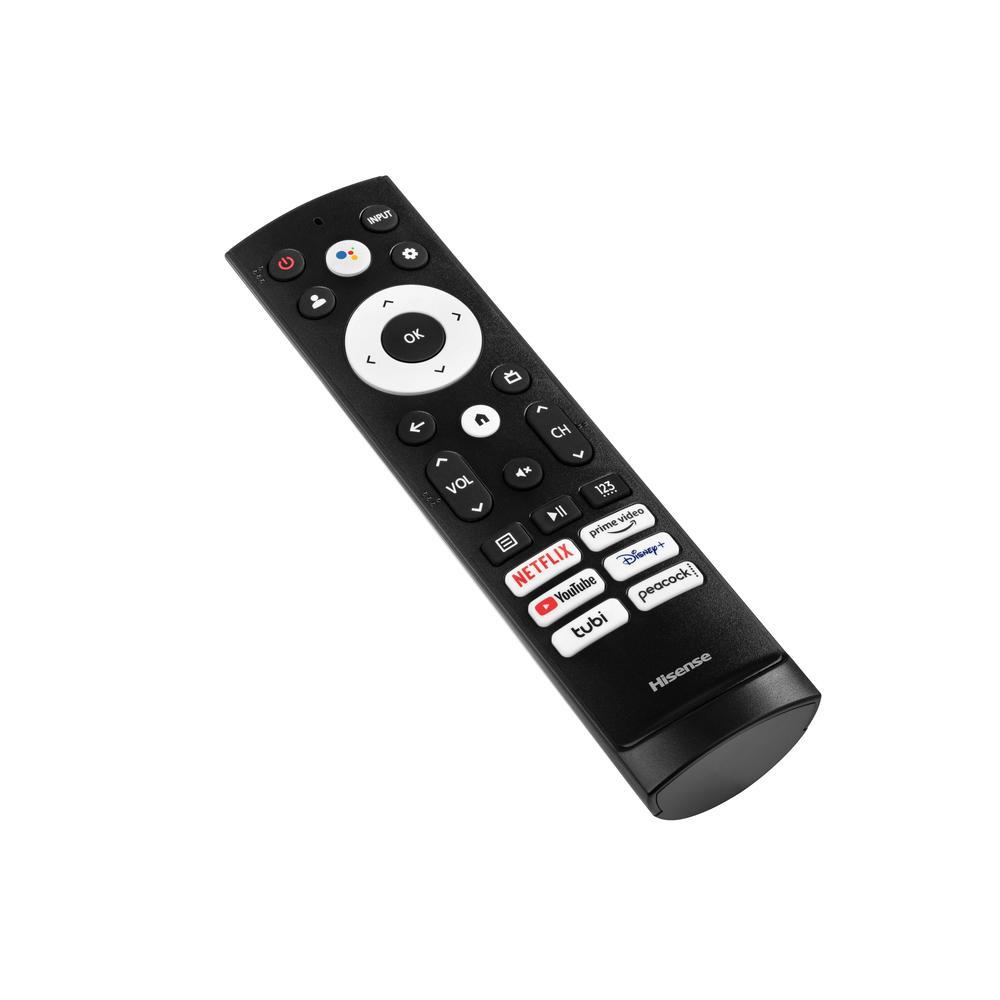
Both devices run Google TV, so the smart features, app selection, and interface are essentially identical. You'll have access to all major streaming services, voice control through Google Assistant, and the ability to cast content from your phone.
The key difference is in connectivity. The Mini-LED TV offers four HDMI 2.1 ports, providing plenty of options for gaming consoles, streaming devices, and other equipment. The projector has fewer ports and no HDMI 2.1, limiting your connection options.
At first glance, the price difference seems significant: $2,998 for the TV versus $4,498 for the projector system. However, the projector price includes the 100-inch ALR screen, which would cost $1,000-2,000 if purchased separately.
The TV requires a mounting solution, which could range from $100 for a basic wall mount to $500+ for a high-end articulating mount capable of handling 200+ pounds safely.
Long-term costs favor the projector slightly. The laser light source is rated for 25,000+ hours – roughly 10-15 years of normal use – with no consumables to replace. Traditional projector lamps might need replacement every 2-3 years, but laser projectors eliminate this ongoing cost.
Energy consumption also differs meaningfully. The TV draws about 500W during use, while the projector typically uses 200-300W. Over several years, this could result in meaningful electricity savings, especially if you watch several hours daily.
The Mini-LED TV excels in versatility. It performs exceptionally in bright rooms, handles any type of content beautifully, and provides the ultimate gaming experience. If your 100-inch display needs to work well in various lighting conditions and usage scenarios, the TV is the safer choice.
For dedicated home theater rooms with controlled lighting, the laser projector offers a more cinematic experience. The color accuracy is exceptional, the installation can be more elegant, and there's something special about watching content on a projected image that feels more like a real movie theater.
I've found that the projector works best when you can darken the room completely and focus solely on the viewing experience. The TV, conversely, works well whether you're casually watching the news with lights on or settling in for a serious movie night.
For dedicated home theater use, both options have merit, but they serve different philosophies. The Mini-LED TV brings cinema-quality brightness and contrast to your space, making every piece of HDR content look spectacular. The impressive local dimming means you'll see details in dark scenes that would be lost on lesser displays.
The laser projector provides that authentic cinema feel – there's something psychologically different about watching projected content that makes it feel more like a movie theater experience. The wider color gamut also means that content mastered for cinema projection will look more accurate than on most TVs.
If I had to choose for a dedicated, light-controlled theater room, I'd lean toward the projector for its color accuracy and cinema-like presentation. For a multipurpose family room that serves as both daily TV space and occasional theater, the Mini-LED TV's versatility makes it the better choice.
Choose the Hisense 100" U7 Series Mini-LED TV if gaming performance matters to you, if your room has significant ambient light, if you want maximum flexibility in viewing conditions, or if you prefer the reliability and familiarity of traditional TV technology.
Choose the Hisense L9H TriChroma Laser Projector if you have a dedicated viewing space with good light control, if color accuracy is your top priority, if you prefer the cinema-like experience of projection, or if the unique installation flexibility appeals to your room layout.
Both represent excellent value in their respective categories. The TV offers more versatility and better gaming performance for less money. The projector provides a more specialized, premium cinema experience with superior color accuracy, but at a higher cost and with more specific room requirements.
Ultimately, the decision comes down to how you plan to use your 100-inch display and what compromises you're willing to make. Either choice will dramatically transform your viewing experience – they just do it in fascinatingly different ways.
| Hisense 100" U7 Series Mini-LED TV | Hisense L9H TriChroma Laser TV |
|---|---|
| Price - Initial investment including required components | |
| $2,998 (plus mounting hardware) | $4,498 (includes 100" ALR screen) |
| Display Technology - Core approach to creating the image | |
| Mini-LED LCD with 500-800 local dimming zones | TriChroma RGB laser projection with ALR screen |
| Peak Brightness - Critical for HDR performance and room lighting tolerance | |
| 3,000 nits (exceptional HDR highlights) | 3,000 ANSI lumens (good ambient light performance) |
| Gaming Performance - Refresh rate and input lag for responsive gaming | |
| 165Hz native, 4x HDMI 2.1, VRR support | 60Hz max, limited gaming features |
| Color Accuracy - How true-to-life the colors appear | |
| QLED wide color gamut (very good) | 107% BT.2020 coverage (cinema-grade accuracy) |
| Installation Requirements - Space and setup complexity | |
| Wall mount or heavy-duty stand (200+ lbs) | Projector unit 20" from wall + screen mounting |
| Room Lighting Flexibility - Performance in various lighting conditions | |
| Excellent in bright rooms, outstanding in dark rooms | Good with lights on, exceptional in dark rooms |
| Contrast Performance - Difference between blacks and whites | |
| Superior local dimming creates deep blacks | Good contrast but can't achieve true black |
| Audio System - Built-in sound quality and expansion options | |
| 2.1.2 Dolby Atmos (solid TV audio) | 40W Dolby Atmos + WiSA wireless expansion |
| Energy Consumption - Long-term operating costs | |
| ~500W during use | ~200-300W during use |
| Lifespan - Expected usable life before major components fail | |
| 10+ years (standard LCD reliability) | 25,000+ hours laser life (10-15 years normal use) |
| Best Use Case - Primary scenarios where each excels | |
| Gaming, bright rooms, all-purpose viewing | Dedicated theater, color-critical content, cinema experience |
The Hisense 100" U7 Series Mini-LED TV is significantly better for gaming with its 165Hz refresh rate, four HDMI 2.1 ports, and variable refresh rate support. The Hisense L9H TriChroma Laser TV is limited to 60Hz and lacks modern gaming features, making it suitable only for casual gaming.
The Hisense 100" U7 Series Mini-LED TV costs $2,998 plus mounting hardware, while the Hisense L9H TriChroma Laser TV is priced at $4,498 but includes the required 100-inch ALR screen. The laser projector costs about 50% more upfront.
The Mini-LED TV performs better in bright rooms with its 3,000 nits peak brightness, making it excellent for daytime viewing. While the laser projector has 3,000 ANSI lumens and an ambient light rejecting screen, it still can't match the TV's performance in bright conditions.
The Mini-LED TV requires a heavy-duty wall mount or stand capable of supporting 200+ pounds, similar to any large TV. The laser projector needs the included screen mounted on the wall and the projector unit placed on furniture about 20 inches away, offering more room layout flexibility.
The Hisense L9H TriChroma Laser TV has superior color accuracy with 107% BT.2020 coverage, providing cinema-grade color reproduction. The Mini-LED TV offers very good QLED colors but can't match the laser projector's wide color gamut for critical movie viewing.
The laser projector uses less energy at 200-300W compared to the Mini-LED TV's 500W consumption. The laser light source lasts 25,000+ hours with no replacements needed, while the TV has standard LCD reliability with no consumable parts.
For a dedicated, light-controlled home theater, the Hisense L9H TriChroma Laser TV provides a more authentic cinema experience with superior color accuracy and the psychological appeal of projection. The Mini-LED TV works better in multipurpose rooms that need to handle various lighting conditions.
Both displays feature Dolby Atmos audio. The Mini-LED TV has a 2.1.2-channel system with upward-firing speakers, while the laser projector offers 40W output with WiSA wireless expansion capability for easier surround sound upgrades.
The Hisense 100" U7 Series Mini-LED TV delivers superior contrast with its 500-800 local dimming zones that can turn completely off for true blacks. The laser projector provides good contrast but cannot achieve true black levels since it projects light onto a surface.
Both the Mini-LED TV and laser projector run Google TV with identical smart features, streaming apps, and voice control. The main difference is connectivity, with the TV offering four HDMI 2.1 ports compared to the projector's more limited port selection.
The Mini-LED TV offers proven LCD reliability with an expected 10+ year lifespan. The Hisense L9H TriChroma Laser TV features laser technology rated for 25,000+ hours (10-15 years of normal use) with no lamp replacements needed, unlike traditional projectors.
Choose the Hisense 100" U7 Series Mini-LED TV if you need versatility for gaming, bright room viewing, and all-purpose use at a lower price point. Select the Hisense L9H TriChroma Laser TV if you have controlled lighting, prioritize color accuracy for movies, and want a premium cinema experience despite the higher cost.
We've done our best to create useful and informative comparisons to help you decide what product to buy. Our research uses advanced automated methods to create this comparison and perfection is not possible - please contact us for corrections or questions. These are the sites we've researched in the creation of this article: rtings.com - bestbuy.com - rtings.com - lueckeaudiovideo.com - youtube.com - hisense-usa.com - youtube.com - hisense-usa.com - costco.com - hisense-usa.com - pcrichard.com - files.hisense-usa.com - bestbuy.com - youtube.com - hisense-usa.com - displayspecifications.com - bestbuy.com - hisense-usa.com - eftm.com - youtube.com - youtube.com - projectorreviews.com - shop.hisense-usa.com - projectorcentral.com - hometheaterhifi.com - shop.hisense-usa.com - projectorcentral.com - 2001audiovideo.com - projektoren-datenbank.com - content.syndigo.com

Privacy Policy
Terms and Conditions - Affiliate Policy
Home Security
© Copyright 2008-2026.
11816 Inwood Rd #1211, Dallas, TX 75244