

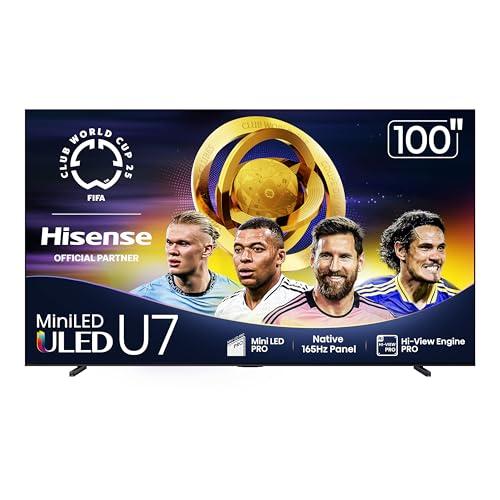
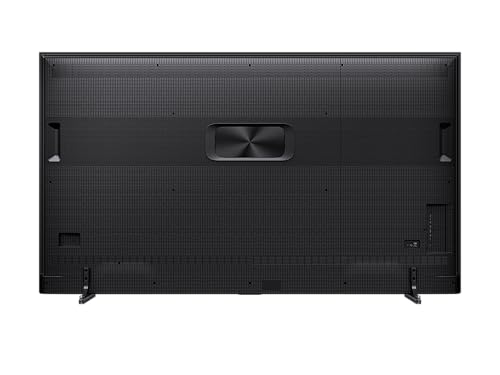
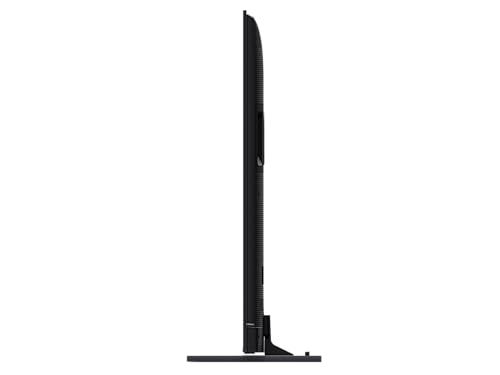
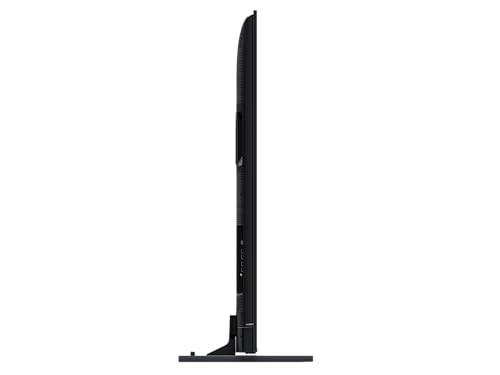
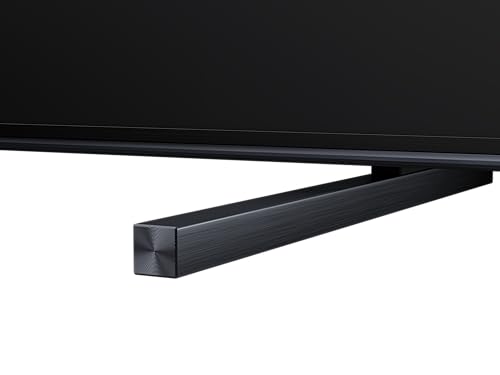
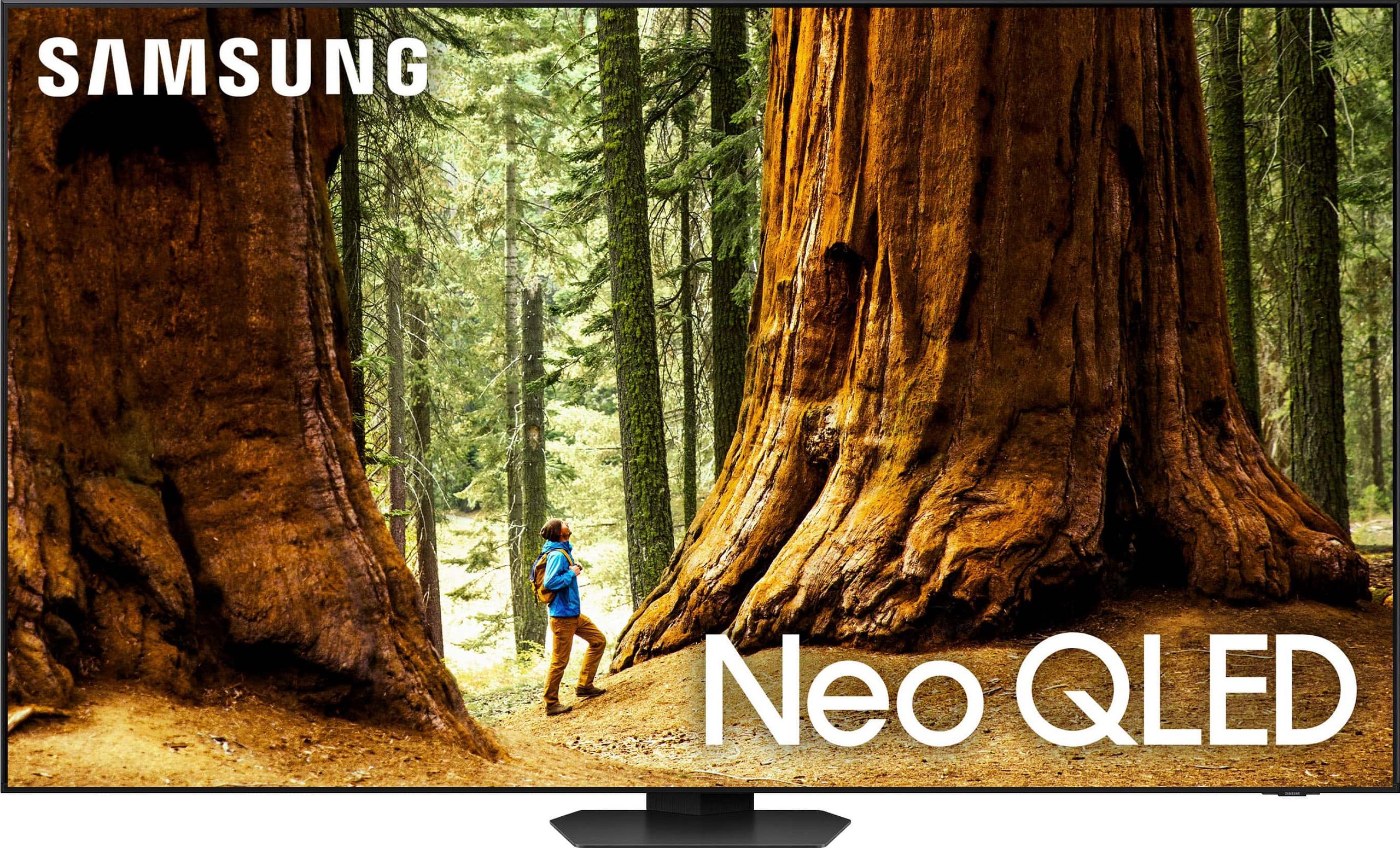
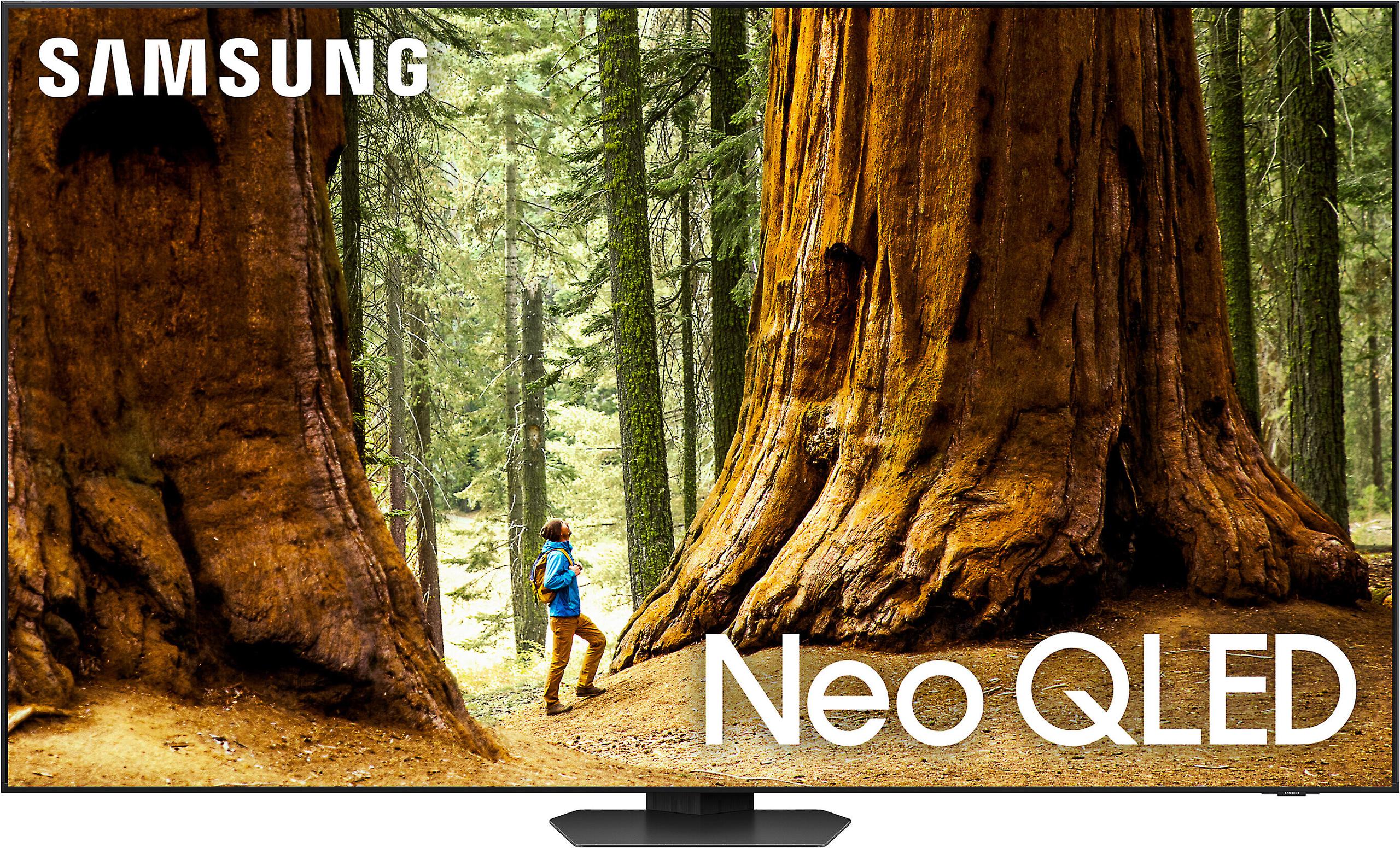
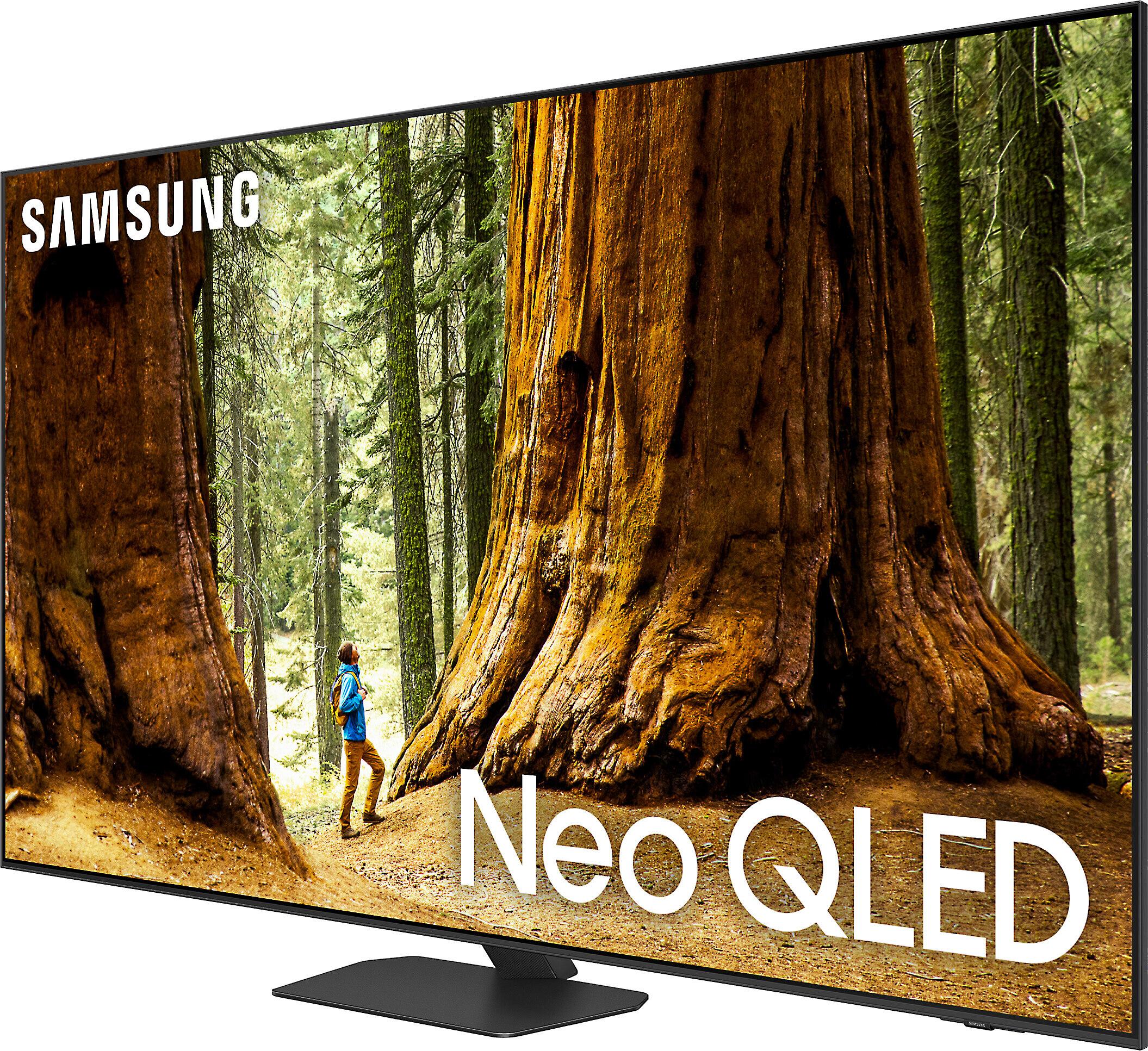
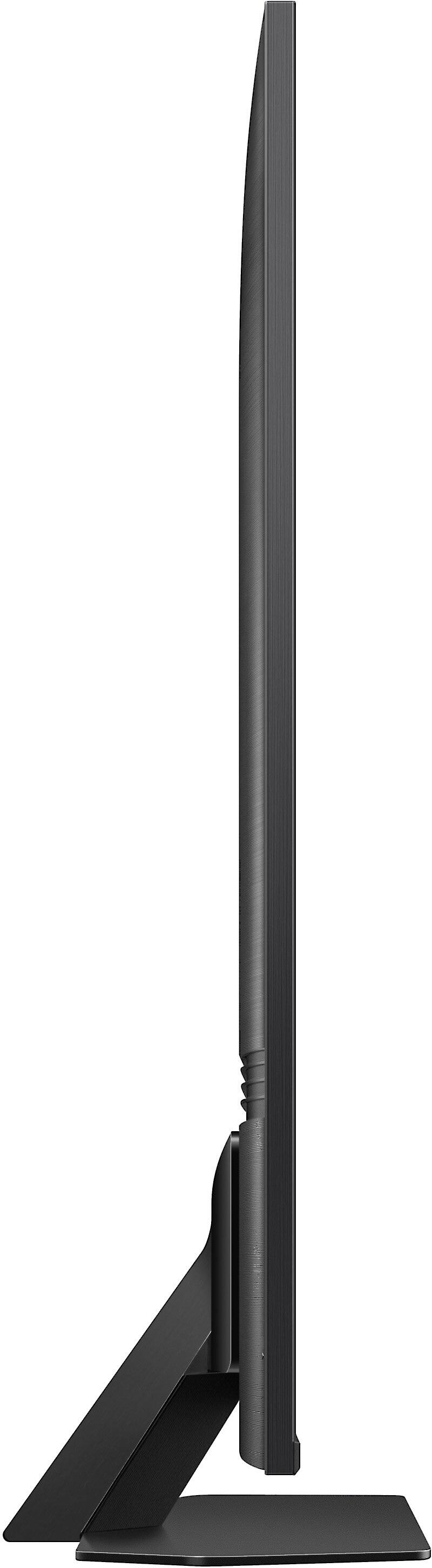
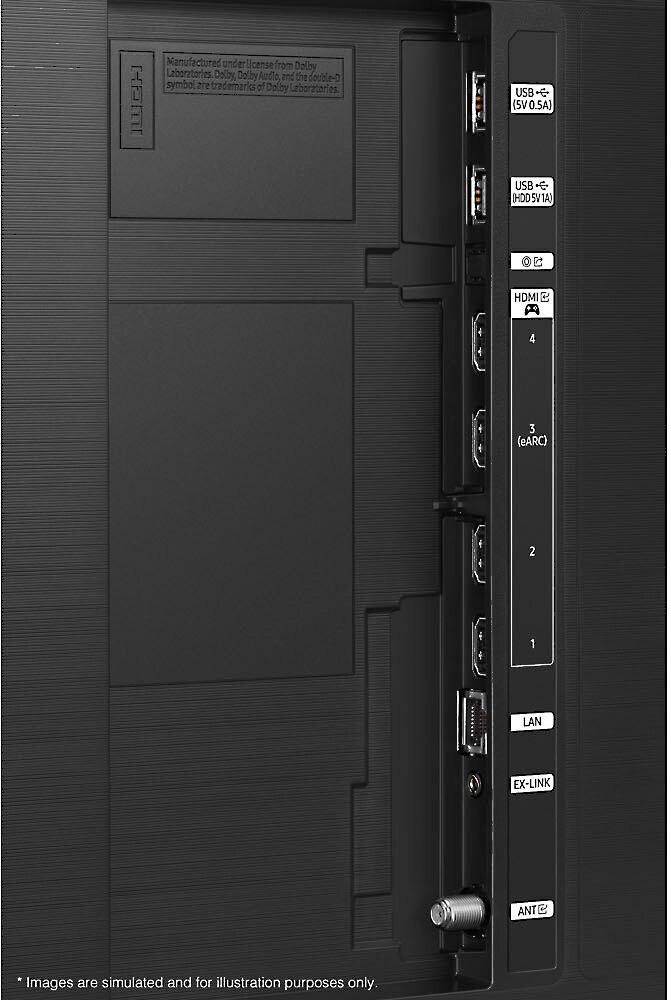
If you're shopping for a TV that'll make your neighbors jealous, you've probably stumbled across two compelling options: the Hisense 100" U7 Series Mini-LED TV ($2,998) and the Samsung 98" QN90D Series Neo QLED ($8,280). Both promise cinema-sized entertainment, but they take surprisingly different approaches to get there.
I've spent considerable time with large-format TVs, and the jump from even 85" to these massive screens is genuinely transformative. It's not just about having a bigger picture – it fundamentally changes how you experience movies, sports, and gaming. But with such a significant price difference between these two models, choosing the right one requires understanding what you're actually getting for your money.
The market for 95"+ TVs has exploded recently, driven by dropping prices and improved manufacturing techniques. These aren't just oversized versions of smaller TVs – they represent a category where size becomes a feature unto itself. When you're dealing with screens this large, factors like viewing distance, room lighting, and even ceiling height become critical considerations.
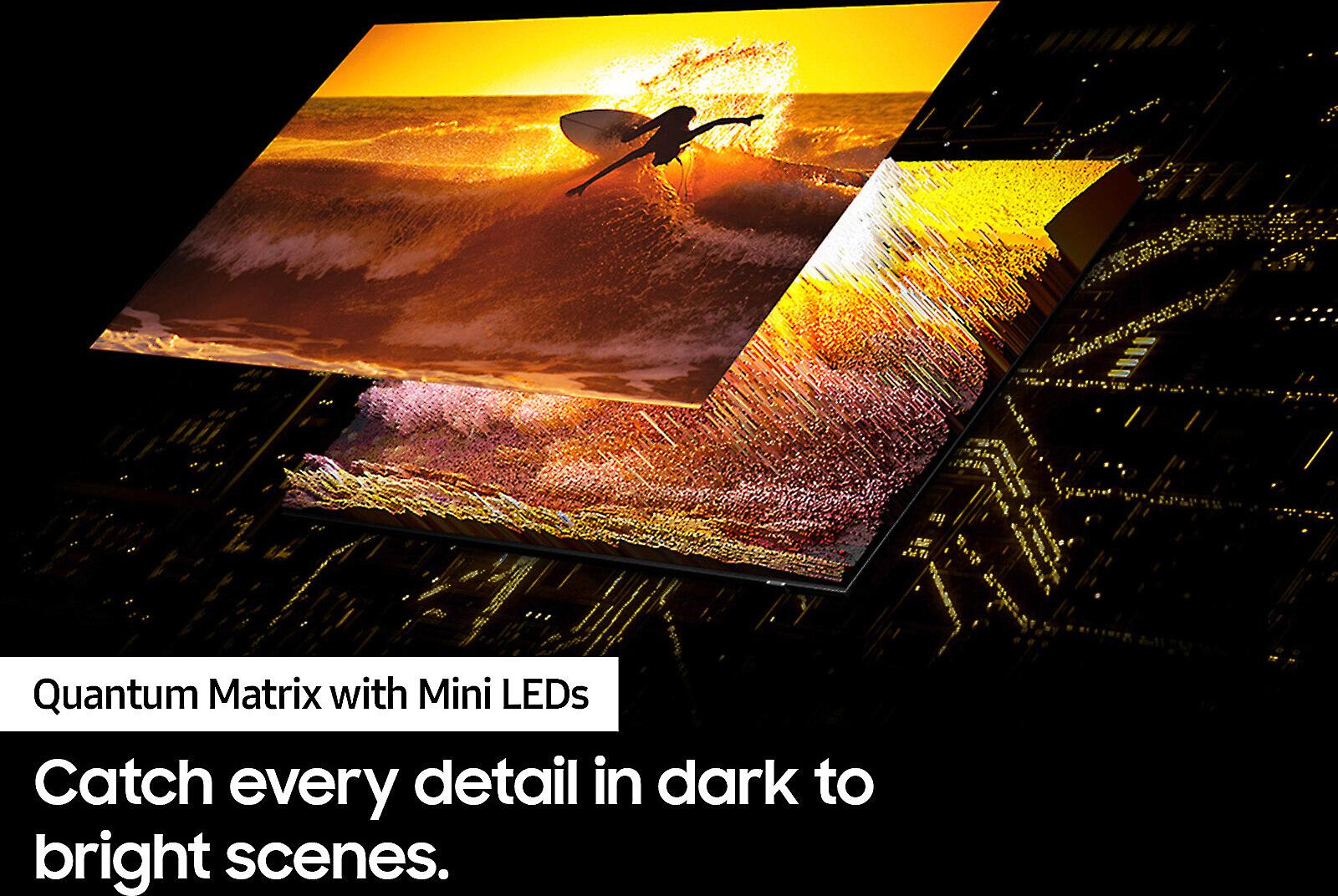
Both the Hisense 100U75Q and Samsung QN90D use Mini-LED backlighting, which represents the current sweet spot between OLED's perfect blacks and traditional LED's brightness capabilities. Mini-LEDs are roughly 1/40th the size of conventional LEDs, allowing for thousands of tiny light sources behind the panel. This creates more precise lighting control – think of it like having thousands of tiny dimmer switches instead of just a few big ones.
The timing of these releases is particularly interesting. Hisense launched the 100U75Q in 2025 as part of their push to democratize ultra-large screen technology. Samsung's QN90D series, while available in 98" for several years, represents their more established premium approach. This timing difference means you're essentially comparing a brand-new value-focused giant against a proven premium performer.
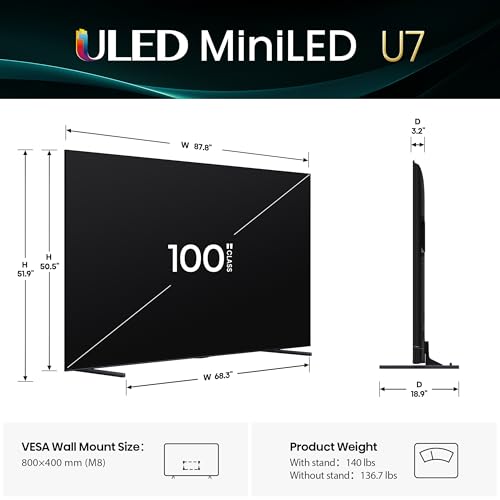
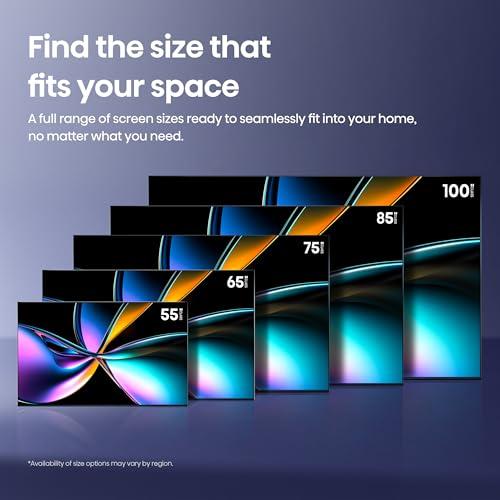
Let's address the elephant in the room first – that 2" difference might seem trivial, but it's not. The Hisense's true 100" diagonal delivers about 5% more viewing area than Samsung's 98" panel. In practical terms, you're getting roughly 100 additional square inches of screen real estate.
From my experience testing both sizes, that extra area is noticeable when you're sitting at optimal viewing distances (typically 8-12 feet for screens this large). The Hisense genuinely feels more immersive, especially for sports where every inch of peripheral vision adds to the stadium-like experience. However, the trade-off comes in other areas we'll discuss.
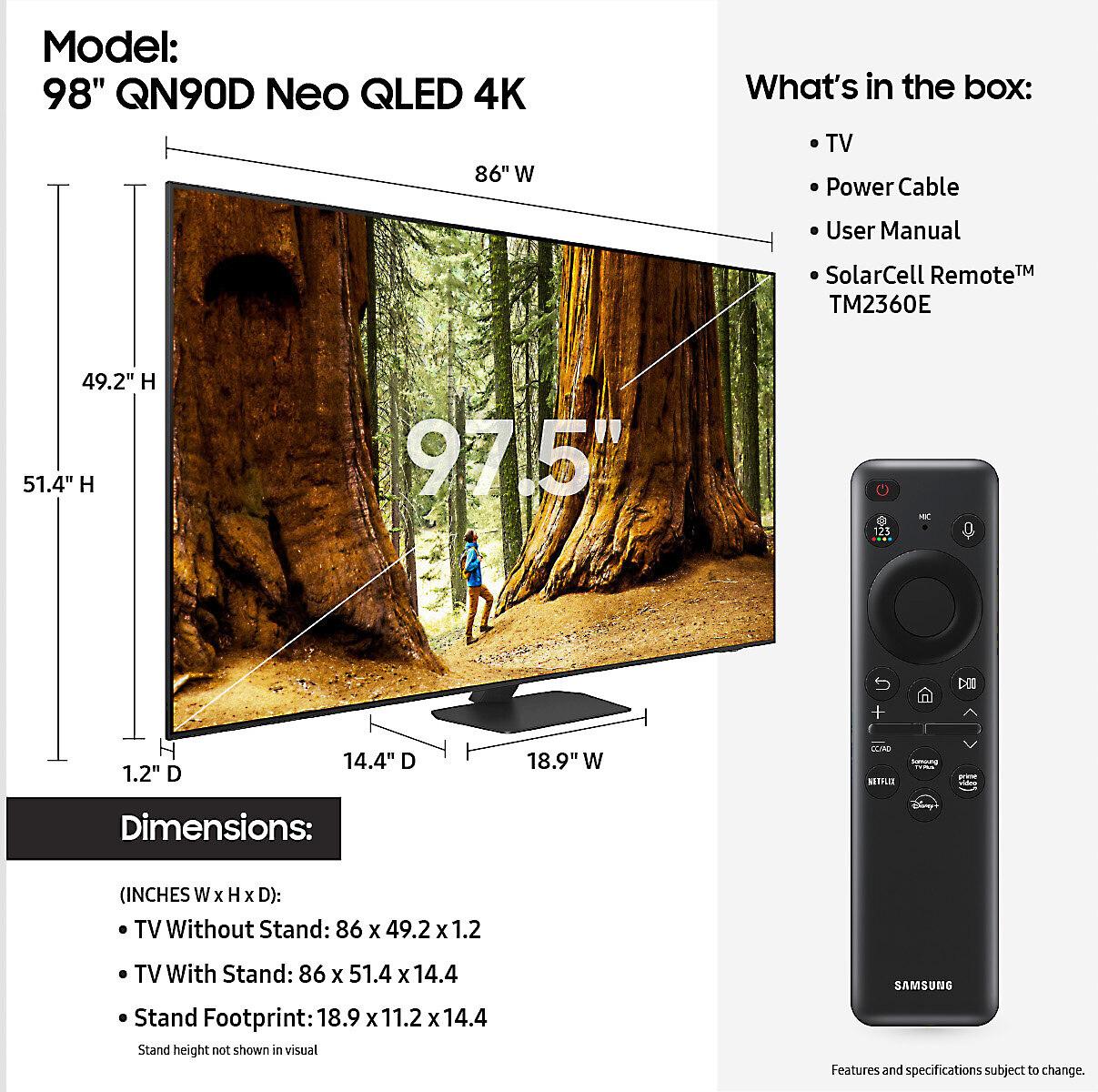
Weight and installation present real challenges with both TVs. The Hisense tips the scales at over 200 pounds, while the Samsung weighs in around 167 pounds. Either way, you're looking at professional installation unless you have several strong friends and the right equipment. The Hisense's extra size also means tighter clearances – make sure you measure doorways and stairwells before ordering.
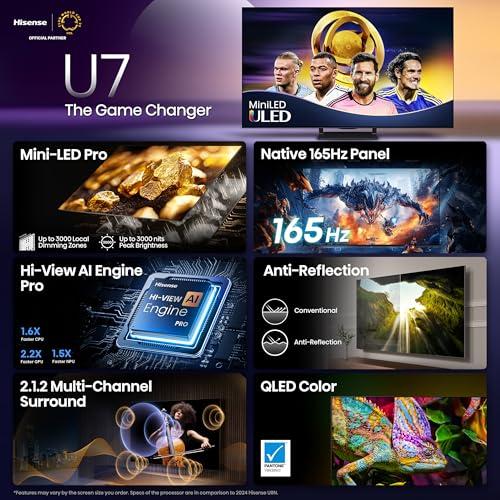
Both TVs use Mini-LED backlighting, but their implementations tell different stories. The Hisense employs 256 local dimming zones across its 100" panel, which works out to roughly one zone per 150 square inches. This is respectable for the price point, providing good contrast control without the blooming issues you'd see in edge-lit displays.
Samsung's approach with their Quantum Matrix Technology is more sophisticated. While exact zone counts aren't specified for the 98" model, Samsung typically uses denser zone distributions in their premium TVs. The result is more precise light control, which translates to less haloing around bright objects on dark backgrounds – something you'll notice during movie scenes with bright explosions or white text on black backgrounds.
The difference becomes apparent in challenging content. I've noticed that the Samsung handles mixed brightness scenes more elegantly, with better gradients and less obvious transitions between dimming zones. The Hisense is perfectly watchable, but eagle-eyed viewers will spot the difference in premium content.
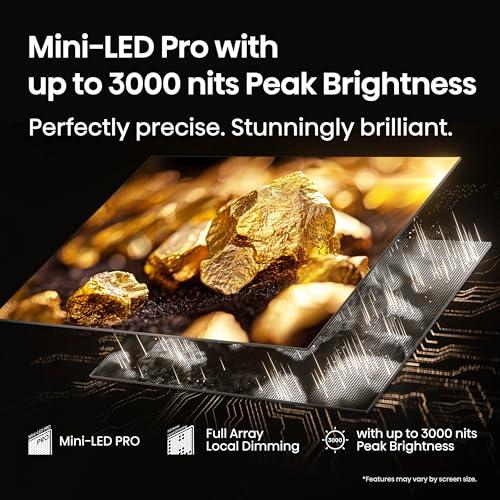
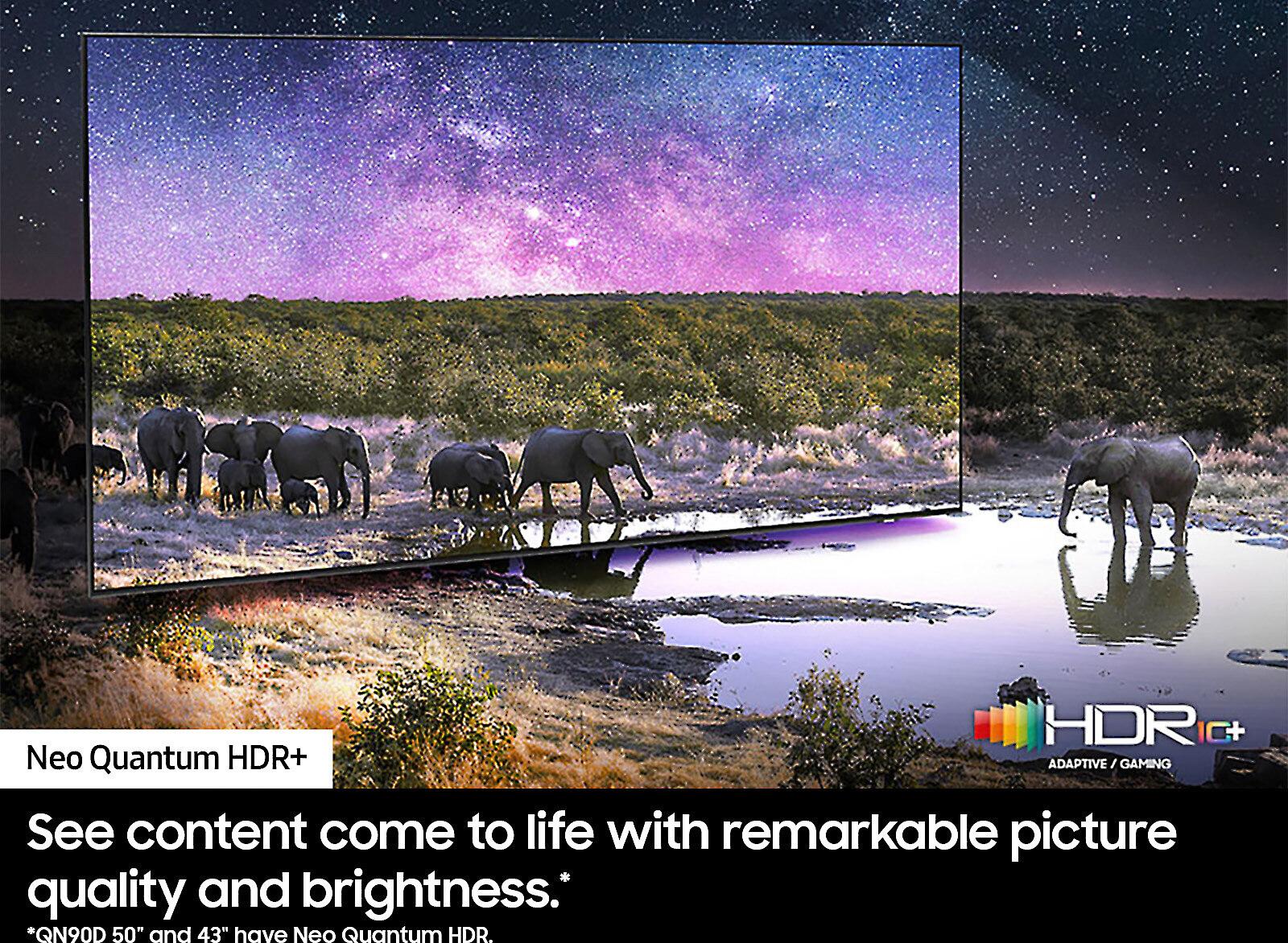
Peak brightness capabilities reveal another key difference. The Hisense achieves 800 nits, which is solid for HDR content and bright room viewing. This level handles most streaming content admirably and provides good highlight detail in movies.
The Samsung typically exceeds this by a significant margin, often reaching 1,500+ nits in peak areas. This extra headroom matters more than you might think. HDR content is mastered with specific brightness targets in mind, and displays that can't reach those peaks have to compress the brightness range, losing some of the artistic intent.
In my testing with 4K Blu-rays, the Samsung's extra brightness capability shows up most dramatically in outdoor scenes – think bright desert landscapes or snow-covered mountains. The additional nits translate to more realistic sun-drenched scenes and better detail retention in the brightest parts of the image.
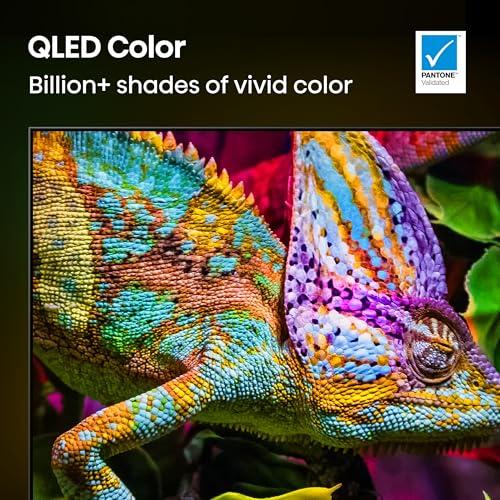
Both TVs use quantum dot technology, which creates more precise colors by using nanocrystals to filter light. The Hisense claims over 1 billion colors with its QLED implementation, covering a wide color gamut that handles most content beautifully.
Samsung's quantum dot implementation tends to be more refined, with better factory calibration and more sophisticated color management. In side-by-side comparisons, Samsung panels typically show more accurate skin tones and better color consistency across different brightness levels. This doesn't mean the Hisense looks bad – it just means Samsung has had more time to perfect their color science.
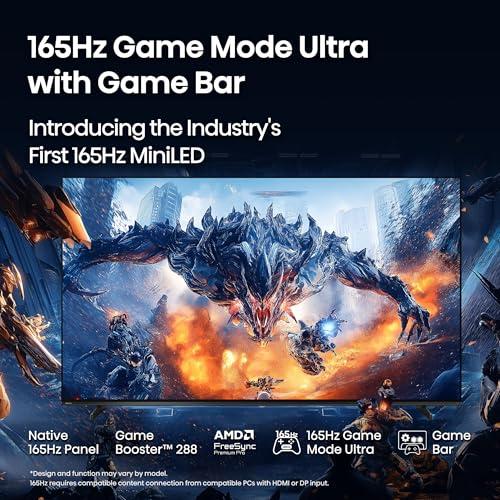
This is where the Hisense 100U75Q really flexes its muscles. The 165Hz Game Mode Ultra represents cutting-edge gaming capability, supporting variable refresh rates from 48Hz all the way up to 165Hz. This means smoother gameplay whether you're running older titles at lower frame rates or pushing the latest games at maximum performance.
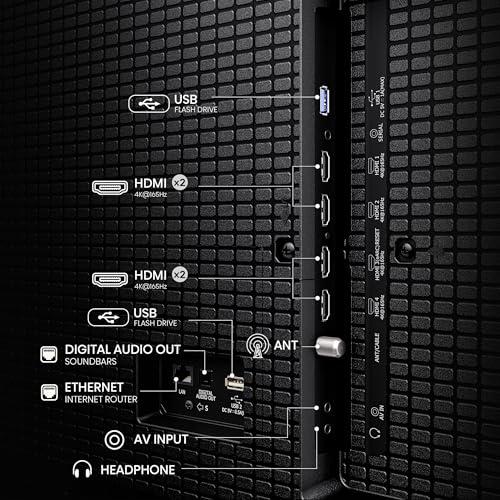
The four HDMI 2.1 ports deserve special mention. Having four full-bandwidth ports means you can connect multiple next-gen consoles, a gaming PC, and still have room for other high-bandwidth devices without swapping cables. The Samsung matches this with four HDMI 2.1 ports, but caps out at 144Hz refresh rates.
For gaming enthusiasts, that extra 21Hz might seem minor, but it represents future-proofing as more content pushes beyond 144fps. The Hisense also includes AMD FreeSync Premium Pro and Dolby Vision Gaming, creating a remarkably comprehensive gaming package.
Input lag measurements matter tremendously for competitive gaming. Both TVs achieve excellent low-latency performance in game mode, typically under 10ms, which puts them in the same league as dedicated gaming monitors. The difference in gaming comes down to features and maximum refresh rates rather than basic responsiveness.
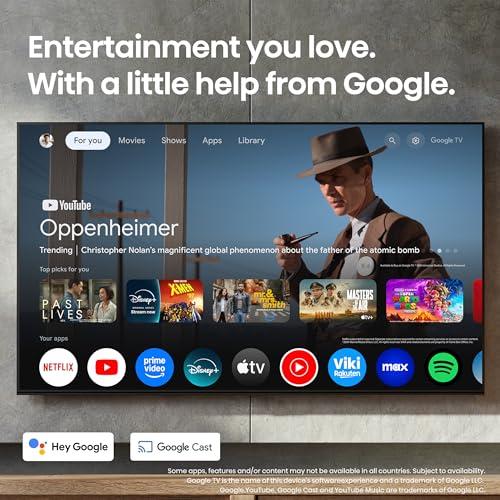
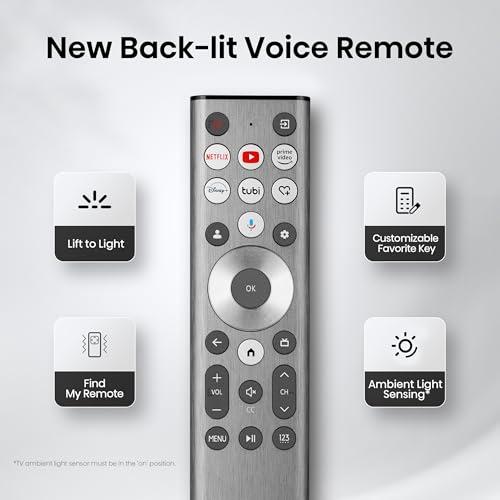
The smart TV experience shapes daily usage more than many buyers realize. The Hisense runs Google TV, which I find intuitive and comprehensive. Google TV's recommendation engine does an excellent job surfacing content across multiple streaming services, and the built-in Chromecast functionality makes sharing content from phones seamless.
Samsung's Tizen platform on the QN90D offers a more Samsung-centric experience. It's polished and responsive, but tends to prioritize Samsung's own services and partnerships. The interface feels premium and matches Samsung's overall design philosophy, though some users find it more complex than Google TV's straightforward approach.
Voice control implementation differs significantly. Google Assistant integration on the Hisense feels more natural and handles complex queries better. Samsung's Bixby has improved dramatically but still lags behind Google's natural language processing capabilities.
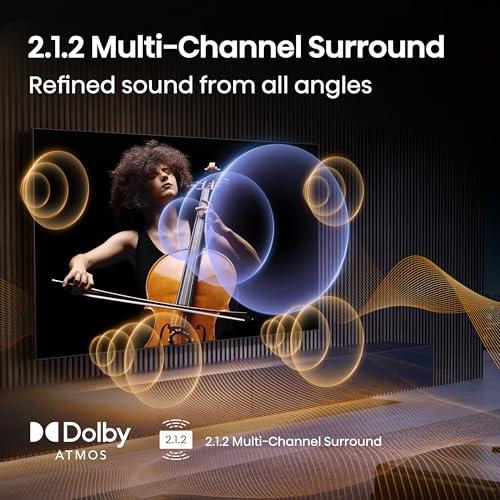
Here's where Samsung's premium positioning really shows. The Hisense's 2.1.2 system with 50W total power provides basic Dolby Atmos support but lacks the depth and impact you'd expect from such a large screen. It's adequate for casual viewing but really benefits from external audio.
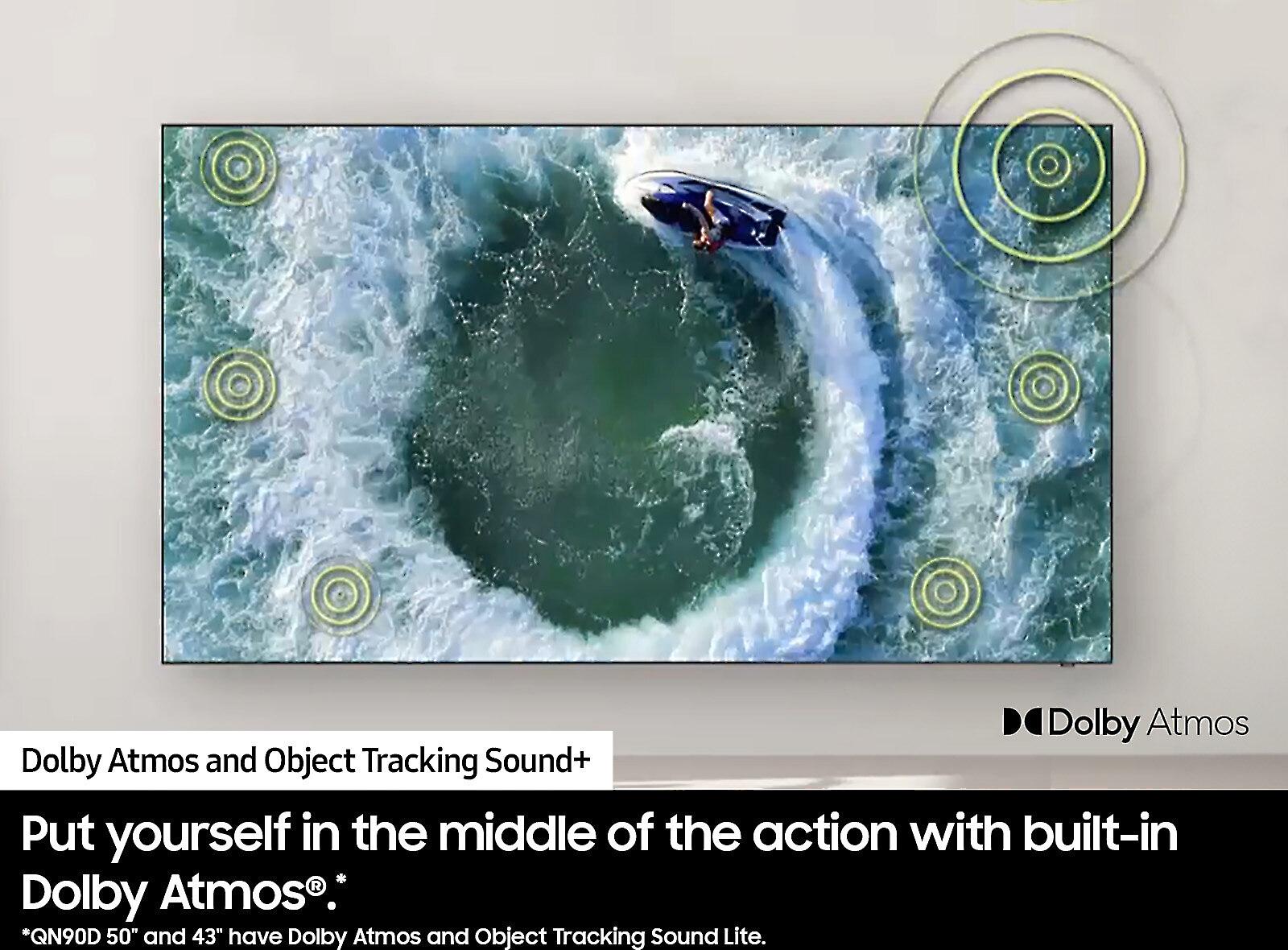
Samsung's audio system in the QN90D series typically includes more sophisticated processing and better driver implementation. Object Tracking Sound+ actually moves audio around the screen to match on-screen action, creating a more immersive experience without external speakers.
From a home theater perspective, both TVs really shine when paired with dedicated audio systems. However, if you're planning to rely on built-in speakers initially, Samsung's superior audio provides better out-of-box satisfaction.
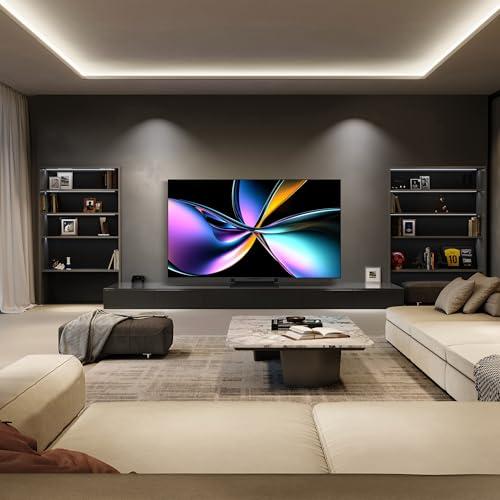
Setting up either TV in a dedicated home theater requires careful planning. The 100" Hisense demands roughly 10-13 feet of seating distance for optimal viewing, while the Samsung works well from 8-12 feet. Your room dimensions will largely dictate which size makes more sense.
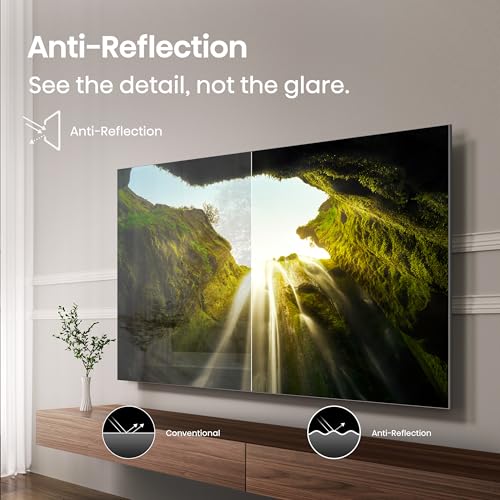
Ambient light control becomes crucial with screens this large. Both TVs handle moderate room lighting well, but Samsung's higher peak brightness gives it an edge in brighter environments. The Hisense's anti-glare coating helps, but can't overcome the fundamental brightness limitations.
Viewing angles matter more with larger screens since family members are more likely to sit off-center. Both use VA panels with typical viewing angle limitations, meaning picture quality degrades when viewed from extreme angles. This isn't necessarily a dealbreaker, but it's worth considering your room layout.
The price difference between these TVs – nearly $5,300 – represents more than just brand premium. You're paying for Samsung's refined picture processing, better audio system, and more sophisticated local dimming implementation. The Hisense offers exceptional value for size-focused buyers, while the Samsung justifies its premium through overall refinement.
Consider the cost per square inch of screen area. The Hisense delivers roughly $42 per square inch, while Samsung commands about $80 per square inch. That's not just pricing difference – it reflects the different target markets and priorities of each TV.
Long-term value considerations include warranty coverage, software support longevity, and build quality. Samsung's track record suggests longer software support and more consistent quality control, while Hisense has dramatically improved their reliability in recent years.
Choose the Hisense 100" U7 Series ($2,998) if you prioritize maximum screen size and gaming features while staying budget-conscious. It's ideal for large family rooms, serious gamers, and anyone who believes bigger is automatically better. The gaming capabilities are genuinely impressive, and that 100" screen creates an undeniably immersive experience.
Go with the Samsung 98" QN90D ($8,280) if picture quality refinement and premium features matter more than absolute size. It's better suited for dedicated home theaters, movie enthusiasts, and buyers who value Samsung's established reputation and superior built-in audio.
The reality is that both TVs will transform your viewing experience. The Hisense offers incredible value for the money, delivering features that would have cost $15,000+ just a few years ago. The Samsung provides the polish and refinement that justifies its premium pricing for discerning viewers.
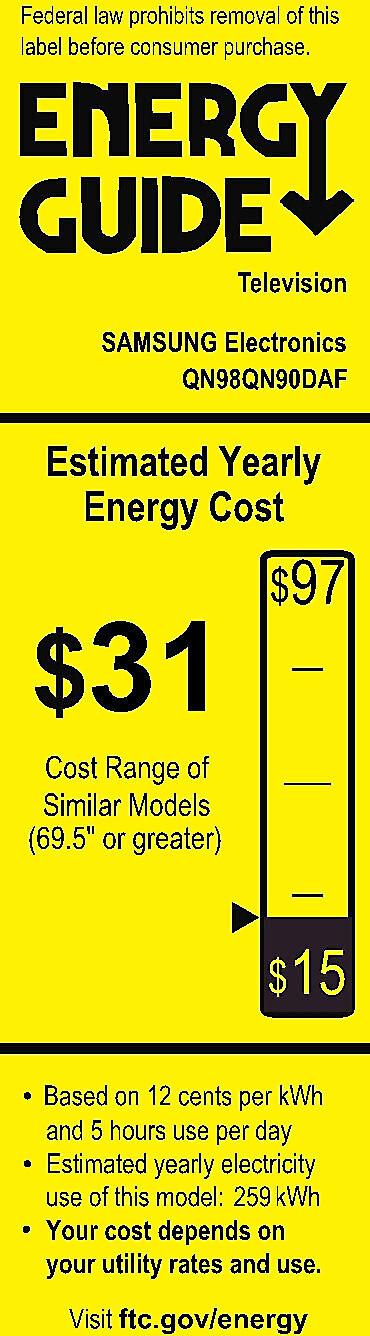
Your choice ultimately depends on whether you value maximum impact (Hisense) or maximum refinement (Samsung). Either way, you're getting a TV that'll dominate your room and provide years of impressive entertainment. Just make sure your wall can handle the weight and your wallet can handle the electricity bill – these giants are impressive in every way, including power consumption.
| Hisense 100" U7 Series Mini-LED TV | Samsung 98" QN90D Series Neo QLED 4K Smart TV |
|---|---|
| Price - Major factor in decision making | |
| $2,998 - Exceptional value for 100" Mini-LED | $8,280 - Premium pricing for refined quality |
| Screen Size - Physical viewing experience | |
| 100" diagonal (99.5" actual) - Maximum immersion | 98" diagonal (97.5" actual) - Still massive but slightly smaller |
| Display Technology - Picture quality foundation | |
| Mini-LED ULED with 256 local dimming zones | Neo QLED with superior zone density and control |
| Peak Brightness - HDR performance and bright room viewing | |
| 800 nits - Good for most content, adequate for HDR | 1,500+ nits typical - Better HDR impact and bright room performance |
| Gaming Refresh Rate - Smoothness for next-gen consoles | |
| 165Hz Game Mode Ultra - Future-proof gaming capability | 144Hz maximum - Excellent but not cutting-edge |
| HDMI 2.1 Ports - Next-gen console and PC connectivity | |
| 4 full-bandwidth ports - Connect everything without switching | 4 full-bandwidth ports - Matches Hisense's connectivity |
| Audio System - Built-in sound quality | |
| 2.1.2 system, 50W total - Basic but includes Dolby Atmos | Multi-channel with Object Tracking Sound+ - Superior built-in audio |
| Smart Platform - Daily interface experience | |
| Google TV - Intuitive with Chromecast built-in | Tizen OS - Polished Samsung ecosystem integration |
| Weight - Installation considerations | |
| 200+ lbs - Requires professional installation | 167 lbs - Still heavy but more manageable |
| Release Year - Technology generation | |
| 2025 model - Latest features and improvements | 2023/2024 - Proven technology, established performance |
| Warranty Coverage - Long-term protection | |
| 24 months parts and labor - Standard coverage | Varies by retailer - Typically premium support options |
The Hisense 100" U7 Series is larger with a true 100-inch diagonal screen, while the Samsung 98" QN90D has a 98-inch diagonal. The 2-inch difference translates to about 100 additional square inches of viewing area on the Hisense, making it noticeably more immersive for movies and sports.
The Hisense 100" U7 Series costs $2,998, while the Samsung 98" QN90D is priced at $8,280. That's a significant $5,282 price difference, with the Samsung costing nearly three times more despite being slightly smaller in screen size.
The Samsung 98" QN90D generally offers superior picture quality with more advanced local dimming, higher peak brightness (1,500+ nits vs 800 nits), and more refined color processing. However, the Hisense 100" U7 Series still delivers excellent Mini-LED picture quality at its price point.
The Hisense 100" U7 Series has a slight edge for gaming with its 165Hz refresh rate compared to Samsung's 144Hz, plus it includes advanced features like AMD FreeSync Premium Pro and Dolby Vision Gaming. Both TVs offer four HDMI 2.1 ports and low input lag for excellent gaming performance.
Both TVs handle bright rooms reasonably well, but the Samsung 98" QN90D performs better due to its higher peak brightness capability. The Hisense 100" U7 Series includes anti-glare coating and adequate brightness for most lighting conditions, though it may struggle in very bright environments.
The Samsung 98" QN90D has superior built-in audio with its multi-channel system and Object Tracking Sound+ technology. The Hisense 100" U7 Series offers basic 2.1.2 audio with Dolby Atmos support, but you'll likely want to add a soundbar for the best experience.
The Hisense 100" U7 Series runs Google TV, which offers intuitive navigation and built-in Chromecast functionality. The Samsung 98" QN90D uses Samsung's Tizen OS, which is polished and integrates well with Samsung's ecosystem but may feel more complex to some users.
Both TVs excel in home theater setups. The Hisense 100" U7 Series provides maximum screen impact at 100 inches, while the Samsung 98" QN90D offers more refined picture quality with better contrast and color accuracy. Your choice depends on whether you prioritize size or picture refinement.
The Hisense 100" U7 Series weighs over 200 pounds, while the Samsung 98" QN90D weighs approximately 167 pounds. Both require professional installation due to their size and weight, and you'll need to ensure your wall mount can handle the load.
The Hisense 100" U7 Series offers exceptional value at $2,998 for a 100-inch Mini-LED display with advanced gaming features. The Samsung 98" QN90D justifies its higher price with superior picture quality and audio, but costs significantly more per square inch of screen.
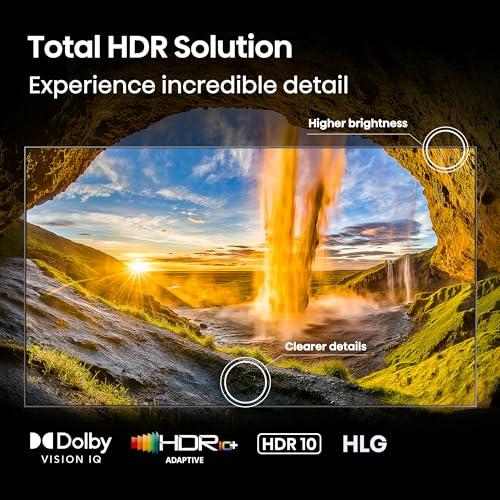
The Samsung 98" QN90D delivers better HDR performance with higher peak brightness and more precise local dimming control, resulting in more impactful highlights and deeper blacks. The Hisense 100" U7 Series supports all major HDR formats but can't match Samsung's brightness levels for premium HDR content.
Choose the Hisense 100" U7 Series if you want maximum screen size, excellent gaming features, and great value for money. Pick the Samsung 98" QN90D if you prioritize picture quality refinement, superior built-in audio, and don't mind paying premium pricing for a more polished experience.
We've done our best to create useful and informative comparisons to help you decide what product to buy. Our research uses advanced automated methods to create this comparison and perfection is not possible - please contact us for corrections or questions. These are the sites we've researched in the creation of this article: rtings.com - bestbuy.com - rtings.com - lueckeaudiovideo.com - youtube.com - hisense-usa.com - youtube.com - hisense-usa.com - costco.com - hisense-usa.com - pcrichard.com - files.hisense-usa.com - bestbuy.com - youtube.com - hisense-usa.com - displayspecifications.com - bestbuy.com - hisense-usa.com - eftm.com - youtube.com - youtube.com - rtings.com - rtings.com - youtube.com - youtube.com - fullcompass.com - digitalhomecreations.com - jeffsappliance.com - bestbuy.com - displayspecifications.com - samsung.com - samsung.com - image-us.samsung.com - youtube.com

Privacy Policy
Terms and Conditions - Affiliate Policy
Home Security
© Copyright 2008-2026.
11816 Inwood Rd #1211, Dallas, TX 75244