

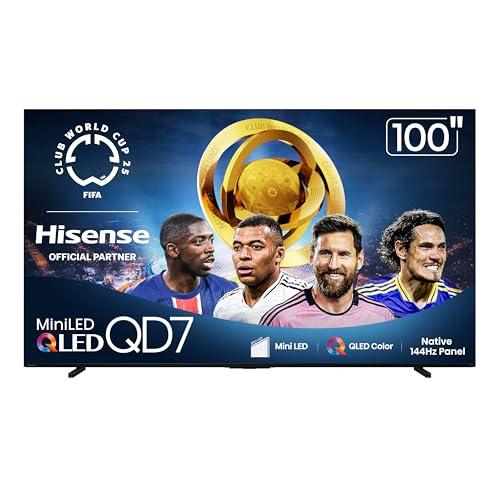
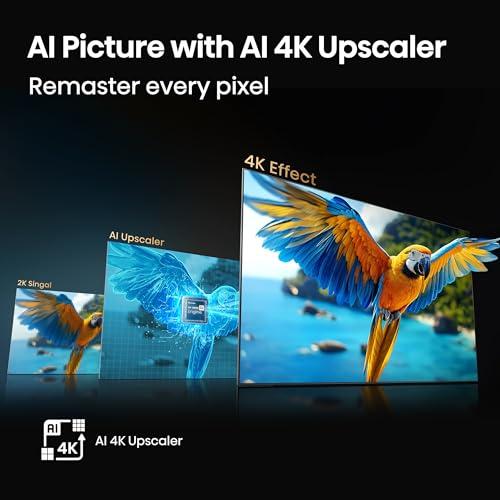
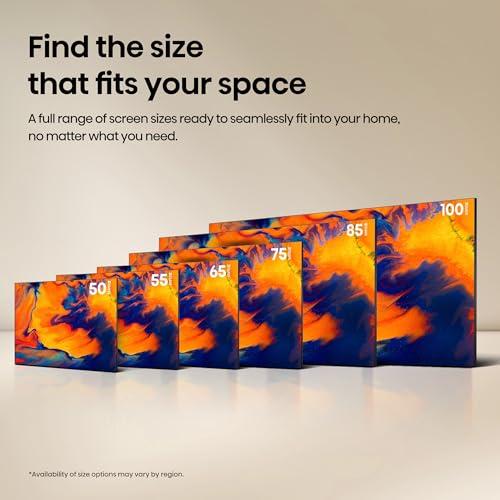
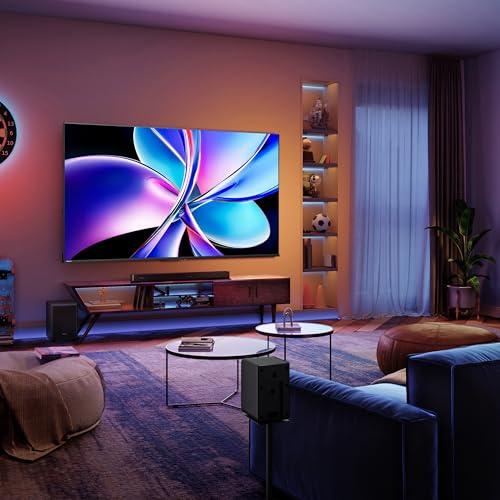
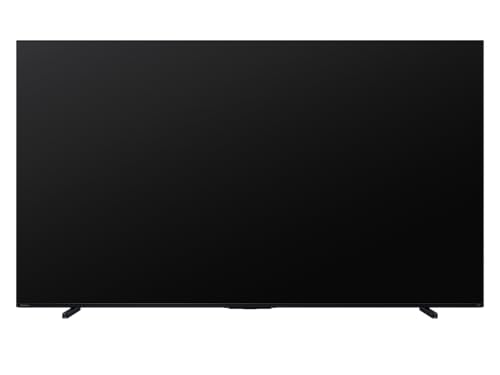
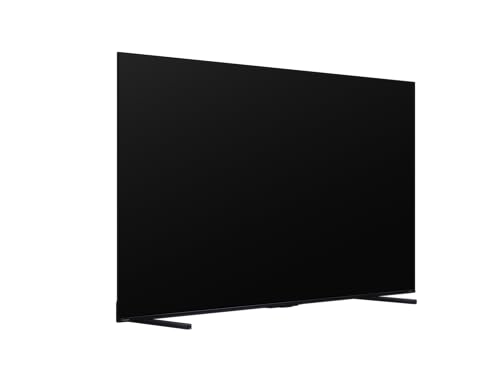
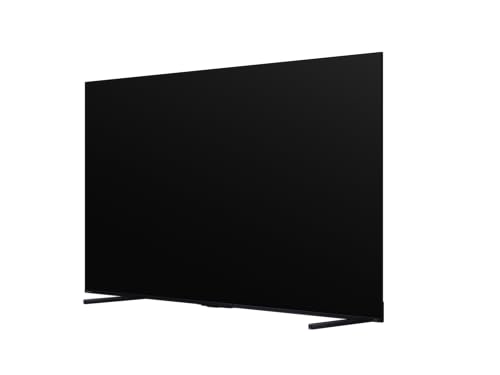
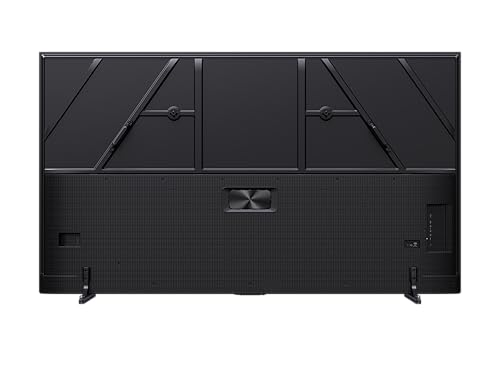
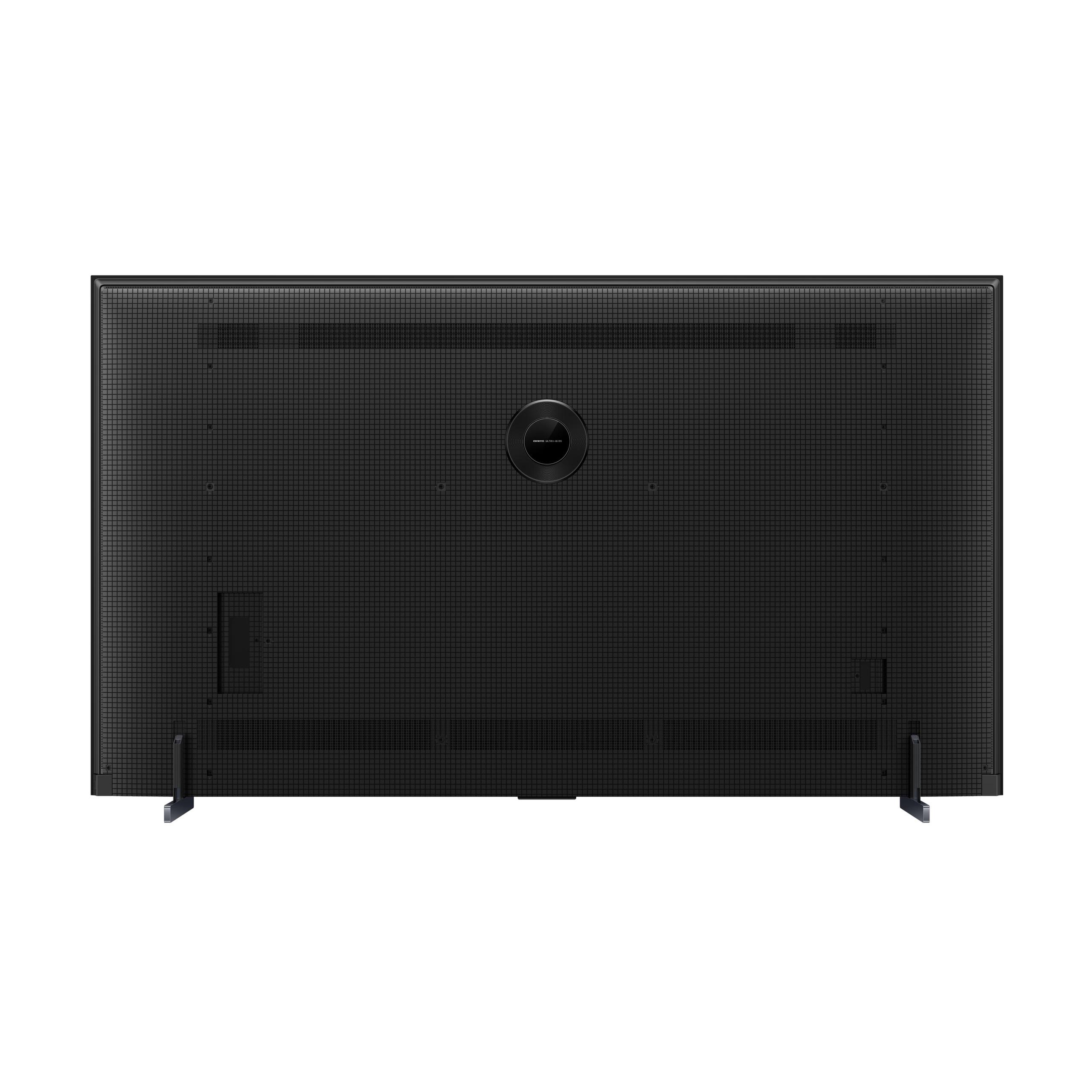
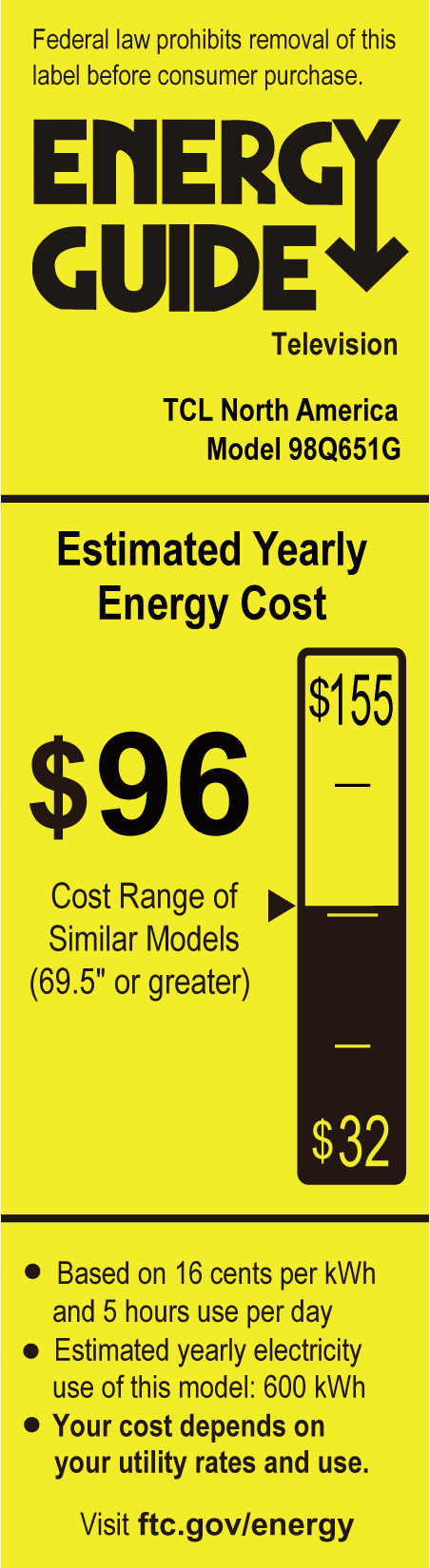

If you're in the market for a truly gigantic TV that transforms your living room into a personal movie theater, you've probably stumbled across two compelling options: the Hisense 100-Inch QD7 Series Mini-LED 4K Smart TV at $2,199.99 and the TCL 98" Q6 Series 4K UHD QLED Smart TV at $1,623.99. Both released in 2024, these televisions represent different philosophies in the large-format TV space – one prioritizing cutting-edge technology, the other maximizing screen size for the dollar.
The world of massive TVs has exploded in recent years. What once required a projector and dedicated theater room can now be achieved with a single television. These displays, measuring 95 inches and larger, are designed for people who want that "wow factor" – the kind of viewing experience that makes guests stop mid-conversation when they walk into your room.
However, buying a TV this large isn't just about picking the biggest screen you can afford. You need to consider your room size (you'll want to sit 12-15 feet away for the best experience), your viewing habits, and whether you prioritize raw size or picture quality. Both options we're comparing sit in that sweet spot where the screen is large enough to be transformative, but the technology and price remain accessible to regular consumers rather than just ultra-premium buyers.
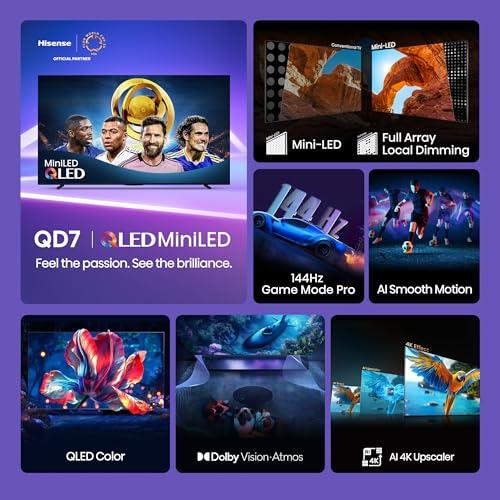
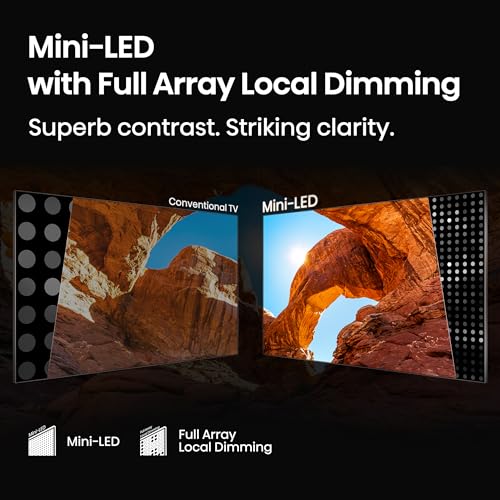
The Hisense 100-Inch QD7 Series represents what happens when you take premium TV technology and scale it up to cinema proportions. At its heart is Mini-LED backlighting – think of thousands of tiny LED lights positioned behind the screen in a grid pattern. Each zone can dim or brighten independently, which is called "full-array local dimming." This means when you're watching a movie with a starry night sky, the stars can be brilliantly bright while the space around them stays truly black.
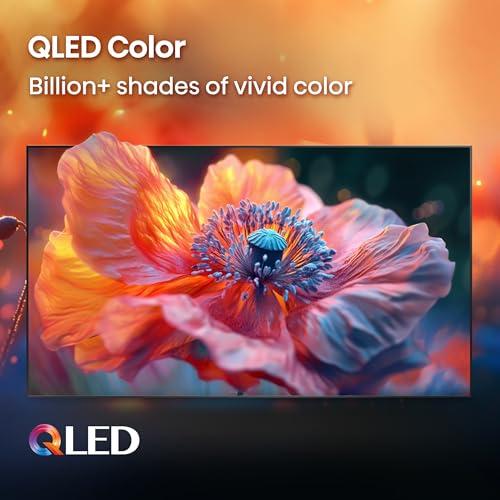
This is a significant step up from older LED TVs that had lights only around the edges. The result? You get contrast that approaches what you'd see from premium OLED TVs, but with the brightness levels needed to combat glare in well-lit rooms. The quantum dot layer (that's the "Q" in QLED) acts like a color filter that can produce over a billion different shades, making everything from Netflix shows to 4K Blu-rays look more vibrant and lifelike.
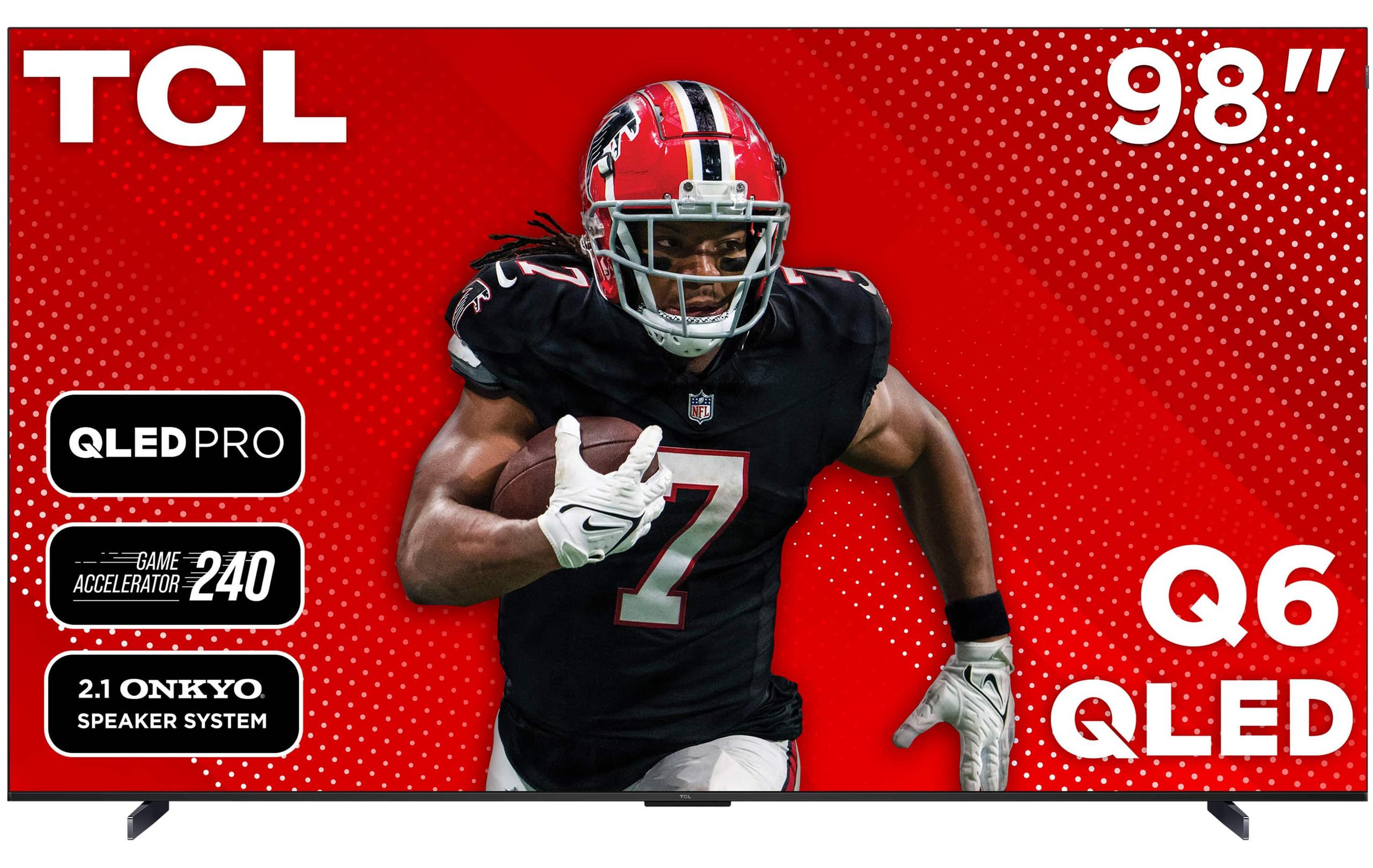
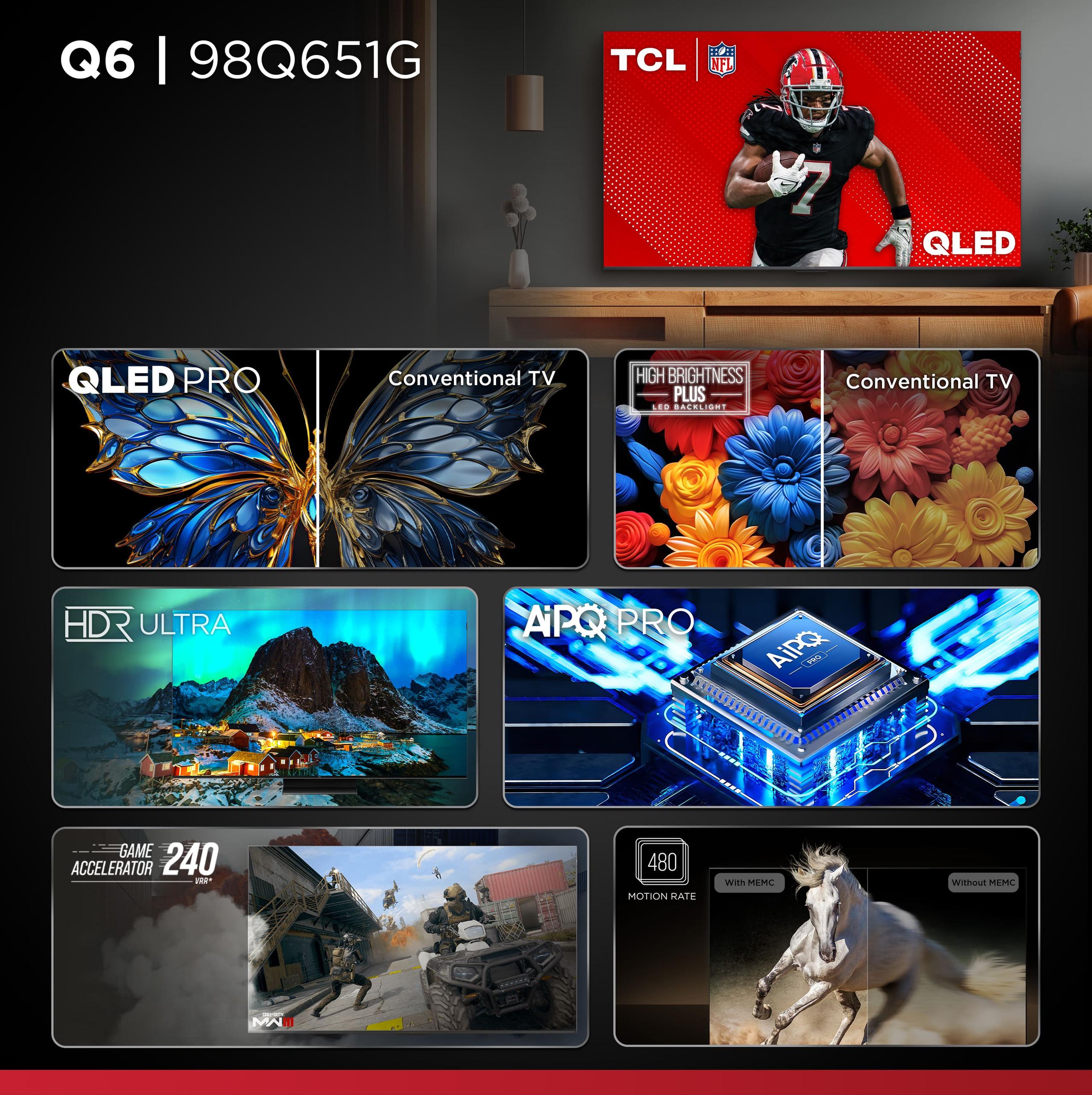
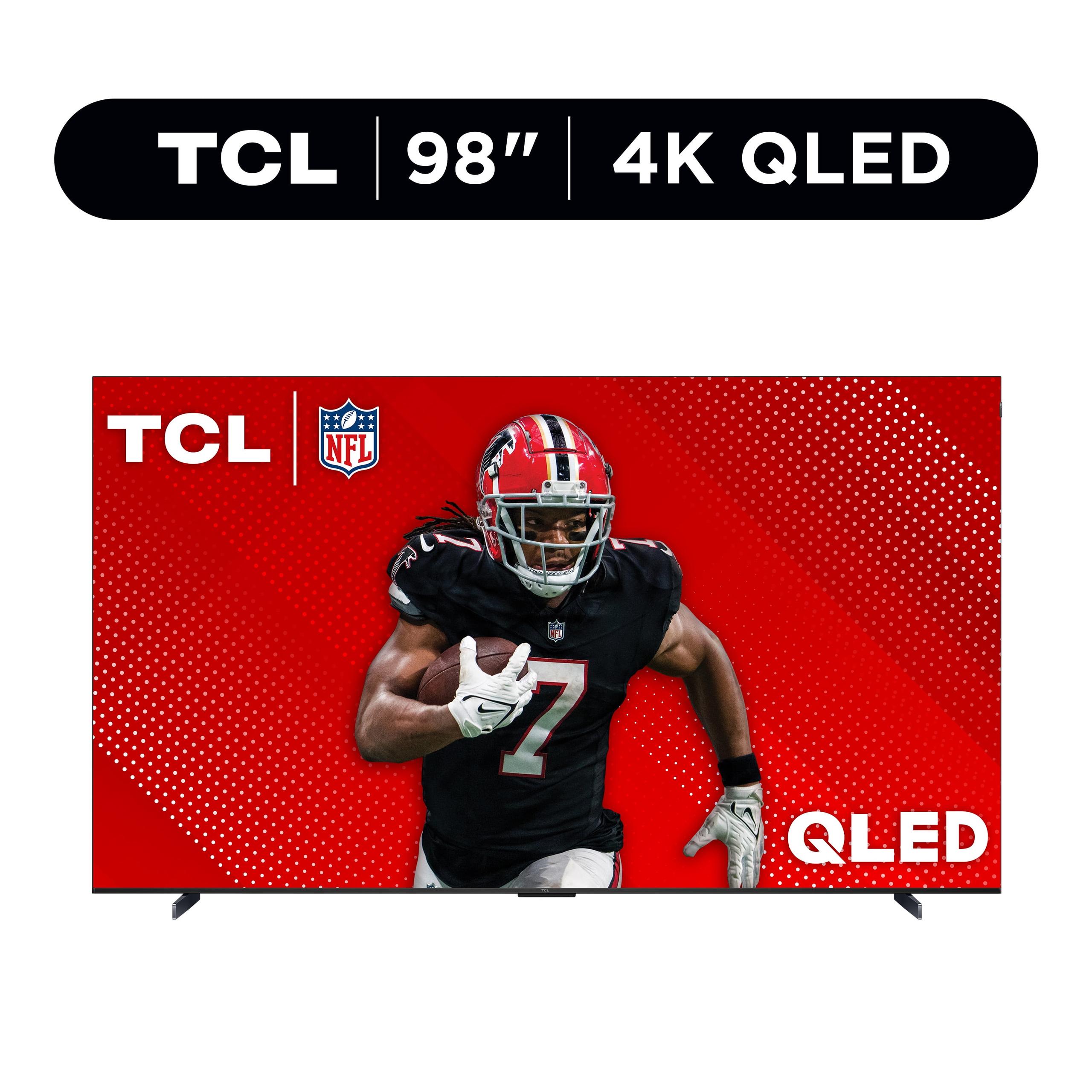
The TCL 98" Q6 takes a different approach. Instead of Mini-LED, it uses traditional QLED technology – quantum dots without the advanced backlighting zones. Think of it as a very good conventional LED TV with enhanced color capabilities, rather than the cutting-edge contrast control of its Hisense competitor.
What TCL has done cleverly is focus their engineering budget on making a huge, good-looking TV that doesn't break the bank. The quantum dot technology still delivers impressive color saturation and brightness levels that work well for most content, especially in rooms with moderate lighting.
This is where the technology gap becomes most apparent. The Hisense QD7's Mini-LED system can produce genuine deep blacks right next to brilliant whites – imagine watching a movie where someone opens a door from a dark room into bright sunlight. The Mini-LED zones can make that doorway blazingly bright while keeping the dark room convincingly black.
The TCL Q6, lacking local dimming, creates this same scene by essentially raising the brightness of the entire screen area. This works reasonably well, but you'll notice that "black" areas appear more like dark gray, and bright scenes can look a bit washed out in comparison.
Both TVs support HDR (High Dynamic Range), which allows them to display a wider range of brightness and color than standard TVs. However, the Hisense supports Dolby Vision – a premium HDR format that adjusts the picture quality scene by scene using extra information embedded in the content. It's like having a professional calibrator tweaking your TV settings hundreds of times per movie. The TCL supports HDR10 and HDR10+, which provide static or basic dynamic adjustments but aren't quite as sophisticated.
In my experience testing similar TVs, this difference is most noticeable when watching movies with dramatic lighting – think Christopher Nolan films or anything shot with strong contrasts between light and shadow. The Hisense will make you forget you're watching a TV, while the TCL will still look very good but more obviously like a TV display.
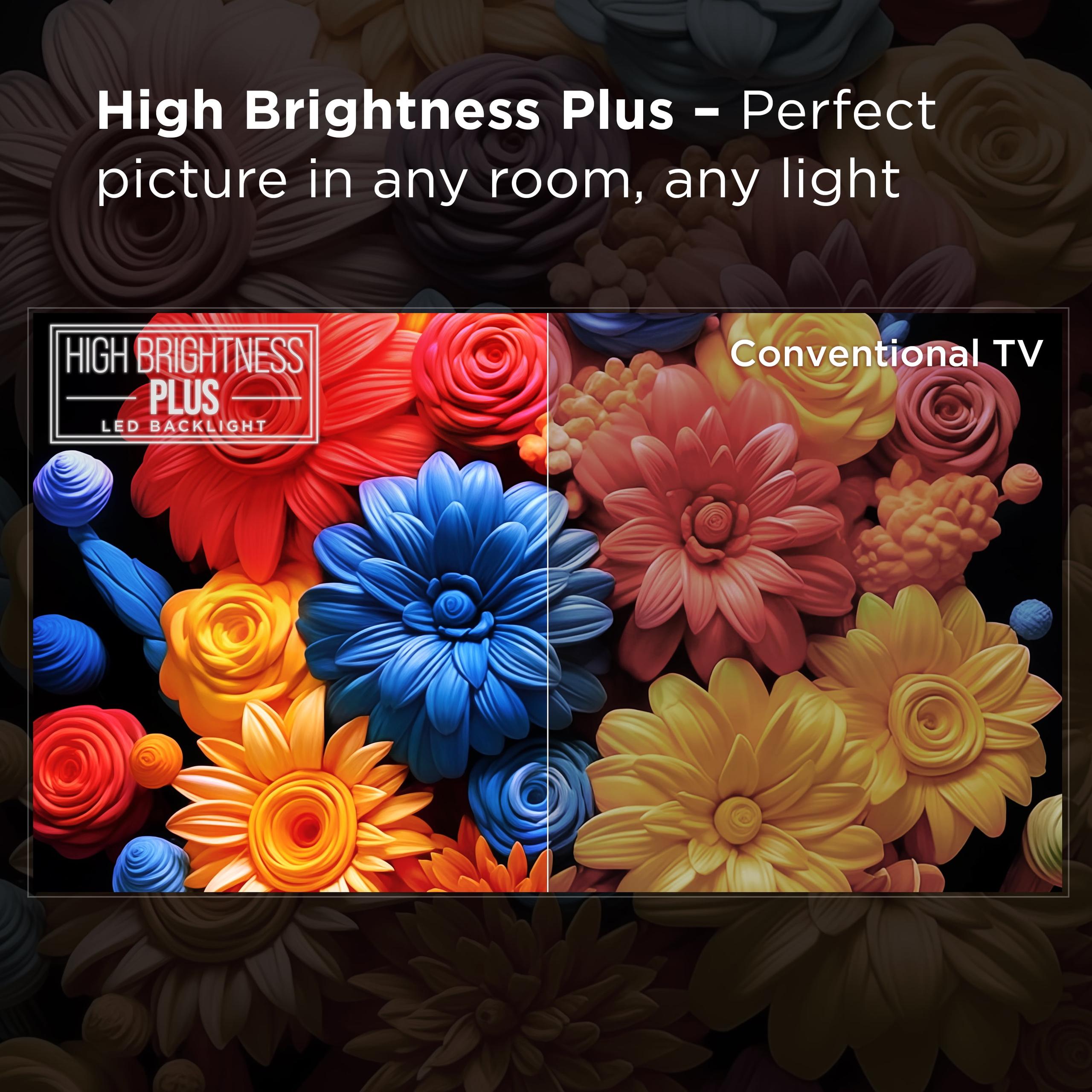
Both TVs get plenty bright for most viewing situations, with the Hisense reaching about 600-700 nits in HDR mode and the TCL hitting 500-600 nits. To put this in perspective, a bright sunny day is about 100,000 nits, while a typical indoor room is around 100-200 nits. Both TVs have more than enough brightness to look vivid in normal lighting conditions.
The color performance is where quantum dot technology shines on both models. You'll see richer greens in nature documentaries, more saturated reds in sports broadcasts, and more nuanced skin tones in movies compared to basic LED TVs. The Hisense has a slight edge here, covering about 95% of the DCI-P3 color space (the standard used by movie studios) compared to the TCL's 90% coverage.
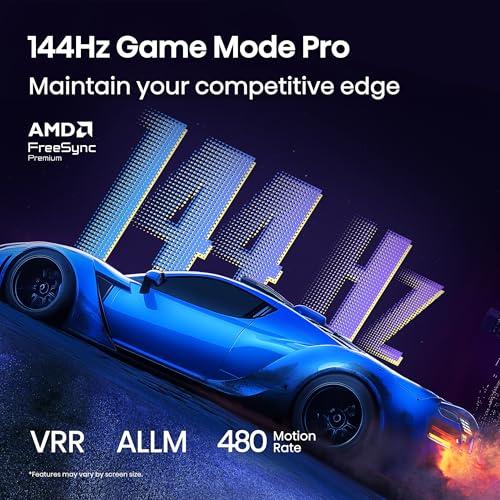
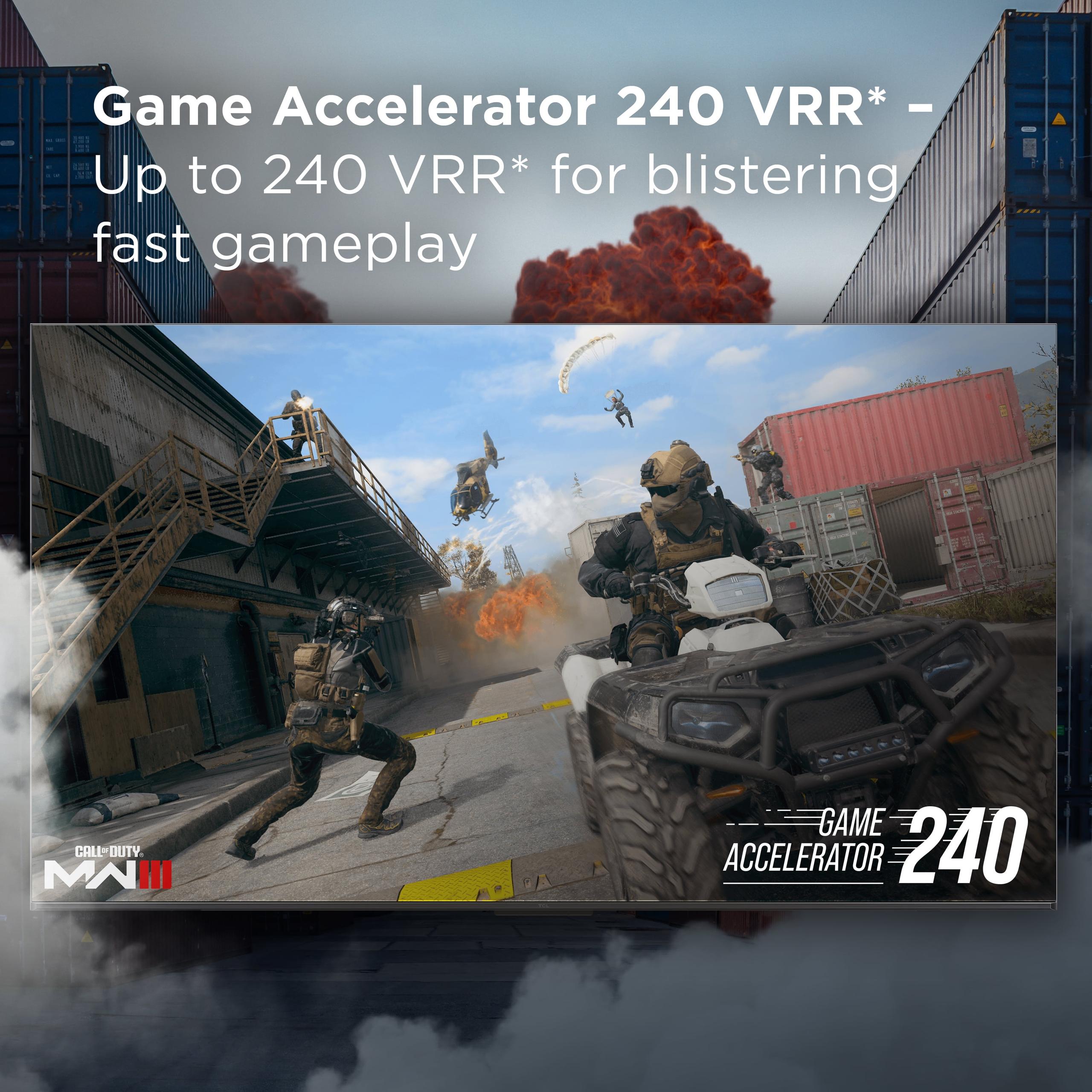
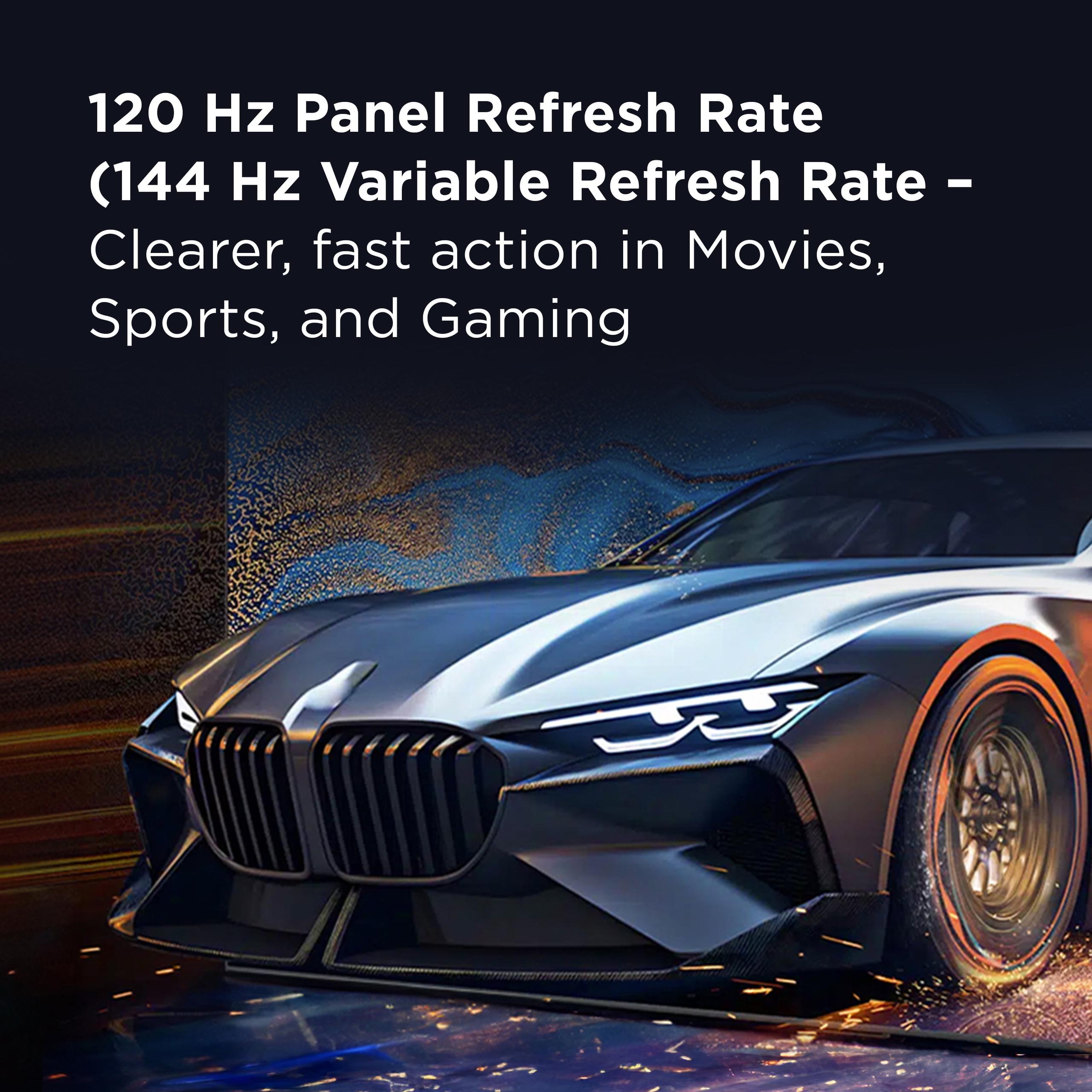
If anyone in your household is serious about gaming, this becomes a one-sided comparison. The Hisense QD7 features a native 144Hz refresh rate with Variable Refresh Rate (VRR) support. In gaming terms, this means smoother motion, reduced screen tearing, and input lag under 10 milliseconds – fast enough that competitive gamers won't notice any delay between pressing a button and seeing the action on screen.
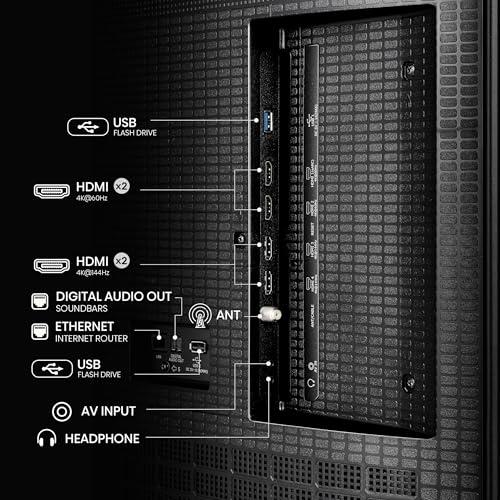
The TV also includes HDMI 2.1 ports with full bandwidth, which means it can handle 4K gaming at 120Hz from a PlayStation 5 or Xbox Series X. There's even a Game Bar that displays real-time performance statistics, showing your frame rate and input lag right on screen.
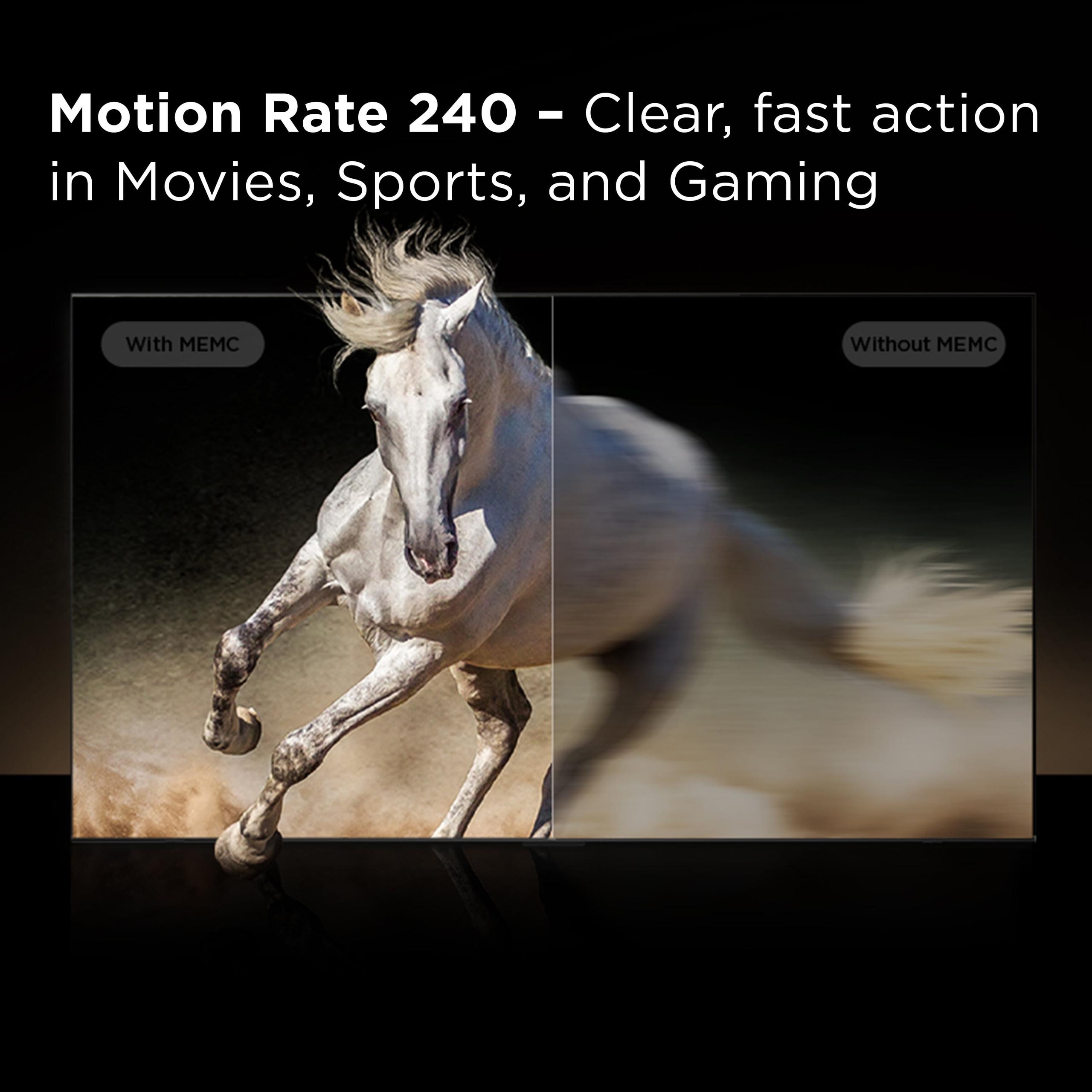
The TCL Q6, by contrast, is limited to 60Hz refresh rates with basic gaming features. While it can still play games perfectly well, you won't get the ultra-smooth motion or competitive advantages that serious gamers expect. If gaming is just casual – playing some FIFA with friends or working through single-player adventures – the TCL will serve you fine. But for anyone who plays competitive online games or wants to fully utilize next-generation consoles, the Hisense is essential.
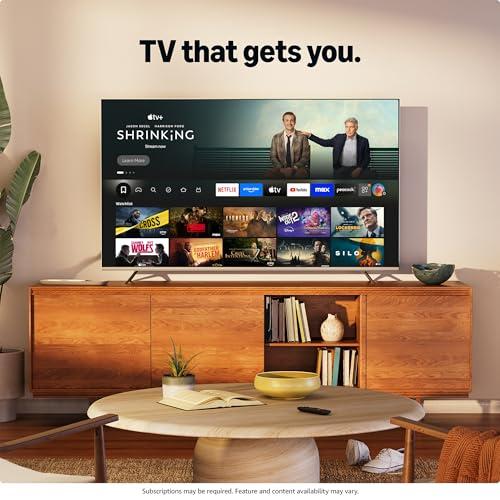
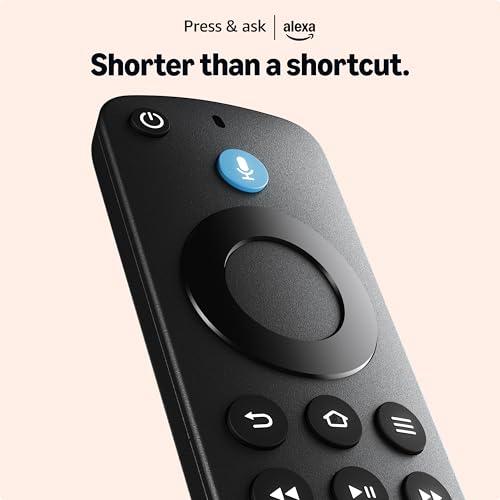
The smart TV experience differs between these models, though both are excellent. The Hisense runs Amazon's Fire TV platform, which integrates seamlessly with Alexa voice control and Amazon's ecosystem. The interface is clean and fast, with easy access to all major streaming services. If you're already invested in Amazon's smart home products, this creates a nice unified experience.
The TCL Q6 uses Google TV, which I've found to be slightly more intuitive for content discovery. It learns your viewing habits and suggests shows across different streaming platforms, rather than prioritizing one service over others. The Chromecast functionality built-in makes it easy to cast content from your phone, and the Google Assistant integration works well for voice control.
Both platforms receive regular updates and have comprehensive app support, so your choice here might come down to which ecosystem you're already using in your home.
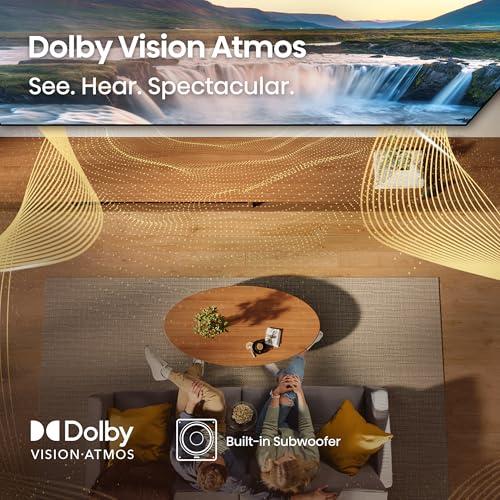
Let's be honest – no TV this thin, regardless of price, is going to deliver room-filling audio that matches the visual spectacle. The Hisense includes a 50W speaker system with Dolby Atmos support, while the TCL has a 30W setup with DTS Virtual:X processing.
In practical terms, both will be adequate for casual viewing and dialogue-heavy content like news or sitcoms. However, for movies, sports, or gaming, you'll want to budget for a soundbar or home theater system. The good news is that both TVs support advanced audio formats, so they'll work beautifully with external audio equipment.
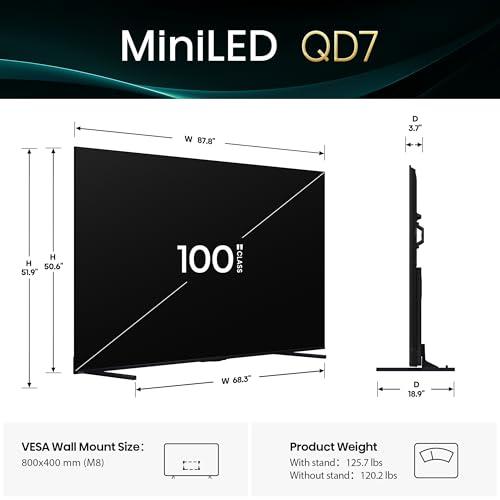
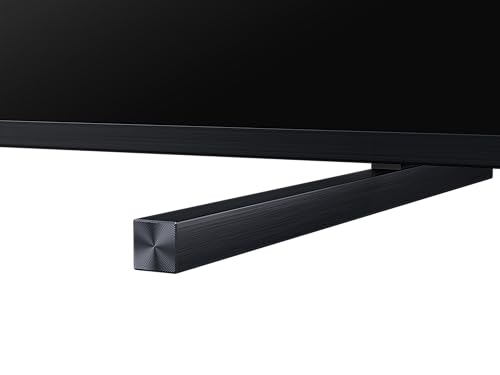
Both TVs require serious planning. At nearly 9 feet wide and weighing over 120 pounds, professional installation is highly recommended. You'll need a wall that can support the weight and mounting hardware, or a very sturdy TV stand. The viewing distance sweet spot is 12-15 feet, so make sure your room can accommodate this.
I've found that TVs this large actually improve the viewing experience for multiple people. Unlike smaller TVs where side seats get a compromised view, these giants provide an engaging experience even from sharp angles. The Hisense has a slight advantage here due to its IPS panel technology, which maintains color accuracy better when viewed from the side.
The $576 price difference between these TVs represents about 26% more cost for the Hisense, but you're getting significantly more advanced technology. The Mini-LED backlighting system alone typically adds $400-600 to a TV's cost compared to standard LED, so the premium is reasonable given the feature set.
For the TCL Q6 at $1,623.99, you're getting exceptional value if your priority is simply having a massive, good-looking TV for general entertainment. The picture quality is genuinely impressive for the price, and most viewers will be thrilled with the experience.
The Hisense QD7 at $2,199.99 makes sense if you're building a dedicated home theater setup, if gaming performance matters to your household, or if you're the type of person who notices and appreciates premium picture quality. The additional cost buys you technology that will remain impressive for years to come as content and gaming standards continue to evolve.
If you're building a dedicated home theater room, the Hisense becomes much more compelling. The Mini-LED's superior contrast control and Dolby Vision support will make movies look more cinematic, especially in a controlled lighting environment. The wider color gamut and better HDR performance become more noticeable when you're watching premium content in an optimized setup.
For a family room or open living space where the TV competes with ambient light and serves multiple purposes, the TCL's excellent brightness and value proposition might be more practical. Both TVs are bright enough to look great in normal lighting conditions.
Choose the Hisense 100" QD7 if you want the best possible picture quality in this size range, if gaming performance matters to anyone in your household, or if you're building a dedicated theater setup where the premium features will be most appreciated. The extra $576 buys you genuinely advanced technology that will age better as content standards improve.
Go with the TCL 98" Q6 if you're primarily focused on getting the biggest possible screen for your budget, if your viewing is mostly streaming content and broadcast TV, or if you'd rather put the saved money toward a great sound system or other room improvements.
Both represent excellent value in their respective categories. The TCL maximizes screen size per dollar, while the Hisense maximizes technology per dollar. Your choice should align with whether you prioritize raw impact or refined performance – and honestly, at these sizes, either choice will transform your viewing experience in ways that will make you wonder how you ever watched anything smaller.
| Hisense 100-Inch QD7 Series Mini-LED 4K Smart TV | TCL 98" Q6 Series 4K UHD QLED Smart TV |
|---|---|
| Price - Significant cost difference for premium features | |
| $2,199.99 | $1,623.99 |
| Screen Size - Maximize your viewing experience | |
| 100 inches diagonal | 98 inches diagonal |
| Display Technology - Most important factor for picture quality | |
| Mini-LED with Full Array Local Dimming (thousands of dimming zones) | Standard QLED (no local dimming zones) |
| Refresh Rate - Critical for gaming and sports | |
| 144Hz native with VRR support | 60Hz native (limited gaming capabilities) |
| HDR Support - Enhanced contrast and color range | |
| Dolby Vision, HDR10, HDR10+, HLG | HDR10, HDR10+ (no Dolby Vision) |
| Gaming Features - Next-gen console compatibility | |
| HDMI 2.1, VRR, ALLM, <10ms input lag, Game Mode Pro | Basic gaming, higher input lag, HDMI 2.0 |
| Peak Brightness - Visibility in bright rooms | |
| 600-700 nits HDR | 500-600 nits HDR |
| Smart Platform - Daily interface experience | |
| Fire TV with Alexa integration | Google TV with Chromecast built-in |
| Audio System - Built-in sound quality | |
| 50W speakers with Dolby Atmos | 30W 2.0 channel with DTS Virtual:X |
| Panel Type - Affects viewing angles and contrast | |
| IPS (wider viewing angles, lower native contrast) | VA (higher contrast, narrower viewing angles) |
| Color Gamut - Vibrancy and accuracy of colors | |
| ~95% DCI-P3 coverage | ~90% DCI-P3 coverage |
| Weight - Installation complexity | |
| 125.7 lbs with stand | 120.2 lbs with stand |
| Target User - Best fit based on priorities | |
| Gamers, home theater enthusiasts, premium picture seekers | Budget-conscious buyers prioritizing size over features |
The TCL 98" Q6 Series at $1,623.99 provides exceptional value for buyers prioritizing screen size over premium features. You get a massive 98-inch 4K display with solid picture quality at an accessible price point. However, the Hisense 100-Inch QD7 Series at $2,199.99 offers better long-term value for enthusiasts, as the Mini-LED technology, 144Hz gaming capabilities, and Dolby Vision support justify the $576 premium for future-proof performance.
The biggest difference is the Hisense QD7's Mini-LED backlighting with full-array local dimming, which creates thousands of independently controlled brightness zones for superior contrast and deeper blacks. The TCL Q6 uses standard QLED technology without local dimming, resulting in good but less dramatic picture quality with grayer blacks and less precise HDR performance.
The Hisense 100-Inch QD7 is excellent for gaming with its 144Hz refresh rate, Variable Refresh Rate (VRR), HDMI 2.1 support, and sub-10ms input lag - perfect for PlayStation 5 and Xbox Series X. The TCL 98" Q6 is limited to 60Hz with basic gaming features, making it suitable only for casual gaming rather than competitive or next-gen console gaming.
For dedicated home theater rooms, the Hisense QD7 is superior due to its Mini-LED technology providing cinema-quality contrast, Dolby Vision HDR support, and wider color gamut. The superior black levels and brightness control make movies more immersive in controlled lighting environments. The TCL Q6 works well for family rooms but lacks the premium picture quality expected in serious home theater setups.
Both TVs require substantial space with optimal viewing distances of 12-15 feet. The Hisense 100-inch model measures 87.8 inches wide, while the TCL 98-inch is slightly smaller at 85.8 inches wide. Both weigh over 120 pounds and typically require professional installation and wall mounting or very sturdy furniture.
The Hisense QD7 uses Fire TV with excellent Alexa integration and Amazon ecosystem compatibility, while the TCL Q6 features Google TV with superior content discovery and Chromecast built-in. Both platforms are fast, regularly updated, and support all major streaming apps - your choice depends on whether you prefer Amazon or Google ecosystems.
The 2-inch diagonal difference between the TCL 98" and Hisense 100" translates to about 2 inches less width and height on the TCL. While measurable, this difference is barely noticeable in real-world viewing. The picture quality improvements from Mini-LED technology are far more impactful than the small size advantage.
The Hisense QD7 includes 50W speakers with Dolby Atmos support, while the TCL Q6 has 30W speakers with DTS Virtual:X. Both provide adequate sound for casual viewing, but neither delivers room-filling audio worthy of these massive screens. Budget for a soundbar or home theater system regardless of which TV you choose.
Both TVs perform well in bright rooms, with the Hisense QD7 reaching 600-700 nits brightness and the TCL Q6 achieving 500-600 nits. The Hisense has a slight advantage due to higher peak brightness and better anti-glare properties from its Mini-LED backlighting, making it more suitable for rooms with significant ambient light.
Yes, both represent transformative upgrades from 75-inch displays. The TCL 98" provides nearly 70% more screen area than a 75" TV, while the Hisense 100" offers 78% more area. The viewing experience becomes genuinely cinematic at these sizes, justifying the upgrade for anyone with appropriate room space and viewing distance.
The Hisense 100-Inch QD7 is more future-proof with HDMI 2.1, 144Hz gaming support, and Mini-LED technology that will remain relevant as content standards evolve. The TCL Q6 may require earlier replacement as gaming and HDR standards advance, but offers immediate satisfaction for current content consumption at a lower initial investment.
Both Hisense and TCL have established strong reputations in the large-format TV market. The Hisense QD7 represents the brand's premium technology showcase, while the TCL Q6 demonstrates TCL's value engineering expertise. Choose based on features and price rather than brand loyalty - both companies offer solid warranties and customer support for these flagship large-screen models.
We've done our best to create useful and informative comparisons to help you decide what product to buy. Our research uses advanced automated methods to create this comparison and perfection is not possible - please contact us for corrections or questions. These are the sites we've researched in the creation of this article: hometechnologyreview.com - hypermicro.com - bestbuy.com - bestbuy.com - youtube.com - hisense-usa.com - bestbuy.com - pcrichard.com - tvsbook.com - hisense-usa.com - pcrichard.com - nfm.com - bestbuy.com - hisense-canada.com - rtings.com - hisense-usa.com - bestbuy.com - hisense-usa.com - hometechnologyreview.com - youtube.com - youtube.com - hometechnologyreview.com - costco.com - custrevs.com - bestbuy.com - tcl.com - walmart.com - youtube.com - rtings.com - greentoe.com - kitele.com - bestbuy.com - youtube.com - tcl.com - pcrichard.com - youtube.com

Privacy Policy
Terms and Conditions - Affiliate Policy
Home Security
© Copyright 2008-2026.
11816 Inwood Rd #1211, Dallas, TX 75244