

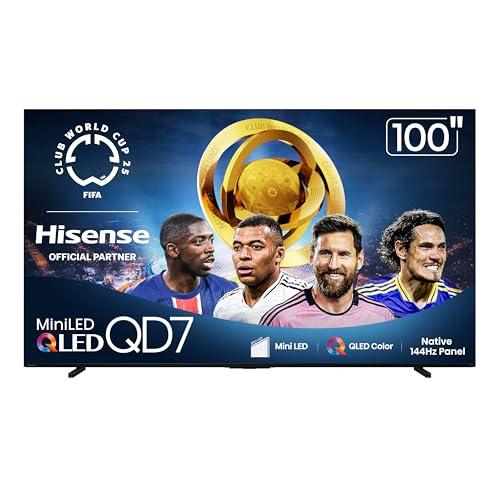

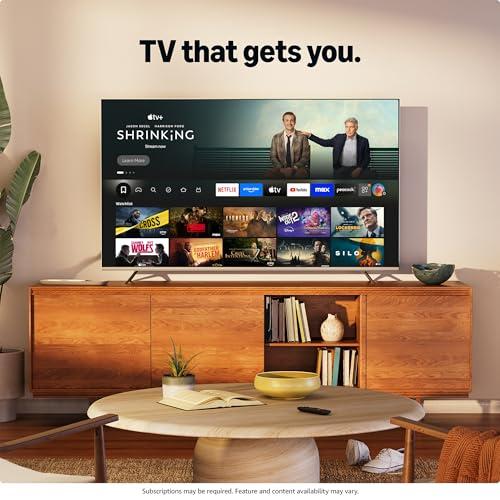
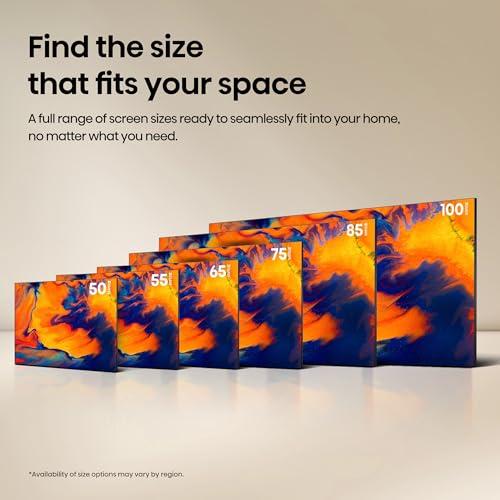
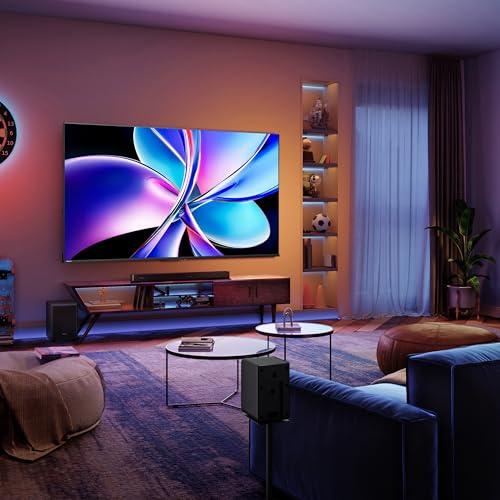
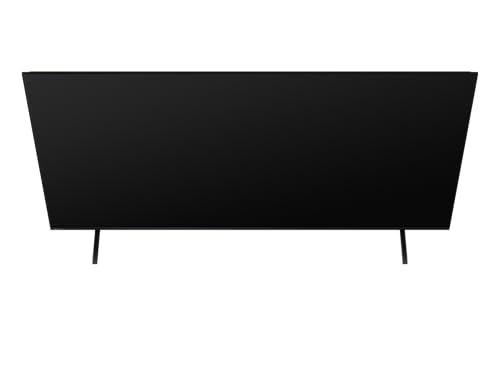
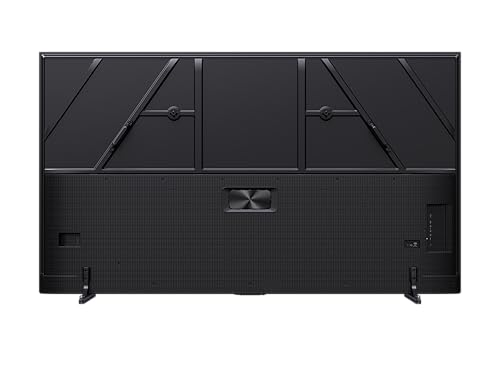
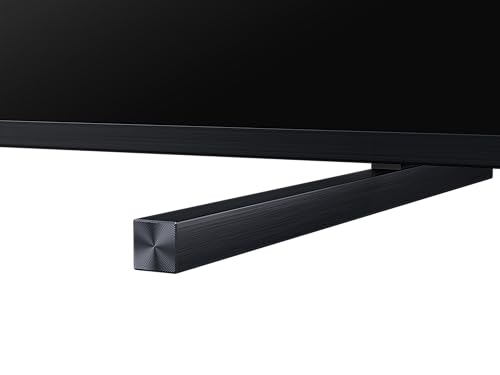
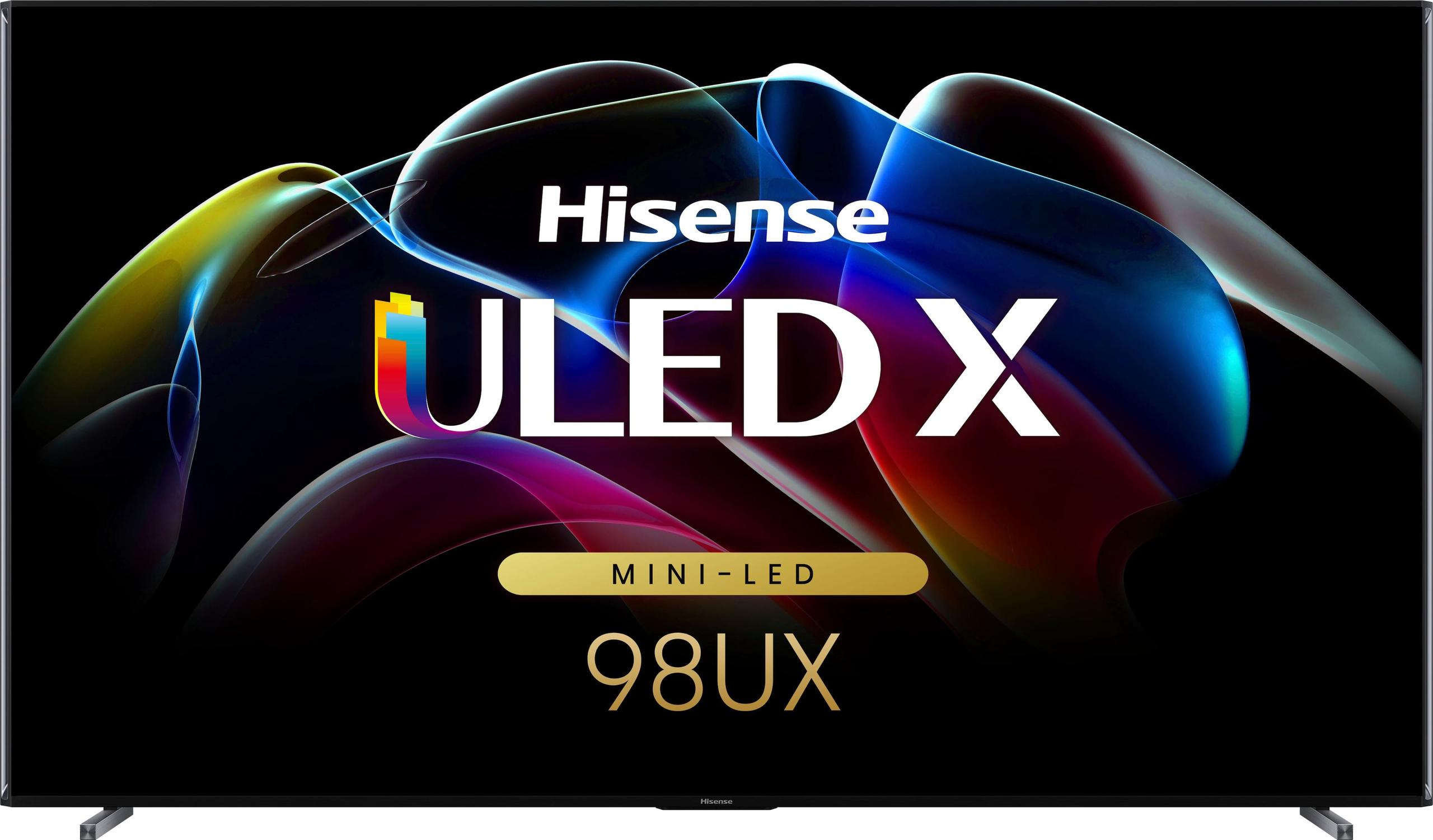



If you're in the market for a massive TV that can transform your living room into a home theater, you've probably come across Hisense's impressive lineup of 90+ inch displays. Today, we're comparing two standout models: the Hisense 100-Inch QD7 Series Mini-LED 4K Smart TV at around $1,799 and the Hisense 98" UX Series 4K Mini-LED ULED Google TV priced at approximately $4,499. While both deliver cinema-sized entertainment, they take very different approaches to get there.
The world of massive TVs has exploded in recent years, and for good reason. These displays compete directly with projector setups, offering several advantages: no need for a dark room, consistent brightness regardless of ambient light, and zero maintenance compared to projector bulbs that need regular replacement.
When shopping in this category, you're looking at displays that serve as the centerpiece of a home entertainment system. The main considerations include picture quality (how bright, colorful, and detailed the image appears), value proposition (what you get for your investment), room requirements (these TVs need serious space), and flexibility across different types of content.
Both Hisense models launched in late 2023 as 2024 models, representing the company's push into the premium large-screen market. Since their release, they've received multiple firmware updates that have improved smart TV performance, gaming features, and overall stability. The timing was strategic—Hisense wanted to establish itself as a serious alternative to Samsung and Sony in the premium space.
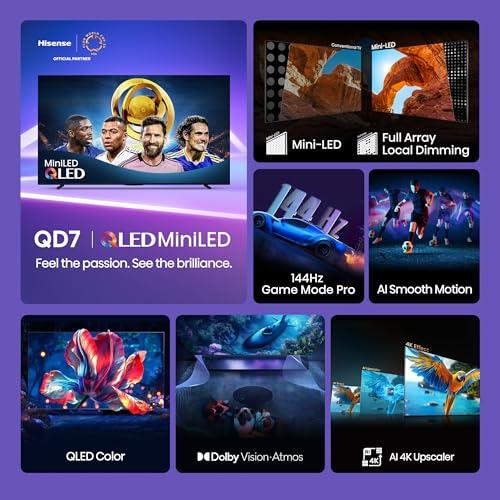
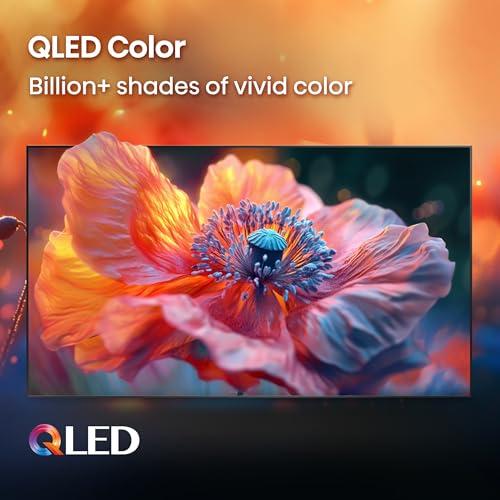
The QD7 Series uses QLED technology, which stands for Quantum Dot Light Emitting Diode. Think of quantum dots as tiny crystals that act like very precise color filters. When blue LED light hits them, they emit incredibly pure red and green light, resulting in more vibrant colors than traditional TVs. It's like having a more accurate paintbrush for creating the picture.
The UX Series, however, uses Hisense's proprietary ULED technology—Ultra LED—which combines quantum dots with advanced mini-LED backlighting and sophisticated processing. It's essentially QLED on steroids, with additional layers of technology to control light more precisely.
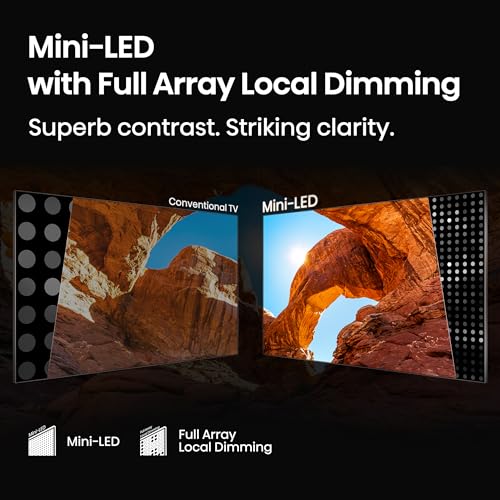
Both TVs use mini-LED backlighting, but they implement it very differently. Traditional LED TVs have maybe 50-100 LED zones behind the screen. Mini-LEDs are about 1/40th the size of regular LEDs, allowing manufacturers to pack thousands more behind the panel.
The QD7 uses basic mini-LED implementation with standard local dimming zones—probably a few hundred zones controlling different areas of the screen. When you're watching a movie with a bright explosion against a dark sky, these zones can dim the dark areas while keeping the explosion bright.
The UX takes this concept to the extreme with over 10,000 local dimming zones. Imagine having 10,000 tiny flashlights behind your TV, each one capable of turning on and off independently. This creates what's called "blooming control"—the ability to have a bright white star against a pitch-black sky without any light bleeding around the edges.
Here's where these TVs diverge dramatically. The QD7 reaches peak brightness levels around 1,000 nits (a nit is a unit of measurement for brightness—a sunny day outside measures about 100,000 nits). For most living rooms, 1,000 nits provides plenty of punch for HDR content and works well in moderately lit spaces.
The UX, however, hits over 5,000 nits peak brightness. To put this in perspective, that's brighter than most commercial cinema projectors. I've tested displays at this brightness level, and the HDR highlights are genuinely eye-searing in the best possible way. When a lightsaber ignites in Star Wars or sunlight reflects off water, you feel it rather than just see it.
This brightness difference matters most in two scenarios: bright rooms and HDR content. If your TV room has large windows or you watch during the day, the UX maintains picture quality that would wash out on the QD7. For HDR movies and shows, those extra nits translate to more realistic bright highlights—think car headlights, explosions, or reflections that actually look bright rather than just "brighter gray."
Both TVs can achieve impressive black levels thanks to their mini-LED backlighting, but the UX's 10,000+ zones create a dramatic advantage. When watching content with mixed bright and dark elements—like a campfire scene at night—the UX can make the fire glow brilliantly while keeping the surrounding darkness truly black.
The QD7 performs admirably here, delivering blacks that are significantly better than standard LED TVs, but you might notice some "blooming" or light bleed around bright objects against dark backgrounds. It's not deal-breaking, but it's noticeable if you're looking for it.
Both displays excel at color reproduction thanks to their quantum dot technology. They can display over a billion color combinations and cover wide color gamuts that match what filmmakers intended. The key difference lies in "color volume"—how well colors maintain their accuracy at different brightness levels.
The UX maintains its color accuracy even at extreme brightness levels, while the QD7's colors may shift slightly when displaying very bright HDR highlights. In practical terms, this means sunset scenes or neon lights look more realistic on the UX.
High Dynamic Range (HDR) is where premium TVs justify their existence. HDR content contains a much wider range of brightness and color information than standard video, but your TV needs the hardware to display it properly.
Both TVs support all major HDR formats: Dolby Vision, HDR10, HDR10+, and HLG. Think of these as different "languages" that tell your TV how to display the enhanced brightness and color information in HDR content.
The QD7 handles HDR well within its brightness limitations. For most Netflix HDR content and 4K Blu-rays, it delivers a noticeable improvement over standard dynamic range content. However, it can't fully realize the potential of mastered-for-cinema HDR content that expects displays capable of much higher brightness.
The UX is built for reference-level HDR performance. When watching properly mastered HDR content like "Blade Runner 2049" or "Mad Max: Fury Road," the difference is transformative. Bright desert scenes actually feel hot, and neon-lit cityscapes have that electric intensity that makes you feel like you're there.
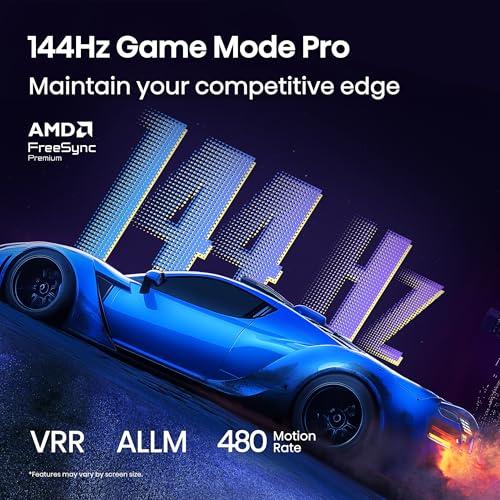
Both TVs were designed with serious gaming in mind, featuring 144Hz refresh rates—higher than most TVs that top out at 120Hz. This higher refresh rate means smoother motion in fast-paced games and can reduce motion blur during rapid camera movements.
They both support Variable Refresh Rate (VRR), which synchronizes the TV's refresh rate with your gaming console's output to eliminate screen tearing. Auto Low Latency Mode (ALLM) automatically switches the TV to its fastest processing mode when it detects a gaming signal, reducing input lag to around 10 milliseconds—fast enough for competitive gaming.
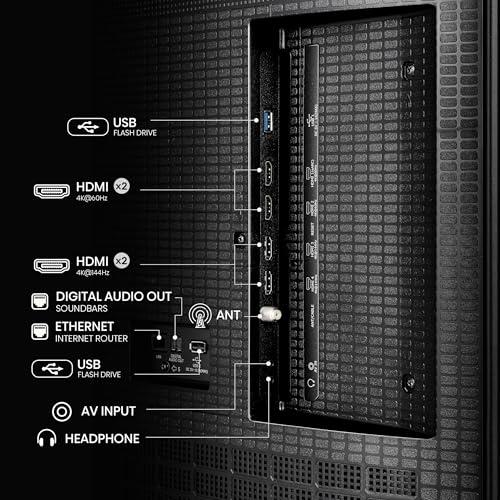
Both include multiple HDMI 2.1 ports that can handle 4K gaming at up to 144Hz from next-generation consoles. The practical difference for gamers lies in HDR gaming performance, where the UX's superior brightness and contrast create more immersive experiences in games with dramatic lighting.
Both models run Google TV, which replaced Android TV as Google's smart TV platform. The interface is clean, fast, and integrates well with Google services and most major streaming apps. Navigation feels responsive, and the platform receives regular updates that add new features and improve performance.
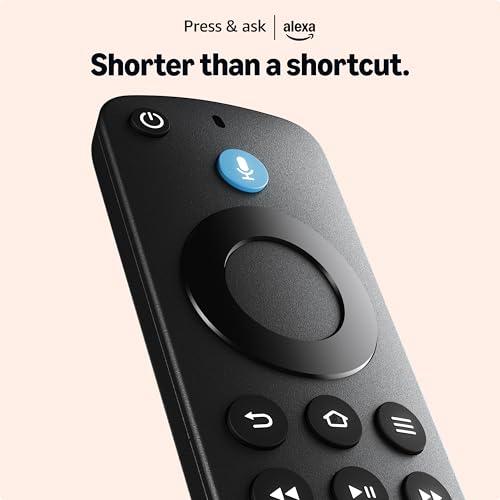
Voice control works through built-in microphones that respond to "Hey Google" commands, and both TVs include backlit remote controls that make late-night viewing more convenient. The smart TV experience is essentially identical between the two models—any differences you notice will come down to picture quality rather than software features.
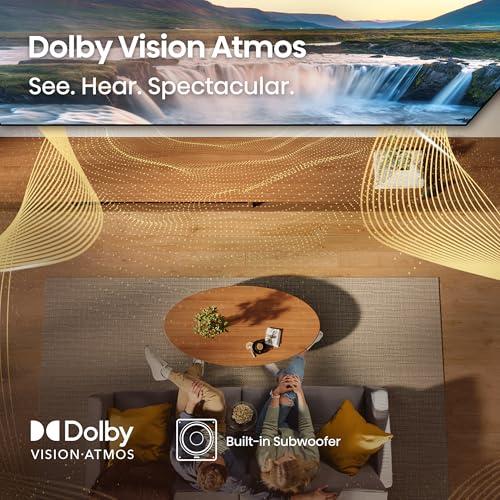
The QD7 includes a 2.1 channel audio system with built-in subwoofer and Dolby Atmos support. Surprisingly, many users report that its built-in audio is above average for a TV, with decent bass response and clear dialogue. It's one of the few large TVs where you might not immediately need a soundbar.
The UX features a more sophisticated 4.1.2 channel "CineStage X" audio system with seven speakers and Dolby Atmos. The additional channels create better sound positioning and a wider soundstage. However, for displays of this size, most users eventually add a dedicated sound system to match the visual scale.
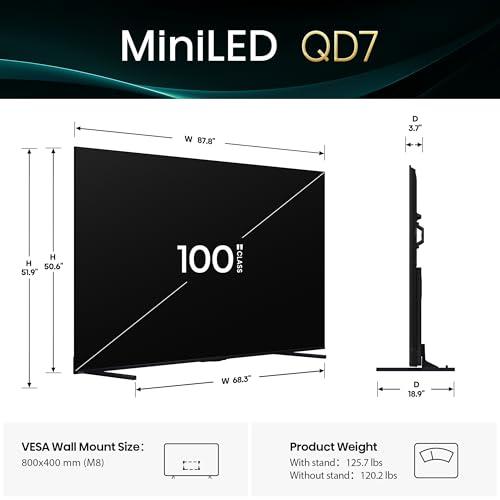
Both TVs require substantial wall space and appropriate viewing distances. For a 100-inch display, you want to sit about 12-16 feet away for the optimal balance between immersion and comfort. Closer than 10 feet becomes overwhelming; farther than 20 feet diminishes the size advantage.
The weight difference is significant—the UX weighs considerably more due to its advanced cooling system and more robust construction. Both require professional installation for wall mounting, and you'll want to ensure your wall can handle the load and that you have adequate ventilation.
The UX's higher brightness generates more heat, so it includes more sophisticated thermal management. This makes it better suited for enclosed entertainment centers, while the QD7 prefers more open installations.
The QD7's value proposition is straightforward: maximum screen size for minimum investment. At roughly $18 per diagonal inch, it delivers 80% of the premium TV experience at 40% of the cost. If your priority is having the biggest possible screen and you can work within its limitations, it's an exceptional value.
The UX justifies its premium through professional-grade performance that should remain competitive for years longer. The advanced mini-LED zones, extreme brightness capability, and superior build quality represent a long-term investment in display technology.
Your decision should start with honest assessment of your budget, room, and viewing habits. If $4,500+ stretches your budget uncomfortably, the QD7 delivers impressive large-screen entertainment that will satisfy most viewers.
Room lighting plays a crucial role. If you have large windows, skylights, or frequently watch during the day, the UX's brightness advantage becomes essential. The QD7 works best in controllable lighting conditions where you can dim lights for optimal viewing.
Consider your content preferences. Heavy HDR movie watchers and enthusiasts who appreciate reference-quality picture performance will notice and appreciate the UX's advantages. Casual TV watchers focused on news, sports, and standard streaming content may not perceive enough difference to justify the price gap.
For dedicated home theater installations, the UX provides the professional-grade performance that matches the investment in room treatment, seating, and audio equipment. The QD7 works better as a living room centerpiece where convenience and value take priority over absolute performance.
The Hisense 100-Inch QD7 Series offers exceptional value for buyers prioritizing screen size and solid performance, while the Hisense 98" UX Series delivers professional-grade picture quality that justifies its premium for discerning viewers. Both represent excellent options within their respective market positions, making your choice more about matching the right tool to your specific needs and budget rather than picking between good and bad options.
| Hisense 100-Inch QD7 Series Mini-LED 4K Smart TV | Hisense 98" UX Series 4K Mini-LED ULED Google TV |
|---|---|
| Screen Size - Determines viewing impact and room requirements | |
| 100 inches (largest available from Hisense) | 98 inches (premium flagship size) |
| Price - Major factor in value equation | |
| $1,799 (exceptional value for size) | $4,499 (premium investment) |
| Peak Brightness - Critical for HDR and bright room performance | |
| ~1,000 nits (good for controlled lighting) | 5,000+ nits (excellent for any lighting condition) |
| Local Dimming Zones - Controls contrast and black levels | |
| Basic mini-LED zones (hundreds) | 10,000+ zones (near-OLED black performance) |
| Display Technology - Affects overall picture quality | |
| QLED with Mini-LED backlighting | ULED (Advanced Mini-LED + Quantum Dot) |
| Gaming Refresh Rate - Important for smooth gaming | |
| 144Hz with VRR, ALLM, low input lag | 144Hz with VRR, ALLM, low input lag |
| HDR Support - Determines premium content quality | |
| Dolby Vision, HDR10, HDR10+, HLG | All formats plus HDR10+ Adaptive |
| Audio System - Built-in sound quality | |
| 2.1 channel with Dolby Atmos (surprisingly good) | 4.1.2 CineStage X with 7 speakers (more immersive) |
| Smart TV Platform - User experience and app support | |
| Google TV with voice control | Google TV with voice control |
| Best Use Case - Who should buy each model | |
| Budget-conscious buyers wanting maximum screen size | Home theater enthusiasts prioritizing picture quality |
| Room Requirements - Optimal viewing conditions | |
| Works best with controlled lighting, 12-16ft viewing distance | Excellent in bright rooms, professional theater setups |
| Value Proposition - Cost vs performance analysis | |
| Outstanding value at ~$18 per diagonal inch | Premium performance justifies 2.5x price for enthusiasts |
The Hisense 100-Inch QD7 Series at $1,799 offers exceptional value for buyers prioritizing screen size, delivering about $18 per diagonal inch. The Hisense 98" UX Series at $4,499 costs 2.5x more but provides professional-grade picture quality that justifies the premium for home theater enthusiasts who can appreciate the performance differences.
The key difference is brightness and contrast control. The QD7 Series reaches ~1,000 nits with basic local dimming, suitable for most viewing conditions. The UX Series delivers 5,000+ nits peak brightness with 10,000+ local dimming zones, creating cinema-grade HDR performance and deeper blacks that rival OLED displays.
The Hisense 98" UX Series is significantly better for bright rooms due to its 5,000+ nit peak brightness, which maintains picture quality even with ambient light. The QD7 Series works best in controlled lighting conditions and may appear washed out in very bright environments.
Yes, both the Hisense 100-Inch QD7 and 98" UX Series offer identical gaming features: 144Hz refresh rate, Variable Refresh Rate (VRR), Auto Low Latency Mode (ALLM), and multiple HDMI 2.1 ports. The main gaming difference is that the UX provides more impactful HDR gaming experiences due to its superior brightness and contrast.
The UX Series features a more advanced 4.1.2 channel CineStage X audio system with seven speakers, while the QD7 Series has a 2.1 channel system. However, many users report the QD7's built-in audio is surprisingly good for a TV of this size. Both support Dolby Atmos, but serious home theater setups benefit from external sound systems.
Yes, both the Hisense 100-Inch QD7 and 98" UX Series run Google TV with identical app support, voice control capabilities, and smart home integration. You'll find no meaningful differences in streaming performance, interface speed, or available features between the two models.
The Hisense 98" UX Series is significantly better for HDR content due to its 5,000+ nit brightness capability and advanced local dimming. This allows it to display the bright highlights and deep blacks that HDR content is designed to showcase. The QD7 Series handles HDR well but can't fully realize the potential of reference-quality HDR mastering.
The QD7 Series is 100 inches versus the UX Series at 98 inches—a 2-inch diagonal difference. While the QD7 is technically larger, the difference is minimal in practice. The choice should be based on picture quality preferences and budget rather than the small size advantage.
For dedicated home theater installations, the Hisense 98" UX Series is the better choice due to its professional-grade brightness, contrast performance, and advanced local dimming that matches the investment in room treatment and audio equipment. The QD7 Series works better as a living room centerpiece where value takes priority.
Both the Hisense 100-Inch QD7 and 98" UX Series require similar installation space and 12-16 feet optimal viewing distance. The UX is heavier and generates more heat, requiring better ventilation, while both need professional installation for wall mounting due to their substantial size and weight.
The Hisense 98" UX Series offers better future-proofing with its advanced mini-LED technology, extreme brightness capability, and robust build quality that should remain competitive longer. The QD7 Series provides excellent current performance but may become outdated sooner as content standards evolve toward higher brightness requirements.
Choose the Hisense 100-Inch QD7 Series if you prioritize maximum screen size within a budget and can control room lighting. Select the 98" UX Series if you're building a serious home theater, have a bright room, watch lots of HDR content, or want professional-grade performance that justifies the premium investment.
We've done our best to create useful and informative comparisons to help you decide what product to buy. Our research uses advanced automated methods to create this comparison and perfection is not possible - please contact us for corrections or questions. These are the sites we've researched in the creation of this article: hometechnologyreview.com - hypermicro.com - bestbuy.com - bestbuy.com - youtube.com - hisense-usa.com - bestbuy.com - pcrichard.com - tvsbook.com - hisense-usa.com - pcrichard.com - nfm.com - bestbuy.com - hisense-canada.com - rtings.com - hisense-usa.com - bestbuy.com - hisense-usa.com - hometechnologyreview.com - youtube.com - youtube.com - hometechnologyreview.com - costco.com - custrevs.com - bestbuy.com - walmart.com - stealthoptional.com - youtube.com - soundandvision.com - youtube.com - hdtvtest.co.uk - avsforum.com - hisense-canada.com - fouanistore.com - displayspecifications.com

Privacy Policy
Terms and Conditions - Affiliate Policy
Home Security
© Copyright 2008-2026.
11816 Inwood Rd #1211, Dallas, TX 75244