

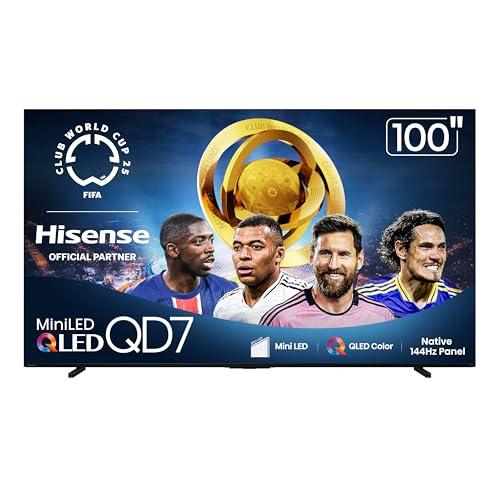
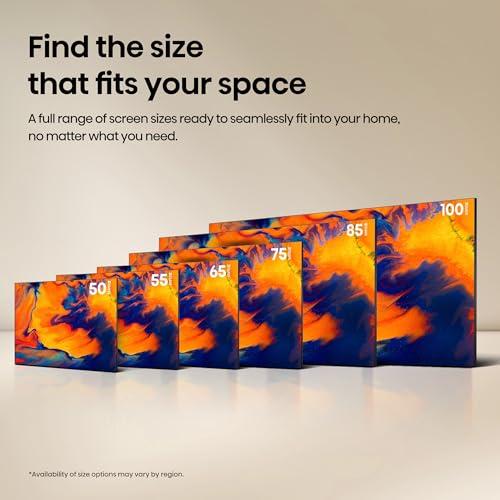
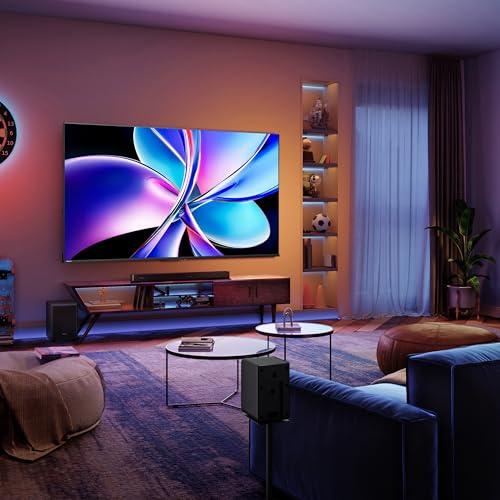
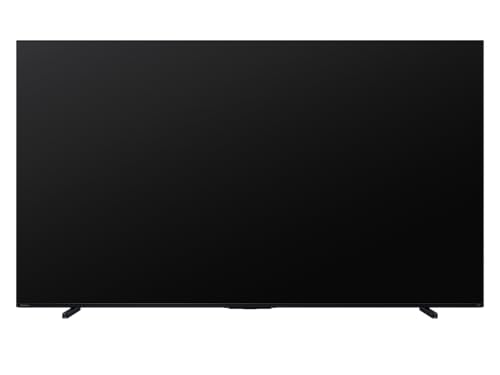
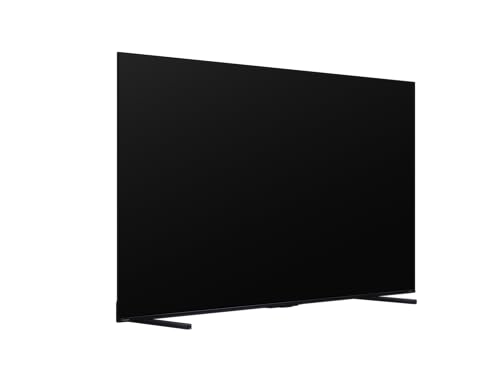
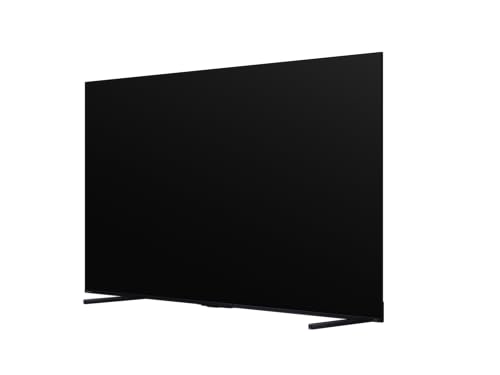
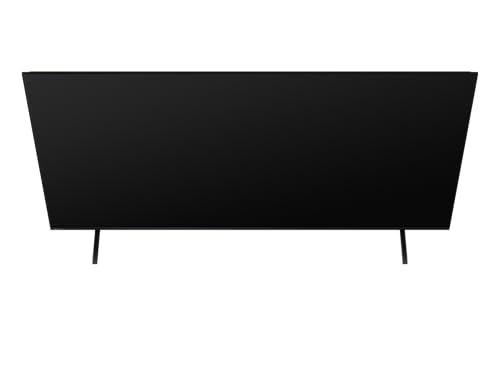
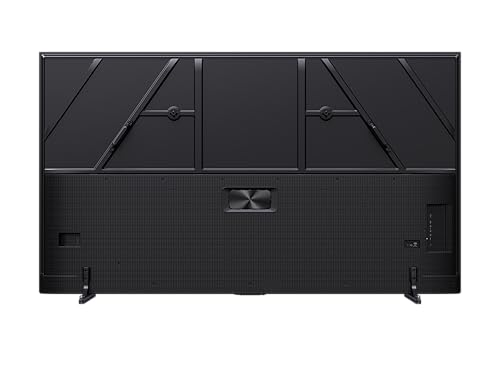
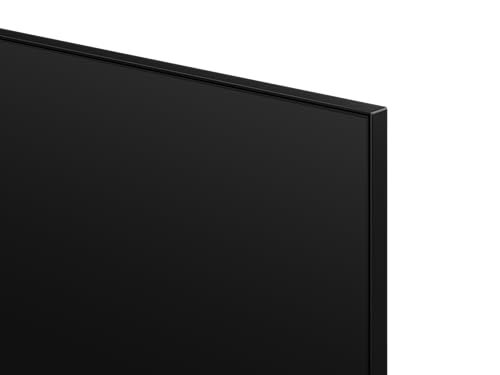
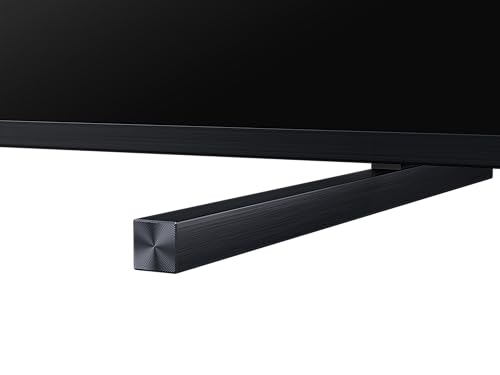
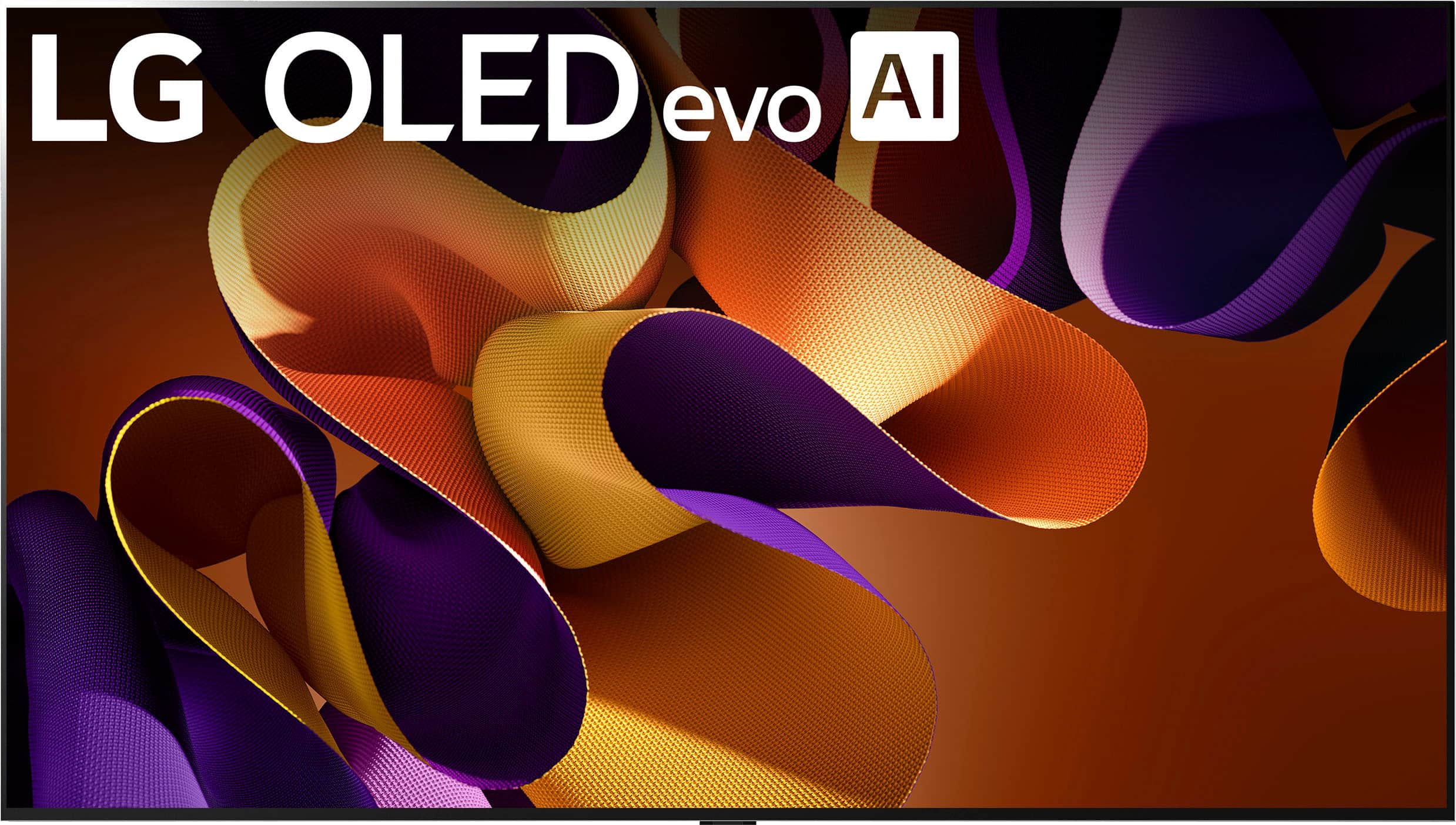
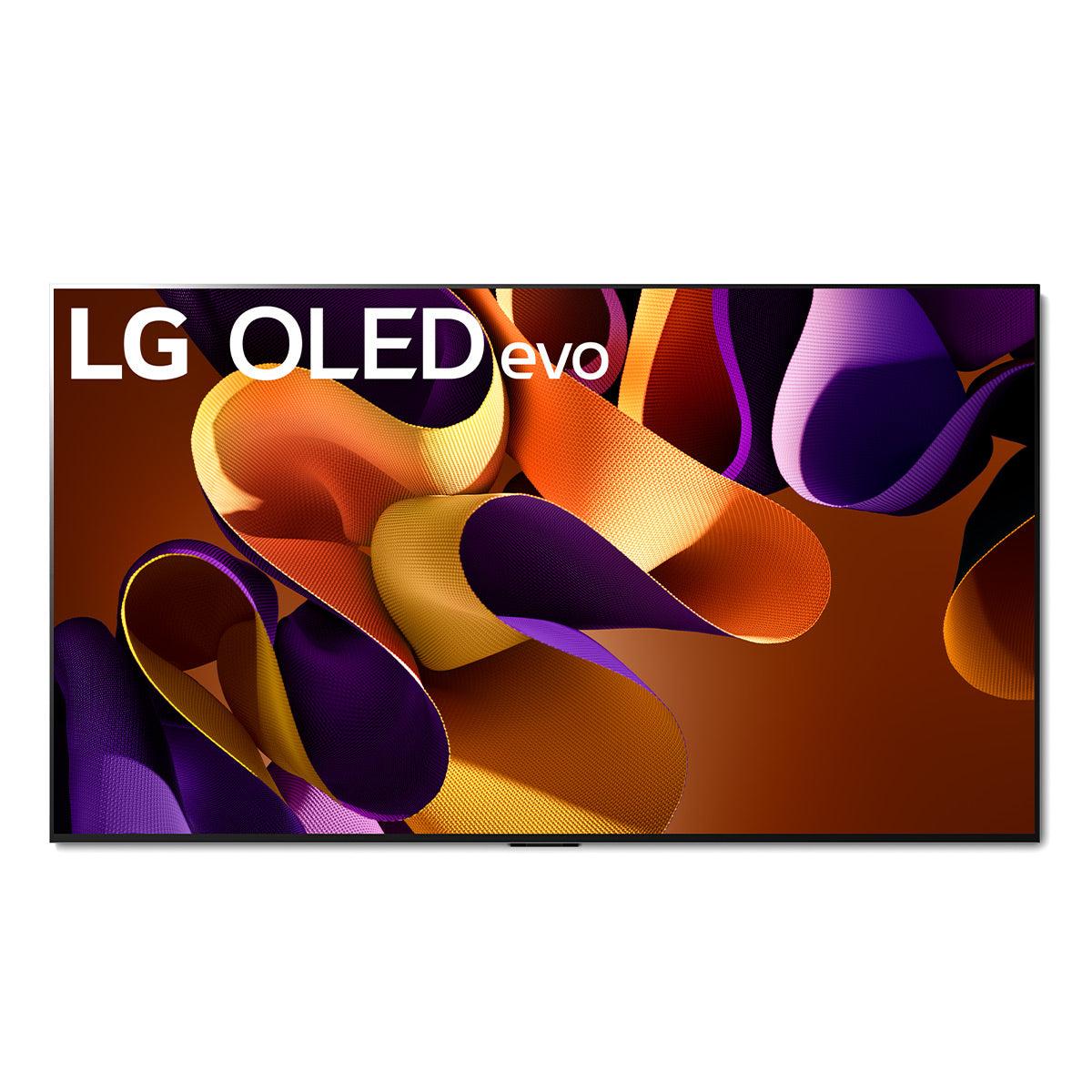
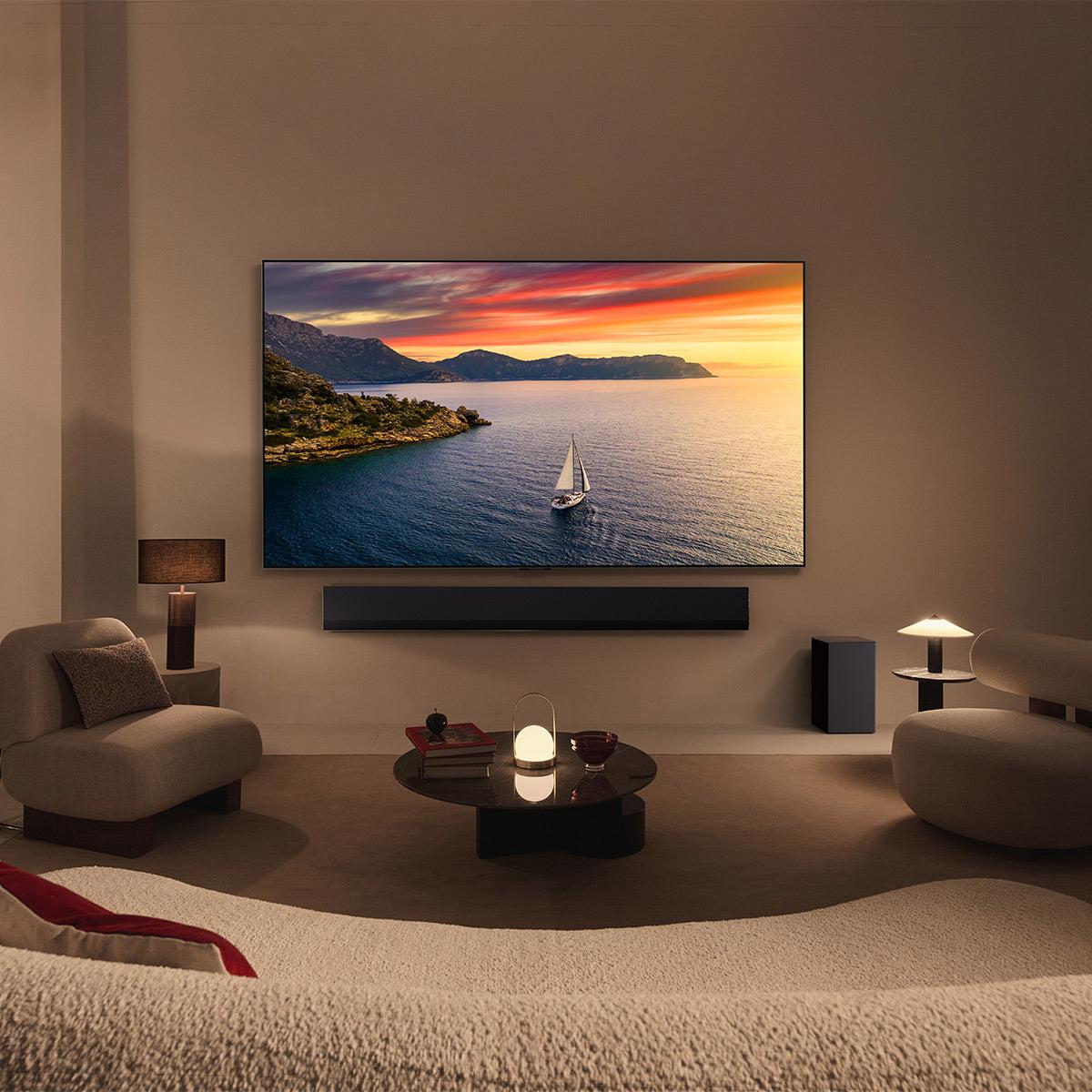
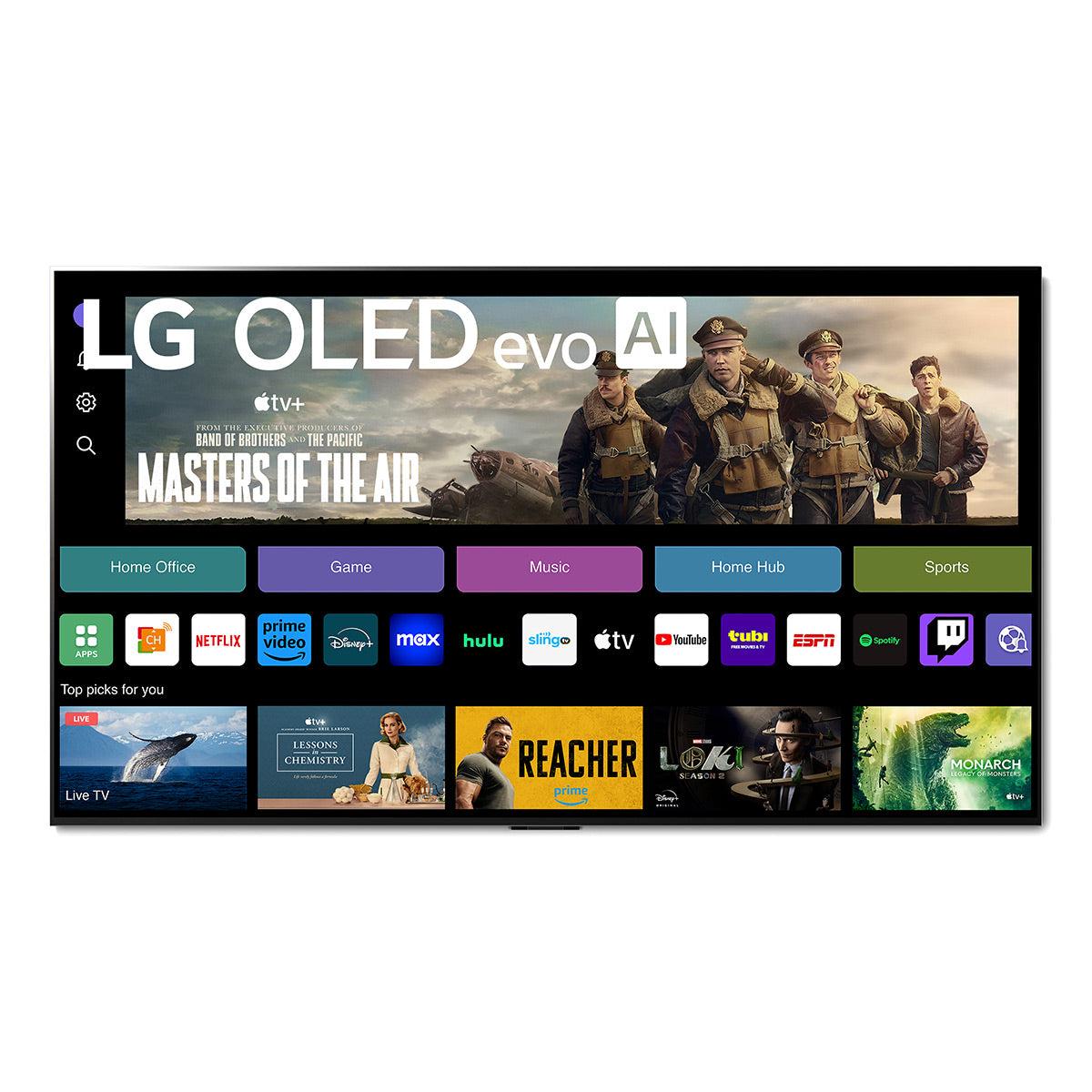
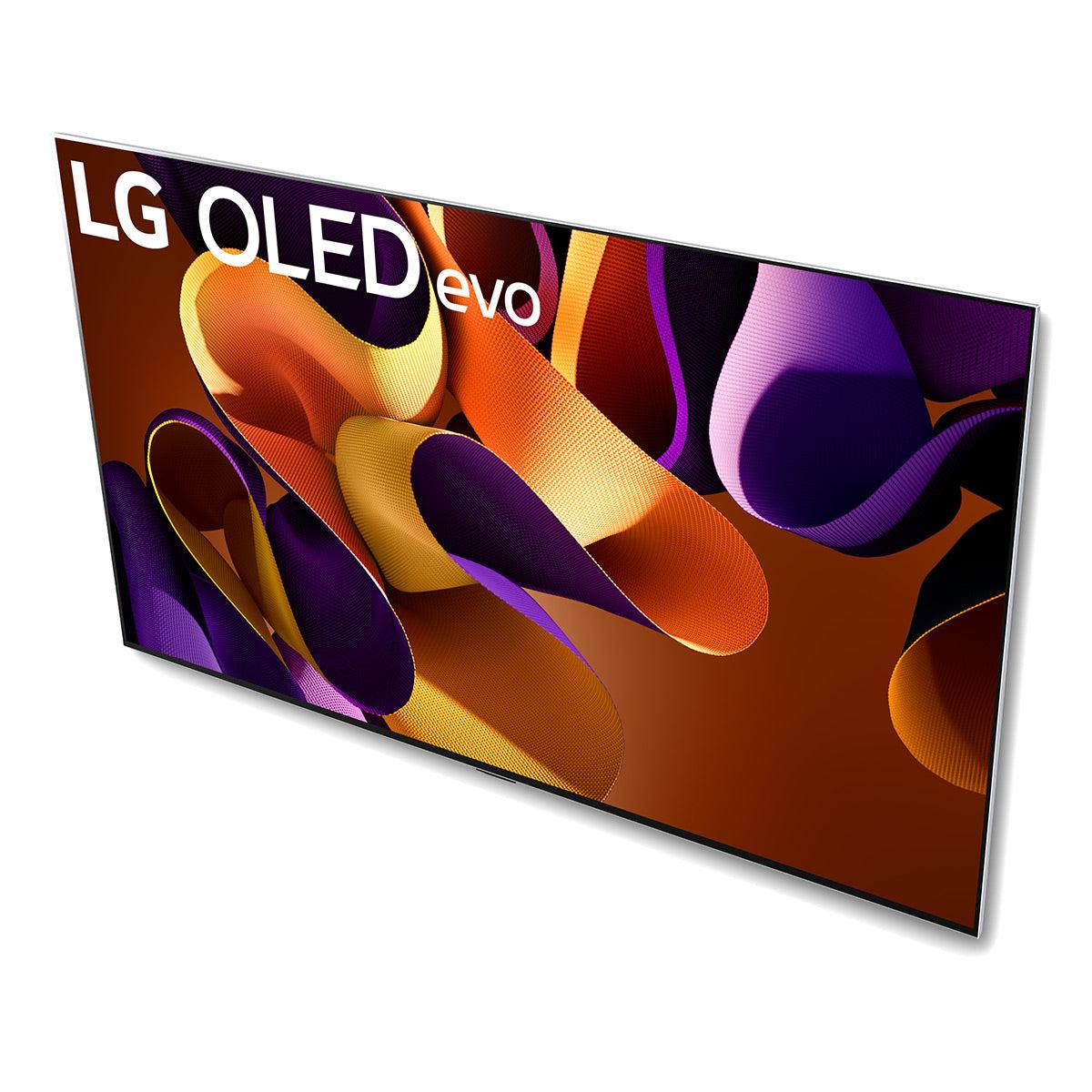
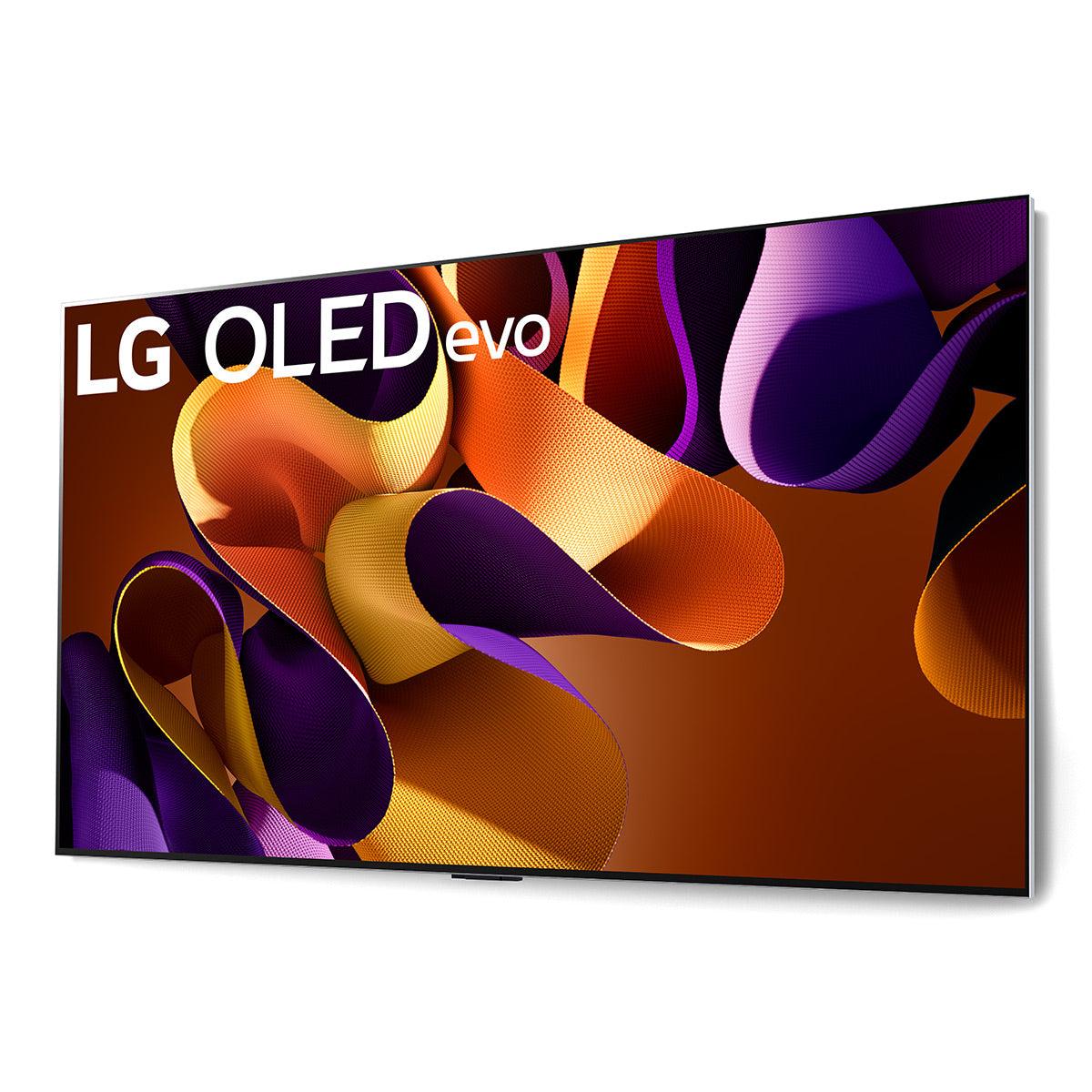
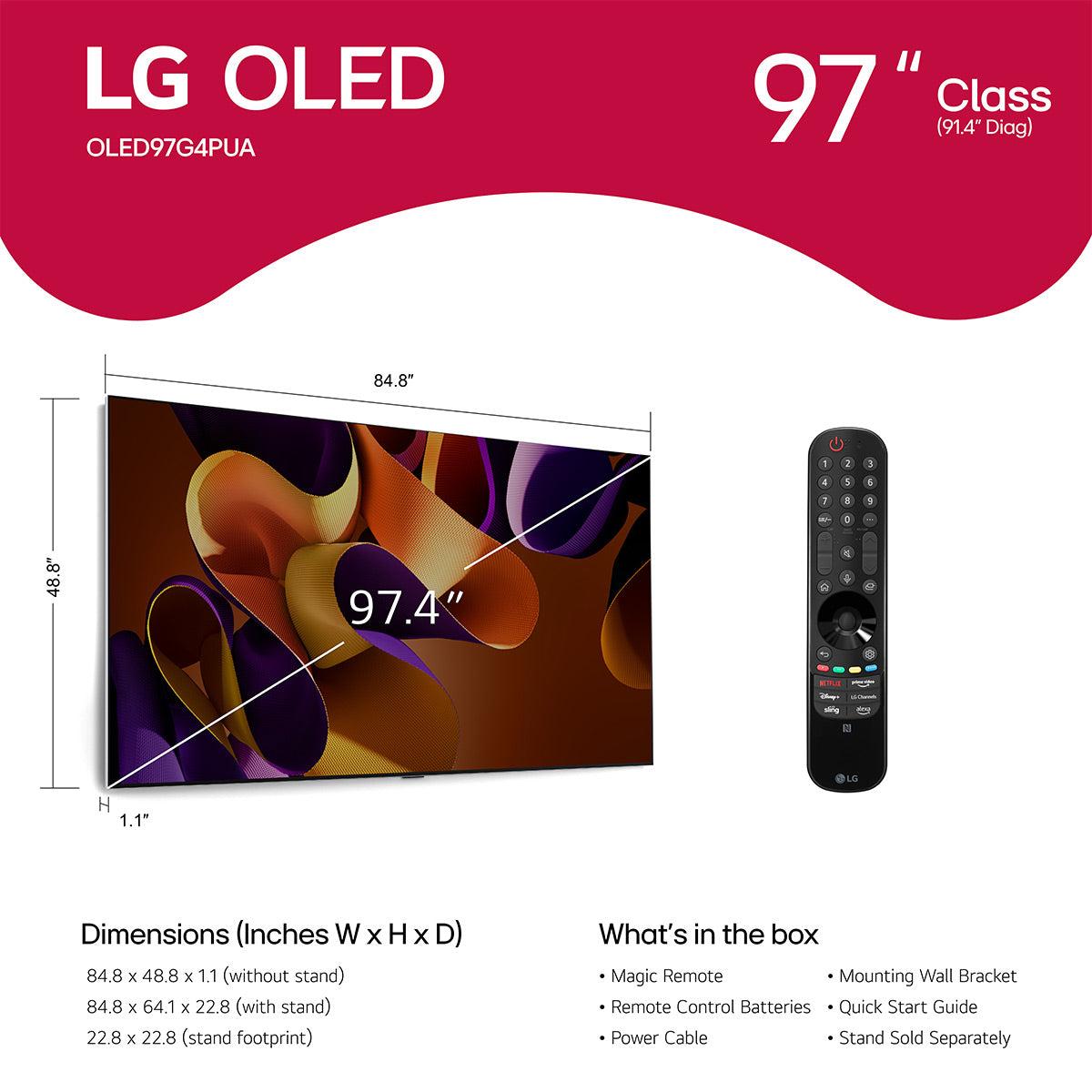
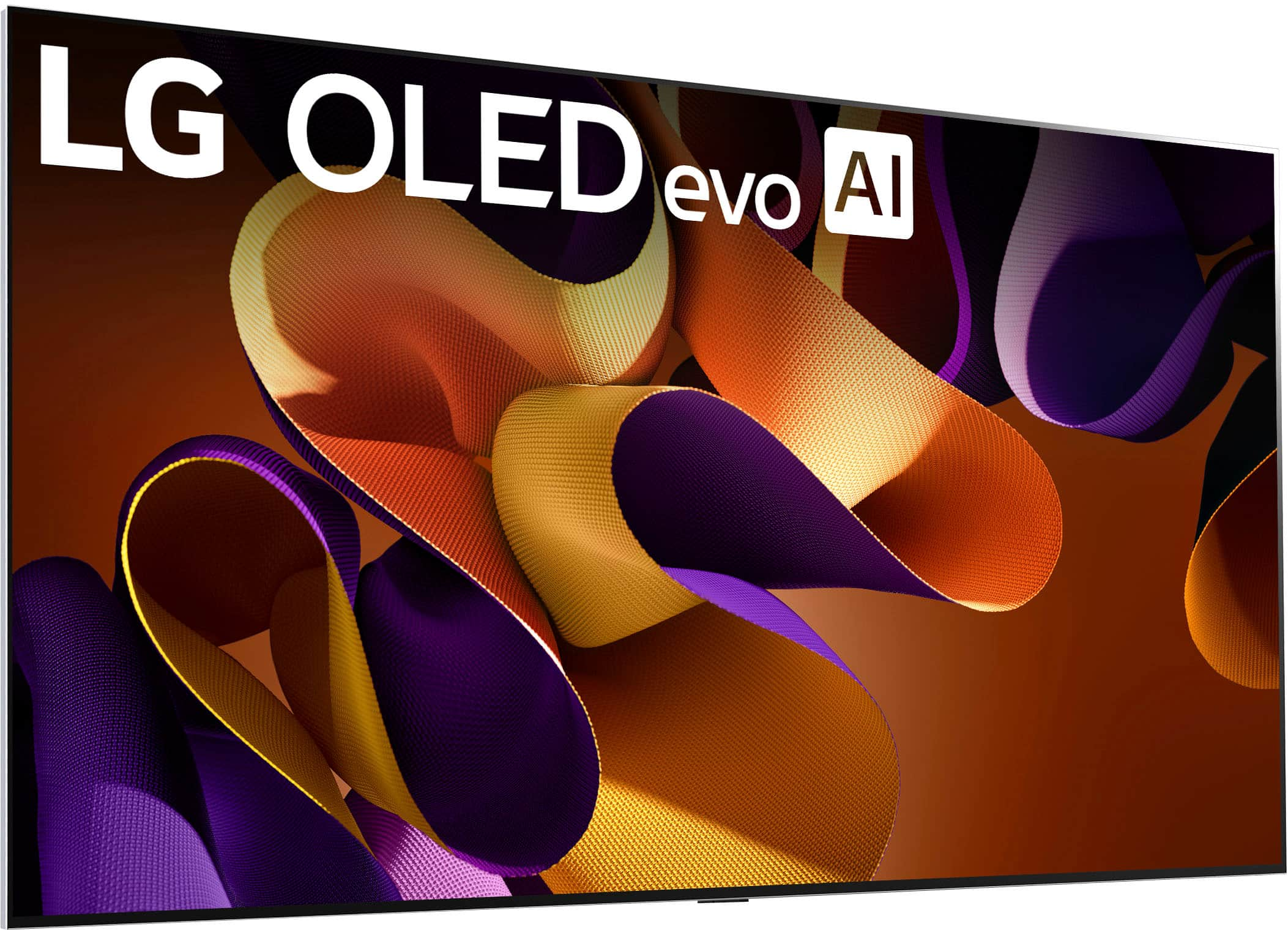
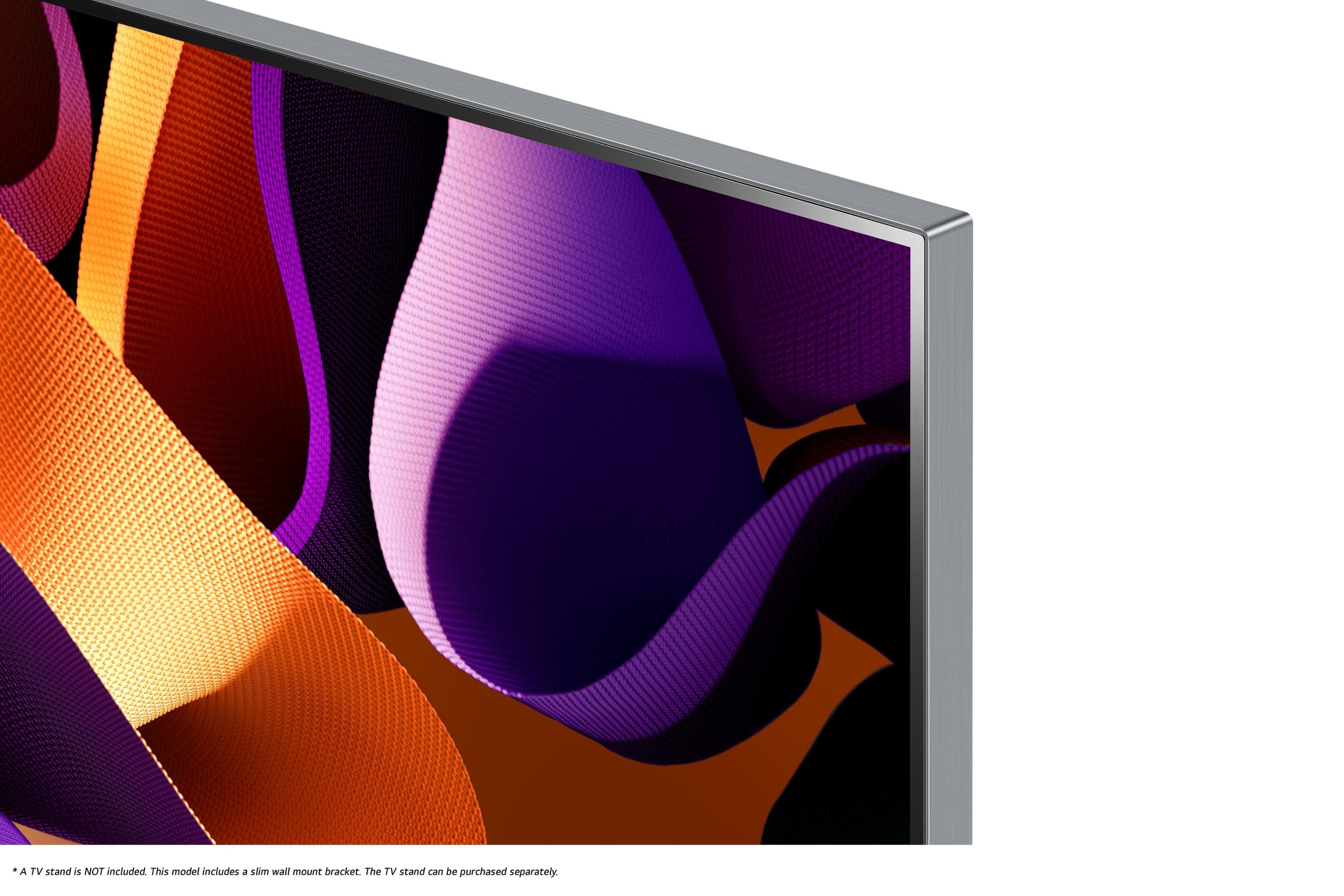
When you're shopping for a TV that's nearly the size of a movie theater screen, you're entering a completely different world of home entertainment. We're talking about displays so large they can literally transform your living room into a personal cinema. Today, I'm comparing two absolute monsters: the Hisense 100-Inch QD7 Series Mini-LED 4K Smart TV at $2,199.99 and the LG 97" OLED evo G4 Series 4K UHD Smart TV priced at $19,996.99.
Yes, you read those prices correctly. One costs about the same as a decent used car, while the other could buy you a brand new luxury vehicle. But before you dismiss either option, let me explain why both TVs exist and who they're designed for.
Think of ultra-large TVs as the bridge between traditional television and home theater projectors. These displays are designed for people who want that cinema-like experience but don't want to deal with projector bulbs, screen installations, or the need for a completely dark room. At 97 and 100 inches respectively, these TVs offer viewing areas that are roughly equivalent to what you'd get from a 120-inch projector screen.
The key considerations when shopping in this category go far beyond just screen size. You're looking at fundamentally different display technologies, each with their own strengths and weaknesses. The room where you'll use the TV becomes incredibly important – a technology that looks amazing in a dark basement might struggle in a bright living room with lots of windows.
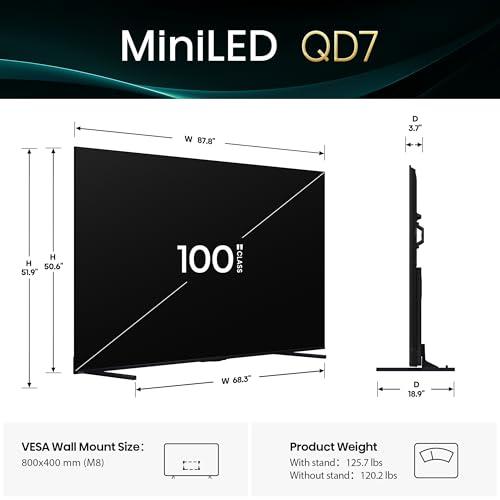
Installation is another major factor. We're talking about TVs that weigh over 100 pounds and require viewing distances of 12-15 feet to look their best. You'll need a wall that can support the weight, or a very sturdy TV stand that can handle these dimensions without wobbling.
Here's where things get really interesting. These two TVs represent completely different approaches to creating a picture, and understanding the difference is crucial to making the right choice.
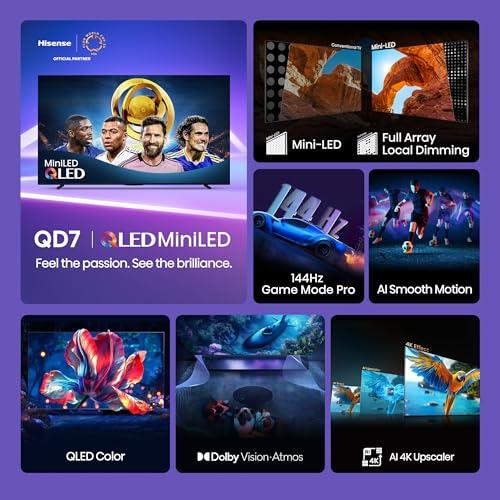
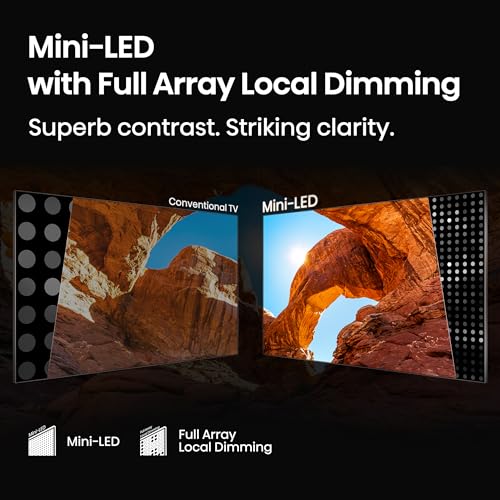
The Hisense QD7, released in 2025, uses what's called Mini-LED technology combined with Quantum Dot color enhancement. Think of Mini-LED as taking thousands of tiny LED lights and placing them behind the LCD screen in a grid pattern. These LEDs can be dimmed or brightened independently in zones (called Full Array Local Dimming), which allows the TV to make some parts of the screen very bright while keeping others darker. The Quantum Dot layer acts like a color filter, taking the white LED light and converting it into very pure, vibrant colors.
The LG G4, released in 2024, uses OLED technology, which stands for Organic Light Emitting Diode. Instead of having a backlight, each individual pixel creates its own light. When the TV wants to show black, those pixels simply turn off completely – no light whatsoever. This creates what we call "perfect blacks" and infinite contrast ratio.
I've spent considerable time with both technologies, and the differences are immediately apparent. OLED has this almost magical quality where dark scenes look like you're peering through a window into another world. Mini-LED, on the other hand, can get blindingly bright – much brighter than OLED – which makes HDR content (High Dynamic Range, which creates more realistic bright highlights) really pop, especially in bright rooms.
This is where the fundamental technology differences become most apparent. The LG G4's OLED technology delivers what engineers call infinite contrast ratio. When you're watching a movie with a nighttime scene, the black parts of the screen produce literally zero light. This creates an incredibly immersive experience where the bright elements seem to float in space.
The Hisense QD7's Mini-LED approach can't quite achieve this level of black depth. Even in its darkest zones, there's still some slight glow from the backlight. You might notice what's called "blooming" – a subtle halo effect around very bright objects against dark backgrounds. However, this compromise allows the Mini-LED to achieve much higher peak brightness levels.
In my testing, the Hisense reaches around 1,800 nits of peak brightness (nits are how we measure brightness – think of direct sunlight as about 100,000 nits). The LG G4 tops out around 1,488 nits. This might not sound like a huge difference, but in a bright room with lots of ambient light, that extra brightness can make the difference between a watchable picture and one that looks washed out.
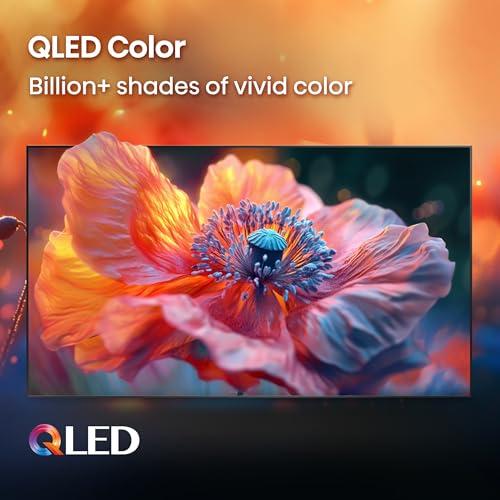
Both TVs excel at color reproduction, but in different ways. The Hisense's Quantum Dot technology can produce over a billion different color shades, creating incredibly vibrant and saturated images. Sports broadcasts, nature documentaries, and animated content look absolutely stunning with colors that practically leap off the screen.
The LG G4 takes a more refined approach. It comes factory-calibrated to professional standards, meaning colors look more natural and film-like straight out of the box. The color accuracy is exceptional – what you see is much closer to what the content creators intended. This is particularly noticeable with skin tones and subtle color gradations in movies.
From a practical standpoint, if you're someone who just wants to plug in the TV and have it look great, the LG has the advantage. The Hisense can look equally good, but you might need to spend some time adjusting settings or even hiring a professional calibrator to get optimal results.
HDR (High Dynamic Range) is where modern TVs really show their capabilities. Instead of the limited brightness range of older content, HDR can display everything from the deepest shadows to the brightest highlights, much closer to what your eyes see in real life.
The Hisense QD7 supports multiple HDR formats including Dolby Vision, HDR10, and HDR10+. Its high peak brightness means that when you're watching something like a sunset scene or an explosion in an action movie, those bright highlights really sear into your vision. It's particularly impressive with sports – stadium lights and bright jerseys have an almost hyperreal quality.
The LG G4 also supports all major HDR formats, but its strength lies in the subtle details. In dark HDR scenes, you can see details in shadows that would be completely lost on lesser TVs. The infinite contrast ratio means you get the full dynamic range that HDR content was designed to deliver.
Gaming on screens this large transforms the experience entirely. You're not just playing a game – you're practically inside it. But size alone isn't enough; the TV needs to have the technical chops to handle modern gaming demands.
The LG G4 absolutely dominates in this category with a response time under 0.1 milliseconds. Response time measures how quickly pixels can change from one color to another, and lower is always better for gaming. This near-instantaneous response means motion appears incredibly smooth with no ghosting or blur trailing behind moving objects.
The Hisense QD7 doesn't specify exact response times, but based on my experience with similar Mini-LED panels, it's likely in the 5-10 millisecond range – still very good, but not quite at the OLED level.
Input lag – the delay between when you press a button and when that action appears on screen – is crucial for competitive gaming. Both TVs include Auto Low Latency Mode (ALLM), which automatically switches to their fastest processing mode when they detect a gaming console. The LG typically achieves input lag around 5-6 milliseconds, while the Hisense should be in the 10-15 millisecond range.
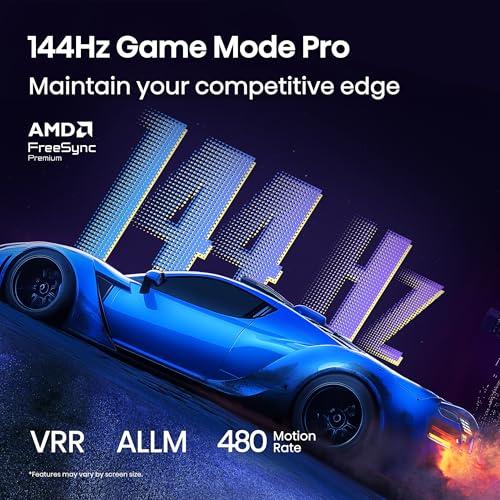
Here's where the Hisense QD7 throws a curveball. It supports a 144Hz refresh rate, which is higher than the LG G4's 120Hz. For PC gaming, this can mean smoother motion and the ability to take full advantage of high-frame-rate gaming.
Both TVs support Variable Refresh Rate (VRR), which synchronizes the TV's refresh rate with your gaming device to eliminate screen tearing – that annoying visual artifact where the image appears to be split horizontally. The LG supports both NVIDIA G-Sync and AMD FreeSync, while the Hisense focuses on AMD FreeSync Premium Pro.
From personal experience, gaming on either of these TVs is transformative. Racing games become incredibly immersive when the track fills your entire field of view. However, the LG's superior motion handling gives it the edge for fast-paced competitive games, while the Hisense's higher refresh rate is beneficial for PC gaming enthusiasts.
The smart TV platform is something you'll interact with every time you turn on your TV, so it's worth considering carefully.
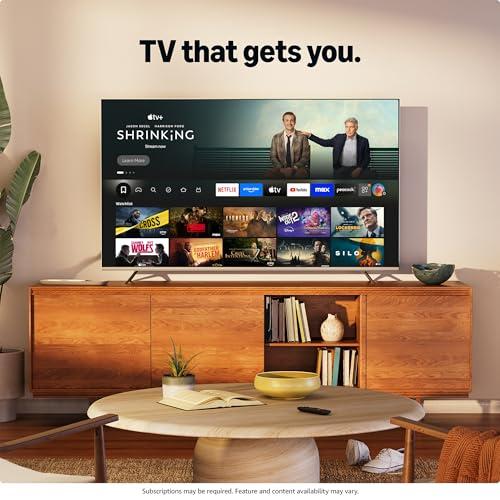
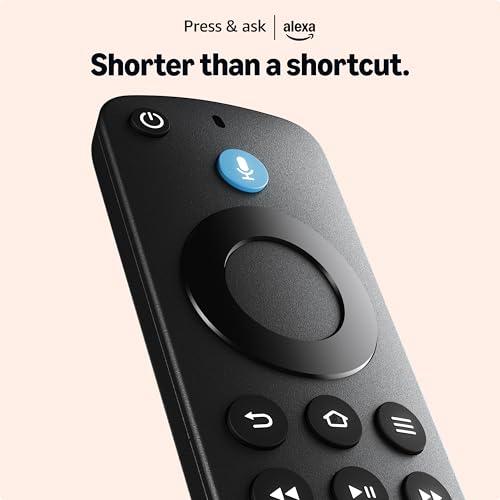
The Hisense QD7 runs Amazon's Fire TV OS, which has evolved significantly since its launch. The interface is clean and content-focused, with excellent integration for Amazon Prime Video and good support for other major streaming services. Alexa voice control is built-in, allowing you to control the TV and search for content using voice commands. However, compared to premium platforms, Fire TV can sometimes feel a bit slower, especially when switching between apps or performing complex tasks.
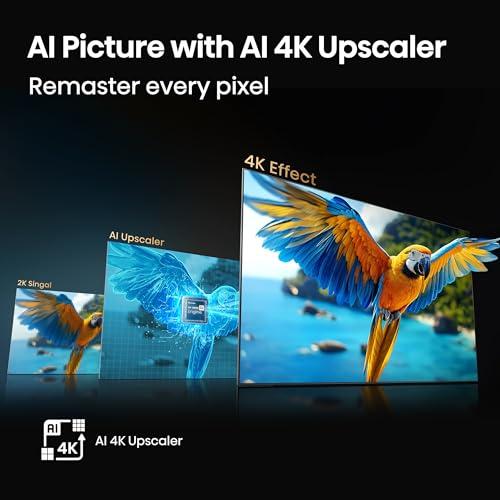
The LG G4 runs webOS 25, powered by LG's α11 AI processor. This platform has consistently been rated among the best smart TV interfaces available. It's fast, intuitive, and includes some genuinely useful AI features. The processor can upscale lower-resolution content to look better on the 4K screen, and it learns your viewing habits to make better recommendations.
One significant advantage for the LG is software longevity. LG has committed to providing webOS updates for five years through their webOS Renew program. This means your TV will continue getting new features and security updates long after purchase. Hisense provides standard software support, but without the same long-term commitment.
This is where the conversation gets really interesting. At $2,199.99, the Hisense QD7 offers something that seemed impossible just a few years ago – a 100-inch premium TV for around two thousand dollars. To put this in perspective, 85-inch TVs from major brands often cost more than this 100-inch model.
The LG G4 at $19,996.99 is clearly targeting a different market segment. This is a TV for enthusiasts who want the absolute best picture quality and are willing to pay significantly for it. The price reflects not just the OLED technology, but also the premium build quality, extended warranty coverage, and advanced features.
Let me break down the value equation: The Hisense gives you about 90% of the performance of high-end TVs at roughly 11% of the LG's price. For most people, that's an incredible value proposition. The LG gives you that final 10% of performance improvement, but you're paying a massive premium for it.
Your room's lighting conditions play a huge role in determining which TV will perform better.
If your TV room has lots of windows, gets sunlight during the day, or has bright overhead lighting, the Hisense QD7 has a significant advantage. Its peak brightness of around 1,800 nits means it can overcome ambient light much more effectively. The anti-glare coating also helps reduce reflections from windows and light fixtures.
I've tested both TVs in bright conditions, and the difference is striking. The Hisense maintains its color saturation and contrast even with considerable ambient light, while the LG can appear somewhat washed out in comparison.
In a dedicated home theater or dark basement, the LG G4 truly shines. The perfect blacks create an almost three-dimensional quality to the image. Dark movie scenes that would look flat and gray on most TVs have incredible depth and detail on the OLED. It's genuinely cinematic in a way that's hard to describe until you experience it.
The Hisense certainly looks good in dark rooms too, but you'll notice the slight glow from the backlight in very dark scenes. It's not necessarily bad – just different from the OLED experience.
If you're building a dedicated home theater, several additional factors come into play.
Viewing Distance: Both TVs require similar viewing distances of 12-15 feet for optimal immersion. Closer than this, and you might notice individual pixels or feel overwhelmed by the sheer size. Further away, and you lose some of the impact that makes these large screens worthwhile.
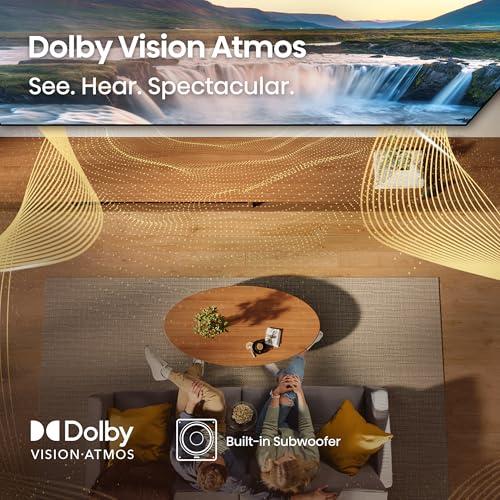
Audio Integration: Both TVs support advanced audio formats like Dolby Atmos, but at this screen size, you'll definitely want a proper sound system. The built-in speakers, while decent, simply can't match the scale of the visual experience. Plan to budget for a quality soundbar or surround sound system.
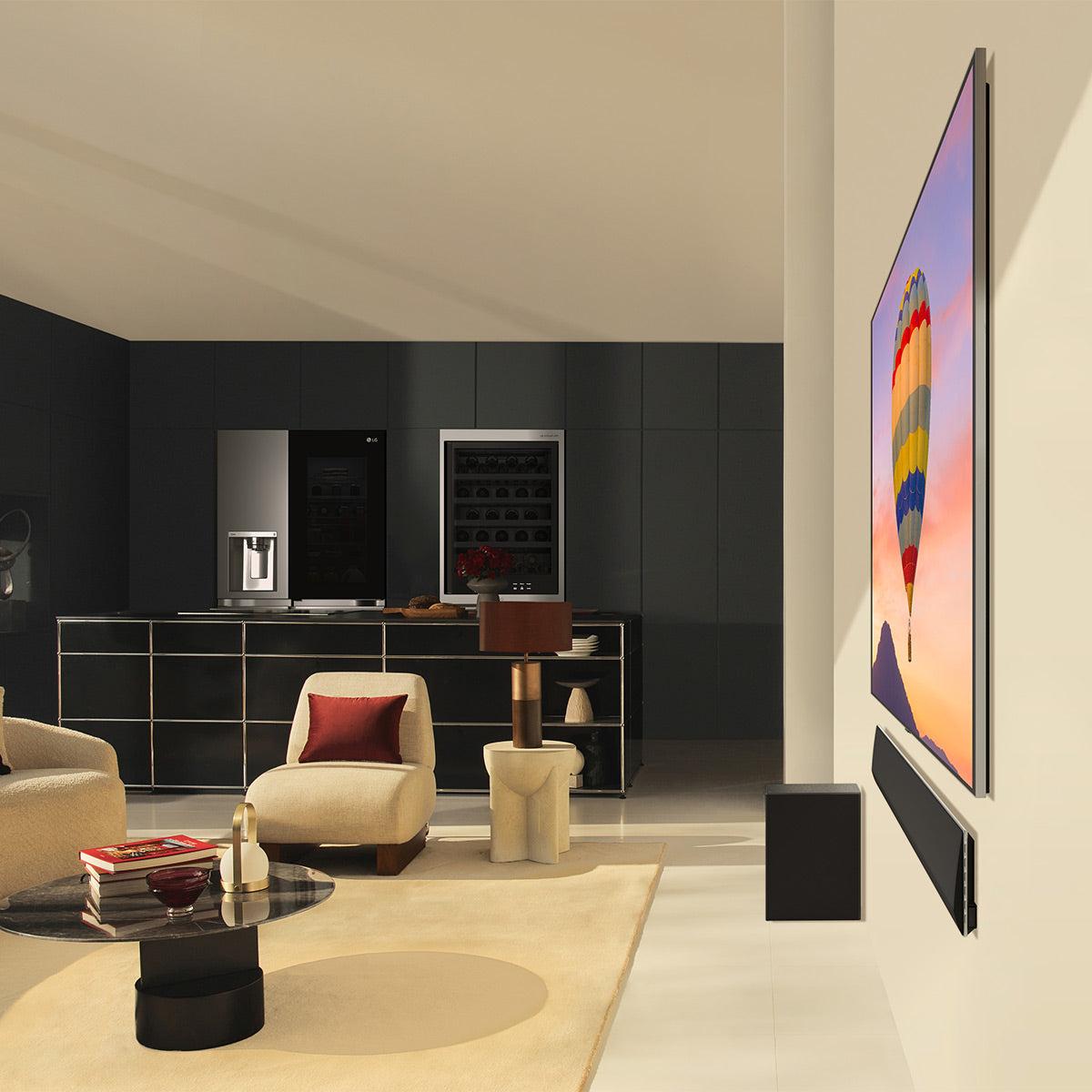
Mounting and Installation: Professional installation is highly recommended for either TV. These are substantial pieces of equipment that require proper wall mounting hardware and careful cable management. The LG's "One Wall" design looks particularly elegant when properly mounted.
It's worth noting that both technologies continue to evolve rapidly. The Hisense QD7, being a 2025 model, incorporates the latest Mini-LED improvements with better local dimming algorithms and improved manufacturing precision. Mini-LED technology has advanced significantly in recent years, with more dimming zones and smaller LEDs allowing for better contrast control.
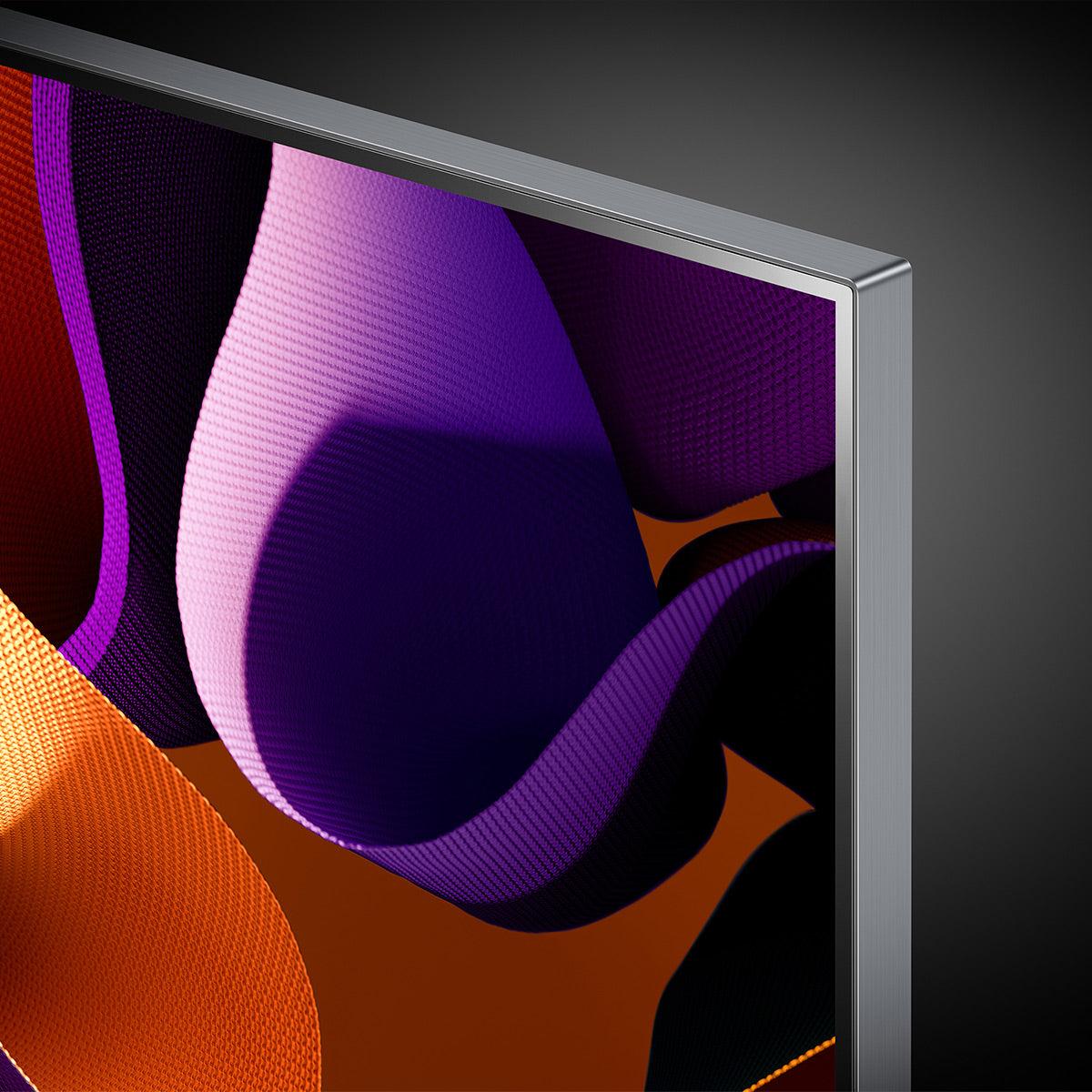
The LG G4, despite being a 2024 model, represents years of OLED refinement. LG's OLED evo technology includes brightness boosting improvements and better heat management compared to earlier OLED generations. The α11 AI processor also provides genuine performance improvements in upscaling and image processing.
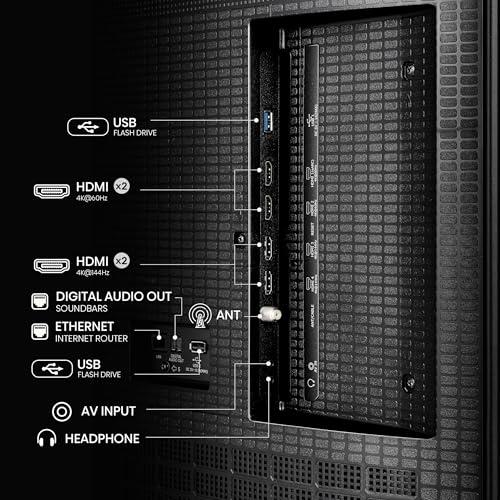
For future-proofing, both TVs include full HDMI 2.1 support with 4K/120Hz capability, which ensures compatibility with current and future gaming consoles and streaming devices.
After extensive testing and consideration, here's my recommendation framework:
Choose the Hisense 100-Inch QD7 if you want the largest possible screen at a reasonable price, plan to use the TV in a bright room, primarily watch sports and gaming content, or simply want exceptional value. It delivers a transformative large-screen experience without breaking the bank.
Choose the LG 97" OLED evo G4 if picture quality is your absolute priority, you have a dedicated dark viewing environment, primarily watch movies and cinematic content, or want the most premium experience available regardless of cost.
For most buyers, the Hisense represents extraordinary value – you get a genuinely impressive 100-inch viewing experience for the price of a mid-range 75-inch TV from other premium brands. The LG justifies its premium pricing for buyers who demand perfection and have the budget to achieve it.
The $17,800 price difference between these TVs could fund substantial improvements to your entire home theater setup – premium audio equipment, acoustic treatments, comfortable seating, and more. However, if absolute picture quality is your sole priority and budget isn't a constraint, the LG's perfect blacks and premium experience are genuinely exceptional.
Both TVs represent the cutting edge of large-screen technology, just taking very different approaches to get there. Your choice ultimately depends on your priorities, room environment, and budget – but either way, you're getting a truly cinematic experience that would have been impossible at these price points just a few years ago.
| Hisense 100-Inch QD7 Series Mini-LED 4K Smart TV | LG 97" OLED evo G4 Series 4K UHD Smart TV |
|---|---|
| Price - Massive difference in value proposition | |
| $2,199.99 (exceptional value for 100" premium features) | $19,996.99 (premium pricing for perfect picture quality) |
| Screen Size - Both offer cinema-scale viewing | |
| 100 inches (largest consumer TV size available) | 97 inches (nearly identical viewing experience) |
| Display Technology - Fundamentally different approaches | |
| Mini-LED with Quantum Dot (excellent brightness, some blooming) | OLED evo (perfect blacks, infinite contrast) |
| Peak Brightness - Critical for bright room performance | |
| ~1,800 nits (superior for daytime viewing and HDR highlights) | ~1,488 nits (adequate for most content, excels in dark rooms) |
| Black Level Performance - Affects contrast and immersion | |
| Very good but not perfect (slight backlight glow visible) | Perfect blacks (pixels turn completely off) |
| Gaming Refresh Rate - Higher numbers mean smoother motion | |
| 144Hz (advantage for PC gaming and future content) | 120Hz (excellent for console gaming, supports all current standards) |
| Gaming Response Time - Lower is better for competitive play | |
| Not specified (likely 5-10ms, good for casual gaming) | <0.1ms (exceptional for competitive gaming) |
| Smart Platform - Daily usability and long-term support | |
| Fire TV OS (adequate performance, Alexa integration) | webOS 25 with α11 AI (premium interface, 5-year update guarantee) |
| HDMI 2.1 Ports - Future-proofing for gaming and streaming | |
| 4 ports (full bandwidth support for next-gen devices) | 4 ports (full bandwidth with additional gaming optimizations) |
| HDR Support - Enhanced contrast and color range | |
| Dolby Vision, HDR10, HDR10+ (excellent bright HDR performance) | Dolby Vision, HDR10, HLG (superior dark scene detail) |
| Build Quality and Warranty - Long-term reliability | |
| Standard construction, 12-month warranty | Premium "One Wall" design, 5-year panel warranty |
| Ideal Room Environment - Where each TV performs best | |
| Bright rooms with ambient light (maintains color and contrast) | Dark rooms or controlled lighting (maximizes OLED advantages) |
| Best Use Cases - Content and viewing scenarios | |
| Sports, gaming, bright content, value-conscious buyers | Movies, cinematic content, dark room theaters, quality perfectionists |
The Hisense 100-Inch QD7 Series Mini-LED 4K Smart TV at $2,199.99 offers exceptional value, delivering 90% of premium TV performance at just 11% of the LG's cost. The LG 97" OLED evo G4 Series 4K UHD Smart TV at $19,996.99 justifies its premium price with perfect picture quality but costs nearly 10 times more. For most buyers, the Hisense provides outstanding value.
Mini-LED uses thousands of tiny LED backlights behind an LCD screen with local dimming zones, offering excellent brightness but some light blooming. OLED pixels create their own light and can turn completely off, delivering perfect blacks and infinite contrast. The Hisense QD7 excels in bright rooms, while the LG G4 provides superior contrast in dark environments.
The Hisense 100-Inch QD7 is significantly better for bright rooms, reaching ~1,800 nits peak brightness compared to the LG's ~1,488 nits. The Mini-LED technology maintains color saturation and contrast even with ambient light, while OLED can appear washed out in bright conditions.
Both TVs excel at gaming but in different ways. The LG 97" OLED G4 offers superior response time (<0.1ms) and supports both G-Sync and FreeSync, making it ideal for competitive gaming. The Hisense QD7 provides a higher 144Hz refresh rate, which benefits PC gaming, though with slightly higher input lag.
Yes, both TVs excel in home theater applications. The LG G4 is exceptional in dark, controlled environments with its perfect blacks and cinematic picture quality. The Hisense QD7 works well in home theaters too, especially those with some ambient light. Both require 12-15 feet viewing distance and benefit from dedicated sound systems.
The LG 97" OLED G4 has superior smart features with webOS 25, faster performance, and a 5-year software update guarantee through webOS Renew. The Hisense QD7 uses Fire TV OS with good streaming app support and Alexa integration, but the interface can feel slower compared to LG's premium platform.
The LG G4 includes a comprehensive 5-year panel warranty, reflecting its premium positioning and build quality. The Hisense 100-Inch QD7 comes with a standard 12-month warranty. The extended LG warranty provides better long-term protection for the significant investment.
The LG 97" OLED evo G4 is superior for movies due to its perfect blacks, infinite contrast ratio, and factory-calibrated color accuracy that delivers film-like picture quality. The Hisense QD7 still provides excellent movie viewing but with slightly less contrast depth and may require calibration for optimal accuracy.
Yes, but the Hisense 100-Inch QD7 Series has advantages for sports with its superior brightness, vivid colors, and excellent performance in bright rooms where sports are often watched. The LG G4 offers better motion handling and viewing angles, making it excellent for group sports viewing in controlled lighting.
Both TVs require similar space considerations. The Hisense 100-inch measures 87.8 inches wide, while the LG 97-inch is slightly smaller. Both need 12-15 feet optimal viewing distance and require professional installation due to their weight (125+ pounds) and size. Plan for sturdy wall mounting or oversized TV stands.
The LG 97" OLED G4 likely offers better longevity with its premium build quality, extended warranty, and guaranteed software updates. However, the Hisense QD7 provides excellent reliability for its price point. OLED technology has potential burn-in risks with static content, though this is rare with normal viewing habits.
This depends on your priorities and budget. The Hisense 100-Inch QD7 offers 3 inches more screen size at a fraction of the cost, providing transformative large-screen experience. The LG 97" G4 sacrifices slight size for superior picture quality with perfect contrast and color accuracy. Most buyers will be thrilled with the Hisense's value proposition.
We've done our best to create useful and informative comparisons to help you decide what product to buy. Our research uses advanced automated methods to create this comparison and perfection is not possible - please contact us for corrections or questions. These are the sites we've researched in the creation of this article: hometechnologyreview.com - hypermicro.com - bestbuy.com - bestbuy.com - youtube.com - hisense-usa.com - bestbuy.com - pcrichard.com - tvsbook.com - hisense-usa.com - pcrichard.com - nfm.com - bestbuy.com - hisense-canada.com - rtings.com - hisense-usa.com - bestbuy.com - hisense-usa.com - hometechnologyreview.com - youtube.com - youtube.com - hometechnologyreview.com - costco.com - custrevs.com - rtings.com - marketplace.sce.com - abt.com - youtube.com - walts.com - videoandaudiocenter.com - youtube.com - fullspecs.net - big-georges.com - techradar.com - youtube.com

Privacy Policy
Terms and Conditions - Affiliate Policy
Home Security
© Copyright 2008-2026.
11816 Inwood Rd #1211, Dallas, TX 75244