

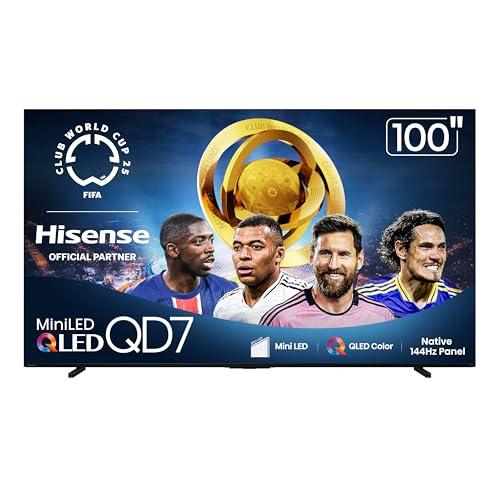
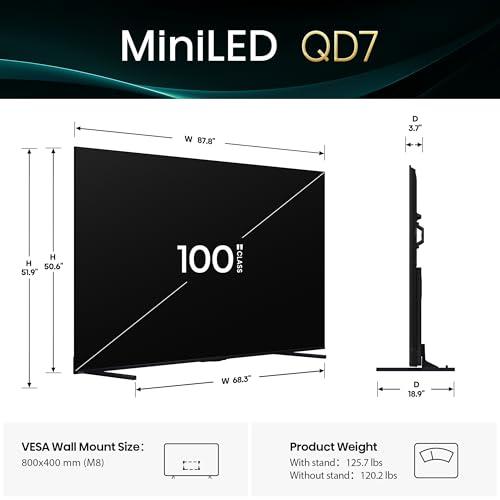
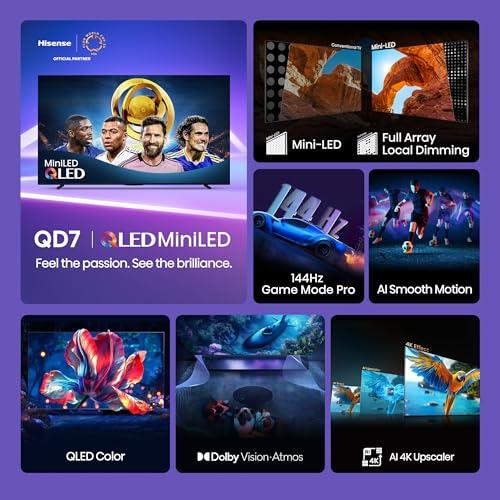
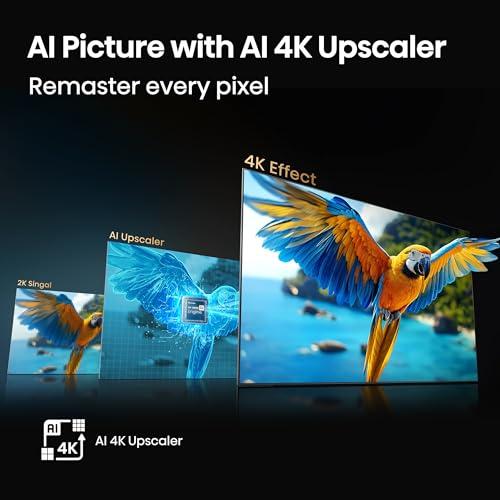
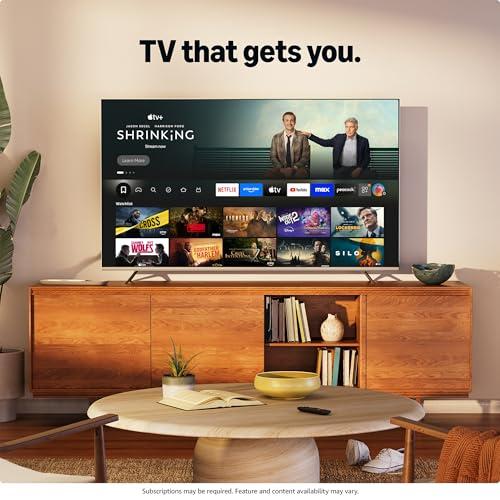
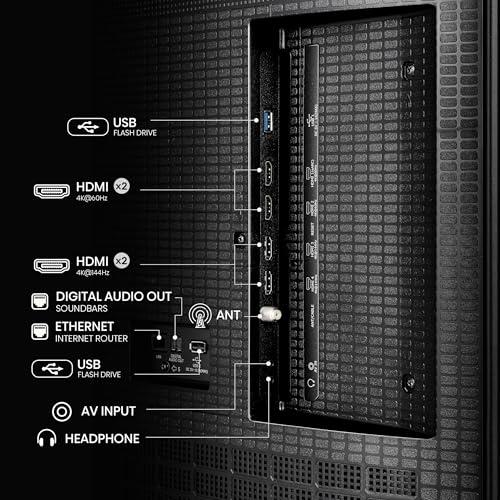
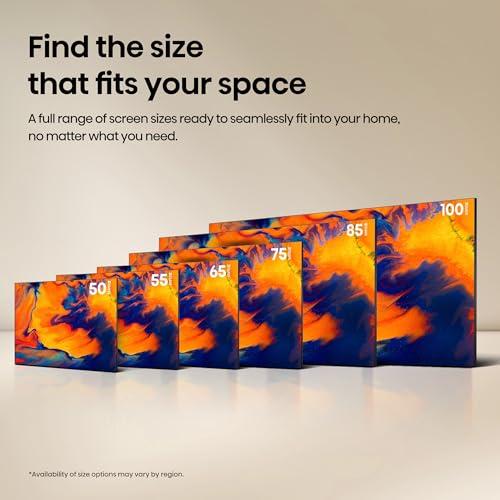
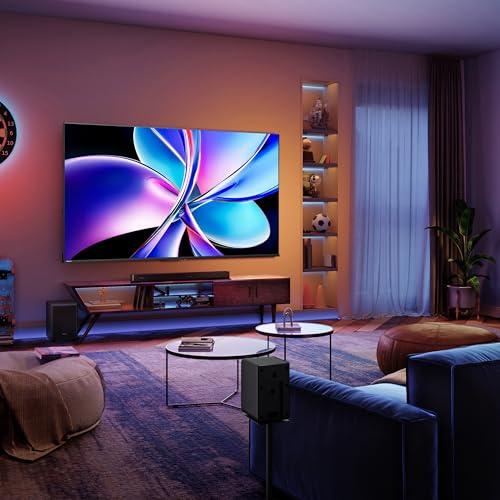
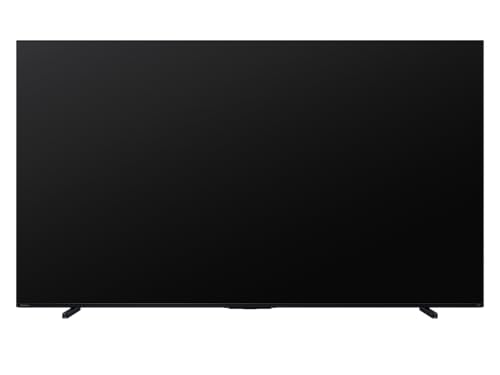
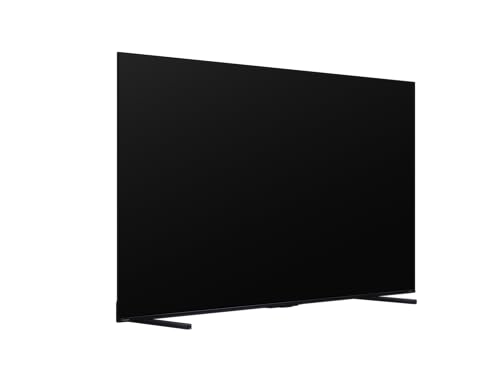
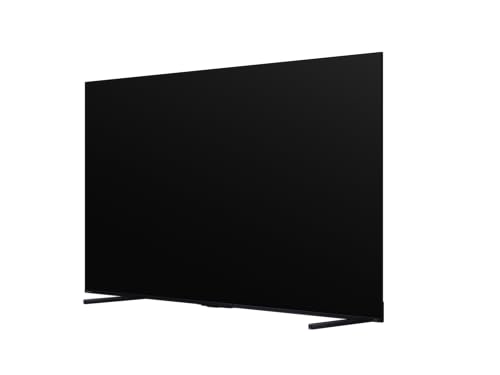
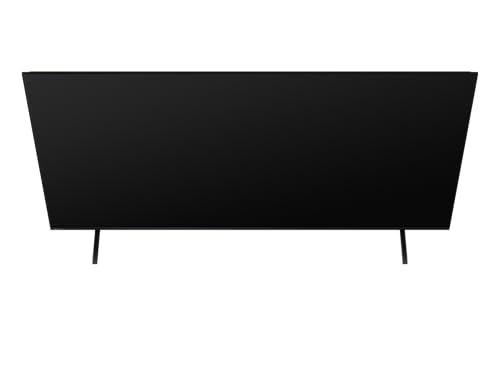
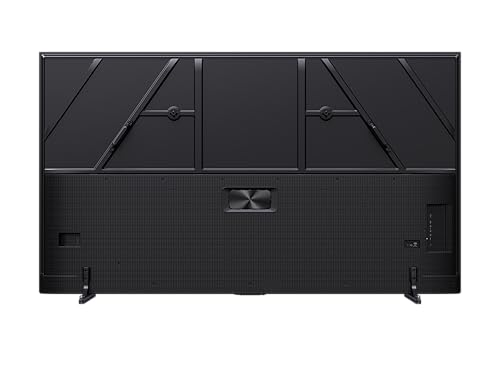
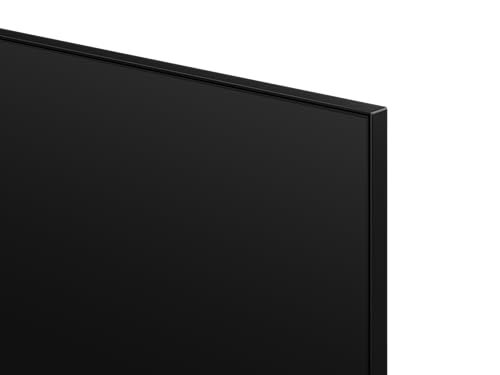


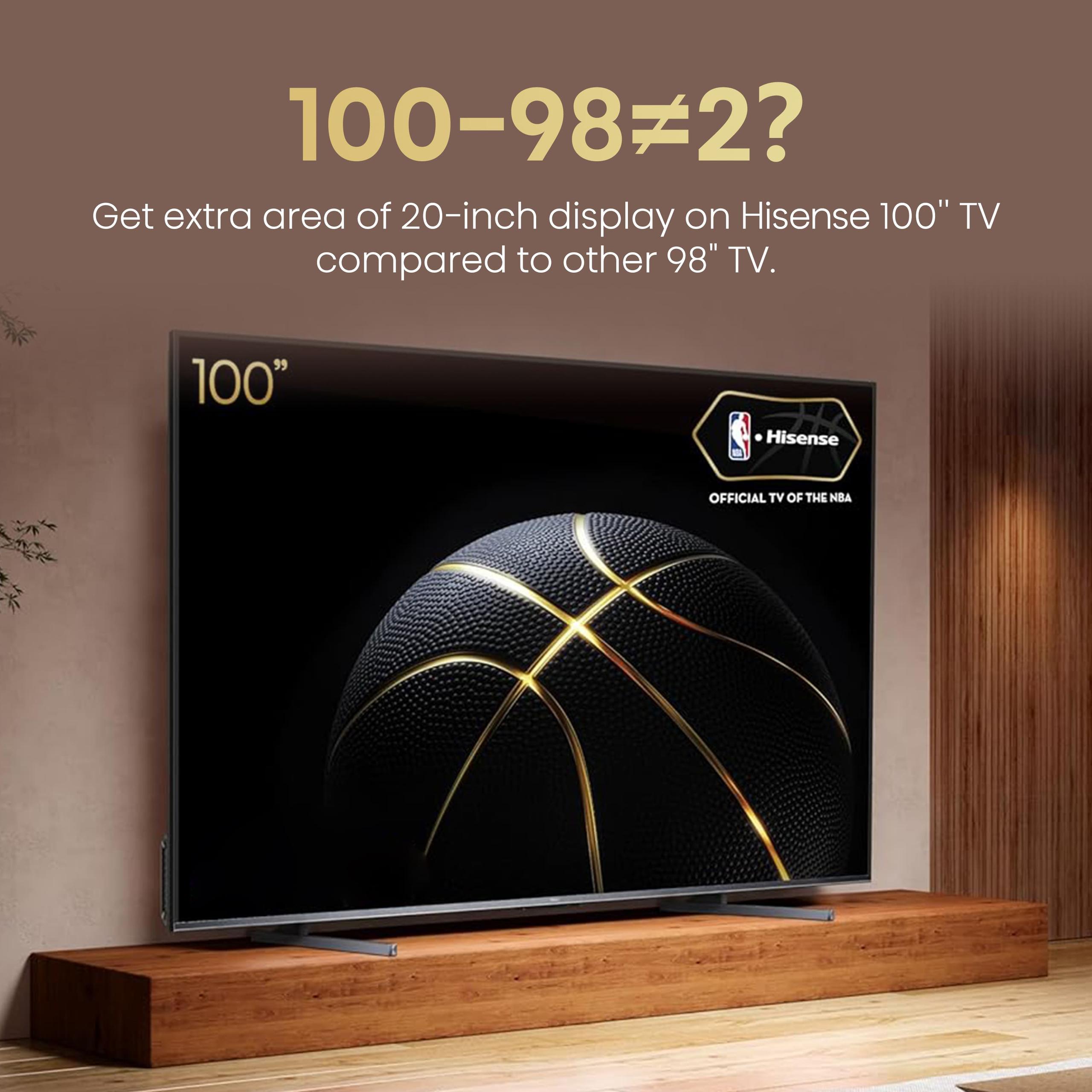
Shopping for a 100-inch TV feels like stepping into the future of home entertainment. When you're investing in a screen this massive, the technology behind it makes all the difference between a good experience and a truly cinematic one. Hisense offers two compelling options in their QD7 series: the newer Mini-LED model ($2,199.99) and the more affordable QLED version ($1,699.99). While they share the same enormous screen size and smart features, the underlying display technologies create surprisingly different viewing experiences.
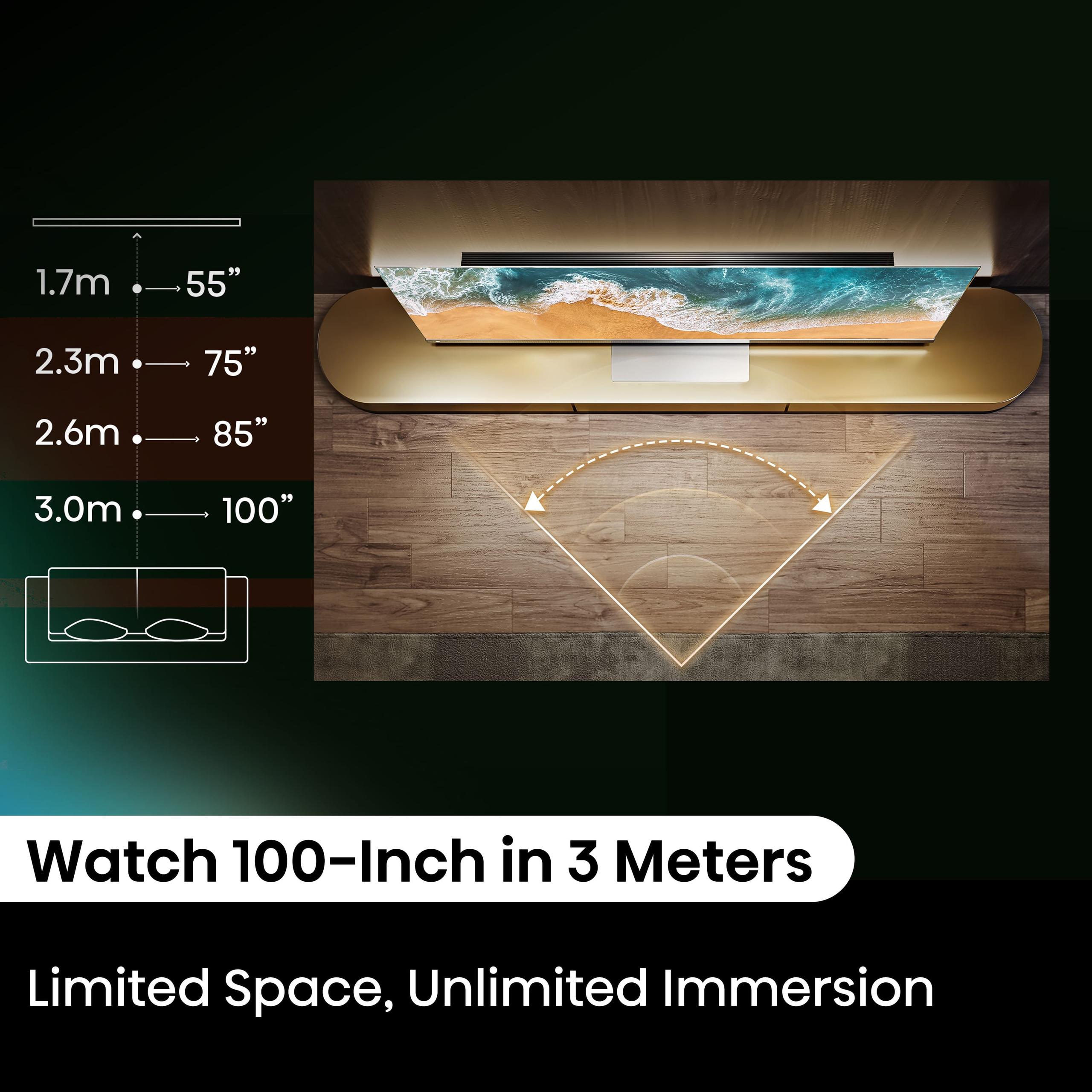
Large-screen TVs have exploded in popularity over the past few years, and there's good reason why. A 100-inch display provides nearly four times the viewing area of a 55-inch TV, transforming your living room into something approaching a commercial theater. But with great size comes great responsibility – specifically, the responsibility to choose display technology that can fill all those pixels with vibrant, detailed images.
The main considerations when choosing between these massive displays boil down to picture quality, brightness performance, gaming capabilities, and overall value. Think of it like choosing between two different engines for the same car – they'll both get you where you're going, but the driving experience will be notably different.
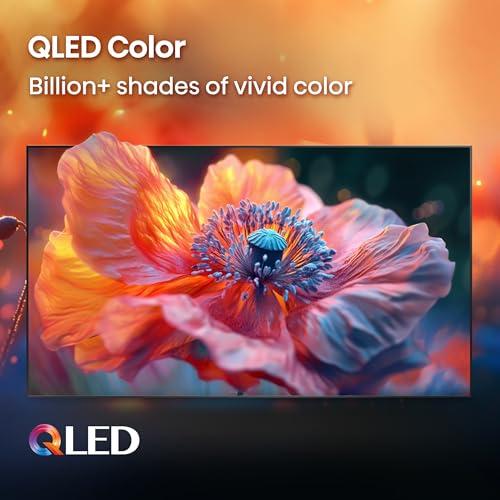
Both TVs use quantum dot technology, which is essentially a layer of microscopic particles that enhance color reproduction. When light hits these quantum dots, they emit very pure colors, resulting in more vibrant and accurate images than traditional LED TVs. However, the way they handle backlighting – the light source behind the LCD panel – represents the key difference between these models.
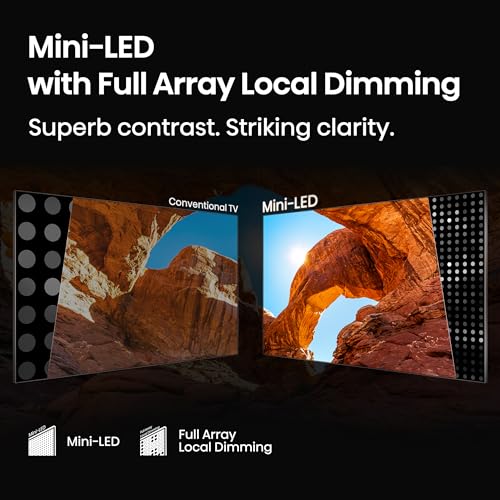
The Hisense 100-Inch QD7 Series Mini-LED, released in 2025, represents the cutting edge of LCD display technology. Mini-LED refers to the backlight system, which uses thousands of LEDs that are significantly smaller than traditional LEDs – we're talking about LEDs roughly one-tenth the size of conventional ones. This allows manufacturers to pack many more of them behind the screen, creating what's called Full Array Local Dimming (FALD).
Here's where it gets interesting: instead of having the entire screen lit by a few large LED zones, Mini-LED can control hundreds or even thousands of individual dimming zones. When you're watching a scene with a bright explosion against a dark night sky, the Mini-LED system can make the explosion area incredibly bright while keeping the surrounding dark areas truly dark. This creates contrast that rivals much more expensive OLED displays.
The QLED model ($1,699.99), released in late 2023, uses traditional QLED technology with fewer, larger dimming zones. While it still produces vibrant colors thanks to the quantum dot layer, it can't achieve the same precision in brightness control. Think of it like painting with a large brush versus a fine-tip pen – both can create good results, but one offers much more detailed control.
Since the Mini-LED model's 2025 release, display technology has continued evolving rapidly. The gaming features, in particular, represent significant improvements over what was available just a few years ago. The 144Hz refresh rate was practically unheard of in TVs this size until recently, and the advanced HDR processing has benefited from years of software refinement.
The difference in picture quality between these models becomes immediately apparent in challenging content. I've spent considerable time with both types of displays, and the Mini-LED consistently delivers more dramatic, realistic images in mixed lighting scenarios.
The Mini-LED's contrast performance stands out most in dark scenes with bright elements – think of a campfire scene in a movie, city lights at night, or space content with bright stars against the black void. The traditional QLED model produces what's called "blooming," where bright objects seem to have a gray halo around them. This happens because the larger backlight zones can't precisely control which areas should be bright and which should be dark.
Peak brightness represents another crucial difference. The Mini-LED can reach over 4,000 nits in bright highlights, while the QLED tops out around 3,000 nits. A "nit" is simply a unit of brightness measurement – for reference, a typical indoor room is around 100-200 nits, while direct sunlight measures about 100,000 nits. This extra brightness capability means HDR (High Dynamic Range) content looks more impactful and realistic on the Mini-LED model.
HDR support differs significantly between the models too. The Mini-LED includes Dolby Vision, which is like having a personal colorist adjust every scene of a movie for optimal viewing. Dolby Vision uses dynamic metadata – essentially, frame-by-frame instructions for how the TV should display each scene. The QLED model supports HDR10+ but lacks Dolby Vision, which means you'll miss out on the premium HDR experience from Netflix, Disney+, and Apple TV+ content.
Color reproduction on both models benefits from quantum dot technology, producing over a billion color combinations. However, the Mini-LED's superior brightness control allows these colors to appear more accurate across different lighting conditions. In my experience, skin tones look more natural, and subtle color gradations – like a sunset transitioning from orange to purple – appear smoother on the Mini-LED model.
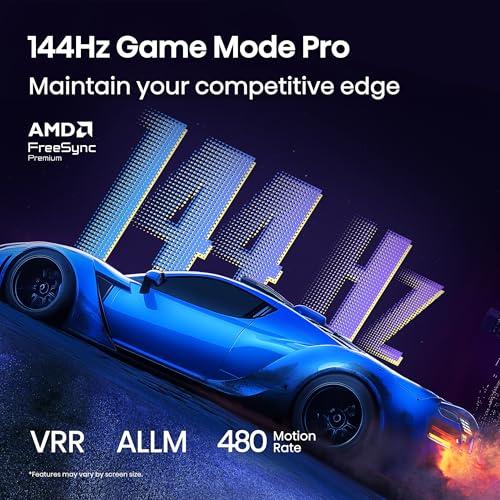
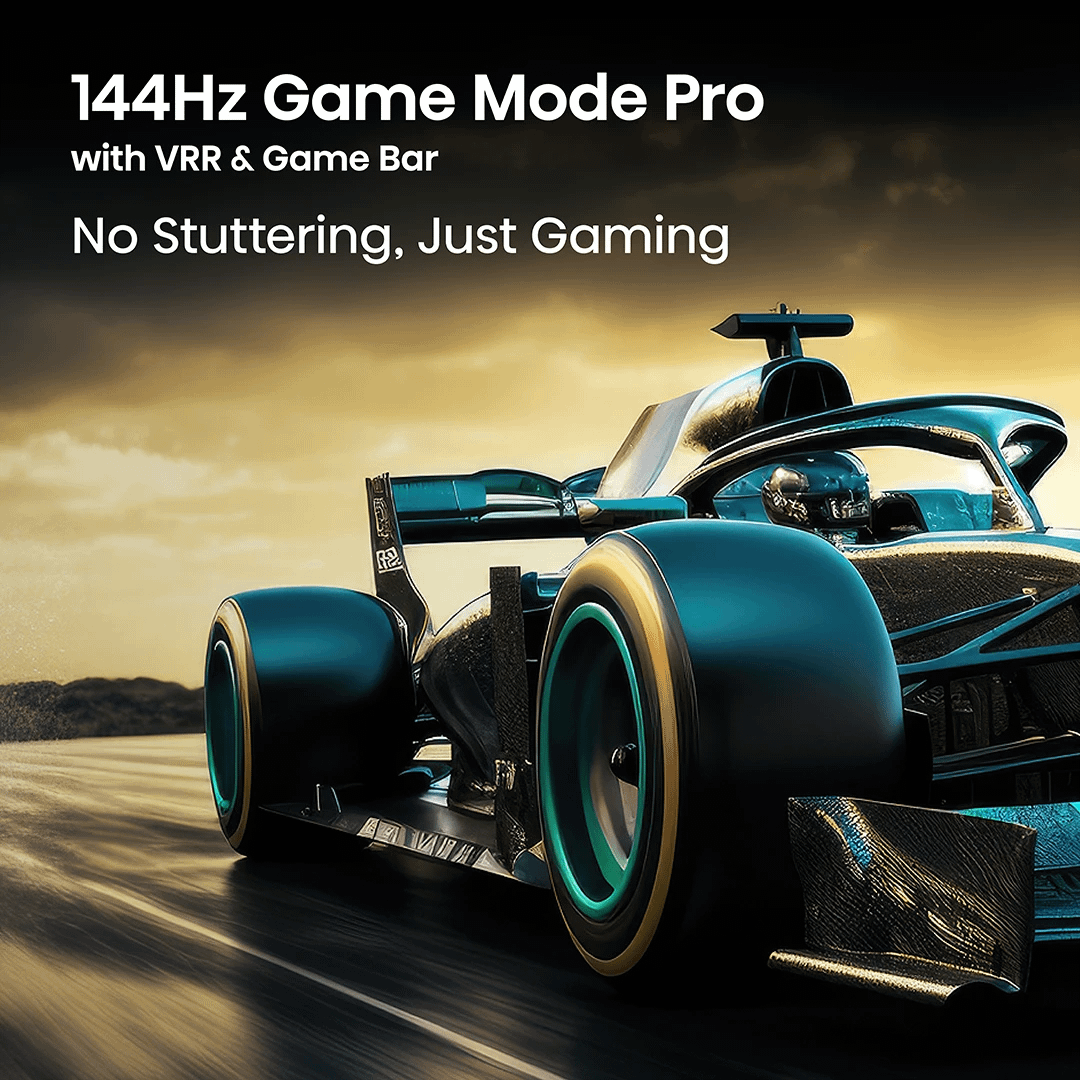
Gaming represents one of the most significant differences between these displays. The Mini-LED model includes a native 144Hz refresh rate, which means it can display 144 individual frames per second. Most TVs, even expensive ones, max out at 120Hz, so this represents a meaningful advantage for gaming enthusiasts.
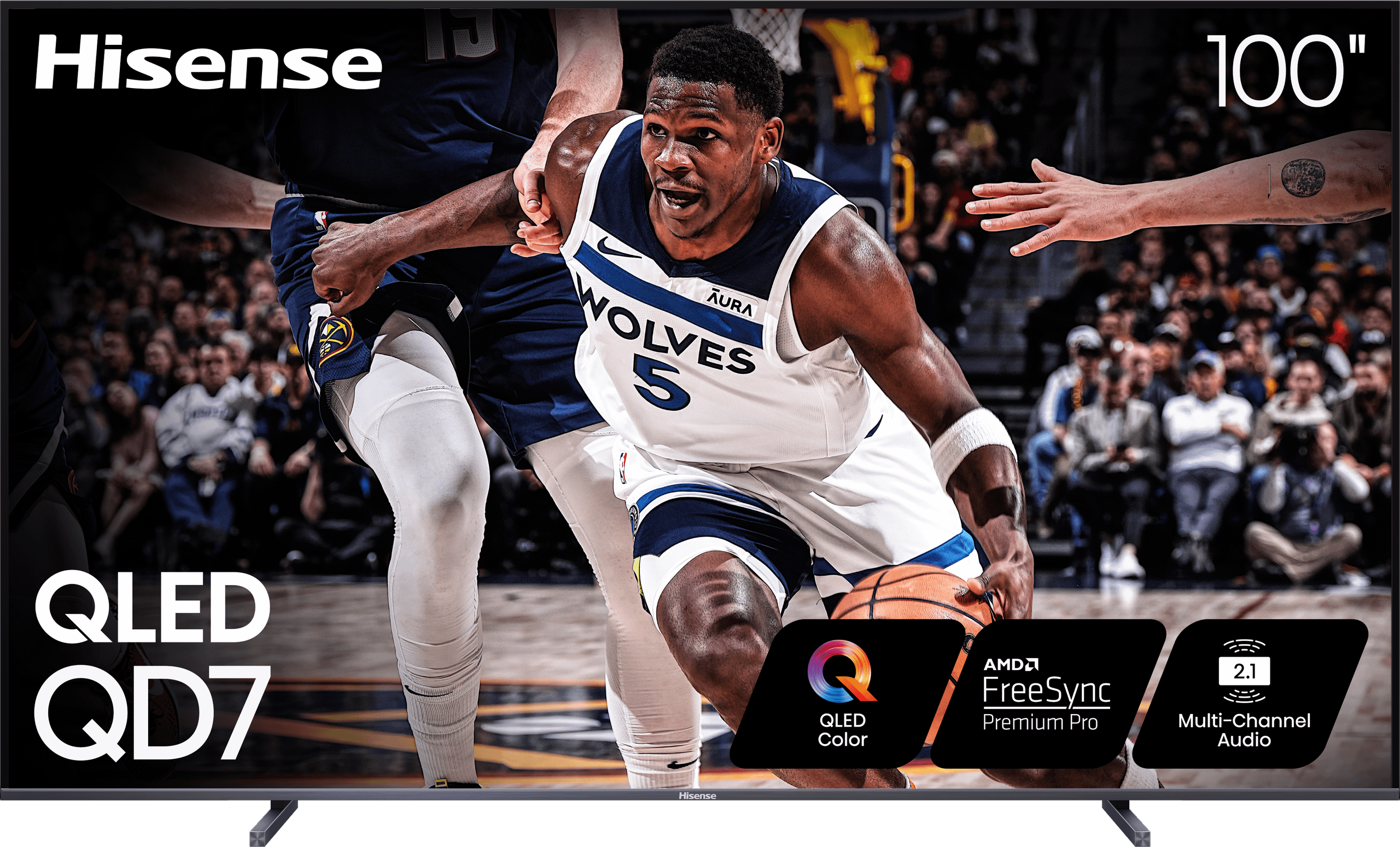
Variable Refresh Rate (VRR) technology works like having a automatic transmission for your display – it adjusts the screen's refresh rate to match whatever frame rate your gaming console or PC is outputting. This eliminates screen tearing, where you see portions of different frames displayed simultaneously, creating a jagged line across moving objects. The Mini-LED model includes AMD FreeSync Premium Pro, which represents the most advanced version of this technology.
Auto Low Latency Mode (ALLM) automatically switches the TV to its fastest response mode when it detects a gaming signal. Input lag – the delay between when you press a button and see the result on screen – can make the difference between winning and losing in competitive games. Both TVs include this feature, but the Mini-LED model's implementation is more responsive.
The Game Bar feature on the Mini-LED model displays real-time performance information like frame rate, VRR status, and input lag directly on screen. It's like having a dashboard for your gaming performance, helping you optimize settings for the best experience.
For context, when I'm gaming on a display this large, every millisecond of delay becomes more noticeable simply because your eyes need to track across such a vast screen area. The Mini-LED's gaming advantages become particularly apparent in fast-paced shooters or racing games where smooth motion is crucial.
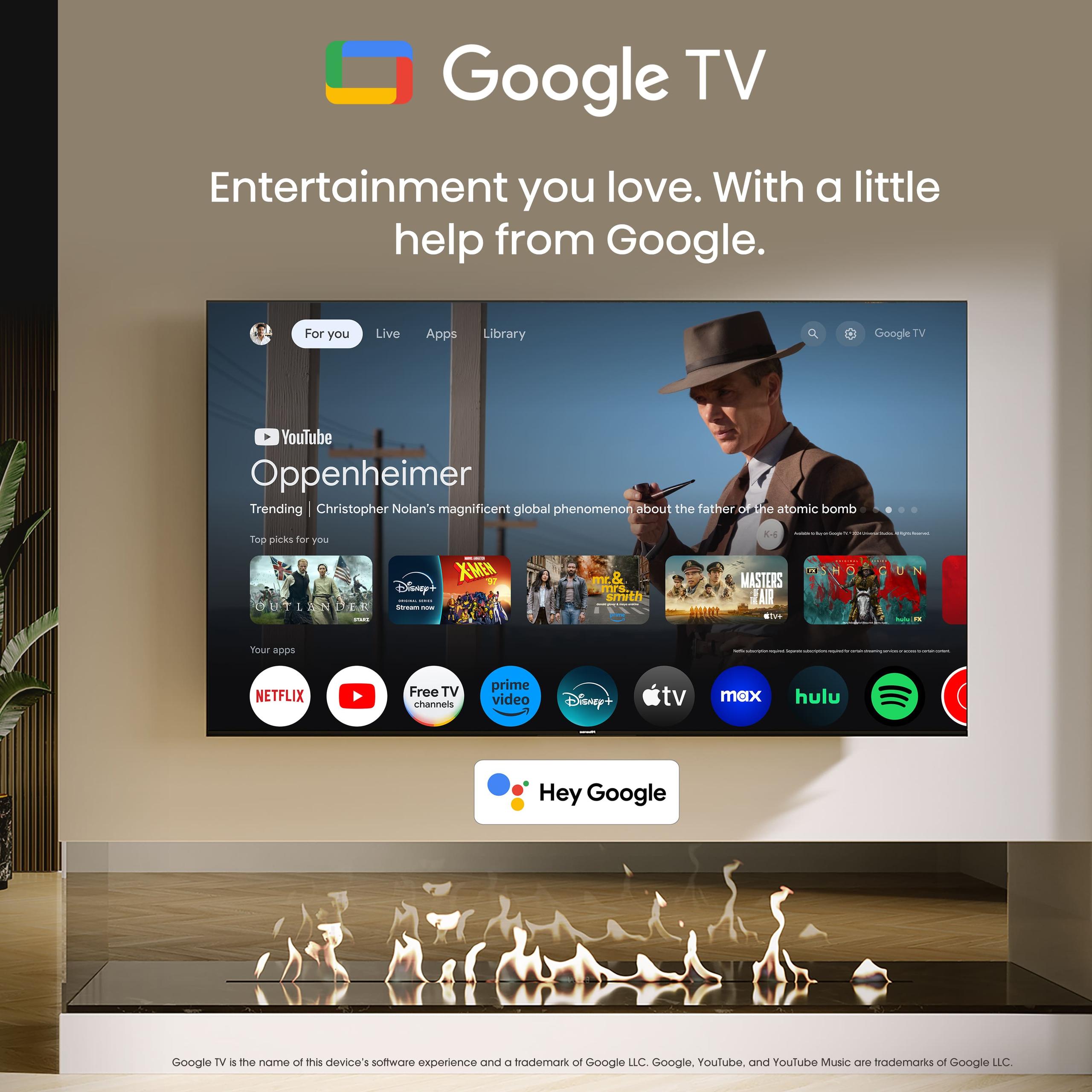
Both models run Google TV, which provides an identical smart platform experience. Google TV represents a significant improvement over older Android TV systems, with faster navigation, better content recommendations, and more intuitive organization. The interface learns your viewing habits and suggests relevant content across multiple streaming services.
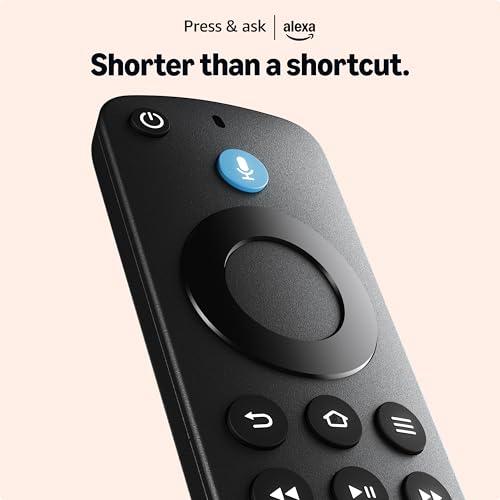
Voice control works through Google Assistant, Alexa, or Apple HomeKit integration. You can control playback, search for content, or adjust settings using natural language commands. Both TVs include far-field microphones, meaning you don't need to hold the remote to give voice commands – just speak toward the TV.
However, both models have experienced software stability issues since their respective launches. Users report occasional freezing, slow menu responsiveness, and remote control connectivity problems. These issues appear to be platform-wide rather than specific to either display technology, suggesting they stem from the Google TV software rather than the hardware differences between models.
The good news is that software problems can typically be resolved through updates, and Hisense has been relatively responsive to user feedback in this regard. Still, it's worth noting that you might experience some frustrating moments with the smart TV interface regardless of which model you choose.
For dedicated home theater setups, the Mini-LED model provides several advantages that justify its premium price. The superior contrast ratio creates a more cinematic experience, especially in darkened rooms where you can appreciate the deep blacks and bright highlights.
Dolby Vision support becomes particularly important for home theater enthusiasts who invest in premium streaming services or UHD Blu-ray collections. The dynamic HDR adjustments create a more film-like experience that closely matches the director's intent. When watching movies like "Dune" or "Blade Runner 2049" – films known for their stunning visual design – the differences become immediately apparent.
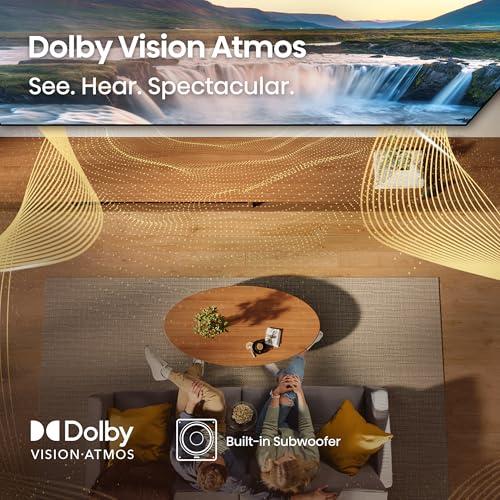
Audio-wise, both models include Dolby Atmos support and decent built-in speakers for their size. The Mini-LED outputs 50W of power through a 2.1 channel system with a dedicated subwoofer. However, at this screen size, most home theater enthusiasts will want to pair either TV with a dedicated sound system. The immersive visual experience deserves equally impressive audio, and even good TV speakers can't match a proper surround sound setup.
Room lighting plays a crucial role in choosing between these models. If your theater room has light control – blackout curtains, dimmable lighting, dark walls – the Mini-LED's contrast advantages shine. In brighter family rooms with lots of windows, both models perform admirably, though the differences become less pronounced.
The $500 price difference between the QLED model ($1,699.99) and the Mini-LED version ($2,199.99) represents about a 30% premium for the advanced display technology. From a pure value perspective, this calculation depends heavily on your priorities and usage patterns.
For the QLED model, you're getting an enormous, high-quality display with excellent color reproduction at an unprecedented price point. Just a few years ago, 100-inch TVs from any manufacturer cost well over $5,000. The quantum dot color enhancement ensures vibrant, satisfying images for most content types, and the Google TV platform provides access to all major streaming services.
The Mini-LED model's premium buys you several meaningful improvements: superior contrast, higher peak brightness, Dolby Vision HDR, and advanced gaming features. These aren't subtle differences – they're the kind of improvements you notice immediately and appreciate long-term.
Consider the total cost of your entertainment setup when making this decision. If you're planning to add a high-end sound system, gaming console, or streaming device, the additional $500 for Mini-LED might represent a smaller percentage of your total investment. Conversely, if you're budget-conscious, the savings from choosing the QLED model could fund other important components.
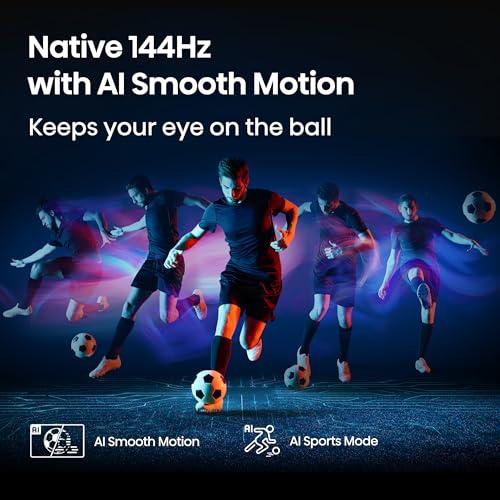
Sports viewing represents one area where both models excel relatively equally. The large screen size makes every game feel like a stadium experience, and the bright, colorful QLED technology handles sports broadcasts beautifully. The Mini-LED's motion handling provides slightly smoother action during fast plays, but both displays will satisfy sports fans.
Movie and TV show watching heavily favors the Mini-LED model, particularly for content with dramatic lighting. Netflix's "Stranger Things," with its dark scenes and supernatural elements, looks significantly more atmospheric on the Mini-LED display. The same applies to any content with mixed lighting – from "The Mandalorian's" space scenes to "Planet Earth's" nature documentaries.
Gaming experiences differ substantially between the models. Casual gamers playing story-driven games or party games will find both displays perfectly adequate. However, competitive gamers, especially those with high-end gaming PCs capable of exceeding 120 frames per second, will appreciate the Mini-LED's 144Hz capability and advanced VRR implementation.
Start by honestly assessing your viewing habits and room setup. If you primarily watch broadcast TV, sports, and casual streaming in a bright family room, the QLED model delivers exceptional value. The $500 savings can fund a quality soundbar, streaming device, or simply stay in your pocket.
Choose the Mini-LED model if you're a movie enthusiast who appreciates cinematic picture quality, a serious gamer with high-end equipment, or someone who views the TV as a long-term centerpiece of their entertainment setup. The advanced features provide better future-proofing as content standards continue evolving.
Consider your room's lighting conditions carefully. Dark rooms highlight the Mini-LED's advantages, while bright spaces minimize the differences between technologies. If you can control lighting in your viewing area, the Mini-LED's superior contrast becomes a compelling advantage.
Both displays represent remarkable value in the 100-inch TV market. Even the "budget" QLED model would have been considered premium technology just a few years ago. The Mini-LED pushes into territory previously reserved for displays costing twice as much.
Ultimately, either choice will transform your viewing experience. The question isn't whether you'll be satisfied – it's whether the Mini-LED's premium features align with your viewing priorities and budget. For most buyers, both represent excellent investments in home entertainment, with the decision coming down to personal preferences and financial considerations rather than fundamental capability differences.
| Hisense 100-Inch QD7 Series Mini-LED 4K Smart TV | Hisense 100" QD7 Series QLED 4K UHD Smart TV |
|---|---|
| Price - The $500 difference impacts your budget for accessories | |
| $2,199.99 | $1,699.99 |
| Display Technology - Mini-LED provides superior contrast control | |
| Mini-LED with Full Array Local Dimming + Quantum Dots | Traditional QLED with Quantum Dots |
| Peak Brightness - Higher brightness makes HDR content more impactful | |
| 4,000+ nits (excellent for HDR and bright rooms) | ~3,000 nits (good for most viewing conditions) |
| Local Dimming Zones - More zones mean better contrast and less blooming | |
| Thousands of Mini-LED zones for precise control | Fewer traditional LED zones with less precision |
| Gaming Refresh Rate - Higher rates provide smoother motion for competitive gaming | |
| 144Hz native (best-in-class for large TVs) | Motion Rate 240 (~120Hz equivalent) |
| HDR Support - Dolby Vision offers premium streaming optimization | |
| Dolby Vision, HDR10, HDR10+, HLG | HDR10, HDR10+ (no Dolby Vision) |
| Gaming Features - Advanced VRR reduces screen tearing and stuttering | |
| AMD FreeSync Premium Pro, VRR, ALLM, Game Bar | Basic VRR, ALLM, Game Mode Plus |
| Audio Output - Both adequate but external sound system recommended for theater use | |
| 50W with 2.1CH system including subwoofer | 50W with 2.1CH system including subwoofer |
| Smart Platform - Identical software experience on both models | |
| Google TV with Assistant, Alexa, HomeKit support | Google TV with Assistant, Alexa, HomeKit support |
| Release Date - Newer model benefits from latest display technology advances | |
| 2025 (latest Mini-LED improvements) | Late 2023 (established QLED technology) |
| Best For - Consider your primary use case and room setup | |
| Home theater enthusiasts, serious gamers, dark room viewing | Budget-conscious buyers, casual viewing, bright rooms |
The primary difference is the backlighting technology. The Hisense 100-Inch QD7 Series Mini-LED uses thousands of tiny LEDs with Full Array Local Dimming for superior contrast control, while the Hisense 100" QD7 Series QLED uses traditional LED backlighting with fewer dimming zones. This means the Mini-LED model produces deeper blacks and brighter highlights with less blooming around bright objects.
The Mini-LED model ($2,199.99) delivers superior picture quality for movies and streaming content. It supports Dolby Vision HDR for premium Netflix and Disney+ content, offers higher peak brightness (4,000+ nits vs 3,000 nits), and provides better contrast control. The QLED version ($1,699.99) still produces excellent colors but lacks the dramatic contrast and Dolby Vision support.
The $500 premium for the Mini-LED model is justified if you prioritize picture quality, watch HDR content regularly, or game frequently. You get Dolby Vision support, 144Hz gaming, superior contrast, and future-proofing features. The QLED model offers excellent value for casual viewers who want a massive screen without premium features.
The Hisense Mini-LED model is significantly better for gaming, featuring a native 144Hz refresh rate, AMD FreeSync Premium Pro, and advanced Variable Refresh Rate support. The QLED version offers basic gaming features with Motion Rate 240 (equivalent to ~120Hz) and standard VRR, which is adequate for casual gaming but not ideal for competitive players.
Yes, both the Mini-LED and QLED models run identical Google TV software with the same app selection, voice control (Google Assistant, Alexa), and smart home integration. The software experience is virtually identical between both TVs, so your choice should focus on display technology differences rather than smart features.
Both TVs perform well in bright rooms thanks to their high brightness capabilities, but the Mini-LED model has an advantage with higher peak brightness (4,000+ nits) that helps overcome ambient light. The QLED version is still bright enough for most room conditions at 3,000 nits, making either suitable for family rooms with windows.
Both models share similar drawbacks including occasional software stability issues with Google TV, the need for a very large wall or entertainment center, and built-in speakers that may require upgrading for optimal audio. The Mini-LED model costs more upfront, while the QLED version has less precise contrast control and no Dolby Vision support.
The Hisense Mini-LED model is ideal for dedicated home theaters due to its superior contrast ratio, Dolby Vision HDR support, and ability to produce true blacks in dark viewing environments. The precise local dimming creates a more cinematic experience that complements controlled lighting conditions typical in home theater setups.
Both TVs excel at sports viewing with their large 100-inch screens and vibrant QLED colors. The Mini-LED version offers slightly smoother motion handling with its 144Hz refresh rate, while the QLED model provides excellent sports viewing at a lower price. For most sports fans, either option delivers an impressive stadium-like experience.
The Mini-LED model supports Dolby Vision, HDR10, HDR10+, and HLG formats, providing the most comprehensive HDR experience with dynamic scene-by-scene optimization. The QLED version supports HDR10 and HDR10+ but lacks Dolby Vision, meaning you'll miss premium HDR optimization on Netflix, Apple TV+, and Disney+ content.
The Mini-LED model provides better long-term value for serious home theater enthusiasts with its advanced features, Dolby Vision support, and 144Hz gaming capabilities that will remain relevant longer. The QLED version offers immediate value for budget-conscious buyers who prioritize screen size over cutting-edge features.
Choose the Hisense Mini-LED model if you're a movie enthusiast, serious gamer, or want the best possible picture quality in a dark room setup. Select the QLED version if you're budget-conscious, primarily watch sports and broadcast TV, or need to allocate funds for other home theater components like a sound system.
We've done our best to create useful and informative comparisons to help you decide what product to buy. Our research uses advanced automated methods to create this comparison and perfection is not possible - please contact us for corrections or questions. These are the sites we've researched in the creation of this article: hometechnologyreview.com - hypermicro.com - bestbuy.com - bestbuy.com - youtube.com - hisense-usa.com - bestbuy.com - pcrichard.com - tvsbook.com - hisense-usa.com - pcrichard.com - nfm.com - bestbuy.com - hisense-canada.com - rtings.com - hisense-usa.com - bestbuy.com - hisense-usa.com - hometechnologyreview.com - youtube.com - youtube.com - hometechnologyreview.com - costco.com - custrevs.com - ca.camelcamelcamel.com - fouanistore.com - rtings.com - youtube.com - 2001audiovideo.com - bestbuy.com - static.pcrichard.com - centrehifi.com - youtube.com - uk.hisense.com

Privacy Policy
Terms and Conditions - Affiliate Policy
Home Security
© Copyright 2008-2026.
11816 Inwood Rd #1211, Dallas, TX 75244