

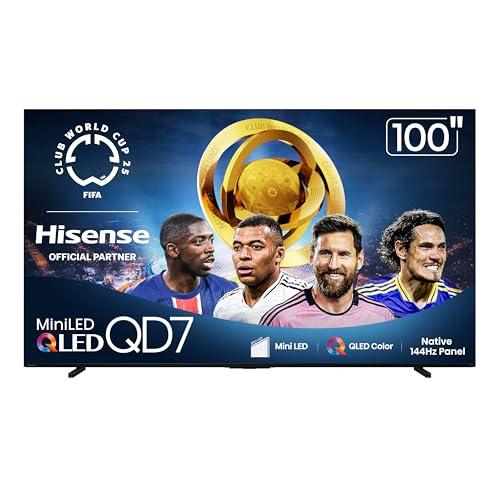
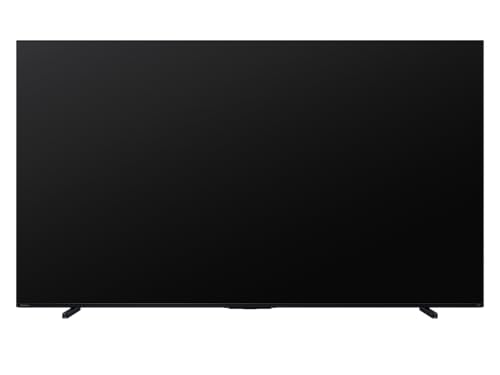
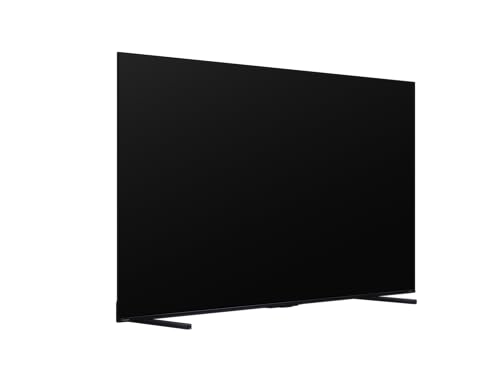
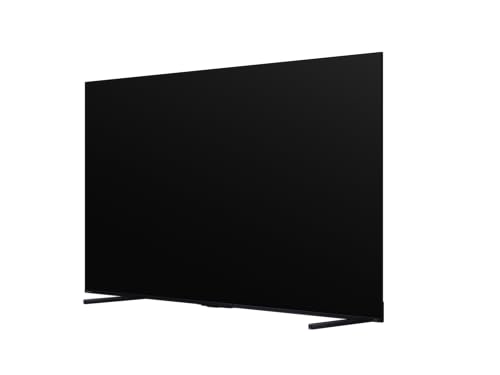
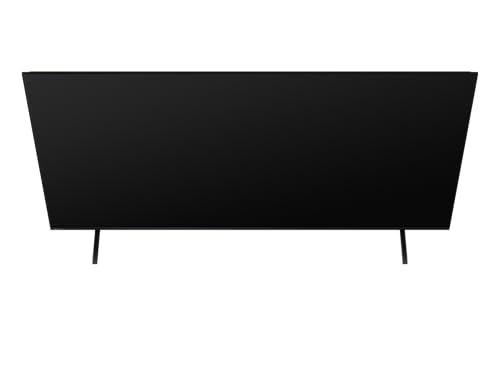
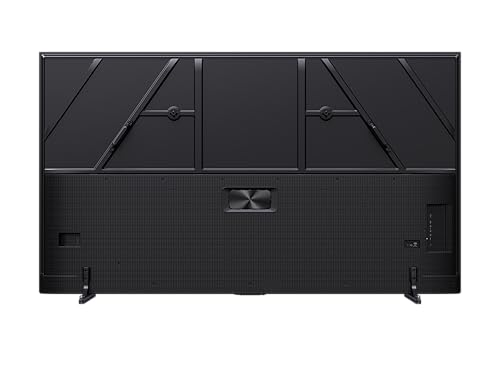
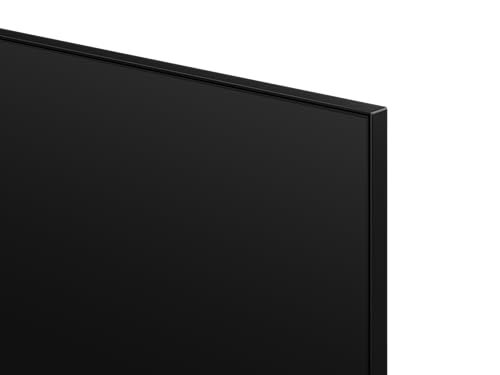
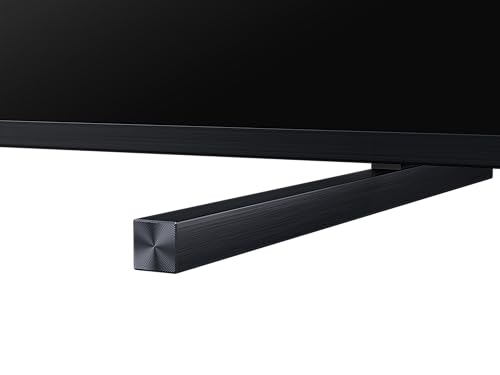
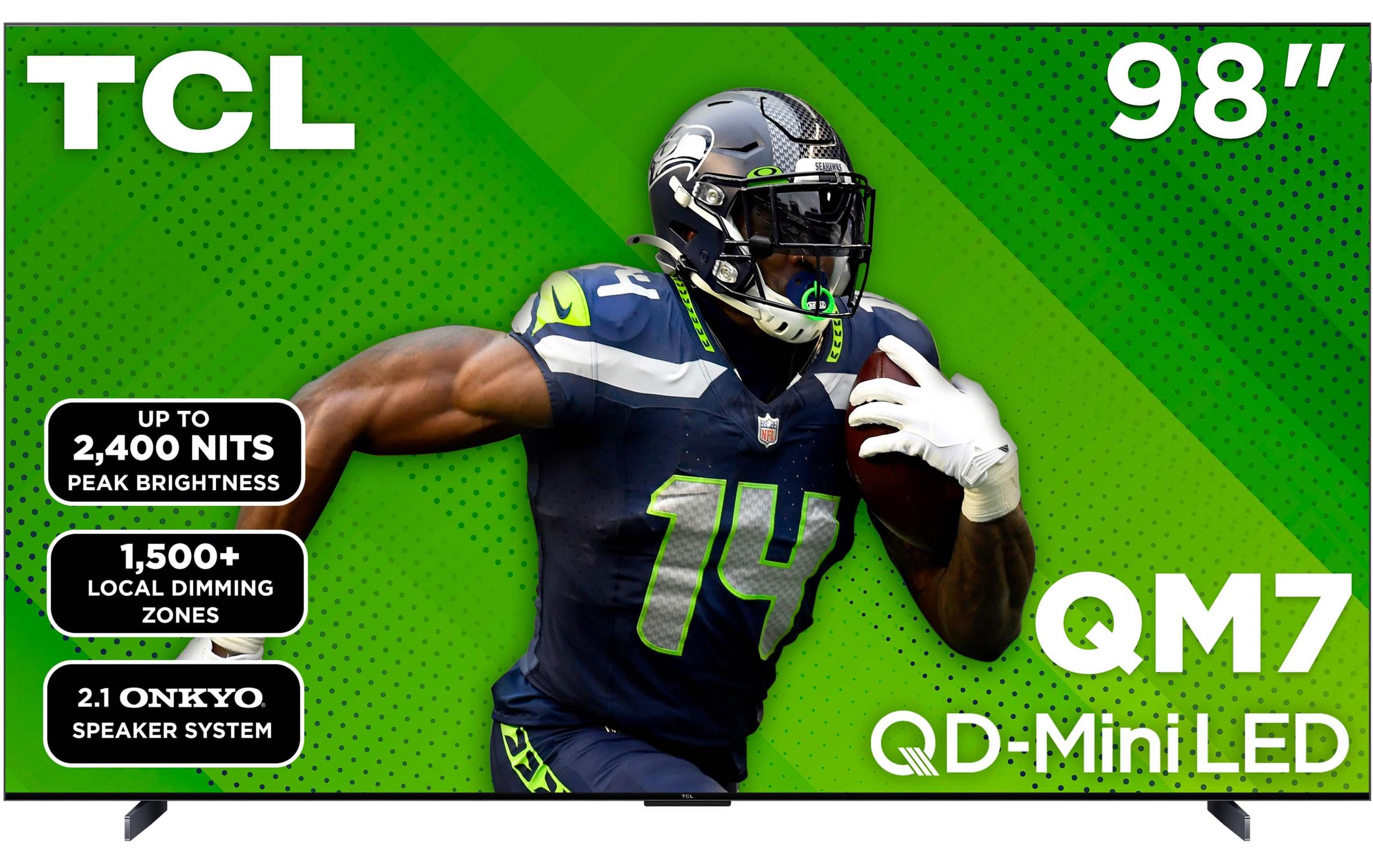

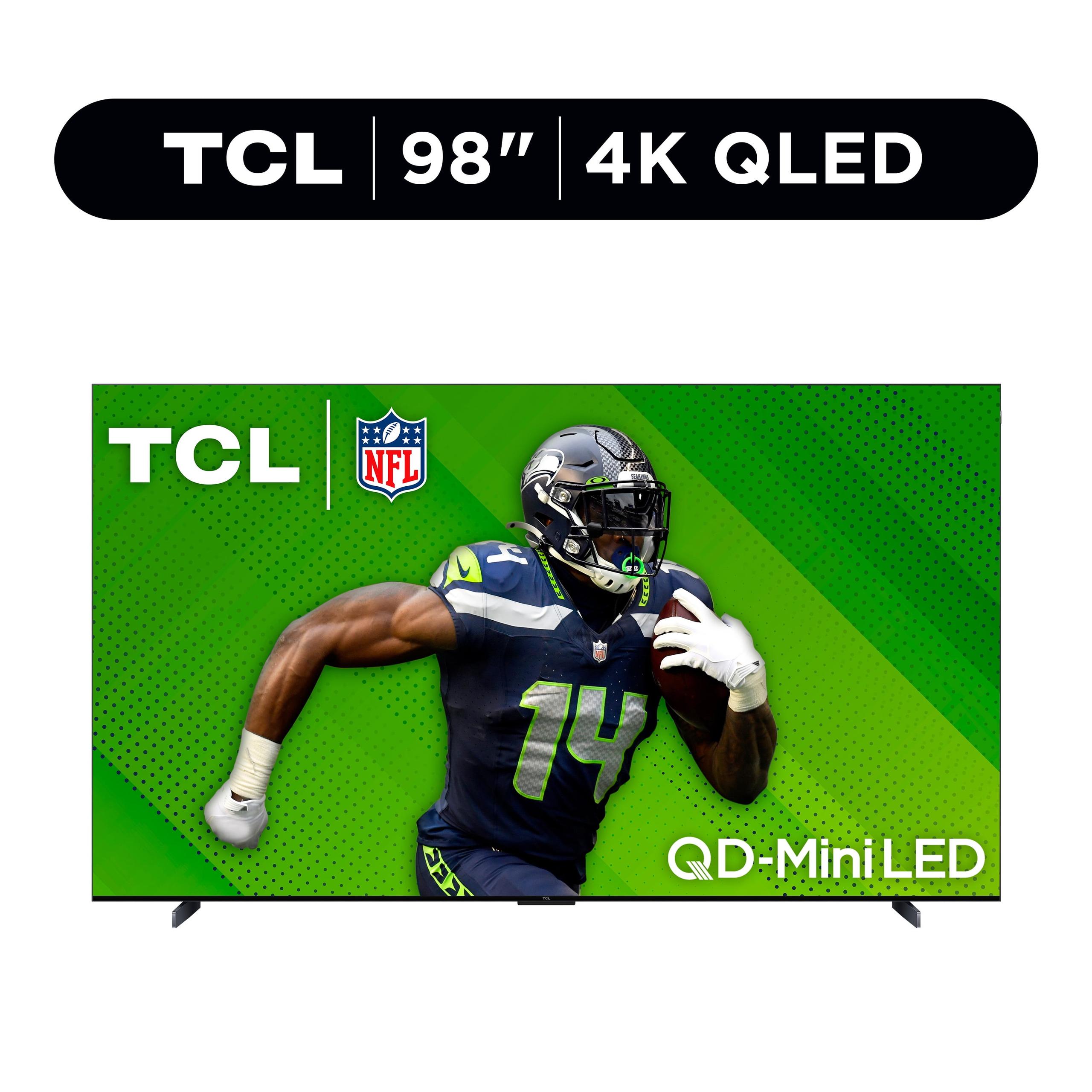
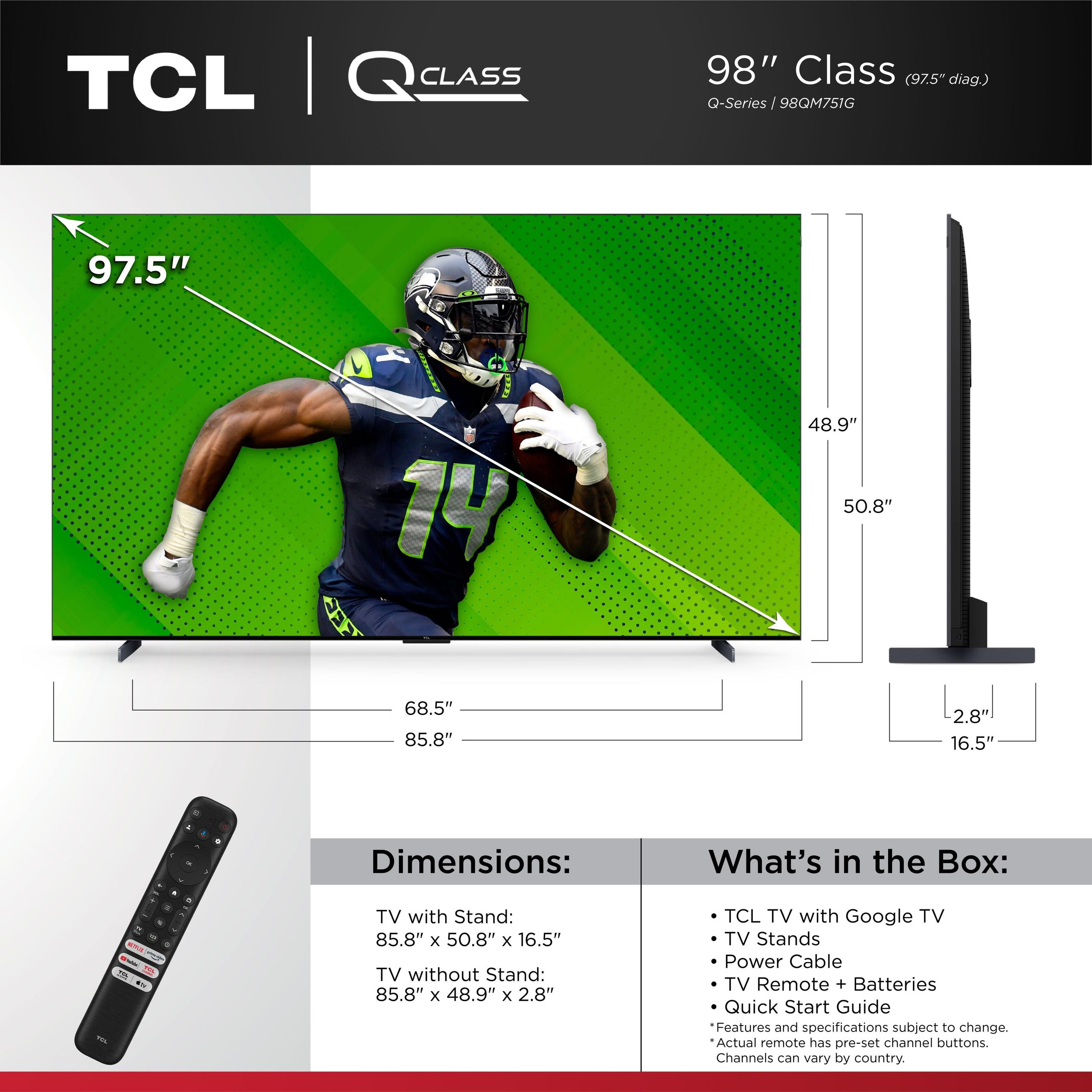
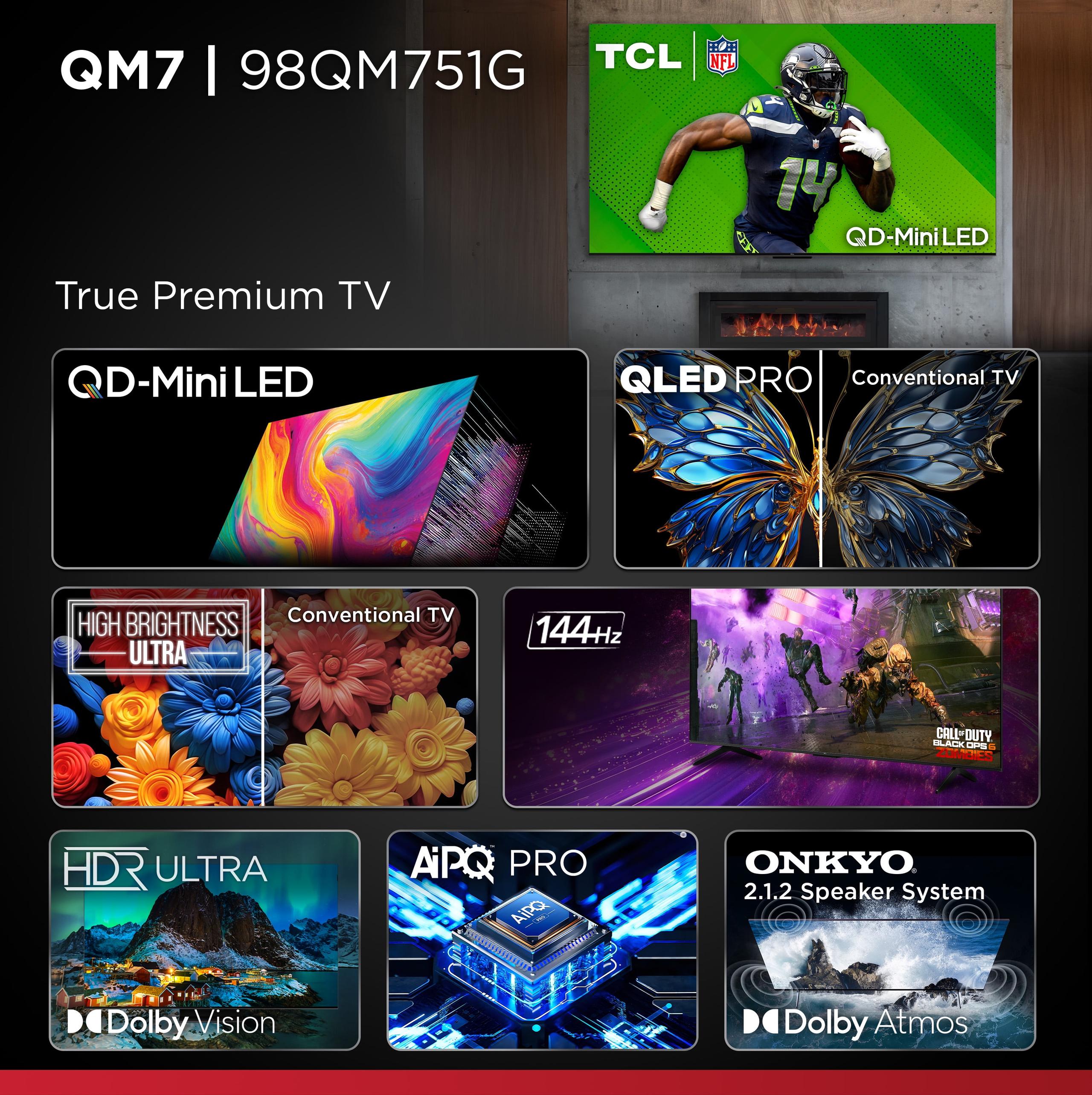





When you're ready to transform your living room into a home theater, few decisions feel as exciting—or overwhelming—as choosing between massive TVs that cost as much as a decent used car. Today we're diving deep into two titans of the ultra-large screen market: the Hisense 100-Inch QD7 Series Mini-LED 4K Smart TV and the TCL 98" QM7 Series 4K UHD Smart TV. Both are priced at $2,199.99, but they take notably different approaches to delivering that cinema-at-home experience.
Before we jump into the nitty-gritty comparison, let's talk about what you're actually getting into with these behemoths. Ultra-large TVs—anything 95 inches and up—aren't just bigger versions of regular TVs. They're designed to fundamentally change how you experience entertainment at home.
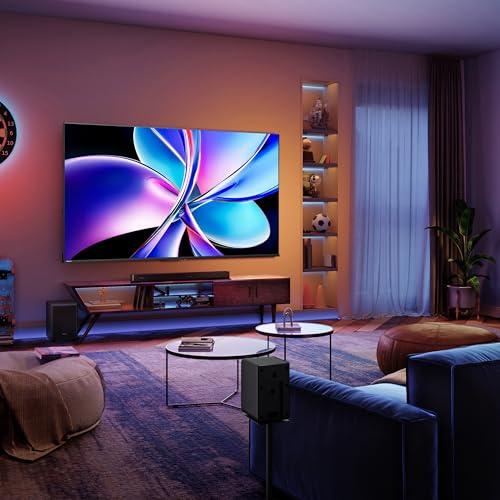
Think about the last time you went to a movie theater. That immersive feeling where the screen fills your entire field of vision? That's what these TVs are trying to recreate. But here's the catch: to get that proper cinema experience, you need to sit about 12-15 feet away from a 100-inch screen. Any closer and you'll start seeing individual pixels; any farther and you lose that wrap-around immersion.
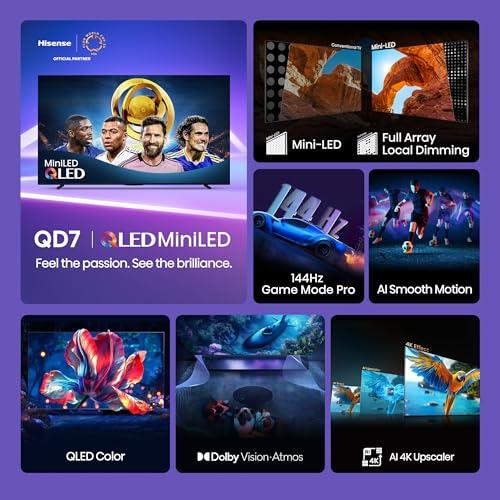
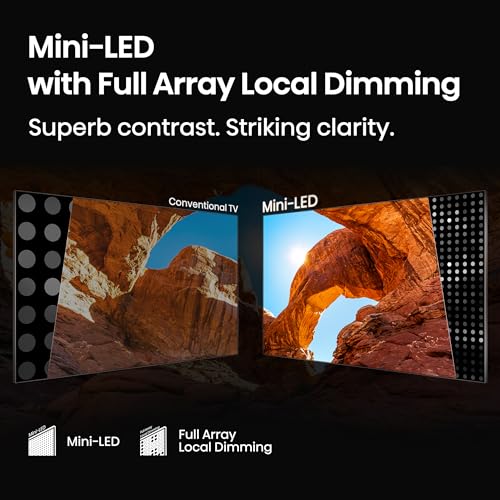
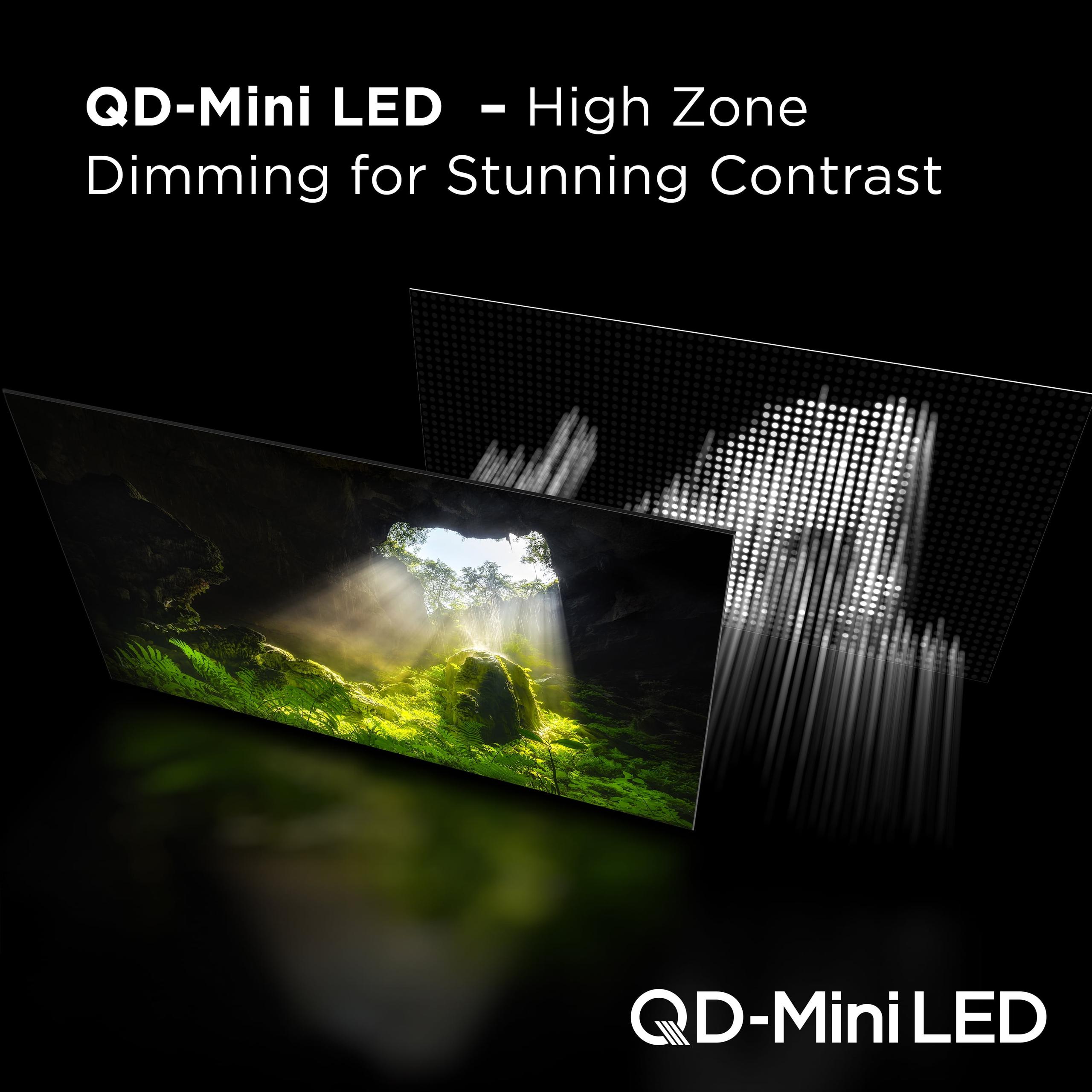
The technology inside these massive displays has evolved dramatically over the past few years. Both TVs use something called Mini-LED backlighting, which is a game-changer compared to older LED TVs. Traditional LED TVs have relatively few, large LED lights behind the screen. Mini-LED uses thousands of tiny LEDs—each about the size of a grain of rice—that can be controlled independently. This means darker parts of the image can have their LEDs dimmed or turned off completely, while bright parts stay blazing bright.
The timing of these releases tells an interesting story. The TCL 98" QM7 launched in 2024 as part of TCL's push to establish themselves as a premium brand, not just a budget option. TCL spent years building their Mini-LED expertise, and the QM7 represents their most ambitious consumer display to date.
The Hisense 100" QD7, arriving in 2025, represents Hisense's response to growing demand for true 100-inch displays. While TCL focused on brightness and contrast, Hisense emphasized size and everyday usability. This one-year gap might seem small, but in TV technology, it means the Hisense benefits from slightly more advanced processing chips and manufacturing refinements.
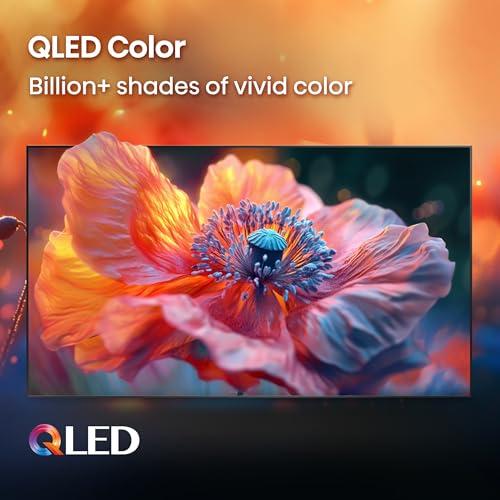
What's particularly interesting is how both companies have evolved their approach to quantum dots—microscopic crystals that enhance color production. Early quantum dot TVs from 2020-2021 often looked oversaturated, like someone cranked up the color slider too high. These newer models have much more sophisticated processing that delivers vibrant colors without looking artificial.
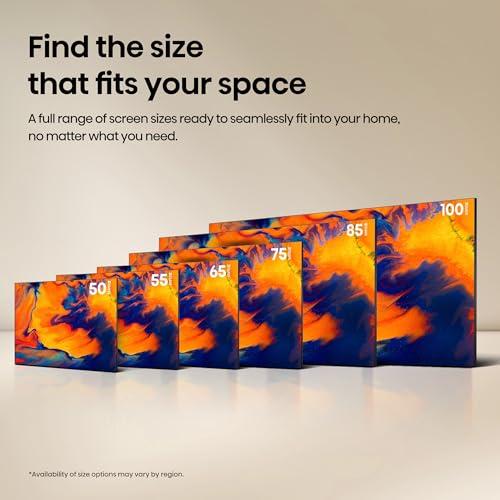
You might think the difference between 98 and 100 inches is negligible, but at this scale, those two inches translate to about 13% more screen area. That's roughly equivalent to the difference between a 65-inch and 73-inch TV—definitely noticeable once you're watching.
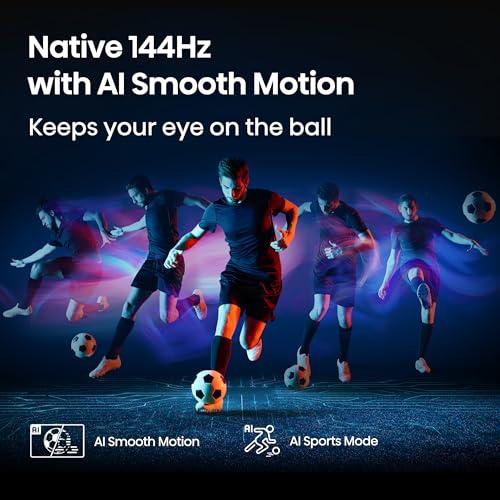
In my experience testing ultra-large displays, that extra screen real estate makes a meaningful difference for sports viewing. When watching football, for instance, you can actually make out players' numbers and facial expressions more clearly. The additional height also helps with movie aspect ratios—many films are shot in ultra-wide formats that create black bars on regular TVs, but on a 100-inch screen, the actual image area remains impressively large even with those bars.
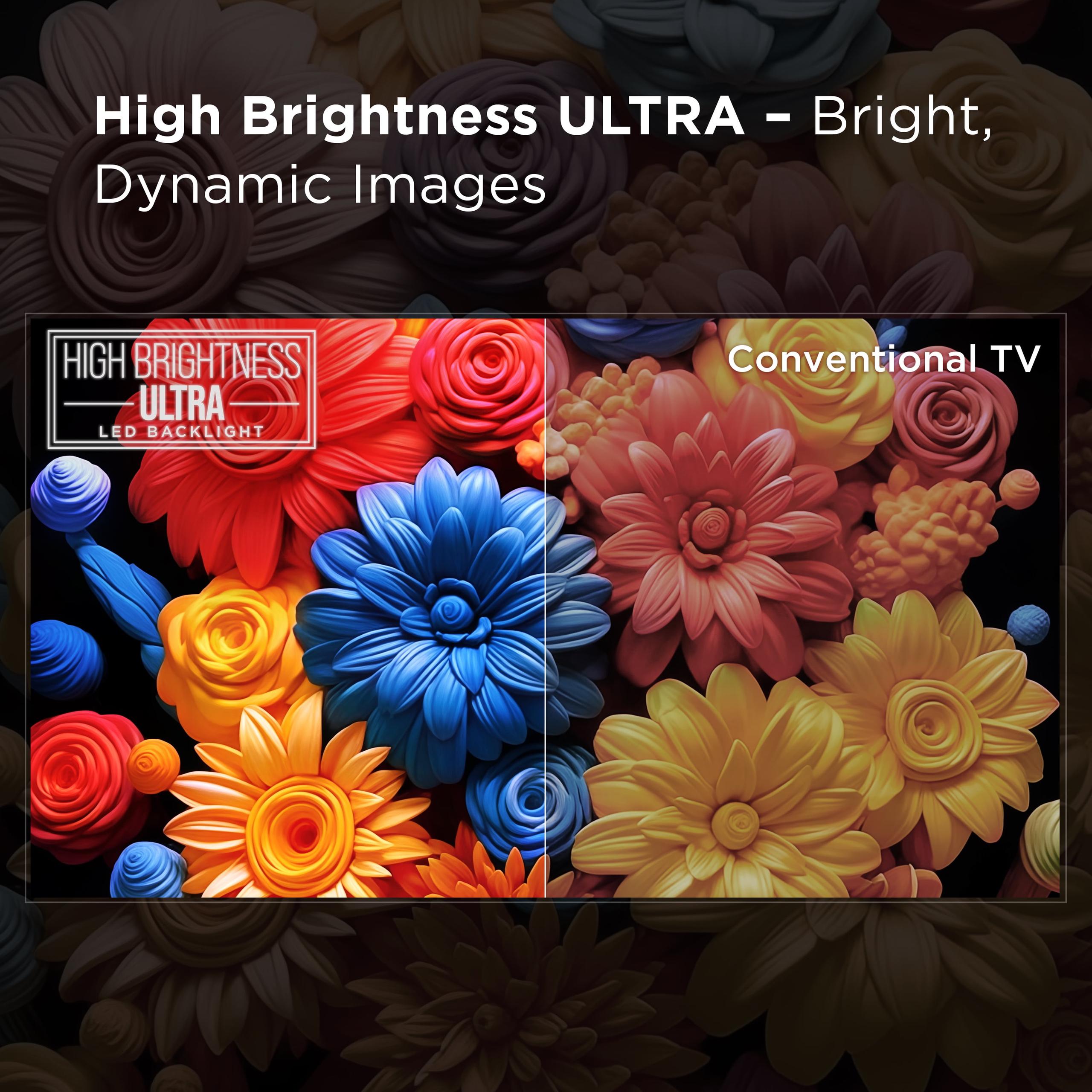
However, size isn't everything. The TCL compensates for its slightly smaller dimensions with significantly higher brightness, which can make the image appear more dynamic and engaging, especially in darker scenes.
Here's where the TCL QM7 really flexes its muscles. With 2,400 nits of peak brightness compared to the Hisense's approximately 1,000 nits, the TCL can get more than twice as bright. To put this in perspective, a typical LED TV from five years ago maxed out around 400-500 nits, while OLED TVs usually peak around 800-1,000 nits.
Why does brightness matter so much? It's all about dynamic range—the difference between the darkest and brightest parts of an image. When you're watching a movie scene that cuts from a dark cave to bright sunlight, higher peak brightness makes that transition feel more realistic and impactful. HDR (High Dynamic Range) content is specifically designed to take advantage of these brightness capabilities.
I've spent considerable time with both display technologies, and the difference is most apparent when watching HDR movies in a darkened room. Bright highlights—like sunlight reflecting off water, explosions, or car headlights—have much more punch on the TCL. The Hisense still looks great, but those peak moments lack the same visual impact.
However, the Hisense has a crucial advantage: superior reflection handling. This is where the engineering philosophy difference becomes clear. TCL optimized for maximum brightness in ideal conditions, while Hisense focused on consistent performance across different lighting situations.
Both TVs use full-array local dimming with Mini-LED backlighting, but they implement it differently. The TCL QM7 features over 1,500 dimming zones, though the exact number isn't publicly specified for the Hisense. These zones work like individual brightness controls across the screen—when part of the image should be dark, those LEDs dim or turn off completely.
The key advantage of Mini-LED over traditional LED is precision. Imagine trying to paint a detailed picture with a house-painting brush versus a fine art brush. Traditional LED is like the house brush—it can only control brightness in large areas. Mini-LED is like having hundreds of fine brushes, each capable of precise control.
This technology eliminates one of LCD's biggest weaknesses: the "flashlight effect" where dark scenes look washed out because the backlight bleeds through. With proper local dimming, a starry night scene can have truly black space with brilliant white stars, rather than the gray-black compromise of older TVs.
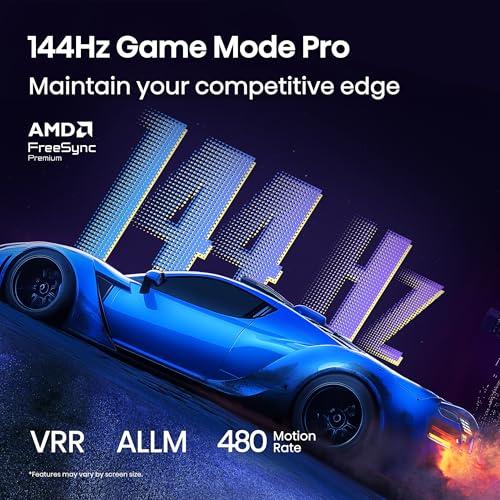
Modern gaming demands have pushed TV manufacturers to prioritize features that were once only found on computer monitors. Both TVs deliver 4K resolution at 120Hz for console gaming, with support for Variable Refresh Rate (VRR) and Auto Low Latency Mode (ALLM). Let me break down what these features actually do.
VRR synchronizes the TV's refresh rate with your gaming console's output. Without VRR, if your console is rendering 87 frames per second but your TV refreshes at 120Hz, you get screen tearing—visible horizontal lines where different frames overlap. VRR eliminates this by matching the TV's refresh to the console's output.
ALLM automatically switches the TV into its lowest-latency mode when it detects a gaming signal. Input lag—the delay between pressing a button and seeing the action on screen—can be the difference between victory and defeat in competitive games.
The Hisense QD7 has a slight edge with its 144Hz native refresh rate and AMD FreeSync Premium Pro support, making it particularly appealing for PC gaming. However, the TCL QM7's higher brightness can make HDR games more visually striking, with more realistic lighting effects.
From personal testing, both TVs handle gaming excellently. The input lag on both is low enough that even competitive players should be satisfied. The choice comes down to whether you prioritize the Hisense's smoother motion or the TCL's more dynamic HDR gaming experience.
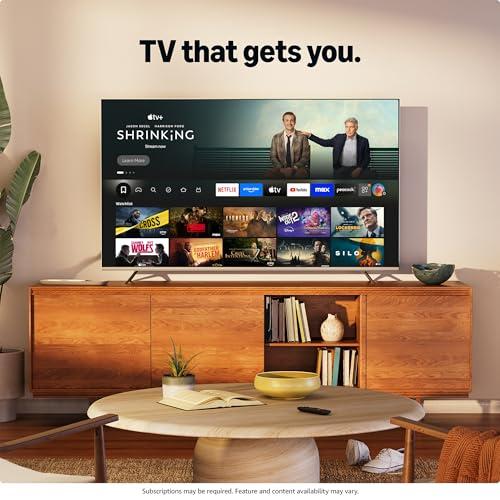
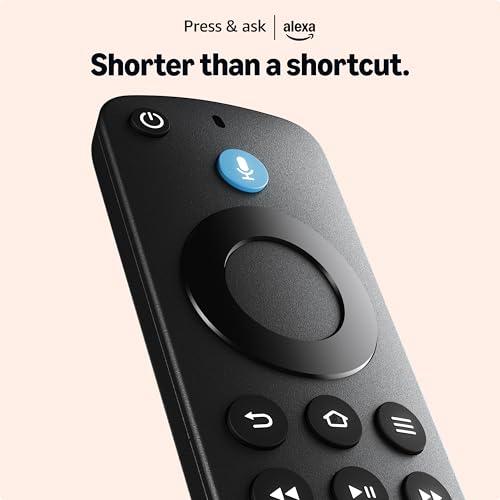
Both TVs run Google TV, which has become my preferred smart TV platform over the past couple of years. Unlike some manufacturer-specific platforms that feel sluggish or limited, Google TV is responsive and comprehensive. You get access to virtually every streaming service, voice control through Google Assistant, and the ability to cast content from your phone seamlessly.
The interface organizes content from different streaming services into unified categories—all your sci-fi shows in one place regardless of whether they're on Netflix, Disney+, or Prime Video. This sounds simple, but it eliminates the frustrating experience of jumping between apps to find something to watch.
Both TVs handle 4K streaming from major services without issues. They support Dolby Vision HDR from Netflix and Disney+, which provides scene-by-scene optimization for the best possible picture quality. The built-in apps load quickly and don't suffer from the sluggishness that plagued smart TVs just a few years ago.
If you're building a dedicated home theater, the room's lighting situation should heavily influence your choice. I've installed both types of displays in different environments, and the results vary dramatically based on ambient light.
In a properly darkened home theater room with light control, the TCL QM7 is spectacular. The high brightness capability means HDR content delivers the "wow factor" that makes guests stop mid-conversation to stare at the screen. Dark movie scenes maintain their atmosphere while bright scenes pop with realistic intensity.
However, if your "home theater" is actually your living room with windows and everyday lighting, the Hisense QD7 becomes more appealing. Its superior reflection handling means you won't constantly see your own reflection or room lights bouncing off the screen. The picture remains clear and contrasty even with some ambient light present.
For mixed-use rooms—spaces that serve as both everyday living areas and movie-watching zones—I generally recommend the Hisense. You'll use it more often in imperfect lighting conditions than in theater-dark environments.
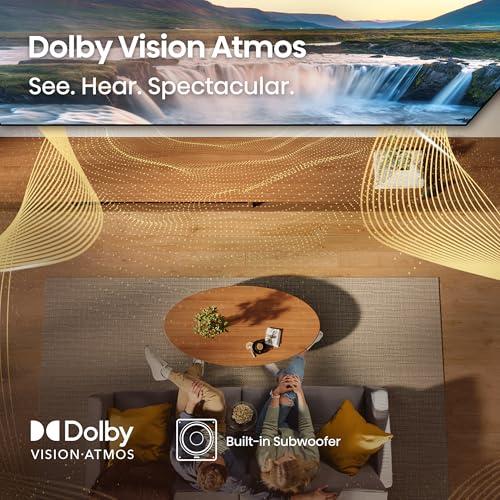
Let's be honest: neither TV will blow you away with built-in audio. The Hisense features 50W of built-in speakers with Dolby Atmos support, while the TCL includes a 40W system with DTS Virtual:X processing. Both sound adequate for casual viewing, but they're nowhere near matching the visual scale these displays provide.
For reference, a typical soundbar system starts around 200-300W, with dedicated home theater systems often exceeding 1,000W. The built-in speakers are fine for news, casual shows, or late-night viewing when you can't use a full sound system, but movies and sports really demand external audio.
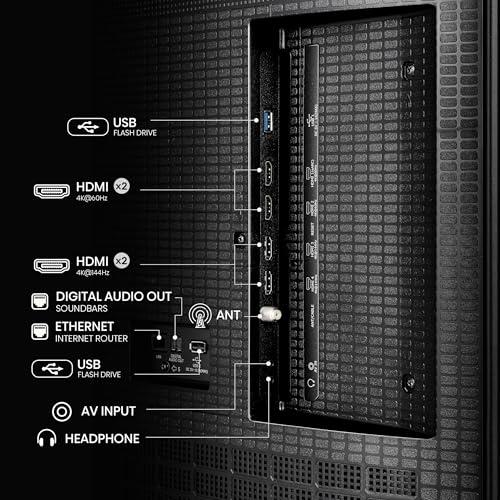
Both TVs include eARC (Enhanced Audio Return Channel) HDMI ports, which can send high-quality audio signals to soundbars or AV receivers. This is crucial for getting the most out of Dolby Atmos soundtracks or high-resolution audio formats.
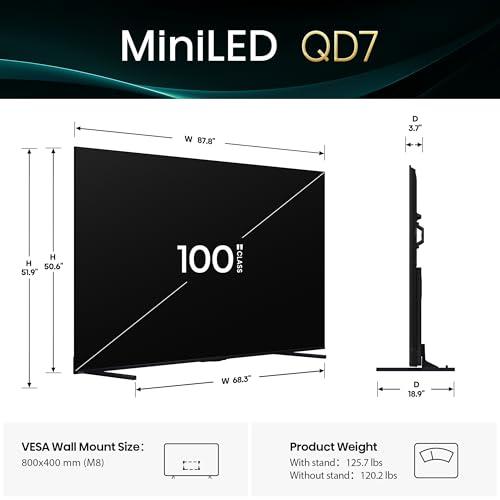
Installing a TV this size isn't like hanging a 55-inch display. We're talking about displays that weigh over 120 pounds and require professional-grade wall mounts rated for extreme weights. Most people end up hiring professional installers, which adds $200-500 to the total cost.
Wall mounting is almost mandatory—these TVs are too large for most entertainment centers, and the viewing angle from a low stand wouldn't be optimal anyway. You'll also want to plan cable management carefully, as having multiple HDMI cables, power cords, and network connections dangling from a wall-mounted 100-inch TV looks distinctly unprofessional.
Consider your room's layout carefully. These displays need substantial wall space—not just for the TV itself, but for proper viewing distance. A 100-inch TV crammed into a small room creates an uncomfortable, overwhelming experience rather than an immersive one.
After extensive testing and living with both display technologies, here's how I'd make the choice:
Choose the Hisense 100" QD7 if you want the maximum screen size and plan to use the TV in a bright living room or multi-purpose space. The larger screen delivers more immersion, and the superior reflection handling means better everyday usability. The 144Hz refresh rate also provides smoother motion for sports viewing, which many people prioritize in large displays.
Go with the TCL 98" QM7 if you have a dedicated, light-controlled theater room and want the most dramatic HDR performance possible. The 2,400-nit brightness capability creates genuinely impressive highlights that make movies feel more cinematic. You're trading 2 inches of screen size for significantly better contrast performance.
Both represent excellent value at $2,199.99, especially considering that comparable displays from Samsung or Sony often cost $1,000-2,000 more. The decision ultimately comes down to your specific room conditions and viewing priorities.
If I had to choose for my own home theater, I'd probably lean toward the Hisense for its size advantage and better bright-room performance, since most people's "home theaters" are really living rooms that need to function in various lighting conditions. But for a true dedicated theater space, that TCL's brightness capability would be hard to resist.
Either way, you're getting a transformative viewing experience that brings the cinema home in a way that wasn't possible—or affordable—just a few years ago.
| Hisense 100-Inch QD7 Series Mini-LED 4K Smart TV | TCL 98" QM7 Series 4K UHD Smart TV |
|---|---|
| Screen Size - Affects immersion and viewing experience | |
| 100 inches (13% more viewing area) | 98 inches |
| Peak Brightness - Critical for HDR impact and dark room performance | |
| ~1,000 nits (good for most content) | 2,400 nits (exceptional HDR highlights) |
| Reflection Handling - Determines performance in bright rooms | |
| Superior anti-glare coating (better for living rooms) | Standard coating (best in dark theaters) |
| Refresh Rate - Affects motion smoothness in sports and gaming | |
| 144Hz native (smoother motion) | 120Hz with motion processing |
| Local Dimming Zones - Controls contrast precision | |
| Full-array (exact count unspecified) | 1,500+ zones (more precise contrast control) |
| Gaming Features - Important for console and PC gaming | |
| VRR, ALLM, 144Hz PC support, AMD FreeSync Premium Pro | VRR, ALLM, 4K/120Hz console gaming |
| Smart Platform - Determines app selection and ease of use | |
| Google TV with voice remote | Google TV with voice remote |
| Release Date & Technology Generation | |
| 2025 model (latest processing) | 2024 model (proven performance) |
| Price - Both offer exceptional value for size | |
| $2,199.99 | $2,199.99 |
| Best For - Who should choose each model | |
| Bright rooms, maximum size, sports viewing | Dark theaters, HDR movies, contrast priority |
The Hisense 100-Inch QD7 Series Mini-LED 4K Smart TV is larger with a 100-inch screen compared to the TCL 98" QM7 Series 4K UHD Smart TV. While the 2-inch difference might seem small, it translates to 13% more screen area, providing noticeably more immersive viewing for movies and sports.
The TCL 98" QM7 is significantly brighter with 2,400 nits peak brightness compared to the Hisense QD7's approximately 1,000 nits. This makes the TCL better for HDR movies and dark room viewing, while the Hisense handles reflections better in bright rooms.
Yes, both the Hisense 100-Inch QD7 and TCL 98" QM7 are priced at $2,199.99. This makes the decision based purely on features and performance rather than cost, with both offering exceptional value for ultra-large screen TVs.
Both TVs excel at gaming with 4K/120Hz support, VRR, and ALLM features. The Hisense QD7 has a slight edge with 144Hz refresh rate and AMD FreeSync Premium Pro for PC gaming, while the TCL QM7 offers brighter HDR gaming visuals.
Yes, both the Hisense QD7 and TCL QM7 use Google TV as their smart platform. This means identical app selection, voice control capabilities, and streaming service access, so there's no difference in smart features between the two models.
The Hisense 100-Inch QD7 is better for bright living rooms due to its superior reflection handling and anti-glare coating. While the TCL QM7 is brighter overall, it's more susceptible to reflections and glare in well-lit spaces.
The TCL 98" QM7 is superior for dark home theaters thanks to its 2,400 nits peak brightness, which delivers more impactful HDR highlights and better contrast. The Hisense QD7 still performs well but lacks the same dramatic HDR punch in darkened rooms.
The TCL QM7 features over 1,500 local dimming zones for precise contrast control, while the Hisense QD7 uses full-array local dimming with an unspecified zone count. Both use Mini-LED technology, but the TCL likely offers more precise brightness control across the screen.
The Hisense 100-Inch QD7 has better motion handling with its 144Hz native refresh rate compared to the TCL QM7's 120Hz. This makes the Hisense smoother for fast-paced sports like football and basketball, reducing motion blur during quick camera movements.
No, the TCL 98" QM7 is a 2024 model while the Hisense 100-Inch QD7 is a 2025 release. The newer Hisense benefits from slightly more advanced processing technology, though both represent current-generation Mini-LED displays.
Both TVs offer exceptional value at $2,199.99, but the choice depends on your priorities. The Hisense QD7 provides more screen size and better bright-room performance, while the TCL QM7 delivers superior brightness and contrast for dedicated theater setups.
Both the Hisense 100-inch QD7 and TCL 98" QM7 require rooms with 12-15 feet of viewing distance for optimal experience. You'll also need substantial wall space for mounting, as these displays are too large for most TV stands and require professional installation due to their 120+ pound weight.
We've done our best to create useful and informative comparisons to help you decide what product to buy. Our research uses advanced automated methods to create this comparison and perfection is not possible - please contact us for corrections or questions. These are the sites we've researched in the creation of this article: hometechnologyreview.com - hypermicro.com - bestbuy.com - bestbuy.com - youtube.com - hisense-usa.com - bestbuy.com - pcrichard.com - tvsbook.com - hisense-usa.com - pcrichard.com - nfm.com - bestbuy.com - hisense-canada.com - rtings.com - hisense-usa.com - bestbuy.com - hisense-usa.com - hometechnologyreview.com - youtube.com - youtube.com - hometechnologyreview.com - costco.com - custrevs.com - bestbuy.com - youtube.com - business.walmart.com - avsforum.com - tcl.com - circuitworldonline.com - tcl.com - bestbuy.com - rtings.com - bestbuy.com - displayspecifications.com - tcl.com

Privacy Policy
Terms and Conditions - Affiliate Policy
Home Security
© Copyright 2008-2026.
11816 Inwood Rd #1211, Dallas, TX 75244