

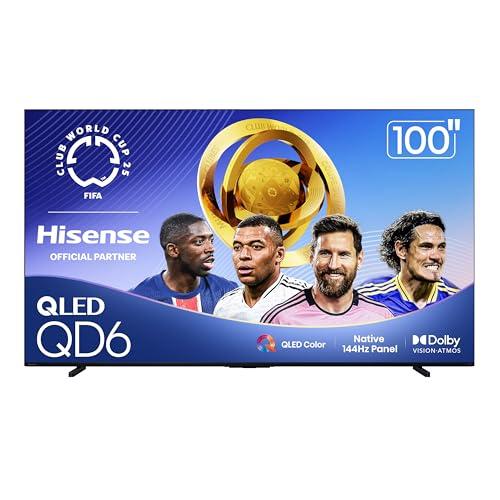

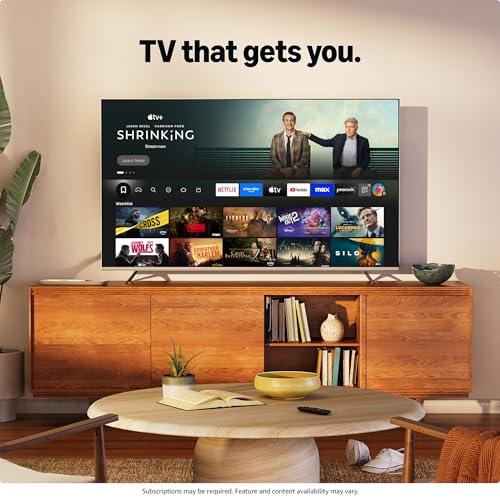
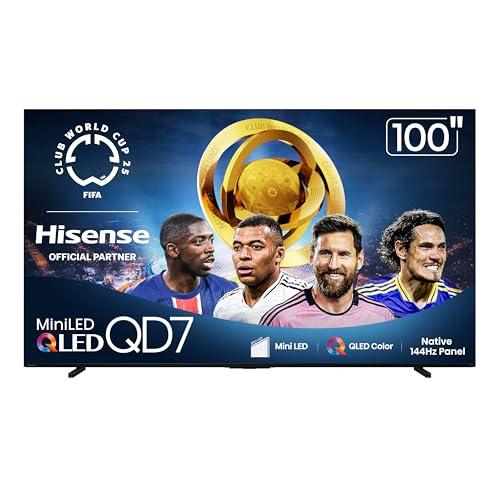
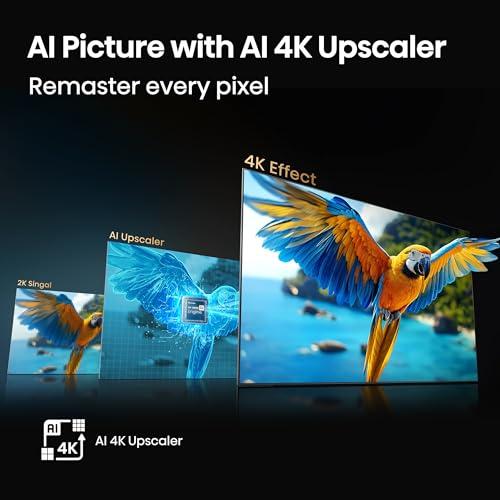
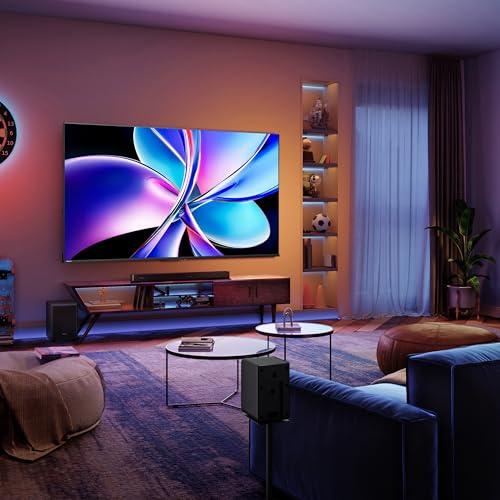
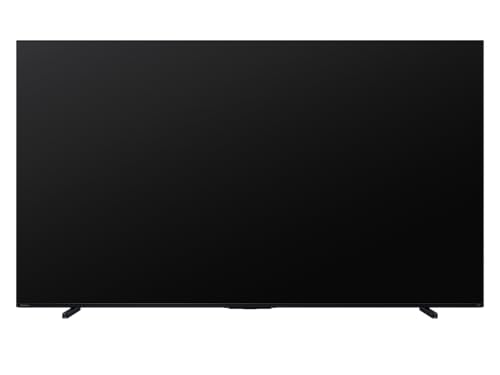
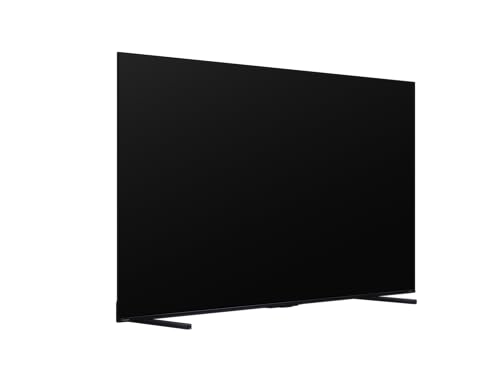
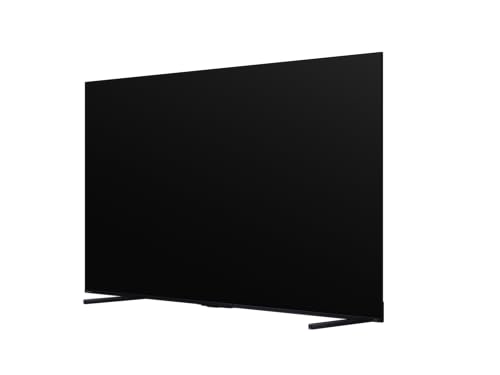
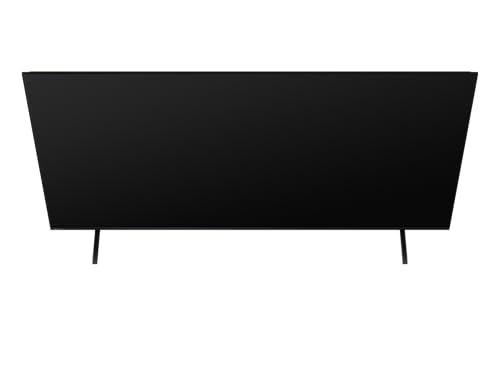
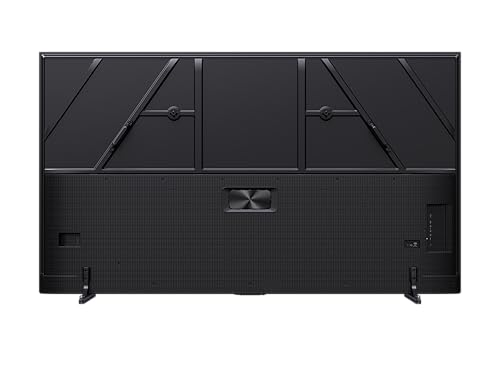
When you're shopping for a 100-inch TV, you're not just buying another piece of electronics – you're transforming your entire entertainment experience. The sheer scale of these displays creates something closer to a home theater than traditional TV watching. But with Hisense offering two compelling options in their 2025 lineup, the choice between the QD6 Series at $1,999.99 and the QD7 Series at $2,199.99 isn't immediately obvious.
Having spent considerable time with large format displays, I can tell you that the jump from even an 85-inch TV to 100 inches is dramatic. You're looking at nearly double the screen area, which means every detail – both good and bad – becomes magnified. This is why understanding the technical differences between these models matters so much.
Before diving into specifics, let's establish what we're dealing with. QLED stands for Quantum Dot Light Emitting Diode, which is essentially Samsung's marketing term that other manufacturers have adopted. The quantum dots are microscopic particles that, when hit by blue LED light, emit pure colors. This technology sits between traditional LED TVs and premium OLED displays in terms of both performance and price.
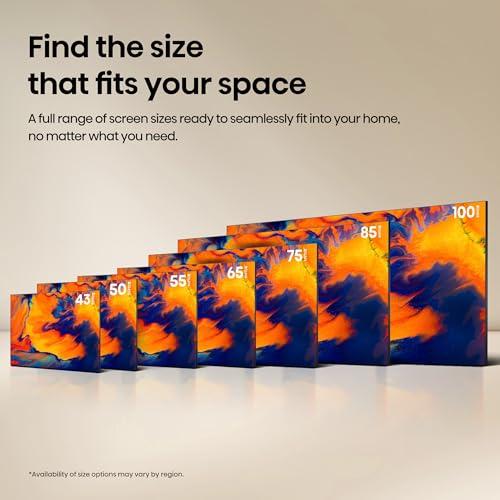
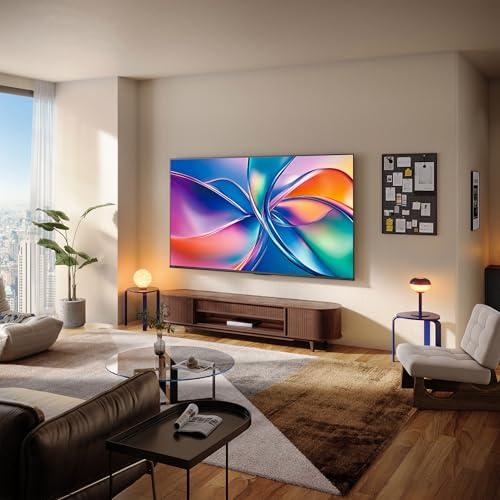
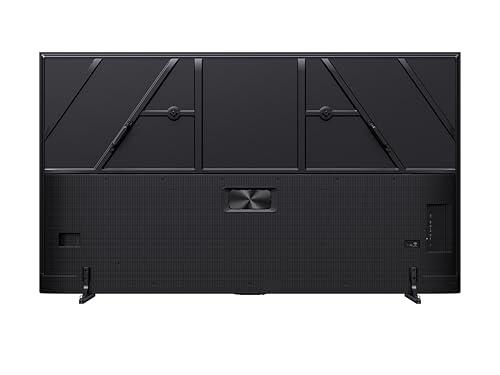
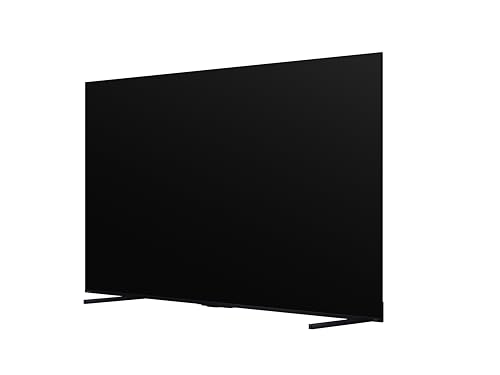
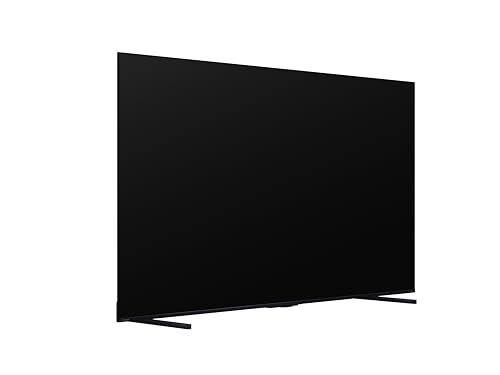
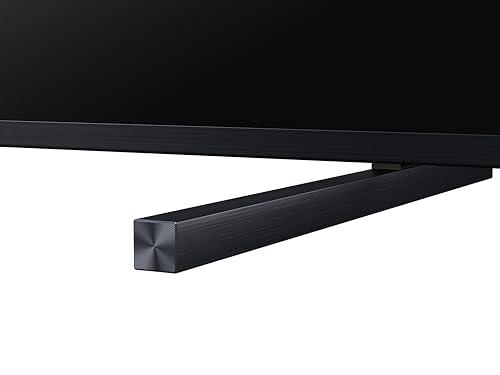
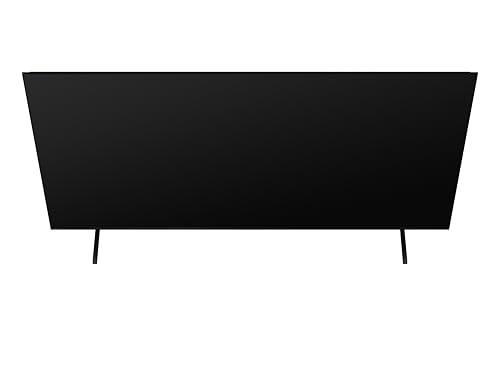
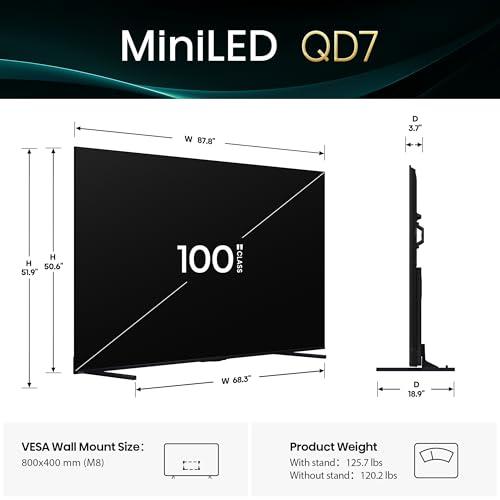
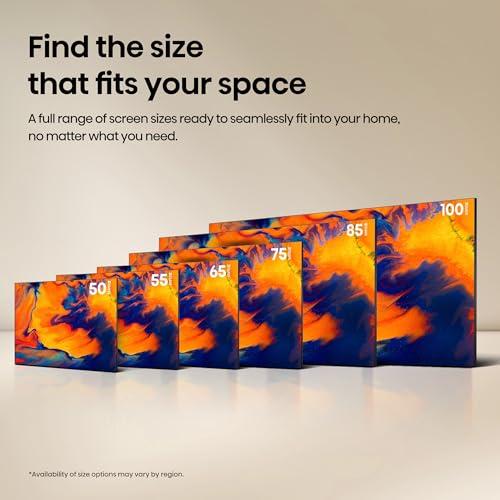
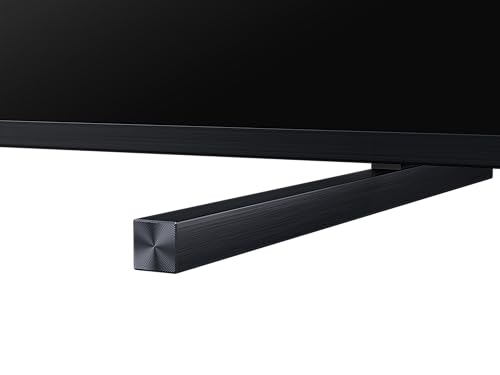
At 100 inches, both TVs require serious consideration of your space. You'll need a viewing distance of 12-15 feet for the most comfortable experience, and your room needs to accommodate either a massive wall mount or an equally substantial TV stand. The stand on these models spans nearly 6 feet, so measure twice before ordering.
What makes this comparison particularly interesting is that both TVs were released as part of Hisense's 2025 refresh, incorporating lessons learned from their successful 2024 models. The QD6 represents Hisense's value-focused approach to premium size categories, while the QD7 showcases their Mini-LED technology at a more accessible price point than their flagship U-series.
The fundamental distinction between these models lies in their backlighting systems, and this difference ripples through nearly every aspect of their performance.
The QD6 Series uses a traditional direct-lit LED backlight system. Think of it as having a grid of LED lights behind the entire screen, all controlled together or in large zones. When you're watching a scene with both bright stars and a dark night sky, the entire backlight has to compromise – making the stars less brilliant to keep the sky from looking gray, or making the sky grayish to let the stars shine.
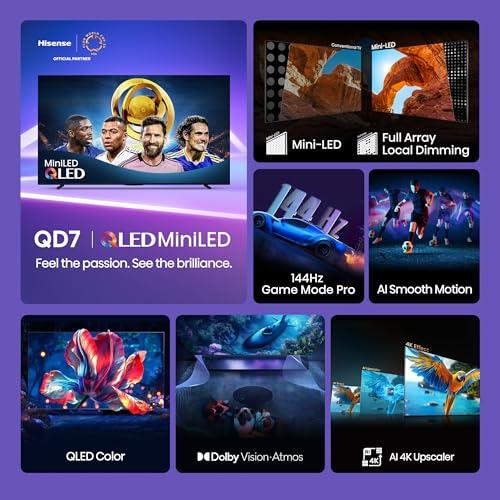
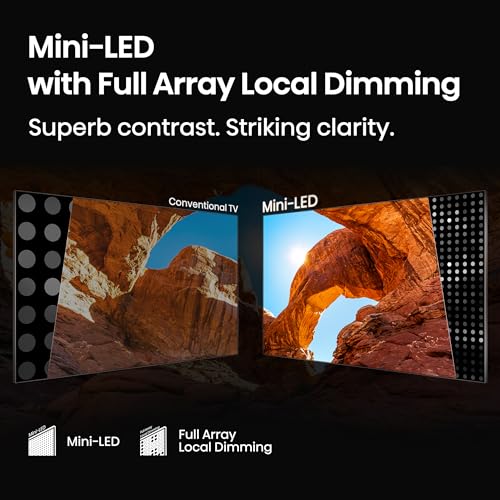
The QD7 Series, on the other hand, employs Mini-LED technology with Full Array Local Dimming. Instead of regular-sized LEDs, it uses thousands of tiny LEDs that can be controlled in much smaller groups or zones. This means when that same starry sky appears on screen, the zones behind the stars can blast at full brightness while the zones behind the dark sky remain nearly off.
This isn't just marketing speak – the difference is genuinely visible. I've noticed that when watching content with mixed bright and dark elements, like a campfire scene or city lights at night, the Mini-LED system maintains much better contrast. The flames actually look like they're glowing rather than just being bright orange shapes on a grayish background.
Peak brightness is where the QD7's Mini-LED advantage becomes most apparent. While the QD6 reaches a respectable 350 nits (a measure of brightness), which works well in controlled lighting, the QD7 can push considerably higher thanks to its more sophisticated backlight control.
This brightness difference matters most when you're watching High Dynamic Range (HDR) content. HDR is essentially a technology that allows TVs to display a wider range of brightness levels, from deeper blacks to brighter whites, more closely matching what our eyes see in real life. When a movie shows the sun gleaming off a car's windshield or light streaming through a window, HDR lets that scene actually look bright and realistic rather than just "television bright."
The QD6 handles HDR decently, supporting Dolby Vision, HDR10, and HDR10+ formats. However, its limited peak brightness means that those bright highlights don't quite have the impact they should. It's like having a flashlight with somewhat dim batteries – it works, but you know it could be better.
The QD7's Mini-LED system allows it to really punch those bright highlights while maintaining deep shadows in the same frame. When watching something like "Top Gun: Maverick" with its mix of bright sky and dark aircraft interiors, the difference becomes clear. The cockpit scenes remain appropriately dark while the sky outside genuinely looks bright and blue.
Here's where the technology gap becomes most obvious. The QD6, lacking local dimming, shows blacks as dark gray. This is the classic LED TV limitation – since the backlight is always on to some degree, true black isn't possible. In a completely dark room, this can be distracting, especially during movie letterbox bars or dark scenes.
The QD7's local dimming allows zones of the backlight to turn completely off, creating much deeper blacks. It's not quite OLED-level black (where pixels turn completely off), but it's dramatically better than standard LED. There can be some minor "blooming" where bright objects cause a slight halo in the surrounding dark areas, but it's generally well-controlled.
From my experience with both technologies, the difference is most noticeable in dark room viewing. If you're planning a dedicated home theater setup with controlled lighting, the QD7's superior contrast ratio becomes a significant advantage.
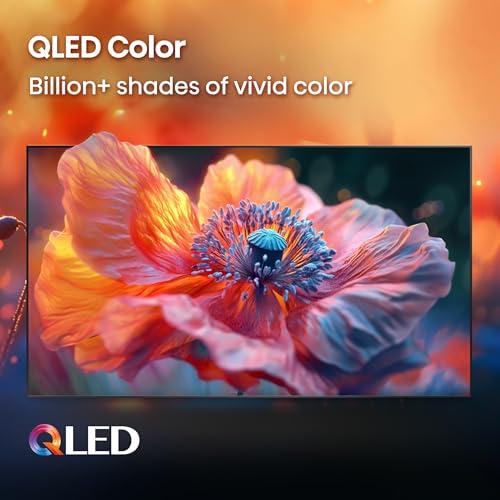
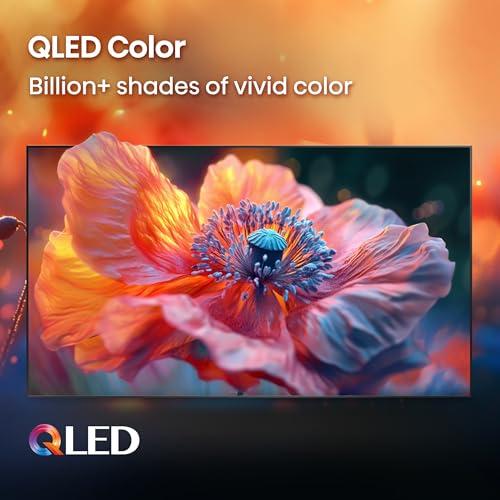
Both models use quantum dot technology to enhance color reproduction, and here they're much closer in performance. Quantum dots allow both TVs to display over one billion color shades, covering most of the DCI-P3 color space that movie studios use. The colors are vibrant without being oversaturated, and skin tones look natural.
The QD7 has a slight edge in color volume – essentially how vibrant colors remain at different brightness levels. Thanks to its superior brightness control, colors stay saturated even in bright scenes. But this difference is subtle compared to the contrast advantages.
Gaming on a 100-inch display is transformative, but it requires the TV to keep up with fast-paced action. Both models deliver here, but with some important distinctions.
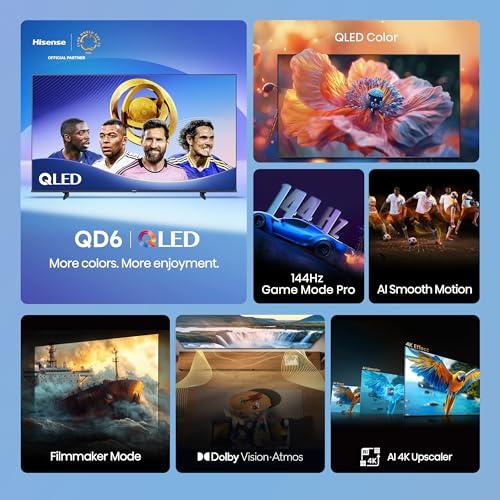
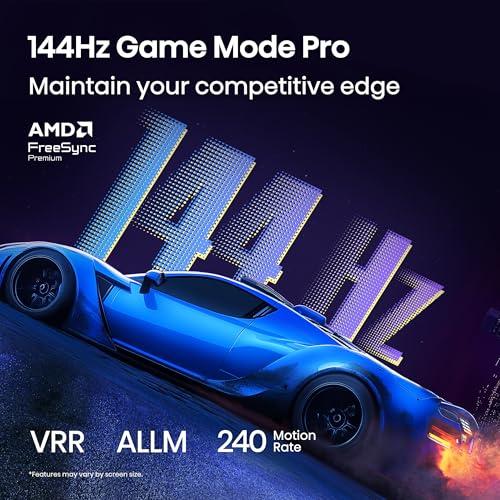
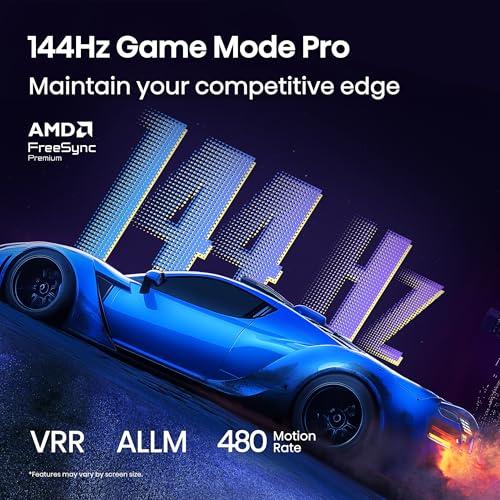
The QD6 offers a 120Hz native refresh rate that can boost to 144Hz in Game Mode Pro. This means it can display 120 or 144 frames per second, crucial for smooth motion in fast games. It supports Variable Refresh Rate (VRR), which syncs the TV's refresh rate with your console's output to eliminate screen tearing, and Auto Low Latency Mode (ALLM), which automatically switches to the lowest input lag when it detects a gaming signal.
Input lag – the delay between pressing a button and seeing the result on screen – measures around 8 milliseconds on the QD6, which is excellent for a TV this size. You won't feel any delay, even in competitive gaming.
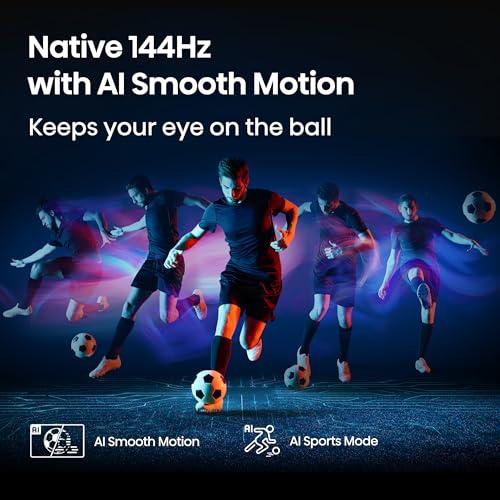
The QD7 pushes gaming performance further with its native 144Hz refresh rate and AMD FreeSync Premium Pro support. The higher native refresh rate means smoother motion handling, particularly beneficial for fast-paced games or sports content. FreeSync Premium Pro is AMD's premium VRR technology that reduces stuttering and tearing more effectively than basic VRR.
For most console gaming, both TVs perform excellently. The QD7's advantages become more apparent with high-end PC gaming or if you're particularly sensitive to motion blur during fast camera movements.
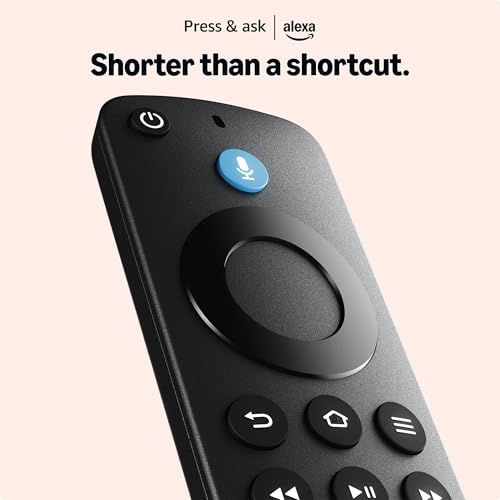
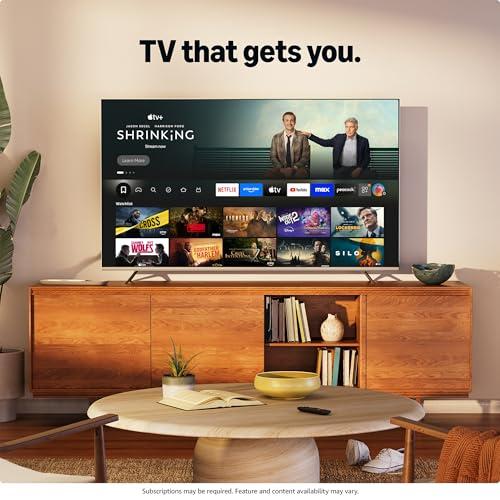
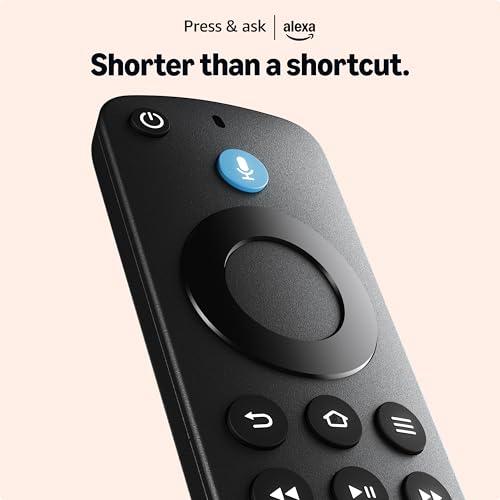
Both models run Amazon's Fire TV platform, which has matured significantly over the past few years. The interface is clean and responsive, with good integration of streaming services and voice control through Alexa. The voice remote works reliably for both searching content and controlling smart home devices.
Fire TV's app selection is comprehensive, including all major streaming services. The platform feels snappy on both models, though the QD7 may have a slight processor advantage that becomes apparent when quickly switching between apps or loading content.
One practical advantage of Fire TV is its integration with Amazon's ecosystem. If you're already an Amazon Prime member or use Alexa devices throughout your home, the experience feels seamless. Voice control works well for finding content, adjusting volume, or even controlling compatible smart lights during movie time.
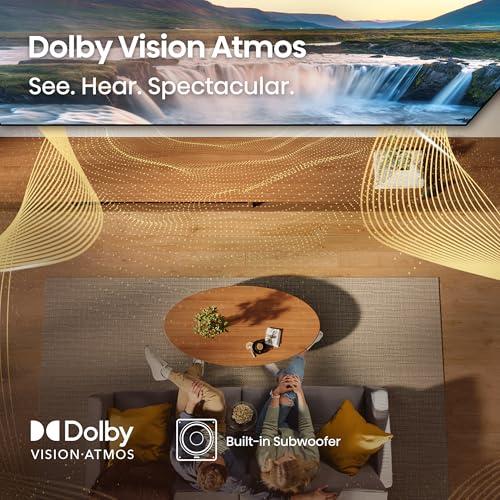
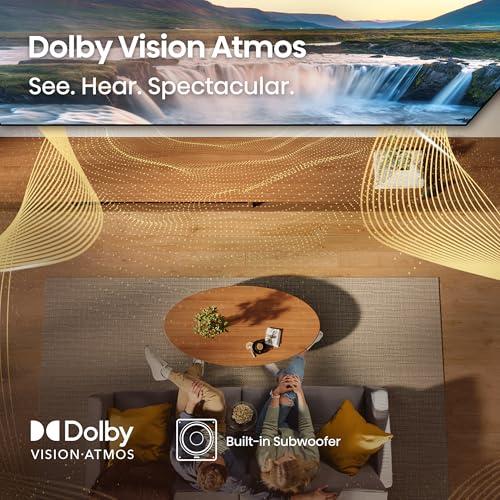
Large TVs traditionally struggle with audio because there's simply not enough space in the thin chassis for proper speakers. Both models include Dolby Atmos support, which creates more immersive, three-dimensional sound by bouncing audio off your ceiling and walls.
The QD6's 50-watt audio system is adequate for casual viewing. It provides clear dialogue and reasonable bass response, though it can't match the scale of the massive picture. For regular TV watching, it's perfectly serviceable.
The QD7's audio system benefits from the Mini-LED's more sophisticated processing, which can enhance audio timing and clarity. While still 50 watts, the sound feels more balanced and integrated with the visual experience.
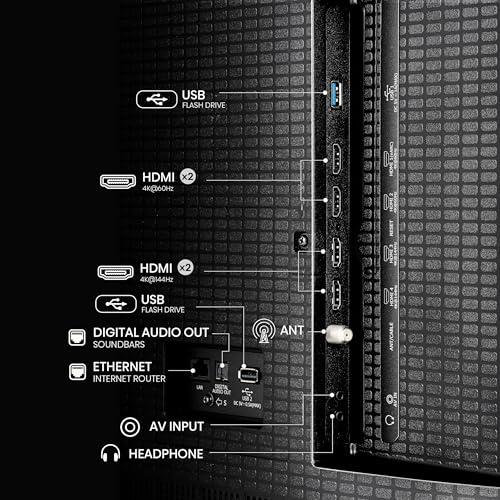
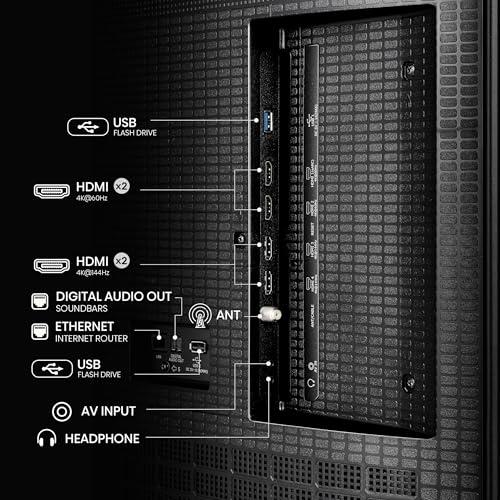
However, both TVs really shine when paired with a dedicated sound system. At this screen size, you're likely creating a serious home theater setup anyway, and a quality soundbar or surround system transforms the experience. The TVs both support eARC (enhanced Audio Return Channel) for sending high-quality audio to external systems.
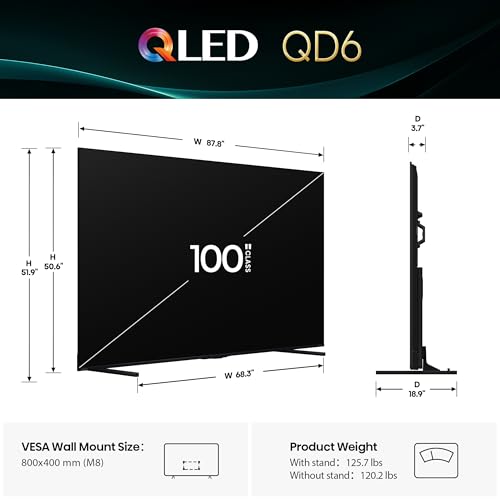
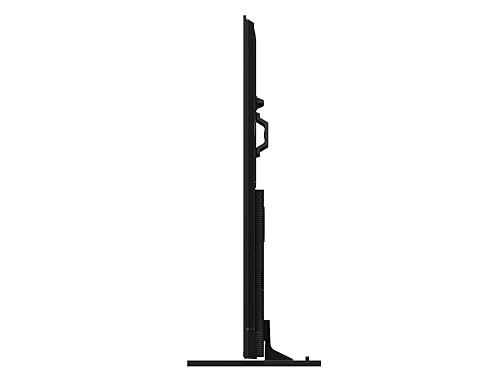
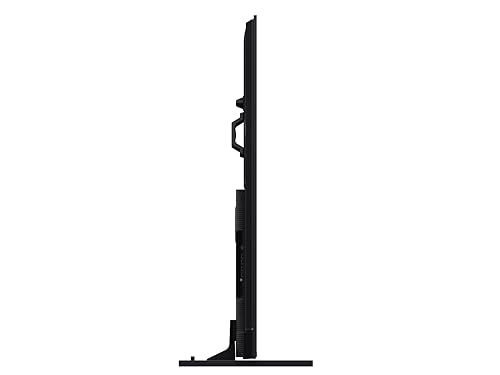
At 100 inches, these TVs are substantial pieces of furniture. The QD6 weighs 125.7 pounds with its stand and spans nearly 88 inches wide. The build quality feels solid without excessive flex, though it's clearly engineered to meet a price point rather than showcase premium materials.
The QD7 maintains similar dimensions but feels slightly more robust in construction. The difference isn't dramatic, but the materials and assembly feel a step up from the QD6.
Both models support VESA wall mounting (800mm x 400mm), though you'll need a very sturdy mount rated for their weight. Wall mounting actually improves the aesthetic significantly, making the massive screen feel more integrated into the room rather than dominating it.
In a dedicated home theater environment, the differences between these models become more pronounced. The QD7's superior contrast and brightness control really shine when you can control ambient lighting. Dark scenes in movies maintain their atmosphere while bright scenes deliver impact.
The QD6 works well in home theater settings too, but you'll notice the contrast limitations more in a dark room. However, if your theater room has some ambient light – perhaps from recessed lighting or light leakage – the contrast difference becomes less apparent, and the QD6's value proposition strengthens.
For sports viewing, both models excel. The high refresh rates eliminate motion blur during fast action, and the massive screen makes you feel like you're at the stadium. The QD7's slightly better motion handling gives it an edge for sports with rapid camera movements, like basketball or hockey.
The $200 price difference between these models represents exactly 10% more cost for the QD7. In the context of $2,000+ TVs, this is a relatively modest premium for what you get.
The QD7's Mini-LED technology represents a meaningful upgrade in display quality. If you're already investing in a 100-inch TV, you're clearly prioritizing the viewing experience, and the additional $200 delivers noticeable improvements in contrast, brightness, and gaming performance.
However, the QD6 still represents excellent value. If your budget is firm or you primarily watch in rooms with ambient light where the contrast advantages are less apparent, those savings could go toward a better sound system or other home theater components.
Choose the QD6 Series if you want the most screen for your money and primarily watch in rooms with some ambient light. It delivers an excellent 100-inch QLED experience with strong gaming performance at the lowest possible price point. The $200 savings could fund a quality soundbar to complement your setup.
Choose the QD7 Series if picture quality is your priority and you want the best possible contrast and HDR performance at this size. The Mini-LED technology represents a genuine upgrade that becomes more apparent in dark room viewing and with high-quality content. The enhanced gaming features also provide better future-proofing.
Both TVs deliver transformative viewing experiences that far exceed what you'll get from smaller displays. The jump to 100 inches changes how you watch content, making movies feel cinematic and sports incredibly immersive. Either choice represents a significant step up in home entertainment, with the decision ultimately coming down to whether the QD7's display improvements justify the additional investment for your specific viewing habits and room setup.
In my experience with large format displays, the regret usually comes from going too small rather than spending a bit more for better technology. At this investment level, the QD7's $200 premium often proves worthwhile for the enhanced viewing experience it provides over the TV's lifespan.
| Hisense 100" QD6 Series QLED 4K UHD Fire TV 2025 | Hisense 100-Inch QD7 Series Mini-LED 4K Smart TV |
|---|---|
| Price - $200 difference for Mini-LED upgrade | |
| $1,999.99 | $2,199.99 |
| Display Technology - Mini-LED provides superior contrast and brightness control | |
| Standard QLED with Quantum Dot color | Mini-LED QLED with Full Array Local Dimming |
| Peak Brightness - Higher brightness improves HDR performance and bright room viewing | |
| ~350 nits (adequate for dark/medium rooms) | Significantly higher with Mini-LED zones (excellent for bright rooms) |
| Black Levels - Deeper blacks create more cinematic contrast | |
| Grayish blacks due to no local dimming | Much deeper blacks with local dimming zones |
| Refresh Rate - Higher rates reduce motion blur in sports and gaming | |
| 120Hz native, 144Hz Game Mode Pro | 144Hz native refresh rate |
| Gaming Features - Important for console and PC gaming performance | |
| VRR, ALLM, ~8ms input lag | AMD FreeSync Premium Pro, VRR, ALLM, ~8ms input lag |
| HDR Support - All major formats supported on both models | |
| Dolby Vision, HDR10, HDR10+, HLG | Dolby Vision, HDR10, HDR10+, HLG (enhanced by Mini-LED) |
| Smart Platform - Identical user experience and app selection | |
| Fire TV with Alexa integration | Fire TV with Alexa integration |
| Audio System - Both adequate but benefit from external sound | |
| 50W Dolby Atmos speakers | 50W Dolby Atmos with enhanced processing |
| Build Quality - Both solid construction for the size and price | |
| 125.7 lbs with stand, minimal flex | Similar weight, slightly more premium materials |
| Best For - Choose based on priorities and room conditions | |
| Budget-focused buyers, rooms with ambient light | Picture quality enthusiasts, dark room viewing, serious gaming |
The Hisense 100" QD6 Series costs $1,999.99 while the QD7 Series is priced at $2,199.99, making the QD7 $200 more expensive. This 10% price premium gets you Mini-LED technology with better contrast and brightness control.
The QD7 Series offers superior picture quality thanks to its Mini-LED technology with Full Array Local Dimming. This provides deeper blacks, brighter highlights, and better HDR performance compared to the QD6's standard QLED display. The difference is most noticeable in dark room viewing.
The QD7 Series performs better in bright rooms due to its Mini-LED backlighting system that can achieve higher peak brightness. The QD6 with its 350-nit brightness is better suited for darker or moderately lit rooms.
The QD6 uses standard QLED with quantum dots for enhanced color but basic LED backlighting. The QD7 features Mini-LED QLED which adds thousands of tiny LEDs with local dimming zones for superior contrast, deeper blacks, and better HDR performance.
Both TVs measure 87.8 inches wide and weigh around 125 pounds with their stands. You'll need a viewing distance of 12-15 feet for optimal comfort and a space that can accommodate the nearly 6-foot wide stand or a heavy-duty wall mount.
The QD6 at $1,999.99 offers exceptional value for a 100-inch QLED TV with solid gaming features. The QD7 at $2,199.99 provides better performance value if picture quality improvements justify the $200 premium for your viewing habits.
Both TVs include 50W Dolby Atmos speakers that are adequate for casual viewing. However, at 100 inches, most users benefit from adding a soundbar or surround sound system to match the scale of the massive picture, especially for home theater setups.
The QD7 Series is better for home theaters due to its superior contrast ratio and deeper blacks that shine in dark room environments. The Mini-LED technology creates a more cinematic experience with better shadow detail and bright highlight performance.
The QD6 offers 120Hz which is excellent for sports, while the QD7 provides 144Hz native refresh rate for even smoother motion. Both eliminate motion blur effectively, but the QD7 has a slight edge for fast-paced sports like basketball or hockey.
We've done our best to create useful and informative comparisons to help you decide what product to buy. Our research uses advanced automated methods to create this comparison and perfection is not possible - please contact us for corrections or questions. These are the sites we've researched in the creation of this article: bestbuy.com - youtube.com - tvsbook.com - rtings.com - youtube.com - youtube.com - bestbuy.com - leaseville.com - pcrichard.com - bestbuy.com - youtube.com - hisense-usa.com - manuals.plus - hisense-usa.com - hisense-usa.com - brandsmartusa.com - hometechnologyreview.com - hypermicro.com - bestbuy.com - bestbuy.com - youtube.com - hisense-usa.com - bestbuy.com - pcrichard.com - tvsbook.com - hisense-usa.com - pcrichard.com - nfm.com - bestbuy.com - hisense-canada.com - rtings.com - hisense-usa.com - bestbuy.com - hisense-usa.com - hometechnologyreview.com - youtube.com - youtube.com - hometechnologyreview.com - costco.com - custrevs.com

Privacy Policy
Terms and Conditions - Affiliate Policy
Home Security
© Copyright 2008-2026.
11816 Inwood Rd #1211, Dallas, TX 75244