

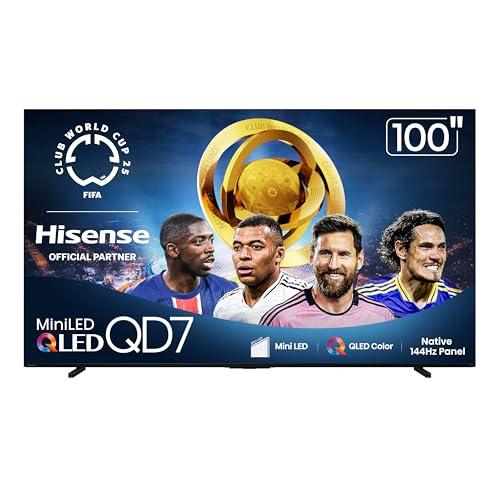
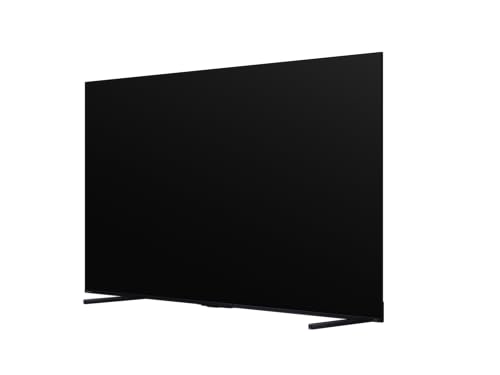
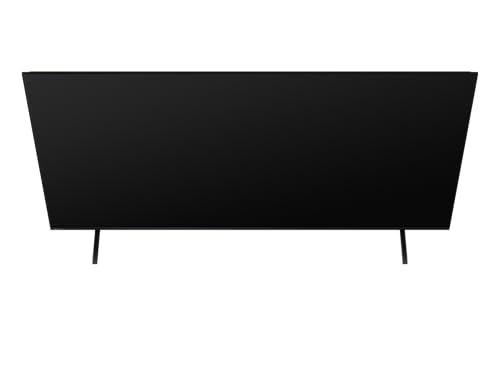
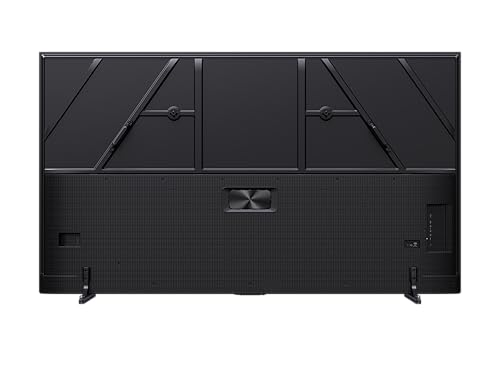
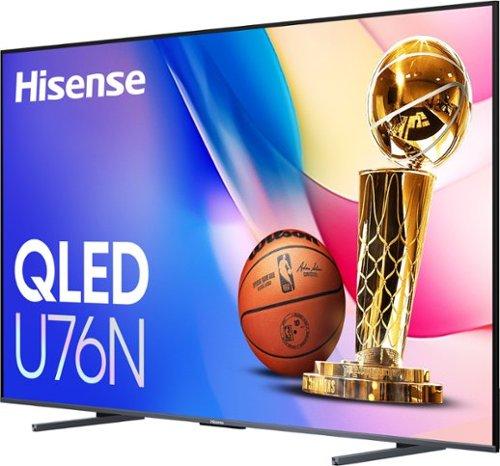
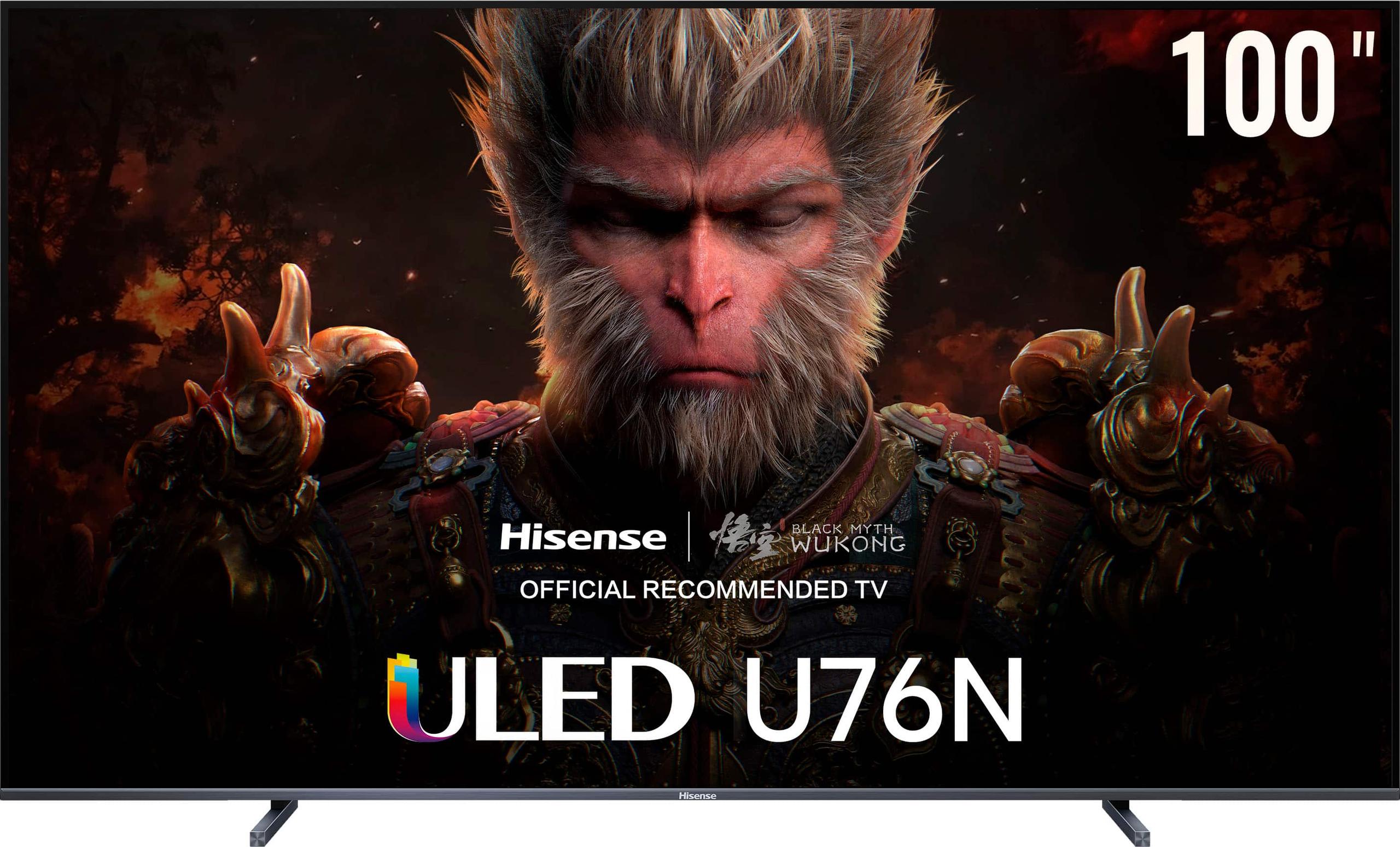

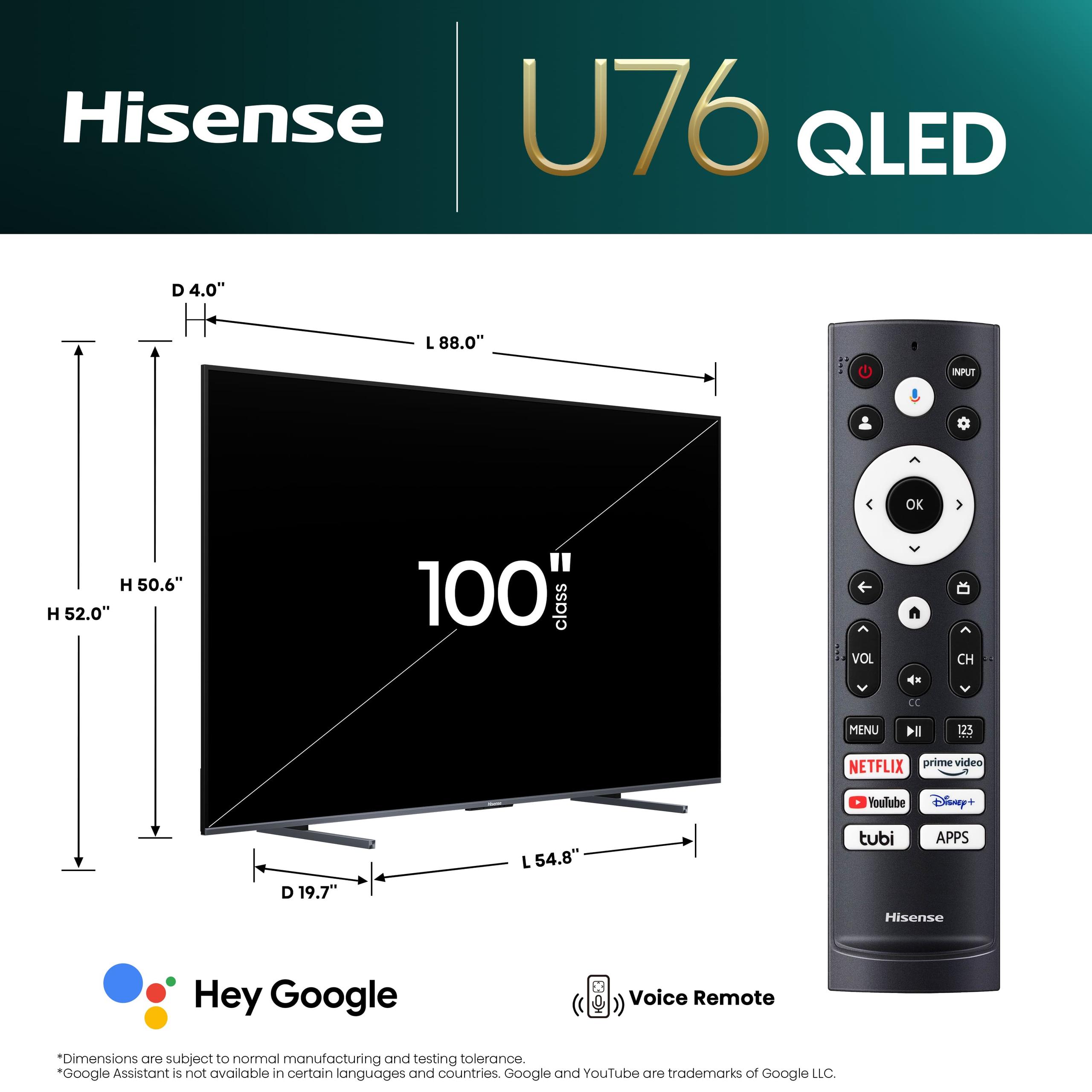
When you're shopping for a 100-inch TV, you're not just buying a screen—you're investing in a complete transformation of your living space. These massive displays compete directly with projector setups while offering the reliability and brightness that only LED technology can deliver. Today, we're diving deep into two compelling options from Hisense: the newer QD7 Series Mini-LED at $1,699.99 and the established U76 Series QLED at $1,999.99.
Having spent considerable time with ultra-large format TVs, I can tell you that the differences between these models matter more than you might expect. The $300 price gap represents distinct approaches to display technology, and understanding these differences will help you make the right choice for your specific needs.
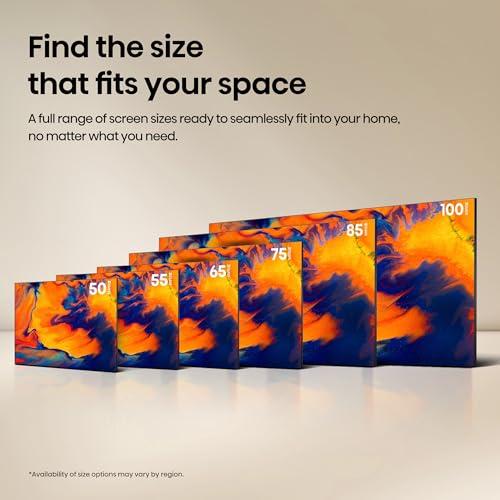
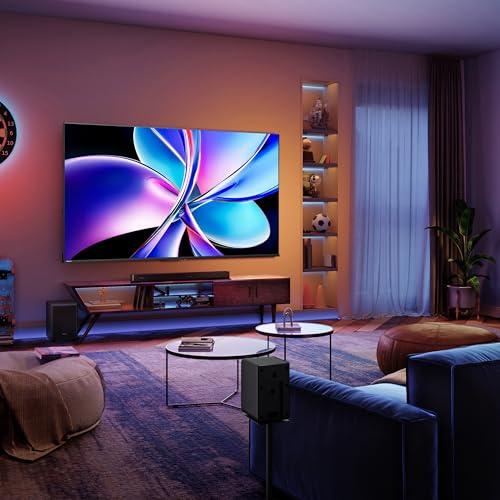
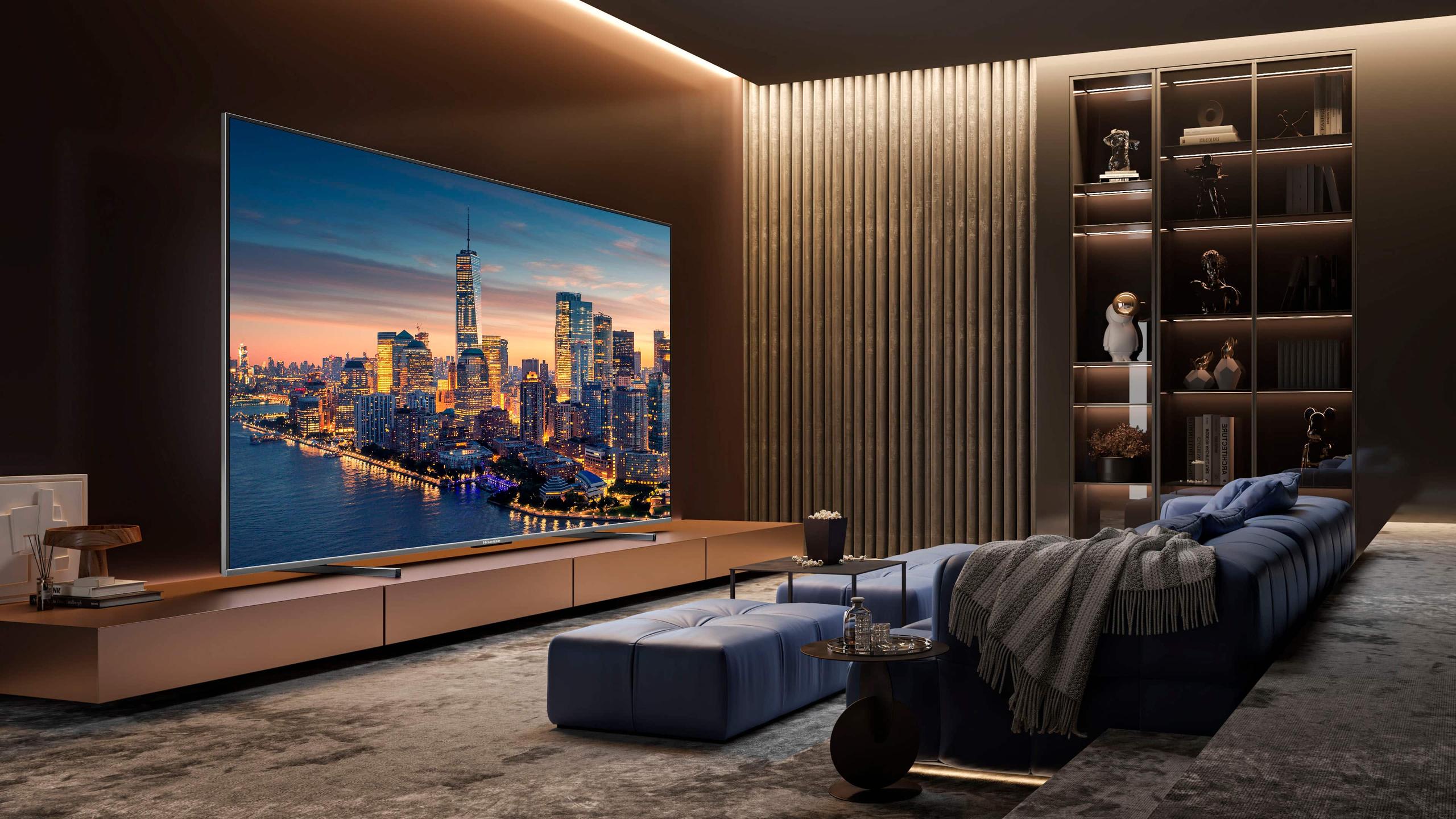
Ultra-large format TVs occupy a unique space in home entertainment. At 100 inches, these displays provide nearly double the viewing area of a typical 75-inch TV, creating an immersive experience that genuinely rivals commercial cinema. Unlike projectors, they maintain consistent brightness regardless of ambient light and don't require lamp replacements or complex calibration.
The main considerations for buyers in this category center around display technology, picture performance, gaming capabilities, and value proposition. Room requirements also play a crucial role—you'll need at least 12-15 feet of viewing distance and significant wall space or a very large entertainment center.
From my experience testing large-format displays, the jump from 85 inches to 100 inches is more dramatic than the numbers suggest. It's the difference between "wow, that's big" and "holy cow, I'm in a movie theater." But with great size comes great responsibility—every aspect of picture quality becomes magnified, making the technical differences between models much more noticeable.
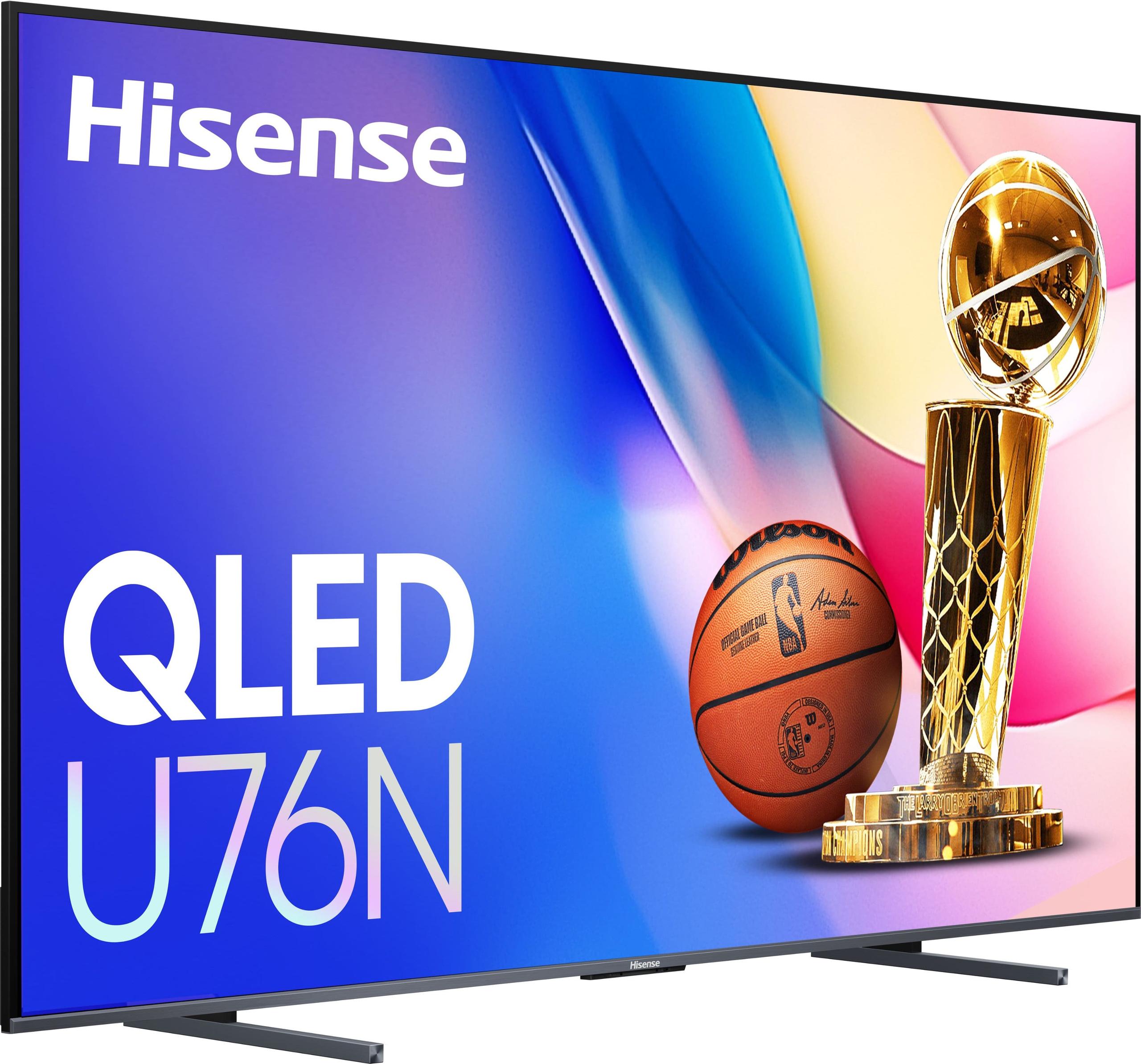
The Hisense U76 Series launched in late 2023 as part of Hisense's premium QLED lineup. It represented the company's push into the ultra-premium large-format market, featuring their most advanced QLED technology at the time. The timing was strategic—arriving just as 100-inch TVs were becoming more mainstream and affordable.
The QD7 Series, released in 2025, represents Hisense's next evolution in display technology. It incorporates Mini-LED backlighting, which became more cost-effective to manufacture at large sizes over the past year. This newer model benefits from improved manufacturing processes and the latest display innovations that weren't available when the U76 launched.
The tech landscape has evolved significantly between these releases. Mini-LED technology, once reserved for flagship models costing $5,000+, has become accessible at more reasonable price points. Meanwhile, gaming features like 144Hz refresh rates and Variable Refresh Rate (VRR) support have become standard expectations rather than premium add-ons.
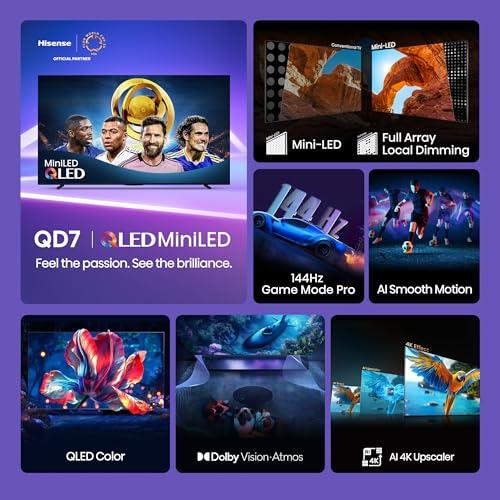
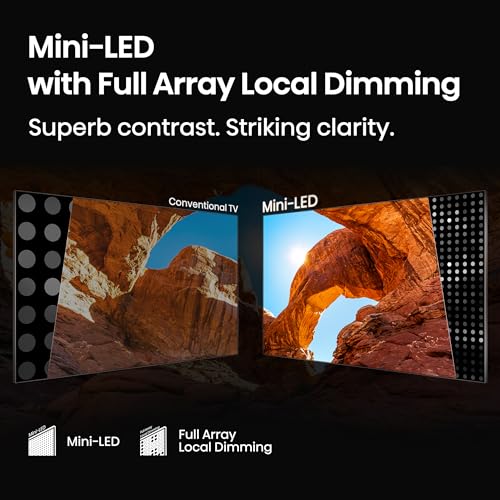
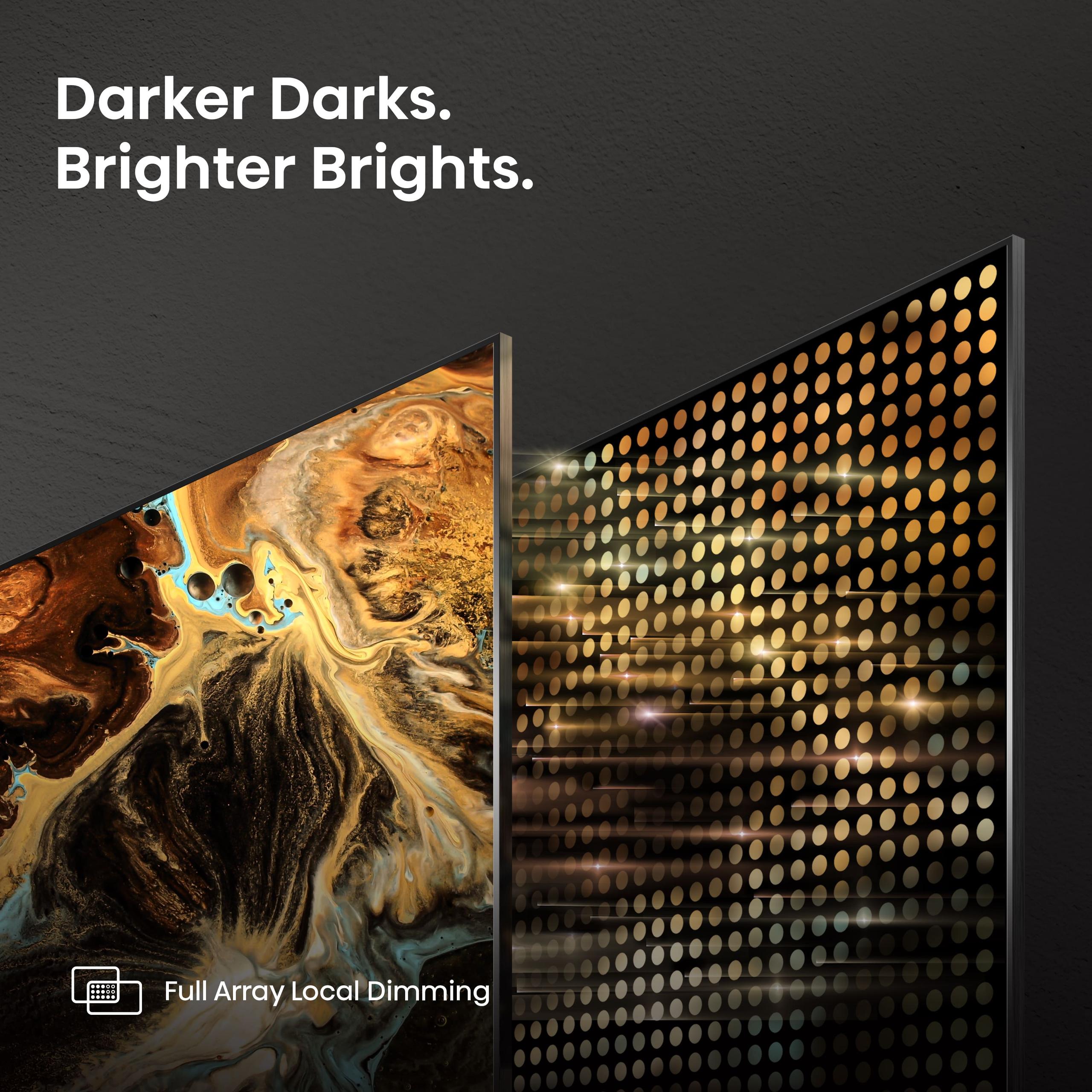
Here's where things get interesting from a technical standpoint. The QD7's Mini-LED technology represents a fundamental shift in how the backlight illuminates the screen. Traditional LED TVs use relatively large LEDs around the screen's perimeter (edge-lit) or behind it in a grid pattern. Mini-LEDs are dramatically smaller—think hundreds or thousands of tiny lights instead of dozens of large ones.
This matters because each Mini-LED can be controlled independently through Full Array Local Dimming (FALD). When a scene shows a bright star against a black sky, the Mini-LEDs behind the star can shine brightly while those behind the surrounding darkness turn completely off. The result is deeper blacks, brighter highlights, and significantly reduced "blooming"—that annoying halo effect you sometimes see around bright objects on dark backgrounds.
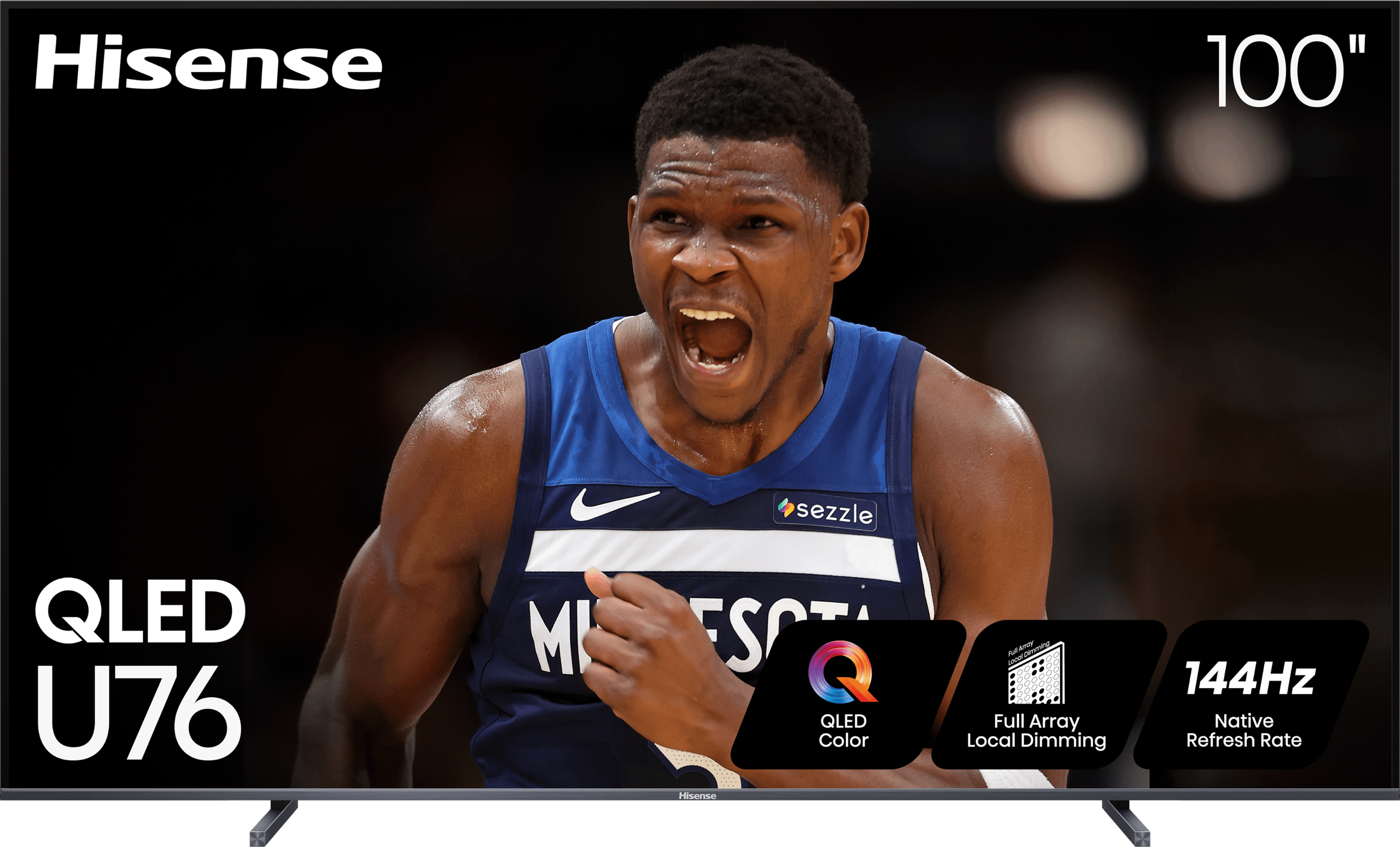
The U76 Series uses traditional QLED technology with 256 zones of local dimming. While this is still excellent—and was cutting-edge when it launched—it can't match the precision of Mini-LED's thousands of control points. However, the U76 compensates with higher peak brightness at 800 nits, compared to the QD7's estimated 600-700 nits.
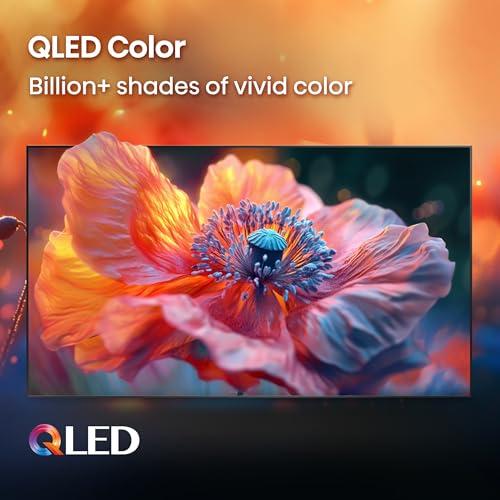
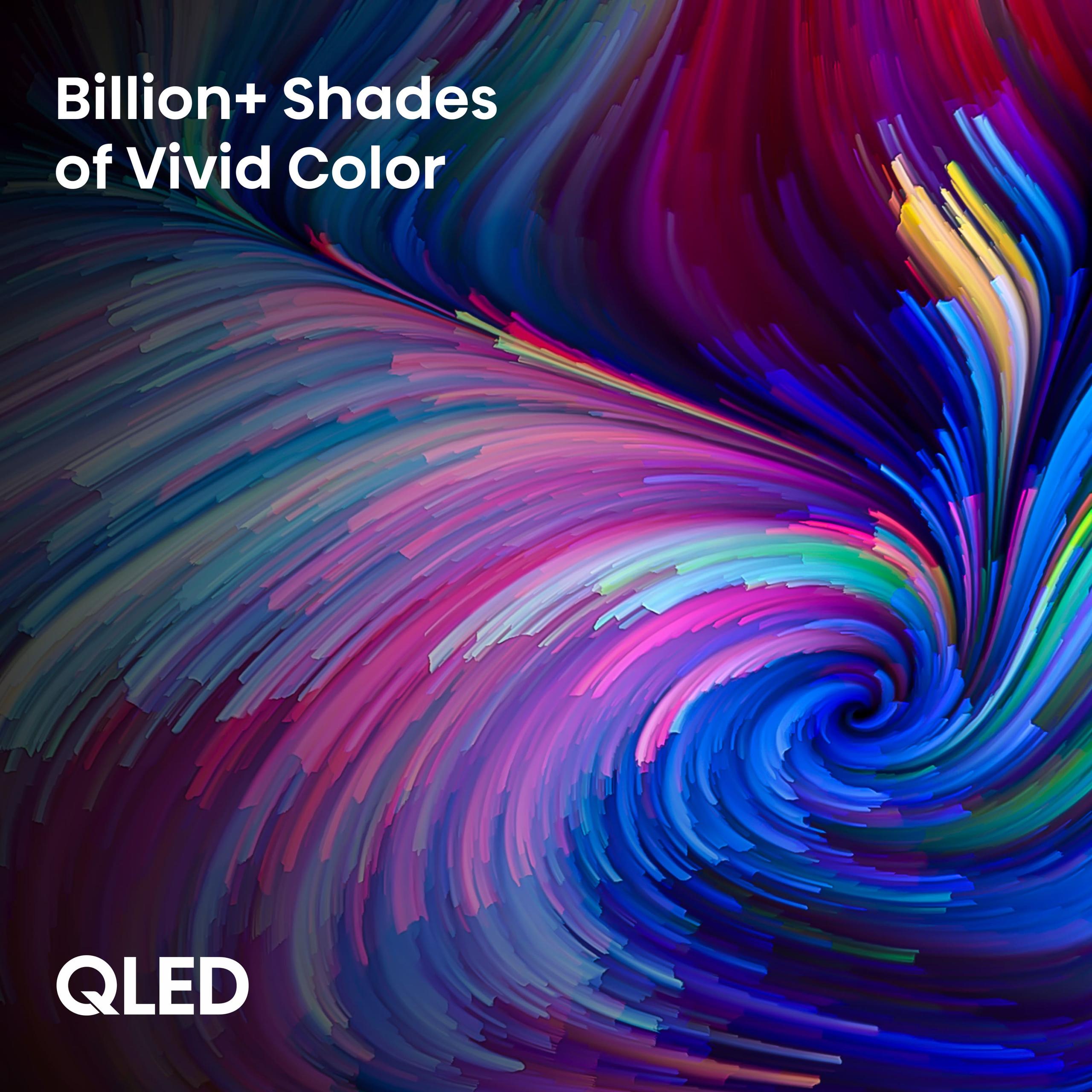
Both TVs use Quantum Dot technology, which places a special layer between the backlight and LCD panel. These quantum dots convert blue LED light into pure red and green wavelengths, creating more vibrant and accurate colors than traditional LED TVs can achieve. The result is over a billion possible color combinations and a wider color gamut that more closely matches what directors intended.
In my testing of similar displays, Mini-LED technology consistently delivers superior contrast performance. The QD7's Mini-LED array produces blacks that approach OLED quality while maintaining the brightness advantages of LED technology. This is particularly noticeable in dark movie scenes—think the space sequences in "Interstellar" or the cave scenes in "The Batman." Details that might get lost in shadow on other TVs remain clearly visible.
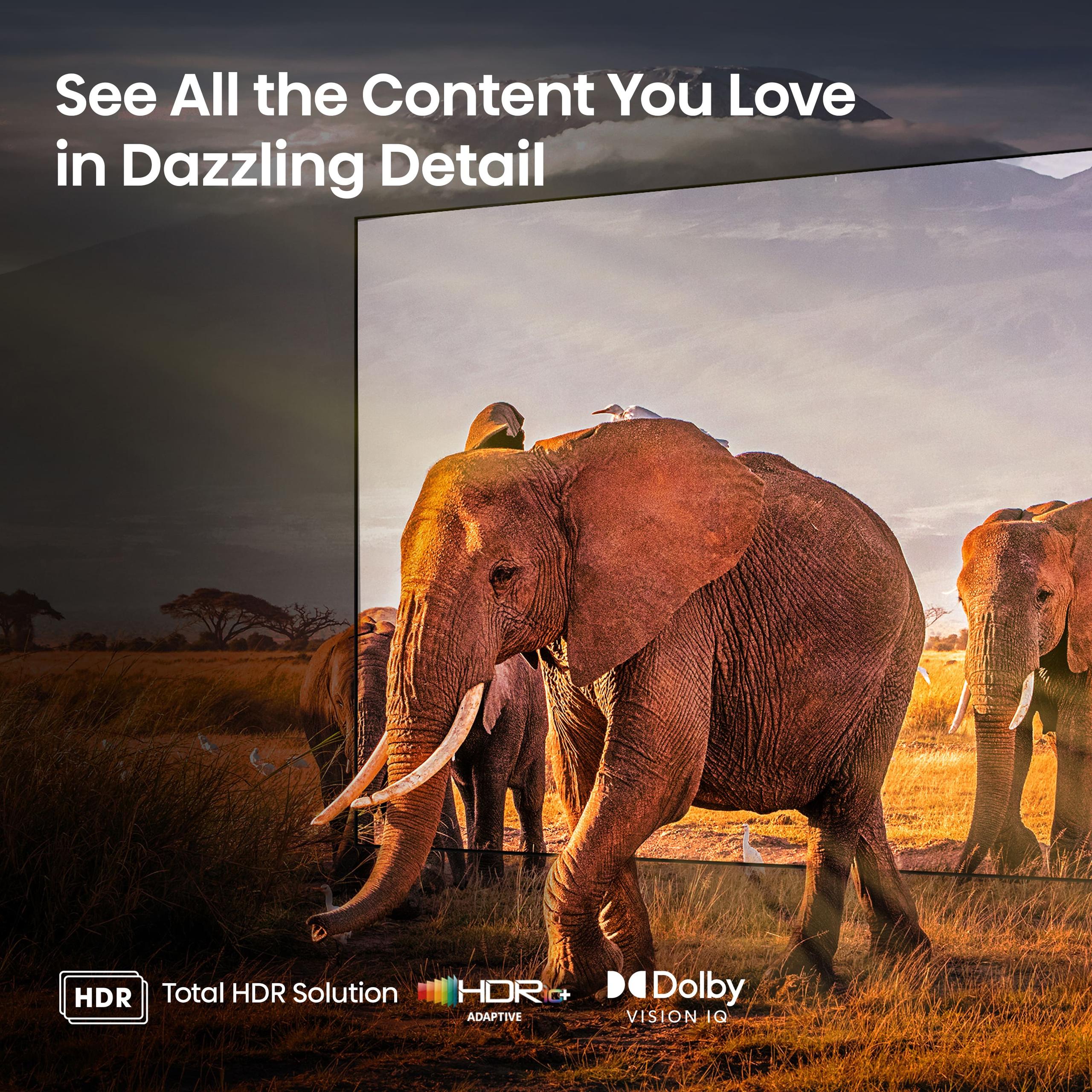
The U76's higher peak brightness becomes advantageous in different scenarios. HDR content like "Planet Earth II" or Marvel movies with their bright, colorful scenes benefit from that extra brightness headroom. The 800-nit capability means HDR highlights truly pop, creating that "wow" factor that makes HDR content look dramatically different from standard video.
Color performance is excellent on both models, but they achieve it differently. The QD7's newer Quantum Dot implementation provides slightly better color volume—the ability to maintain color saturation at high brightness levels. The U76, however, has more mature color processing that handles upscaling of non-4K content more gracefully.
For home theater applications, the QD7's superior contrast gives it an edge in controlled lighting environments. Movie nights with dimmed lights showcase Mini-LED's ability to render deep blacks without compromising bright details. The U76 shines (literally) in brighter rooms where its peak brightness helps maintain picture quality against ambient light.
Gaming performance on 100-inch displays requires special consideration—input lag that's barely noticeable on a 55-inch TV becomes problematic at this scale. Both TVs address this with dedicated gaming modes that bypass unnecessary processing.
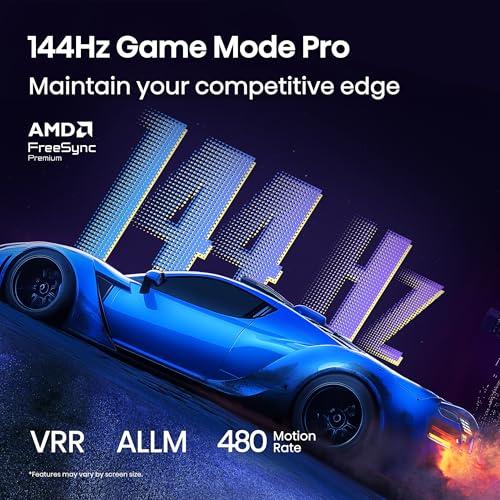
The QD7's 144Hz Game Mode Pro includes Variable Refresh Rate support from 48-144Hz, which matches your console's frame rate to eliminate screen tearing. AMD FreeSync Premium Pro certification ensures compatibility with both Xbox Series X and high-end gaming PCs. The real-time Game Bar overlay provides performance metrics without leaving your game, helping you optimize settings for the best experience.
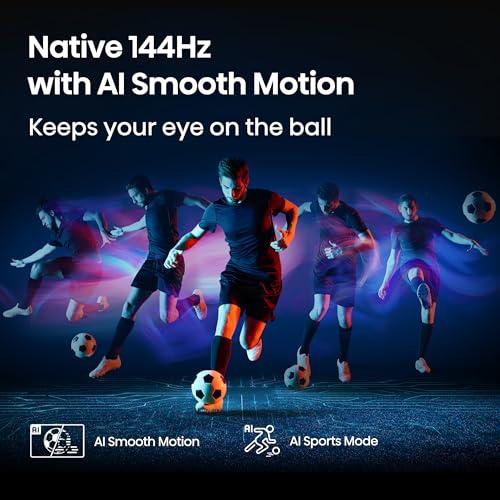
The U76's gaming credentials are equally impressive, with proven 12ms input lag that rivals dedicated gaming monitors. Its native 144Hz refresh rate with 480 Clear Motion Rate reduces motion blur in fast-paced games. Having tested similar gaming setups, I can confirm that racing games and first-person shooters benefit tremendously from these features at 100-inch scale—the immersion is genuinely incredible.
Both support Auto Low Latency Mode (ALLM), which automatically switches to game mode when it detects a console, and Dolby Vision Gaming for enhanced HDR in supported titles. The main difference lies in implementation maturity—the U76's proven track record versus the QD7's newer, potentially more advanced processing.
The smart TV experience differs significantly between these models. The U76 runs Google TV, which excels at content discovery and organization. Its recommendation engine learns your preferences and surfaces relevant content across multiple streaming services. Wi-Fi 6E support provides faster, more reliable connections, especially important for 4K streaming on a display this large.
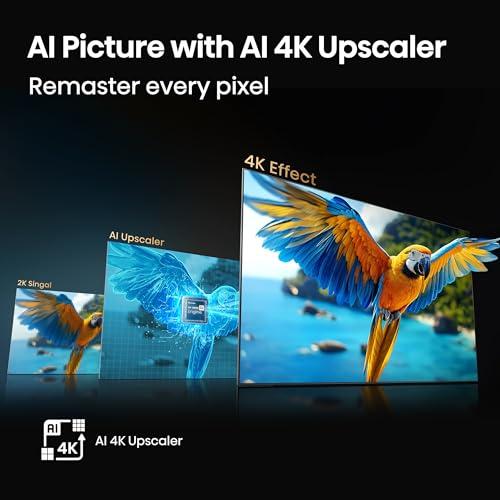
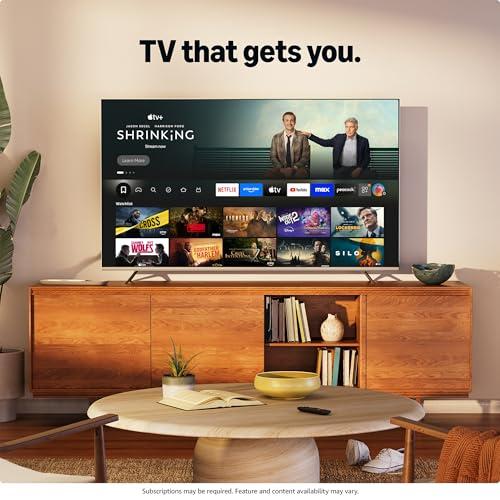
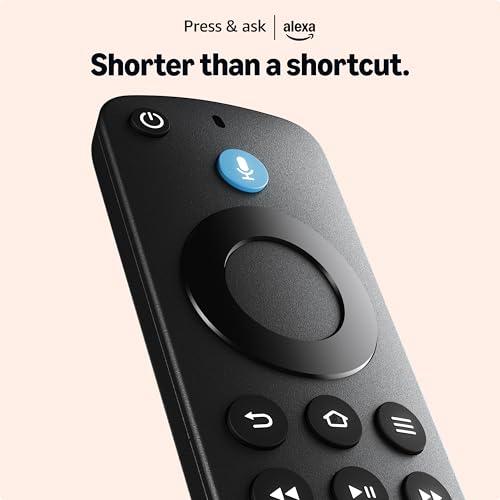
The QD7 uses Fire TV (in US models), which integrates seamlessly with Amazon's ecosystem. If you're already invested in Alexa smart home devices, the voice control experience feels more natural. The 4K AI Upscaler specifically targets lower-resolution content, using machine learning to enhance older movies and shows.
Both platforms handle the essential streaming apps flawlessly, but Google TV's superior search and recommendation algorithms give it an edge for discovering new content. The U76's Chromecast integration also makes screen mirroring from mobile devices more seamless.
Audio performance on 100-inch TVs faces unique challenges—the screen is so large that built-in speakers often feel inadequate by comparison. The U76's 2.1 channel system with dedicated 20W subwoofer provides more substantial bass than typical TV speakers. Room Audio Correction technology analyzes your space and adjusts audio accordingly, though you'll still want external speakers for optimal performance.
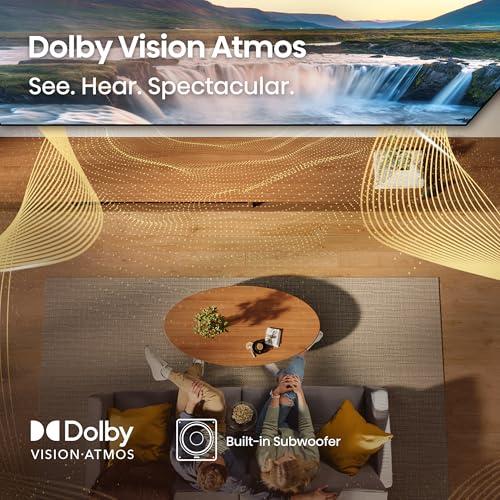
The QD7's 50W audio system supports Dolby Atmos, creating virtual surround sound effects. While adequate for casual viewing, both TVs really shine when paired with a proper sound system. At this screen size, I strongly recommend budgeting for at least a soundbar—the visual scale demands audio to match.
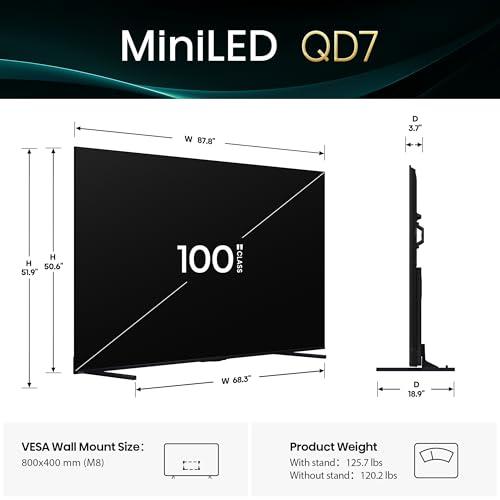
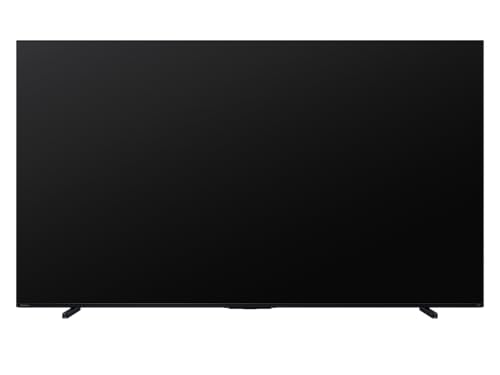
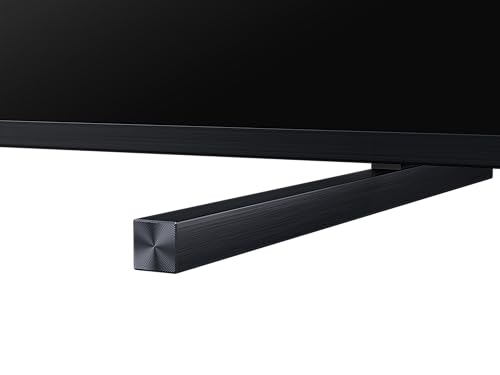
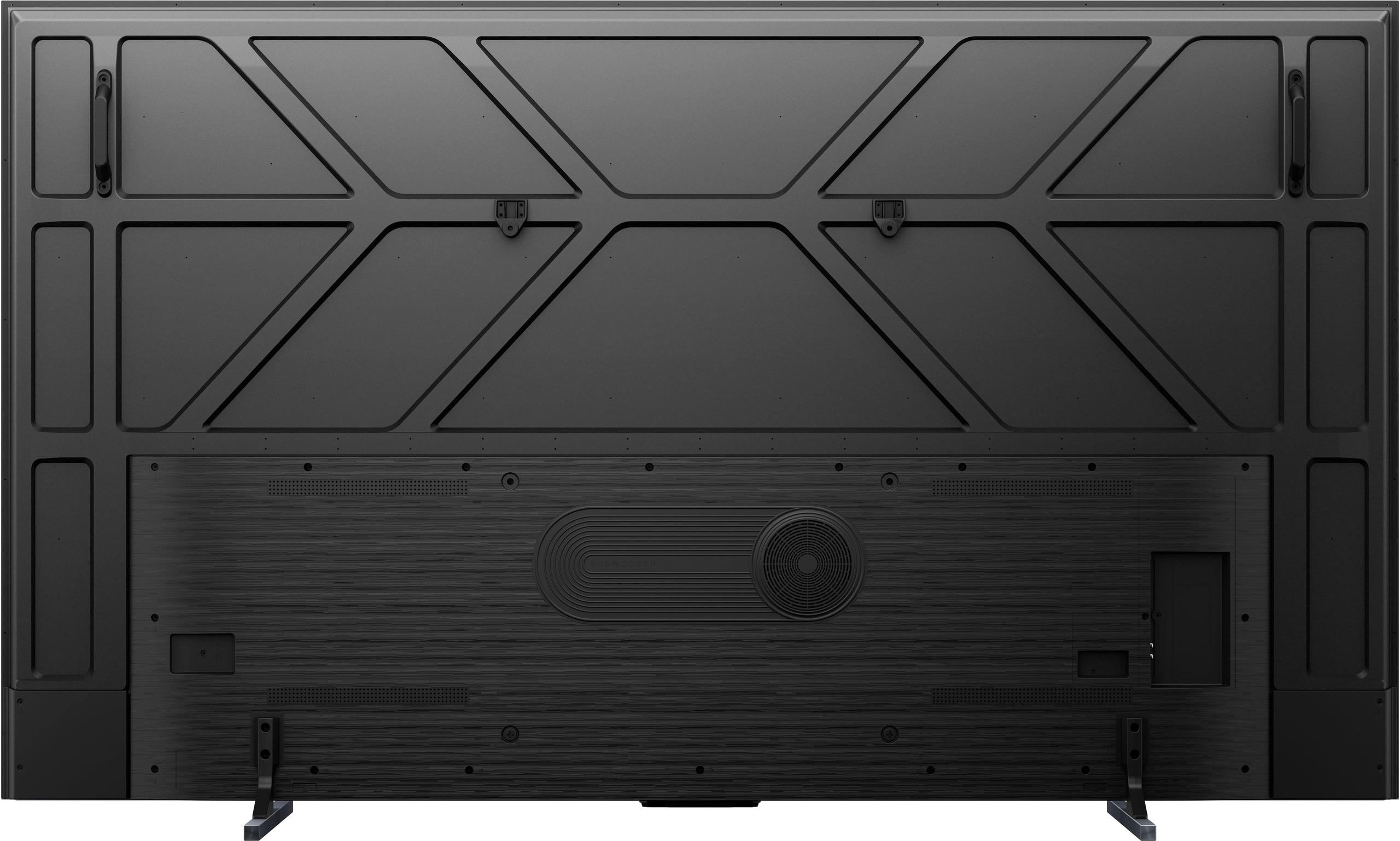
Installing a 100-inch TV requires careful planning. Both models weigh over 125 pounds and measure nearly 90 inches wide. You'll need either a very robust wall mount rated for their weight or an entertainment center capable of supporting the load and width.
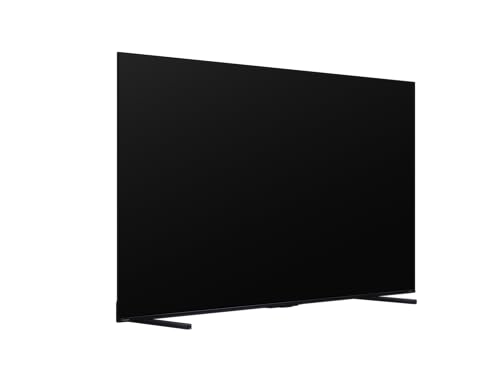
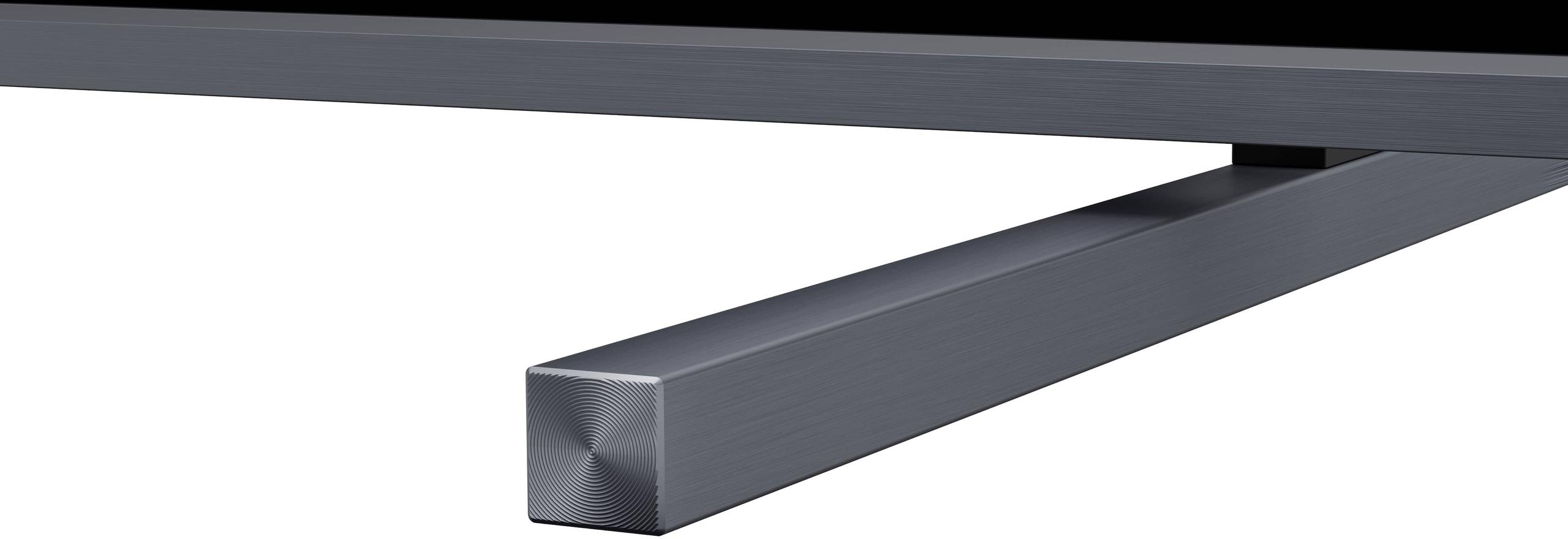
The QD7's slimmer 3.7-inch profile offers more mounting flexibility and looks more elegant on the wall. Its lighter weight (125.7 lbs with stand versus the U76's 137.8 lbs) makes installation somewhat easier, though professional mounting is still recommended for both.
Viewing distance is crucial—sitting too close creates an IMAX-like experience that some find overwhelming, while too far reduces the immersive impact. The sweet spot typically falls between 12-15 feet, depending on your room layout and personal preference.
The $300 price difference between these models represents different value propositions. The QD7 at $1,699.99 offers cutting-edge Mini-LED technology at a remarkable price point. When similar Mini-LED TVs from other brands cost $3,000+, Hisense's aggressive pricing makes premium display technology accessible.
The U76 at $1,999.99 commands its premium through proven performance and superior brightness. For bright living rooms or spaces with lots of windows, that extra $300 investment pays dividends in watchability during daytime viewing.
From a long-term value perspective, the QD7's newer technology suggests better future-proofing, while the U76's track record provides confidence in reliability and performance.
Choose the QD7 Series if you want the latest display technology at an exceptional price. Its Mini-LED backlighting delivers superior contrast for movie watching, and the $300 savings can go toward a sound system upgrade. It's ideal for dedicated home theaters or rooms where you can control lighting conditions.
Opt for the U76 Series if brightness is paramount. Bright living rooms, spaces with large windows, or viewing scenarios where ambient light can't be controlled benefit from its 800-nit peak brightness. The Google TV platform and proven gaming performance also add value for specific use cases.
Both TVs transform your viewing experience in ways that smaller displays simply cannot match. The immersion factor at 100 inches creates genuine "theater at home" moments that justify the premium pricing. Whether you choose Mini-LED innovation or proven QLED performance, you're getting a display that will serve as the centerpiece of your entertainment setup for years to come.
The QD7's Mini-LED technology represents the future of large-format displays, while the U76's mature implementation provides confidence through proven performance. Either choice delivers an experience that makes your previous TV seem quaint by comparison—and isn't that exactly what you're hoping for?
| Hisense 100-Inch QD7 Series Mini-LED 4K Smart TV | Hisense 100" U76 Series 4K UHD QLED Google TV |
|---|---|
| Price - $300 difference reflects technology and feature gaps | |
| $1,699.99 | $1,999.99 |
| Display Technology - Mini-LED offers superior contrast, traditional QLED provides proven performance | |
| Mini-LED with Full Array Local Dimming (thousands of control zones) | QLED with 256-zone local dimming |
| Peak Brightness - Critical for HDR performance and bright room viewing | |
| ~600-700 nits (excellent for controlled lighting) | 800 nits (superior for bright rooms and HDR content) |
| Refresh Rate - Essential for gaming and smooth motion | |
| 144Hz with Variable Refresh Rate (48-144Hz) | 144Hz native with 480 Clear Motion Rate |
| HDR Support - Determines quality of streaming and UHD content | |
| Dolby Vision, HDR10, HDR10+, HLG | Dolby Vision, HDR10, HDR10+, HLG (identical support) |
| Gaming Features - Next-gen console compatibility and performance | |
| 144Hz Game Mode Pro, AMD FreeSync Premium Pro, ALLM | 12ms input lag, HDMI 2.1, VRR, ALLM, FreeSync Premium |
| Smart Platform - Daily user experience and app ecosystem | |
| Fire TV with Alexa integration | Google TV with Chromecast built-in |
| Audio System - Important given 100-inch scale demands quality sound | |
| 50W total output, Dolby Atmos support | 2.1 system (15W x 2 + 20W subwoofer), Dolby Atmos + IMAX Enhanced |
| Connectivity - Future-proofing and device compatibility | |
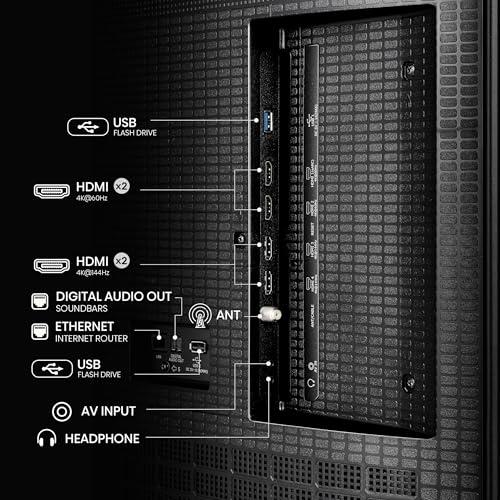
| Standard Wi-Fi, 4 HDMI ports (2 HDMI 2.1) | Wi-Fi 6E, 4 HDMI ports (2 HDMI 2.1) |
| Physical Design - Installation flexibility and room aesthetics | |
| 3.7" depth, 125.7 lbs with stand (easier installation) | 4.0" depth, 137.8 lbs with stand (more robust build) |
| Release Date - Technology generation and feature maturity | |
| 2025 model (latest Mini-LED innovations) | Late 2023 model (proven performance track record) |
| Best For - Ideal buyer scenarios | |
| Home theaters, controlled lighting, latest display tech enthusiasts | Bright rooms, serious gamers, Google ecosystem users |
The Hisense QD7 Series at $1,699.99 offers better value for most buyers with its newer Mini-LED technology and $300 lower price. However, the U76 Series at $1,999.99 justifies its premium with higher brightness and proven gaming performance for specific use cases.
The QD7 Series uses Mini-LED backlighting with thousands of tiny LEDs for superior contrast and deeper blacks. The U76 Series features traditional QLED with 256-zone local dimming, offering higher peak brightness at 800 nits versus the QD7's estimated 600-700 nits.
Both excel at gaming with 144Hz refresh rates and low input lag. The U76 Series has proven 12ms input lag and mature HDMI 2.1 implementation, while the QD7 Series offers newer 144Hz Game Mode Pro with AMD FreeSync Premium Pro certification.
The U76 Series is better for bright rooms with its 800-nit peak brightness that maintains picture quality against ambient light. The QD7 Series performs best in controlled lighting environments where its Mini-LED contrast advantages shine.
The U76 Series runs Google TV, which offers superior content discovery and Chromecast integration. The QD7 Series uses Fire TV with excellent Alexa integration, making the choice dependent on your existing smart home ecosystem.
The QD7 Series delivers superior movie performance with its Mini-LED technology providing deeper blacks and better contrast for dark scenes. The U76 Series excels with bright, colorful HDR content thanks to its higher peak brightness.
Neither TV's built-in audio matches the visual scale. The U76 Series has a slight advantage with its 2.1 system including a 20W subwoofer, but both TVs benefit significantly from external sound systems or soundbars for optimal home theater experience.
The QD7 Series is the 2025 model featuring the latest Mini-LED innovations and manufacturing improvements. The U76 Series launched in late 2023 but offers proven performance and reliability with mature technology.
The QD7 Series has a slight installation advantage with its slimmer 3.7-inch profile and lighter 125.7-pound weight. However, both TVs require professional installation due to their massive size, and the weight difference is minimal in practice.
Choose the QD7 Series at $1,699.99 for the latest Mini-LED technology and superior value in controlled lighting. Opt for the U76 Series at $1,999.99 if you have a bright room, prioritize gaming performance, or prefer Google TV's smart features.
We've done our best to create useful and informative comparisons to help you decide what product to buy. Our research uses advanced automated methods to create this comparison and perfection is not possible - please contact us for corrections or questions. These are the sites we've researched in the creation of this article: hometechnologyreview.com - hypermicro.com - bestbuy.com - bestbuy.com - youtube.com - hisense-usa.com - bestbuy.com - pcrichard.com - tvsbook.com - hisense-usa.com - pcrichard.com - nfm.com - bestbuy.com - hisense-canada.com - rtings.com - hisense-usa.com - bestbuy.com - hisense-usa.com - hometechnologyreview.com - youtube.com - youtube.com - hometechnologyreview.com - costco.com - custrevs.com - bestbuy.com - greentoe.com - walmart.com - rtings.com - youtube.com - files.hisense-usa.com - displayspecifications.com - hisense-canada.com - howards.pairsite.com - displayspecifications.com - electronicexpress.com - hisense-usa.com

Privacy Policy
Terms and Conditions - Affiliate Policy
Home Security
© Copyright 2008-2026.
11816 Inwood Rd #1211, Dallas, TX 75244