

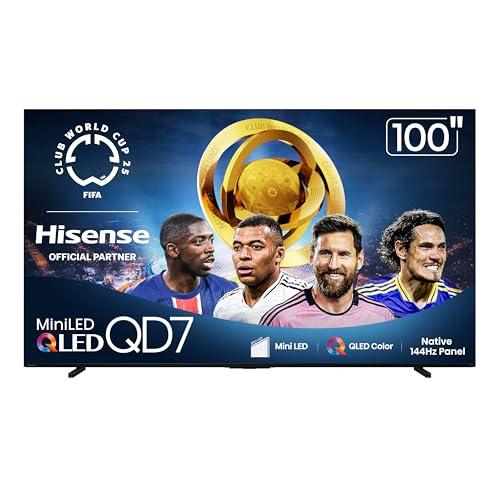
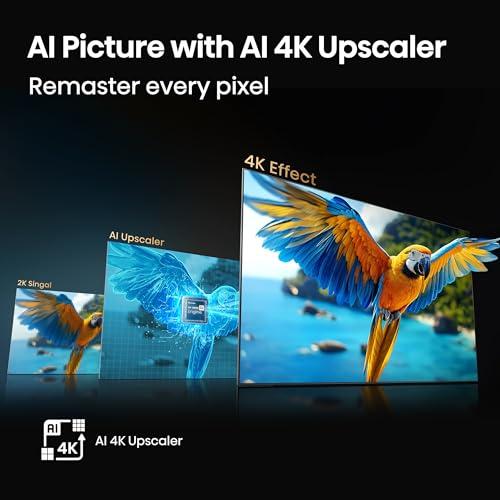
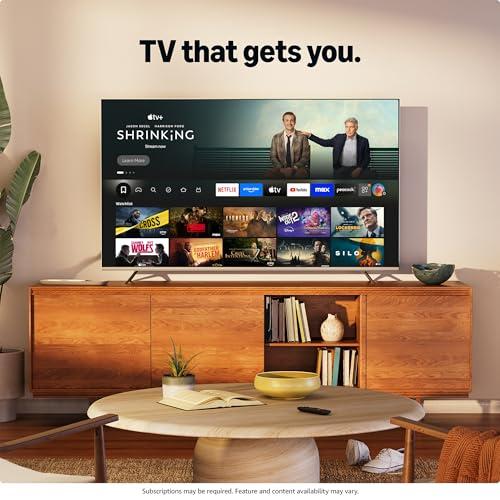
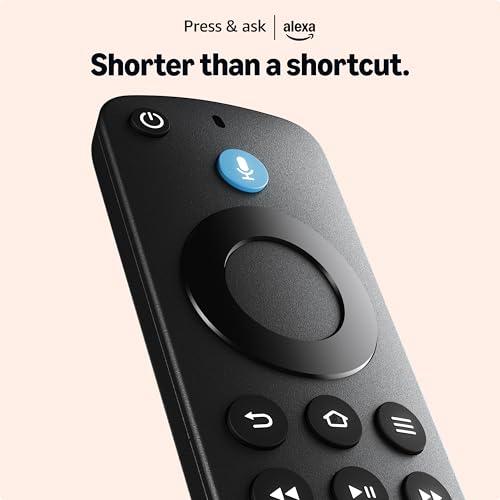
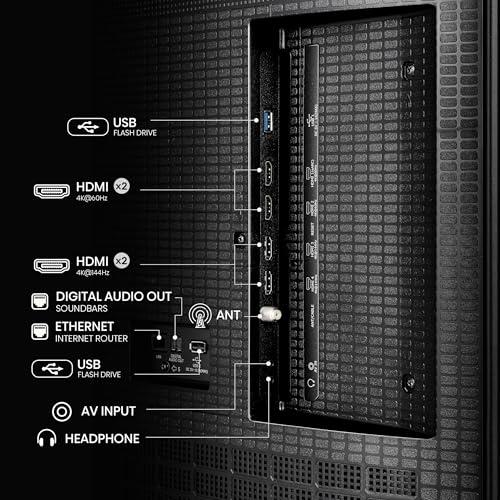
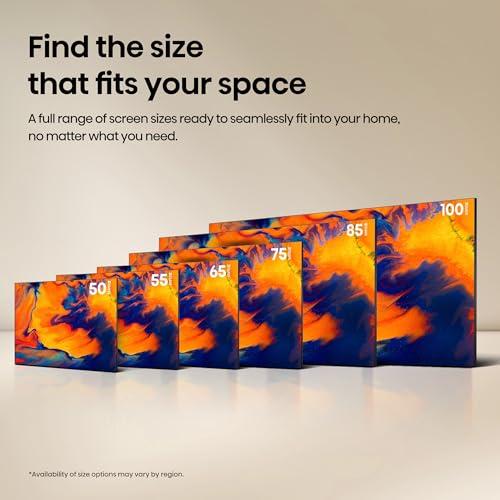
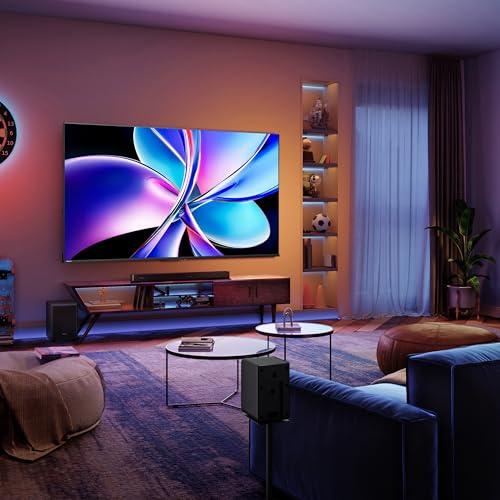
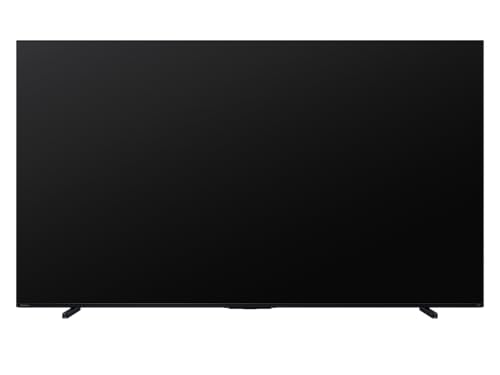
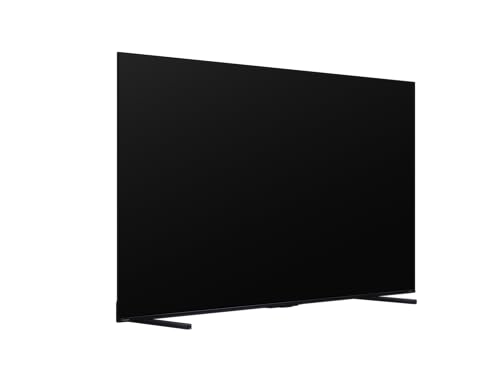
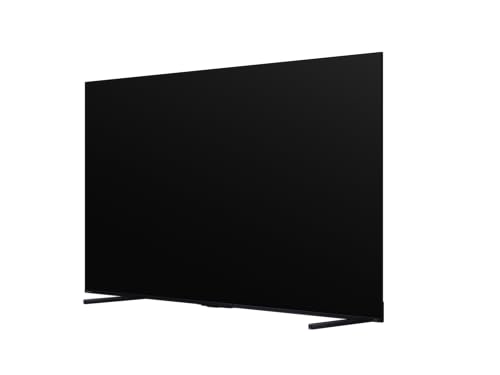
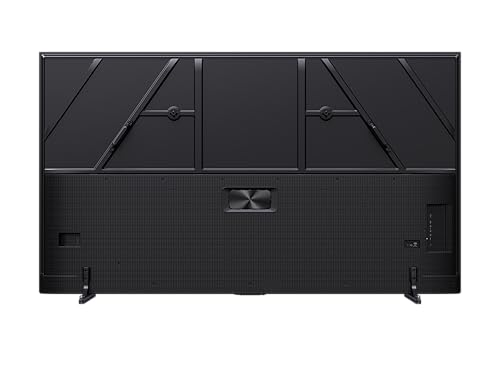
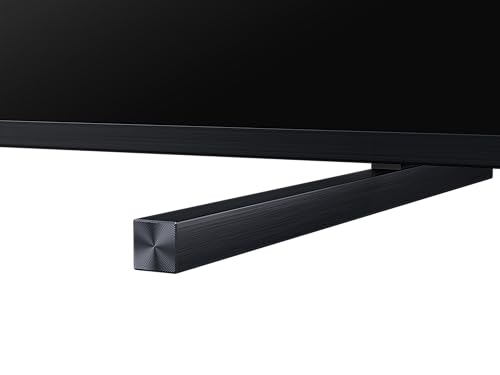
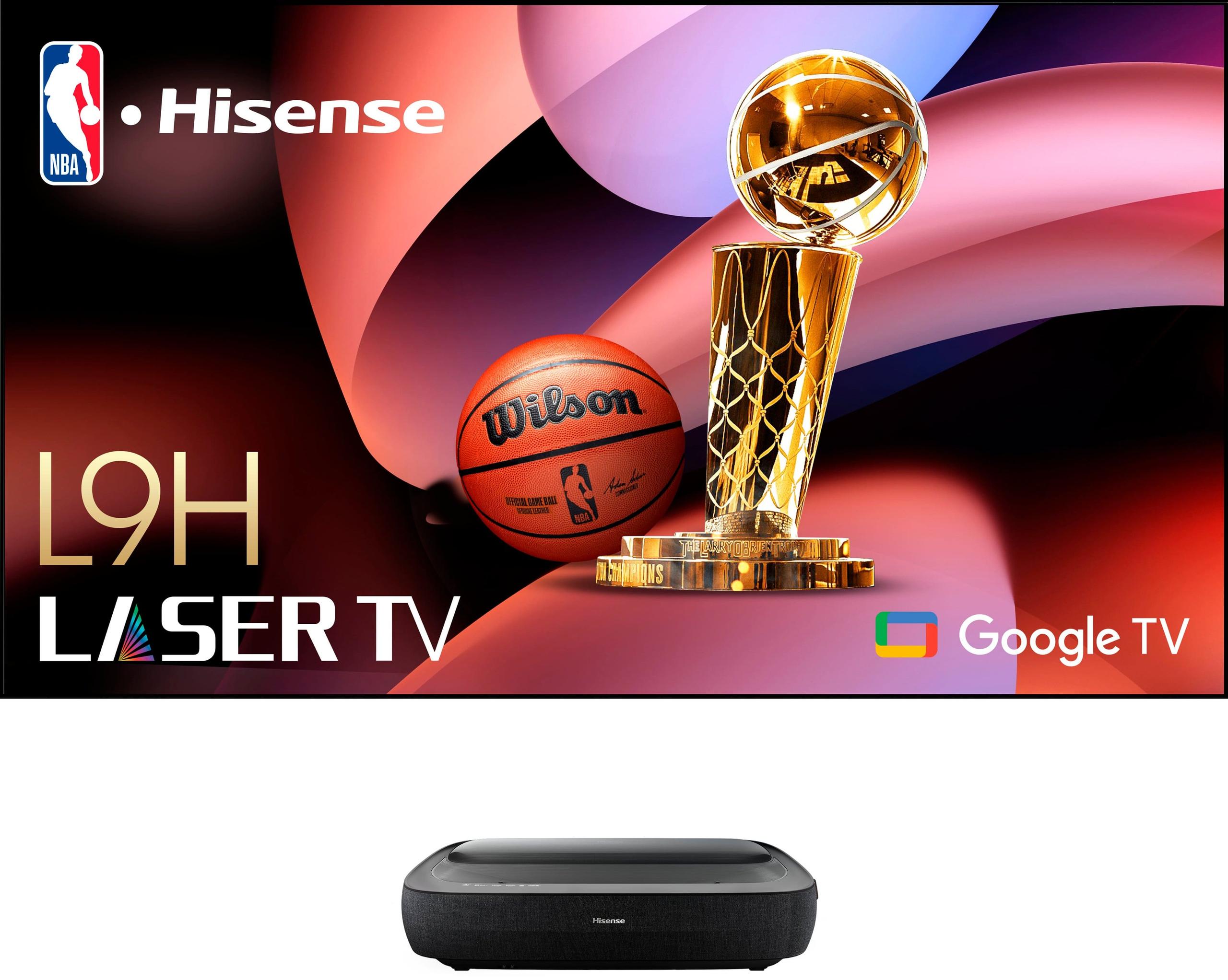
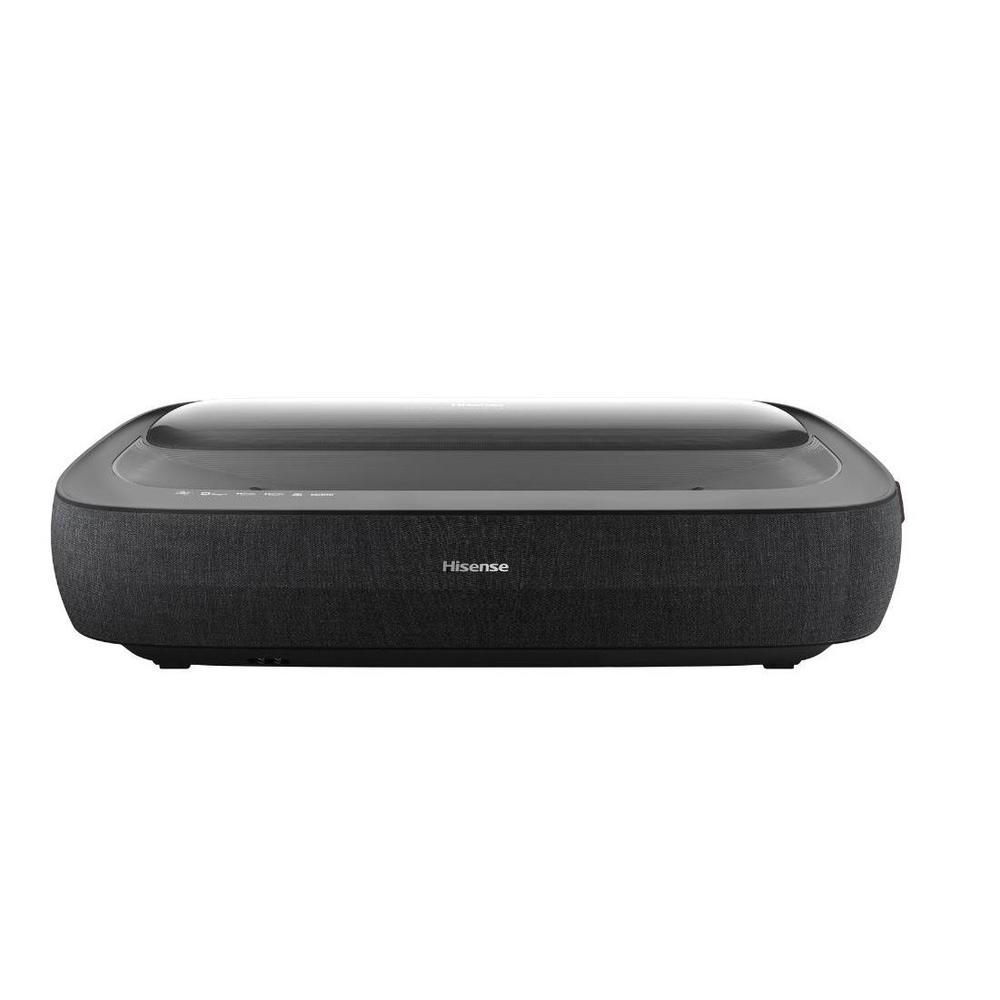
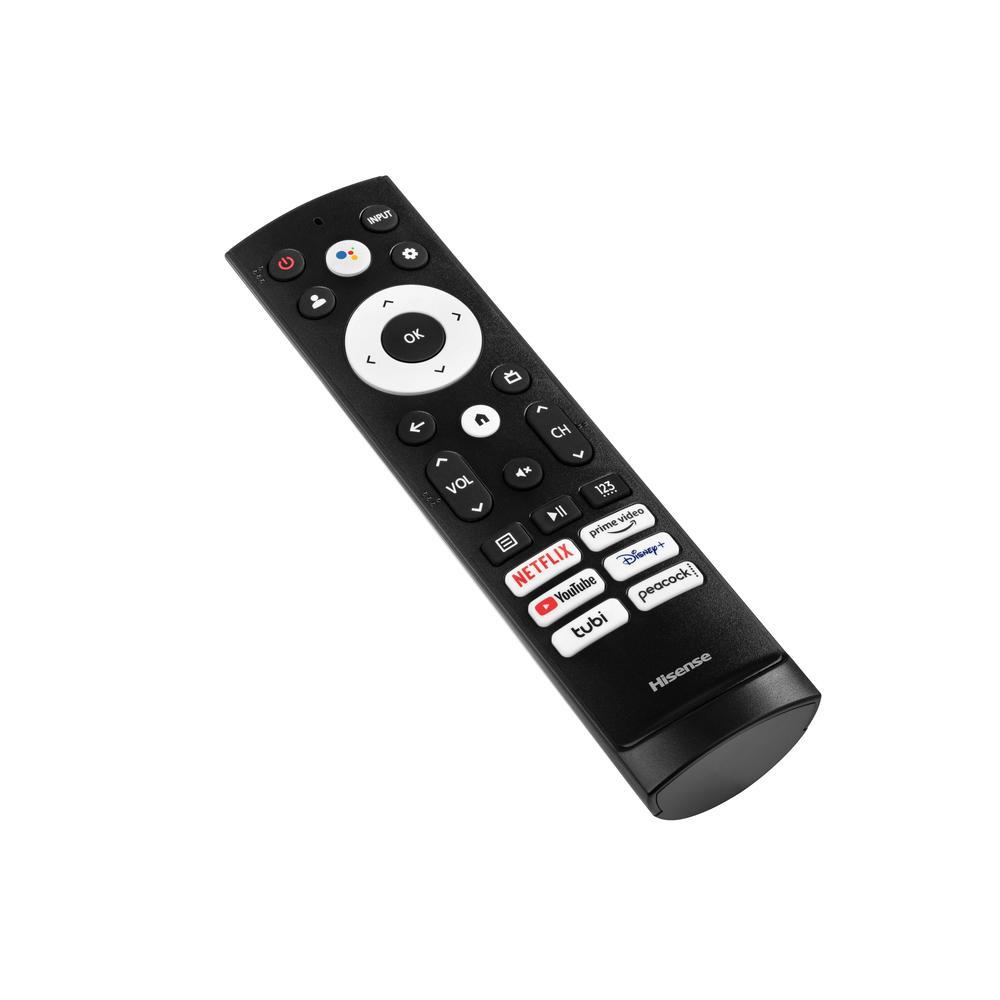
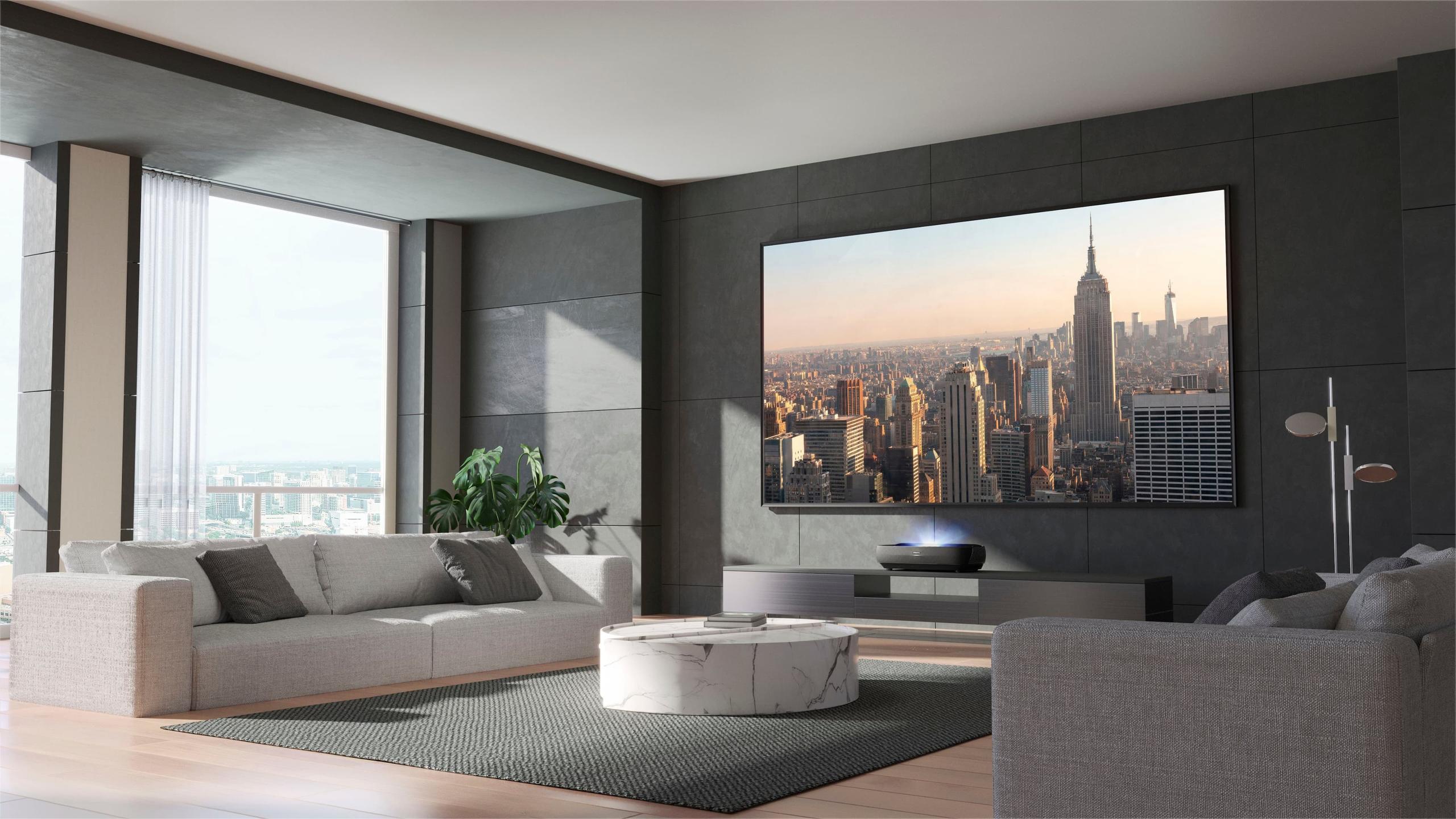
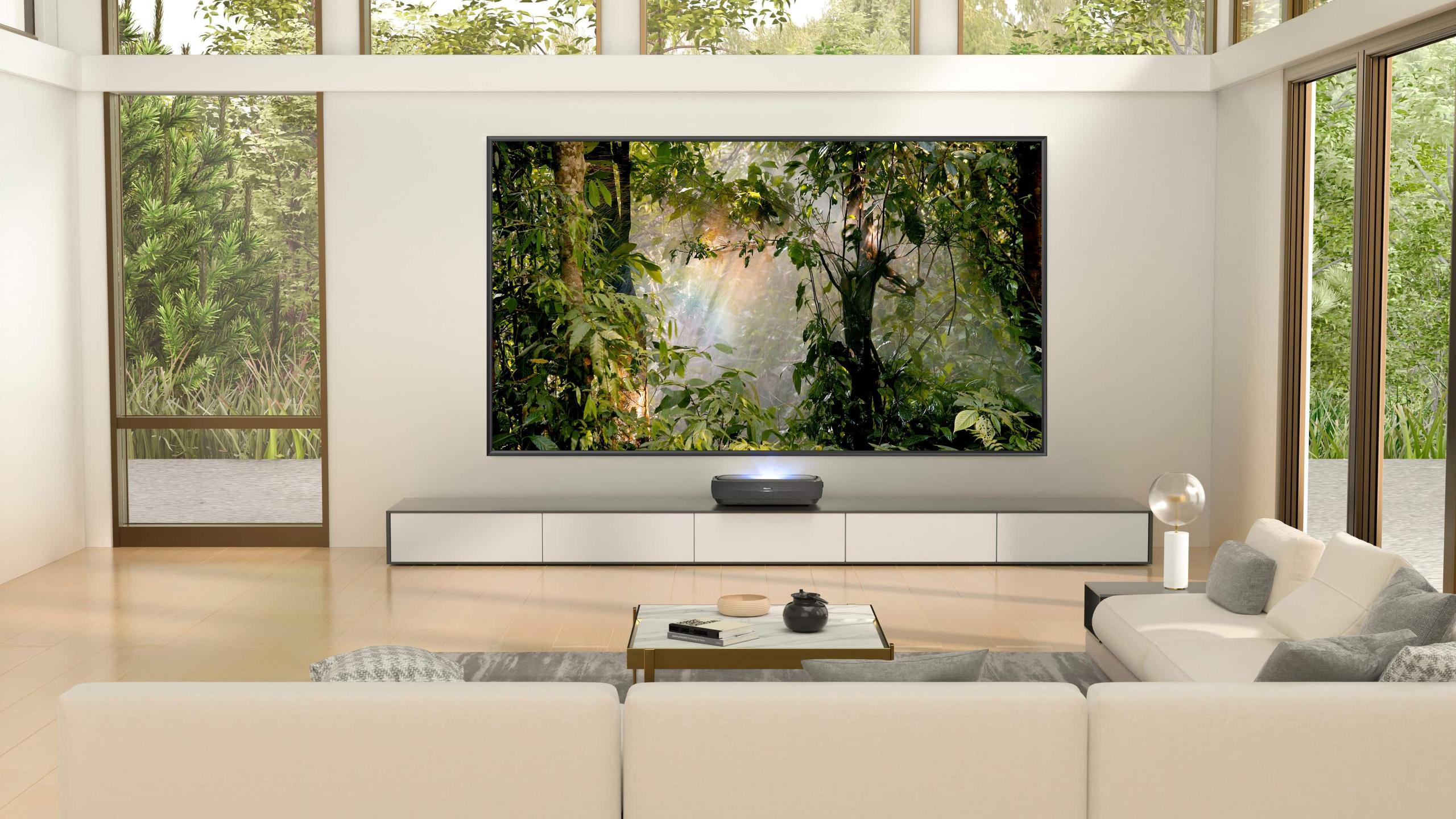
Picture this: you walk into someone's home theater, and there's a massive 100-inch display dominating the wall. Your first instinct might be to assume it's a projector setup, but nowadays, it could just as easily be a traditional TV. That's the reality we're living in with displays like the Hisense 100-Inch QD7 Series Mini-LED 4K Smart TV and the Hisense L9H TriChroma Laser TV 100" UST Projector.
Both of these displays deliver that coveted 100-inch experience, but they achieve it through completely different approaches. The QD7 represents the traditional TV pushed to its absolute limits, while the L9H takes the projector route with some seriously advanced laser technology. After spending time with both approaches, I can tell you that choosing between them isn't just about comparing specs – it's about understanding how each technology fits into your specific viewing environment and habits.
When Hisense released the QD7 Series in 2024, they were essentially saying "we can make traditional TVs this big and still keep them practical." This wasn't just about scaling up existing technology – it required serious engineering advances in Mini-LED backlighting and quantum dot enhancement to maintain picture quality across such a massive panel.
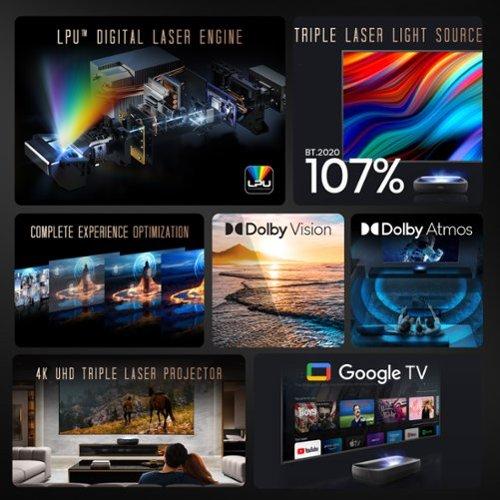
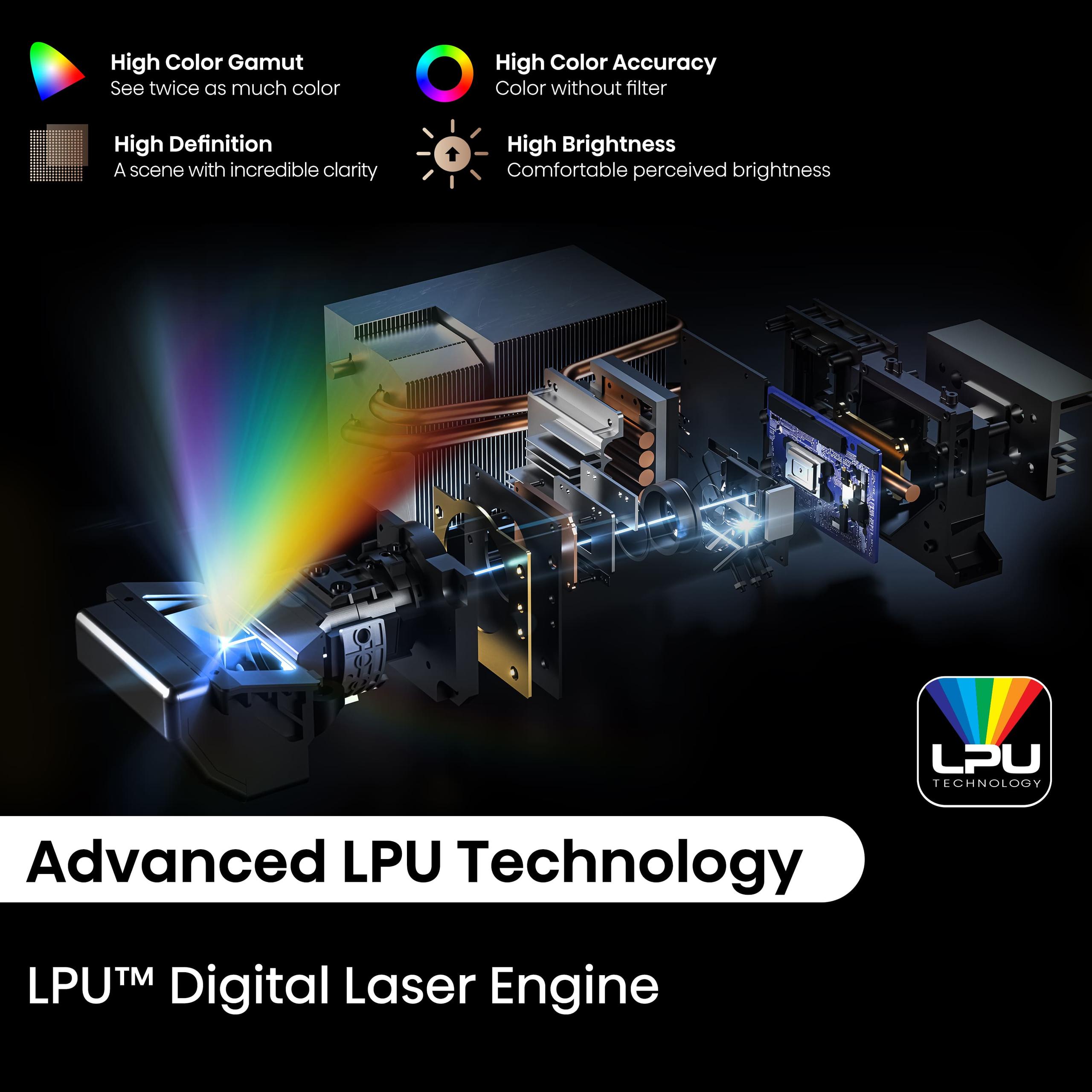
The L9H TriChroma, also launched in 2024, represents Hisense's bet on ultra-short throw (UST) projector technology. The "TriChroma" name refers to its three separate laser light sources – red, green, and blue – that work together to create the image. This is fundamentally different from traditional projectors that use a single white light source filtered through color wheels.
What makes these releases particularly interesting is the timing. Both products arrived at a moment when display technology has matured enough to make 100-inch viewing genuinely practical for home use. The QD7 benefits from Mini-LED technology that's only become cost-effective in recent years, while the L9H leverages laser technology that's finally reliable and bright enough for living room use.
Let's break down what's actually happening inside these displays, because the differences are pretty fascinating.
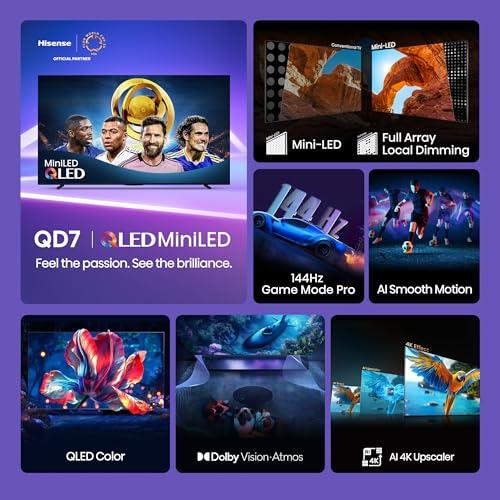
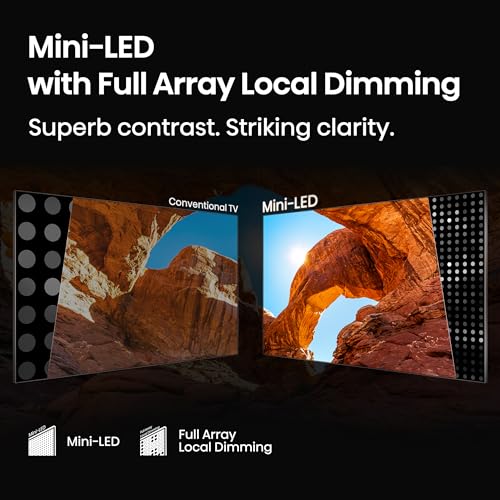
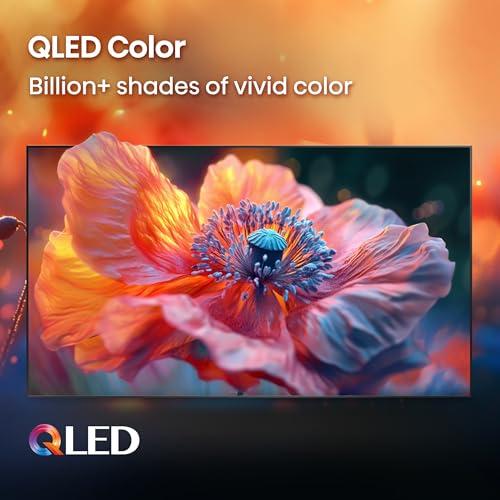
The QD7's Mini-LED system uses thousands of tiny LEDs behind the LCD panel – think of them as incredibly precise backlights. Full Array Local Dimming means these LEDs can be controlled in zones, so bright parts of the image get more light while dark areas get less. It's like having thousands of tiny dimmers working in concert. The quantum dot layer then takes this light and converts it into more pure, saturated colors. When I first saw this technology in action, the difference in color vibrancy compared to standard LED TVs was immediately obvious.
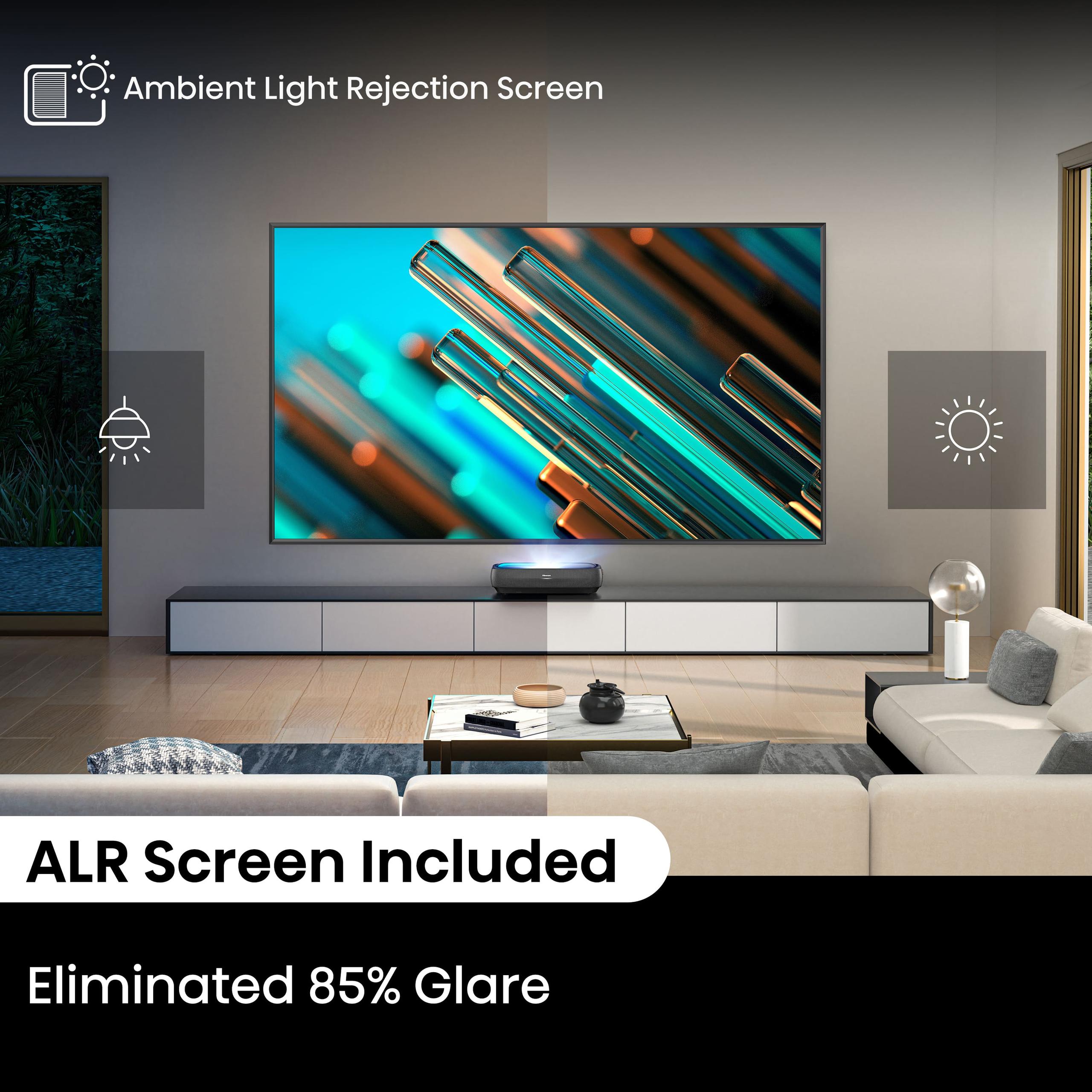
The L9H takes a completely different approach. Its TriChroma laser system generates pure red, green, and blue light simultaneously – no filtering or color wheels needed. This light gets projected onto a specially designed ALR (Ambient Light Rejecting) screen that's included with the projector. The ALR screen is key here: it's designed with microscopic ridges that reflect the projector's light back to your eyes while absorbing ambient room light that hits it from other angles.
The ultra-short throw aspect means the projector sits just 20 inches from the screen but still creates a 100-inch image. This is achieved through complex lens systems that dramatically widen the light cone in a very short distance. It's honestly pretty impressive engineering – the precision required to maintain focus and eliminate distortion across such a wide throw ratio is significant.
Here's where the fundamental differences between these technologies really show up in daily use. The QD7 can maintain consistent brightness levels regardless of your room's lighting situation. I've tested similar Mini-LED displays in everything from bright family rooms with south-facing windows to basement theaters, and they maintain their punch.
The L9H's 3,000 ANSI lumens sounds impressive – and it is – but lumens work differently with projection. That light has to travel through air, hit a screen, and reflect back to your eyes. Some gets lost along the way. More importantly, any ambient light in your room is competing directly with the projected image. The ALR screen helps significantly, but it's not magic.
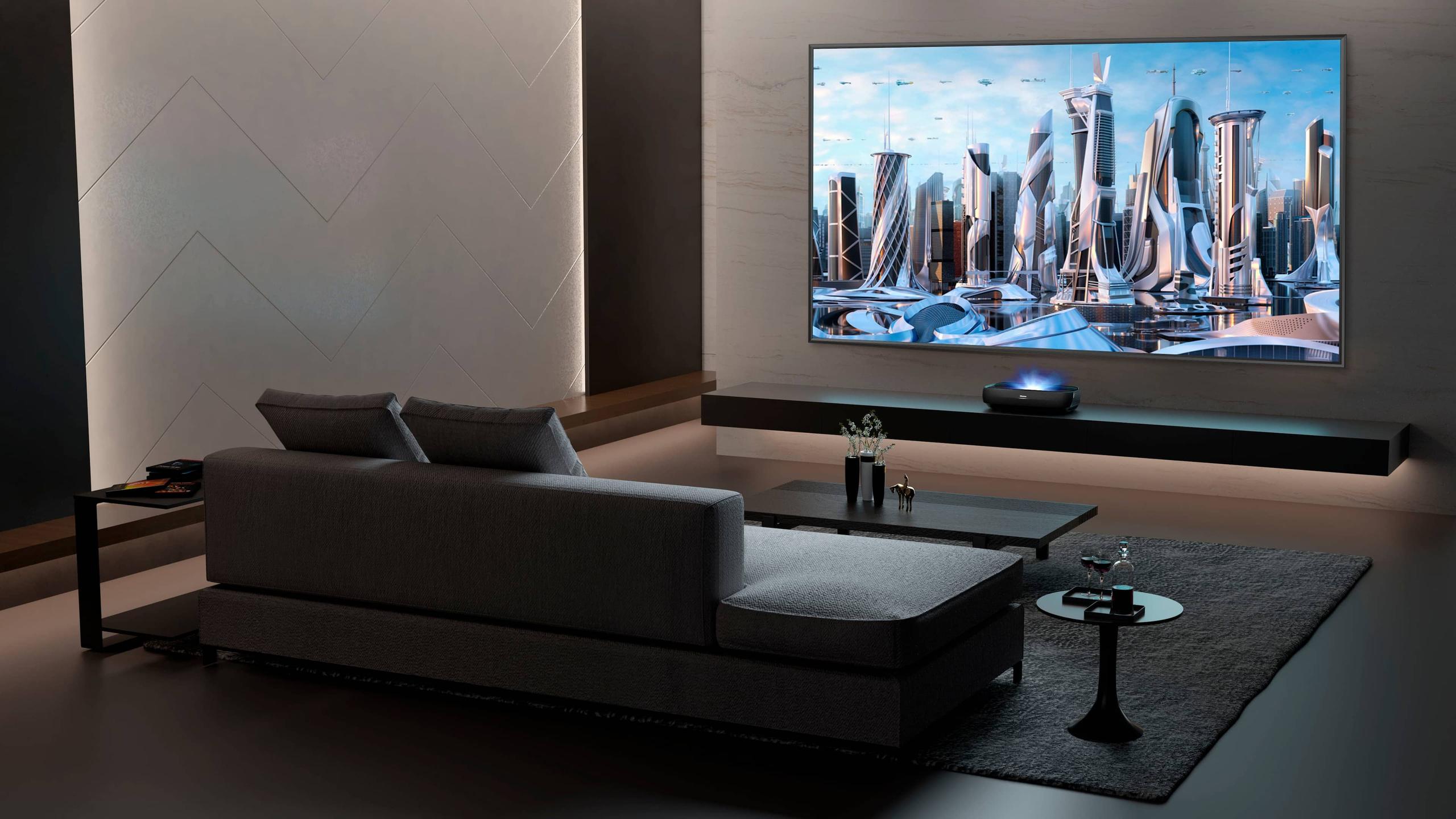
In my experience, the L9H really shines (pun intended) when you can control your room's lighting. With blackout curtains or in a dedicated theater space, the projected image has an almost ethereal quality – colors seem to float in space rather than being confined to a panel. But flip on some table lamps or open the curtains during a daytime movie, and you'll notice the image losing impact.
The QD7, meanwhile, just keeps trucking. Sports on Sunday afternoon with all the lights on? No problem. Late-night gaming with ambient lighting? Still looks great. This consistency is one of traditional TV technology's biggest advantages.
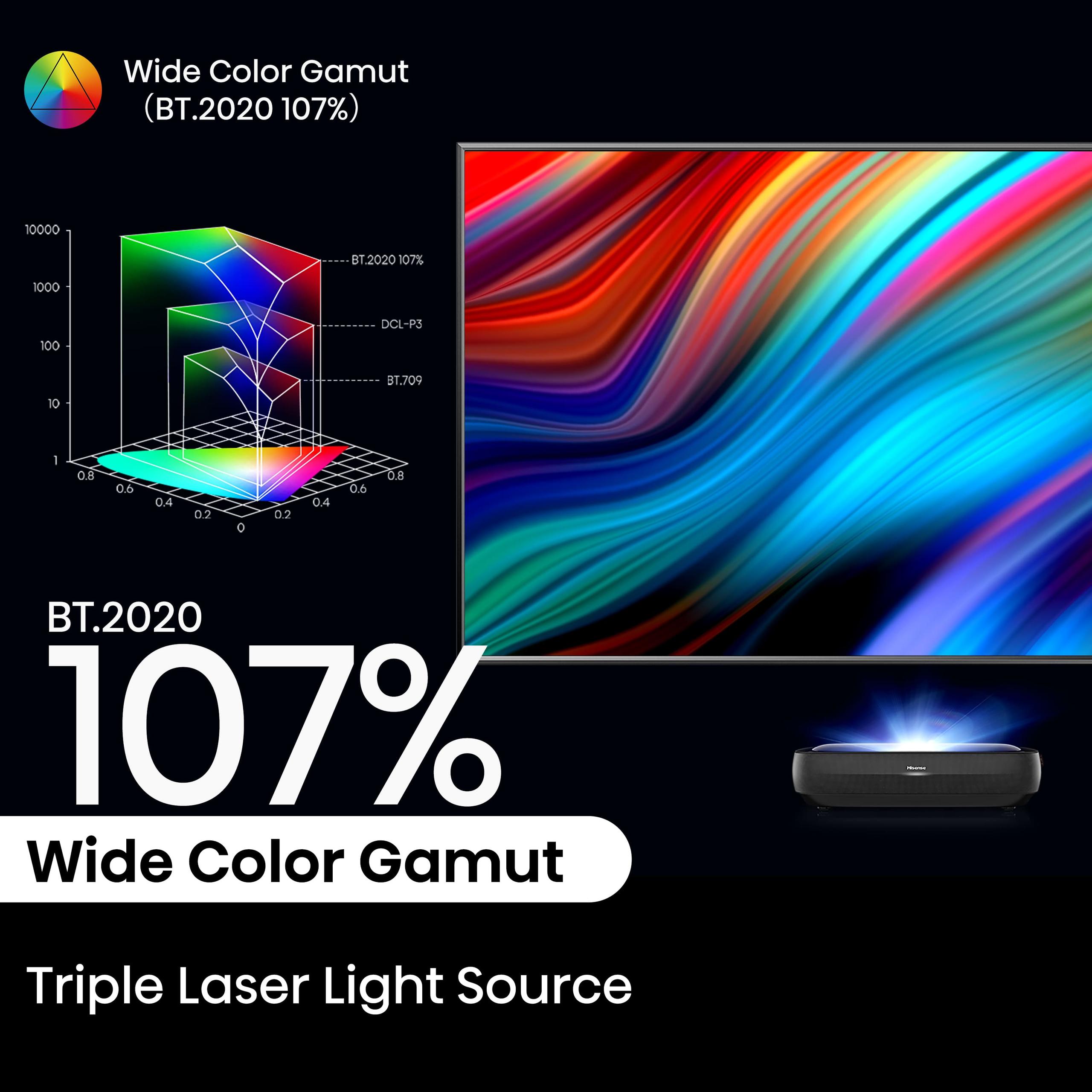
This is where things get technically interesting. The L9H's claim to 107% BT.2020 color coverage is genuinely impressive. BT.2020 is the color standard for 4K HDR content – it defines the range of colors that content creators can use. Most TVs, even good ones, manage around 70-80% of this range. The L9H's TriChroma lasers can hit colors that most displays simply can't reproduce.
But here's the nuance: color coverage and color accuracy aren't the same thing. The QD7's quantum dot technology might not reach quite as wide a color gamut, but what it does reproduce tends to be very accurate to the source material. Quantum dots work by converting blue LED light into more pure red and green wavelengths, creating colors that are both vibrant and precisely controlled.
In practical terms, this means the L9H can display more saturated, "pop off the screen" colors, especially in HDR content. Nature documentaries and animated movies look particularly stunning. The QD7 provides colors that are perhaps more "correct" but potentially less dramatic.
I've found that personal preference plays a big role here. Some viewers prefer the L9H's more saturated approach – it feels more cinematic and immersive. Others prefer the QD7's more natural color reproduction, especially for sports and news content where color accuracy matters more than impact.
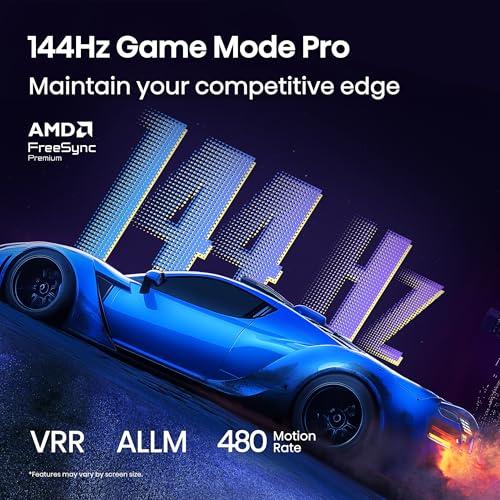
If you're serious about gaming, the performance difference between these displays is substantial. The QD7's 144Hz refresh rate with Variable Refresh Rate support puts it in true gaming monitor territory. VRR synchronizes the display's refresh rate with your graphics card's output, eliminating screen tearing and reducing stuttering. For fast-paced competitive games, this makes a noticeable difference in smoothness and responsiveness.
The input lag story is equally important. Input lag is the delay between when you press a button and when the action appears on screen. The QD7's sub-10ms input lag is genuinely competitive with dedicated gaming monitors. The L9H's 30-35ms lag isn't bad for a projector, but it's enough to put you at a disadvantage in competitive scenarios.
That said, the L9H isn't designed for competitive gaming – it's designed for immersion. Playing single-player story games on a 100-inch screen with proper surround sound is an experience that's hard to replicate with traditional displays. The sense of scale and presence is remarkable, even if the response time isn't championship-level.
Both displays support modern HDR standards, but they handle it differently. The QD7 supports HDR10, HDR10+, and HLG, which covers most HDR content you'll encounter. Its Mini-LED backlighting provides the contrast needed to make HDR content look properly dramatic – bright highlights really pop against dark backgrounds.
The L9H adds Dolby Vision support, which is the premium HDR standard used by Netflix, Disney+, and many 4K discs. Dolby Vision provides frame-by-frame metadata that tells the display exactly how to render each scene. Combined with the L9H's laser light source, this can produce some truly spectacular HDR presentations.
The difference is most noticeable in high-contrast scenes – think spaceship battles against star fields, or sunset landscapes. The L9H can achieve deeper blacks (since it can essentially turn off light entirely in dark areas) while maintaining bright highlights. The QD7's local dimming is excellent, but there's still some light bleed in very dark scenes due to the nature of LCD technology.
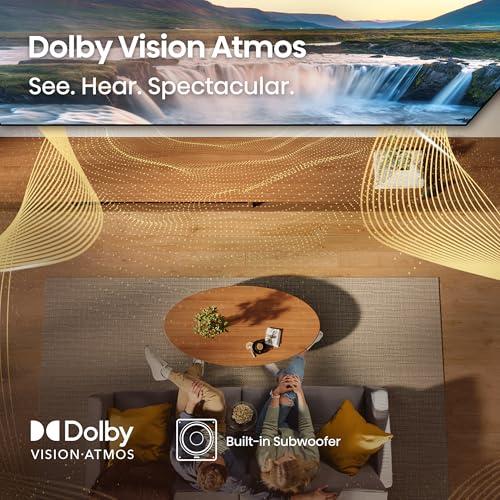
Both displays include built-in audio systems – the QD7 has 50W speakers while the L9H includes 40W with Dolby Atmos. For a 100-inch display, though, you're really going to want external audio. The scale of the image demands audio that matches, and no built-in TV or projector speakers can provide that.
That said, the L9H's Dolby Atmos processing is noticeably better for movie content. It creates a more convincing sense of height and spatial audio, even through the built-in speakers. For casual viewing, it's actually quite impressive. The QD7's audio is more straightforward but perfectly adequate for everyday use.
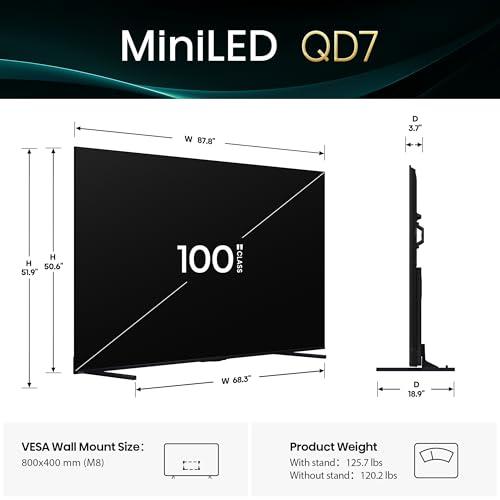
Installing either of these displays is a project, not a quick setup. The QD7 weighs 125 pounds and requires a wall mount rated for significantly more than that. You're looking at professional installation unless you're very comfortable with heavy-duty mounting hardware. The good news is that once it's up, it's just like any other TV – plug it in, connect your sources, and you're done.
The L9H installation is more complex but in different ways. The projector itself is relatively light at 25 pounds, but positioning is critical. It needs to be exactly the right distance from the screen – too close or far and you lose focus. The ALR screen needs to be perfectly flat and properly tensioned. Room lighting becomes a design consideration rather than just a preference.
I've helped friends install both types of displays, and the L9H consistently requires more thought and adjustment. But when it's dialed in correctly, there's something magical about the setup that traditional TVs can't quite match.
For dedicated home theater use, both displays have merit, but they excel in different scenarios. The L9H provides a more authentic cinema experience – the projected image has that "floating in space" quality that's impossible to achieve with direct-view displays. The color depth and contrast in a properly darkened room is genuinely spectacular.
However, the QD7 offers more flexibility for multi-purpose theater spaces. If your theater room also serves as a family room or gaming space, the QD7's consistent performance across different lighting conditions makes it more practical for daily use.
The audio situation favors neither display particularly – both really need external sound systems to match their visual scale. But the L9H's Dolby Atmos processing gives it a slight edge for movie content.
At around $2,500-3,000, the QD7 represents relatively accessible entry into 100-inch viewing. Yes, it's expensive for a TV, but it's reasonably priced for this size and capability. The technology is mature and reliable, with good long-term support prospects.
The L9H at approximately $5,500 asks for a significant premium, but you're getting both the projector and the specialized screen. Equivalent ALR screens alone can cost $1,000-2,000, so the package pricing isn't unreasonable. The modular nature also means you could potentially upgrade components separately in the future.
Both displays should remain relevant for years. The QD7's 144Hz capability and full HDMI 2.1 support future-proof it for next-generation gaming consoles and content. The L9H's Dolby Vision support and wide color gamut ensure it can handle current and future HDR standards.
After living with both types of technology, here's how I'd approach the decision:
Choose the QD7 if your viewing space has variable lighting, if gaming performance matters to you, or if you want the simplicity of traditional TV operation. It's the more versatile choice that will perform consistently regardless of how you use it.
Choose the L9H if you can dedicate a space to optimal viewing conditions, if you prioritize cinematic color reproduction, or if you're drawn to the unique aesthetic of projection technology. It requires more commitment but offers a potentially more immersive experience.
The truth is, both displays represent impressive achievements in their respective technologies. The QD7 proves that traditional TVs can scale to cinema-sized dimensions while maintaining excellent performance. The L9H shows that projector technology has evolved to the point where it can compete directly with TVs in the living room.
Your choice ultimately comes down to your viewing environment, usage patterns, and personal preferences. But either way, you're getting a genuinely impressive 100-inch viewing experience that would have been unimaginable at these price points just a few years ago.
| Hisense 100-Inch QD7 Series Mini-LED 4K Smart TV | Hisense L9H TriChroma Laser TV 100" UST Projector |
|---|---|
| Display Technology - Determines brightness consistency and installation flexibility | |
| Direct-view Mini-LED LCD with quantum dots | Ultra-short throw laser projector with ALR screen |
| Price - Significant difference in upfront investment | |
| $2,499-$3,000 (TV only) | $5,499 (projector + 100" ALR screen included) |
| Brightness Performance - Critical for daytime and bright room viewing | |
| Higher sustained brightness, consistent in all lighting | 3,000 ANSI lumens, requires controlled lighting for optimal performance |
| Color Gamut - Affects color vibrancy and HDR content quality | |
| ~90% BT.2020 coverage with quantum dot enhancement | 107% BT.2020 coverage with TriChroma RGB lasers |
| Gaming Performance - Essential for competitive and console gaming | |
| 144Hz refresh rate, VRR support, | 60Hz fixed, no VRR, 30-35ms input lag |
| HDR Support - Determines premium content compatibility | |
| HDR10, HDR10+, HLG | Dolby Vision, HDR10, HLG (wider format support) |
| Installation Requirements - Affects placement flexibility and setup complexity | |
| Standard TV mount, 125 lbs, plug-and-play setup | Precise 20" positioning from screen, professional installation recommended |
| Room Lighting Sensitivity - Impacts daily usability | |
| Performs consistently in bright or dark rooms | Optimized for dark/controlled lighting environments |
| Audio System - Built-in sound quality and features | |
| 50W stereo speakers with Dolby Atmos | 40W Dolby Atmos with enhanced spatial processing |
| Longevity and Maintenance - Long-term ownership considerations | |
| LED backlighting rated 60,000+ hours, minimal maintenance | Laser light source 25,000+ hours, modular component design |
| Best Use Cases - Primary scenarios where each excels | |
| Multi-purpose rooms, gaming, consistent daily viewing | Dedicated home theater, movie enthusiasts, cinematic immersion |
The Hisense 100-Inch QD7 Series Mini-LED 4K Smart TV is significantly better for bright rooms. Its Mini-LED backlighting maintains consistent brightness and color accuracy regardless of ambient lighting. The Hisense L9H TriChroma Laser TV 100" UST Projector requires controlled lighting to perform optimally, as bright room light can wash out the projected image even with its included ALR screen.
The QD7 Mini-LED TV costs approximately $2,499-$3,000, while the L9H TriChroma projector is priced at $5,499. The projector costs nearly double but includes a 100-inch ALR screen, which alone can cost $1,000-2,000 separately. The TV offers better value for general use, while the projector justifies its premium with specialized cinema technology.
The Hisense QD7 TV is vastly superior for gaming. It offers a 144Hz refresh rate, Variable Refresh Rate support, AMD FreeSync Premium Pro, and sub-10ms input lag. The L9H projector is limited to 60Hz with 30-35ms input lag and no VRR support, making it suitable only for casual gaming rather than competitive play.
The L9H TriChroma projector has superior color coverage at 107% BT.2020 and supports Dolby Vision HDR, providing more vibrant and wider color reproduction. The QD7 TV offers excellent color accuracy with quantum dot technology and supports HDR10/HDR10+/HLG, but with a smaller color gamut around 90% BT.2020. The projector wins for cinematic color depth, while the TV provides more natural, accurate colors.
The Hisense QD7 TV is much easier to install despite its 125-pound weight. It requires a sturdy wall mount but operates like any standard TV once mounted. The L9H projector needs precise positioning exactly 20 inches from the screen, professional calibration, and controlled room lighting. The TV is plug-and-play, while the projector requires careful planning and setup.
Both excel in home theaters but differently. The L9H TriChroma projector provides a more authentic cinema experience with floating imagery, superior color depth, and better contrast in dark rooms. The QD7 TV offers more flexibility for multi-purpose theater spaces that aren't always dark. For dedicated dark theaters, choose the projector; for flexible theater rooms, choose the TV.
Both 100-inch displays require 12-15 feet viewing distance for optimal immersion. The QD7 TV can be viewed comfortably from various angles and distances due to its direct-view technology. The L9H projector performs best when viewers are centered relative to the screen and at the proper distance, as viewing angles are more limited with projected images.
The QD7 TV includes 50W stereo speakers with Dolby Atmos support, adequate for casual viewing. The L9H projector features 40W Dolby Atmos speakers with enhanced spatial processing that creates better height effects. However, both displays really need external sound systems to match their massive 100-inch visual scale for the best experience.
The Hisense QD7 TV has LED backlighting rated for 60,000+ hours with minimal maintenance requirements. The L9H projector uses laser light sources rated for 25,000+ hours but offers modular design for component upgrades. Both should last many years, but the TV requires less ongoing attention and has more predictable longevity.
The QD7 Mini-LED TV works excellently in family rooms and living spaces, performing consistently regardless of lighting conditions or room usage. The L9H projector is less suitable for multi-purpose living spaces as it requires controlled lighting and careful positioning. For flexible family use, the TV is the clear choice.
The Hisense QD7 TV needs a very strong wall mount or large entertainment center but adapts to any room lighting. The L9H TriChroma projector requires a dedicated flat wall for the screen, precise projector placement, and ideally controllable lighting with blackout curtains. The projector demands more specific room modifications for optimal performance.
The Hisense QD7 Series offers superior value for most buyers at $2,499-$3,000, providing consistent performance, gaming capabilities, and bright room usability. The L9H TriChroma projector at $5,499 justifies its premium only for dedicated home theater enthusiasts who can optimize their viewing environment and prioritize cinematic color reproduction over versatility.
We've done our best to create useful and informative comparisons to help you decide what product to buy. Our research uses advanced automated methods to create this comparison and perfection is not possible - please contact us for corrections or questions. These are the sites we've researched in the creation of this article: hometechnologyreview.com - hypermicro.com - bestbuy.com - bestbuy.com - youtube.com - hisense-usa.com - bestbuy.com - pcrichard.com - tvsbook.com - hisense-usa.com - pcrichard.com - nfm.com - bestbuy.com - hisense-canada.com - rtings.com - hisense-usa.com - bestbuy.com - hisense-usa.com - hometechnologyreview.com - youtube.com - youtube.com - hometechnologyreview.com - costco.com - custrevs.com - projectorreviews.com - shop.hisense-usa.com - projectorcentral.com - hometheaterhifi.com - shop.hisense-usa.com - projectorcentral.com - 2001audiovideo.com - projektoren-datenbank.com - content.syndigo.com

Privacy Policy
Terms and Conditions - Affiliate Policy
Home Security
© Copyright 2008-2026.
11816 Inwood Rd #1211, Dallas, TX 75244