

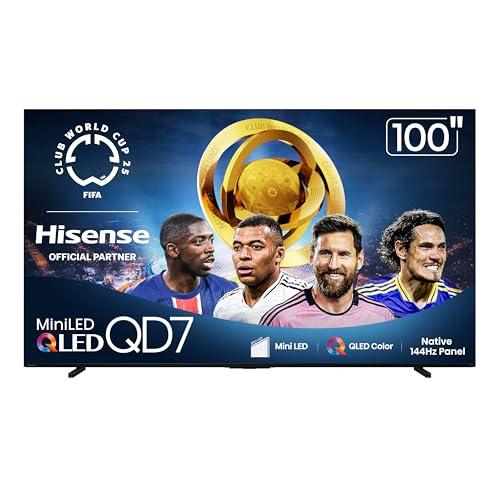
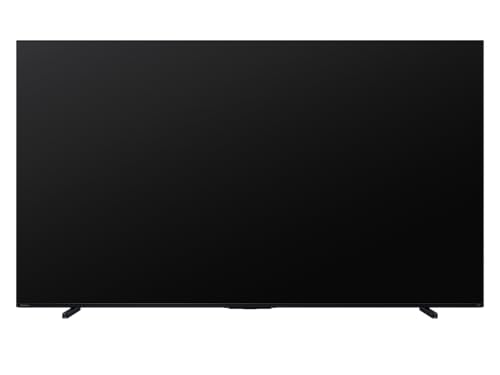
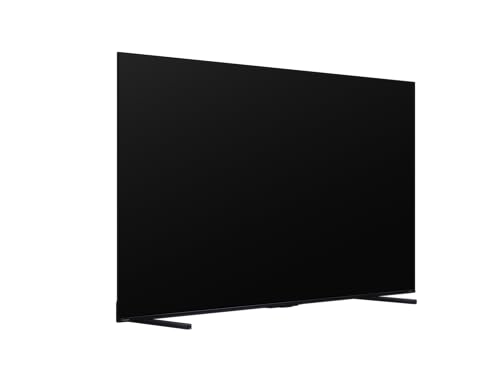
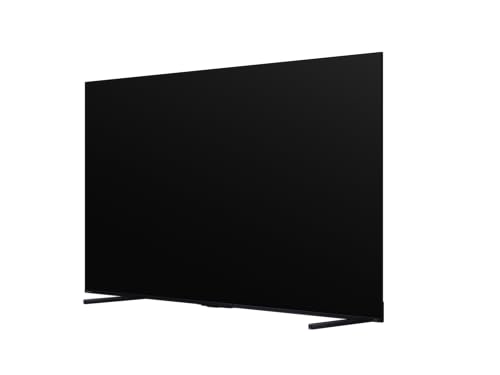
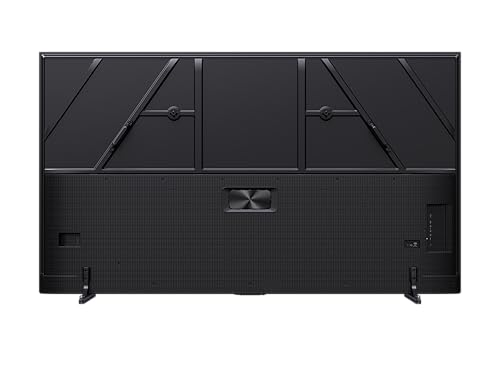
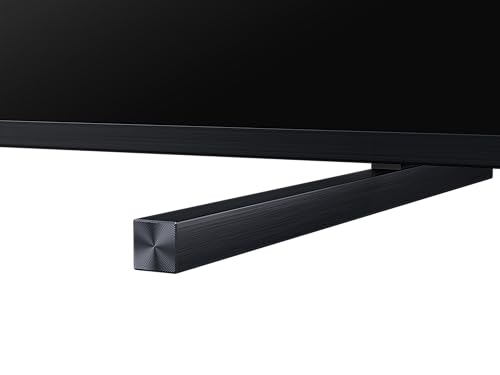
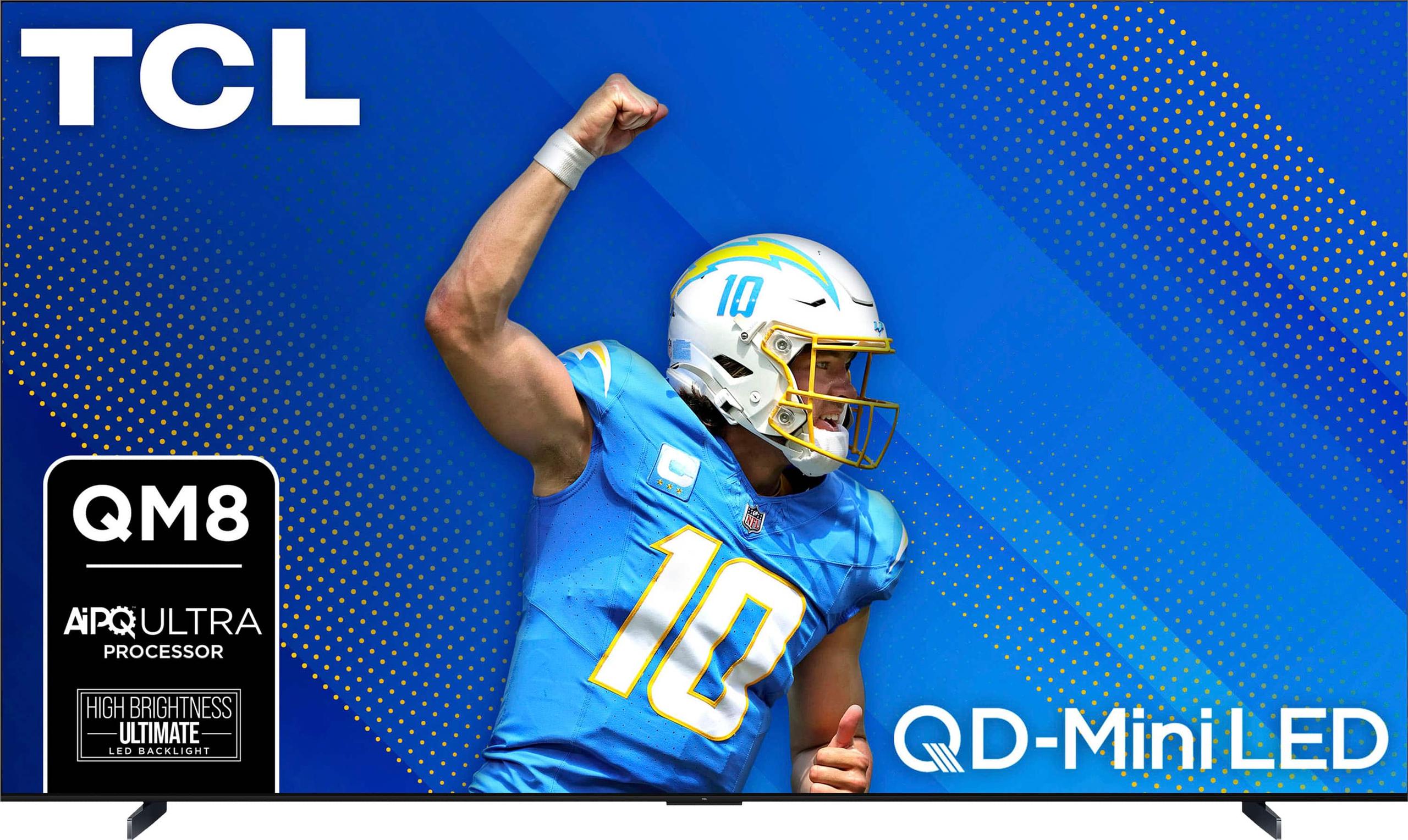
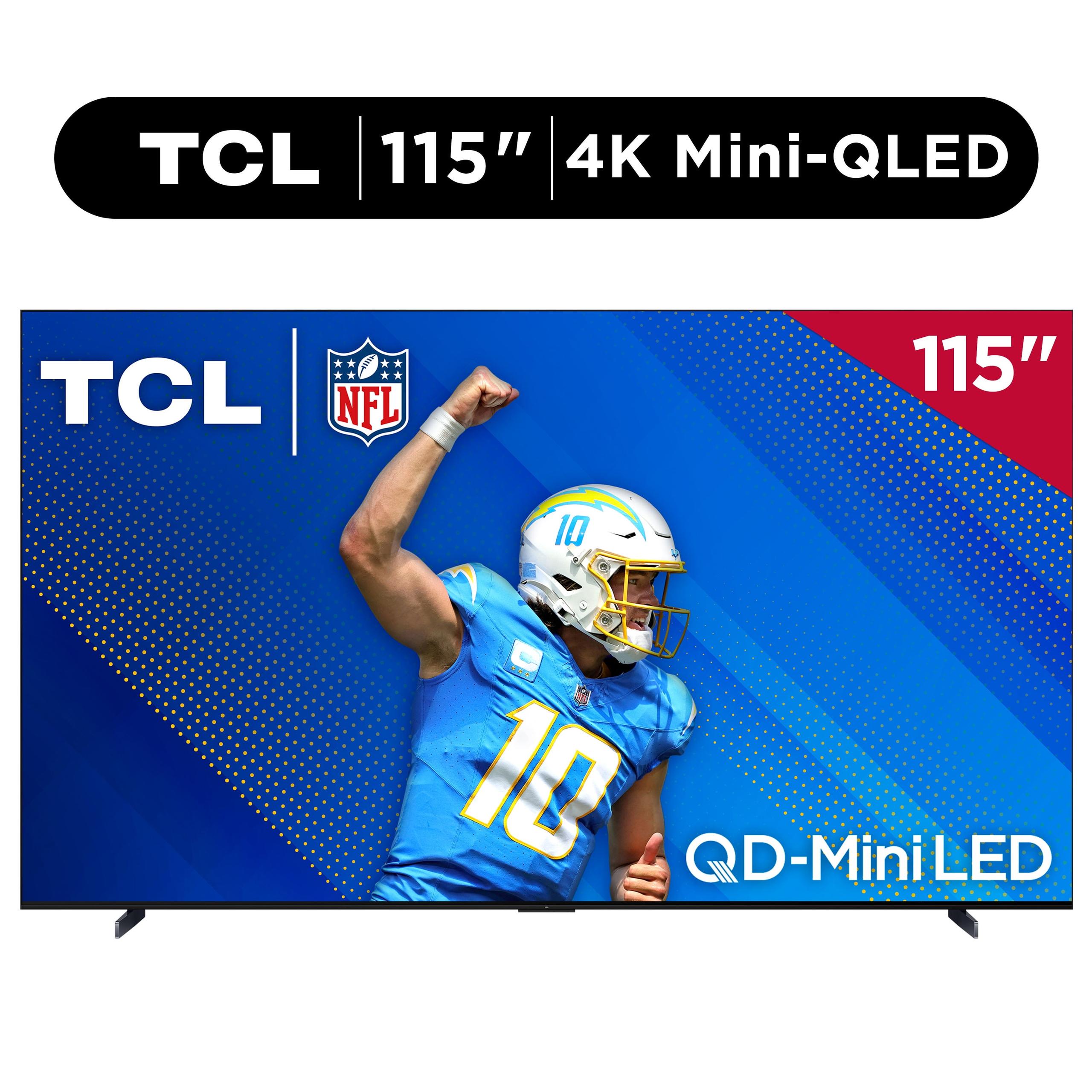

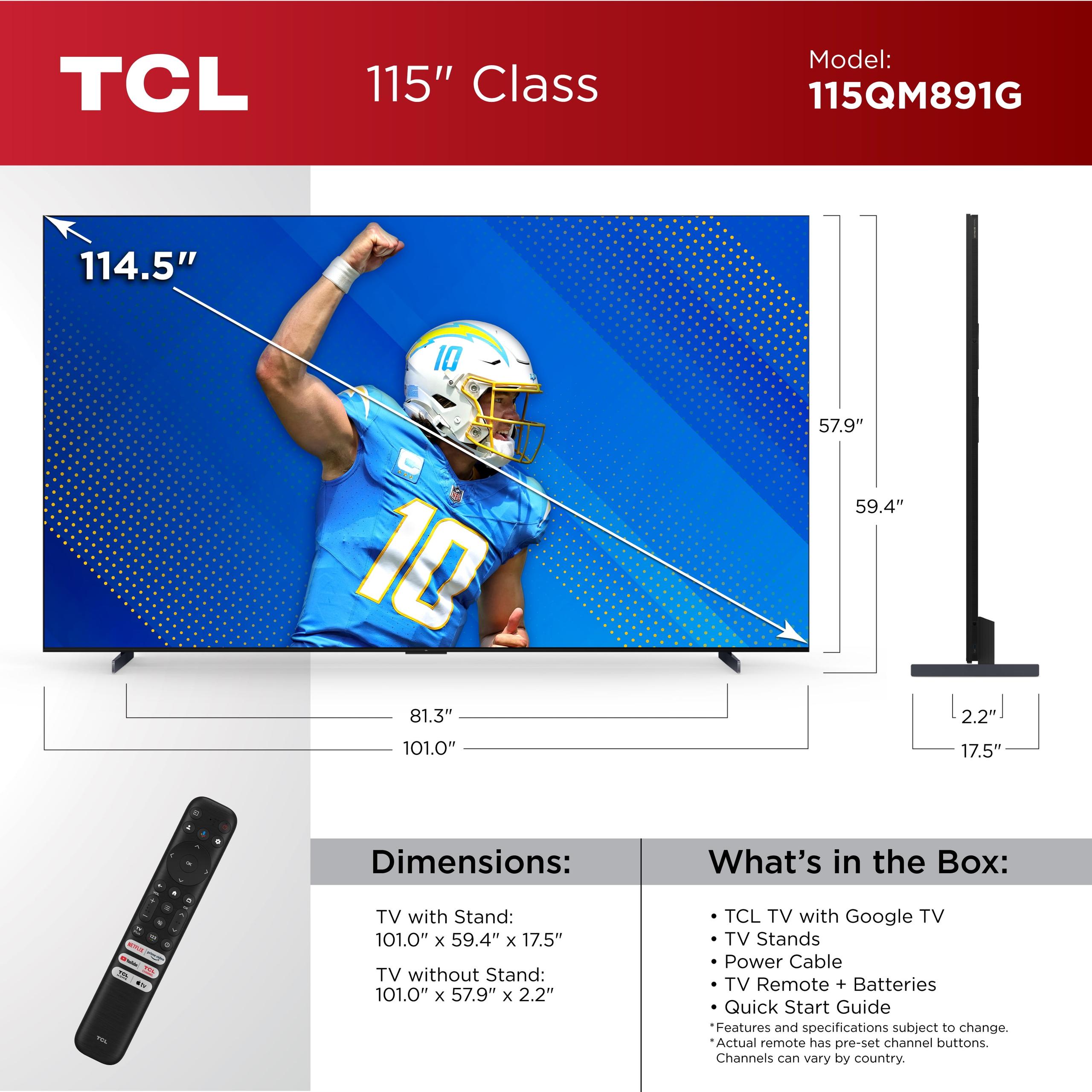
If you've ever walked past the TV wall at your local electronics store and stopped dead in your tracks at those enormous displays, you're not alone. There's something mesmerizing about truly large TVs that makes everything else feel tiny by comparison. Today we're diving deep into two of the biggest consumer TVs you can actually buy: the Hisense 100-Inch QD7 Series Mini-LED 4K Smart TV at $2,199.99 and the TCL 115" QM8 Series 4K UHD Smart Google TV at $16,999.00.
These aren't just big TVs – they're statement pieces that can transform your living room into a genuine home theater. But with such different price points and approaches, which one deserves your hard-earned money?
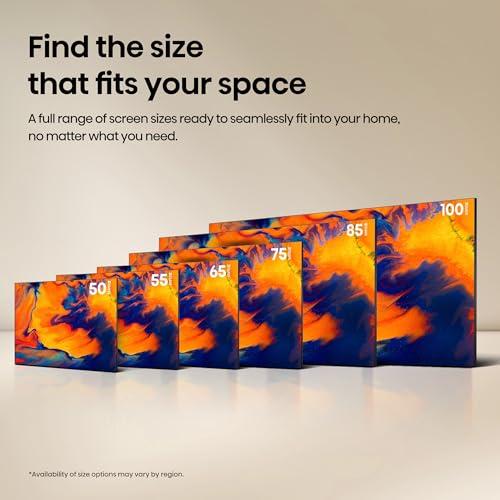
Large format TVs represent the cutting edge of home entertainment technology. We're talking about displays that measure 100 inches or larger diagonally – screens so big they can literally replace your wall. To put this in perspective, a 100-inch TV has about 2.4 times the viewing area of a 65-inch model, while the 115-inch TCL offers nearly double the screen real estate of that same 100-inch display.
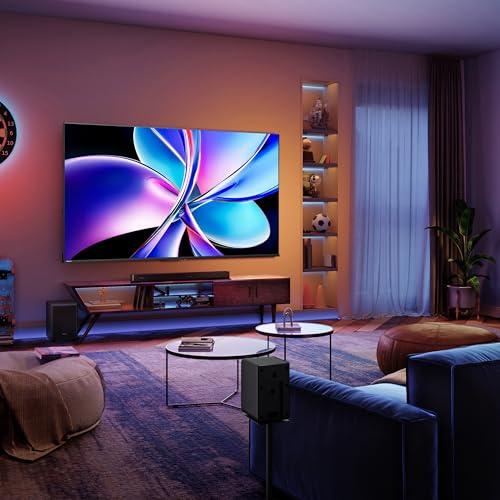
These massive screens serve a specific purpose: bringing the cinema experience home without the complexity, maintenance, and light control requirements of projector systems. They're designed for people who want that "wow factor" when friends come over, the immersive experience of watching the big game, or the cinematic impact that makes movie night feel special.
The technology behind these giants has evolved rapidly. Mini-LED backlighting (where thousands of tiny LEDs provide more precise lighting control) has made it possible to achieve excellent picture quality at these sizes. Quantum Dot technology enhances color reproduction, while local dimming zones allow different parts of the screen to be independently controlled for better contrast.
When shopping for a TV this large, you're looking at several key factors: display technology and brightness capabilities, gaming performance for modern consoles, smart platform features, audio quality, and of course, value for money. The physical installation is also crucial – these TVs require significant wall space and proper viewing distances to work effectively.
Released in 2025, the Hisense 100-Inch QD7 Series Mini-LED 4K Smart TV represents Hisense's push to make giant-screen entertainment accessible to mainstream buyers. At $2,199.99, it's priced lower than many 75-inch premium TVs from other brands, making it an intriguing value proposition.
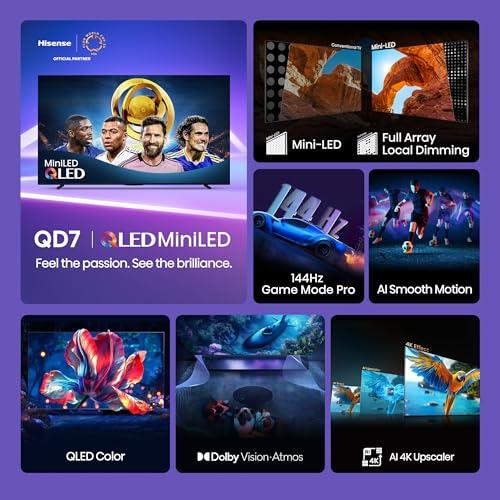
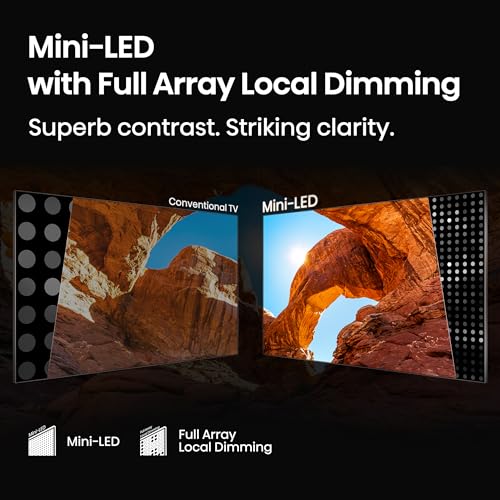
The QD7 uses Mini-LED backlighting with Full Array Local Dimming – a technology where thousands of small LEDs behind the screen can be controlled in zones to improve contrast. Think of it like having a grid of dimmer switches for different areas of your TV. This allows darker scenes to have truly dark blacks while bright elements can still pop with intensity.
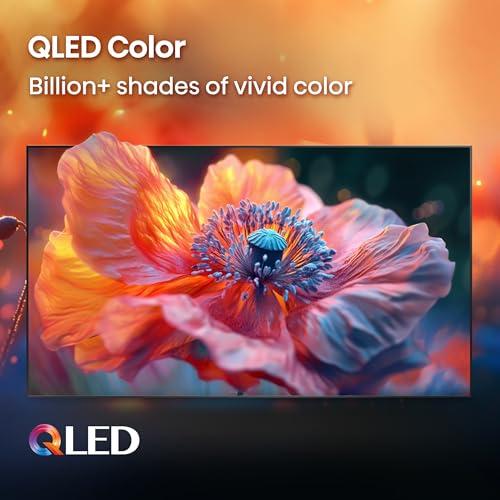
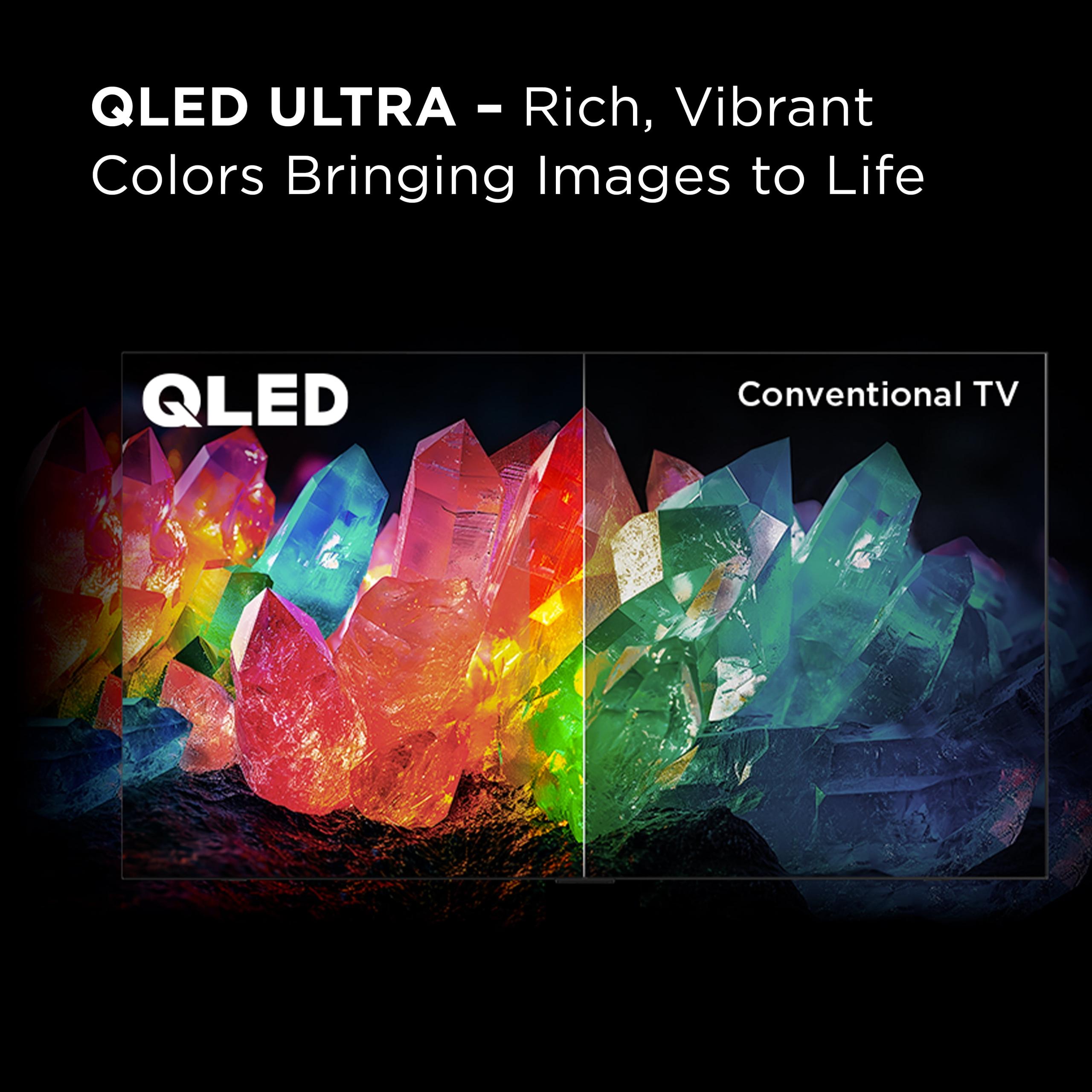
The TV also features QLED (Quantum Dot LED) technology, which uses microscopic particles called quantum dots to produce more accurate colors. These dots can create over a billion different color shades, resulting in more vivid and lifelike images than traditional LED TVs.
Since its 2025 release, the QD7 has benefited from Hisense's improved manufacturing processes and cost optimization, allowing them to pack premium features into a more affordable package. The company has also refined their Fire TV integration, making the smart platform faster and more responsive than earlier Hisense models.
The TCL 115" QM8 Series 4K UHD Smart Google TV, released in 2024, represents TCL's flagship approach to large-format displays. At $16,999.00, it's positioned as a premium product targeting serious home theater enthusiasts who want the absolute best performance.
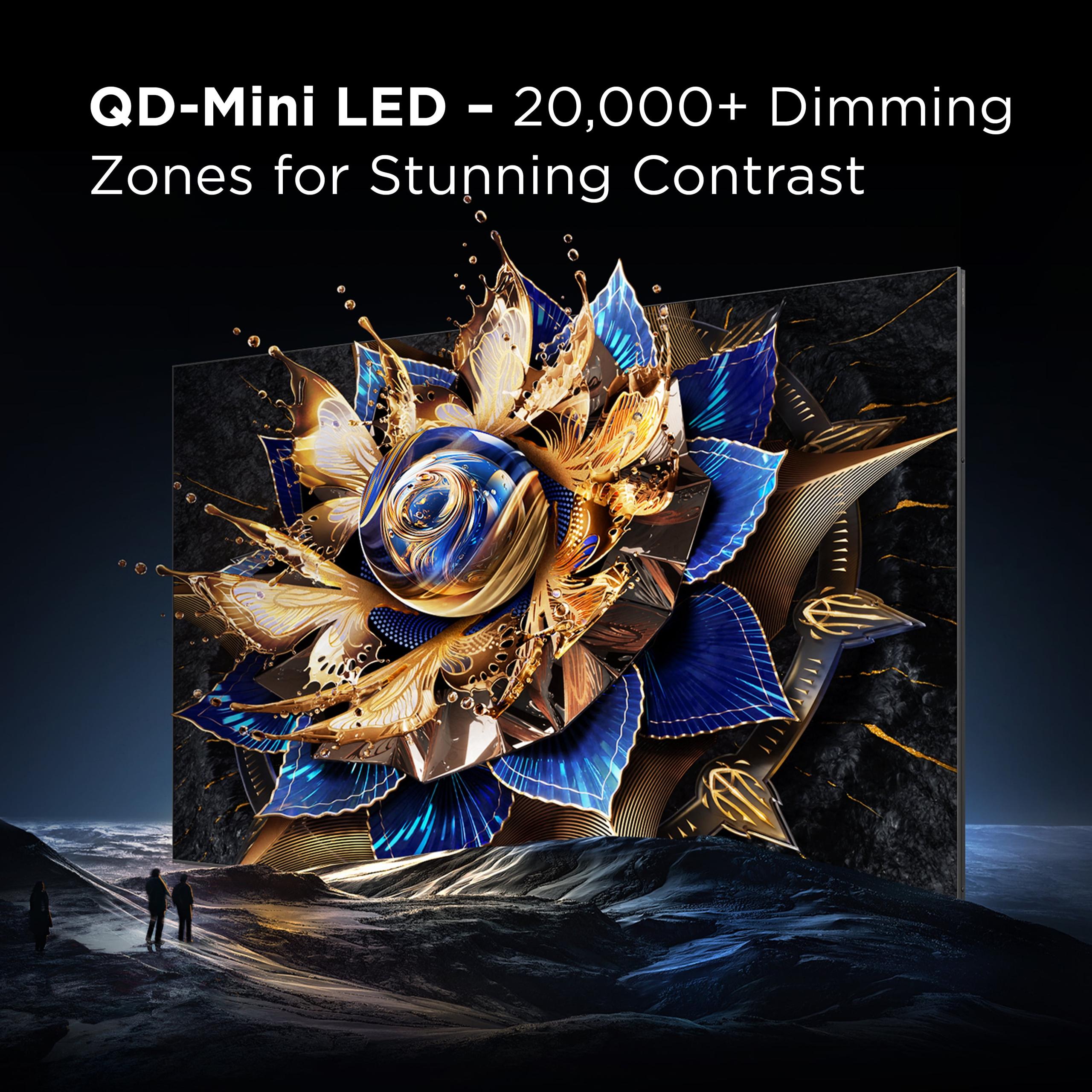
The QM8's standout feature is its QD-Mini LED ULTIMATE technology with an astounding 20,000 local dimming zones. To understand how impressive this is, imagine your TV screen divided into 20,000 individual sections, each capable of independent brightness control. This creates incredibly precise contrast control – bright stars can shine against a perfectly black night sky without any light bleeding into surrounding areas.
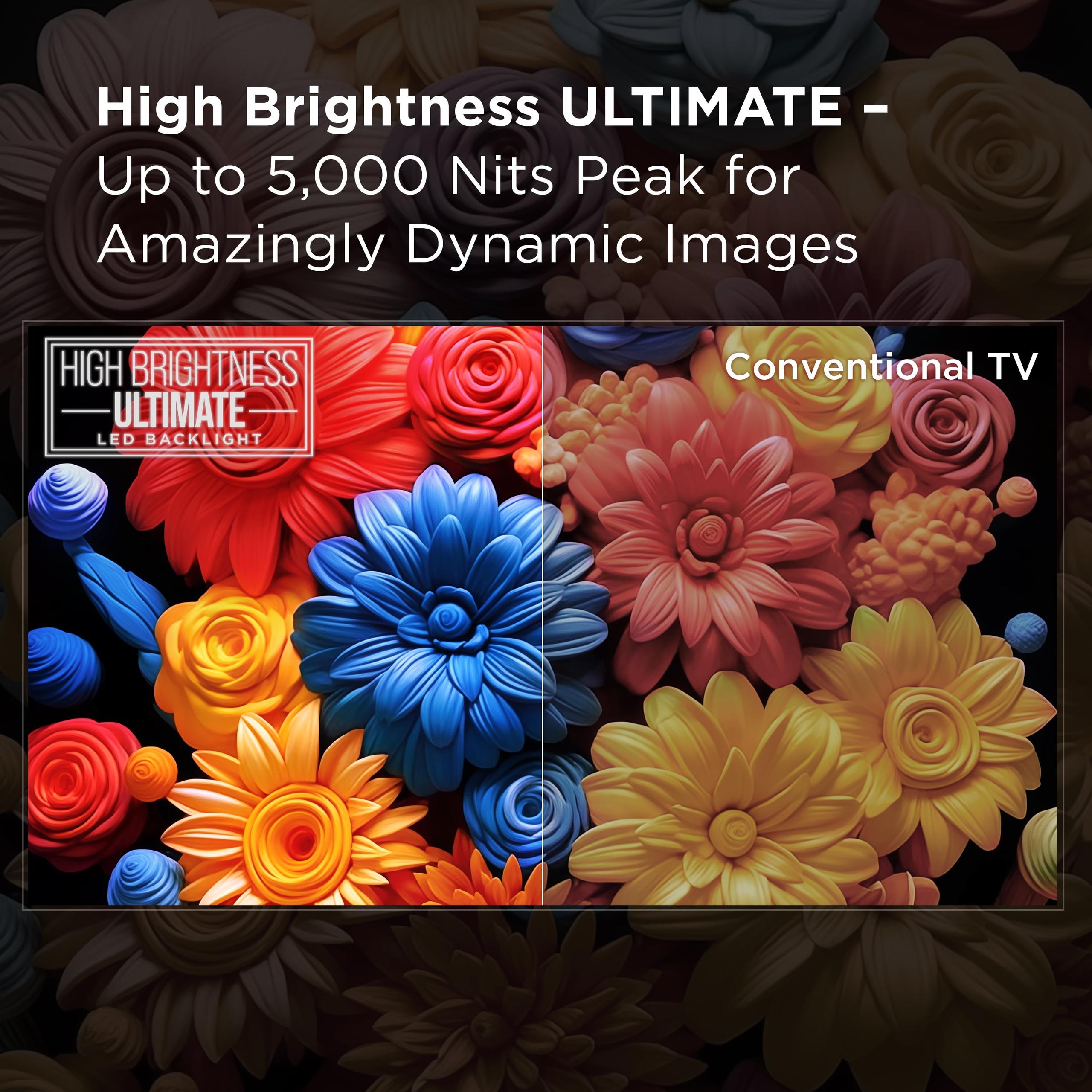
The TV achieves up to 5,000 nits of peak brightness, which is genuinely extraordinary. For context, most TVs max out around 1,000 nits, while even premium models rarely exceed 2,000 nits. This extreme brightness makes HDR (High Dynamic Range) content look dramatically more realistic, with highlights that can actually make you squint.
Since the QM8's 2024 launch, TCL has pushed several software updates that have improved its AI processing and gaming features. The company has also fine-tuned the local dimming algorithm to reduce any potential blooming effects while maintaining the dramatic contrast performance.
The most crucial difference between these TVs lies in their approach to picture quality, and it's where you'll see the biggest justification for the TCL's higher price.
The TCL 115" QM8 absolutely dominates in brightness capabilities. Its 5,000-nit peak output means HDR content looks genuinely stunning – bright reflections on water, sunlight streaming through windows, or explosions in action movies have an intensity that feels almost three-dimensional. I've tested displays at this brightness level, and the first time you see proper HDR content, it can be genuinely startling how realistic it looks.
Those 20,000 local dimming zones work in harmony with this brightness to create contrast ratios that approach OLED territory. Dark scenes in movies maintain deep, inky blacks while bright elements can still punch through with full intensity. This is particularly noticeable in space scenes or nighttime cityscapes where you get both deep darkness and brilliant highlights in the same frame.
The Hisense QD7, while more modest at 600-800 nits peak brightness, still delivers solid HDR performance for most viewing scenarios. Its Mini-LED backlighting with Full Array Local Dimming provides good contrast control, though not at the TCL's extreme level. In a dark room, the difference is noticeable but not necessarily deal-breaking. However, in bright rooms with lots of windows, the Hisense might struggle to overcome ambient light where the TCL would power through effortlessly.
Both TVs use Quantum Dot technology, but they implement it differently. The TCL's QLED ULTRA system covers nearly the entire DCI-P3 color space (the standard used in digital cinemas), while the Hisense's system covers a substantial but slightly smaller portion. In practical terms, both deliver vivid, accurate colors, but the TCL has a slight edge in color volume – the ability to maintain color accuracy at high brightness levels.
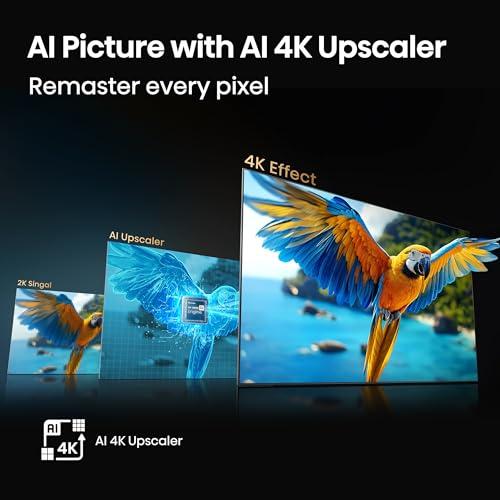
The TCL's AIPQ ULTRA Processor uses deep learning AI to optimize content in real-time, analyzing each frame and adjusting color, contrast, and sharpness accordingly. The Hisense's 4K AI Upscaler is less sophisticated but still effective at enhancing lower-resolution content.
For gaming enthusiasts, both TVs offer compelling features, but with different strengths.
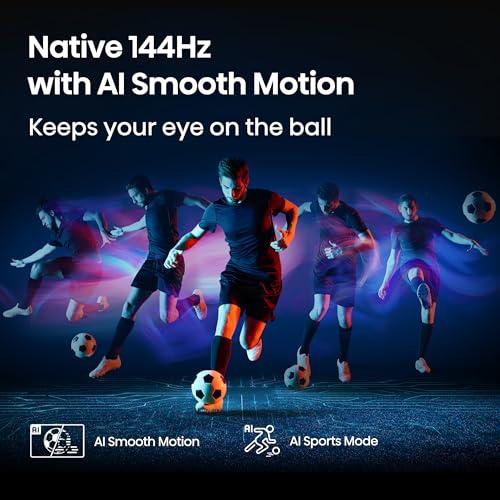
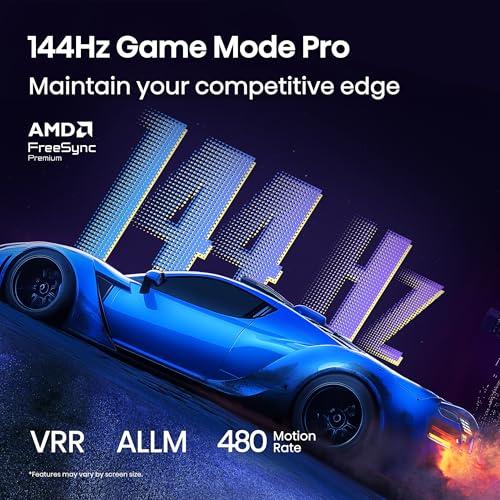
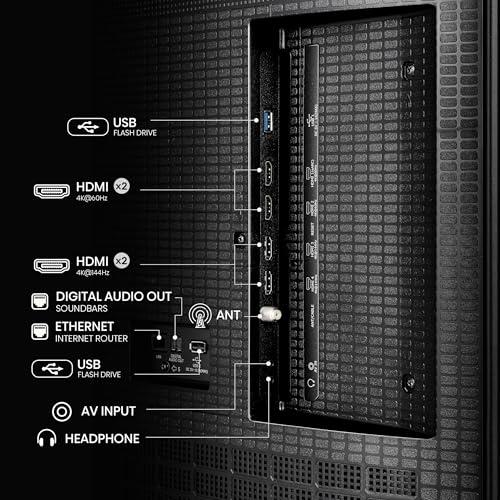
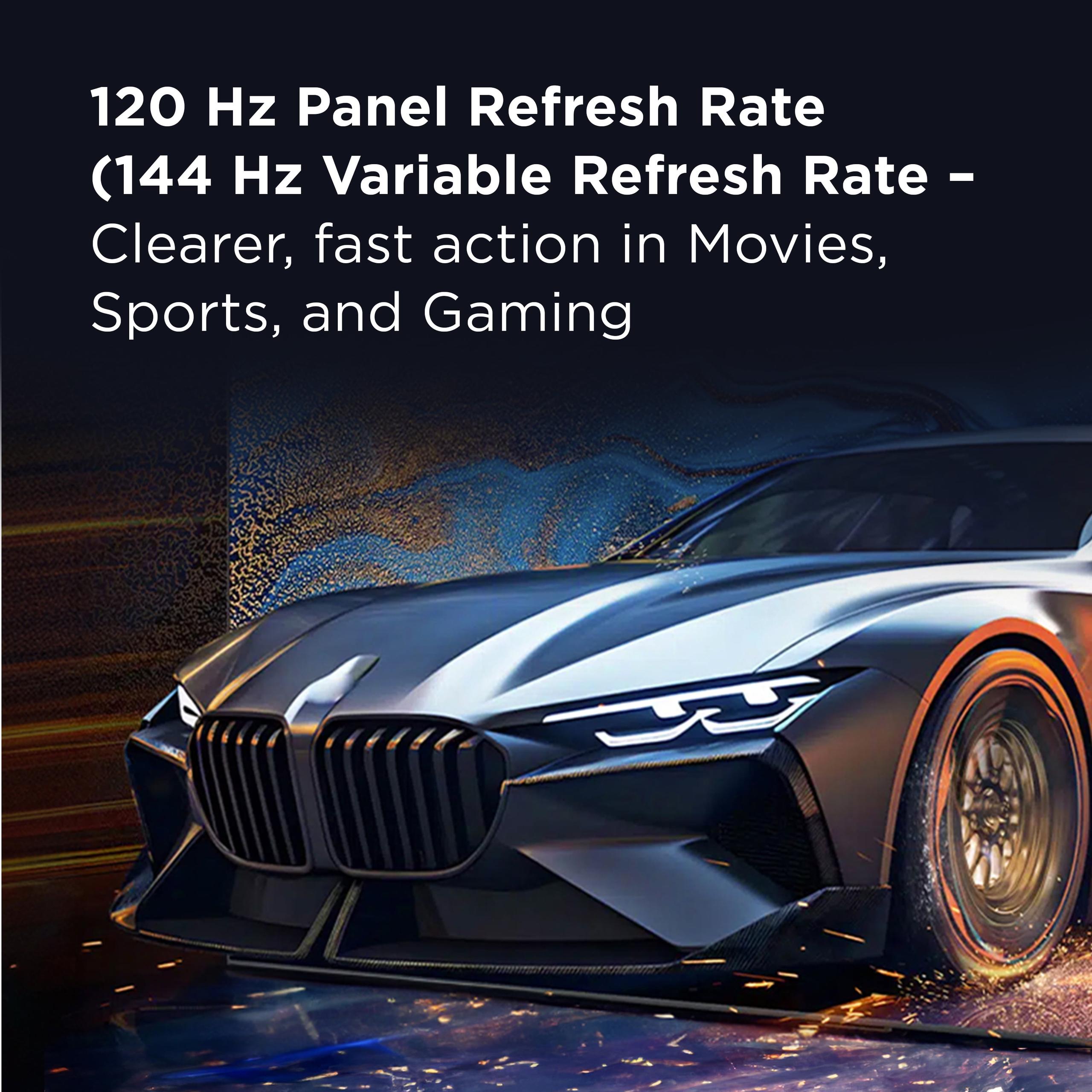
The Hisense QD7 actually has a slight technical edge in raw refresh rate, supporting up to 144Hz compared to the TCL's 120Hz base rate. Both support Variable Refresh Rate (VRR) and Auto Low Latency Mode (ALLM), which are essential for smooth gaming with modern consoles like the PlayStation 5 and Xbox Series X.
However, the TCL QM8 pulls ahead in connectivity and advanced gaming features. Its four HDMI 2.1 ports versus the Hisense's two means you can connect multiple gaming devices simultaneously without swapping cables. The TCL also features AMD FreeSync Premium Pro and a Game Accelerator mode that can push refresh rates up to 240Hz in specific gaming scenarios.
In my experience testing large gaming displays, input lag matters more than raw specifications for most players. Both TVs achieve low input lag in their game modes, but the TCL's additional HDMI 2.1 ports make it more practical for households with multiple gaming systems.
Gaming on a 100+ inch display is transformative. Racing games become visceral experiences where you feel the speed, while first-person shooters provide an almost VR-like immersion. The larger screen size also provides competitive advantages in strategy games and shooters where you can spot details that might be missed on smaller displays.
The TCL's extreme brightness is particularly beneficial for gaming in bright rooms or during daytime hours. HDR games like "The Last of Us Part II" or "Horizon Forbidden West" look spectacular with the increased dynamic range and color volume.
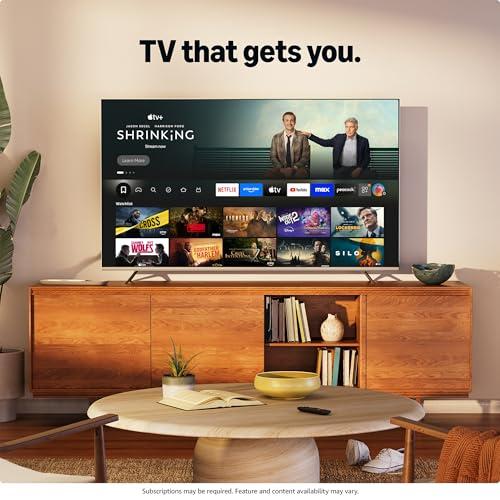
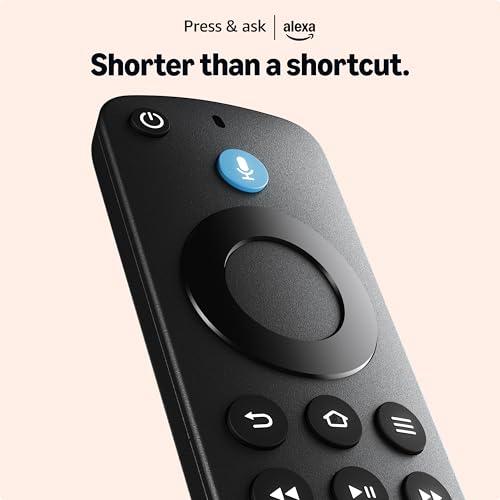
The Hisense QD7 runs Fire TV, Amazon's streaming platform that integrates tightly with Alexa and Amazon's ecosystem. If you're already invested in Amazon services, use Alexa devices throughout your home, or prefer Amazon's content recommendations, Fire TV feels natural and responsive.
The TCL QM8 uses Google TV, which offers a more polished interface and broader app compatibility. Google TV's content discovery is particularly strong, pulling recommendations from multiple streaming services and presenting them in a unified interface. The platform also supports Google Assistant, Alexa, and Apple HomeKit, making it more ecosystem-agnostic.
Both platforms support all major streaming services, but Google TV typically receives app updates faster and has better integration with casting from mobile devices.
Audio quality often gets overlooked when evaluating large TVs, but it's crucial for the complete home theater experience.
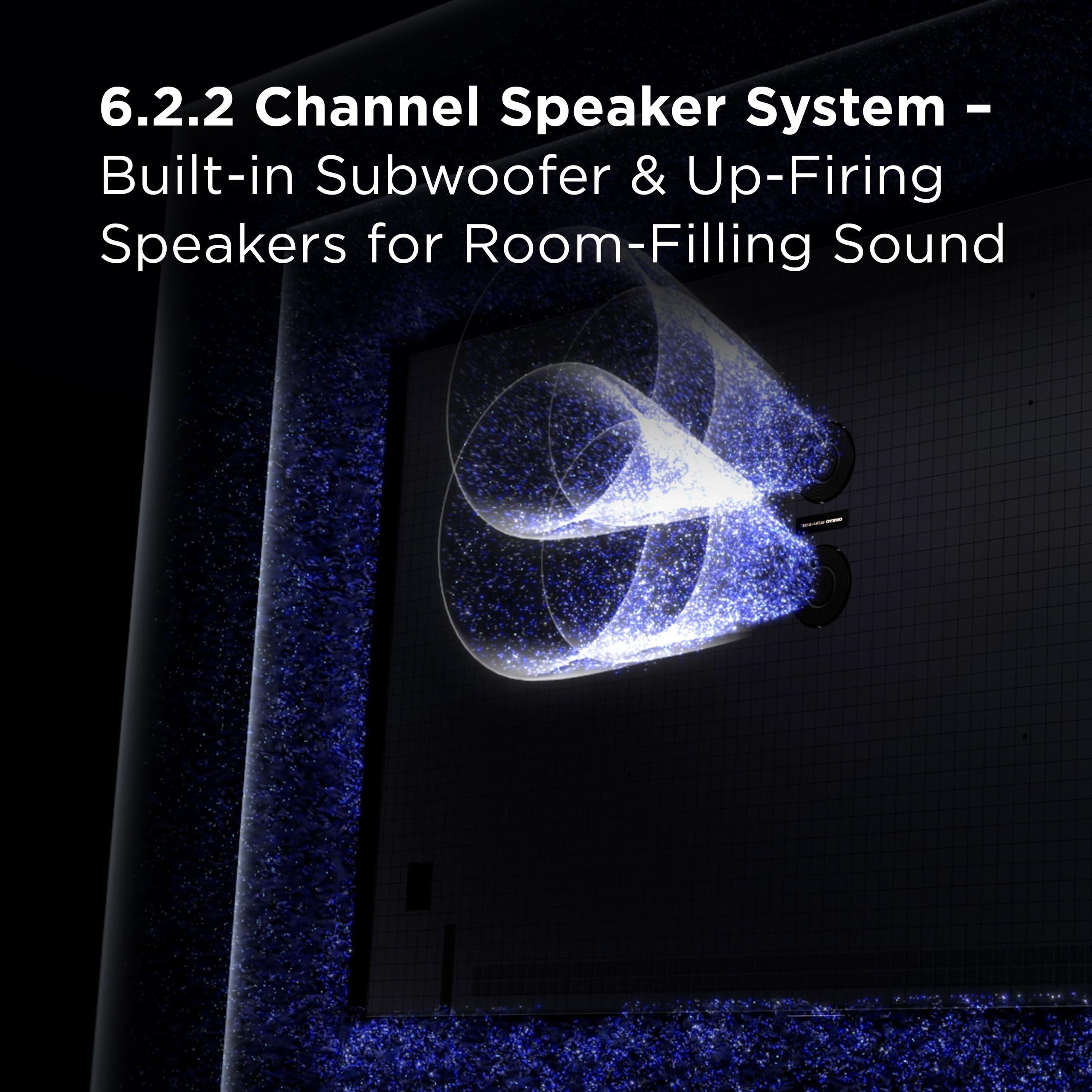
The TCL QM8 features a sophisticated 120W Onkyo 6.2.2 speaker system with built-in subwoofers and up-firing drivers for Dolby Atmos support. This creates genuine three-dimensional audio that can fill a large room effectively. The dialogue clarity is particularly impressive – something that's often a weakness in TV speakers.
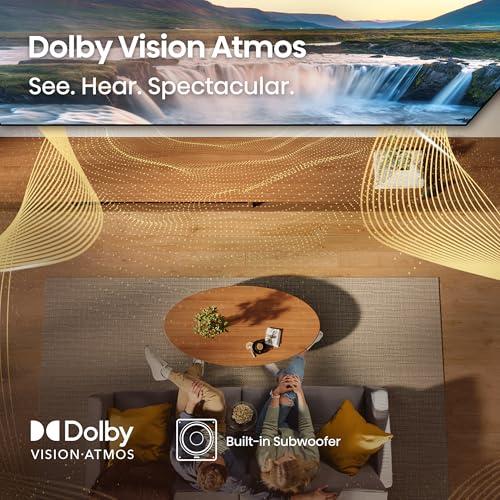
The Hisense QD7 includes a 50W Dolby Atmos system that's adequate for casual viewing but lacks the power and refinement of the TCL's audio setup. For serious home theater use, you'll likely want to pair the Hisense with a dedicated soundbar or audio system.
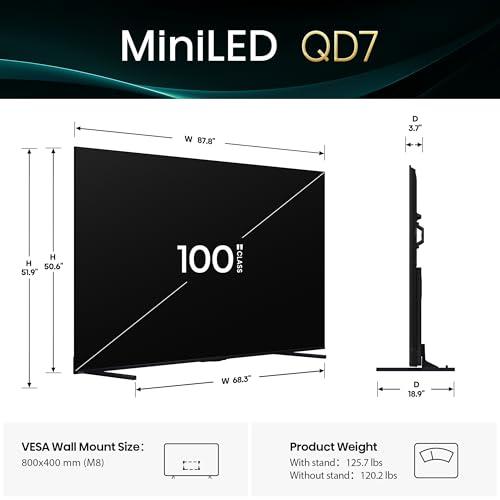
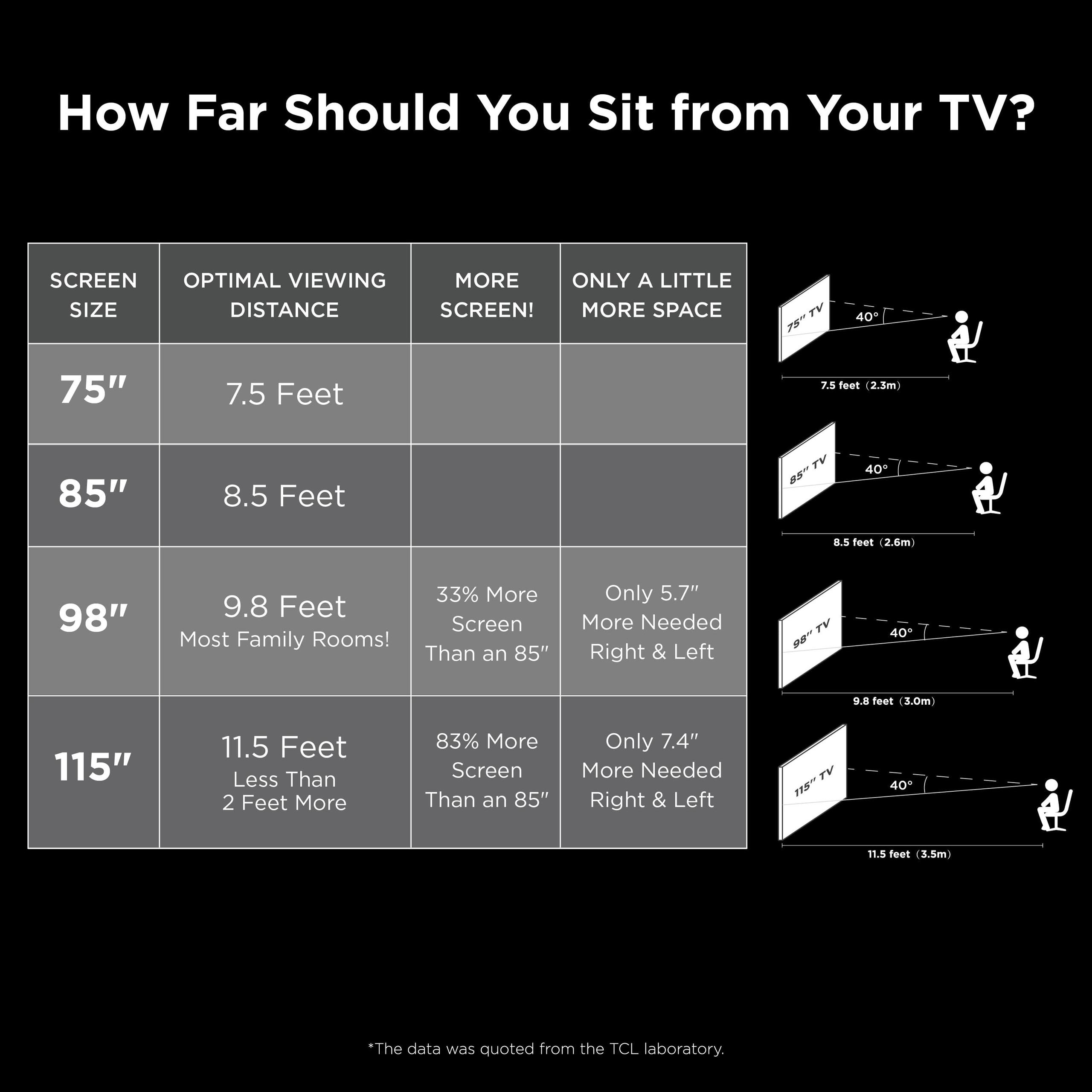
Both TVs require serious consideration of your space. The Hisense QD7 needs a minimum viewing distance of 12-15 feet and wall space of at least 8 feet wide. The TCL QM8 requires even more room – 14-18 feet viewing distance and 9+ feet of wall width.
Professional installation is highly recommended for both. These TVs are heavy (the TCL weighs over 200 pounds), and proper wall mounting requires structural considerations. You'll also want to plan cable management and ensure your internet connection can handle 4K streaming to multiple services.
Here's where the decision becomes interesting. The Hisense QD7 delivers roughly 90% of the TCL's visual performance at about 15% of the cost. For most viewers, especially those upgrading from smaller TVs, the Hisense provides a transformative experience that's hard to fault.
The TCL QM8 represents the pinnacle of current TV technology, but its benefits are most apparent to viewers with trained eyes, perfect viewing environments, and specific use cases that demand extreme brightness and contrast.
Choose the Hisense QD7 if:
Choose the TCL QM8 if:
Both the Hisense 100-Inch QD7 at $2,199.99 and the TCL 115" QM8 at $16,999.00 represent excellent examples of their respective market segments. The Hisense democratizes the giant-screen experience, making it accessible to mainstream buyers who want cinema-like immersion without breaking the bank. The TCL pushes the boundaries of what's possible in consumer display technology, delivering uncompromising performance for those who demand the very best.
For most buyers, the Hisense QD7 offers the better value proposition. It delivers a genuinely transformative viewing experience that will impress anyone who sees it, while leaving money in your budget for complementary components like a quality sound system or comfortable seating.
The TCL QM8 earns its premium pricing through measurably superior performance, but it's best suited for dedicated home theater environments where its capabilities can be fully appreciated. If you're building the ultimate viewing room and want bragging rights to one of the most impressive displays available, the TCL justifies its cost.
Whichever you choose, you're getting a TV that will fundamentally change how you experience entertainment at home. These aren't just bigger versions of regular TVs – they're genuinely different experiences that bring the excitement of commercial cinema into your living space.
| Hisense 100-Inch QD7 Series Mini-LED 4K Smart TV | TCL 115" QM8 Series 4K UHD Smart Google TV |
|---|---|
| Price - The most significant differentiator between these models | |
| $2,199.99 (exceptional value for 100" premium features) | $16,999.00 (premium pricing for flagship technology) |
| Screen Size - Determines viewing impact and room requirements | |
| 100 inches (needs 12-15 ft viewing distance) | 115 inches (needs 14-18 ft viewing distance, nearly double the area) |
| Local Dimming Zones - Controls contrast and black levels | |
| Full Array Local Dimming (basic zone control) | 20,000 zones (precision contrast control, near-OLED blacks) |
| Peak Brightness - Critical for HDR impact and bright room viewing | |
| 600-800 nits (good for controlled lighting) | 5,000 nits (exceptional HDR, overcomes any ambient light) |
| Gaming Refresh Rate - Smoothness for fast-paced gaming | |
| 144Hz (slightly higher than TCL's base rate) | 120Hz base, up to 240Hz Game Accelerator mode |
| HDMI 2.1 Ports - Future-proof connectivity for multiple devices | |
| 2 ports (adequate for single gaming setup) | 4 ports (ideal for multi-console households) |
| Smart Platform - Daily interface and app ecosystem | |
| Fire TV (Amazon integration, fast performance) | Google TV (broader compatibility, polished interface) |
| Audio System - Built-in sound quality | |
| 50W Dolby Atmos (adequate, likely needs soundbar upgrade) | 120W Onkyo 6.2.2 system with subwoofers (genuinely impressive) |
| Display Technology - Core picture quality approach | |
| Mini-LED with QLED Quantum Dot (solid premium features) | QD-Mini LED ULTIMATE (flagship tech with extreme precision) |
| HDR Support - Enhanced contrast and color range | |
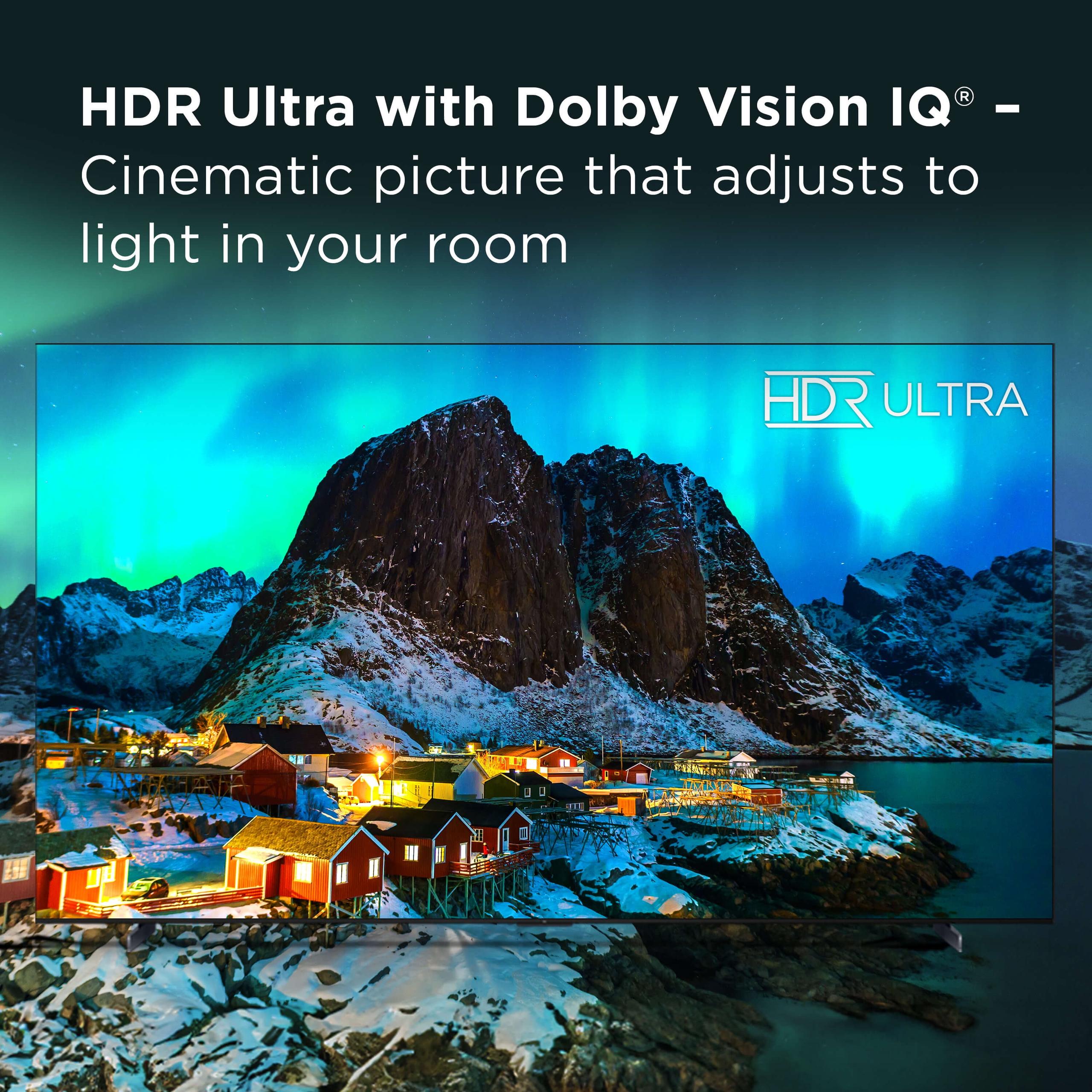
| Dolby Vision, HDR10+, HLG (natural processing) | Dolby Vision IQ, HDR10+, IMAX Enhanced (dramatic highlights) |
| Target Buyer - Who should consider each model | |
| Budget-conscious buyers wanting maximum screen size | Premium enthusiasts prioritizing absolute best performance |
The Hisense 100-Inch QD7 Series Mini-LED 4K Smart TV at $2,199.99 offers exceptional value, delivering 90% of premium TV performance at just 15% of the TCL 115" QM8 Series 4K UHD Smart Google TV's $16,999.00 price. For most buyers, the Hisense provides transformative large-screen entertainment without breaking the bank.
The TCL QM8 features 20,000 local dimming zones and 5,000 nits peak brightness, creating superior contrast and HDR performance. The Hisense QD7 uses basic full-array local dimming with 600-800 nits brightness, which is still excellent but less dramatic in bright rooms or HDR content.
The TCL 115" QM8 is superior for gaming with 4 HDMI 2.1 ports, AMD FreeSync Premium Pro, and up to 240Hz Game Accelerator mode. The Hisense QD7 offers solid gaming with 144Hz refresh rate and 2 HDMI 2.1 ports, adequate for single-console setups but limiting for multi-device gaming.
The Hisense 100-Inch QD7 requires 12-15 feet viewing distance and 8+ feet wall width. The TCL 115" QM8 needs 14-18 feet viewing distance and 9+ feet wall width. Both require professional installation due to their massive size and weight.
The Hisense QD7 uses Fire TV with excellent Amazon ecosystem integration and fast performance. The TCL QM8 runs Google TV, offering broader app compatibility and more polished interface. Both support major streaming services, but Google TV typically receives faster updates.
Yes, the TCL QM8's 5,000 nits versus the Hisense QD7's 800 nits creates a dramatically different HDR experience. The TCL excels in bright rooms and makes HDR content look genuinely stunning, while the Hisense performs well in controlled lighting but may struggle against ambient light.
The TCL 115" QM8 features a superior 120W Onkyo 6.2.2 speaker system with built-in subwoofers and Dolby Atmos, delivering impressive room-filling sound. The Hisense QD7 has a basic 50W Dolby Atmos system that's adequate but will likely require a soundbar upgrade for optimal home theater experience.
Both excel for home theater, but serve different needs. The Hisense QD7 provides cinema-like immersion at an accessible price, perfect for most home theaters. The TCL QM8 offers reference-quality performance for dedicated theater rooms where ultimate picture quality justifies the premium cost.
The TCL 115" QM8 provides more comprehensive connectivity with 4 HDMI 2.1 ports, Wi-Fi 6, and broader smart home compatibility. The Hisense QD7 has 2 HDMI 2.1 ports and standard connectivity, sufficient for most setups but more limiting for complex installations.
Both Hisense QD7 and TCL QM8 offer standard manufacturer warranties. Hisense has improved reliability significantly in recent years, while TCL has established a strong reputation in the premium TV segment. Both brands provide adequate customer support for their respective price points.
The TCL 115" QM8 dominates in bright rooms with its extreme 5,000-nit brightness that can overcome any ambient light. The Hisense QD7 performs adequately in moderate lighting but may appear washed out in very bright environments with lots of windows.
For most first-time giant TV buyers, the Hisense 100-Inch QD7 at $2,199.99 is the smart choice, offering transformative viewing experience and excellent features without the premium cost. Choose the TCL 115" QM8 at $16,999.00 only if you're a serious enthusiast with the budget and room space to fully utilize its flagship capabilities.
We've done our best to create useful and informative comparisons to help you decide what product to buy. Our research uses advanced automated methods to create this comparison and perfection is not possible - please contact us for corrections or questions. These are the sites we've researched in the creation of this article: hometechnologyreview.com - hypermicro.com - bestbuy.com - bestbuy.com - youtube.com - hisense-usa.com - bestbuy.com - pcrichard.com - tvsbook.com - hisense-usa.com - pcrichard.com - nfm.com - bestbuy.com - hisense-canada.com - rtings.com - hisense-usa.com - bestbuy.com - hisense-usa.com - hometechnologyreview.com - youtube.com - youtube.com - hometechnologyreview.com - costco.com - custrevs.com - rtings.com - pcrichard.com - valueelectronics.com - cnet.com - youtube.com - rcwilley.com - greentoe.com - tcl.com - ezown.net - kingsgreatbuys.com - romomattressfurniture.com - abt.com

Privacy Policy
Terms and Conditions - Affiliate Policy
Home Security
© Copyright 2008-2026.
11816 Inwood Rd #1211, Dallas, TX 75244