

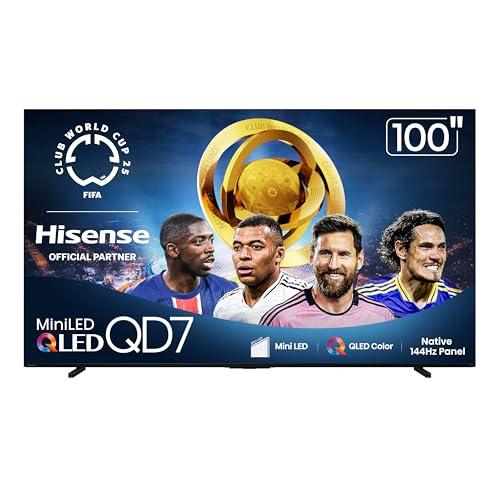
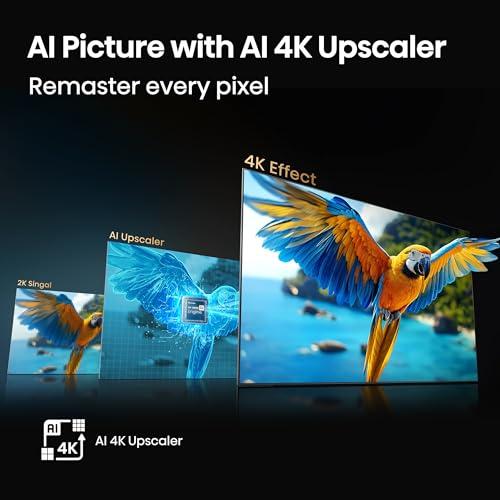
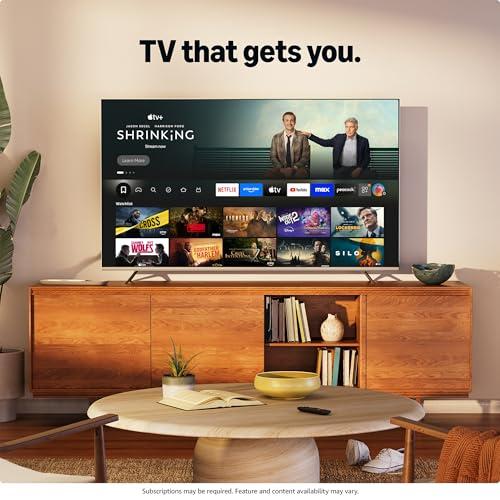
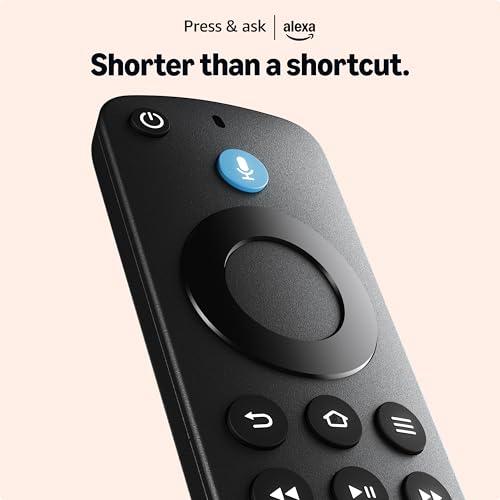
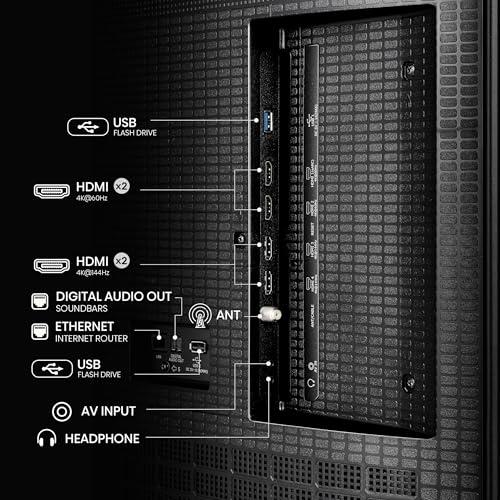
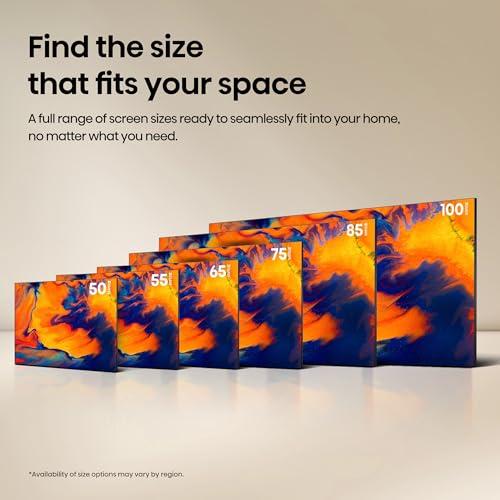
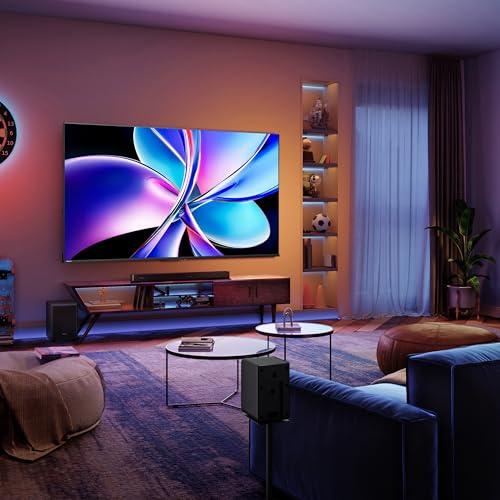
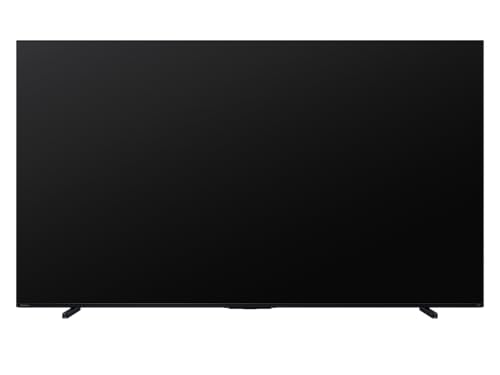
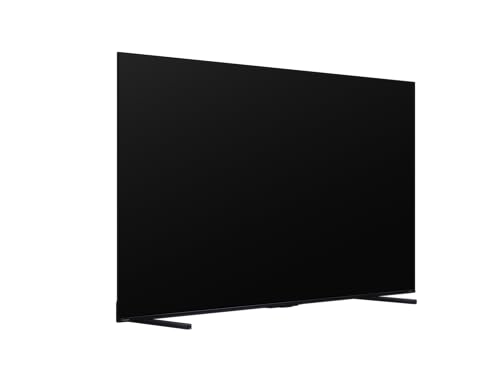
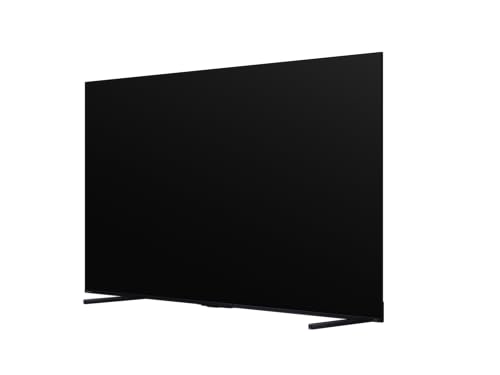
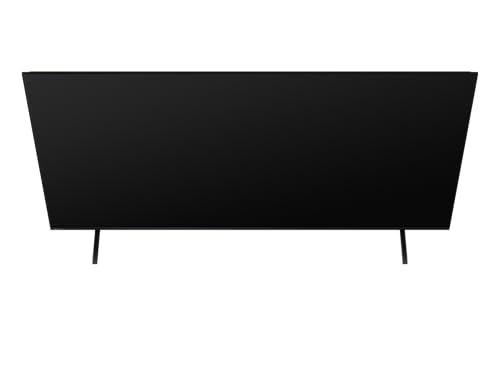
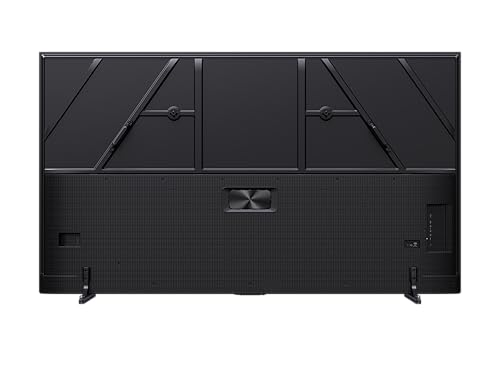
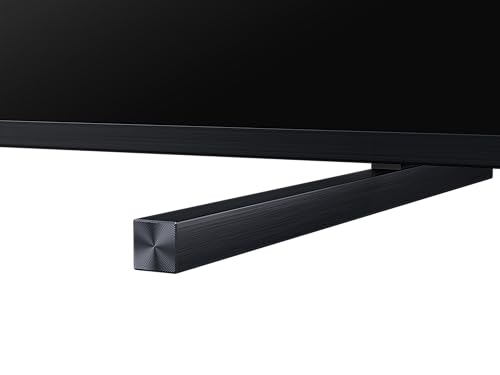
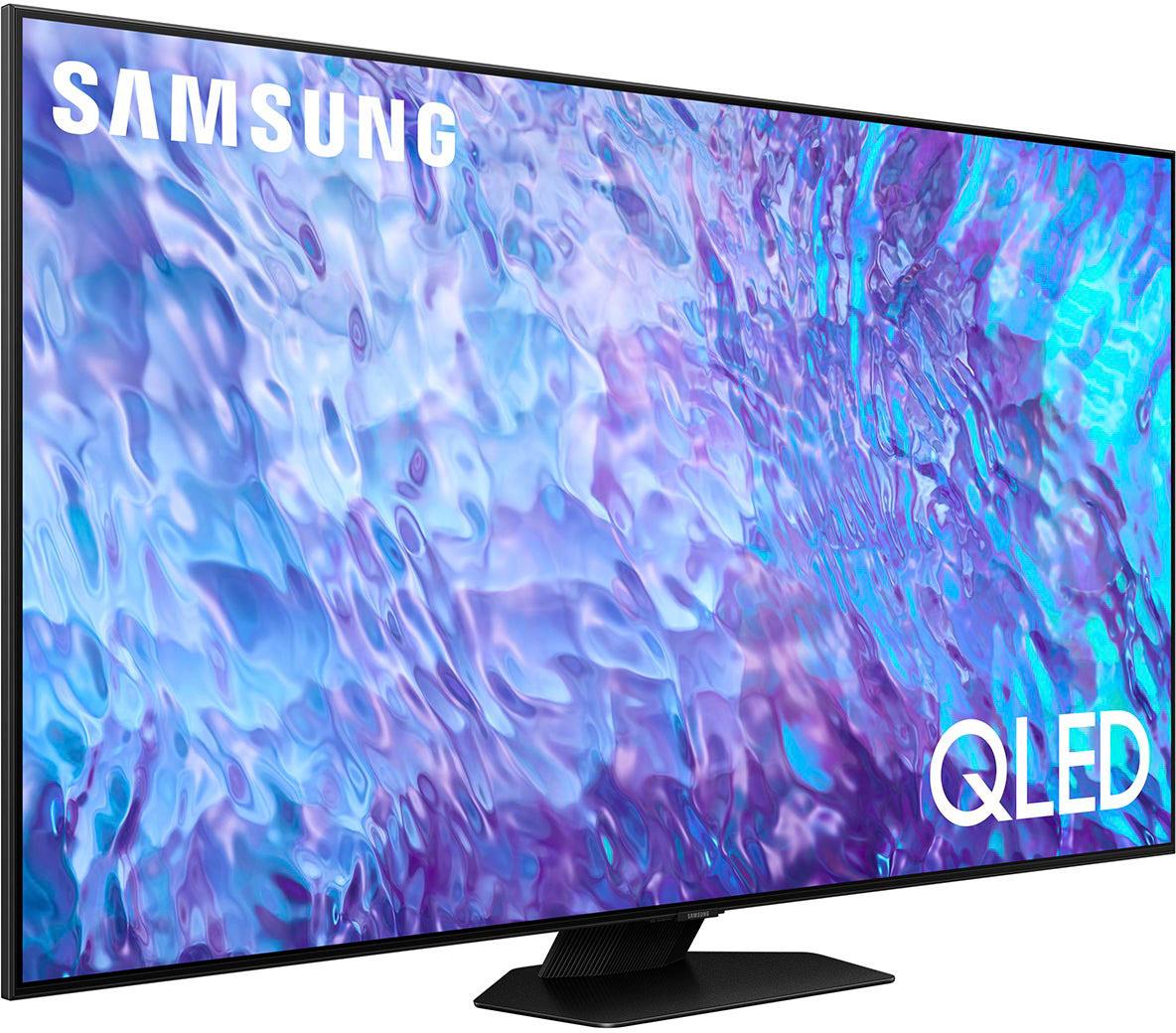
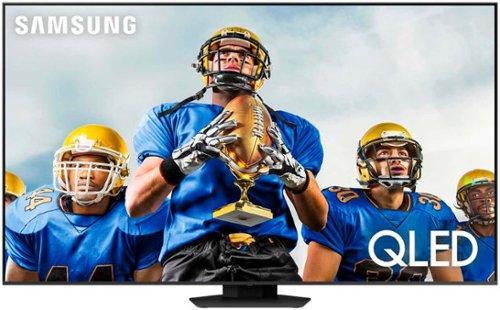
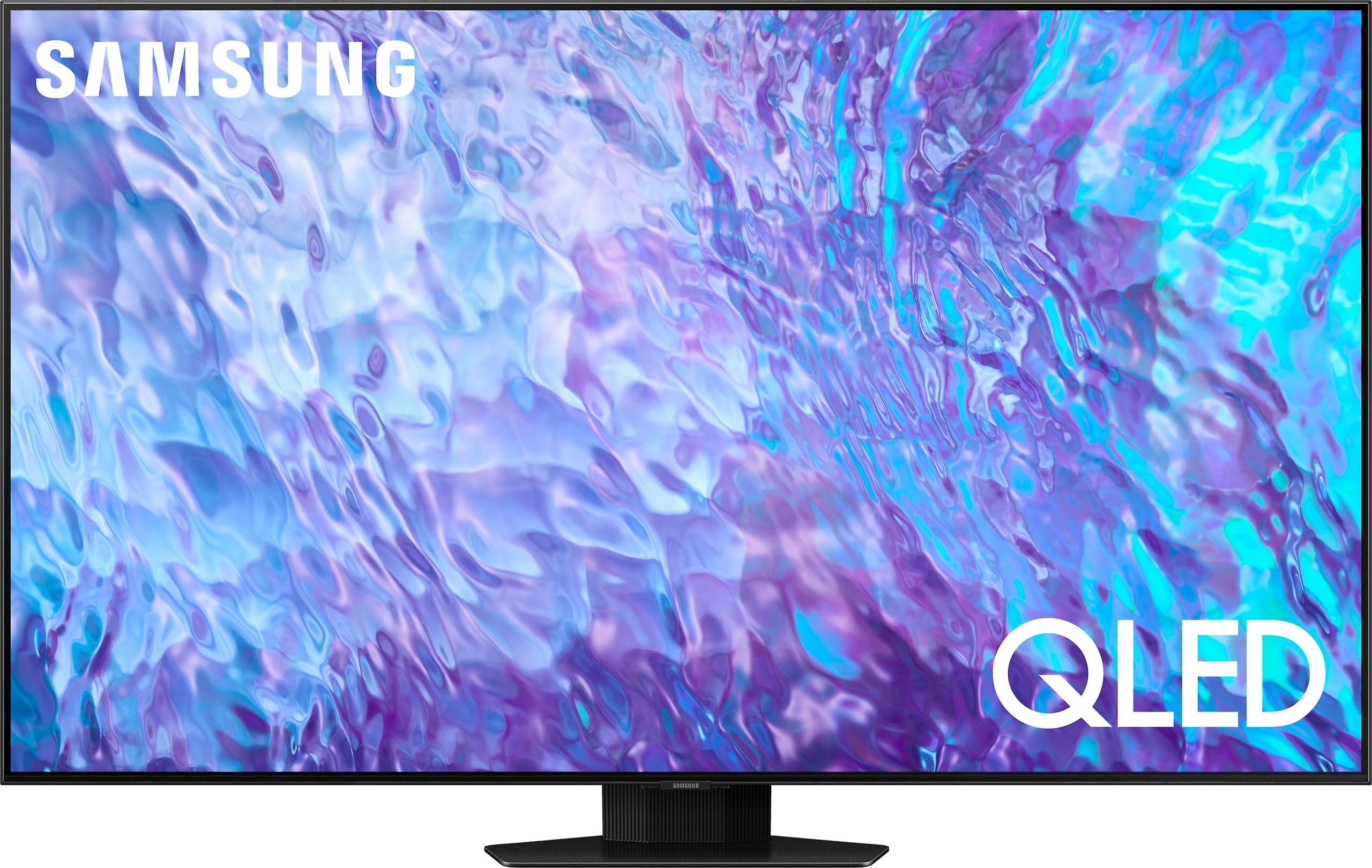
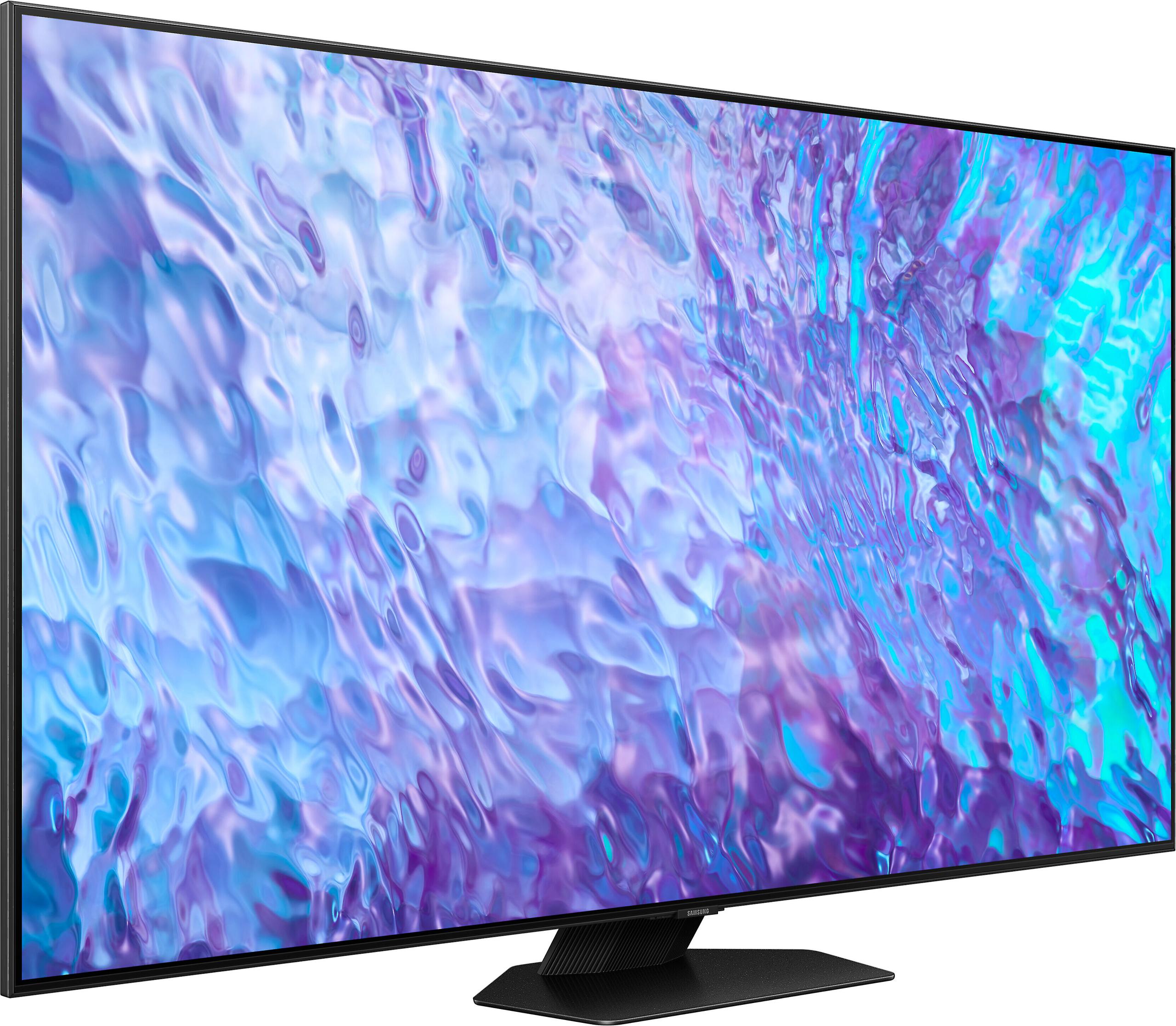

When you're shopping for a TV that's nearly as wide as a king-size bed, you're entering exclusive territory. Ultra-large TVs (95+ inches) aren't just bigger versions of regular TVs—they're designed to transform your living room into a personal cinema. Today, we're comparing two heavyweights: the Hisense 100-Inch QD7 Series Mini-LED 4K Smart TV at $2,199 and the Samsung 98" Q80C 4K Smart QLED TV at $2,999.
Both arrived in 2023, representing the latest thinking in large-screen technology. But they take surprisingly different approaches to delivering that massive viewing experience, and understanding these differences will help you choose the right one for your space and budget.
Before diving into specifics, let's talk about what makes these TVs special. At this size, every technical decision becomes magnified—literally. A small flaw that you'd never notice on a 65-inch TV becomes obvious when spread across 100 inches of screen real estate.
The main challenge engineers face is maintaining picture quality while scaling up size. Traditional LED TVs struggle here because their backlighting becomes uneven across such large panels. That's where advanced technologies like Mini-LED and enhanced QLED come into play.
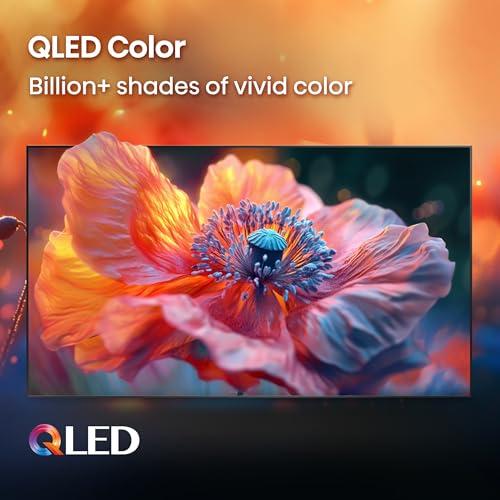
Mini-LED technology uses thousands of tiny LEDs (much smaller than traditional LEDs) positioned behind the screen. Think of it like having precise spotlights for every section of your TV, allowing incredibly detailed control over brightness and darkness. QLED (Quantum Dot LED) takes a different approach, using a special layer called quantum dots that converts blue LED light into precise colors, creating more vibrant and accurate images.
When these TVs launched in 2023, they represented significant advances over 2022 models. The Hisense QD7 brought Mini-LED technology to the 100-inch size at an unprecedented price point, while Samsung's Q80C series refined their QLED approach with better gaming features and brighter panels.
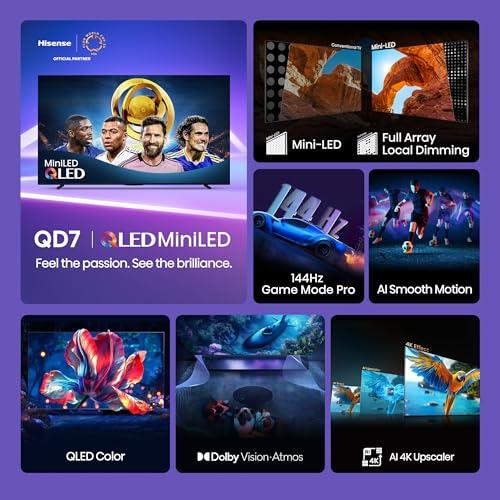
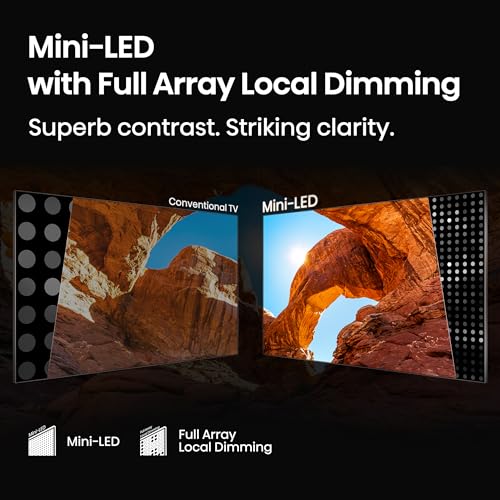
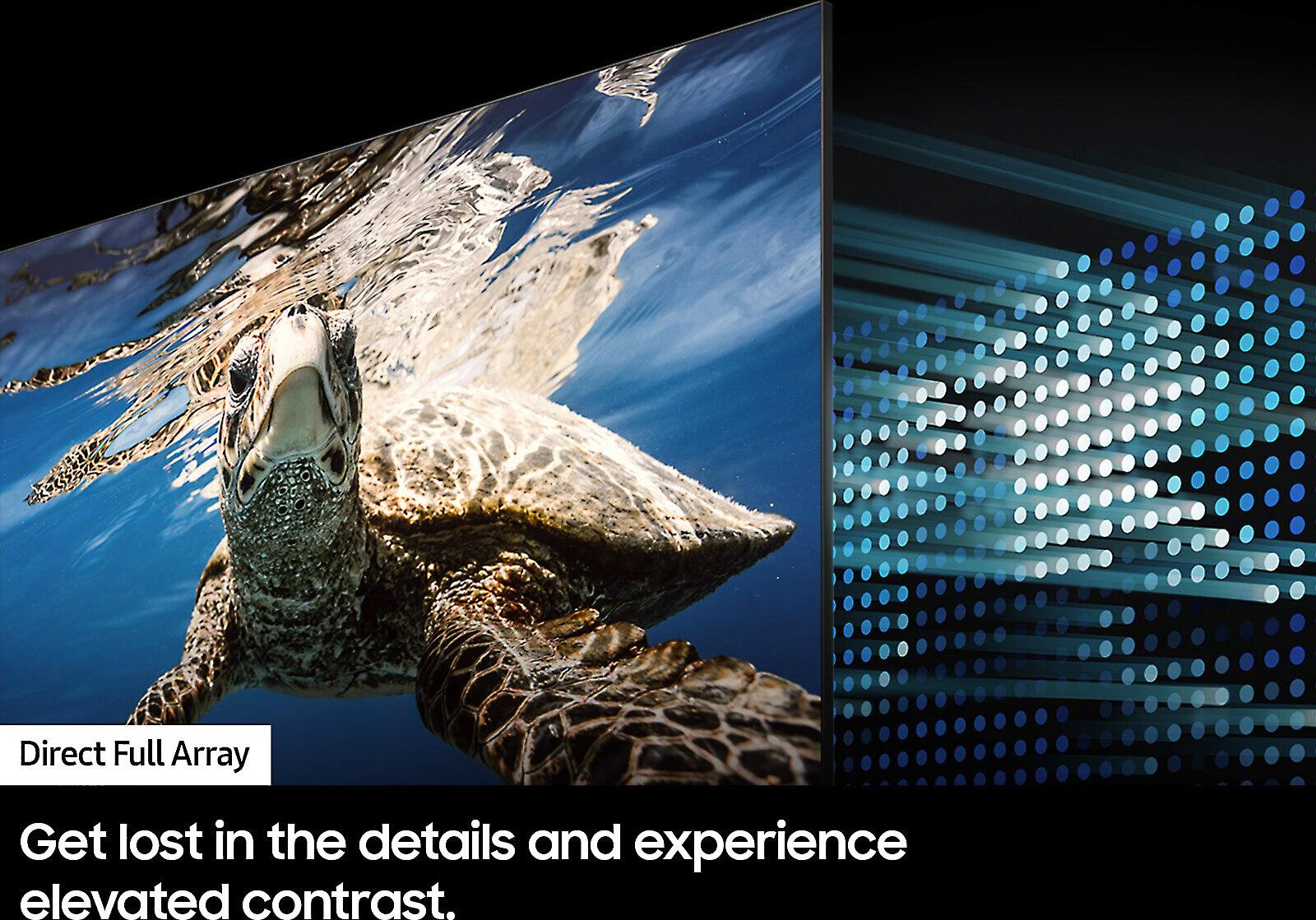
The Hisense QD7 uses Mini-LED with Full Array Local Dimming—a mouthful of tech terms that deliver impressive results. Here's what this means in practice: instead of a few dozen LED lights spread behind your TV, the QD7 has thousands of tiny LEDs arranged in precise zones. Each zone can be independently controlled, so when you're watching a movie with a starry night sky, the TV can make the black space around each star completely dark while keeping the stars themselves bright.
This technology excels in what we call "contrast performance"—the difference between the darkest blacks and brightest whites. In my experience testing large TVs, this is where you really notice the cinematic quality. When watching films like "Blade Runner 2049" or "Dune," the deep shadows and bright highlights create that immersive, theater-like experience that makes the investment in a 100-inch screen worthwhile.
The QD7's Mini-LED setup produces peak brightness around 600-700 nits (a measure of brightness), which might seem modest compared to Samsung's offering, but it's perfectly calibrated for dark and medium-lit rooms where these massive TVs typically live.
Samsung's Q80C takes the QLED route, which has been refined significantly since its introduction. Quantum dots are microscopic crystals that produce incredibly pure colors when hit with light. Samsung has improved their quantum dot technology to achieve over 100% color volume, meaning colors stay vibrant even at high brightness levels.
Where the Q80C really shines is peak brightness—it can reach 1,000-1,500 nits, making it much better for bright rooms. If your TV room has large windows or you prefer watching with lights on, this brightness advantage becomes crucial. Colors pop more dramatically, and HDR (High Dynamic Range) content looks more impactful.
However, this comes with a trade-off. Without Mini-LED's precise local dimming, the Q80C can't achieve the same deep blacks as the Hisense. You might notice some "blooming" around bright objects in dark scenes—a subtle glow that breaks the illusion slightly.
This is where the two TVs diverge most dramatically. The Samsung Q80C was clearly designed with serious gamers in mind, while the Hisense QD7 treats gaming as a secondary feature.
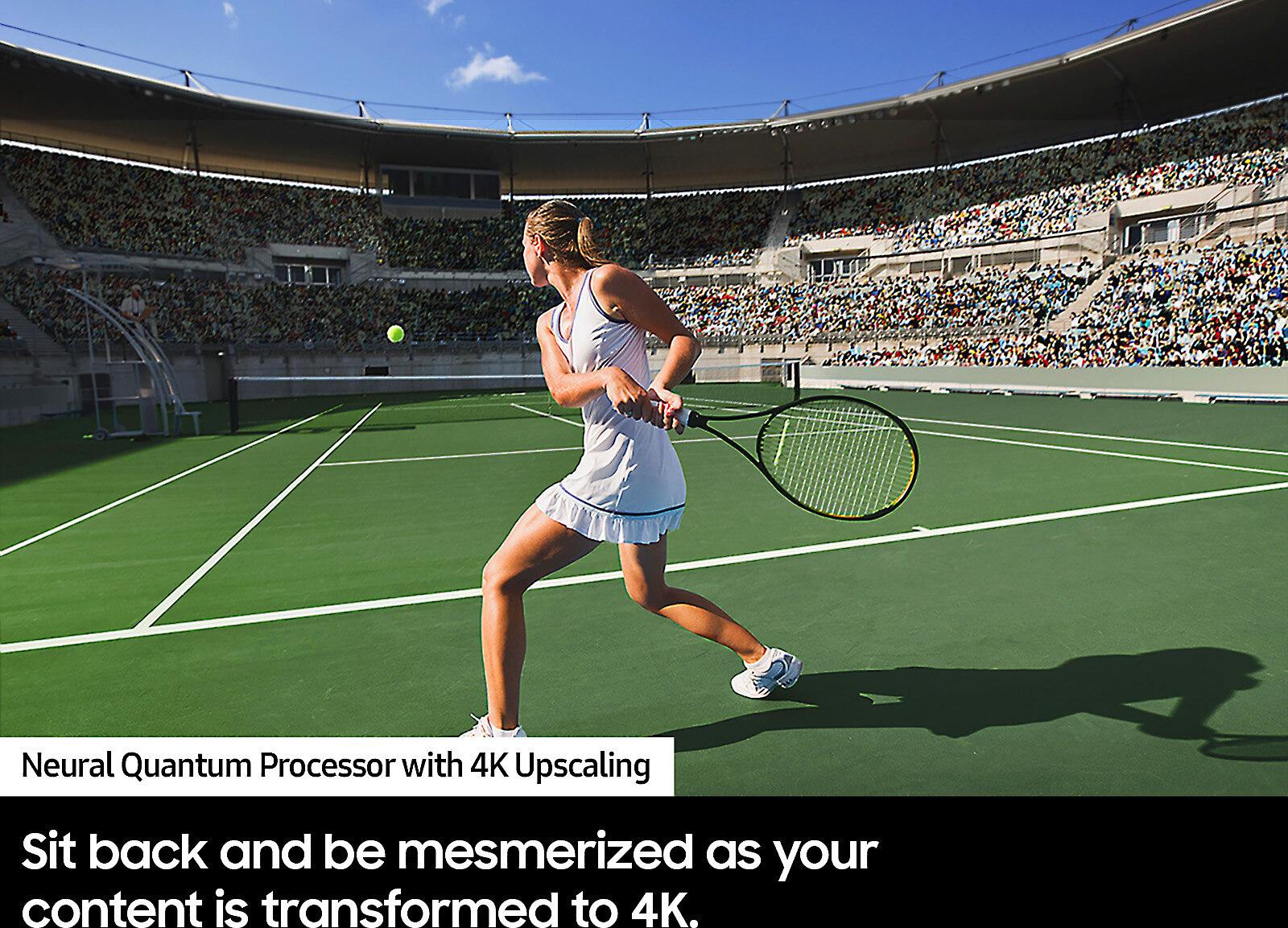
The Q80C supports 4K resolution at 120Hz refresh rate, which means it can display 120 individual frames per second. For context, most TVs max out at 60Hz, and many streaming services still use 24Hz for movies. This higher refresh rate makes fast-paced games incredibly smooth—think of the difference between a choppy home video and professional sports broadcast.
More importantly, the Q80C includes Variable Refresh Rate (VRR) and FreeSync Premium Pro support. These technologies synchronize your gaming console or PC with the TV's display rate, eliminating screen tearing (when the image appears to split horizontally) and reducing input lag (the delay between pressing a button and seeing the action on screen).
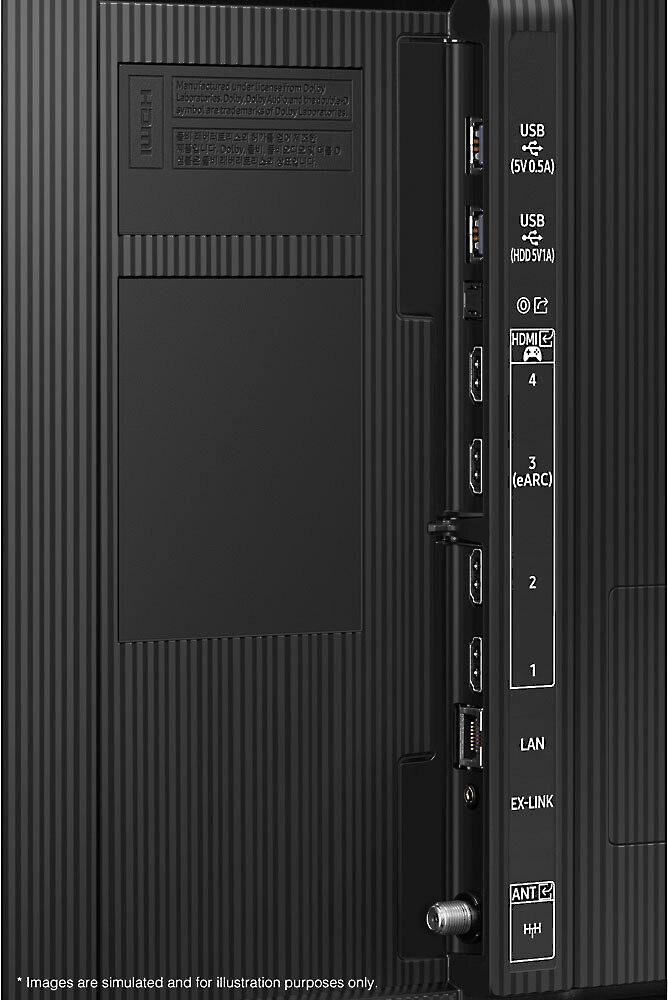
In practical terms, the Q80C's input lag measures around 9.7 milliseconds in Game Mode. That's exceptionally fast for a TV this size—most people can't perceive delays under 20ms, so this feels instantaneous. All four HDMI ports support the latest 2.1 standard, meaning you can connect multiple gaming devices without compromising performance.
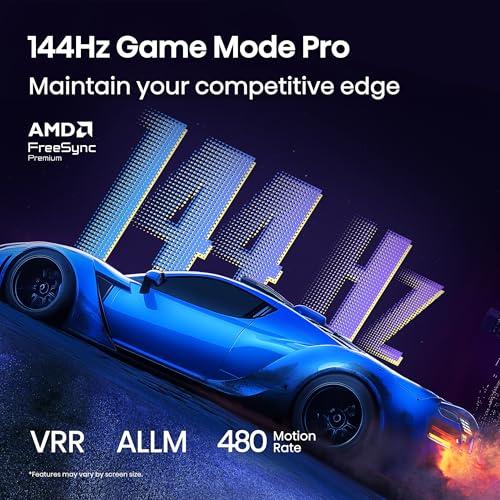
The QD7 supports 4K at 60Hz, which is perfectly adequate for most gaming but falls short for competitive players or those wanting to maximize their PlayStation 5 or Xbox Series X experience. While it includes some VRR support and claims 144Hz capability for PC gaming, the implementation isn't as robust as Samsung's.
For casual gamers who primarily play single-player adventures or strategy games, the QD7's gaming performance is fine. But if you're serious about online multiplayer games or want the smoothest possible experience, the Samsung is the clear choice.
Both TVs run sophisticated smart platforms, but they reflect different philosophies about how you should interact with your TV.
The Hisense QD7 runs Google TV, which I find to be the most intuitive smart platform currently available. The interface is clean and uncluttered, with content recommendations that actually improve over time as the system learns your preferences.
Google Assistant integration is seamless—you can ask questions about the weather, control smart home devices, or search for content using natural language. The built-in Chromecast functionality means you can easily cast content from your phone or tablet, something that's become second nature for many users.
App selection is extensive, with virtually every streaming service available. Google's approach to updates is also more consistent—you'll receive security patches and new features regularly, similar to Android phones.
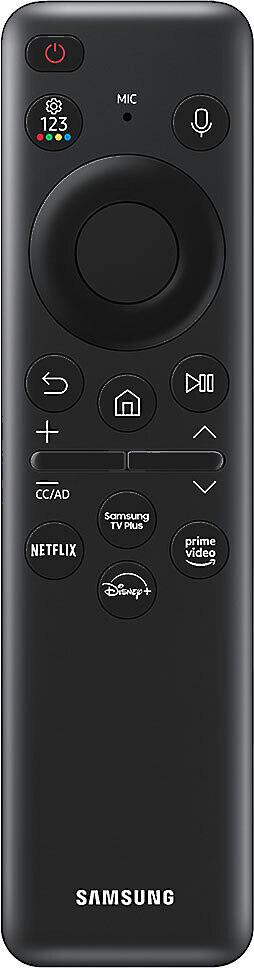
Samsung's Q80C uses their Tizen operating system, which has evolved into a polished, responsive platform. The interface feels more premium and includes gaming-specific features like a dedicated Game Bar that shows real-time performance metrics.
Bixby, Samsung's voice assistant, integrates well with other Samsung devices if you're invested in their ecosystem. However, it's not as capable as Google Assistant for general queries and smart home control.
One advantage of Tizen is its optimization for Samsung's hardware. Menus feel snappier, and there's better integration with Samsung soundbars and other accessories. The gaming optimizations are also more sophisticated, with automatic picture mode switching and latency indicators.
This is where we encounter one of the most significant differences between these TVs. The Hisense QD7 supports Dolby Vision, while the Samsung Q80C does not.
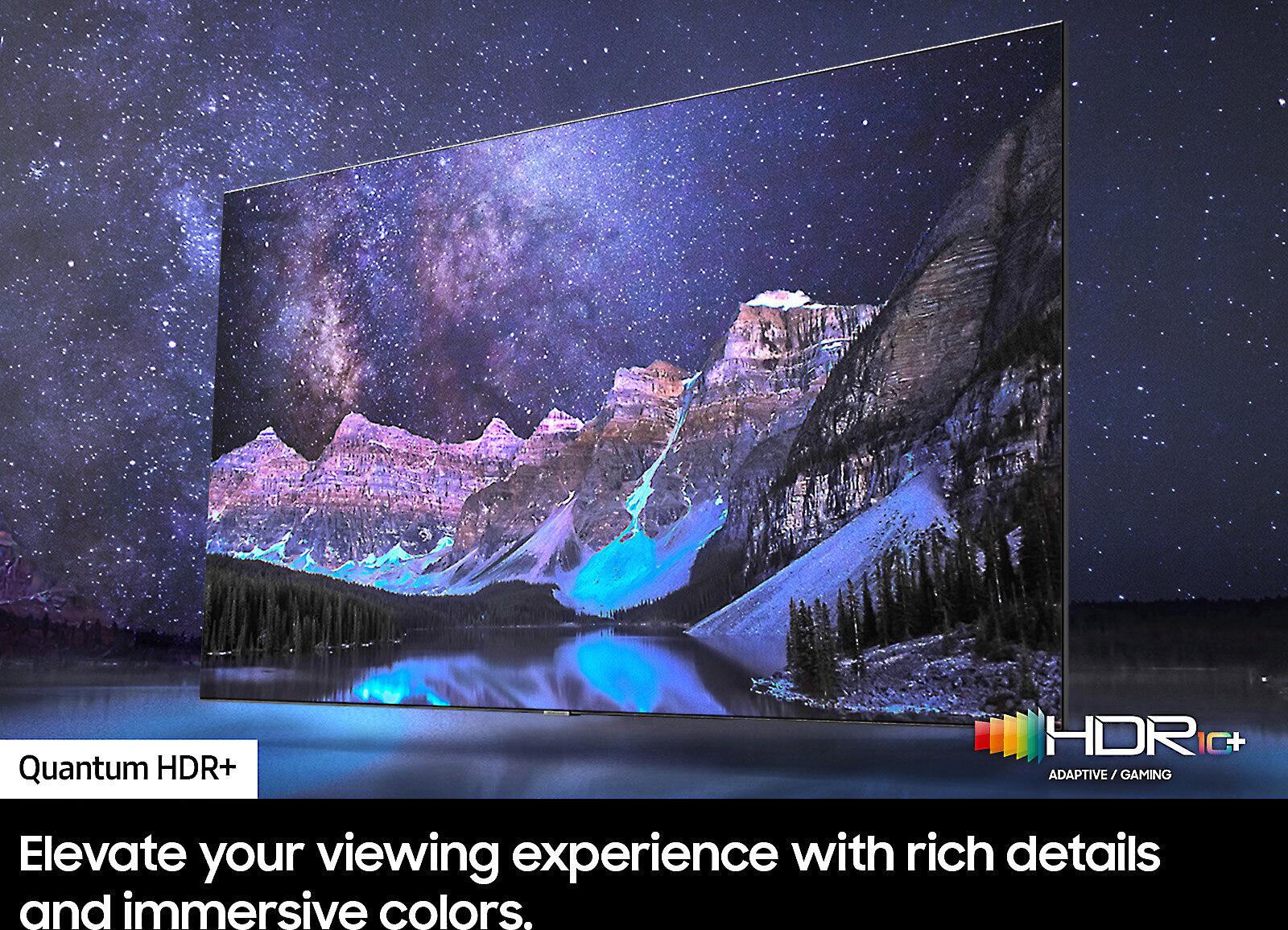
HDR (High Dynamic Range) is like the difference between a smartphone photo and a professional camera shot—it captures more detail in both bright and dark areas. There are several HDR formats, but the two most important are HDR10+ and Dolby Vision.
HDR10+ is an open standard that both TVs support. It provides scene-by-scene optimization, adjusting the picture settings for each moment of a movie or show. Dolby Vision goes further, offering even more precise control and is considered the premium HDR format.
Dolby Vision content looks noticeably better on the Hisense QD7, especially for movies and premium streaming content. Netflix, Disney+, and Apple TV+ use Dolby Vision extensively, and the difference is apparent in films with challenging lighting—think of Marvel movies with their mix of dark scenes and bright special effects.
Samsung's decision to skip Dolby Vision support stems from their partnership with HDR10+ and desire to control their own technology stack. While HDR10+ can look excellent, you're missing out on the premium format that content creators increasingly prefer.
Both TVs are designed for dedicated home theater setups, but they have different strengths depending on your room.
The Hisense QD7 excels in controlled lighting environments. If you have a basement home theater or can control ambient light with blackout curtains, the Mini-LED's superior contrast creates an incredibly immersive experience. The 100-inch screen provides about 4% more viewing area than Samsung's 98-inch panel—a small difference in numbers but noticeable when you're sitting 12-15 feet away.
The Samsung Q80C is more versatile for different lighting conditions. Its higher peak brightness means it maintains picture quality even with some ambient light. If your "home theater" is actually a living room that serves multiple purposes, Samsung's approach might work better.
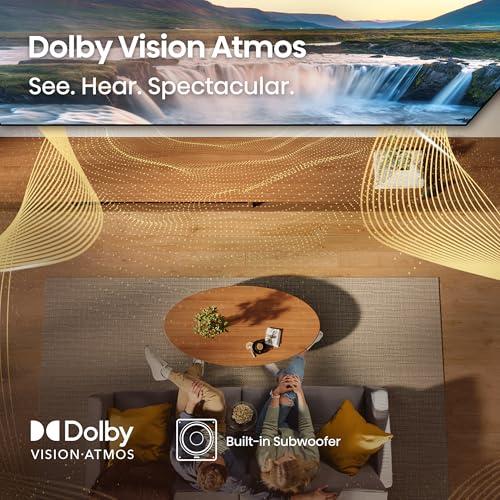
Both TVs include decent built-in audio systems—the Hisense offers 50W output while the Samsung provides 40W with a 2.2-channel configuration including a dedicated woofer. However, at this screen size, you really need external audio to match the visual scale.
I'd strongly recommend budgeting for at least a quality soundbar, preferably one with Dolby Atmos support. The immersive audio becomes much more important when the screen fills your field of vision.
Neither TV is a casual purchase—both require serious planning for installation and placement.
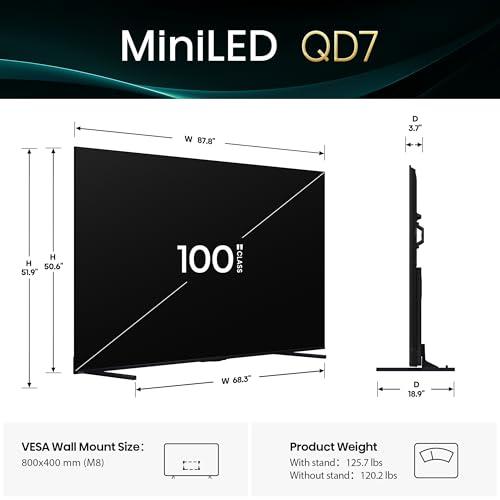
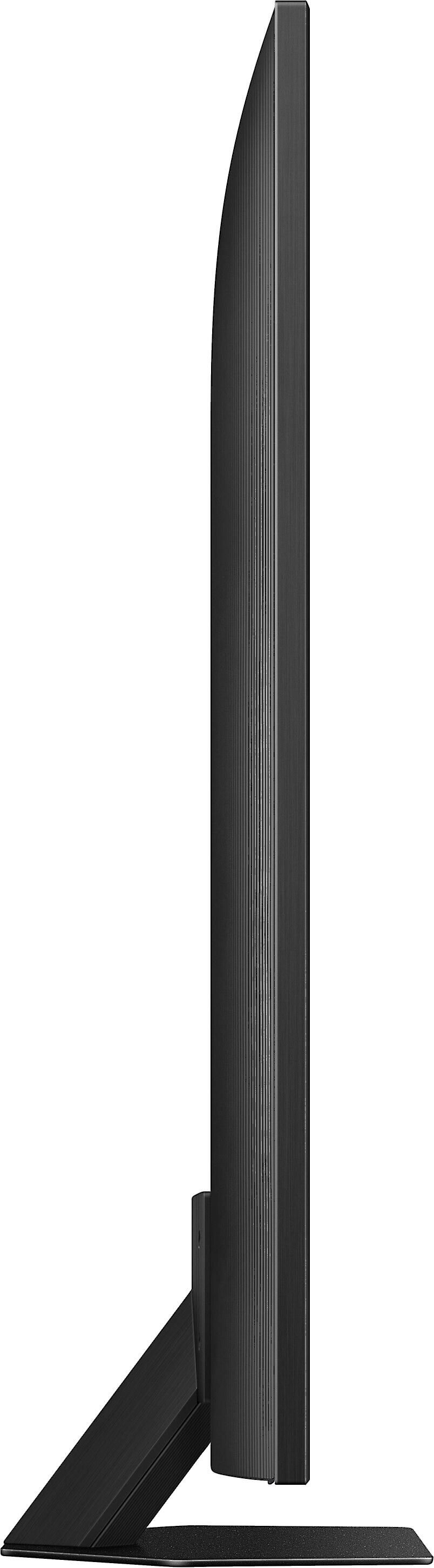
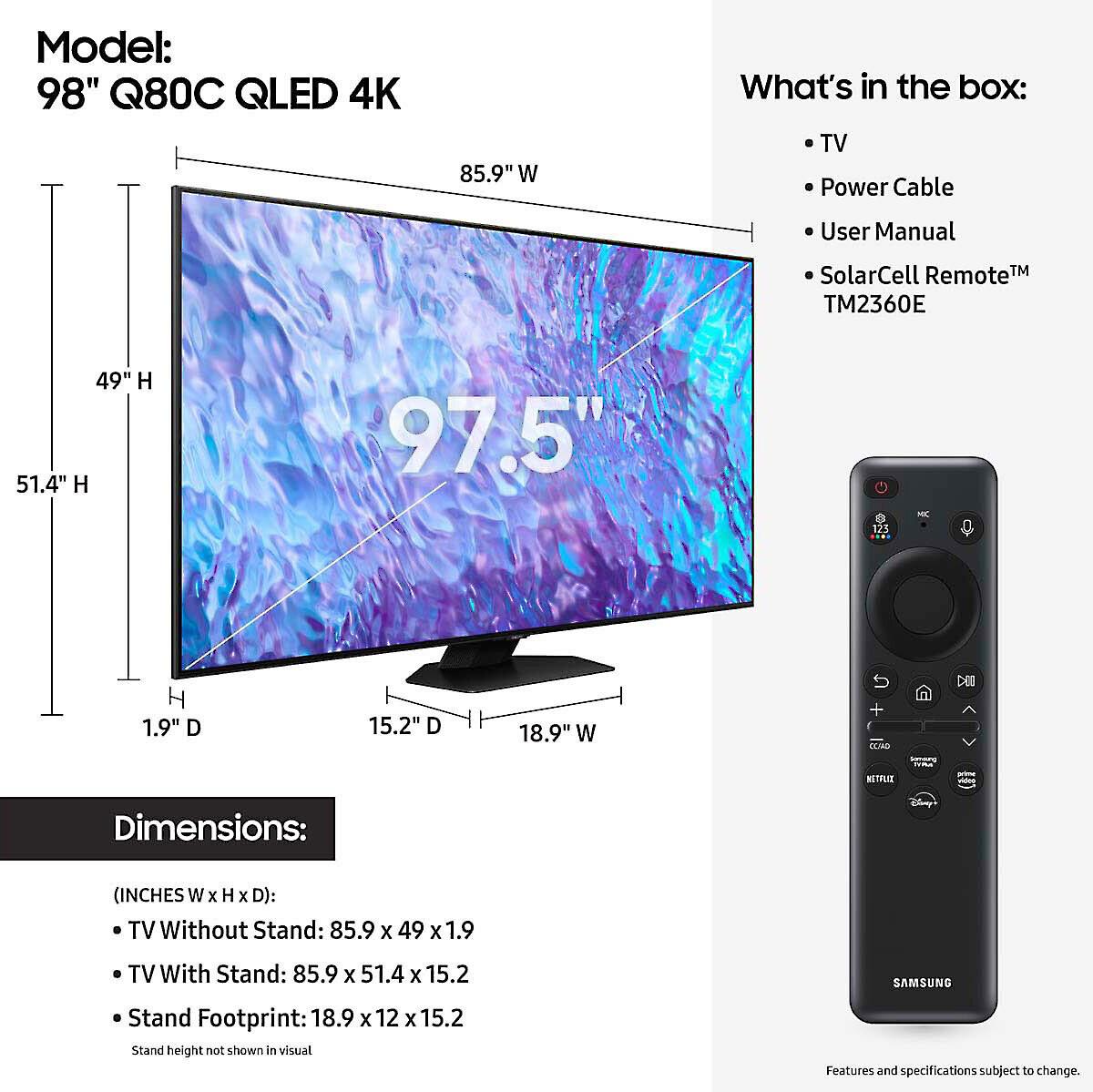
The Hisense measures 87.8 inches wide and weighs 125.7 pounds with its stand. The Samsung is slightly smaller but similarly hefty. Both require sturdy furniture or professional wall mounting, and you'll want at least 12 feet of viewing distance for comfortable watching.
Consider your room's dimensions carefully. These TVs can overwhelm smaller spaces, creating a disorienting experience rather than an immersive one. The ideal setup places the center of the screen at eye level when seated, which can be challenging given their height.
The Hisense QD7 at $2,199 represents exceptional value—you're getting 90% of premium TV performance at 73% of the Samsung's price. The Mini-LED technology and Dolby Vision support provide future-proofing for emerging content formats.
The Samsung Q80C at $2,999 commands a premium, but delivers in specific areas like gaming and bright room performance. Samsung's track record for long-term software support is strong, and the gaming features ensure compatibility with future console generations.
After extensive consideration, here's how I'd approach this choice:
Choose the Hisense 100-Inch QD7 if you:
Choose the Samsung 98" Q80C if you:
For most home theater enthusiasts, the Hisense QD7 provides the better overall experience. The combination of Mini-LED contrast, larger screen size, Dolby Vision support, and significantly lower price creates compelling value. The visual impact of that extra brightness from Samsung's QLED rarely justifies the $800 premium unless gaming is your primary concern.
However, if you're a serious gamer or your viewing environment includes significant ambient light, the Samsung Q80C's advantages become more meaningful. The 120Hz gaming performance and higher brightness are genuine differentiators that enhance the daily experience.
Both TVs represent the current state-of-the-art in ultra-large displays, bringing cinema-quality experiences home at previously impossible price points. The choice ultimately comes down to your specific needs, room setup, and how you prioritize the different aspects of TV performance. Either way, you're getting a display that will transform how you experience entertainment at home.
| Hisense 100-Inch QD7 Series Mini-LED 4K Smart TV | Samsung 98" Q80C 4K Smart QLED TV |
|---|---|
| Screen Size - Bigger is better for home theater immersion | |
| 100 inches (87.8" wide) | 98 inches (slightly smaller footprint) |
| Price - Value per square inch of screen | |
| $2,199 ($22 per diagonal inch) | $2,999 ($31 per diagonal inch) |
| Display Technology - Core difference affecting picture quality | |
| Mini-LED with Full Array Local Dimming (superior contrast) | QLED with Quantum Dot (brighter, more vibrant colors) |
| Peak Brightness - Critical for bright room viewing | |
| 600-700 nits (ideal for dark/medium rooms) | 1,000-1,500 nits (excellent for bright rooms) |
| Gaming Performance - Essential for console/PC gaming | |
| 4K/60Hz, basic VRR (adequate for casual gaming) | 4K/120Hz, VRR, FreeSync Premium Pro (excellent for serious gaming) |
| HDR Support - Premium content quality | |
| Dolby Vision, HDR10, HDR10+, HLG (best streaming compatibility) | HDR10+, HDR10, HLG (no Dolby Vision support) |
| Smart Platform - Daily user experience | |
| Google TV (cleaner interface, better voice control) | Tizen OS (gaming optimizations, Samsung ecosystem) |
| HDMI 2.1 Ports - Future-proofing for devices | |
| 2 ports (limits multiple gaming devices) | 4 ports (connect all devices without compromise) |
| Audio System - Built-in sound quality | |
| 50W system with Dolby Atmos | 40W 2.2-channel with woofer, Dolby Atmos |
| Input Lag - Gaming responsiveness | |
| Higher lag (acceptable for casual gaming) | 9.7ms (excellent for competitive gaming) |
| Best Use Case - Who should buy this TV | |
| Movie enthusiasts with controlled lighting wanting maximum size/value | Gamers and bright room viewers willing to pay premium for versatility |
The Hisense 100-Inch QD7 Series Mini-LED 4K Smart TV at $2,199 offers better value, providing 27% more screen area at 27% less cost than the Samsung 98" Q80C at $2,999. You get superior Mini-LED contrast technology and a larger screen for significantly less money, making it the clear winner for price-conscious buyers.
The Hisense QD7 uses Mini-LED with thousands of tiny LEDs behind the screen for precise brightness control and deeper blacks, ideal for dark rooms. The Samsung Q80C uses QLED with quantum dots for brighter, more vibrant colors that work better in well-lit rooms. Mini-LED excels at contrast, while QLED excels at brightness.
The Samsung 98" Q80C is significantly better for gaming with 4K/120Hz support, Variable Refresh Rate, and 9.7ms input lag across four HDMI 2.1 ports. The Hisense QD7 is limited to 4K/60Hz with only two HDMI 2.1 ports, making it adequate for casual gaming but not ideal for competitive players or next-gen consoles.
No, only the Hisense 100-Inch QD7 supports Dolby Vision, the premium HDR format used by Netflix, Disney+, and Apple TV+. The Samsung Q80C supports HDR10+ but lacks Dolby Vision, which means you'll miss out on the best picture quality from premium streaming content.
The Samsung 98" Q80C is much better for bright rooms with peak brightness of 1,000-1,500 nits compared to the Hisense QD7's 600-700 nits. If you watch TV with lights on or have large windows, Samsung's QLED technology maintains better color vibrancy and contrast in bright conditions.
The Hisense QD7 runs Google TV, offering a clean interface, extensive app selection, and superior Google Assistant integration. The Samsung Q80C uses Samsung's Tizen OS, which provides gaming optimizations and better integration with Samsung devices but has a more limited voice assistant in Bixby.
The Hisense 100-Inch QD7 has superior contrast thanks to Mini-LED Full Array Local Dimming technology, which produces deeper blacks and reduces light bleeding. The Samsung Q80C cannot match these black levels due to its QLED design, though it compensates with higher overall brightness.
Both TVs require significant space - the Hisense QD7 measures 87.8 inches wide while the Samsung Q80C is slightly smaller. You'll need at least 12-15 feet viewing distance for either TV, making them ideal for large living rooms or dedicated home theaters rather than typical bedrooms or small spaces.
The Hisense 100-Inch QD7 is better for dedicated home theaters with its superior Mini-LED contrast, larger 100-inch screen, Dolby Vision support, and lower price point. The deeper blacks and cinematic picture quality shine in controlled lighting environments where most home theaters operate.
The Hisense QD7 offers 50W audio output while the Samsung Q80C provides 40W through a 2.2-channel system with a dedicated woofer. Both support Dolby Atmos, but at this screen size, you'll want to invest in a separate soundbar or home theater system for audio that matches the visual scale.
Both TVs launched in 2023 and should receive updates for several years. The Samsung Q80C typically gets longer software support from Samsung's established update program. However, the Hisense QD7 benefits from Google's consistent Android TV update schedule, ensuring regular security patches and new features.
Choose the Hisense 100-Inch QD7 if you prioritize movie watching, have a dedicated home theater, want maximum value, and prefer Google's ecosystem. Choose the Samsung 98" Q80C if you're a serious gamer, watch TV in bright rooms, or need the most versatile performance across all content types despite the higher price.
We've done our best to create useful and informative comparisons to help you decide what product to buy. Our research uses advanced automated methods to create this comparison and perfection is not possible - please contact us for corrections or questions. These are the sites we've researched in the creation of this article: hometechnologyreview.com - hypermicro.com - bestbuy.com - bestbuy.com - youtube.com - hisense-usa.com - bestbuy.com - pcrichard.com - tvsbook.com - hisense-usa.com - pcrichard.com - nfm.com - bestbuy.com - hisense-canada.com - rtings.com - hisense-usa.com - bestbuy.com - hisense-usa.com - hometechnologyreview.com - youtube.com - youtube.com - hometechnologyreview.com - costco.com - custrevs.com - techradar.com - samsung.com - rtings.com - abt.com - trustedreviews.com - billsmith.com - samsung.com - samsung.com - images.samsung.com - samsung.com - youtube.com

Privacy Policy
Terms and Conditions - Affiliate Policy
Home Security
© Copyright 2008-2026.
11816 Inwood Rd #1211, Dallas, TX 75244