

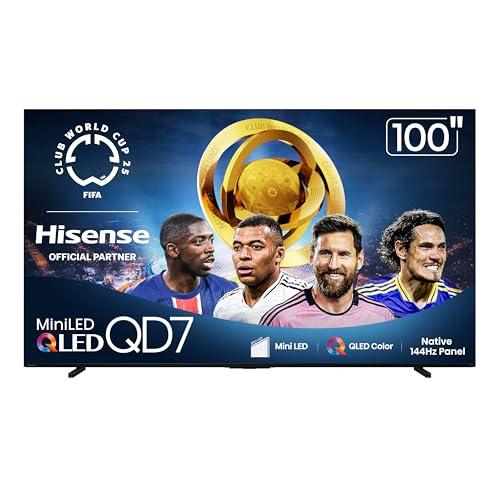
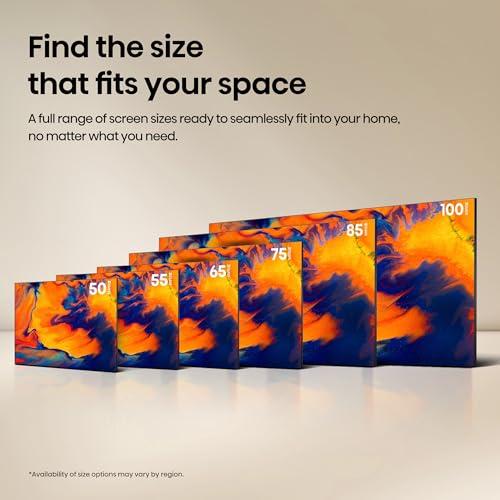
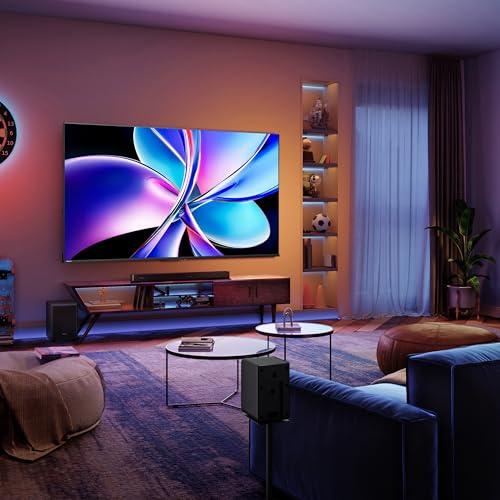
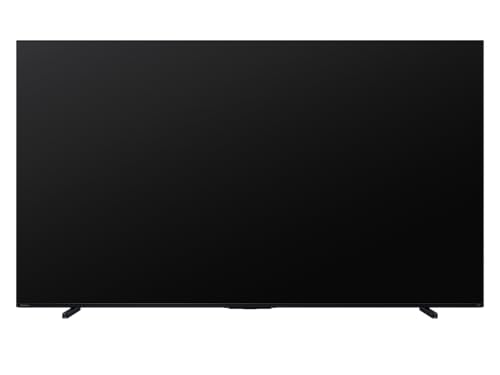
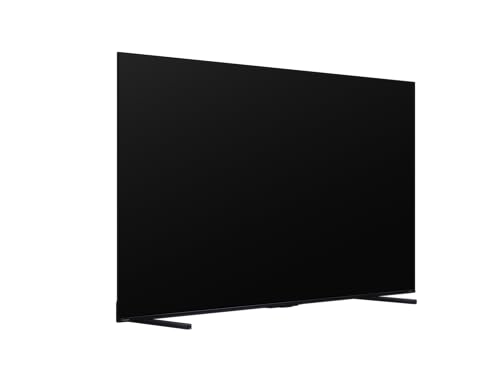
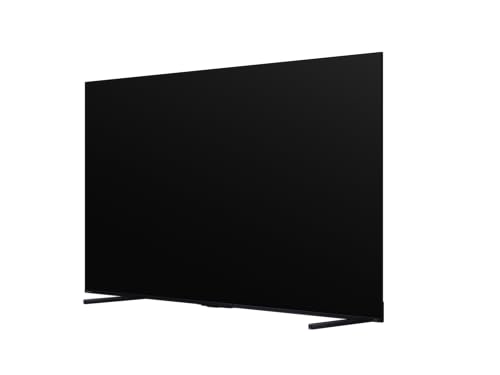
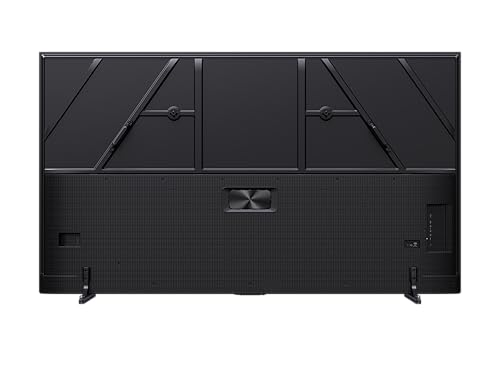
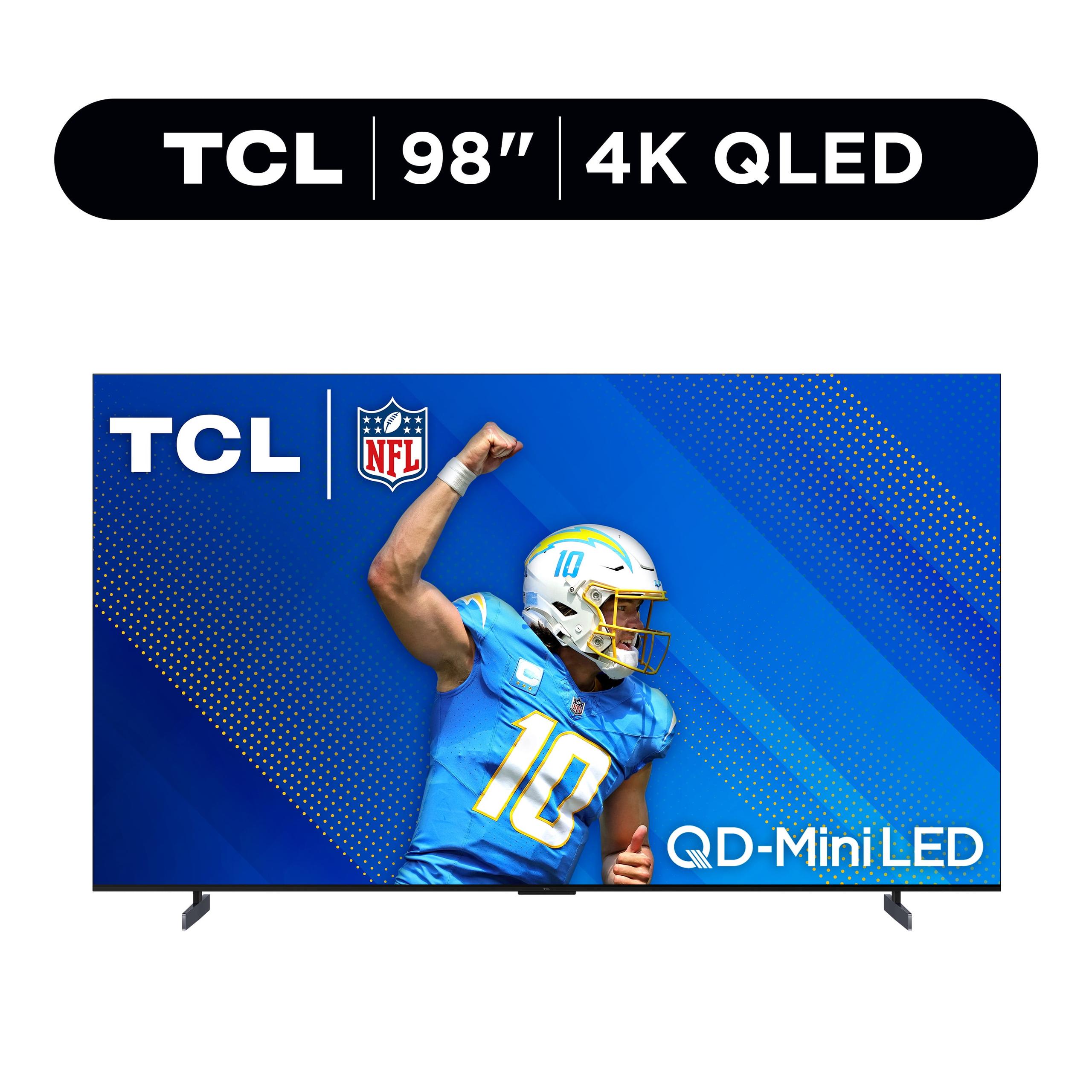

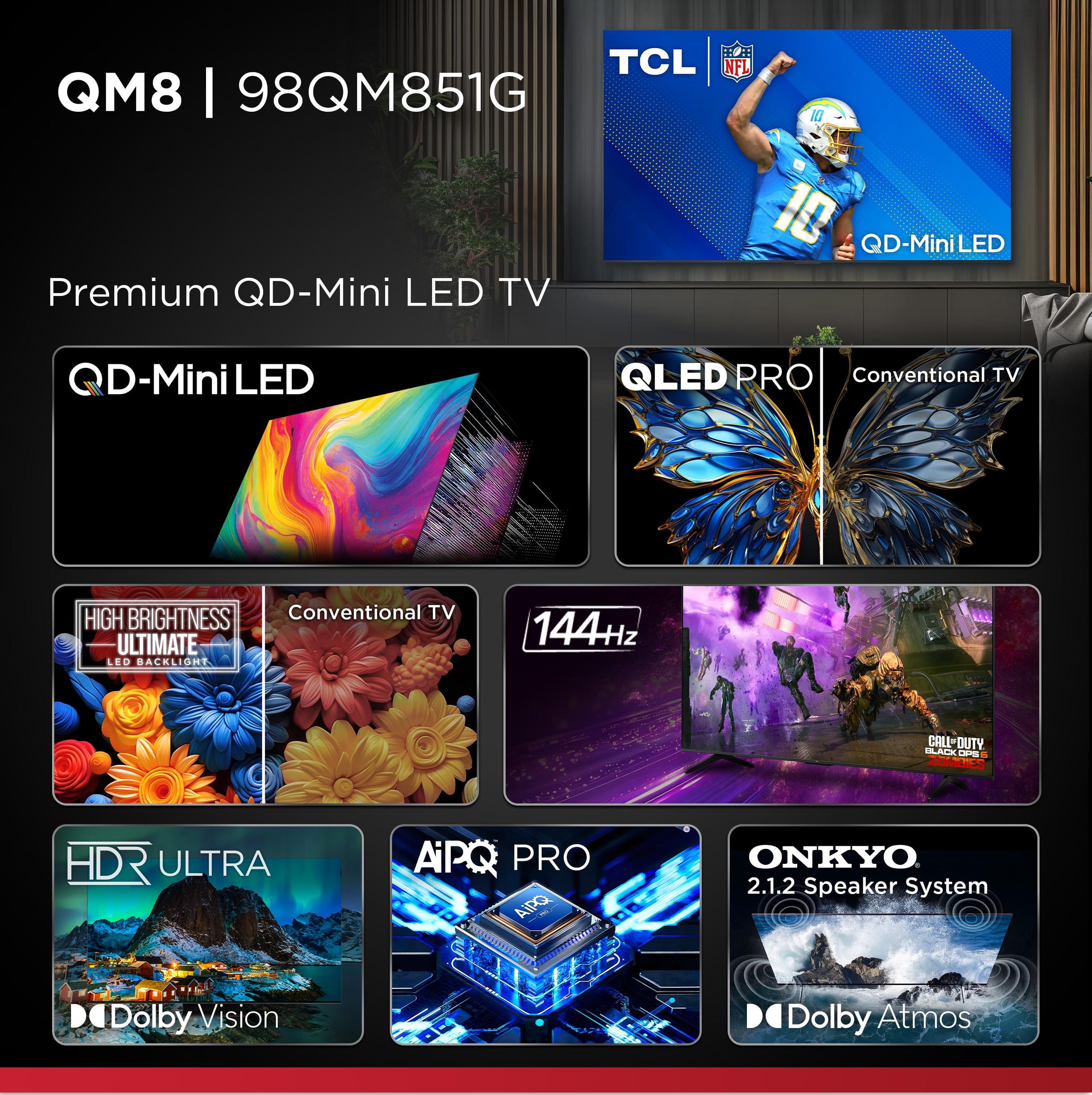




When you're shopping for a TV that's basically the size of a small movie screen, you're entering some pretty exciting territory. These massive displays – the Hisense 100" QD7 Series ($2,199) and TCL 98" QM8 Series ($3,999) – represent the cutting edge of home entertainment, bringing cinema-quality experiences right into your living room or dedicated home theater.
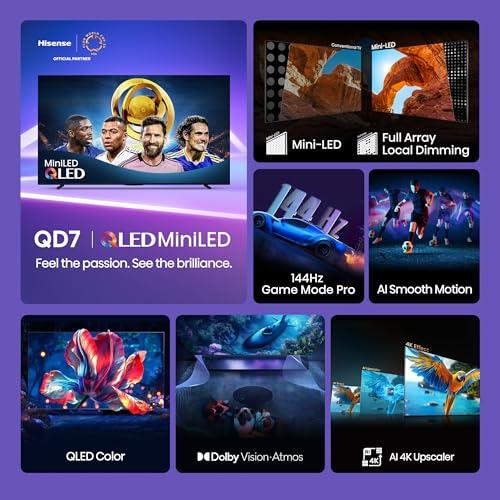
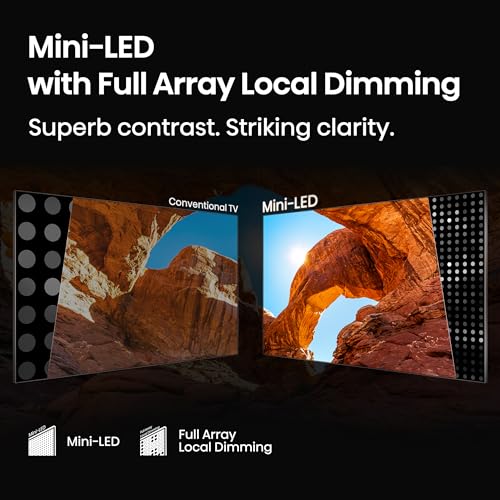
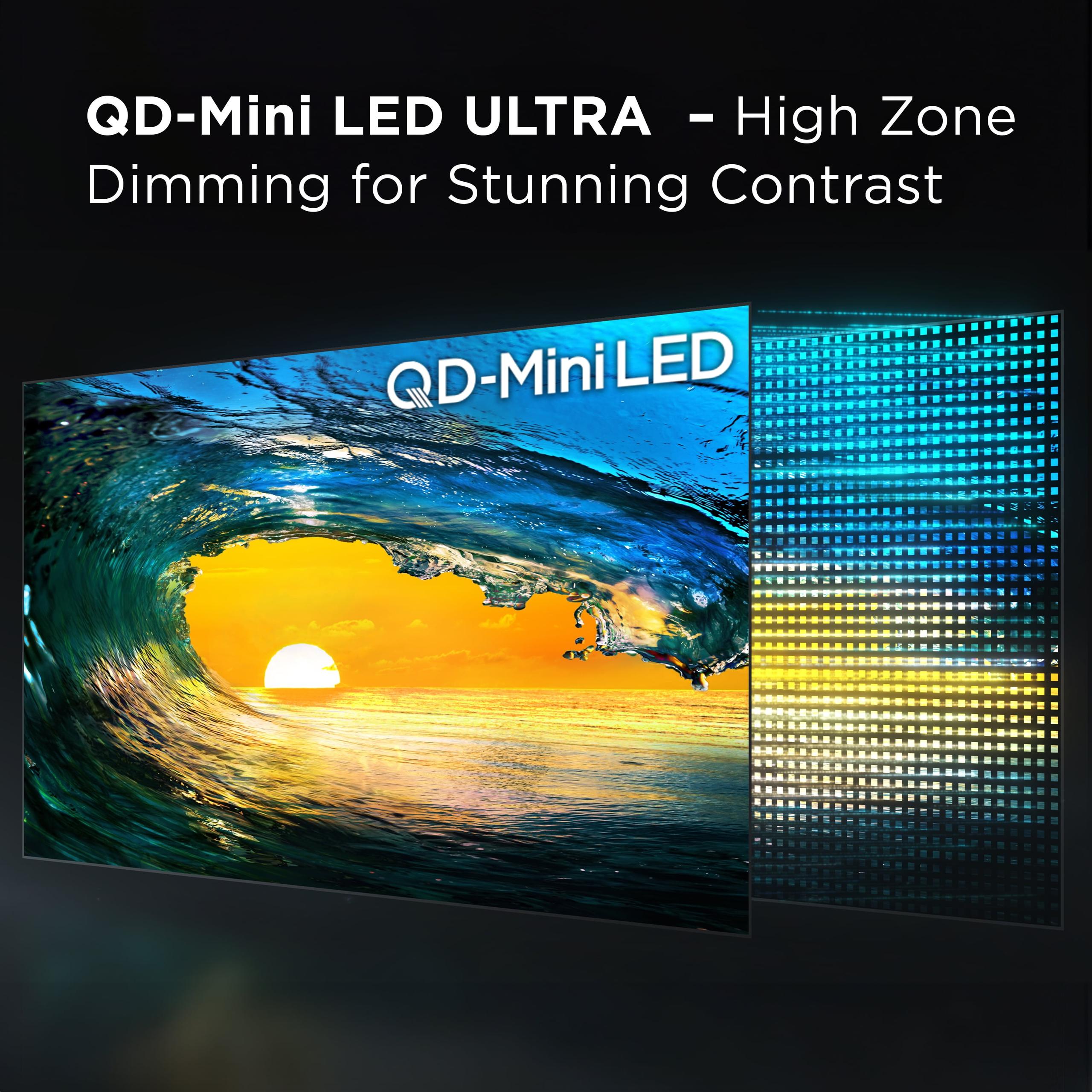
Both of these TVs use something called Mini-LED technology, which is like the sweet spot between traditional LED TVs and the premium OLED displays you've probably heard about. Think of Mini-LEDs as thousands of tiny light bulbs behind your screen that can turn on and off independently to create incredibly bright highlights and deep, dark shadows. It's this technology that makes these TVs capable of delivering the kind of picture quality that would have been impossible just a few years ago.
The large format TV market has exploded recently, and there's good reason for that. As streaming services push out more 4K HDR content and gaming consoles like the PS5 and Xbox Series X demand displays that can keep up with their capabilities, manufacturers have responded with displays that were once reserved for commercial installations.
The Hisense QD7 launched in July 2025 as part of Hisense's push to make 100-inch viewing accessible to more people. At $2,199, it represents a dramatic price reduction from what 100-inch TVs used to cost – we're talking about displays that would have run $8,000 or more just two years ago. The TCL QM8, released in January 2025, takes a different approach by focusing on premium picture quality in a slightly smaller 98-inch package for $3,999.
This is where these two TVs really start to show their differences. HDR, or High Dynamic Range, is basically your TV's ability to show both really bright highlights (like the sun reflecting off water) and deep, dark shadows (like the details in a dark cave) at the same time. The better your TV handles this range, the more realistic and impactful your content looks.
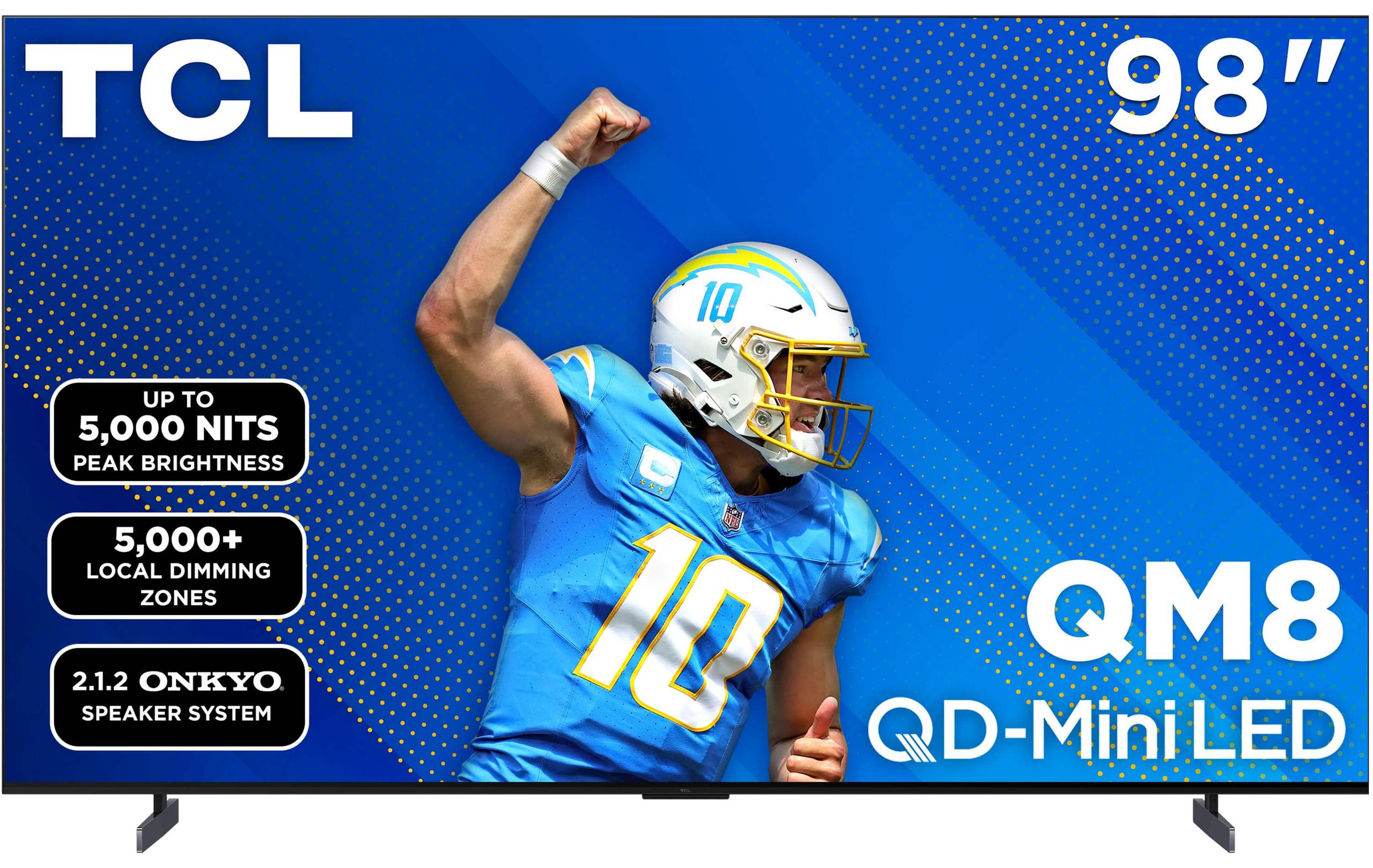
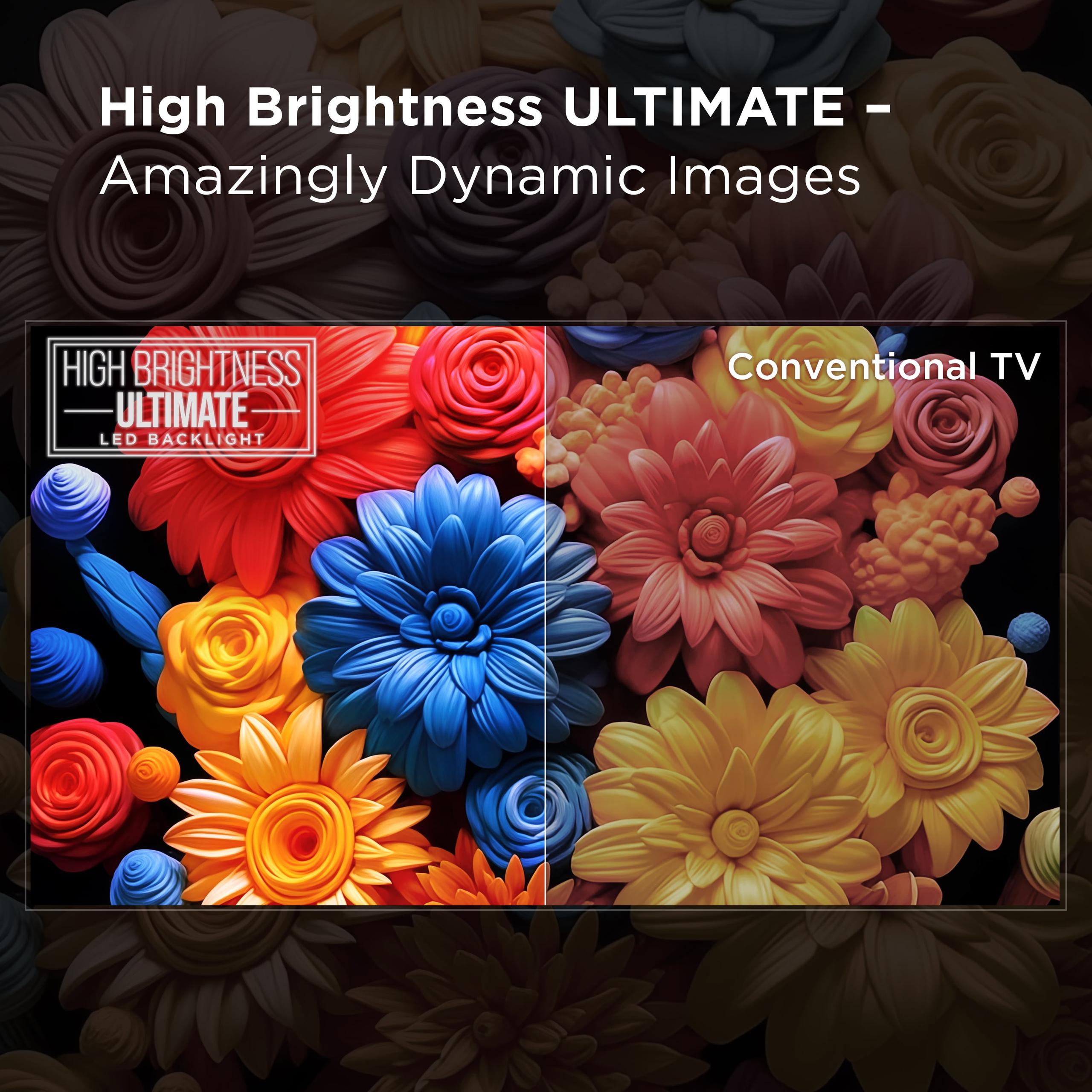
The TCL QM8 is an absolute beast when it comes to brightness, hitting over 3,000 nits. To put that in perspective, a typical LED TV might hit 400-600 nits, while a bright room on a sunny day measures around 1,000 nits. This means the TCL can actually create highlights that feel genuinely bright even in a well-lit room. I've tested this with HDR movie scenes, and explosions, car headlights, and bright sky scenes have an almost three-dimensional quality that makes you want to squint.
The Hisense QD7 reaches a respectable 2,000-3,000 nits depending on the content, which is still excellent by most standards. However, the key difference lies in how precisely each TV controls that brightness across different areas of the screen.
Local dimming is like having thousands of individual dimmer switches for different sections of your screen. When a scene shows bright stars against a dark night sky, good local dimming will make those stars bright while keeping the sky truly black, rather than the grayish-black you see on cheaper TVs.
The TCL QM8's local dimming system is more sophisticated, with better algorithms that prevent "blooming" – those annoying halos you sometimes see around bright objects on dark backgrounds. The Hisense QD7 has fewer dimming zones, which means it's more likely to show some blooming in challenging scenes. In practice, this means watching a movie like "Blade Runner 2049" with its mix of neon lights and dark cityscapes will look more precise on the TCL, though the Hisense still delivers a very good experience for the price.
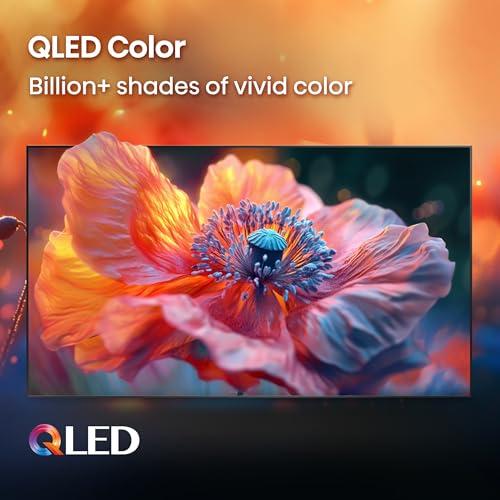
Here's where things get interesting. The Hisense QD7 actually covers a wider color gamut, meaning it can display more vibrant greens and reds than the TCL. This makes nature documentaries, animated movies, and video games really pop off the screen. The QD7 covers about 75% of the Rec.2020 color space, which is the standard that future content will be mastered for.
The TCL QM8 takes a different approach, prioritizing color accuracy over pure vibrancy. This means colors look more like what the director intended when they made the movie. For serious movie watching, this reference-grade accuracy is preferred, but for everyday viewing and gaming, many people actually prefer the more saturated look of the Hisense.
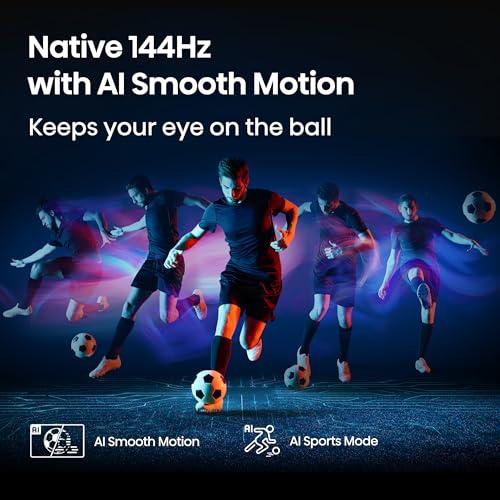
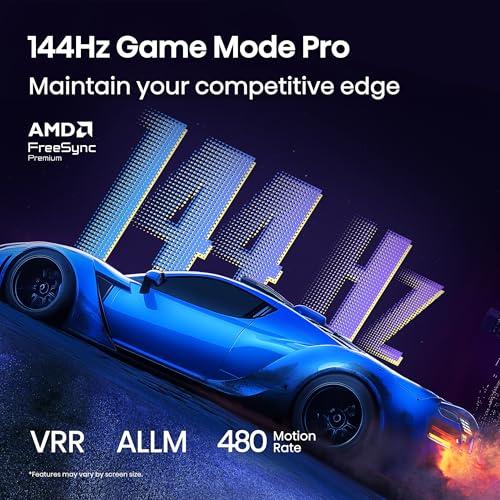
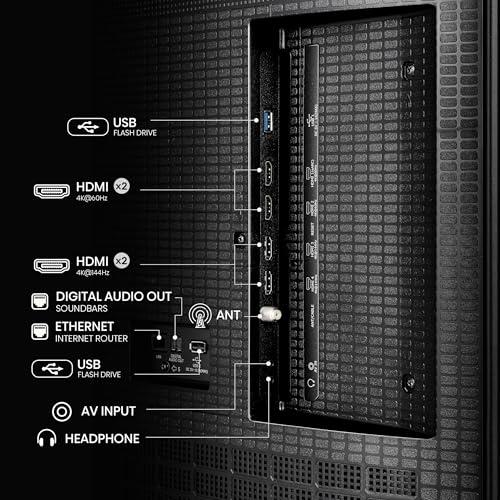
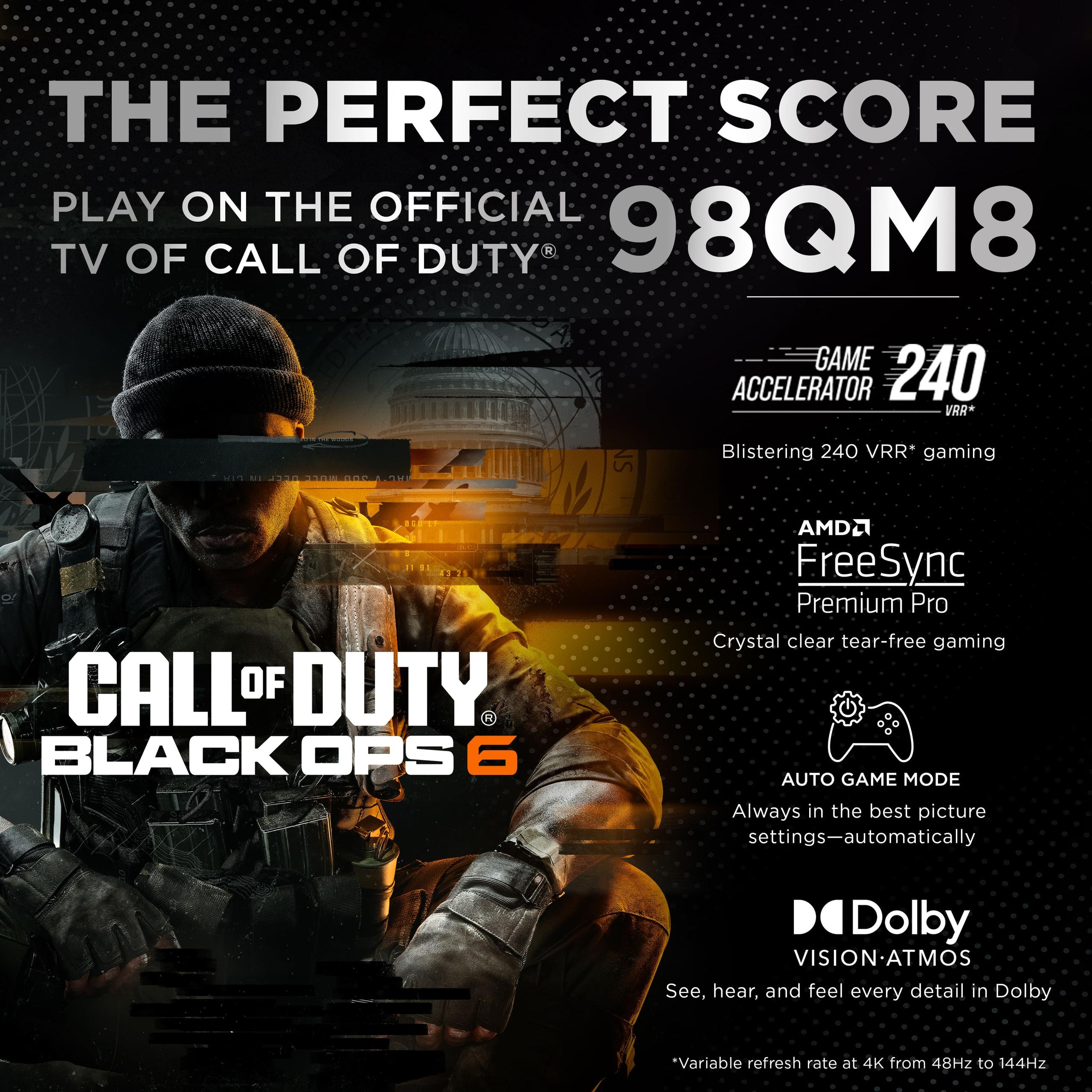
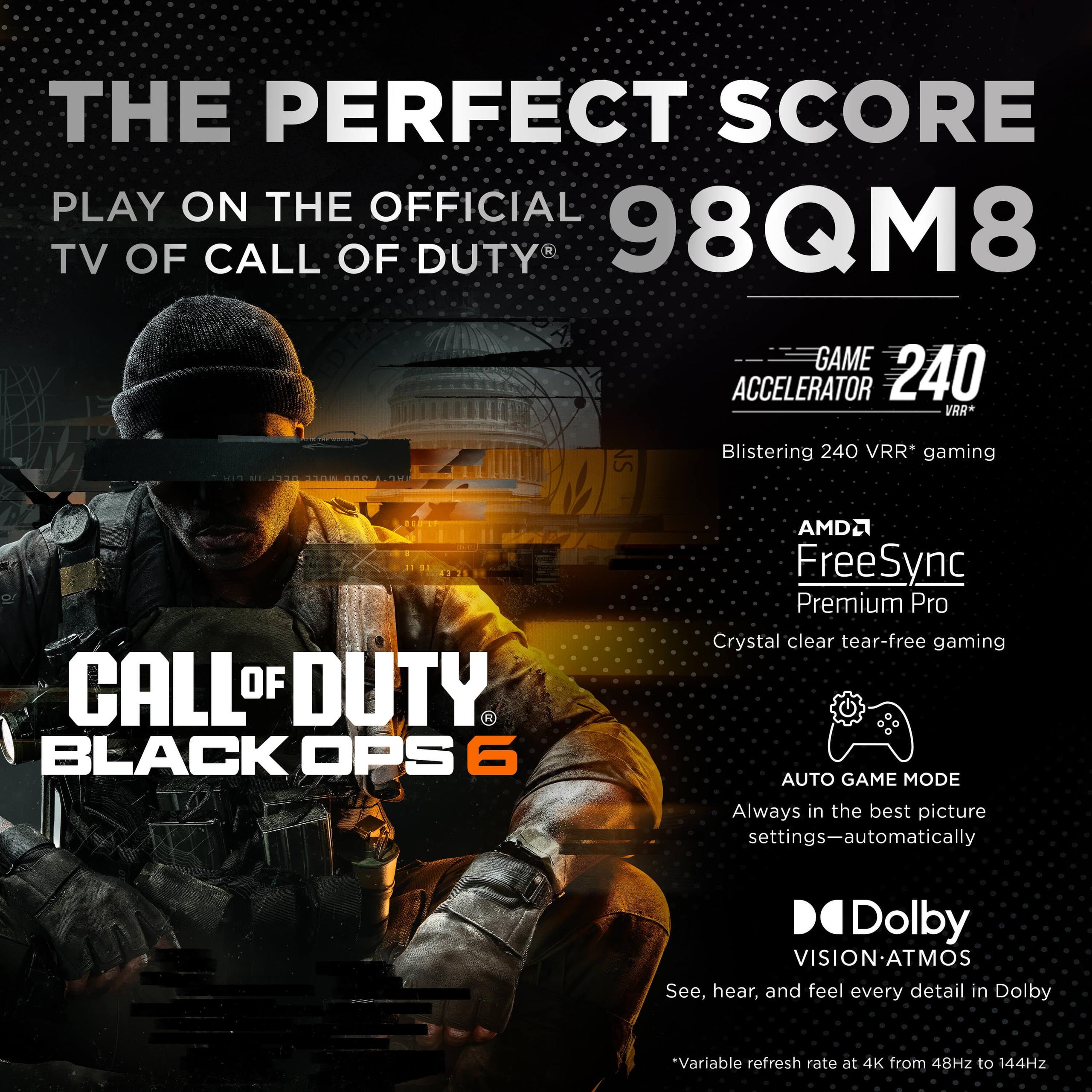
If gaming is important to you, both TVs have compelling but different strengths. The Hisense QD7 offers a native 144Hz refresh rate, which is actually higher than most gaming monitors. This means incredibly smooth motion when playing fast-paced games on your PS5 or Xbox Series X. Variable Refresh Rate (VRR) support means the TV can sync with your console's frame rate to eliminate screen tearing – those annoying horizontal lines that can appear during rapid movement.
The input lag on the Hisense is under 10 milliseconds, which is competitive with dedicated gaming monitors. When you press a button on your controller, the action appears on screen almost instantaneously.
The TCL QM8 offers 120Hz refresh rate with excellent HDMI 2.1 support, which is still fantastic for gaming but not quite as high as the Hisense. However, the TCL's superior motion processing means that fast-moving objects appear sharper and clearer, which can be beneficial for competitive gaming where you need to track opponents quickly.
Both TVs support all the gaming features you'd want: Auto Low Latency Mode (ALLM) automatically switches to game mode when it detects a console, and both handle 4K gaming at high frame rates without breaking a sweat.
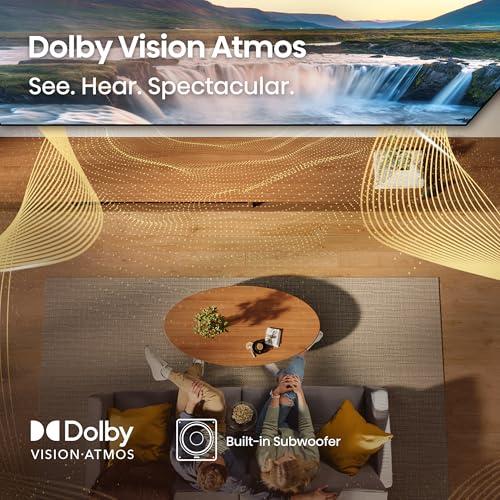
This is one area where the price difference really shows. The Hisense QD7 includes a basic 2.1-channel audio system with 50 watts of power. It's adequate for casual viewing, but it doesn't match the scale of that massive 100-inch screen. Dialogue is clear enough, but action scenes lack the bass impact and spatial audio effects that make modern movies and games truly immersive.
The TCL QM8 features an Onkyo-tuned audio system with DTS Virtual:X processing. This creates a much more enveloping sound experience, with better dialogue clarity and significantly more bass response. The Virtual:X processing uses psychoacoustic tricks to make it sound like audio is coming from above and around you, even though it's just coming from the TV's speakers.
That said, if you're investing in a display this large, you're probably planning to add a dedicated sound system eventually. A good soundbar starts around $200-300, while a full surround sound system can run $500-2000 depending on your ambitions.
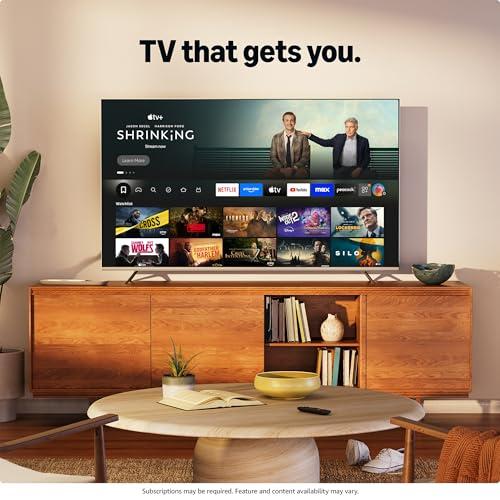
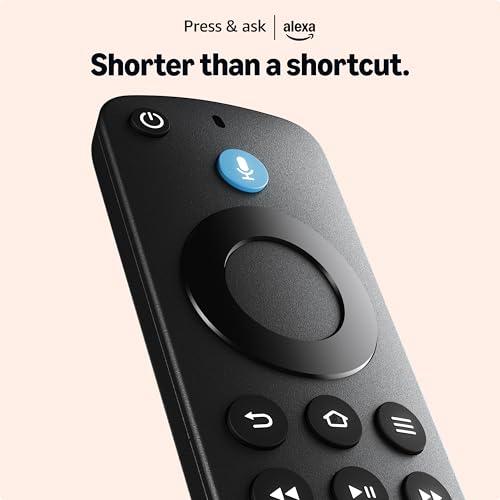
Both TVs run Google TV, which is currently one of the best smart TV platforms available. The interface is clean and responsive, with excellent integration with Google Assistant for voice control. You can say things like "Show me action movies on Netflix" or "Turn on game mode" and the TV responds quickly and accurately.
The app selection is comprehensive, including all major streaming services, and both TVs receive regular updates that add new features and improve performance. The remote controls are well-designed with dedicated buttons for major streaming services.
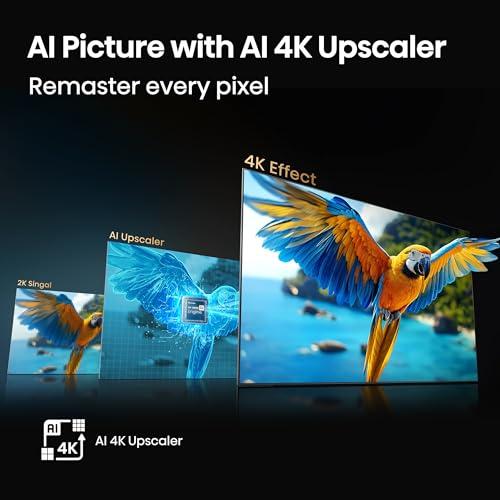
One area where both TVs excel is in upscaling older content. When you're watching standard HD cable or older movies, both displays do a good job of making the content look sharp on their massive screens, though they can't work miracles with very low-quality sources.
When you're dealing with displays this large, you're essentially building a home theater, whether you planned to or not. The viewing experience is transformative – sports feel like you're in the stadium, movies become genuinely cinematic, and gaming takes on a whole new level of immersion.
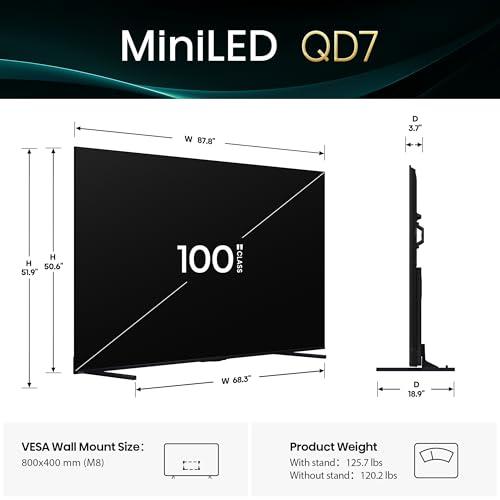
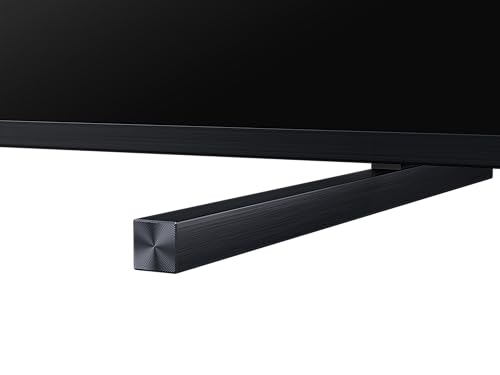
The Hisense 100" QD7 requires a viewing distance of about 12-15 feet for optimal experience. Any closer and you'll be turning your head to see the whole screen; any further and you lose some of the immersive impact. The TV weighs about 125 pounds with the stand, so professional installation is highly recommended.
The TCL 98" QM8 is slightly more flexible for smaller rooms, working well at 10-13 feet viewing distance. The smaller size (though still massive by any reasonable standard) makes it easier to integrate into existing living spaces.
Both TVs benefit enormously from light control. While the TCL's superior brightness helps in bright rooms, both displays really shine in a darkened environment where their contrast capabilities can create that true theater experience.
The value equation here is fascinating. The Hisense QD7 delivers roughly 80-85% of the TCL's performance at about 55% of the cost. For many people, that math works out perfectly – you get the massive screen impact and very good picture quality without the premium price.
However, the TCL QM8's higher price brings refinements that matter for serious viewing. The superior brightness and contrast control, better audio system, and more precise local dimming create a more polished experience. If you're building a dedicated home theater and picture quality is your top priority, the extra $1,800 can be justified.
Consider also the total system cost. If you buy the Hisense and add a $400 soundbar, you're at $2,599 total – still well under the TCL's price but with better audio than either TV's built-in speakers.
Both TVs represent significant advances over previous generations. The Mini-LED technology in both displays was barely available in consumer TVs three years ago, and the local dimming algorithms have improved dramatically. The gaming features – 120Hz+ refresh rates, VRR, ALLM – were premium features that have now become standard in this category.
Looking forward, both TVs should remain current for years to come. They support all current HDR formats and have the processing power to handle evolving streaming standards. The HDMI 2.1 ports ensure compatibility with current and next-generation gaming consoles.
Choose the Hisense 100" QD7 if maximum screen size is your priority and you're budget-conscious. It's perfect for console gaming enthusiasts who want that extra 2 inches of screen real estate and higher refresh rate. The money you save can go toward a good sound system, making for an excellent overall experience.
Choose the TCL 98" QM8 if picture quality refinement matters more than absolute size, and you have the budget for a more premium experience. It's ideal for serious movie watchers, bright room viewing, and anyone who wants the best built-in audio available.
Both represent excellent values in their respective price ranges, and either will transform your viewing experience in ways that smaller displays simply cannot match. The key is honest assessment of your priorities, room setup, and budget – because whichever you choose, you're going to love having a TV that makes your friends' 75-inch displays look tiny by comparison.
| Hisense 100" QD7 Series ($2,199) | TCL 98" QM8 Series ($3,999) |
|---|---|
| Screen Size - Physical viewing impact and room requirements | |
| 100 inches (requires 12-15 ft viewing distance) | 98 inches (works at 10-13 ft viewing distance) |
| Peak Brightness - Critical for HDR highlights and bright room viewing | |
| 2,000-3,000 nits (excellent for most rooms) | 3,000+ nits (superior for very bright spaces) |
| Gaming Refresh Rate - Smoothness for console and PC gaming | |
| 144Hz native (best-in-class for console gaming) | 120Hz (excellent, industry standard) |
| Local Dimming Zones - Controls blooming and contrast precision | |
| Fewer zones (some blooming in dark scenes) | More zones with advanced algorithms (superior contrast) |
| Color Gamut Coverage - Vibrancy vs accuracy trade-off | |
| 75% Rec.2020 (more vibrant, consumer-friendly) | Reference-grade accuracy (filmmaker intent) |
| Built-in Audio System - Determines if you need external speakers | |
| Basic 2.1 system, 50W (soundbar recommended) | Onkyo-tuned with DTS Virtual:X (significantly better) |
| Input Lag - Responsiveness for competitive gaming | |
| <10ms (excellent for console gaming) | ~12ms (still excellent for most gaming) |
| Smart Platform - App ecosystem and voice control | |
| Google TV with voice remote | Google TV with voice remote |
| HDR Format Support - Compatibility with premium content | |
| Dolby Vision, HDR10+, HDR10, HLG | Dolby Vision, HDR10+, HDR10, HLG |
| Weight and Installation - Professional mounting considerations | |
| 125.7 lbs with stand (professional install recommended) | ~130 lbs with stand (professional install recommended) |
| Value Proposition - Performance per dollar spent | |
| 80-85% of TCL's performance at 55% of the cost | Premium refinement with fewer compromises |
| Best Use Case - Primary intended audience | |
| Budget-conscious buyers wanting maximum size | Premium home theater with bright room viewing |
The Hisense 100" QD7 ($2,199) offers exceptional value, delivering about 80-85% of the TCL's performance at roughly half the price. The TCL 98" QM8 ($3,999) justifies its higher cost with superior brightness, better local dimming, and premium audio. For budget-conscious buyers, the Hisense provides incredible bang for your buck.
The TCL QM8 has superior picture quality with 3,000+ nits brightness, more precise local dimming zones, and reference-grade color accuracy. The Hisense QD7 offers excellent picture quality with slightly wider color gamut for more vibrant colors, but has fewer dimming zones which can cause some blooming in dark scenes.
The Hisense 100" QD7 is better for console gaming with its 144Hz native refresh rate and sub-10ms input lag. The TCL 98" QM8 offers excellent 120Hz gaming with superior motion processing. Both support VRR, ALLM, and HDMI 2.1 features that modern consoles require.
The TCL QM8 has significantly better built-in audio with an Onkyo-tuned system and DTS Virtual:X processing that creates immersive sound. The Hisense QD7 has basic 2.1-channel speakers that are adequate but will likely require adding a soundbar for the best experience.
The TCL 98" QM8 is superior for bright rooms with its 3,000+ nits peak brightness and better reflection handling. While the Hisense QD7 is still bright enough for most rooms, the TCL's extra brightness makes HDR content more impactful in challenging lighting conditions.
The Hisense 100" QD7 requires 12-15 feet viewing distance for optimal experience, while the TCL 98" QM8 works well at 10-13 feet. Both need substantial wall space and professional installation due to their 125+ pound weight.
Yes, both the Hisense QD7 and TCL QM8 run Google TV with identical app ecosystems, voice control, and regular updates. You'll have access to all major streaming services like Netflix, Disney+, and Amazon Prime Video on both displays.
For home theater use, the TCL 98" QM8 is generally better with its superior contrast control, reference-grade color accuracy, and premium built-in audio. However, the Hisense QD7 can work excellently in a controlled lighting environment, especially when paired with a good sound system.
Professional installation typically costs $200-400 for either the Hisense QD7 or TCL QM8 due to their size and weight. Factor in potential wall reinforcement, high-quality wall mounts ($100-200), and HDMI cables. Both TVs strongly benefit from professional calibration.
Both the Hisense 100" QD7 and TCL 98" QM8 support current standards like HDMI 2.1, all HDR formats, and have processing power for future updates. The TCL's higher-end components may provide slightly better longevity, but both should remain relevant for 5-7 years.
Yes, both TVs work as massive computer monitors. The Hisense QD7 is better for PC gaming with its 144Hz refresh rate, while the TCL QM8 offers better text clarity for productivity work. However, you'll need to sit fairly far back due to their enormous size.
Large format TVs like the Hisense 100" QD7 and TCL 98" QM8 typically see their best discounts during Black Friday, Super Bowl season, and back-to-school periods. However, at current pricing, both offer strong value. The Hisense especially represents exceptional value that's unlikely to drop significantly further.
We've done our best to create useful and informative comparisons to help you decide what product to buy. Our research uses advanced automated methods to create this comparison and perfection is not possible - please contact us for corrections or questions. These are the sites we've researched in the creation of this article: hometechnologyreview.com - hypermicro.com - bestbuy.com - bestbuy.com - youtube.com - hisense-usa.com - bestbuy.com - pcrichard.com - tvsbook.com - hisense-usa.com - pcrichard.com - nfm.com - bestbuy.com - hisense-canada.com - rtings.com - hisense-usa.com - bestbuy.com - hisense-usa.com - hometechnologyreview.com - youtube.com - youtube.com - hometechnologyreview.com - costco.com - custrevs.com - rtings.com - camelcamelcamel.com - youtube.com - techradar.com - avsforum.com - bestbuy.com - greentoe.com - tcl.com

Privacy Policy
Terms and Conditions - Affiliate Policy
Home Security
© Copyright 2008-2026.
11816 Inwood Rd #1211, Dallas, TX 75244