

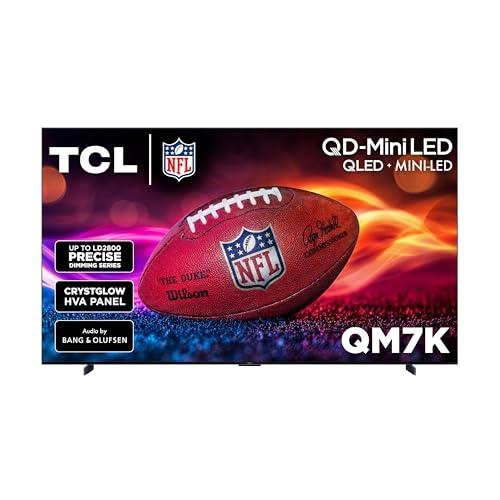
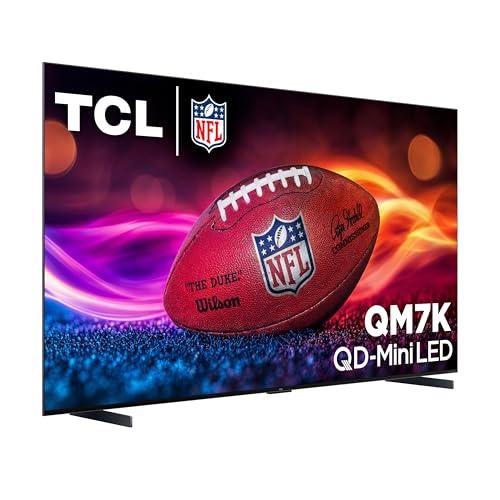
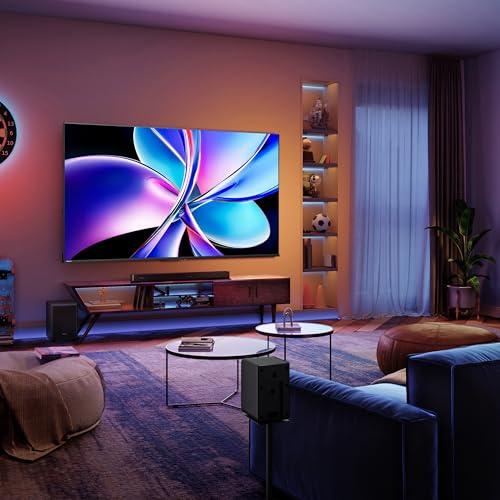
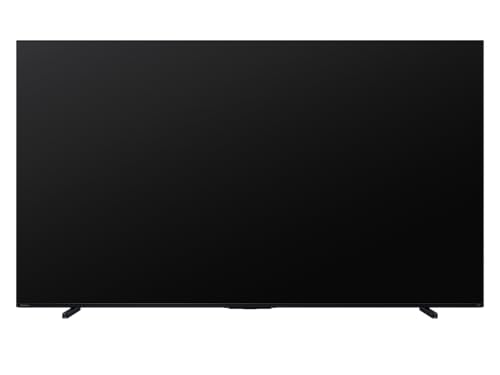
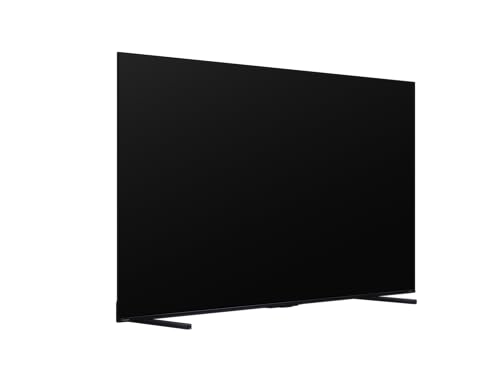
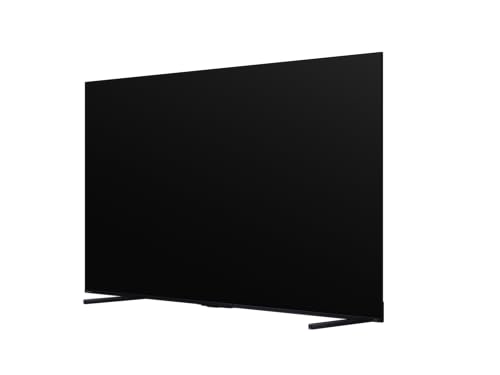
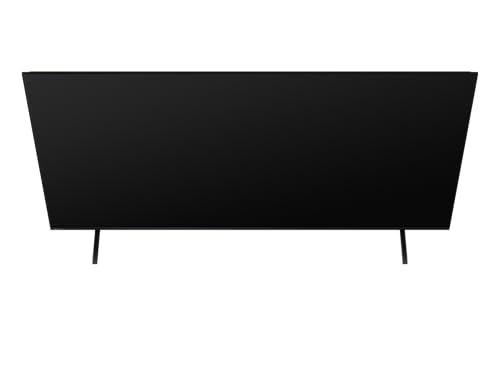
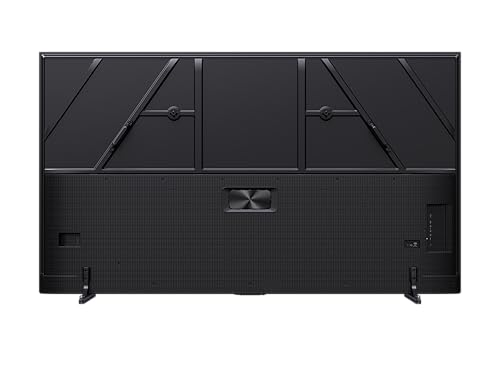
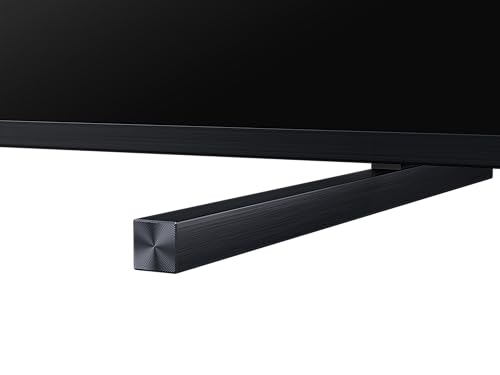
When you're shopping for a TV that's nearly as wide as a car, you're not just buying a display—you're creating the centerpiece of a home theater experience. Ultra-large TVs, those measuring 95 inches and beyond, represent the pinnacle of consumer display technology. They compete directly with projector systems while offering the plug-and-play convenience of traditional televisions.
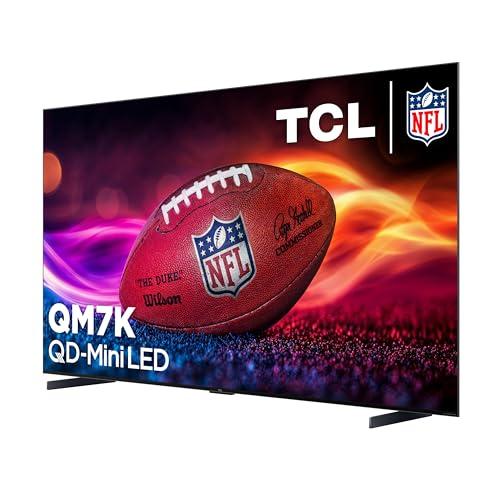
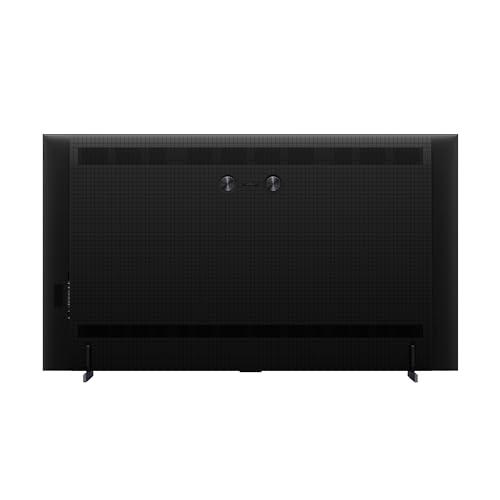
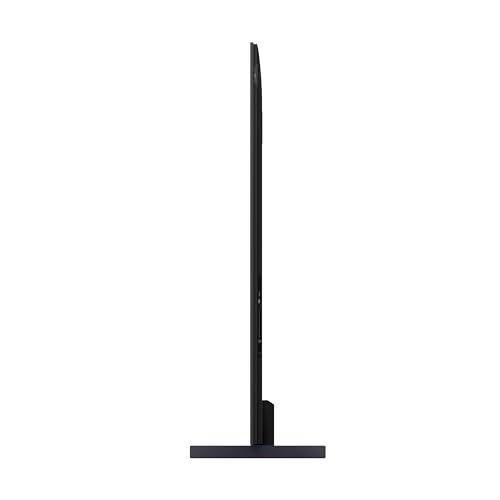
The decision between the TCL 98" QM7K and Hisense 100" QD7 isn't just about picking the bigger screen. These represent two different philosophies in ultra-large display design: premium technology refinement versus maximum screen real estate. Understanding which approach better serves your specific needs requires diving deep into what makes each unique.
Shopping for a 98-inch or 100-inch TV means you've already committed to transforming your living space. These displays require 12-15 feet of viewing distance for optimal immersion, and their sheer presence dominates any room. Unlike smaller TVs where picture quality differences might be subtle, every technical advantage becomes magnified across these massive screens.
The primary considerations shift dramatically at this size. Brightness becomes crucial—not just for HDR content, but for maintaining image quality across the expansive screen area. Local dimming zones, which control backlighting in different screen regions, matter more because imperfect zone control creates visible blooming that's impossible to ignore. Gaming performance takes on new importance as these displays often serve as the primary entertainment hub for serious enthusiasts.
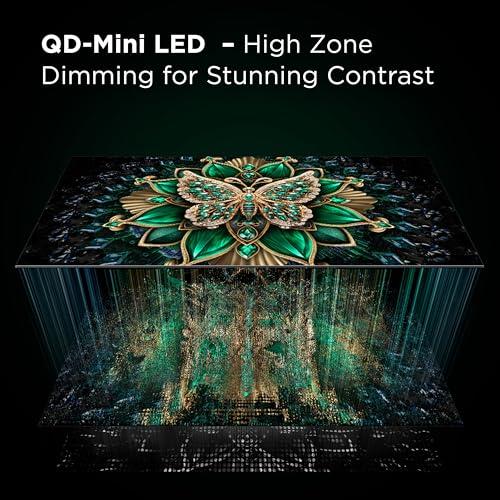
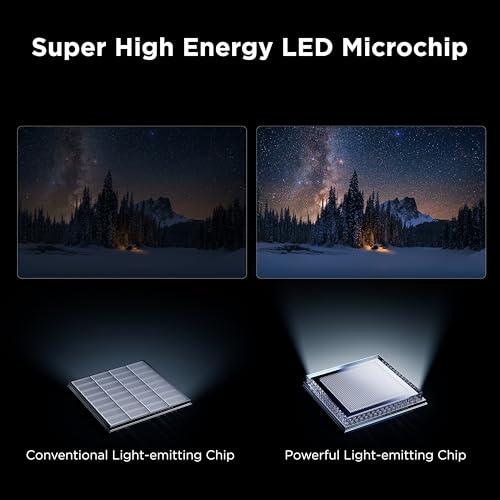
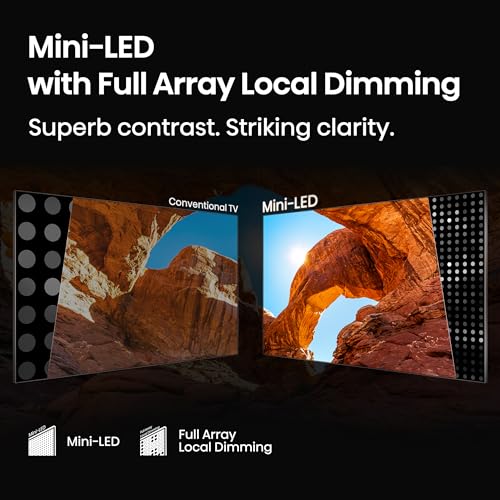
Both the TCL QM7K and Hisense QD7 launched in 2024-2025, representing the latest generation of Mini-LED technology that has revolutionized large-screen displays over the past few years. Mini-LED backlighting uses thousands of tiny LEDs (about the size of rice grains) that can be controlled independently, creating dramatically better contrast than traditional LED TVs while avoiding the burn-in risks of OLED displays.
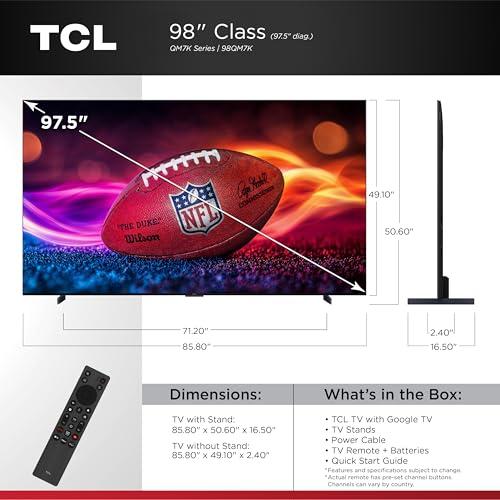
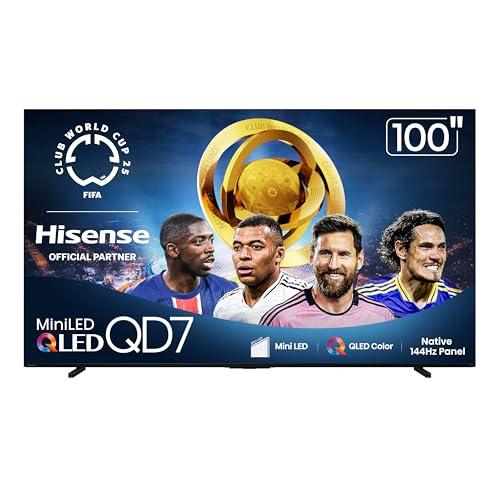
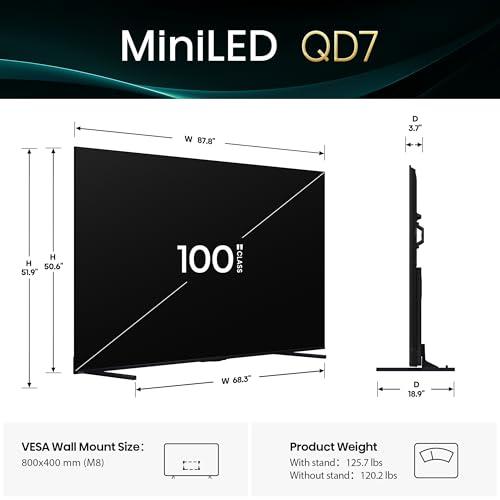
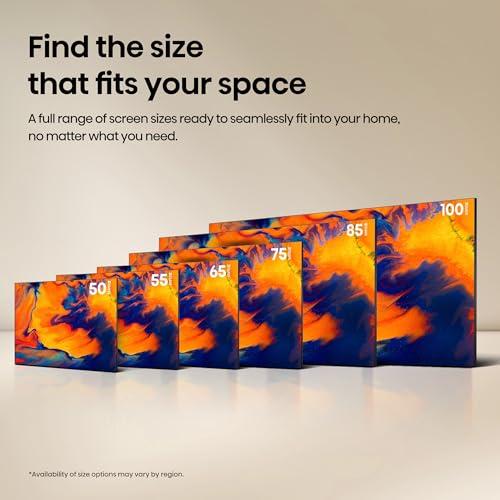
The Hisense QD7 delivers a true 100-inch diagonal, while the TCL QM7K measures 98 inches. This might seem like a minor difference, but it translates to roughly 13% more viewing area—a meaningful jump in visual impact. From my research into user experiences, that extra screen real estate is immediately noticeable during sports broadcasts and action movies.
However, the 98-inch TCL fits more installation scenarios. Many home theater enthusiasts find that 100 inches pushes the boundaries of their room dimensions, requiring furniture rearrangement or even structural considerations for wall mounting. The TCL's slightly smaller footprint often proves more practical while still delivering that "holy grail" ultra-large experience.
Both displays require serious planning. We're talking about TVs that measure nearly 8 feet wide and require professional installation for wall mounting. The viewing experience transforms completely at these sizes—you stop watching TV and start experiencing content in a way that genuinely rivals commercial theaters.
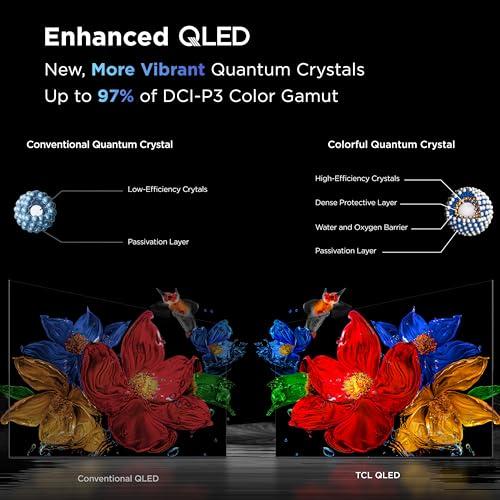
The most significant difference between these displays lies in their approach to picture quality. The TCL QM7K represents a premium Mini-LED implementation with advanced technologies that justify its higher price point, while the Hisense QD7 focuses on delivering excellent performance at a more accessible cost.
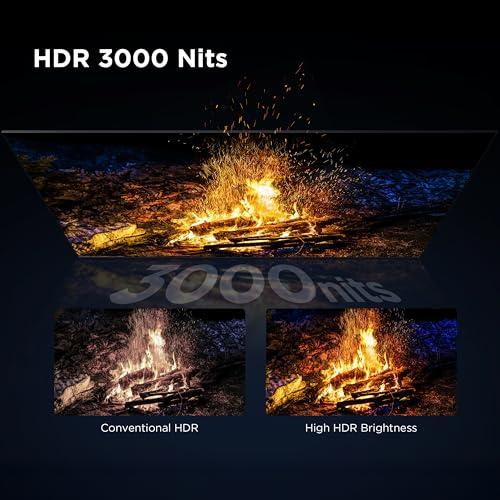
The TCL QM7K achieves an extraordinary 3000-nit peak brightness through its HDR ULTRA implementation. To put this in perspective, most standard TVs peak around 400-600 nits, while good HDR displays typically reach 1000-1500 nits. This massive brightness advantage means HDR content displays as creators intended—with sun reflections that genuinely make you squint and explosive highlights that pop off the screen.
The Hisense QD7, by contrast, delivers more conventional Mini-LED brightness levels. While still excellent for most content, it can't match the dramatic HDR impact of the TCL. From user reviews, this difference is most noticeable in dark room viewing where the TCL's superior brightness creates a more immersive, theater-like experience.
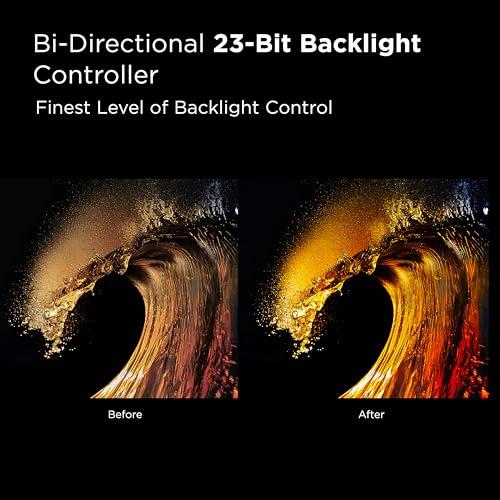
Here's where technical specifications translate into real-world viewing differences. The TCL QM7K features what the company calls "LD2500 Precise Dimming"—up to 2500 individual backlight zones that can be controlled independently. Each zone can be adjusted across 65,000 brightness levels through TCL's advanced 23-bit backlight controller.
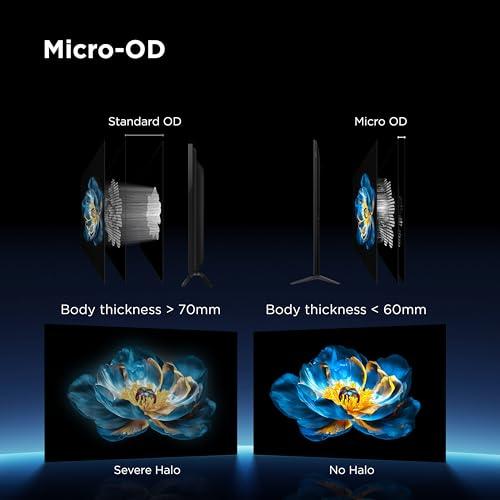
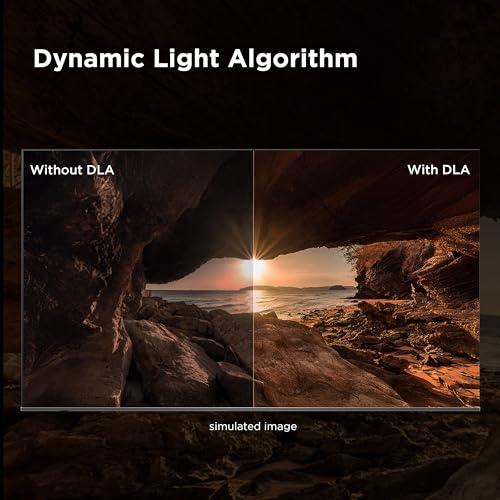
This level of granular control matters enormously at these screen sizes. When a bright object appears against a dark background—think a car's headlights at night or a campfire scene—the TCL can keep the bright area blazing while ensuring surrounding darkness stays truly black. Lesser systems create visible "blooming" or halos around bright objects, an effect that becomes glaringly obvious on massive screens.
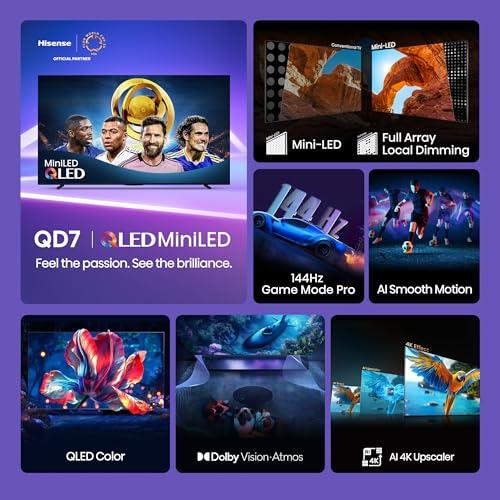
The Hisense QD7 uses Full Array Local Dimming with fewer zones, which still provides good contrast but lacks the precision of the TCL's more advanced system. For most viewing content, this difference is subtle, but for HDR movies and gaming, the TCL's superior zone control creates noticeably cleaner, more realistic images.
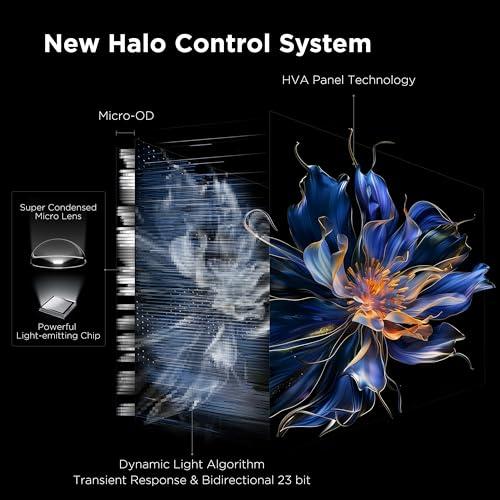
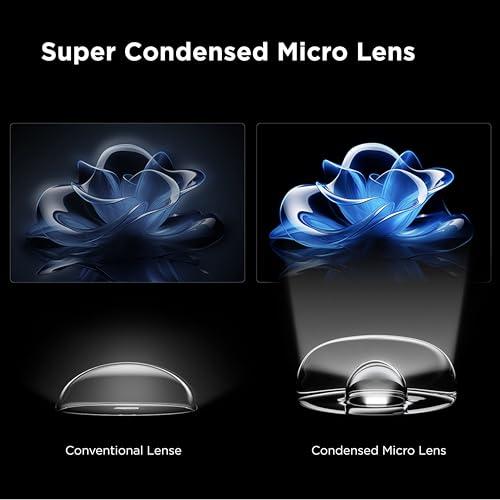
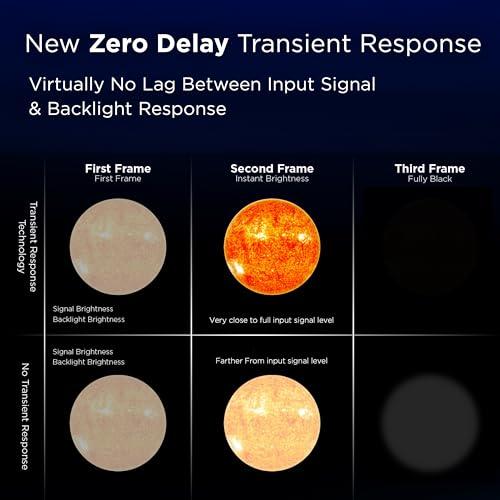
The TCL QM7K introduces several proprietary technologies that address traditional Mini-LED limitations. Their Halo Control System combines multiple innovations: a Super Condensed Micro Lens that focuses each LED's light more precisely, Micro-OD technology that reduces the distance between backlight and screen to minimize light overlap, and a Zero Delay Transient Response system that eliminates the lag between input signal and backlight adjustment.
These might sound like marketing terms, but they solve real problems. Traditional Mini-LED displays can suffer from visible artifacts where bright and dark areas meet. The TCL's advanced engineering virtually eliminates these issues, creating cleaner transitions and more realistic image depth.
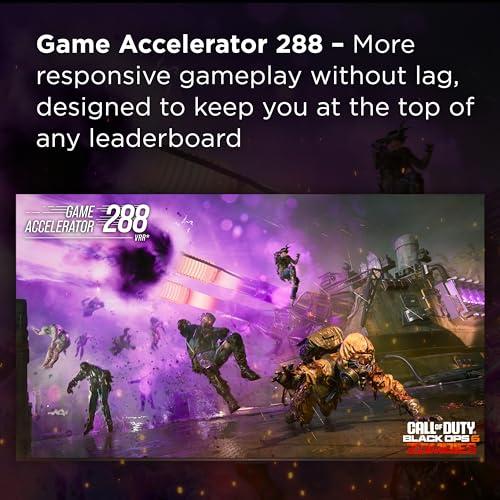
Both displays cater to serious gamers, but with different strengths. The TCL QM7K supports what they call "Game Accelerator 288," enabling Variable Refresh Rate (VRR) up to 288Hz. VRR synchronizes the display's refresh rate with your gaming device's frame rate, eliminating screen tearing and stuttering for buttery-smooth gameplay.
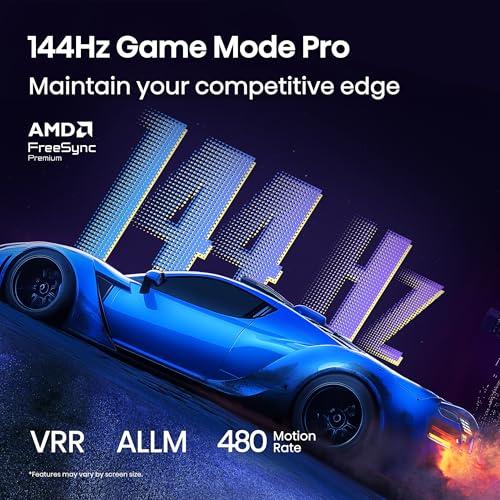
The Hisense QD7 offers 144Hz Game Mode Pro with AMD FreeSync Premium Pro support. While this is excellent performance, the TCL's higher VRR ceiling provides an advantage for PC gaming with high-end graphics cards that can push frame rates beyond 144fps.
Both include Auto Low Latency Mode (ALLM), which automatically switches to gaming mode when it detects a console or PC connection. Input lag—the delay between pressing a button and seeing the result on screen—remains low on both displays, though the TCL's Zero Delay system provides a theoretical advantage that competitive gamers might appreciate.
For console gaming with PlayStation 5 or Xbox Series X, both displays perform excellently. The difference becomes more meaningful for PC gaming enthusiasts with cutting-edge hardware who want to maximize their system's potential.
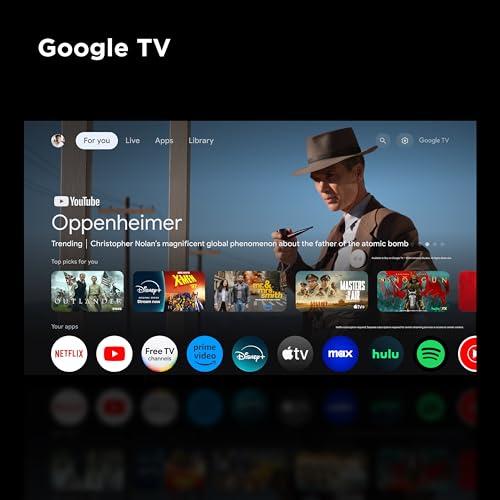
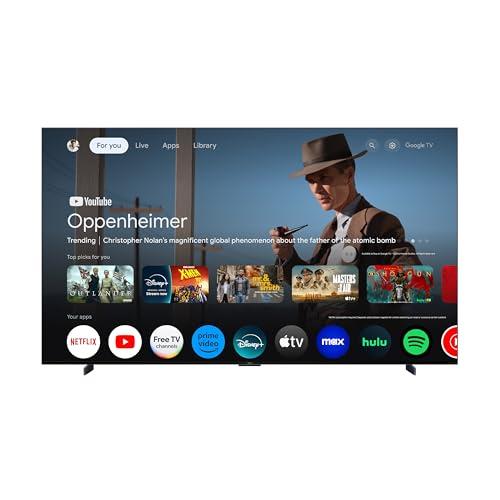
The software experience differs significantly between these displays. The TCL QM7K runs Google TV, which provides a clean, customizable interface with excellent app support and integrated voice control through a far-field microphone array. You can literally speak commands from across the room without using the remote.
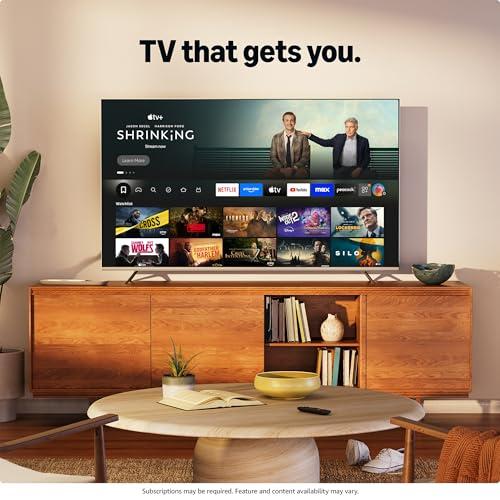
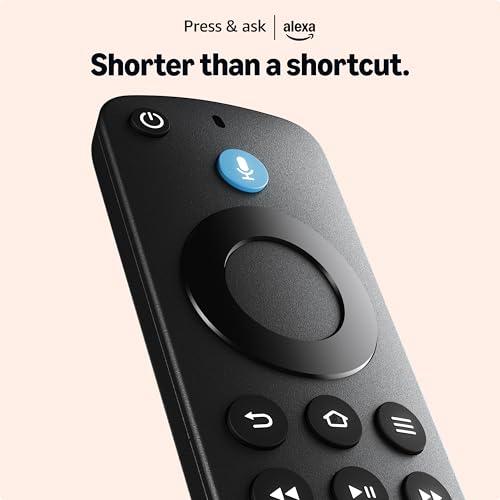
The Hisense QD7 uses Amazon's Fire TV platform, which offers deep integration with Alexa and Amazon's ecosystem. Fire TV has matured into an excellent platform with comprehensive app support, though some users find it slightly more cluttered with promotional content compared to Google TV.
Both platforms handle streaming services well, but your existing smart home ecosystem might influence your preference. If you're heavily invested in Google services or prefer cleaner interfaces, the TCL has advantages. Amazon ecosystem users or those who prioritize Alexa integration might prefer the Hisense.
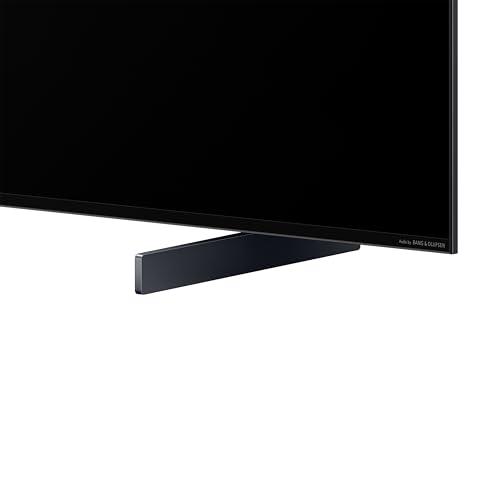
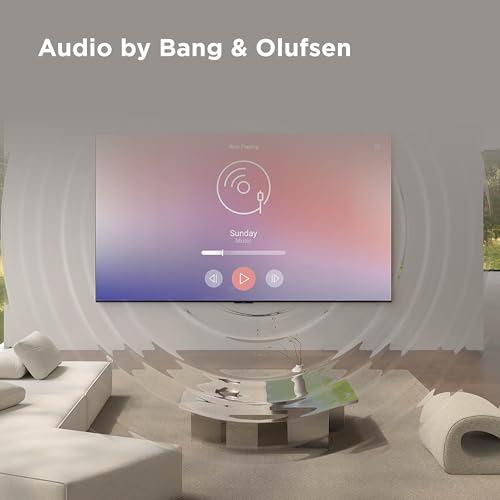
Audio performance on ultra-large TVs faces unique challenges—the screen size creates expectations for equally impressive sound, but physics limits what built-in speakers can achieve. The TCL QM7K features audio tuned by Bang & Olufsen, the renowned Danish audio company, with Dolby Atmos and DTS Virtual:X support.
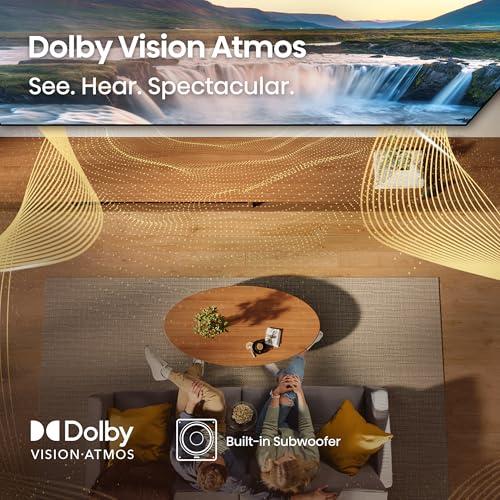
The Hisense QD7 includes 50W speakers with Dolby Atmos support, which is respectable for built-in TV audio. However, both displays benefit significantly from external sound systems. At these screen sizes, you're almost certainly planning a dedicated home theater setup where a quality soundbar or surround sound system becomes essential for matching the visual impact.
At the time of writing, these displays represent different value approaches in the ultra-large TV market. The Hisense QD7 typically costs several hundred dollars less than the TCL QM7K, making it an exceptional value for buyers prioritizing screen size over absolute picture quality refinement.
The TCL commands a premium for its advanced Mini-LED implementation, superior brightness, and comprehensive feature set. Whether this premium is justified depends on your viewing priorities and budget allocation for your total entertainment system.
Consider that comparable displays from premium brands like Sony or Samsung often cost $1000-2000 more than either option, making both the TCL and Hisense excellent values in their respective categories.
You're building a dedicated home theater where picture quality takes priority over everything else. The TCL's superior brightness and contrast control create a more cinematic experience, especially for HDR content and dark room viewing. If gaming performance matters and you have high-end PC hardware, the higher VRR support provides tangible benefits.
The premium also makes sense if you prefer Google TV's cleaner interface or if the Bang & Olufsen audio tuning provides meaningful improvement over your current audio situation.
Maximum screen impact is your primary goal, and you're willing to accept slightly less refined picture quality for more viewing area and lower cost. The Hisense excels for sports viewing, casual entertainment, and mixed lighting conditions where its size advantage outweighs the TCL's technical superiority.
The value proposition makes particular sense if you're planning to invest saved money in a quality audio system, where the performance difference might be more meaningful than the display technology gap.
Room planning is essential regardless of your choice. Both displays require careful measurement and often professional installation. Viewing distance becomes critical—sit too close and you'll see individual pixels, too far and you lose the immersive advantage these massive screens provide.
Content consumption patterns matter too. If you primarily watch streaming services and casual content, the Hisense's size advantage and lower cost make compelling sense. Movie enthusiasts and HDR content lovers will appreciate the TCL's superior technical capabilities.
Both represent the current pinnacle of consumer display technology, offering experiences that were unimaginable at these price points just a few years ago. Your choice ultimately depends on whether you prioritize cutting-edge display technology or maximum visual impact within your specific budget and space constraints.
The ultra-large TV market continues evolving rapidly, but both displays represent excellent long-term investments that will deliver exceptional entertainment experiences for years to come.
| TCL 98" QM7K QD-Mini LED 4K TV | Hisense 100-Inch QD7 Series Mini-LED 4K Smart TV |
|---|---|
| Screen Size - Larger screen creates more immersive experience but requires more room space | |
| 98 inches (fits more home theater setups) | 100 inches (13% more viewing area, maximum impact) |
| Peak Brightness - Critical for HDR impact and bright room performance | |
| 3,000 nits (exceptional HDR highlights, theater-like experience) | ~1,000 nits (good performance, less dramatic HDR impact) |
| Local Dimming Zones - More zones mean better contrast and less blooming around bright objects | |
| Up to 2,500 zones (LD2500 Precise Dimming for superior contrast) | Full Array Local Dimming (fewer zones, good but less precise control) |
| Gaming Performance - Higher refresh rates provide smoother gameplay | |
| 144Hz native, up to 288Hz VRR (Game Accelerator 288) | 144Hz Game Mode Pro with AMD FreeSync Premium Pro |
| Smart Platform - Affects daily usability and app ecosystem | |
| Google TV with hands-free voice control | Fire TV with Alexa integration |
| Display Technology - Advanced features that improve picture quality | |
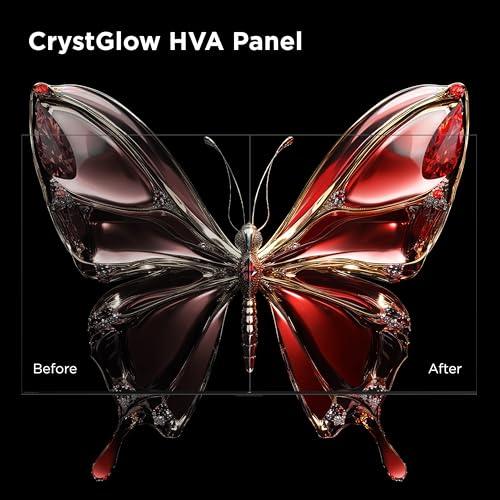
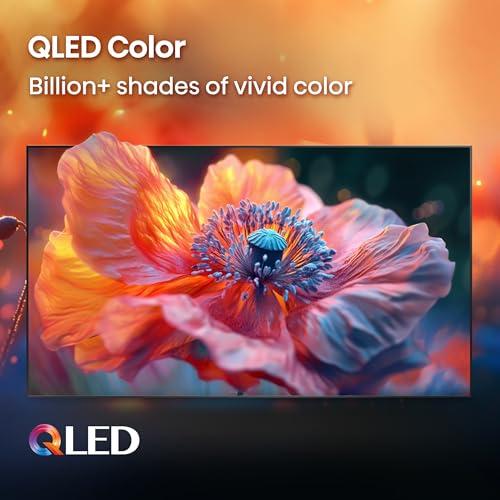
| Halo Control System, CrystGlow HVA panel, Zero Delay response | Standard Mini-LED with QLED Quantum Dot technology |
| Audio System - Built-in sound quality varies significantly between models | |
| Audio by Bang & Olufsen tuning with Dolby Atmos | 50W speakers with Dolby Atmos support |
| HDR Support - Determines color accuracy and dynamic range capabilities | |
| HDR ULTRA (Dolby Vision IQ, HDR10+, HDR10, HLG) | Dolby Vision, HDR10, HDR10+, HLG |
| Release Year - Newer models often have improved processing and features | |
| 2025 (latest generation Mini-LED technology) | 2025 (current generation with value focus) |
| Value Positioning - Price-to-performance relationship | |
| Premium pricing for advanced Mini-LED features | Exceptional value prioritizing size over tech refinement |
The Hisense 100-Inch QD7 is larger with a 100-inch screen compared to the TCL 98" QM7K's 98-inch display. This 2-inch difference provides about 13% more viewing area, making the Hisense QD7 noticeably more immersive for movies and sports.
The TCL 98" QM7K offers superior picture quality with 3,000-nit peak brightness and up to 2,500 local dimming zones, creating better contrast and more dramatic HDR performance. The Hisense QD7 provides good picture quality with standard Mini-LED brightness levels but less precise contrast control than the TCL QM7K.
Both TVs excel for gaming, but the TCL QM7K has an edge with Game Accelerator 288 supporting up to 288Hz Variable Refresh Rate. The Hisense QD7 offers 144Hz Game Mode Pro with AMD FreeSync Premium Pro, which is excellent but not quite as advanced as the TCL's gaming features.
The TCL 98" QM7K performs better in bright rooms due to its exceptional 3,000-nit brightness that can overcome ambient light and reflections. The Hisense QD7 handles moderate lighting well but may struggle more with direct sunlight or very bright room conditions.
The Hisense 100-Inch QD7 typically offers better value, providing maximum screen size at a lower cost. The TCL QM7K costs more but delivers premium Mini-LED technology and superior performance, making it better value for those prioritizing picture quality over price.
The TCL 98" QM7K runs Google TV with hands-free voice control and clean interface design. The Hisense QD7 uses Amazon Fire TV with deep Alexa integration and comprehensive streaming app support.
Both TVs excel in home theater setups. The TCL QM7K is ideal for dedicated dark room theaters due to superior contrast and HDR performance. The Hisense QD7 works well in multi-purpose spaces where maximum screen size creates the biggest impact for movie watching.
Both the TCL 98" QM7K and Hisense 100-Inch QD7 require 12-15 feet of viewing distance for optimal experience. The Hisense needs slightly more wall space due to its larger size, while the TCL fits more room configurations.
The TCL 98" QM7K delivers superior HDR performance with HDR ULTRA technology and 3,000-nit brightness creating more dramatic highlights and deeper contrasts. The Hisense QD7 supports major HDR formats but with less impactful brightness levels than the TCL QM7K.
The TCL QM7K features Audio by Bang & Olufsen tuning with Dolby Atmos for better sound quality. The Hisense QD7 includes 50W speakers with Dolby Atmos support. Both benefit from external sound systems to match their massive screen impact.
Both TCL and Hisense have established strong reputations in the large TV market. The TCL 98" QM7K represents TCL's premium technology push, while the Hisense QD7 showcases Hisense's value-focused approach. Both offer solid build quality and manufacturer support.
Choose the TCL 98" QM7K if you want the best possible picture quality, have a controlled lighting environment, and prioritize HDR performance. Select the Hisense 100-Inch QD7 if maximum screen size is your priority and you want excellent performance at a more accessible price point.
We've done our best to create useful and informative comparisons to help you decide what product to buy. Our research uses advanced automated methods to create this comparison and perfection is not possible - please contact us for corrections or questions. These are the sites we've researched in the creation of this article: bestbuy.com - tcl.com - youtube.com - rtings.com - tcl.com - youtube.com - youtube.com - tcl.com - tomsguide.com - manuals.plus - youtube.com - tcl.com - whathifi.com - bestbuy.com - queencityonline.com - electronicexpress.com - tcl.com - valueelectronics.com - tcl.com - bestbuy.com - bestbuy.com - youtube.com - woodruffappliance.com - karlsonline.com - tcl.com - hometechnologyreview.com - hypermicro.com - bestbuy.com - bestbuy.com - youtube.com - hisense-usa.com - bestbuy.com - pcrichard.com - tvsbook.com - hisense-usa.com - pcrichard.com - nfm.com - bestbuy.com - hisense-canada.com - rtings.com - hisense-usa.com - bestbuy.com - hisense-usa.com - hometechnologyreview.com - youtube.com - youtube.com - hometechnologyreview.com - costco.com - custrevs.com

Privacy Policy
Terms and Conditions - Affiliate Policy
Home Security
© Copyright 2008-2026.
11816 Inwood Rd #1211, Dallas, TX 75244