

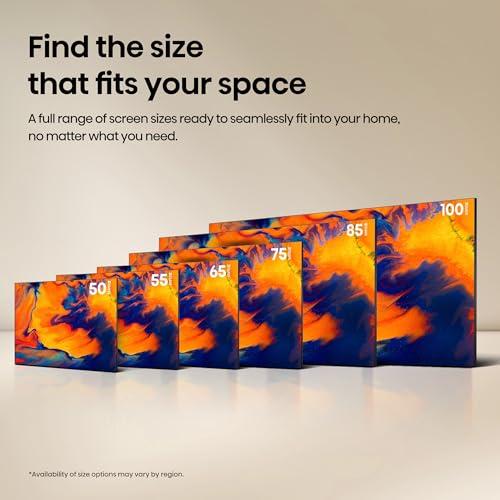
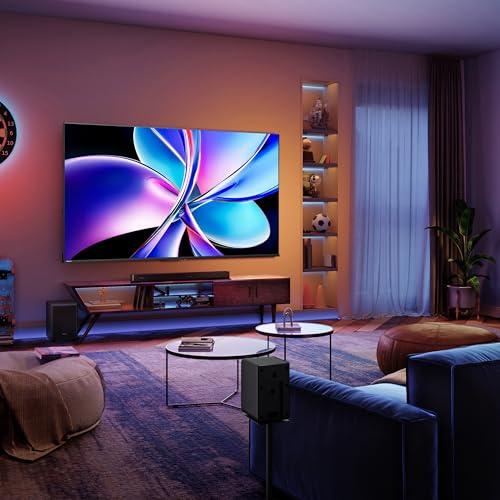
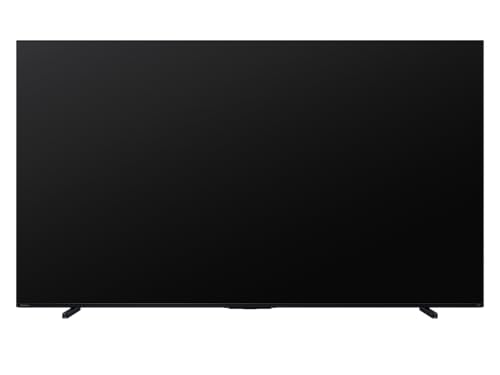
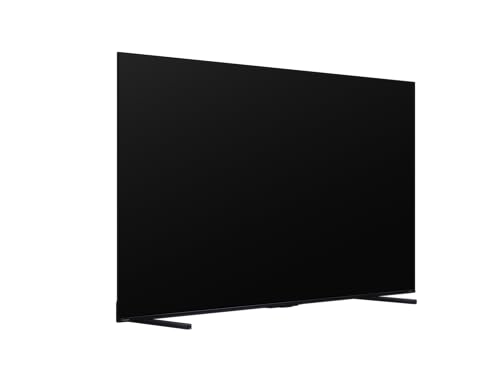
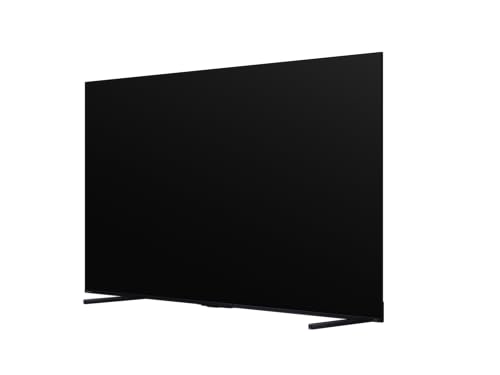
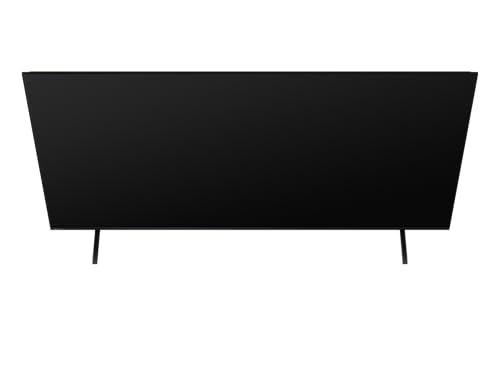
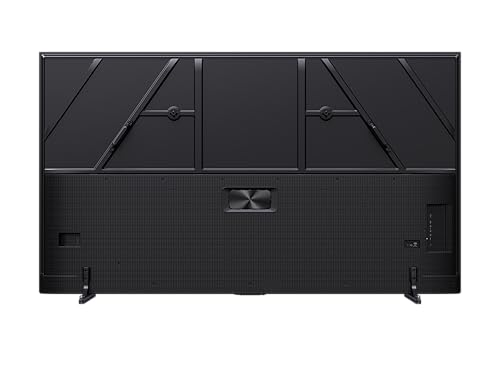
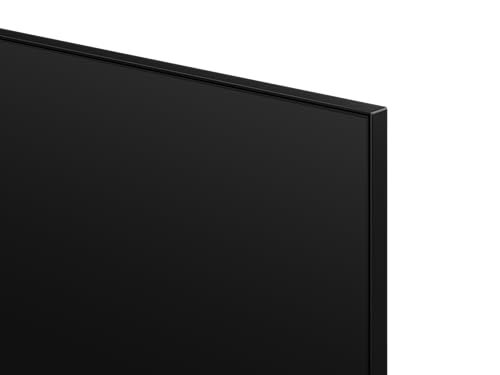
If you're shopping for a TV that's nearly the size of a movie theater screen, you've probably realized that the ultra-large TV market is a completely different beast from buying a regular 65" or 75" model. We're talking about displays that transform your living room into a home theater – but they also come with their own unique challenges and considerations.
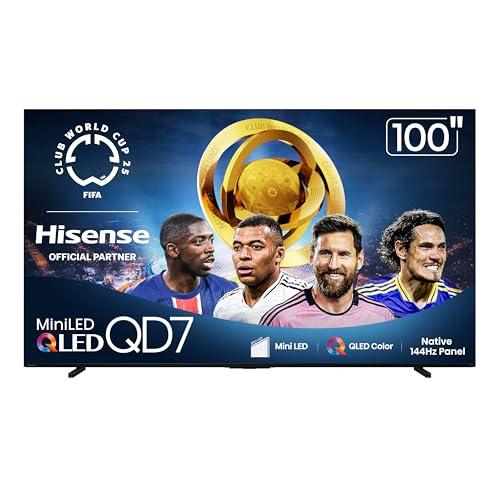
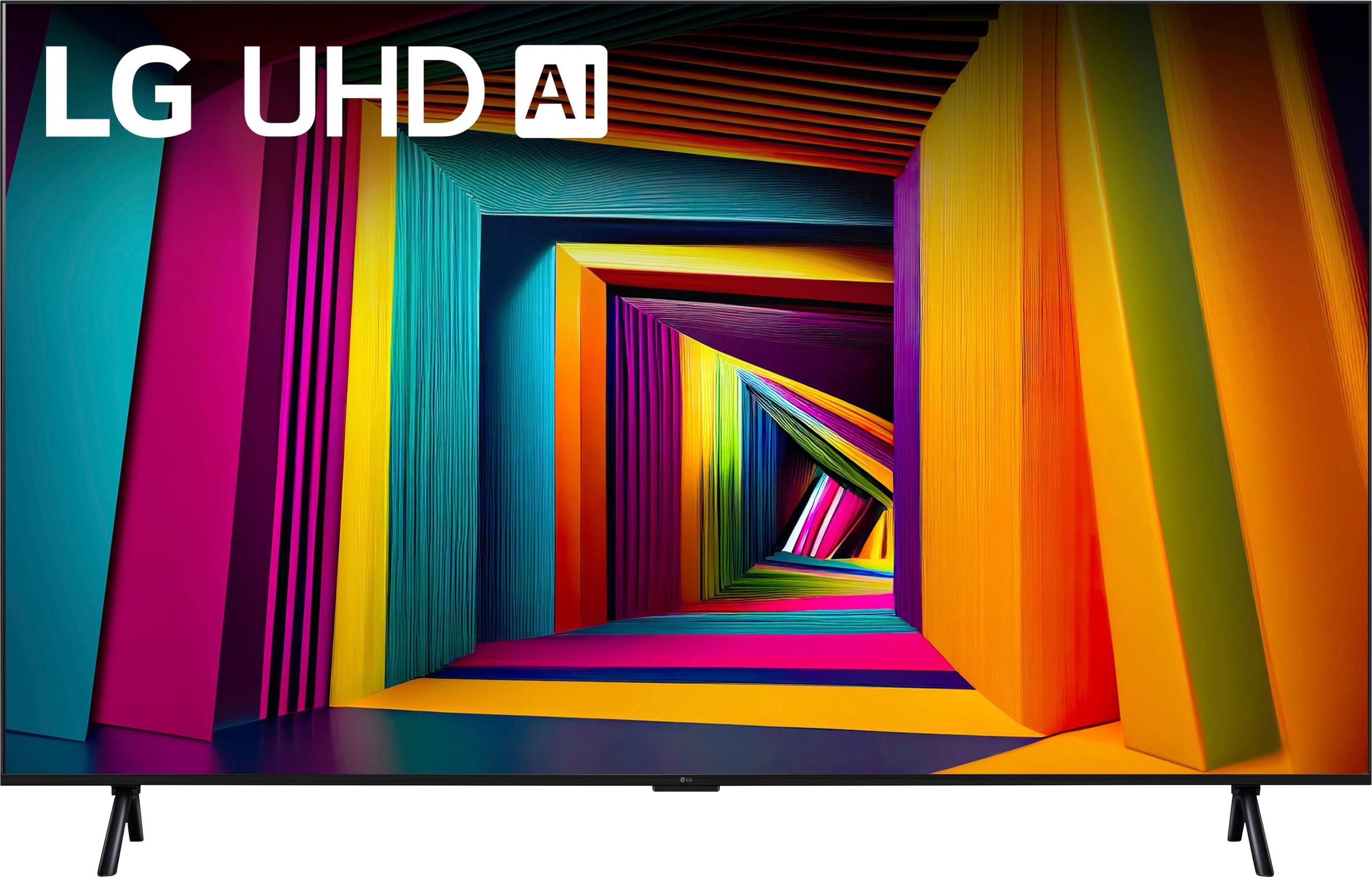
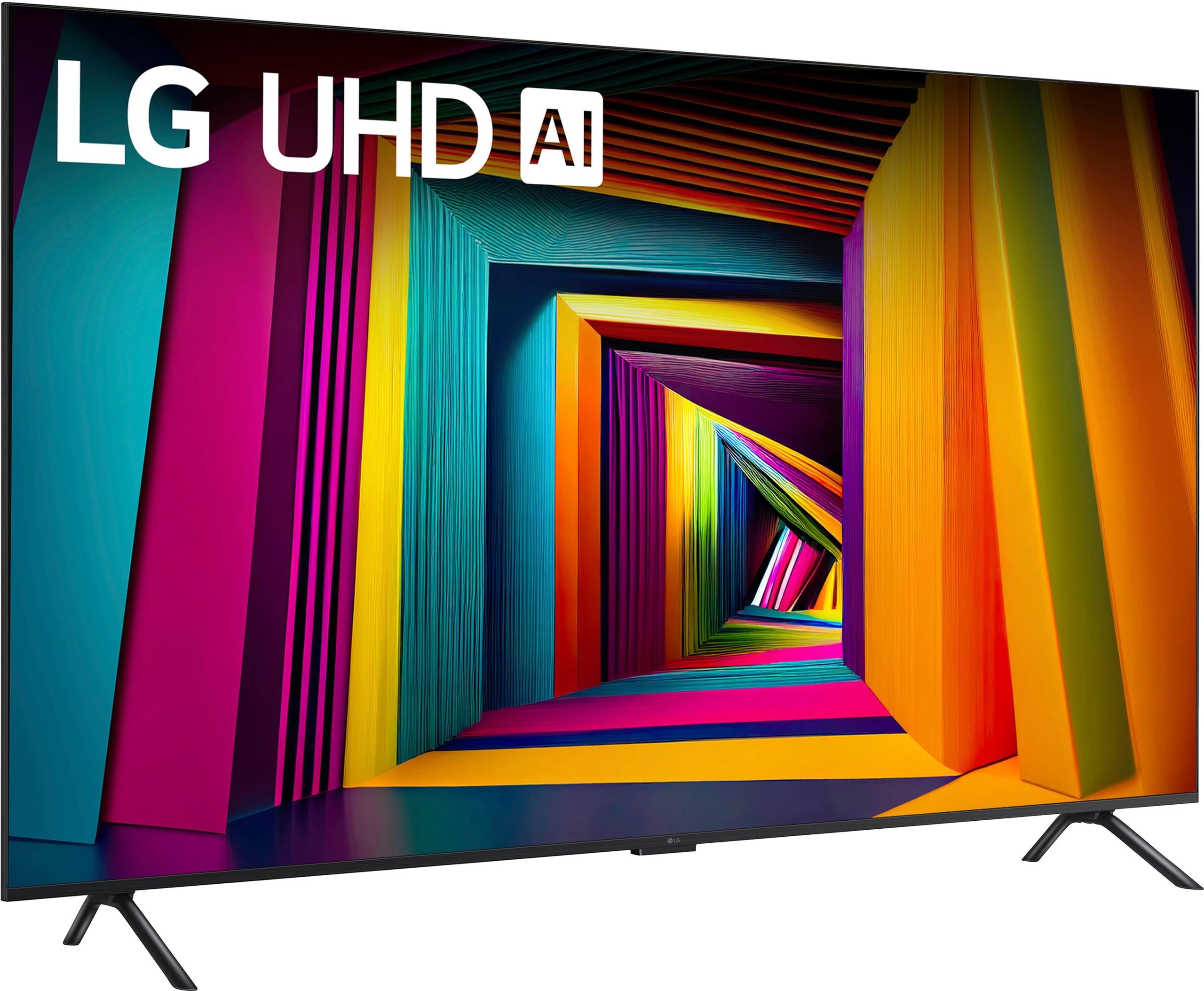
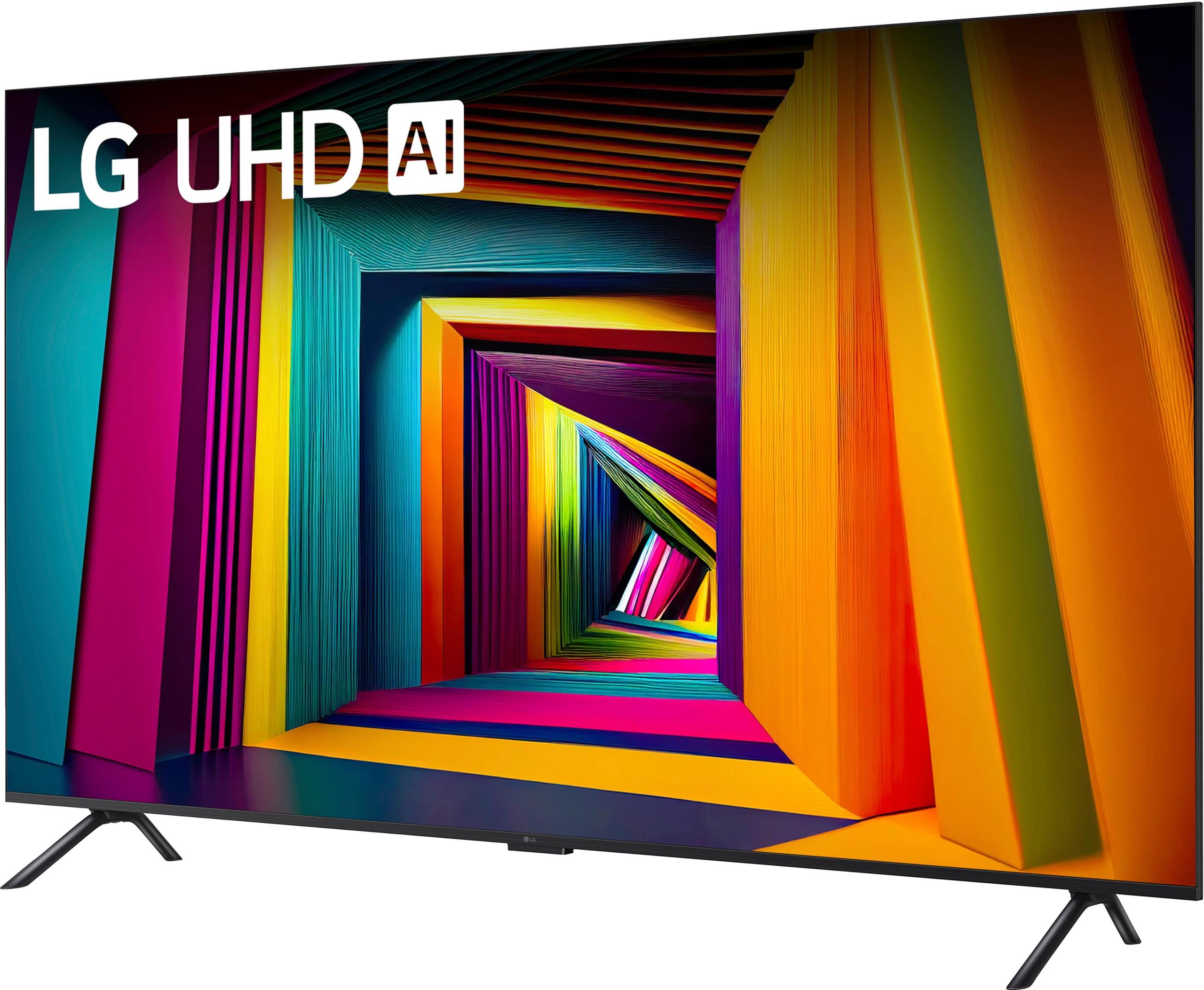
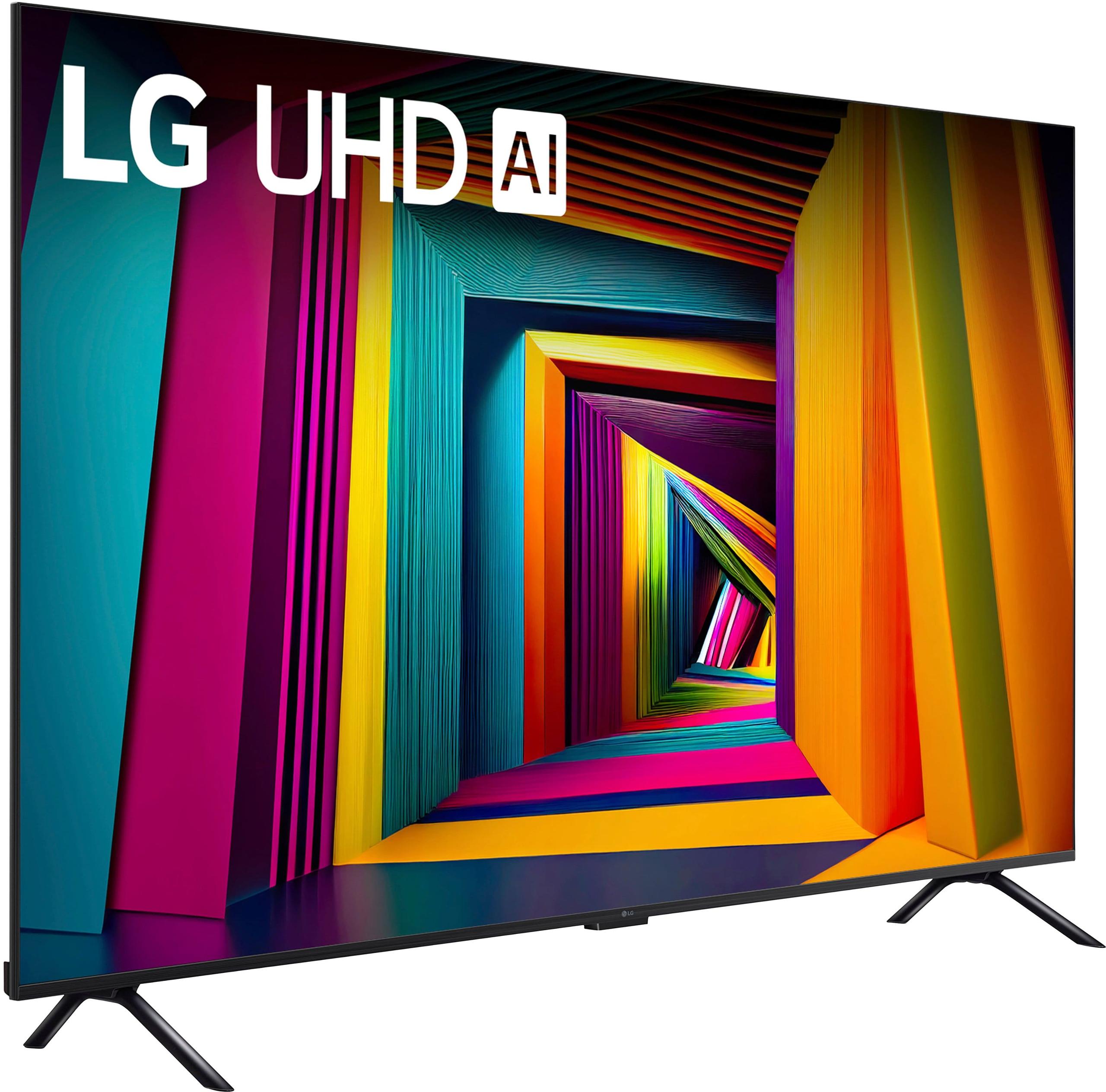
Today, we're comparing two of the most interesting options in this space: the Hisense 100-Inch QD7 Series Mini-LED 4K Smart TV at $2,199.99 and the LG 98" Class UT90 Series 4K UHD Smart TV at $2,497.00. Both launched in 2024, but they take dramatically different approaches to delivering that massive screen experience.
Before we dive into the specifics, let's talk about what makes shopping for a 100-inch TV different from picking up a regular-sized model. These aren't just bigger versions of standard TVs – they're essentially pieces of furniture that need to work in very specific conditions.
First, you need serious space. We're talking about TVs that require 12-15 feet of viewing distance to look their best. Sit too close, and you'll start seeing individual pixels or feeling overwhelmed by the sheer scale. Too far back, and you lose the immersive advantage that justifies the massive size in the first place.
Room lighting becomes crucial at this scale. A TV this large needs to fight against more ambient light than smaller displays, which is why brightness and contrast performance matter so much more. The way light reflects off these giant screens can make or break your viewing experience.
Then there's the installation reality. These TVs weigh over 120 pounds and require either very sturdy wall mounts or furniture that can handle both the weight and width. Many people end up needing professional installation, which adds to the total cost.
The Hisense QD7 represents the cutting edge of TV display technology, while the LG UT90 takes a more traditional approach. Understanding these differences is key to making the right choice.
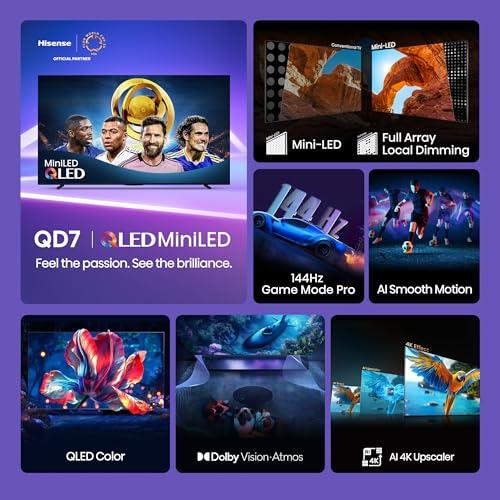
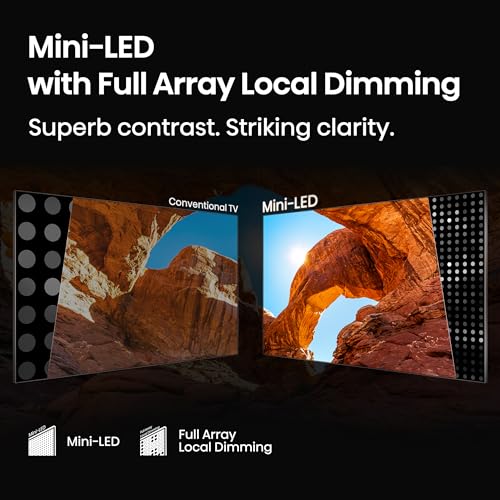
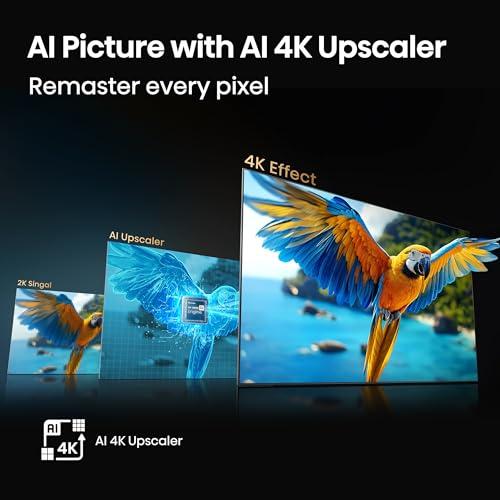
The Hisense uses Mini-LED backlighting, which is a significant step up from regular LED TVs. Think of traditional LED TVs as having a few dozen lightbulbs behind the screen, while Mini-LED uses thousands of tiny LEDs that can be controlled individually. This is called "local dimming," and it means the TV can make specific areas of the screen brighter or darker without affecting neighboring areas.
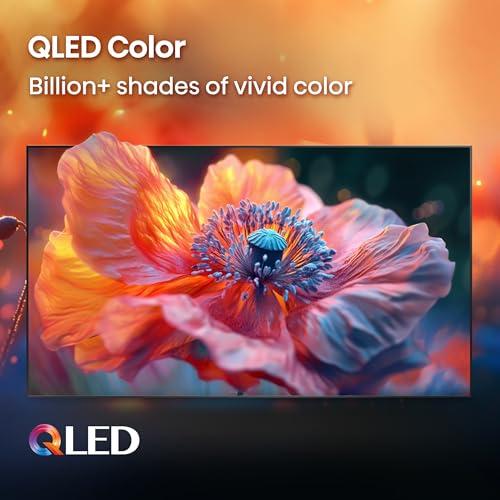
On top of this Mini-LED foundation, Hisense adds QLED (Quantum Dot LED) technology. Quantum dots are microscopic particles that, when hit by light, produce incredibly pure colors. The result is access to over a billion different color shades – far more than what standard LED TVs can display. When I first saw a high-end QLED display demonstrate its color range, the difference was immediately obvious, especially in scenes with vibrant sunsets or lush natural environments.
The peak brightness capability of around 5,000 nits is particularly impressive. To put this in perspective, a typical LED TV might hit 400-800 nits, while a bright sunny day measures around 100,000 nits. That 5,000-nit capability means HDR (High Dynamic Range) content can display those brilliant highlights – like sunlight reflecting off water or car headlights at night – with much more realism.
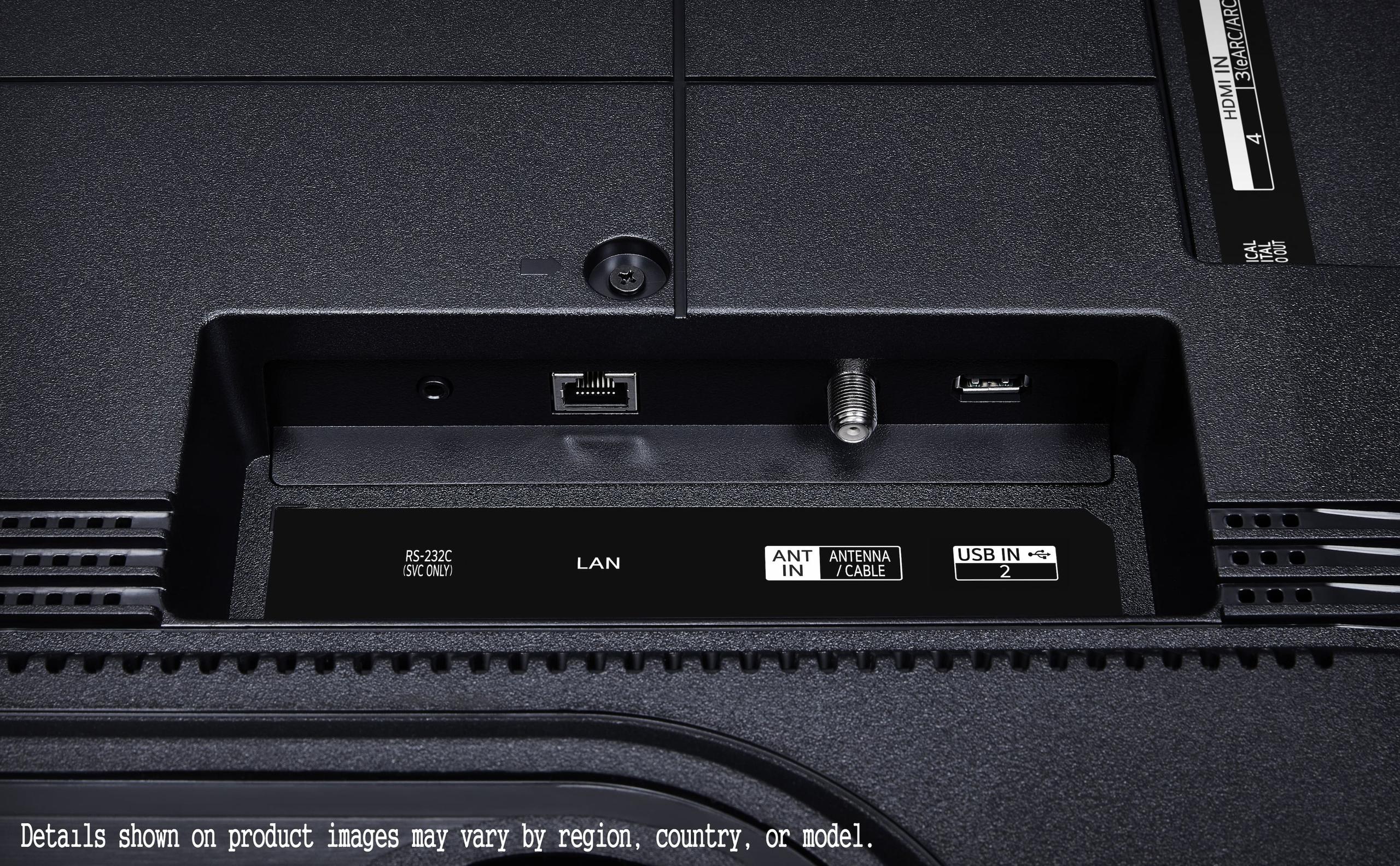
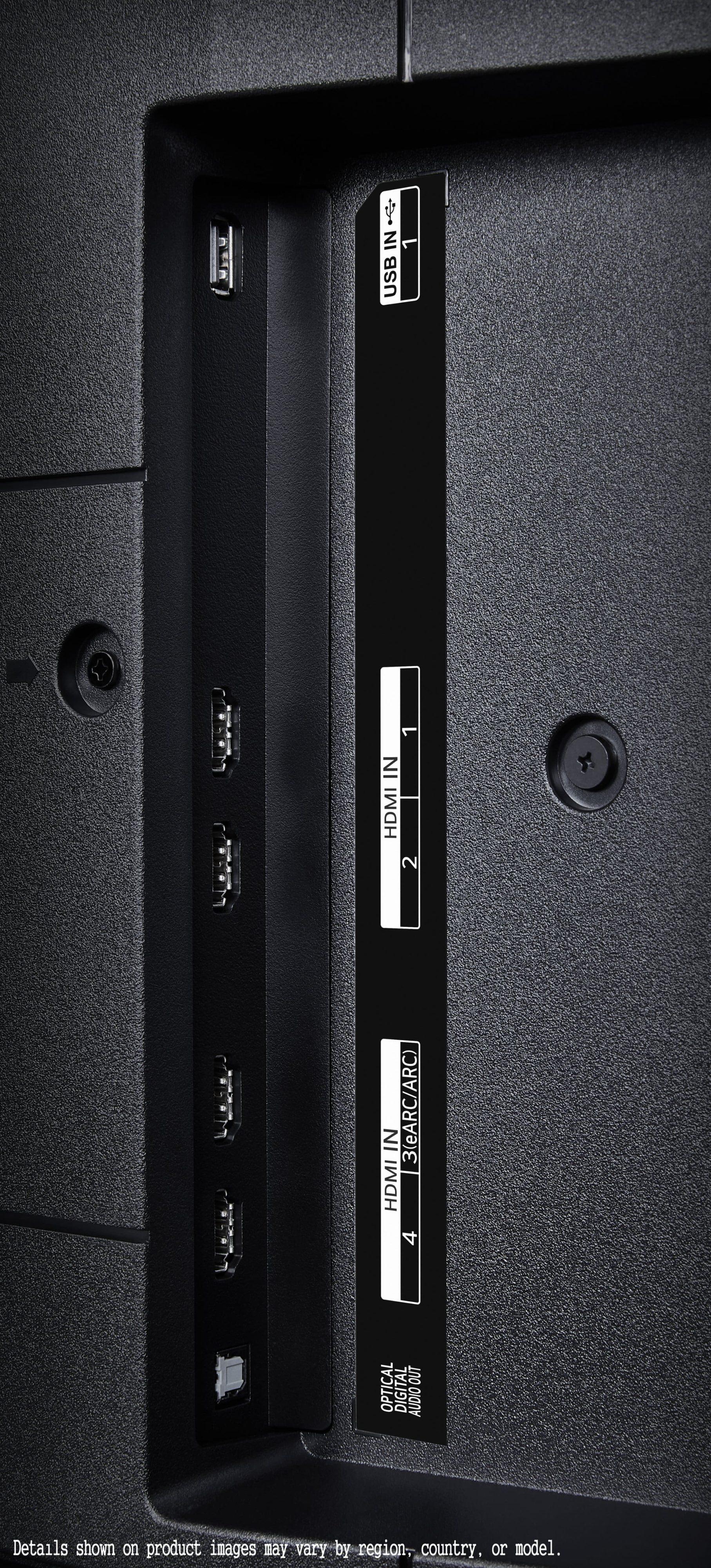
The LG UT90 uses standard LED backlighting with basic local dimming. This is still good technology – it's what most TVs use – but it doesn't offer the precision control of Mini-LED. Instead of thousands of dimming zones, you might have dozens. This means less precise contrast control and lower peak brightness, typically around 1,000 nits.
However, LG's α8 AI Processor brings some intelligence to the picture processing. This chip analyzes incoming content and automatically adjusts settings like brightness, contrast, and color to optimize the image. While it can't overcome the hardware limitations of standard LED backlighting, it does help ensure you're getting the best possible picture from the available technology.
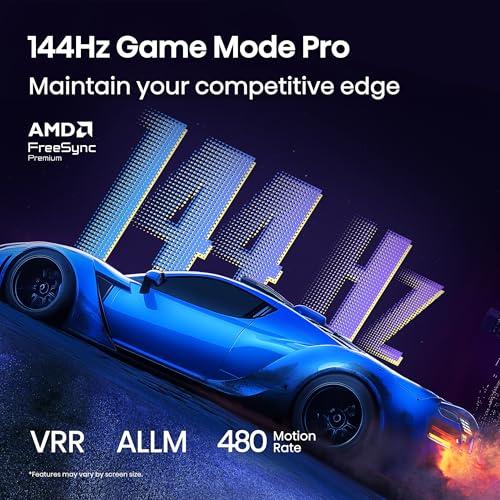
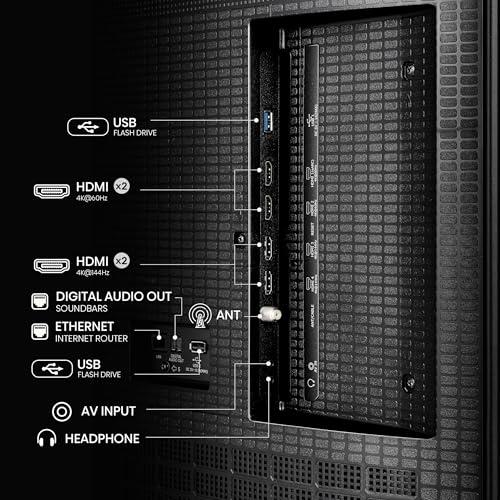
This is where the Hisense QD7 pulls significantly ahead. The 144Hz refresh rate is genuinely impressive for a TV this size. Most large TVs, including the LG, max out at 120Hz, which is already quite good. But that extra 24Hz makes a noticeable difference in fast-paced gaming, especially if you're using a high-end gaming PC that can push frame rates above 120fps.
Variable Refresh Rate (VRR) technology synchronizes the TV's refresh rate with your gaming device's output, eliminating screen tearing – those horizontal lines that appear when the TV and gaming device get out of sync. The Hisense supports VRR from 48Hz all the way up to 144Hz, giving it more flexibility than the LG's 120Hz maximum.
Auto Low Latency Mode (ALLM) automatically switches the TV into its fastest response mode when it detects a gaming device. Input lag – the delay between pressing a button and seeing the action on screen – becomes more noticeable on larger displays, so having this happen automatically is a genuine convenience.
From my experience testing gaming on large displays, the combination of low input lag and high refresh rates transforms competitive gaming. The difference between 120Hz and 144Hz might seem small on paper, but in practice, it's the kind of improvement that serious gamers definitely notice and appreciate.
The smart TV experience differs significantly between these models, and your preference here might influence your decision more than you'd expect.
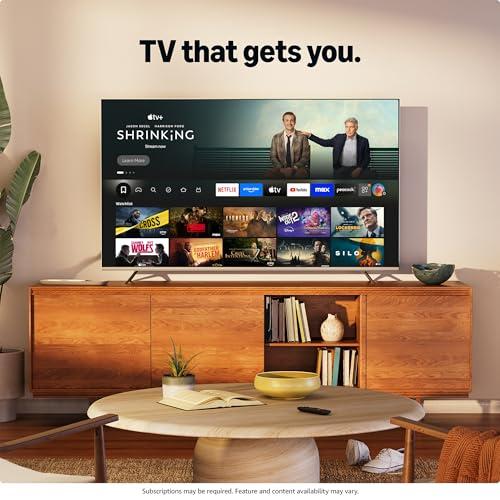
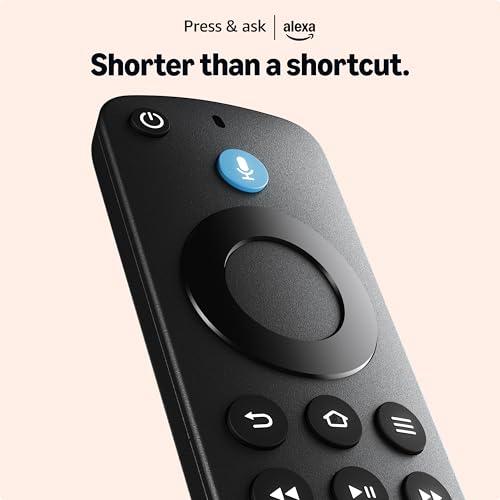
The Hisense runs Google TV (or Fire TV in some regions), which offers the most comprehensive app selection you'll find. Google's platform gets frequent updates, supports casting from virtually any device, and integrates well with smart home ecosystems. The voice remote works reliably, and the interface feels familiar if you've used Android devices.
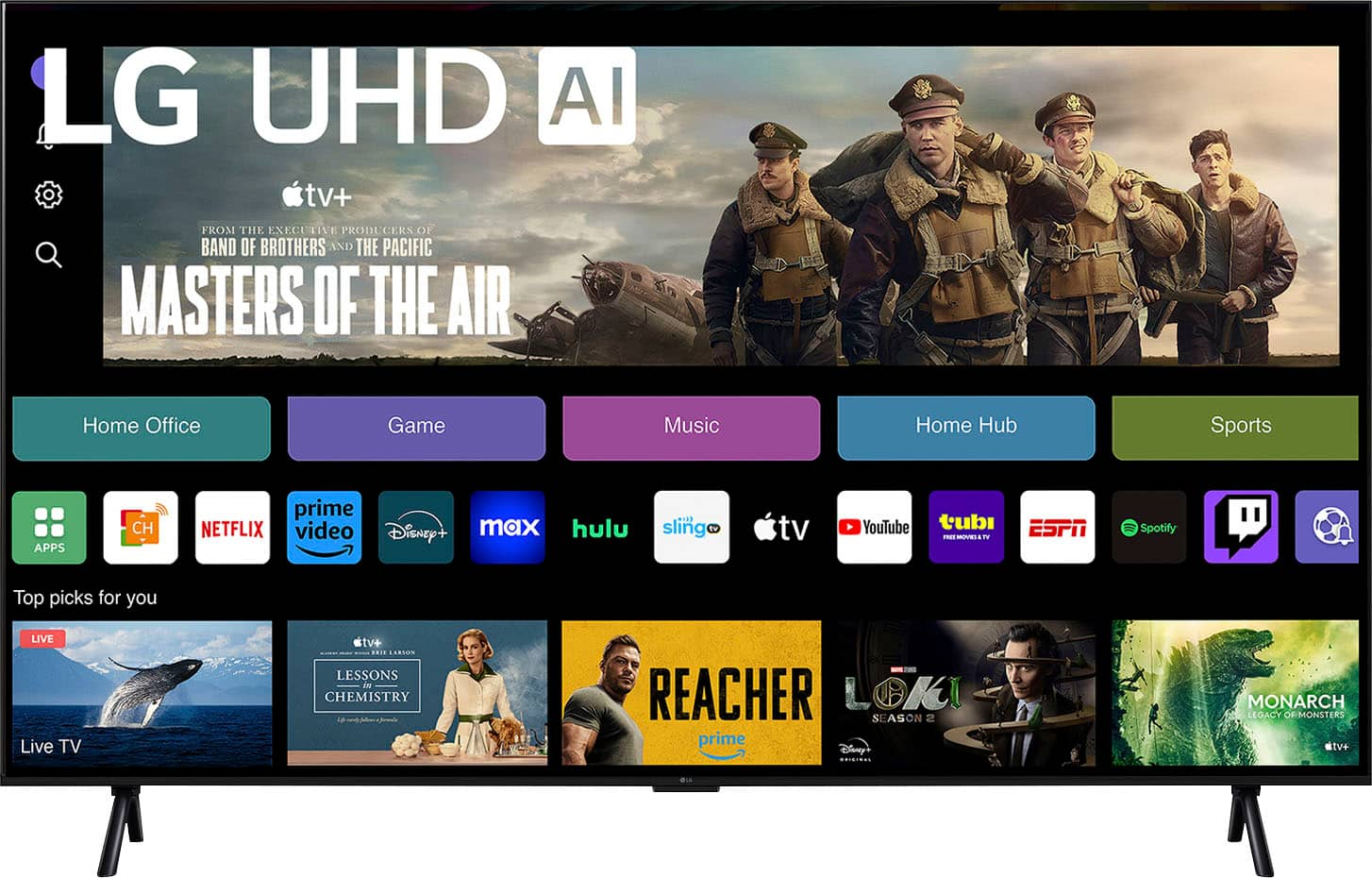
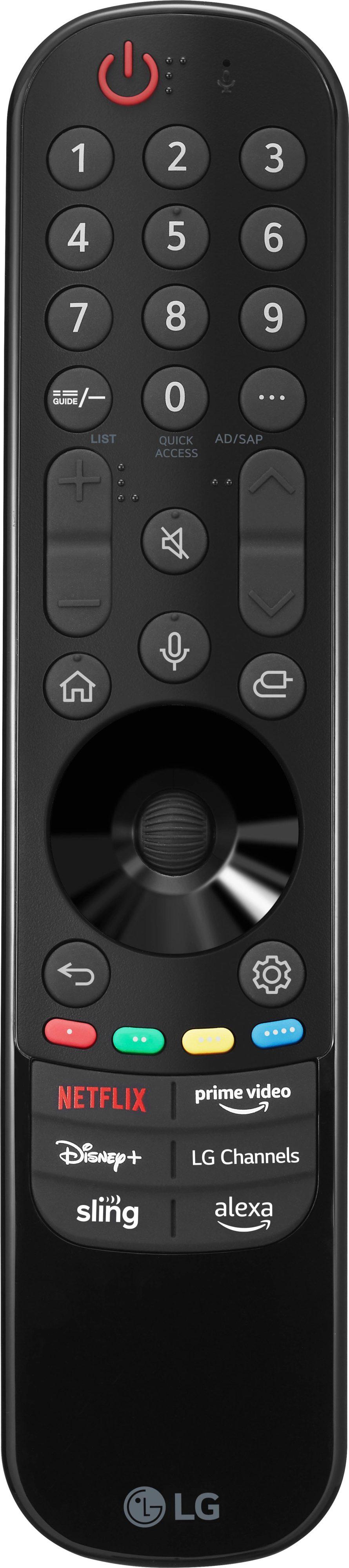
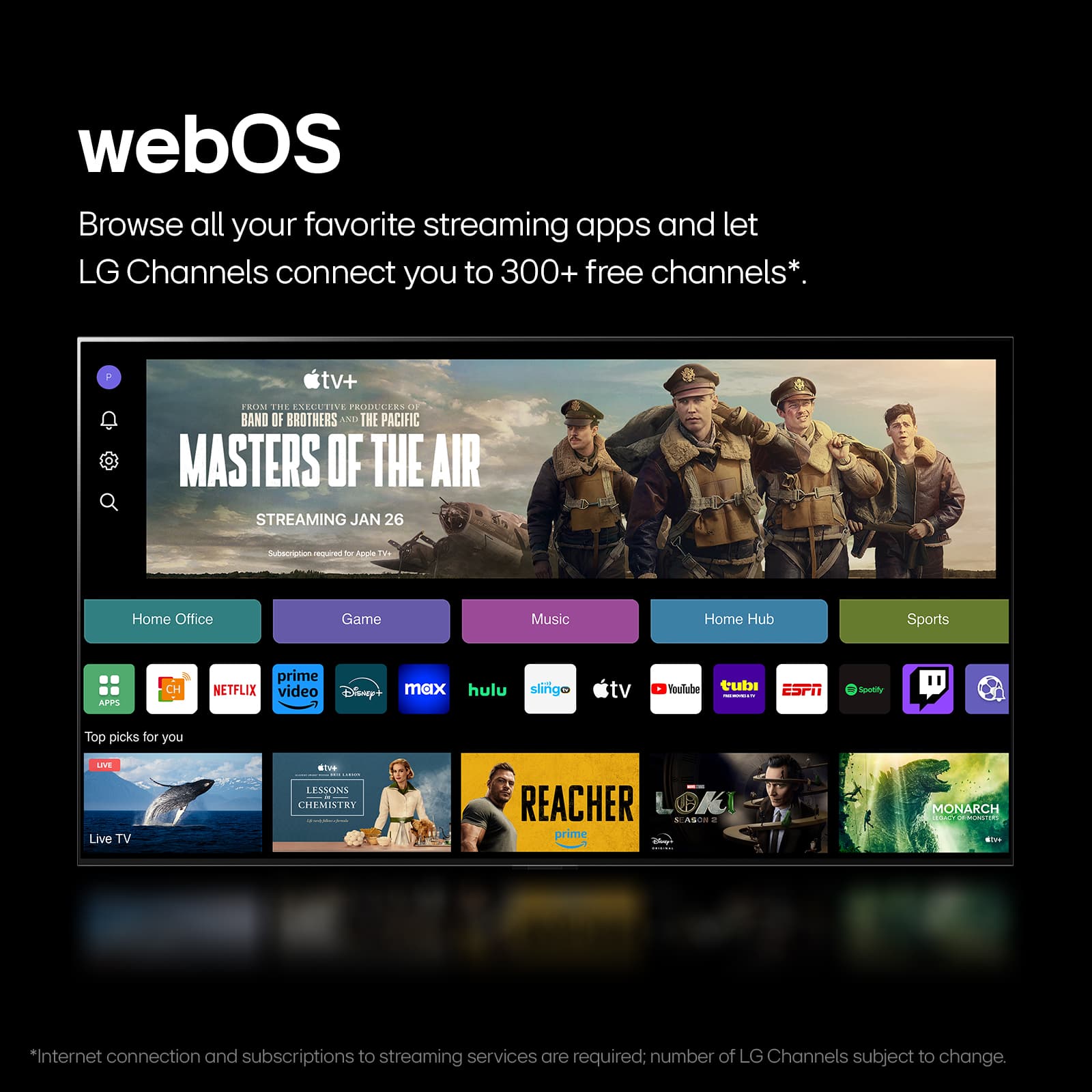
LG's webOS has been around longer and feels more mature in some ways. The Magic Motion Remote, which works like a computer mouse pointer, is genuinely intuitive once you get used to it. The interface is clean and responsive, and LG includes some nice touches like LG Channels, which provides access to over 300 free streaming channels.
Where webOS falls behind is in app availability and update frequency. While it covers all the major streaming services, you might find some niche apps missing. Google TV tends to get new apps and features more quickly.
This is where the technology differences translate into real-world viewing experiences, and it's the most important factor for most buyers.
The brightness difference between these TVs is dramatic. The Hisense's 5,000-nit peak brightness versus the LG's 1,000 nits isn't just a numbers game – it fundamentally changes how the TV performs in different lighting conditions.
In a bright living room with windows, the Hisense can overcome ambient light that would wash out the LG's image. This is crucial for daytime viewing or if you can't control the lighting in your viewing space. The extra brightness also means HDR content displays as intended, with those brilliant highlights that make HDR worthwhile.
HDR support varies between the models too. The Hisense supports Dolby Vision, HDR10, HDR10+, and HLG – essentially every HDR format you're likely to encounter. The LG covers HDR10 and HLG but lacks Dolby Vision and HDR10+. Dolby Vision, in particular, uses dynamic metadata to optimize the picture scene by scene, which can make a noticeable difference in content that supports it.
The Mini-LED local dimming in the Hisense provides much better contrast than the LG's basic local dimming. When watching content with dark scenes – think space movies or nighttime scenes – the Hisense can make specific areas truly black while keeping bright elements properly illuminated. The LG, with fewer dimming zones, tends to show more "blooming" around bright objects in dark scenes.
That said, neither of these TVs achieves the perfect blacks of OLED technology. But for the brightness levels needed in most living rooms, the Hisense's approach strikes a better balance than OLED would at this size.
The quantum dot technology in the Hisense produces noticeably more vibrant and accurate colors. This is particularly evident in content with rich, saturated colors – animated movies, nature documentaries, or sports broadcasts. The LG produces good colors for a standard LED TV, but it can't match the color volume and accuracy of the Hisense's QLED system.
Both of these TVs are clearly targeted at home theater use, but they have different strengths in that environment.
The Hisense QD7 excels in home theaters that can't achieve perfect darkness. Its high brightness and excellent contrast mean it performs well even with some ambient lighting. The superior HDR performance also means you'll get closer to the filmmaker's intended vision when watching HDR movies.
The LG UT90 works best in darker, more controlled environments where its brightness limitations are less of a factor. Its wider viewing angles make it better for theater seating arrangements where people might be sitting at angles to the screen.
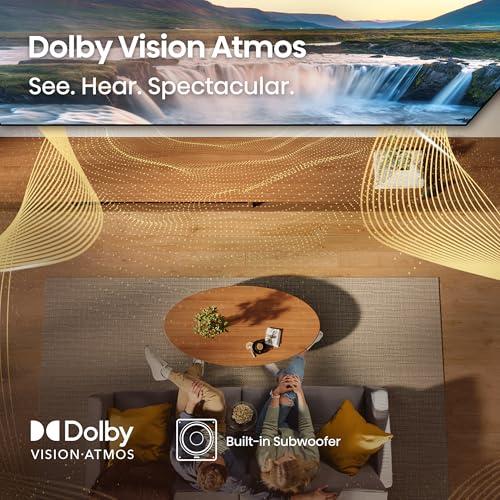
Audio is a consideration for both. The Hisense includes Dolby Atmos support, which provides better spatial audio than the LG's standard speakers. However, at this screen size, most people end up adding a dedicated sound system anyway. The scale of these displays really demands audio that matches, which built-in TV speakers simply can't provide.
At $2,199.99 for the Hisense versus $2,497.00 for the LG, the Hisense offers better technology at a lower price. You're getting Mini-LED, QLED, higher brightness, better gaming features, and a larger screen for $300 less.
The LG's value proposition is harder to justify purely on specifications. Its advantages – wider viewing angles, webOS platform, and LG's service network – are more subjective benefits that some users will value highly while others won't care about them at all.
From a future-proofing perspective, the Hisense's 144Hz capability and superior HDR support better position it for upcoming content and gaming developments.
Both TVs present similar installation challenges, but there are some differences worth noting.
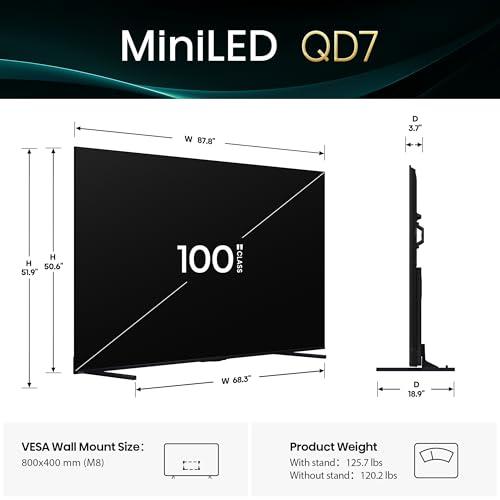
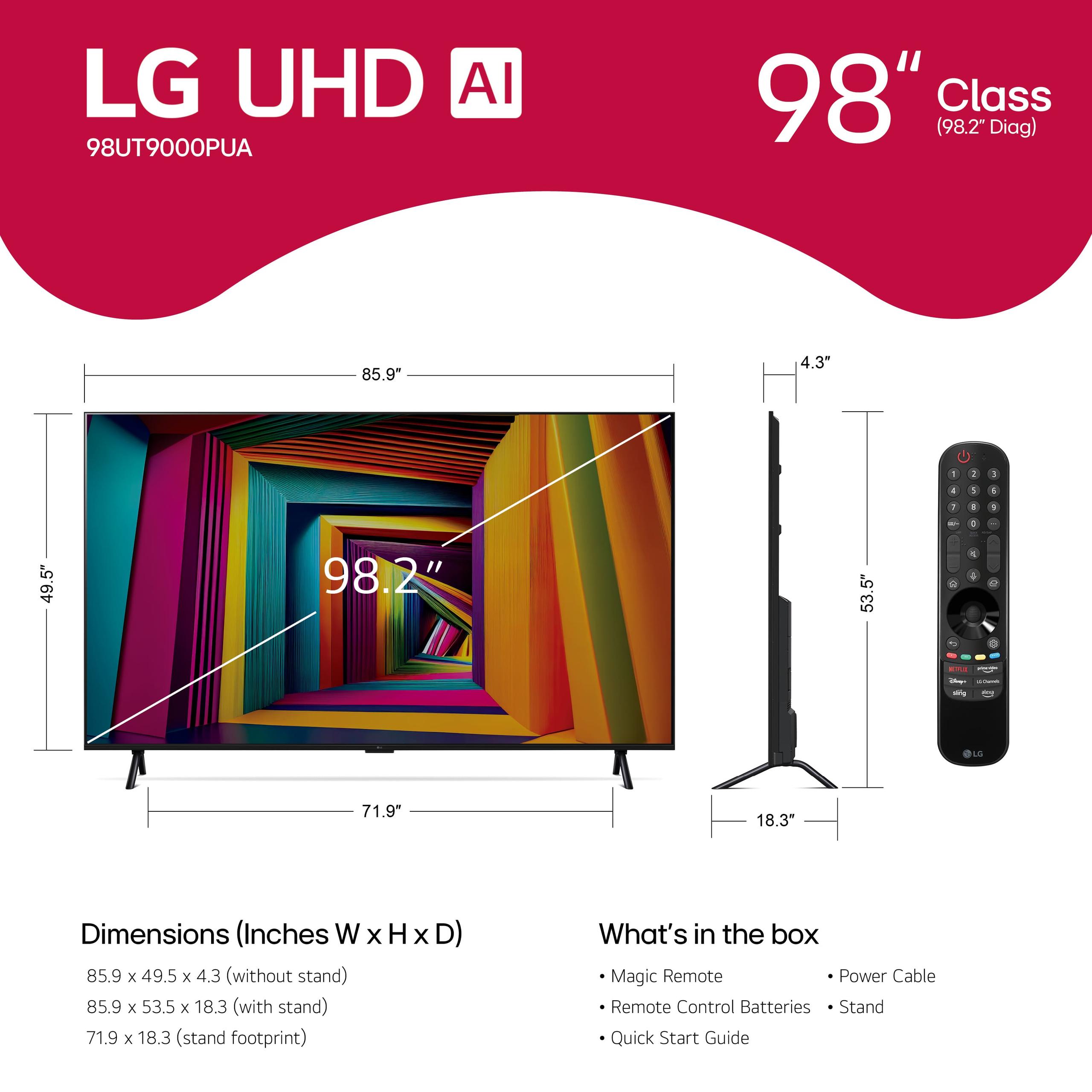
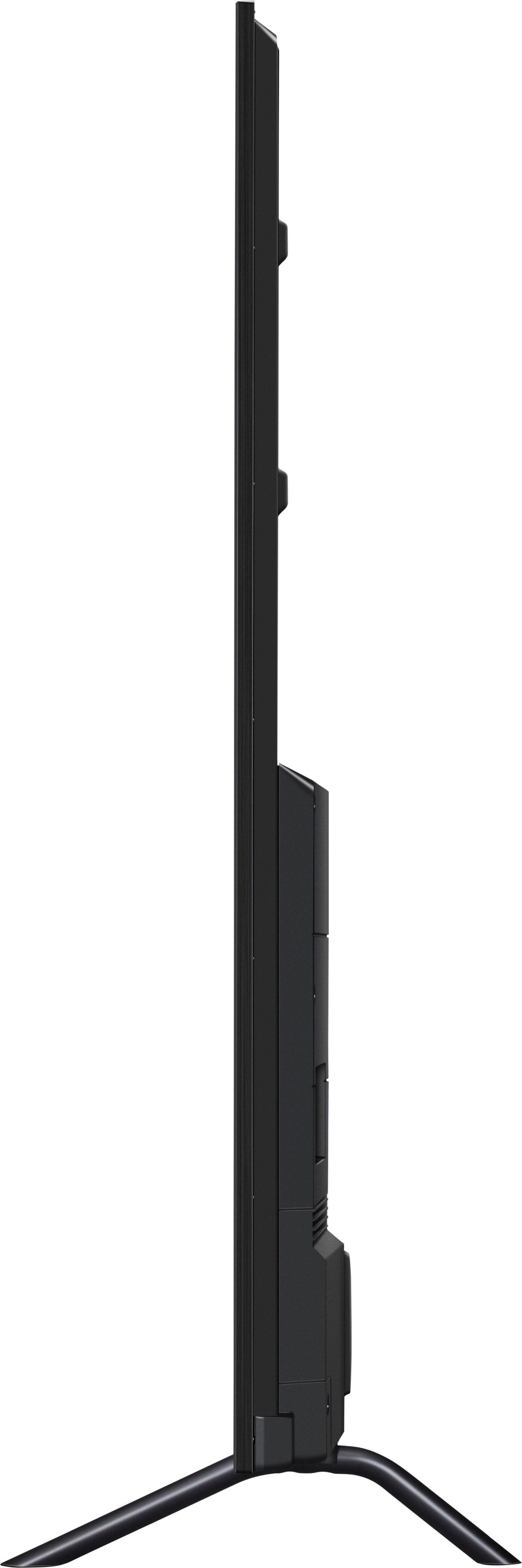
The Hisense is actually slightly lighter despite being larger – 125.7 pounds with stand versus the LG's 143.5 pounds. Both require substantial furniture or professional wall mounting. The viewing distance requirements are similar – 12-15 feet for optimal viewing.
One practical advantage of the Hisense is its better performance in sub-optimal conditions. If your room layout doesn't allow for perfect positioning or lighting control, the Hisense's superior brightness and contrast help compensate.
The Hisense 100" QD7 is the clear choice for most buyers, especially those who:
The LG 98" UT90 makes sense for buyers who:
After spending time with both technologies and understanding the market, the Hisense 100" QD7 emerges as the better choice for most people. The combination of superior display technology, better gaming features, larger screen size, and lower price creates a value proposition that's hard to argue with.
The Mini-LED backlighting and QLED color technology provide a genuinely better viewing experience, especially in the varied lighting conditions most people live with. The 144Hz gaming capabilities future-proof the display for next-generation gaming, and the brightness levels ensure HDR content displays as intended.
The LG UT90 isn't a bad TV – it's a competent display with a reliable smart platform. But in this comparison, it's asking you to pay more money for older technology and fewer features. Unless you have specific reasons to prefer webOS or absolutely need the wider viewing angles, the Hisense offers better performance and value.
For anyone looking to create a truly cinematic home viewing experience, the Hisense 100" QD7 represents one of the best ways to get movie theater scale and quality in your living room without spending projector money or dealing with projector limitations. It's the kind of upgrade that genuinely transforms how you experience movies, sports, and games at home.
| Hisense 100-Inch QD7 Series Mini-LED 4K Smart TV | LG 98" Class UT90 Series 4K UHD Smart TV 2024 |
|---|---|
| Price - Value proposition for ultra-large screens | |
| $2,199.99 (better technology at lower cost) | $2,497.00 (premium price for standard features) |
| Screen Size - Maximum immersion factor | |
| 100 inches (true cinema-scale experience) | 98 inches (slightly smaller but still massive) |
| Display Technology - Core picture quality foundation | |
| Mini-LED with QLED Quantum Dot (premium backlighting + enhanced colors) | Standard LED with basic local dimming (traditional technology) |
| Peak Brightness - Critical for HDR and bright rooms | |
| ~5,000 nits (excellent for any lighting condition) | ~1,000 nits (struggles in bright environments) |
| Refresh Rate - Gaming and motion smoothness | |
| 144Hz (rare for TVs this size, excellent for gaming) | 120Hz (industry standard, adequate for most uses) |
| Gaming Features - Next-gen console compatibility | |
| 144Hz VRR, FreeSync Premium Pro, Game Mode Pro | Basic VRR, standard gaming modes |
| HDR Support - Premium content compatibility | |
| Dolby Vision, HDR10, HDR10+, HLG (all major formats) | HDR10, HLG only (missing Dolby Vision) |
| Smart Platform - App selection and updates | |
| Google TV/Fire TV (extensive apps, frequent updates) | webOS 24 (stable but limited app selection) |
| Local Dimming Zones - Contrast and black level control | |
| Thousands of zones (precise brightness control) | Fewer zones (basic contrast enhancement) |
| Audio - Built-in sound quality | |
| Dolby Atmos, 50W speakers (better spatial audio) | Standard TV speakers (basic audio processing) |
| Viewing Angles - Performance from side positions | |
| Good (typical for most displays) | Excellent (maintains color accuracy at wider angles) |
| Weight with Stand - Installation considerations | |
| 125.7 lbs (lighter despite larger size) | 143.5 lbs (heavier, more challenging installation) |
The Hisense 100-Inch QD7 Series Mini-LED 4K Smart TV is slightly larger at 100 inches compared to the LG 98" Class UT90 Series 4K UHD Smart TV 2024 at 98 inches. While both provide massive, cinema-like viewing experiences, the Hisense offers 2 additional inches of screen real estate for an even more immersive experience.
The Hisense QD7 costs $2,199.99 compared to the LG UT90 at $2,497.00, making it $300 cheaper. The Hisense also offers superior Mini-LED technology, higher brightness, and better gaming features, making it the clear winner for value and performance per dollar.
The Hisense 100-Inch QD7 delivers significantly better picture quality with Mini-LED backlighting, QLED quantum dot technology, and 5,000 nits peak brightness. The LG UT90 uses standard LED technology with only 1,000 nits brightness, resulting in less vibrant colors and weaker HDR performance.
The Hisense QD7 is superior for gaming with its 144Hz refresh rate, Variable Refresh Rate support up to 144Hz, and FreeSync Premium Pro. The LG UT90 offers only 120Hz refresh rate with basic gaming features, making the Hisense the clear choice for serious gamers.
The Hisense 100-Inch QD7 excels in bright rooms thanks to its 5,000-nit peak brightness, easily overcoming ambient light and glare. The LG 98" UT90 struggles in bright environments with its lower 1,000-nit brightness, performing better in darker, controlled lighting conditions.
The Hisense QD7 runs Google TV or Fire TV (depending on region), offering extensive app selection and frequent updates. The LG UT90 uses webOS, which is stable and user-friendly but has a more limited app selection. Both are capable platforms with different strengths.
Both TVs work well for home theaters, but the Hisense 100-Inch QD7 is better suited for most home theater environments due to its superior brightness, contrast, and HDR performance. The LG UT90 works best in perfectly dark, controlled theater rooms where its brightness limitations won't be as noticeable.
The Hisense QD7 supports all major HDR formats including Dolby Vision, HDR10, HDR10+, and HLG. The LG 98" UT90 only supports HDR10 and HLG, missing the advanced Dolby Vision format that provides scene-by-scene optimization for better picture quality.
Both the Hisense 100-Inch QD7 and LG 98" UT90 require 12-15 feet of viewing distance for optimal viewing. You'll need substantial wall space or furniture, as both TVs are over 85 inches wide and weigh over 120 pounds with their stands.
The Hisense QD7 has a slight edge with Dolby Atmos support and 50W speakers providing better spatial audio. However, both TVs have typical built-in TV audio that most buyers will want to supplement with a soundbar or home theater system to match the massive screen size.
The LG UT90 offers wider viewing angles, making it better for large groups sitting at various angles to the screen. It also features LG's mature webOS platform and the company's established service network. However, these benefits don't outweigh the Hisense QD7's superior display technology and lower price.
The Hisense 100-Inch QD7 Series Mini-LED 4K Smart TV is the better choice for most buyers, offering superior Mini-LED display technology, better gaming features, larger screen size, and a $300 lower price than the LG 98" Class UT90 Series 4K UHD Smart TV 2024. Unless you specifically need LG's wider viewing angles or prefer webOS, the Hisense provides better performance and value.
We've done our best to create useful and informative comparisons to help you decide what product to buy. Our research uses advanced automated methods to create this comparison and perfection is not possible - please contact us for corrections or questions. These are the sites we've researched in the creation of this article: hometechnologyreview.com - hypermicro.com - bestbuy.com - bestbuy.com - youtube.com - hisense-usa.com - bestbuy.com - pcrichard.com - tvsbook.com - hisense-usa.com - pcrichard.com - nfm.com - bestbuy.com - hisense-canada.com - rtings.com - hisense-usa.com - bestbuy.com - hisense-usa.com - hometechnologyreview.com - youtube.com - youtube.com - hometechnologyreview.com - costco.com - custrevs.com - rtings.com - shopjetson.com - abt.com - rtings.com - rtings.com - pcrichard.com - lg.com - rcwilley.com - lg.com - elechid.com - lg.com

Privacy Policy
Terms and Conditions - Affiliate Policy
Home Security
© Copyright 2008-2026.
11816 Inwood Rd #1211, Dallas, TX 75244