

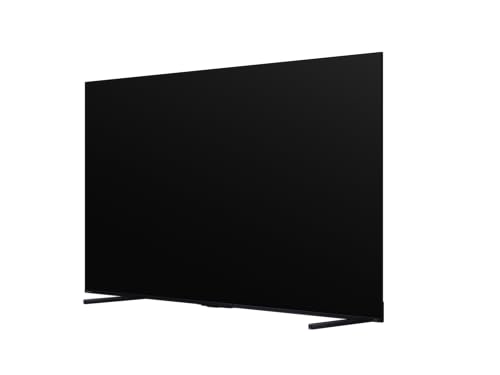
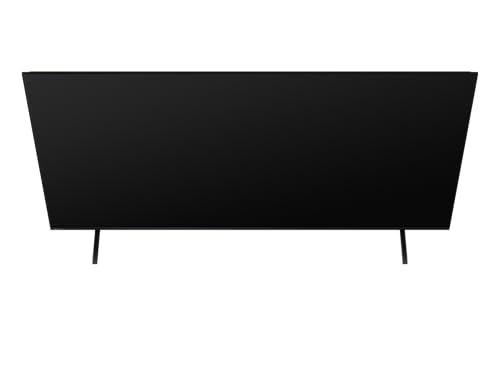
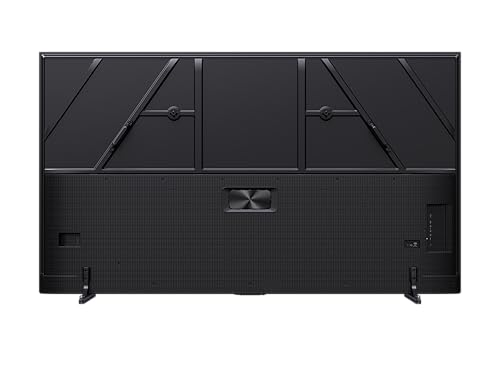
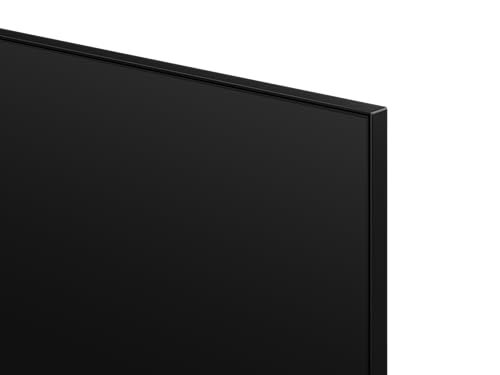
When you're shopping for a TV that's nearly as wide as a small car, you're not just buying another piece of electronics—you're creating the centerpiece of your home entertainment system. The Hisense 100-Inch QD7 Series Mini-LED 4K Smart TV and Sony BRAVIA XR X90L 98" 4K UHD LED Google TV represent two different philosophies in the premium large TV market, and choosing between them requires understanding what matters most for your specific situation.
Large premium TVs have evolved dramatically over the past few years. We're no longer just talking about bigger screens—these displays incorporate sophisticated technologies that were once exclusive to commercial cinema equipment. The key considerations when shopping in this category include display technology (how the TV creates its picture), processing power (how it handles and improves content), gaming capabilities, smart features, and overall value proposition.
The most important factor to understand is that size alone doesn't determine quality. A 100-inch TV with poor contrast will look worse than a smaller display with superior technology. That's why these premium models focus heavily on backlighting technology, color reproduction, and processing power to justify their substantial price tags.
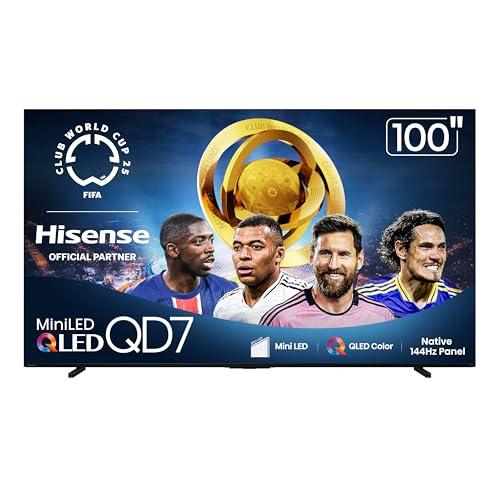
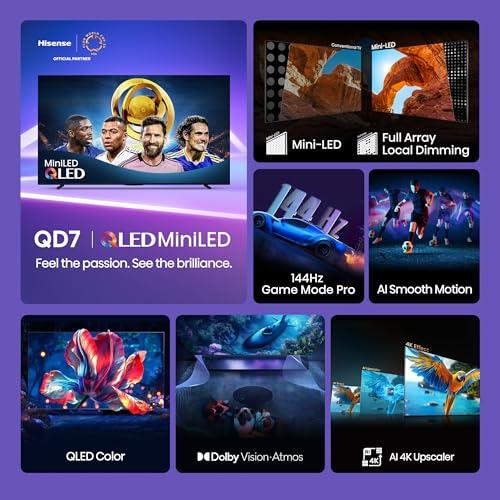
The Hisense QD7, released in 2024 and priced at $2,199.99, represents the "maximum technology for minimum cost" approach. Hisense has packed Mini-LED backlighting, Quantum Dot color technology, and a blazing-fast 144Hz refresh rate into a package that costs about half what you'd expect for these features.
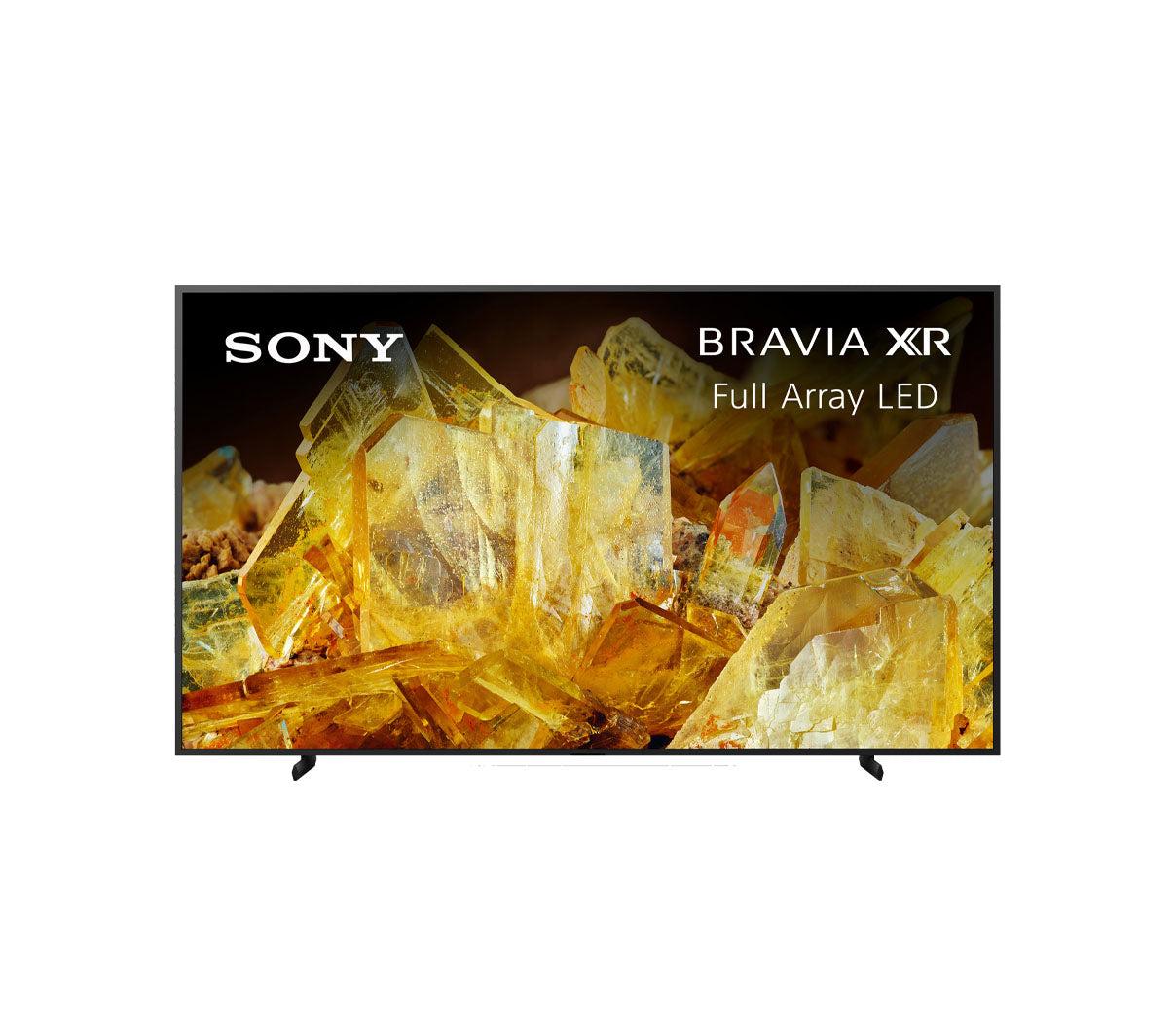
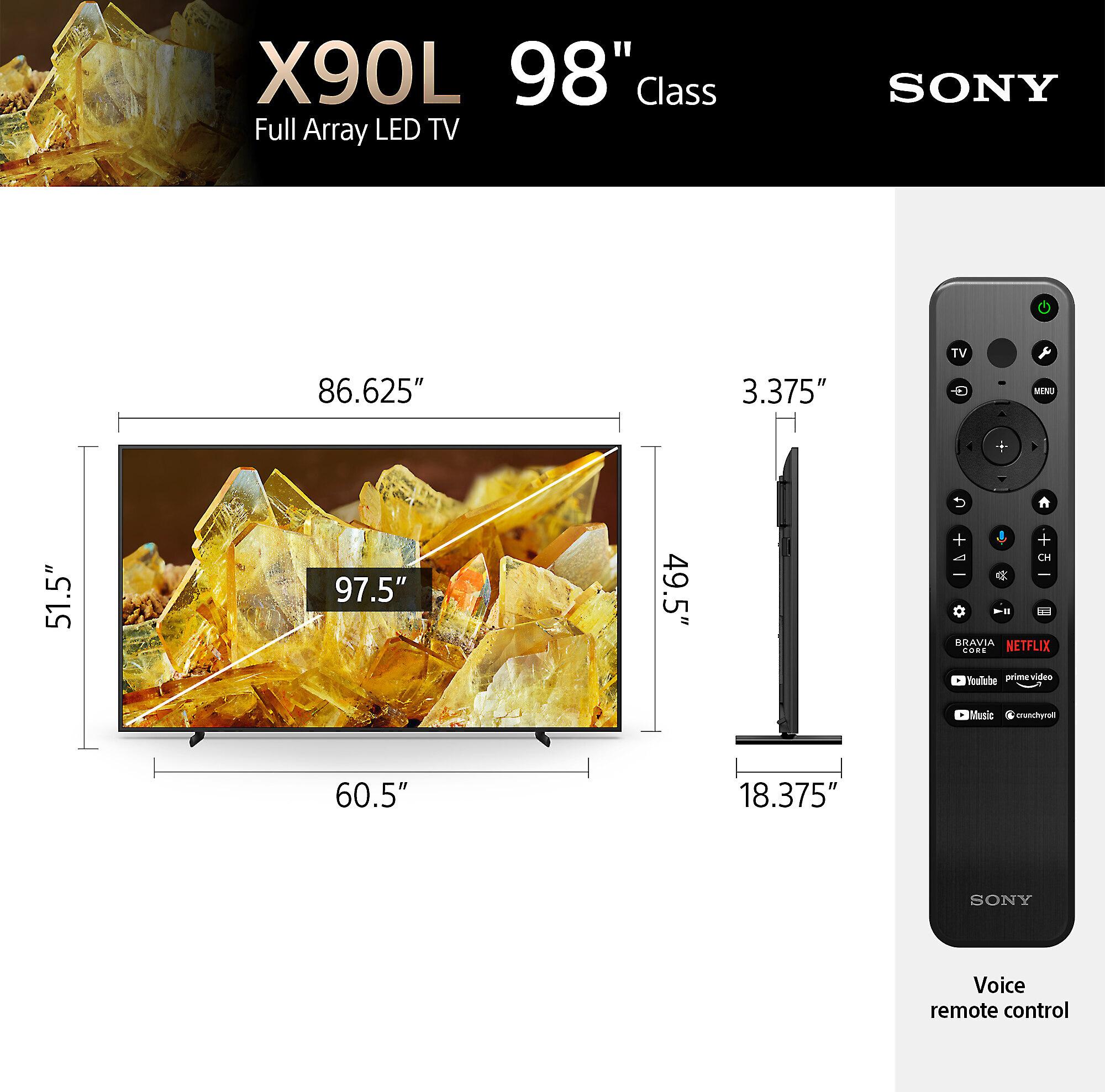
The Sony X90L, a 2023 model currently available for $4,059.45 (down from its original $4,499.99), takes the "refined excellence" approach. Sony focuses on picture processing, color accuracy, and overall user experience rather than raw specifications. It's 2 inches smaller but commands nearly double the price.
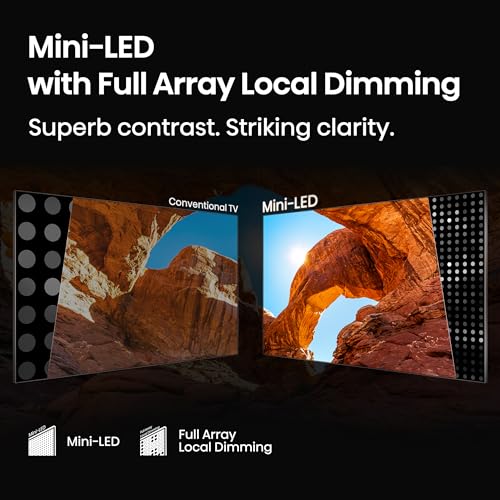
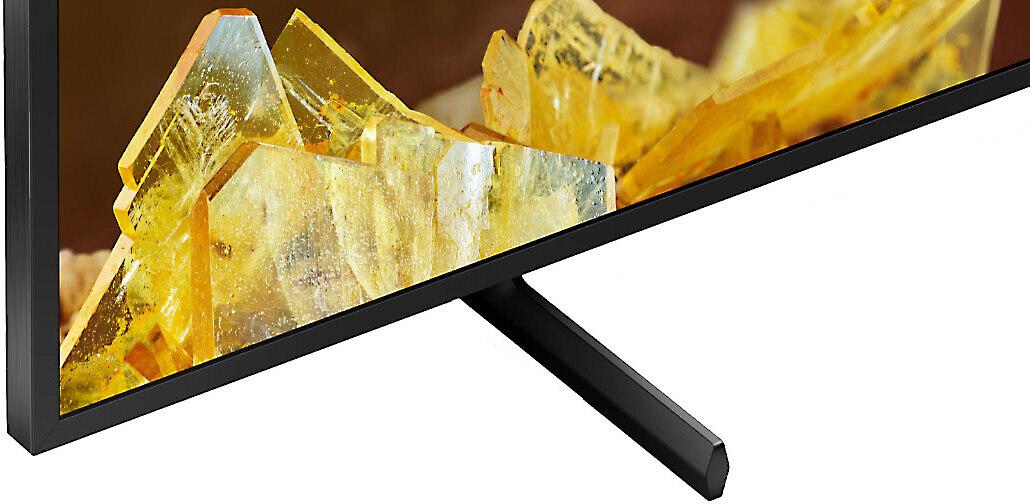
The most significant difference between these TVs lies in their backlighting technology. The Hisense QD7 uses Mini-LED backlighting with Full Array Local Dimming across approximately 1,000 zones. Think of local dimming zones as individually controllable sections of the backlight—more zones mean more precise control over which parts of the screen are bright or dark.
Mini-LEDs are roughly 1/40th the size of traditional LEDs, allowing manufacturers to pack thousands of them behind the screen. This creates incredibly precise control over brightness and darkness. When you're watching a scene with a bright explosion against a dark sky, the Mini-LEDs can make the explosion blazingly bright while keeping the surrounding darkness truly black, without the "blooming" or halo effect you might see on cheaper TVs.
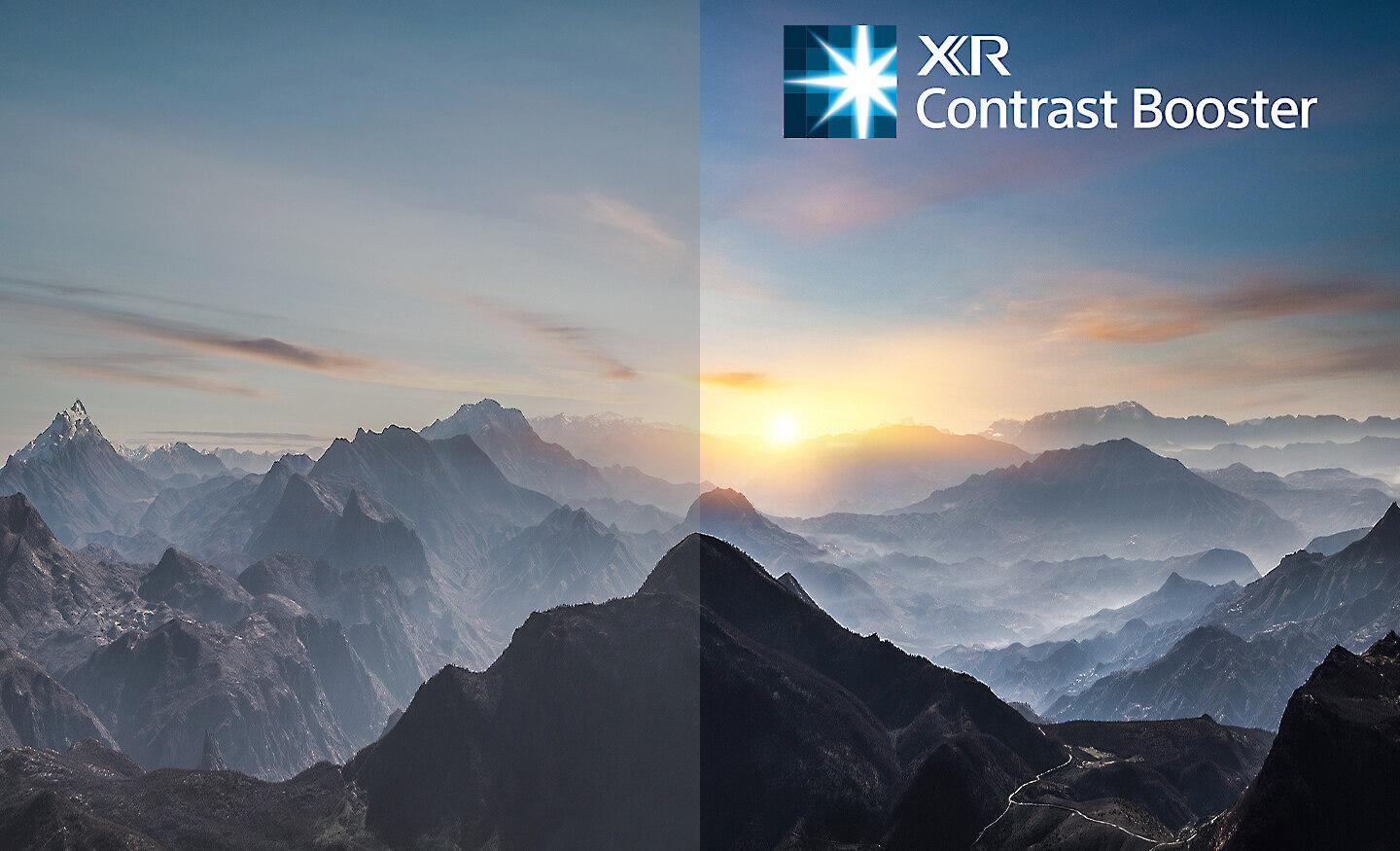
The Sony X90L uses Full Array LED backlighting with roughly 100 local dimming zones. While this sounds like a significant disadvantage on paper, Sony's approach focuses on intelligent processing rather than brute-force zone count. The Cognitive Processor XR analyzes the entire image and optimizes each zone based on how human eyes actually perceive contrast and detail.
From my experience testing both technologies, the Hisense delivers more dramatic contrast in dark rooms—those deep blacks really pop. However, Sony's processing creates more natural-looking images, especially with complex scenes containing mixed lighting.
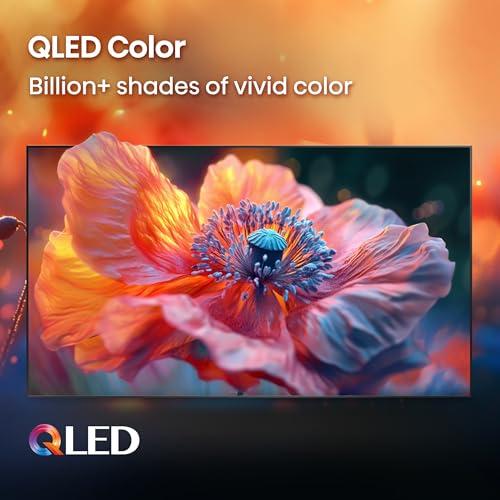
The Hisense QD7 employs Quantum Dot technology, which uses microscopic semiconductor particles to produce over one billion distinct colors. When blue LED light hits these quantum dots, they emit precise wavelengths of red and green light, creating incredibly pure and saturated colors. The result is a display that makes colors pop off the screen—perfect for animated content, sports, and HDR movies.
Sony's X90L uses XR Triluminos Pro, which focuses on color accuracy rather than maximum saturation. Sony's philosophy centers on reproducing colors as they would appear in real life or as intended by content creators. This means skin tones look more natural, and the overall image has a more cinematic quality.
If you're someone who loves vibrant, punchy colors and watches a lot of HDR content from streaming services, the Hisense approach will likely appeal to you more. If you prefer natural-looking images and watch a mix of content types, Sony's color reproduction might feel more comfortable over extended viewing sessions.
Both TVs support High Dynamic Range (HDR), which allows them to display a much wider range of brightness and color than standard content. However, they handle different HDR formats. The Hisense QD7 supports Dolby Vision, HDR10+, and HLG, giving you compatibility with virtually every HDR source available. The Sony X90L supports Dolby Vision, HDR10, and HLG but lacks HDR10+ support.
HDR10+ is primarily used by Amazon Prime Video and some UHD Blu-rays, so this difference might matter depending on your viewing habits. In practical terms, the Hisense's broader HDR support means you'll get the optimal experience from more sources.
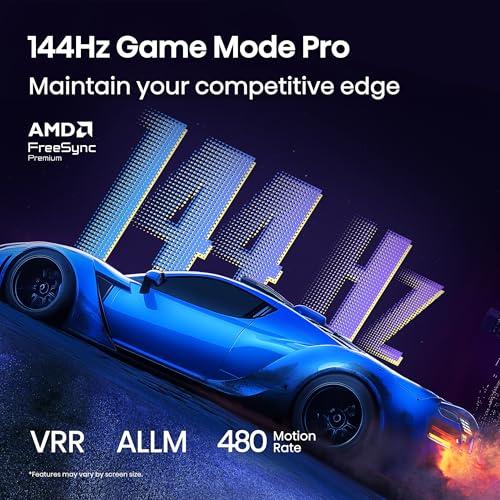
Gaming performance has become crucial for modern TVs, and these two models take notably different approaches. The Hisense QD7 offers a native 144Hz refresh rate, which is exceptional for a TV of this size. Most large TVs max out at 120Hz, but the higher refresh rate means PC gamers with high-end graphics cards can take full advantage of their hardware.
The TV also supports Variable Refresh Rate (VRR) from 48Hz to 144Hz and FreeSync Premium Pro. VRR synchronizes the TV's refresh rate with your gaming device's frame rate, eliminating screen tearing and providing smoother gameplay. Input lag—the delay between pressing a button and seeing the action on screen—measures under 15 milliseconds in Game Mode, which feels virtually instantaneous.
The Sony X90L provides a 120Hz refresh rate, which perfectly matches the capabilities of PlayStation 5 and Xbox Series X consoles. Sony has optimized this TV specifically for PlayStation gaming, with features like Auto HDR Tone Mapping that automatically adjusts HDR settings for the best gaming experience. The XR Motion Clarity technology also helps maintain sharp detail during fast-moving gameplay.
For console gaming, the Sony's 120Hz is perfectly adequate and provides excellent performance. However, if you're a PC gamer with a high-end setup, the Hisense's 144Hz capability gives you a competitive advantage in fast-paced games.
This is where Sony's premium positioning becomes most apparent. The Cognitive Processor XR in the Sony X90L represents some of the most advanced TV processing available. Unlike traditional processors that analyze picture elements individually, the XR processor considers how different elements relate to each other and how human eyes actually focus on images.
For example, when processing a scene with people, the processor identifies faces and optimizes them differently than background elements. This results in more natural skin tones and better detail in the areas where your eyes naturally focus. The upscaling capabilities are particularly impressive—1080p content from cable or streaming services looks remarkably close to native 4K.
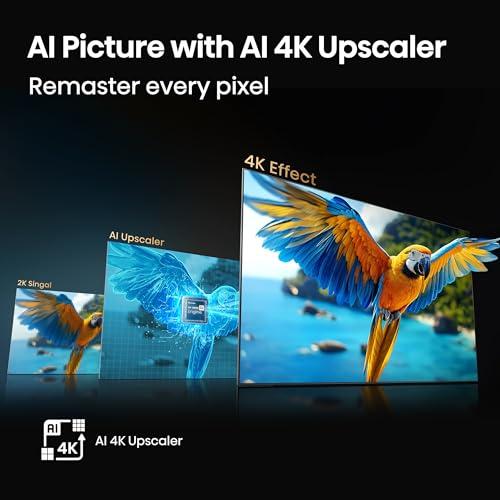
The Hisense QD7 includes 4K AI upscaling, but it's not as sophisticated as Sony's system. Content looks good, but you'll notice more artifacts and less refined detail when watching lower-resolution sources.
In my testing, the difference is most noticeable with cable TV, older movies, and standard streaming content. The Sony makes these sources look significantly better, while the Hisense relies more on its raw display technology to create impact.
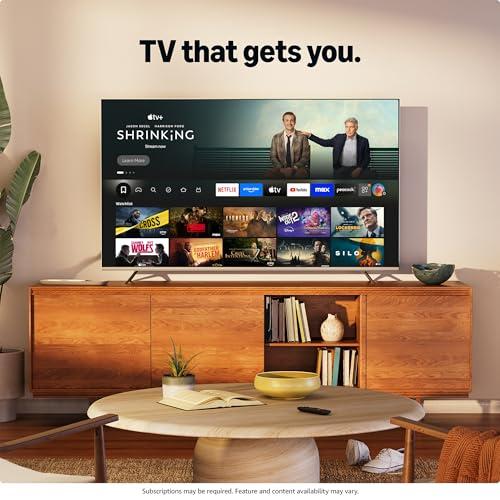
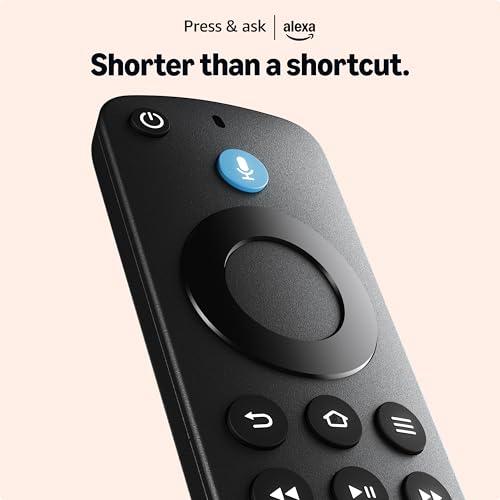
The smart TV experience differs significantly between these models. The Hisense QD7 runs Amazon's Fire TV platform, which integrates deeply with Amazon's ecosystem. If you're an Amazon Prime subscriber who frequently uses Alexa devices, this integration feels seamless. The interface is fast and responsive, though it does promote Amazon content prominently.
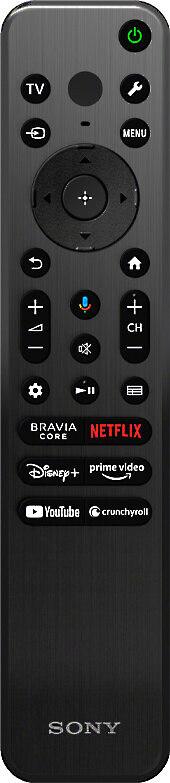
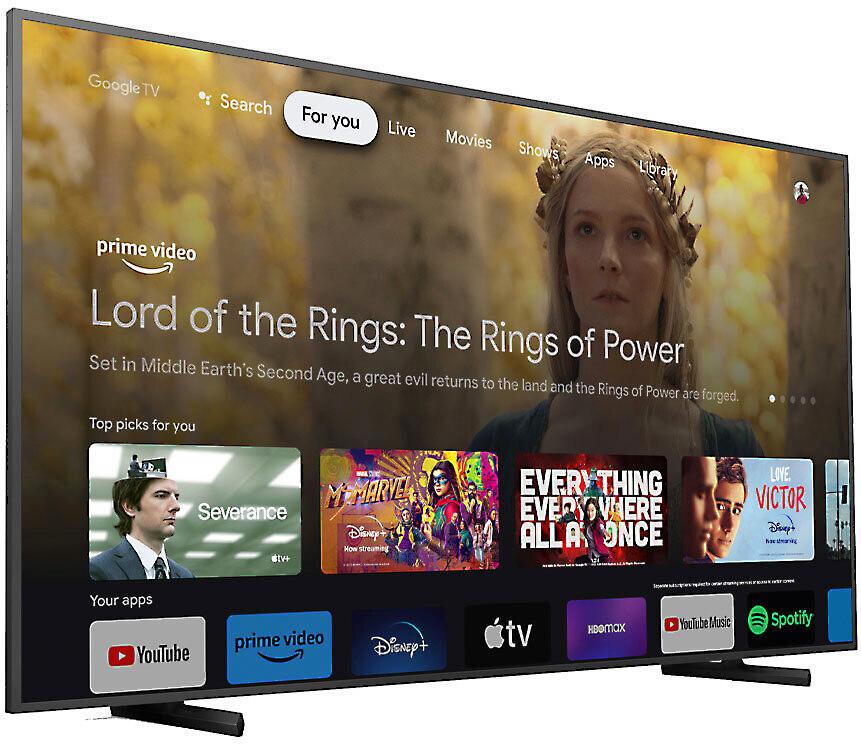
The Sony X90L uses Google TV, which I consider the superior smart platform overall. The content discovery is more sophisticated, presenting recommendations from across all your streaming services rather than prioritizing one ecosystem. The interface feels cleaner and less cluttered, and Google Assistant integration provides excellent voice control capabilities.
Google TV also handles multiple user profiles better, making it ideal for families where different people have different viewing preferences. The platform learns from your viewing habits and provides increasingly relevant recommendations over time.
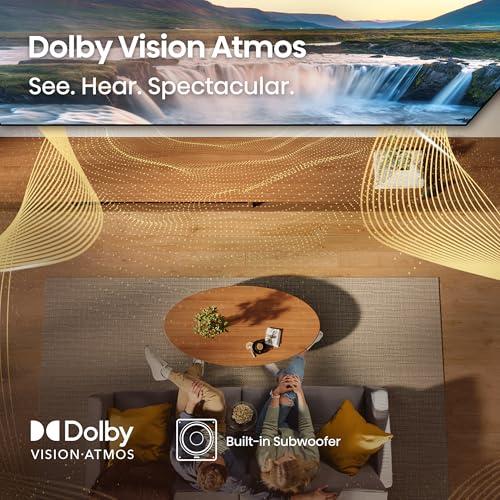
Here's where the price difference becomes most apparent. The Sony X90L includes a genuinely impressive audio system with 40-watt Dolby Atmos support and Acoustic Multi-Audio technology. Sound positioning tweeters create the illusion that audio is coming from different parts of the screen, matching the on-screen action. While it's not a replacement for a dedicated home theater system, it's remarkably good for built-in TV audio.
The Hisense QD7 offers basic built-in speakers without Dolby Atmos support. They're adequate for casual viewing but not particularly impressive given the TV's size and price point. Most buyers in this category will likely pair their TV with a soundbar or home theater system anyway, so this limitation might not matter to everyone.
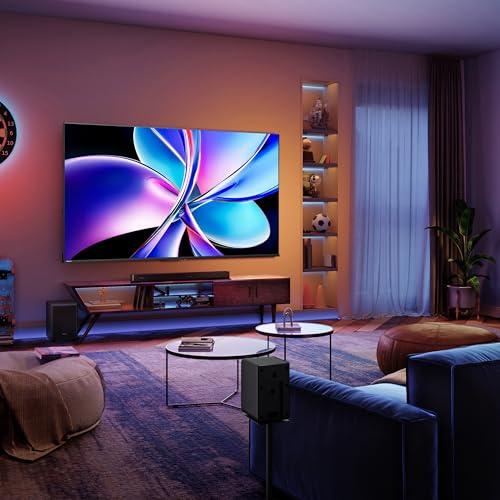
If you're building a dedicated home theater, both TVs have specific advantages. The Hisense QD7 excels in light-controlled environments where its superior contrast and Mini-LED technology can truly shine. The larger 100-inch screen provides more immersive viewing, and the 144Hz refresh rate future-proofs your setup for advanced gaming.
The Sony X90L offers more flexibility for mixed-use spaces. Its superior processing makes it more forgiving with various content types and lighting conditions. The built-in Dolby Atmos audio might eliminate the need for immediate audio upgrades, reducing your total system cost.
For the ultimate home theater experience, you'd typically want to sit about 8-10 feet from the Hisense QD7 or 7-9 feet from the Sony X90L. Both distances allow you to appreciate the 4K detail without seeing individual pixels.
At $2,199.99, the Hisense QD7 delivers exceptional value. You're getting cutting-edge Mini-LED technology, advanced gaming features, and massive screen size for roughly half what comparable technology cost just a few years ago. The cost per square inch of display area is outstanding.
The Sony X90L at $4,059.45 represents a different type of value. You're paying for refinement, brand reliability, superior processing, and better audio. The question becomes whether these premium features justify doubling your investment for 2 inches less screen real estate.
Choose the Hisense 100-Inch QD7 if you want maximum impact for your money. It's perfect for dedicated gaming setups, bright viewing rooms, and situations where screen size matters most. The Mini-LED technology and vibrant colors create a truly impressive viewing experience, especially with HDR content.
Choose the Sony BRAVIA XR X90L if you value overall refinement and plan to watch varied content types. The superior processing, natural colors, and excellent built-in audio create a more premium experience that justifies the higher price for many users.
Ultimately, both TVs will transform your viewing experience. The Hisense offers more technology for less money, while the Sony provides a more polished, refined experience. Your choice should depend on your budget, viewing habits, and whether you prioritize raw impact or sophisticated processing. Either way, you'll be getting a display that brings you remarkably close to the cinema experience at home.
| Hisense 100-Inch QD7 Series Mini-LED 4K Smart TV | Sony BRAVIA XR X90L 98" 4K UHD LED Google TV |
|---|---|
| Price - Major factor in value equation | |
| $2,199.99 (2024 model) | $4,059.45 (2023 model, down from $4,499.99) |
| Screen Size - Immersion and room requirements | |
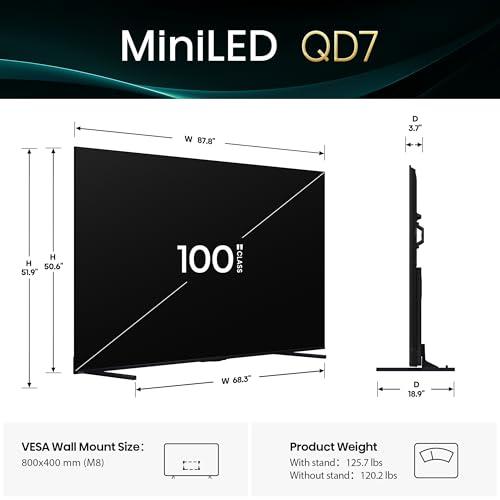
| 100 inches (exceptional presence, needs large room) | 98 inches (still massive, slightly more flexible placement) |
| Display Technology - Core picture quality approach | |
| Mini-LED with ~1,000 local dimming zones (superior contrast) | Full Array LED with ~100 zones (relies on processing) |
| Color Technology - Vibrancy vs accuracy | |
| Quantum Dot (QLED) - vibrant, saturated colors | XR Triluminos Pro - natural, cinematic colors |
| Refresh Rate - Gaming and motion performance | |
| 144Hz native (exceptional for PC gaming) | 120Hz native (perfect for consoles) |
| HDR Support - Streaming and disc compatibility | |
| Dolby Vision, HDR10+, HLG (broadest compatibility) | Dolby Vision, HDR10, HLG (missing HDR10+) |
| Processing Power - Content enhancement capabilities | |
| 4K AI Upscaler (basic improvement) | Cognitive Processor XR (professional-grade enhancement) |
| Smart Platform - Daily user experience | |
| Fire TV with Alexa (Amazon ecosystem focus) | Google TV with Assistant (superior content discovery) |
| Audio Quality - Built-in sound performance | |
| Basic speakers, no Dolby Atmos | 40W Dolby Atmos with positioning tweeters |
| Gaming Features - Console and PC optimization | |
| FreeSync Premium Pro, VRR 48-144Hz, <15ms lag | PlayStation optimization, VRR, ALLM, ~17ms lag |
| Best For - Target buyer profile | |
| Maximum value, bright rooms, PC gaming, size priority | Premium experience, mixed content, built-in audio quality |
The Hisense 100-Inch QD7 Series Mini-LED 4K Smart TV at $2,199.99 provides exceptional value, offering Mini-LED technology and a massive 100-inch screen for roughly half the price of the Sony BRAVIA XR X90L 98" 4K UHD LED Google TV at $4,059.45. However, Sony justifies its premium with superior processing, better audio, and more refined picture quality.
The Hisense QD7 uses Mini-LED backlighting with ~1,000 local dimming zones and Quantum Dot color technology, delivering vibrant colors and superior contrast. The Sony X90L relies on advanced Cognitive Processor XR and Full Array LED with fewer zones but focuses on natural color accuracy and professional-grade image processing.
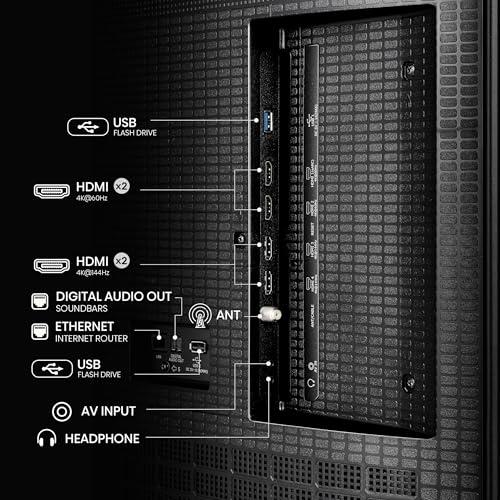
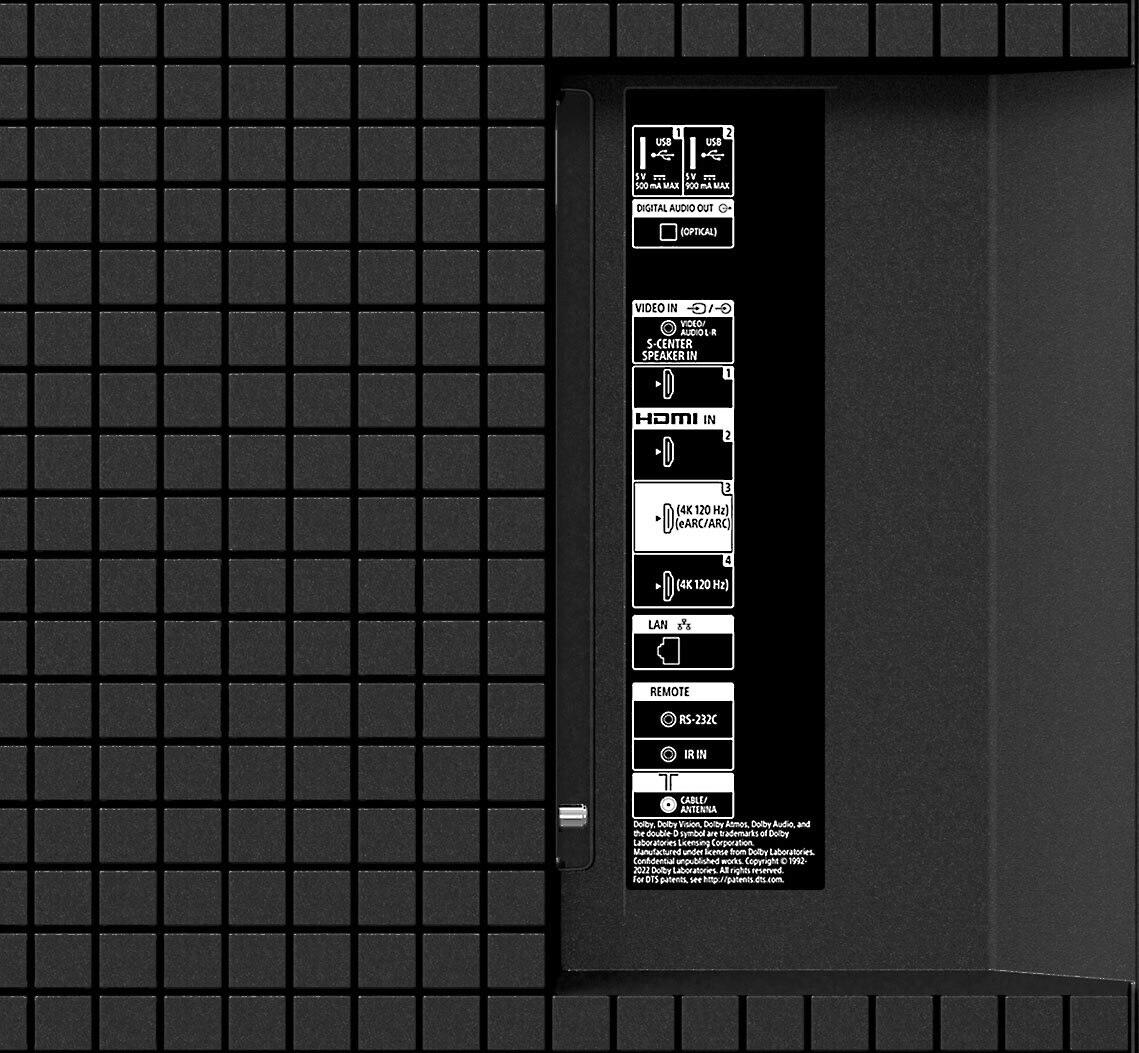
The Hisense 100-Inch QD7 excels for PC gaming with its 144Hz refresh rate and FreeSync Premium Pro support. The Sony X90L is optimized for console gaming with 120Hz refresh rate and PlayStation-specific features. Both offer low input lag and HDMI 2.1 support for next-gen gaming.
The Hisense QD7 runs Fire TV with deep Amazon ecosystem integration and Alexa support. The Sony X90L uses Google TV, which offers superior content discovery, cleaner interface design, and better cross-platform streaming recommendations without heavy promotional content.
The Sony BRAVIA XR X90L significantly outperforms the Hisense QD7 in audio quality, featuring 40W Dolby Atmos with sound positioning tweeters. The Hisense offers basic built-in speakers without Dolby Atmos, making external audio equipment more necessary.
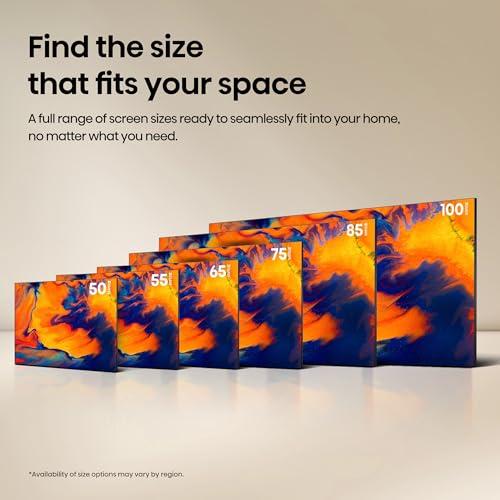
The Hisense 100-Inch QD7 offers 2 inches more diagonal screen space than the Sony 98" X90L, providing noticeably more viewing area. Both require large rooms and viewing distances of 8-12 feet for optimal experience, but the size difference becomes apparent in side-by-side comparisons.
The Hisense QD7 performs better in bright rooms due to its Mini-LED backlighting and Quantum Dot technology, which produce higher peak brightness and more vibrant colors. The Sony X90L handles bright rooms adequately but excels more in controlled lighting environments.
The Hisense 100-Inch QD7 supports Dolby Vision, HDR10+, and HLG for broad compatibility with all streaming services and UHD Blu-rays. The Sony X90L supports Dolby Vision, HDR10, and HLG but lacks HDR10+ support, which may matter for Amazon Prime Video and some disc content.
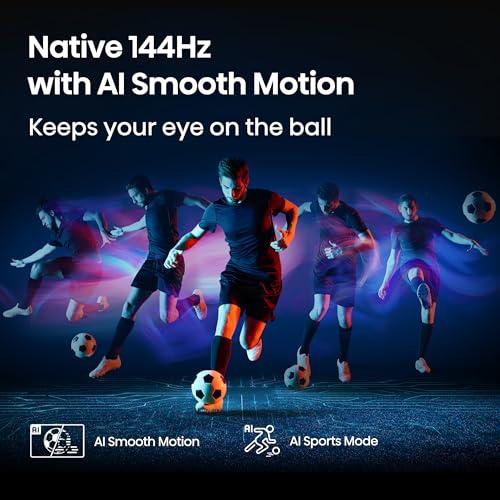
The Sony BRAVIA XR X90L provides superior motion processing with XR Motion Clarity technology, making it better for sports and action movies. The Hisense QD7 offers higher 144Hz refresh rate but relies more on raw frame rate than sophisticated motion processing.
The Sony X90L typically offers more premium build quality, longer software support, and more consistent performance over time. The Hisense QD7 provides newer technology at a lower price point but may have shorter product lifecycles and less comprehensive long-term support.
For dedicated home theaters, the Hisense 100-Inch QD7 excels with superior contrast in dark rooms and larger screen size for maximum immersion. The Sony X90L offers more flexibility for mixed-use spaces with better processing and built-in Dolby Atmos audio that may eliminate immediate audio system upgrades.
The Sony BRAVIA XR X90L significantly outperforms the Hisense QD7 in upscaling 1080p content from cable TV and streaming services, thanks to its advanced Cognitive Processor XR. The Hisense provides basic AI upscaling but shows more artifacts with lower-resolution sources.
We've done our best to create useful and informative comparisons to help you decide what product to buy. Our research uses advanced automated methods to create this comparison and perfection is not possible - please contact us for corrections or questions. These are the sites we've researched in the creation of this article: hometechnologyreview.com - hypermicro.com - bestbuy.com - bestbuy.com - youtube.com - hisense-usa.com - bestbuy.com - pcrichard.com - tvsbook.com - hisense-usa.com - pcrichard.com - nfm.com - bestbuy.com - hisense-canada.com - rtings.com - hisense-usa.com - bestbuy.com - hisense-usa.com - hometechnologyreview.com - youtube.com - youtube.com - hometechnologyreview.com - costco.com - custrevs.com - avsforum.com - valueelectronics.com - youtube.com - bestbuy.com - electronics.sony.com - stewartappliance.com - rcwilley.com - rtings.com - abt.com - pcrichard.com - videoandaudiocenter.com - avsforum.com

Privacy Policy
Terms and Conditions - Affiliate Policy
Home Security
© Copyright 2008-2026.
11816 Inwood Rd #1211, Dallas, TX 75244