

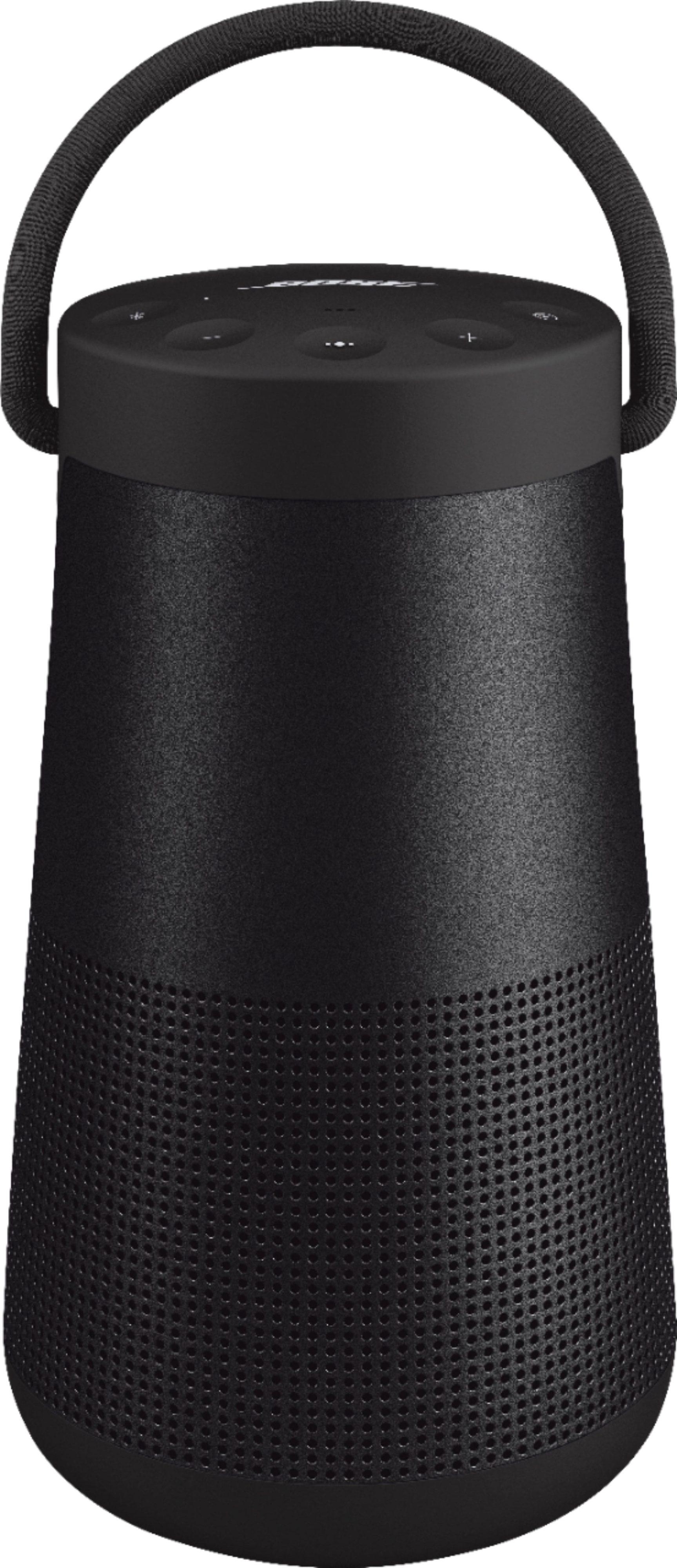
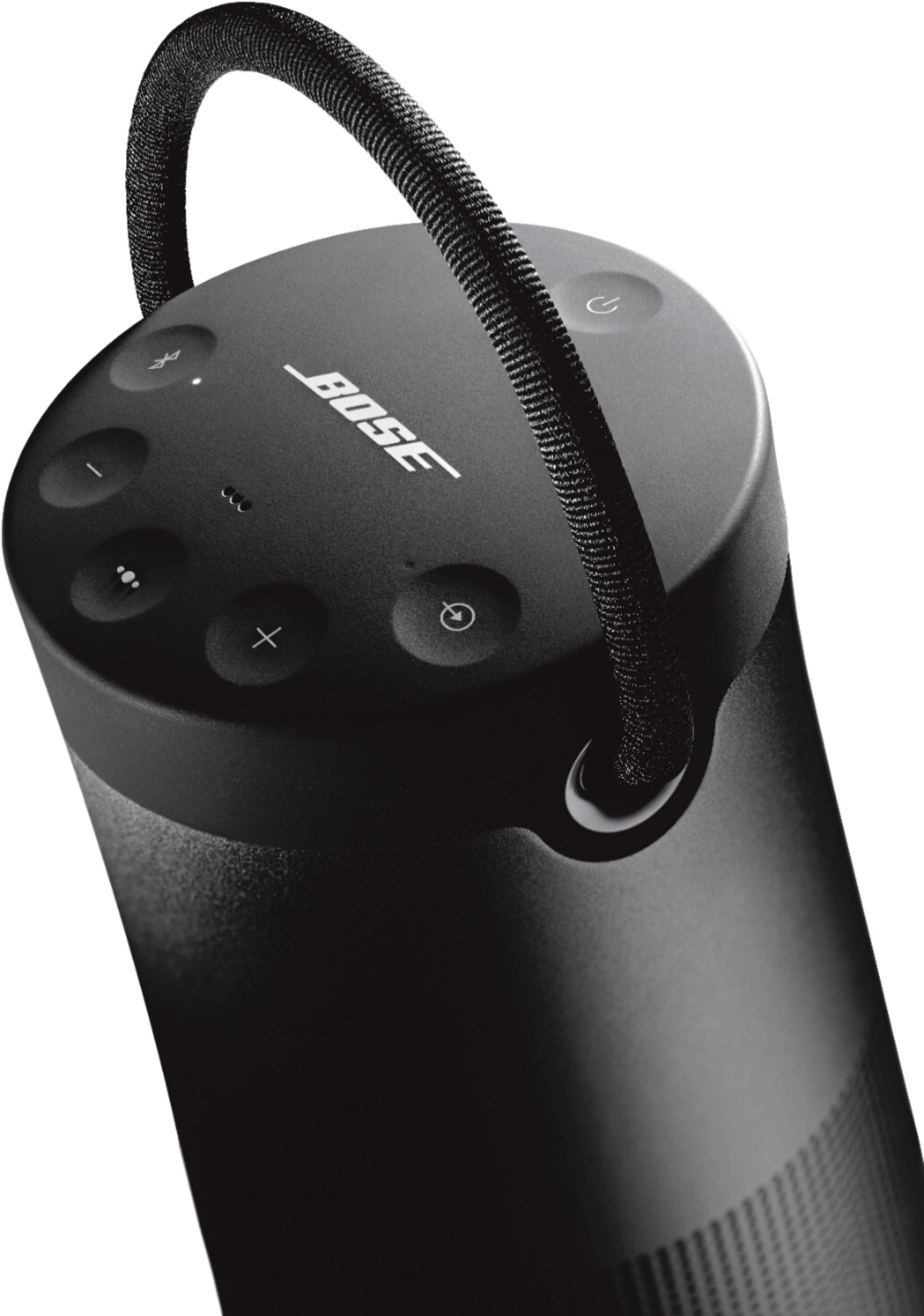
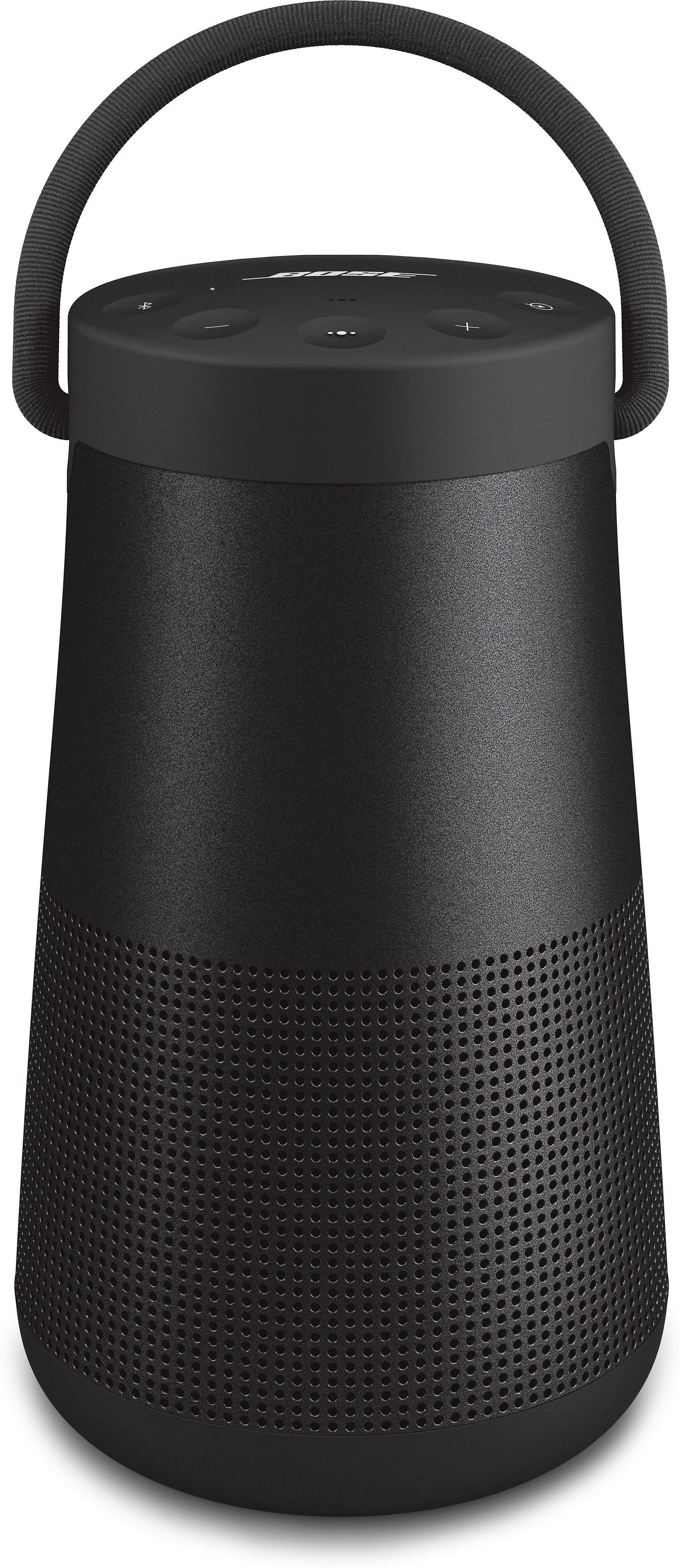
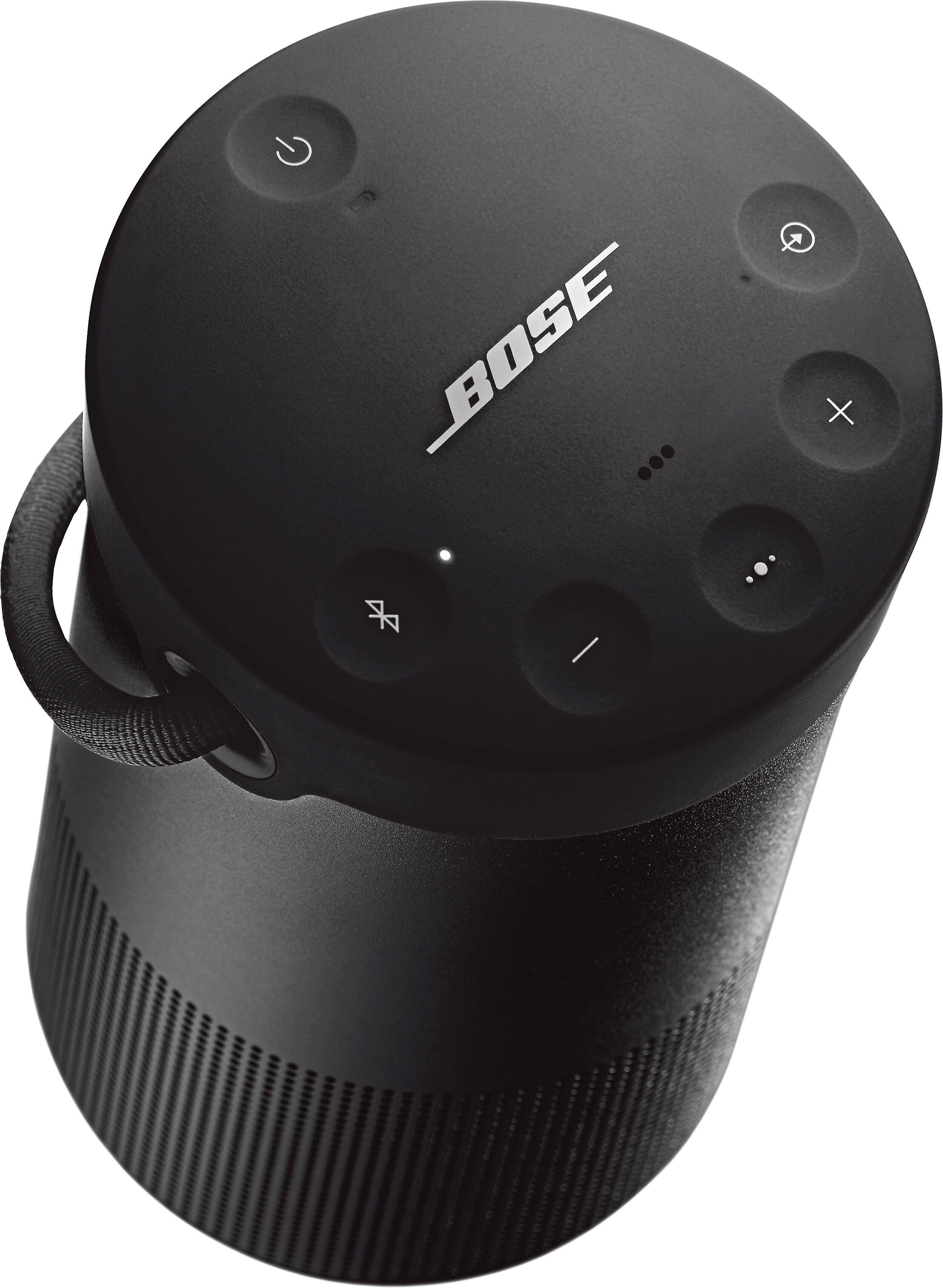
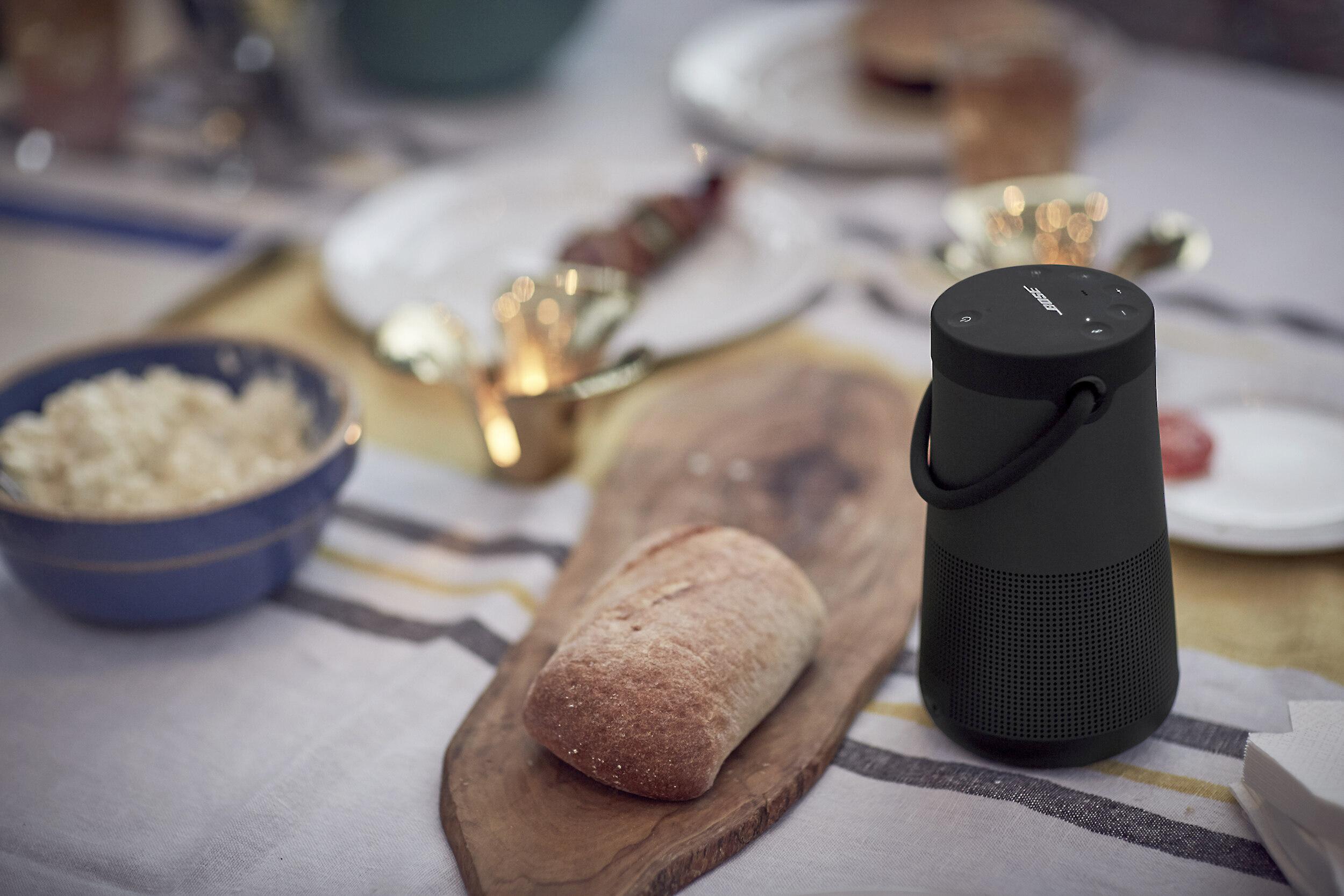
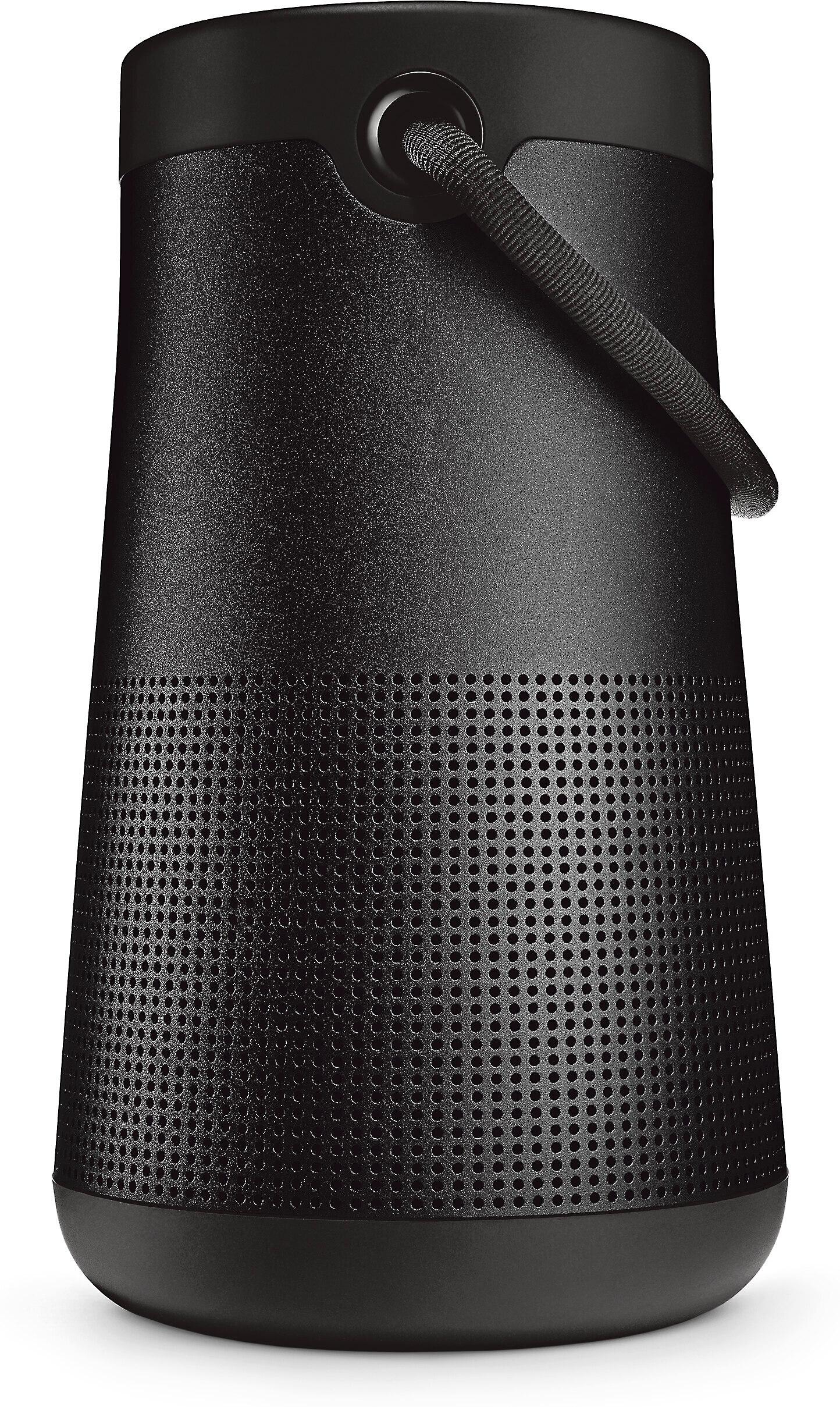
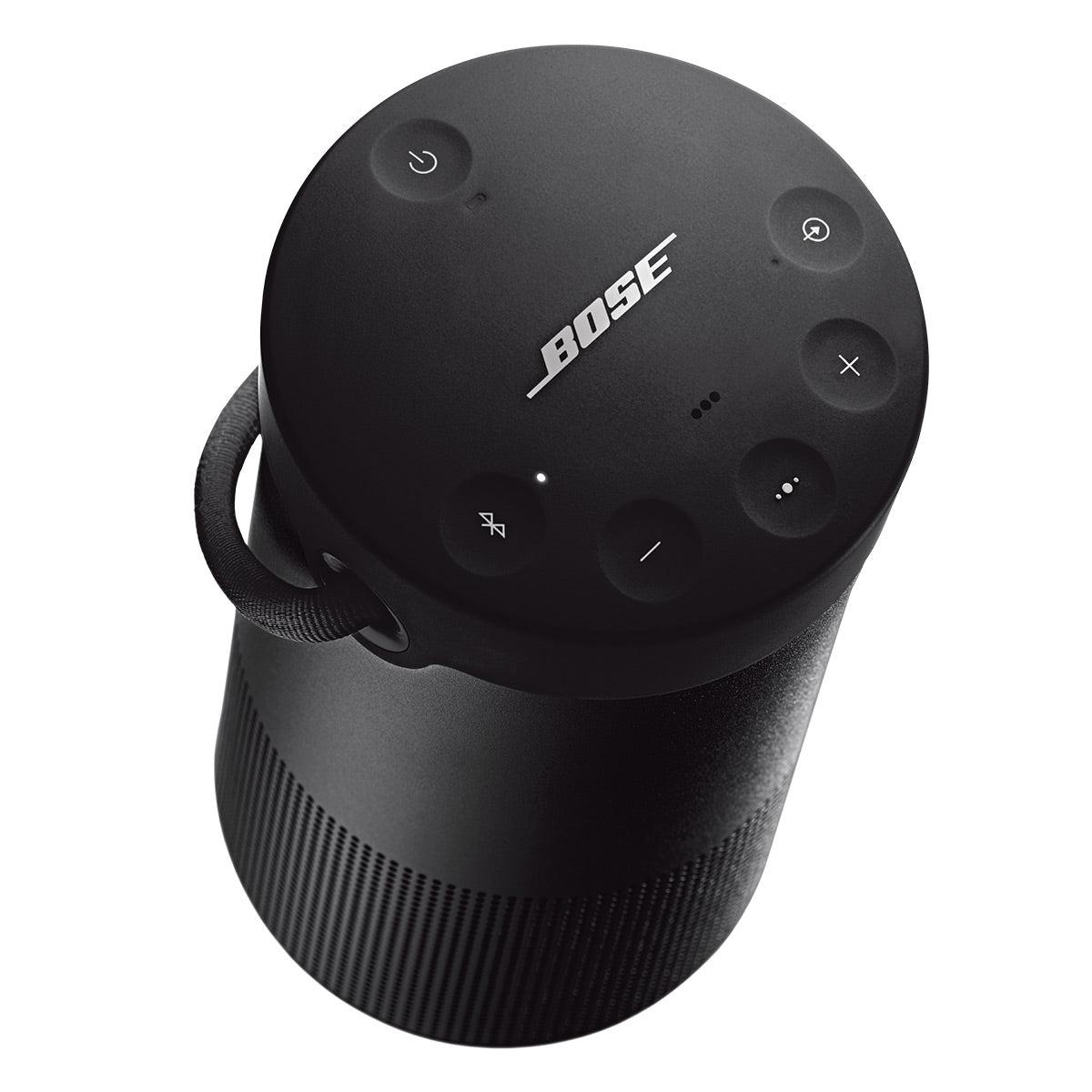
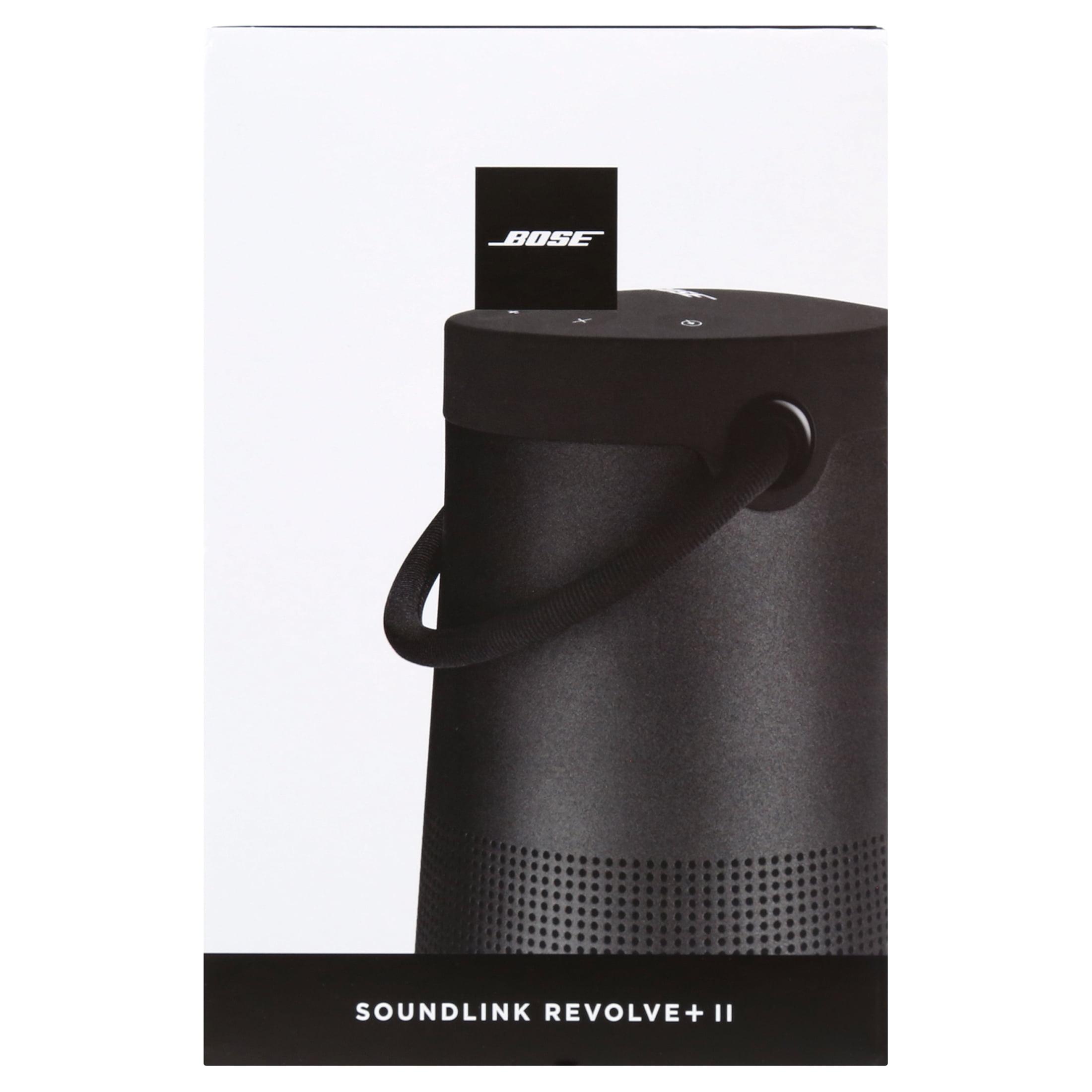

When it comes to portable Bluetooth speakers, the Bose SoundLink Revolve+ II at $229.99 and JBL Clip 4 at $33.20 represent two distinctly different approaches to mobile audio. Let's explore how these speakers serve different needs and help you decide which one best fits your lifestyle.
Bluetooth speakers have evolved significantly over the past decade. What started as simple wireless alternatives to phone speakers has grown into a diverse ecosystem of audio solutions. Today's portable speakers range from tiny clip-on units to substantial party speakers, each optimized for specific use cases.
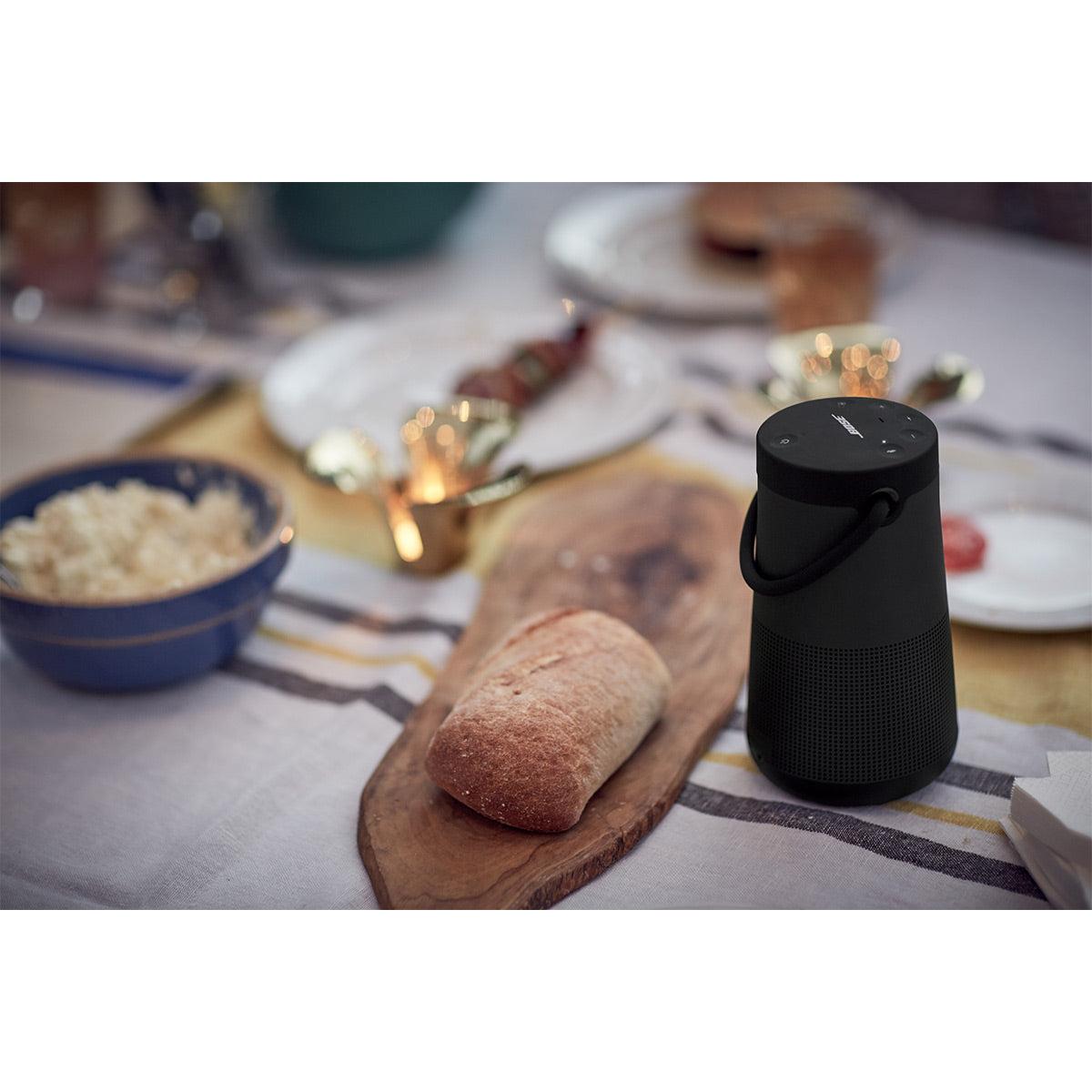
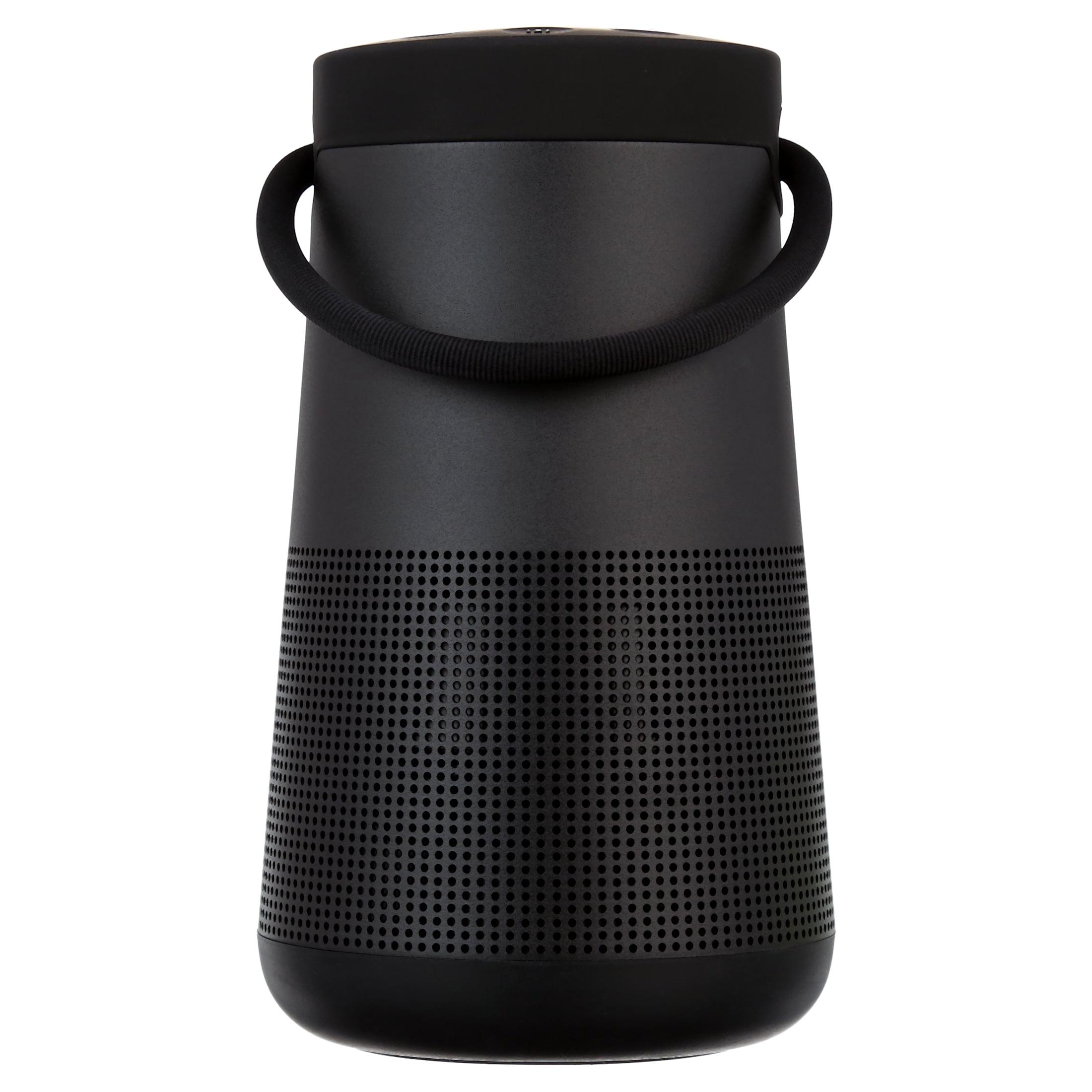
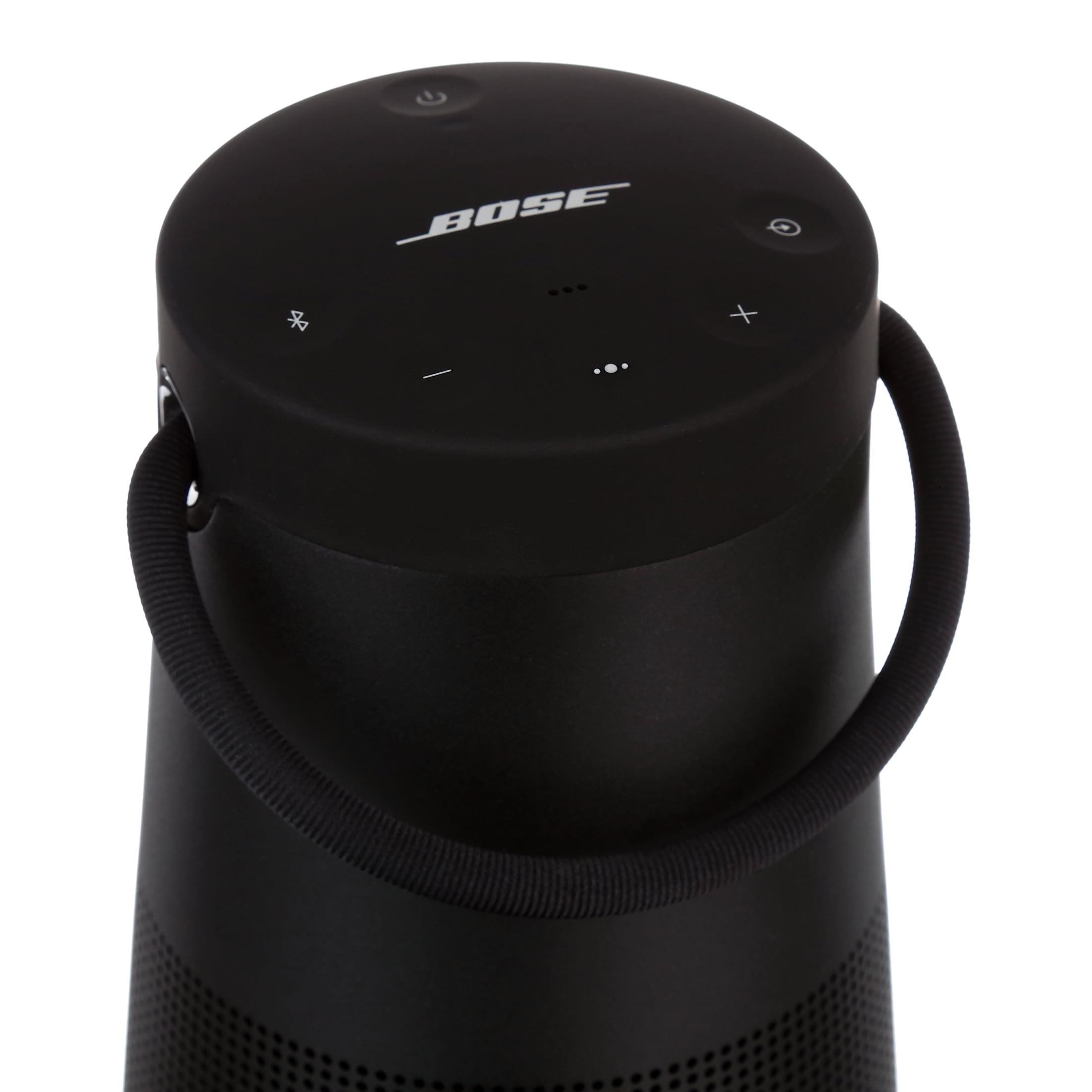
The Bose SoundLink Revolve+ II, released in February 2021, brings several technological innovations to the table. Its most notable feature is the 360-degree sound dispersion system, which uses a downward-facing transducer (the part that creates sound waves) and an acoustic deflector to spread sound evenly in all directions. Think of it like a lighthouse beam, but for sound - it radiates uniformly outward instead of just in one direction.
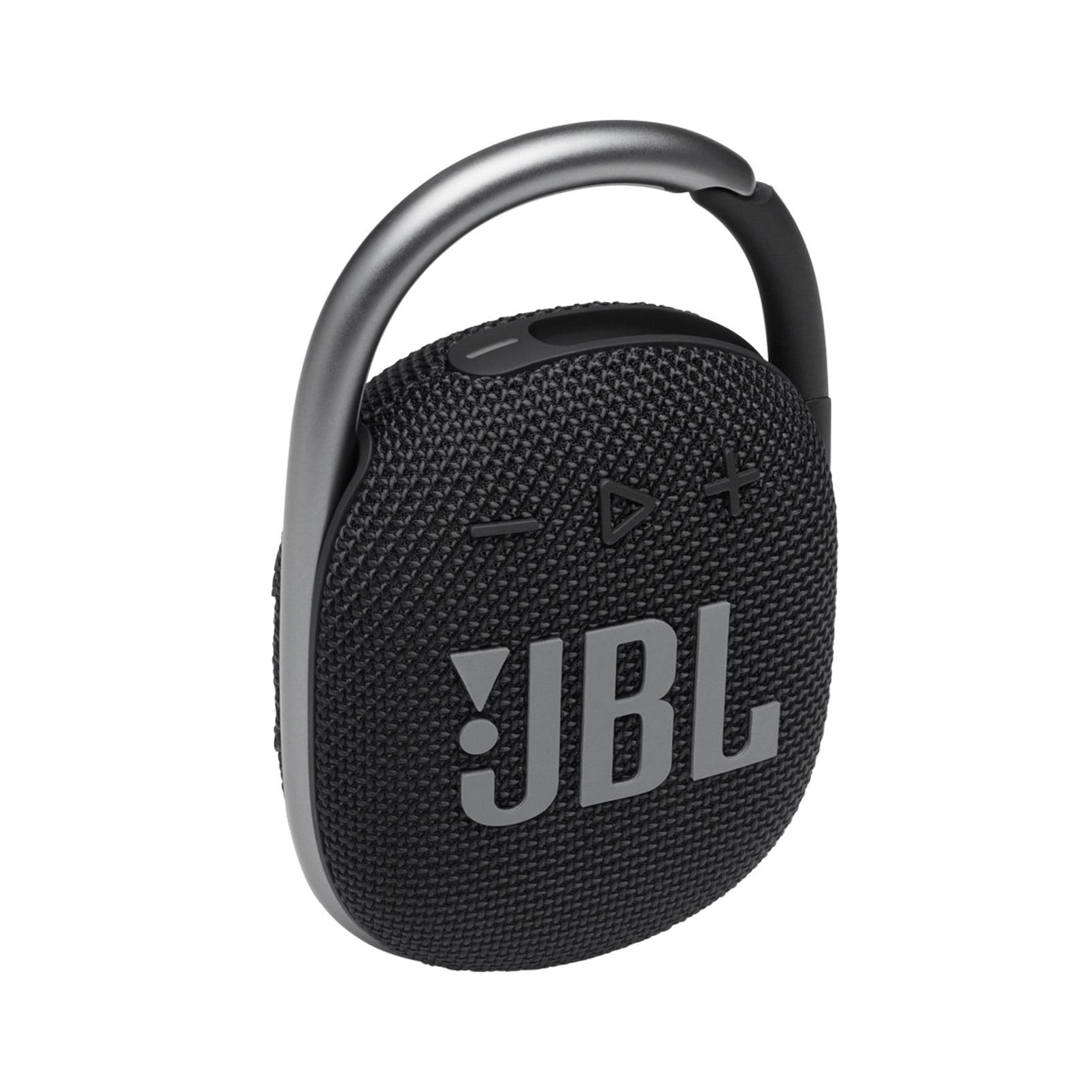
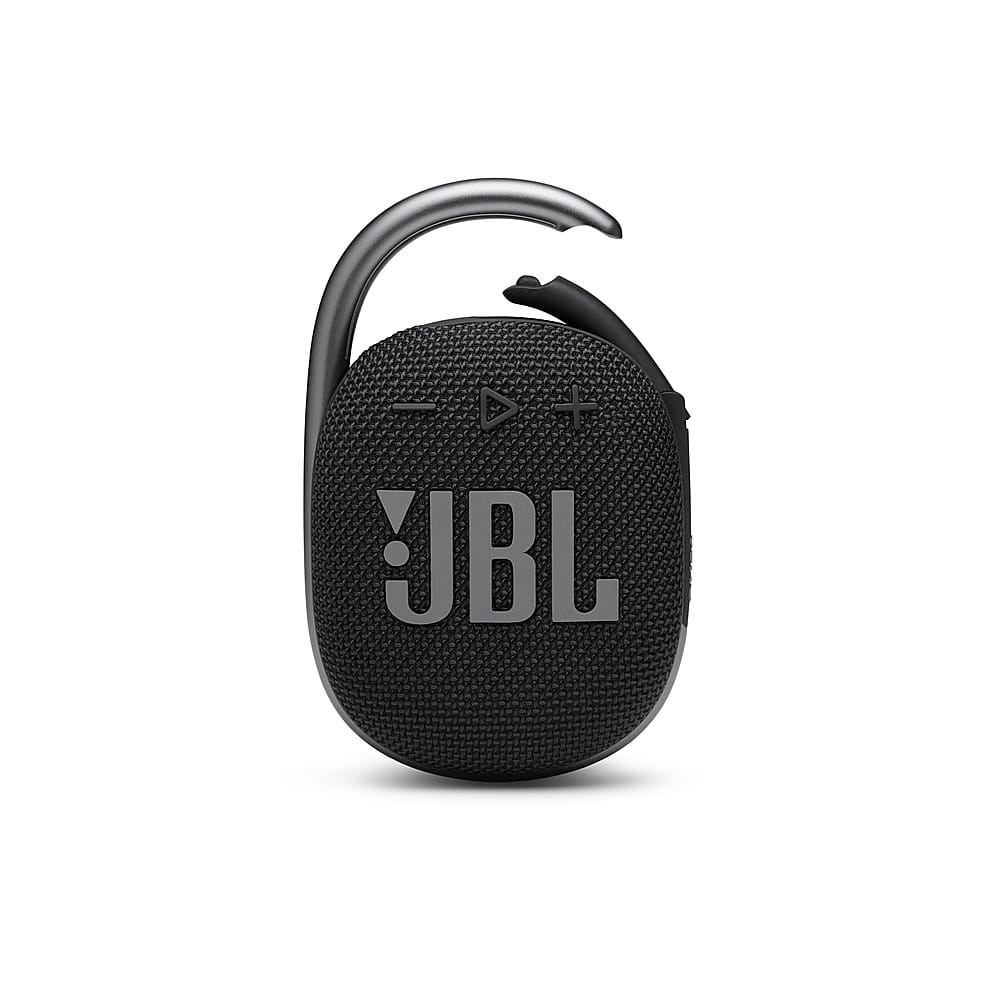
The JBL Clip 4, launched in December 2020, takes a more traditional approach with a forward-facing driver. However, its recent upgrade from 5W to 5.3W output might seem small but represents a meaningful improvement in maximum volume and clarity compared to its predecessor.
The Bose's 360-degree sound dispersion really shines in home environments. In testing, it can easily fill a 20x20 foot room with clear, balanced sound. The speaker uses dual passive radiators (think of these as specially tuned bass ports) to enhance low-frequency response without requiring a larger enclosure.
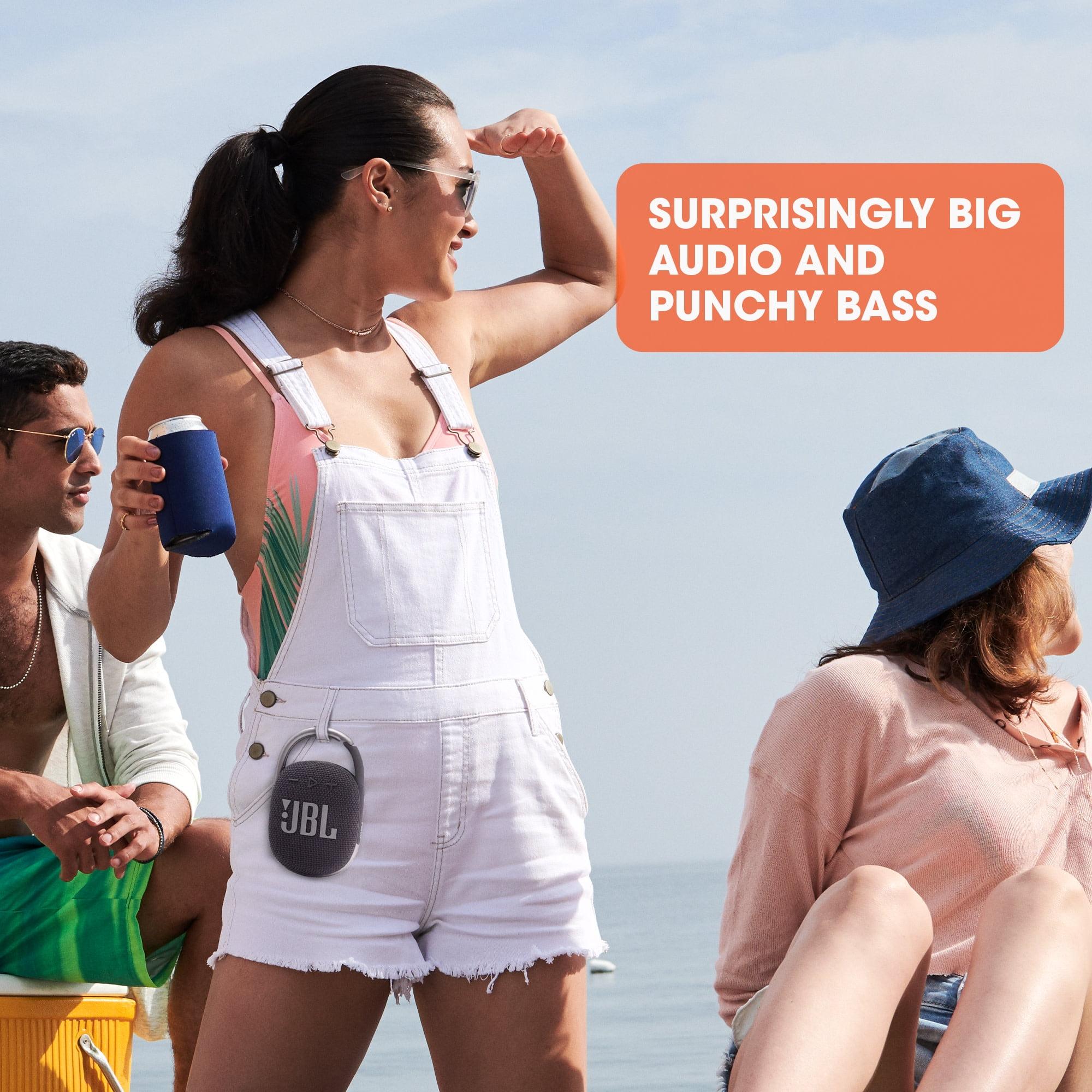
The JBL, while clear and precise, projects sound in a single direction and is better suited for personal listening. It excels when clipped to a backpack strap or sitting on a desk near you, but won't fill a room like the Bose.
The Bose demonstrates impressive frequency response across the spectrum. Bass notes are rich and defined, though not overwhelming. Mid-range frequencies, where most vocals and instruments live, remain clear and natural. High frequencies sparkle without becoming harsh, even at higher volumes.
The JBL Clip 4 produces surprisingly good sound for its size, with clear vocals and decent mid-range presence. However, physics limits what's possible from such a small enclosure - bass response is notably limited, and maximum volume is considerably lower than the Bose.
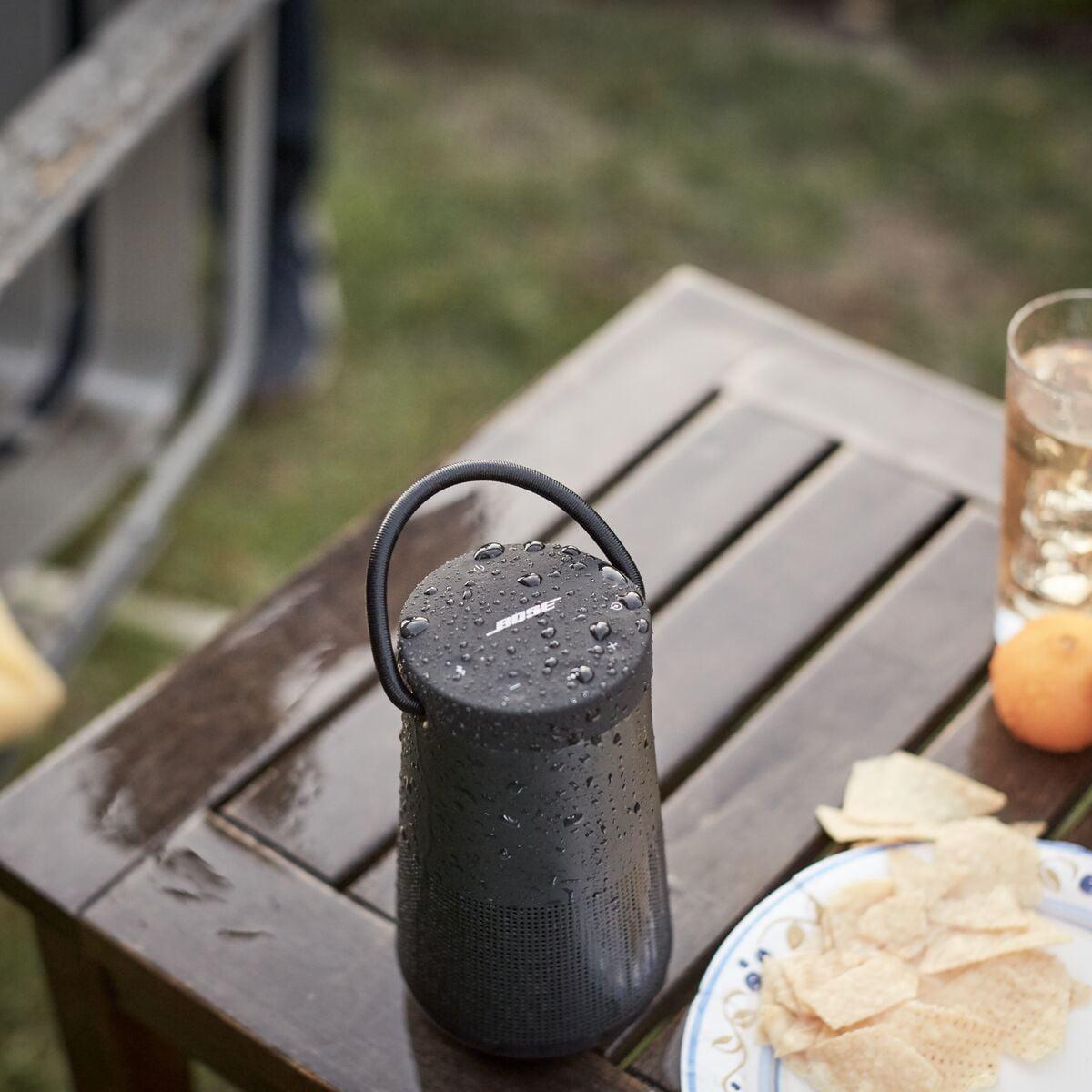
Both speakers showcase thoughtful design approaches for their intended uses. The Bose's aluminum body and rubberized ends protect against drops while maintaining a premium feel. Its IP55 rating means it can handle rain and dust, though it shouldn't be submerged.
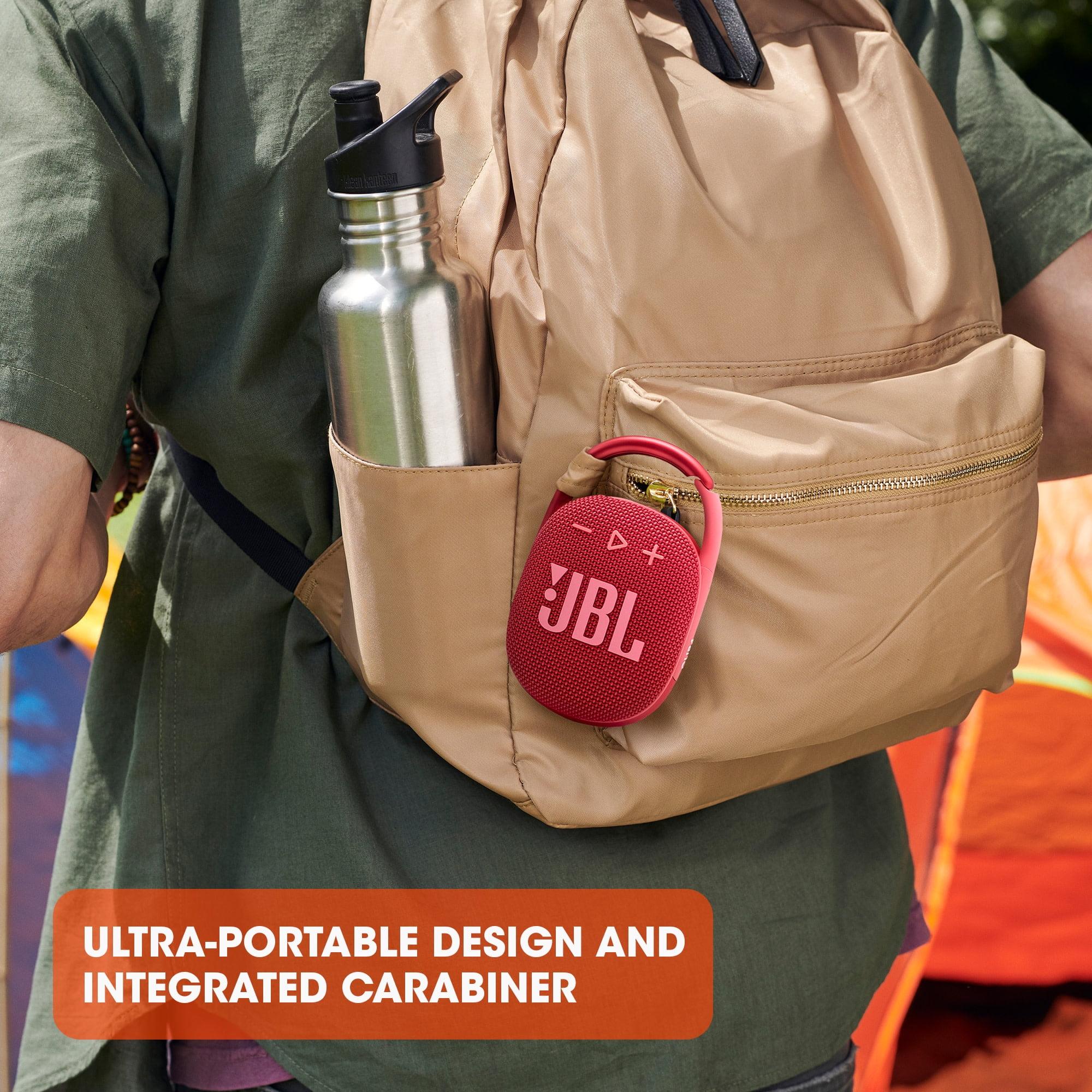
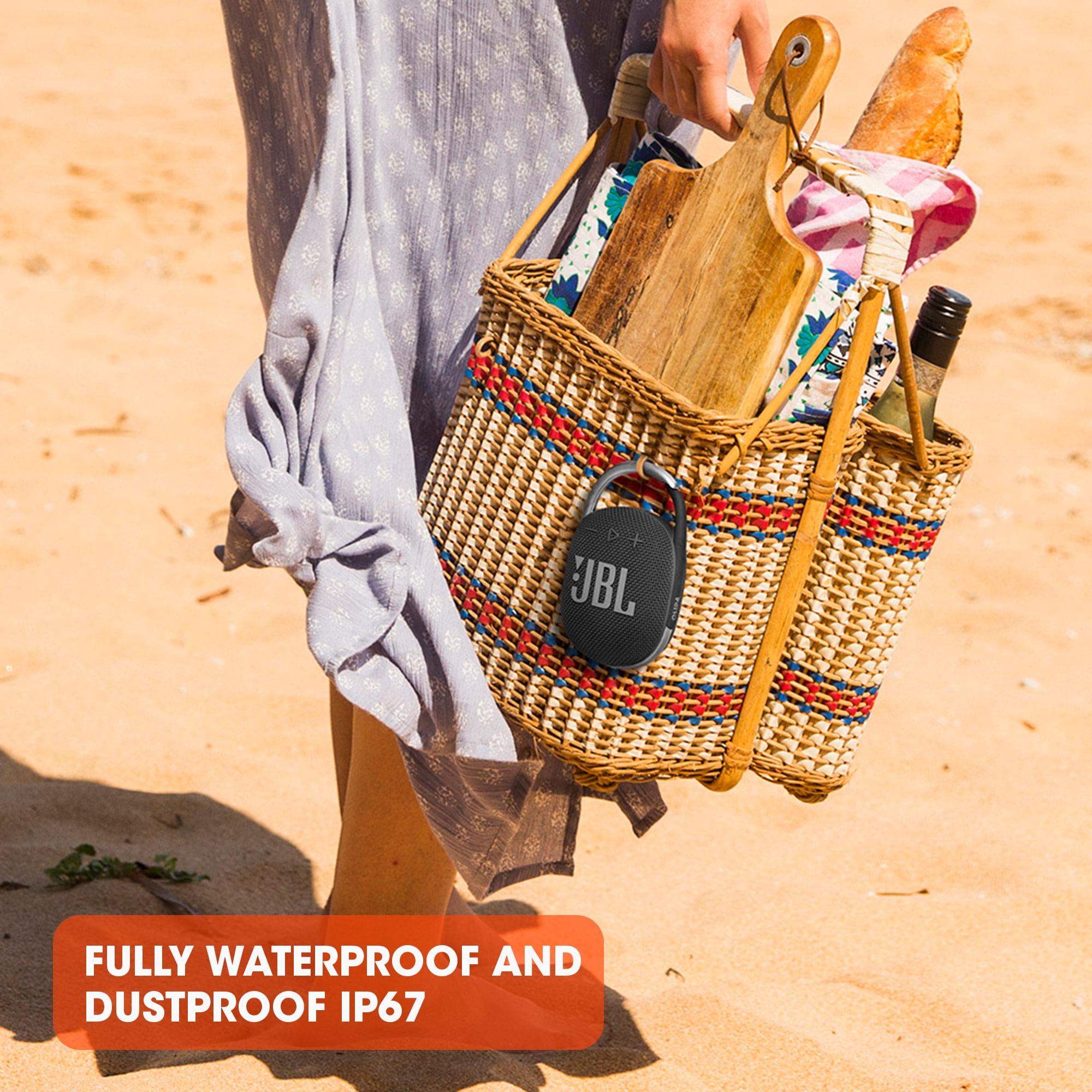
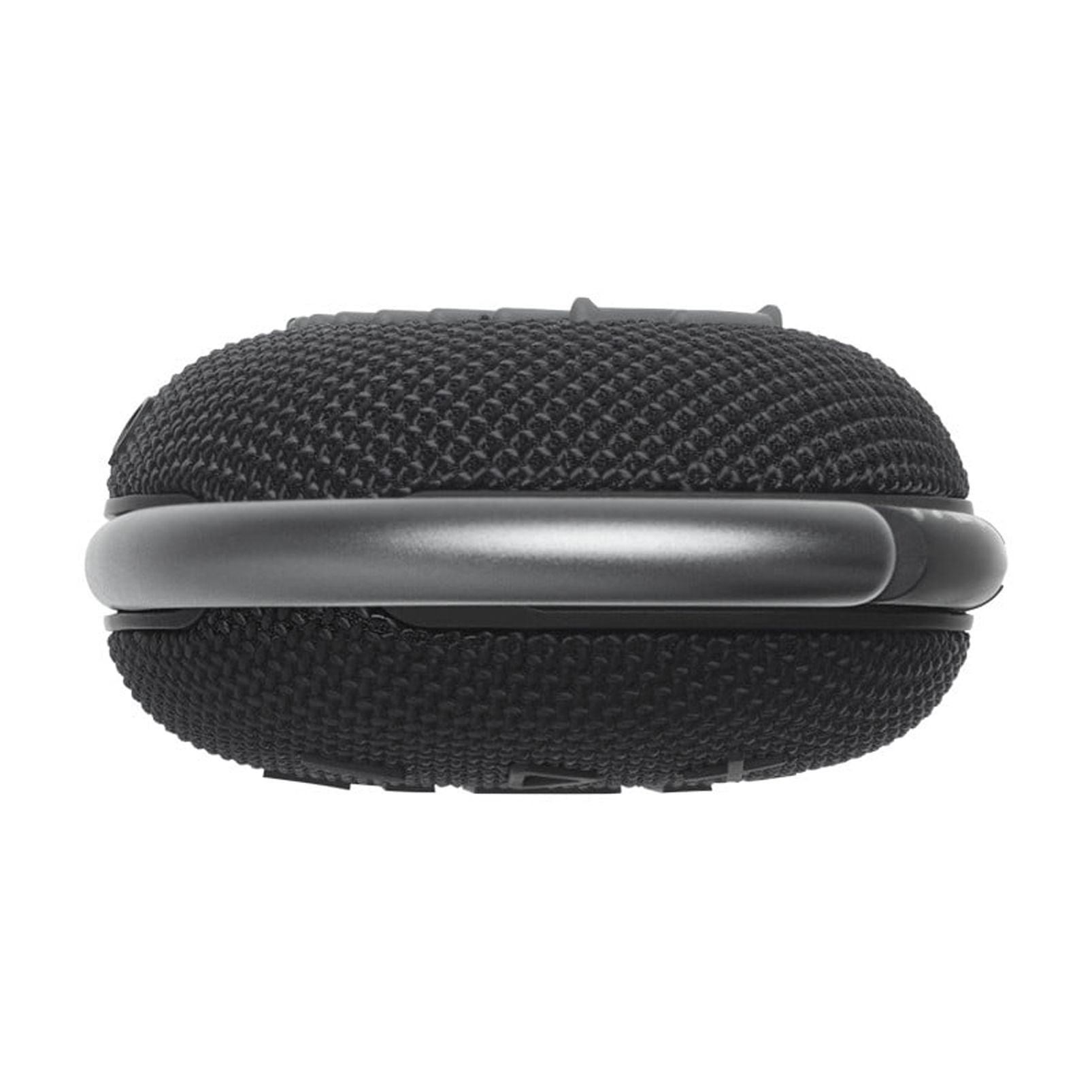
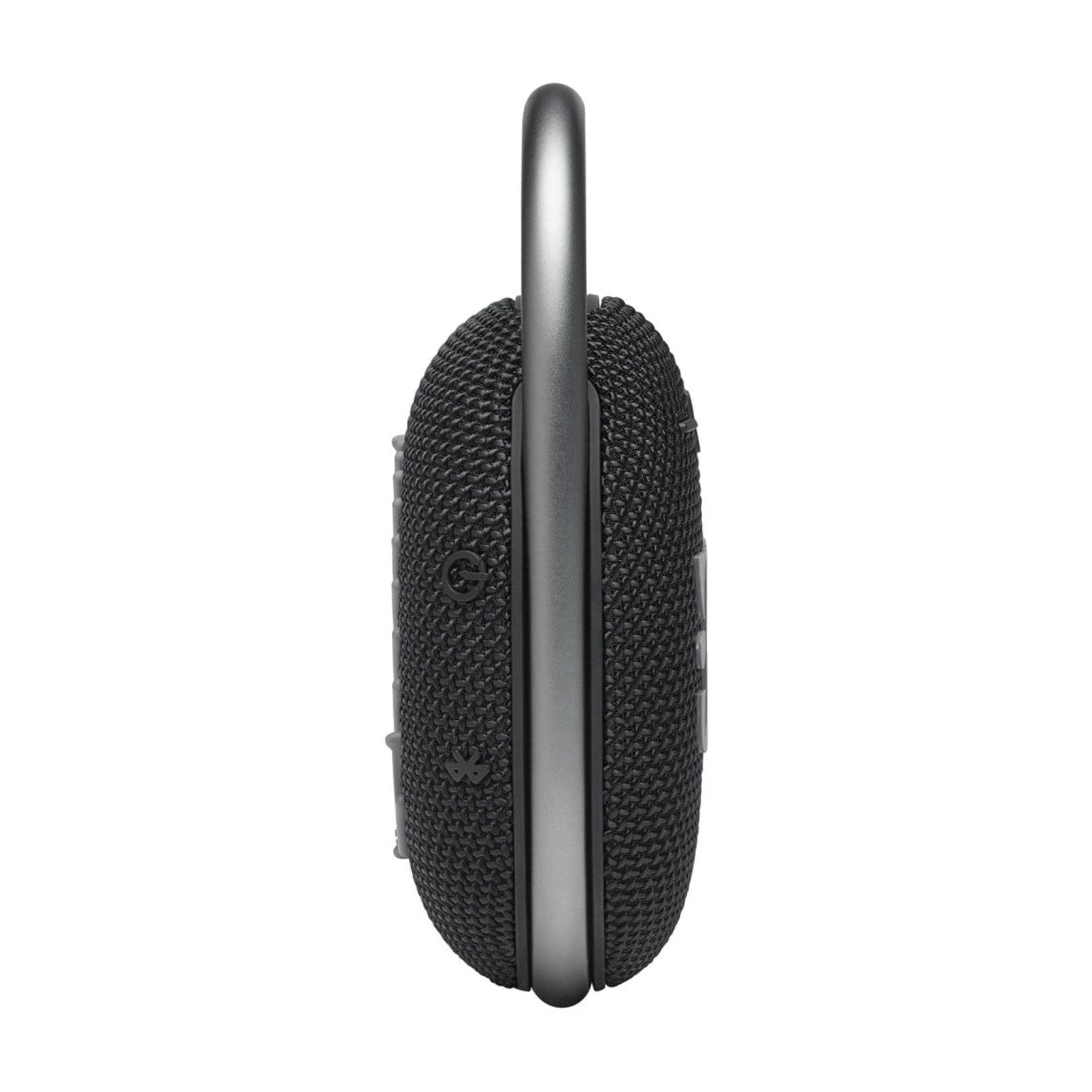
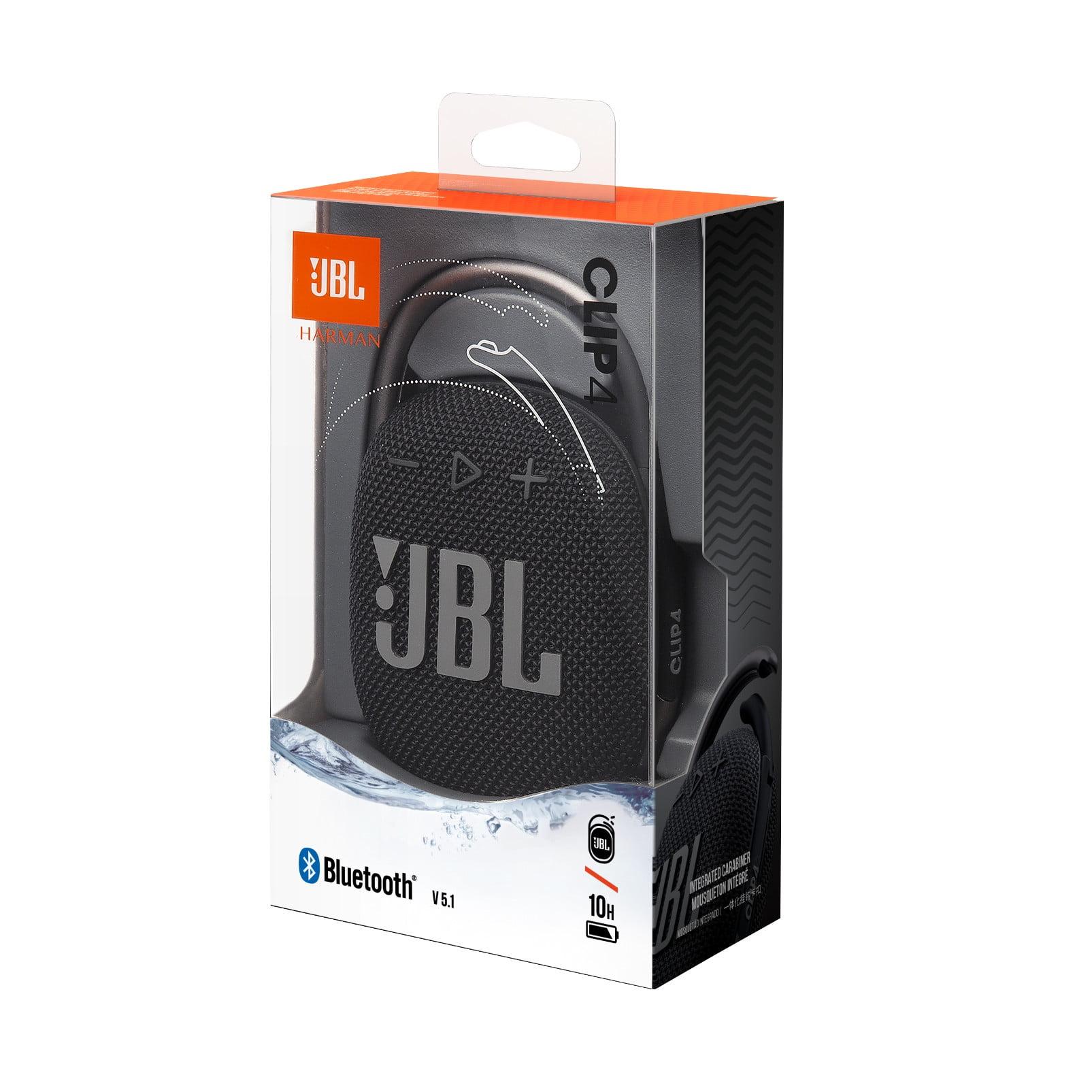
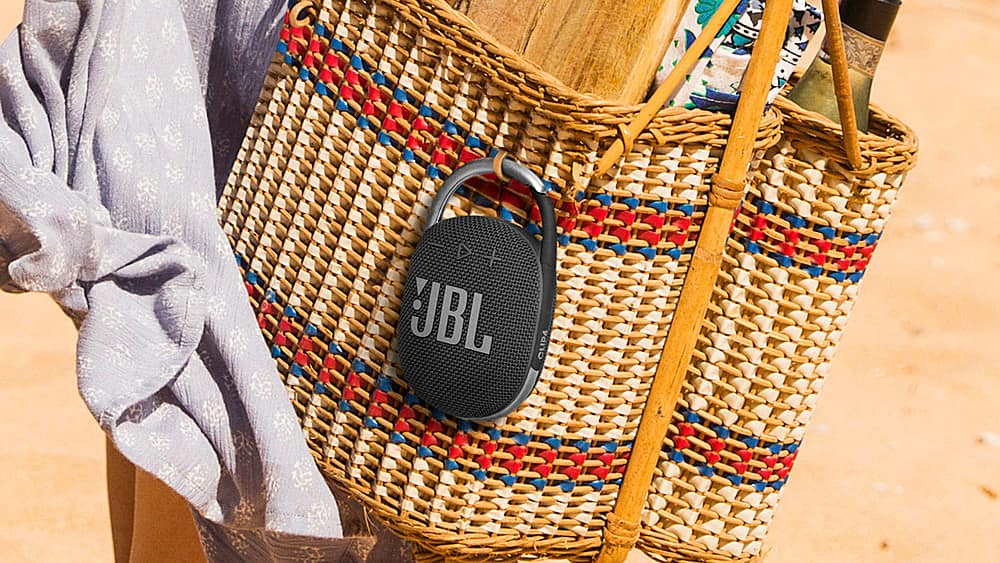
The JBL's IP67 rating is notably superior, allowing full submersion in water up to 1 meter deep for 30 minutes. This makes it ideal for pool parties or beach trips where accidents are more likely. The integrated carabiner clip is now metal instead of fabric, addressing a common failure point in previous models.
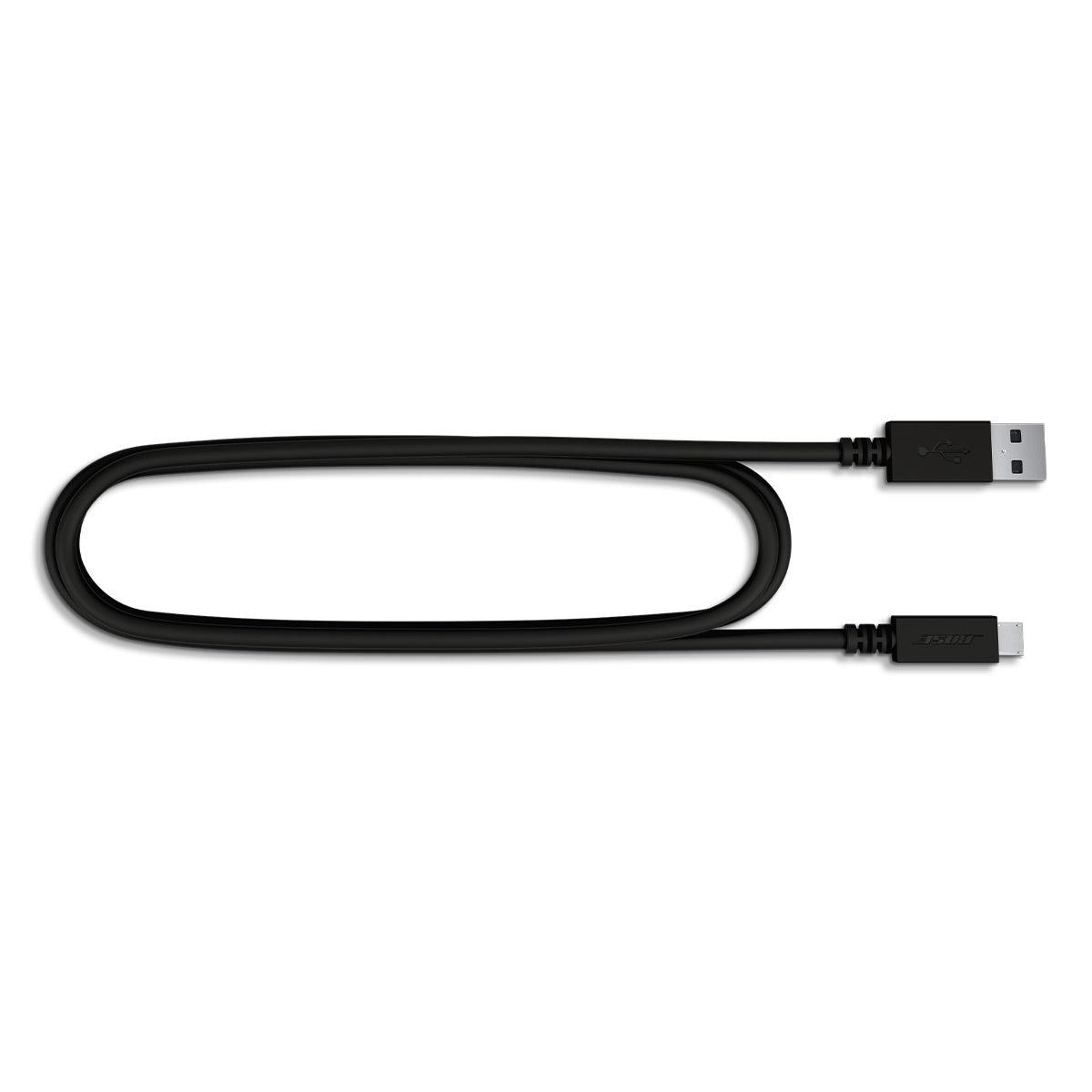
The Bose offers impressive 17-hour battery life, though this varies significantly with volume level. In real-world testing, expect 12-14 hours at moderate volumes. It uses older Micro-USB charging technology, which feels dated in 2023.
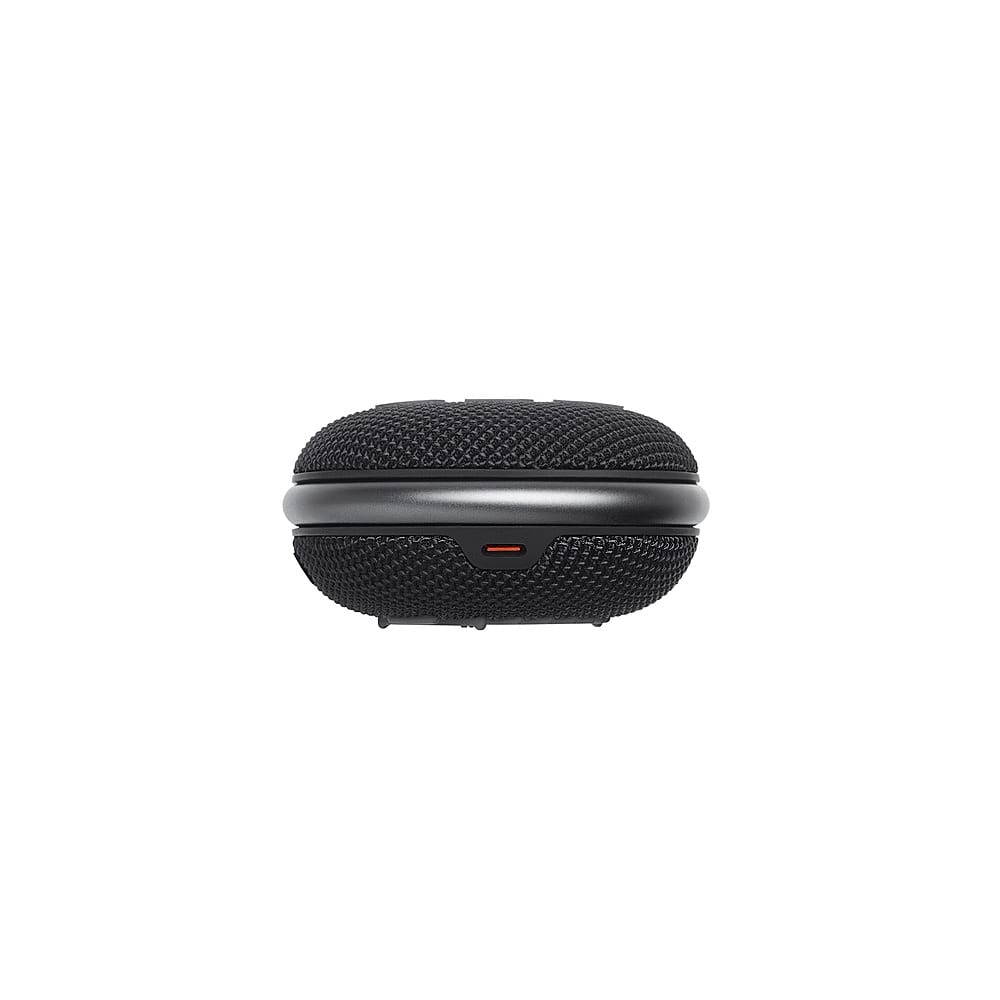
The JBL Clip 4 provides 10 hours of playback and features modern USB-C charging. While the battery life is shorter, the quick charging capability means you can get several hours of playback from a 30-minute charge.
The Bose SoundLink Revolve+ II excels as a flexible home audio solution. Its ability to pair with other Bose speakers creates opportunities for multi-room audio, and the 360-degree sound works well for both background music and focused listening. While it's not a true home theater speaker, it can improve TV audio significantly when placed centrally.
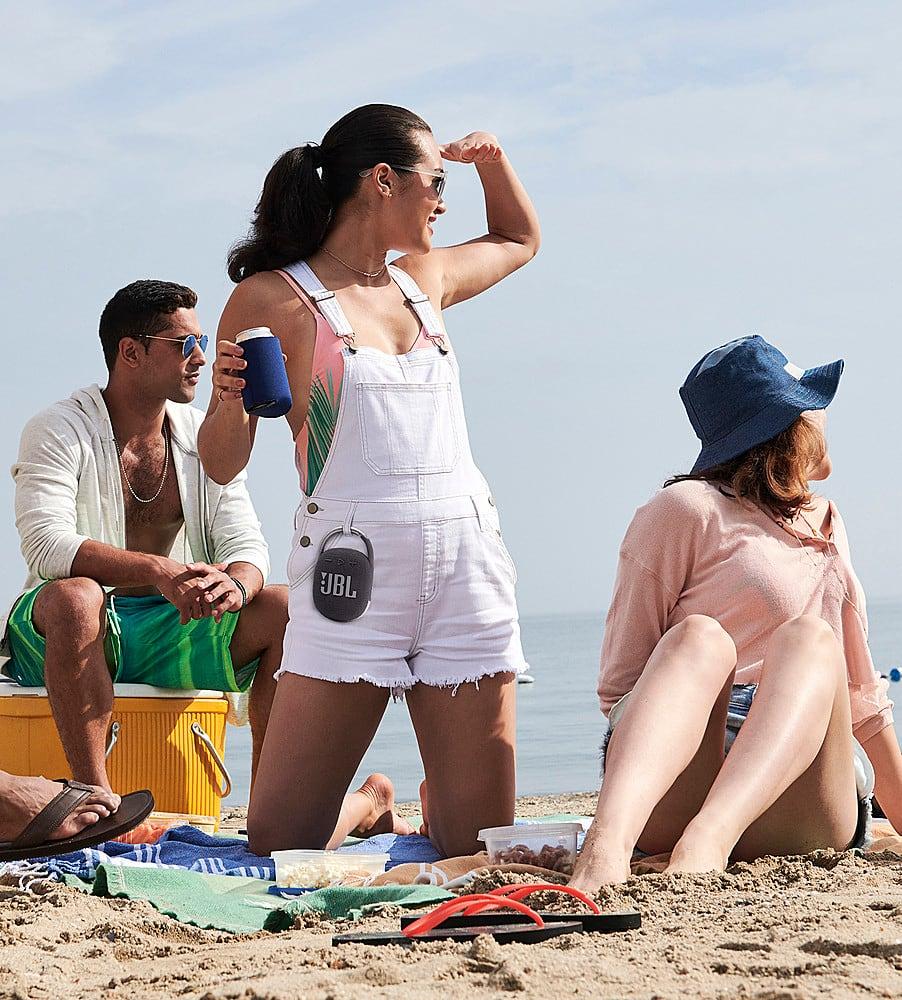
The JBL Clip 4 shines in active use scenarios. Its robust clip and waterproof design make it perfect for hiking, biking, or beach days. The sound projection works well when clipped at shoulder level, and the compact size means you'll barely notice carrying it.
The price difference between these speakers is substantial, but so are their capabilities. The Bose justifies its premium price through superior sound quality, longer battery life, and additional features like speakerphone functionality and voice assistant integration. It's a speaker that could serve as your primary audio system in a small room.
The JBL offers remarkable value at its price point. While it can't match the Bose's sound quality or features, it provides durability and portability that even the Bose can't match, at a fraction of the cost.
Consider these key factors when making your choice:
The Bose SoundLink Revolve+ II and JBL Clip 4 serve different needs within the portable speaker market. The Bose excels as a premium home portable speaker with exceptional sound quality and versatility, while the JBL shines as an ultra-portable companion for active lifestyles. Your choice should align with your primary use case and budget rather than trying to compare them directly.
If you're looking for a speaker to enhance your home audio experience and occasionally move outdoors, the Bose is worth the investment. However, if you need something to accompany you on adventures or serve as a travel companion, the JBL Clip 4's combination of durability, portability, and value is hard to beat.
| Bose SoundLink Revolve+ II | JBL Clip 4 |
|---|---|
| Price - Initial Investment | |
| $229.99 (premium pricing) | $33.20 (budget-friendly) |
| Sound Output - Determines room coverage and listening experience | |
| 360° omnidirectional sound with full-range driver | Single directional driver, front-facing only |
| Power Output - Impacts maximum volume and clarity | |
| Not specified by manufacturer, estimated 15-20W | 5.3W |
| Battery Life - Critical for portable use | |
| 17 hours (12-14 typical at moderate volume) | 10 hours (8-9 typical at moderate volume) |
| Water/Dust Resistance - Important for outdoor use | |
| IP55 (water resistant, not submersible) | IP67 (fully waterproof, submersible) |
| Size - Affects portability | |
| 7.25" x 4.25" x 4.25" (larger room speaker) | 3.4" x 5.3" x 1.8" (ultra-portable) |
| Weight - Impacts mobility | |
| 4.13 lbs (substantial) | 0.53 lbs (extremely light) |
| Charging Port - Affects convenience | |
| Micro USB (outdated standard) | USB-C (modern standard) |
| Special Features - Adds versatility | |
| Multi-speaker pairing, speakerphone, voice assistant support | Integrated metal carabiner clip |
| Frequency Response - Determines sound quality range | |
| Extended bass response (estimated 65Hz - 20kHz) | Limited bass (100Hz - 20kHz) |
| Construction - Impacts durability | |
| Aluminum body with rubber ends | Reinforced plastic with metal grille |
| Mounting Options - Flexibility in placement | |
| Built-in handle, optional charging cradle | Integrated carabiner clip, no other mounts |
| Bluetooth Version - Affects connection quality | |
| Bluetooth 4.2 (30ft range) | Bluetooth 5.1 (newer, more stable) |
The Bose SoundLink Revolve+ II is better for room-filling sound and home use, while the JBL Clip 4 is better for portability and outdoor activities. The choice depends on your specific needs and budget.
The Bose SoundLink Revolve+ II costs $229.99, while the JBL Clip 4 is priced at $33.20, making the Bose about seven times more expensive.
The Bose SoundLink Revolve+ II has significantly better sound quality with fuller bass, clearer highs, and 360-degree sound projection. The JBL Clip 4 offers good sound for its size but can't match the Bose's audio performance.
The JBL Clip 4 is much more portable at just 0.53 lbs with a built-in carabiner clip. The Bose SoundLink Revolve+ II weighs 4.13 lbs and is designed more for moving between rooms than for travel.
The Bose SoundLink Revolve+ II offers up to 17 hours of playback, while the JBL Clip 4 provides up to 10 hours. Both typically achieve slightly less in real-world use.
The JBL Clip 4 has superior water resistance with an IP67 rating (fully waterproof), while the Bose SoundLink Revolve+ II has an IP55 rating (water-resistant but not waterproof).
The Bose SoundLink Revolve+ II is suitable for small parties with room-filling sound, while the JBL Clip 4 is better for personal listening or very small groups.
The JBL Clip 4 is better for outdoor activities due to its lightweight design, carabiner clip, and waterproof construction. The Bose SoundLink Revolve+ II is less practical for active outdoor use.
The Bose SoundLink Revolve+ II can connect to multiple devices and pair with other Bose speakers. The JBL Clip 4 offers basic single-device Bluetooth connectivity.
The JBL Clip 4 is more durable for active use with its IP67 rating and compact design. The Bose SoundLink Revolve+ II is well-built but more susceptible to damage from drops or water.
The Bose SoundLink Revolve+ II includes a speakerphone function and voice assistant support. The JBL Clip 4 doesn't offer speakerphone capabilities.
Both speakers offer similar Bluetooth range, but the JBL Clip 4 uses newer Bluetooth 5.1 technology compared to the Bose SoundLink Revolve+ II's Bluetooth 4.2, potentially offering more stable connections.
We've done our best to create useful and informative comparisons to help you decide what product to buy. Our research uses advanced automated methods to create this comparison and perfection is not possible - please contact us for corrections or questions. These are the sites we've researched in the creation of this article: rtings.com - dxomark.com - youtube.com - bestbuy.com - techradar.com - bhphotovideo.com - boselatam.com - nfm.com - bose.com - support.bose.com - bose.com - abt.com - bose.com - youtube.com - outeraudio.com - jbl.com - rtings.com - youtube.com - jbl.com - harmanaudio.com - youtube.com - ggelectronics.com - greentoe.com - soundstagexperience.com

Privacy Policy
Terms and Conditions - Affiliate Policy
Home Security
© Copyright 2008-2026.
11816 Inwood Rd #1211, Dallas, TX 75244