

The premium speaker market has evolved dramatically in recent years, with manufacturers taking distinctly different approaches to delivering high-quality audio. Today, we're comparing two recent entrants: the JBL Authentics 500 ($549) and the Sony ULT FIELD 7 ($299), both launched in late 2023. While they might seem similar at first glance, these speakers serve quite different purposes.
Modern premium speakers have moved far beyond simple audio playback. Today's high-end speakers often incorporate smart features, advanced connectivity, and sophisticated audio processing. The key is understanding what you're really looking for - a permanent fixture in your smart home ecosystem, or a versatile portable powerhouse that can move with you.
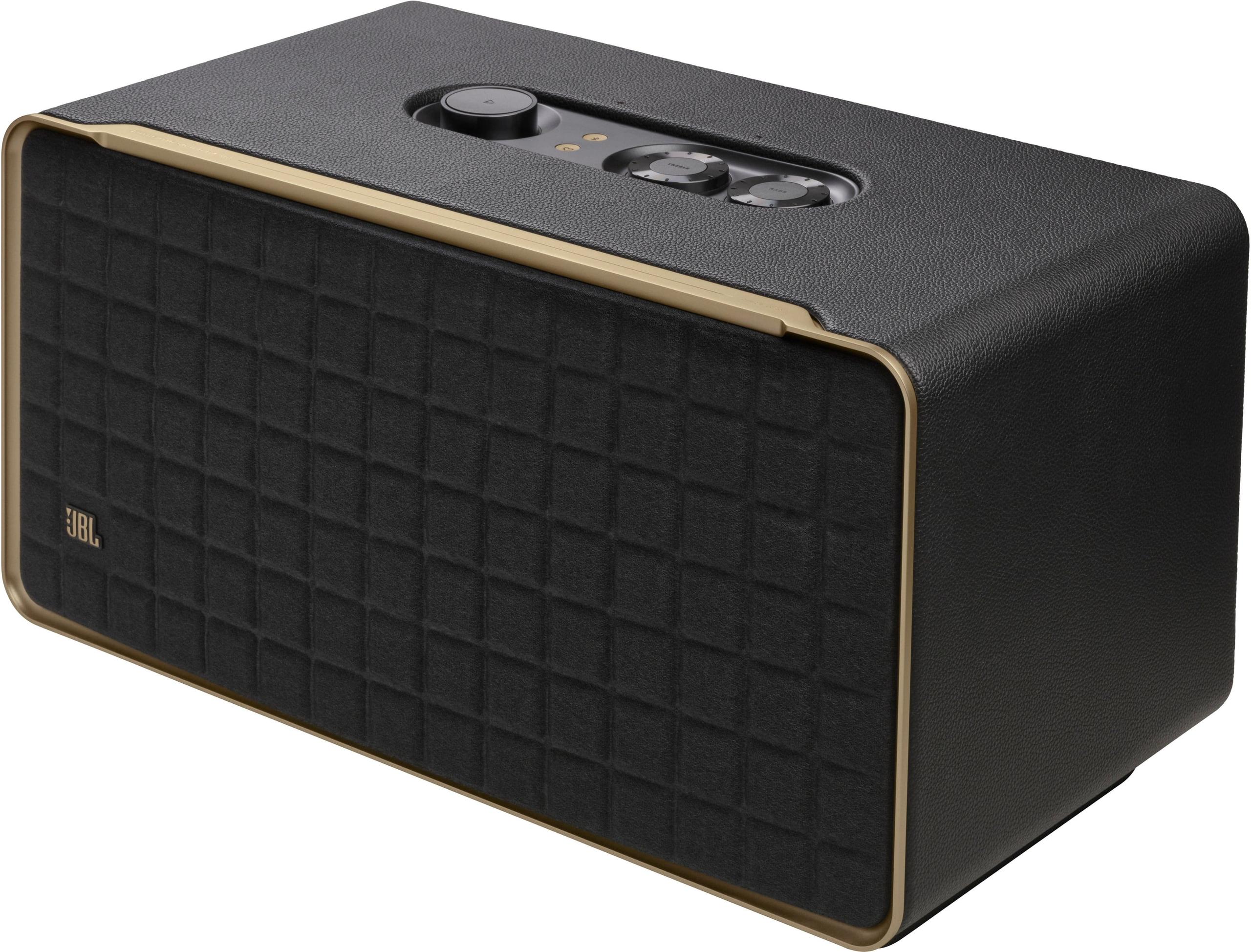
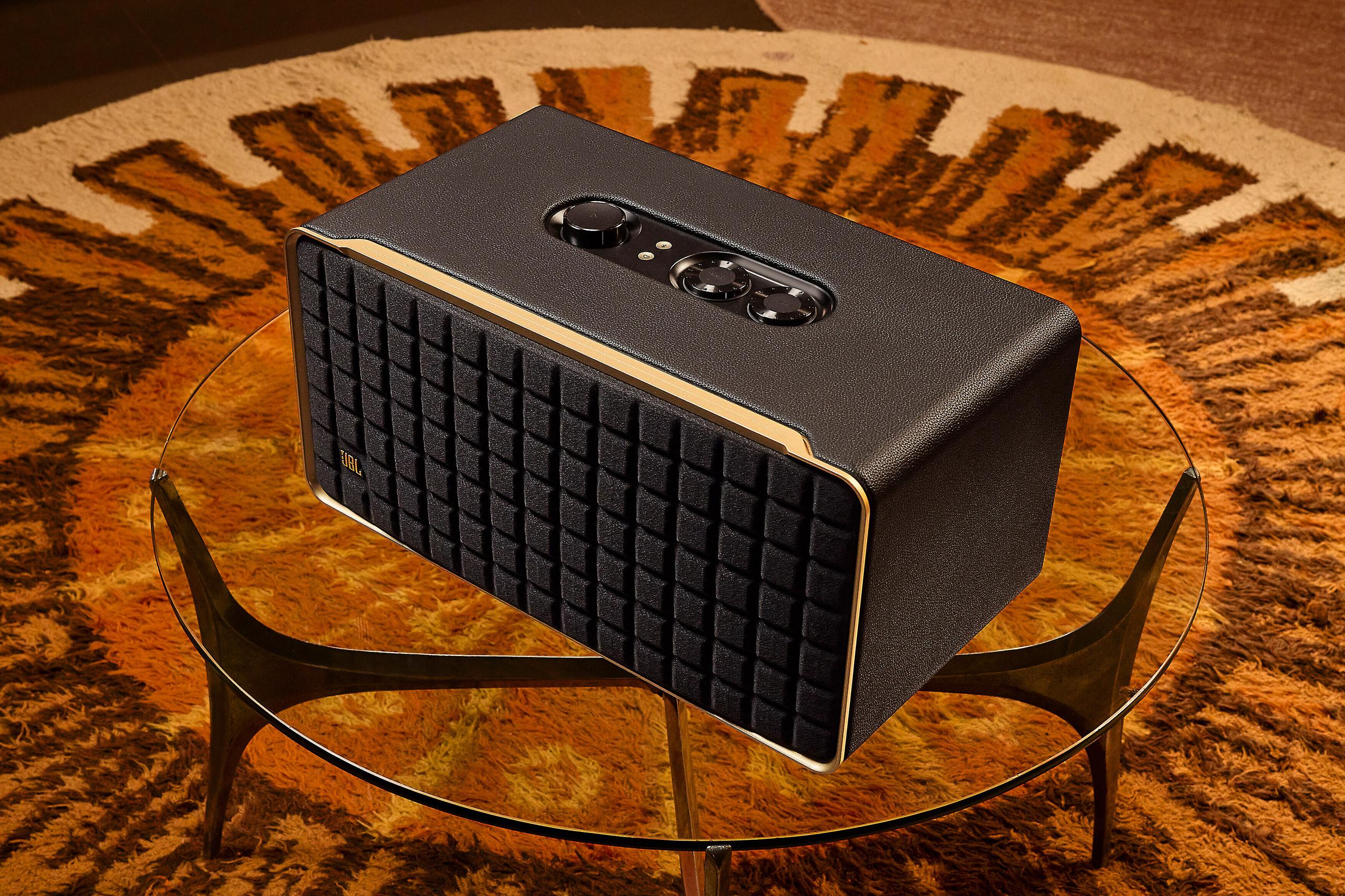
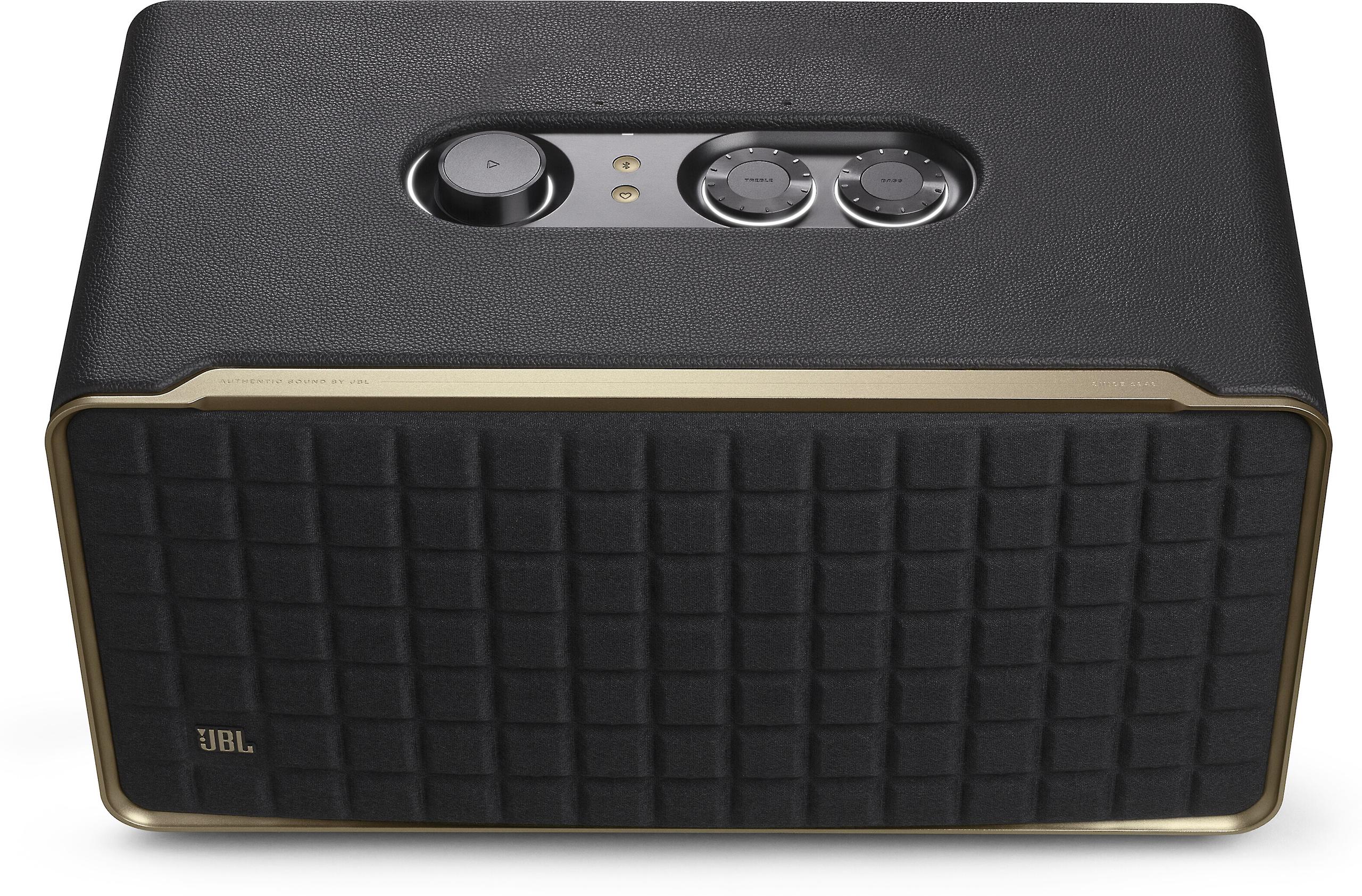
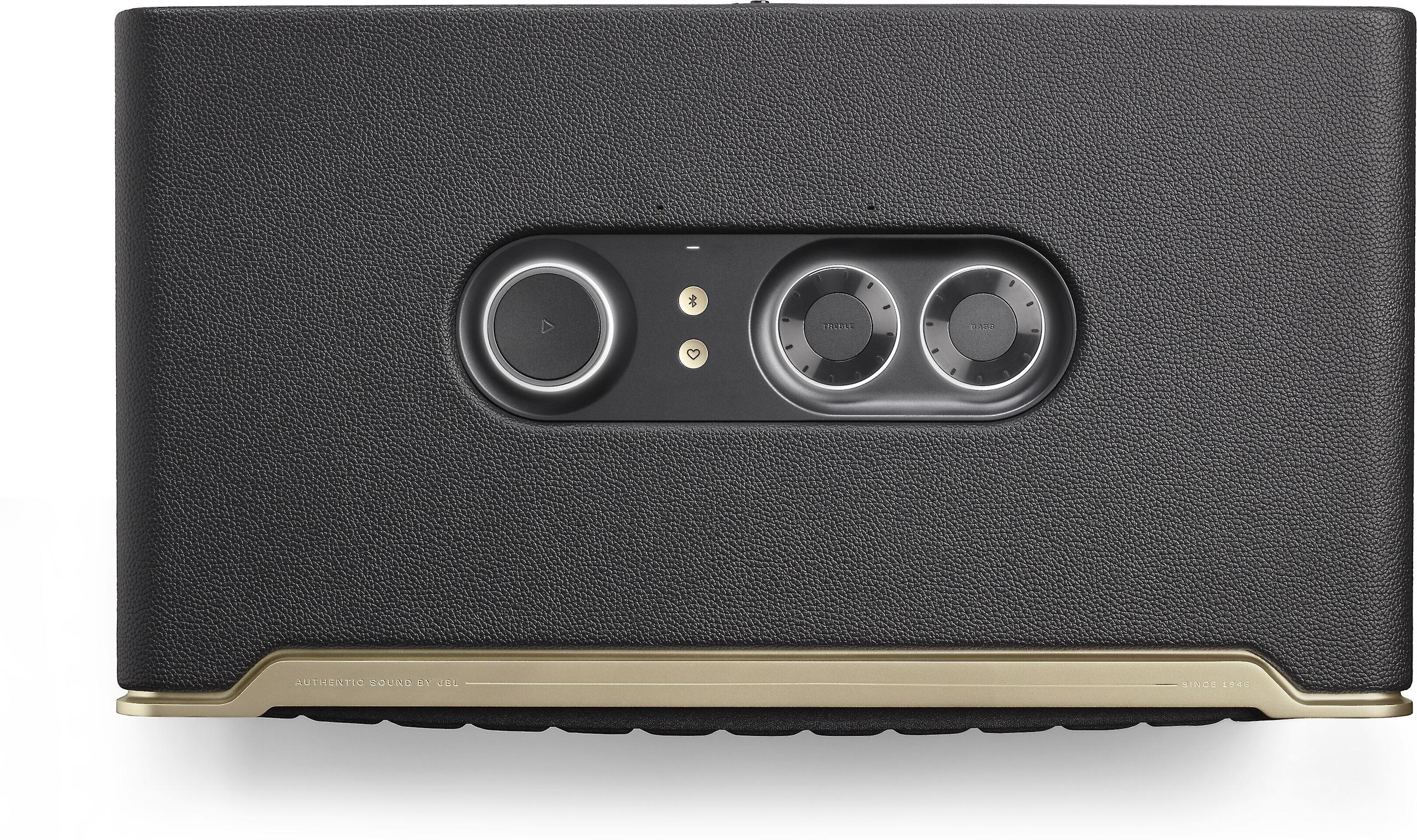
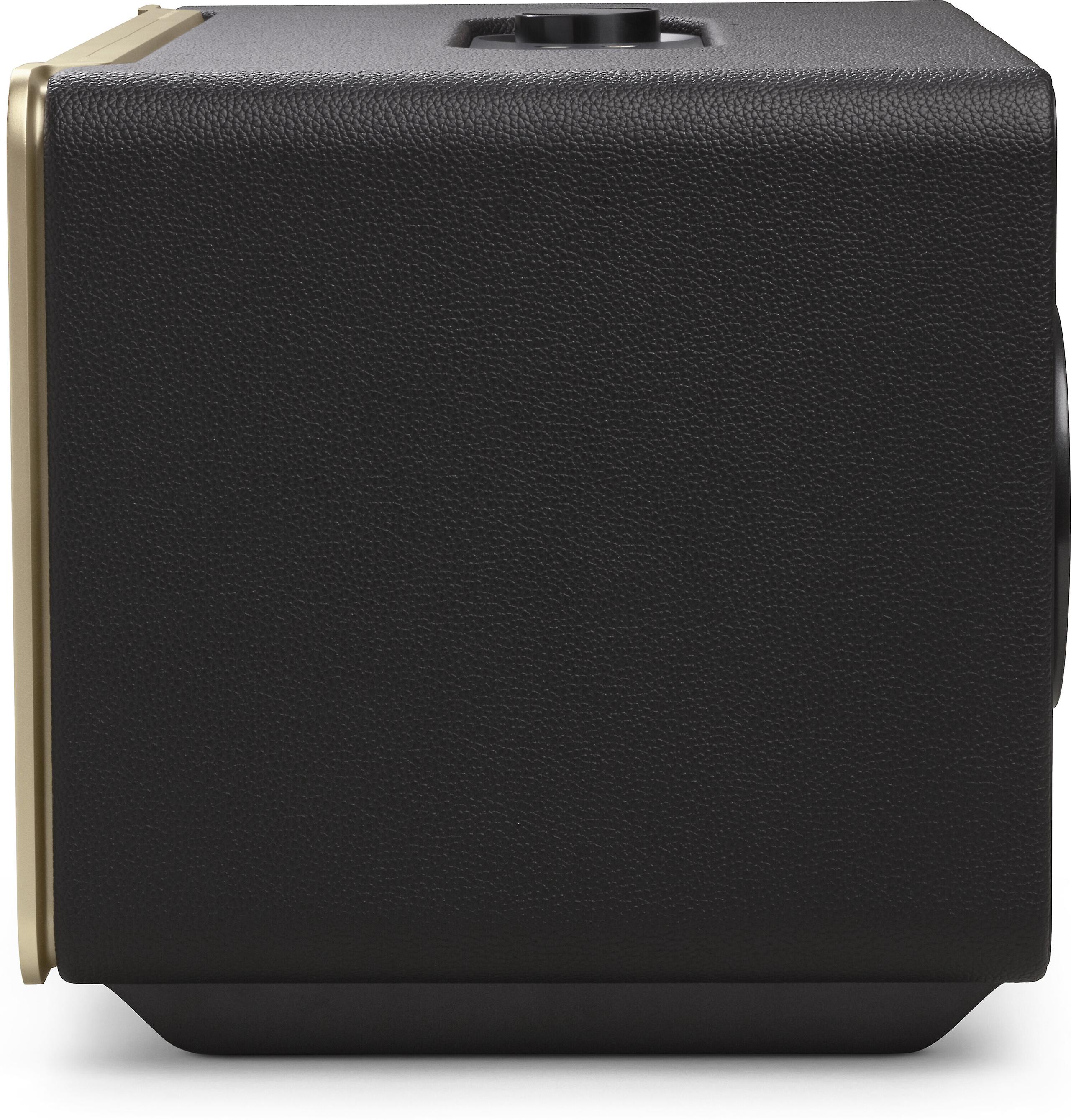
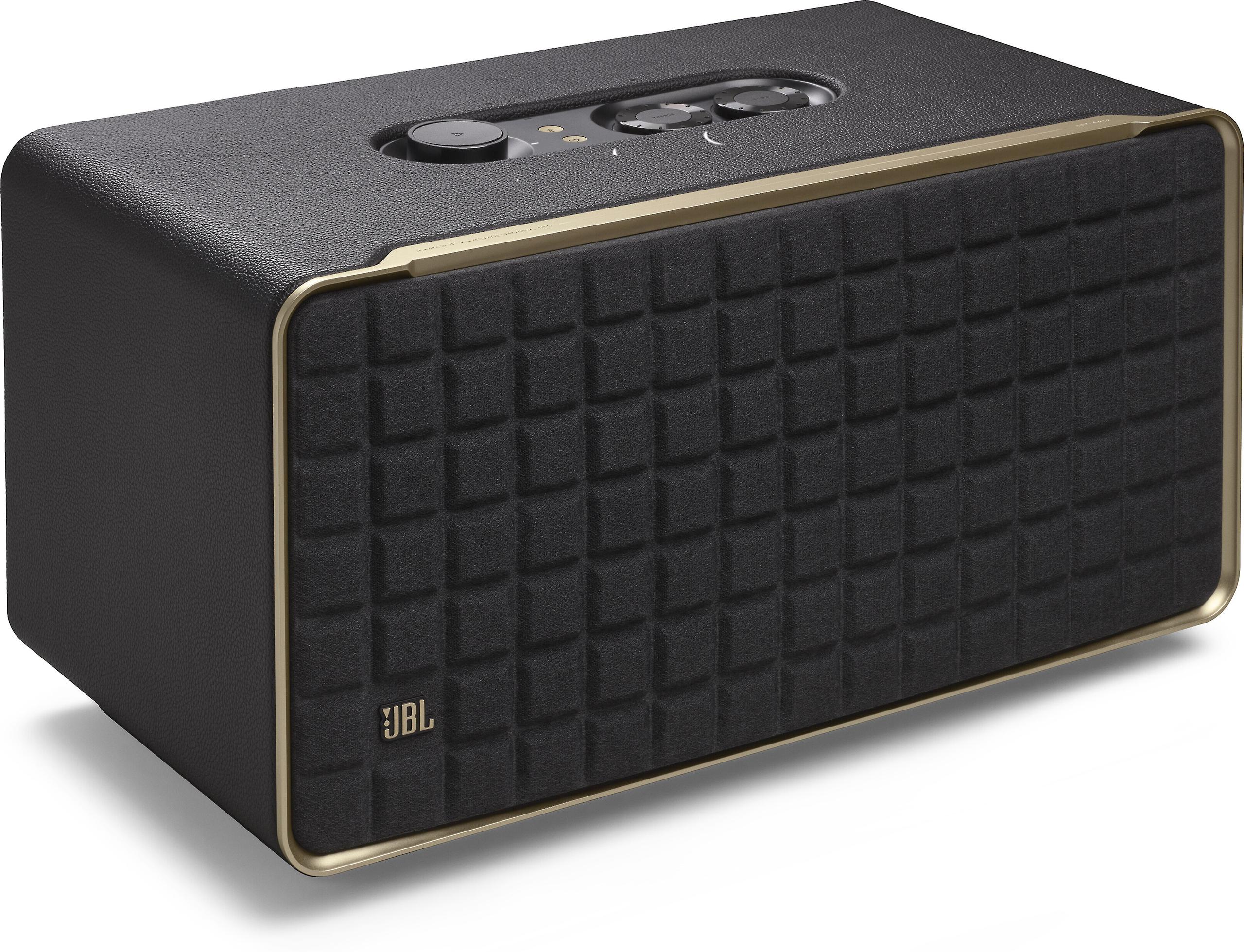
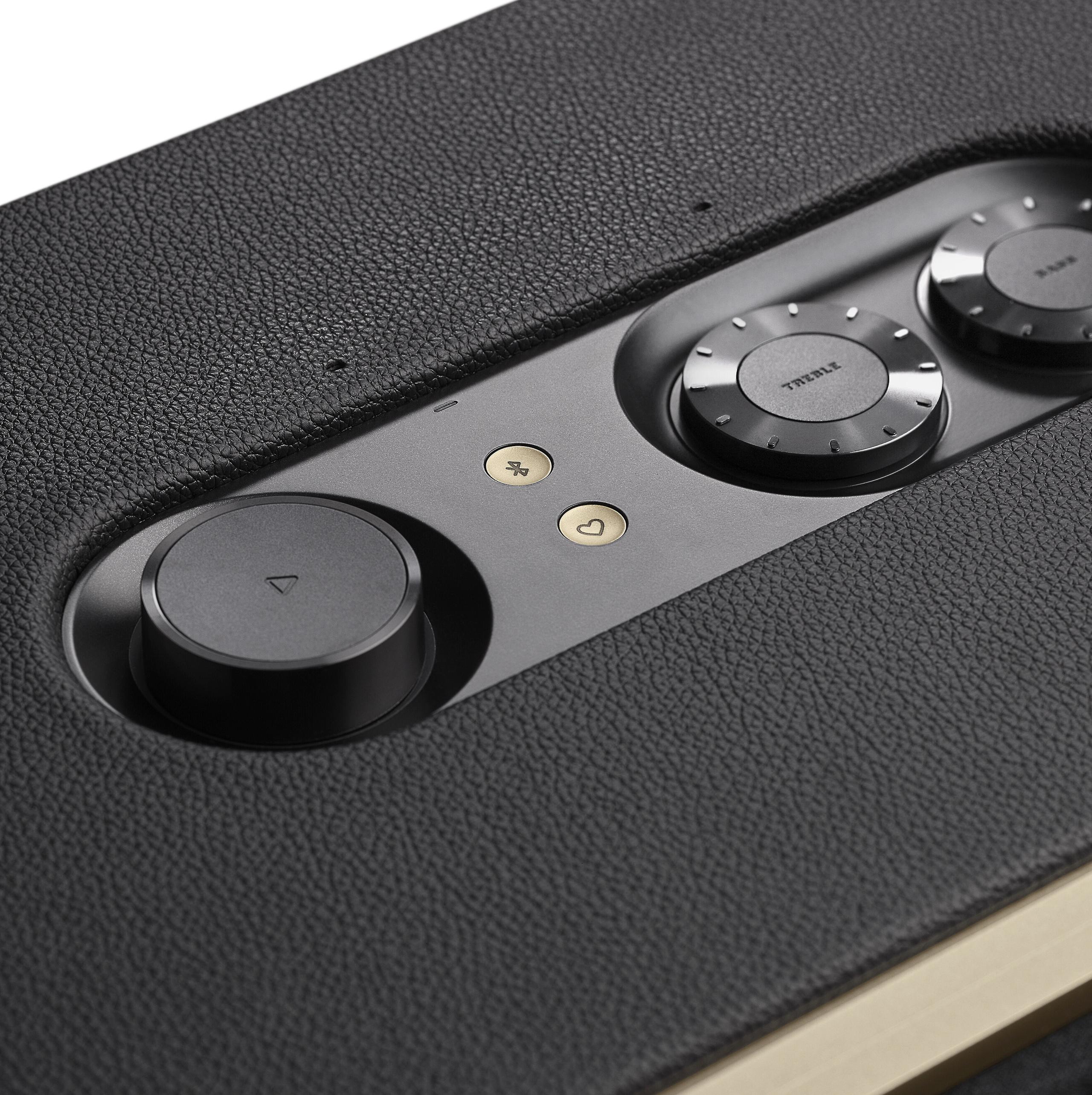
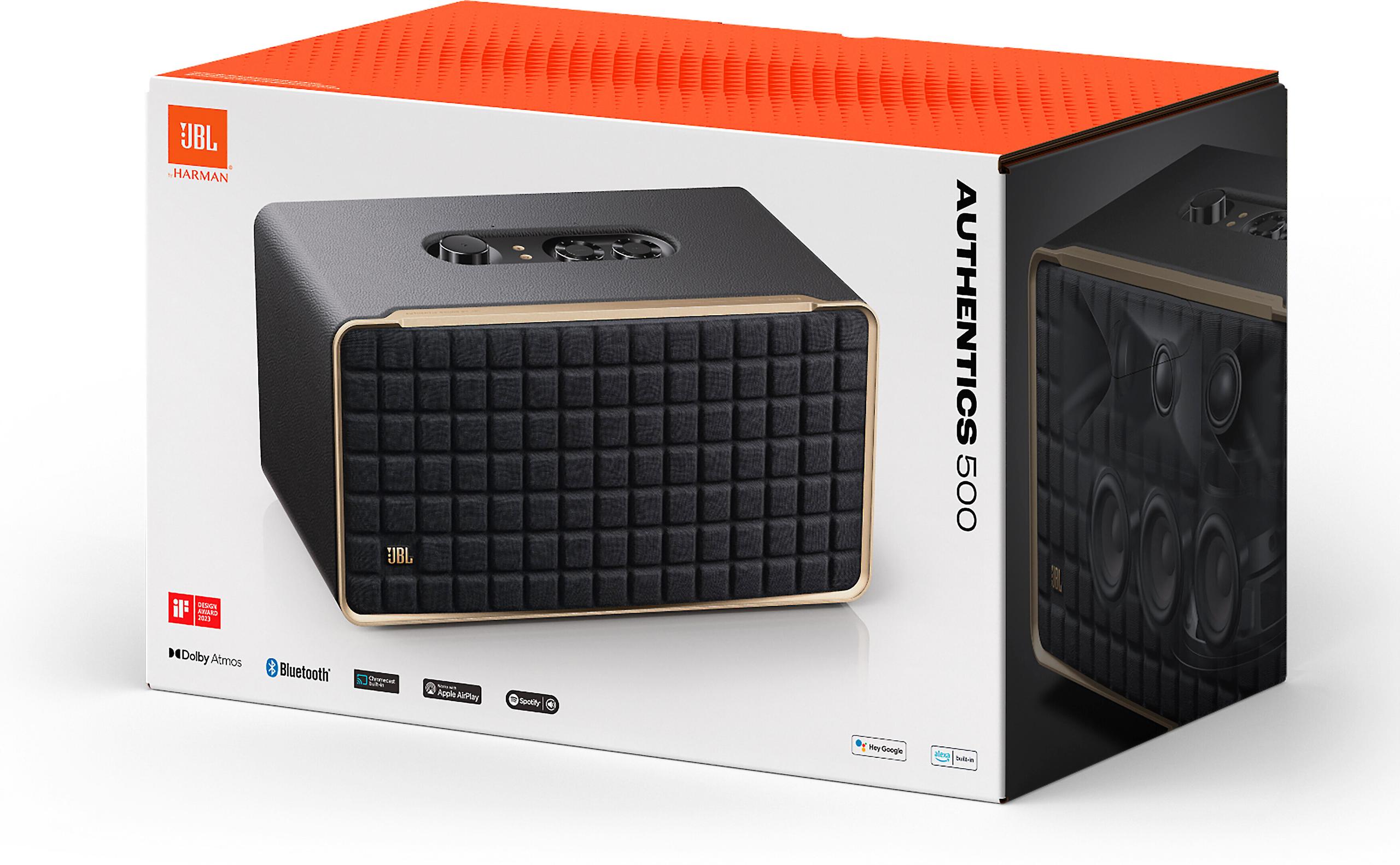
The JBL Authentics 500 takes a distinctly retro-modern approach, drawing inspiration from JBL's iconic 1970s designs. Its leather-like enclosure and signature Quadrex grille make it a stunning piece of home decor. At 17.2 pounds, it's clearly designed as a permanent fixture in your space.
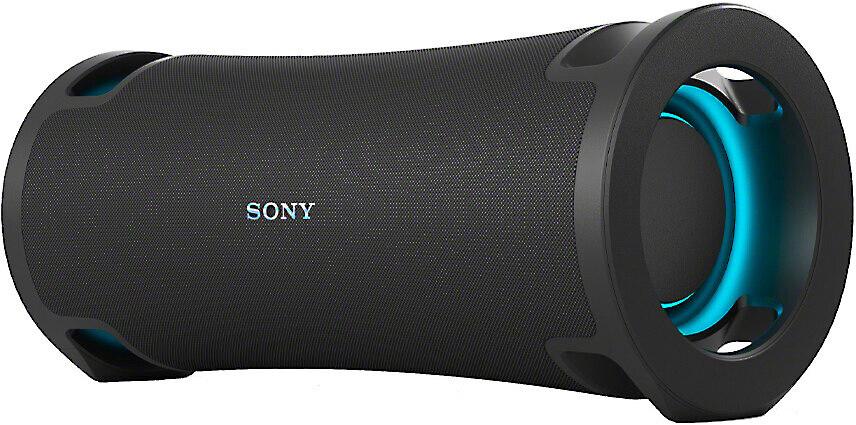
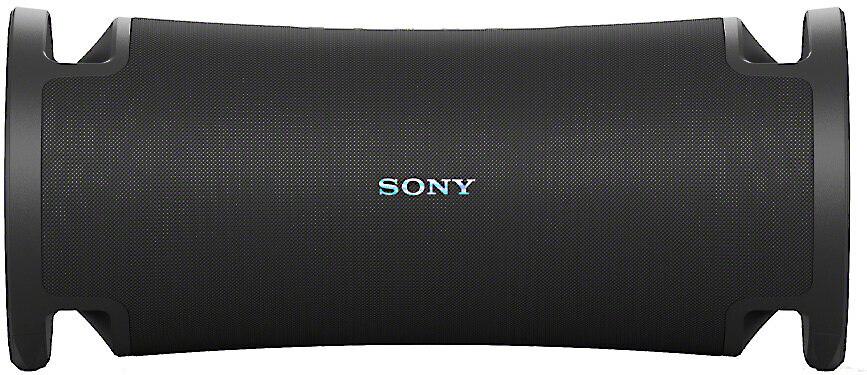
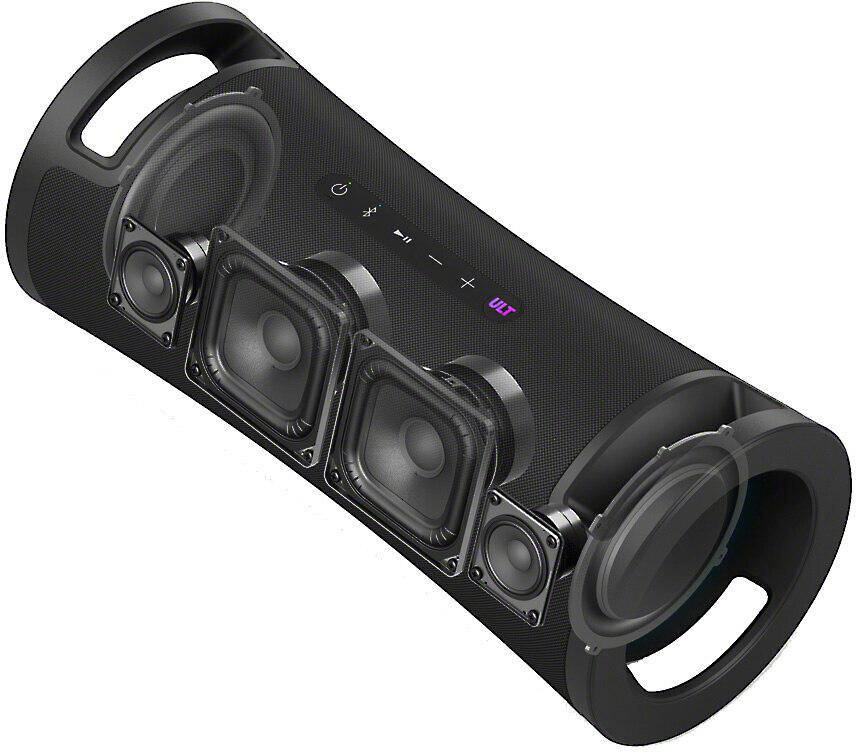
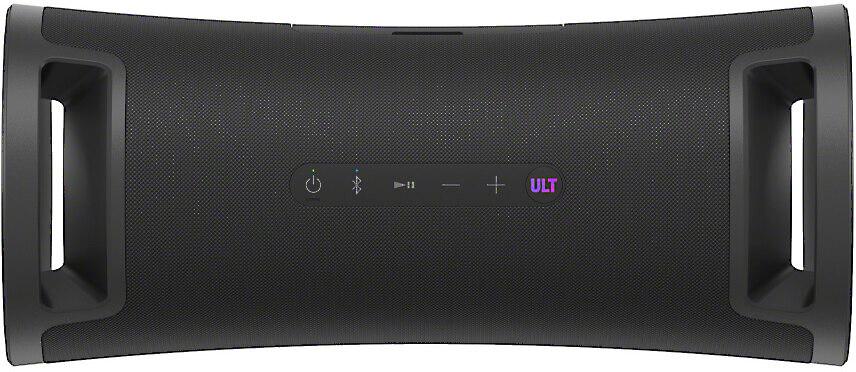
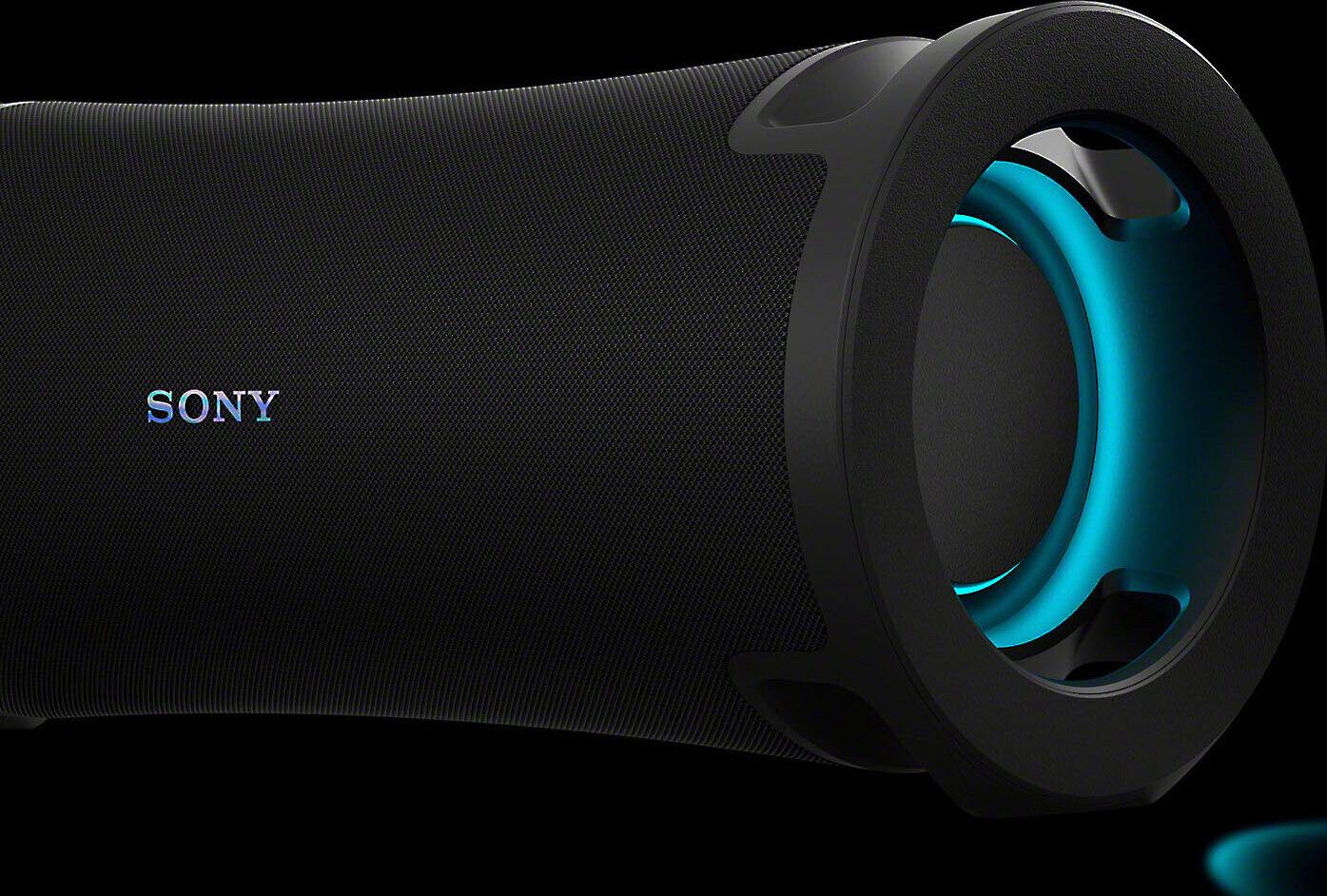
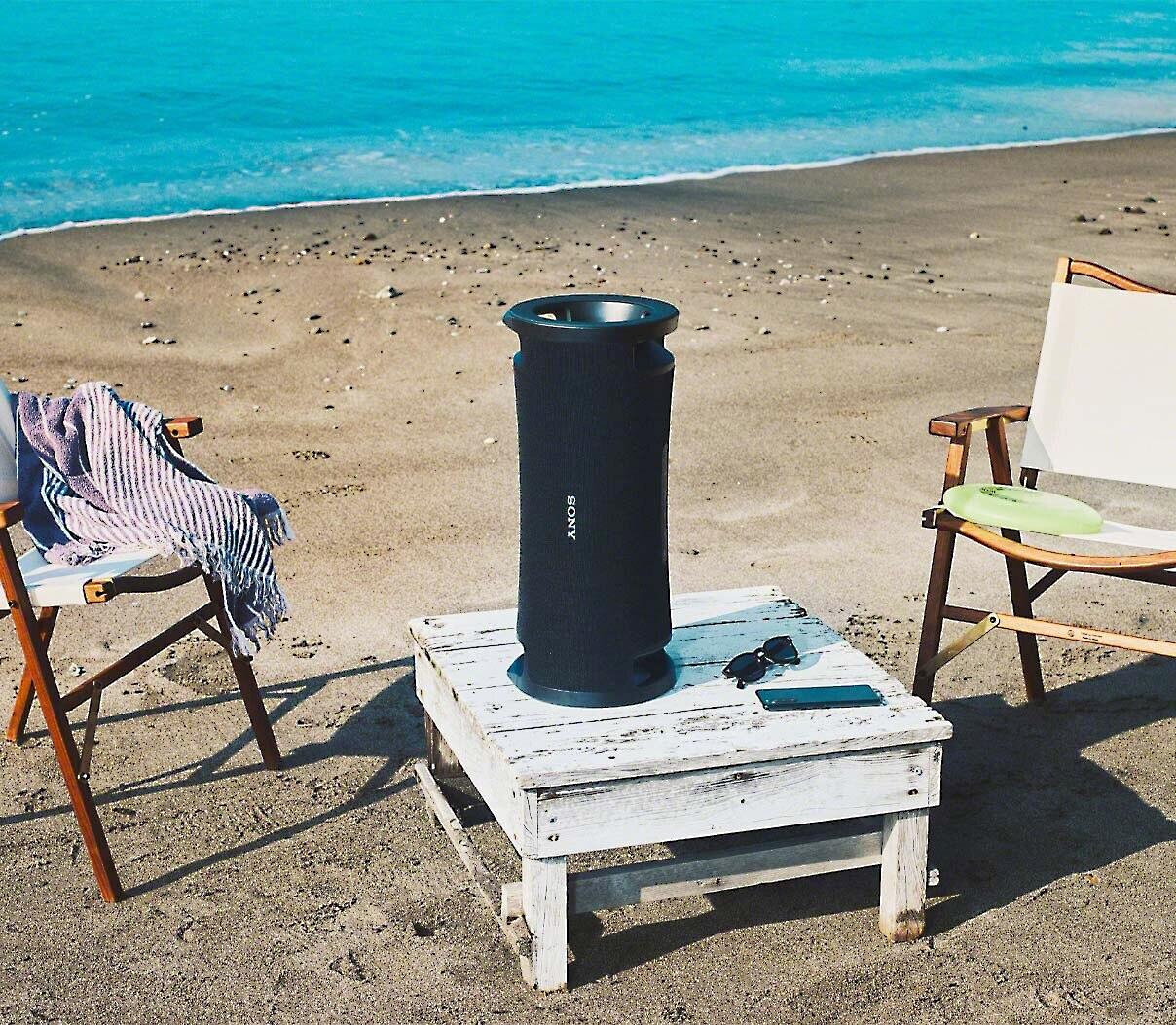
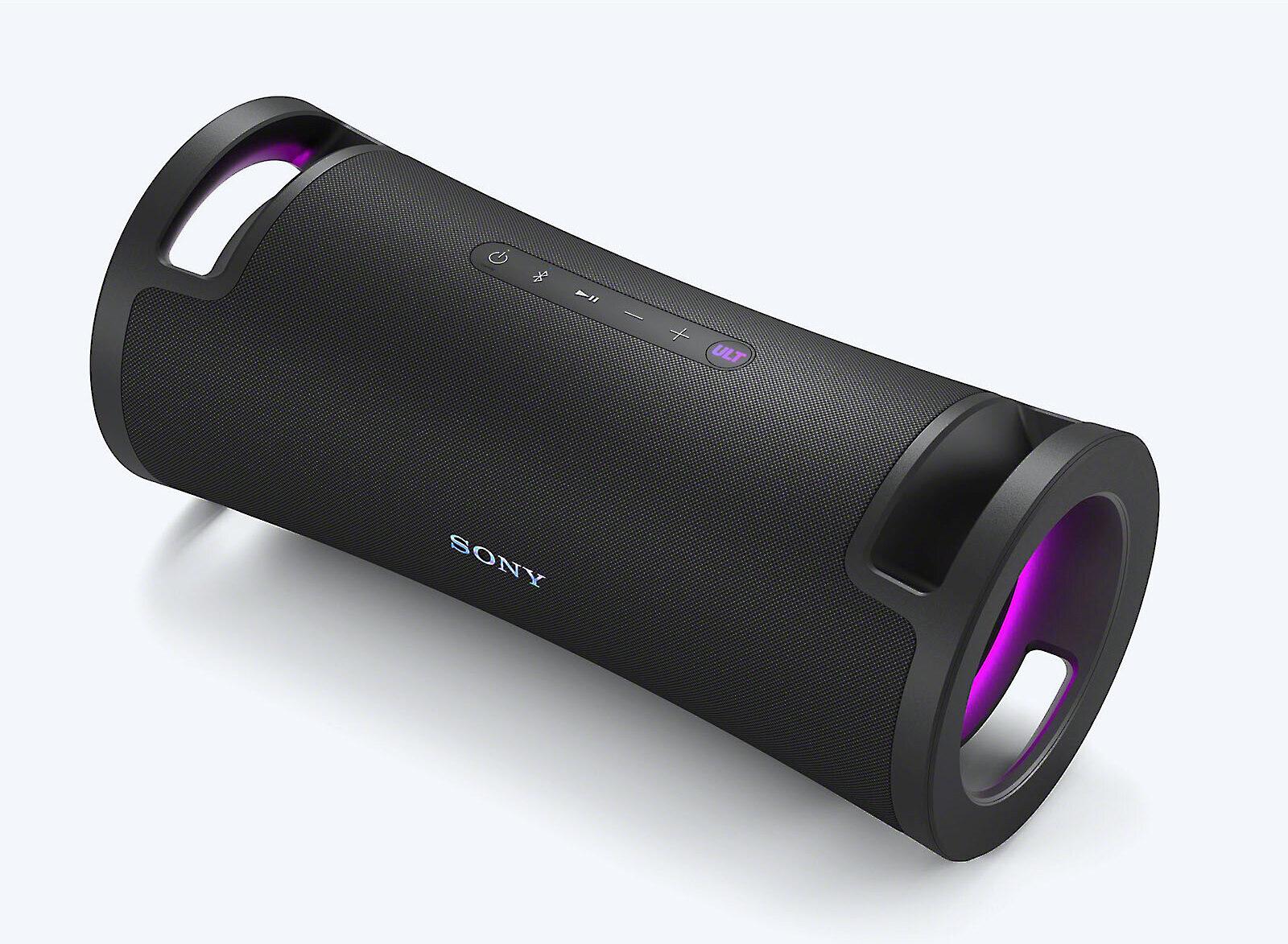
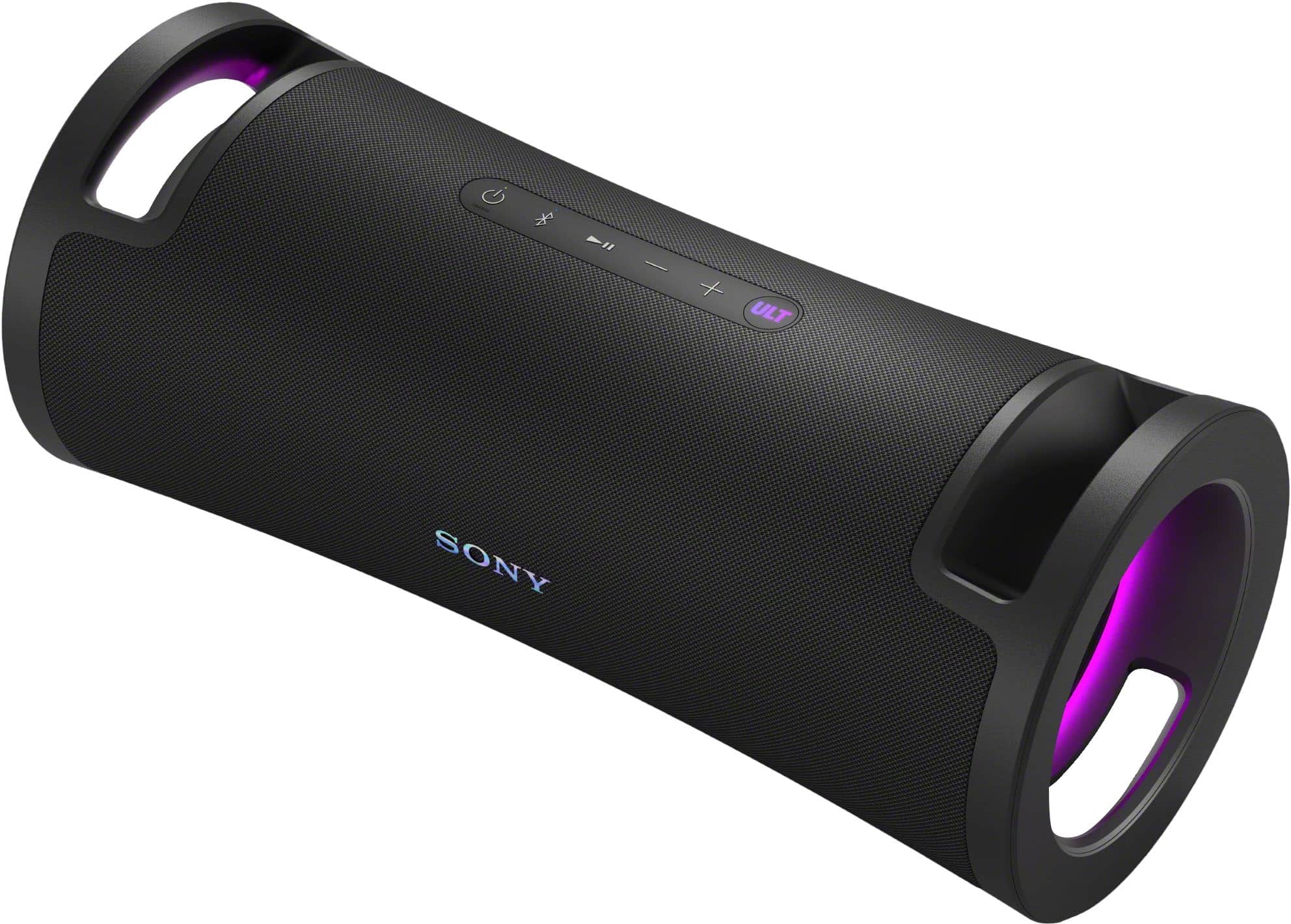
In contrast, the Sony ULT FIELD 7 embraces a modern, utilitarian design with integrated carrying handles and robust construction. Its IP67 rating means it's both dustproof and waterproof - you can literally submerge it in water up to 1 meter deep for 30 minutes. This level of protection makes it ideal for pool parties or beach outings.
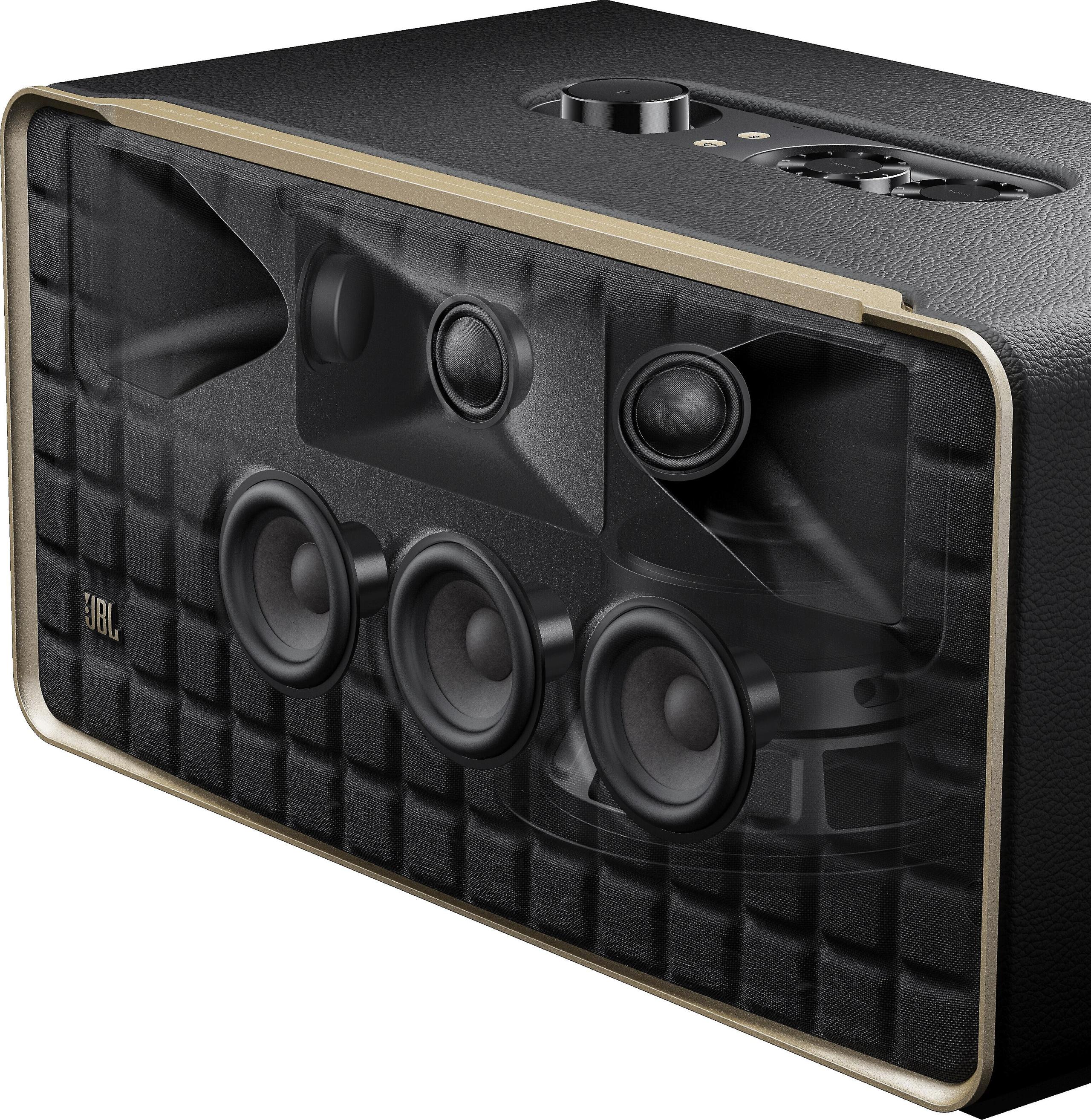
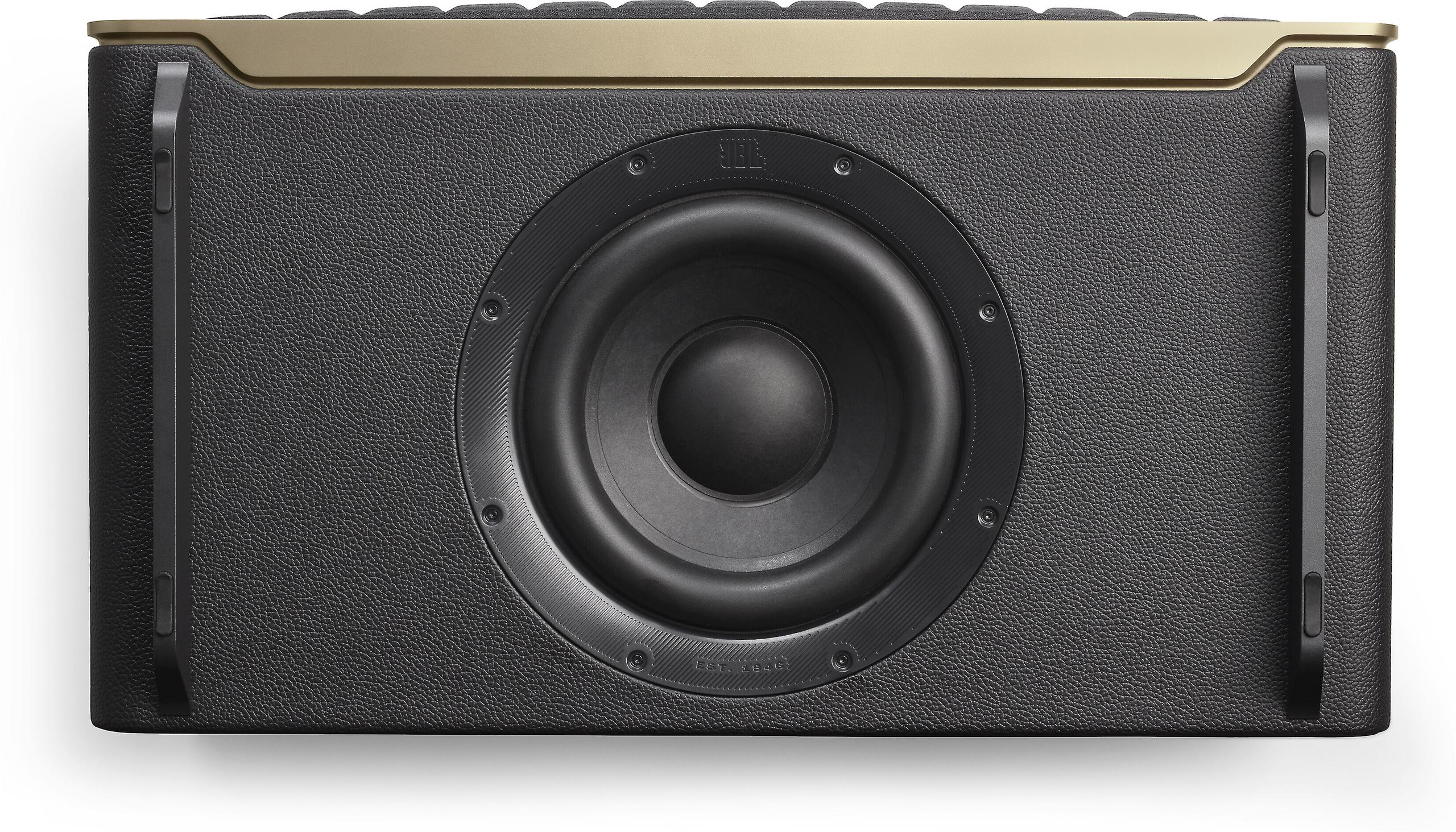
The JBL's 3.1 channel system with Dolby Atmos support (which creates a three-dimensional sound field) represents a significant technical achievement for a single speaker. Its array of drivers - three 25mm tweeters, three 70mm mid-range drivers, and a 160mm subwoofer - work together to create a convincing soundstage that's particularly noticeable with Dolby Atmos content.
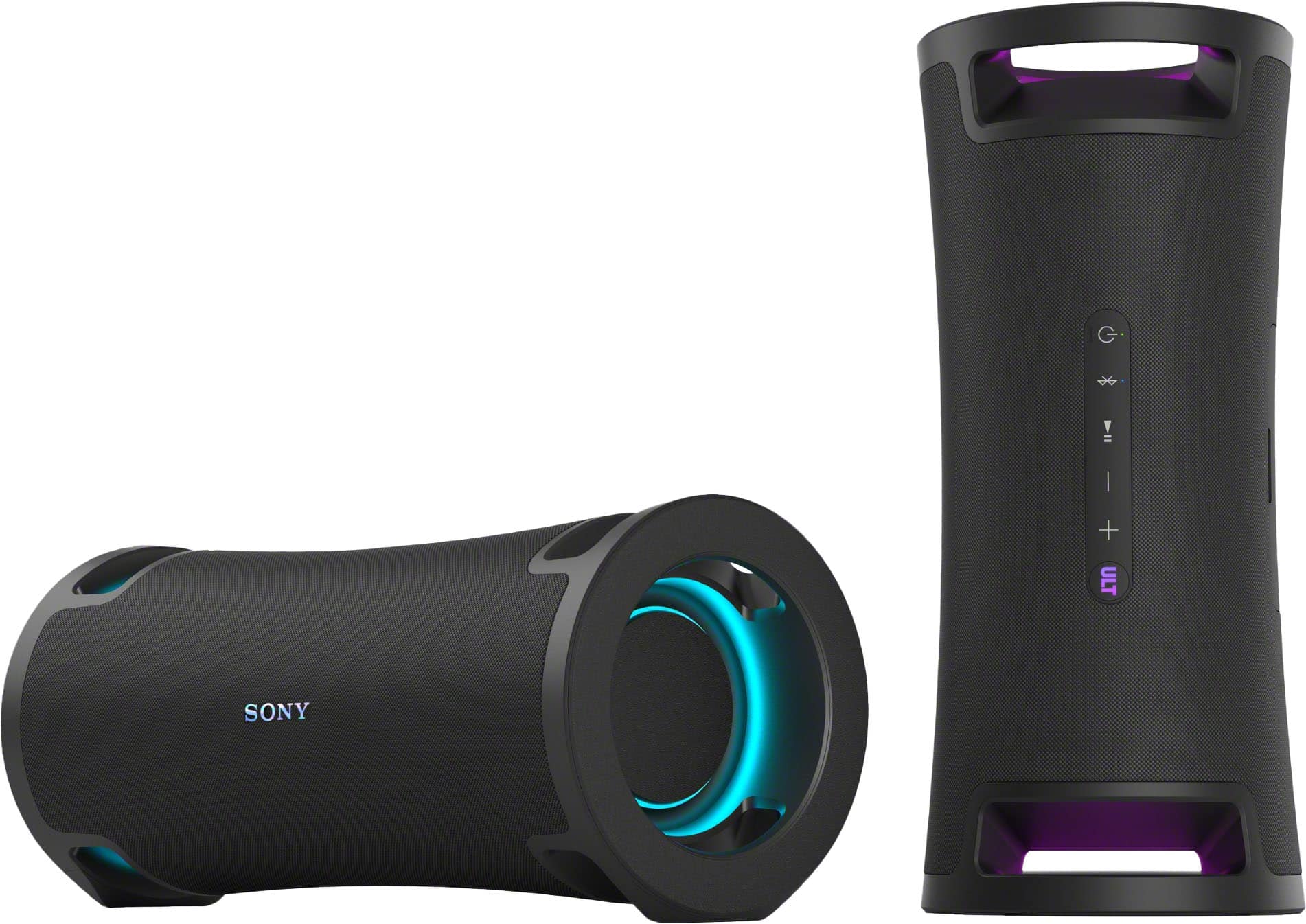
The Sony takes a different approach, focusing on raw power and bass impact. Its "ULT" bass enhancement feature offers two levels of bass boost, which I've found particularly effective at outdoor gatherings where bass can often get lost in open spaces. While it can't match the JBL's refined soundstage, it excels at projecting clear, powerful audio across large outdoor areas.
For critical listening, the JBL's sophisticated digital signal processing and room correction technology give it a clear advantage. It automatically adjusts its output based on room acoustics, something I've found particularly effective in challenging spaces like rooms with lots of hard surfaces.
The Sony shines in party situations where raw volume and bass impact matter more than subtle details. Its Sound Field Optimization feature helps maintain clarity even in noisy environments, though it works differently from the JBL's room correction - it's more focused on competing with ambient noise than creating an ideal listening environment.
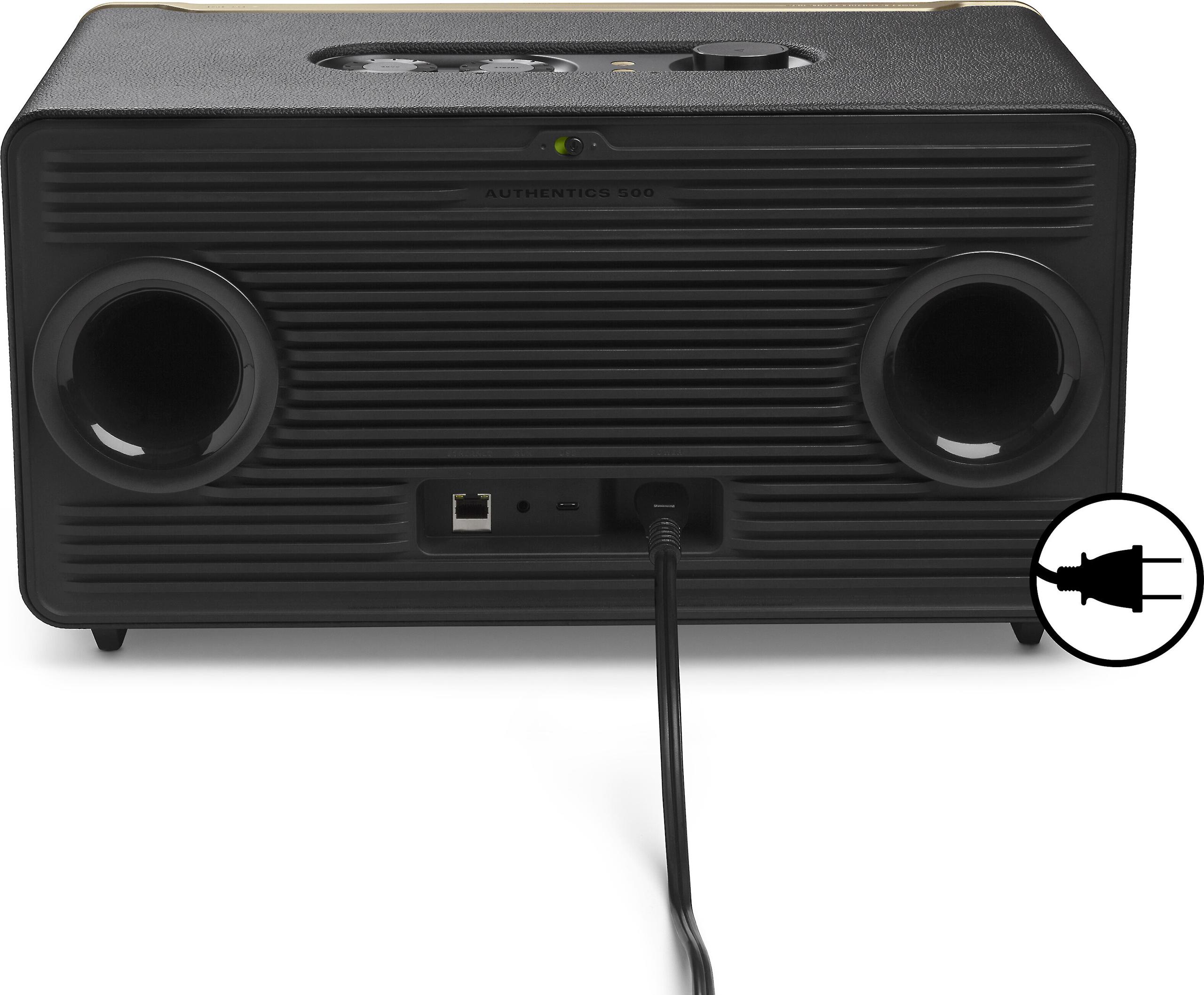
The JBL Authentics 500 functions as a proper smart home hub, supporting both Amazon Alexa and Google Assistant simultaneously - a rare feature that lets different family members use their preferred assistant. Its WiFi 6 support ensures stable streaming even in homes with many connected devices.
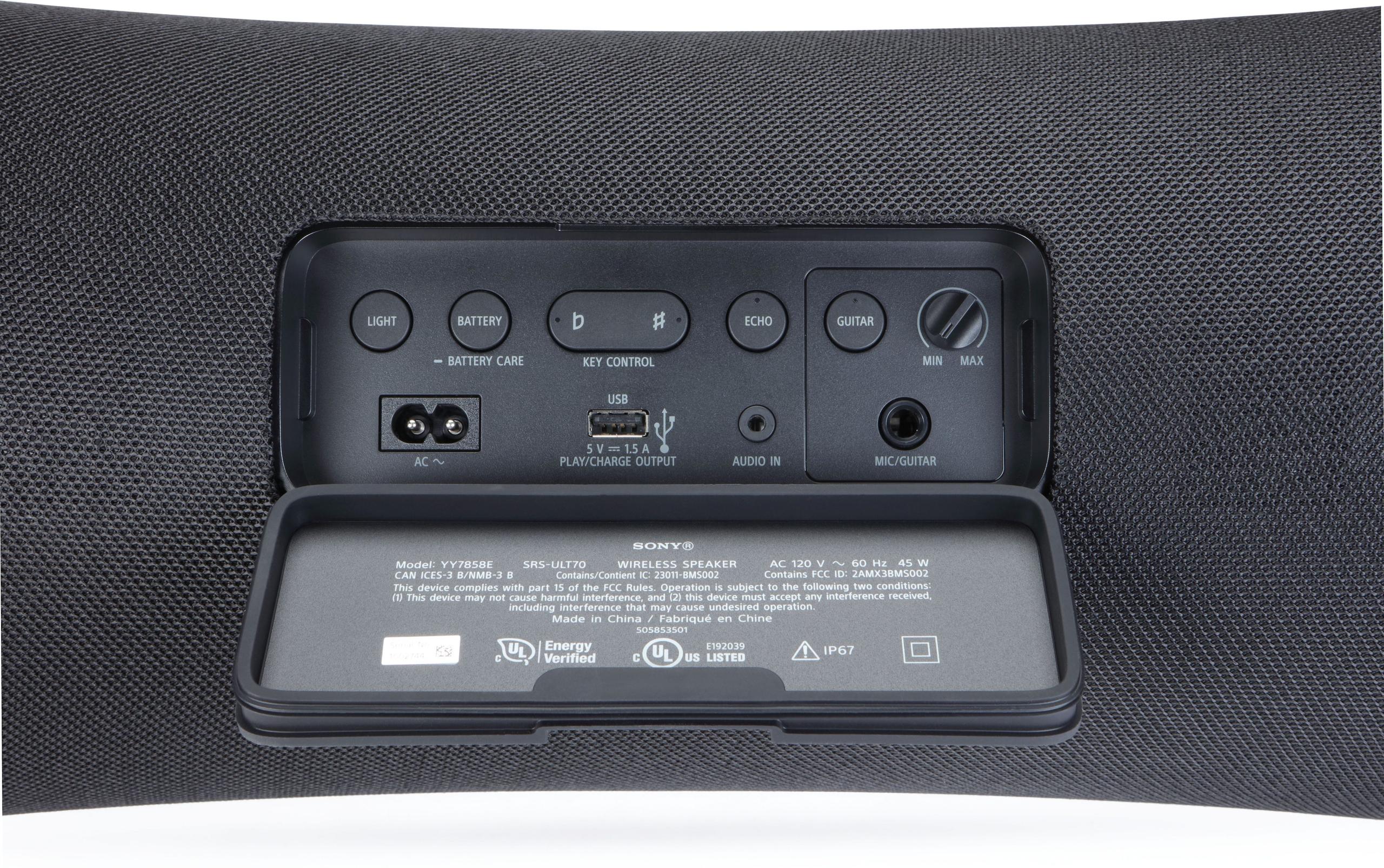
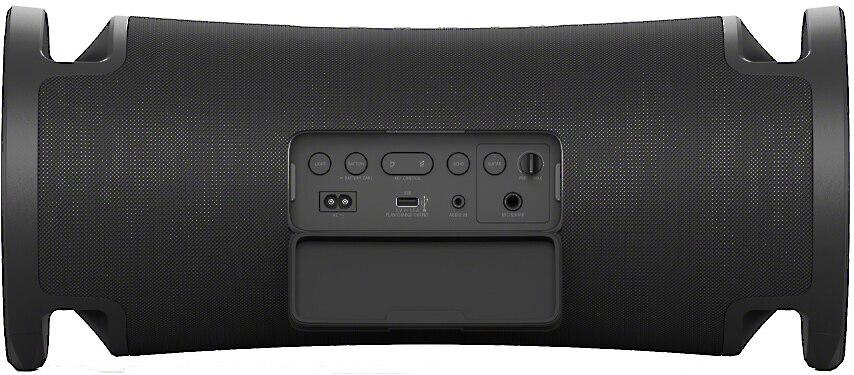
The Sony ULT FIELD 7 focuses on simpler, more portable-friendly features. Its Party Connect function lets you link multiple compatible Sony speakers for synchronized playback - perfect for larger outdoor events. While it lacks smart home integration, its microphone/instrument input adds versatility for impromptu karaoke or live music sessions.
Both speakers support high-quality Bluetooth codecs, but the JBL goes further with AirPlay, Chromecast, and Spotify Connect support. This means you can easily integrate it into multi-room audio setups and stream directly from apps without Bluetooth pairing.
The Sony's simpler approach focuses on reliable Bluetooth connectivity and physical inputs. Its USB port can charge your phone while playing music - a thoughtful feature for long outdoor events.
The JBL's Dolby Atmos support makes it an interesting option for enhancing a TV setup, particularly in smaller rooms or as part of a larger multi-speaker system. While it won't replace a full surround sound system, it provides a noticeable upgrade over built-in TV speakers.
The Sony, while capable of connecting to a TV via Bluetooth or aux input, isn't optimized for this use case. Its strengths lie elsewhere - particularly in outdoor entertainment and portable use cases.
This is where the Sony clearly pulls ahead. Its 30-hour battery life and rugged construction make it ideal for everything from beach parties to camping trips. The JBL, requiring constant AC power, is limited to indoor use or locations with available power outlets.
At $549, the JBL Authentics 500 represents a significant investment, but its combination of premium audio quality and smart home features makes it compelling for those seeking a sophisticated home audio solution. Its ability to serve as both a high-quality speaker and smart home hub helps justify the price.
The Sony ULT FIELD 7 at $299 offers excellent value for those needing a versatile portable speaker. Its rugged construction and feature set make it particularly appealing for users who frequently host outdoor events or need a speaker that can handle various environments.
The choice between these speakers ultimately comes down to your primary use case:
Choose the JBL if:
Choose the Sony if:
Both speakers excel in their intended roles, but they're designed for distinctly different purposes. The JBL creates a more refined, room-filling sound for dedicated listening spaces, while the Sony offers the flexibility and durability needed for portable use. Your choice should align with how and where you'll primarily use the speaker.
| JBL Authentics 500 | Sony ULT FIELD 7 |
|---|---|
| Price - Initial Investment | |
| $549 (premium home audio) | $299 (mid-range portable) |
| Audio Configuration - Determines sound quality and immersion | |
| 3.1 channel with Dolby Atmos, 270W total power | Stereo configuration with dual tweeters and woofers |
| Speaker Array - Impacts sound clarity and range | |
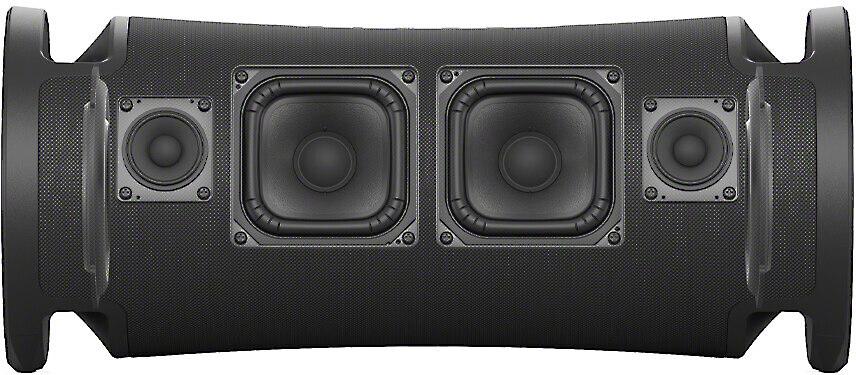
| 3x 25mm tweeters, 3x 70mm mid-range, 1x 160mm subwoofer | 2x 46mm tweeters, 2x 114mm woofers |
| Smart Features - Affects integration and convenience | |
| Full Alexa/Google Assistant, AirPlay, Chromecast | Basic app control, no voice assistants |
| Connectivity - Important for streaming quality | |
| WiFi 6, Bluetooth 5.3, Ethernet, USB | Bluetooth, 3.5mm aux, USB charging |
| Portability - Consider your usage needs | |
| Stationary (17.2 lbs, AC powered) | Portable (30-hour battery, built-in handles) |
| Environmental Protection - Impacts where you can use it | |
| Indoor use only | IP67 waterproof and dustproof |
| Room Optimization - Affects sound quality in different spaces | |
| Advanced self-tuning room correction | Basic Sound Field Optimization for outdoor use |
| Additional Features - Extra functionality | |
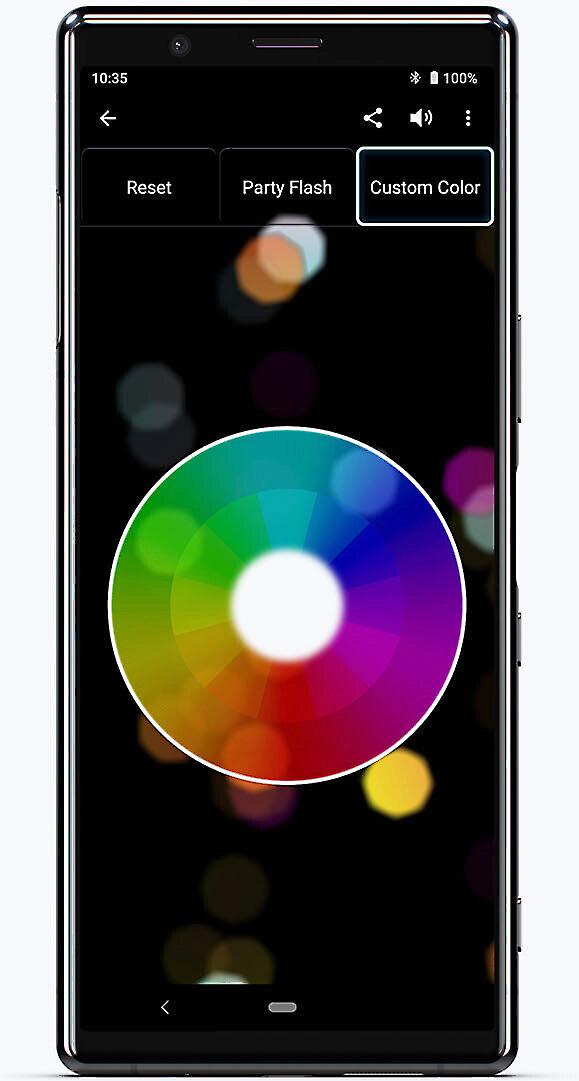
| Multi-room audio, streaming service integration | Party Connect, mic/instrument input, LED lighting |
| Size - Consider your space | |
| 17.6" x 9.4" x 10" (home furniture-like) | 20.16" x 8.82" x 8.74" (portable form) |
| Primary Use Case - Most important decision factor | |
| Premium home audio and smart hub | Portable party and outdoor events speaker |
The JBL Authentics 500 is specifically designed for home use with its permanent setup, smart features, and room optimization technology. The Sony ULT FIELD 7 is primarily a portable speaker and lacks home-specific features.
The JBL Authentics 500 costs $549, while the Sony ULT FIELD 7 is priced at $299, making the JBL about $250 more expensive.
The Sony ULT FIELD 7 is designed for outdoor use with IP67 waterproofing and battery power. The JBL Authentics 500 requires AC power and isn't weather-resistant, making it unsuitable for outdoor use.
The JBL Authentics 500 offers superior sound quality for critical listening with its 3.1 channel system and Dolby Atmos support. The Sony ULT FIELD 7 focuses more on volume and bass impact.
The JBL Authentics 500 supports both Alexa and Google Assistant, while the Sony ULT FIELD 7 doesn't have voice assistant capabilities.
The Sony ULT FIELD 7 is better suited for parties with its portability, rugged design, and Party Connect feature. The JBL Authentics 500 is more focused on home listening.
The Sony ULT FIELD 7 offers 30 hours of battery life. The JBL Authentics 500 doesn't have a battery and requires constant AC power.
The JBL Authentics 500 can connect to TVs via multiple methods including Bluetooth and WiFi, offering better home theater integration. The Sony ULT FIELD 7 only offers basic Bluetooth connectivity.
The JBL Authentics 500 offers more connectivity options with WiFi 6, Bluetooth 5.3, AirPlay, and Chromecast. The Sony ULT FIELD 7 primarily relies on Bluetooth connectivity.
Both speakers offer multi-speaker capabilities. The JBL Authentics 500 supports whole-home audio, while the Sony ULT FIELD 7 offers Party Connect for linking multiple Sony speakers.
The Sony ULT FIELD 7 is more durable with its IP67 rating and rugged construction. The JBL Authentics 500 is designed for indoor use only.
The Sony ULT FIELD 7 at $299 offers better value for portable use, while the JBL Authentics 500 at $549 justifies its higher price with premium home audio features and smart capabilities.
We've done our best to create useful and informative comparisons to help you decide what product to buy. Our research uses advanced automated methods to create this comparison and perfection is not possible - please contact us for corrections or questions. These are the sites we've researched in the creation of this article: 9to5google.com - youtube.com - community.roonlabs.com - techradar.com - mm.jbl.com - jbl.com - youtube.com - greentoe.com - jbl.com - projectorscreen.com - rtings.com - projectorscreenstore.com - stereoguide.com - rtings.com - hifipicks.com - thesonyshop.ca - techradar.com - rtings.com - sony-africa.com - videoandaudiocenter.com - sony.com - youtube.com - johnlewis.com

Privacy Policy
Terms and Conditions - Affiliate Policy
Home Security
© Copyright 2008-2026.
11816 Inwood Rd #1211, Dallas, TX 75244