




When you're shopping for a portable Bluetooth speaker, it's easy to get overwhelmed by the dozens of options flooding the market. Two speakers that perfectly illustrate how different approaches can serve different needs are the Monster Shock Plus S21 and the JBL Clip 5. While both are technically "portable Bluetooth speakers," they're designed for completely different lifestyles and use cases.
The Monster Shock Plus S21 launched in 2024 as a powerful, feature-packed speaker that prioritizes audio performance and connectivity options. Meanwhile, the JBL Clip 5 represents JBL's continued refinement of their ultra-portable clip design, emphasizing convenience and mobility above all else. Understanding these fundamental differences is crucial to making the right choice for your needs.
The portable speaker market has evolved dramatically over the past few years. What started as simple wireless audio devices have become sophisticated entertainment systems with features like multi-speaker pairing, app-based customization, and advanced water resistance ratings.
When evaluating any portable speaker, you need to consider several key factors. Audio performance encompasses not just how loud a speaker gets, but how it handles different frequencies—the deep bass notes that make music feel full, the midrange where vocals live, and the high frequencies that add sparkle and detail. Portability involves more than just size; it includes weight, battery life, and how easily you can transport the speaker. Durability matters because portable speakers often face harsh conditions, from poolside splashes to camping trip dust storms.
The Monster Shock Plus S21 and JBL Clip 5 represent two distinct philosophies within this category. One prioritizes power and versatility, while the other focuses on ultimate portability and convenience.
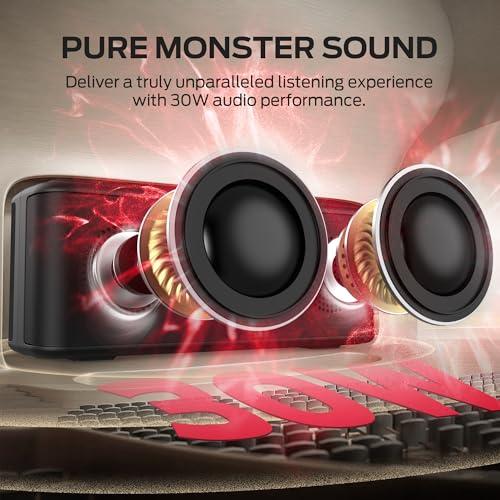
The most significant difference between these speakers lies in their audio output capabilities. The Monster Shock Plus S21 delivers 30 watts of stereo power, which is substantial for a portable speaker. To put this in perspective, 30 watts can easily fill a medium-sized room or provide background music for an outdoor gathering of 20-30 people.
This power comes from dual dynamic drivers—specialized speakers that convert electrical signals into sound waves. The Monster S21 uses these drivers in a stereo configuration, meaning you get true left and right channel separation. This creates a wider soundstage (the perceived width of the audio) and better instrument separation, where you can distinguish individual elements in a song rather than everything blending together.
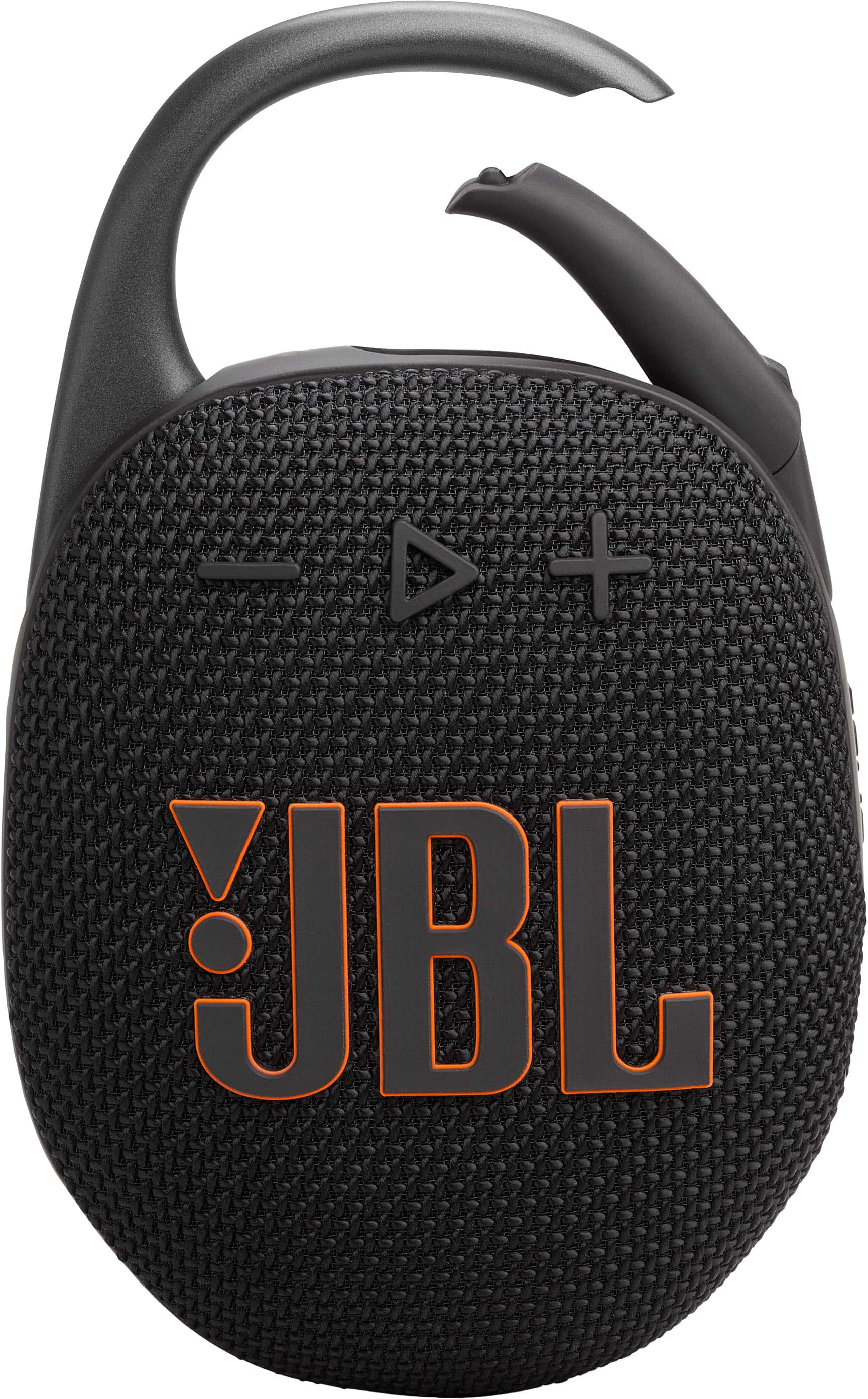
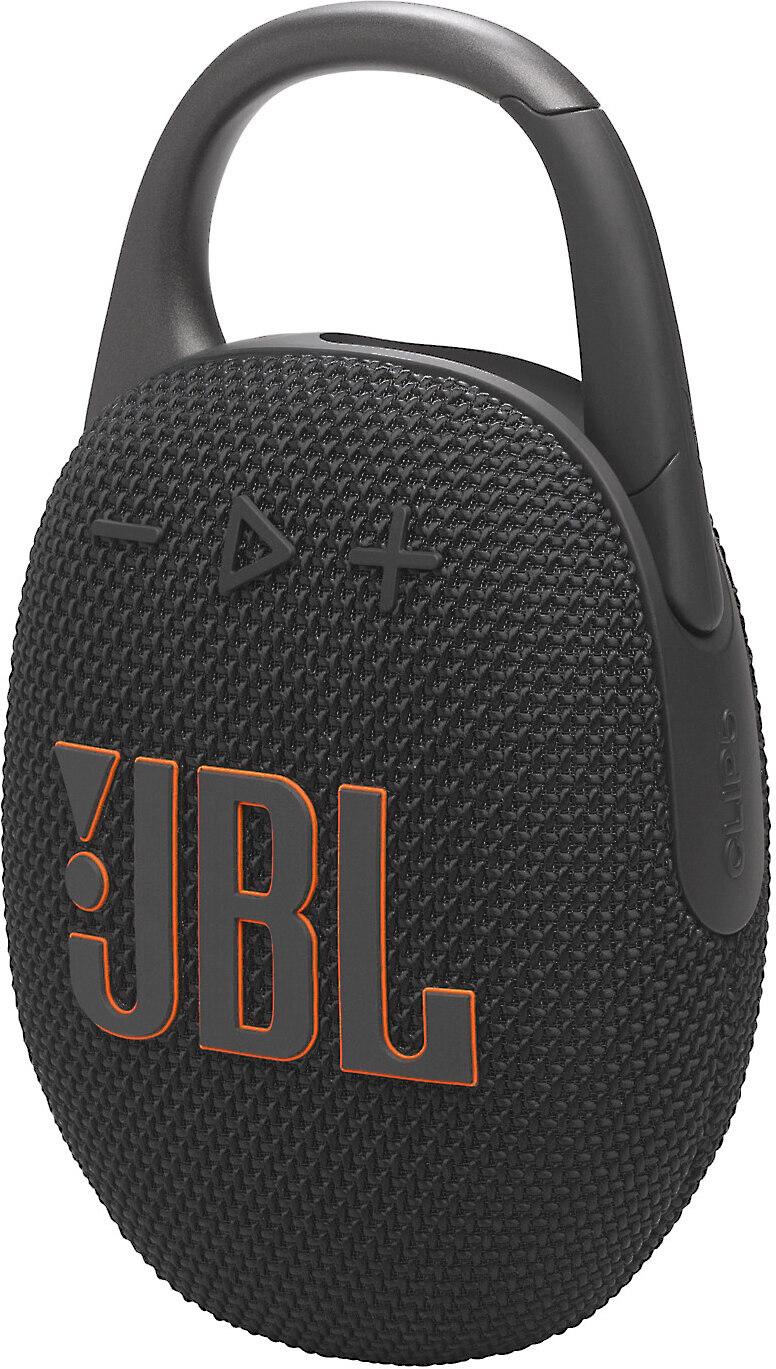
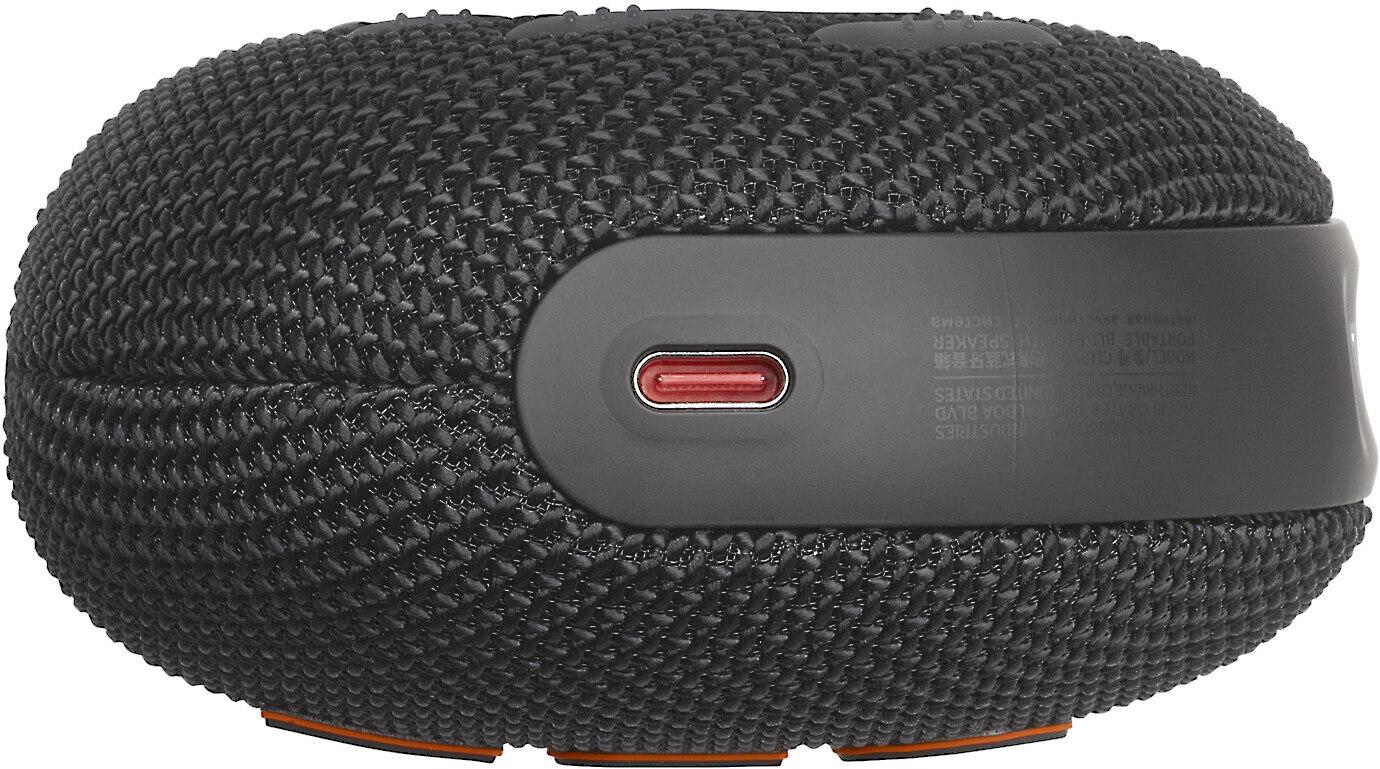
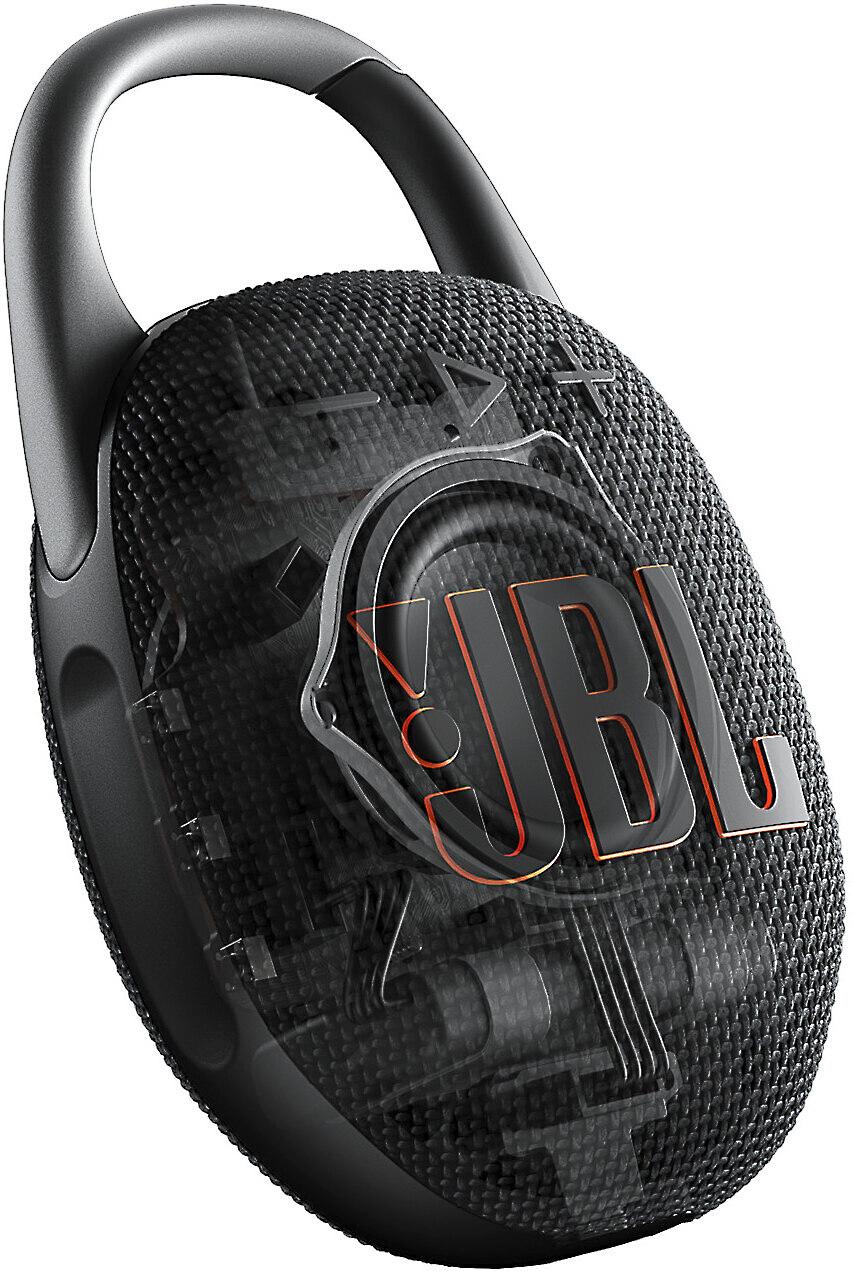
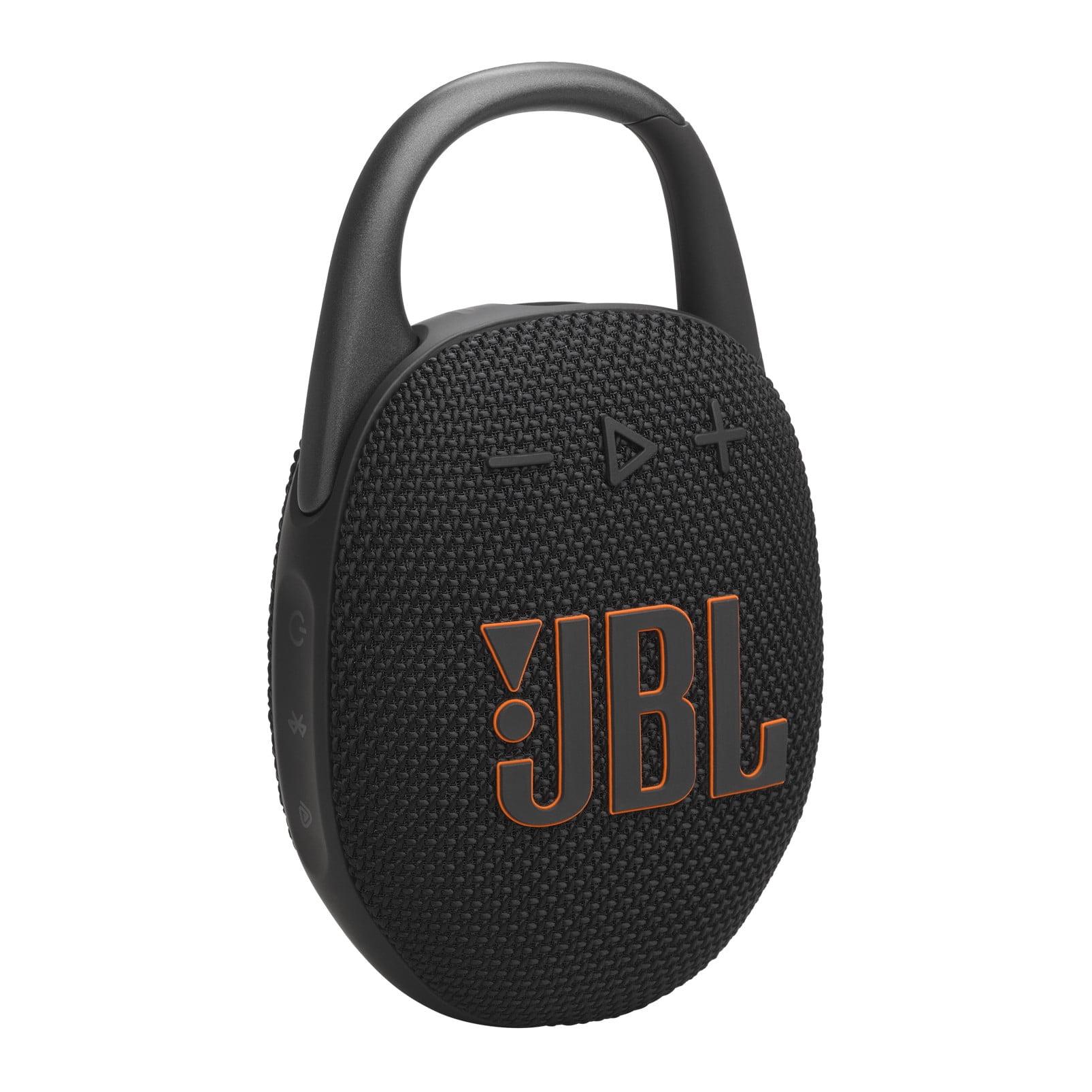
The JBL Clip 5, in contrast, produces 7 watts from a single driver in a mono configuration. While this might sound disappointing on paper, it's actually impressive engineering for such a tiny device. The speaker measures just 3.4 inches wide—small enough to fit in your palm—yet delivers clear, balanced audio that punches well above its weight class.
Based on our research into user reviews and technical specifications, the volume difference is substantial. The Monster S21 can get loud enough for outdoor parties without significant distortion, maintaining audio clarity even at maximum volume. Users consistently report that it can compete with much more expensive speakers in terms of raw output power.
The JBL Clip 5, however, has practical volume limitations. User feedback indicates that audio quality begins to degrade when pushed above 75% volume, with some experiencing clarity issues at higher settings. This isn't necessarily a flaw—it's a physics limitation of trying to produce significant sound from such a small enclosure.
Sound quality involves more than just volume. It's about frequency response (how well a speaker reproduces different pitches), distortion levels, and overall tonal balance.
The Monster Shock Plus S21 benefits from its larger size and dual-driver setup. User reports consistently praise its ability to produce what audiophiles call "full-range" sound—meaning it can reproduce deep bass, clear midrange, and crisp high frequencies. The stereo configuration creates a more immersive listening experience, especially when you're positioned directly in front of the speaker.
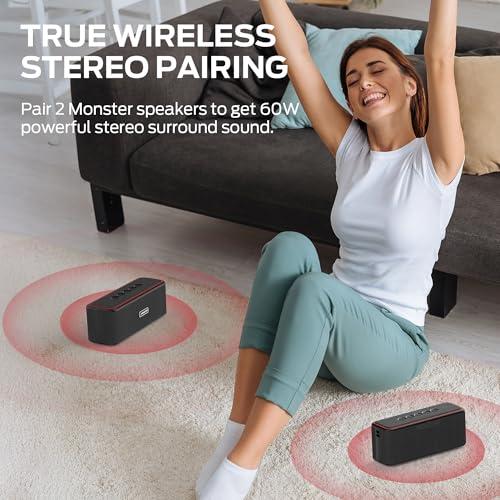
One standout feature of the Monster S21 is True Wireless Stereo (TWS) pairing. This technology allows you to connect two units wirelessly, creating a genuine stereo system with 60 watts of combined power. The left speaker handles left-channel audio while the right speaker handles right-channel audio, creating spatial separation that can dramatically improve the listening experience for music mixed in stereo.
The JBL Clip 5 takes a different approach. Despite its size constraints, JBL engineered it with what they call "high-bass boost"—an emphasis on upper bass frequencies that compensates for its inability to produce deep, room-shaking low end. This tuning makes kick drums and bass lines more present without requiring the large drivers needed for true deep bass.
What's particularly impressive about the Clip 5 is its vocal clarity. The midrange frequencies, where human voices naturally sit, are well-balanced and articulate. This makes it excellent for podcasts, audiobooks, and vocal-heavy music. The 5-band equalizer in JBL's app allows you to fine-tune the sound signature, something you don't get with the Monster S21.
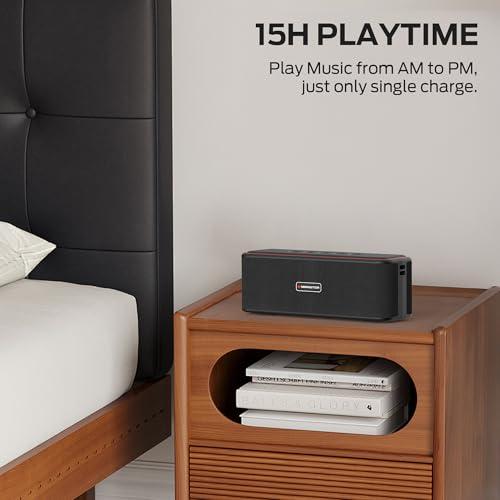
Both speakers claim 15 hours of playback time, but the real-world experience differs based on how you use them. Battery life ratings are typically measured at 50% volume with moderate audio content, so your actual usage may vary.
The Monster S21 charges via USB-C in approximately 2 hours, which is impressively fast for a 30-watt speaker. This quick charging capability means you're not stuck waiting all day to get back to listening. The faster charge time likely results from more efficient power management and possibly a higher-capacity battery.
The JBL Clip 5 takes about 3 hours to fully charge, also via USB-C. However, JBL includes a "Playtime Boost" feature that can extend usage time when activated. This feature likely reduces power consumption by limiting peak output and optimizing battery usage, though it may slightly impact audio quality.
Based on user feedback, both speakers maintain relatively consistent performance throughout their battery cycle, meaning you won't notice significant volume drops as the battery depletes—a problem that plagued earlier Bluetooth speakers.
Water resistance ratings use the IP (Ingress Protection) code system, and understanding these ratings is crucial for portable speaker buyers. The first digit refers to dust protection, while the second indicates water resistance.
The JBL Clip 5 carries an IP67 rating, making it both dustproof (6) and waterproof (7). The "7" rating means it can be submerged in up to one meter of water for 30 minutes without damage. Users report confidently using it in showers, by pools, and during beach trips without worry.
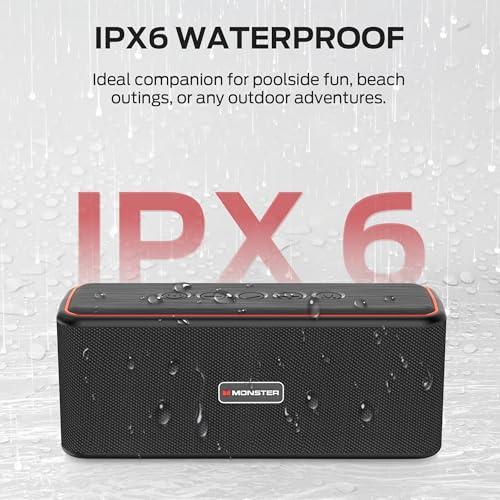
The Monster S21 has an IPX6 rating—the "X" means dust protection wasn't tested, while the "6" indicates it can handle powerful water jets but isn't designed for submersion. This makes it suitable for poolside use and camping in the rain, but you shouldn't drop it in a lake.
For many users, this difference is decisive. If you plan to use your speaker around water frequently, the JBL Clip 5 offers significantly more peace of mind.
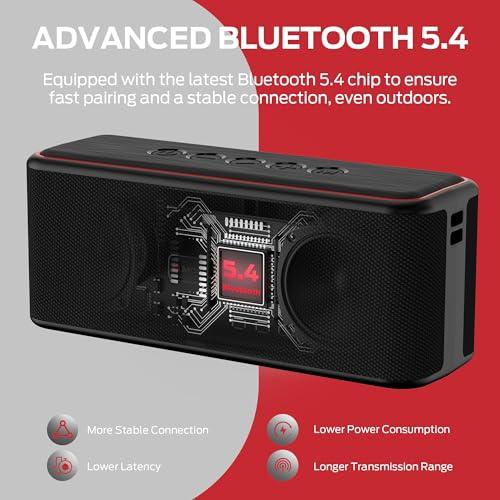
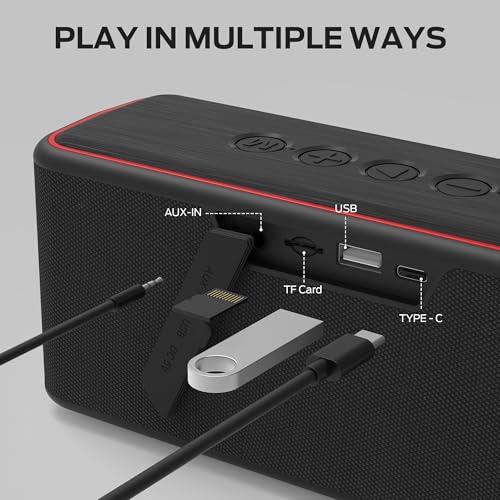
Modern Bluetooth speakers often include multiple connection options, and this is where the Monster S21 really shines. Beyond Bluetooth 5.4 connectivity, it includes a 3.5mm AUX input, USB port, and TF (microSD) card slot. This means you can play music from practically any source—older devices without Bluetooth, USB drives filled with music files, or microSD cards.
This connectivity flexibility is particularly valuable for users with diverse audio sources or those who prefer not to rely entirely on their phone's battery for music playback. The built-in microphone also enables hands-free calling, turning the speaker into a speakerphone for conference calls or personal conversations.
The JBL Clip 5 takes a Bluetooth-only approach, relying on the stability and convenience of wireless connectivity. However, it does support some advanced Bluetooth features. Multipoint connection allows it to stay connected to two devices simultaneously—you could have it paired to both your phone and laptop, switching between them seamlessly.
The Clip 5 also supports Auracast, a relatively new Bluetooth technology that allows multiple compatible speakers to connect and play synchronized audio. This could be valuable for users who want to expand their system over time by adding more JBL speakers.
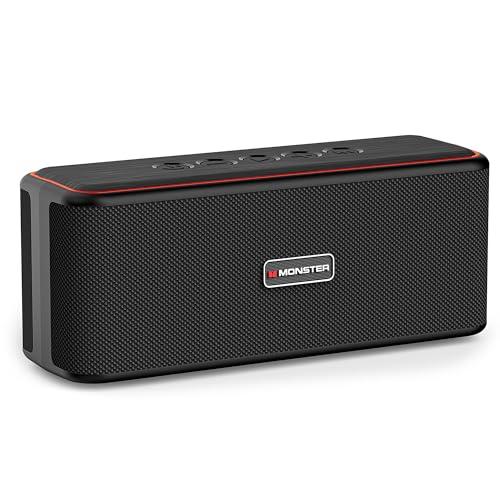
The design philosophy differences between these speakers are immediately apparent. The Monster S21 measures about 10 inches wide and weighs approximately 2 pounds, making it portable but not pocketable. It's designed to be carried in a bag or by its included carrying strap, and it works best when placed on stable surfaces.
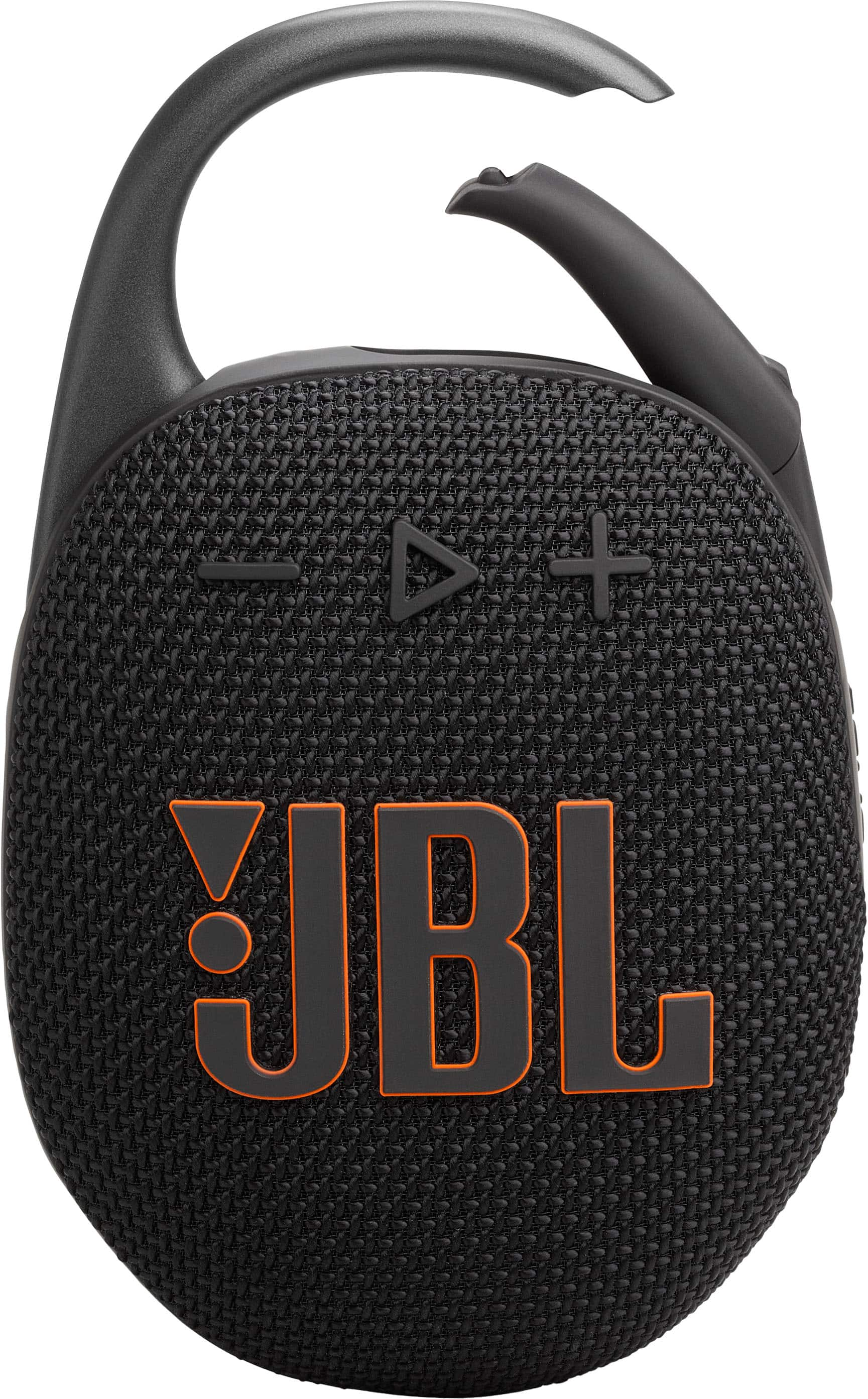
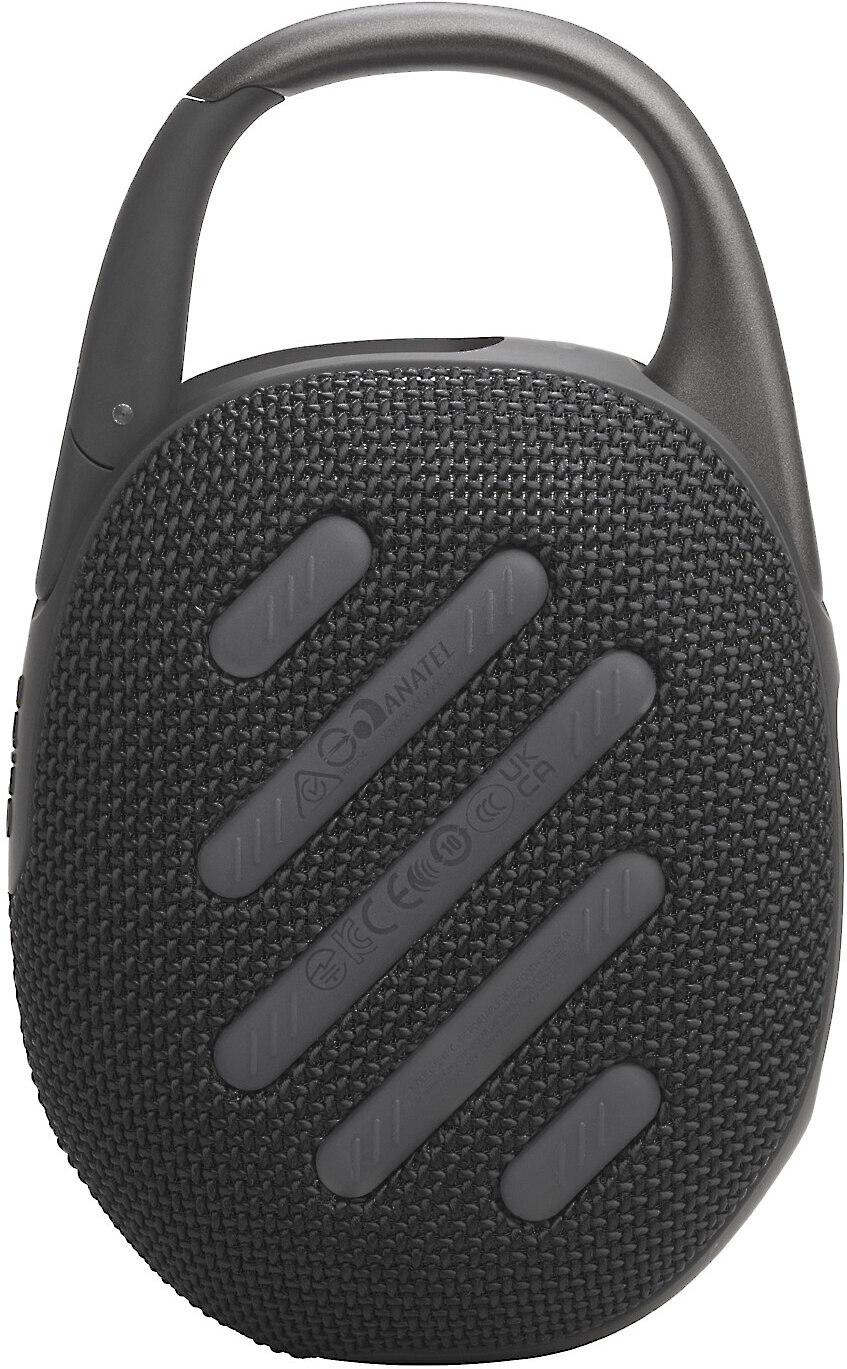
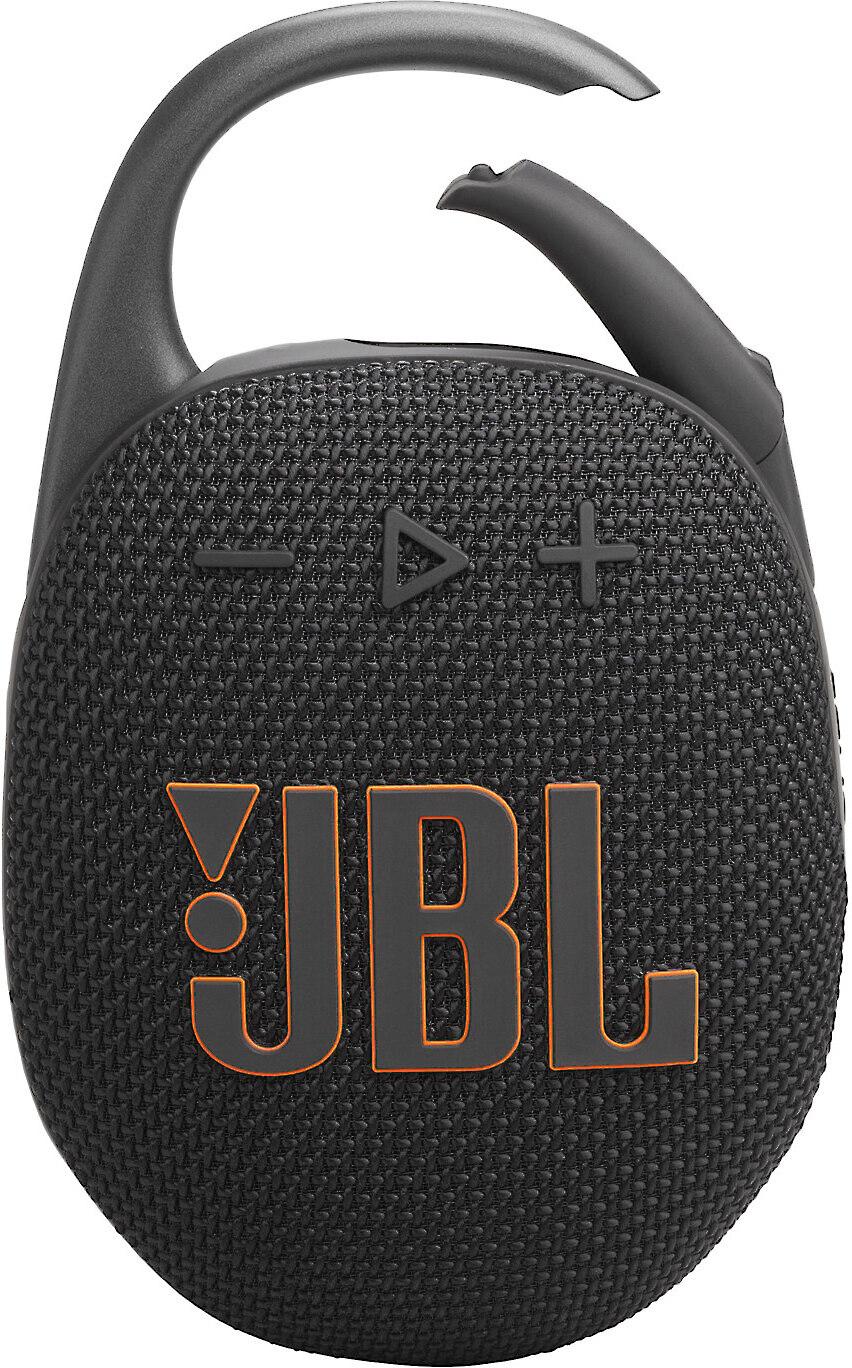
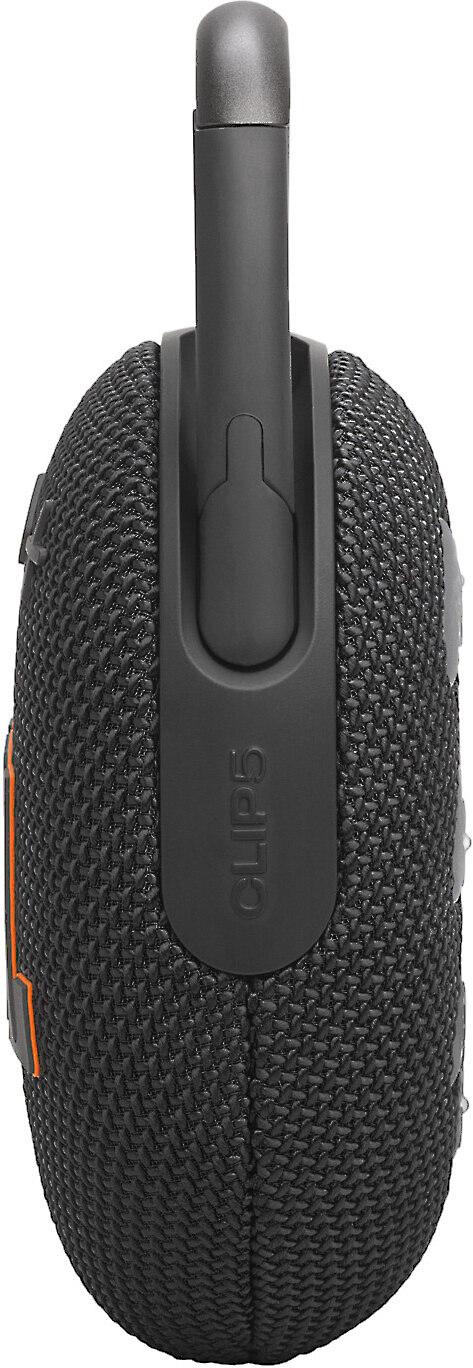
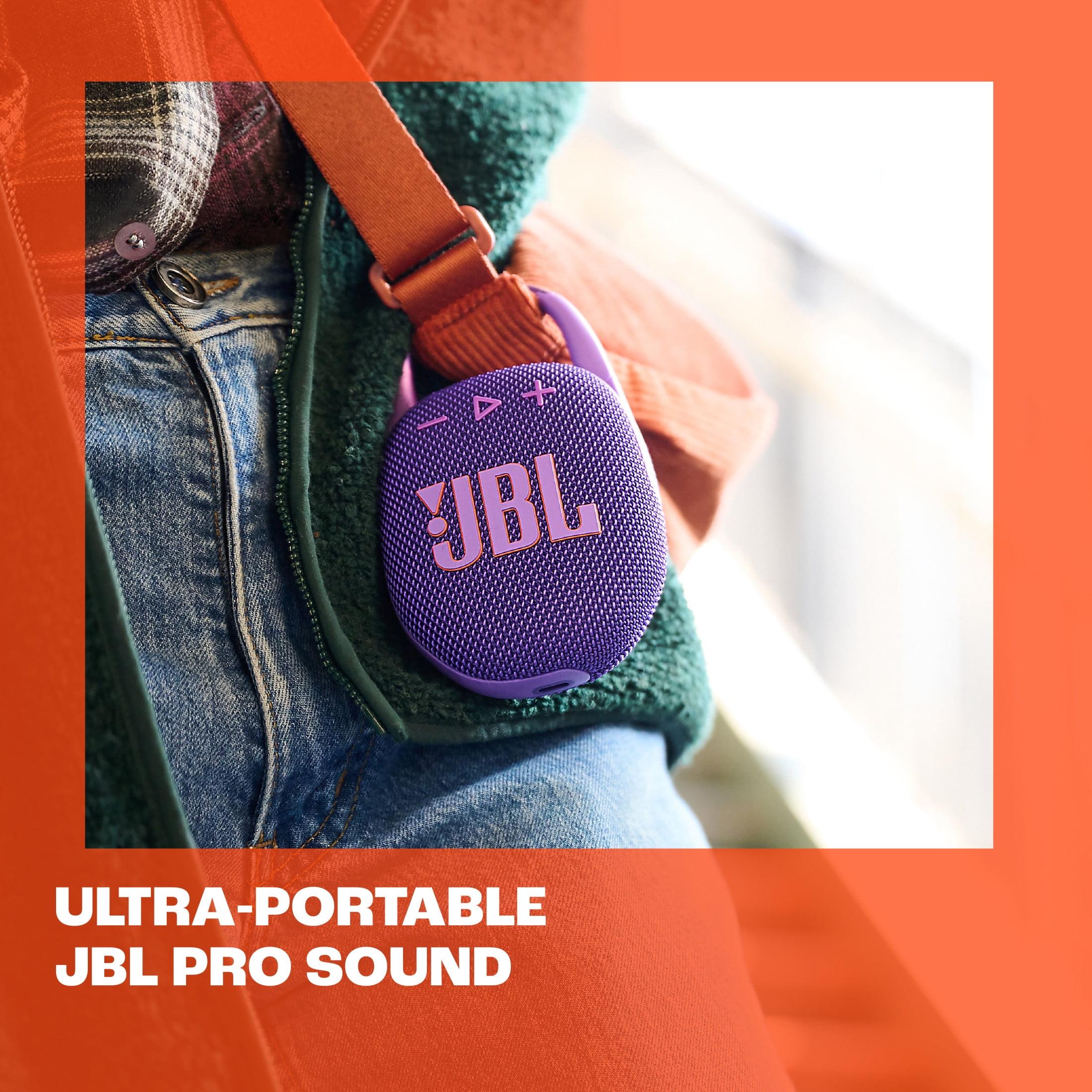
The JBL Clip 5 represents the opposite extreme. At just over half a pound and small enough to hold in one hand, it's designed for true mobility. The integrated carabiner clip is the key feature here—it's not just an attachment point but a core part of the user experience. You can clip it to backpacks, belt loops, or anything else, keeping your hands free while maintaining access to your music.
This clip design addresses a real problem with ultra-portable speakers: where do you put them? Rather than requiring a flat surface or dedicated carrying space, the Clip 5 can hang from almost anything. For hikers, commuters, or anyone who values hands-free convenience, this is genuinely useful.
Pricing for portable speakers varies significantly based on features and brand positioning. At the time of writing, the JBL Clip 5 represents exceptional value in the ultra-portable category, offering premium features like IP67 waterproofing, app-based EQ control, and Auracast support at a budget-friendly price point.
The Monster S21 sits in the mid-range category, commanding a higher price but delivering significantly more power and connectivity options. When you consider that TWS pairing essentially gives you the functionality of two speakers, the price-per-watt ratio becomes more favorable.
For users who primarily need personal listening or small-group entertainment, the Clip 5 offers remarkable value. However, if you regularly host gatherings or need a speaker that can fill larger spaces, the additional cost of the Monster S21 quickly justifies itself.
While neither speaker is designed as a primary home theater solution, they can serve useful supplementary roles. The Monster S21 could work as a wireless rear speaker for casual movie watching, especially when used in TWS stereo pairs. Its multiple input options make it compatible with various audio sources without requiring Bluetooth connectivity from your TV or media player.
The JBL Clip 5 isn't suitable for home theater use due to its limited output and mono configuration. However, it could serve as a personal listening device for late-night viewing when you need to keep volume low.
The Monster Shock Plus S21 makes the most sense for users who prioritize audio performance and versatility. If you host outdoor gatherings, have larger spaces to fill, or want the flexibility of multiple connection options, this speaker delivers. The TWS pairing capability is particularly valuable for users who might eventually want true stereo sound or even more power.
College students living in dorms, outdoor enthusiasts who camp or host barbecues, and anyone who frequently streams music for groups of friends would benefit from the Monster S21's power and features. The hands-free calling capability also makes it useful for remote workers who need occasional conference call functionality.
The JBL Clip 5 excels for users whose primary concern is portability and convenience. Daily commuters, frequent travelers, hikers, and anyone who wants music as a constant companion without the bulk would find this speaker ideal. Its waterproof rating makes it perfect for beach trips, pool parties, or anyone who exercises outdoors.
These speakers represent two successful but different approaches to portable audio. The Monster Shock Plus S21 prioritizes performance and versatility, delivering room-filling sound with comprehensive connectivity options. The JBL Clip 5 focuses on ultimate portability and convenience, providing surprisingly good audio quality in a package that goes anywhere.
Your choice should align with your primary use case. If you need a speaker that can adapt to various situations—from intimate listening to outdoor parties—the Monster S21 offers more flexibility. If you want a reliable audio companion that never gets in the way, the JBL Clip 5 delivers exceptional convenience and value.
Both speakers excel in their intended roles, making this less about finding an overall winner and more about matching your specific needs and lifestyle. Consider how and where you'll use your speaker most often, and let that guide your decision.
| Monster Shock Plus S21 | JBL Clip 5 |
|---|---|
| Audio Power Output - Determines maximum volume and room coverage | |
| 30W stereo (60W with TWS pairing) - fills large rooms and outdoor spaces | 7W mono - suitable for personal listening and small areas |
| Speaker Configuration - Affects sound quality and stereo imaging | |
| Dual dynamic drivers in stereo setup with wide soundstage | Single driver mono configuration optimized for size |
| Size and Weight - Critical for portability and storage | |
| 10.08" x 4.02" x 2.99", ~2 lbs - requires bag space but stable placement | 3.4" x 5.3" x 1.8", 0.63 lbs - fits in palm, truly pocketable |
| Water Resistance - Protection level for outdoor and water activities | |
| IPX6 splash-resistant - handles rain and spills but not submersion | IP67 fully waterproof - safe for pools, showers, and accidental drops |
| Battery Life and Charging - Affects daily usability and convenience | |
| 15 hours playtime, 2-hour fast charging via USB-C | 15 hours playtime (up to 18 with Playtime Boost), 3-hour charging |
| Connectivity Options - Flexibility for different audio sources | |
| Bluetooth 5.4, AUX input, USB port, microSD card slot, hands-free calling | Bluetooth 5.3 only with multipoint connection for two devices |
| Special Features - Unique capabilities that add value | |
| True Wireless Stereo (TWS) pairing for 60W stereo sound | Integrated carabiner clip design and Auracast multi-speaker linking |
| App Support and Customization - Sound personalization options | |
| Basic button controls, no dedicated app support | JBL Portable app with 5-band EQ and multiple sound presets |
| Best Use Cases - Primary scenarios where each excels | |
| Outdoor parties, room filling, versatile connectivity needs | Personal listening, travel, hands-free attachment, water activities |
| Value Positioning - Target market and price category | |
| Mid-range pricing for power users who need volume and features | Budget-friendly option maximizing portability and convenience |
The Monster Shock Plus S21 is significantly louder with 30 watts of power output compared to the JBL Clip 5's 7 watts. The Monster S21 can fill large rooms and outdoor spaces, while the JBL Clip 5 is designed for personal listening and small areas.
The JBL Clip 5 is far more portable, weighing only 0.63 pounds and featuring an integrated carabiner clip for hands-free attachment. The Monster Shock Plus S21 weighs about 2 pounds and measures over 10 inches wide, requiring dedicated bag space for transport.
The JBL Clip 5 offers superior water protection with its IP67 rating, making it fully waterproof and safe for pools, showers, and accidental submersion. The Monster Shock Plus S21 has IPX6 splash resistance, handling rain and spills but not full water immersion.
Sound quality depends on your needs. The Monster Shock Plus S21 delivers fuller, richer sound with stereo separation and deeper bass due to its dual-driver design. The JBL Clip 5 offers surprisingly clear audio for its size with excellent vocal clarity, plus customizable EQ through the JBL app.
Both the Monster Shock Plus S21 and JBL Clip 5 offer approximately 15 hours of battery life. However, the Monster S21 charges faster in 2 hours, while the JBL Clip 5 takes 3 hours but includes a Playtime Boost feature for extended usage.
Yes, both speakers offer multi-speaker connectivity but in different ways. The Monster Shock Plus S21 supports True Wireless Stereo (TWS) pairing to connect two units for 60W stereo sound. The JBL Clip 5 supports Auracast technology to wirelessly link multiple compatible JBL speakers.
The Monster Shock Plus S21 is much better for outdoor parties due to its 30W power output that can provide adequate volume for larger groups. The JBL Clip 5 is designed for personal use and small gatherings, lacking the power needed for outdoor party environments.
The Monster Shock Plus S21 includes a built-in microphone specifically for hands-free calling, making it suitable for conference calls and speakerphone use. The JBL Clip 5 focuses primarily on music playback without dedicated calling features.
The Monster Shock Plus S21 provides much more connectivity flexibility with Bluetooth 5.4, AUX input, USB port, and microSD card slot. The JBL Clip 5 relies solely on Bluetooth 5.3 connectivity but supports multipoint connection to two devices simultaneously.
Neither speaker is designed for primary home theater use, but the Monster Shock Plus S21 could serve as a supplementary wireless speaker for casual movie watching, especially when paired with a second unit for stereo sound. The JBL Clip 5 lacks the power and stereo capability needed for home theater applications.
Value depends on your priorities. The JBL Clip 5 offers exceptional value for ultra-portability and convenience features at a budget-friendly price point. The Monster Shock Plus S21 provides better value for users who need powerful audio and multiple connectivity options, despite its higher cost.
The main difference is their intended use: the Monster Shock Plus S21 is a powerful, feature-rich speaker designed for room-filling sound and versatile connectivity, while the JBL Clip 5 prioritizes ultimate portability and convenience with its clip design and waterproof construction for on-the-go listening.
We've done our best to create useful and informative comparisons to help you decide what product to buy. Our research uses advanced automated methods to create this comparison and perfection is not possible - please contact us for corrections or questions. These are the sites we've researched in the creation of this article: shopabunda.com - manuals.plus - popsci.com - armorsound.com - manuals.plus - youtube.com - shopstaff.net - thestreet.com - rtings.com - youtube.com - businessinsider.com - youtube.com - youtube.com - mensjournal.com - ratebud.ai - youtube.com - ebay.com - monsterstore.com - newegg.com - angelenaspensacola.com - howtogeek.com - soundguys.com - youtube.com - rtings.com - gymcaddy.net - jbl.com - mm.jbl.com - soundguys.com - th.jbl.com - hu.harmanaudio.com

Privacy Policy
Terms and Conditions - Affiliate Policy
Home Security
© Copyright 2008-2026.
11816 Inwood Rd #1211, Dallas, TX 75244