

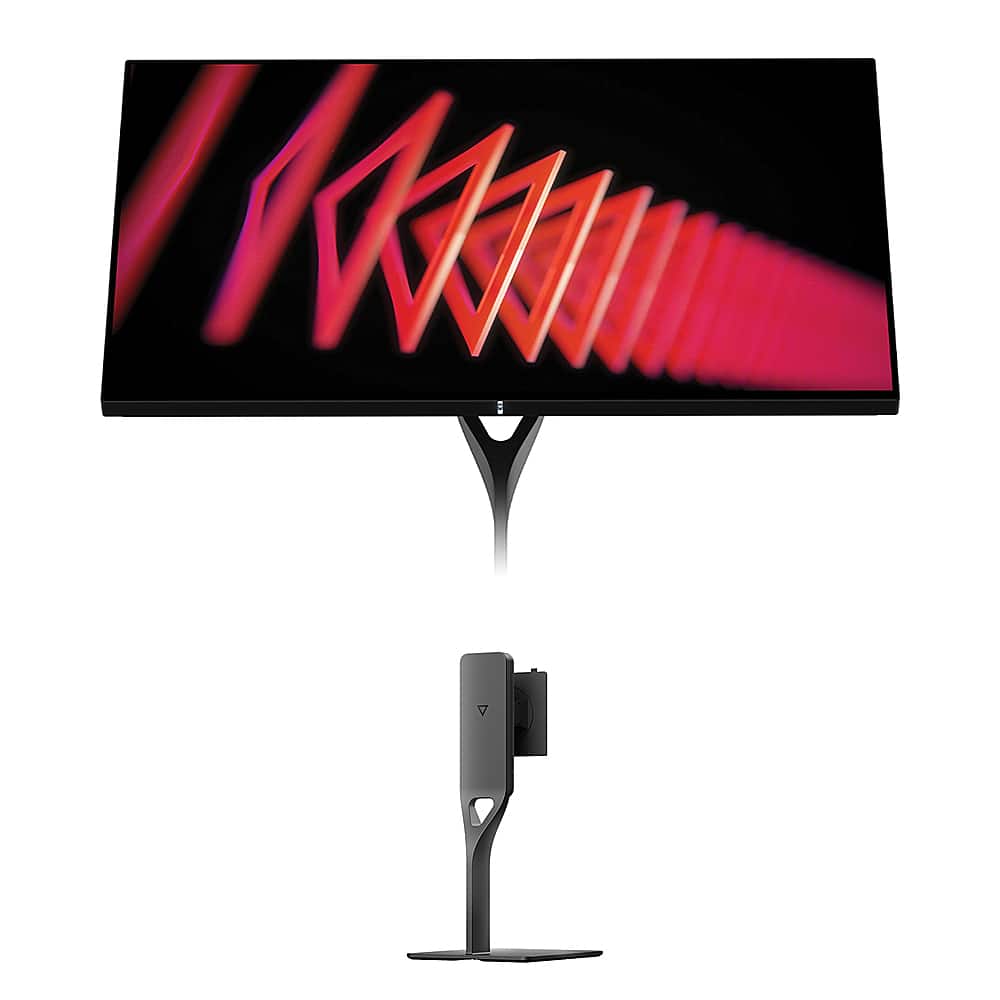
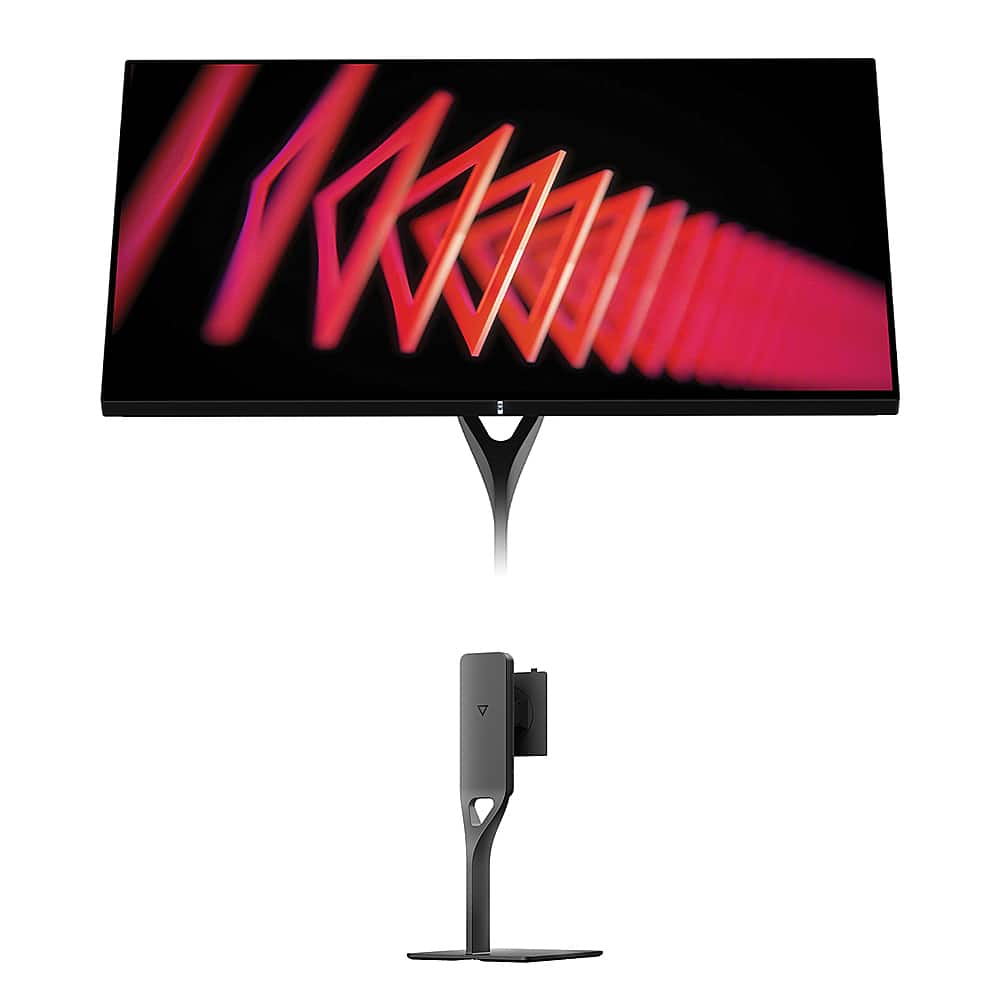

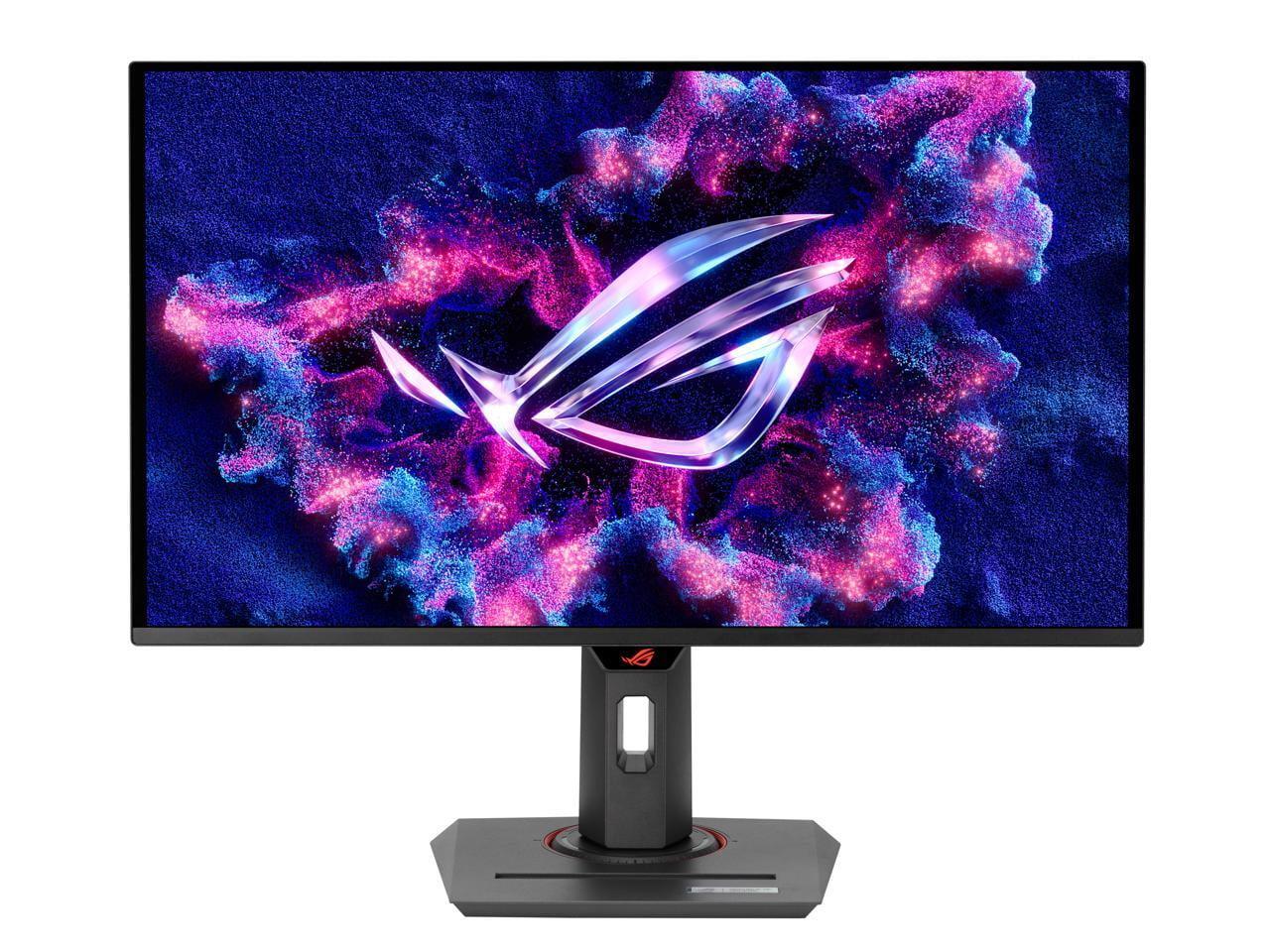
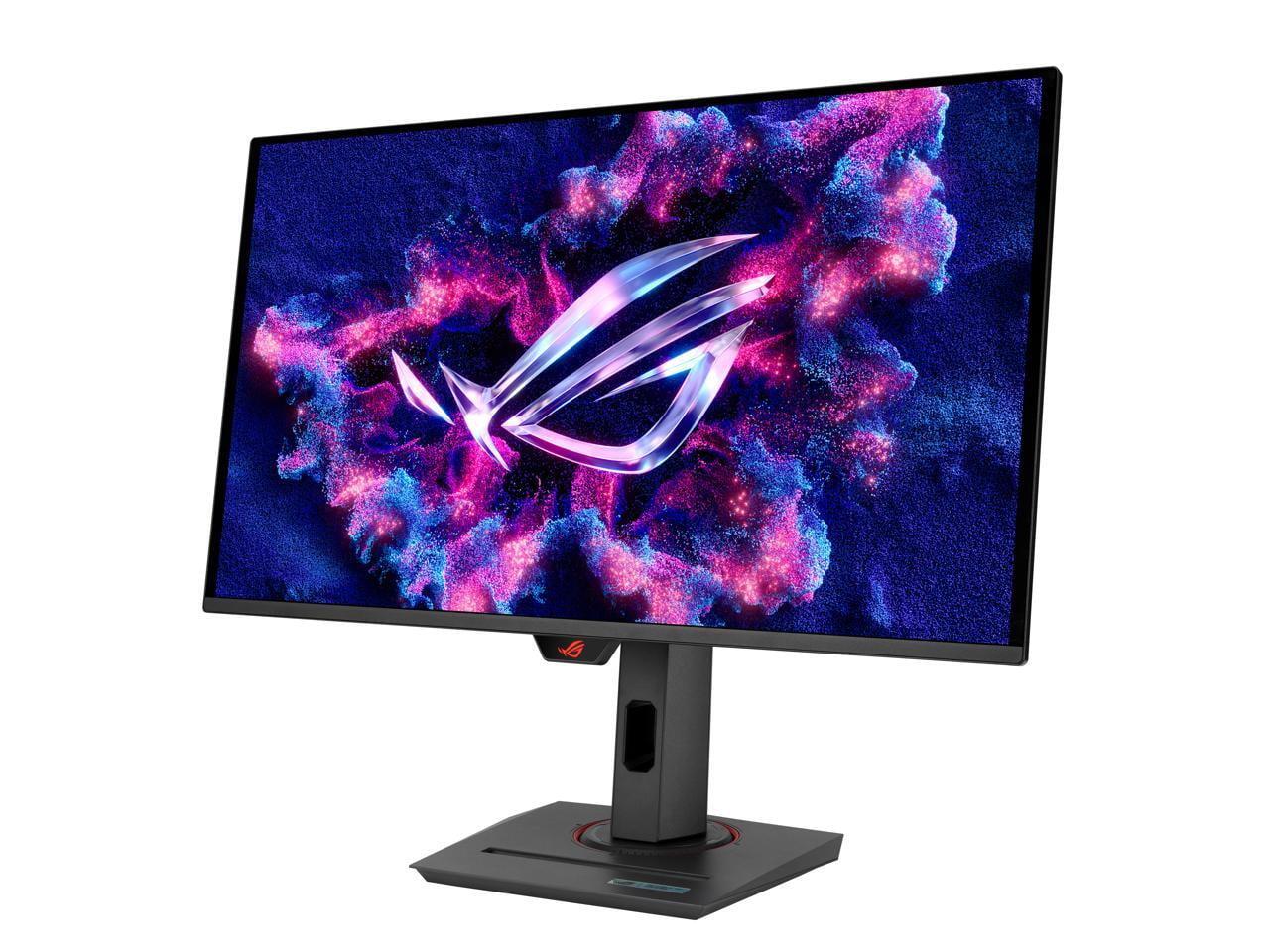

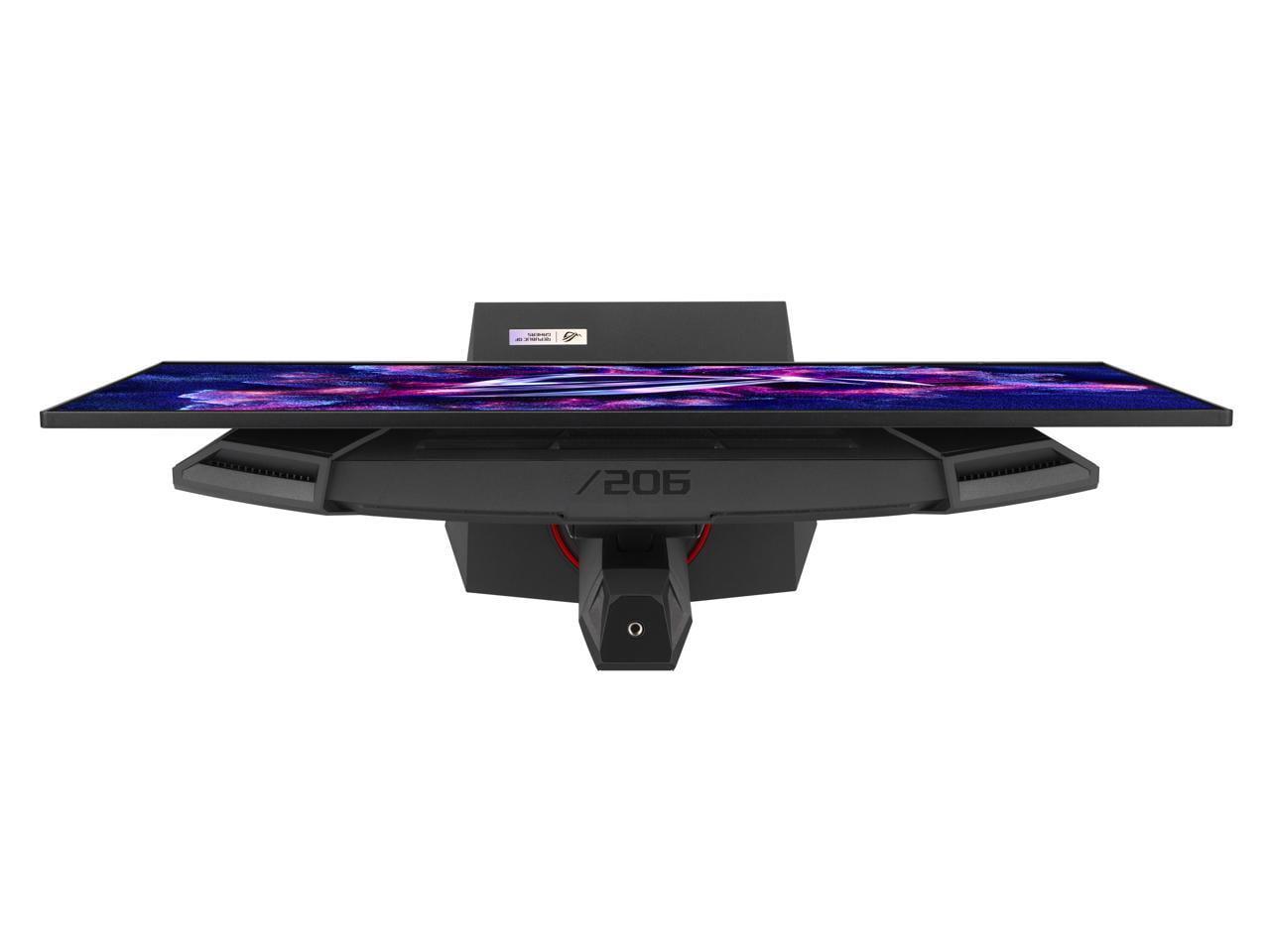
When you're shopping for a high-end 4K gaming monitor, the choices can feel overwhelming. Today, we're comparing two standout options that represent different philosophies in premium display design: the Dough Spectrum One 27-Inch 4K 144Hz Gaming Monitor with Gorilla Glass at $899.99 and the ASUS ROG Strix OLED XG27UCDMG 27" 4K 240Hz Gaming Monitor at $979.99.
Both monitors target serious gamers and content creators, but they take dramatically different approaches to achieve premium performance. Understanding these differences will help you make the right choice for your specific needs and budget.
Before diving into specifics, let's establish what makes a gaming monitor "premium." At this level, you're getting 4K resolution (3840×2160 pixels), which provides four times the detail of standard 1080p displays. That translates to incredibly sharp text, detailed game textures, and plenty of screen real estate for productivity work.
The "gaming" aspect comes from high refresh rates—how many times per second the screen updates the image. While standard monitors refresh at 60Hz, these gaming displays push 144Hz or even 240Hz. Higher refresh rates make motion appear smoother and can give competitive gamers a real advantage by reducing the delay between their actions and what appears on screen.
Color accuracy, HDR (High Dynamic Range) support, and build quality separate premium monitors from budget options. HDR expands the range between the darkest and brightest parts of an image, making scenes more lifelike. Professional-grade color accuracy ensures that what you see on screen matches real-world colors—crucial for photo editing, video work, and simply enjoying content as creators intended.
The Dough Spectrum One launched in late 2022, representing something unique in the desktop monitor space. Dough (formerly known as Eve) made headlines by being the first company to use Corning Gorilla Glass on a desktop monitor—the same tough material protecting your smartphone screen. This isn't just a gimmick; the glass provides superior scratch resistance and creates a premium, glossy finish that enhances perceived image quality.
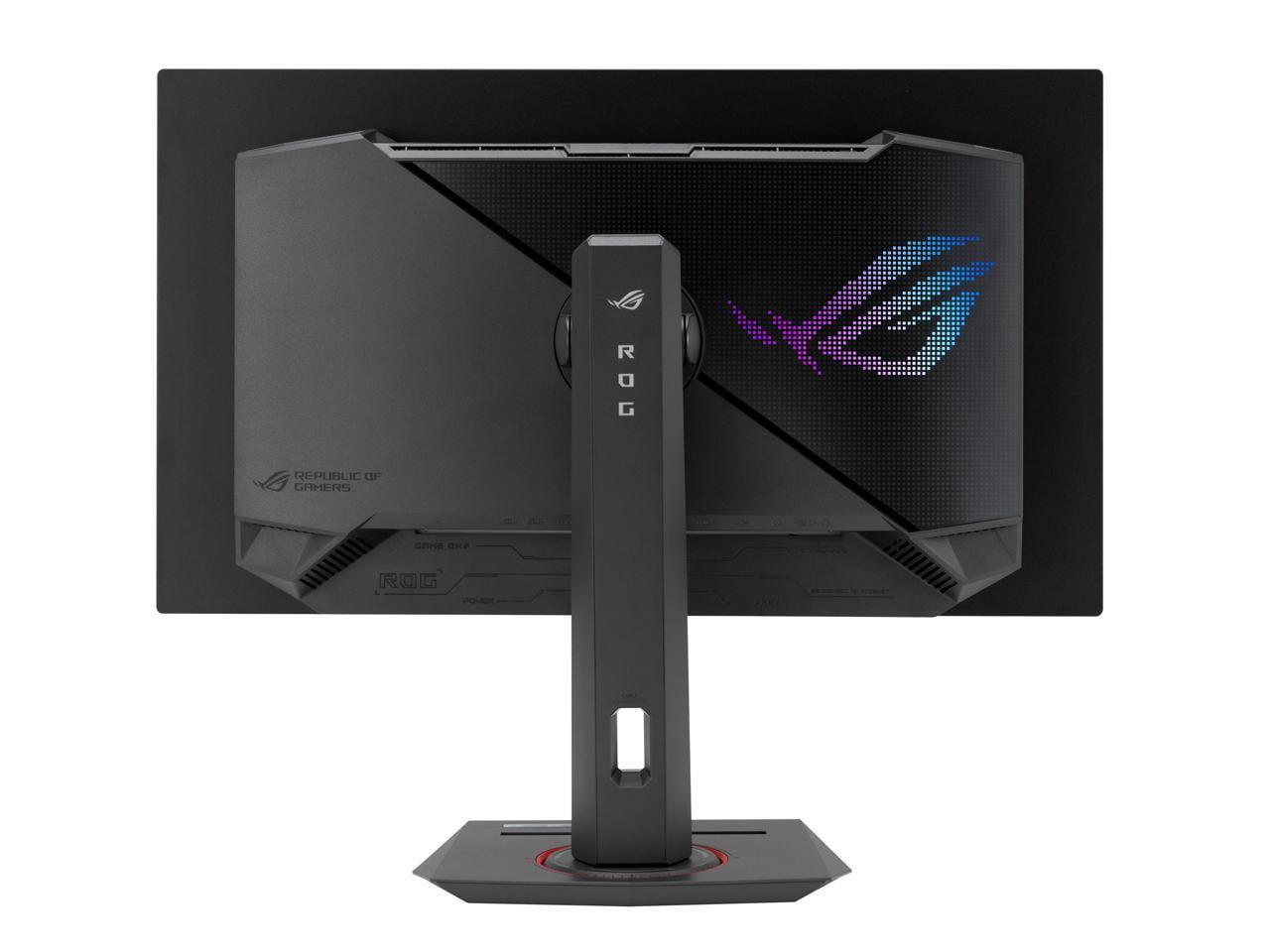
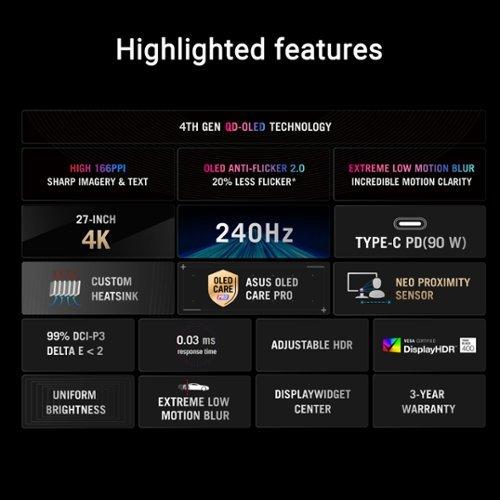
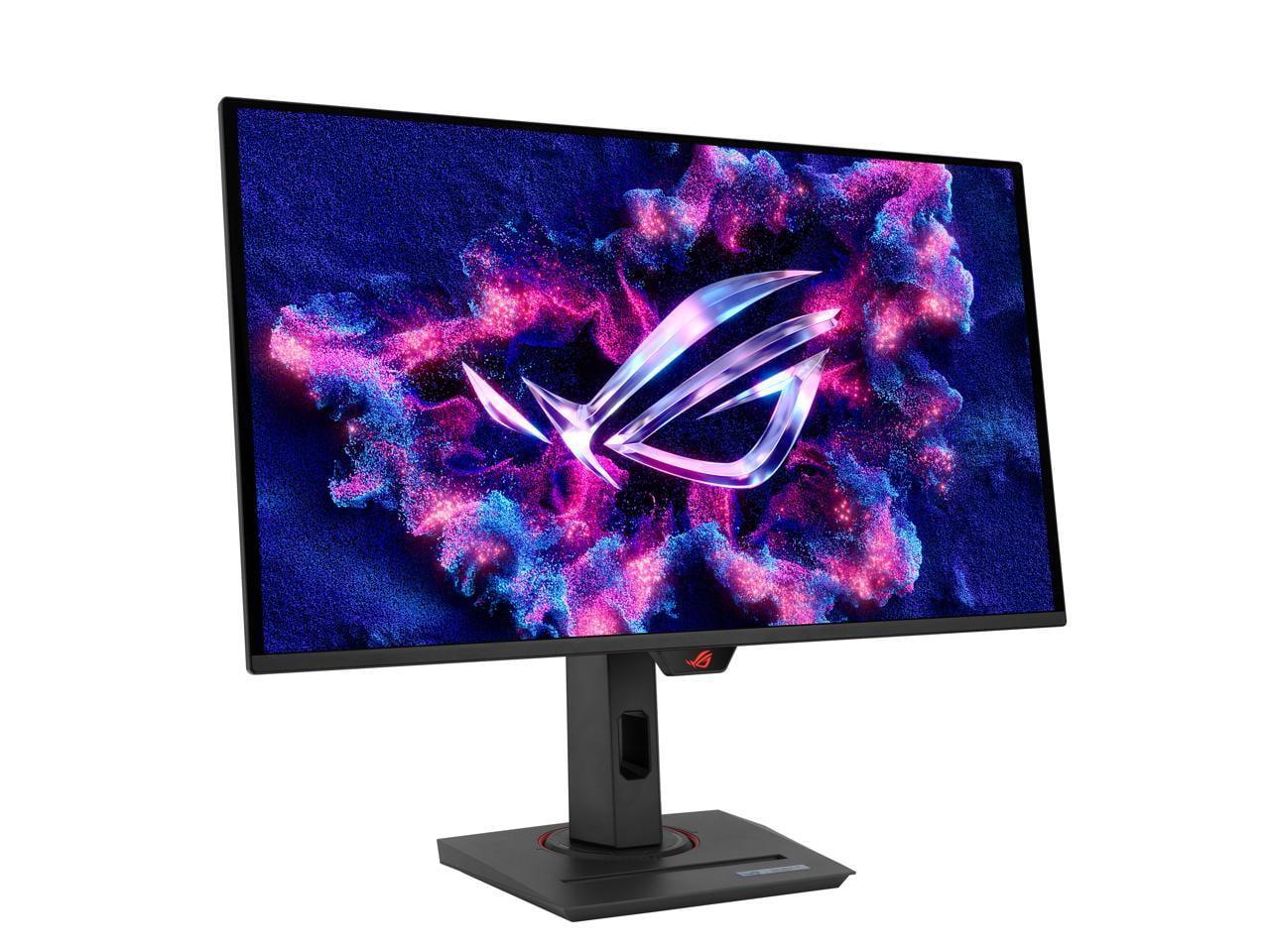
The ASUS ROG Strix OLED XG27UCDMG arrived in 2024, capitalizing on the latest 4th-generation QD-OLED technology. OLED stands for Organic Light-Emitting Diode, where each pixel creates its own light instead of relying on a backlight. This fundamental difference allows OLED displays to achieve perfect blacks by simply turning pixels completely off—something impossible with traditional LCD technology.
Here's where these monitors diverge most dramatically. The ASUS OLED pushes an impressive 240Hz refresh rate with a mind-blowing 0.03ms response time. Response time measures how quickly a pixel can change from one color to another—lower numbers mean less ghosting and blur during fast motion.
To put this in perspective, if you're playing a fast-paced shooter like Counter-Strike or Valorant, that 240Hz refresh rate means the screen updates every 4.2 milliseconds instead of every 6.9 milliseconds on the 144Hz Dough monitor. That might sound tiny, but at competitive levels, it can mean the difference between landing a shot and missing it.
The Dough Spectrum One's 144Hz and 1ms response time still deliver excellent gaming performance for most users. I've spent considerable time gaming on both 144Hz and 240Hz displays, and while the difference is noticeable in competitive scenarios, casual gamers won't feel handicapped by 144Hz. The sweet spot for most people lies around 120-144Hz, where you get smooth gameplay without the premium cost of higher refresh rates.
OLED technology provides an inherent advantage in motion clarity. Since pixels can instantly switch on and off, there's virtually no motion blur—even without specialized motion blur reduction features. Traditional LCD panels, including the IPS panel in the Dough monitor, rely on liquid crystals that take time to rotate and change the light passing through them.
Both monitors support variable refresh rate technologies like NVIDIA G-SYNC and AMD FreeSync, which synchronize the monitor's refresh rate with your graphics card's output. This eliminates screen tearing (when parts of different frames appear simultaneously) and reduces stuttering when frame rates fluctuate.
Input lag—the delay between your action and seeing the result on screen—remains excellent on both displays, typically under 1ms when properly configured. For gaming, both monitors will feel responsive and immediate.
This is where OLED technology truly shines. The ASUS monitor achieves infinite contrast because it can display perfect blacks by turning pixels completely off. When you're exploring dark caves in Elden Ring or watching a movie with night scenes, those blacks appear truly black instead of the dark gray you get from backlit LCD panels.
The Dough Spectrum One fights back with impressive specs for an IPS panel—a 10,000,000:1 dynamic contrast ratio with 16-zone local dimming. Local dimming means the backlight can dim or brighten different areas of the screen independently, improving contrast in dark scenes. However, even the best LCD technology can't match OLED's ability to completely eliminate light from dark areas.
I've noticed this difference most dramatically when gaming in dark environments. Horror games, space simulators, and atmospheric titles simply look more immersive on OLED displays where shadows disappear into true blackness.
HDR performance tells an interesting story of trade-offs. The Dough Spectrum One carries VESA DisplayHDR 600 certification, meaning it can sustain 600 nits of brightness across the entire screen and peak at 750 nits in smaller areas. This higher brightness capability makes HDR content more impactful, especially in bright rooms.
The ASUS OLED, despite its DisplayHDR 400 certification, creates compelling HDR through contrast rather than brightness. OLED displays excel at showing the subtle gradations between dark and light areas that make HDR content feel more three-dimensional. However, peak brightness tops out around 1000 nits in small areas—bright, but not as sustained as the Dough's performance.
For home theater use, this becomes particularly relevant. If you're planning to use either monitor for movie watching in a dark room, the OLED's perfect blacks and infinite contrast create a more cinematic experience. But if your setup includes ambient lighting or windows, the Dough's superior brightness helps maintain HDR impact.
The Dough Spectrum One targets content creators with factory calibration achieving Delta E ≤ 0.6. Delta E measures color accuracy—lower numbers mean colors appear closer to their real-world counterparts. For reference, Delta E under 1.0 is considered excellent for professional work, while values under 2.0 are generally acceptable for most users.
This exceptional color accuracy, combined with 98% DCI-P3 and 100% sRGB color gamut coverage, makes the Dough monitor particularly attractive for photographers, video editors, and graphic designers. The wide color gamut means it can display a broader range of colors, crucial for professional workflows where color precision matters.
The ASUS OLED covers an even wider color gamut—99% DCI-P3 and 145% sRGB—but with slightly less precise factory calibration at Delta E < 2. The broader color range can make games and media appear more vibrant, though it may require calibration for professional color-critical work.
The Dough Spectrum One's edge-to-edge Corning Gorilla Glass represents something genuinely unique in desktop monitors. Having used smartphones with Gorilla Glass for years, I appreciate the scratch resistance and premium feel it provides. The glass surface enhances the glossy finish, making colors appear more vibrant and blacks deeper than typical matte LCD panels.
However, this glossy finish comes with trade-offs. In bright environments, reflections can be distracting. The DXC anti-reflective coating helps, but you'll still notice reflections more than on matte displays. The glossy surface works best in controlled lighting environments where you can position lights to minimize reflections.
ASUS addresses OLED's historical weakness—burn-in susceptibility—with their OLED Care Pro suite. The Neo Proximity Sensor automatically dims the display when you step away, while pixel cleaning routines and taskbar detection help prevent static images from causing permanent damage.
Modern OLED panels have significantly improved burn-in resistance compared to early generations. ASUS backs this confidence with a 3-year warranty that covers burn-in damage—something that would have been unthinkable just a few years ago.
The Dough monitor sidesteps burn-in concerns entirely with its IPS LCD technology. For users who frequently leave static content on screen—like code editors, spreadsheets, or system monitoring displays—this represents peace of mind that OLED currently can't match completely.
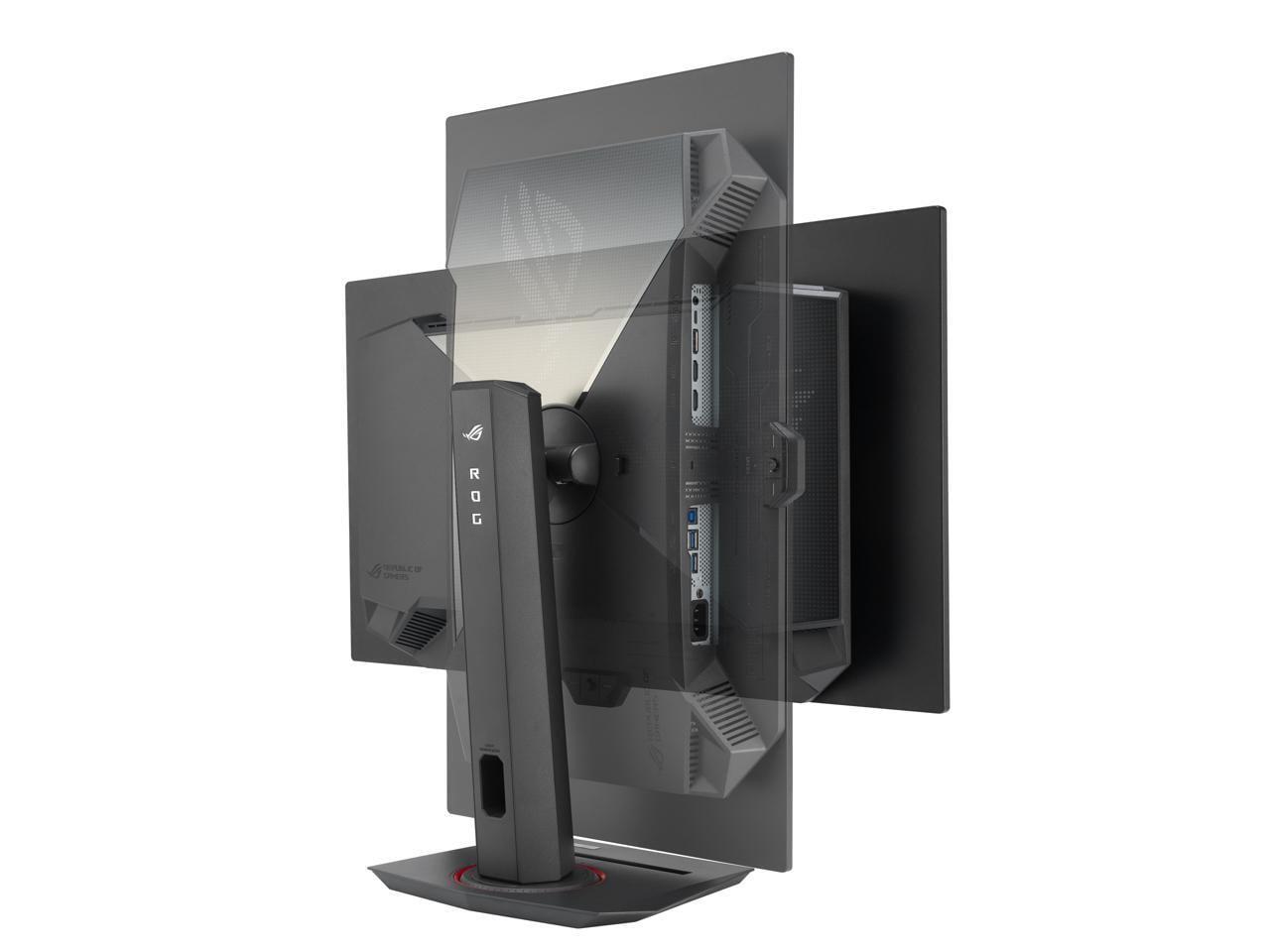
Both monitors offer comprehensive connectivity with HDMI 2.1 ports supporting 4K gaming on PlayStation 5 and Xbox Series X/S consoles. USB-C ports with power delivery allow single-cable connections to laptops—particularly useful for hybrid work/gaming setups.
The Dough Spectrum One includes a more robust USB hub with USB 3.2 Gen 2 speeds (up to 10 Gb/s), making it better suited for connecting high-bandwidth devices like external storage or video capture equipment.
One crucial consideration: the Dough monitor doesn't include a stand, adding approximately $150 to the total cost. This modular approach offers flexibility but increases the initial investment. The ASUS monitor includes a fully adjustable stand with height, tilt, swivel, and pivot adjustments.
For competitive esports, the ASUS OLED's 240Hz refresh rate provides a measurable advantage. In fast-paced games where target tracking and quick reactions matter, that extra smoothness and near-zero response time can improve performance. Professional players and serious enthusiasts will notice and appreciate these improvements.
For single-player games, open-world adventures, and casual multiplayer, the Dough monitor's 144Hz refresh rate feels completely smooth. The superior color accuracy and HDR brightness often create more visually impressive experiences than the higher refresh rate alone.
Photo and video editors should seriously consider the Dough Spectrum One. Its exceptional color accuracy out of the box saves time on calibration, while the sustained HDR brightness helps evaluate content across different viewing conditions. The lack of burn-in concerns makes it suitable for extended editing sessions with static interface elements.
Both monitors work well for movie watching, but excel in different scenarios. The ASUS OLED creates a more cinematic experience in dark rooms, with perfect blacks that rival dedicated home theater displays. The Dough monitor's higher brightness makes it better suited for rooms with ambient lighting, where its HDR performance can overcome light contamination.
Neither includes built-in speakers, so you'll need external audio solutions for serious movie watching.
The pricing tells an interesting story. At $979.99 with an included stand, the ASUS OLED represents better immediate value than the Dough Spectrum One at $899.99 plus approximately $150 for a stand.
However, value extends beyond initial cost. The Dough monitor's superior color accuracy and build quality may justify the premium for professional users, while the OLED's gaming performance advantages appeal to competitive players.
Since their respective launches, both monitors have received firmware updates addressing early issues. The Dough monitor has improved its wake-from-sleep performance and OSD responsiveness, while ASUS has refined the OLED Care Pro features and gaming mode optimizations.
Looking forward, OLED technology continues advancing rapidly. Newer panels promise better brightness while maintaining contrast advantages, potentially closing the HDR gap with premium LCD displays. Meanwhile, LCD technology pursues mini-LED backlighting and improved local dimming zones to better compete with OLED contrast.
Choose the ASUS ROG Strix OLED XG27UCDMG if you prioritize gaming performance above all else. The 240Hz refresh rate, instant response times, and perfect blacks create an exceptional gaming experience, especially for competitive titles. The included stand and comprehensive gaming features make it ready to use out of the box.
Choose the Dough Spectrum One if you need professional-grade color accuracy or want the most premium build quality available. The Gorilla Glass construction, exceptional HDR brightness, and precise calibration make it ideal for content creators and users who appreciate premium materials. Just budget for the additional stand cost.
For most users, both monitors deliver exceptional performance that will satisfy for years to come. The choice ultimately comes down to whether you value gaming speed or color precision more highly—and both approaches represent valid priorities in today's premium display market.
The monitor market continues evolving rapidly, but these two displays showcase the current pinnacle of their respective technologies. Whether you choose the cutting-edge OLED performance or the unique premium materials approach, you'll be getting a display that represents the best of what's currently possible in desktop monitors.
| Dough Spectrum One 27-Inch 4K 144Hz Gaming Monitor Gorilla Glass | ASUS ROG Strix OLED XG27UCDMG 27" 4K 240Hz Gaming Monitor |
|---|---|
| Price - Total cost to get started | |
| $899.99 + ~$150 for stand = ~$1,050 total | $979.99 with stand included |
| Panel Technology - Fundamental display approach | |
| Nano-IPS LCD with edge-to-edge Corning Gorilla Glass | 4th-generation QD-OLED |
| Refresh Rate - Smoothness for competitive gaming | |
| 144Hz (excellent for most gaming scenarios) | 240Hz (advantage for competitive esports) |
| Response Time - Motion blur and ghosting | |
| 1ms GTG (very good for IPS technology) | 0.03ms GTG (virtually instantaneous) |
| HDR Performance - Bright scene impact | |
| DisplayHDR 600, 750 nits peak (better for bright rooms) | DisplayHDR 400, 1000 nits peak (better contrast in dark rooms) |
| Color Accuracy - Professional work precision | |
| ΔE ≤ 0.6, 98% DCI-P3 (exceptional for content creation) | ΔE < 2, 99% DCI-P3 (very good, may need calibration for pro work) |
| Contrast Ratio - Deep blacks and image depth | |
| 10,000,000:1 dynamic (excellent for IPS, but limited by backlight) | Infinite contrast (perfect blacks, OLED advantage) |
| Build Quality - Materials and durability | |
| Unique Gorilla Glass construction with premium feel | Traditional plastic housing with solid construction |
| Burn-in Risk - Long-term reliability concerns | |
| No burn-in risk (IPS LCD technology) | Potential burn-in with static content (3-year warranty coverage) |
| Connectivity - Hub and charging capabilities | |
| USB 3.2 Gen 2 hub (10 Gb/s), comprehensive ports | Standard USB hub, full gaming connectivity |
| Stand Included - Ready-to-use value | |
| No stand (VESA mount only, stand sold separately) | Fully adjustable stand with height/tilt/swivel/pivot |
| Best For - Target user scenarios | |
| Content creators, professionals needing color accuracy, premium materials | Competitive gamers, dark room gaming, OLED enthusiasts |
The ASUS ROG Strix OLED XG27UCDMG is better for competitive gaming with its 240Hz refresh rate and 0.03ms response time, providing superior motion clarity and responsiveness. The Dough Spectrum One at 144Hz is excellent for casual to semi-competitive gaming and offers better value for mixed gaming and productivity use.
The Dough Spectrum One costs $899.99 but requires a separate stand purchase (~$150), bringing the total to around $1,050. The ASUS ROG Strix OLED costs $979.99 with a fully adjustable stand included, making it the better immediate value.
The ASUS ROG Strix OLED XG27UCDMG delivers superior picture quality for movies with perfect blacks, infinite contrast, and vibrant colors that create a more cinematic experience. The Dough Spectrum One offers brighter HDR performance that works better in rooms with ambient lighting.
Yes, both the Dough Spectrum One and ASUS ROG Strix OLED feature HDMI 2.1 ports that fully support 4K gaming at up to 120Hz on PlayStation 5 and Xbox Series X/S consoles with VRR (Variable Refresh Rate) and ALLM (Auto Low Latency Mode).
The Dough Spectrum One is superior for professional content creation with factory calibration achieving ΔE ≤ 0.6 color accuracy and no burn-in risk from static interface elements. The ASUS ROG Strix OLED has wider color coverage but requires calibration for precise professional work.
The Dough Spectrum One's Corning Gorilla Glass provides superior scratch resistance, a premium glossy finish that enhances color vibrancy, and makes it the only desktop monitor with smartphone-grade screen protection. However, the glossy surface can show more reflections than matte displays.
The ASUS ROG Strix OLED XG27UCDMG includes OLED Care Pro features like a proximity sensor and pixel cleaning to minimize burn-in risk. ASUS also provides a 3-year warranty covering burn-in damage, though static content like taskbars and desktop icons can still pose long-term risks.
The Dough Spectrum One achieves higher sustained brightness with 750 nits peak and DisplayHDR 600 certification, making HDR content more impactful in bright rooms. The ASUS OLED reaches 1000 nits in small areas but emphasizes contrast over brightness for HDR performance.
Both monitors work well as TV replacements, but the ASUS ROG Strix OLED XG27UCDMG provides a more TV-like experience with perfect blacks and cinematic contrast in dark rooms. The Dough Spectrum One handles bright living rooms better due to its superior peak brightness and anti-reflective coating.
The Dough Spectrum One offers superior connectivity with a USB 3.2 Gen 2 hub running at 10 Gb/s speeds, while the ASUS ROG Strix OLED has standard USB connectivity. Both include HDMI 2.1, DisplayPort 1.4, and USB-C with power delivery for laptop connectivity.
Most gamers will be satisfied with the Dough Spectrum One's 144Hz refresh rate, which provides smooth gameplay for all game types. The ASUS OLED's 240Hz refresh rate primarily benefits competitive esports players in fast-paced shooters like Counter-Strike or Valorant where every millisecond matters.
The Dough Spectrum One offers better long-term reliability with no burn-in risk and Gorilla Glass protection, making it ideal for heavy productivity use. The ASUS ROG Strix OLED XG27UCDMG provides excellent gaming performance and comes with comprehensive warranty coverage, but OLED technology requires more careful usage with static content.
We've done our best to create useful and informative comparisons to help you decide what product to buy. Our research uses advanced automated methods to create this comparison and perfection is not possible - please contact us for corrections or questions. These are the sites we've researched in the creation of this article: createdtech.com - pcgamesn.com - tomshardware.com - imore.com - bestbuy.com - youtube.com - youtube.com - newegg.com - 9to5mac.com - bhphotovideo.com - bhphotovideo.com - sears.com - bhphotovideo.com - bestbuy.com - petra.com - petra.com - bestbuy.com - microcenter.com - youtube.com - petra.com - bestbuy.com - rog.asus.com - forum.pcmonitors.info - rog.asus.com - windowscentral.com - versus.com - youtube.com - youtube.com - rtings.com - rtings.com - rog.asus.com - rog.asus.com - rog.asus.com - tenforums.com - rog.asus.com - techpowerup.com - bestbuy.com - newegg.com - displayspecifications.com - youtube.com - tftcentral.co.uk - displayninja.com

Privacy Policy
Terms and Conditions - Affiliate Policy
Home Security
© Copyright 2008-2026.
11816 Inwood Rd #1211, Dallas, TX 75244