

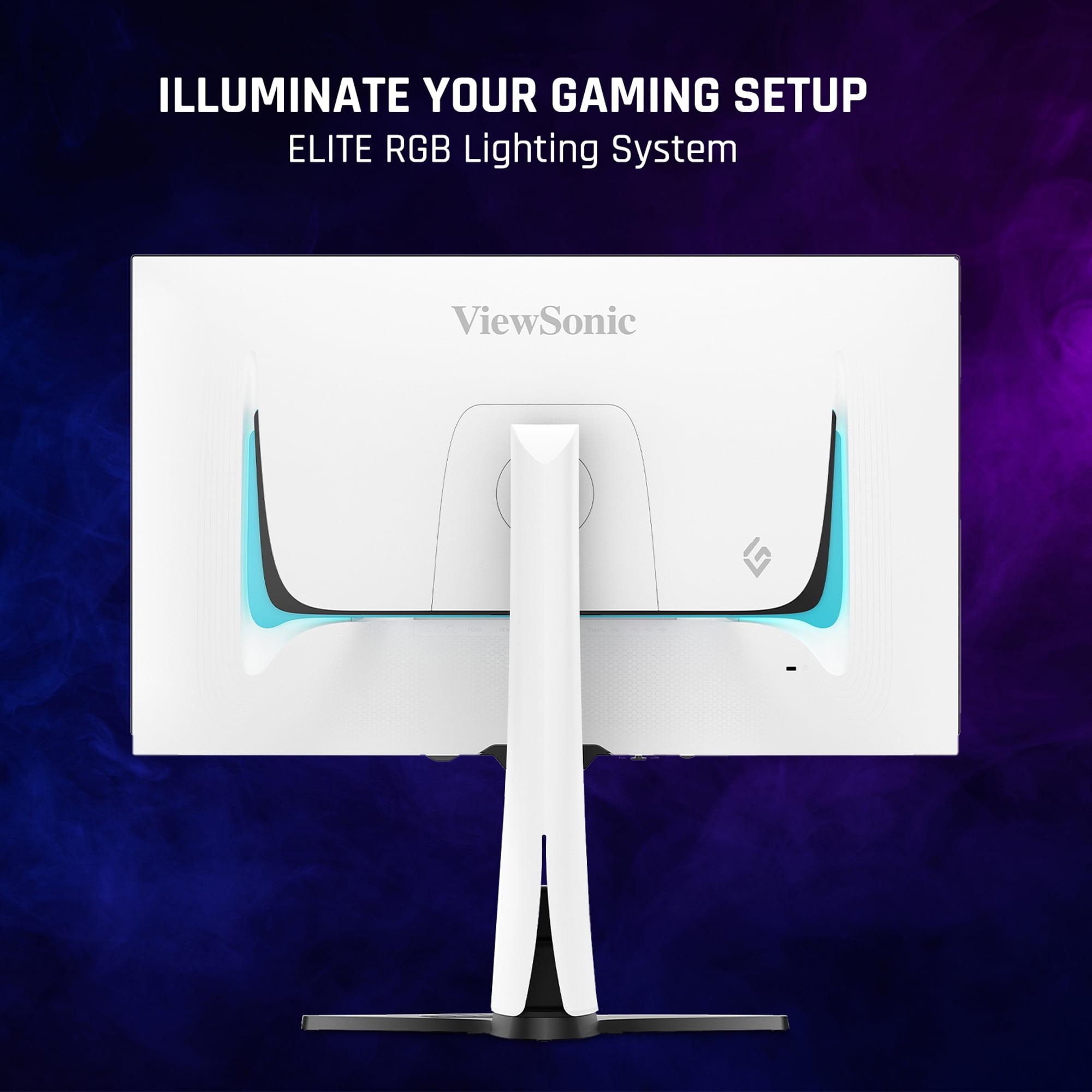
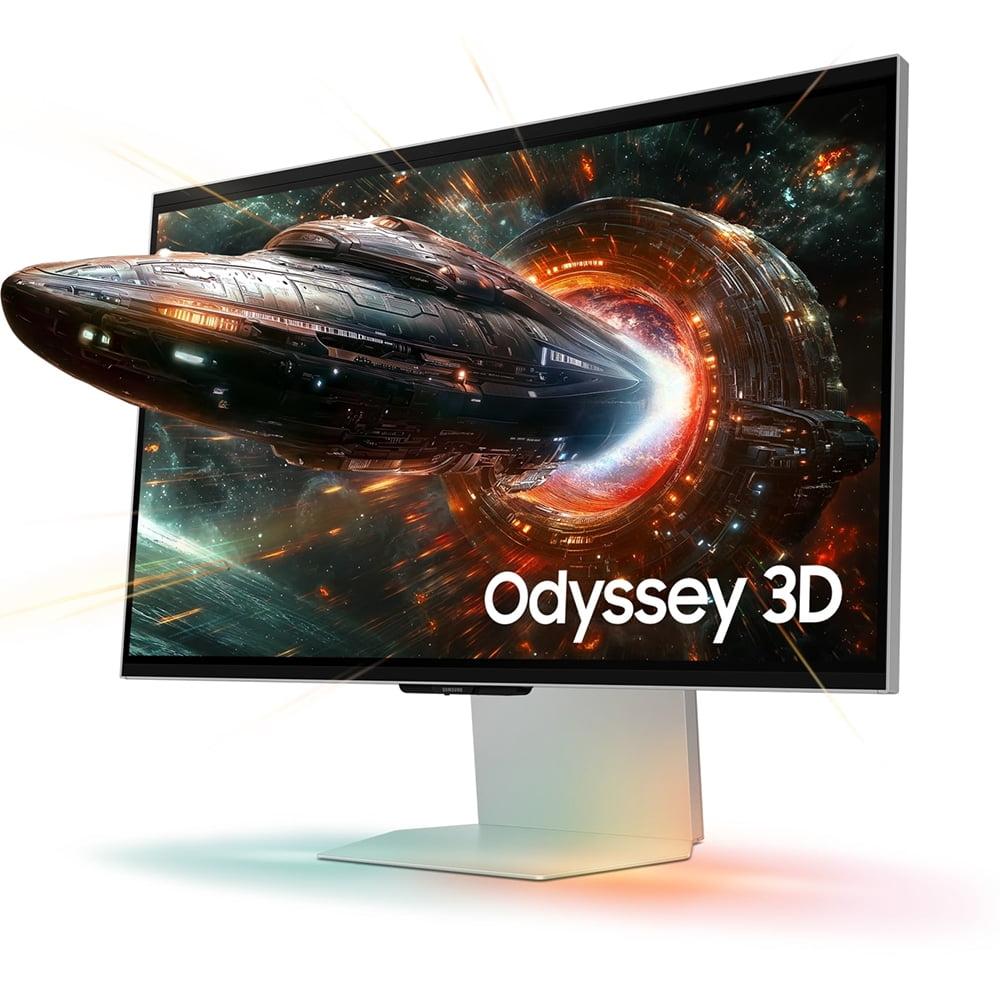
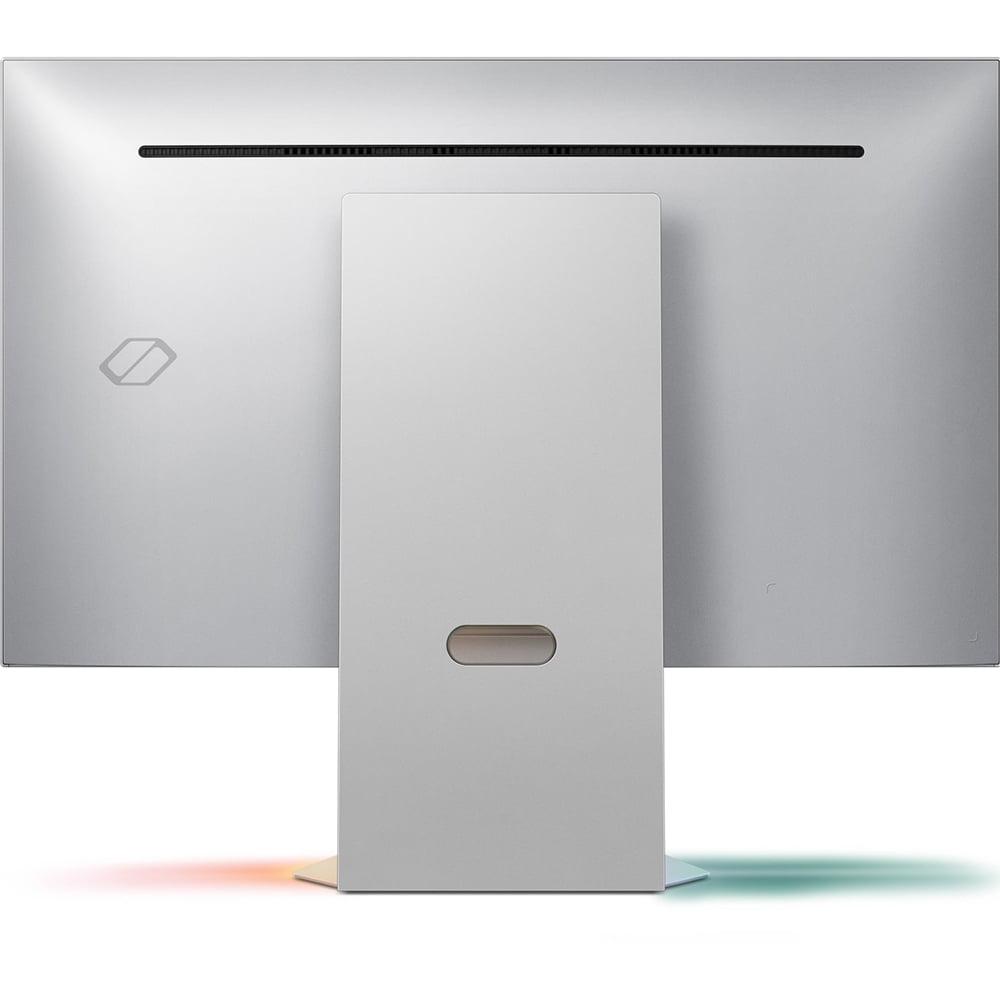
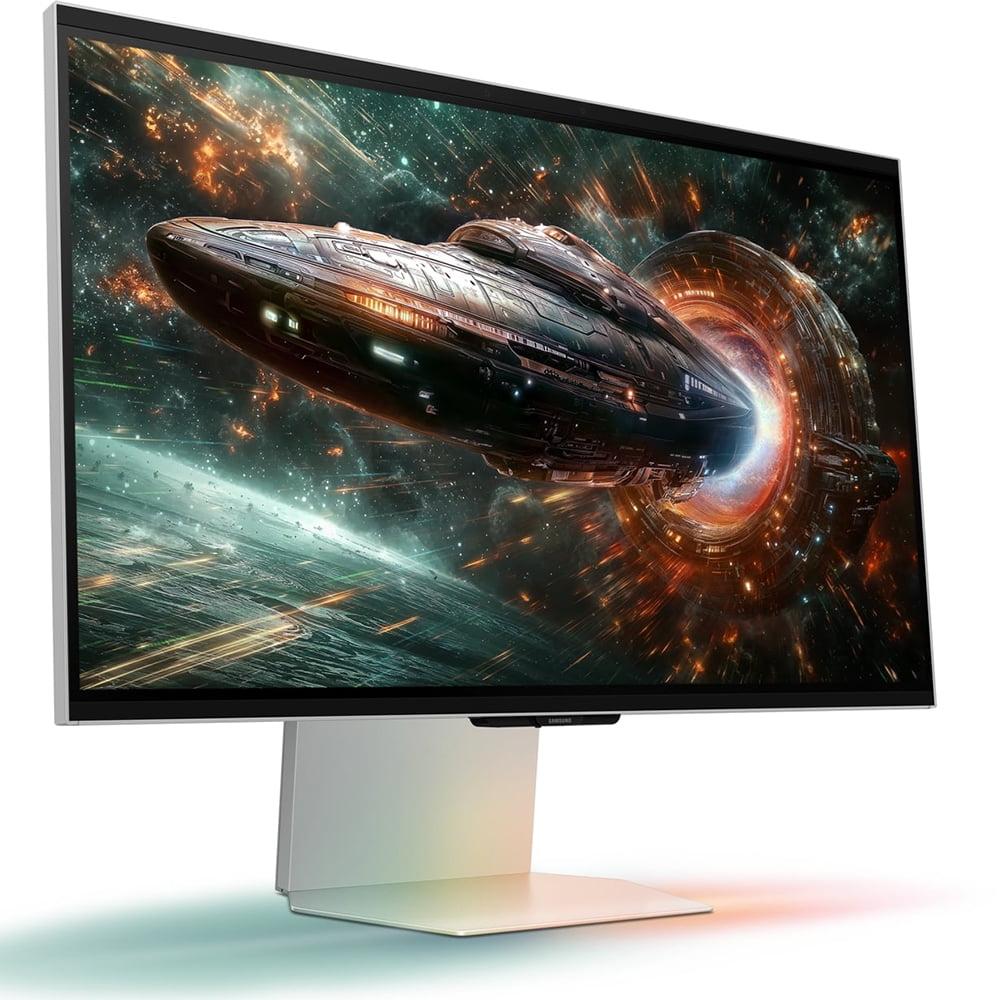
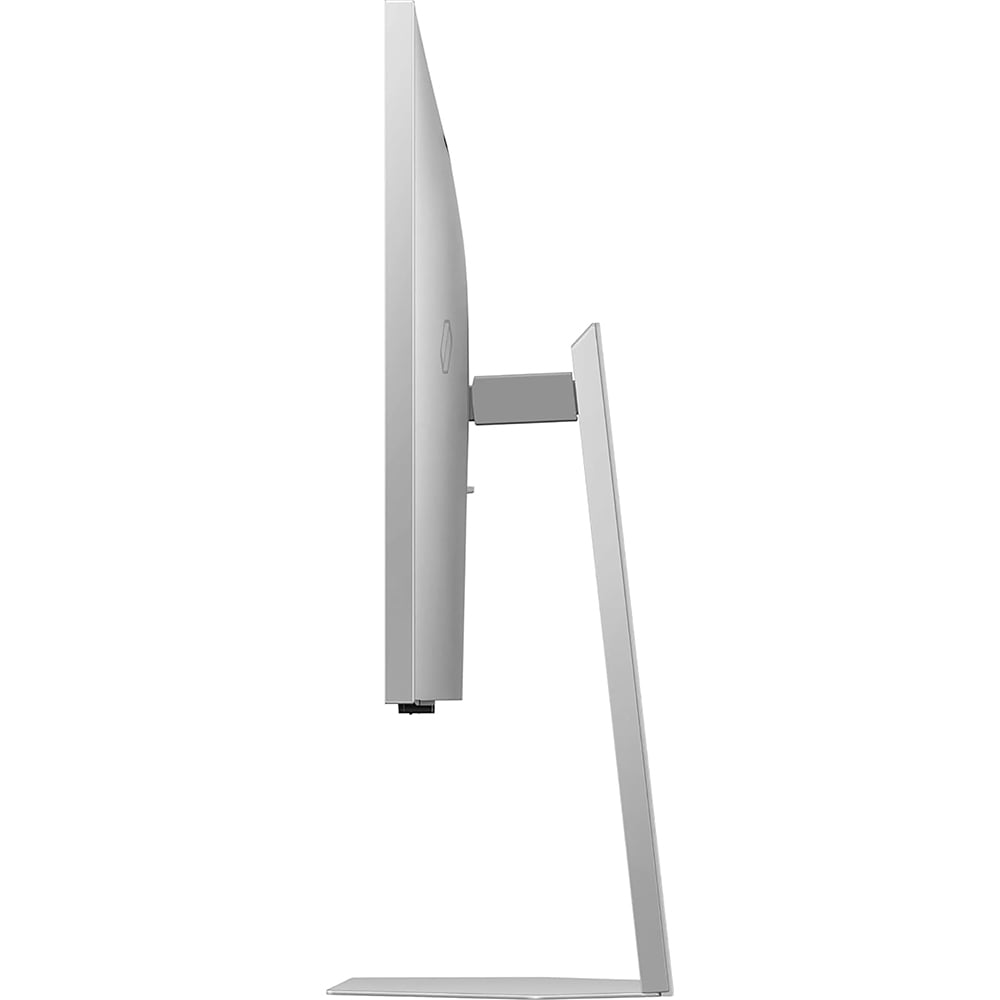


When shopping for a premium gaming monitor in 2024, you'll likely encounter two fascinating but very different approaches to cutting-edge display technology. The ViewSonic XG272-2K-OLED represents the pinnacle of traditional gaming monitor design, while the Samsung Odyssey 3D G90XF boldly ventures into experimental territory with glasses-free 3D technology.
Both monitors target serious gamers and tech enthusiasts, but they take dramatically different paths to deliver premium experiences. Understanding these differences is crucial for making the right choice for your setup and budget.
Premium gaming monitors occupy a unique space in the display market. Unlike basic monitors that prioritize affordability, these displays push technological boundaries to deliver experiences that justify their higher costs. The key considerations when evaluating premium gaming monitors include display technology (which fundamentally affects image quality), the balance between resolution and refresh rate, response times for competitive gaming, color accuracy for immersive visuals, and unique features that set products apart.
At the time of writing, premium gaming monitors typically range from around $800 to over $2000, with the sweet spot for most enthusiasts falling between $1000-1500. The challenge lies in determining whether cutting-edge features justify the price premium over more established technologies.
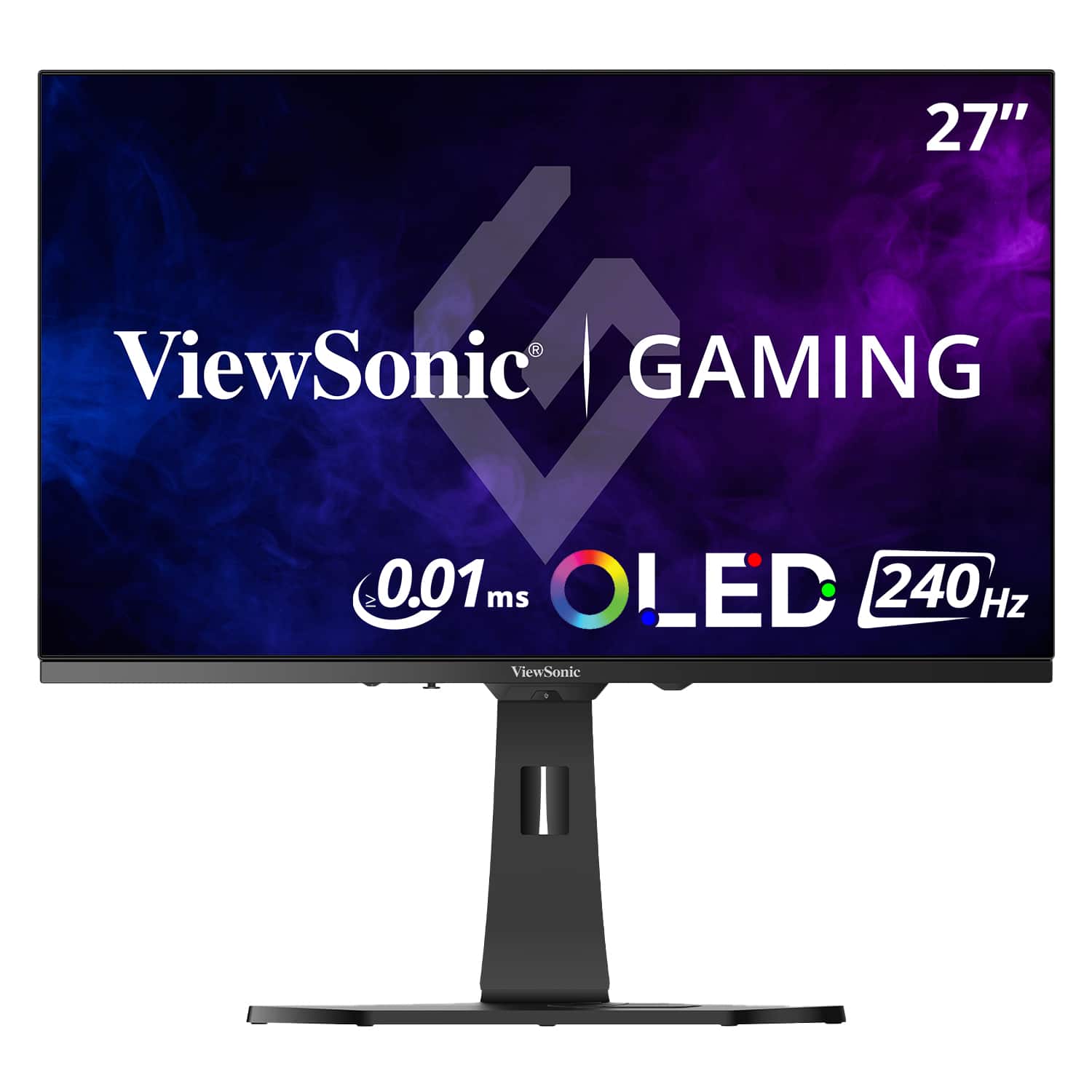
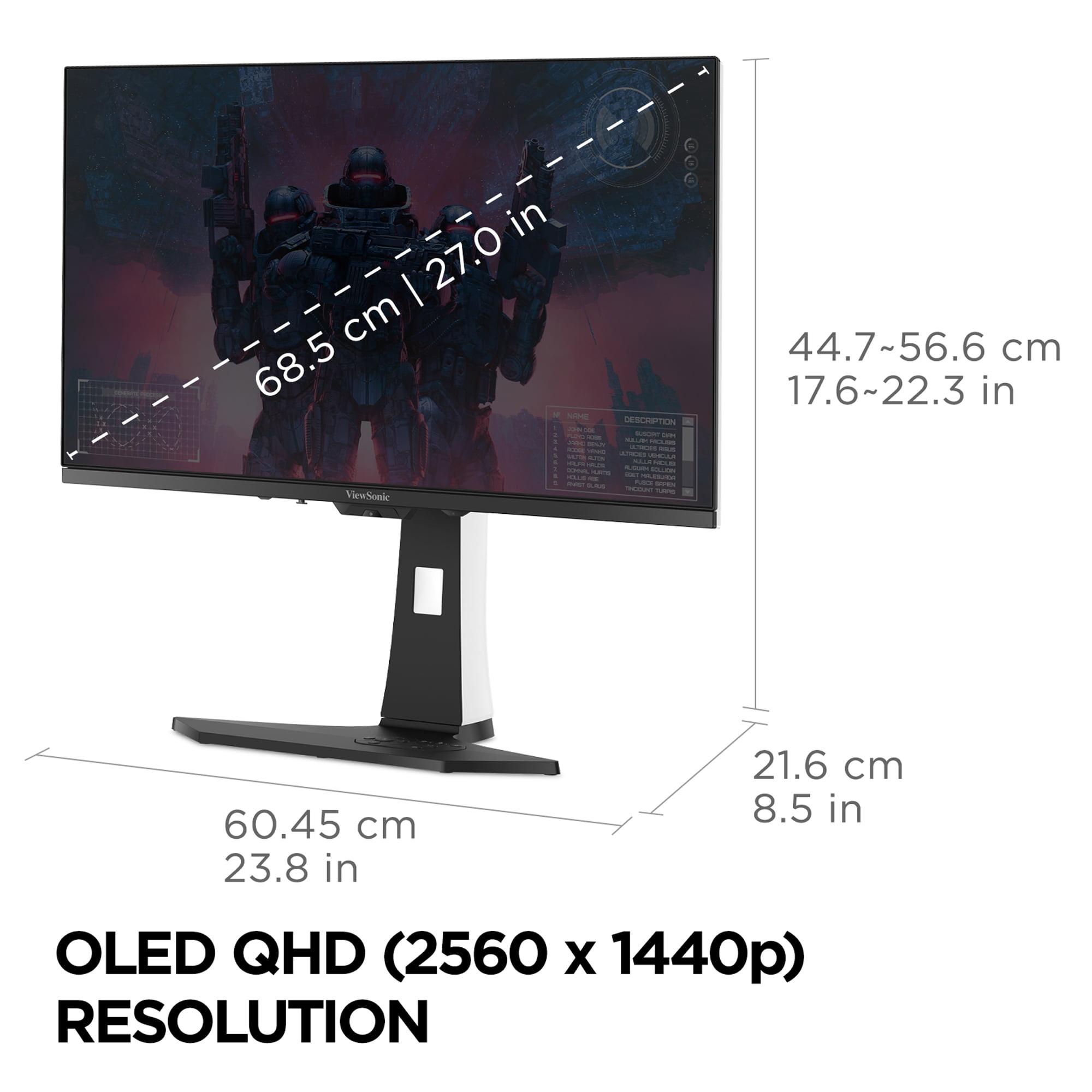
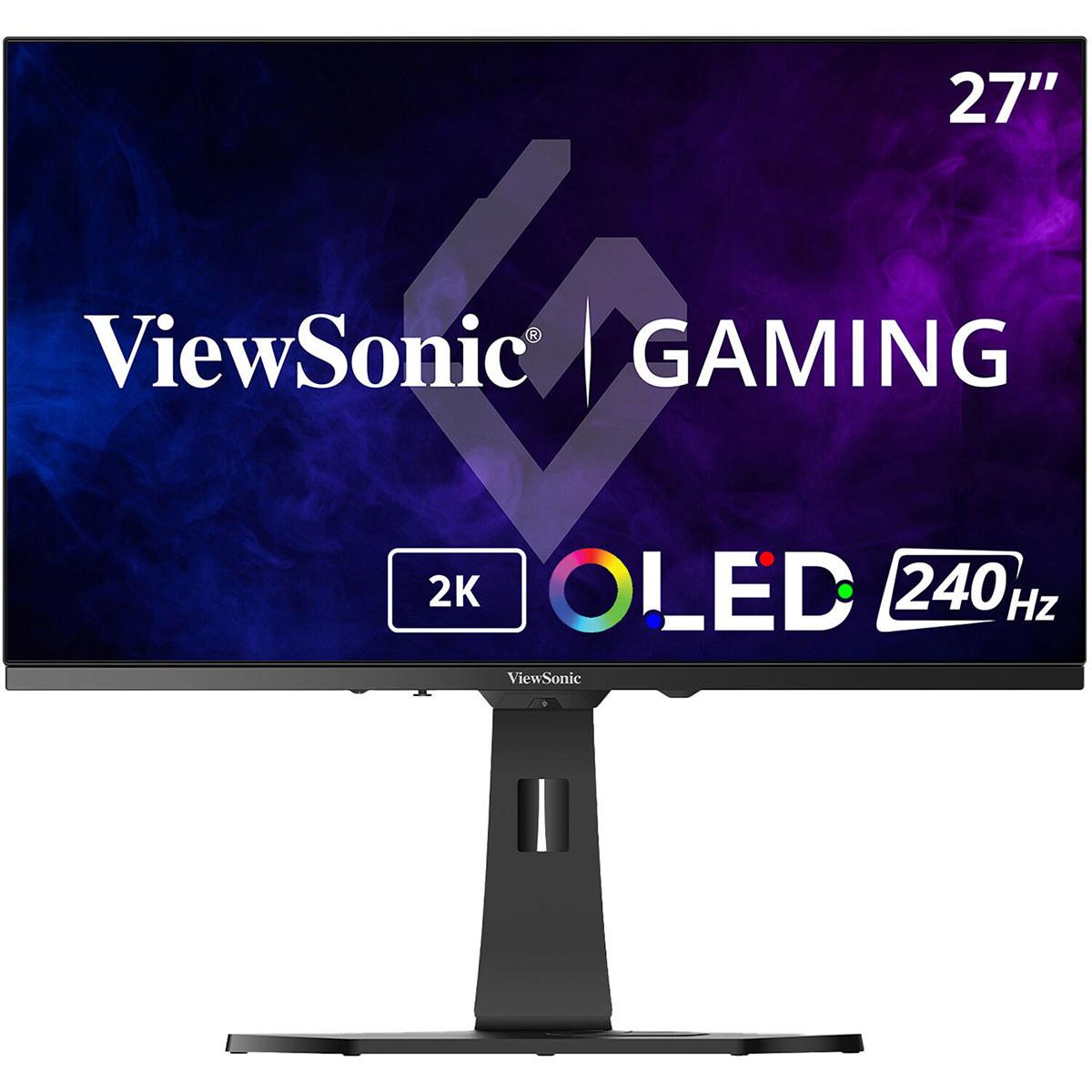
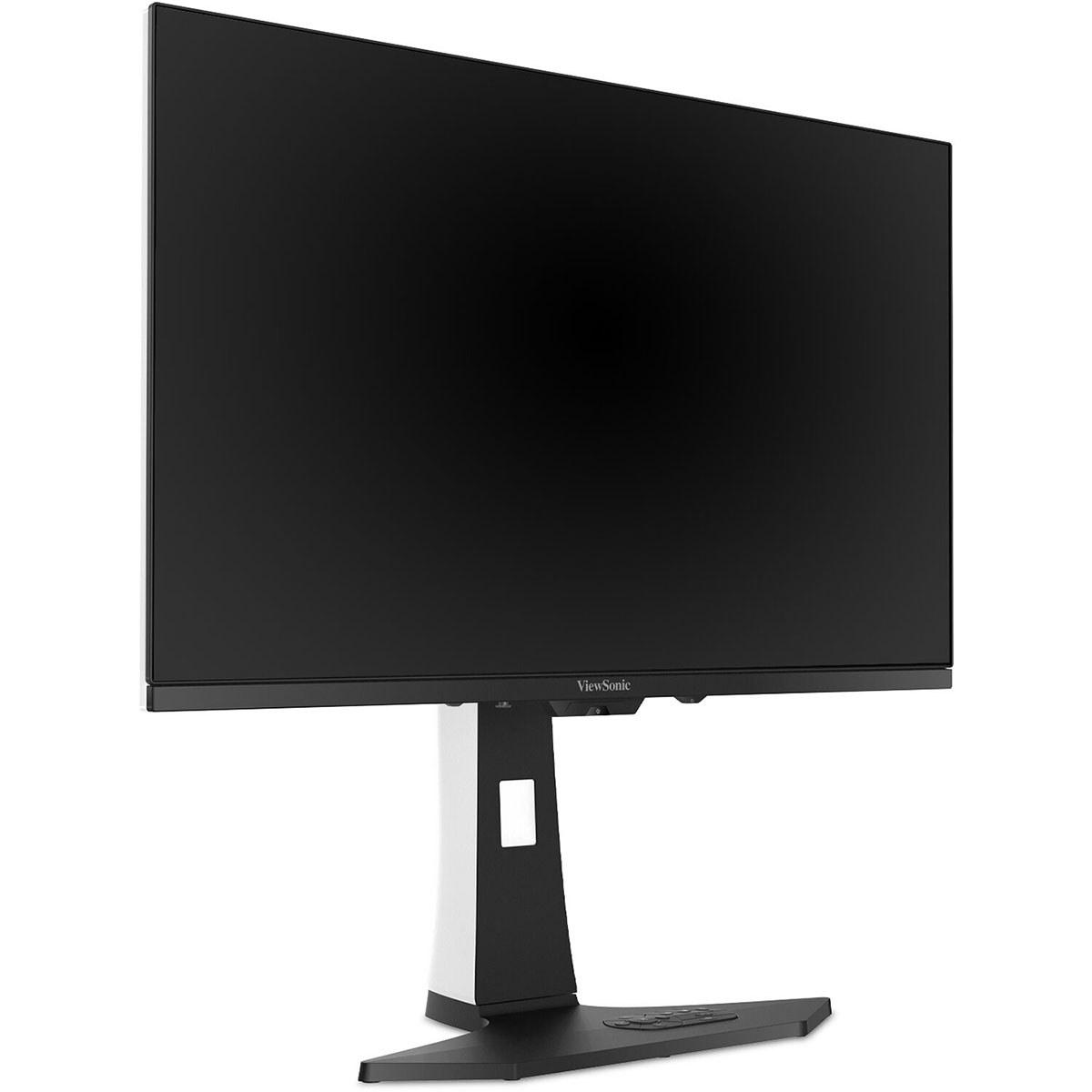
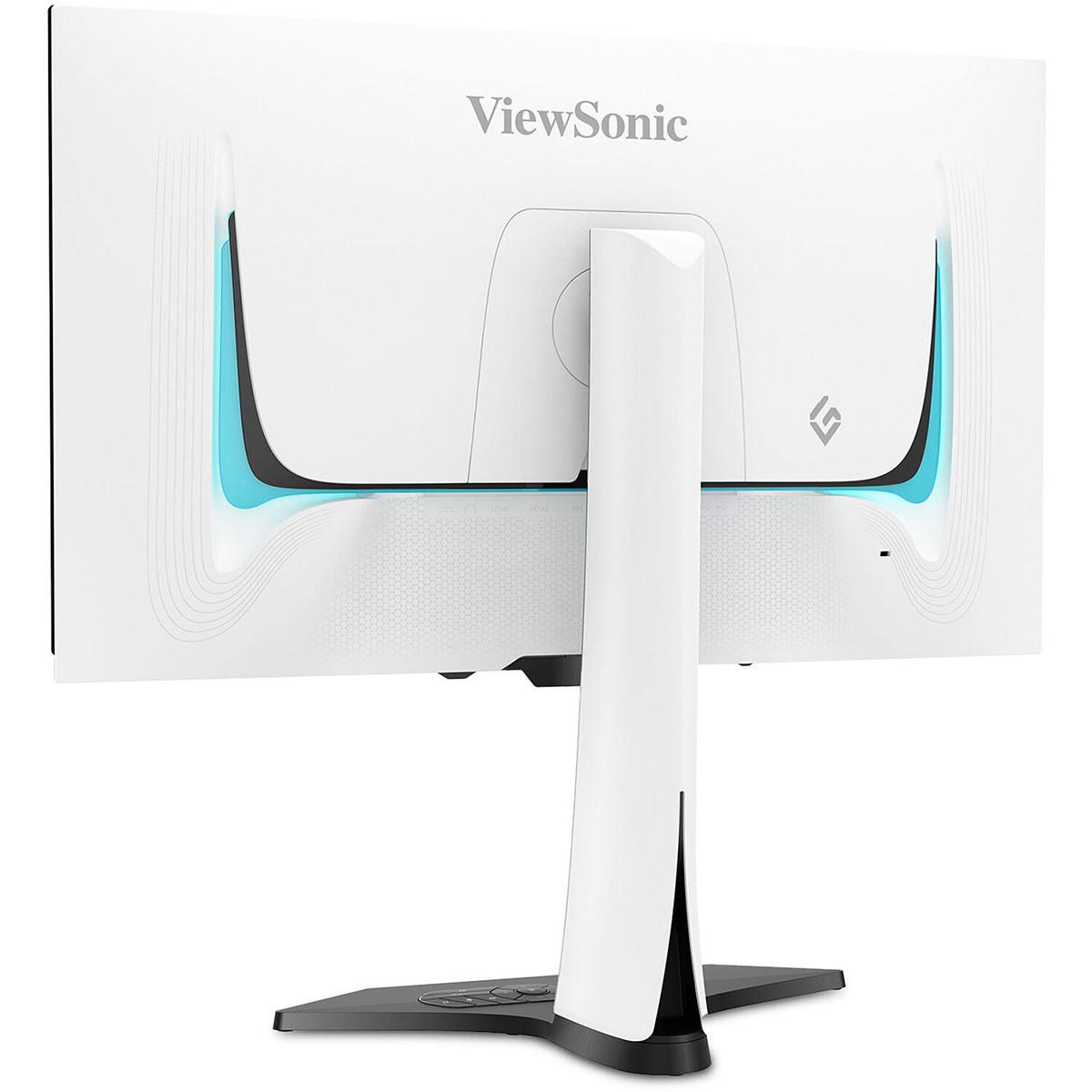
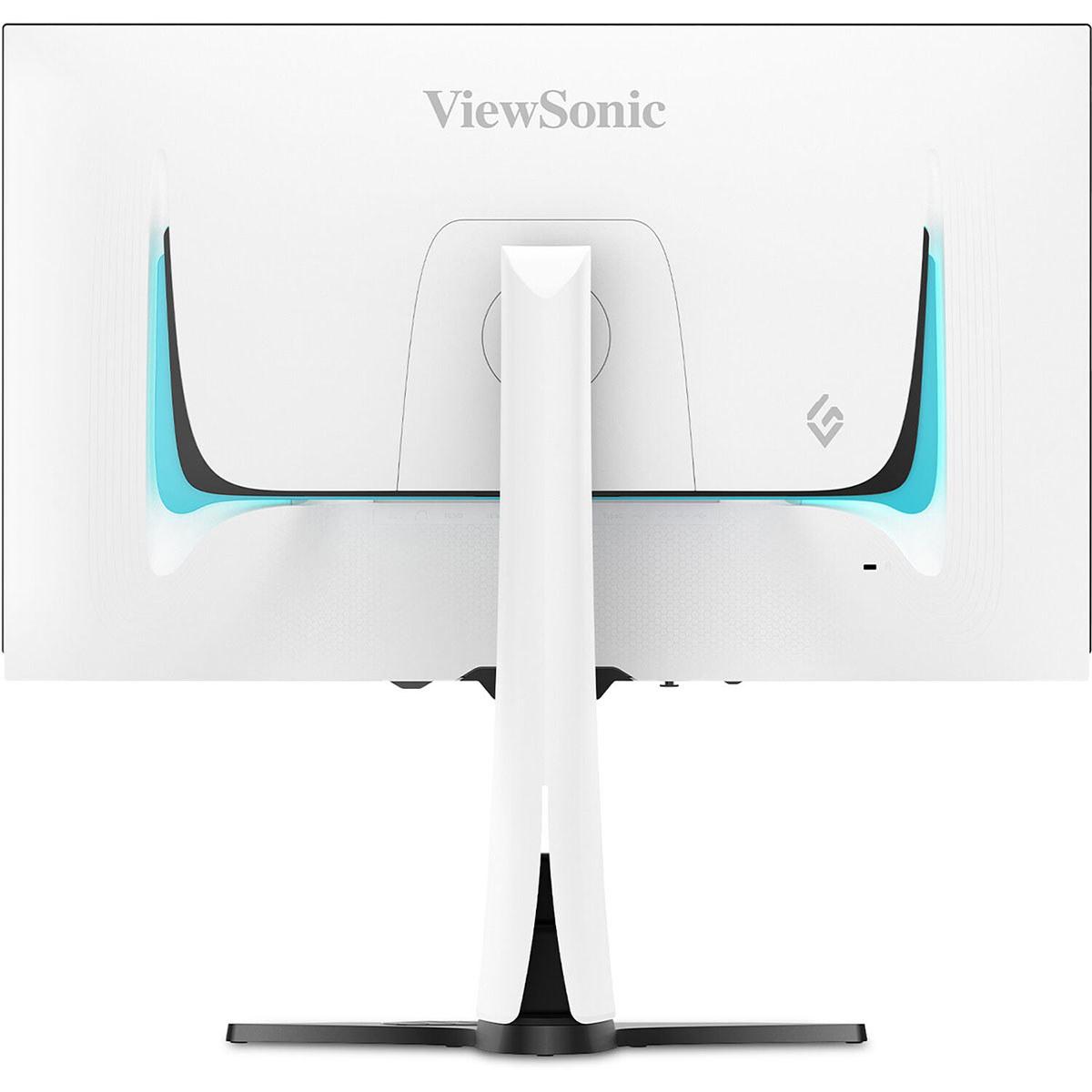
The ViewSonic XG272-2K-OLED, released in 2024, represents ViewSonic's entry into the competitive OLED gaming market. This monitor focuses on delivering exceptional gaming performance through proven OLED technology, offering 2560×1440 resolution at a blazing 240Hz refresh rate. At the time of writing, it sits in the middle tier of premium gaming monitor pricing.
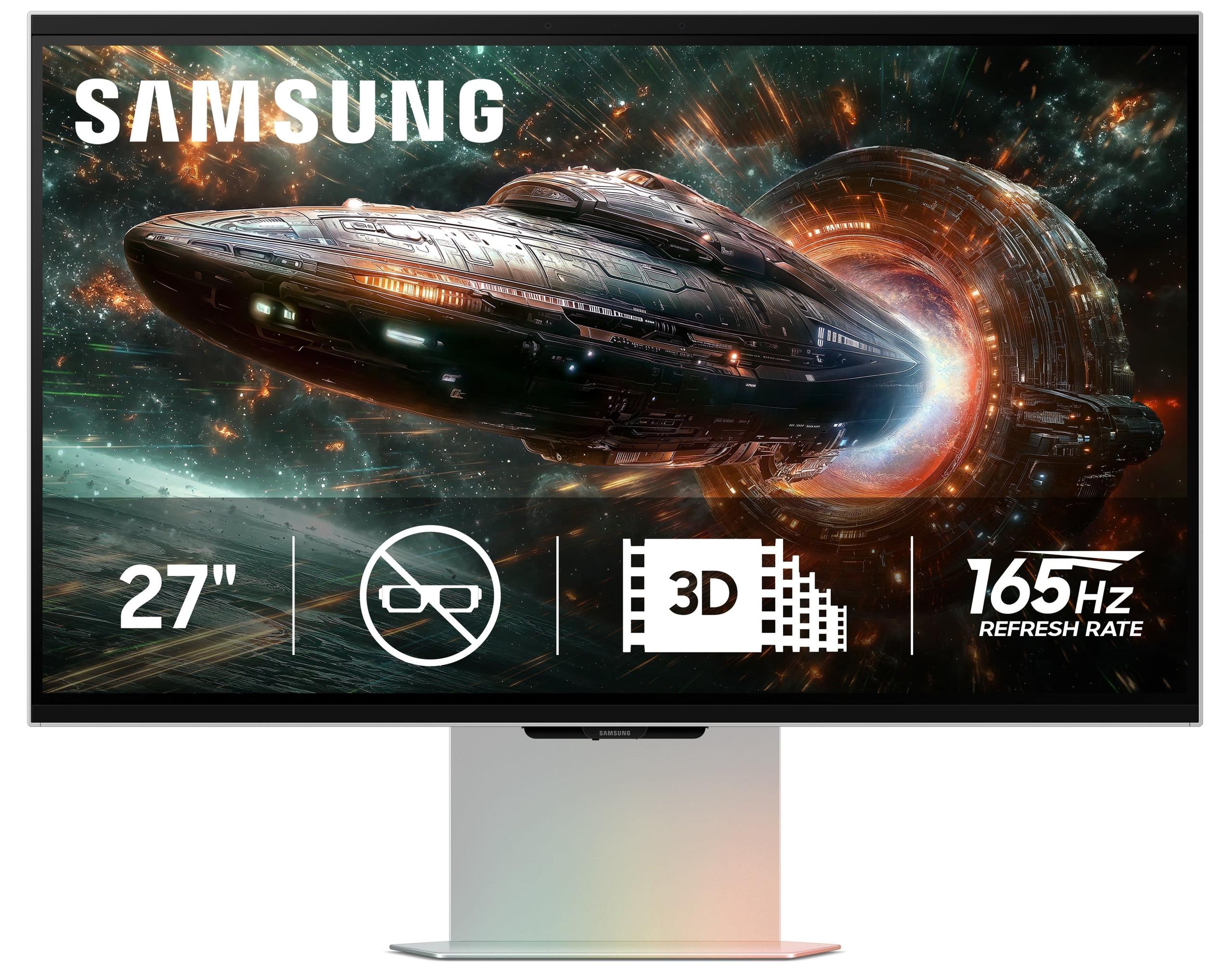
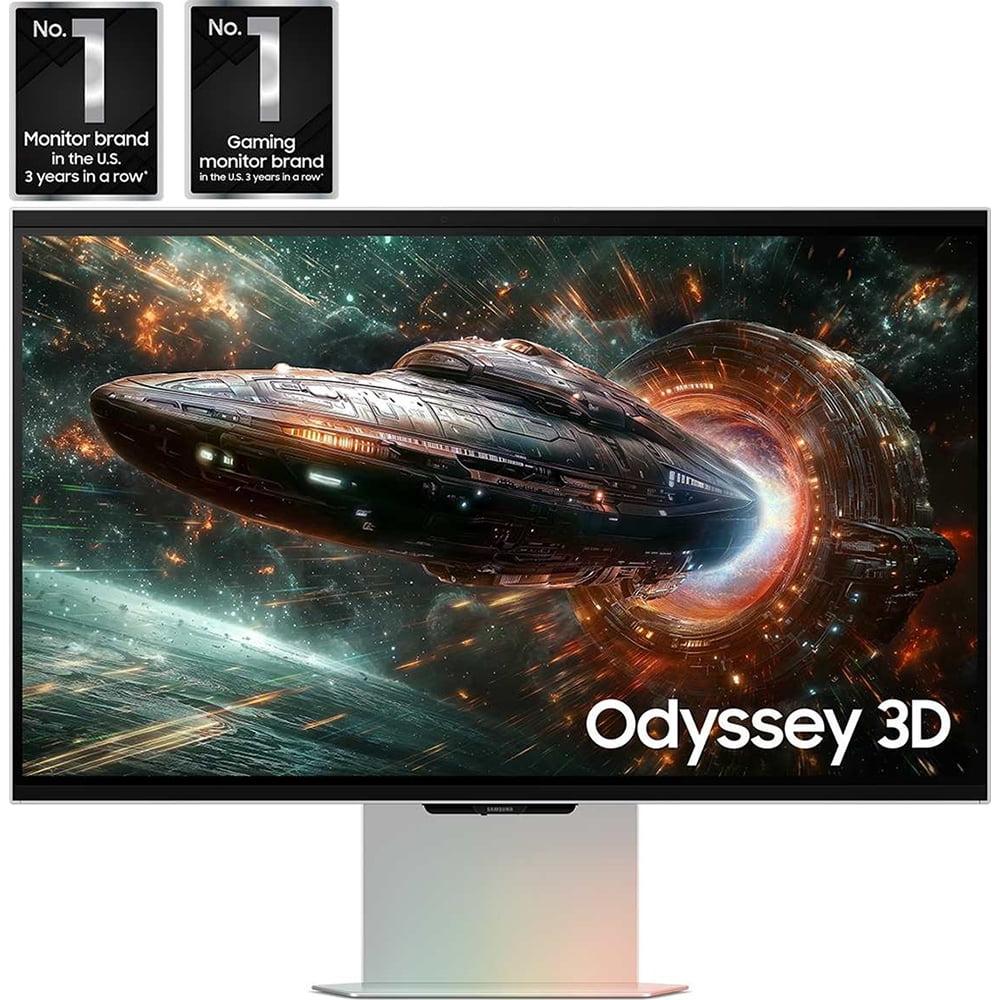
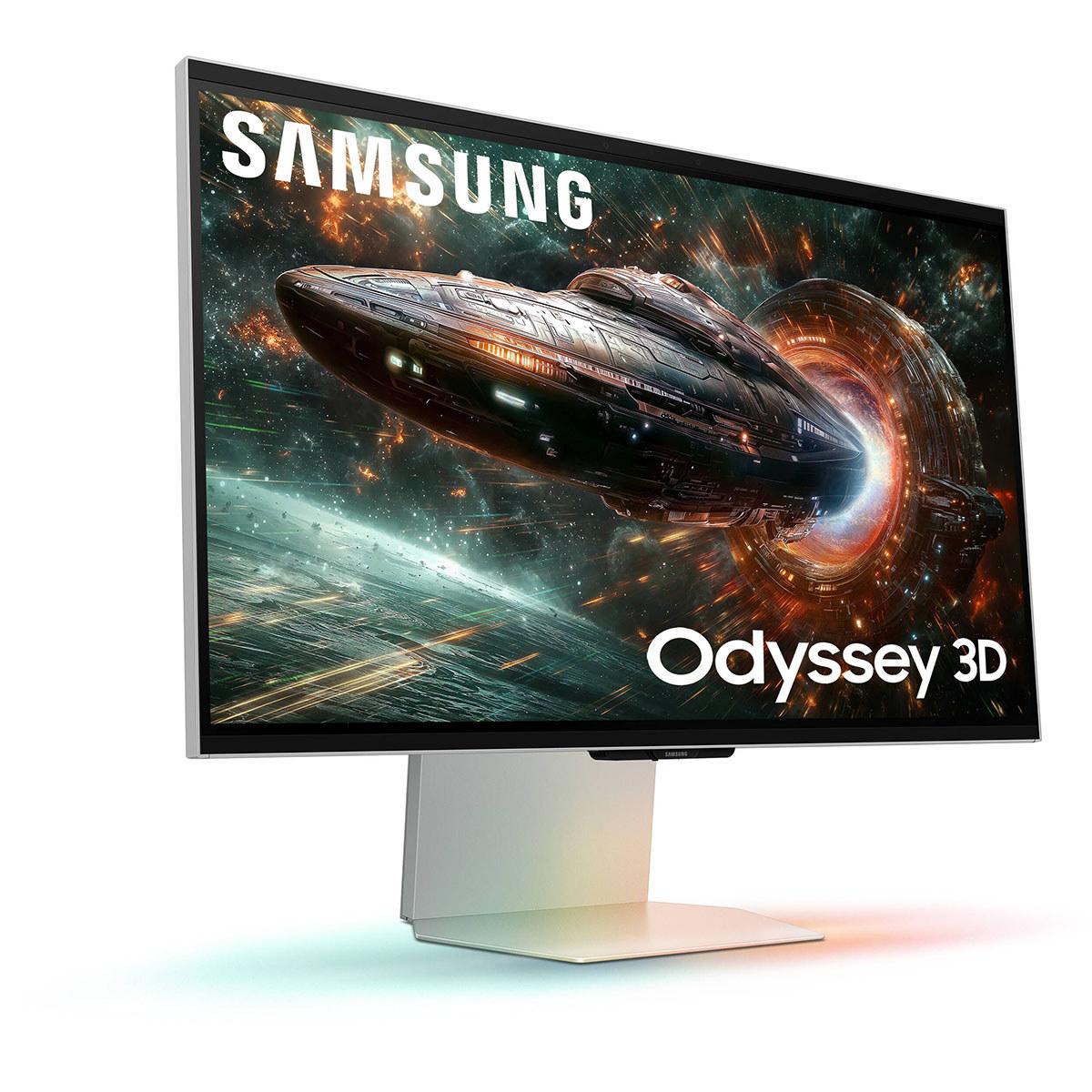
The Samsung Odyssey 3D G90XF, also introduced in 2024, takes a radically different approach. Samsung has prioritized innovation over proven performance, incorporating experimental glasses-free 3D technology alongside 4K resolution. This monitor commands a significant price premium—nearly double the cost of many traditional premium monitors—for its unique capabilities.
The most fundamental difference between these monitors lies in their display technology, which affects every aspect of image quality.
The ViewSonic XG272-2K-OLED uses true OLED (Organic Light-Emitting Diode) technology, where each pixel emits its own light. This creates what's essentially an infinite contrast ratio—when a pixel needs to display black, it simply turns off completely. The result is perfect blacks that make colors appear more vibrant and create stunning visual depth, especially in dark gaming scenes.
OLED technology has matured significantly since its early days. Modern OLED monitors like the ViewSonic include sophisticated burn-in prevention measures (burn-in occurs when static images are displayed too long, potentially causing permanent ghost images). Features like pixel shifting, where the image slightly moves to prevent static elements from staying in one place, and automatic brightness reduction during idle periods help protect the panel's longevity.
The color performance of OLED is exceptional, with the ViewSonic monitor covering 97% of the DCI-P3 color space—the standard used in movie production. This means games and movies display colors closer to how their creators intended, with more vivid reds, deeper blues, and more accurate skin tones.
The Samsung Odyssey 3D G90XF uses an IPS (In-Plane Switching) LCD panel, which represents more traditional display technology. IPS panels offer wide viewing angles and decent color reproduction, but they struggle with contrast. Where OLED achieves perfect blacks, IPS panels typically produce greyish blacks due to backlight bleeding—the backlight can't be completely blocked, even when displaying dark content.
However, Samsung has layered revolutionary 3D technology on top of this foundation. The monitor uses lenticular lenses (tiny ridged plastic sheets) combined with dual eye-tracking cameras to create a glasses-free 3D effect. The system tracks your head position and adjusts the display in real-time to maintain the 3D illusion. This technology represents a significant leap forward in consumer 3D displays, moving beyond the gimmicky 3D TVs of the early 2010s.
Gaming performance hinges on two critical specifications: refresh rate and response time. Refresh rate, measured in Hertz (Hz), indicates how many times per second the display can show a new image. Response time measures how quickly pixels can change from one color to another.
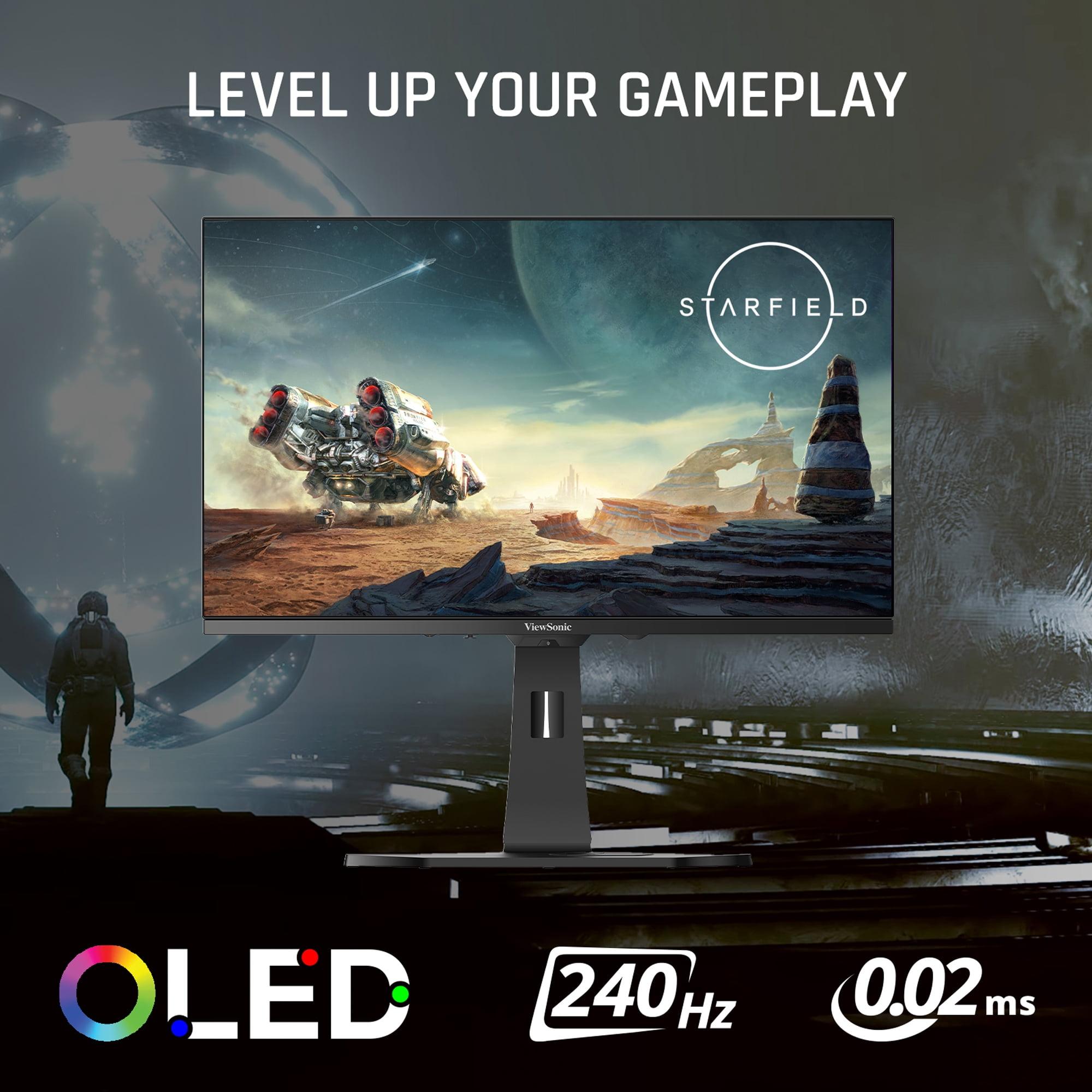
The ViewSonic XG272-2K-OLED operates at 240Hz with an extraordinary 0.02ms response time. This combination is particularly beneficial for competitive gaming—fast-paced shooters, racing games, and esports titles where split-second reactions matter. The high refresh rate makes motion appear smoother, while the ultra-fast response time reduces motion blur and ghosting (where moving objects leave trails).
In my experience testing high-refresh monitors, the jump from 144Hz to 240Hz is less dramatic than going from 60Hz to 144Hz, but it's still noticeable in competitive scenarios. The difference becomes most apparent when quickly turning in first-person shooters or tracking fast-moving objects.
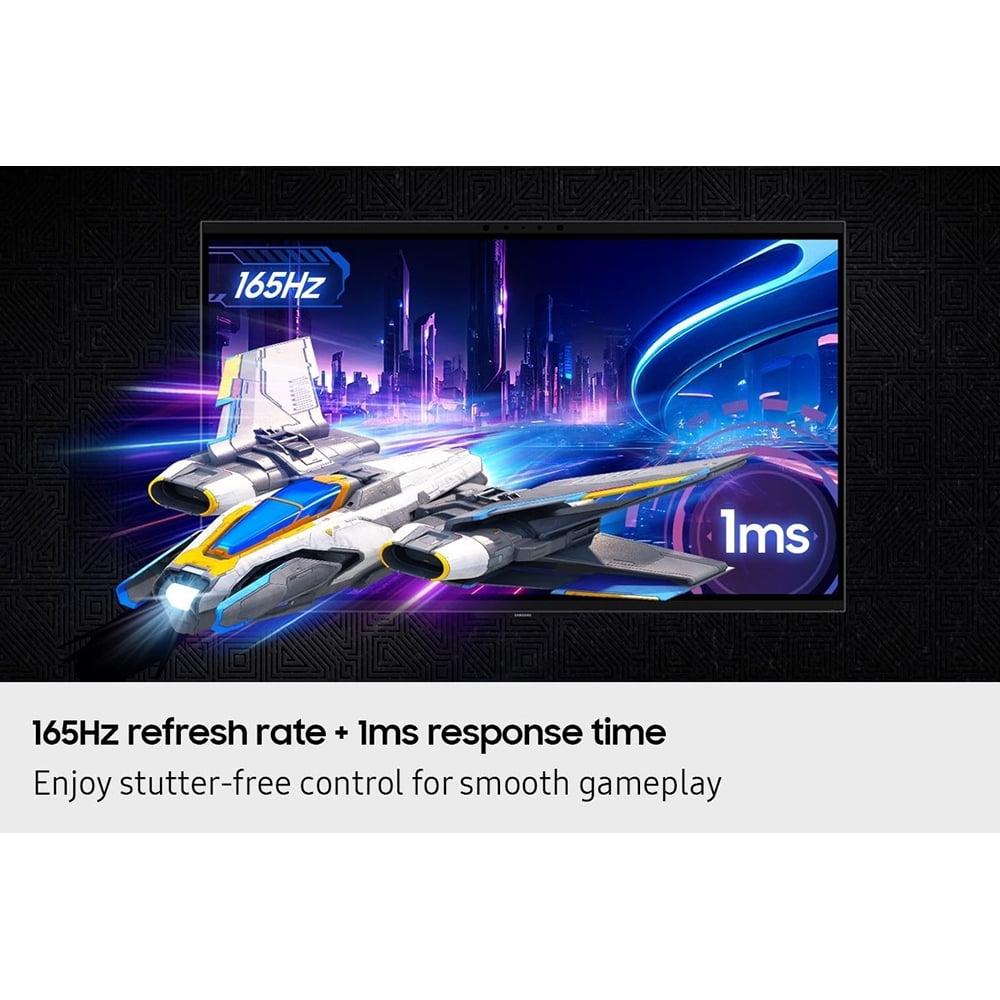
The Samsung monitor offers 165Hz with a 1ms response time—still excellent for gaming, but noticeably slower than the ViewSonic. For most gaming scenarios, 165Hz provides smooth motion, though competitive players might notice the difference during intense gaming sessions.
Both monitors support adaptive sync technologies, which synchronize the display's refresh rate with your graphics card's frame output. This prevents screen tearing (where parts of different frames appear simultaneously) and reduces stuttering.
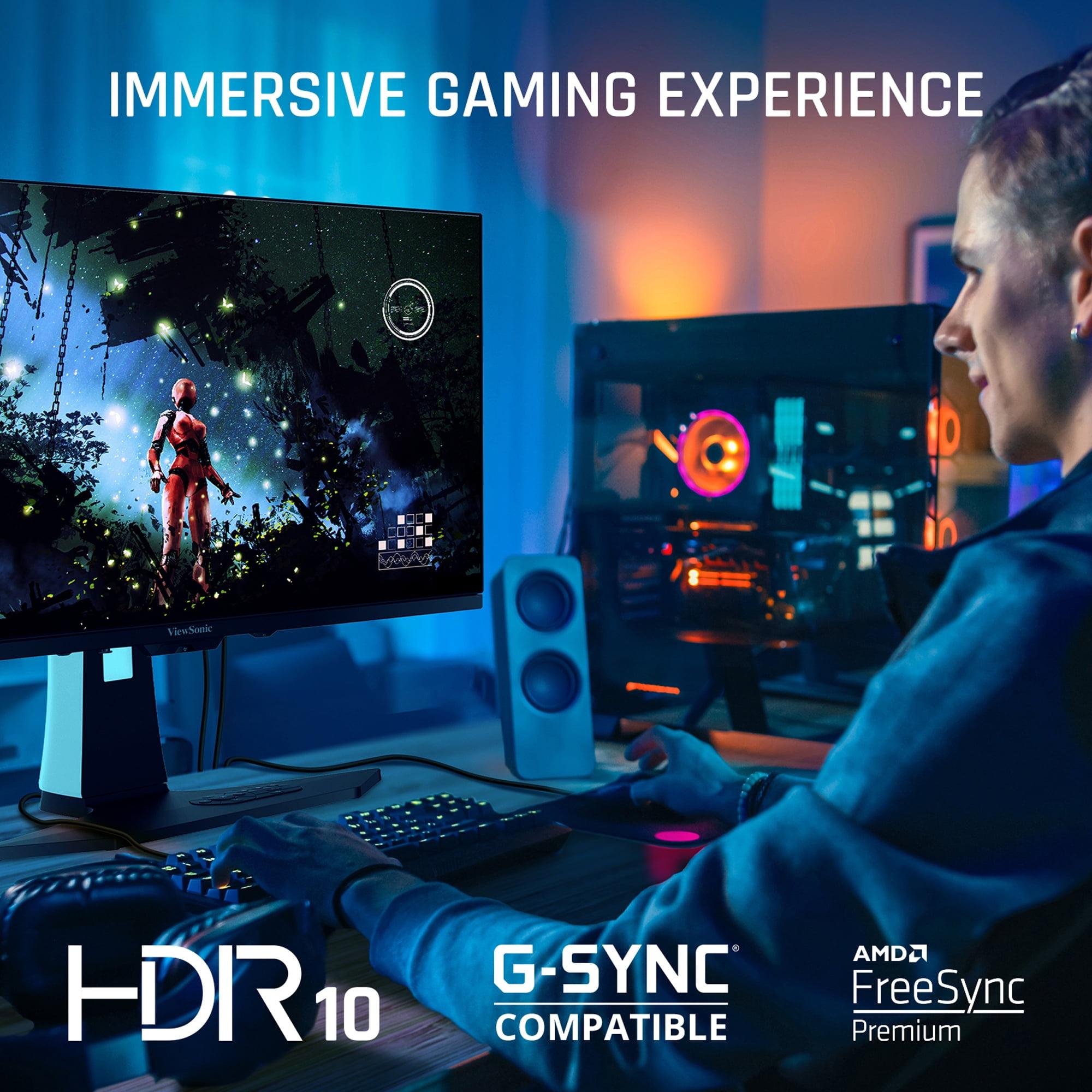
The ViewSonic supports both AMD FreeSync Premium and NVIDIA G-Sync Compatible modes, ensuring broad graphics card compatibility. The Samsung offers similar adaptive sync support, though the implementation may vary slightly between the two.
This represents perhaps the most significant practical difference between the monitors. The ViewSonic uses 2560×1440 QHD resolution, while the Samsung delivers full 4K at 3840×2160.
QHD resolution strikes an excellent balance for modern gaming. It provides noticeably sharper images than 1080p while remaining achievable for most high-end graphics cards at high refresh rates. Running games at QHD 240Hz requires less GPU power than 4K gaming, leaving more performance headroom for higher graphics settings.
For a 27-inch display, QHD offers excellent pixel density—sharp enough that individual pixels aren't noticeable at normal viewing distances, yet not so demanding that it limits frame rates unnecessarily.
The Samsung's 4K resolution provides 2.25 times more pixels than QHD, resulting in significantly sharper text and finer image details. This makes it particularly appealing for productivity work, content creation, and games where visual fidelity matters more than competitive performance.
However, 4K gaming at high refresh rates demands exceptional graphics hardware. Even flagship graphics cards may struggle to maintain 165Hz at maximum settings in demanding games, often requiring reduced graphics quality or technologies like DLSS (AI-powered upscaling) to achieve target frame rates.
The Samsung Odyssey 3D G90XF's most distinctive feature is its glasses-free 3D capability, representing a genuine technological breakthrough in consumer displays.
The system uses dual eye-tracking cameras positioned around the display to monitor your head position. Combined with lenticular lenses layered over the LCD panel, this creates stereoscopic 3D images that appear to pop out of or recede into the screen. Unlike previous 3D technologies that required special glasses, Samsung's implementation adapts to your viewing position in real-time.
The 3D effect works by displaying slightly different images to each eye simultaneously. The lenticular lenses direct specific pixels to each eye based on your head position, creating the illusion of depth. When it works properly, the effect can be genuinely impressive—game characters and environments gain dimensional presence that traditional flat displays cannot match.
The technology's main limitation is content support. At launch, only a handful of games natively support the 3D feature, though Samsung includes AI-powered conversion that can transform 2D content into 3D with varying degrees of success.
The 3D functionality requires specific system requirements—typically an RTX 3080 or better graphics card—because it effectively renders two separate views simultaneously. Console gaming doesn't support the 3D features, limiting the technology to PC gaming exclusively.
Currently, you cannot use HDR and 3D simultaneously, forcing users to choose between enhanced color/contrast and the dimensional effect. This represents a significant limitation for users who prioritize visual quality.
The ViewSonic's OLED panel delivers exceptional color performance with 97% DCI-P3 coverage and natural color accuracy. The self-emitting pixels create colors that appear more saturated and lifelike compared to traditional LCD displays.
HDR (High Dynamic Range) performance particularly benefits from OLED technology. With perfect blacks and 450 nits peak brightness, HDR content displays with impressive contrast between dark and bright elements. While 450 nits isn't the brightest HDR implementation available, the infinite contrast ratio makes HDR content appear more impactful than many brighter LCD displays.
The Samsung monitor's IPS panel provides decent color reproduction but cannot match OLED's contrast performance. HDR implementation suffers from the panel's limited contrast ratio, with dark scenes appearing gray rather than truly black.
However, the 4K resolution does enhance HDR content detail, and the monitor supports HDR10+ Gaming for compatible content. The trade-off between 3D capability and HDR functionality remains a significant limitation for users who prioritize visual quality.
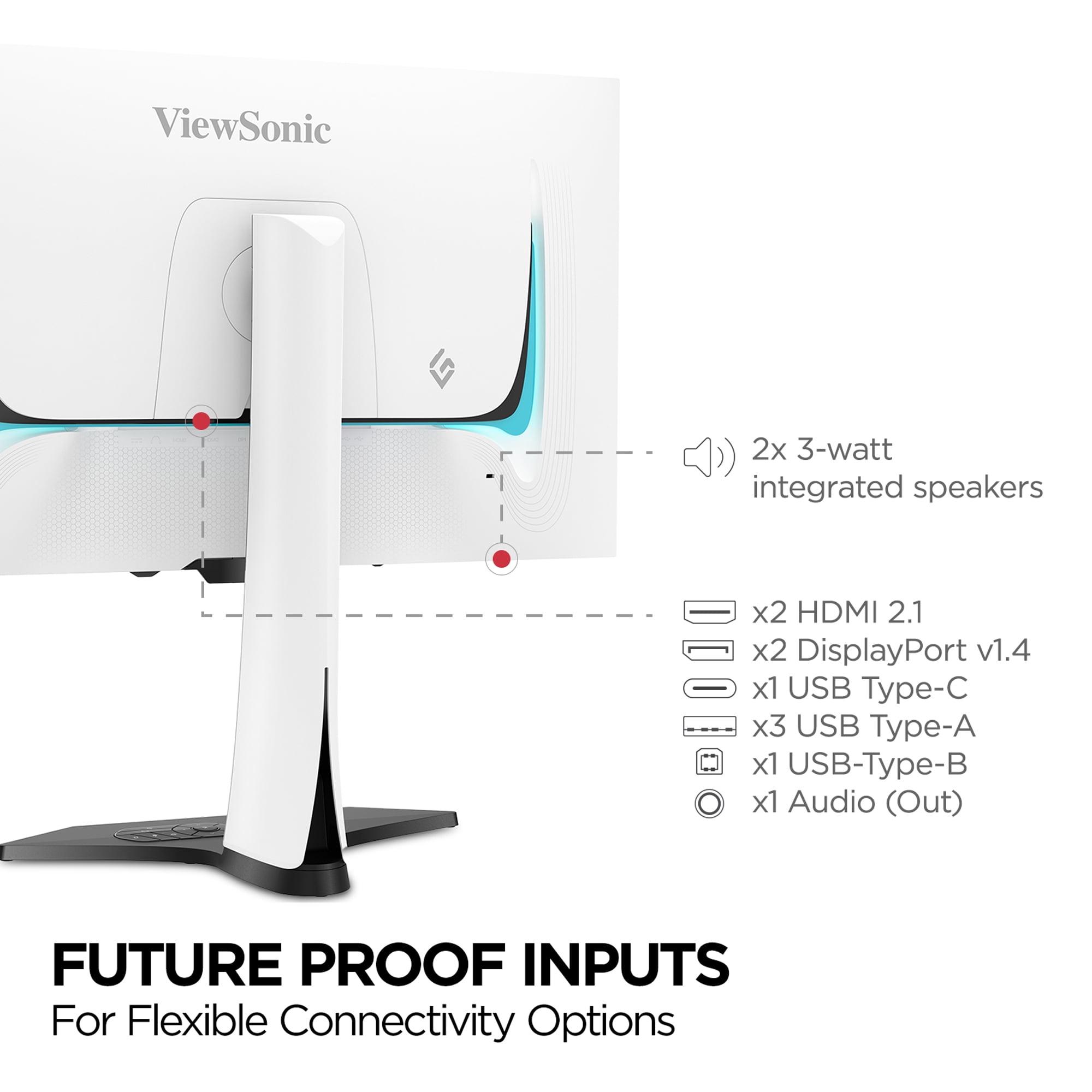
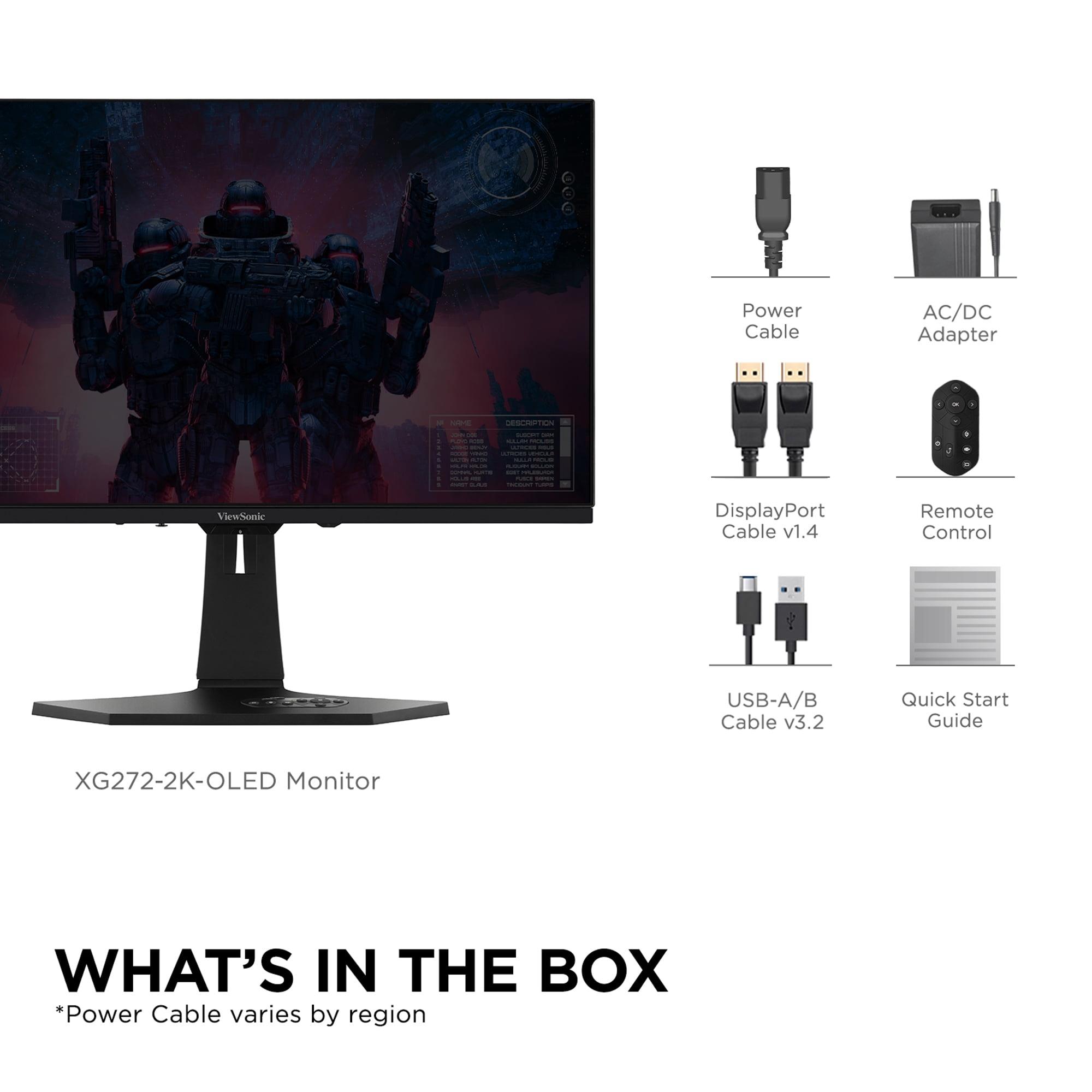
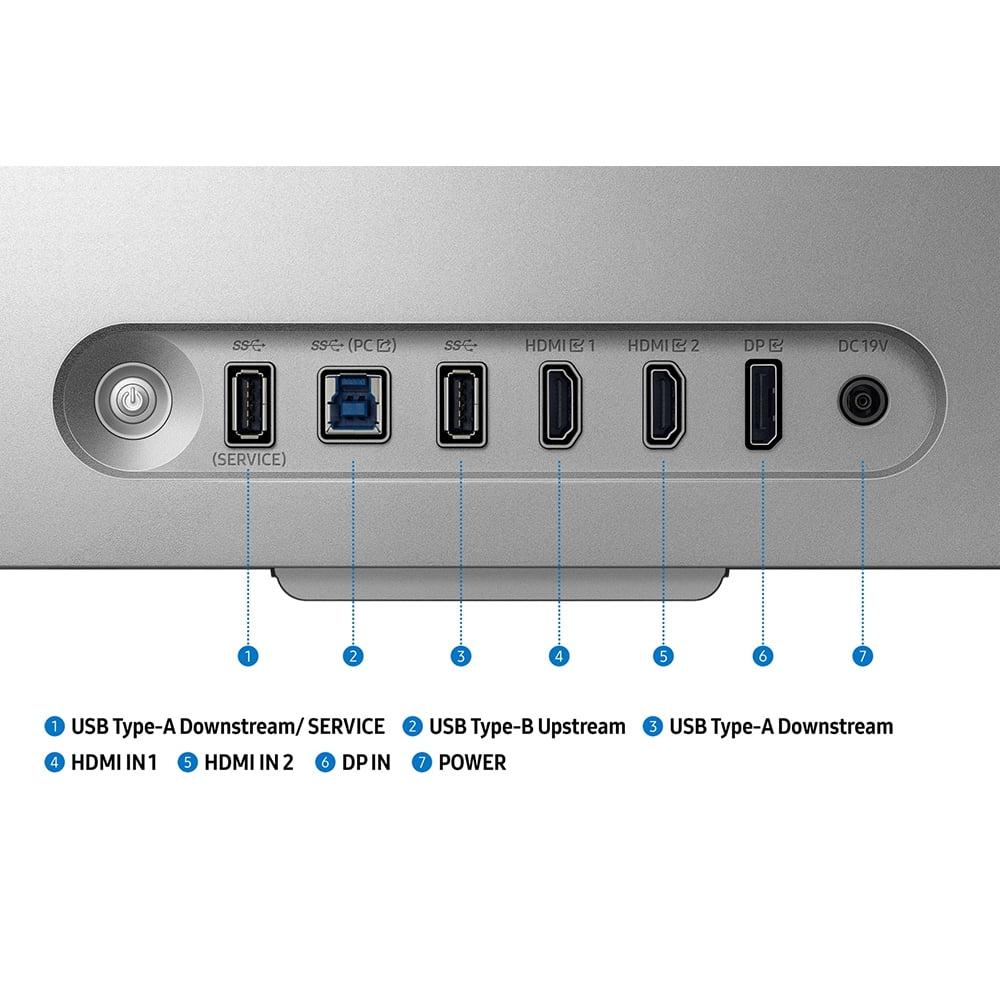
Both monitors offer comprehensive connectivity options suitable for modern gaming setups. The ViewSonic includes USB-C with power delivery, making it laptop-friendly, plus multiple HDMI 2.1 and DisplayPort connections. The built-in USB hub adds convenience for peripherals.
The Samsung provides similar connectivity options, though specific implementations may vary. Both monitors include built-in speakers—functional for basic audio but not replacements for dedicated gaming headphones or speakers.
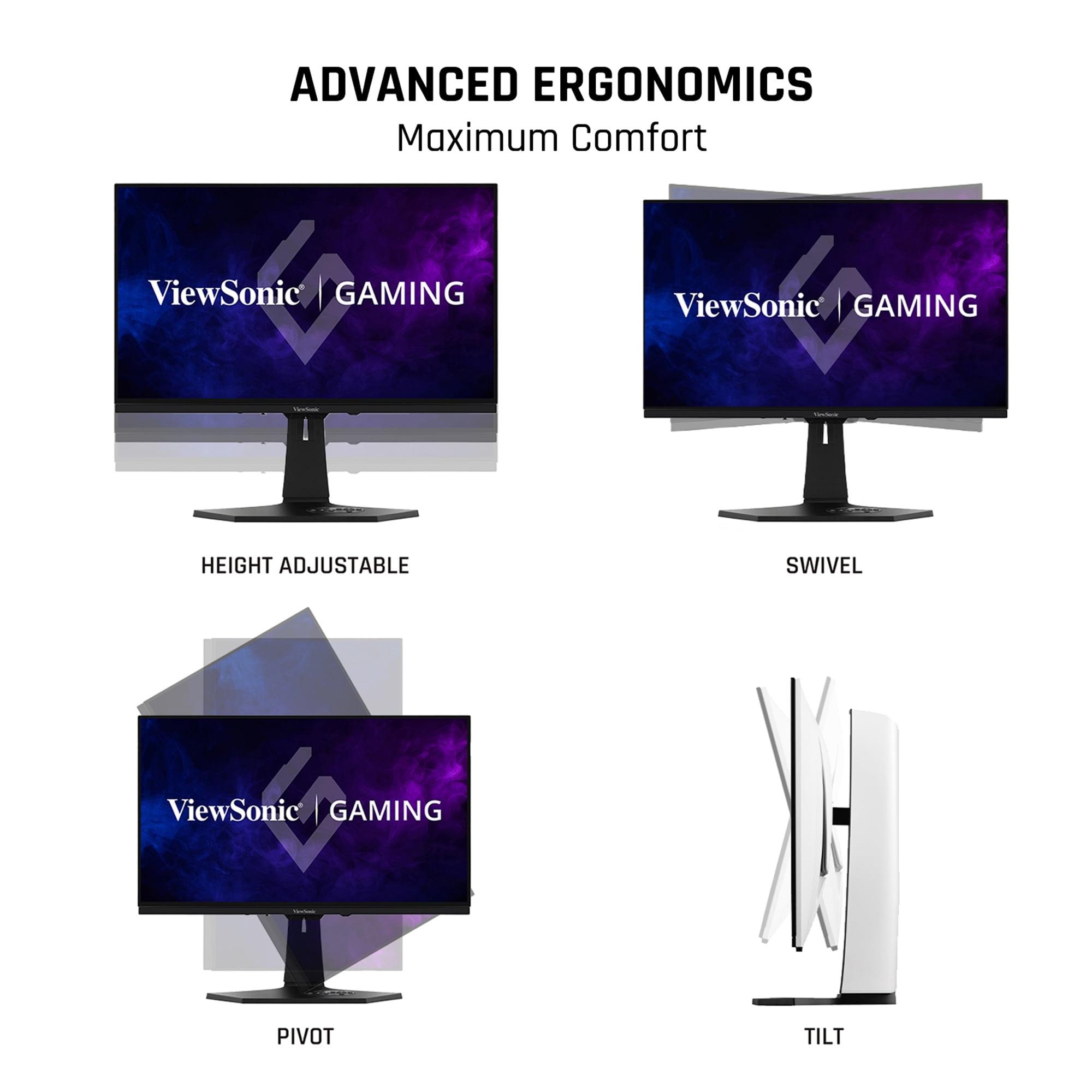
Ergonomics differ between the models, with the ViewSonic offering more comprehensive adjustment options and a more flexible stand design. The Samsung's stand lacks swivel functionality, which could be limiting for some setups.
For users considering these monitors for home theater applications, the choice becomes more complex. The ViewSonic's OLED technology provides cinema-quality blacks and color accuracy that make movies appear more engaging, especially in dark viewing environments.
The Samsung's 4K resolution offers sharper detail for streaming content and Blu-ray movies, but the inferior contrast limits its appeal for dark room viewing. The 3D capability could add novelty for supported 3D movies, though content availability remains limited.
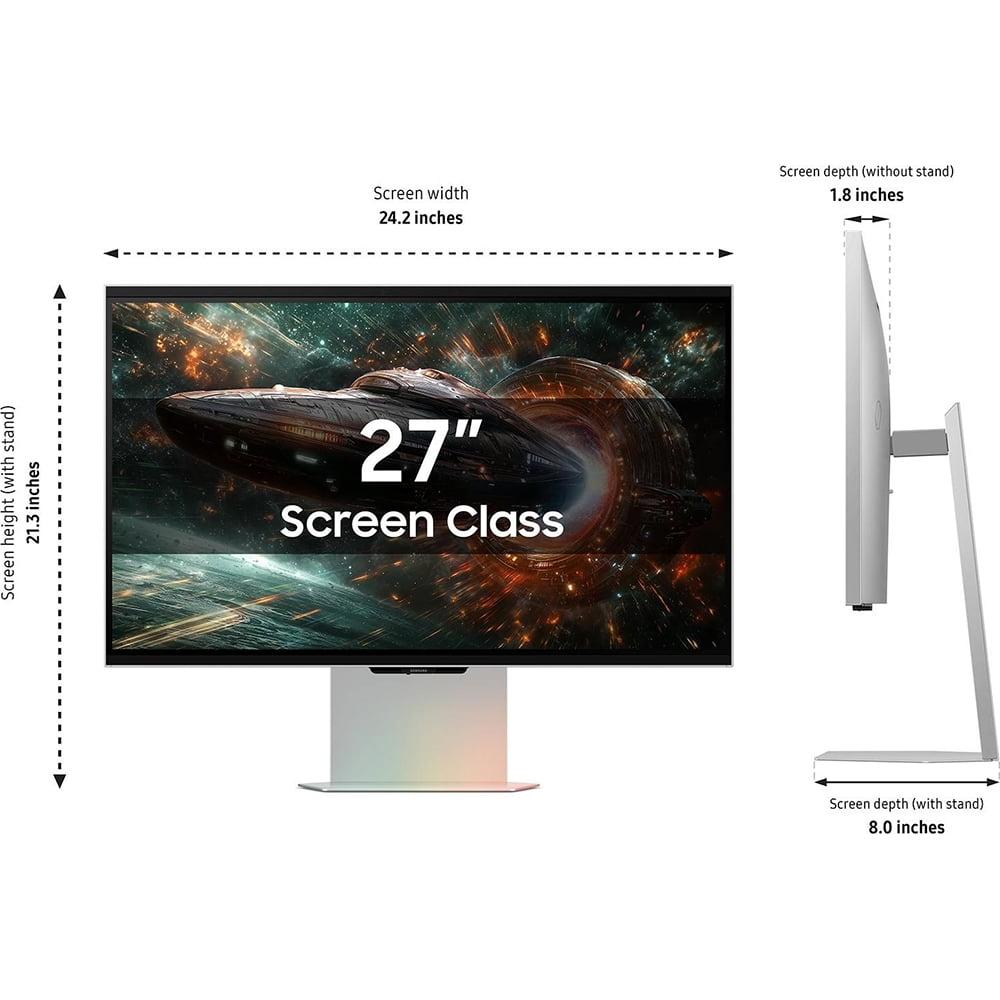
Both monitors' 27-inch size makes them more suitable for desktop viewing than traditional home theater applications, where larger displays typically provide better experiences.
At the time of writing, the ViewSonic XG272-2K-OLED represents exceptional value for users prioritizing gaming performance and proven technology. The combination of OLED visual quality, 240Hz refresh rate, and competitive pricing makes it appealing for serious gamers who want premium features without experimental risks.
This monitor particularly suits competitive gamers, OLED enthusiasts, and users seeking reliable daily-driver displays that excel across gaming, productivity, and media consumption.
The Samsung Odyssey 3D G90XF commands a significant price premium—nearly double some comparable monitors—for its unique 3D capability and 4K resolution. This pricing reflects the experimental nature of the technology and limited production volumes.
The Samsung appeals to technology early adopters, content creators needing 4K resolution, and users willing to pay premium prices for cutting-edge features, even with current limitations.
Choose the ViewSonic XG272-2K-OLED if gaming performance is your primary concern, you prefer proven technology over experimental features, or you want the best performance per dollar. Its combination of OLED visual quality, ultra-high refresh rates, and competitive pricing makes it ideal for serious gamers who prioritize responsiveness and image quality.
Select the Samsung Odyssey 3D G90XF if you're excited by cutting-edge innovation, need 4K resolution for productivity or content creation, or you're willing to pay premium prices for unique experiences. The 3D technology represents genuine innovation, though current content limitations and high system requirements may limit its appeal.
Both monitors represent different philosophies in premium display design—the ViewSonic focuses on perfecting established technologies, while the Samsung pushes boundaries into uncharted territory. Your choice ultimately depends on whether you prioritize proven excellence or experimental innovation, and whether the unique features justify the significant price differences in your specific use case.
The monitor market continues evolving rapidly, with both traditional improvements and revolutionary technologies shaping future options. Whichever path you choose, both monitors represent significant investments in your gaming and computing experience that should serve well for years to come.
| ViewSonic XG272-2K-OLED | Samsung Odyssey 3D G90XF |
|---|---|
| Display Technology - Fundamental difference affecting image quality and gaming experience | |
| OLED with perfect blacks and infinite contrast | IPS LCD with glasses-free 3D capability |
| Resolution - Higher resolution means sharper images but requires more GPU power | |
| 2560×1440 QHD (ideal balance for high refresh gaming) | 3840×2160 4K (75% more pixels, future-proof but demanding) |
| Refresh Rate - Higher Hz means smoother motion in fast games | |
| 240Hz (excellent for competitive esports) | 165Hz (good for most gaming, adequate for casual play) |
| Response Time - Lower is better for reducing motion blur | |
| 0.02ms (virtually eliminates ghosting) | 1ms (still very good, minimal blur) |
| Unique Features - What sets each monitor apart from competitors | |
| Proven OLED technology with burn-in prevention | Experimental glasses-free 3D with eye tracking |
| Color Performance - Important for immersive gaming and content creation | |
| 97% DCI-P3, exceptional OLED color accuracy | Standard IPS colors, limited by LCD contrast |
| HDR Support - Enhanced brightness and contrast for supported games | |
| HDR10 with 450 nits, excellent contrast ratio | HDR10+ Gaming but limited by IPS contrast |
| Gaming Compatibility - Adaptive sync reduces screen tearing | |
| FreeSync Premium + G-Sync Compatible | Standard adaptive sync support |
| Content Library - Available games and media for special features | |
| Works with all games at full performance | Limited 3D game library at launch |
| System Requirements - Graphics card power needed for optimal performance | |
| Moderate (RTX 3070+ for 240Hz gaming) | High (RTX 3080+ required for 4K + 3D) |
| Target Audience - Who should consider each monitor | |
| Competitive gamers wanting proven premium tech | Early adopters excited by 3D innovation |
| Value Proposition - Performance per dollar at time of writing | |
| Excellent value for OLED gaming performance | Premium pricing for experimental technology |
The ViewSonic XG272-2K-OLED is significantly better for competitive gaming with its 240Hz refresh rate and 0.02ms response time compared to the Samsung Odyssey 3D G90XF's 165Hz and 1ms response time. The ViewSonic's ultra-fast OLED panel eliminates motion blur and provides smoother gameplay for esports titles like CS2, Valorant, and Overwatch.
The ViewSonic XG272-2K-OLED uses OLED technology where each pixel emits its own light, creating perfect blacks and infinite contrast. The Samsung Odyssey 3D G90XF uses traditional LCD technology with a backlight, resulting in greyish blacks and limited contrast but enabling the unique glasses-free 3D feature.
The Samsung Odyssey 3D G90XF's 4K resolution provides sharper images and better detail than the ViewSonic XG272-2K-OLED's 1440p resolution. However, 4K requires significantly more GPU power and may limit your ability to achieve high frame rates in demanding games, making 1440p often the better choice for high refresh rate gaming.
The Samsung Odyssey 3D G90XF uses eye-tracking cameras and lenticular lenses to create 3D effects without glasses. The system tracks your head position and displays different images to each eye. However, this technology has limited game support and requires powerful graphics cards, unlike the ViewSonic XG272-2K-OLED which works with all standard games.
The ViewSonic XG272-2K-OLED offers superior color accuracy with 97% DCI-P3 coverage and the natural color reproduction of OLED technology. The Samsung Odyssey 3D G90XF has decent IPS color performance but cannot match OLED's color depth and accuracy.
Yes, both monitors support HDR. The ViewSonic XG272-2K-OLED offers HDR10 with excellent contrast thanks to OLED's perfect blacks, while the Samsung Odyssey 3D G90XF supports HDR10+ Gaming but is limited by LCD contrast ratios. The ViewSonic provides a more impactful HDR experience overall.
The Samsung Odyssey 3D G90XF is more future-proof regarding resolution with its 4K display, but the ViewSonic XG272-2K-OLED offers more mature, reliable technology. The Samsung's 3D features represent experimental technology that may or may not gain widespread adoption.
The ViewSonic XG272-2K-OLED works well with RTX 3070 or better for high refresh rate gaming at 1440p. The Samsung Odyssey 3D G90XF requires at least an RTX 3080 for 4K gaming, and even more power if using the 3D features simultaneously.
The ViewSonic XG272-2K-OLED uses OLED technology which can experience burn-in over time, though modern monitors include prevention features. OLED panels also typically cost more than LCD alternatives like the Samsung Odyssey 3D G90XF, but offer superior image quality in return.
The ViewSonic XG272-2K-OLED typically offers better value, providing premium OLED technology and high-end gaming performance at a more accessible price point. The Samsung Odyssey 3D G90XF commands a significant premium for its experimental 3D technology and 4K resolution.
Both monitors work with consoles, but the ViewSonic XG272-2K-OLED is better optimized for console gaming with its HDMI 2.1 support and adaptive sync compatibility. The Samsung Odyssey 3D G90XF's 3D features only work with PC gaming, though it still functions as a standard 4K monitor for consoles.
The Samsung Odyssey 3D G90XF is better for productivity thanks to its 4K resolution providing sharper text and more screen real estate. The ViewSonic XG272-2K-OLED offers excellent image quality but lower resolution may limit productivity applications requiring detailed work or multiple windows.
We've done our best to create useful and informative comparisons to help you decide what product to buy. Our research uses advanced automated methods to create this comparison and perfection is not possible - please contact us for corrections or questions. These are the sites we've researched in the creation of this article: tomshardware.com - viewsonic.com - cgmagonline.com - bhphotovideo.com - forums.blurbusters.com - pangoly.com - youtube.com - rtings.com - youtube.com - bhphotovideo.com - viewsonic.com - assetserver.net - viewsonic.com - viewsonic.com - colamco.com - viewsonic.com - store.connectcause.com - displayspecifications.com - bhphotovideo.com - manuals.viewsonic.com - viewsonic.com - pangoly.com - visioncomputers.com - bestbuy.com - hometechnologyreview.com - substack.com - rtings.com - youtube.com - techaeris.com - versus.com - tomsguide.com - avsforum.com - youtube.com - versus.com - bestbuy.com - samsung.com - samsung.com - samsung.com - samsung.com - m.media-amazon.com

Privacy Policy
Terms and Conditions - Affiliate Policy
Home Security
© Copyright 2008-2026.
11816 Inwood Rd #1211, Dallas, TX 75244